
GIEH 824470 X - Cooker GRUNDIG - Free user manual and instructions
Find the device manual for free GIEH 824470 X GRUNDIG in PDF.
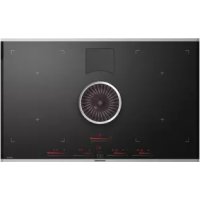



| Brand | Grundig |
| Model | GIEH 824470 X |
| Product type | Cooker with induction hob and integrated hood |
| Cooking type | Induction |
| Number of cooking zones | 4 zones (including bridgeable zones) |
| Power levels | 9 levels + Booster (P) |
| Special functions | Booster, Bridge, Temperature manager, Automatic heating, Pause, Resume, Timer, Child lock |
| Integrated hood | Yes, with ventilation (extraction or recirculation) |
| Number of hood speeds | 10 speeds |
| Automatic hood function (Hob2Hood) | Yes |
| Filter type | Washable metal grease filter and regenerable ceramic activated carbon filters |
| Electrical supply | Single-phase or three-phase, cable H05V2V2-F, max power 7.2 kW (adjustable) |
| Rated voltage | See rating plate (usually 230 V) |
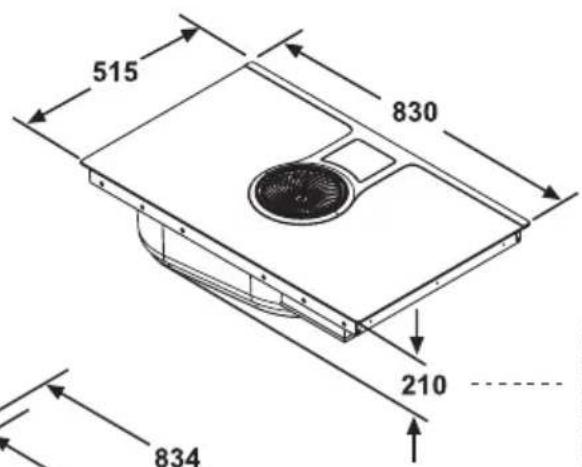
| Approximate dimensions (W x D) | Approximately 80 x 52 cm (to be confirmed in manual) |
| Recommended worktop thickness | 2-6 cm for flush installation, 2.5-6 cm for built-in |
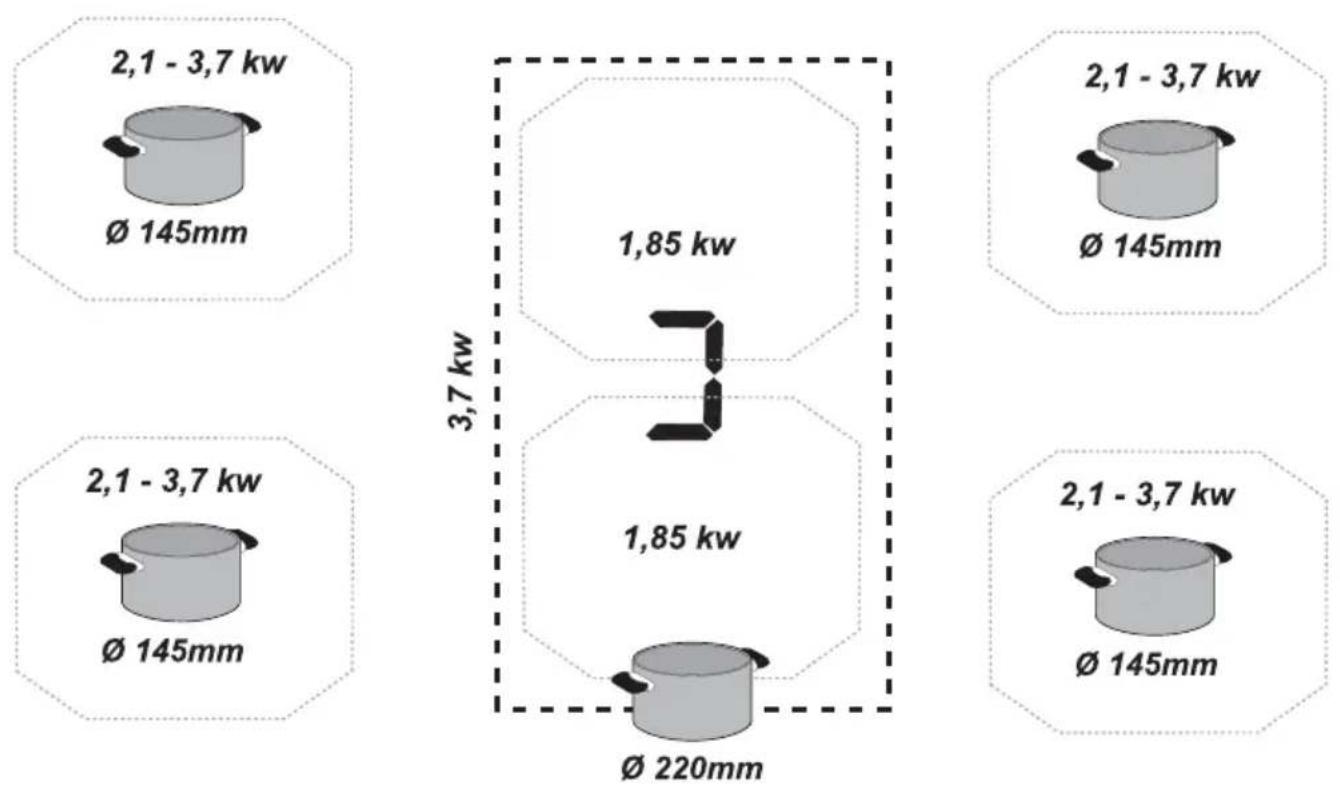
| Minimum pan diameter | See illustrated manual (depends on zone) |
| Residual heat indicator | Yes, displays 'H' |
| Child lock | Yes, key lock + L function |
| Automatic safety shut-off | Yes, duration depends on power level |
| Hob cleaning | Soft cloth, special products, no steam or abrasives |
| Grease filter maintenance | Monthly cleaning (manual or dishwasher low temperature) |
| Charcoal filter maintenance | Regeneration every 2-3 months at 200°C for 45 min, max lifespan 5 years |
| Country of origin | Not specified |
Frequently Asked Questions - GIEH 824470 X GRUNDIG
User questions about GIEH 824470 X GRUNDIG
0 question about this device. Answer the ones you know or ask your own.
Ask a new question about this device
Download the instructions for your Cooker in PDF format for free! Find your manual GIEH 824470 X - GRUNDIG and take your electronic device back in hand. On this page are published all the documents necessary for the use of your device. GIEH 824470 X by GRUNDIG.
USER MANUAL GIEH 824470 X GRUNDIG
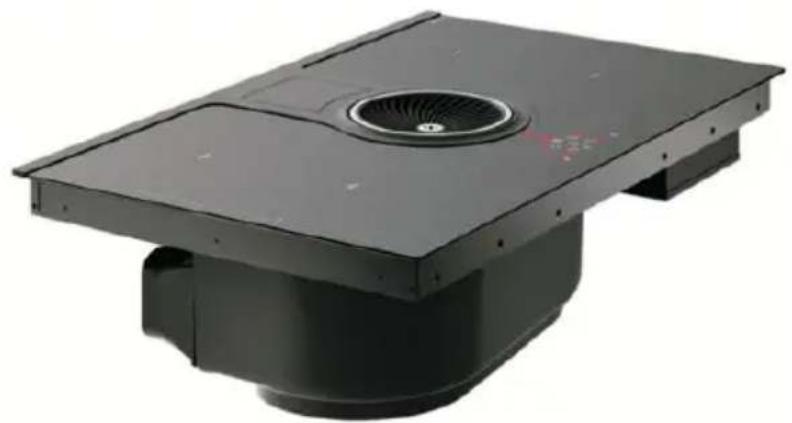
Induction Air System
USER INSTRUCTIONS
GIEH 824470 X
ENG
DE
DA NO SV FI
PL CS SK IT FR RO

ENGLISH 48-71
DEUTSCH 72-100
DANSK 101-125
NORSK 126-149
SVENSKA 150-173
SUOMI 174-197
POLSKI 198-224
ČESKY 225-248
SLOVAK 249-272
ITALY 273-296
FRENCH 297-321
ROMANIAN 322-349

![graph TD A[".a"] --> B["380V-415V ~ 50Hz/60Hz"] B --> C["2N~"] C --> D["OK!"] E["OPTIONAL CONNECTION"] --> F["220V-240V ~ 50Hz/60Hz"] F --> G[".b"] H["OPTIONAL CONNECTION"] --> I["380V-415V ~ 50Hz/60Hz"] I --> J["3N~"] J --> K[".c"]](/content/2026/03/532675/images/dd6e8a05e9a7bb049bca3d67544c7311072798643b4a1968599a5cb96ac91061.jpg)
3
380V-415V ~ 2N~ 50Hz/60Hz
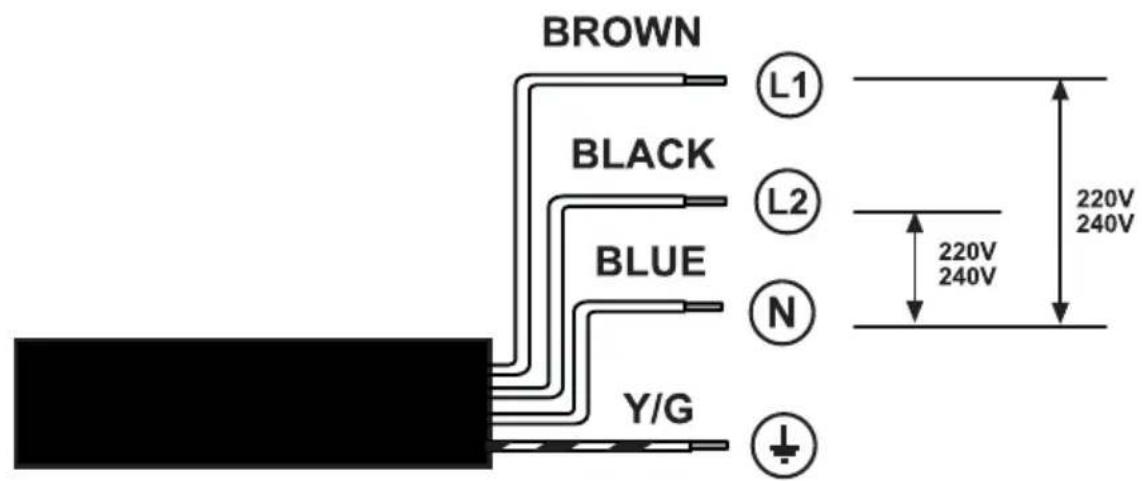
.a
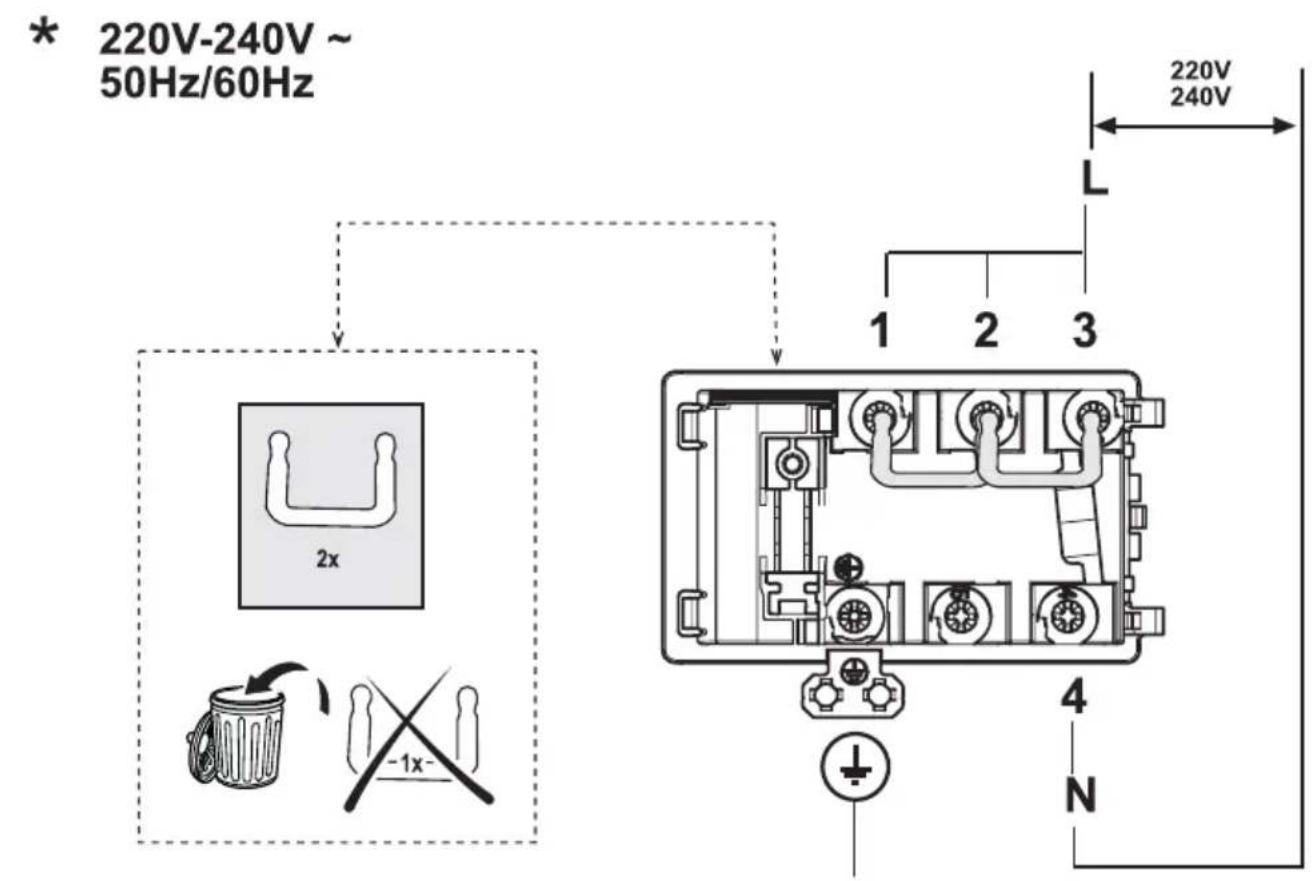
.b
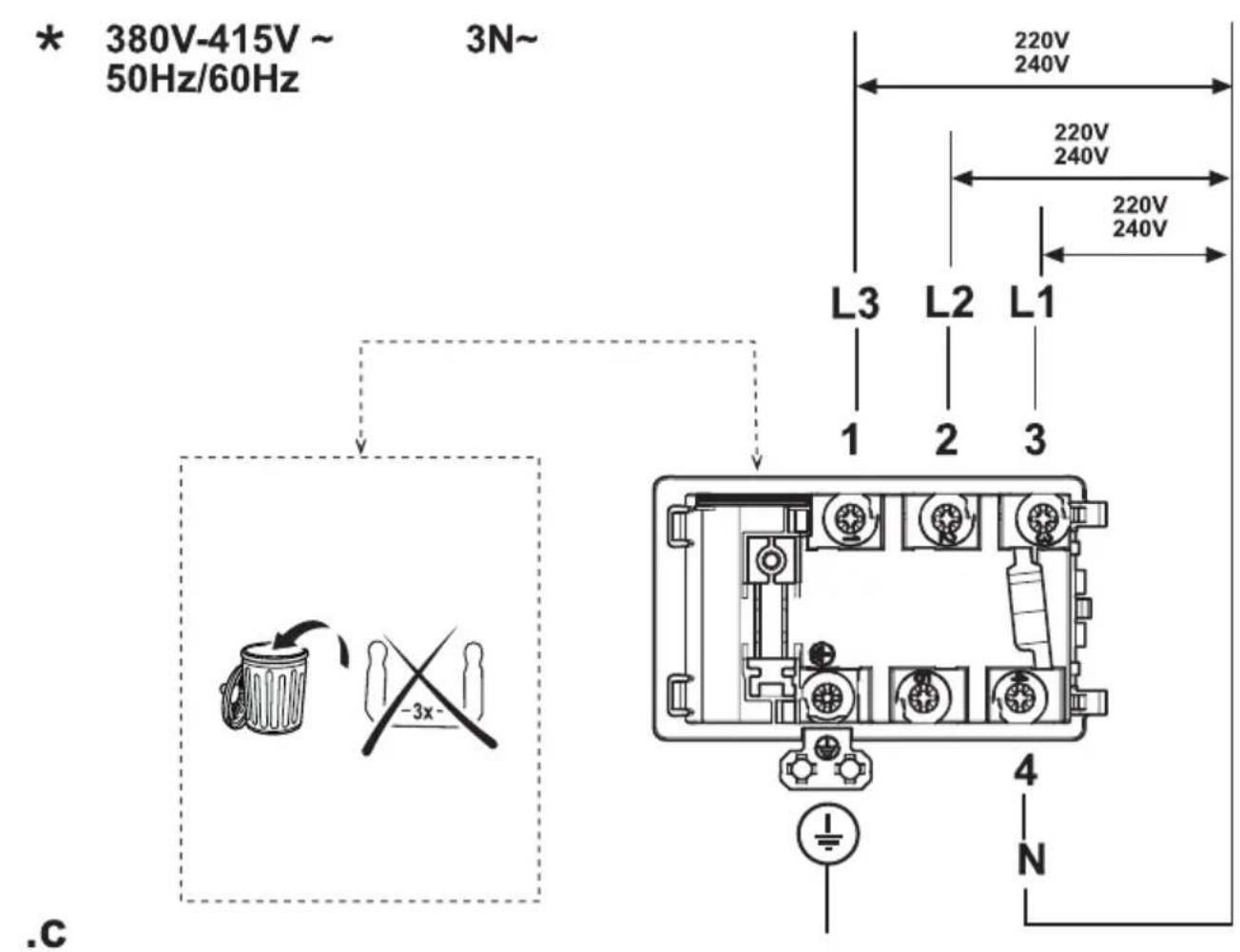
![graph TD A["Component 1: Magnified Ring"] --> B{Rotation} B --> C["Component 2: Component 1"] C --> D["Component 3: Component 2"] D --> E["Component 4: Component 3"] E --> F["Component 5: Component 4"] F --> G["Component 6: Component 5"] G --> H["Component 7: Component 6"] H --> I["Component 8: Comp…](/content/2026/03/532675/images/b1902f5784ccb49a91b63db1ab8d01104d79d029ddec844151bb046ddc9e4588.jpg)

7a.2
7a.3
![graph TD A["Step ②: Initial component"] --> B["Step ③: Breaker or part"] B --> C["Step ④: Cut or end"] C --> D["Step ⑤: Final assembly or completion"] D --> E["Step ⑥: Final product or part"]](/content/2026/03/532675/images/b039721ec1c5cd8d20d7755403049991678ac474b438f7553095f0734a2fe095.jpg)
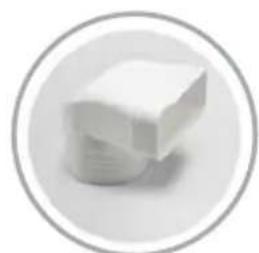
227x94 - ∅146mm
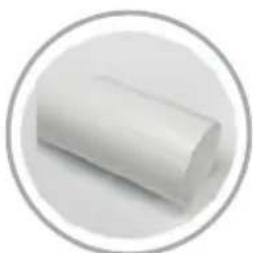
∅150x500mm
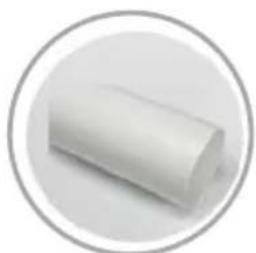
∅150x1000mm
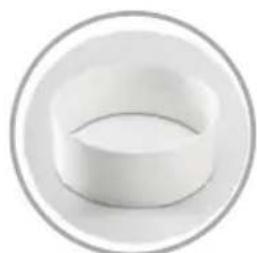
∅158x59mm
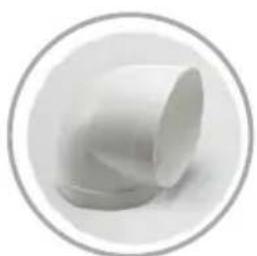
90°
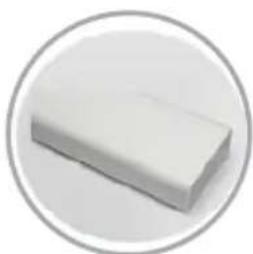
222x89x1000mm

227x94x80mm
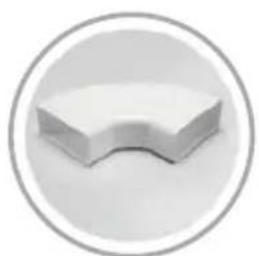
90° 227x288x94mm
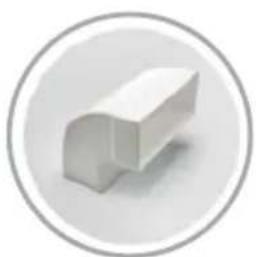
90° 227×94mm
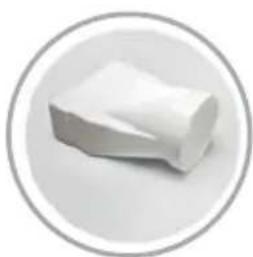
227x94 - ∅153mm
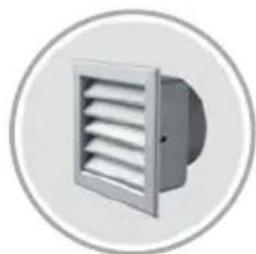
190x190 - ∅147mm
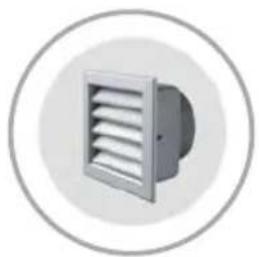
INT 216X82mm EXT 290X160mm
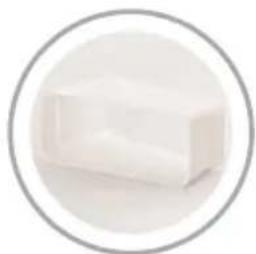
15° - 227x94mm
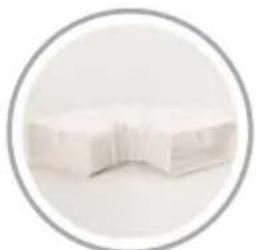
227×94mm
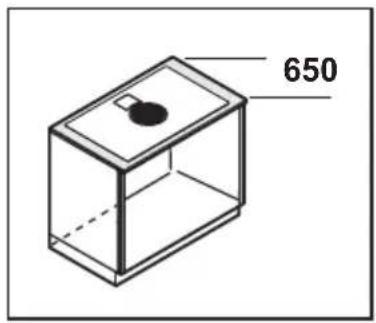
9a.1.2
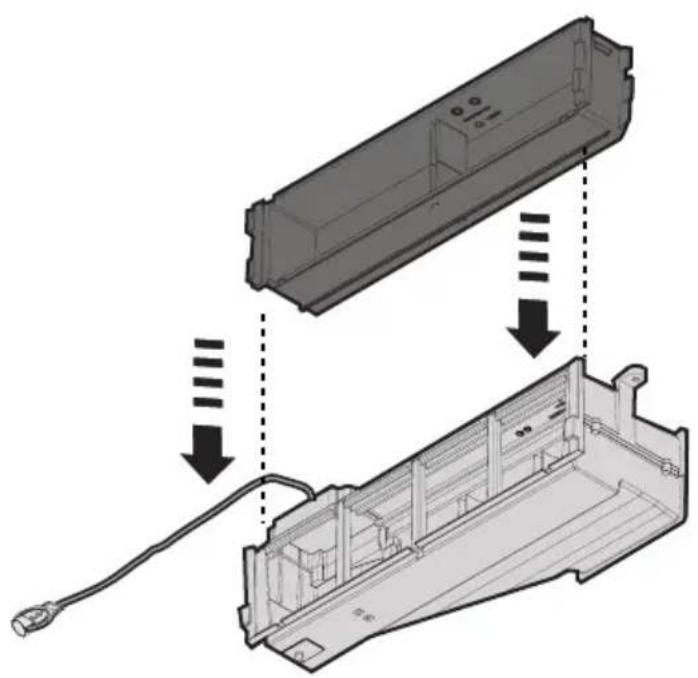
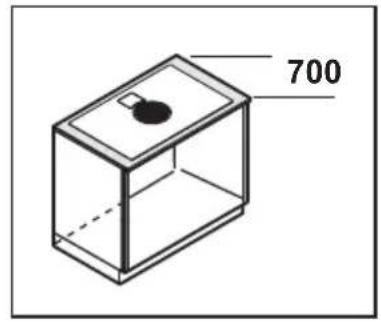
9a.1.3
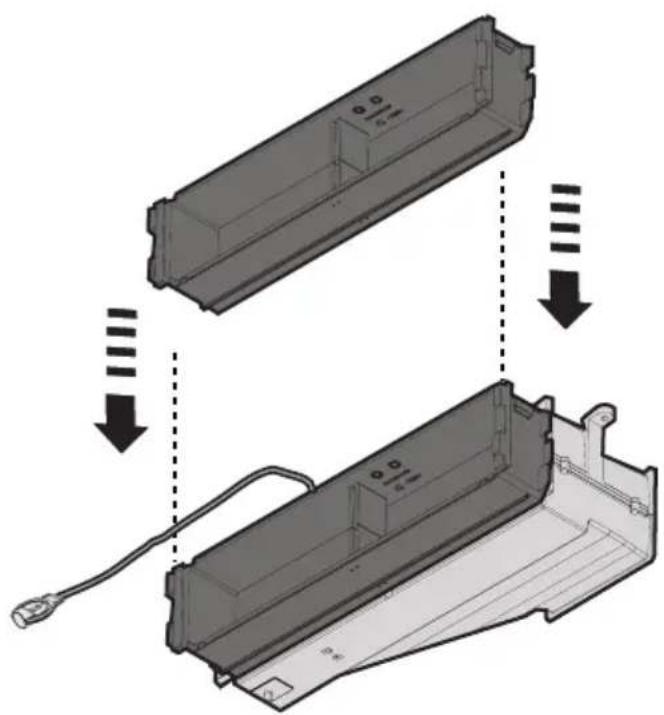
9.2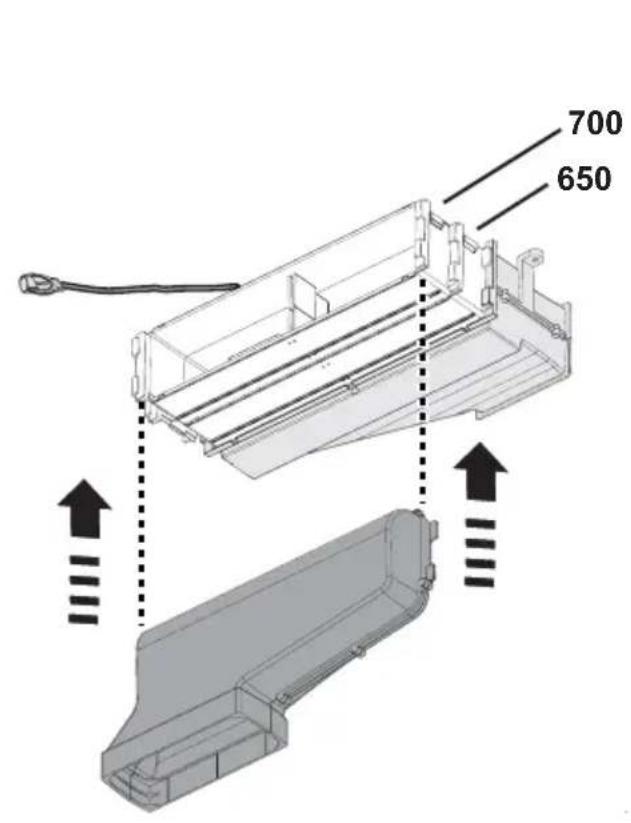

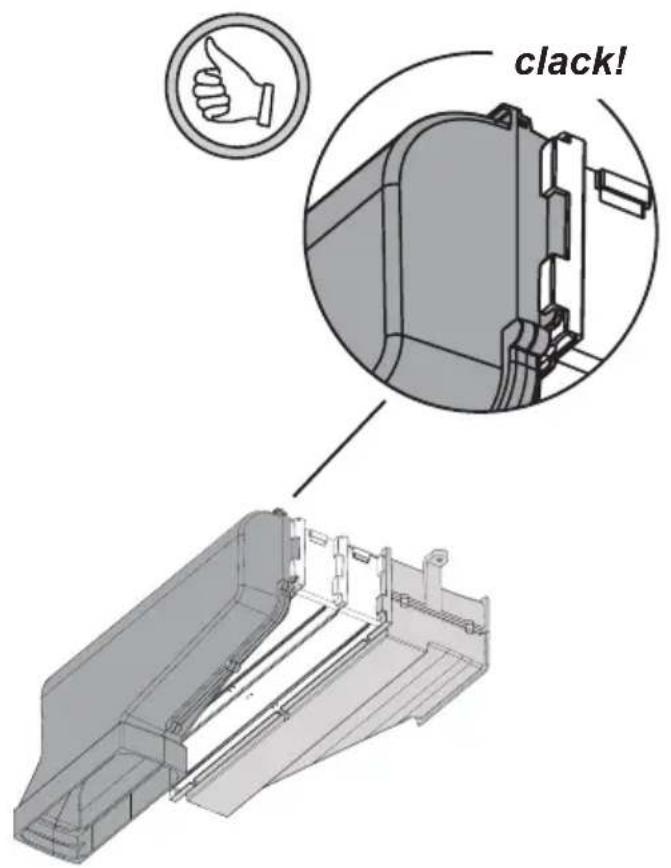
9.3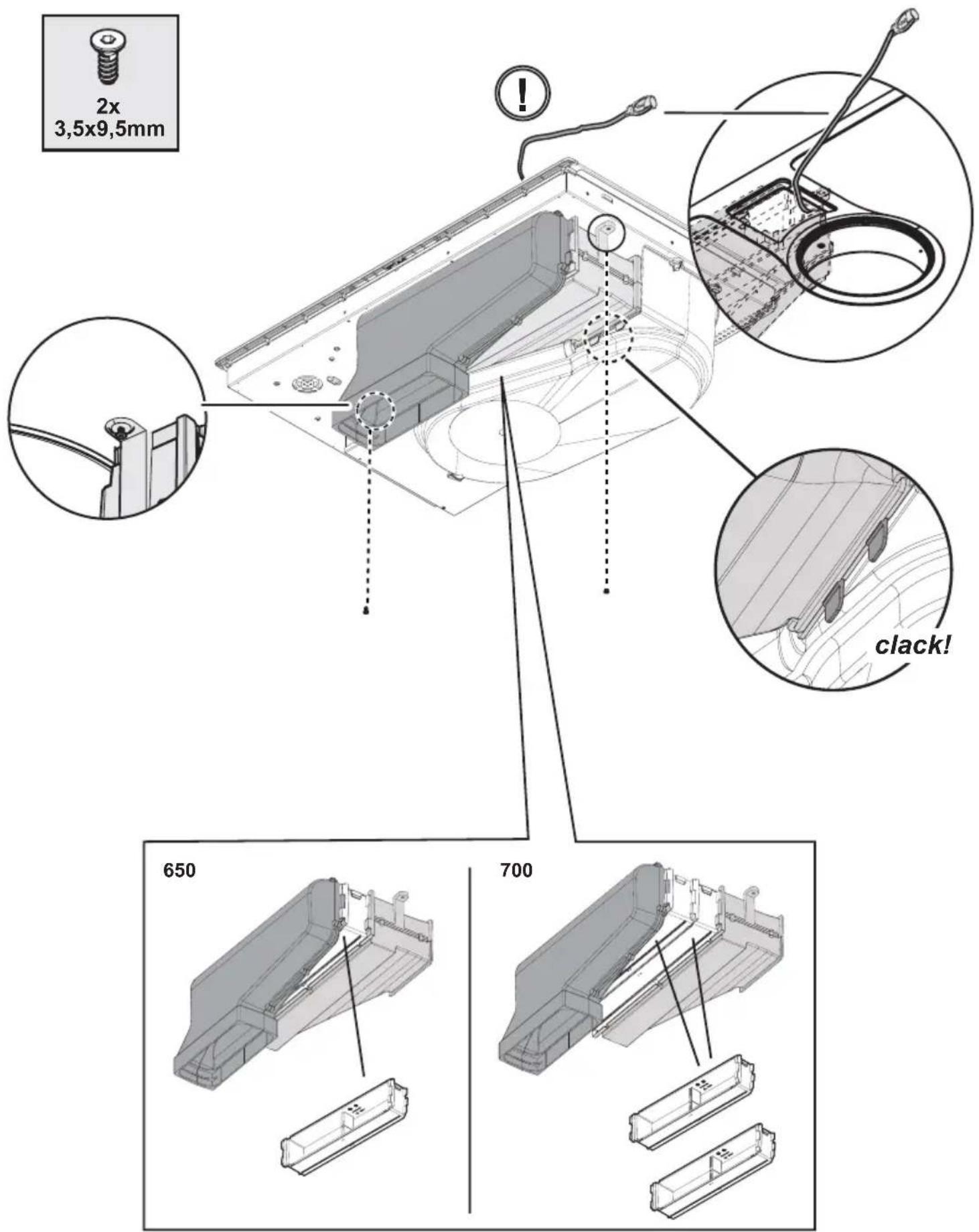

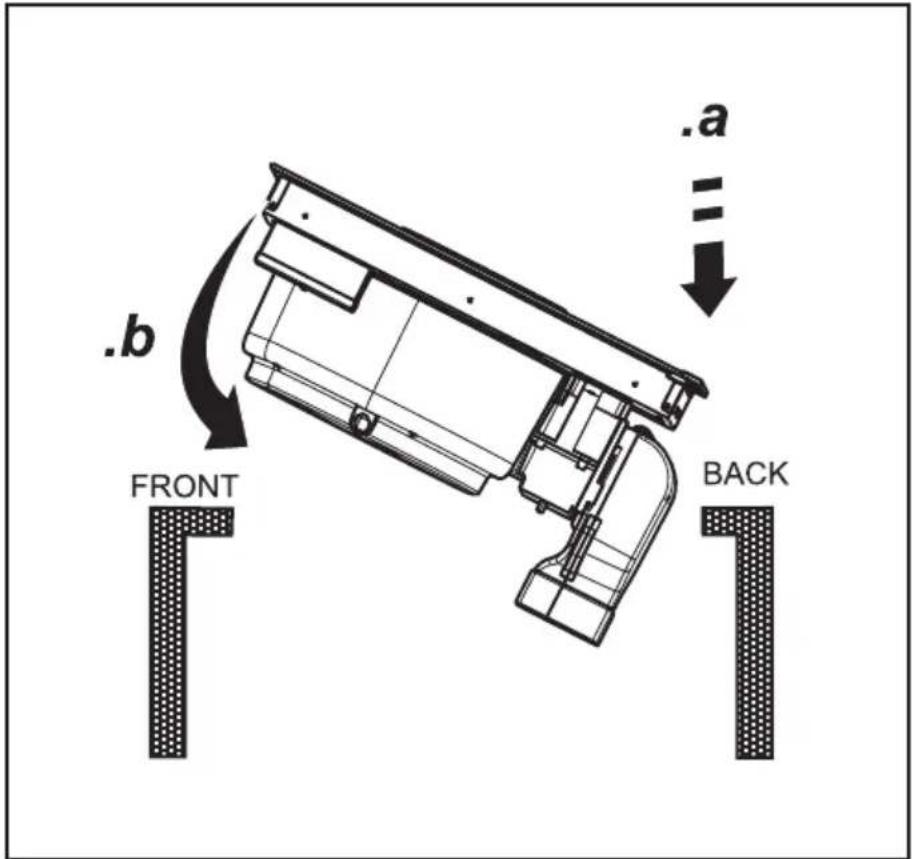
9.4
9.5
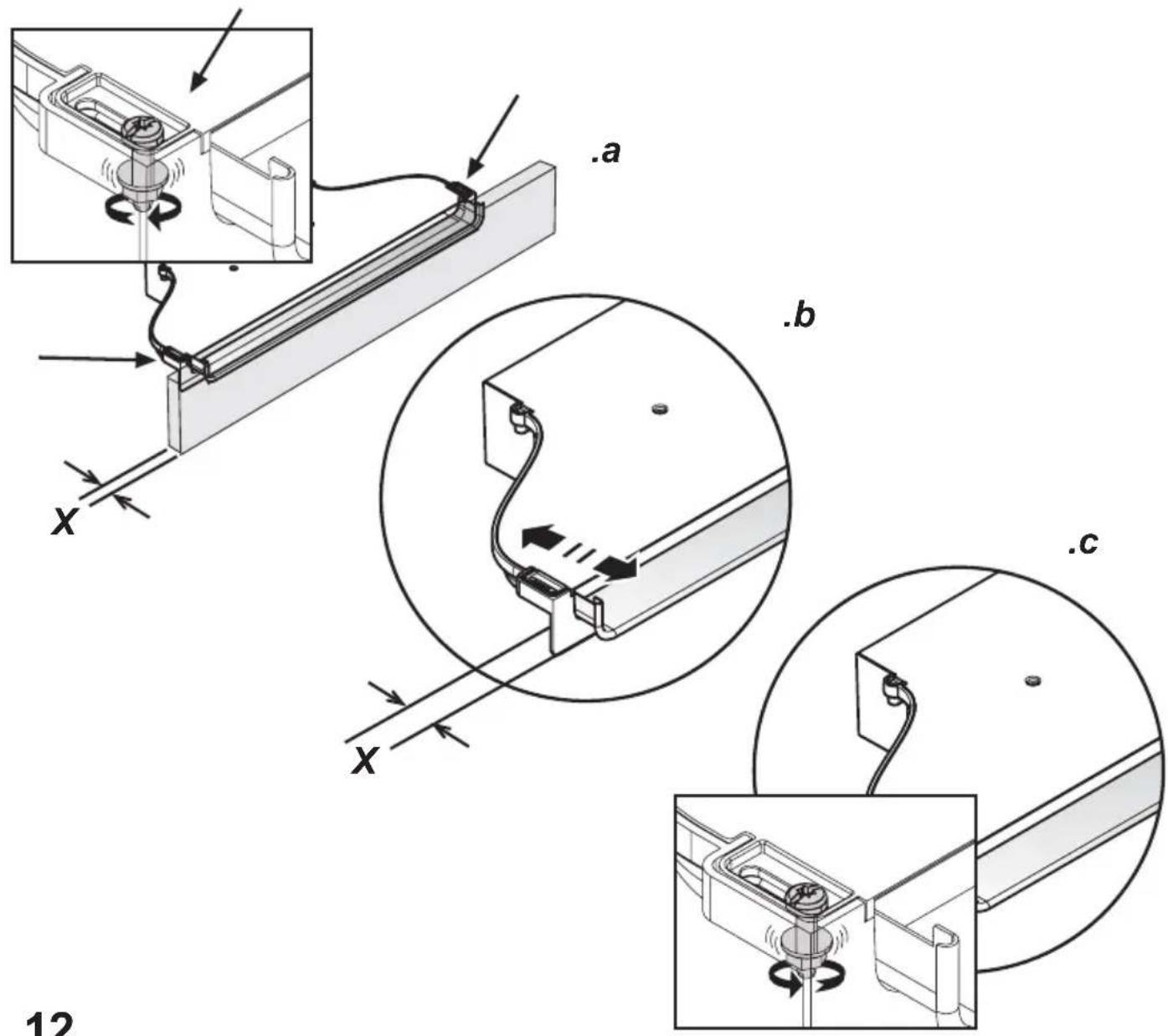
12
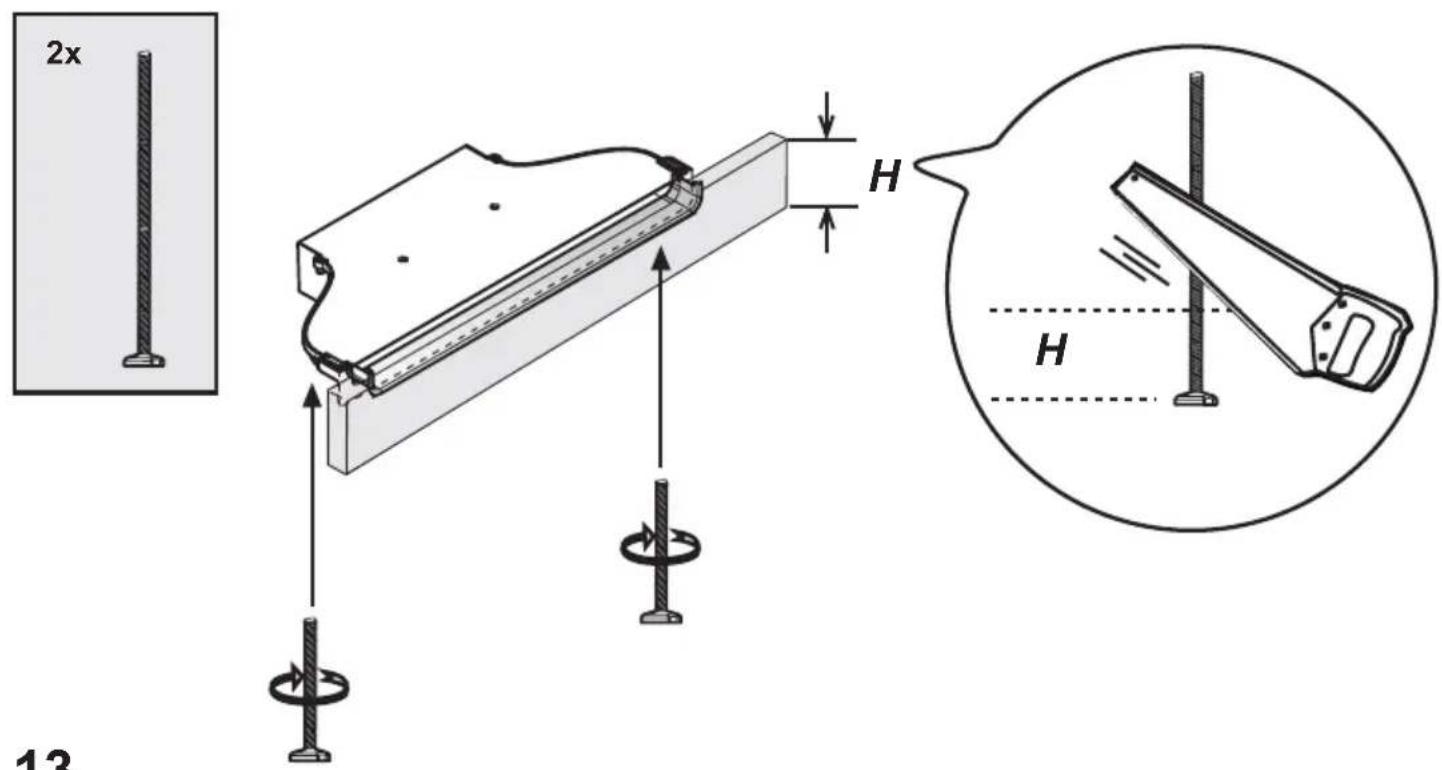
13
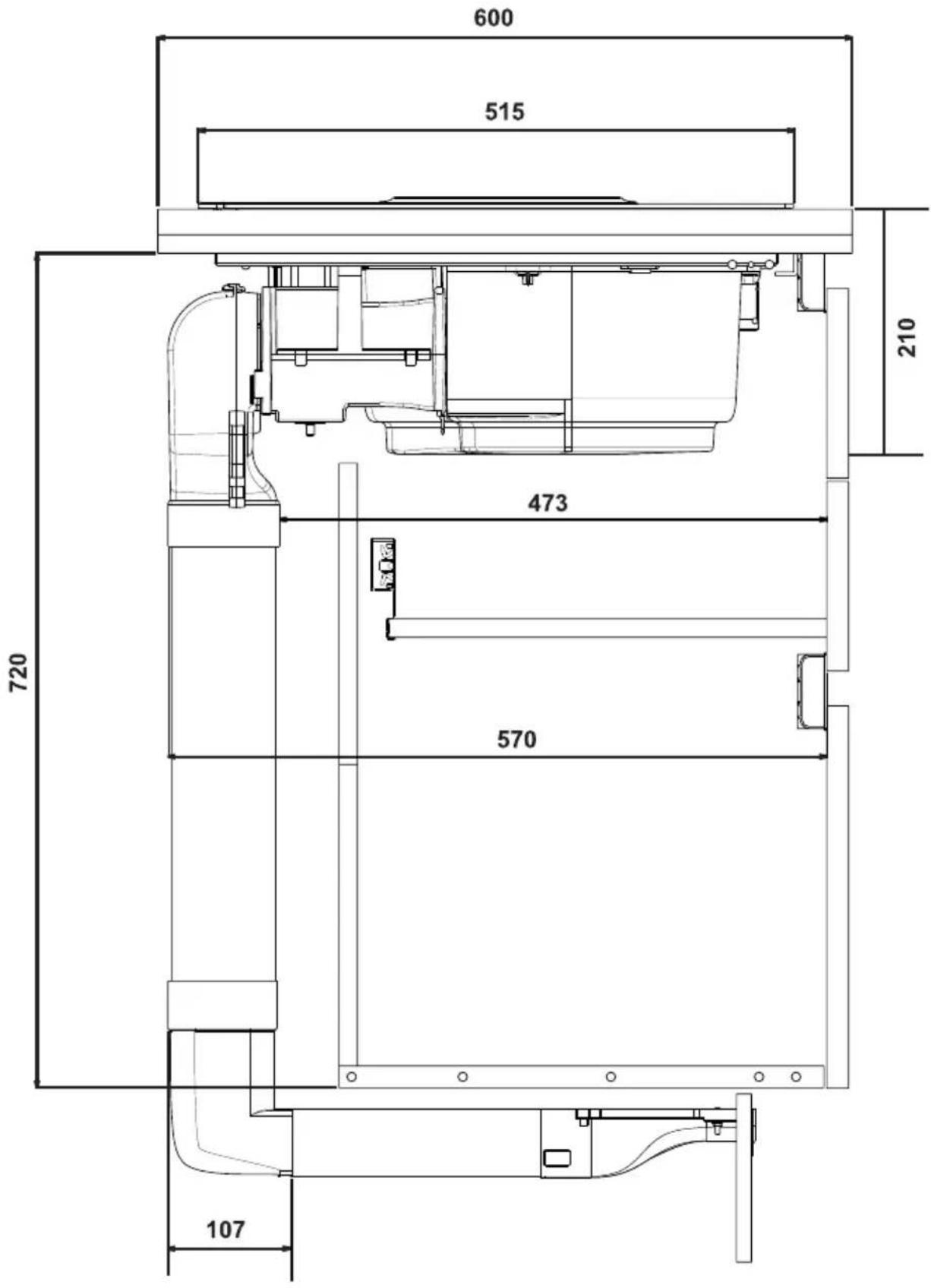
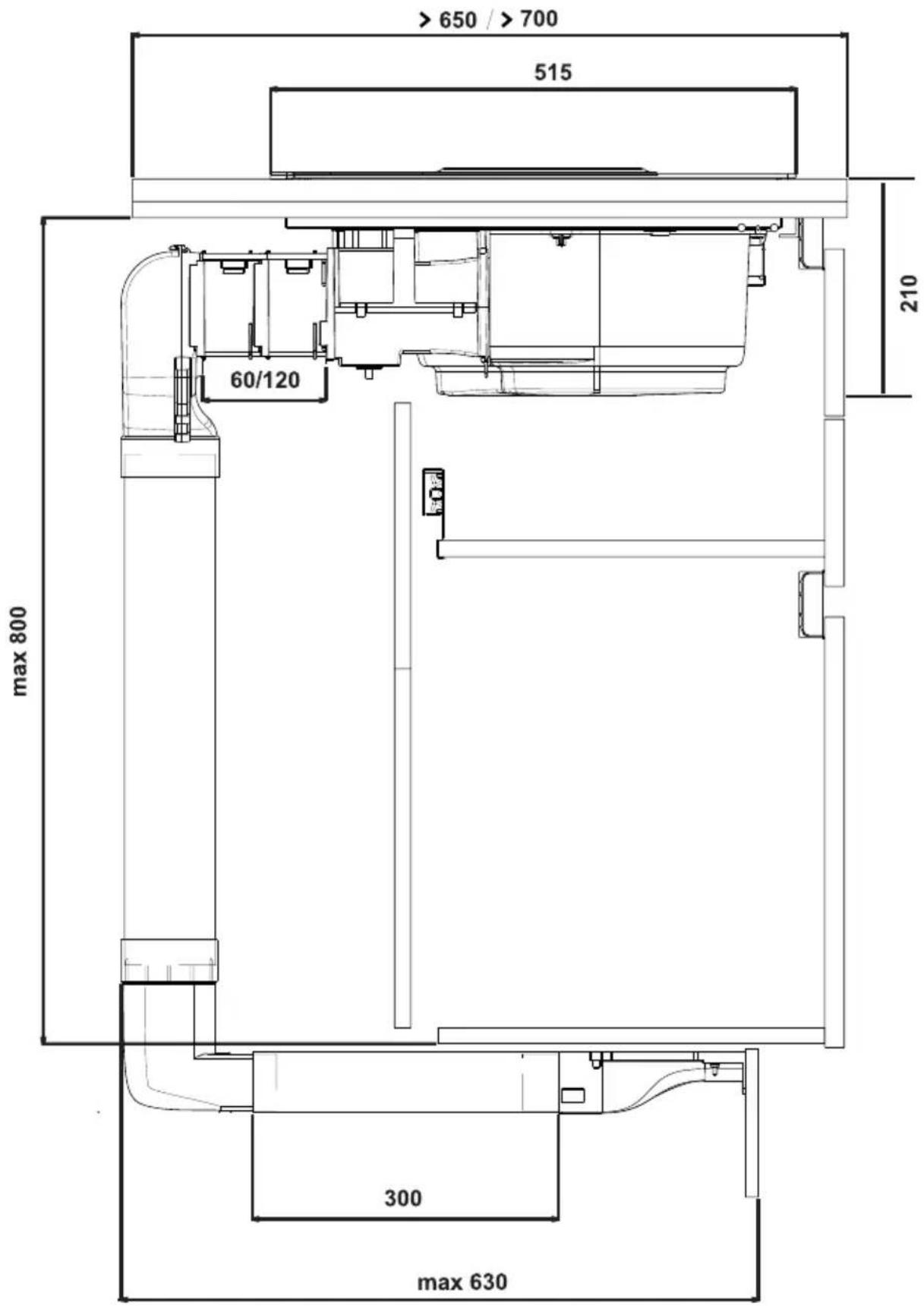
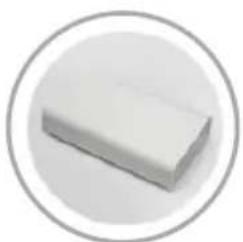
218 x 55 x 500 mm
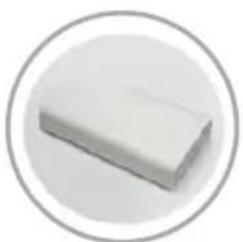
218 x 55 x 1000 mm
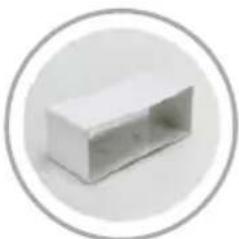
218 x 55 x 70 mm
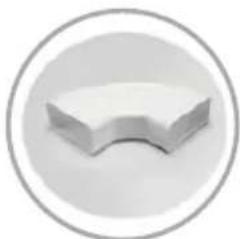
90° 218 x 55 mm
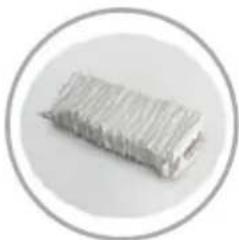
218 x 55 mm
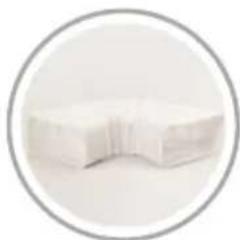
227 x 94 mm
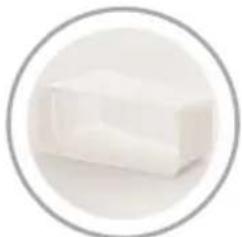
15° - 227 x 94 mm
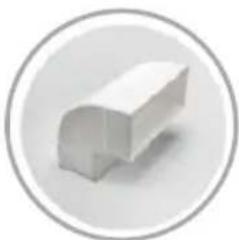
90° 227 x 94 mm
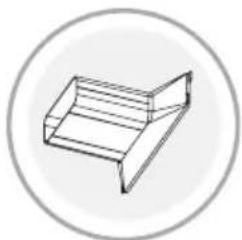
15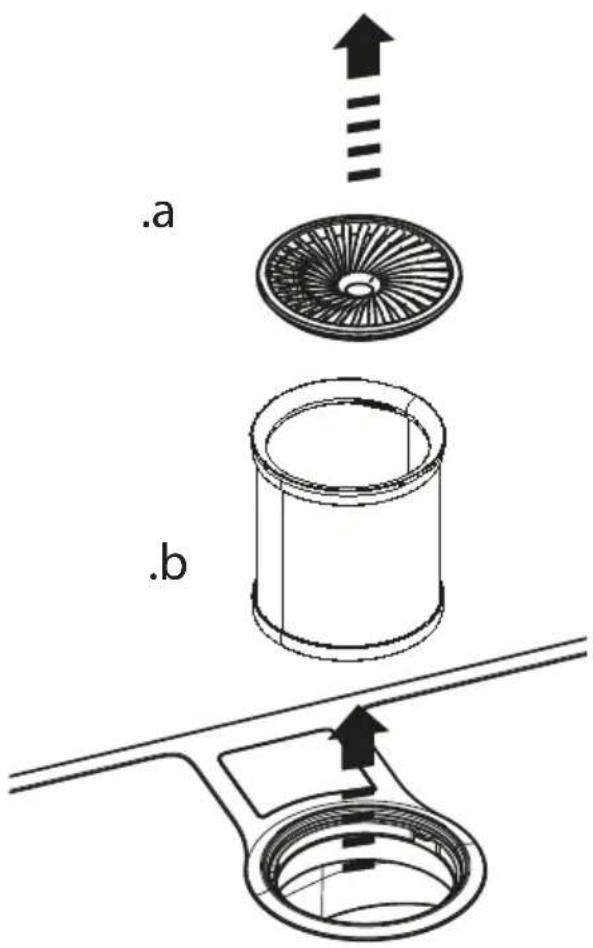

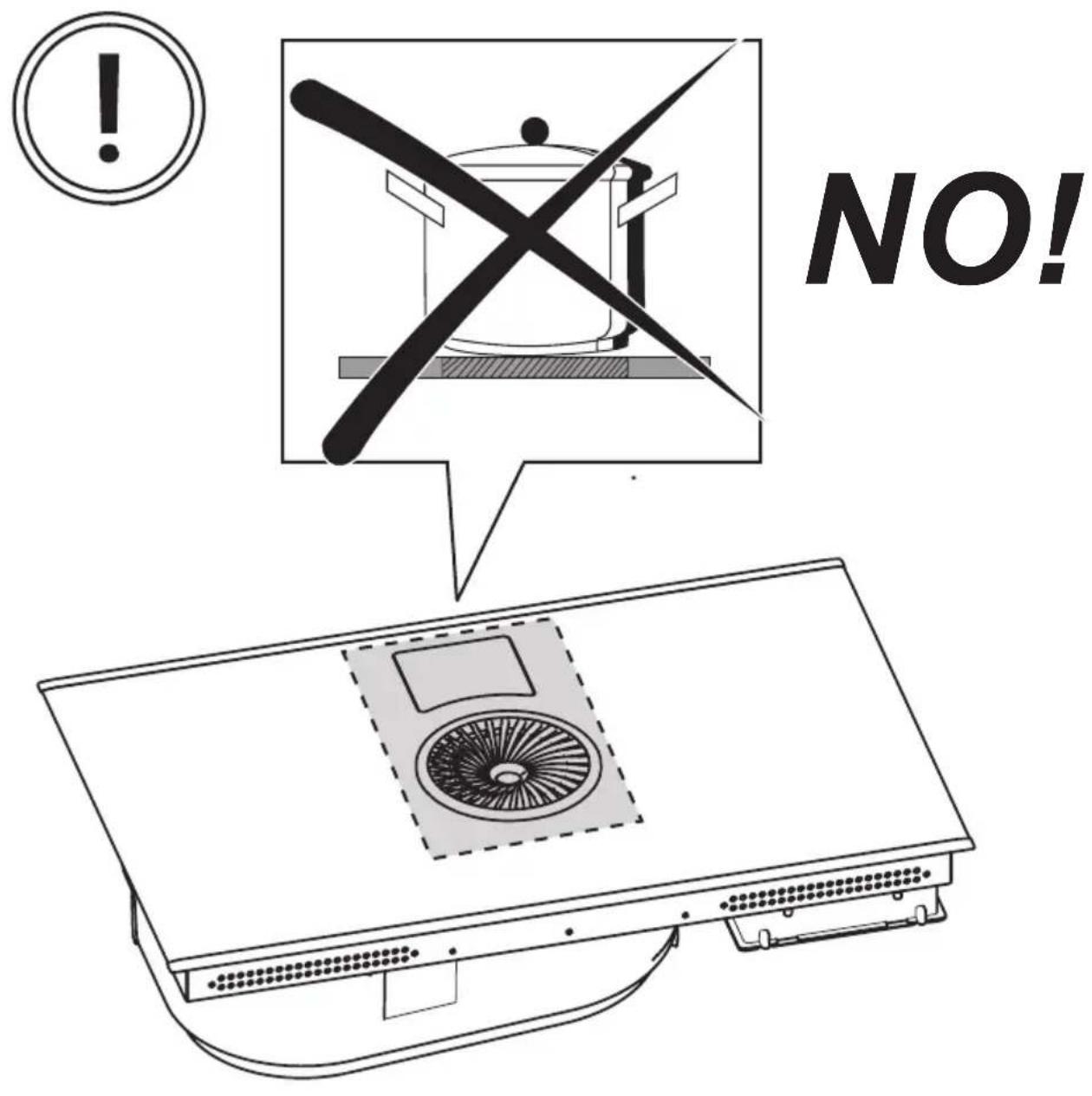
Important instructions for safety and environment
Strictly observe the instructions in this manual. No liability will be assumed for any problems, damage or fires caused by failure to comply with the instructions in this manual. The device is intended for domestic use only, to cook food and extract the fumes generated by cooking. No other use is allowed (e.g. heating rooms). The manufacturer declines any liability for inappropriate use or incorrect setting of the controls.
- Caution! Strictly observe the following instructions:
- The device must be disconnected from the electrical network before performing any installation work.
- Installation or maintenance must be performed by a qualified technician, in compliance with the manufacturer's instructions and with local safety regulations.
Do not repair or replace any part of the device unless specifically stated in the operating manual.
- Earthing the device is compulsory.
- The power cable must be long enough to allow the device, built-in to the cabinet, to be connected to the electrical network.
- In order to ensure the installation complies with current safety standards, a regular omnipolar switch is required that assures the complete disconnection of the mains under category III over-voltage conditions, in accordance with the installation rules.
- Do not use multiple sockets or extension cords.
- Once installation is complete, the electrical components must no longer be accessible by the user.
- The device and its accessible parts heat up during use. Be careful not to touch the heating elements.
Important instructions for safety and environment
- Ensure that children do not play with the device; keep children away and supervise them, as the accessible parts may become very hot during use. If the surface is cracked, switch off the device to avoid the possibility of an electric shock.
- Switch off the device to avoid the possibility of an electric shock.
- The device is not intended to be run with an external
- For people with pacemakers and active implants, it is important to check, prior to using the induction hob, that their pacemaker is compatible with the device. Unattended cooking on a hob with oil or fat may be dangerous and may cause a fire.
- During and after use, do not touch the heating elements of the device.
- The cooking process must be supervised. A short-term cooking process must be constantly monitored.
- Avoid contact with cloth or other flammable materials until all the device components have sufficiently cooled.
- Do not place flammable materials on or near the device. Fire hazard: do not rest objects on the cooking surfaces, for example with a lid or a fire blanket.
- Overheated fats and oils easily catch fire. Supervise the cooking of foods rich in fat and oil.
- Do not use steam cleaners.
Important instructions for safety and environment
- Do not place metal objects such as knives, forks, spoons and lids on the hob surface as they may overheat.
- Before connecting the device to the electrical network: check the data plate (on the bottom of the device) to ensure that the voltage and power correspond to the network values and that the connection socket is suitable. If in doubt, consult a qualified electrician.
- WARNING: After use, switch off the hob from its control device and do not rely on the pot detector.
- Avoid spills; when boiling or heating liquids, lower the heat supply.
- Do not leave the heating elements on with pots and pans empty or without containers.
- Once cooking is complete, turn off the relative zone.
Never use aluminium foil to cook with, and never directly place products packaged with aluminium on top of the cooking surface. The aluminium would melt and irreparably damage your device.
- Never heat a tin or a tin can containing foods without first opening it: it might explode! This warning also applies to all other types of hobs.
- A high power level such as the Booster function should not be used to heat certain liquids such as oil for frying. Excessive heat may be dangerous. In these cases we recommend the use of a lower power level. The containers must be placed directly on the hob and should be centred. Under no circumstances may anything be inserted between the pot and the hob.
Important instructions for safety and environment
- In high temperature situations, the device automatically decreases the power level of the cooking zones. Cleaning and maintenance must never be performed by children unless they are properly supervised.
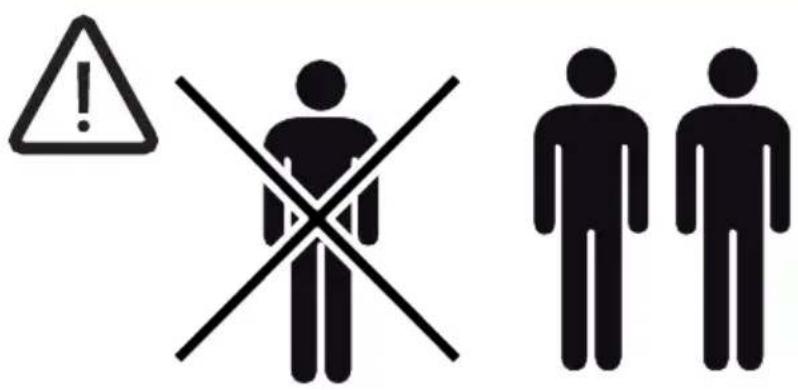
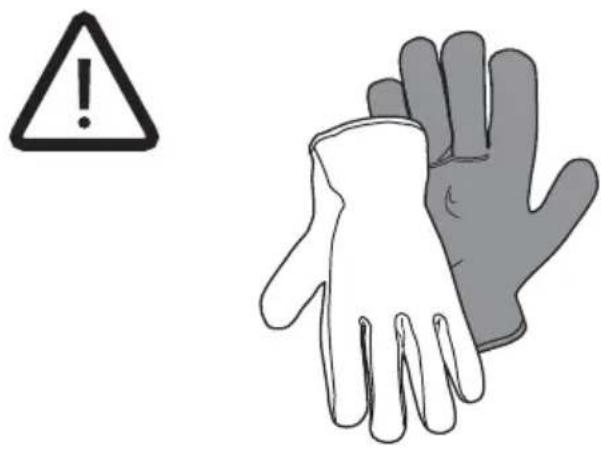
- Before performing any cleaning or maintenance, disconnect the product from the electrical network by detaching the plug or disconnecting the home's master switch. The room must be properly ventilated when the cooker hood is used at the same time as other combustion devices, gas or otherwise. The hood must be regularly cleaned both internally and externally (AT LEAST in strict accordance with the maintenance instructions). For all installation and maintenance operations, always use work gloves. The device can be used by children 8 years or older and by persons with physical, sensory or mental impairments, or by people without any experience or knowledge, unless they have been given supervision or instruction concerning use of the appliance in a safe way and understand the hazards involved. Failure to follow the rules for hood cleaning and filter replacement and cleaning shall result in a fire hazard.
It is strictly prohibited to flame food. The use of an open flame may damage the filters and cause a fire hazard; it must therefore be avoided under all circumstances.
Extra care must be taken when frying to prevent the oil from overheating and catching fire.
Children must be supervised to ensure they do not play with the device.
Important instructions for safety and environment
- Caution! When the hob is on, the accessible parts of the hood may become hot.
- Caution! Do not connect the device to the electrical network until installation is entirely complete.
- In regards to the technical and safety measures that must be adopted for fume extraction, regulations issued by local authorities must be strictly followed.
- The extracted air must not be conveyed through the same ducts used to extract the fumes generated by gas combustion or other types of combustion devices.
- Never use or leave the hood without properly installed light bulbs, so as to prevent the risk of an electric shock.
- Never use the hood unless the grill has been correctly assembled!
- Use only the fastening screws supplied with the product for its installation, or if not supplied, purchase the correct type of screws. Use screws with the right length, as indicated in the installation guide.
- When the cooker hood is used together with other devices powered with nonelectrical energy, the negative pressure of the room must not exceed 4 Pa (4 x 10⁻⁵ bar). • Device designed, tested and developed in compliance with regulations on:
- Safety: EN/IEC 60335-1; EN/IEC 60335-2-6, EN/IEC 60335-2-31, EN/IEC 62233. • Performance: EN/IEC 61591; ISO 5167-1; ISO 5167-3; ISO 5168; EN/IEC 60704-1; EN/IEC 60704-2-13; EN/IEC 60704-3; ISO 3741; EN 50564; IEC 62301.
Important instructions for safety and environment
• EMC: EN 55014-1; CISP 14-1; EN 55014-2; CISPR 14-2; EN/IEC 61000-3-3; EN/IEC 61000-3-12. Recommendations for correct use in order to reduce the impact on the environment: When starting to cook, turn on the hood at minimum speed and leave it on for a few minutes even after cooking is complete. Increase the speed only if there is a large amount of fumes and steam, using the Booster function only in extreme cases. To keep the odour reduction system running efficiently, replace the carbon filter/s when necessary.
- To ensure the high performance of the grease filter, clean it when necessary. To improve efficiency and minimise noise, use the maximum ducting diameter indicated in this manual.
Compliance with the WEEE Directive and Disposing of the Waste Product:
This product complies with EU WEEE Directive (2012/19/EU). This product bears a classification symbol for waste electrical and electronic equipment (WEEE).
This symbol indicates that this product shall not be disposed with other household wastes at the end of its service life. Used device must be returned to official collection point for recycling of electrical and electronic devices. To find these collection systems please contact to your local authorities or retailer where the product was purchased. Each household performs important role in recovering and recycling of old appliance. Appropriate disposal of used appliance helps prevent potential negative consequences for the environment and human health.
Compliance with RoHS Directive
The product you have purchased complies with EU RoHS Directive (2015/863/EU). It does not contain harmful and prohibited materials specified in the Directive.
Package information

Packaging materials of the product are manufactured from recyclable materials in accordance with our National Environment Regulations. Do not dispose of the packaging materials together with the domestic or other wastes. Take them to the packaging material collection points designated by the local authorities.
Use
The induction cooking system is based on the physical phenomenon of magnetic induction. The main characteristic of this system is the direct transfer of energy from the generator to the pot.
Advantages: When compared to electric hobs, your induction hob is:
- Safer: lower temperature on the glass surface.
- Faster: shorter food heating times.
- More accurate: the hob immediately reacts to your commands • More efficient: 90% of the ab
sorbed energy is transformed into heat. Moreover, once the pot is removed from the hob, heat transmission is immediately interrupted, avoiding unnecessary heat losses.
2.1 Cooking containers

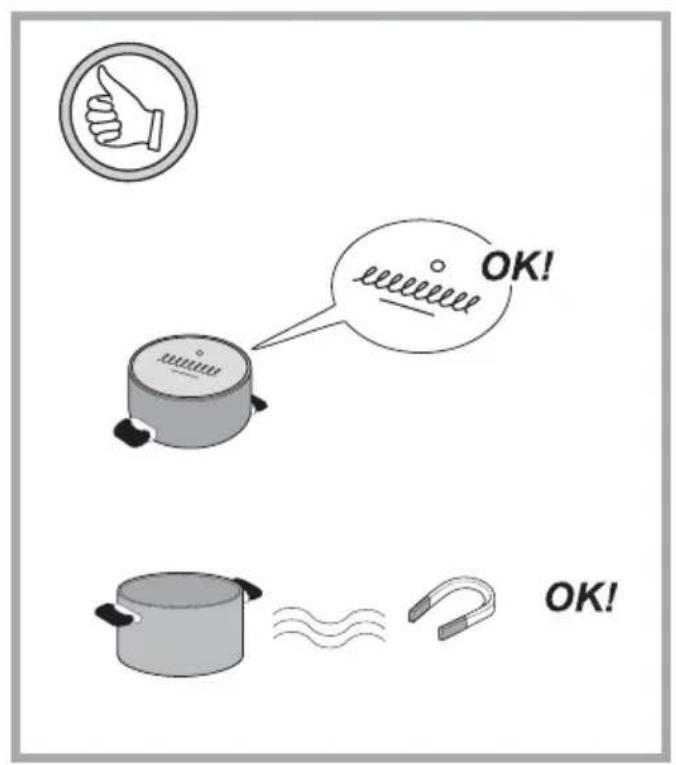
Use only pots bearing the ol
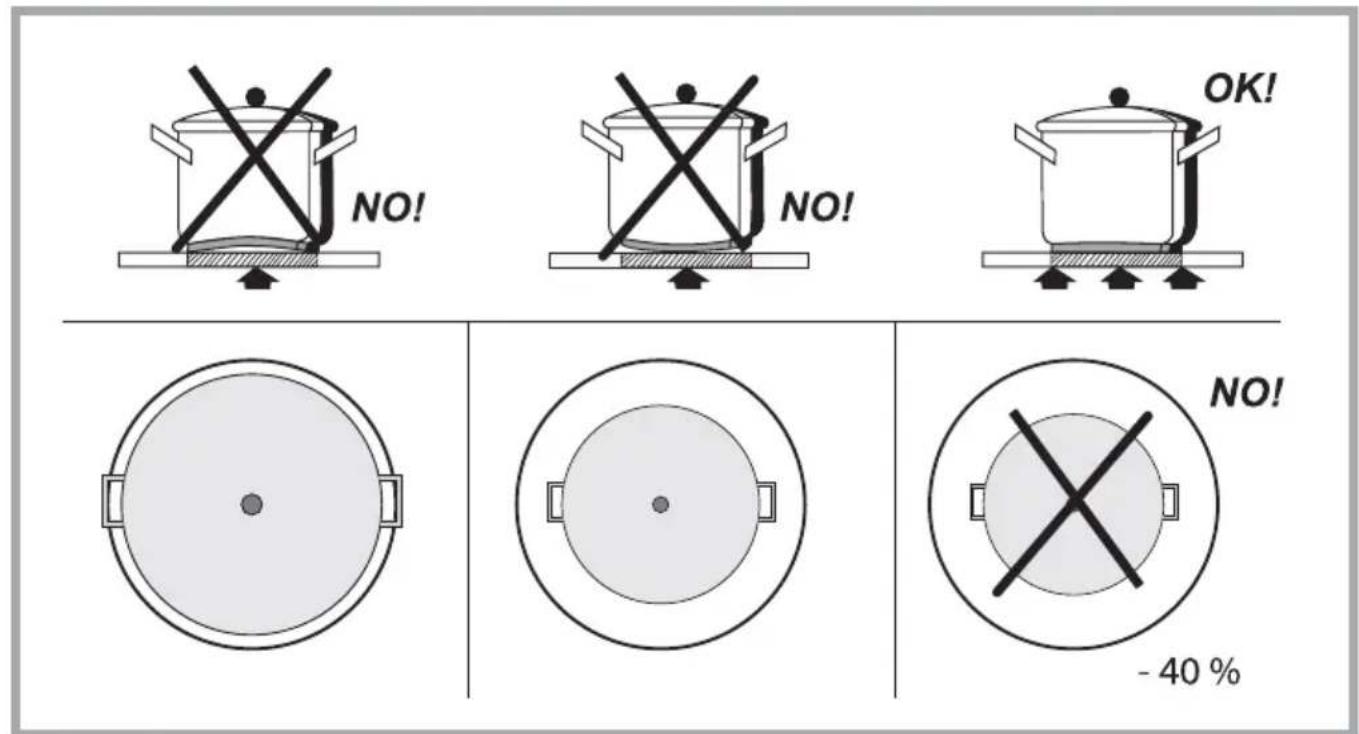
Important: to avoid permanent damage to the hob surface, do not use:
—containers with less than perfectly flat bottoms. -metal containers with enamelled bottoms. -containers with a rough base, to avoid scratching the hob surface. —never place hot pots and pans on the surface of the hob's control panel
2.1.1 Pre-existing containers
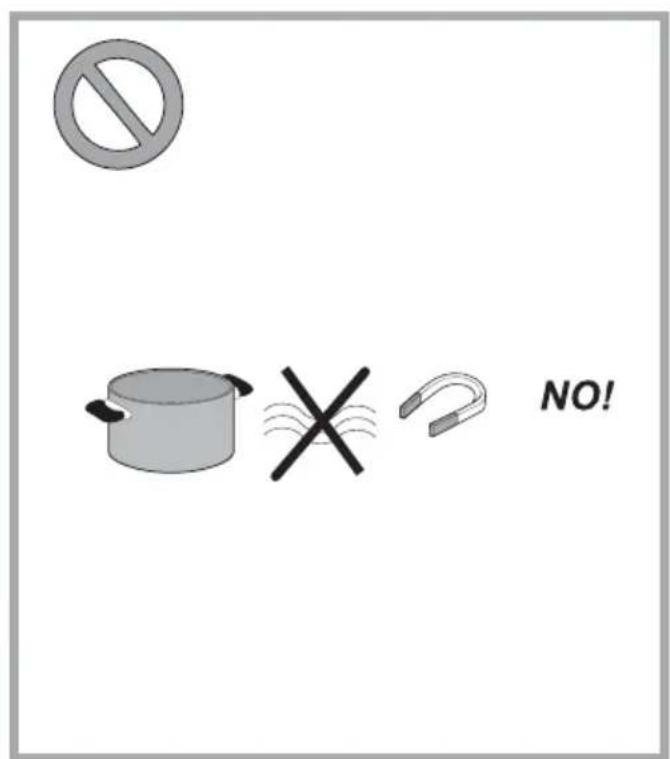
Induction cooking uses magnetism to generate heat. Containers must therefore contain iron. Check if the pot material is magnetic using a magnet. Pots are not suitable if they are not magnetically detectable.
2.1.2 Recommended pan bottom diameters
Important: If the pots are not correctly sized, the cooking zones will not turn on. For details of the mini-
mum pot diameter that needs to be used on each zone, see the illustrated part of this manual.
2.2 Energy saving
Recommendations for best results:
-Use pots and pans with a bottom diameter equal to that of the cooking zone. -Use only pots and pans with flat bottoms. -Where possible, keep the lid on pots during cooking -Cook vegetables, potatoes, etc. with a small amount of water to reduce cooking time. -Use a pressure cooker, it further reduces the energy consumption and cooking time —Place the pot in the centre of the cooking zone drawn on the hob.
Using the extractor fan
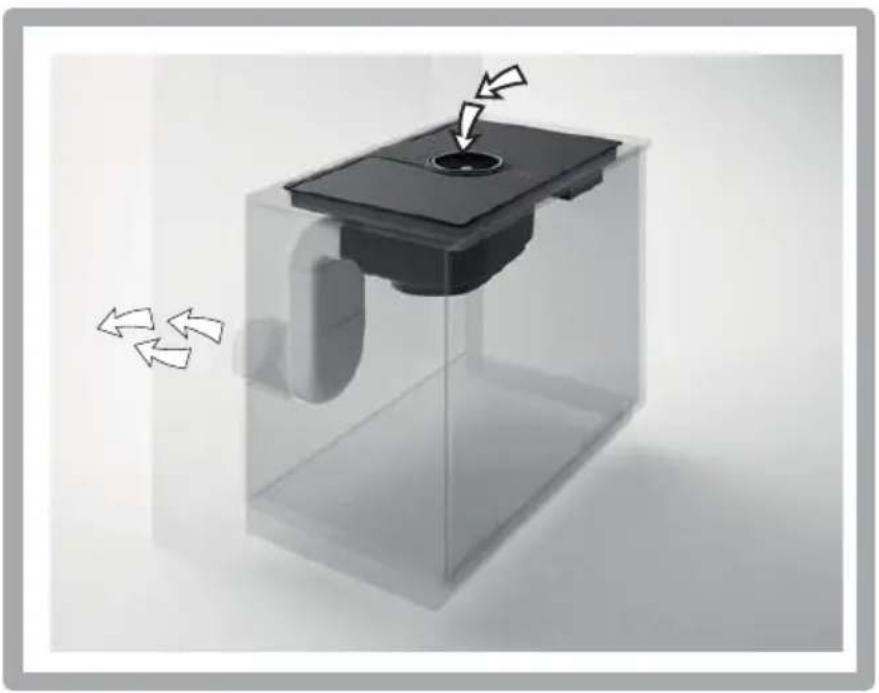
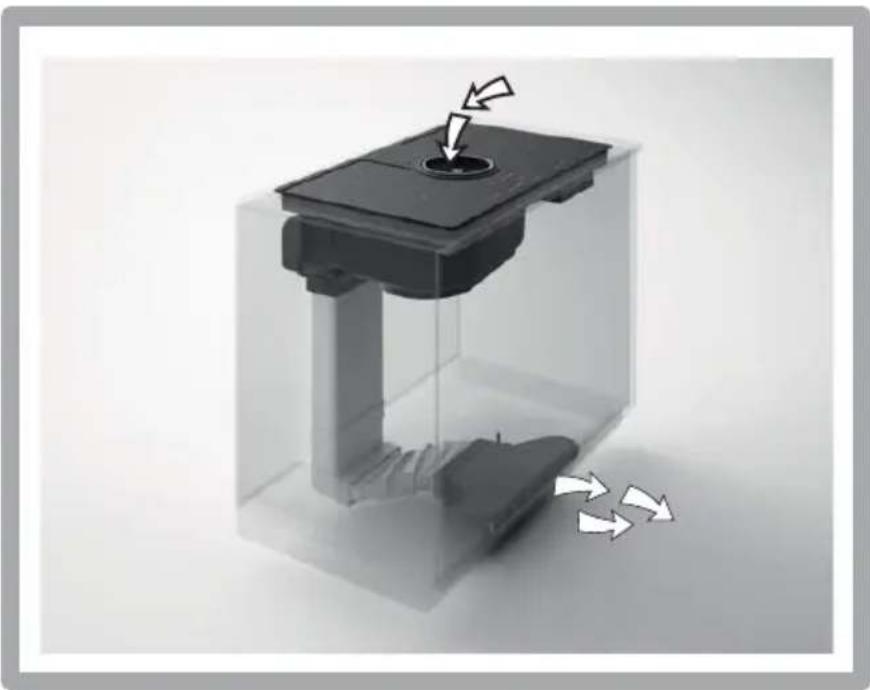
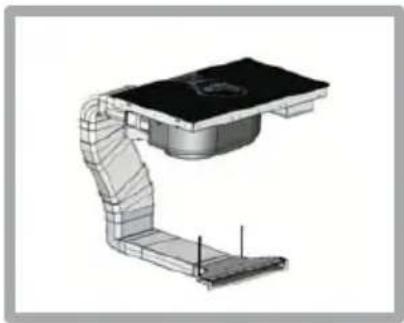
The extraction system can be used in two versions: external extraction and evacuation or as a filter with internal recirculation.
Use

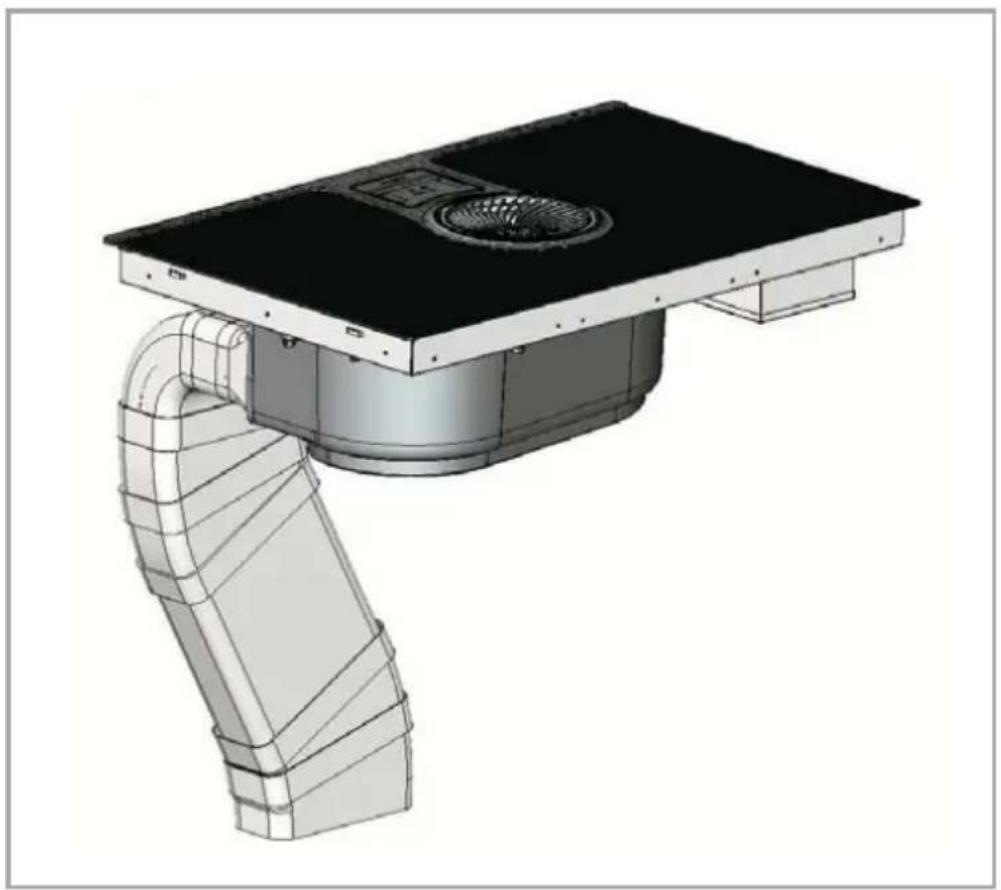
Extraction version
Fig.7
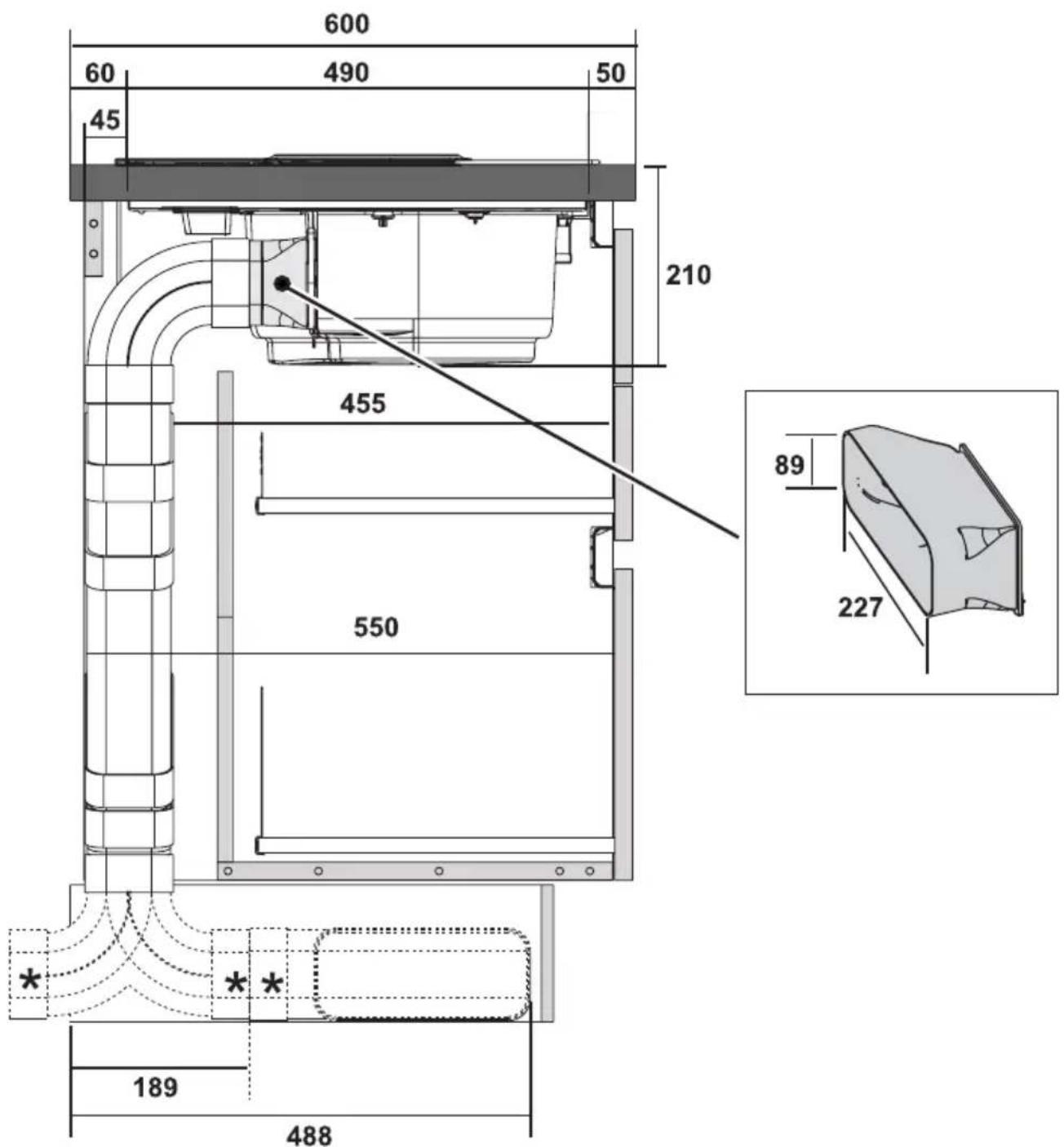
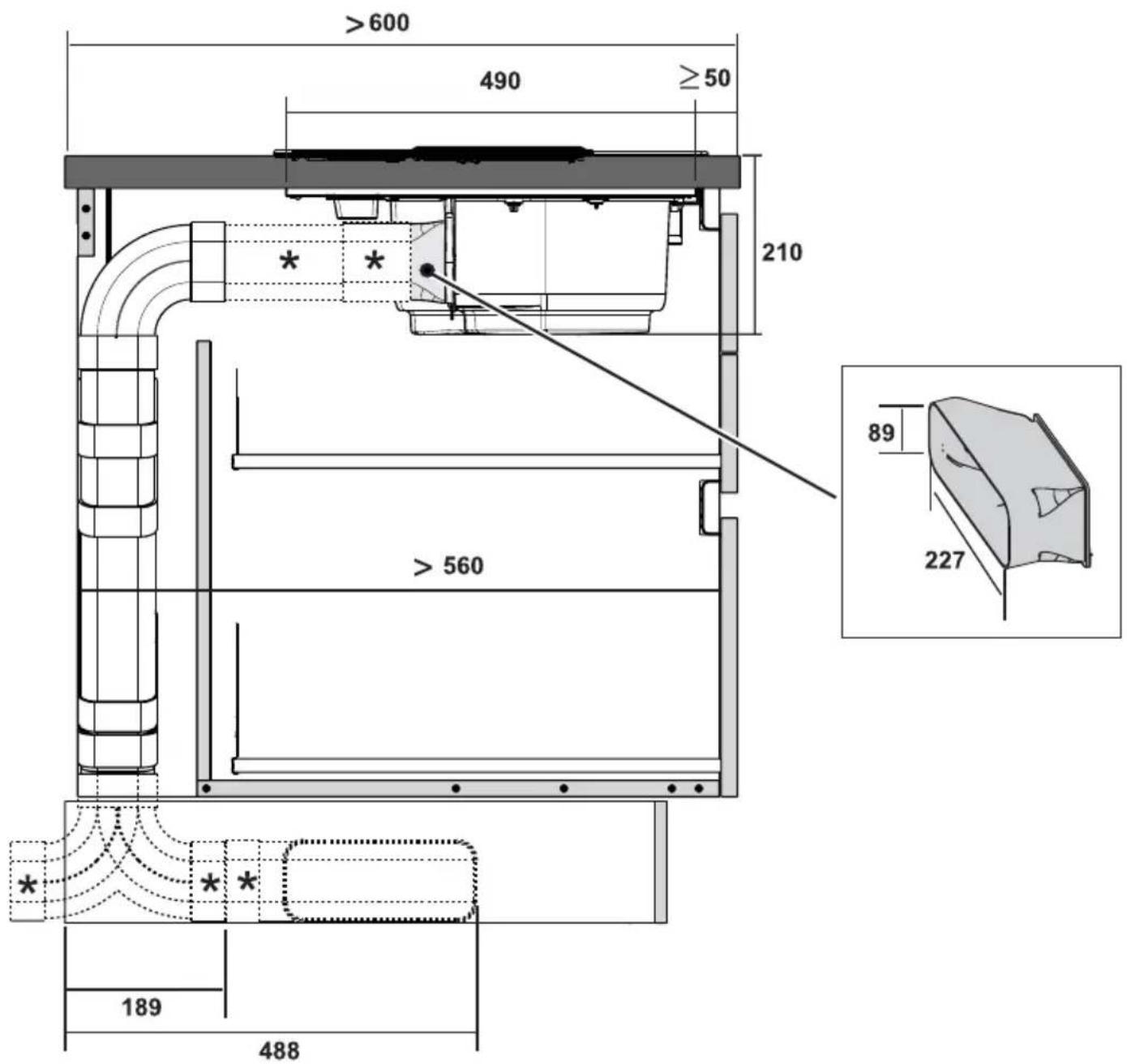
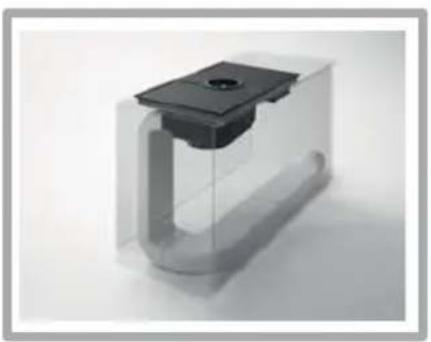
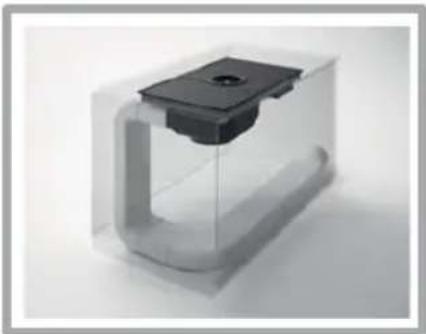
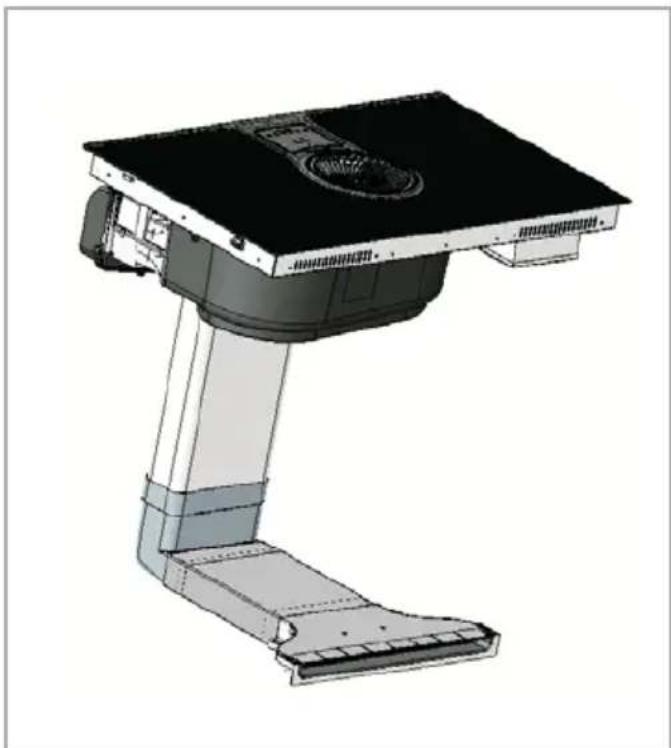
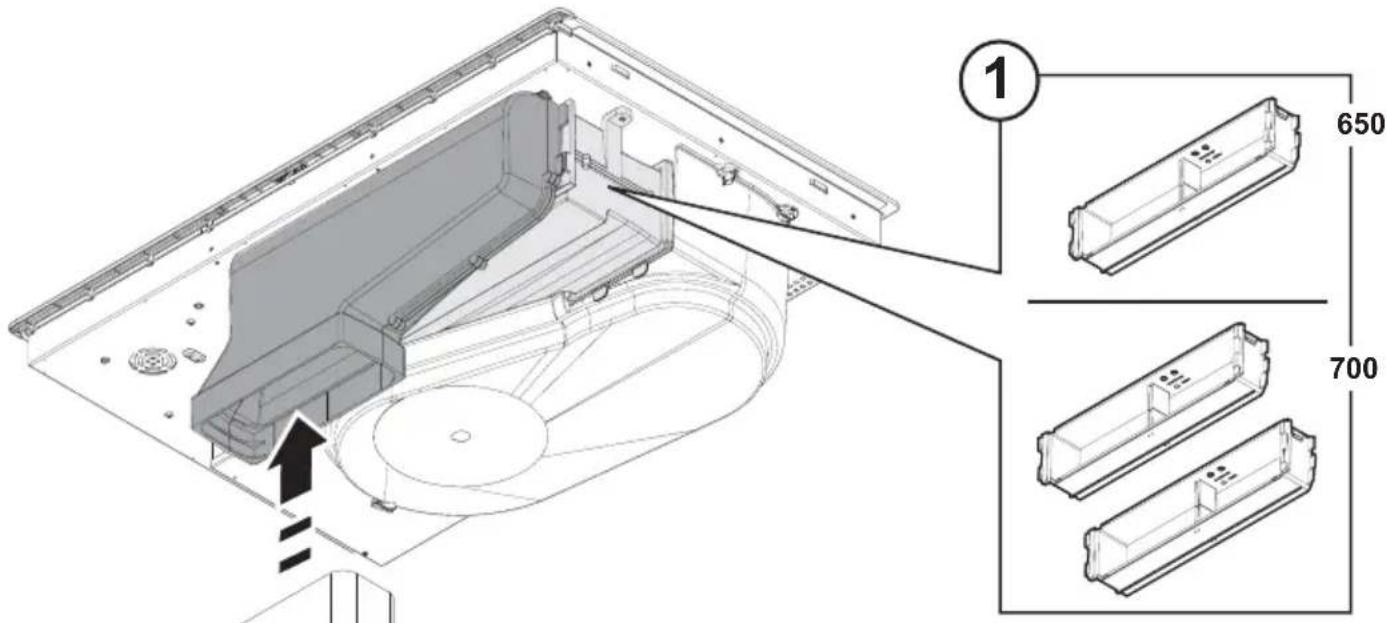
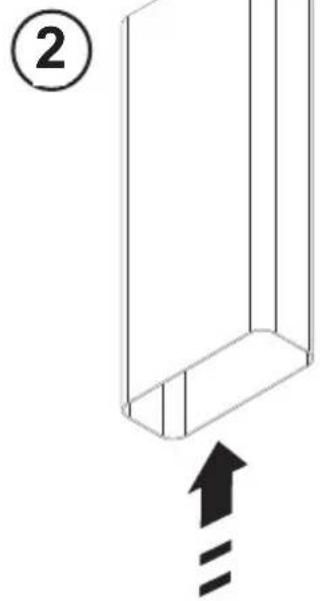
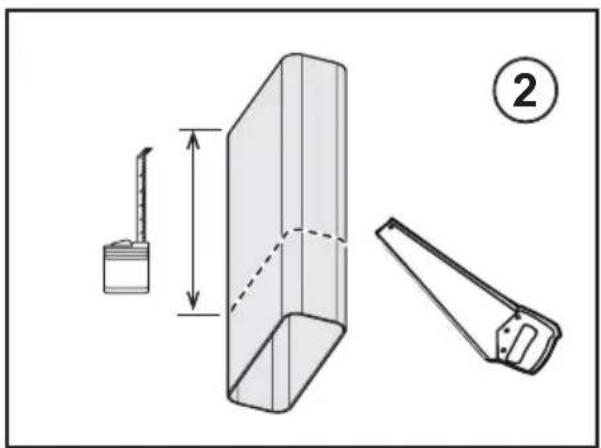
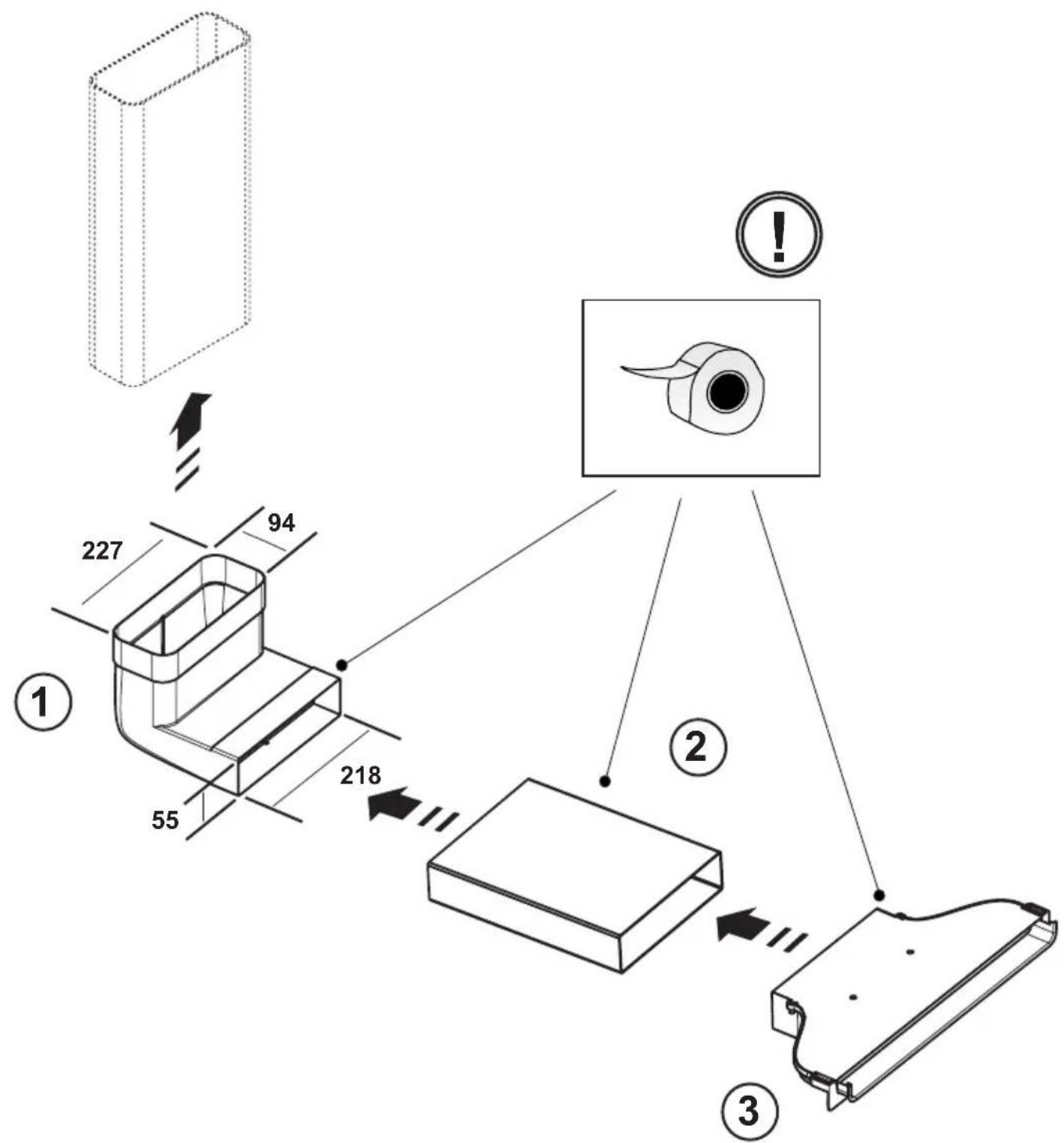
The fumes are evacuated towards the outside through a series of pipes (bought separately) fastened to the supplied connecting flange. The diameter of the exhaust pipe must be equivalent to the diameter of the connecting ring:
- for rectangular outlets 222 x 89 mm - for circular outlets ∅ 150 mm (*)
For more information, see the page relative to the extraction version in the illustrated part of this manual.
Fig.7c
Connect the product to wall-mounted exhaust pipes and holes with a diameter equivalent to the air outlet (connecting flange). Using wall-mounted exhaust pipes and holes with a smaller diameter may reduce the efficiency of extraction and drastically increase noise levels. All responsibility in this regard is therefore denied.

Filtration version
Fig. 8
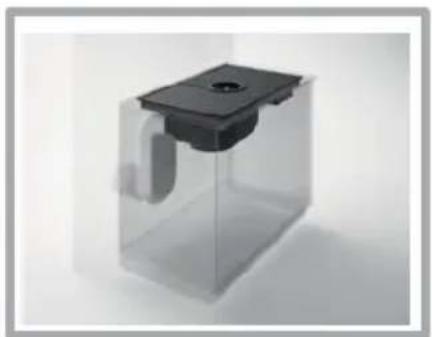
The extracted air will be filtered in special grease filters and odour filters before being sent back into the room.
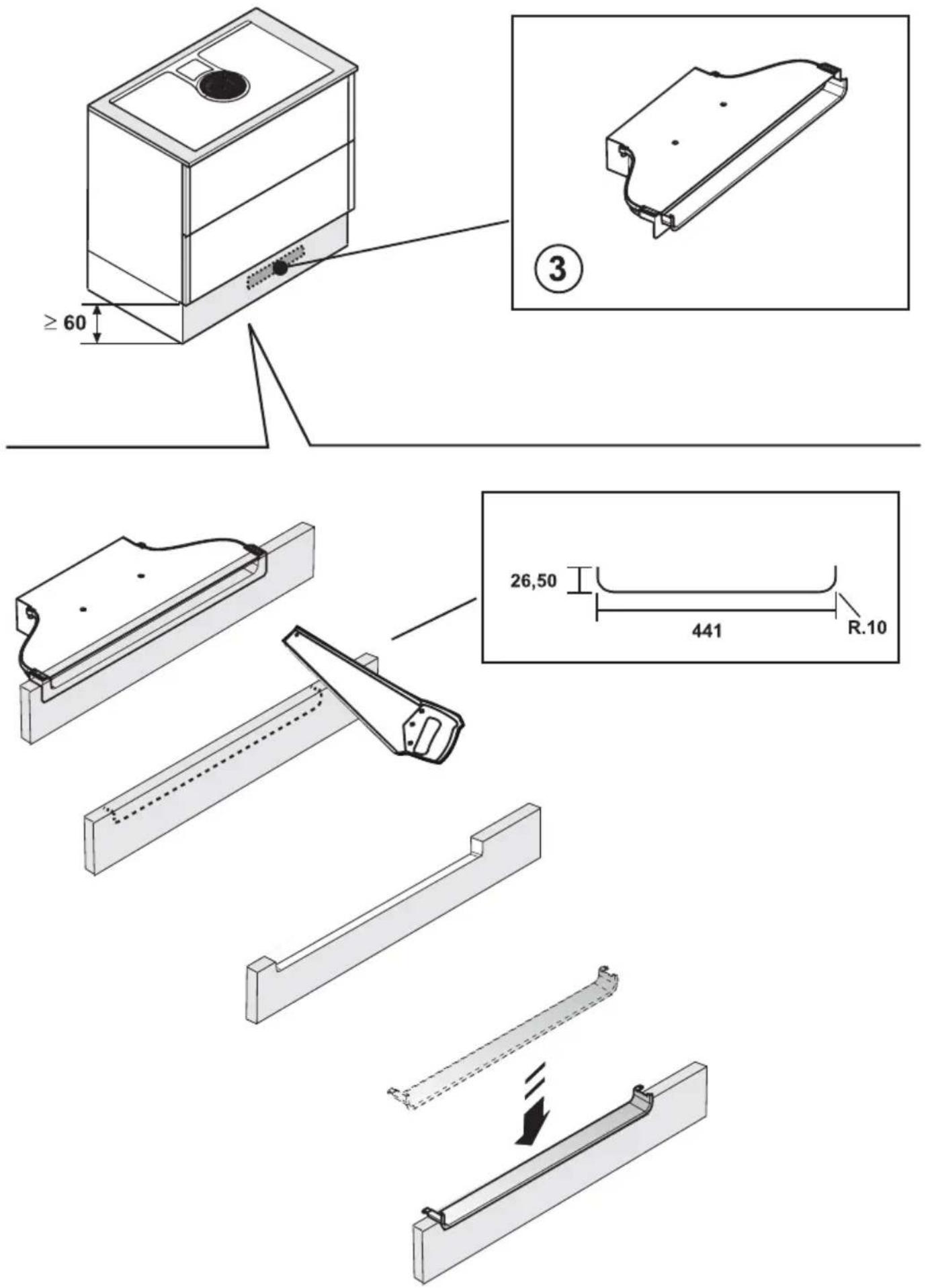
The product is supplied with all parts necessary for standard installation, with the air outlet positioned in the front part of the cabinet plinth.
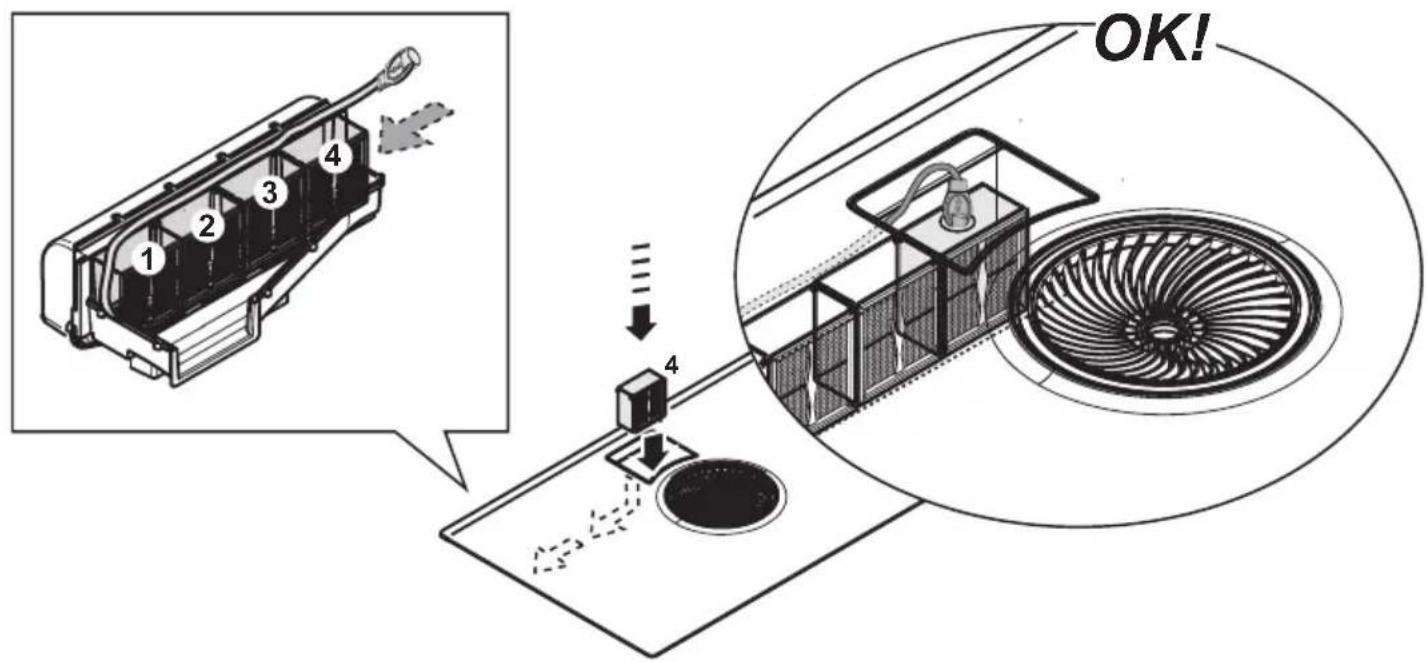
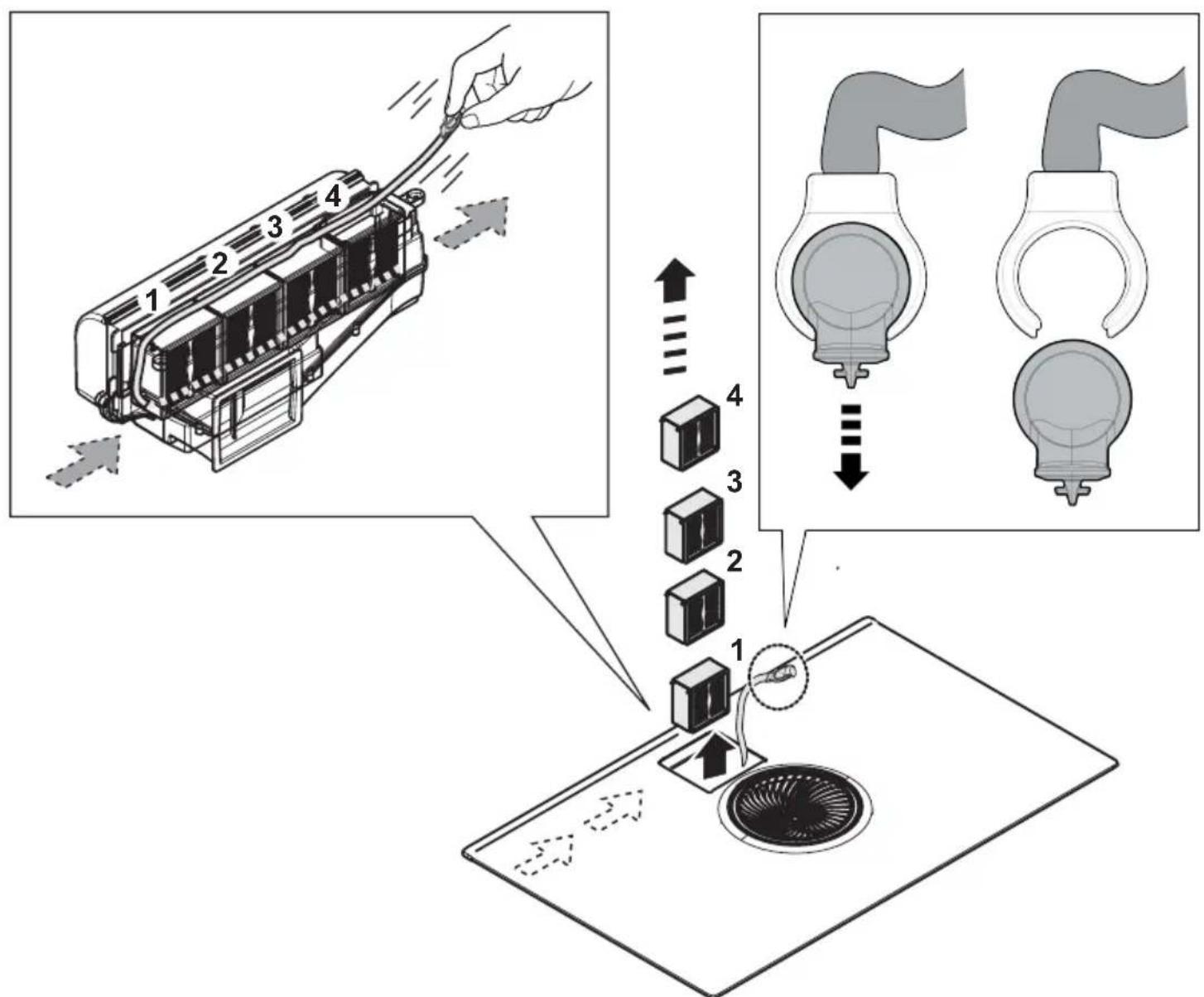
Four high-performance ceramic activated carbon filter packs are already supplied with the product. Ceramic filters are innovative modular carbon filters, which are regenerating (see the Maintenance - Activated carbon filters section of this manual).
Their chemical-physical properties allow extremely efficient odour absorption and high mechanical resistance.
For more information, see the page relative to the filtration version (in the illustrated part of this manual).
- Use ducting with the minimal indispensable length.
- Use ducting with the least possible number of curves (maximum angle: 90°).
- Avoid drastic changes in the ducting diameter.
Installation
The electrical and mechanical installation must be performed by qualified personnel.
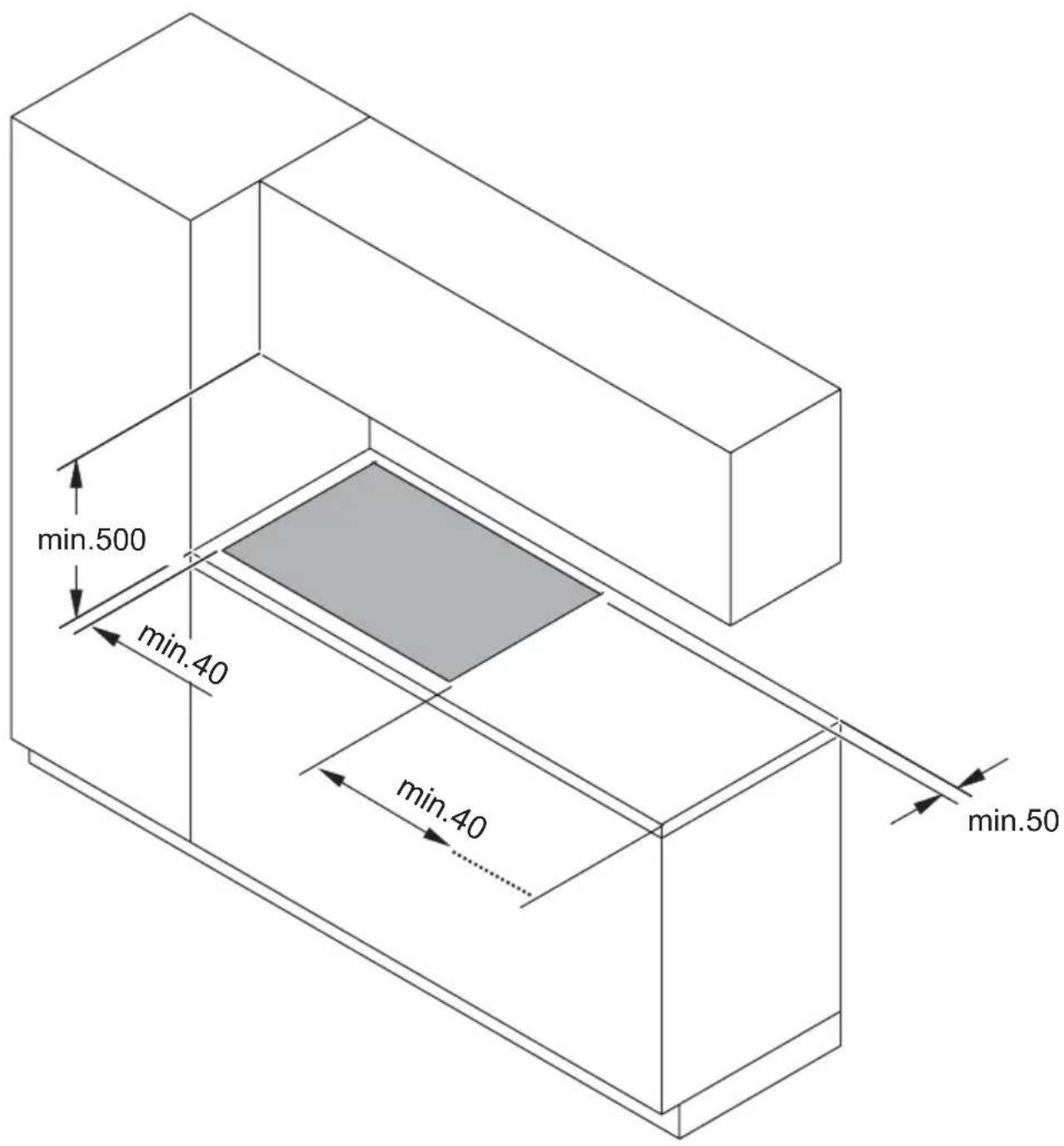
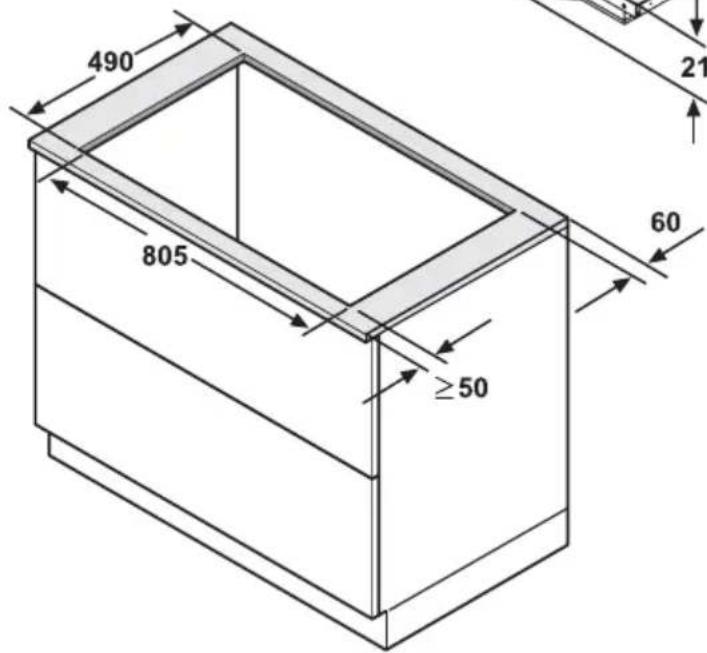
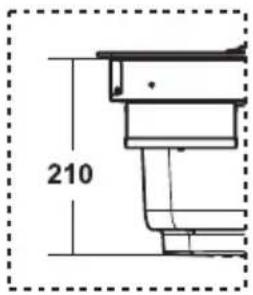
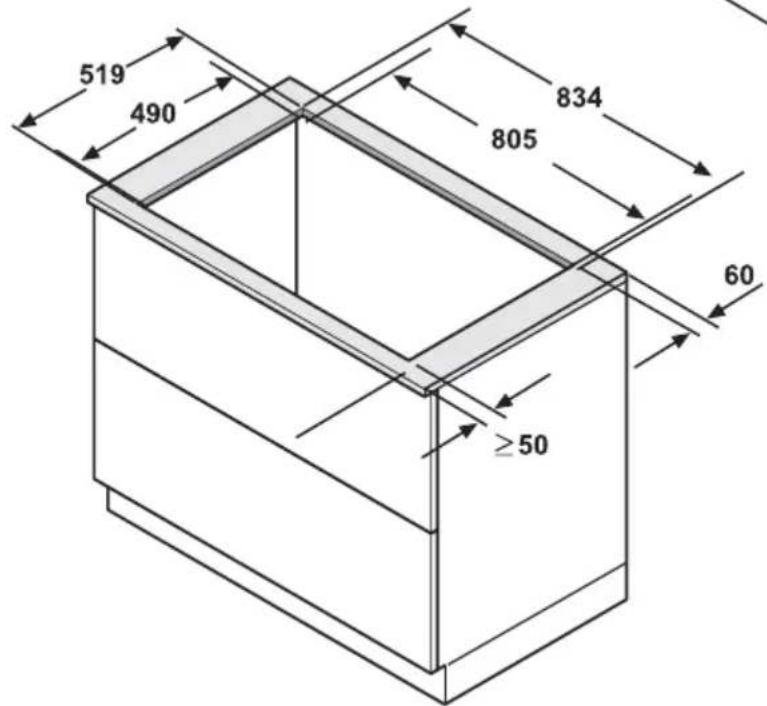
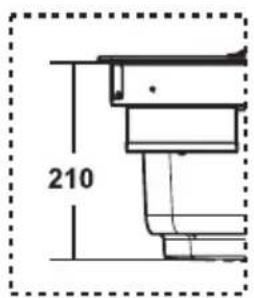
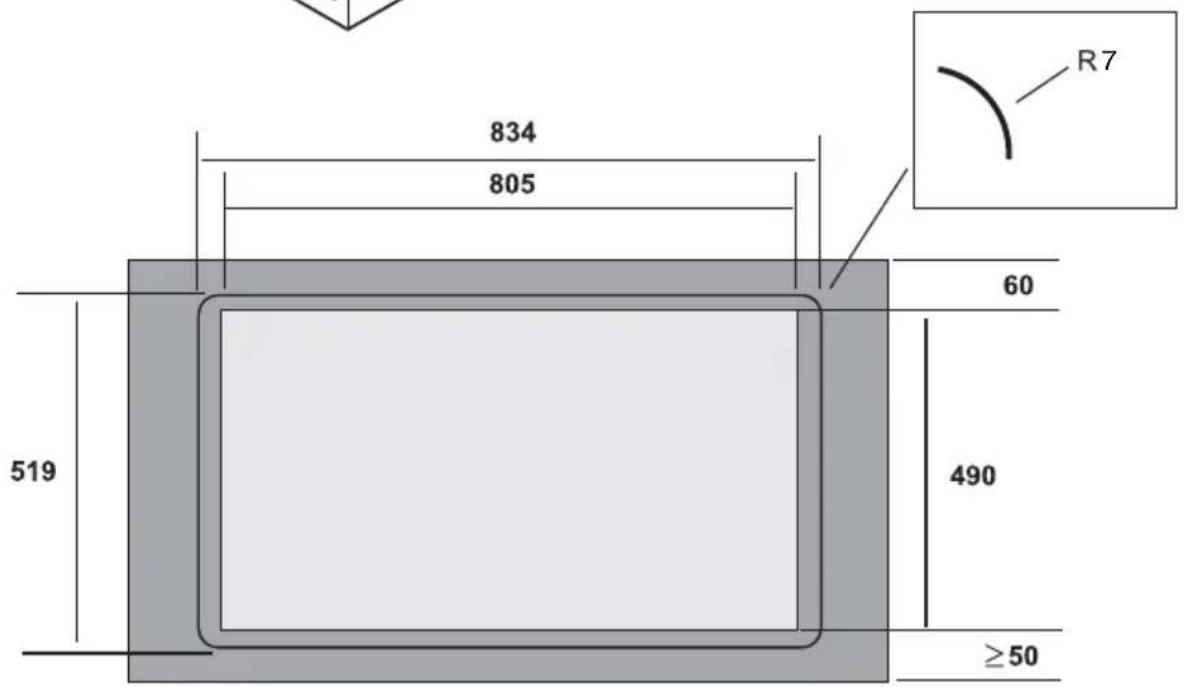
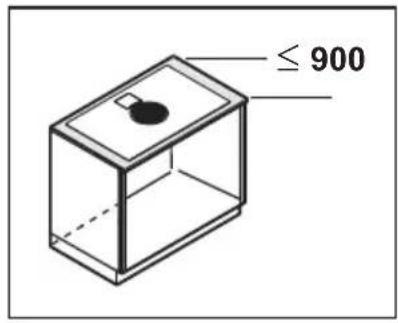
The electrical appliance is designed to be built-in to a 2-6 cm thick work-top in the case of TOP installations; 2.5-6 cm in the case of FLUSH installations.
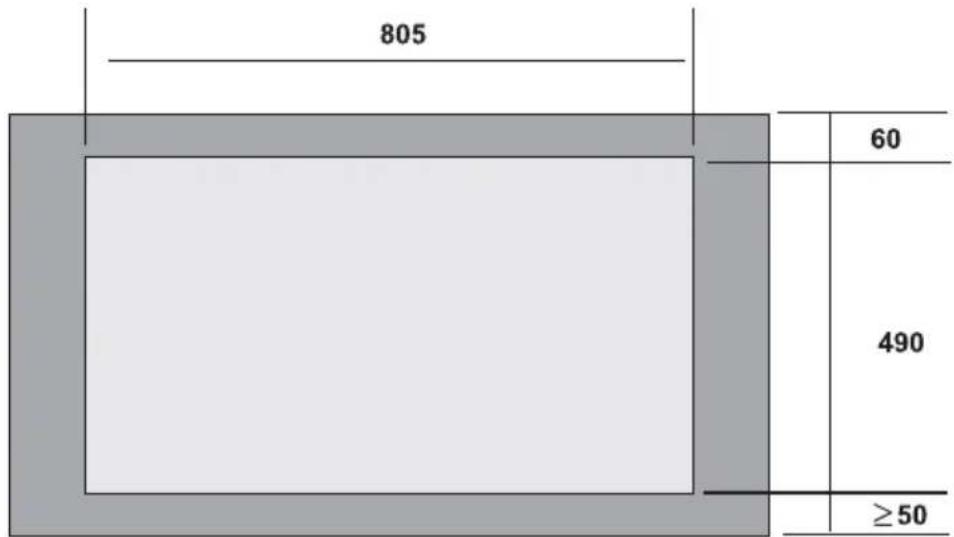
The minimum clearance between the cooktop and wall must be at least 5 cm at the front, at least 4 cm on the side and at least 50 cm with respect to the wall units above.
Note: The suggested clearances are indicative: when designing the spaces, follow the instructions of the kitchen manufacturer.
3.1 Electrical connection
- Disconnect the device from the electrical network
- The installation must be performed by professionally qualified personnel familiar with the applicable installation and safety standards.
- The manufacturer declines any liability to people, animals or things in the case of failure to follow the guidelines provided in this chapter.
- The power cable must be long enough to allow removal of the hob from the worktop
- Make sure that the voltage on the rating plate on the bottom of the device corresponds to that of the house where it will be installed.
- Do not use extension cords. • Earthing is required by law
- The earth power cable must be 2cm longer than the other cables
- If the household appliance is not equipped with a power cable, use one with a minimum conductor diameter of 2.5 mm2 for power up to 7200 Watt; for higher power levels, the diameter must be 4 mm2.
- At no point along the length of the cable must it reach a temperature of 50°C above the room temperature.
- The device is intended to be permanently connected to the electrical network, therefore, make the connection to the fixed network via a standard omnipolar switch, which assures the complete disconnection of the mains under category III overvoltage conditions, and which is readily accessible after the installation.
Note: To connect the appliance using the optional single phase or three-phase connection, the existing cable must be removed and replaced with another type (not supplied) having the following specifications: single phase connection: H05V2V2-F 3G4 cable; three-phase connection: H05V2V2-F 5G2.5 cable.
Installation
Caution! Before reconnecting the circuit to the mains power supply and checking its correct operation, always check that the network cable has been correctly assembled.
Caution! The interconnection cable must be replaced by authorized customer service personnel or an equally qualified person.
3.2 Mounting
Before starting the installation:
- After unpacking the product, check that it has not been damaged during transport. In case of problems, contact your dealer or Customer Service before proceeding with the installation.
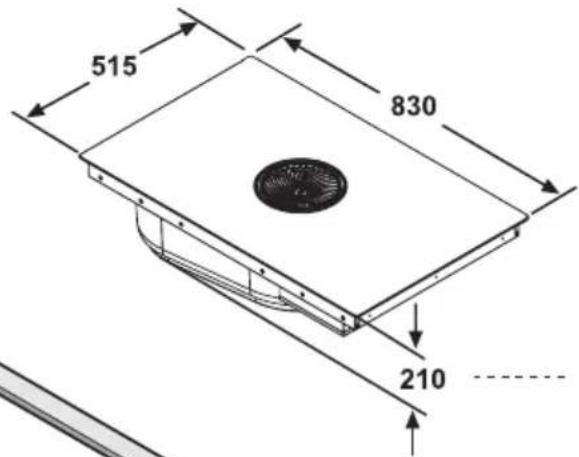
- Check that the product is the right size for the installation location.
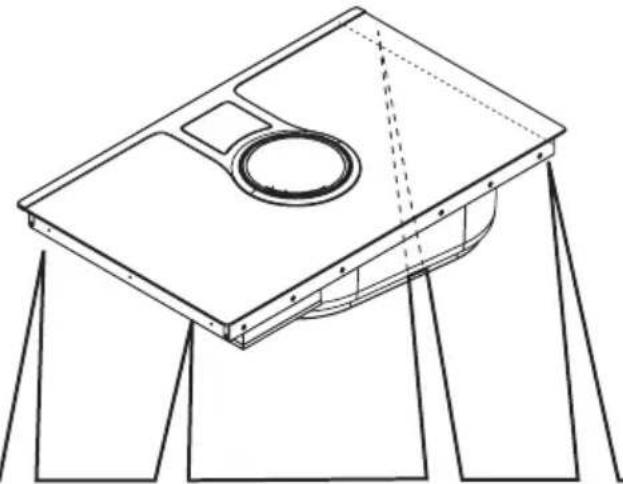
- Check for accessories inside the packaging (placed there for ease of transport) such as bags containing screws, the warranty card, etc. Remove them and keep them safe.
- Also check that there is a power socket near the installation area.
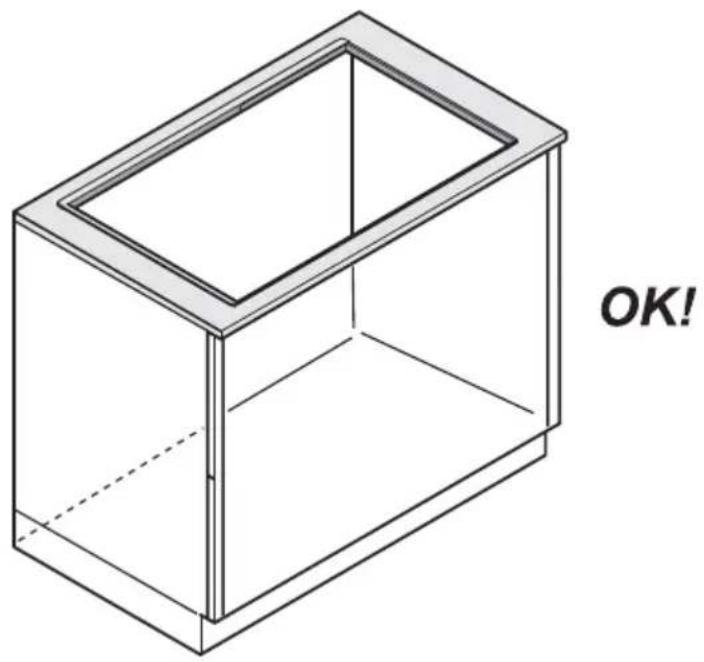
Preparing the cabinet for installation:
- The product cannot be installed above cooling appliances, dishwashers, heaters, ovens, washing machines, and dryers.
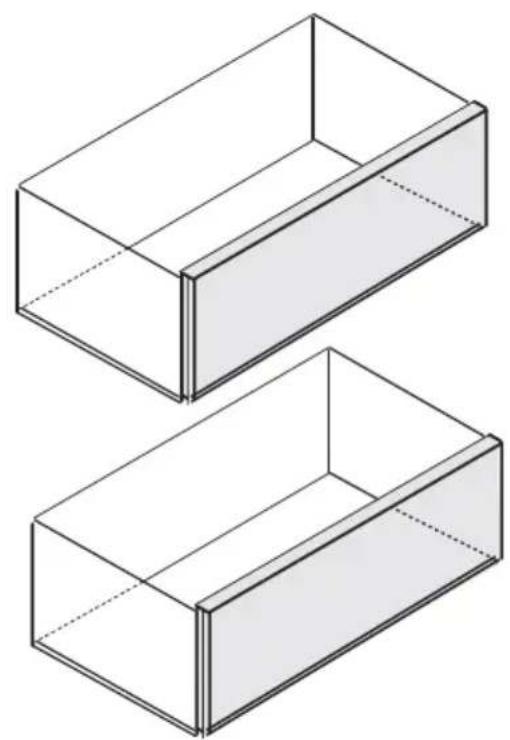
- Cut the cabinet before inserting the hob and carefully remove shavings or sawdust.
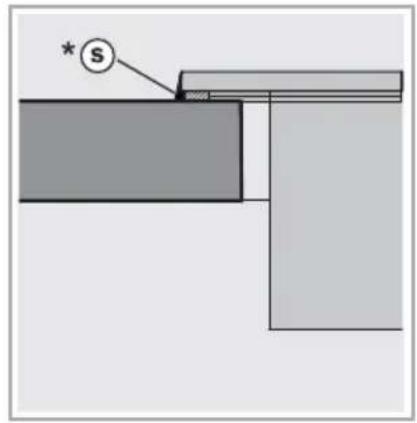
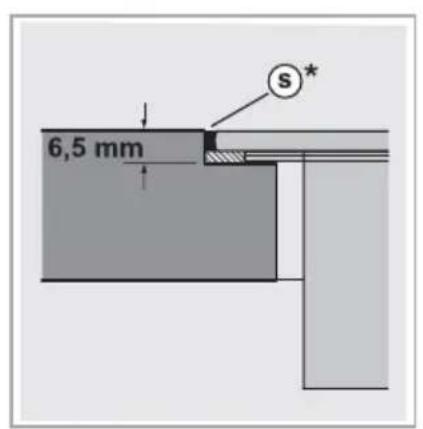
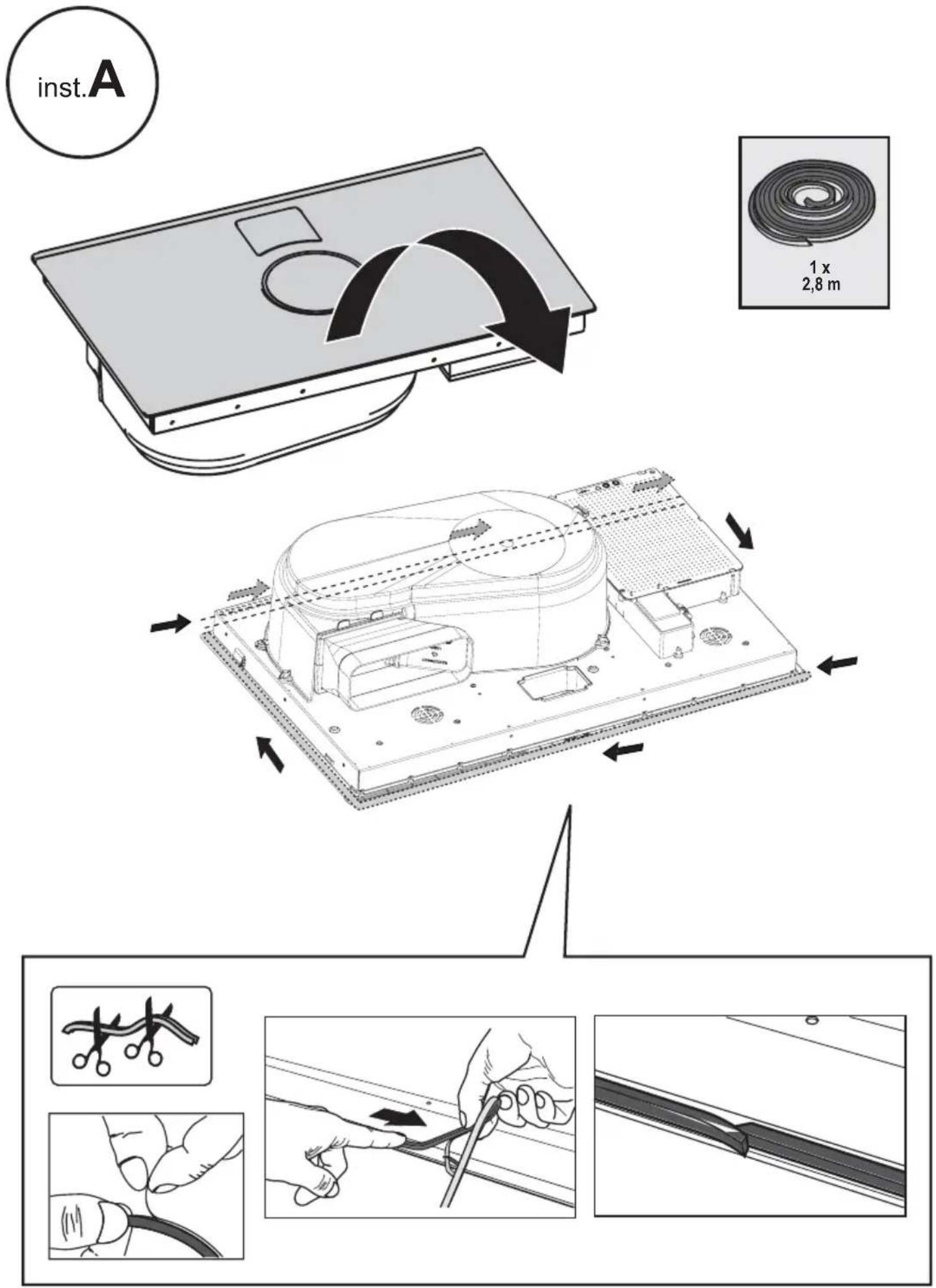
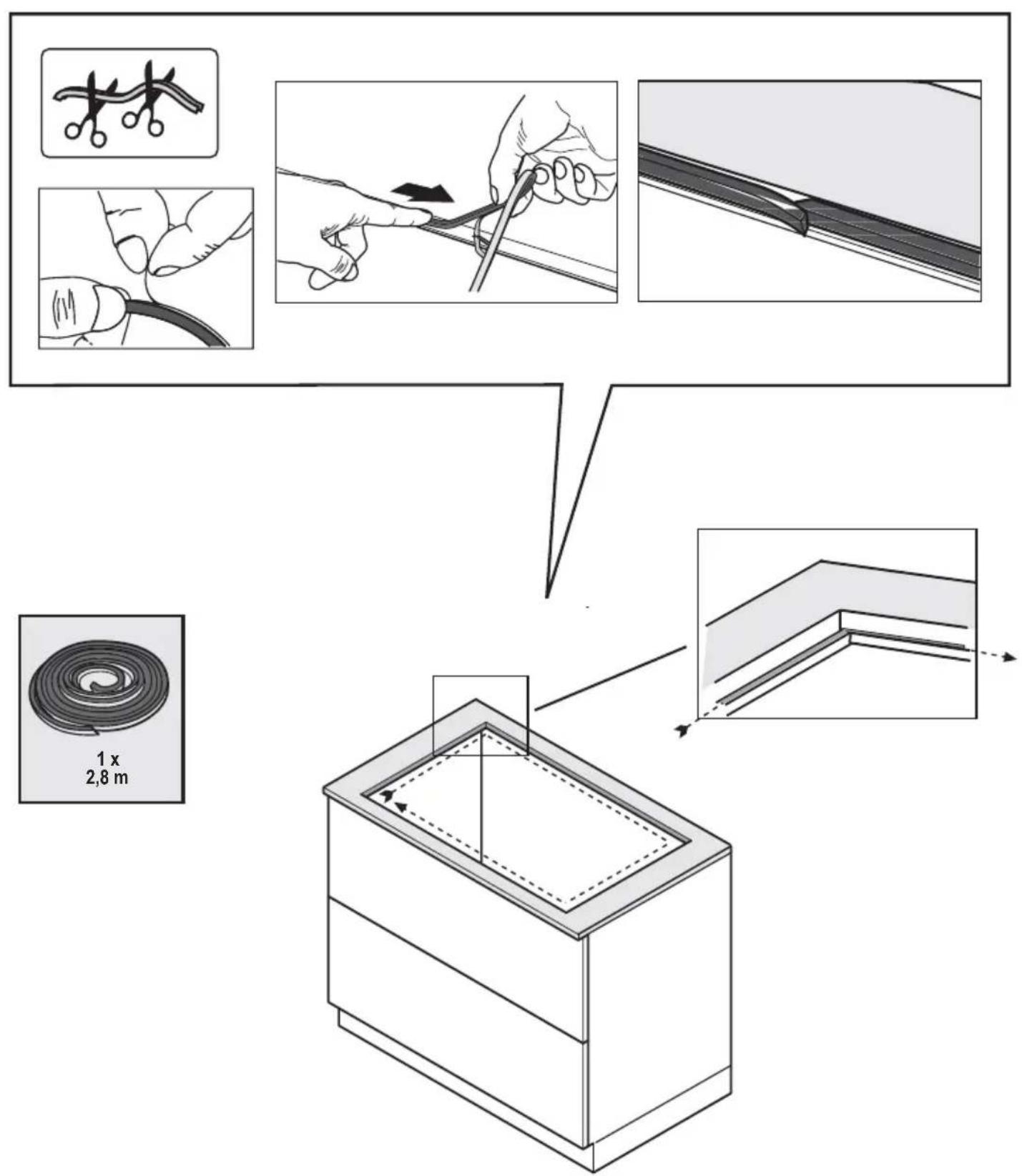
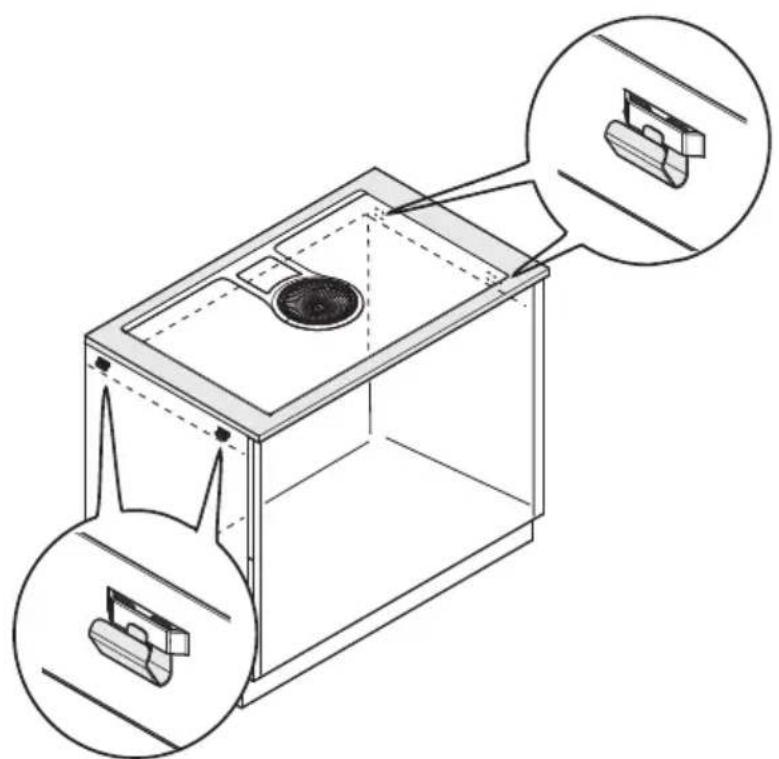
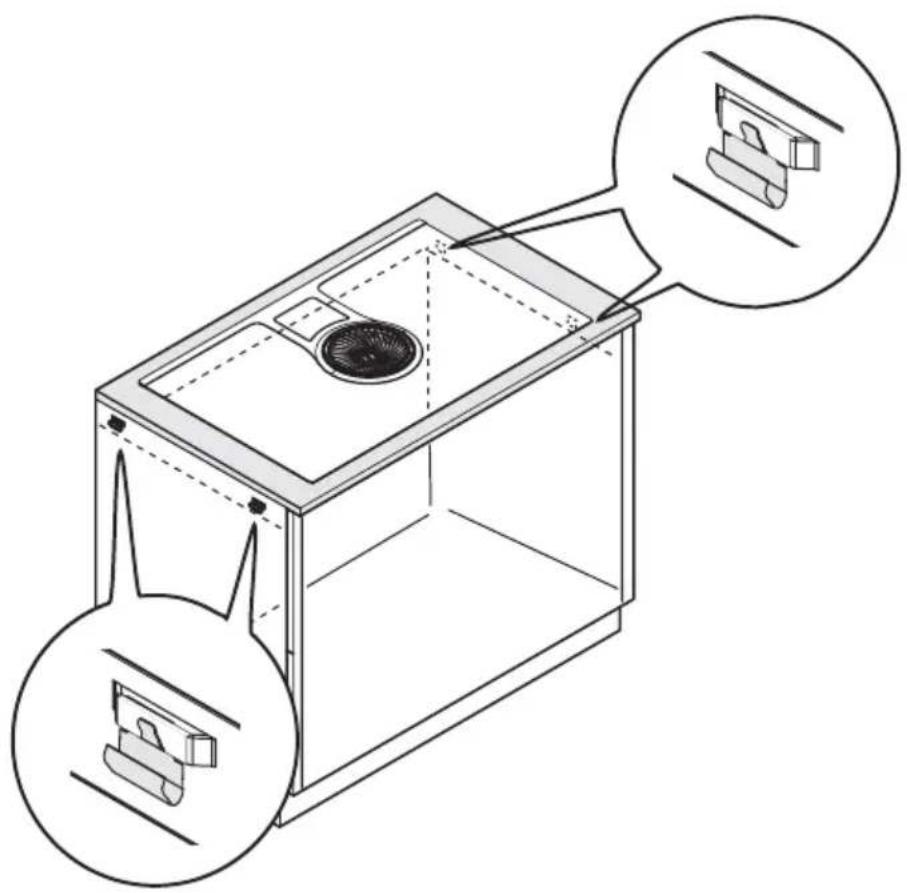
Important: use a single-component adhesive sealant (S), resistant to high temperatures up to 250°C. Prior to installation, the surfaces that need to be glued must be carefully cleaned, removing all substances that may compromise adhesion (e.g., release agents, preservatives, grease, oils, powders, old adhesive residue, etc.). The sealant must be evenly distributed along the entire perimeter of the frame. After gluing, leave to dry for approximately 24 hours.
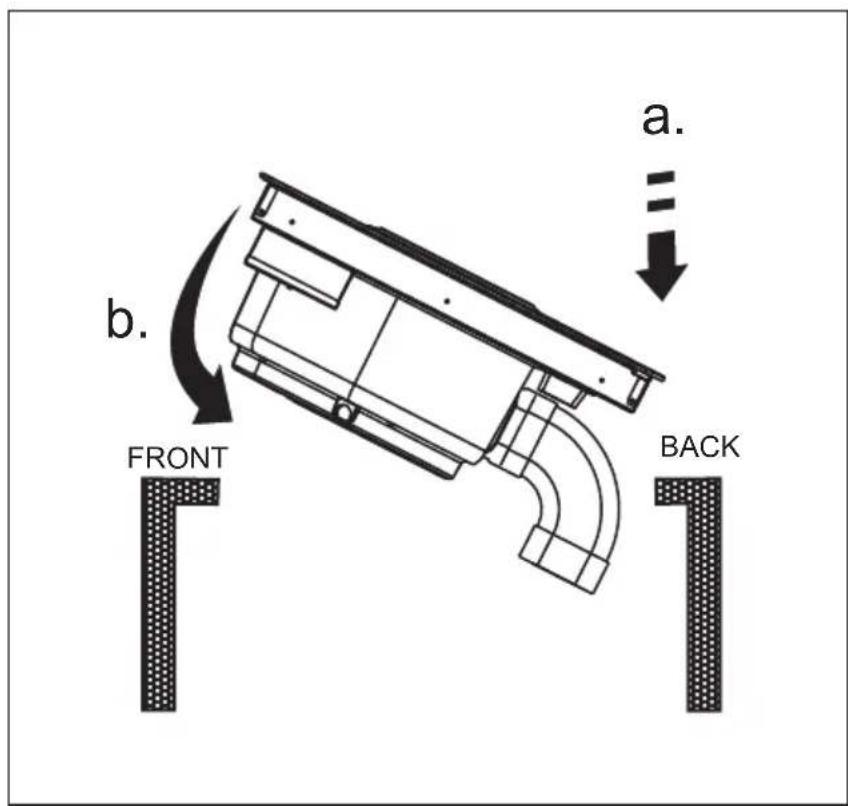
Fig. 1b
Caution! Failure to install screws and fasteners in accordance with these instructions may result in electrical hazards.
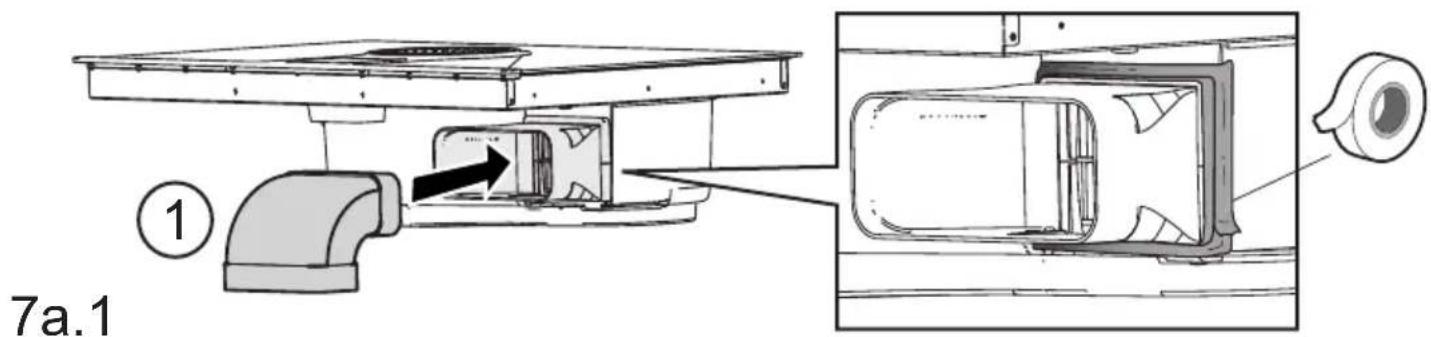
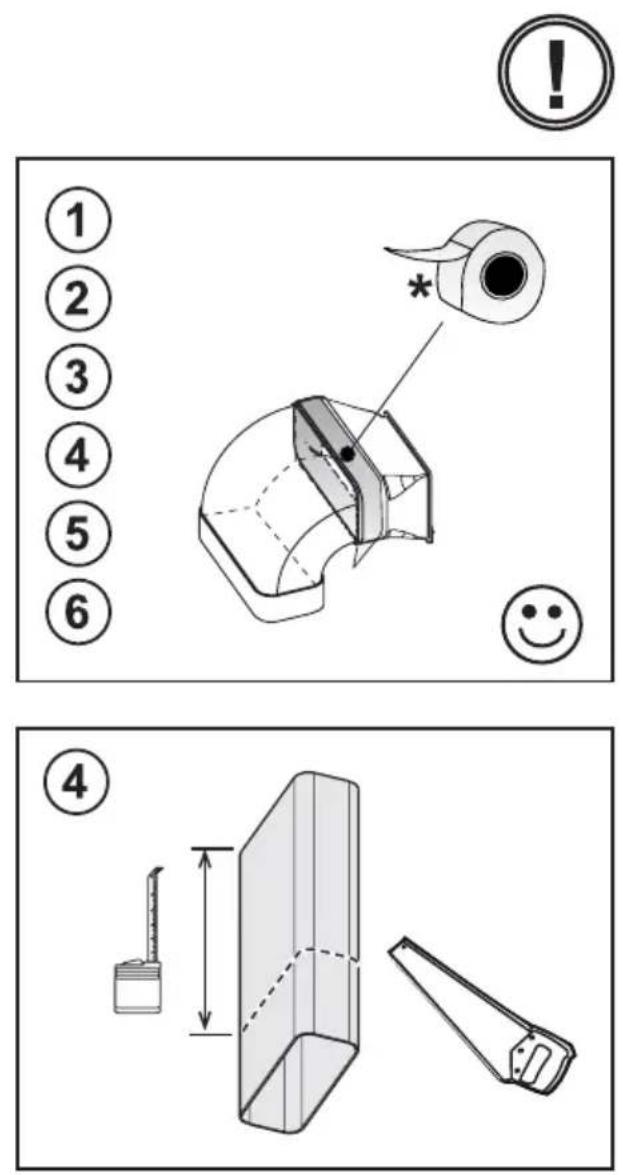
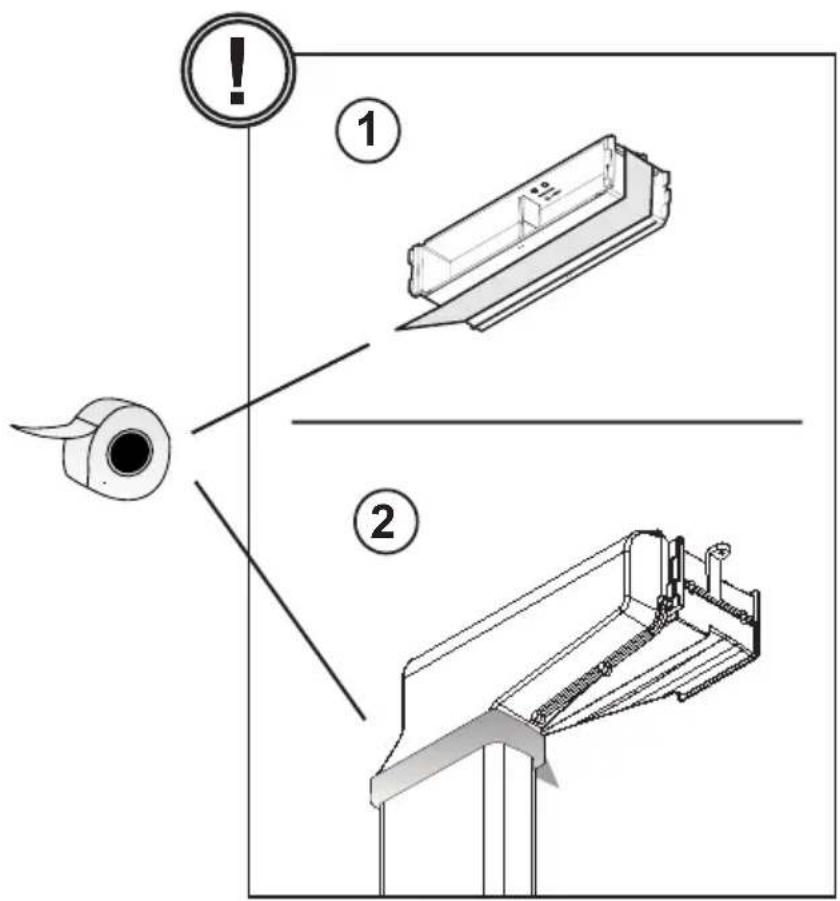
Note: To ensure the correct installation of the product, it is recommended to tape the pipes using an adhesive with the following characteristics:
- Soft elastic PVC film, with an acrylic-based adhesive - Complies with DIN EN 60454 regulations - Flame retardant - Excellent resistance against wear - Resistant against temperature fluctuations - Can be used in low temperatures
Operation
4.1 Control panel
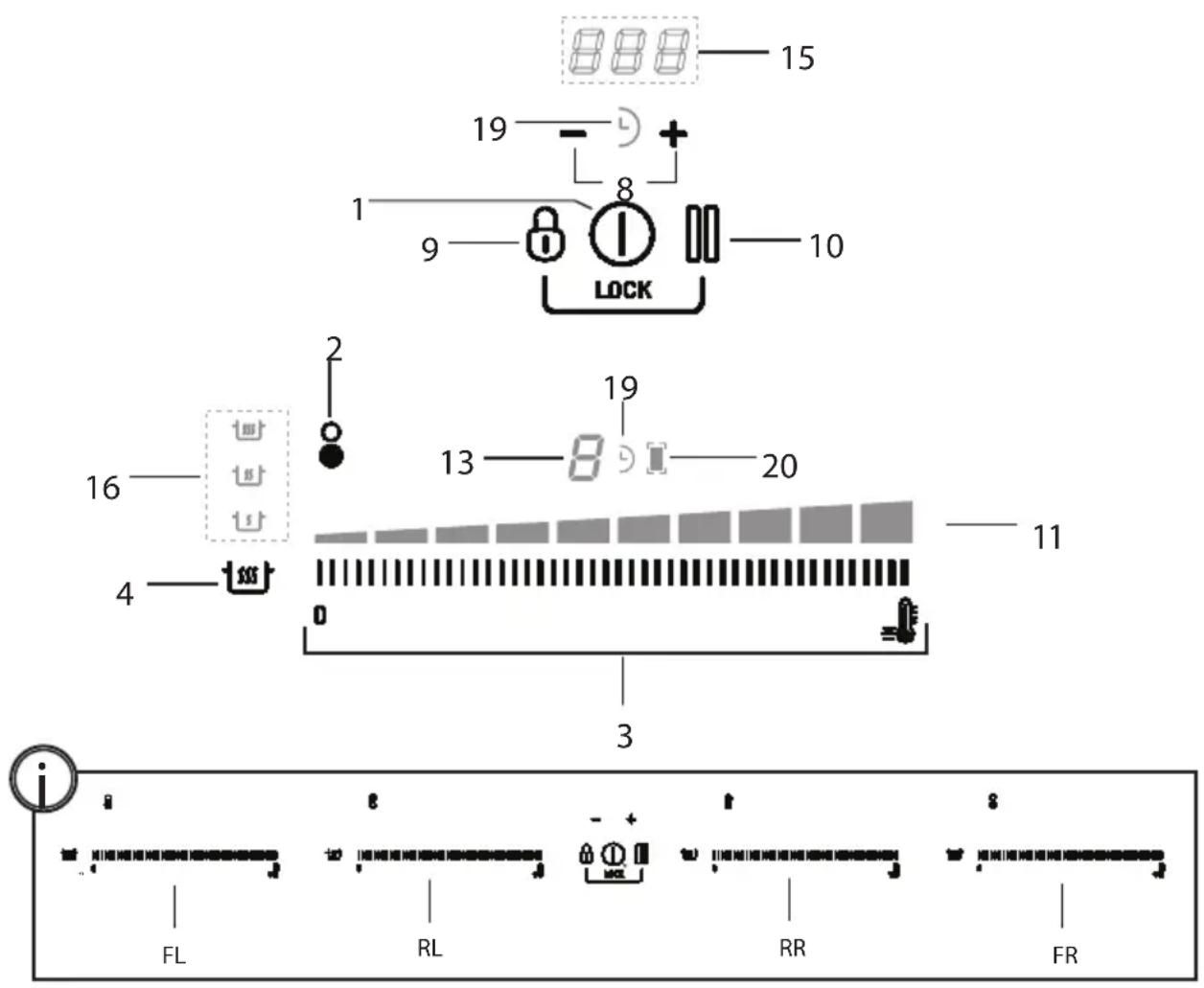
Note: To select the commands, simply touch (press) the symbols representing them (see page 3).
Keys
- ON/OFF of the hob / extractor fan for hob
- Cooking zone position indicator
- Cooking zone selection Increase/Decrease Power Level
- Temperature Manager activation
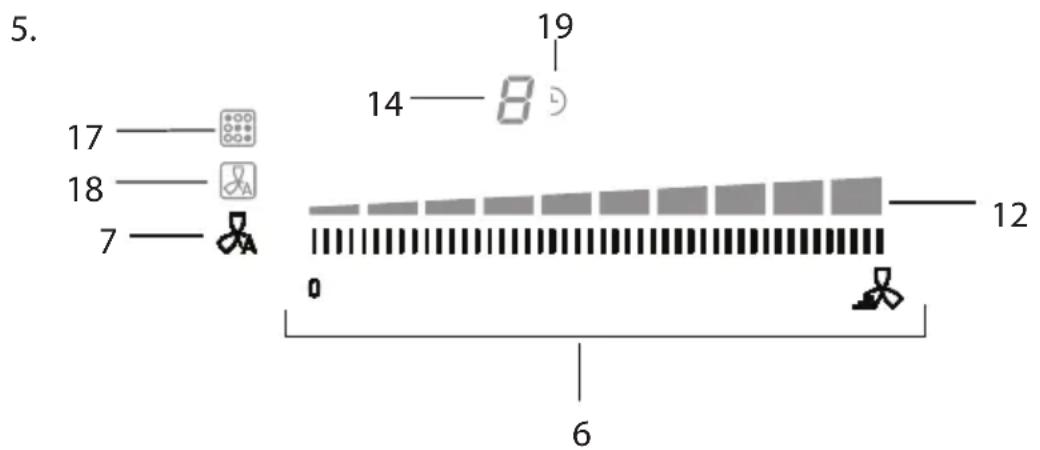
- Extractor fan indicator
- Extractor fan selection Increase/Decrease extraction speed (power)
- Activation of automatic functions Reset filter saturation
- Activate Timer Increase/Decrease Timer value
- Key Lock 9+10. Child Lock
- Pause / Recall Display / LED
Display / LED
- View Power Level
- View extraction speed (power)
- Cooking zone display
- Extractor fan display
- Timer display
- Temperature Manager display
- Filter assistance indicator
- Automatic extraction function indicator
- Timer indicator active
- Bridge indicator active
Operation
Using the hob
Before you begin, it is important to know: All functions of this hob are designed in order to comply with
the most stringent safety regulations.
For this reason:
- Some functions will not be activated, or will be automatically deactivated, in the absence of pots on the burners or when they are poorly positioned.
- In other cases the activated functions will be automatically deactivated after a few seconds when the specific function requires a further setting that has not been selected (e.g.: “Turn the hob on” without “Selecting the cooking zone” and the “Operating temperature”, or the “Lock Function” or the “Timer” function).
Warning! In the case (for example) of prolonged use, the cooking zone may not immediately shut down because it is in the cooling phase; the “H” symbol will appear on the cooking zone display “ ” to indicate the execution of this phase. Wait for the display to turn off before approaching the cooking zone.
Cooking zone display
The cooking area display indicates:
| Cooking zone on | 0 |
| Power level | 1...9- P |
| Residual heat indicator | H |
| Pot detector | U |
| Temperature manager functionactive | U |
| Child lock function active | L |
| Pause function | II |
| Automatic heat up function | R |
Hob characteristics
Safe Activation
The product is activated only in the presence of pots on the cooking zone: the heating process does not start or is interrupted if there are no pots, or if these are removed.
Pot Detector
The product automatically detects the presence of pots on the cooking zones.
Safety Shut Down
For safety reasons, each cooking zone has a maximum operating time, which depends on the maximum power level set.
Residual Heat Indicator
When one or more cooking zones shut down, the presence of residual heat is indicated by a visual signal on the corresponding zone display, by way of the “H” symbol.
Operation
Operation
Note: Before activating any functions, the desired zone must be activated.
Power-on
Press (touch) ⏻ ON/OFF hob/extractor. The indicator light will turn on to indicate that the hob/extractor is ready for use. Press again to turn off.
Note: This function has priority over the others.
Selecting the cooking zone
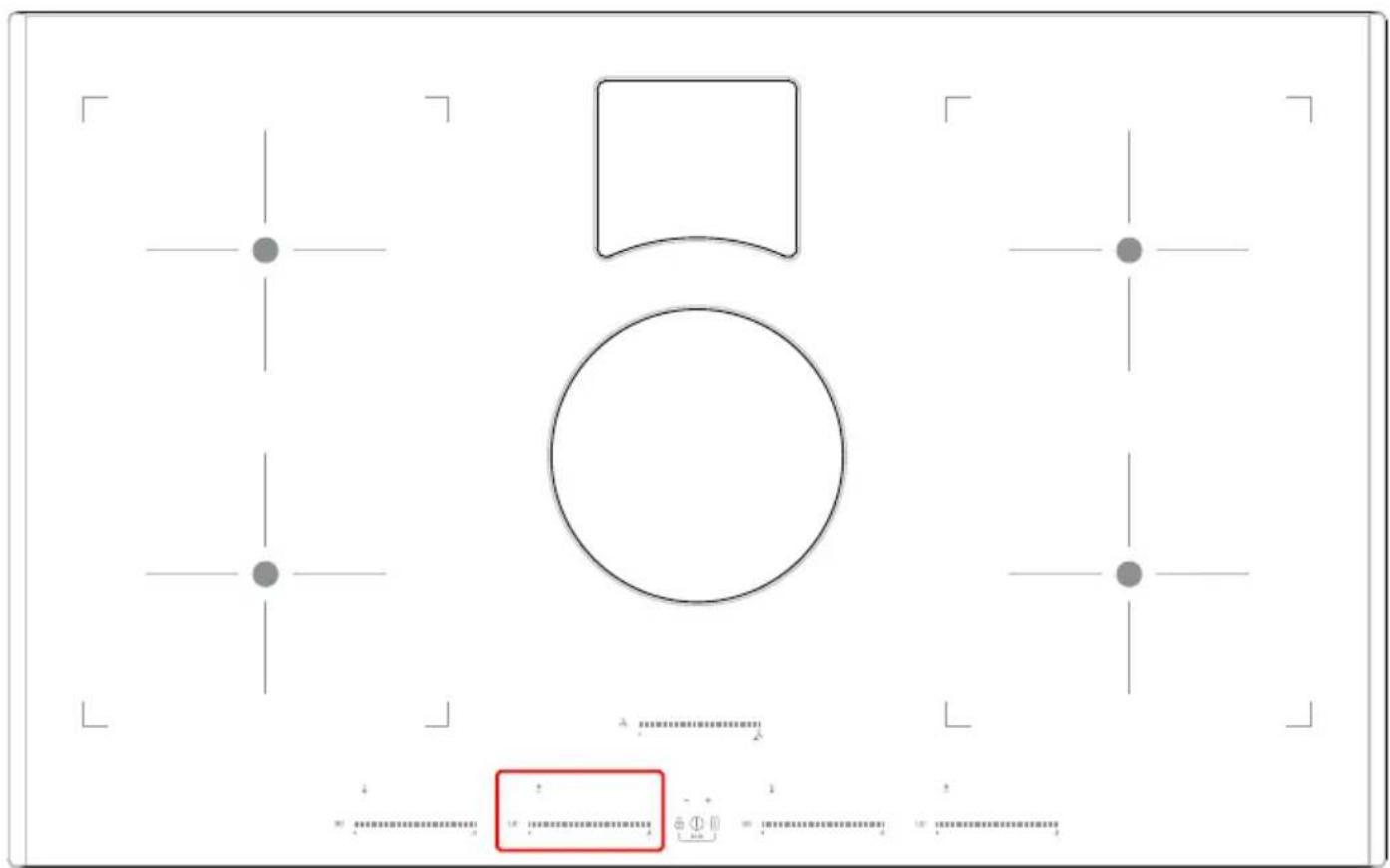
Touch (press) the Selection bar (3) corresponding to the desired cooking zone.
9 Power Levels
The hob features 9 power levels. Touch and scroll along the Selection bar (3): to the right to increase the level of power; to the left to decrease the level of power.
Power Booster
The product features a supplementary power level (after level 9), which remains active for 10 minutes, after which the temperature returns to the previously set value. Touch and scroll along the Selection bar (3) (after level 9) and activate the Power Booster. The Power Booster level is shown on the display of the selected zone with the symbol "P".
Bridge Zones
Thanks to the Bridge function, the cooking zones are able to work in a combined manner, creating a single zone with the same power level. This function allows evenly distributed cooking with large-sized pots and pans. The front “Master” cooking zone can be used in combination with the corresponding “Secondary” cooking zone at the back (to check which zones are equipped with this function, see the illustrated part of this manual). To activate the Bridge Function:
- simultaneously select the two cooking zones you want to use
- the Bridge indicator (20) of the "Secondary" cooking zone lights up "☐"
- by means of the Selection bar (3) of the "Master" cooking
zone it will be possible to set the operating level (Power)
- to deactivate the Bridge Function simply repeat the same activation procedure
Temperature Manager
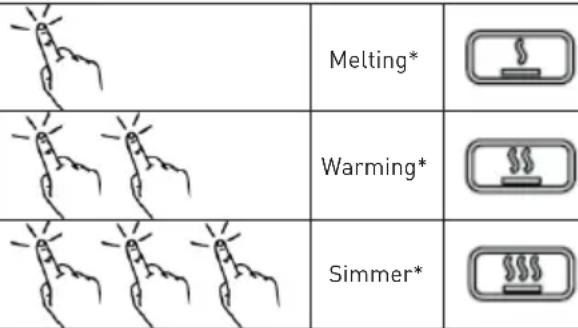
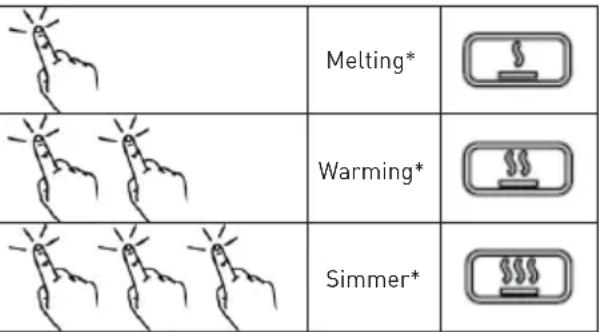
Temperature Manager is a function that allows to set the most suitable pre-set temperature to achieve the desired result (see the Temperature Manager table at the end of this chapter).
Operation
Select the desired cooking zone
- Press once or multiple times (4) to choose the most

suitable level among the ones available:
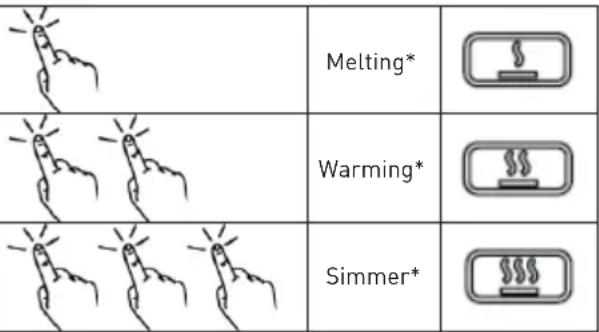 |
| * See the Temperature Manager at the end of this chapter. |
- Press again to turn it off.
The following symbol appears on the display of the zone
working in Temperature Manager mode "U"
Key Lock
The Key Lock allows to block the settings of the hob to prevent accidental tampering, leaving the functions that have already been set active.
Activation:
- press (9)
- The LED over the button will turn on, to indicate that it has been activated
Repeat the operation to deactivate.
Child Lock
The Child Lock makes it possible to prevent children from accidentally accessing the cooking zone and extraction zone, preventing the activation of any functions.
The Child Lock can only be activated when the product is on, but with the cooking zones (and extraction zone) off.
Activation:
- remove any pots from the hob
- press and hold simultaneously (9) and II (10), an acoustic signal indicates that the function is active, and an “L” appears on the displays (13) and (14).
Repeat the operation to deactivate.
Timer
The Timer function is a countdown, which can be set for each cooking zone (and extraction zone), even simultaneously.
At the end of the set period, the cooking zones (or extraction zone) will automatically shut down and the user will be informed by way of an acoustic signal.
Activation/Regulation of hob Timer function
- Select the cooking zone (power ≠ 0).
- Press + (8) to access the Timer function
Operation
- Regulate the duration of the Egg Timer
Timer:
press the selector +, to increase the automatic shutdown time
press the selector—, to decrease the automatic shut-down time
If desired, repeat the operation for the other cooking zones.
Note: Each cooking zone can have a different Timer set; on the display, (15), the countdown of the last selected hob will be shown for 10 seconds, after which the countdown with the least remaining time will be shown.
When the timer has finished the countdown, there is an acoustic signal (for 2 minutes, or it will stop when one of the buttons on the hob is pressed), while the display (15) will flash, with the symbol "0.00".
Note: on the side of the display of the cooking zone, the following
symbol will appear (19)
To switch off the Timer:
- select the cooking zone
- set the value of the timer, by means of —
Note: the function remains active if no other key is pressed in the meantime.
The Egg Timer function is a count-down independent of the cooking zones (and the extraction zone). The Egg Timer is activated by pressing - + (8).
Note: to regulate the Egg Timer function, follow the same procedure as for the Timer
When the timer has finished the countdown, there is an acoustic signal (for 2 minutes, or it will stop when one of the buttons on the hob is pressed), while the display (15) will flash, with the symbol "0.00".
Pause
The Pause function allows to suspend any function active on the hob, bringing the cooking power to zero.
Activation:
- press (10)
- "a" is displayed (13).
To deactivate the function:
Note: this operation restores the hob settings to those prior to the pause.
- press (10) • within 10 seconds scroll to the right along the Selection bar (3), relating to the cooking zone 2 (FIG.19);
Note: if the operation is not performed within this time the pause function will remain active.
Operation
Note: if after 10 minutes, the Pause Function is not deactivated, the hob will turn off automatically.
Recall
The Recall function allows to recover all the hob settings, in case of accidental shut-down.
Activation:
- turn the hob back on within 6 seconds after shut-down
- press "within the next 6 seconds
Automatic Heat UP
The Automatic Heat UP function allows to reach the set power faster; with this function it is possible to cook food faster, but without the risk of burning it, because the temperature does not exceed the set level. This function is available for the levels of power 1 -8.
Activation:
- press and hold, on the Selection 0 = 7.4 KW bar (3), the desired power 1 = 4.5 KW
- A is displayed (13).
Power Limitation
The Power Limitation function allows the product to be used while limiting its maximum absorption.
Note: the limit must be set when the hob is off, without pressing ⏻, within 2 minutes from when the hob is connected to the electrical network, or from when the electrical network itself is reconnected.
To set the Power Limitation:
- press and hold keys, until an acoustic signal sounds
- slide along sliders FL and RL 0123456789 P at the same time, from left to right, and press down at the letters P, until a short acoustic signal sounds
- the Timer display (15) shows the symbols "CF6", to indicate that it can be set
- the FL zone display shows the current setting**
0 = 7. 4 KW
1 = 4. 5 KW
** by default, the limit is set to 7.4 KW
- to change the Power Limitation setting slide on the FL slider
0 1 2 3 4 5 6 7 8 9 P
- from left to right to increase the Kw
- from right to left to decrease the Kw
- to save the selection, press the keys 📁, for 1 second; an acoustic signal will sound to confirm the setting and the function will close.
Operation
Using the extractor fan
Power-on
Press (touch) ⏻ ON/OFF hob/extractor. The indicator light will turn on to indicate that the hob/extractor is ready for use.
Press again to turn off.
Note: This function has priority over the others.
Switching on the extractor fan:
Touch (press) the Selection bar (6) to activate the extractor fan.
Extraction speed (power):
Touch and scroll along the Selection bar (6): to the right to increase the speed (power) of the extractor fan (0-10);
to the left to decrease the speed (power) of the extractor fan (10-0);
Timer
Activation/Regulation of Timer function for the extractor fan
- Select the extractor fan (speed 0).
- Press - + (8) to access the Timer function (from any speed).
- Regulate the duration of the Timer: press the selector + to increase the automatic shutdown time, press the selector - to decrease the automatic shutdown time. The display (15) will show the countdown.
Note: on the side of the display of the extractor fan, with the Timer in use, the following symbol will

appear (19). When the timer has finished the countdown, there is an acoustic signal (for 2 minutes, or it will stop when one of the buttons on the hob is pressed), while the display (15) will flash, with the symbol "0.00".
To switch off the Timer:
- select the cooking zone
- set the value of the timer to " ", by means of _
Note: the function remains active if no other key is pressed in the meantime.
Filter saturation indicator
The hood indicates when filter maintenance is needed:
Grease filter: the “(17)” LED lights up
Activated carbon odour filter: the “≠(17)” LED flashes
Reset filter saturation
After carrying out maintenance on the filters (grease and/or activated
carbon) hold down the key (7); the “(11)” (17) LED turns off and the count restarts.
Activation of activated carbon odour filter saturation indicator
This indicator is normally deactivated. To activate it, proceed as follows:
Operation
- Turn on the aspiration hob by pressing ⏻;
- With the aspiration motor and cooking zones off, press and hold

“(###)” turns on, then off to indicate successful activation.
Deactivation of activated carbon odour filter saturation indicator
Repeat the activation steps described above. “(++)” flashes, then turns off to indicate successful deactivation.
Automatic operation (Hob2Hood)
The hood will turn on at the most suitable speed, adapting the extraction capacity to the cooking level used in the cooking zone.
Once the hob is turned off, the hood adapts its aspiration speed, gradually decreasing it, so as to eliminate residual vapours and odours.
To activate this function:
Briefly press 📤 (7), the LED (18) will light up to indicate that the hood is working in this mode.
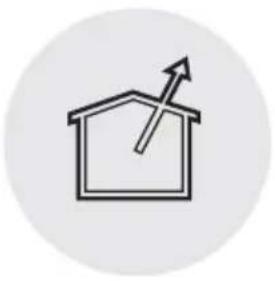
The suction surface is designed to be used in combination with a Window sensor KIT (not provided by the manufacturer). When installing the Windows sensor KIT (only in the case of use of the surface in SUCTION mode), the suction will stop operating every time when the KIT with which the surface is equipped detects that the window is closed in the room where it is installed. It is recommended the purchase of the FDS KIT - 100 Elektrotechnik Schabus, available at authorised Elektrotechnik Schabus centres or directly on the Internet site.
- The electrical connection of the suction surface KIT must be carried out by qualified and specialised technical personnel.
- The manufacturer of the suction surface declines all responsibility for any inconvenience, damage or fire caused by defects and/or problems of malfunctioning and/or incorrect installation of the KIT.
Operation
4.2 Power tables
| Temperature Manager Description | ||
 | Melting | It identifies a suitable cooking level to slowly melt delicate products without compromising their sensory characteristics (chocolate, butter, etc.). |
 | Warming | It identifies a suitable cooking level to allow to delicately keep the food at the same temperature, without letting it boil. |
 | Simmer | It identifies a suitable cooking level to simmer food for prolonged periods. Suitable to cook tomato sauces, meat sauces, soups, minestrone, maintaining a controlled cooking level (ideal for bain-marie). It prevents the food from spilling or sticking at the bottom of the pan, typical of these preparations. Use this function after bringing the food to a boil. |
Operation
| Power level Cooking type | Use of level (display combines the experience and cooking habits) | ||
| Max power | Boost | Heat quickly | Ideal to quickly increase the temperature of the food up to fast boiling in the case of water or quickly heat cooking liquids |
| 8-9 Fry - | boil Ideal for browning, starting to cook, frying frozen products, boiling rapidly | ||
| High power 7-8 B | Brown - fry | - boil - grill | Ideal for frying, keeping the boil, cooking and grilling (for short times, 5-10 minutes) |
| 6-7 Brown | - cook - stew - fry - grill | Ideal for frying, maintaining a simmer, cooking and grilling (for average times, 10-20 minutes), preheating accessories | |
| Medium power 4- | 5 Cook - stew - fry - grill | Ideal for stewing, maintaining a light boil, cooking (for longer times). Stir pasta | |
| 3-4 Cook | - simmer - thicken - stir for slow cooking | Ideal for slow cooking (rice, sauces, roasts, fish) in the presence of liquid (e.g. water, wine, broth, milk), stirring pasta | |
| 2-3 Ideal | (volume less than one litre: rice, sauces, roasts, fish) in the presence of liquid (e.g. water, wine, broth, milk) | ||
| Low power 1-2 Melt - thaw | - keep warm - stir for keeping small | Ideal for softening butter, gently melting chocolate, thawing small products | |
| portions of freshly cooked food warm or keeping the temperature of serving dishes and stirring risotto | |||
| OFF Zero | power | Support surface Hob in stand-by or off (possible presence of residual heat from the end of cooking, signalled by H-L-O) | |
Operation
4.3 Cooking tables
| Category of foods | Dishes or type of cooking | Power level and cooking pattern | |||
| First stage Powers | Second stage | Pow- | ers | ||
| Pasta, rice | Fresh pasta | Heating water Booster-9 | Cooking pasta and maintaining the boil | 7-8 | |
| Fresh pasta | Heating water Booster-9 | Cooking pasta and maintaining the boil | 7-8 | ||
| Boiled rice | Heating water Booster-9 | Cooking pasta and maintaining the boil | 5-6 | ||
| Risotto Frying | and roasting 7-8 Cooking 4-5 | ||||
| Vegetables, legumes | Boiled Heating | water Booster-9 Boiling 6-7 | |||
| Fried Heating | oil 9 Frying | 8-9 | |||
| Sauté | Heating accessory 7-8 Cooking 6-7 | ||||
| Stewed | Heating accessory | 7-8 | Cooking | 3-4 | |
| Fried | Heating accessory | 7-8 | Browning fried | 7-8 | |
| Meats | Roast | Meat browning with oil (if with butter, power 6) | 7-8 Cooking | 3-4 | |
| Grilled | Pre-heating pan | 7-8 | Grilling on both sides | 7-8 | |
| Browning | Browning with oil (if with butter, power 6) | 7-8 Cooking | 4-5 | ||
| Stew | Browning with oil (if with butter, power 6) | 7-8 Cooking | 3-4 | ||
| Fish | Grilled | Pre-heating pan | 7-8 | Cooking | 7-8 |
| Stew | Browning with oil (if with butter, power 6) | 7-8 Cooking | 4-5 | ||
| Fried Heating | oil or fat 8-9 Frying | 3-4 | |||
| Eggs | Omelettes | Heating pan with butter or fat | 6 Cooking 7-8 | ||
| Omelettes | Heating pan with butter or fat | 6 Cooking 3-4 | |||
| Soft boiled/boiled | Heating water Booster-9 | Cooking 7-8 | |||
| Pancakes | Heating pan with butter | 6 Cooking 6-7 | |||
Operation
| Sauces | Tomato Browning with oil (if with butter, power 6) | 6-7 Cooking | 3-4 | ||
| Meat sauce | Browning with oil (if with butter, power 6) | 6-7 Cooking | 3-4 | ||
| Béchamel P | Preparing the base (melt butter and flour) | 5-6 Bring to | simmering point | 3-4 | |
| Desserts, creams | Custard Boil | the milk 4-5 Keep simmering 4-5 | |||
| Puddings Boil | the milk 4-5 Keep simmering 2-3 | ||||
| Rice pudding | Heat the milk 5-6 Keep simmering 2-3 | ||||
Maintenance
Hob maintenance
Caution! Before any cleaning or maintenance, make sure the cooking zones are switched off and the heat indicator has turned off.
5.1 Cleaning
The hob must be cleaned after each use.
Important: Do not use abrasive sponges, scouring pads. Their use, over time, may ruin the glass. Do not use chemical irritants, such as oven sprays or stain removers.
After each use, leave the hob to cool and clean it to remove deposits and stains caused by food residue. Sugar or food with a high sugar content damages the hob and must be immediately removed. Salt, sugar and sand may scratch the glass surface. Use a soft cloth, paper towel or specific products to clean the hob (follow the Manufacturer's instructions). DO NOT USE STEAM JET CLEANERS!!!
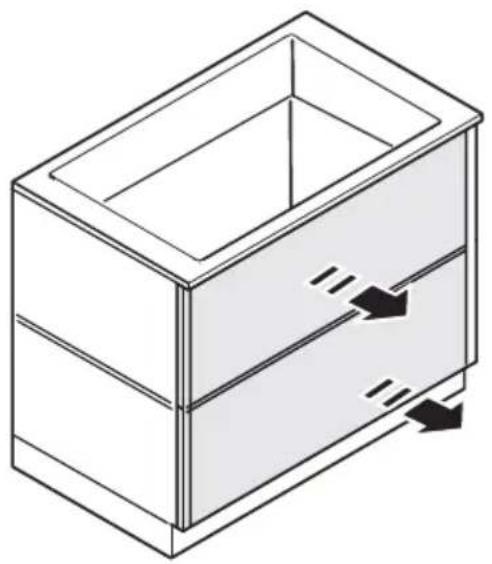
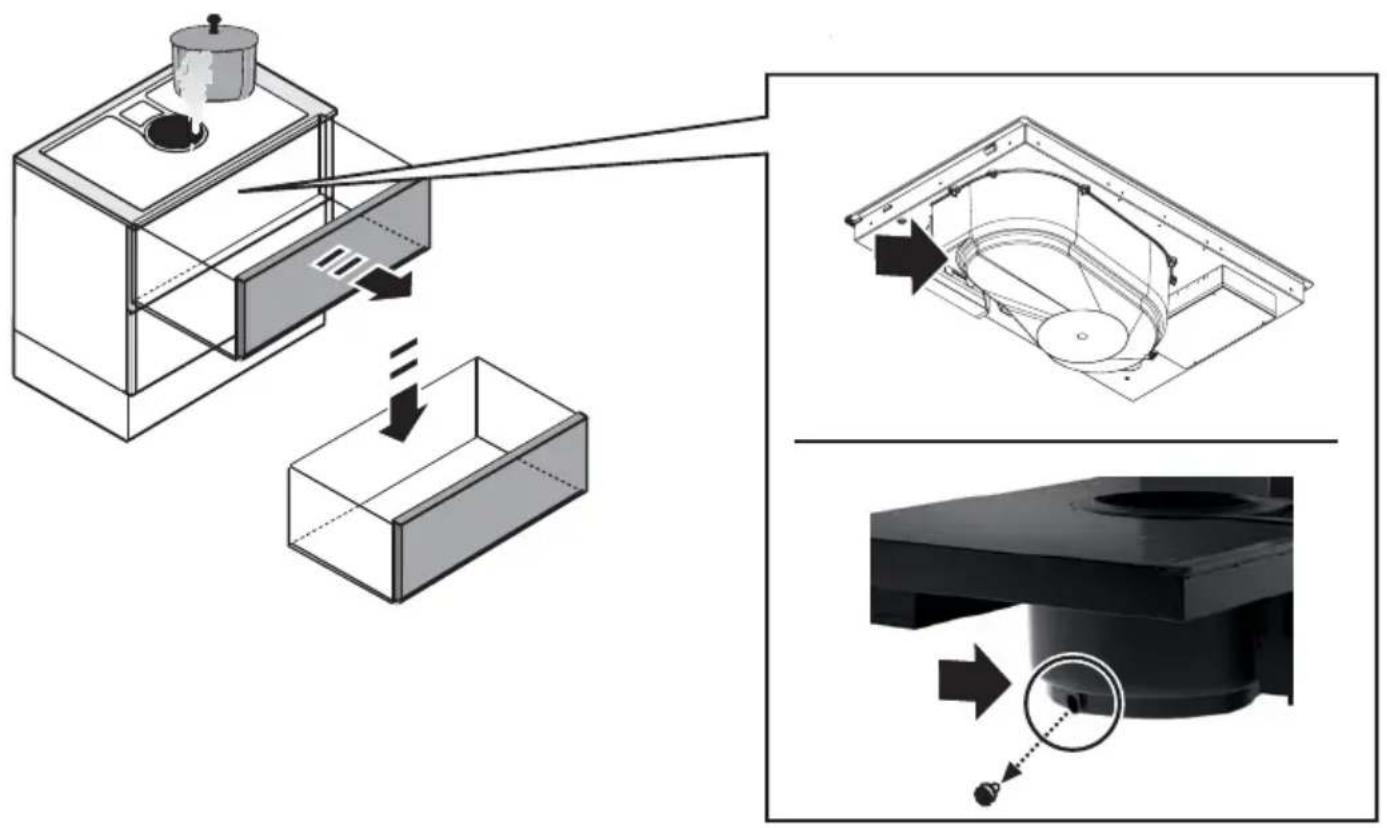
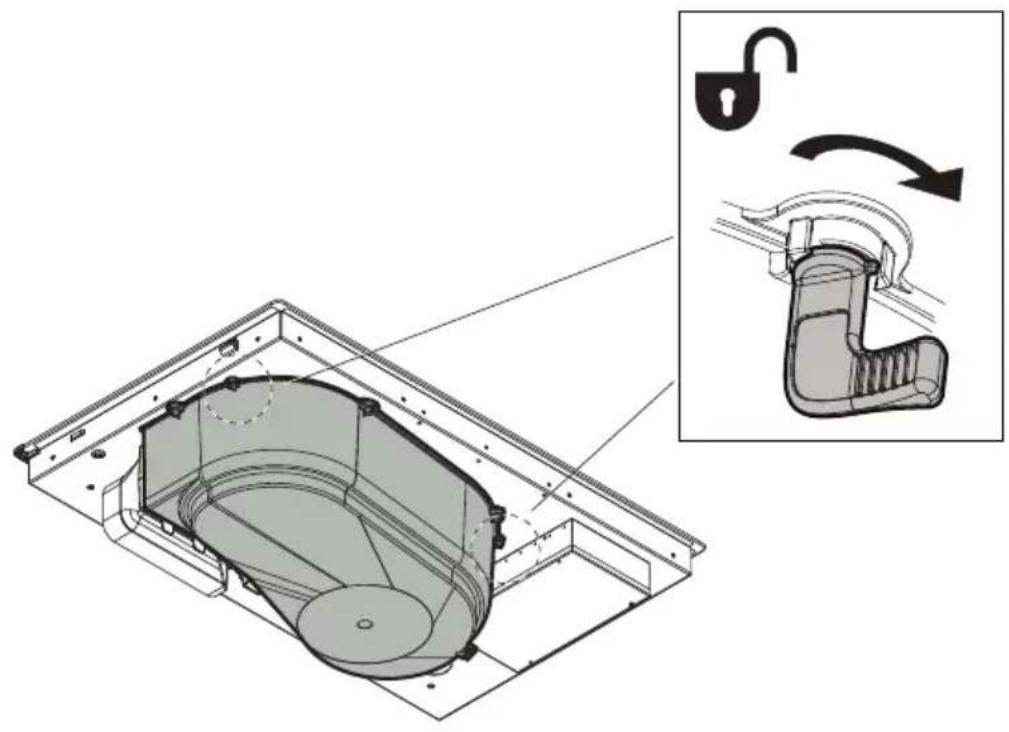
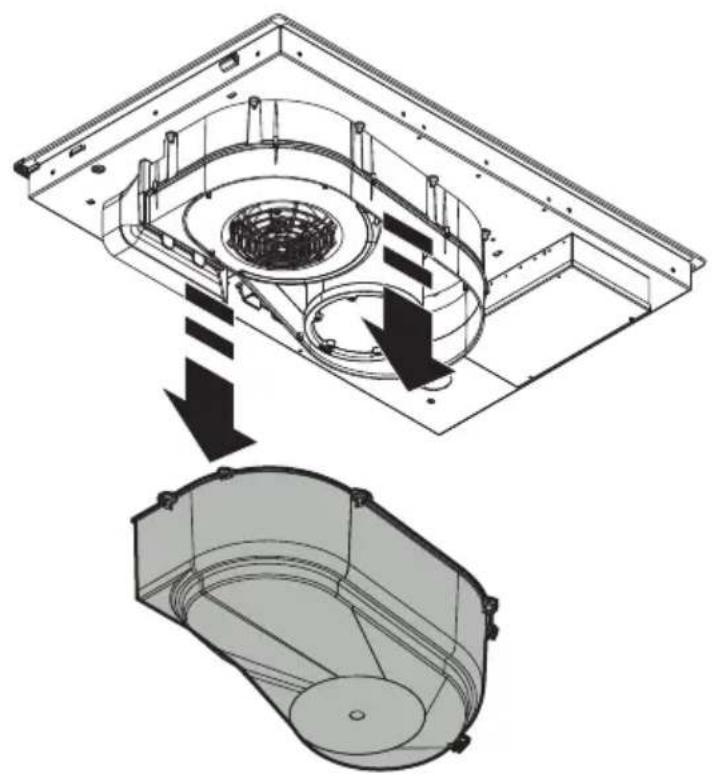
Important: If liquids accidentally or excessively leak out of the pots, the drain valve located on the lower part of the product can be opened so as to remove any residue and be able to clean in conditions of maximum hygiene.
Fig.18
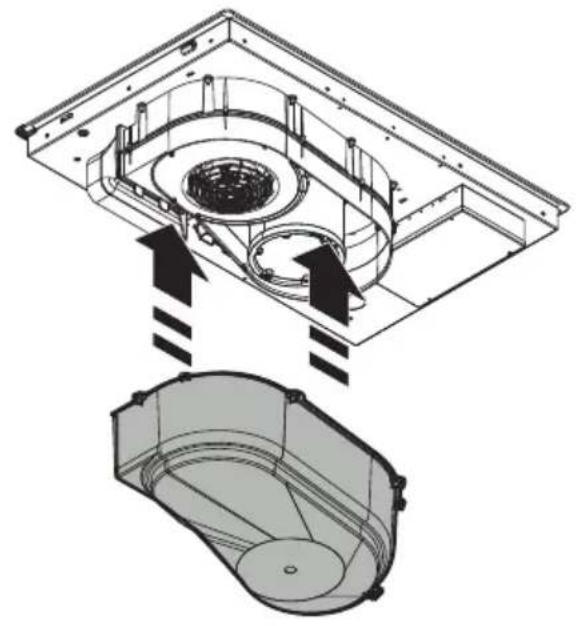
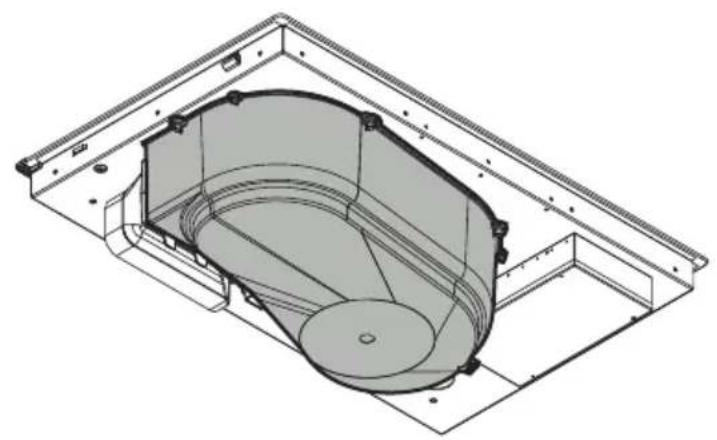
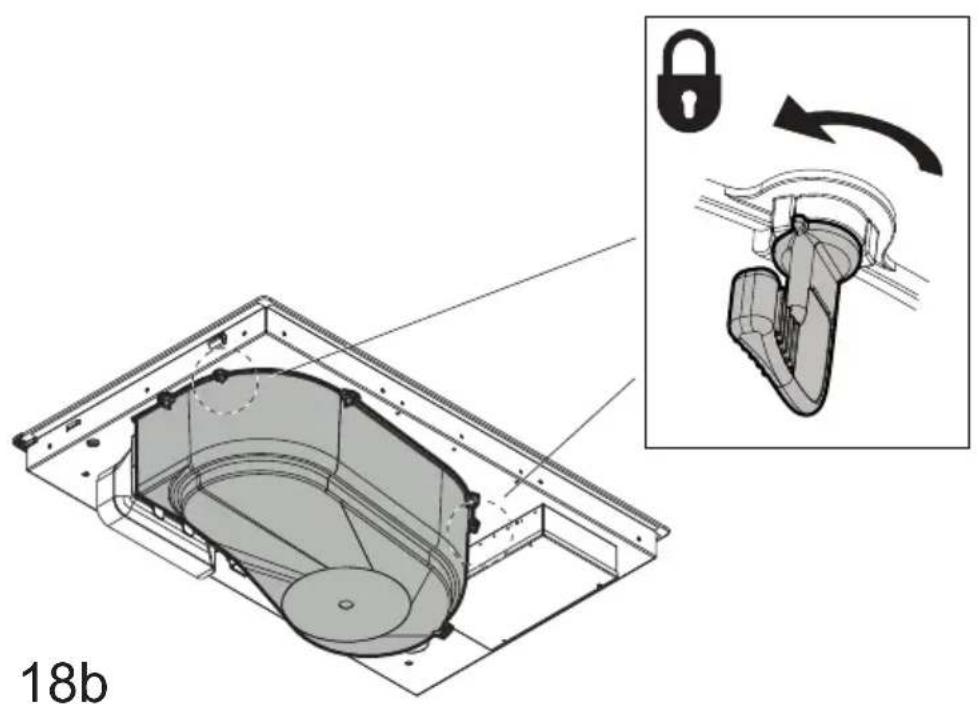
For a more complete and in-depth clean, the lower tray can be completely removed.
Fig.18a - 18b
Extractor fan maintenance Cleaning
For cleaning, use ONLY a cloth moistened with neutral liquid detergents. DO NOT USE CLEANING UTENSILS OR TOOLS!
Avoid the use of products containing abrasives. DO NOT USE ALCOHOL!
Grease filter
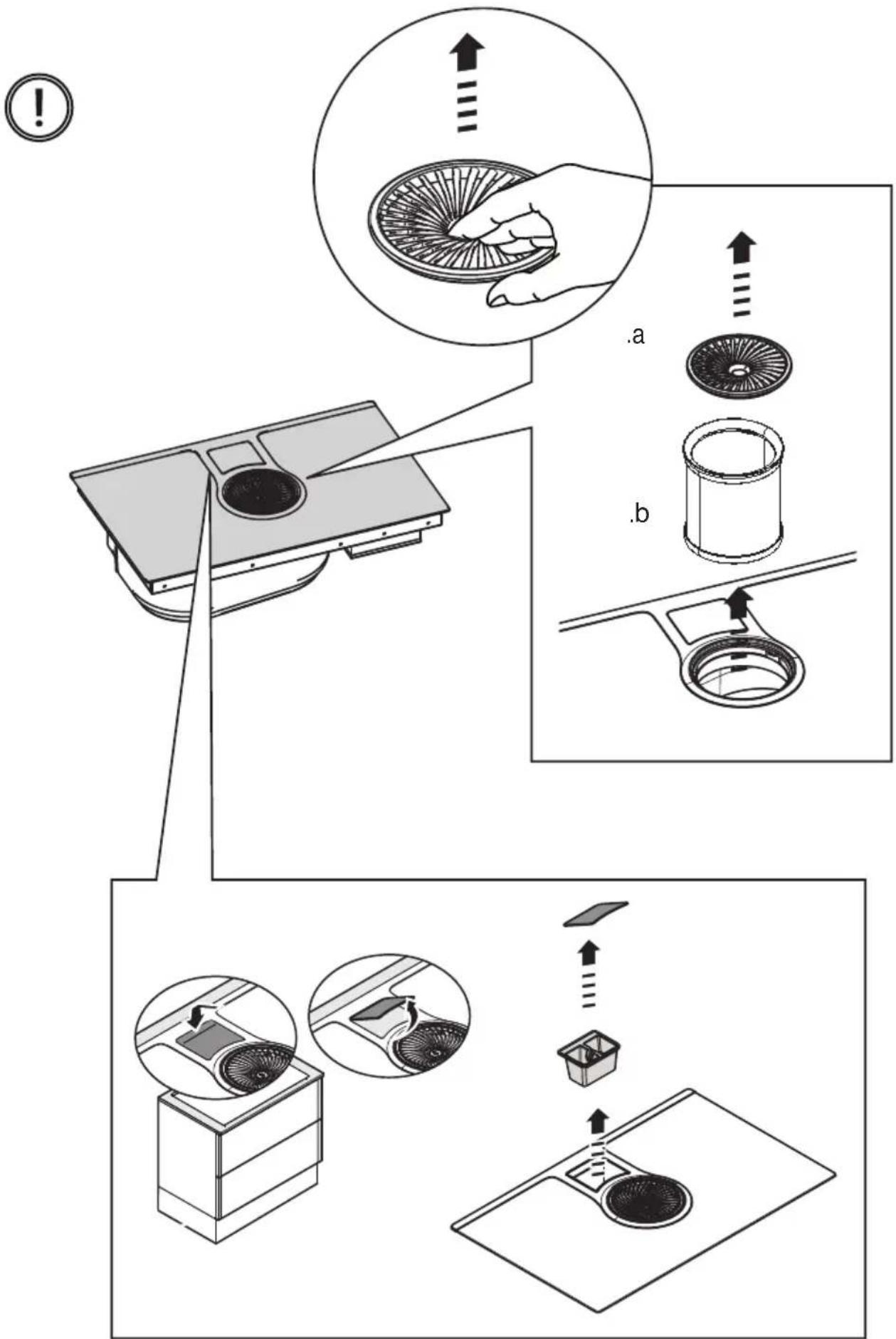
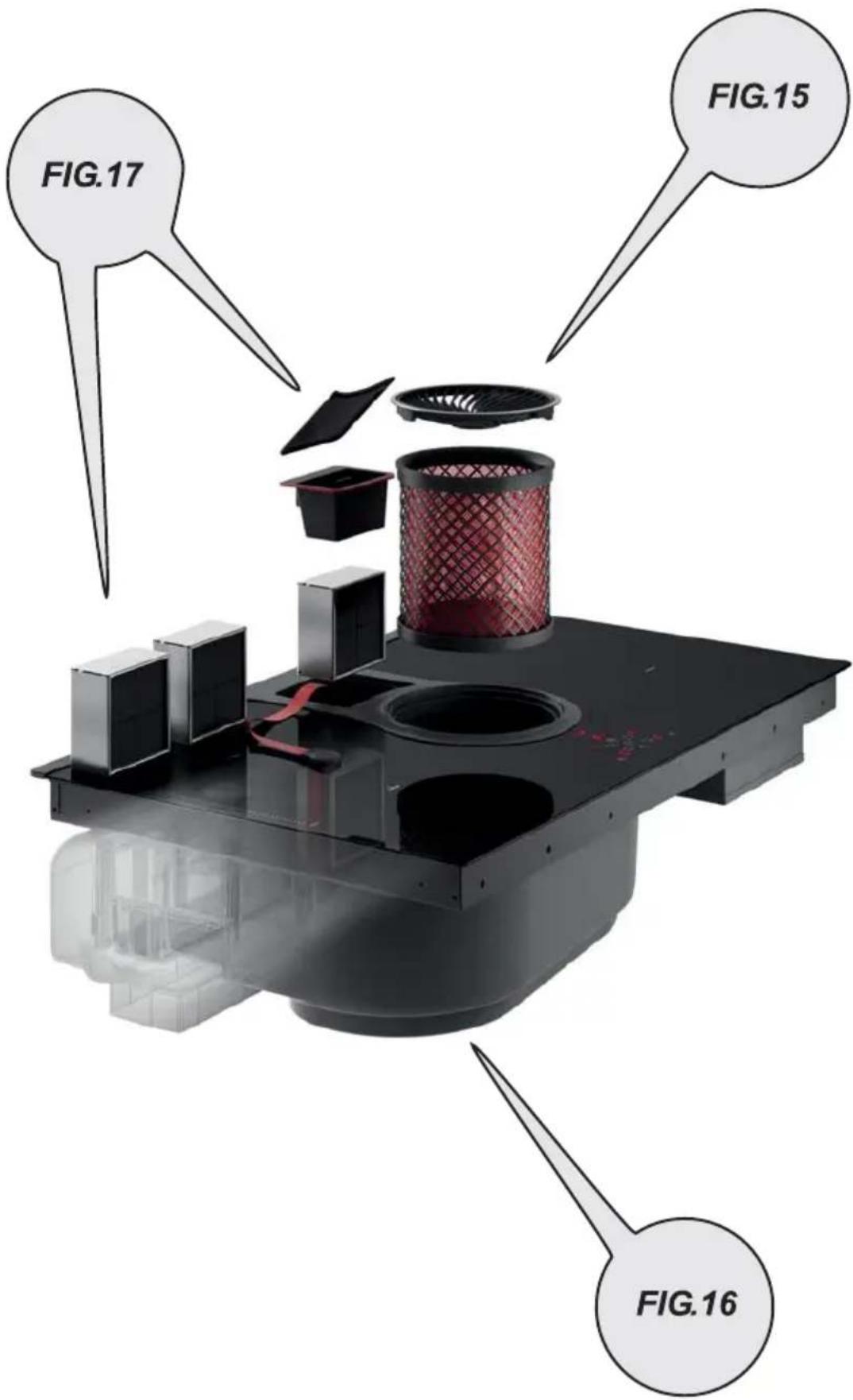
Fig. 15-16
Traps grease particles generated by cooking. Must be cleaned once per month (or when the filter saturation indication system indicates this need), with non-aggressive detergents, either manually or in the dishwasher at a low temperature and in a short cycle. When cleaned in the dishwasher, the metal grease filter may discolour, but its filtering characteristics remain unchanged.
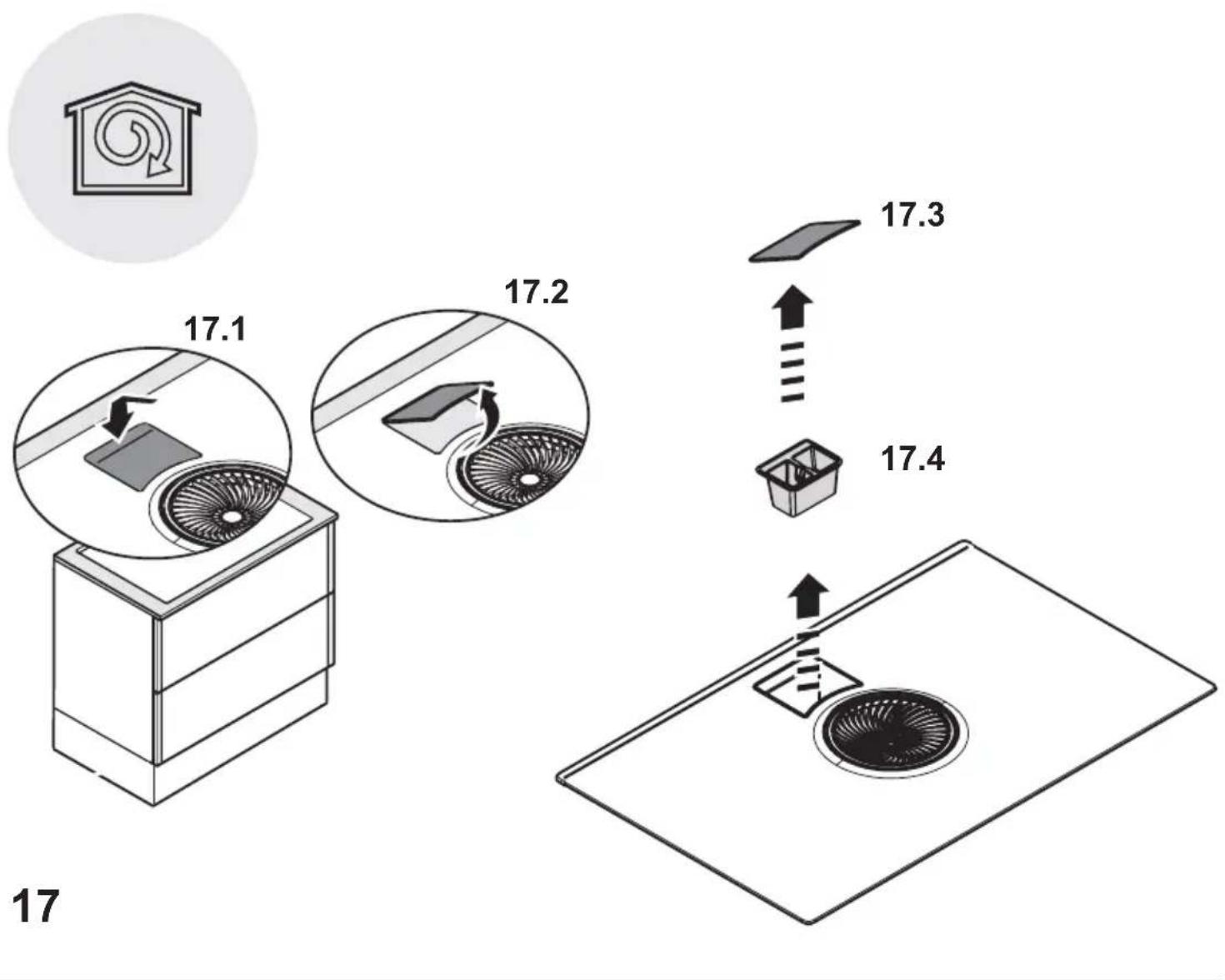
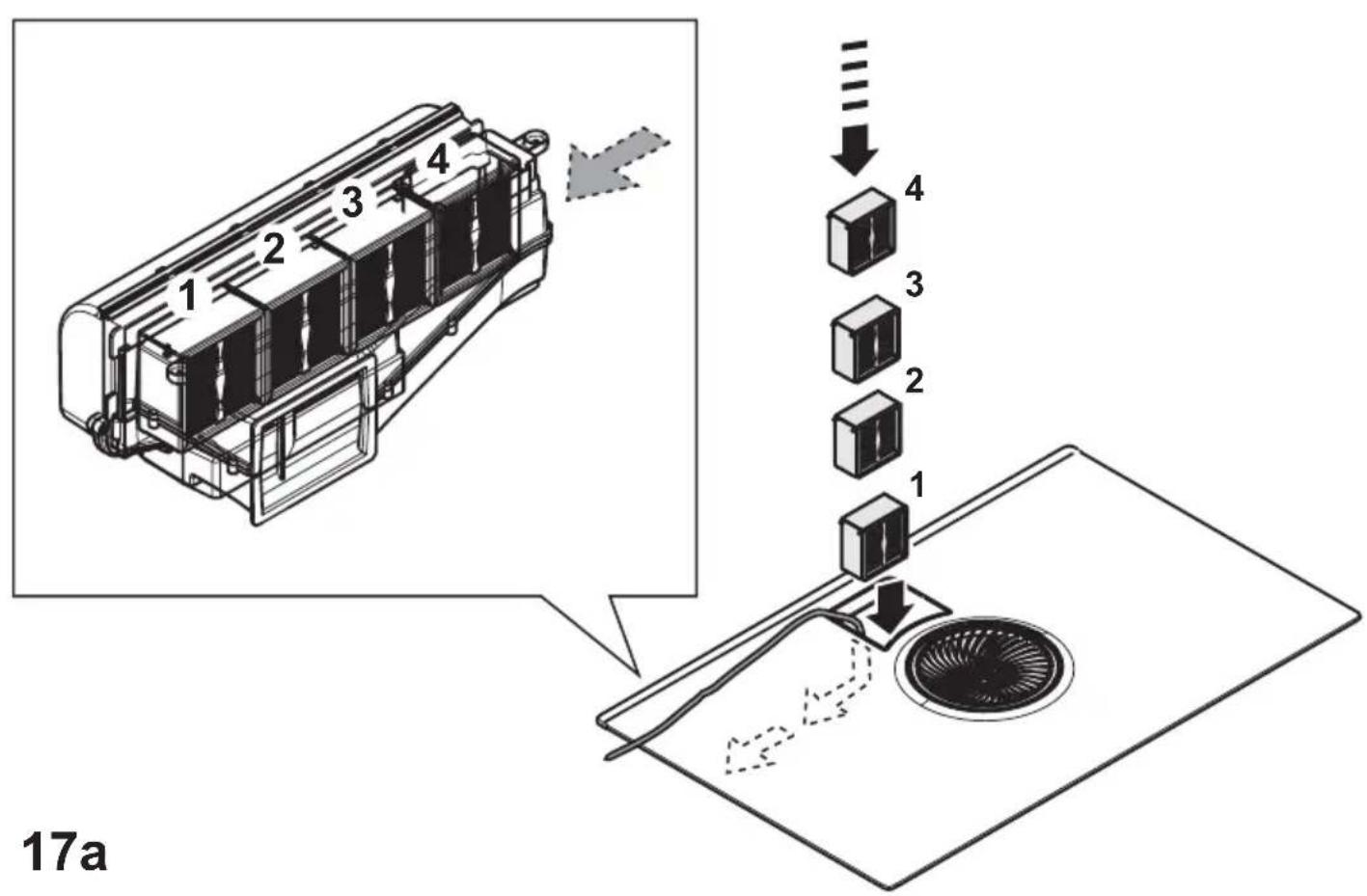
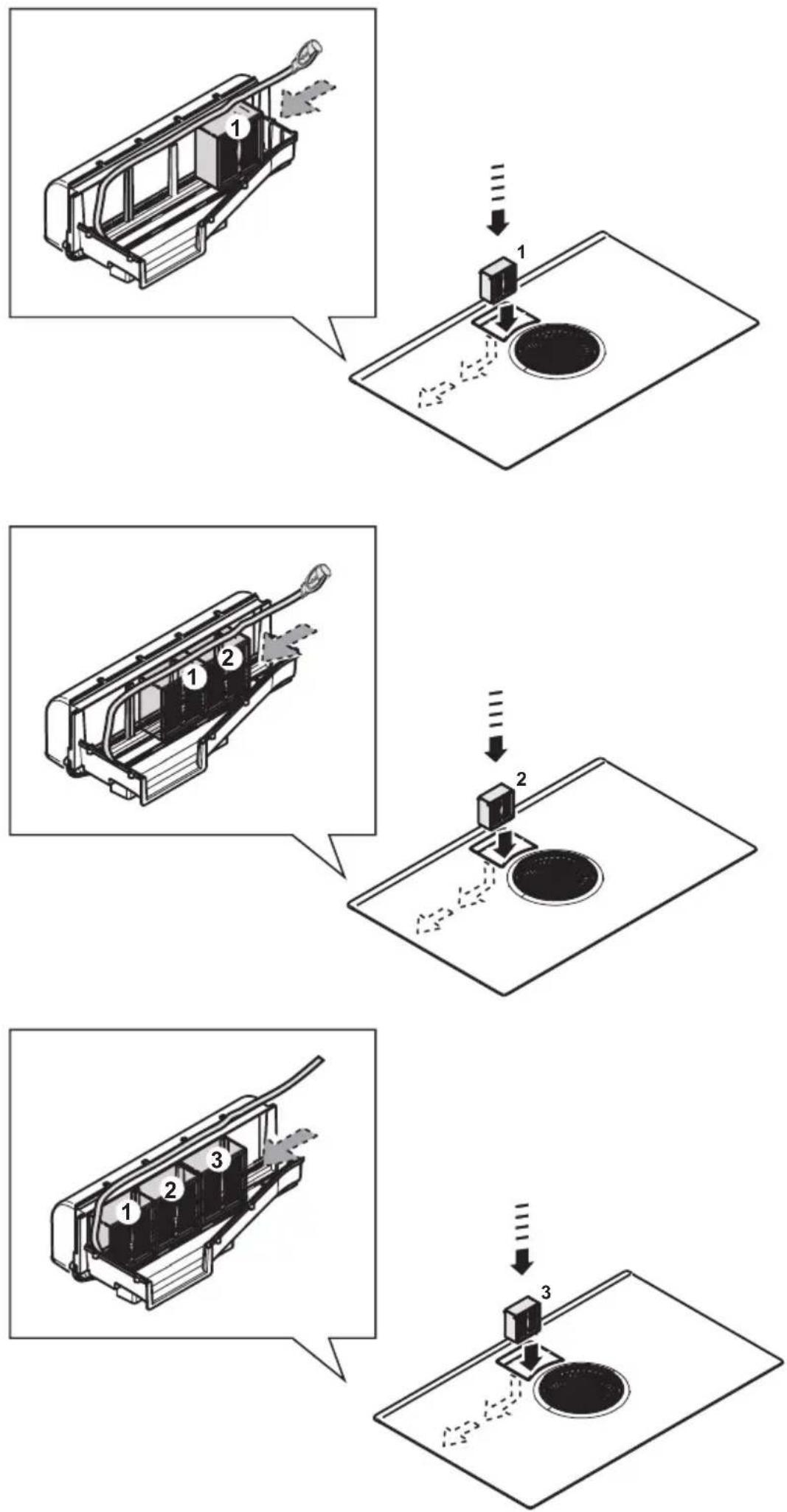
Activated carbon filters (Only for Filtration Version)
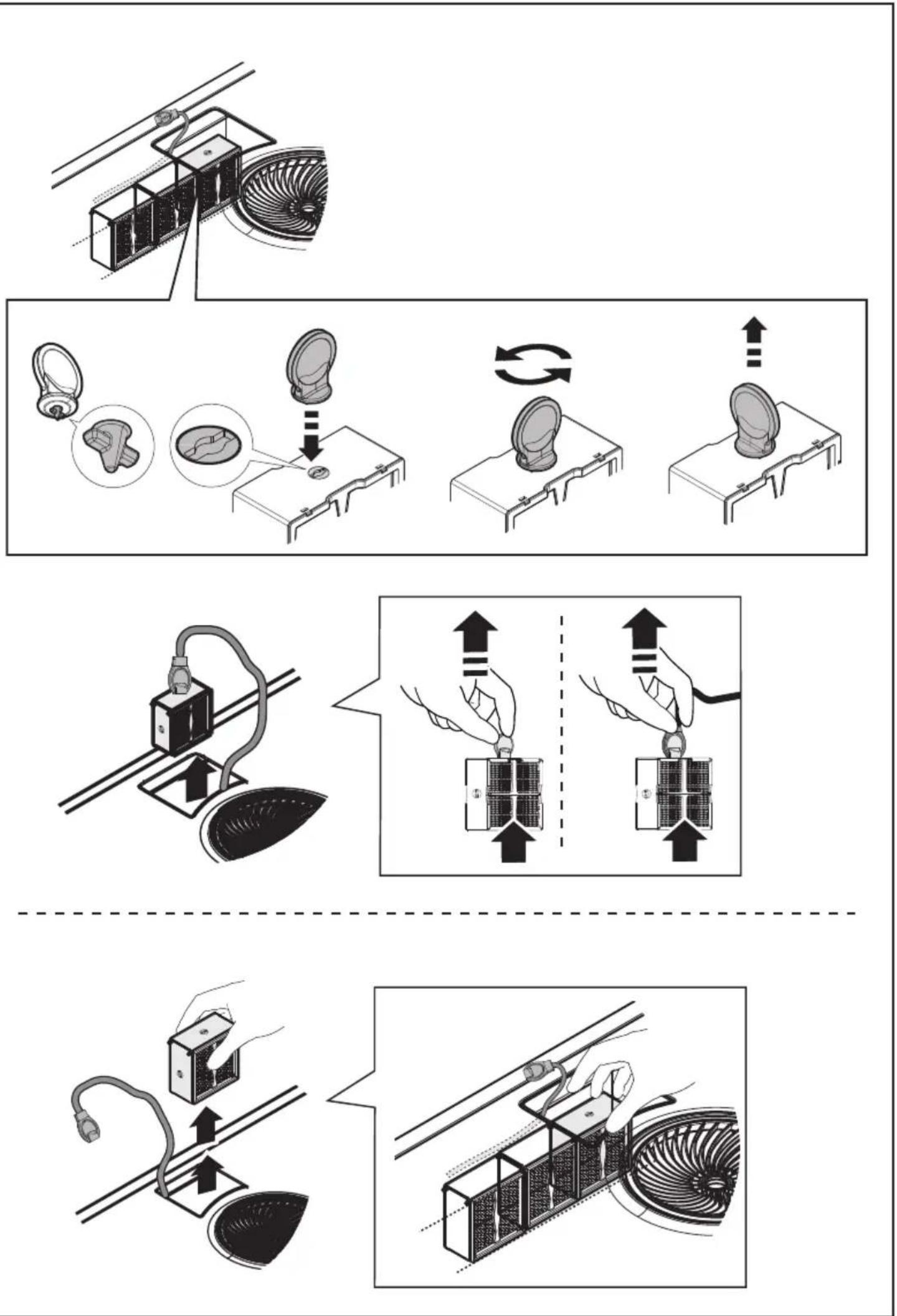
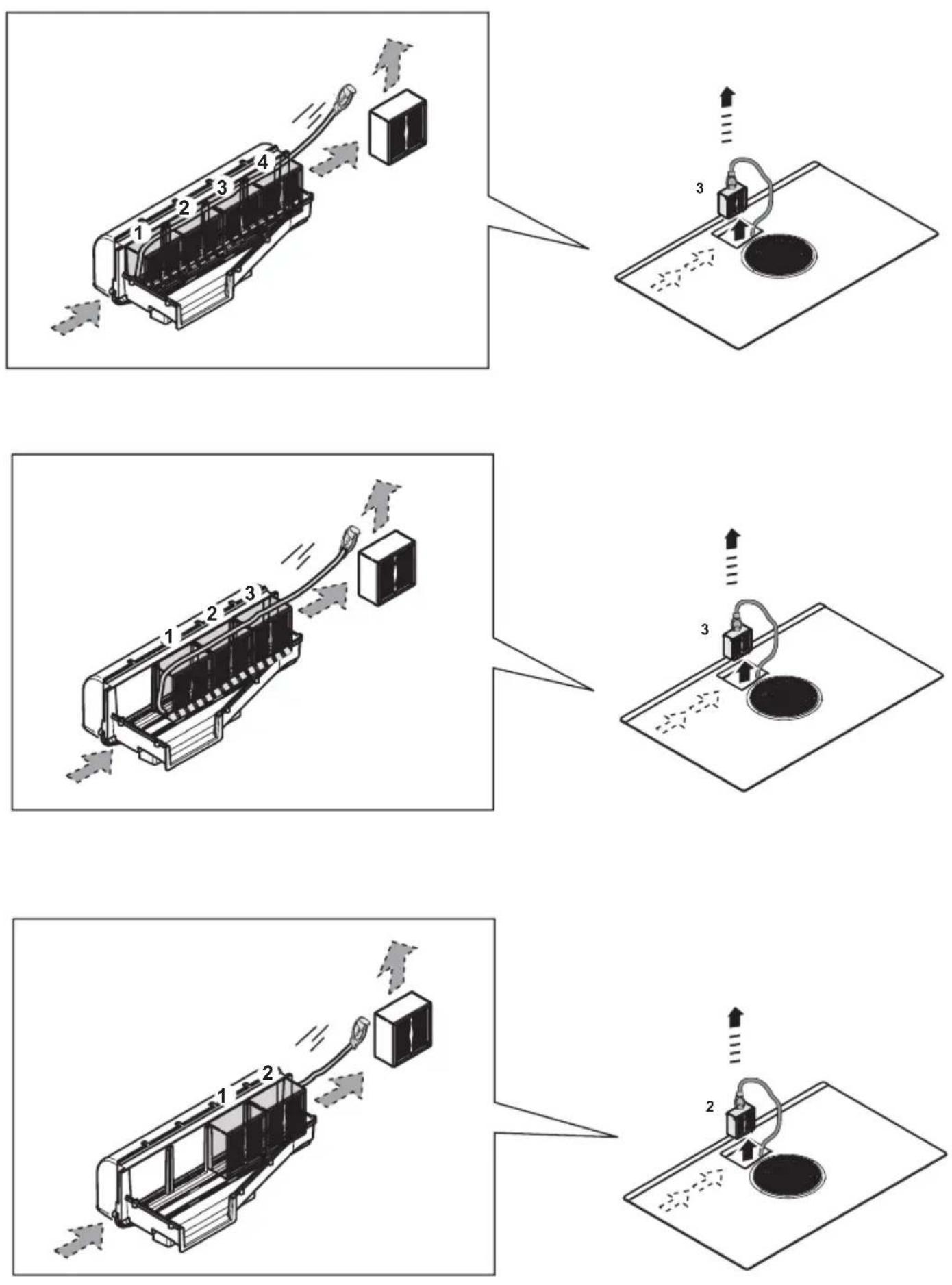
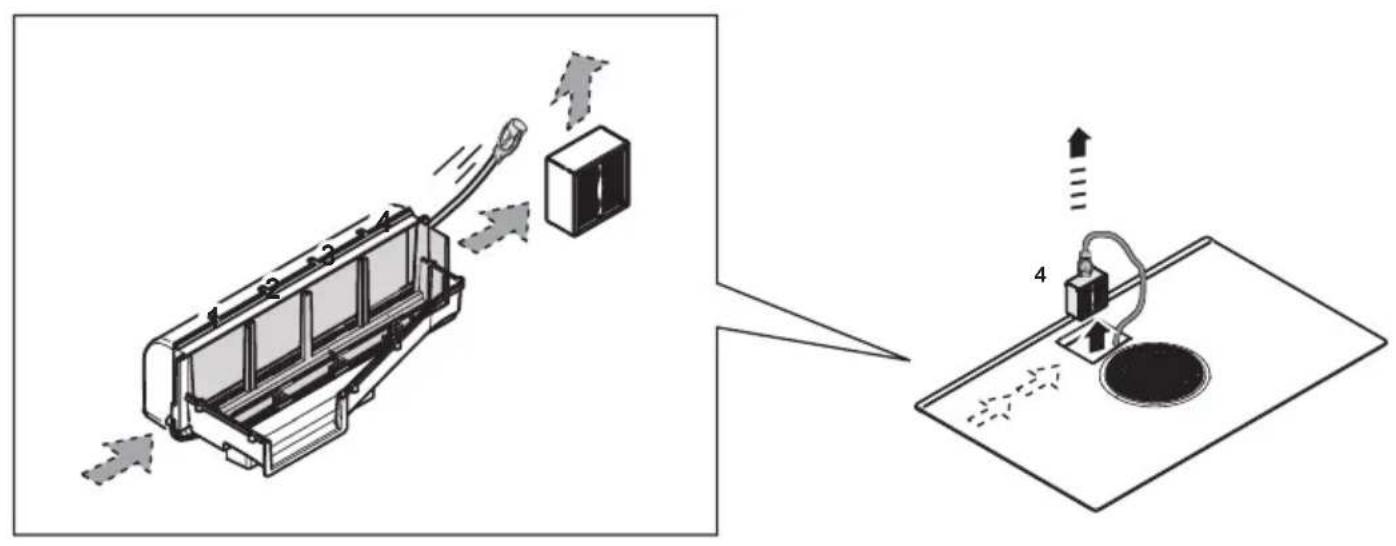
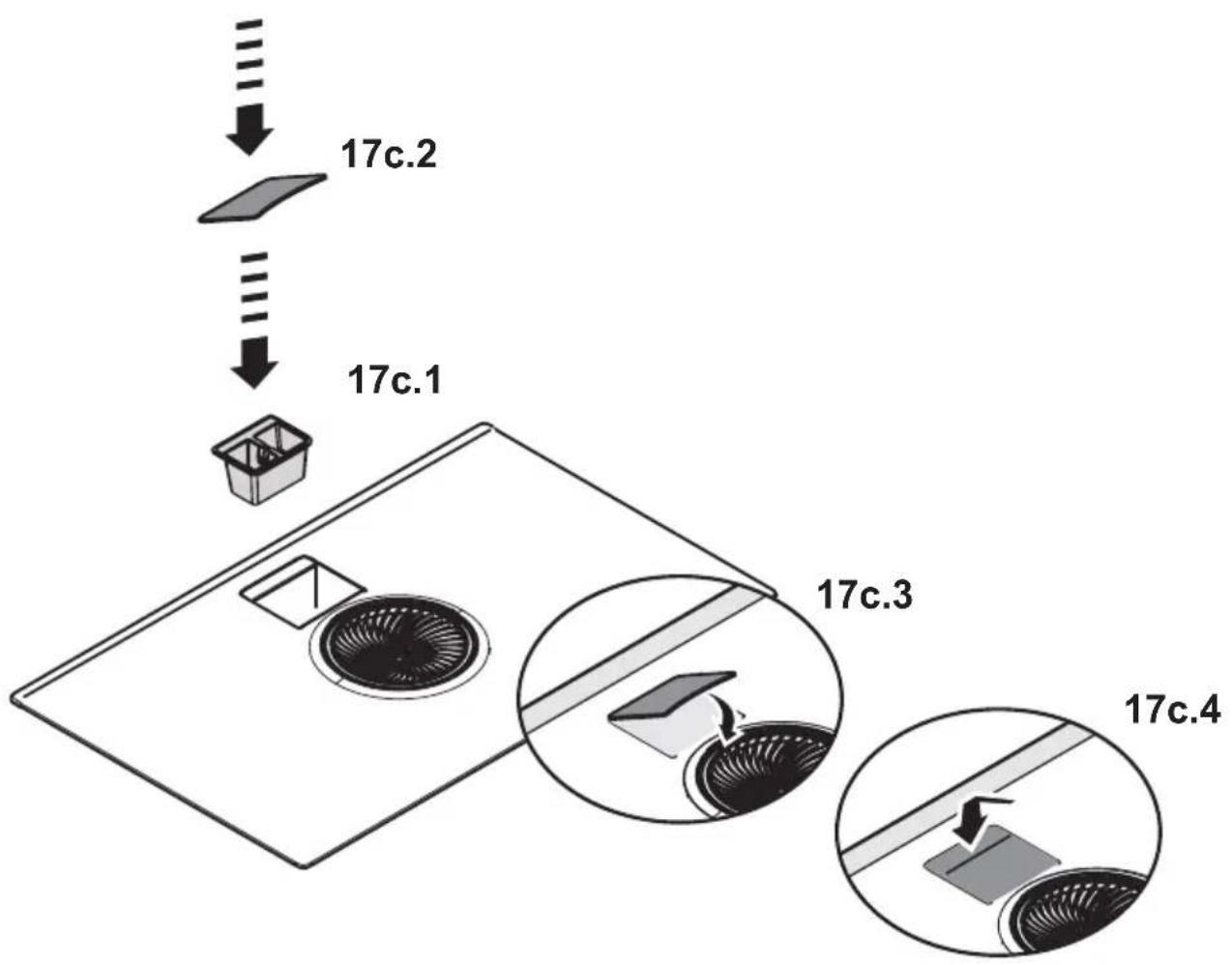
Fig. 17 - 17a - 17b - 17c
Traps unpleasant odours generated by cooking. The product is equipped with four filter packs that trap odours thanks to the activated carbons. The activated carbons are incorporated into a ceramic structure, making them easily and completely accessible by impurities, thus creating a large absorption surface. The ceramic activated carbon filters will become saturated after a more or less prolonged period of use, depending on the type of cooking and frequency with which the grease filters are cleaned.
Maintenance
These odour filters can be thermally regenerated every 2/3 months in an oven preheated to 200° C for 45 minutes. Regeneration allows a maximum filter lifespan of 5 years.
5.2 Troubleshooting
| Error code | Description Possible | causes Error removal | |
| E2 The command zone switches off due to an excessively high temperature | The temperature inside the electronic parts is too high | Wait for the hob to cool before reusing it | |
ERR03 + acoustic signal  | Continuous (permanent) key activation is detected. The interface switches off after 10 seconds | Water, pots or kitchen tools are on top of the user interface | Clean the surface, remove any objects from the surface |
| For all other error signals ( E ... U ... ) | Call customer service and report the error code | ||
5.3 Customer service
Before contacting Customer Service
- Check that you cannot solve the problem yourself based on the points described in "Troubleshooting".
- Switch the device off and on again to see if the problem resolves itself. If the fault persists after the above checks, contact the nearest Customer Service.
 |
| * See the Temperature Manager at the end of this chapter. |
* See the Temperature Manager at the end of this chapter.
| Melting* | |
| Warming* | |
| Simmer* | |
| * See the Temperature Manager at the end of this chapter. | |
0 = 7.4 kW
1 = 4.5 kW
| Melting* | |
| Warming* | |
| Simmer* | |
| * See the Temperature Manager at the end of this chapter. | |
0 = 7.4 kW
1 = 4.5 kW
 |
| * See the Temperature Manager at the end of this chapter. |
0 = 7.4 kW
1 = 4.5 kW


- INDUCTION AIR SYSTEM
- IMPORTANT INSTRUCTIONS FOR SAFETY AND ENVIRONMENT
- COMPLIANCE WITH ROHS DIRECTIVE
- PACKAGE INFORMATION
- USE
- COOKING CONTAINERS
- USE ONLY POTS BEARING THE OL
- PRE-EXISTING CONTAINERS
- RECOMMENDED PAN BOTTOM DIAMETERS
- ENERGY SAVING
- USING THE EXTRACTOR FAN
- EXTRACTION VERSION
- FIG
- FIG.7C
- FILTRATION VERSION
- INSTALLATION
- ELECTRICAL CONNECTION
- MOUNTING
- BEFORE STARTING THE INSTALLATION
- PREPARING THE CABINET FOR INSTALLATION
- FIG. 1B
- OPERATION
- CONTROL PANEL
- KEYS
- DISPLAY / LED
- USING THE HOB
- COOKING ZONE DISPLAY
- HOB CHARACTERISTICS
- SAFE ACTIVATION
- POT DETECTOR
- SAFETY SHUT DOWN
- RESIDUAL HEAT INDICATOR
- POWER-ON
- SELECTING THE COOKING ZONE
- POWER LEVELS
- POWER BOOSTER
- BRIDGE ZONES
- TEMPERATURE MANAGER
- KEY LOCK
- ACTIVATION
- CHILD LOCK
- TIMER
- PAUSE
- RECALL
- AUTOMATIC HEAT UP
- POWER LIMITATION
- SWITCHING ON THE EXTRACTOR FAN
- EXTRACTION SPEED (POWER)
- FILTER SATURATION INDICATOR
- RESET FILTER SATURATION
- ACTIVATION OF ACTIVATED CARBON ODOUR FILTER SATURATION INDICATOR
- DEACTIVATION OF ACTIVATED CARBON ODOUR FILTER SATURATION INDICATOR
- AUTOMATIC OPERATION (HOB2HOOD)
- POWER TABLES
- MAINTENANCE
- HOB MAINTENANCE
- CLEANING
- EXTRACTOR FAN MAINTENANCE CLEANING
- GREASE FILTER
- ACTIVATED CARBON FILTERS (ONLY FOR FILTRATION VERSION)
- CUSTOMER SERVICE
Brand : GRUNDIG
Model : GIEH 824470 X
Category : Cooker