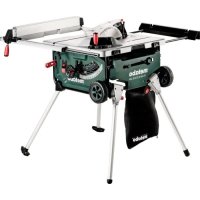
TS 3618 LTX BL 254 - Saw METABO - Free user manual and instructions
Find the device manual for free TS 3618 LTX BL 254 METABO in PDF.



| Product type | Cordless table saw |
| Brand | Metabo |
| Model | TS 3618 LTX BL 254 |
| Blade diameter (outer) | 254 mm |
| Blade bore (inner) | 30 mm |
| Cutting height at 90° | 86 mm |
| Cutting height at 45° | 64 mm |
| Tilt range | -1.5° to 46.5° |
| Max cutting width (side guide) | 350 mm |
| Max crosscut width | 400 mm |
| No-load speed | 4400 rpm |
| Battery voltage | 2 × 18 V (36 V) |
| Battery type | Li-Ion (Li-Power, LiHD) |
| Recommended battery capacity | ≥ 4.0 Ah |
| Dimensions with stand (L × H) | Approx. 900 × 900 mm |
| Weight | Approx. 30 kg |
| Main functions | Rip cuts, crosscuts, blade tilt, side and cross guide, riving knife, blade guard, dust extraction |
| Maintenance | Regular chip cleaning, lubrication of guides, checking the riving knife and blade guard |
| Safety | Blade guard, riving knife, push stick, safety switch, emergency stop |
| Spare parts and repairability | Saw blades, batteries, chargers, dust extraction accessories, original parts available from Metabo |
| General information | EU compliant, recyclable, removable battery, transport with foldable stand |
Frequently Asked Questions - TS 3618 LTX BL 254 METABO
User questions about TS 3618 LTX BL 254 METABO
0 question about this device. Answer the ones you know or ask your own.
Ask a new question about this device
Download the instructions for your Saw in PDF format for free! Find your manual TS 3618 LTX BL 254 - METABO and take your electronic device back in hand. On this page are published all the documents necessary for the use of your device. TS 3618 LTX BL 254 by METABO.
USER MANUAL TS 3618 LTX BL 254 METABO
- Spaltkeil;
- Spanhaube;
-Zuführhifen (Schiebestock, Schieberholz und Griff).
ENGLISHen Original instructions
Table of Contents
- Declaration of Conformity
- Specified Conditions of Use
- General Safety Information
- Special Safety Instructions
- Overview
- Installation
- Initial Operation
- Operation
- Transport
- Care and Maintenance
- Tips and Tricks
- Troubleshooting Guide
- Accessories
- Repairs
- Environmental Protection
- Technical Specifications
1. Declaration of Conformity
We, being solely responsible, hereby declare that these table-top circular saws, identified by type and serial number 1 ), meet all relevant requirements of directives 2 and standards 3 . Test report 4 , Issuing testing authority 5 , Technical documents for 6 - see page 3.
2. Specified Conditions of Use
This table circular saw is intended for ripping and crosscutting grown timber, faced boards, chip board and wood-core plywood sheets, and similar materials.
Metals can only be cut with the following restrictions:
- With suitable saw blade only
(see chapter 13. Accessories")
-Only non-ferrous metals
(no hard metal or hardened metal, no magnesium)
Do not cut round stock without suitable jigs or fixtures. The rotating saw blade could turn the workpiece.
When sawing thin stock laid on its edge, a suitable guide must be used for firm support. The tool must not be used for seaming and grooving.
The tool must not be used for slitting (groove ended in workpiece).
The tool must not be used for plunge cuts.
Any other use is considered to be not as specified and not allowed. The manufacturer assumes no liability for any damage caused by unspecified use.
Modification of the machine or use of parts not approved by the manufacturer can cause unforeseeable damage!
3. General Safety Information

For your own protection and for the protection of your electrical tool, pay attention to all parts of the text that are marked with this symbol!

WARNING - Reading the operating instructions will reduce the risk of injury.
Pass on your power tool only together with documents.
General Power Tool SafetyWarnings
WARNING Read all safety warnings, instructions, illustrations and specifications provided with this power tool. Failure to follow all instructions listed below may result in electric shock, fire and/or serious injury.
Save all warnings and instructions for future reference. The term "power tool" in the warnings refers to your mains-operated (cored) power tool or battery-operated (cordless) power tool.
3.1 Work Area Safety
a) Keep work area clean and well lit. Cluttered or dark areas invite accidents.
b) Do not operate power tools in explosive atmospheres, such as in the presence of flammable liquids, gases or dust. Power tools create sparks which may ignite the dust or fumes
c) Keep children and bystanders away while operating a power tool. Distractions can cause you to lose control.
3.2 Electrical Safety
a) Power tool plugs must match the outlet. Never modify the plug in any way. Do not use any adapter plugs with earthed (grounded) power tools. Unmodified plugs and matching outlets will reduce risk of electric shock.
b) Avoid body contact with earthed or grounded surfaces, such as pipes, radiators, ranges and refrigerators. There is an increased risk of electric shock if your body is earthed or grounded.
c) Do not expose power tools to rain or wet conditions. Water entering a power tool will increase the risk of electric shock.
d) Do not abuse the cord. Never use the cord for carrying, pulling or unplugging the power tool. Keep cord away from heat, oil, sharp edges or moving parts. Damaged or entangled cords increase the risk of electric shock.
e) When operating a power tool outdoors, use an extension cord suitable for outdoor use. Use of a cord suitable for outdoor use reduces the risk of electric shock.
f) If operating a power tool in a damp location is unavoidable, use a residual current device (RCD) protected supply. Use of an RCD reduces the risk of electric shock.
3.3 Personal Safety
a) Stay alert, watch what you are doing and use common sense when operating a power tool. Do not use a power tool while you are tired or under the influence of drugs, alcohol or medication. A moment of inattention while operating power tools may result in serious personal injury.
b) Use personal protective equipment. Always wear eye protection. Protective equipment such as dust mask, non-skid safety shoes, hard hat, or hearing protection used for appropriate conditions will reduce personal injuries.
c) Prevent unintentional starting. Ensure the switch is in the off-position before connecting to power source and/or battery pack, picking up or carrying the tool. Carrying power tools with your finger on the switch or energising power tools that have the switch on invites accidents.
d) Remove any adjusting key or wrench before turning the power tool on. A wrench or a key left attached to a rotating part of the power tool may result in personal injury.
e) Do not overreach. Keep proper footing and balance at all times.
This enables better control of the power tool in unexpected situations.
f) Dress properly. Do not wear loose clothing or jewellery. Keep your hair and clothing away from moving parts. Loose clothes, jewellery or long hair can be caught in moving parts.
g) If devices are provided for the connection of dust extraction and collection facilities, ensure these are connected and properly used. Use of dust extraction can reduce dust-related hazards.
h) Do not let familiarity gained from frequent use of tools allow you to become complacent and ignore tool safety principles. A careless action can cause severe injury within a fraction of a second.
3.4 Power Tool Use and Care
a) Do not force the power tool. Use the correct power tool for your application. The correct power tool will do the job better and safer at the rate for which it was designed.
b) Do not use the power tool if the switch does not turn it on and off. Any power tool that cannot
be controlled with the switch is dangerous and must be repaired.
c) Disconnect the plug from the power source and/or remove the battery pack, if detachable, from the power tool before making any adjustments, changing accessories, or storing power tools. Such preventive safety measures reduce the risk of starting the power tool accidentally.
d) Store idle power tools out of the reach of children. Do not allow persons unfamiliar with the power tool or these instructions to operate the power tool. Power tools are dangerous in the hands of untrained users.
e) Maintain power tools and accessories with care. Check for misalignment or binding of moving parts, breakage of parts and any other condition that may affect the power tool's operation. If damaged, have the power tool repaired before use. Many accidents are caused by poorly maintained power tools.
f) Keep cutting tools sharp and clean. Properly maintained cutting tools with sharp cutting edges are less likely to bind and are easier to control.
g) Use the power tool, accessories, tool bits etc. in accordance with these instructions. Take into account the working conditions and the work to be performed. Use of the power tool for operations different from those intended could result in a hazardous situation.
h) Keep handles and grasping surfaces dry, clean and free from oil and grease. Slippery handles and grasping surfaces do not allow for safe handling and control of the tool in unexpected situations.
3.5 Battery tool use and care
a) Recharge only with the charger specified by the manufacturer. A charger that is suitable for one type of battery pack may create a risk of fire when used with another battery pack.
b) Use power tools only with specifically designated battery packs. Use of any other battery packs may create a risk of injury and fire.
c) When battery pack is not in use, keep it away from other metal objects, like paper clips, coins, keys, nails, screws or other small metal objects, that can make a connection from one terminal to another. Shorting the battery terminals together may cause burns or a fire.
d) Under abusive conditions, liquid may be ejected from the battery; avoid contact. If contact accidentally occurs, flush with water. If liquid contacts eyes, additionally seek medical help. Liquid ejected from the battery may cause irritation or burns.
e) Do not use a battery pack or tool that is damaged or modified. Damaged or modified batteries may exhibit unpredictable behaviour resulting in fire, explosion or risk of injury.
f) Do not expose a battery pack or tool to fire or excessive temperature. Exposure to fire or temperature above 130°C may cause explosion.
g) Follow all charging instructions and do not charge the battery pack or tool outside the temperature range specified in the instructions. Charging improperly or at temperatures outside the specified range may damage the battery and increase the risk of fire.
3.6 Service
a) Have your power tool serviced by a qualified repair person using only identical replacement parts. This will ensure that the safety of the power tool is maintained.
b) Never service damaged battery packs. Service of battery packs should only be performed by the manufacturer or authorized service providers.
4. Special Safety Instructions
4.1 Guarding related warnings
a) Keep guards in place. Guards must be in working order and be properly mounted. A guard that is loose, damaged, or is not functioning correctly must be repaired or replaced.
b) Always use saw blade guard and riving knife for every through-cutting operation. For through-cutting operations where the saw blade cuts completely through the thickness of the workpiece, the guard and other safety devices help reduce the risk of injury.
c) Immediately reattach the guarding system after completing an operation (such as rabbeting) which requires removal of the guard and riving knife. The guard, riving knife help to reduce the risk of injury.
d) Make sure the saw blade is not contacting the guard, riving knife or the workpiece before the switch is turned on. Inadvertent contact of these items with the saw blade could cause a hazardous condition.
e) Adjust the riving knife as described in this instruction manual. Incorrect spacing, positioning and alignment can make the riving knife ineffective in reducing the likelihood of kickback.
f) For the riving knife to work, they must be engaged in the workpiece. The riving knife is ineffective when cutting workpieces that are too short to be engaged with the riving knife and anti-kickback device. Under these conditions a kickback cannot be prevented by the riving knife and anti-kickback device.
g) Use the appropriate saw blade for the riving knife. For the riving knife to function properly, the saw blade diameter must match the appropriate riving knife and the body of the saw blade must be thinner than the thickness of the riving knife and the cutting width of the saw blade must be wider than the thickness of the riving knife.
4.2 Cutting procedures warnings
a) DANGER: Never place your fingers or hands in the vicinity or in line with the saw blade. A moment of inattention or a slip could direct your hand towards the saw blade and result in serious personal injury.
b) Feed the workpiece into the saw blade only against the direction of rotation. Feeding the workpiece in the same direction that the saw blade is rotating above the table may result in the workpiece, and your hand, being pulled into the saw blade.
c) Never use the mitre gauge to feed the workpiece when ripping and do not use the rip fence as a length stop when cross cutting with the mitre gauge. Guiding the workpiece with the rip fence and the mitre gauge at the same time increases the likelihood of saw blade binding and kickback.
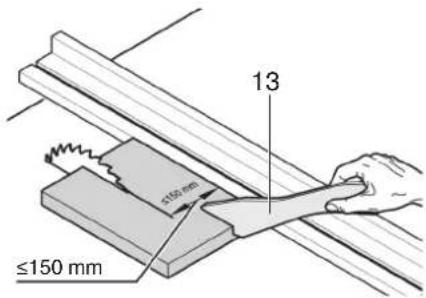
d) When ripping, always apply the workpiece feeding force between the fence and the saw blade. Use a push stick when the distance between the fence and the saw blade is less than 150mm , and use a push block when this distance is less than 50mm . "Work helping" devices will keep your hand at a safe distance from the saw blade.
e) Use only the push stick provided by the manufacturer or constructed in accordance with the instructions. This push stick provides sufficient distance of the hand from the saw blade.
f) Never use a damaged or cut push stick. A damaged push stick may break causing your hand to slip into the saw blade.
g) Do not perform any operation "freehand". Always use either the rip fence or the mitre gauge to position and guide the workpiece. "Freehand" means using your hands to support or guide the workpiece, in lieu of a rip fence or mitre gauge. Freehand sawing leads to misalignment, binding and kickback.
h) Never reach around or over a rotating saw blade. Reaching for a workpiece may lead to accidental contact with the moving saw blade.
i) Provide auxiliary workpiece support to the rear and/or sides of the saw table for long and/or wide workpieces to keep them level. A long and/or wide workpiece has a tendency to pivot on the table's edge, causing loss of control, saw blade binding and kickback.
j) Feed workpiece at an even pace. Do not bend or twist the workpiece. If jamming occurs, turn the tool off immediately, unplug the tool then clear the jam. Jamming the saw
blade by the workpiece can cause kickback or stall the motor.
k) Do not remove pieces of cut-off material while the saw is running. The material may become trapped between the fence or inside the saw blade guard and the saw blade pulling your fingers into the saw blade. Turn the saw off and wait until the saw blade stops before removing material.
1) Use an auxiliary fence in contact with the table top when ripping workpieces less than 2 mm thick. A thin workpiece may wedge under the rip fence and create a kickback.
4.3 Kickback causes and related warnings Kickback is a sudden reaction of the workpiece due to a pinched, jammed saw blade or misaligned line of cut in the workpiece with respect to the saw blade or when a part of the workpiece binds between the saw blade and the rip fence or other fixed object.
Most frequently during kickback, the workpiece is lifted from the table by the rear portion of the saw blade and is propelled towards the operator.
Kickback is the result of saw misuse and/or incorrect operating procedures or conditions and can be avoided by taking proper precautions as given below.
a) Never stand directly in line with the saw blade. Always position your body on the same side of the saw blade as the fence. Kickback may propel the workpiece at high velocity towards anyone standing in front and in line with the saw blade.
b) Never reach over or in back of the saw blade to pull or to support the workpiece. Accidental contact with the saw blade may occur or kickback may drag your fingers into the saw blade.
c) Never hold and press the workpiece that is being cut off against the rotating saw blade. Pressing the workpiece being cut off against the saw blade will create a binding condition and kickback.
d) Align the fence to be parallel with the saw blade. A misaligned fence will pinch the workpiece against the saw blade and create kickback.
e) Use a featherboard to guide the workpiece against the table and fence when making non-through cuts such as rabbeting. A featherboard helps to control the workpiece in the event of a kickback.
f) Support large panels to minimise the risk of saw blade pinching and kickback. Large panels tend to sag under their own weight. Support(s) must be placed under all portions of the panel overhanging the table top.
g) Use extra caution when cutting a workpiece that is twisted, knotted, warped or does not have a straight edge to guide it with a metre gauge or along the fence. A warped, knotted, or twisted workpiece is unstable and causes misalignment of the kerf with the saw blade, binding and kickback.
h) Never cut more than one workpiece, stacked vertically or horizontally. The saw blade could pick up one or more pieces and cause kickback.
i) When restarting the saw with the saw blade in the workpiece, centre the saw blade in the kerf so that the saw teeth are not engaged in the material. If the saw blade binds, it may lift up the workpiece and cause kickback when the saw is restarted.
j) Keep saw blades clean, sharp, and with sufficient set. Never use warped saw blades or saw blades with cracked or broken teeth. Sharp and properly set saw blades minimise binding, stalling and kickback.
4.4 Table saw operating procedure warnings
a) Turn off the table saw and disconnect from the battery pack when removing the table insert, changing the saw blade or making adjustments to the riving knife or saw blade guard, and when the machine is left unattended. Precautionary measures will avoid accidents.
b) Never leave the table saw running unattended. Turn it off and don't leave the
tool until it comes to a complete stop. An unattended running saw is an uncontrolled hazard.
c) Locate the table saw in a well-lit and level area where you can maintain good footing and balance. It should be installed in an area that provides enough room to easily handle the size of your workpiece. Cramped, dark areas, and uneven slippery floors invite accidents.
d) Frequently clean and remove sawdust from under the saw table and/or the dust collection device. Accumulated sawdust is combustible and may self-ignite.
e) The table saw must be secured. A table saw that is not properly secured may move or tip over.
f) Remove tools, wood scraps, etc. from the table before the table saw is turned on. Distraction or a potential jam can be dangerous.
g) Always use saw blades with correct size and shape (diamond versus round) of arbour holes. Saw blades that do not match the mounting hardware of the saw will run off-centre, causing loss of control.
h) Never use damaged or incorrect saw blade mounting means such as flanges, saw blade washers, bolts or nuts. These mounting means were specially designed for your saw, for safe operation and optimum performance.
i) Never stand on the table saw, do not use it as a stepping stool. Serious injury could occur if the tool is tipped or if the cutting tool is accidentally contacted.
j) Make sure that the saw blade is installed to rotate in the proper direction. Do not use grinding wheels, wire brushes, or abrasive wheels on a table saw. Improper saw blade installation or use of accessories not recommended may cause serious injury.
4.5 Additional Safety Instructions
- These operating instructions are intended for people with basic technical knowledge regarding the operation of a machine like this or similar electrical power tools. Inexperienced persons are strongly advised to seek competent advise and guidance from an experienced person before operating this machine.
- The manufacturer assumes no liability for any damage caused by neglect of these operating instructions.
Information in these instructions is marked as under:

Danger!
Risk of personal injury or environmental damage.

Risk of electric shock!
Risk of personal injury by electric shock.

Entanglement hazard!
Risk of personal injury by body parts or clothing being drawn into the rotating saw blade.

Caution!
Risk of material damage.

Note:
Additional information.
- Please also observe the special safety instructions in the respective chapters.
- Where applicable, follow the legal directives or regulations for the prevention of accidents pertaining to the use of circular saws.

General hazards!
- Consider environmental conditions:
- When working long stock use suitable supports.
- The saw shall only be started and operated by persons familiar with circular saws and who are at any time aware of the dangers associated with the operation of such tools.
Persons under 18 years of age shall use this machine only in the course of their vocational training, under the supervision of an instructor.
ENGLISHen
- Keep bystanders, particularly children, out of the danger zone. During use, do not allow other persons to touch the device or the battery pack.
- Avoid overheating of the saw teeth.
- When sawing plastic, avoid melting of the plastic.
- Only saw wedges with the appropriate auxiliary limit stop.

Risk of electric shock!
- Do not expose the machine to rain.
- Do not operate the machine in a damp or wet environment.

Risk of personal injury and crushing living parts!
- Do not operate the machine without installed guards.
Always keep sufficient distance to the saw blade. Use suitable feeding aids, if necessary. Keep sufficient distance to driven components when operating this machine. - Wait for the saw blade to come to a complete stop before removing cutoffs, scrap, etc. from the work area.
- Do not attempt to stop the saw blade by pushing the workpiece against its side.
- Switch off the machine and remove the battery pack before transporting the machine or changing any settings, carrying out maintenance or cleaning.
- Ensure that when switching on (e.g. after servicing) no tools or loose parts are left on or in the machine.

Cutting hazard, even with the cutting, is standstill!
- Wear gloves when changing cutting tools.
- Store saw blade in such manner that nobody will get hurt.

Danger from workpiece kickback!
Always work with a properly set splitting wedge.
- Do not jam any work pieces.
Make sure the saw blade is suitable for the workpiece material.
- Cut thin or thin-walled workpieces only with fine-toothed saw blades.
Always use sharp saw blades.
If in doubt, check work piece for inclusion of foreign matter (e.g. nails or screws).
- Cut only stock of dimensions that can be safely held during cutting.

Entanglement hazard!
- Ensure that no parts of the body or clothing can be caught and drawn in by rotating components (no neckties, no gloves, no loose-fitting clothes; contain long hair with hairnet).
- Never attempt to cut any workpieces which contain
-ropes,
-strings,
-cords,
-cables or
-wires, or to which any of the above are attached.

Hazard generated by insufficient seal protection gear!
- Wear hearing protection.
- Wear safety glasses.
- Wear dust mask.
- Wear suitable work clothes.
- When working outdoors wearing of non-slip shoes is recommended.

Risk of injury by inhaled wood dust!
- Some types of wood dust (e.g. beech, oak, ash) may cause cancer when inhaled. Work only with a suitable dust collector attached to the saw. The dust extraction unit must comply with the values stated in chapter 8.1.
Reducing dust exposure:
- Some dust created by using this power tool may contain chemicals known to cause cancer, allergic reaction, respiratory disease, birth defects or other reproductive harm. Some examples of such substances are, lead (in paint containing lead), additives used for wood treatment (chromate, wood preservatives), some wood types (such as oak or beech dust).
-
The risk from these exposures depends on how long you or bystanders are being exposed.
-
Do not let particles enter the body.
- Do the following to reduce exposure to these substances: ensure good ventilation of the workplace and wear appropriate protective equipment, such as respirators able to filter microscopically small particles.
- Observe the relevant guidelines for your material, staff, application and place of application (e.g. occupational health and safety regulations, disposal).
- Collect the generated particles at the source, avoid deposits in the surrounding area.
- Use the supplied dust collection unit and a suitable extraction unit. In this way, fewer particles enter the environment in an uncontrolled manner.
-
Reduce dust exposure with the following measures:
-
Do not direct the escaping particles and the exhaust air stream at yourself or nearby persons or on dust deposits.
- Use an extraction unit and/or air purifiers
- Ensure good ventilation of the workplace and keep clean using a vacuum cleaner Sweeping or blowing stirs up dust
- Vacuum or wash protective clothing Do not blow, beat or brush.

Hazard generated by modification of machine or use of parts not tested and moved by the equipment manufacturer!
- Assemble the machine in strict accordance with these instructions.
- Use only parts approved by the manufacturer. This applies especially to:
-saw blades (for order numbers, refer to chapter 13. Accessories);
Safety devices.
- Do not change any parts.

Hazard generated by machine defects!
- Keep the machine and accessories in good repair. Observe the maintenance instructions.
Before every use check the machine for possible damage: before operating the machine all safety devices, protective guards or slightly damaged parts need to be checked for proper function as specified. Check to see that all moving parts work properly and do not jam. All parts must be correctly installed and meet all conditions necessary for the proper operation of the machine. - Damaged protection devices or parts must be repaired or replaced by a qualified specialist. Have damaged switches replaced by a service centre. Do not operate the machine if the switch can not be turned ON or OFF.

Risk of injury by noise!
- Wear hearing protection.
- Make sure the splitting wedge is not bent. A bent splitting wedge will push the workpiece against the side of the saw blade, causing noise.

Danger from blocking workpieces or piece parts!
If blockage occurs:
- switch machine off,
- Remove battery pack,
3.wear gloves, - Clear the blockage using a suitable tool.
4.6 Symbols on the Machine
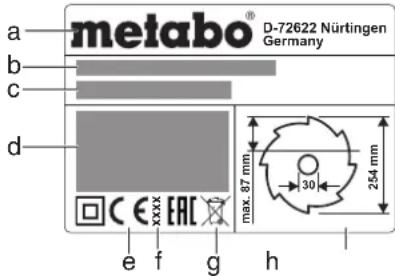
Information on the nameplate:
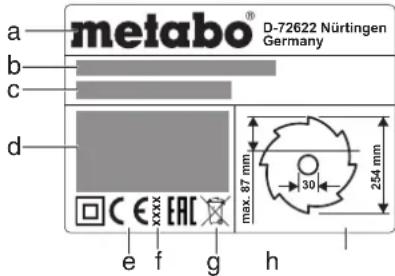
a Manufacturer
b Serial number
c Device designation
d Motor specifications (see also "Technical data")
e CE mark – This machine conforms to the ECdirectives as per Declaration of Conformityf Y e a r o f m a n u f
g Waste disposal symbol - the machine can be disposed of through the manufacturer
h Dimensions of permissible saw blades
Safety symbol

Danger!
Disregard of the following warnings may lead to serious personal injury or material damage.

Read instructions.

Never place hands into running saw blade.

Wear protective goggles
Wear ear protectors.

Never operate the tool in a damp or wet environment.
4.7 Safety Devices
Splitting wedge
The splitting wedge (3) prevents the workpiece from being caught by the rising teeth of the saw blade and being propelled against the operator.
Always have the splitting wedge installed during operation.
Blade guard
The blade guard (5) protects against unintentional contact with the saw blade and from chips flying about.
Always have blade guard installed during operation.
Push stick
The push stick (13) serves as an extension of the hand to guide the workpiece safely past the saw blade, and protects against accidental contact with the saw blade.
Always use push stick if distance between saw blade and ripping fence is less than 150 mm
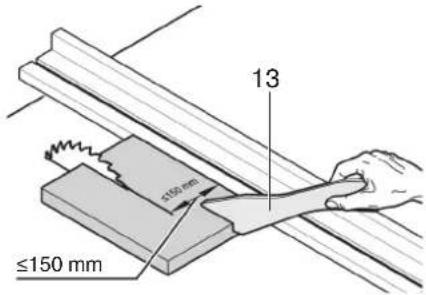
Guide the push stick at an angle of 20° ... 30° against the saw table's surface.
If the push stick is not used, it has to be stored with the machine.
Replace push stick if damaged.
5. Overview
See page 2.
1 Table extension
2 Table insert
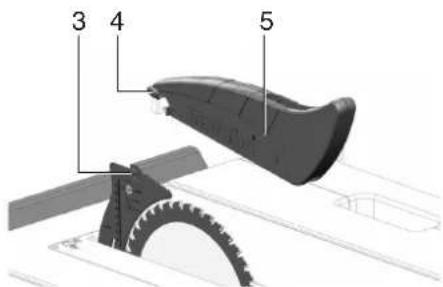
3 Splitting wedge
4 Clamping lever for fastening the blade guard
5 Blade quard
6 Clamping lever for securing the metre fence
7 Mitrefence
8Ripfence
9 Clamping lever for table side extension
10 Clamping lever for securing the ripping fence
11 Knurled nut for fine setting of the parallel limit stop
12 Table extension
13 Push stick
14 Push stick holder
15 On/off switch
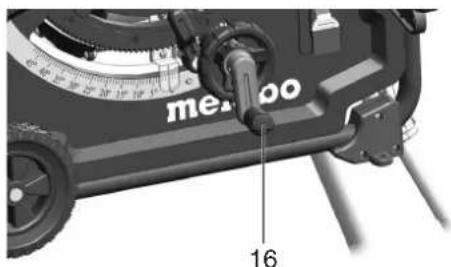
16 Crank for adjusting cutting depth
17 Handwheel for adjusting the angle of inclination
18 Clamping lever to lock the angle of inclination
19 Bevel limitation stop
20 Open end wrench
21 Mitre fence holder
22 Chip bag holder
23 Blade guard holder
24 Ripping fence holder
25 Foot/handle of the frame
26 Separating cyclone holder
27 Chip bag
28 Separating cyclone
29 Extractor connection piece
30 Adjustment screw (clamping of the ripping fence)
31 Battery pack adapter (2 x 18 V)
32 Release button for removing the battery pack adapter
33 Battery pack release button
34 Battery pack*
35 Capacity and signal indicator
36 Capacity indicator button
- depending on the features / model
6. Installation

A Ensure firm footing and keep your face at all times.
Installation without machine stand:
-
Lift tool with two persons out of packaging.
-
Place saw down on stable table or work bench.
-
Bolt saw firmly onto table or work bench.
Installation with machine stand:
- Lift tool with two persons out of packaging.
- Place tool on ground.
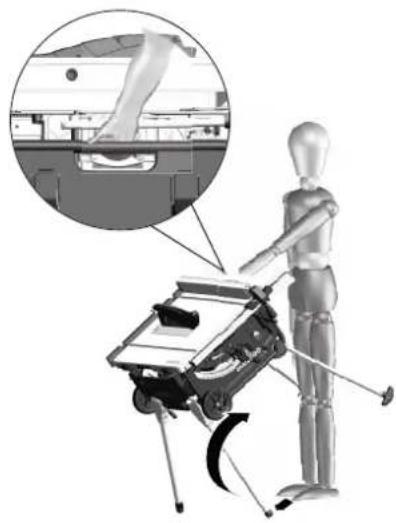
- Lift tool by handles and set up on edge
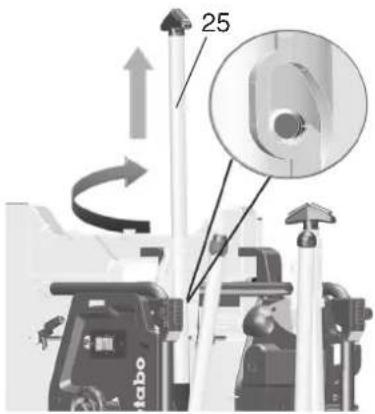
- Pull out handles (25), turn them and engage them.
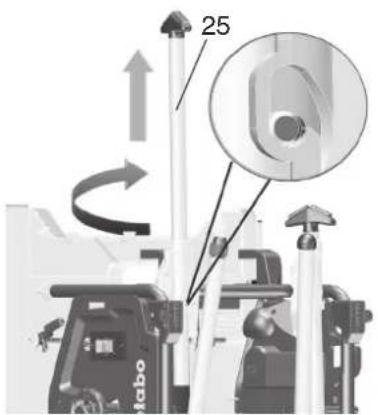
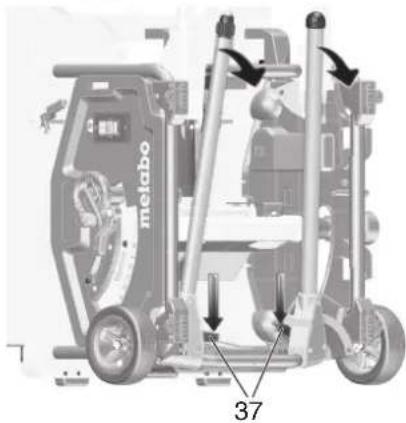
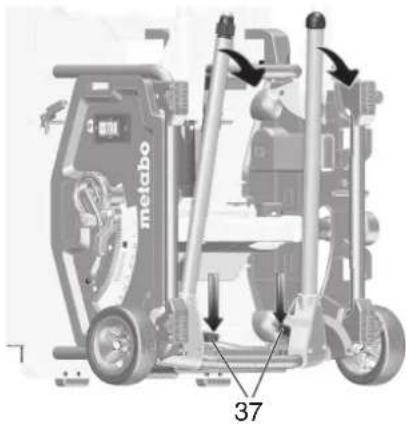
- Fold out the two table legs. To do this, press the red swivel lever (37) downwards (with your foot or hand) and swing down the table legs.
- Tilt the tool slightly to the rear and press down both table legs. The red swivel levers (37) must engage.
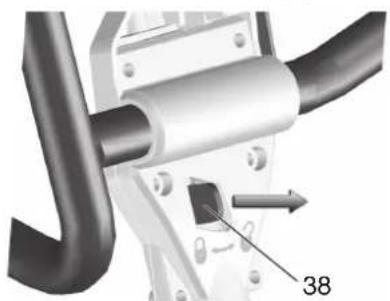
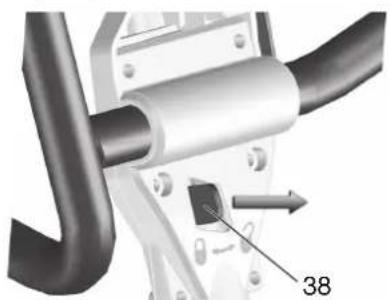
- Fold out the upper two table legs. To do this, push the red swivel lever (38) to the right and swing the table legs downwards. The red swivel levers must engage.
- Hold the saw round the centre of the upper frame. Pull up saw and set down. (Hold adjustable base in position with foot to prevent slipping of the saw during installation).
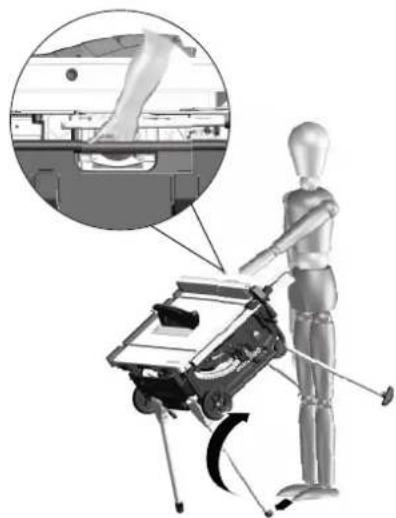
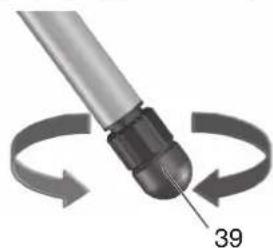
- Compensate for floor irregularities with the adjustable base (39).
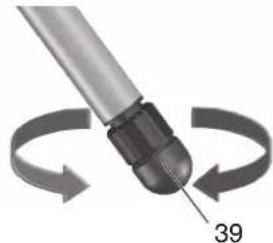
7. Initial Operation

Note:
Rubber chips might fly around during initial commissioning. This depends on the design and is harmless.
7.1 Assembly
Adjust splitting wedge (if required)

Note:
The splitting wedge (3) has been correctly set at the factory. Readjustment prior to initial operation is only required should the splitting wedge have become maladjusted in transit.
- Raise saw blade fully.
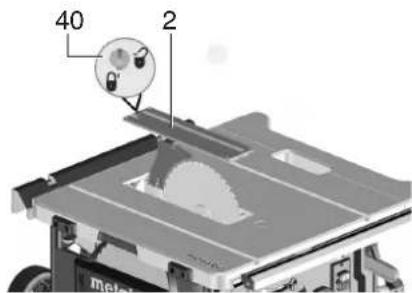
- Turn screw (40) anti-clockwise, lift table insert (2) and remove.
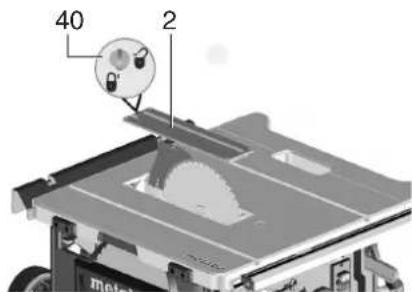
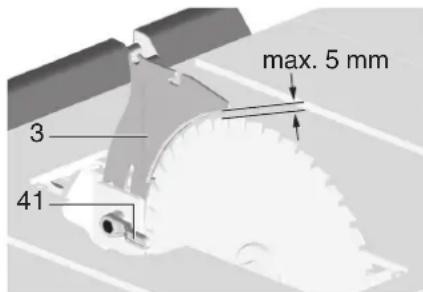
- Release locking lever (41) (turn anticlockwise!).
- Pull the splitting wedge (3) out of the lower transport position upwards as far as the stop.
ENGLISHen
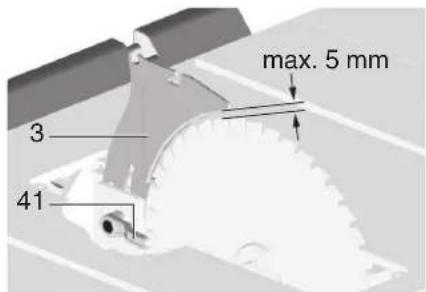
-
Checking the splitting wedge:
-
The distance between the outer edge of the blade and the splitting wedge must be 3 to 5 mm.
- The splitting wedge must be in alignment with the saw blade.

Danger!
The splitting wedge is one of the safety devices and must be correctly installed for safe operation.
- Tighten locking lever (41) (turn clockwise!). Set lateral alignment (if required): Splitting wedge (3) and saw blade must be in true alignment.
- Release the three Allen screws (42).
- Align the splitting wedge (3) flush with the saw blade.
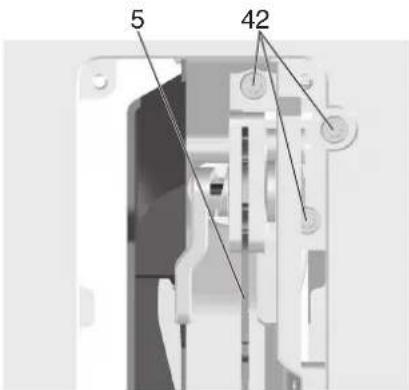
- Tighten the three Allen screws (42).
- Fasten table insert (2) and lock with screw (40).
Blade guard installation
- Raise saw blade fully.
- Install the blade guard (5) at the splitting wedge (3).
- Firmly tighten the blade guard with the lock lever (4).
Height adjustment of the table insert (if necessary)
The table insert (2) is set correctly when its surface is 0mm to 0.7mm below the table surface.
Adjust the 4 screws in the corners of the table insert (2) to adjust the height.
7.2 Battery pack

Danger! High voltage
- Operate the device in dry surroundings only.
- Charge the battery pack (34) before use.
- Recharge the battery pack if performance diminishes.
The ideal storage temperature is between 10°C and 30°C .
If the machine is defective, remove the battery pack from the machine. -
Remove the battery pack from the machine before making any adjustments, changing tools, maintaining or cleaning.
-
Protect battery packs from water and moisture!

Do not expose battery packs to naked flame!
-
Do not use faulty or deformed battery packs!
-
Do not open battery packs!
- Do not touch or short circuit battery pack contacts!

A slightly acidic, flammable fluid may leak from defective Li-ion battery packs!

If battery fluid leaks out and comes into contact with your skin, rinse immediately with plenty of water. If
battery fluid leaks out and comes into contact with your eyes, wash them with clean water and seek medical attention immediately!
- Prevent inadvertent starting: Make sure that the on/off switch is off before fitting the battery pack.
- The shipping of li-ion battery pack is subject to laws related to the carriage of hazardous goods (UN 3480 and UN 3481). Inform yourself of the currently valid specifications when shipping li-ion battery packs. If necessary, consult your freight forwarder. Certified packaging is available from Metabo.
- Only send the battery pack if the housing is intact and no fluid is leaking. Remove the battery pack from the machine for sending. Prevent the contacts from short-circuiting (e.g. by protecting them with adhesive tape).
"Li-Power, LiHD" lithium ion battery packs have a capacity and signal indicator (35):
Press the button (36), the LEDs indicate the charge level.
The battery pack is almost flat and must be recharged if one LED is flashing.
Removing and inserting the battery pack:
To be able to insert or remove the battery packs from the TS 36-18 LTX BL 254: Press release button (32) and remove the battery pack adapter (31) from the machine.
- Remove: Press the battery pack release (33) and remove the battery pack (34).
- Insert: Slide in battery pack (34) until it locks.
- For the TS 36-18 LTX BL 254, slide the battery pack adapter (31) in again until it locks.

Notes:
Use always two Metabo 18-Volt slide-on battery packs.
Recommended capacity 4.0 Ah and larger.
We recommend the use of battery packs with identical item number.
- The use of battery packs with different capacity (Ah) is permitted. In this case, the battery pack with the smaller capacity (Ah) determines the length of use / power.
8. Operation

Risk of injury!
This saw may only be operated by one person at a time. Other persons shall stay only at a distance to the saw for the purpose of feeding or removing stock.
Before starting work, check to see that the following are in proper working order:
-Battery pack
-ON/OFF switch
- Splitting wedge
- Blade guard
- feeding aids (push stick, push block and handle).
Use personal protection gear:
-dustrespirator;
-ear protection;
-safety goggles.
Assume proper operating position:
- at the front of the saw;
-in front of the saw;
to the left of the line of cut; - when working with two persons, the other person must remain at an adequate distance to the saw.
If the type of work requires, use the following:
- suitable workpiece supports - if otherwise workpiece would fall off the table after cutting;
-dust collector.
Avoid typical operator mistakes:
- Do not attempt to stop the saw blade by pushing the workpiece against its side. Risk of kickback.
Always hold the workpiece down on the table and do not jam it. Risk of kickback. - Never cut several work pieces at the same time - and also no bundles containing several individual pieces. Risk of personal injury if individual pieces are caught by the saw blade uncontrolled.

Entanglement hazard!
Never cut stock to which ropes, cords, strings, cables or wires are attached or which contain such materials.
8.1 Connect chip bag / chip suction unit / universal vacuum cleaner

Danger!
Dust of certain timber species (e.g. beech, oak, ash) can cause cancer when inhaled.
Only work in enclosed spaces with the fitted chip bag or a suitable chip suction unit.
In addition, use a dust mask, as not all saw dust is collected or extracted.
Operation with out chip bag or appropriate chip suction unit is only possible outside.
If you operate the device with the supplied dust sack:
- Attach the separating cyclone (28) with fitted chip bag (27) to the suction supports (29).
Empty the chip bag (27) regularly. Wear a dust mask while emptying the sack.
If you connect the device to a chip and dust extraction unit:
The dust extraction unit must meet the following requirements:
- Suitable for the diameter of the suction nozzles (chip box 35/44 mm);
Air quantity ≥ 460 m/h;
Underpressure at the saw's suction nozzles ≥ 530 Pa;
Air speed at the saw's suction nozzles ≥ 20m / s
The suction nozzles for extraction of the chips are located on the blade guard.
- Observe the dust collector's operating instructions as well!
8.2 Setting the depth of cut

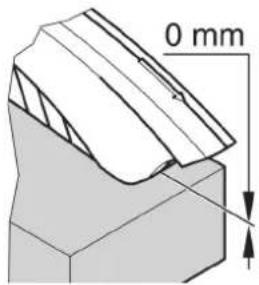
Body parts or objects in the adjustment area can get caught by the running saw blade! Set depth of cut only with saw blade at standstill! The saw blade's cutting depth needs to be adapted to the workpiece's height: the blade guard shall rest with its front edge on the workpiece.
- Adjust the cutting depth by turning the handwheel (16) as required.
i Note:
In order to balance eventual play in the adjustment of the cutting height, always move the saw blade from below into the desired position.
8.3 Setting the saw blade tilt
Danger! Body parts, objects or machine parts in the adjustment area can get caught by the running saw blade! Set the depth of cut only with the saw blade at standstill!
The blade bevel angle can be adjusted between 1.5° and 46.5° .
- Release clamping lever (18).
- Set the desired saw blade inclination by turning the hand wheel (17).
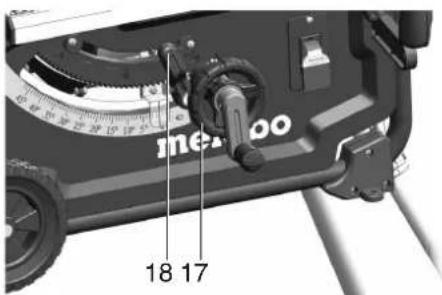
- Lock the set inclination by tightening the clamping lever (18) (turn clockwise).
Setting for undercutting
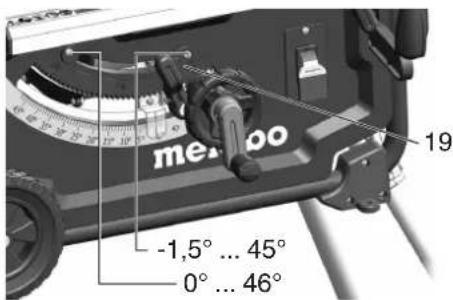
The blade tilt setting has end stops at 0° and 45° . For special bevel cuts (undercutting) the bevel angle can be increased by 1.5° in both directions.
- Withdraw bevel angle limitation stop (19) and place over the right-hand cam plate = bevel
angle of saw blade adjustable between -1.5° and 45° .
- Withdraw bevel angle limitation stop (19) and place over the left-hand cam plate = bevel angle of saw blade adjustable between 0° and 46.5° .
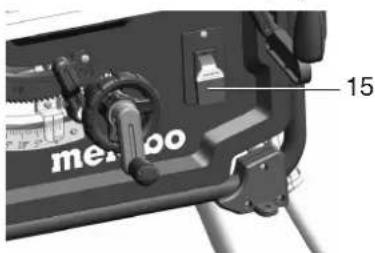
ON/OFF Switch
- Switch on = Move switch (15) up.
- Switch off = Move switch (15) down.
8.4 Adjusting ripping fence
It is mounted on the guide extrusion at the front of the saw table.
- Position ripping fence (8) to the right of the saw blade.
The marking in the magnifying glass shows the set distance between the ripping fence and the saw blade on the scale. - Release the clamping lever (10) of the ripping fence and shift the ripping fence until marking in the magnifying glass indicates the desired distance to the saw blade.
- Fine settings: By turning the knurled nut (11) (on the right-front of the clamping element) you can precisely adjust the cutting width.
Press the clamping lever (10) downwards to do this.
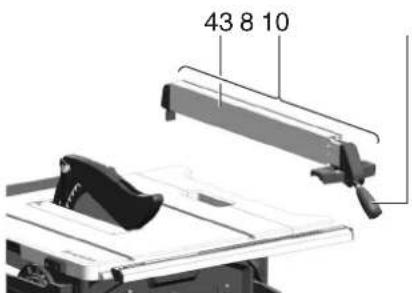
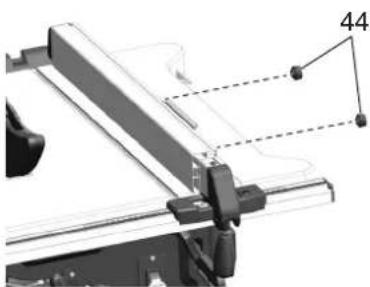
- The fence extrusion (43) must be, together with the ripping fence, parallel with the saw blade and locked in position by the clamping lever (10) during the sawing process. Press the clamping lever (10) downwards to do this.
- Knurled nuts (44) for attaching the fence extrusion. After loosening the two knurled nuts (44), the fence extrusion can be removed and shifted:
Small edge:
-
for cutting thin stock;
-
when the saw blade is tilted. Wide edge:
-
for cutting heigh workpieces.
8.5 Adjusting pointer on ripping fence
- Align ripping fence with saw blade.
- Loosen ripping fence pointer fixing screw.
- Bring pointer on ripping fence and "0" on scale into alignment.
- Retighten ripping fence pointer fixing screw.

Note:
To avoid the workpiece jamming when cutting along the ripping fence: Slide ripping fence all the way to the right table edge and then back to the required cutting width.

Note:
Adjust ripping fence (if necessary): To prevent the workpiece from jamming between parallel stop and saw blade, the ripping fence must be aligned to the saw blade, or set to a max. of 0.3mm opening to the rear. To adjust it, release the 2 screws on the upper side of the parallel stop and then tighten again.

Note:
Adjust the clamping force of the ripping fence (if required): In case the rear clamping piece should engage earlier or later than the front clamping piece, this can be set by turning the nut (30). Loosen the nut (30) so that the rear clamping piece clamps later. Tighten the nut (30) so that the rear clamping piece clamps earlier.
8.6 Setting metre fence
The mitre fence (7) is inserted into the table slot from the table's front edge.
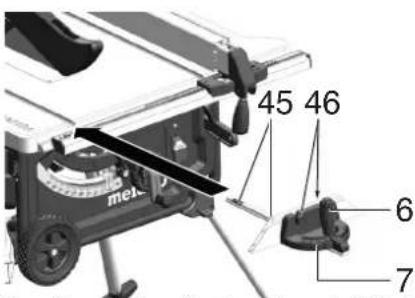
For metre cuts the metre fence turns to 60° in both directions.
For 45° and 90° meters positive stops are provided.
To set a metre angle: loosen locking handle (6) by turning it counter-clockwise.

Risk of injury!
When cutting with the litre fence the lock handle must be firmly tightened.
The auxiliary fence extrusion can be taken off and reversed after loosening knurled nut (46).

Note:
If necessary, the play of the metre fence (7) can be set: Loosen the screws (45) on the plastic slider on the metre fence guide rails, move the metre fence (7), tighten the screws again.
8.7 Adjusting table side extension
The table width extension (12) extends the supporting surface, providing safe support for larger workpieces.
ENGLISHen
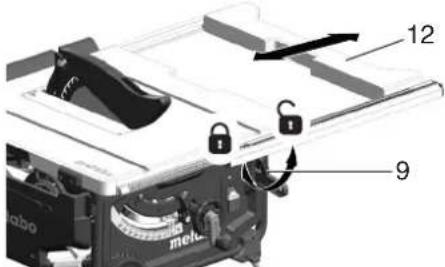

The clamping lever (12) has to be released to adjust the table width extension (9).
Risk of injury!
When cutting with the metre fence the handle must be firmly tightened.
Scale reading when using the ripping fence
On which scale the cutting width is read depends on how the fence extrusion is installed on the ripping fence:
- Wide edge = scale with black numerals on white background.
-Small edge = scale with white numerals on black background.
For small cutting widths the table side extension is not extended. The cuttings width is read on the respective right-hand scale at the ripping fence's pointer:
High edge: Cutting widths from 0 to 35cm possible. - Low edge: Cutting widths from 0 to 29.5cm possible.
If larger workpieces are to be cut, the table width extension (12) needs to be extended. - Shift ripping fence to the end position on the scale.
- Pull out table side extension and set ripping fence to desired cutting width. The cuttings width is read on the respective left-hand scale at the scale's pointer.
8.8 Adjusting table extension
The table length extension (1) extends the supporting surface, providing safe support for longer workpieces.
1. To pull out the table length extension, both knurled screws (47) must be released.
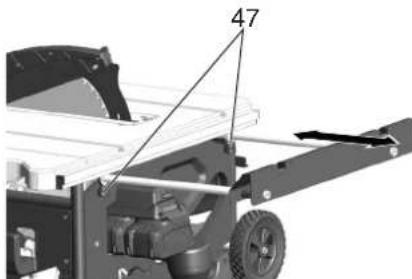
2. Withdraw table length extension and set to desired distance.
3. Retighten both knurled screws.
8.9 Sawing

Danger!
Always use push stick if distance between saw blade and ripping fence is less than 150 mm
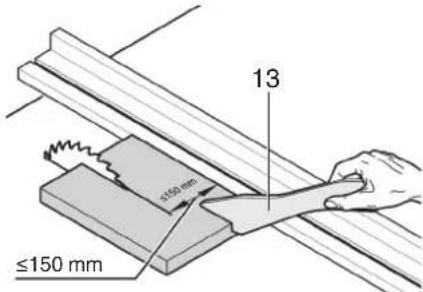
Straight cut
- Set blade tilt and lock in position.
- Set depth of cut. The blade guard must rest with its front edge on the workpiece.
-
With the saw blade inclined, fix the parallel guide to the left of the saw blade and set it.
-
Start saw.
- Push the workpiece in a steady motion towards the rear and cut in a single pass.
- Switch the machine off if no further cutting is to be done immediately afterwards.
Mitre cuts
- The metre fence (7) is inserted into the table slot from the table's front edge.
- Set desired angle after loosening the mitre fence's clamping handle (6) and retighten clamping handle.
-
Adjust lateral distance between auxiliary fence and saw blade:
-
Release knurled nut (46) and move auxiliary fence as required.
- Tighten knurled nut (46).
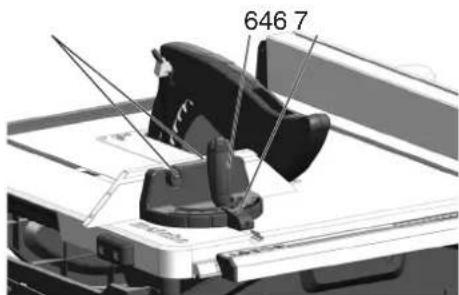
- Hold the workpiece firmly against metre fence.
- Cut the workpiece by pushing the metre fence forward.
- Switch the machine off if no further cutting is to be done immediately afterwards.
9. Transport

Danger!
Before every transport:
- switch machine OFF;
- wait for saw blade to come to standstill.
- Remove battery pack.
- Remove attached parts (blade guard, chip suction, separating cyclone, dust bag). Store blade guard at table saw housing.
- Bring splitting wedge into transport position. Proceed as described in chapter 7.1, but move the splitting wedge (3) down to the limit stop (transport position).
Lower saw blade fully. - Set saw blade inclination angle to 0° and lock with clamping lever.
- Raise tool on frame and swing to the rear. Set up machine on its edge and fold in upper legs. The red swivel levers must engage again.
- Swing machine to the rear and fold in the lower legs. The red swivel levers must engage again.
- Push in handles and set down machine.

Danger of crushing
Push in both table width extensions fully and lock with the clamping levers.
Use the side handles (48) at the table to carry the machine.
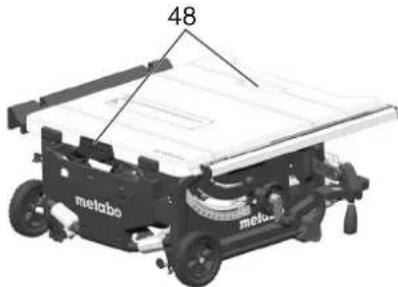

Caution!
Do not carry the machine at the guards, table width extensions that are extended / not locked, or operating elements!

Caution!
Carry the machine with two persons (weight)! Mobile transport:
Pull out handle, turn it and engage it.
Pull or push saw with handle
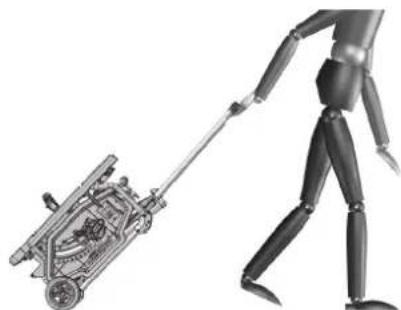
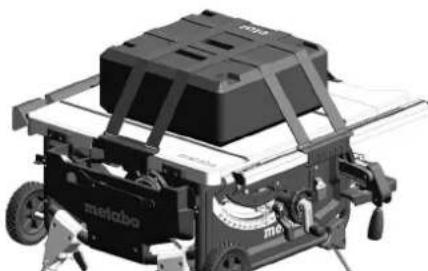
Special case: Transport machine together with MetaLoc.
The box can be placed on the table top and fastened with the special belts, as shown, for transporting.
10. Care And Maintenance

Danger!
Prior to all servicing: 1-switch machine OF
2.Wait until the saw has come to a complete stop.
3.Remove battery pack.
-
Check to see that all safety devices are operational again after each service.
-
Replace defective parts, especially of safety devices, only with genuine replacement parts. Parts not tested and approved by the manufacturer can cause unforeseen damage.
Repair and maintenance work other than described in this section should only be carried out by qualified specialists.

Danger!
With a damaged table insert there is a risk of small parts getting stuck between table insert and saw blade, blocking the saw blade. Replace damaged table inserts immediately!
10.1 Saw blade change

Danger!
Directly after cutting the saw blade can be very hot - burning hazard! Let a hot saw blade cool down. Do not clean the saw blade with combustible liquids.
Risk of injury, even with the blade at standstill. Wear gloves when changing blades.
When fitting a saw blade, observe the direction of rotation!
- Raise saw blade fully.
- Remove blade guard (5).
- Turn screw (40) anti-clockwise, lift table insert (2) and remove.
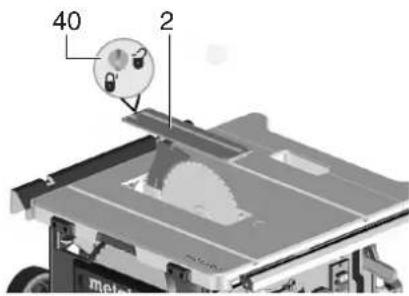
- Turn the clamping nut (50) of the saw blade using an open-jawed spanner (20) and, at the same time, pull the lever of the saw blade lock (49) upwards, until it engages.
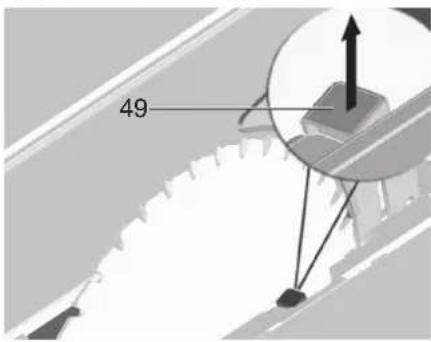
- Hold the lever (49) firmly in position and unscrews the clamping nut (50) clockwise.
- Remove clamping nut (50), outer blade flange (51) and saw blade from saw spindle.
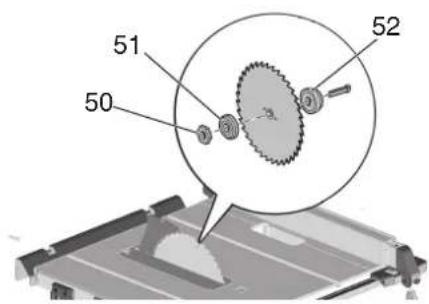
- Clean clamping surfaces of saw blade flange (51) and (52) and saw blade.

Danger!
Do not use cleaning agents (e.g. to remove resin residue) that could corrode the light
metal components of the saw; the stability of the saw would be adversely affected.
- Push inner saw blade flange (52) onto motor shaft.
- Put on a new saw blade (observe direction of rotation!).
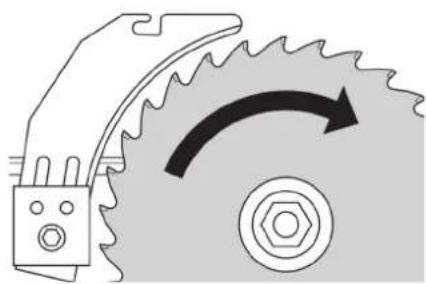

Danger!
Use only saw blades conforming to the technical specifications stated and to EN 847-1 - if unsuitable or damaged saw blades parts are used, parts can be ejected due to centrifugal force in an explosive-type manner.
Do not use:
-saw blades which permissible maximum speed is below the rated no-load speed of the saw spindle (see "Technical Specifications");
-saw blades made of high speed steel (HS or HSS);
- Do not use any saw blades which have a smaller cutting width or a thicker saw blade body than the thickness of the splitting wedge.
-Saw blades with visible damage;
- cut-off wheel blades.

Danger!
- Mount saw blade using only genuine parts.
- Do not use loose-fitting reducing rings; the saw blade could work loose.
-Saw blades have to be mounted in such way that they do not wobble or run out of balance and cannot work loose during operation.
10.Slide on outer blade flange (51).
11.Screw on clamping nut (50) (left-handed thread!). Turn clamping nut (50) with open-jawed spanner (20) and, at the same time, pull the lever of the saw blade lock (49) upwards until it engages.
12.Hold lever (49) firmly in position and tighten clamping nut hand-tight by turning anticlockwise.

Danger!
- Do not extend arbour bolt tightening wrench.
-
Do not tighten arbour bolt by hitting the wrench.
-
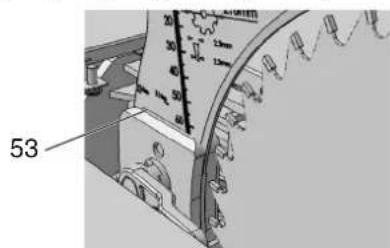
Adjust the splitting wedge according to the saw blade size (53). (for splitting wedge setting, see 7.1)
- Fasten table insert (2) and lock with screw (40).
- Attach blade guard (5).
10.2 Adjusting the blade tilt stop
- Set the blade tilt stop lever (19) for the angle range to 0° / 45° .
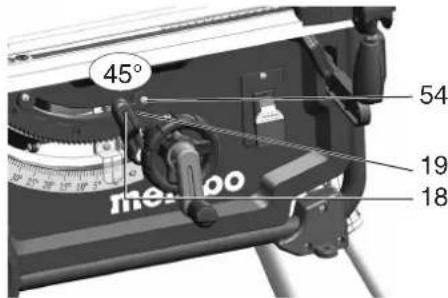
- Lock the set angle of inclination by tightening the clamping lever (18).
-
Check angle of inclination:
-
0° = at right angles to the saw table
- 45° with separate litre square.
If these angles are not achieved exactly:
- Release cross-head screw (54) at respective cam disc and adjust cam plate until the blade bevel angle in relation to the saw table is exactly 0° ,
(= right angles), or 45° , in the end positions.
- Retighten cross-head screw at cam plate.
- After adjusting the stop limitation, readjust angle scale at front side if necessary.

Note:
To set the angle limit from -1.5° to 46.5° , the angle limit stop (19) must be removed.
10.3 Machine storage

Danger!
Store the machine beyond the reach of children. Store the machine such that it cannot be put into operation by unauthorised personnel and such that the stationary machine cannot cause injury.

Caution!
Do not store the saw outdoors, in unprotected areas or in damp or wet locations.
10.4 Maintenance
Cleaning the Saw
- Remove chips and dust with vacuum cleaner and brush:
from saw blade setting guide elements;
-from motor vents slots;
-chip case.
-Height adjustment
-Swivel guide
- Separating cyclone
Before switching ON
Visual check to see if
- Blade - splitting wedge distance 3 to 5mm
- Splitting wedge is in line with saw blade.
Visual check that the battery pack adapter is not damaged; have defective parts replaced by an electrician if necessary.
Every time the machine is switched off
Check whether the saw blade overrun exceeds 10 seconds; if the overrun is longer than this, have the motor replaced by a qualified electrician.
Monthly (if used daily)
Remove chips with vacuum cleaner and brush; lightly oil guide elements:
- Threaded rod and guide rods of blade rise and fall mechanism;
-Swivel segments.
Every 150 hours of operation
Check all screwed joints, retighten if necessary.
ENGLISHen
If necessary:
Set table leg guide bushings.
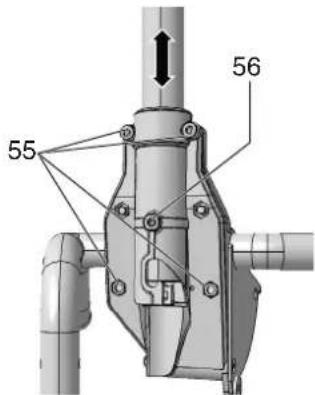
allen screws (55) turn clockwise = guide sluggish
- allen screws (55) turn anti-clockwise = guide moves easily.
Further fine adjustment by means of a setscrew. (56)
Setting guide bushings on front leg mount:
- Turn Allen screws (57) clockwise = guide sluggish.
- Turn Allen screws (57) anti-clockwise = guide moves easily.
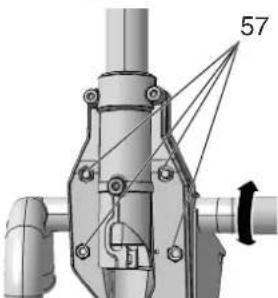
Setting guide bushings on rear leg mount:
- Turn Allen screws (58) clockwise = guide sluggish.
Turn Allen screws (58) anti-clockwise = guide moves easily.
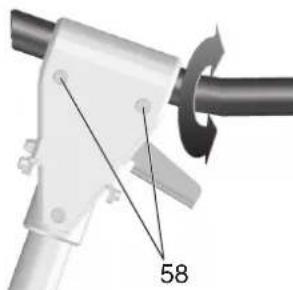
Tighten all Allen screws diagonally and evenly.
11. Tips and Tricks
Before cutting a workpiece to size make trial cuts on pieces of scrap.
Always place a workpiece on the saw table in such way that it cannot tilt or rock (e.g. always place a curved board on the table with the convex side up).
- For efficient cutting of same-length cuts, use a length stop.
- Keep surface of table clean.
12. Troubleshooting Guide

Danger!
Before carrying out any fault service or maintenance work, always:
1.switch machine OFF;
2.Remove battery pack.
3.Wait for saw blade to come to standstill.
Check to see that all safety devices are operational after each fault service.
Motor does not run
The restart protection is active. If the battery pack is inserted when the machine is switched on or if the power supply is restored after an interruption, the machine does not start:
- Switch the machine off and back on again.
Battery pack empty:
- Recharge the battery pack if performance diminishes.
Motor overheated, e.g. by a blunt saw blade or chip build-up in the chip case: - Remove cause for overheating, let cool off for a few minutes. Then restart machine.
Speed is not reached
Overload protection: There is a MAJOR reduction in load speed.
- The motor temperature is too high! Allow the machine to run at idle speed until it has cooled down.
Overload protection: The motor stops during sawing:
The machine is overloaded. Reduce the load before continuing to work.
Specified maximum speed is not reached - Motor receiving too little battery power:
- Recharge the battery pack if performance diminishes.
Loss of cutting performance
Saw blade blunt (possibly tempering marks on blade body):
- Replace saw blade (see chapter 10. Maintenance).
Chip ejection blocked
No dust collector connected or suction capacity insufficient:
- Connect dust extraction unit or increase suction capacity (air speed ≥ 20m / sec at chip ejection tube).
13. Accessories
Only use original Metabo battery packs and Metabo accessories.
Use only accessories that fulfil the requirements and specifications listed in these operating instructions.
- Circular saw Power Cut, Order no.: 6.28025
- For rough and medium-fine cuts with rapid movement and limited power requirements
Good cutting results for longitudinal cuts in solid wood - Circular saw blade Precision Cut, order no.: 6.28059
- Very wide range of applications in wood processing
- For very good, clean cutting results for straight and cross cuts in soft and hard wood
- Charger: ASC Ultra,...
- Battery packs with different capacities. Only buy battery packs only with voltage suitable for your power tool:
LiHD, 18 V, 8.0 Ah, 6.25369
LiHD, 18 V, 5.5 Ah, 6.25342
etc.
For a complete range of accessories, see www.metabo.com or the catalogue.
14. Repairs

Danger!
For safety reasons, repairs to power tools must be carried out by qualified electricians only using original spare parts!
Please contact your Metabo service centre if you have Metabo devices that require repairs. See www.metabo.com for addresses.
You can download a list of spare parts from www.metabo.com.
15. Environmental Protection
Observe national regulations on environmentally compatible disposal and on the recycling of disused machines, packaging and accessories.
Only for EU countries: never dispose of power tools in your household waste! Used power tools must be collected separately and handed in for environmentally compatible recycling in accordance with European Directive 2012/19/EU on waste electrical and electronic equipment and its implementation in national legal systems.
Battery packs may not be disposed of with regular waste. Return faulty or used battery packs to your Metabo dealer!
Do not allow battery packs to come into contact with water!
Discharge the battery pack in the power tool before disposal. Prevent the contacts from short-circuiting (e.g. by protecting them with adhesive tape).
16. Technical Specifications
Explanatory notes on the specifications on page 3.
Changes due to technological progress reserved.
U = Voltage of battery pack
No-load speed
v0 Max. cutting speed
W = thickness of splitting wedge
D = saw blade diameter (outer)
d = saw blade hole (inside)
b = c u t i
a = max. base body thickness of the saw blade
& T90°\ & T45° cutting height with vertical saw blade = cutting height with saw blade inclination of 45°
S=saiblade swivel range
Lp =max. cutting width with ripping fence
LW =max. cross-section with angle guide
A dimensions without machine stand (lwxxh)
A2 dimensions with machine stand (lxwxh) S =length of saw table
SB =width of saw table
m m a c h i n
Direct current
The technical specifications quoted are subject to tolerances (in compliance with the relevant valid standards).
A Emission values
These values make it possible to assess the emissions from the power tool and to compare different power tools. The actual load may be higher or lower depending on the operating conditions, the condition of the power tool or the accessories. Please allow for breaks and periods for assessment purposes when the load is lower. Arrange protective measures for the user, such as organisational measures based on the adjusted estimates.
Typical A-effective perceived sound levels:
LDA =sound-pressure level
LWA =acoustic power level
KpA, KWA = uncertainty
Wear ear protectors!
protection personnel insufficient!
Risk for indragning!
Sta pa ratt stalle under sagning:
Risk for indragning!
LpA =aanen painetaso
LWA =aenentohotasO
KDA, KWA = epavarmuus
22 Holder for sponsekken
23 Holder, spondeksel
24 Holder parallellanlegg
25 Fot /handtak pa arbeidsbord
26 Holder for syklonseparator
27 Sponsekk
28 Syklonseparator
29 Avsugstuss
30 Justeringsskrue (klemme på parallellanlegg)
31 Batteriadapter (2× 18V)
Still inn foringshylsene pa bordbeina.
NORSKno
Unbrakoskrue (55) drei retning med klokken = foringen gär tregt.
Unbrakoskrue (55) drei retning mot klokken = foringen garlett.
Ekstra finjustering med bruk av settskrue (56).
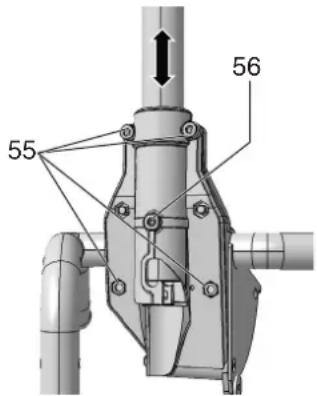
Still inn foringshylsene pa den fremre beinholderen:
LiHD, 18 V, 8,0 Ah, 6.25369
LiHD, 18 V, 5,5 Ah, 6.25342
etc.
Det komplette tilbehorsprogrammet finner du pa www.metabo.com eller i katalogen.
sikkerhetsmessige Årsaker kun utfores av en elektriker med originale resededer!
Takontakt med din Metabo-forhandlerhis du har et Metabo-apparat som ma repareres. Adresser finner du pa www.metabo.com.
Du kan laste ned resveredelslater fra www.metabo.com.
15. Miljøvern
Batteripakker违法犯罪 Batteripakker mä参加会议并发言。Batteripakker may be a member of the company.
Niebezpieczestewo ran cietych
b) He octabnIte pa6oTaOnu CTaON 6e3 npncmToP. PpeHd qem noIOHNtB 3NEHTPOINHCTpyMeHNT Nocle OTHIOHeHH cJeDyET DOHATbC H ETOHOH OCTAOHBN.
Pa6oTaIoUaJ 6e3 HAd3Opa NIIa npEcdTabIaTe OcOyIOnAcHocTb.
c) CtaHOKdoJIHeH yCTaHaBnBaTbCra Ha pOBHOM,XPOoIOOCBeueHHOM MeCTe, 06ecneuBAooIeYMToOHBOCTb n paBHObEne onePata npN bblOnHeHH paBOT. MeTOyCTaHOBKn DoJIHO 6bITb DOCTaTOHNO IpocToPbIM, YTObI MOHNO 6blIO 6ecpeRnTCTBEHNO paOtaTB cKpyTHbIMn 3arOTobkAMn. BecnpAIOK Ha paOohem MeTe, IIOXOE OCBeueHHe N HePOBbHI, CKoIb3KNI ON MOrYT CTaTB npUHHo HecCACTbIX CUYaEB.
d) Perynphno ydaIaIte ctpyHny nOnnnn HN-NOJ NIIbHoro cTOna H/nnc yCTPOINCTBa ydaJIeHH bIi. CKONJIeHne ONNIIOK MOKeT BOCNIAMEHITbcR.
e) CtaHOKdoJIHeH6bITbHaJIeKaUIMM
Obpa3OMaΦHKcHpOBaH. HeJaJIeKaUIM
Obpa3OM3aΦHKcPOBaHbIcTAHOK MoKeT
CdBHyTbCnI NepeBepHyTbCnI.
f) YdaJIHTe co cTaHka peryI npOBOUHbIE HNCTpyMeHtbl, OcTaTH dpeBecHNbI N T.Д., npeHdYe BnIOuHTb erO. IocTOPOHNHe PnpEdMetbl MOrY OTbIeHb Bac B HenoXoJauN MOnEMTIN CTaTb pInHNoI OnaCHOr 3aueMJIeHn.
g) Bcerda hcnnoIb3yIte nIIbHbIe noIOntha noIxOJnIero pa3mepa I KpeneHHbIM OTBpeCTHe COOTBeTCTByIOUe I FOmbI (HanPImep, 3B3do0o6pa3HO nn KpyrIoo). IIbIbIe IINCKN, KOToIbe He COOTBeTCTByIO T yCTAHOBOHOMy pa3mepy INIbl, BpaIauoTcR HepaBHomePHO IN pIbOaIT K NOTepe KOHTPOJIa NaH Ind TcyPTyMeHTOM.
h) HnHorDa He HcNoIb3yIte NoBpeJdeHbI nnHneHNOxOaIuM MaepnA Ira MoTata hnnbHbIX NDCOB, TAOH KAn FPhaBcI, NOHKnDHe BAA6bl, BHTbI nnRanH. DaHHbIM MaepnA Ira MOtTaKa NIIbHO O nCKa CNEpAIBHO papa6oTah Ira BaWero CTaHaN ppeNa3HaueH dIg oEocneueHn Be3oPACOH 3KcNpyaTuN ONTMAbHo npOn3BOIDTeJIbHOCTN.
i)3anpeuetaCTaHOBtbcHOrAmHa CTAHOK HcNoIb3OBAtb ERO B KaYeCTBe NOCTABKn.CyueCTByETOnaCHoCTb NOLyuHnE Cepbe3hIx TpaBM CcLyae ONpOKnIBaHnA 3NeHKPOHNCTpyMeHTaN HeHuHrO 1PnKOCHOBEHnK NIIbHOMy DnCKy.
jY6eHNTecbBTOM,HTOINlbHbIyDnCK yCTaHOBJIe H npABInbHOM HApBaJbeHHn BpaueHH. He nCnoJIb3yTe a6pa3NbHBe kpyrHnnKopdUeHTCH KpyrIONLbHbIM CTaHKOM. HnpaBnJIbHO BblIOJIHeHHbMoHTaH NINbHOro NOLOTHA INcNOJIb3OBAHHe PEKoMeHDoBaHbIX pON3BOuTHeM PnIHADJeHXOCTE MOKET CTaB PnPHHOJ OJIyEHn TAgKeBt TaPbAM.
4.5 DOnoHNHTeBHBie yHa3aHnno no texHHKe 6e30NaCHOCTn
-Данhoe pykoBOdTO NO 3KcNlyaTaunn paccHTnHO Na IIODeI c 6a3OBbIMN TEXHueCKIMN 3HaNHmN, HEOxOuIMbIMN DЯ paobTbC yCTPOHCTBaMn, NIOoBHbIMN TeM, KOTOpBIE ONICbIAoTcB DaHHOM pykoBOdCTBe. EcIny BAC OTCyTCTByET ONTbI paobTbC TAcHMN INHCTpyMeHTaMn, CHaJaA BOcNoJIb3yTECb NOMOuB IO NTbIHbIX CneUmaJIHCTOB.
-ПОНБОДNTIEL He HecET OTBETCTBEHHOCTb 3a NOBPEKDEHIN, BO3MHUNe Bpe3yJbTAte HECOJIIODEHIN DAHHORo PYKOBODTBA NO 3KNCIpyaTauu.
HΦopMaJNaO603HaYeHa B DaHHOM pyHOBOCTBe NO 3KcPnYaTaaCn CJIeDyIOUIM o6pa3oM

Onachoctb!
PepdynpeKdene 6b ONaCHCTn TpaBmblnnO BpeDe dNn Ohpuaio- ue cpebl.

Onachoctb noJyueHn TpaBM OT yapa 3JeKTPnuecHm TOHOM! IpeynpeKeHne 6o anachocTn TpaBm np paOte c 3JeKTPoo60pydOBaHHe.

Onachoctb 3aTARHBANH!
PepdynpeKHeHne 6 onachoctn
TPaMbI IIOe BcNeDCTBnE 3axBaTa TaacteTeJLa HIN ODeHbl.

BHHMaHHe!
PpeDynpEeJdHneO BO3MOxHOM MaTePnaIbHOM yuepe6.

Yka3aHHe:
DOnONHHTeJIbHaN INHOpMaIaIa.
TaHnE CNeIyET COnIbOaTb CneImaJIbHbIe yKa3aHnIO TeXNHKe 6eONaCHOCTN, nHOKeHHBe B COOTBCTBHyOxIN rIabAx.
- Pn pa6oTe c uPkyIpyHbIMn nIaAMn COBIOaTte COOTBETCTBYUOme DnpeKtNBblnn peDnCahNn no ppeToBpaueHenIO HeCachTHbIX CUYaEB.

06une onachoctn!
- YUHTbIaIe BO3dIeCTBHe OKpyKaHOuSeI Cpebl.
-ПиообрабOTHEДИNHbIX3aTOrTOBOK HcNoJIb3yIte NOxOJaUne ONOpblIЯHIX.
3TOT INHCTpyMeHT MOKeT NcNoIb3ObaTcBcA TOnbHO Temn LiAMnK, KOTOpBie npoJINN HNCTpyTAn NO Be3OanChomy O6paJSeHnC CuHyJIaRbHMn NiIaMn I O3HaKOMHeBc CBO3MOKbHMn ONaCHOCrMn, KOTOpBie MOryT BO3HkA Tb B Xode paObToC HmN. LiAMm MndJe 18 let PaspEeAETcN HCNoIb3OBA Tb ETOT INHCTpyMeHT ToIbKO B pAMKaX npOpeCCHOHaJIbHOrO oBuYeHnI NpOd HAd3Opom MaCTepa npOn3BoDcTBeHHOrO oBuYeHnI.
He donyckaTe NoctopOHnx,OCo6eHNO TeiB onachyUO 3OnHy.He pa3pewaTe NOCTOPOHIM Nmam pInHaCaTaBcK INHCTPymEtIy AnkMyIaTropHOy BLOBO BpEmA KcNpyatauHn. - He donyckaHTe neperpeBa 3y6beB nIJIbI.
Pn paCNIIOBKe INaCTNka He DOnyckaTe erO nIaJIeHn.
Pn paCNIIOBKe KINHOuHbIX 3aROTOBOK HCNOJIb3yIte COOTBECTBYUOUI CNOMORATeJbHbYynOp.

Onachoctb,06ycIOBHeHHa
HcnoJb3ObaHem 3JeKtpo06OpydoBaHn!
He octabJyIte IHCTPymeHT IOJdoJXDEM.He nCNoJIbSyIte IHCTPymeHT BO BLnJHbIx IcbipBIX NOMUeHHxR.

OnachocTb TpaMbbl 3aHHMa
NOBHHbIMN DetaAMN!
He 3KnpyntyTe daHHOe yCTpoCTBO 6e3 YCTaHOBHeHHbIX 3aUHTbIX npHCnocO6JIeHNI.
Bcerdaobkaite 6e3oNaChoe pacCTOHNIOHNOrO dNcKa. Pn Heo6xoDMOCtNcNo3yIte noXoJaNe pncnoc6bHeHHaNDaAN 3aTOrOBK. Bo Bpemra pa60tboC6bIQAite 6e3oNaChoe pacCTOHNHO dBHXuNXcTeTaleN.
PpeJHcYem ydaIaTb Obpe3N 3arOTOBn T. n. n3 pa6ooye 3Ohbl,doJIHTceb noIHoh ocTaHOBKn NINbHOrO DmCkA.
He octaHaBnBaIe nHbHbI dNcK, BpaAiouncI NO HEPun, nyTeM erO npNnMa c6Oy.
-OTKIOUaTe CTAHOK N3BKeHaTe aHHyMJIaTOpHbI 6JIoNpePe TpaHCnOPTIpOBKO, H3MeHeHnEM HaCTpoE, nepeOCHaSeHnEM, TEXHnCeHm 0cClyKBAHnEM nIN OChTcKo.
-песдькioчehemнсгмета(hanpimep, nocle 3aebpeHnEHHeCKnx pa60T) y6eNTecb,yTO BHTPN Hero He octaHcB MOHTaKhbIe HNCTpyMeHTbIuH NHe3akpenHeHbIe DeTaH.

Dae HeNoaBnHbI peHyuN
HCTPYMEHT MOKET pneCTaBnTbI ONaCHoCTb I NaHe HAnceEHnna Nope3OB!
-ПиЗЗамеп exkyuix INHCTpymeHTOB HadeBaNTe 3aunTHbIe nepaTkn.
XpaHnTe PINbHbIe DnCKn TaK, YTO6bl NOIHOCbIO NCKHOHTb BEPOrTHOCTb TpaBMbl IJNOE.

Onacho:otdapa 3arotobkn!
Pa60TaIeToIbHoC npaBnIbHO OTepyInpOBAHbHM paKlnHbAioUOM HOXOM.
He donyckaTe nepekoca 3arToBOK.
- Y6eDNTcB B TOM, YTO NINbHbI DNCK NOxDxOHT
Дл орботkn MaTeprnA, ИЗ KOtOpOrO
N3rTOBNeHa 3aFOTOBKa.
ПИNTATEOHKNE/TOHKOCTEHHbIE3aROTOBKM TOJIbKOcNHOJIb3OBAHmEIMNJIbHbIXINCKOB C MEKNHM 3Y6BJamr.
Bcerda nCnoj3yTe ToIbKo ocTo p 3aTOUeHHbIe NINJbHbIe DNCKN.
BlyuecOMHEHNCOMTPTNE3aROTOBHnHa HauHmE B Hx NocToPOHHN XpeMeTOb (HanpImep, RbO3eJn HnI yUpyoN).
ПИNTHE 3aTOBKN TOLbHO TEx pa3MepOB, KOTOpIbe rapaHTNpyOHT NaHcHObt bФHKCaUN DeTaeN B xOJe NINbHbIX pAOBT.

Onachoctb 3aTnBaHn!
CJIeNTe 3a TEM, YTO6bI BO BpEMpa6ObTb IACTHTeLa NIN ODeKDbI He 3aTReHyLo BpaUaOuIMNC DeTaIaMn (He HaDeBaHTe RaIcTky, He HaDeBaTe nep4TuKN, He HocHTe ODeJdy C dInHHbIMPykabAM; dInHHbIe BOLOCbYbnpAte NOc CETky DnBOLOC).
HaTeerOpueckn 3anpeucaetc nHInTb 3aROTOBKn,HaKOTopbIX/B KOTOpbIX HAXOJRTC
- TpoCbl
-UnHypbbl,
-HeHTbl,
Ka6eHnHn - npoBOJIOKa n aHaIOrnHbIe MaTePnaJIbI.

Onachoctb BCJeDCTBne
HeOCTaTOCHORO OCHASeHEn CpeCTBaMn HINHBNDAJbHOB 3auNTb!
- IcnoIb3yIte 3aunTHbIe HauHnKn.
Pa6oTaIeB3aunTHbIXOCHX.
IcnoJb3yIte nblEaunThbpecnnpaTOp
Pa6oTaIeBcneuaIbHOnOeHKe.
Pnpaobete HAOTkpbTOM BO3dyxpeKoHMeHnyeTCaHaDeBaTbOyBbCHEKOLBJ3rauei NDOWBOI.

Onachoctb,obycnoBneHHaOBaHHem dpeBeChOH nbHIN!
HeKOTOpbIe BnDblpeBecHOI bIIN (HAnpIMep, deBecNHIb dyBa, 6yHa I RCEH) pRbBxAHmM OMYr npBOBDHTk PAKOBbIM 3aOJBeBAHrM. BcERda pa6oTaIte ToIbKc C noDJIIOueHHbIM BtTJKHBM yCTPOINCTBOM.BtTJHXoe yCTPOINCTBO DOJHHO COOTBETCTBOBaT napAMetPam, yKa3AHHbIM B rIabe 8.1.
CHINHEHNE nbIeBOH Harpy3HN:
Yacntu,obpa3yiouneepn npa6oTe daHHoro HNCTpyMeHTA,MOYTCODepHbTBBEeCTBa, KOtOpBte CnOc06CTBYOT pa3BHTIO paka, TPOBHeHIO aIJIpeHrcePaeHcu, 3a6oBeBAHn dblxATEbHbIX nyTei, BO3HNKHOBeHIO natoLOrn, Bbl3BaHbIX TeApToTeHHbIMn KaTOpAmu, IJUdpTuX 3a6oBeAHn pePiyo4yTKBHO CNCTEmbl. HeckoBko npMmPoB NOo6bHbX BeueCTB: CBHeue (BCoepKaaem CBHeue JIK), DobabKn DnOBpOHTn DpeBecHbI (CObl XpOMBOH KICNoTb, CpeDCTBa IJN 3aUnTb DpeBecHbI), HEKOTopBe BNDIpeBecHbI (HanpImep, Nlb OT dyba nn Byka).
CTeENb pncKa 3aBNCHTOT npoJIOJIKIIteJbHOCTN BO3JeIcTBnA 3TNX BeIeCTB Ha OepaTopa HIN HaxOJaIHXCBA6NIH NIODei.
He DonnyckaTne nonadnna Yactnue 6paTaBbAemoro MaTePnHa BHTpb opranH3Ma.
- IyMHeBWeHn BpeDnHO Bo3DeHCTBn 3TNX BeueCTb: OeCneYbTe XopoWuHO BEHTNIAU npaoche Mocta H Nocnte NOxOJIuue CpeCTBa 3aunTbI, HanpImep, peCNpaTObpI, KOTOpbe CNOcO6HbI OTNlbTPObIBaTb MKNPOCKONHueckne YactNUbI.
CobIIOaIte DnpeKTHBbI,OTHOcIunecK BaIIM YcIOBnM,BKIOHuaO6paBaTbIbAeMbI MaTePHaJI,NEpCOHJI,BApHAHTbI pHMHeHn I MeCTO NPOBeDEHn paBOT (HanpIMep, PNOJOKeHnE O6 oxpae TpydAn nn 06 yTuIN3aun).
- 06cnehe Te ydaIHe Me 6pa3yIOxMCxraCTnU. He donykaTe 6pa3OBAHnO tLOJKeHN B OKpyKaIOwE mPocTpaHCTBe.
ИспοлььзугпоctавлениhoeВКOMПЛЕКТУСТРОДТВОДЯУLABINBAHINЯ ПБИЛ N NOxODIJISE ВБITRHAHGE YCTPОДТВО.3TO NO3BOJNT COKpaTb KOLIINECTBO YACTNU, HEKHTPOINPyEMO BbI6paCbIbaEMbIX BOOKpyKaIOUyO Cpey.
-He HnpaBnIe BbIXoAaIne I3 HCTpyMeHa YactuBIn OTPa6ToaHHbI BO3dyX Ha c6Ba, HaxoAaXcraPdOMIOJe NIN CkONJIeHnBnIi;
-NCNOL3yIe BbITRAHHOE yCTPOINCTBO H/HJIOB03DyXOOHINCTIeJIb;
-xopo0o npOBeTpBaIte paOoyee MeCTO IN COePKeHTE erO B NcTOTe C NOMOuBIO bIeNecocA. POnMeTaHne IIN pOyBuKa TOJIbKO NpOHmaeT PbIbB BO3DyX.
-06pa6aBbAte nIlecoom HnCtpaTe 3aunTHyO oJeJy. He npOyBaTe OeKdy BO3dYxOM, He BbOuBaTe HcMeTaTe C Hee PbIb.

Onachoctb BCJeCTBHe TEXHnuecknx
HMeHeHH HnH nCNoJIb3ObaHnaIe TaIe, He npoBepeHHbIX H e pa3peWeHHbIX npOn3BODHTeNeM
- MoHTnpyuTe 3OT INHCTpyMeHT B TOUHOM COOTBETCTBUN C DAHHbIM PYKOBODCTBOM.
Ингльтулбк рашшьп Нотоговпел dem Detan. B acthoctn, 30 Kacaetc:
-ПИЛБИХДИСКOB(KOДыДИЗ3aKa3a CM.B pa3dene 13.«ПинадлeЖнoctи»);
-3aunTHbIe npncnoc6JIHnA.
He nepeeBbaiTe deTaN.

OnachocTB,obycIOBHeHHaTAMn yctpOCTBa!
TuaTeIbHO yXaHbAitE 3a yCtpoCTBOM,a TaKHe 3a npHaIadJeXHOCTAMn. CoBIOdaIte npeIINcAHnno TEOxHueChOMy O6ClyKbAHnIO.
HaKdbi pa3 neped Haayanom pa6oTbI npOBepaTe HNCTpyMeHT Ha HAIINHE Bo3MOHbIX NOBpeJeHn: neped DaJIbHeIWIM NcOJIb3OBAHNEM YCTPOINCTBa CNEyET TuaTeJIbHO npOBepNTbnpABUNbHyIO 6e3ynpeHuO pa6Otu npEOxpaHtEnbIX npNCNO6eHn, 3auTHoIH OHACTKu, a TaKHe DeTale, IMeUoiX He3aKaTbI NIOBpeKdHn. IpOBpeTbe, INCPaBBOHn pa6oTAOT NoDBNKnHBe DeTaII, He 3aKaTbI NOn. BCe DeTaN CneDyET npABUNbHO MOHTpOBaTB N BblONIHb BCE yCNoBnA NO ObecNeueHIO 6e3ynpeHn pa6oTbI HHCTpyMeHTa.
IOBpeHDeHHbIe 3aunTHbIe yCTpoINCTBa IINI
TeJIANI NOJNEKAT PEMOHTY IINI 3aMEHE B
CneuaIIN3NpOBaHOH MaCTepCKoN.3aMeHy
NOBPEXdEHbIX BbIKNJouAteJeI
OCyUeCTBIAIYepeE3 cepBnCHyIO
MaCTepCKyIO.He nCNoJIb3yIITe 3OT
INCTpyMeH T CUYae HcNcPabHocTn ERO
BbIKNJOUATEJI.

Onachoctb BCJeCTBne wyma!
IcnoJIb3yIte 3aunTHbIe HayuHNIK.
Y6eIITecbBTOM,TOpACKINHBAIOUHNOH He DeOpMnPOBaH. DeOpMnPOBaHHbI paCHINHBAOUIHOHKPNIKHMaaET3aROTOBHy c60KY KIINbHOMy DNCKy.3To BbI3bIAeT NOBJIeHHe yMa.

Onachoctb BCJeDCTBne
6LOKHPOBAHNA 3aROTOBOK HN HX qACTe!
Bcnyae 6nokpoBkn:
-
BbIKIOUHTb HNCTpyMeHT,
-
n3Bnueb aKHyMylrTopHbI 6JIOK,
- HadeTb 3aunTHbIe nepaTHK,
- yctpaHntb npnHHy 6IOKINPOBKn C nOMOuHO NOxOJaero HNCTpyMeHTa.
4.6 CnMbOJIbHa yCtpoIcTBe
DaHHbIe Ha 3aBODcKo Ta6nHKe:
aH3rOToBnTeIb
b CepinHbI Homep
cHaHMeHOBaHne HhCTpyMeHTa
dДaHbIe bNurTaTeJIa(cM.TakHe “TexHnueckneXapaKTePncTNUH)
e MapKIPOBKA CE -3TOT HNCTpymENT OTBeaet Tpe6oBaHnAM DnPeKETB NC CORLACHO DEKLaapauu COOTBETCTBN
fToD BbInycka
g CmMBOI yTnIM3aIIN -yTnIM3aIIN HNCTPymEHTMOKETbBbIOJIHeHa cnPMoI npOM3BOIDTEJI
hPa3mepbI donyueHHbIX K 3KcnnyatauIN INlbHbIX DNCKOB
3HaH6e3OnaCHOCTN

Onachoctb!
HecobkOeHne cIeDyIOUxN npEynpeHcENm MOHET npHBcTeN K TAgHeBIM TpaBMn Hm MaTePnAbHOmy Uep6y.

PpOHTaTb pyKoBOdCTBO no HcKnIyatauIN.

He 6epntecb pykam3a Bpaauounncn nnBhny nck.

HocnTe 3aunThbIe OcKn IcnoJIb3yIte cpeCTBa 3auNTbl opraHOB clyaX.

He 3KcIpyaTpyuye yctpoCTBO BO BlaJHHbIX ININ CbIpbIX NOMEUeHnRX.
4.7 PpeOxpaHnTeIbHbIe ycTpoIcTBA PackInHbAouHn HOH
PacnHnBaOuN HOX (3) npoToBpaUaet 3xBAT 3aTOBKN 3y6bMaB BpaUaOeROcN NblHOrO nckA n e OToPcbIbAHne B HnPaBNeHN onepTaOpA.
BoBpempaobtbpacnHbAouniHOKdoJKeH6bIbBCerda yCTaHOBJIeH.
3aunTHbH KOxyx
3aunTHbIKoHx5cnyKHTdIa3aunTbI onepatopaOT cnyauHoro cOpnHKOCHOBENC nblhBIM NCKOMN OTNeTAouXN ONJIOK.
BoBpempaobtbaaHTbIKoHyXdoJIKeH 6bIbBCerda yctahOBJeH.
ToIkaTeIb
TonKaTeNb (13) cIyKHT B KaueCTBe ydInnHtBHOrO 3JemeHTa IJI 6e3oNaCHO rnpOrHa 3arotOBKn Upe3 NIIbHbN DnCK N dIra 3auHbTb OnePAtopaOT CnyaHIO rnpKOCHOBHn K NIIbHOMy DNCKY.
ToIkaTeIbdoJIkeHcNOb3ObaTbCBA CERdaB TEx cLyuaX, KOrDa paCCTOHHe MEJdy NiIbHbIM NOIoTHOM I npaJIeIbHbIM yNOPom COCTaBlaRe MeHee 150 MM.
ToHKeTbDOnJKeHyCTaHABnBaTbCn IOd yTlOM BAna3OeOTo 20°do 30° OTHOCHeJIbHO NOBepXHOCTN NIIbHOrO CTOnA.
EcnTOKaTeB He HcNoB3yETcR,ero CneDyET XpaHnTB Bmecte C INHCTpyMeTOM.
Pn noBpeHdEHH ToIkaTeJI erO cneDyET 3aMeHHTb.
5.0630p
CM.cTp.2
1YdHHeHne cTOna
2 BCTaBbCAToTa
3PaCHINHBAIOUHNO
4 3aKHMHO pblHr dIa KpeNHeHra 3aHTHOKOxya
53aunTHbIKoxyX
6 3aHmHa pyKoTka dJa KpeIeHnna nopepeHoro ynpa
7Понерочьуynop
8 NapalneBHyynp
9 3aXMMHON pbUar dIpaWnpeHHN CTOna
03aHmHoi pbHar InKpeHnHnI npaJIeJIbHO rO npopa
1 RaHa c HakaTkoI IaToHoI perynipoBn npaJIeJIbHOrO ynpa
2 PaCunpeHne cToJa
3ToIkaTeIb
4 MecTo xpaHnHa ToKaTeIa
5 BbIKIOuateIb
6 Kpmbouinnna pykoTka dIpeyIpnoBn Iybniponna
7 MaxOBnK DnpeRyIIpOBKn yIgHaKaIOHa
83aHIMHObHARJ4nFHKaUNyRHaKHOHa
9OrpaHnHTeJIbHaHIOHa
20TaeeHbI KInOu
21 MecTo xpaHEnn nonepueHoro ynpa
22 MecTo xpaHeHn MeuHa dIa onHIOK
23 MecTo xpaHEnHa 3aunTHoro KOHyxa
24 MecTo xpaHEnn npaJIeBHO r ynpa
25 HoKKa /pykoTka nOCTaBKn
26 MeTo xpaHnA OTdTeNtBHO TIOHa
27 MewoK dIa OIIIOK
28 OTeJIeHTbHbI cIKIOH
29 BcacbBaIOUnn naTpy60K
10OCTnpoBOnHbBnHT (Kpennenne napaJIeIbHOrO ynopa)
31 AaanTep aKHymnyTOpHOro 6noka (2x18B)
32 KhoNka pa36IoknupOBKn IaI N3BLeueHna aanTepa aKMyIaTOpHoro 6loKa
33 HONKa pa36IoKIOPOBn aKKyMylrTOpHOro 6noKa
34 AkymyIATOpHbI 6nOK
35 CnHbHbH HdHkATOp EMKoCTN
36 KhoIIka HndIkaTopa emKoCTn
B 3aBNCIMOCTN OT KOMNJIeKTAUNN/B
SABHCIMOCTNOTMOJIIN
6. YctaHOBKa
OBeCneBte yctoHBOe noJoxHeHn coXpaHeHne paBHObecn.
YcTaHOBb6e3CTAHHbI:
- Ra6oTaM no pacnakOBHe HNCTpyMeHtA cnedyT npBneH He MeHee DByx YeIOBek.
2.YctaHOBHTe NUY Ha HEnoDBHnHO OCHOBAHHe (CTOIN BepCTaK).
3.ПиИВHTIte NIIy K OCHOBAHIO (CTOly nIN Bepctaky).
YCTAHOBHcO CTAHHOH:
- K pa6oTAM no pacnakOBKe HNCTpyMeHTa CNeDyET npINBLeYb He MeHee DByX YeIOBek.
2.YcTaHOBIne HcHcTpMeHT HaNoI. - NIOHMMNTE HNCTpyMeHT 3a pyKoRTKN yCTaHOBNTe Ha pe6po.
- BbItaunTe pyKoTKn (25), noBepHnTe n 3aФнКСИPyIte nx.
- Pa3noKHTe o6e HnHHx onOpHBIX HOHKn.
Длг STOrO npNKMITE BHN3 KpaCHbIe
pbHAnHH (37) (HORO nIN pyKoI) N OTBdHTe
HOHKn CTOnA BHN3. - CJIeKHa HAcHOHInTe HcTcPymEt Ha3aI npHHMnte Obe HOHKn BH3. KpacbIe pbuAKn DOnKnBt (37) 3aueEIKHytbc.
- Pa3noHnTe o6e BepxHnx OOnpHbix HOHH.
Ia 3TOG CdBnHbTe KpaCHbIe pbMaHH (38)
BnpaBO h OTBeHnTe HOHH CToJa BH3.
KpaCHbIe pbMaHH DoJHKbI
3aΦHKcNPOBaTbCra.
8.Bo3bMNTe NnIy 3a BepxHIO pamy no ceHTpy. PnpnoDnMMTne H nOCTaBtpe NnIy (perynpmyEO HOKky npndepkHBaTe HOROI, YTO6bl NKIOUHTb CMEueHene INCHTpymEtA npu yctAHOBKe).
- KomneHcnpyIe HepOBHOCTn nOJa C nOMoubIpeYIpyEmo HOKKn (39).
7. BbOaB 3HcNpyatauHIO

Yka3aHHe:
PnepBOM BkIOeHHM OryT BbIeTaTb
peHNOBBIe ONNJIKN.3TO C8R3aHO C
OCoBeHHOCTAm KOHCTpyKUnn He DOnJHKHO
BbI3BaTB OnACEHn
7.1 MoHTaX
BbipabHbAHne pacKHHBaHOwero HOHa (npn Heo6xOdHMocTH)

YkaaHHe:
PacnHnBaOuH (3) npn noCTaBe c 3aOda yHe HAcTPOeH DOJIHHbIM ObaaOM.Ero peryIINpOBAKn pR BBODe IHCTpyMeHTA B 3KcIyatauNo Heo6XoDmHa NlUb B TOM Clyuae, ecNIOJNOJKeHHe HOKa IImeHInoCb BO BpeM TaHcNOpTnPoBKn nbl.
1.ПоннмпгпьнднсdoунopaВврх.
2. NObepHnTe BnHT (40) npOTnB yacobO nCTpeJHK, npINoDHmNte BCaTbKy CToJa (2) n3BJeKNTe ee.
3.Pa36nokpynte cTOnOpHbI pbHar (41) (NoBepHnte npOTNB YacOBo CTpeHN).
4. BbTaAnTe paACKHnHBAOuH NHOX (3) H3 HnKHeRo nOLOKeHHa Ia TpaHCnOpTIpOBHN Do ynpa BBepx.
-
PpOBeRka npaBnIbHoro nOIOKeHnpaKlnHnBaIOUeHO HOKa:
-
PacCTOHNHE OT HAPYKHOI KPOPMKINHBOHORONOTHA DO paCKNIHBAOUeRO HOXADOJHKHO COCTABJIARTO 3 PO 5 MM.
-PaKJIINHBAIOUHNOJDOJIKeH6bITyCTaHOBHeH COOCHO C NJIbHbIM DnCKOM.

Onachoctb!
PacKINHBAUHIOHOOTHCnTcK 3aunTHbIM npncOo6eHnRnB cIeJX 6e3onACHO 3CNyatauN nHCTpyMeTa D0JIHeN 6bITb yCTaHOBeN npabInbHo.
6. 3a6nkpnyte ctonophbl pbhar (41) (NOBepHNTe no yacobOc TpeNke!).
BbipOBHnTeNoJIOKeHne No 6OKam (npn He06XoIMOCtN):packKNHBAUoi HOK(3)NiNbHbI dNCK DoJIHbI 6bITb YcTaHOBeHb CoOCHDpyr Dpyr.
7. BbIeBHnTE TPN BNHTa C BHyTpEHHM WecTnrgpAHHKOM (42).
8. BbipOBHnIe paCHINHHBaHOuI HOx (3) no OHOJOCNIIIBHbIM DCKOM.
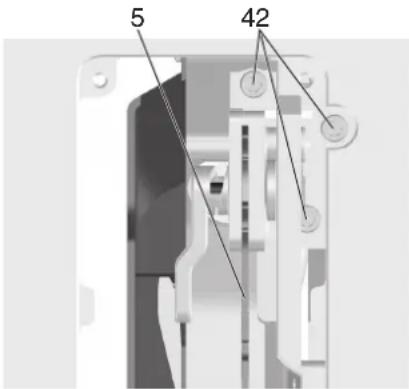
- 3aTAHHTe TPN BnHTa C BHyTpEHHM WeCTNrpAAHHKOM (42).
10.3aKpeHnTe BCTaBky CToJa (2) n 3aΦHKcpyNe BHTOM (40).
YcTaHOBb3aunTHoro HOxya
1.ПоднIMMTeпиьНьДиСКdoунopaВверх.
2. CMOHTnpyTe 3aunTHbI KOJyX (5) Ha nepeHem KpennHeHH y paKJIINHBAUoJero HOxa (3).
3. 3aTAHHTe 3aUHTbHbIK KOHYxC NOMOuHbO 3aHHMHO rpoBaHa (4).
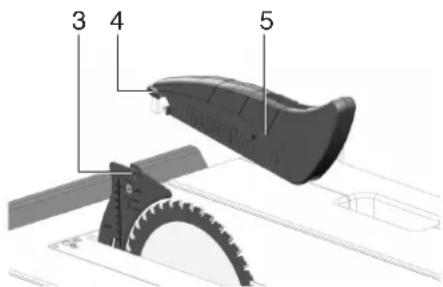
PerynpoBbA BCTABN CTOna No Bbcote (pHn Heo6xOAnMoCTn)
BctaHa cTla (2) OTperyIInpObaHa BepHo, eCInie NOBepXHOCTb HAXOITcra HHEe NOBepXHOCTn cTla Ha 0-0,7 cm.
IpyepytnpOBHN NO BbICote 3aBHTnTE 4 BNHTa B yRbl BCTaBKN CTOna (2).
7.2aKhymyTOpHbI6JOK

Onachoctb!3JeHtpnueckoe
HannpaxKeHHe
-нрлььутпрбор тьвсхnomeшнax.
-Пepeнспльзованемзардte aHHyMyIaTOpHbI 6LoK (34).
- Pn CHHKeHHM MOHOCTH CHOBA 3apAHTe aHHMyJrToph6JOK.
OnTnMaJIbHnA TemnepaTypaXpAnHeHH coCTaBnAeT O1 0°C do 30 C.
Bcnyae noomnHnHctpyMeHa n3BleKeTe H3 Hero aKHyMylrToph6nK.
- N3BLeKaHTe aKHyMyIaTOpHbI 6LoH n3NeHTPOHCTpyMeHTa nepeKaHDopeyInpOBHO, nepeOchaHeHem, Texo6cJyHKBaHHe HIN OCHTHoN.

-ПгИМпг Мерьл NOЗДИТЕ ANKUMYJIТОРHORO 6ЛОHA OT NOnDAHANBAIHN
-He noDBepraTte aKKyMnIaTOpHbIe 6JIOHN BO3dEhCTBnO OTHpbITOrO ORHa!
He nCnoJIbayTe DepeHTbIe HINn DeOpMnPOBaHbIe AHHyMylATOpHbIe 6JOnH!
-He BcKpbBaIe aHHMyIaTOpHbIe 6IoKn!
He kacaTecb KOHTaHToB aHHMyIaTOpHOro 6LoKa H He 3aMbHaTe Hx HAHOPOTHo!

-13 HeHcnpabHoro IInTH-NHOHHORo AHHyMnTropHoro 6Ioka MoHET BbITEKaTb Cna6OHNCLa RopOuaa OCTb!

- Ecni 3JenKpOInI npOIINcA n nonaHa KOHy, HeMeDneHNO npOMoTE 3OT yAcTOK 60JbHMn NCTBOM B0dy. B cnyae nonadaH npOIHTA B rIa3a, npOMoTE H CPOH M n cpoHIO o6paTHTeC b BpaVy!
He donychaHte HenpeHaMepeHHoro nycha: y6eHNTecb, 4TO 3JeHTPOOHCTpymENT npYcTaHOBHe AKHymyIaTOPHO 6LoKa BbIKIOUyeH.
TpaHCnOpTnPOBHa JInTH-NHOHBHX
aHHyMylAToPbH6 6IOHO NOIaJaTe NOD
DeIECTBHe IpaBnI nepeBO3HN OAncBHX
rpyoB (UN 3480 u UN 3481). PpN oTpABBe
LIHTH-NHOHBIX aHHMyJIaTOpHbIX 6IoKOB
yToOHnTE DeiCTByIOue NpeDnCaHn.
PpN Heo6XoDMocCTn
npOKOHcylbTnPyITeCb co CBOeN
TaHPCNOPTHO HOMNaHne.
CepTHnPHIpOBaHHy yNAkOBky MOHHO
npNo6peCTn BΦnme Metabo.
TpaHcnpTnPOBbA aKHyMyJrTOPbIx 6JIOHOB BO3MOHbTAoJIbHO B TOM Cnyueae, ecIn KOpNc He NOBpeHdEHN H3 Hero He BbITEKaET HuaHOCtB. JnOtnpABHN aKHyMyJrTOPHoro 6JIOHa BbIHbTe erO n3 HHCTpyMeHTa. PpIMNTe Mepbln NCKIIOyeHn KopoTHORO 3AmbKaHnH HOHTAOB (HanpImep, H3OINpyte KLeiKoJIeHTOn).
- PeHOMeHDoBaHnAeMHOCTb 4,0 A*u N BblIe. (PEKOMeHDoYeTcNcNOb3OBA Tb aKKyMylrTopHbIe 6LOKn (npHaJNeKHOCtN) c npaMeTpAmn He HnKe: LiHD, 36B,5,2A*u)
8.3Kcnnyataun

Onachoctb Hecyacthoro cnya!
Pa60tbcNIOI OJINHEB BbINOHNrTb TOnbHO OAnH YeNoBc. IpyRHe Nua MOryt npBnEkaK TaPabe TOIbKO dI NaOaH nn CHrTHA3rOToBOK, HaxoJrcb np3TOM Ha 6e3oNaChom PaCCToAHNOTNIJIbI.
Ipeed hauanom pa6oTb npOBepte nnpaBHOCTb cNeyIOxN 3JeMeHToB HcTpymeHa:
-akHymyIaTOpHbI6LOK
-BbIKIOHateIb;
- pacKlnHbAIOUH;
-3aunTHbIKoHx;
- donoJHnTeIbHbIe npucncO6JIeHHa Iy nodaun 3aRTOB0K (TOnHaTeIb, naHa n pyKoTHa).
IcnoB3yIte cpeICTBa HnDnBnDyaJbHOB 3aunTbl:
- nbIe3aUHTbI peCnnpaTop;
-3aunTHbIe HayuHHK;
-3aunTHbIe OyKn.
PnBbINOHENHINJIbHbIX pa6OT npMNTE npabNlBHepepaOoee noIOHOHe:
-cnepeHnHa pa6oey cstopohe;
- nHcOM K nHJIe;
CNEBa NO OCN NnIbHOrO nCha;
- pH pa6OTE BdBOe NOMOuHH DoJIKeH HaxoHTbcra Ha 6eOnachom pacCToHH OT pNbl.
B xode pa6oTbI NO MEpe Heo6xOaHMoCTn HcNoIb3yUte:
- noxdojaune onopby Ia 3arotobnH -ecnnnoce pacnhiobkn 3arotobnMoRy tynactb co cTOna;
- yctpoiCTBOIydaJIeHHcTpyHHN.
N36eRaTe TnHnHbIX Ounboh onepaTopa:
He octaHabnBaIte nHbHbI dNcK, Bpa-uaOuIcna No Hepu, nyTeM ero npnJHMa c60Hy. CyueCTByeT onaCHOct bOTdau!
- Pn paCnHIOBHe BcERda npHHMaIte 3aROTOBHy K CTOly H He DONYCHAIte ee nepeHocA. CyueCTByet OAnacHOctb oTa aH!
Hateropnuechn 3anpeaetc BblonHHTb ODHOBpeMeHHy paCNIOBHy HeCKoJIbHX 3aTOBOTOK, B T. Y. C BCR3KAn H3HeCHOJIbHX WtYk. OnachocTb HeCactHOrO cIyua npn HEKOHTPoINPyEMOM 3aXBAte OTdJIbHbIX ppeMeTOb INJIbHbIMNOJOTHM.

Onachoctb 3aTARBaHHa!
Hateropnuech3anpeaetcnnntb 3arotOBHN,Ha HOTOpBIX/B HOTOpBIX
HaxoTCTPOcbI,WHypblJeHTbKa6eHn Hn npoBoloka nn noo6hble MaTePnaJIbI.
8.1 NopcoeHHHe MeHka pAnOnnloK / yctpoHCTBa dIy ydaJIeHnO onNIOK / yHnBepcaIbHOrO cTpOHTeIbHOro nbIeCocA
Onachoctb!
HeKOTOpBie BnDbI DpeBecHO nblnn (HanPmep dpBeBecnHb dy6a, 6yHa n rceH) npN BbIXaHN MOrTy pNBOuNTb K paHObbIM 3a6ObeBAHnM.
Pn pa6ote B 3aKpbIbIX NOMeueHHx 068-3aTeNbHO HcNOJIb3yIte MeWOH dNn ONIOH Nn NOXoJuaee yCTPOIcTB OIN ydaENHn ONIOK.
DOnJHnHTeBHo HcNoJIb3yIte TbIIe3aUHTbHb peCnHPatOP, TAH KAn yIaNbIABaTEChN yUdAaTcE H CeB dpeBeCHaNbIb.
3KcIpyataaue 6e3 MeuHa dnn OHHoH HnN yCTPOCTBA dH ydAenHeONnHOK pAspea-ETC8 TObKO H AOTpbTOM BO3dyXe.
Пи ВБODEВЗHCNPyatauHуCTpoHCTBa C MEHOMДЯОПИLOKИЗ KOMIJIeHTA NOCTABHn:
YCTaHOBNTTeJNTeJIbHbIcNHOH(28)c 3aKpEnJIeHbIMMeuHOMdONIOHOK(27)Ha BcAcBIAOuOHnATpyoK09(29).
- PeryIaRHO OOnoOHHnTe MeuOK IJIaONHIOK (27).PnO onOpOHHeHHnCNOB3uTe nbIe3auHTbpeCnnpaTOp.
Pn noNIOHIOUeHH NHTpymeHa K yCTpoIcTBy dYdAeHH OINIOK:
3TO yCTPOIcTBO DOJIHXO OTBeuATb CNeDyHouIM Tpe6oBaHNM:
COOTBETCTBnE DnAmEtpy BcAcbHaOuIeero natapy6ka (emKocTb dIy ONNIOK 35/44 MM);
- pacxoid BO3dyxa ≥ 460 m³/4;
pa3pRKeHHe Ha BCacbBaHOeM NaTpyeNnIbI ≥ 530 Pa;
- CHOPOCTb BO3DyUHORO NOTOKa Ha BCAcbIBAIOUeM naTpy6Ke nIIbl≥20 M/c.
BcBbAouHe naTy6Hn yctPoICTBa dIydaeneHnOIOK paCNOJKeHbHa 3aunTHOM Kopo6e NnHbHO NOoTHa.
TaKHe Co6JIoDAIte pyHOBOdCTBO no 3KcNpyatauyn yctpoHCTBa dnyaJeHHn OINNOH!
8.2 PerynipobKa rny6nHb nponna
Onachoctb!
Hactn Tena Hnn PneMetbI, KOTOpbie
HaxoJATCB 3OHe peryNIOPBHN, MOrYT 6bITb
3aXBaueHb BpaauAoUHmCn NnBHBIM
DCHOM! PerynlPOBHy rny6HbI npOnnla
BbINONHHe ToJIbHO NoCNE NOHoi
OctaHOBHN NIIbHORo DnCKa!
Iy6HnpypOINla HnIbHOro DnCKa Heo6xOmo OtperyIpOBAToNo BbICote 3aTOrTOBKn: 3aunTHbIK KOxUcBOe HNKeHnepeDHeK KpOMKOn DOnJKe npInerTaK 3aTOrTOBKe.
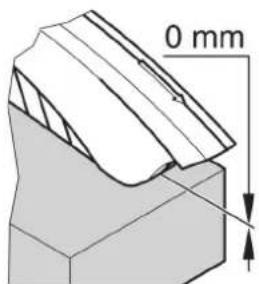
- OtperynpyTe rny6nHy npoynna nocpeCTBOM BpaueHnMaxOBnka (16).
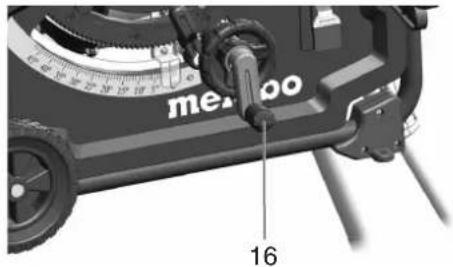
i yka3aHHe:
YTO6bI KOMNEHCHPOBaT Bo3MOHHb3 3a3Op nperyrnpOBRe rny6HNbI npONnla Bcerda nepeMaayTe NIIbHbI dnch CHN3y B HJHHyIO NO3nCuIO.
8.3 PerynpoBHa NaKloHa NnIbHoro dNcKa
Onachoctb!
Yactn Tena, npedMeTb Hnn Yactn
HnCTpyMeHTa, KOTOpBe HaxoAITcB 3OHe
PeyHApOBKn, MoryT 6bItb 3axBaueHb
BpaauohmCn NblhBIM DnCHom
PeyHApOBHy hakNoHa NlIbHoro nOLOTHa
BbIOJNHIte ToJIbHO NOcIe NoIHO
OctAHOBKn NIIbHorO DnCHA?
HaHIOH NJIbHOrO INCKa MOKHO peryIINPOBaTb Dnana3oHe MeKdy-1,5° n 46,5°.
- Pa3bIokpyuTe 3aKHMnO pbUar (18).
- Otperynpyte HauHIOH NmIbHO rO dNcKa nocpeDCTBOM BpaueHHMAxOBHa (17).
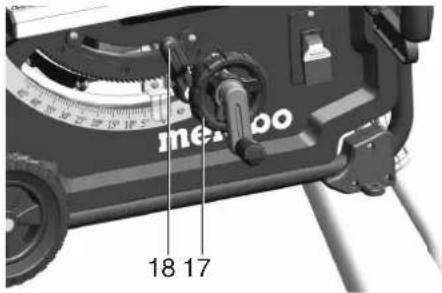
- 3aФнСИРуTcYaTHOBJIeHbIyRanHaNoHaNYTEMbOIOpBON3aHIMMHorO blya(18)(bpauaTe no YacOBoi CTpeJke).
PeryIINPOBbA DnBByTpEHHnx Na3OB
Ia oBnueHnpeynpOBnHaNoHa nOIOKeHne 0° n45° HMeET CNEuaJIbHbY npOp. Ia BbIOJHeHn CNEuaJIbHbIX KcBix paCNIbO bAnaONOH yra HaKKnOHa MoXHO yBeINuHTb Ha 1,5oB6Onx HappaJIeHNx.
BbTaunTe OpaHnHTeJIb HaHOHa (19) n yCTAHOBITE erO YpeE3 npaBbI hCcEHTPNK = yrOlaHHOA NIIbHOrO DnCKa MOHHO peryInpObaTb B dHnana3OHe MeNdy-1,5° n 45°
BbTaunTe orpaHnHTeNb HKnOHa (19) n yCTaHOBNTe eoYepe3 JeBBi 3KcEHTPNK = yrOaNHOHa NINBHOrO DcHAc MOHXOPeryNipOBaT B DnAnao3e MeJdy 0° n46,5°
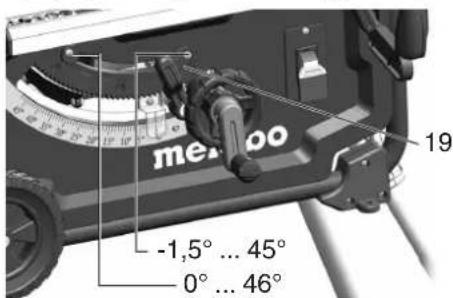
BbIKIOaTeNb(BK./BbIK.)
BKnHoueHnE = nepeKIOuATEIb (15) nepeBeCTN BBepx.
BbHIOUeHne = npeKIOUaTeJIb (15) nepeBeCTn BHN3.
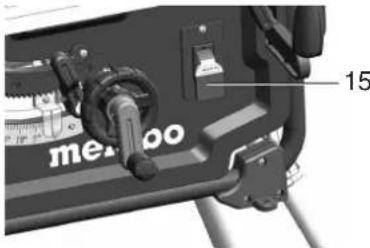
8.4 Perynnpobka napannelbHoro ynopa
MoTAK npOxCoOHT Ha HApBaIHOUcEM npOHNe C npeDne CTOpObI NJIbl.
- YctaHOBeTe npaJIeJIbHbI ynp (8) cnpabaOT nIIbHorO nICKa. Metka BHYTpne yka3aTeJIyNbl NOKa3bIBaET yCTaHOJIeHHOE pacToHHe ot npaJIeJIbHOrO ynpaIO nIIbHorO nICKa Ha uKane.
-Pa36IokpyTe 3aKHMHO pyar (10) npapJIeNBHOrO ynpa H cBnirAteYnpo Do Tex nop, NOKa MeTHa BHTPO YKa3aTeJr-lybI He NOKAHET HyKHOe paccToHHe do NINbHOrO dNcKa.
-ToHnAperynpOBKa:nyTeM BpaueHnraKnC hKaTHoN(11)(Ha nepeDHeM 3aJHMHO3JIeMeHTe, CnpBa)TOHcYCTaHabNBaeTcNbHNPApacnJa.
ΦHKcnpu npbUar (10) onyctnte Bn3 dIaΦKcaun.
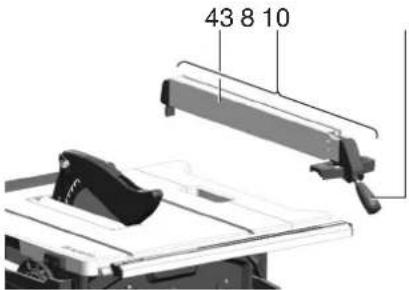
-ynopHb npoHb (43) npn paCnnoBKe c HcnoIb3OBAHmepnapAJIeBHOrO ynopa dONHe6bITyCTAHOBHeN npapAJIeBHO nHbOMHy DnCKy N 3a6LNOpOBaH 3aKHMbIM pbHaROM (10).JnA ETO rnpKMMTE 3aKHMHO pyhar (10) BnH3.
-ΓaHc HakaTkoi (44)IJI KpeJIeHnIy npOHO npOHHIO. Iocne OTBUNHvBAHnI06eHXraK (44)YnpOBHII npOoHb MOHCHOHTbN nepeyCTaHOBTb:
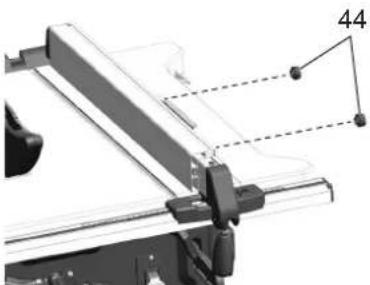
Hn3kynop:
-ДЯ paCnIIa nIOChNX 3aROTOBOK;
-eCIN NINbHbI DnCK yCTaHOBneH noJ HAnIOHOM.
BbCOKn ynp:
-paacnnoBKn BbICOKHX3aROTOBOK.
8.5 HacptpoKa yka3aTeHa napaJIeIbHOM ynope
- BbipOBHnTe npaIeIbHbI ynp y nIbHorO dNcKa.
- BbIbePHnte BnHT Ha yka3aTepe npapnnelbHoro ynopa.
- CoBmectTe yka3aTeIb Ha npaIJIeIbHOM ynpoe n 一 0 ^ Ha IkaJIe.
- CHOBA 3aTnHTE BnHT Ha yKa3aTeIe napaJIeJIbHOrO ynopa.

yKa3aHHe:
Bo n36eKaHHe 3aKInHHBaHn4 3aTOrOBn npu paCnIOBKe C NcOJIb3OBAHHe m npaIJIeJIbHOrVnpa;
CmeCTNe npaJIeIbHbI ynpOdoynopa BnPabo,Noce Yero HAcTpoTe HxKHyU shpNHy npOnla.

Yka3aHHe:
PerynpoBka npaIJIeNBoHOrO ynopa (npn Heo6XoDMOCtN) BO N36EkaHAnne 3aKINHINBAHnnaTcOTOBKN MEJy npaIJIeNBoHbIM ynOpOM nNIIbHbIM DCHKom npaJIeNBoHbINy ynOp DOJIKe6bITb pa3MeUeH npaJIeNBoHdNcHy, IIOo yCTaHOBHe CO CMeUeHNem Ha3aH He 60JIee HEM Ha 0,3 MM. Jpy peryIpOBKn OTBnHTte 2 BnHTa Ha BepxHei CTopoHe npaJIeNBoHOrO ynopa, 3aTEM CHOba 3aTnHIne IX.

yKa3aHHe:
OTpernynpyte ycnne 3aHnma npapnnbHoro
ynopa (npn HeoOxmoCTh)
NOCeIOBATEbHOCTb 3aueKnBaHnna 3aHnEro NpeepHero 3aXnMOB MOxHO HaCtPOnTb
NocpeCTBOM BpaSeHnraKn (30).OTbnHTnte
raHy (30), 7TObI 3aHnM 3aueLHNcy
No3Ke. 3aTnHnte raKy (30), 7TObI 3aHnN
3aHNm 3aJeHNync paHbIe.
8.6 HactpoHa nonepeuHoro ynopa
Pnonepuehnyynop(7)3aDnraeTcnapeepnB na3BnnbHOM cTone.
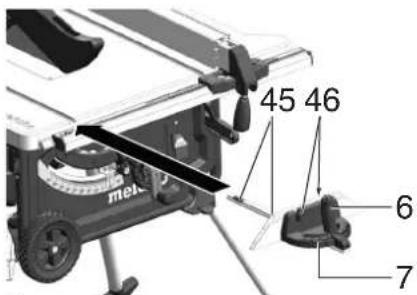
IbBIOHHeNnPONHIOB NOyIOM nonepeHyb yopMOKHO CMeuTaB B O6e CTOPObHi Ha 60°
IyBbINOHnHnPONHOBNOyIOM45°N90° npEycmTpehblcoOTBeTCTByKUneynopbl.
Hn HACTPOHrYrHa:pa3bOKnpyHte 3aHHyPryOHrY (6)nyTe BpaueHnnpTHAacOBONCTpeKN

OnachocTb TpaBmbi!
3aHHMaHy POKrTHa Prn HIIeHN DOLJIHa 6bItb 3aTHeYNaonepeHbYNIbOpN.
ПИСТАВно ПЮФИь мохно Cммаь ИМ CHIMaTиTem OTBиHнBaHAЯ ГЕК сHaKaTHKoI (46).

yHa3aHHe:
Pn Heo6xOIMOCTN MOKHO yCTaHOBNTb 3a3Op nonepeHOrO ynopa (7): OTNyCTte BNHTbl (45) nlaCTNKOBix NOJ3YHOB Ha HapBaJIHOUcEi nonepeHOrO ynopa, nepeDBHbTe nonepeHbIy npO (7) nCHOBA 3aTaNHE BNTbl.
8.7 Perynnpobha pacwnpehna cTola
PacnepHe cTolA (12) cnyHNT dIyBENHcHIO npOH NOpeXHOCTN, 6laROpaprMyEoBCeNEHBAeTC HAdEHNHae PHKcaun3aTOBOk 60JIbXu pa3MePOB.
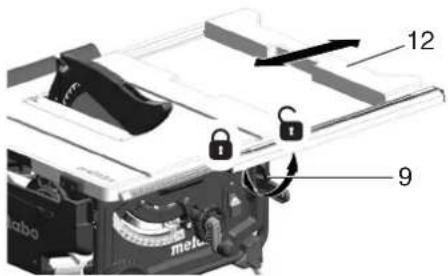
-nyperynpOBn pacupeHn CToIa (12) CneDyET pa36JIOHPOBaTb 3aHHMHOI pbHAR (9).

OnachOcTb TpaBmbI!
3aHHMa pyHOrTHa npH paCnIOBHe BcERda DOJIHHa 6bITb 3aTMyTA.
CHTbBaHHe WHaJIb I npN BblOnJIeHHn pa60T cnapaJIeJIbHbIM yOpom
Ha KaKoI WkaIe CHTbIbAeTcR 1WpHnHa npONHIA,3aBNCIT OT TORO,KaHM O6pa3OM yOpHbI PPOJNb CMOHTIpObaH Ha npapaJIbHbOMynope:
-BbicoHynp= kana cepno haanbcno ha6eomfohe.
-Hn3Knynp= 1kana c6eNoHaanncbHO Ha cepHOM fOHe.
Bcnyae npoNIOB He60bWOn WpHnbl
pacuHpeHne cTOna He BbIDHBraetc.
CoOTBeCTBeHHO, WpHnHa npoNla
CHTbIAeTcHa npabO uKaIe Ha yKa3aTeIe
napaJIeHbHOyopa;
-BbICOKn ynp: wnpHa pe3a ot 0 do 35 cm.
- Hn3Hn ynp: shpna pe3a ot 0 do 29,5 cm.
Pn Heo6xdmocntn pacnnIOBKn 3aTOBOK
6bNoro pa3mepa cneDyET BbIDBNHyTb
pacuippeHne cTOnA (12).
1. Iepemecntne napanlenbHyn yop B KOHeCHyIO NO3NIOU WkaJIbl.
2.ИЗВЕКТЕ paцшрени CTonaи yctановпета napлельнун hyнhoe paocTOrHne. COOTBETCTBEHNO,шипHA npOINa CHTbIbaeTcRHa Na leBoi shaNe Ha yka3aTeNe ShkaNbl.
8.8 PerynpoBHa yDInHeHr cToJa
YdHHHeHcCTOa(1)CnyHNTnIyBENHeHnONOpHNOBepxHocTb,BlaorDapr cemyoBeceuBaETcnaHaeKHaJHKcaun3aTOTOB60blsoHnnHb.
1.ДЯьыднбненяуdlnneHncaTOna Heo6xOIMO OcnaBn6bOba bHaNTa c HakataHHoI rOLOBkoI (47).
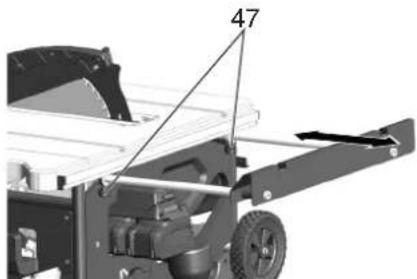
- BbDnHbTe yIHHHe nCe TOna nYcTaHOBnTe ero Ha HyKHOe paCToHne.
- CHOBA 3aTRAHHTe O6a BnHTa C HAcKaTaHHoI ROOBKOI.
8.9Пиелпe

Onachoctb!
ToHkateIbdoJIKeH HcNOb3ObaTbCBA BcERdaB Tex CnyuAn,HorDa paCCToAHne MeKdYnHbHbIM NOJOTHom NnapJIeBbIMynOpom CoCTaBnReMeHee 150 MM.
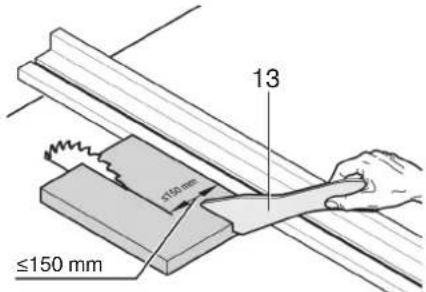
PpMoN npOnn
- OTPeryIpyTe n 3aФнсPyTe yroI HAKNoHa.
- Otperynpyte rnybHny nponHa.3aunTHhB KkyxdoJHnNOHcTbO npmEraTB 3aTObHe C nepeHne CTOpHb
- Ecnin nIbHoe noToHO paCNOJIOHeNoi yIOM, To pAaMeCTHe CBeBa Or Hero napJIeNbHiyOpn OTepyInpuyIte erO.
- BknoHte nny.
5.PaBHOmePHO CMeIaJHe 3arOTOBky Ha3aHn BbINOJIHHTe paCNIIB ODNH 3axoJ. - BbIKIOHHTe yCTPOHCTBO, ecn daIbHeiHa paOTo He npednoIarAetc.
YrnoBo nponn
- NonepuHbI ynp (7) 3aDbnraetc cpepeB B na3 B nIbHOM cTone.
2.YctaHOBHTe HxHbI yron nocne pa36NOKIOPOBKN 3aHHMHOY PYKoTTHN (6) HA NOpeyHOM yOpe N CHOBA 3aTnHtE 3aHHMHyIO pyKoTHy. - OTPeryIpyte 6okOBoe paCCTOHNHe MeJy npHCTaBHbIM npoFJIeM NIIJIbHbIM DnCKOM:
OTBEPHNTe raHKy c HkAaTHoN (46) INpeepDnHBTe pncTbHO npOphiNb.
-3aTnHHe raiHy cHaKaTkoi (46).
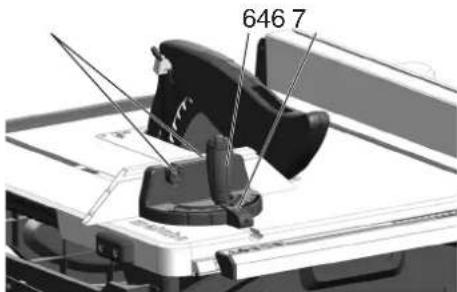
- PnHMMTe 3aROTOBky K nonepeHOMy ynopy.
- Pacnntte 3aroTOBky nyTEM CMeueHnna nonepuHoro ynpa Bnepe.
- BbHIOHTe HCTpyMeH TpN HeoXOIMOCTH npepBaTb pa60Ty.
9. TpaHcnpTnpoBHa

Onachoctb!
Ipeed haoi TpaHcnpTnpoBkoI:
BbIKIOHTe yCTpoHCTBO.
-DOHANTECb, NOA NINbHbIN DnCH He OCTAHOBHTc.
- 3BJIeKeTe aHHMyJrTOpHbI 6NoK.
-EmoHTpyyHe HabeChbIe DeTaII (3aunTHbIKOxy, yCTPOiE7Ba ydaIeHnA ONIOK,OTdJIENTbHLNcIOH, MeOH dIaONIOH).POnOHTE 3aunTHbIKOxy HA CTON.
- IpeMeCTHe paCKnHnBaIOuH HOK B TpaHCnOpTIPoBOOHTHO NOLOXEHNE. DeCTbYnte, KaK OONcAHO B pAsTeJe 7.1, Ho paCKnHnBaIOU OH (3) BCTaBtBe BHN3 Doynopa(TpaHCnOpTIPoBOOHoe NOLOXEHNE).
C NOMOZbIO KPNBOWIMNHOpyKoTNIPOHOCbIO ONYCTTE NJIbHbIN DnCK.
- YCTAHOBITE yroH NaKHOHa NINbHoro DnCKHa H O' 3aΦHKCpyTe C NOMOuBHO 3aKNMHOrO pbHara.
- PnHNOHMMNTE HNCTpyMeHT 3a paMy n HaHNOHNTe BHIM. YcTAHOBNI HNCTpyMeHT Hape6po N CLOHNTe BEPxHHe HOKKn. HpachbIe pbUaKKn DOJXHbI BBOB 3aΦHKCpOBoBatcR.
OTBeHte HnCTpyMeHT Ha3aN CNoHNTE HnHNHE HOKN. HpachbIe pbHaNK DOnHHBBIHOBB 3aHKnCnPOBaTbCrl.
3aBnBtepyKoTKnH NOCTaBbTe HcTpymeHT BHyKHoe MecTO.
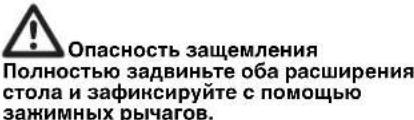
IpeheocHTe HnCTpyMeHr3a 60KOBbIe pyKoTNI (48)Ha cToJe.
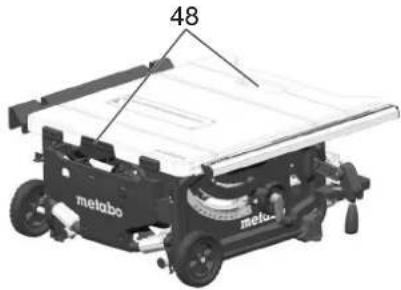
BHHMaHHe!
He nepenocte HcTpyMeH, depacb 3a 3aunthBle npncnOco6NeHH, BblDlnHyTOe/ He3aFHKPCOBAHoe pacwnpeHne cToIa nn 3aJEMeHTbI ynpabLeHH!
BHHMaHHe!
IpeHoc HnCTpyMeHTa DOLJKeH OcyuIeCTBIAETbCBAyR IIObMb (Bc)! TpaHCnoptPiOBBa B CLOKeHHom BHe:
- BbITAHTE pyKoTky, NOBepHnTe n 3aФHKcpyHTe ee.
TAnHTe nn nepemeeaTe nJy 3a pyHOaTKy.
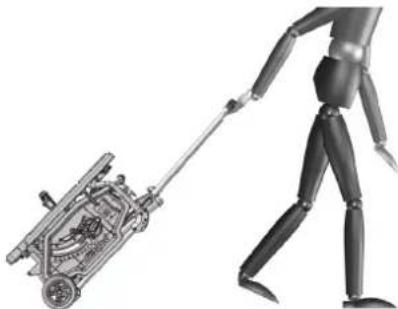
Ocobny: TpaHcnpTPOBbMaMHNbBMecTe CMetaLoc.BOKMOHO NOCTaBbHa NOBepXHOCTb CToJaN 3aKpenbCneuMbIMpeHMn, KaNOKa3aHO Ha pncyHke.
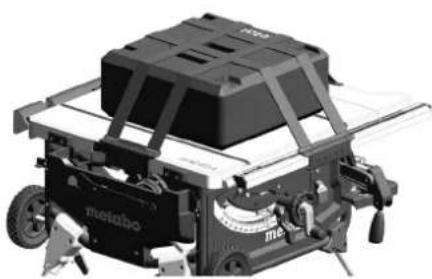
10. TexHnuechoe 6cIyHnBaHne n yxOd
Onachoctb!
Ipeep npoBeHem IIO6bIX pa60r no texHHueckomy 06cnyKbaHHIO uOCHTE:
1.BbIKIOUHTe yCTpoIcTBO.
2.Донгсь noHOB octahOBn nIbl.
3.N3BnHHe aHHyMyIaTOpHbI 6JIOH.
-Посліе Кандогу ectpaHEnHЯ HeNCpRaBHOCTe BHOБ BKIOUHTe InpOBepbTe BCE 3aUNTHbIe PnCnOC6LnHry.
-Поврждениь detaII,В acTHOCTn, 3aunNTbIe npncnocobHne,3aMeHrIte TOLbHO Ha opINHaNbHbIe, T.K.HcNoJIb3OBaHne DeTale, He npOBepenHbIX n He pa3peWehbIX n3rTOBHTeM, MoKET pNBECTK HHepeCKa3yEmbIM NocJeCTBnM.
-Onncahhble B HactoIe m pa3depe pa60Tb noTexO6CnyJHnBAHHIO pEMOH TY DOJIHKbBiINHOHTbCR TOJbKO CNEUHCTAM.
Onachoctb!
B cnyae noBpeHdeHn BCTaBHn CToJa cyueCTBye ONAChOCTb 3aHnHHBaHnmeHn XpeDMetOB MeHdy BCTaBHOn nNtNbHbIM dCHOM H, KAH CLeDCTBNe,6KOpOBKn NtNbHOrO dNcKa. HeMeDneHNO 3aMeHnTe NOBpeHdeHHbIe BCTaBHn CToJa!
10.1 3aMeHa nIbHoro dNcKa
Onachoctb!
B TeueHne KOpOTKOr BpeMeHH nocle 3aBepeHnra PaobTb NmblbHn DnCK MoHe T octaTabcNlBHO HarpTeBm -OnachOCTb OKora! POnOHnIte, Noka HarpTeB nblbHn Dnck OChET. He OUnsauTe nllbHn DnCK RopOHMn HnDHOCTHM. DaKe HenoDbHNHn NmblbHn MOKHT npedCTabJIb Tb onachOCTb TpaBMPOBaHn (nope3OB).PpN 3aMeHe NmblHoro DnCa hncNoJyIte 3aunThIbe nepaTHKn. PpN c6OpHe o63ateJIbHo yUntbaiHe HanpaBLeHne BpaSeHHn NmblHoro DnCha!
- POnHnMnTe nIbHbI dNcK Do yNopa BBepxC NOMOuBIO KPNBOUHNOpyKoTKn.
- CHMNTe 3aunTHbI KOHxu (5).
- NOBEPHNTE BHTT (40) npOTHB YACOBI CTpeJIKN, pnpNOHMMTE BCTABKy CToNA (2) N 13BJNEKte EE.
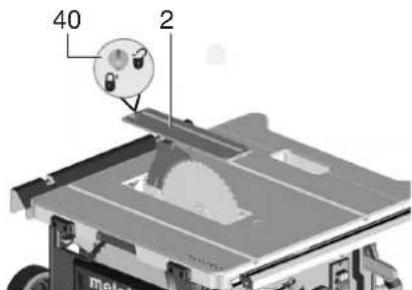
- NobopaHbAte 3aKHMHyraKy (50) NlNbHOro NnOToHa C NOMOuHr RaehNOro KIOUa (20) NoHOBpeMeHoTHaTHe PbHar fKnCaun (49) NlNbHOro NnOToHa BBePx Do Tex NOp, nOKa OH He 3aJeIKNHeTcR.
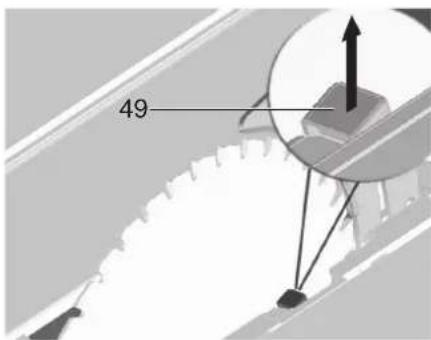
- 3aKMnTe pbyar (49) n OTBnHTne 3aKmHyo raHy (50) no yacobO CTpeJIke.
- CHIMMTE 3aKHMHy RoAky (50), HApyHbIy ΦlaHeu dJa KpEnHeNn NInbHO nCKA (51) nINbHbN DnCK C Bala dNn NInbHO nCKa.
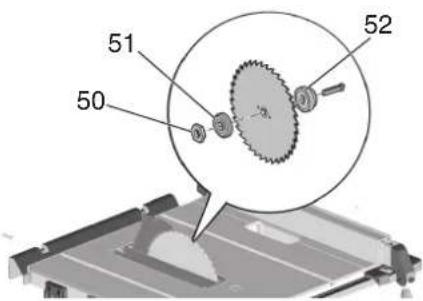
7.OuHTTE3aHMMbIe NOBepxHOCTN(51)n(52)ФlaHuaДЯнКрел�пma NIIbHorO DNCKaN NIIbHBINDNC.
Onachoctb!
He HcnoJb3yTe CpeCTBa OChCTHn (HanPmep, yIaYdaleHcOCTaTHOB cMOJIb), KOTOpBIE MORYT NOBPeDITb HReKoCnJIABHbIE MetaJIaNueCHNe DetAJI; B npOTNHOM Cnyae BO3MOHc HO CHINKeHne 3KcIyATAuONHOHn HAeKHOCT NIIbI.
8.HacnTe PhaHeu (52)KnpeHneHn HbHorO DnCKa Ha BaI dBVaTeJIa.
9.YCTAHOBHTE HOBOE NINbHOE NOIOTHO (co6nOdaTHe HappaBHeHBePaaeHna)!
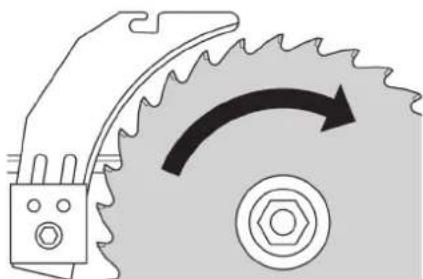
Onachoctb!
HcnoIb3yIe ToIbHO Te NIIbHbIe DnCHN, HOTOpBIE COOTBeCTBYOT napaMeTpam, Yka3aHHbIM B TexHnueChNX XapaHTepncTHnax N B CTAndapre EN 847-1 B Cnyae HcNoIb3OBAHnH HenoDxOJnx NNIOBpeKeDeHHbIX NIIbHbIX DNCKOB NOd DeINCTBHeM CEHTpO6EHHo CInbl BO3MOHBO Bhe3aHHe Pa3Netahne OCHONHO. 3anPeuaTc HcNoIb3OBaTb:
HnIbHbIe DnCKN, MaChMaJIbHO DoNYCTMMA YAcTOTA BpaAeHHa KOTOpBX HmHeHOMHaJIbHOJ AcTOTbI BpaAeHHa BAJIbHbHOI DaCHa HA XOJOCTEM XOyD (CM.《TexHnueCHe XapaKTePncTKnH)
HbIbHbIe IINCHN H3 BbICHOJIERnPOBaH H06bIcTropexyuee cTaN (HS/HSS);
He nCnoIb3yIte nnIbHbIe dNcKn, oCHOBaHne KOTopBIX TOIue NHOo IuPnHa npOnnHa KOTopBIX MeHbIe TOIuNnHbI paCKnHnHBaOJero HOHa.
- NINbHbIe DnCKN C BNIMMbIMN NOBpeKHeHNrM;
-OTpe3HbIe KpyrN.
Onachoctb!
MoTHpyte NnIbHbI DNCK TOnbHO C HcNoJIb3OBAHMe OPnIHNaHbHbIX DeTaeJe.
HeHCNoIb3ayIte HEnIOTho CnJaUne nepeXeOaHbIe HOJIba;B pOnTHBOM cNyaeNHJbHbN DnCH MOKET COPBATcB.
IINbHbIe DnCHN DOJIHHbI 6bITb yCTaHOBLeHbI TAHIM ObpazOM, YTObI OHn paOToTaN 6e3 Dc6BaIahCa N 6NeHn I HeMOrNJ CopBaTbc C MecTa HpeJIeHN B XoJe pa6Otbl.
PYCCHNru
10.HacaTBe BHeuHn HnaHeu (51) nKpeIeHHn NlNbHoRo Dncha.
11.HaHTte 3aHmHyraKy (50) (JIeBaJ pe36al). NobopauHbaiTe 3aKmHyraKy (50)c NOMOuIbHO raeHOrO KluOyA (20) n OHOBPeMeHHo TReHTE pBuHar fNkCaunn (49) NlNbHOrO DnCKaBBepx DoTex nop, NOKa OH He 3aueKnHETcA.
12.3aФнКспуTe pbYar(49)и 3aTЯнITE 3aJIMMHyO raHry npOTHB HacOBoi CTpeJIKN O tpyN.

Onachoctb!
-He ydHHaTe HcTpMeHT,HCNoIb3yeMmI 3aTARHbHaNnIbHOrO DnCkA.
He 3aTARHbAte CTAAHHOB BnHT, ydapra no HhctpymEnTy.
- OTPerynype Te pacHnHbAIOuH HOK B COOTBETCTBn C pa3MepOM NJIbHOrO DnCKa (53) (ONICAHNE peryIPOBKn pacHnHbAIOeHO HOKa CM.B n.7.1).

14.3aKpeHnTe BCTaBHy CToJa (2) n 3aΦHKnpyTe BNHTOM (40).
15.3aKpeNITe 3aunTHbI KOHxU (5).
10.2 Perylnopobka orpaanuHTeY npopa
- Otperynpytepeyar-ogpauHHTeIbynopa IyrgaBduana3OHe(19) 0° / 45°
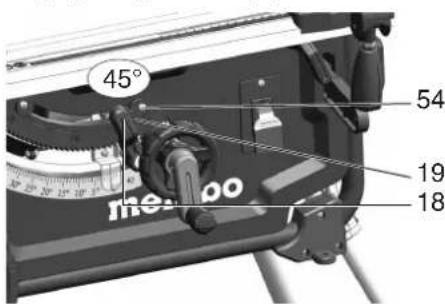
2.3aHcNpyTe yctAHOBnHbIyroI HAnHOHa NTEm 6NoHnPOBKn 3aHmMHorO pyHara(18).
3.Поберкаугнадиюн
-0° = nepneHdHyIaRHO nINbHOMy cTOny
-45° cOTdJIbHbIM yrOJIbHnKOM.
Ecnn 3tn 3naeHn yctaHOBneHb HeToHNO:
4.BbBHTNE BNTC KpctOo6pa3HbIM WnIeM (54) HA COOTBETCTBYUeM 3KcUeHTPnke I OTpyHpyTE 3KcUeHTPnK TAK, YTO6bl yTOn HAIHOA OTHOCNTeBHO NIIbHOrO CTOLA B KOHeHHx NOLOHeHHxxCoCTaJIaTI TOH0 ° (= npneHKnkyIphO) nN 45°
5.CHOBA3aTARHTBEHNCTKpEcTOO6pa3HbIM WJINCEMHa3KcUeHTPnke.
6. Nocne peryunpoBn OrpaHnHTeYynopa npn Heo6XoHNMOCTN DOnOJHnTebHO otperynpyte yrnobyu sha nepehdch CTOPOE.

Yka3aHHe:
Дяретуларовиоградитела HaHNoHa OT-1,5do 46,5Фнкатор ораганчтела HaHNoHa(19)doJHKeBb3MbIeH.
10.3 XpaHeHne cTaHka

Onachoctb!
XpaHHTe HNCTpyMeHT B MecTe, HeIOCTyTNOM dIaI dTei. XpaHHTe HNCTpyMeHT TaKIM
06pa3OM,HTO6bI HCKJIIOUHTb BO3MOXHOCTb ERO HcNOb3OBAHIN NOCTOPOHHHMn LIuCaMn BO3MOXHOE TpABMnPOBaHne IIOeH ENoDBNKHBm INHCTpyMNETOM.

BHHMaHHe!
3anpeaetcXpaeHHeN HCTpyMeHa BHE NOMeueHHn HN BO BLaHbIX NOMeueHHx 6ez cootbetCTbyOeJ 3auHTbl.
10.4 TexHHuechoe 6cIyHbAHne
OuHCTHa nJIbI
-yaHHeOpNIOKnDpeBecHOIbIINOMOuBIONbIECOCaNtEKN3:
-Ha npabJIIOUxN 3IeMeHToB dIpapeyIpOBKn HbHO DnCKa;
-BeHTnJIaOnOHbIX ΜeIeN DnBraTeIa;
-3aunTHoro KOKHyxa NnIbHOro ncka;
-PerynpoBbKa no BbICote
-NOBOPOTHOH HAnpaBnIooJe.
-OTdENHTeBHyI ZIKHOH
IpeedKaXdbIM BKNIOueHHeM
Bn3ayalbHbI KOHTpoJIb:
- pacCTOHHM MeKdy NINbHbIM NOJOTHM paCHINHBAHOUM HOKOM OT 3do5MM,
-COOCHOCb paCHINHBAIOOero HOXA C NJIbHbIM DnCKOM.
Bn3yaIbHbIK KOHTpOb Ha OTCyTCTBne NOBpeHdEN AKNKMyJrTOphORo 6JHOa H aIaNTepa; pNn Heo6XOnMocTN 3aMeHa HEnCpABHBx, Detanei C npBLeJeHem CneuaJIHCTa-NEKeTPhka.
Pn KaXdOM BbIKIOeHm INHCTpyMeHTa
PpOBepaTe BpMa (npOONHtBbHOCTb) BBiEra NnblHOro DnCkA OHO He DOnKHO 6bITb 60bnwe 10c;B npOTNBHom Cnyae 3aMeHte DBnArTeB c pNBIeueHem CneuNaIIncta- 3JIeKTPnKa.
EhemecyHo (npneheHHeBHom nCnoIb3OBAHN)
Ydaene Hne ONNOK C NOMOUBIOB NbIEcOCa IN KCTN; CMA3Ka HeBoJIbWIM KOJIHcEbOM MaCJa CNeIyUOHX HanpaJIbRAIOUX 3JEMeHTOB:
pe3b608a HTaHn HnPaBnOuHne WtAHn peyIINPOBKn BblCOTbl;
- NOBOPOTHbe CERMeHTbl.
Yepe3 kAnDbIe 150 yacob pa6OtbI
PpOBepKa BcEx pe3b60BbIX CoeHHeHn, npN HeoXOaMocTn Xx 3aTJKA.
Pn Heo6xOaHMoCTn:
OTperyIpyTe HnnpablaHoune BTyIKN HOHeK CTOna.
BHTbC BHYTpEHMM WECTNrpAHHKOM (55) NObepHnTe No YacOBoi CTpeKe = 3aMeIeHHbXoD.
BHTbI C BHYTpEHNM WeCTnRpaHHKOM (55) NObepHNTe npOTNB YacOBY CTpeJKN = JTeHN XOD.
-IOONHINTEbHa TOHa HOCHTPOBka C IcNoJIb3OBAHEm YCTaHOBOHOro BnHTa (56).
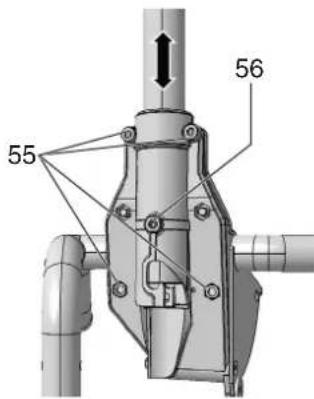
PerynipoBka HapablaHoux BtyloK nepeHero depKaTeHa HOKeK:
BpaueHHBEHHTOB C BHYPTeHHM.
EeTnrrpAHHHKOM (57) NO YACOBON CTpeNKe = 3aMeJdHeHHbXoD.
BpaueHHe BnHTOB C BHyTpEHNM 电CTHRpaHHNOM (57) npOTNB YacBOB CTpeJIHK= IeTKXoD.
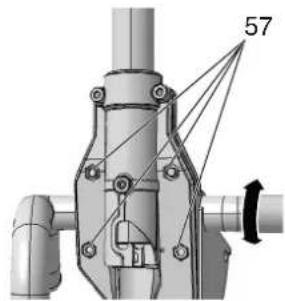
PeryInpOBKa HnpaBIAOx BTyIOK 3aHero depKeTJI HOKeK:
BpaueHHe BnHTOB C BHyTpEHHHM 1eCTHnPAHHKOM (58) no YacBOB CTpeHKe = 3aMeJENHHbXoD.
BpaueHHe BnHTOB C BHyTpEHHM UeCTnTpaHHKOM (58) npOTNB YacBOB CTePEN=JERKHXOd.
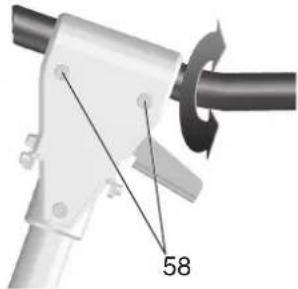
PabHomepHo 3aTAHnTE BCE BHTbIC BByTppeHHM WecTnrgpaHHKOM.
11. CoBeTbI npekHOmeHdaunn
- Pape pacnIOBKO BbINONHITe npo6hIe pe3bHa nOxOaunX dIa 3Toro 06pe3kax.
- YknaBbAaTe 3aRTOBky HaNnIbHbI CToI BcERda TAHIM O6pa3OM. YTObSI HcIKIOHTb ee BO3MOHOHoe ONpKbIBAHne NII WAtaHne (HanPmep B Cnyae BByyKLOI DOCHY yHaIaBBeT DoCKy BByyKLOI CTopoHOH BBepx).
JaPacnIOBkaIarOToBHHa ChaTn OaHbKOBo dNHBc HcNoJIb3yIte IpoDoJIbHbY npOp.
-ДеркнTe NOBepxHOCTHn ONOpHbIX yuactKOB HCTbIMN.
12. PpO6JIeMbI HEnCnpaBHOCTN

Onachoctb!
IpeedKaHdbimyctpaHeHHem HecnpapBHOCTeH:
1.BbIKIOUHTe yctpoIcTBO.
2.N3BnKeHTe aHHMyJATOpHbI 6Jok.
3.DOHANTECb, NOHa NINbHbIM DnCK He OCTaHOBNTcR.
Nocne kaHDoO yCtpaHeHHa HncnpaBHOCTe BHOBb aHTNBpyHte n npoBepBe BCE 3aunthIbe npucnoCo6HeHH. He paBoTaET dBHRateJIb
Cpa6oTana 3aunTa OT NOBtOHO 3anycka.
Ecnn AkmyIaTOpHb 6IOK BCTabJIeTC pN
BKIOUeHOM INCTpyMeTe NIN NOCNe C608
BO3Ob6HOJIeTC NoJaA 3JeHTpONITAHy,
INCTpyMeHr He 3anyCKaeTc:
- BbIKIOHTe IN CHOBA BHKIOHTe INCTpyMeH. AKKyMylrTophB 6nok pa3pJKeH:
-ПиСИКЕнМошЮCTNCHOBAЗAPДNTe aKKMyIaTOpHbI 6nK.
BniratelnepepeT,HanpHMeP,BCNeIcCTBne HcNoJb3OBAHHa3AtyINBWEROCRNlBHO
NIOOTHa HIN CKONJIeHnO ONNIOK BHTPN KOpnyca:
yCTPAHNE pINHHY nepePBBA,daTe OXnAaNTbCn DBnTaeIO B TceHne HEckOblK INHYT.3aTEM BHOBB KluOHnIb HcHTpyMeHT.
He doctnraetc Hxnnh aactota BpaueHH 3aunita ot neperpeba: cactota BpaueHH noi harpy3kO PE3Ko noHnaeTc.
NobbIeHHaTemnepatypaDBHrataTeI!AaTeNopaObaTb HCTpyMeHTy HA XoIOCTOMxOy,OKA OH He OCTbIeH.
3aunTa OT neperpykN: DBnraTeJIb OCTaHaBnBaEeTcBO Bpemr pa6oTbI:
3NeKtpOnHCTpyMeHT nepeRpyKeH.ymeHbWnte Harpy3ky Ha HcTpyMeHT.
He DoCTHraeTc3aHaHHoe MaKcImaJIbHOe HcIIO OOBOTOB -DBrHrTeJIb NOyUaet CINUKOM Hn3HKe HApRJaKeHne OT aKKHyMylrToPA:
-Пи CHINKHeHIM MOUHOCHT CHOBA 3aPAnTe aKKyMylTOpHbI 6LoK.
Ipon3BODHTeNbHOCTbHcTpyMeHa naaet
NIIbHbI DNCH 3aTyuINcra (BO3MOHO, NIIbHbI DNCH IMeET CJIeBIOPOKOROB Ha 60HOBOI CTOPOE):
3aMeHHe TINbHbI NcK (CM. TnAbY 10.《TexHueechoe OecnyHnBaHne》).
Natpy6ok Bb6poca onnlok 3a6nt
HeNoKIOHcHOyCTPOIcTBOUdaJIeHnO nIOIOH NIN CINIKOM H3KnaPON3BOIDTeJbHOCTb BCAbIBAHn:
- PoiKIOUHTe nbIyeydaIaIooIyOCTaHOBky IyIyBEnbTe MOuHOCrB BcAcBbAHIN (CHOPoCTb BO3dyuHOrO NOTOKa2 20 M/C B BbTJxHOM natpy6ke).
13.Пинадлжноctи
IcnoIb3yTeToIbKoOpnIHNaIbHbIe aKHyMylTOpHbIe 6IoKn I npHaadJeHKoCTu Metabo.
IcnoIb3yIe ToIbKO Te npHaJaIeKHOCTN, KOtOpeIe OTBeHAcOT Tpe6OBaHNM nnapaMeTpam, nepeYncIeHHbIM B daHHOM pyKOBoDCTBE NO 3KnIpyatauN.
ПиьhoeплOTн�ркунговпьБу Power Cut, №ДЯЗа3aKa3a:6.28025
-Дя rpy60rno 和cpe3nro KaecTba packpo npi 60blshoN noHne3HaHTeBHOI NOTpe6JIEMO MoUHOCTH
-XopoWne pe3yNbTaTbI nIIeHnna npi npoDolhBix paCnniax MaccNba dpeBeCnHi
Пиьhoe noltoHоцИрнго Пиь Precision Cut, NДЯЗа3a:6.28059
-OueHb WnpoKn CneKtp PnpMeHeHHB DepeBoo6pa60Ke
AkhmyIaTOpHbIe 6IOKn pa3NHyOH eMKoCTH.
PnO6peTaIte TOnBkTo TaHKe AHyMyJIaTOpHbIe
6IOKu, HApJxHeHcKoTOpbIX COOTBETCTBYOT BaWemy IHCTpyMeHTY: LiHD,18B,8,O*4,6.25369 LiHD,18B,5,5A*4,6.25342 Idp.
PonHbI accoPTIMeNT npHaJIeKHOCTeM. HcaiTe www.metabo.com IIN B KaTalore.
14. PeMoHT

Onachoctb!
BueJax 6e3oNaChOCTn peMOHT 3NEKTPONHCTPYMETOB DOnJIHeBbIOJIHATBCaTOLbKO CneHaJIHCTAMN-3NEKTPHNAMC HcNOJIb3OBAHMeOpINHAAJIbHBIX 3AnJaCTeI
Дя ремонтаюукшmetaboобрааитесьВ peгнаньhoeпрдctabntelсвMetabo. Adec sm. ha cante www.metabo.com.
CnCKn 3anaChbix qacteM MOKHO cKaaTb Ha caTe www.metabo.com.
15.3aunTa OKpyHauouei cpebl
CobIpaTHe HaOnHaJIbHbIe npEINcaHnna no 3KIOrHneCKn 6eONaCHOY yTNH3aUNn H npepaBcTe OTCnykBwIX MaunH, yNaKOBHN pInhAIIeXHOCTeN.
ToIbKO dIraCTpaH EC: He BbIbpaCbIaBte 3JIeKTPOnHCTpyMENTbI BMeCTe C 6bITOBbIMN OTXdAMn! Corlancho EBpOecko nIapeKTNBe 2012/19/EU no OTOxODam 3JIeKTPnuechoro n 3JIeKTPOnHORO 6obOpYOBaHnI N ee npImHeHnO B pAmkax HaUMHOHLBOrO 3AKOHDAteBcTBA 6bIBWne B yIOTpe6JIeHN 3JIeKTPOnHCTpyMENTbI NpDJIeKAT pa3dJIbHOMy C bOpBy C cJIeBIO HN NocNeJyUoEi 3KOLONHecKn 630NaIChOn Nepepa60TNi.
He ytnnn3npyte aKymyIaTOphBie 6nOKn BmecTe c 6bITOBbIMN OTXoAMH! CdaBaIte HeNCpABHbIE HIN OTCnykHBWne aKymyIaTOphBie 6nOKn DInepy FnpMbI Metabo! He bI6paCbBaTE aKymyIaTOphBie 6nOKn B BOIOEMbl.
IpeKHe Cm npOn3Becn yTnHn3aCIO
aKNyMylTAPORHO 6NoHa,pa3pRJaTe erO B
3eKTPoHNCTpyMeHTe. PpIMNte Mepb IJr
NCHIOHNEHNO KOPOTHO 3AmbIHANH KOHTAOB
(HanpIMep, n3OJIpyTe HKeIKoJI neHTO).
16. TexHHuechHe xapakTepeNCTHNN
IorcheHnK daHbIM, npBeDeHHbIM Ha cTp.3. OctabJem 3a cobO npabo H texHueckne n3MeHeHn.
U =HaPraJHeHne aKHyMylTOpHOro 6noka n0 =yactotaBpaueHn8be3Harpy3kn
V0 =MaHC. CKOpOCTb paCNIOBHN W =TOJIuHa paKINHBAIOeRO HOJa D =DnAMeTp PnIHbHOrO DNCKa (HApYKnBu) d =OTBepCTne PnIHbHOrO DNCKa (BHyTpEnHHn DNAmETp) b = WnPHHa paCNIOBHN a =MaHC. TOJIuHa OCHOBbl NIIbHOrO
T90° =rnybHa npoNnA npn BepTKaIbHOM nIOJXeHHn NIIbHO rDCka
T45° =fIy6nHa npnpnHa npnHaKaHIOHe nHbHO HDOHCHa Ha 45°
Sx=Haana3OHOTKIOHHeHHnIbHOrO ncka
Lp =MaK.SIpiHnPA npOINa c npaJIeJIbHbIM YNOpOM
LW =MaKc. mHpHa nOpereHuO rponuA c yrIbOBm YNOpOM
A1 =pa3mepbI 6e3 cTaHHbI (xXxB)
A2 =pa3MepbI cO CTaHHoN (DxLxB)
SL =dINHa nINbHOrO cTOna
SB =HnHa nHbHoro cToJa
m BECCTaHKa
NoCToHHbI TOK
Ha yka3aHhbIeTexHHyEcKHe xapaHTepnCTHMn paNpOcTpaHbIOTc DOynCKn (npedyCMOTpeHHbIe DeHCTBIOUIMM CTAnDaPTAm).
3HaueHnHaMnCCnN Wyma
3TN 3HaeHnIOBOLIOT OeHbAToB I
cpaBHnBaTb 3MnCCnIO Wyma pa3NHyBx
3NEKTHPOHCTpyMeHTOB. B 3aBNCmOCTo NT
yCNOBNI 3KcNlNyatauIN, COCTOHN
3NEKTHPOHCTpyMeHTA IN HcNpB3yEmoN
NHCTpyMeHTaBHO OChASTKn FakNTHecka
HaRpy3Ka MOKeT 6bITb BbIe NIN HnKe. Dn
OeHKnPiPmeHPoro YpOBH 3MnCCnN
yHTbBAInTe nepepbIBb B paBOte N Pha3blpaBOt b
C noHNKeHHoI WMOBoH Harp3KoN.
OppeJIInTe nepeYeHb Mep, HanpImep,
opraHn3auHOHbIX MePONpRHTn, NO 3aUInTe
NoJb3OBateJI C yETOM Tex IN IN HBx 3HaHeHH
3MnCCnI Wyma.
TnnuHb amnntyDHO-B3BeWeHHb ypOBeHb
3ByHOBOrDaBHeHnA:
LDA =ypoBHeHb 3ByKOBOrO DaBHeHHA
LWA =ypoBHeH 3ByKOBOI MOUHOCTN
KpA, KWA=KO3ΦΦHnueHT norpeuHocTN
NcnoIb3yIte cpeICTBa 3aunIbI opraHOB cnlyxa!

Hhopmaunna nnohyntaTeIa:
CepTnФнКAT COOTBETCTBnR: Ng EA3CR U CDE.5J08.B.00135/19, cPOn DeIeCTBnR C 01.03.2019 no 29.02.2024 r., BvIaH oprAHom nOceTpHnKauNIN pOdyuNIN O6UeCTBO C oPAnHHoN O TBETCTBEHHOCTBIO "He3aBnCMaH 3hCnepeTn3a"; MecTo HaxOHdEHNr (aDPEC IOpHInueCKOrO Lnua) n aDpEC MeCTa OcyuCEtBnEHn DaeTeJIbHOCTn: 115280, PocN, ropod MoCkBa, yNuIa LeHmChaN CNoBoDa, dom 19, 3TaN 2, KOMHaTb 21w8, 21w9, 21w10, 21w11; TeJefoH: +7 (495) 722-61-68; AApc 3NeIeKTPHOHn NOyTbI: info@n-exp.ru; ATTecTaTakKePeIHTaUN Ng POCC RU.0001.11T509 OT 09.09.2014 r.
ДeКлараци O COOTBETCTBHN: № EA3C N RUДDE.F509.B.00360/20, cpoK DeIcTBHnC 06.03.2020 no 25.02.2025 r.,ЗарпстprpoBaHa oprahOM no ceTnФИкau npoDyHKnObIeCTBO C orpaHneHNo OTBeTCTBEHNOCTbIO "He3aBHCmMa 3KcNEptNt3a"; MecTo haxOJdEHHa (aIepc IopNDHeCKOrO LInu) n aIpeC MeTaO ocUyecTbIeHnDeTeJIeHbTOcHTo; PocSna, roPOD MoCBeBA, yUnla ZeHnHckA CLObOda, dom 19, STaK 2, KomHaTbI 21u8, 21u9, 21u10, 21u11 TeIeΦoH:+7(495)722-61-68; A,IpeC 3JIeK-troHno nOHTbI:info/n-exp.ru; ATIeCTaT aKHepeIaTuN No POCC RU.0001.11F509 ot 09.09.2014r
CtpaHa n3rotOBHeHnA: HtTaI
ПОНЗВОДИТЕЛ: "Metabowerke GmbH", Metaboallee 1, D-72622 Nuertingen, Германь Имнорет в Росси:
OOO"MeTa6oEePa3nA
Pocn,127273,MockBa
yn. Bepe3oBaA aIen, 5 a, cTp 7, oΦnc 106
TeJ.:+74959807841
Data npOn3B0c7Ba yKa3aHa Ha IHΦopMaUNOHHO TabnUKe HNCTpyMeHTa BΦopMaTe MM/rrrr
CpOK cnYKbI n3dEINncoCTaBnNET 7 ne. He peKHOHeNyTeTc K hCkNlYATAuIN NO HCTeHEnN 5 IET xpaHEHN C DaTbI N3rTOBLeHn E63 npedBaPNTeJIbHO npOBepKn
CESKYcs
10.1 Vymena pilovoho kotouce
! Nebezpeci!
Kratce po fezani muze byt pilovy kotouc velmi horky -nebezpeci popalenl! Nechte horky pilovy kotouc yvchladnout. Necistete pilovy kotouc hoilavimi tekutinami
I pri stojicim pilovem kotouci hrozi nebezpeci porezani. Pri yvmene piloveho kotouce pouziveje rukavice. Pri sestavovani dbeje na smer otaceni piloveho kotouce!
- Pomoci kliky vyjedte spilovym kotoucem zcela nahoru.
- Sundeje t horni kryt pilovo hokotouc (5).
- Otaeje sroubem (40) proti smeru hodinovych ruicek, zvedne t a vyjmte (2)vlozku stolu.
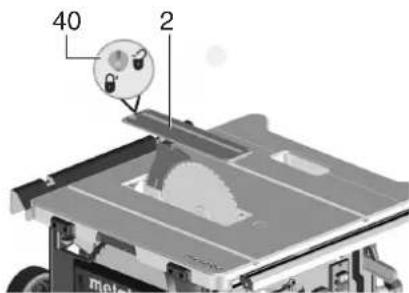
- Sroubujte upinaci matici (50) pilovoho kotouce pomoci klice (20) a soucasne tahnete paku arezte pilovoho kotouce (49) nahoru, dokud nedojde k jeho zajisteni.
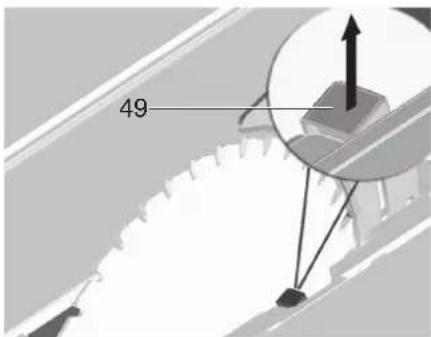



- ENGLISHEN ORIGINAL INSTRUCTIONS
- TABLE OF CONTENTS
- DECLARATION OF CONFORMITY
- SPECIFIED CONDITIONS OF USE
- GENERAL SAFETY INFORMATION
- SPECIAL SAFETY INSTRUCTIONS
- 4.2 CUTTING PROCEDURES WARNINGS
- 4.4 TABLE SAW OPERATING PROCEDURE WARNINGS
- 4.5 ADDITIONAL SAFETY INSTRUCTIONS
- GENERAL HAZARDS
- ENGLISHEN
- RISK OF ELECTRIC SHOCK
- RISK OF PERSONAL INJURY AND CRUSHING LIVING PARTS
- CUTTING HAZARD, EVEN WITH THE CUTTING, IS STANDSTILL
- DANGER FROM WORKPIECE KICKBACK
- ENTANGLEMENT HAZARD
- HAZARD GENERATED BY INSUFFICIENT SEAL PROTECTION GEAR
- RISK OF INJURY BY INHALED WOOD DUST
- REDUCING DUST EXPOSURE
- HAZARD GENERATED BY MODIFICATION OF MACHINE OR USE OF PARTS NOT TESTED AND MOVED BY THE EQUIPMENT MANUFACTURER
- HAZARD GENERATED BY MACHINE DEFECTS
- RISK OF INJURY BY NOISE
- DANGER FROM BLOCKING WORKPIECES OR PIECE PARTS
- 4.6 SYMBOLS ON THE MACHINE
- INFORMATION ON THE NAMEPLATE
- SAFETY SYMBOL
- DANGER
- DISREGARD OF THE FOLLOWING WARNINGS MAY LEAD TO SERIOUS PERSONAL INJURY OR MATERIAL DAMAGE
- READ INSTRUCTIONS
- NEVER PLACE HANDS INTO RUNNING SAW BLADE
- WEAR PROTECTIVE GOGGLES
- WEAR EAR PROTECTORS
- NEVER OPERATE THE TOOL IN A DAMP OR WET ENVIRONMENT
- 4.7 SAFETY DEVICES
- SPLITTING WEDGE
- BLADE GUARD
- PUSH STICK
- OVERVIEW
- INSTALLATION
- A ENSURE FIRM FOOTING AND KEEP YOUR FACE AT ALL TIMES
- INSTALLATION WITH MACHINE STAND
- INITIAL OPERATION
- NOTE
- 7.1 ASSEMBLY
- ADJUST SPLITTING WEDGE (IF REQUIRED)
- BLADE GUARD INSTALLATION
- HEIGHT ADJUSTMENT OF THE TABLE INSERT (IF NECESSARY)
- 7.2 BATTERY PACK
- DANGER! HIGH VOLTAGE
- DO NOT EXPOSE BATTERY PACKS TO NAKED FLAME
- REMOVING AND INSERTING THE BATTERY PACK
- NOTES
- OPERATION
- RISK OF INJURY
- 8.2 SETTING THE DEPTH OF CUT
- I NOTE
- 8.3 SETTING THE SAW BLADE TILT
- SETTING FOR UNDERCUTTING
- ON/OFF SWITCH
- 8.4 ADJUSTING RIPPING FENCE
- SMALL EDGE
- 8.5 ADJUSTING POINTER ON RIPPING FENCE
- 8.6 SETTING METRE FENCE
- 8.7 ADJUSTING TABLE SIDE EXTENSION
- SCALE READING WHEN USING THE RIPPING FENCE
- 8.8 ADJUSTING TABLE EXTENSION
- 8.9 SAWING
- STRAIGHT CUT
- MITRE CUTS
- TRANSPORT
- DANGER OF CRUSHING
- CAUTION
- CARE AND MAINTENANCE
- 3.REMOVE BATTERY PACK
- 10.1 SAW BLADE CHANGE
- DO NOT USE
- 10.2 ADJUSTING THE BLADE TILT STOP
- 10.3 MACHINE STORAGE
- 10.4 MAINTENANCE
- CLEANING THE SAW
- BEFORE SWITCHING ON
- EVERY TIME THE MACHINE IS SWITCHED OFF
- MONTHLY (IF USED DAILY)
- EVERY 150 HOURS OF OPERATION
- IF NECESSARY
- TIPS AND TRICKS
- TROUBLESHOOTING GUIDE
- MOTOR DOES NOT RUN
- SPEED IS NOT REACHED
- LOSS OF CUTTING PERFORMANCE
- CHIP EJECTION BLOCKED
- ACCESSORIES
- REPAIRS
- ENVIRONMENTAL PROTECTION
- TECHNICAL SPECIFICATIONS
- A EMISSION VALUES
- PROTECTION PERSONNEL INSUFFICIENT
- RISK FOR INDRAGNING
- NORSKNO
- MILJØVERN
- NIEBEZPIECZESTEWO RAN CIETYCH
- 4.5 DONOHNHTEBHBIE YHA3AHNNO NO TEXHHKE 6E30NACHOCTN
- ONACHOCTB
- BHHMAHHE
- YKA3AHHE
- 06UNE ONACHOCTN
- ONACHOCTB,06YCIOBHEHHA
- ONACHOCTB TPAMBBL 3AHHMA
- DAE HENOABNHBI PEHYUN
- ONACHO:OTDAPA 3AROTOBKN
- ONACHOCTB 3ATNBAHN
- ONACHOCTB BCJEDCTBNE
- HEOCTATOCHORO OCHASEHEN CPECTBAMN HINHBNDAJBHOB 3AUNTB
- ONACHOCTB,OBYCNOBNEHHAOBAHHEM DPEBECHOH NBHIN
- CHINHEHNE NBIEBOH HARPY3HN
- ONACHOCTB BCJECTBHE TEXHNUECKNX
- HMEHEHH HNH NCNOJIB3OBAHNAIE TAIE, HE NPOBEPEHHBIX H E PA3PEWEHHBIX NPON3BODHTENEM
- ONACHOCTB,OBYCIOBHEHHATAMN YCTPOCTBA
- ONACHOCTB BCJECTBNE WYMA
- 6LOKHPOBAHNA 3AROTOBOK HN HX QACTE
- 4.6 CNMBOJIBHA YCTPOICTBE
- DAHHBIE HA 3ABODCKO TA6NHKE
- 3HAH6E3ONACHOCTN
- HECOBKOEHNE CIEDYIOUXN NPEYNPEHCENM MOHET NPHBCTEN K TAGHEBIM TPABMN HM MATEPNABHOMY UEP6Y
- PPOHTATB PYKOBODCTBO NO HCKNIYATAUIN
- HE 6EPNTECB PYKAM3A BPAAUOUNNCN NNBHNY NCK
- HOCNTE 3AUNTHBIE OCKN ICNOJIB3YITE CPECTBA 3AUNTBL OPRAHOB CLYAX
- HE 3KCIPYATPYUYE YCTPOCTBO BO BLAJHHBIX ININ CBIPBIX NOMEUEHNRX
- 4.7 PPEOXPAHNTEIBHBIE YCTPOICTBA PACKINHBAOUHN HOH
- 3AUNTHBH KOXYX
- TOIKATEIB
- 5.0630P
- CM.CTP.2
- YCTAHOBKA
- OBECNEBTE YCTOHBOE NOJOXHEHN COXPAHEHNE PABHOBECN
- YCTAHOBB6E3CTAHHBI
- YCTAHOBHCO CTAHHOH
- BBOAB 3HCNPYATAUHIO
- 7.1 MOHTAX
- YKAAHHE
- YCTAHOBB3AUNTHORO HOXYA
- PERYNPOBBA BCTABN CTONA NO BBCOTE (PHN HEO6XOANMOCTN)
- 7.2AKHYMYTOPHBI6JOK
- ONACHOCTB!3JEHTPNUECKOE
- ПГИМПГ МЕРЬЛ NOЗДИТЕ ANKUMYJIТОРHORO 6ЛОHA OT NONDAHANBAIHN
- 13 HEHCNPABHORO IINTH-NHOHHORO AHHYMNTROPHORO 6IOKA MOHET BBITEKATB CNA6OHNCLA ROPOUAA OCTB
- 8.3KCNNYATAUN
- ONACHOCTB HECYACTHORO CNYA
- IPEED HAUANOM PA6OTB NPOBEPTE NNPABHOCTB CNEYIOXN 3JEMEHTOB HCTPYMEHA
- ICNOB3YITE CPEICTBA HNDNBNDYAJBHOB 3AUNTBL
- PNBBINOHENHINJIBHBIX PA6OT NPMNTE NPABNLBHEPEPAOOEE NOIOHOHE
- B XODE PA6OTBI NO MEPE HEO6XOAHMOCTN HCNOIB3YUTE
- N36ERATE TNHNHBIX OUNBOH ONEPATOPA
- ONACHOCTB 3ATARBAHHA
- PN NONIOHIOUEHH NHTPYMEHA K YCTPOICTBY DYDAEHH OINIOK
- 8.2 PERYNIPOBKA RNY6NHB NPONNA
- 8.3 PERYNPOBHA NAKLOHA NNIBHORO DNCKA
- PERYIINPOBBA DNBBYTPEHHNX NA3OB
- BBIKIOATENB(BK./BBIK.)
- 8.4 PERYNNPOBKA NAPANNELBHORO YNOPA
- ΦHKCNPU NPBUAR (10) ONYCTNTE BN3 DIAΦKCAUN
- HN3KYNOP
- BBCOKN YNP
- 8.5 HACPTPOKA YKA3ATEHA NAPAJIEIBHOM YNOPE
- 8.6 HACTPOHA NONEPEUHORO YNOPA
- ONACHOCTB TPABMBI
- YHA3AHHE
- 8.7 PERYNNPOBHA PACWNPEHNA CTOLA
- CHTBBAHHE WHAJIB I NPN BBLONJIEHHN PA60T CNAPAJIEJIBHBIM YOPOM
- 8.8 PERYNPOBHA YDINHEHR CTOJA
- 8.9ПИЕЛПE
- PPMON NPONN
- YRNOBO NPONN
- TPAHCNPTNPOBHA
- TEXHNUECHOE 6CIYHNBAHNE N YXOD
- 10.1 3AMEHA NIBHORO DNCKA
- PYCCHNRU
- 10.2 PERYLNOPOBKA ORPAANUHTEY NPOPA
- 10.3 XPAHEHNE CTAHKA
- 10.4 TEXHHUECHOE 6CIYHBAHNE
- OUHCTHA NJIBI
- IPEEDKAXDBIM BKNIOUEHHEM
- PN KAXDOM BBIKIOEHM INHCTPYMEHTA
- EHEMECYHO (NPNEHEHHEBHOM NCNOIB3OBAHN)
- YEPE3 KANDBIE 150 YACOB PA6OTBI
- PN HEO6XOAHMOCTN
- COBETBI NPEKHOMEHDAUNN
- PPO6JIEMBI HENCNPABHOCTN
- IPON3BODHTENBHOCTBHCTPYMEHA NAAET
- NATPY6OK BB6POCA ONNLOK 3A6NT
- 13.ПИНАДЛЖНОCTИ
- PEMOHT
- 15.3AUNTA OKPYHAUOUEI CPEBL
- TEXHHUECHHE XAPAKTEPENCTHNN
- 3HAUEHNHAMNCCNN WYMA
- 3BYHOBORDABHEHNA
- HHOPMAUNNA NNOHYNTATEIA
- CTPAHA N3ROTOBHEHNA: HTTAI
- CESKYCS
- 10.1 VYMENA PILOVOHO KOTOUCE
- NEBEZPECI
Brand : METABO
Model : TS 3618 LTX BL 254
Category : Saw