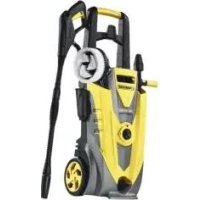

PARKSIDE PHD 150 D3 - Pressure washer

PHD 150 D3 - Pressure washer PARKSIDE - Free user manual and instructions

Find the device manual for free PHD 150 D3 PARKSIDE in PDF.

📄 170 pages English EN Download 💬 AI Question 16 questions ⚙️ Specs
Notice PARKSIDE PHD 150 D3 - page 17
Pick your language and provide your email: we'll send you a specifically translated version.
Device TypeElectric pressure washer
Brand / ModelPARKSIDE PHD 150 D3
Motor Power2,100 W
Maximum Pressure150 bar (15 MPa)
Maximum Flow Rate450 L/h
Power Supply230 V~, 50 Hz
Power Cable Lengthapproximately 5 m
High-Pressure Hose8 m with anti-twist fitting
Detergent Tank Capacity1.5 L
Automatic Stop SystemAuto start/stop via trigger
Self-Priming FunctionYes (hose with filter required, not supplied)
Included AccessoriesVario nozzle, turbo nozzle, rotary brush, cleaning needle, adapter fitting, 500 ml detergent bottle

Frequently Asked Questions - PHD 150 D3 PARKSIDE

What is the maximum pressure of the PARKSIDE PHD 150 D3?
The PHD 150 D3 delivers a maximum pressure of 150 bar (15 MPa) with a maximum flow rate of 450 L/h. These values correspond to performance peaks; the effective working pressure depends on the nozzle used and the incoming water pressure.
How does the auto start/stop system work?
The motor starts automatically as soon as you press the trigger on the gun, and stops as soon as you release it. This system preserves the pump by preventing it from running idle and prolongs the lifespan of the device.
How to use the water suction function without a network?
The PHD 150 D3 can draw water from a container (barrel, bucket) without being connected to a tap. You need a suction hose with a filter (sold separately). Submerge the filter in the water, connect the hose to the water inlet of the device, then turn it on. Purge the air for a few seconds before use.
How to put detergent in the tank?
Pour the liquid detergent suitable for high-pressure cleaners into the integrated 1.5 L tank located on the device. Set the vario nozzle to the low-pressure position (wide jet) so that the detergent is drawn in and projected. Always rinse with clear water after using the detergent.
What is the purpose of the turbo cleaning nozzle?
The turbo nozzle projects the jet in a rapid rotation, which multiplies the cleaning force on dirty surfaces (terraces, paths, stone walls). It is more aggressive than the standard vario nozzle and is not recommended on delicate surfaces such as soft wood or paint.
How to clean the nozzle with the provided needle?
If the nozzle is clogged (loss of pressure, irregular jet), turn off the device and depressurize the circuit by pressing the trigger. Insert the cleaning needle into the nozzle opening to clear lime or dirt deposits. Rinse with clear water before putting it back into service.
The motor does not start, what should I check?
First, check that the 230 V power supply is properly connected and that the 5 m cable is not damaged. Make sure the water supply is open and that the hose is not kinked: the pump must be supplied with water before starting. If the device has been in the cold, let it return to room temperature as the pump may be blocked by freezing.
How to connect a standard garden hose to the device?
Use the hose adapter connector provided in the accessories. This connector allows you to connect a standard garden hose to the device's water inlet thread. Check the tightness of the connection before pressurizing to avoid any leaks.
The 8 m high-pressure hose leaks at the connection, how to resolve?
Turn off the device and depressurize by pressing the trigger. Unscrew the connection and inspect the O-ring: if it is crushed or cracked, replace it. The anti-twist connection of the high-pressure hose should be hand-screwed to the stop, without forcing with a tool. If the leak persists, order a new compatible hose from Spareka or a spare parts retailer.
How to winterize the device to prevent frost damage?
After the last use of the season, turn off the water supply and run the device for a few seconds to purge the residual water from the circuit. Store the cleaner in a frost-free place (garage, cellar). Never leave water stagnant in the pump in freezing weather, as this could irreparably damage the pump block.
What water can be used with the PHD 150 D3?
Use clean cold water, from the tap or an unpolluted container. Water that is too calcareous can clog the nozzles in the long term; regular cleaning of the nozzle with the provided needle is enough to maintain performance. Do not use hot water: the PHD 150 D3 pump is designed for cold water only.
What accessories are provided with the PHD 150 D3?
The device comes with:
  • 1 standard vario nozzle
  • 1 turbo cleaning nozzle
  • 1 rotary brush
  • 1 nozzle cleaning needle
  • 1 hose adapter connector
  • 1 high-pressure hose of 8 m with anti-twist connection
  • 1 bottle of detergent 500 ml

User questions about PHD 150 D3 PARKSIDE

4 questions about this device. Answer the ones you know or ask your own.

Ask a new question about this device

The email remains private: it is only used to notify you if someone responds to your question.

How to use the lance of the PARKSIDE PHD 150 D3 pressure washer to wash a car?
Frequently Asked Questions - 30/04/2026
Response Notice-Facile

To effectively wash your car with the lance of your PARKSIDE PHD 150 D3 pressure washer, use the standard vario nozzle provided as an accessory, which offers the best compromise for this application. This nozzle allows you to adjust the spray to a wide fan for uniform cleaning or a fine jet depending on the areas to be treated. The turbo nozzle, also provided as an accessory, is not suitable for car washing as its powerful rotating jet can mark the paint: reserve it for robust surfaces like concrete or wood.

Before starting, turn the tip of the vario nozzle forward to activate the low pressure mode, intended for detergent application. This low-pressure position protects the paint and chrome elements of your vehicle. Once the detergent is applied and the dirt is soaked, you can switch the tip backward to enter high pressure mode for the final rinse. The rotating tip allows for this simple transition during work.

To use the detergent, fill the 1.5 L tank integrated into the device with a neutral and biodegradable automotive cleaning product (the device is designed for anionic surfactants based on natural soap). When filling, first remove the cap with the suction hose from the tank, insert the tank in a vertical position, fill it, then close it with the cap by pushing the suction hose to the bottom. Then turn on the cleaner and pull the trigger: the detergent will be automatically drawn in by the nozzle in low pressure mode.

Recommended washing procedure: Position yourself about 30 to 50 cm from the bodywork to avoid any risk of damaging the paint, even in low pressure mode. Keep the tip of the nozzle facing forward. Move the lance slowly and evenly over the entire surface: roof, hood, doors, windows, and bumpers. A uniform application of the detergent allows the dirt to detach well. Let the product sit for a few minutes for better cleaning, then switch the tip backward for the final rinse in high pressure mode, maintaining the same distance of 30 to 50 cm. You can adjust the angle of the wide fan spray during rinsing for maximum coverage.

Safety and maintenance: Hold the gun handle firmly as the high-pressure jet generates significant recoil force. Be careful not to direct the jet towards people or animals. After each use with detergent, completely empty the detergent tank and rinse the device with clear water until there is no detergent residue left in the lines. This essential step prevents clogging of the nozzle and extends the lifespan of your cleaner. Also rinse the 8-meter high-pressure hose and the lance to remove detergent deposits. Never use aggressive or unsuitable chemical detergents that could compromise the safety of the device.

With the PHD 150 D3, you benefit from a maximum pressure of 150 bar, a flow rate of 450 L/h, and an auto start/stop system via the trigger, all perfectly suited for car washing when you respect the distances and use low pressure mode for detergent application and high pressure mode for the final rinse.

Respond (be the first)
Why doesn't my PARKSIDE PHD 150 D3 pressure washer draw detergent?
Frequently Asked Questions - 11/04/2026
Response Notice-Facile

If your PARKSIDE PHD 150 D3 pressure washer is not drawing detergent, several causes may be behind this issue. Here are the points to check to resolve this situation:

1. Check the level and quality of the detergent

Make sure that the detergent tank contains enough product and that it is suitable for the device. A detergent that is too thick or inappropriate can prevent suction.

2. Inspect the suction hose

Check that the detergent suction hose is not bent, blocked, or damaged. A clogged or crushed hose prevents liquid flow.

3. Clean the filter

The pressure washer may be equipped with a filter on the detergent suction circuit. If this filter is dirty, it needs to be cleaned or replaced to allow proper flow.

4. Adjust the detergent suction valve

Some models have a valve or specific setting to activate or dose the detergent suction. Make sure this control is in the open position or suitable for using the product.

5. Check the water pressure

Insufficient water pressure can prevent detergent suction. Ensure that the water supply is correct and that the flow is adequate.

By following these steps, you should be able to identify and correct the cause of the detergent suction problem on your PARKSIDE PHD 150 D3 pressure washer.

Respond (be the first)
What type of hose is compatible with the PARKSIDE PHD 150 D3 pressure washer reel?
Frequently Asked Questions - 07/04/2026
Response Notice-Facile

The hose intended for the reel of the PARKSIDE PHD 150 D3 pressure washer must meet the technical specifications of the model to ensure optimal operation. Here are the important points to consider:

  • Compatibility: It is recommended to use a hose specifically designed for the PHD 150 D3 model to ensure proper sealing and adequate resistance to the device's pressure.
  • Dimensions: The diameter and length of the hose must match those specified by the manufacturer. This information is usually indicated in the technical documentation or on the original hose.
  • Materials: The hose should be made from a material resistant to high pressure and the cleaning agents used, to ensure durability and safety.

If you need to replace the reel hose, prefer an original PARKSIDE accessory or a certified equivalent compatible with the PHD 150 D3 model. This will avoid installation and sealing issues and maintain the performance of your pressure washer.

Respond (be the first)
What is the power of the PARKSIDE PHD 150 D3 pressure washer?
Frequently Asked Questions - 29/03/2026
Response Notice-Facile

The PARKSIDE PHD 150 D3 pressure washer has an electric power of 1500 watts. This power ensures a good flow rate and sufficient pressure for the effective cleaning of various surfaces, such as patios, vehicles, or facades.

Respond (be the first)

Download the instructions for your Pressure washer in PDF format for free! Find your manual PHD 150 D3 - PARKSIDE and take your electronic device back in hand. On this page are published all the documents necessary for the use of your device. PHD 150 D3 by PARKSIDE.

USER MANUAL PHD 150 D3 PARKSIDE

Translation of the original instructions

NL BE

Hogedrukreiniger

Before reading, unfold the page containing the illustrations and familiarise yourself with all functions of the device.

FR

GB / MT Translation of the original instructions Page

Table of contents Click a title to access it
Manual assistant
Powered by Anthropic
Waiting for your message
Product information

Brand : PARKSIDE

Model : PHD 150 D3

Category : Pressure washer