
ME2C - Saw Anova - Free user manual and instructions
Find the device manual for free ME2C Anova in PDF.


| Product type | Electric chainsaw |
| Brand | Anova |
| Model | ME2C |
| Rated voltage | 230-240 V~ |
| Rated frequency | 50 Hz |
| Rated power | 2200 W |
| Cutting length | 380 mm |
| Guide bar | 405 mm |
| Chain | 91 PJ 057X |
| Chain speed | 13 m/s |
| Weight | 5.3 kg |
| Oil tank capacity | 140 ml |
| Protection class | II |
| Sound pressure level | 83.27 dB(A) |
| Vibration value | 4.226 m/s² |
| Power supply | 230-240 V, 50 Hz, 2200 W |
| Main functions | Wood cutting, felling, limbing, cross-cutting |
| Maintenance and cleaning | Cleaning of chips, automatic lubrication, chain tension check |
| Safety | Mechanical chain brake, slowdown brake, front hand guard, safety pin |
| Spare parts | Chain (ref. 27110997) |
| General information | Outdoor use with 30 mA residual current circuit breaker |
Frequently Asked Questions - ME2C Anova
User questions about ME2C Anova
0 question about this device. Answer the ones you know or ask your own.
Ask a new question about this device
Download the instructions for your Saw in PDF format for free! Find your manual ME2C - Anova and take your electronic device back in hand. On this page are published all the documents necessary for the use of your device. ME2C by Anova.
USER MANUAL ME2C Anova
Operating Instructions - Translation of the original Operating Instructions
Read operating instructions before use!
GB
1 Oil inspection window
2 Front handle
3 Oil tank cap
4 Front hand protection
5 Blade
6 Saw chain
7 T-screw
8 Pinion lid
9 Switch
10 Rear hand protection
11 Rear handle
12 Blade protection
13 Stopping button
4 Power cord connecteur
5 Strain relief
6 Knurling wheel for quick chain tension adjustment
FR
Introduction to the Operating Instructions GB-2
Illustration and explanation of pictograms GB-2
Technical Data GB-2
General safety instructions GB-3
General safety information for power tools GB-3
1) Safety at the workplace
2) Electrical safety
3) Personal safety
4) Use and handling of the power tool
5) Service
6) Emissions
7) Safety instructions for chain saws:
8) Causes of kickbacks and how to avoid them:
9) Important instructions for your personal safety
a) General safety instructions
b) Instructions on using the chain saw safely
c) Warning to the danger of recoil ("kickback")
d) Instructions on safe working techniques
Starting up GB-6
1) Filling the oil tank
2) Assembling the blade and chain
3) Connecting the chainsaw
4) Switching on
Safety devices on your chain brake GB-7
- Chain brake
- Rundown brake
- Chain catch bolt
- Overloading protection (Optional)
Instructions on working properly with the chain saw GB-7
a) Felling a Tree
b) Notching Undercut
c) Felling Back Cut
d) Limbing a Tree
e)Bucking a Log
Spiked bumper
Maintenance and Servicing GB-8
In the case of technical problems
GB-8
Repair Service GB-9
Waste disposal and environmental protection
Spare parts
Warranty
EC Declaration of Conformity
GB-9
GB-9
GB-9
GB-9
Electric Chainsaw
Introduction to the Operating Instructions
These Operating Instructions are intended to facilitate your becoming acquainted with the machine and using it in accordance with the regulations. The Operating Instructions contain important information on how to use the machine safely, correctly and economically. Observing this information will help increase the reliability and working life of the machine. The Operating Instructions must always be at hand when the machine is being used.
They must be read and observed by every person dealing with the machine, whether operating, servicing or transporting it.
In addition to the Operating Instructions and the applicable rules of the prevention of accidents valid in the country of use and on site, the generally recognised rules on working safely and correctly must be observed as well as the accident prevention rules of the relevant professional associations.
Illustration and explanation of pictograms

1

2

3

4

5
6

7

8
9
1+2 Wear eye and ear protection!
3 Warning!
4 Read operation instructions before use
5 Do not subject this electric power tool to rain
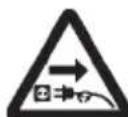
6 Remove plug immediately if the power flex is damaged or cut.
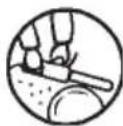
7 Attention, kick-back!
8 Hold tool with both hands!
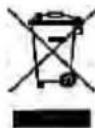
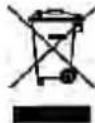
9 Attention: Environmental Protection! This device may not be disposed of with general/ household waste. Dispos of only at a designated collection point.
Technical Data
The devices are manufactured in accordance with the provisions of EN 60745-2-13 and fully comply with the provisions of the German Equipment and Product Safety Act.
| Rated Voltage V~ 230-240 | ||
| Nominal Frequency Hz 50 | ||
| Fuse (time lag) A 16 | ||
| Rated Output W 2200 | ||
| Guide Bar mm 405 | ||
| Cutting length mm 380 | ||
| Chain 91 PJ 057X | ||
| Speed m/sec approx. 13 | ||
| Weight kg approx. 5,3 | ||
| Oil ml 140 |
All models with automatic chain lubrication and mechanical chain brake and rundown brake.
Class of Protection: II/DIN EN 60745/VDE 0740
Interference Suppression: according to EN 55014
Noise emission information in accordance with the German Product Safety Act (ProdSG) and the EC Machine Directive:
Noise emission values EN 60745-2-13: Sound Pressure Level L pA 83,27 dB (A) K 3,0 dB(A)
Vibration values in accordance with EN 60745-2-13: 4,226m / s^2 K 1,5 m/s

Attention: This chain saw is only intended for cutting wood!
General safety instructions
Noise emission information in accordance with the German Product Safety Act (ProdSG) and the EC Machine Directive: the noise pressure level at the place of work can exceed 80 dB(A). In such cases the operator will require noise protection (e.g. wearing of ear protectors).
Attention: Noise protection! Please observe the local regulations when operating your device.
General safety information for power tools

Warning! Read all safety-related information and safety instructions! Failure to observe the safety information and instructions may result in electric shock, burns and/or severe injury.
Keep the safety information and instructions for future reference.
The term 'power tool' as used in the safety information and instructions includes both mains-operated tools (with power cord) and battery-operated tools (without power cord).
1) Safety at the workplace
a) Keep your working area clean, tidy and well-lit. Disorder and poorly lit working areas may result in accidents.
b) Do not operate the power tool in potentially explosive environments containing combustible fluids, gases or dusts. Power tools generate sparks that may ignite dusts or fumes.
c) Keep children and other persons away while you are operating the power tool. Distractions may result in the operator loosing control over the tool.
2) Electrical safety
a) The mains plug of the power tool must fit into the mains socket. The plug must not be modified in any way. Do not use adapter plugs/connectors in combination with tools with protective earthing. Unmodified plugs and fitting sockets reduce the risk of electric shock.
b) Avoid physical contact with earthed surfaces as pipes, heaters, ovens and refrigerators. There is an increased risk of electric shock if your body is earthed.
c) Keep the tool out of the rain or moisture in general. The penetration of water into a power tool increases the risk of electric shock.
d) Do not use the cord to carry or hang up the tool or to pull the plug out of the socket. Keep the cord away from heat, oil and sharp edges or moving parts of the tool. Damaged or tangled cords increase the risk of electric shock.
e) When operating a power tool outdoors, use exclusively extension cords that are approved for outdoor-use. The use of an extension cord that is suitable for outdoor use reduces the risk of electric shock.
f) If the operation of a power tool in a moist environment cannot be avoided it is highly recommended to use a residual current device (RCD).
The use of an RCD reduces the risk of electric shock.
3) Personal safety
a) Always pay attention to what you do and apply reasonable care when working with a power tool. Do not use the power tool when you are tired or under the influence of medication, drugs or alcohol. When working with power tools, even a short moment of inattentiveness may result in severe injury.
b) Wear personal protection equipment and always wear eye protection (safety goggles). Wearing personal protection equipment as a dust mask, nonslip safety shoes, safety helmet or ear protectors (depending on the type and application of the tool) reduces the risk of injury.
c) Avoid unintentional operation. Make sure that the power tool is switched off before you connect it to the mains supply and/or the battery and whenever you pick up or carry the tool. When carrying the tool with your finger on the on/off switch or connecting the tool to the mains supply with the switch in 'ON' position, this may result in accidents.
d) Remove adjustment tools or wrenches and the like before you switch the power tool on. A wrench or other tool that is inside or on a rotating part of the tool may cause injury.
e) Avoid unusual postures. Make sure to have a safe footing and keep your balance at all times. This will allow you to better control the power tool in unexpected situations.
f) Wear suitable clothes. Do not wear wide clothing or jewellery. Keep your hair, clothes and gloves clear of all moving parts. Loose clothing, jewellery or long hair may get caught in moving parts.
g) If dust extraction/collection devices are provided make sure that they are connected and used properly. The use of a dust extraction device may reduce risks caused by dust.
4) Use and handling of the power tool
a) Do not overtax the power tool. Use the power tool intended for your type of work in each case. The use of the suitable power tool within the stated range of performance makes working more effective and safer.
b) Do not use a power tool with a damaged switch. A power tool that cannot be switched on or off any more is dangerous and must be repaired.
c) Pull the mains plug and/or remove the battery before adjusting a tool, changing accessories or putting the tool aside. This precaution avoids the unintentional start of the tool.
d) Store power tools that are currently not used out of the reach of children. Do not allow persons to use the tool if they are not familiar with the tool or these instructions. Power tools are dangerous if used by inexperienced persons.
e) Thoroughly maintain your power tool. Check whether moving parts are working properly and
are not jamming/sticking, and whether parts are broken or otherwise damaged in a way that may affect the function of the power tool. Have damaged parts repaired before using the tool. Many accidents are the result of poorly maintained power tools.
f) Keep cutting tools sharp and clean. Thoroughly maintained cutting tools with sharp cutting edges are jamming less often and are easier to guide.
g) Use power tools, accessories, add-on tools, etc. in accordance with these instructions and in the way prescribed for the respective type of tool. You should also consider the working conditions and the work to be carried out. The use of power tools for purposes other than those intended for the respective tool may result in dangerous situations.
5) Service
a) Have the power tool serviced by qualified technical personnel only; repairs should be carried out using exclusively original spare parts. This will ensure the continued safe operation of the power tool.
6) Emissions
- The specified vibration emission value was measured by a standardized test methods and can compare with other power tools are used.
- The specified vibration emission value can also be necessary for the assessment of work breaks are used.
- The specified vibration emission value can vary during the actual use of the electric tool by specifying the value, depending on the way how to use the power tool.
- Note: You create the privilege against vascular pulsations of the hands in time breaks
7) Safety instructions for chain saws:
- Keep the cable away from the cutting area. When working with the tool the cable might be hidden in bushes and accidentally cut through.
- Keep all parts of your body clear of the chain while the saw is running. Before starting the saw, make sure that the chain does not touch any objects. When working with a chain saw, even a short moment of inattention may result in clothes or parts of the body being caught by the chain.
- Always hold the chain saw with your right hand at the rear handle and your left hand at the front handle. Holding the chain saw differently (left hand - rear handle / right hand - front handle) during operation will increase the risk of injury and is not permitted.
- Hold the electric equipment by its insulated handle surfaces, as the chainsaw can come into contact with its own mains power cable. If the chainsaw comes into contact with a live cable, it can energise metal parts of the equipment and cause an electric shock.
- Wear eye and hearing protection. Other personal protection equipment for the head, hands, legs
and feet is recommended. Proper protective clothing and protection equipment reduce the risk of injury caused by thrown-about wood chips and accidental contact with the chain.
- Do not operate the chain saw on trees. Operating a chain saw while situated on a tree involves a high risk of injury.
- Make sure to have a safe stand at any time, and only use the chain saw when standing on solid, safe and level ground. A slippery ground or instable surfaces as the steps of a ladder may lead to loosing balance or the control over the chain saw.
- When cutting a branch that is under tension take into account that it will spring back. When the tension of the wood fibres is released the tensioned branch may hit the operator and/or the chain saw resulting in a loss of control.
- Apply particular caution when cutting brush and young trees. The thin material may get caught in the chain and hit you or throw you off balance.
- Carry the switched-off chain saw using the front handle with the chain pointing away from your body. Always put on the protection cover when transporting or storing the chain saw. The careful handling of the chain saw reduces the risk of accidentally touching the sharp cutting chain.
- Follow the instructions for lubrication, chain tension and changing accessories. An improperly tensioned or lubricated chain may either break or considerably increase the risk of a kickback.
- Keep the handles dry, clean and free from oil and grease. Fatty, oily handles are slippery and may lead to a loss of control.
- Use the chain saw for cutting wood only! Do not use the chain saw for works it is not designed for. - Example: Do not use the chain saw for cutting plastics, brickwork or other construction materials that are not made of wood. The use of the chain saw for applications, for which it is not designed, may result in dangerous situations.
8) Causes of kickbacks and how to avoid them:
A kickback can occur if the tip of the guide bar touches an object or the wood to be cut pinches the bar inside the cut. In some cases, touching an object with the tip of the bar may lead to an unexpected, sudden backward movement, in the course of which the guide bar is 'kicked' upwards and in the direction of the operator.
The pinching of the chain at the upper edge of the guide bar may fiercely throw the bar back in the direction of the operator.
In both cases, you may loose the control over the saw and get seriously hurt. Do not exclusively rely on the chain saw's built-in safety features. As a user of a chain saw you should take several precautions to continuously work without having accidents or suffering injuries.
A kickback is the result of a wrong or improper use of the power tool. It may be avoided by taking the following proper precautions:
- Hold the saw with both hands with the thumbs and fingers firmly embracing the handles of the chain saw. Position your body and arms such that you can withstand the power of a kickback.
When proper precautions are taken the operator will be able to control the power of a kickback. Never let go of the chain saw!
- Avoid unusual postures and do not cut above shoulder height. This avoids accidentally touching objects with the tip of the bar and allows for a better control of the chain saw in unexpected situations.
- Only use the replacement bars and chains prescribed by the manufacturer. The use of wrong replacement bars and chains may lead to chain breaks or kickbacks.
- Adhere to the manufacturer's instructions to sharpen and maintain the chain. Depth limiters that are too low increase the risk of a kickback.
- Set the loop so that it is not detected during operation of branches or the like.
9) Important instructions for your personal safety
a) General safety instructions
- Never attempt to use an incomplete machine or one which an unauthorised alteration has been implemented.
- These devices are not designed to be operated by persons who have insufficient experience and/or insufficient knowledge or by persons with impaired physical, sensory or mental capabilities, unless they are being supervised by a person who is responsible for their safety or they are receiving instructions about how these devices are to be used.
- Children and young persons under 18 may not operate electrical chainsaws, with the exception of apprentices older than 16 under the supervision of a trained adult.
- The chainsaw may only be used by persons who have sufficient experience.
- Always keep these Operating Instructions together with the chainsaw.
- Only lend or give this chainsaw to persons who are familiar with its use. Also give them these Operating Instructions.
B) Instructions on using the chain saw safely
- Attention! Read the Operating Instructions carefully and have yourself instructed in the use of a chain saw before you use it for the first time.
- Always store your electric tools in a safe place. Electric tools not being used should be stored in dry, inaccessible or locked place, outside the reach of children.
- Check the extension cable regularly and replace it if it gets worn or damaged.
- Check the power cable for damage or cracks every time before you use it. Damaged cables must be replaced.
- Always hold the chain saw with both hands while working with it.
- The chain saw must be disconnected from the power supply before you tighten the chain, exchange the chain or carry out any other work on the saw. - Withdraw the plug!
-
During work breaks put the machine down in such a manner that nobody is at risk.
-
When switching on the chain saw, ensure that it is supported well and hold it firmly. The chain and bar must be free.
- Withdraw the plug immediately if the power cable is damaged or cut.
- The chain saw may only be connected to socket outlets with earthing contact and tested electrical installations. We recommend the use of a residual-current-operated circuit-breaker. The fuse must have a value of 16 A and mustn't be used by other consumers while working with the chain saw.
- The cable must be winded off completely when you use a cable drum.
- Ensure that the power cable has no kinks and is not damaged.
- The chain saw may only be used in a completely assembled state. No protective devices may be missing.
- Switch the chain saw off immediately if you notice any changes in the machine.
- Always have a first-aid kit fulfilling DIN 13164 at hand in case of accidents.
- If the chain saw comes into contact with earth, stones, nails or other foreign objects, withdraw the plug immediately and check the chain as well as the bar.
- Ensure that no chain oil penetrates into the earth or sewage. Always place the chain saw on something that will absorb any oil dripping from the bar or chain.
- Avoid to use the trimmer in poor weather conditions, especially if there is a risk of a thunderstorm.
C) Warning to the danger of recoil ("kickback")
- If possible, use a stand.
- Always keep an eye on the bar tip.
- Only place a running saw on the object to be cut. Never start the machine while the chain rests on something.
- So called piercing cuts with the bar tip may only be carried out by trained personnel.
D) Instructions on safe working techniques
- Working on ladders, scaffolds or trees is forbidden.
- Ensure that the wood cannot twist while it is being cut.
- Watch out for splintering wood. While you are sawing you may be injured by flying wood chips.
- Do not use the chain saw to lever or move the wood.
- Only cut with the lower section of the saw. The saw will be repulsed towards you if you try and cut with the upper section of the saw.
- Ensure that the wood is free of stones, nails or other foreign objects.
- We recommend that first-time users are instructed practically as to the correct use of the chainsaw and the required personal safety equipment by an experienced operator; the cutting of round wood or logs should be trained on a log stand or similar rack-type device first.
- Keep the running chainsaw from touching the ground or wire fences.
Starting up
Before starting up
The voltage and current supply must comply with the ratings on the type plate. Before commencing work, always check that the chainsaw works properly and is safe to operate. Check also that the chain lubrication and the oil gauge are in good working order.
1. Filling the oil tank (Fig. 1)
The chain saw must never be operated without sufficient oil on the chain as this could cause damage to the chain, blade or motor. No claims for guarantee can be accepted if damage occurs when the device is being operated without chain oil.
Please use only biologically-based chainsaw oil, i.e. oil which is 100% biologically decomposable.
Biological chainsaw oil should be available everywhere at your local specialist dealer.
Do not use old oil. This will damage the chainsaw and will also lead to loss of the guarantee.
- Before filling the oil tank, pull out the mains plug.
- Open the twist cap and place safely aside so that the sealing ring in the tank cap does not get lost.
- Fill approx. 140ml oil into the tank using a funnel and screw on the tank cap tightly once more.
- The oil level can be seen in the inspection window. If you plan not to use the machine for a longer period, you should remo ve the chain oil from the oil tank.
- The oil tank should also be emptied before the chainsaw is transported or dispatched.
- Check correct functioning of the chainsaw before commencing work. Switch on the saw with cutting fittings assembled and hold over a bright background at a safe distance (Be careful not to come in contact with the ground!). An track of oil will show you that the chain is sufficiently lubricated.
- After use, lay the chainsaw horizontally on some absorbing surface. The oil spread on the blade, chain and drive may lead to some further dripping of oil.
2. Assembling the blade and chain (Fig. 2 - 4)

CAUTION! Risk of injury! Always use safety gloves when assembling the chain!
For assembling the bar and chain with this chain saw no tools are required!
- Put the chain saw on a stable rest.
- Loosen the T-screw 7 turning it clockwise.
- Remove the gear cover 8.
- Put the chain on the bar considering the running direction of the chain. The cutting teeth on the upper side of the bar must point in forward direction (see Fig. 4).
- Put the free end of the chain over the chain driving wheel (B).
- Place the bar such that the long hole in the bar is placed exactly on the guiding element in the bar seat.
-
Take care that the chain tensioning bolt (A) is seated exactly in the small opening in the bar (Fig. 2). It must be visible through the opening. If necessary, adjust the knurling wheel of the chain tensioning device (16) in both directions until the chain tensioning bolt is seated in the opening in the bar.
-
Check whether all chain links are seated exactly in the bar's groove and the chain is lead around the chain driving wheel correctly.
- Put the gear cover 8 back on and push it in place.
Moderately tighten the T-screw 7 by turning it clock-wise. - Tension the chain. To do so, turn the knurling wheel upwards (+ direction of arrow). The chain should be tensioned such that it can be lifted by about 3mm in the middle of the bar (Fig. 4). To decrease the chain tension, turn the knurling wheel downwards (- direction of arrow).
- Finally, tighten the T-screw 7 well by hand.
The tension in the chain has a major effect on the service life of the cutting fittings, and must therefore be checked regularly. When the chain warms up to operating temperature it will expand and must be retightened. A new saw chain will have to be tightened more frequently until it has reached its full length.

CAUTION: During the running-in period, the chain must be more frequently tightened. The chain must be immediately retightened if it shakes or leaves the grove!
To tension the chain slightly loosen the T-screw 7. Then turn the knurling wheel upwards (+ direction of arrow). Tension the chain such that it can be lifted by about 3mm in the middle of the bar, as shown in Fig.4.
3. Connecting the chainsaw (Fig. 5)
We recommend to operate the chain saw in connection with a residual current operated device with a maximum breaking current of 30mA .
This device is designed to be operated on a mains supply with a system impedance Z max at the point of connection (house service connection) of max. 0.4 Ohm. The user must ensure that the device is only operated on an electricity supply system meeting these requirements. If required, system impedance data may be obtained from the local public utility.

Use only extension cords that are approved for out-door use and are not lighter than rubber-sheathed cables of type H07 RN-F according to DIN/VDE 0282 with a diameter of at least 1.5sq mm. They cords must be splash-proof. If the connection cable of this device should be damaged it must be replaced by a workshop named by the manufacturer only as this work requires the use of special tools. Mobile devices for outdoor use should be connected over a residual current operated device.
To protect the connection cable from strains this chain saw is equipped with a strain relief. First, connect the tool's plug with the mains cable. Then, form a tight loop with the connection cable and put this loop through the opening on the rear side of the handle. Put the loop over the strain relief hook as shown in the corresponding figure. Now the plug-connection is secured against unintentional disconnection.
4. Switching on (Fig. 6 + 7)
-
Hold the saw securely with both hands so that the thumbs and fingers are wrapped around the handle of the chain saw (Fig. 6).
-
Press with your thumbs the stopping button 15 on the left side of the rear handle and then the operating switch 9.
- The stopping button 13 is used for unlocking the switch-on mechanism and does not need to be pressed again after the device is switched on.
To switch off the device, release switch 9.
Attention: The sawing chain will start running at high speed immediately. When putting the saw down, make sure that the chain never gets in touch with stones or metal objects.
Warning!
The prolonged utilisation of a tool will subject the user to vibration and shocks that could lead to Raynaud's syndrome or Carpal tunnel syndrome.
This condition reduces the ability of the hand to sense and regulate temperature, causes numbness and a sensation of heat and can lead to damage to the nervous system and the circulatory system and to necrosis.
Not all factors that lead to Raynaud's syndrome are known but cold water, smoking and illnesses that impact the blood vessels and the circulatory system as well as severe or long-lasting exposure to vibrations are known to be factors in the development of Raynaud's syndrome. Observe the following in order to reduce the risk of Raynaud's syndrome and Carpal tunnel syndrome:
- Wear gloves and keep your hands warm.
- Make sure the device is well maintained. A tool with loose components or with damaged or worn-out dampers will have a disposition towards increased vibrations.
- Always hold the handle firmly but do not clutch it constantly with excessive force. Take breaks often.
All of the above precautions cannot exclude the risk of Raynaud's syndrome or Carpal tunnel syndrome. Therefore, with long-term or regular use it is advisable to keep a close watch on the condition of your hands and fingers. Seek medical attention immediately in the event of any of the above symptoms appearing.
Safety devices on your chain brake
1. Chain brake (Fig. 8)
This chain saw is equipped with a mechanical brake for the chain. In the case of uncontrolled movements, when the tip of the sax blade gets in contact with wood or a solid object, the drive of the chain is immediately stopped by activation of the hand guard 4, the motor will not be stopped. This brake function is initiated by the back of your hand on the front handle 2 pushing the hand guard. The proper function of the saw chain brake shall be checked before each use of the saw.
CAUTION: No buttons should be pressed when the chain brake is released (hand protection pulled back in the direction of the handle and locked).
Always ensure before starting the chainsaw that the hand protection 4 is locked in the operating position.
To do this, pull back the hand protection in the direction of the handle.
2. Rundown brake
In accordance with the latest regulations, this chain saw is equipped with a mechanical rundown brake. This brake is connected to the chain brake and stops the running chain after the chain saw has been switched off.
It is activated by releasing the ON/OFF switch. The rundown brake avoids injuries through the coasting of the chain.
3. Chain catch bolt (Fig. 9)
This chainsaw is fitted with a chain catch bolt (17). If the chain breaks when the saw is in operation, the chain bolt will catch the loose chain end and thus prevent injury to the operator's hand.
Optional
4. Overloading protection (Fig. 10)
Your chain saw is designed with a overload protection with circuit breaker. If the chain saw is clogged (e.g. blocking of the cutting blade, blade teeth jammed, overload cutting) during cutting operation, the overload circuit breaker will cut the mains power supply automatically to protect your chain saw.

NOTE: The circuit breaker will be activated when cutting current is over 35-40 A, and it can be reset manually through press reset button (18) after 30s cooling completely.
Instructions on working properly with the chain saw (Fig. 11 - 17)
a) Felling a Tree
When bucking and felling operations are being performed by two or more persons, at the same time, the felling operation should be separated from the bucking operation by a distance of at least twice the height of the tree being felled. Trees should be felled in a manner that would endanger any person, strike any utility line, the utility company should be notified immediately.
The chain saw operator should keep on the uphill side of the terrain as the tree is likely to roll or slide downhill after it is felled.
A retreat path should be planned and cleared as necessary before cuts are started. The retreat path should extend back and diagonally to the rear of the expected line of fall as illustrated in Figure 11.
Before felling is started, consider the natural lean of the tree, the location of larger branches and the wind direction to judge which way the tree will fall.
Remove dirt, stones, loose bark, nails, staples, and wire from the tree where felling cuts are to be made.
b) Notching Undercut
Make the notch 1/3 the diameter of the tree, perpendicular to the direction of fall as illustrated in 12. Make the lower horizontal notching cut first. This will help to avoid pinching of either the saw chain or the guide bar when the second notch is being made.
c) Felling Back Cut
Make the felling back cut at least 2 inches (50 mm) higher
than the horizontal notching cut as illustrated in Figure 12. Keep the felling back cut parallel to the horizontal notching cut. Make the felling back cut so enough wood is left to act as a hinge. The hinge wood keeps the tree from twisting and falling in the wrong direction. Do not cut through the hinge.
As the felling cut gets close to the hinge the tree should begin to fall. If there is any chance that the tree may not fall in the desired direction or it may rock back and bind the saw chain, stop cutting before the felling back cut is complete and use wedges of wood, plastic or aluminum to open the cut and drop the tree along the desired line of fall.
When the tree begins to fall remove the chain saw from the cut, stop the motor, put the chain saw down, then use the retreat path planned. Be alert for overhead limbs falling and watch your footing.
d) Limbing a Tree
Limbing is removing the branches from a fallen tree. When limbs, leave larger lower limbs to support the log off the ground. Remove the small limbs in one cut as illustrated in Figure 13. Branches under tension should be cut from the bottom up to avoid binding the chain saw.
e)Bucking a Log
Bucking is cutting a log into lengths. It is important to make sure your footing is firm and your weight is evenly distributed on both feet. When possible, the log should be raised and supported by the use of limbs, logs or chocks.
Follow the simple directions for easy cutting.
When the log is supported along its entire length as illustrated in Figure 14, it is cut from the top (over-buck). When the log is supported on one end, as illustrated in Figure 15, cut 1/3 the diameter from the underside (underbuck). Then make the finished cut by overbucking to meet the first cut.
When the log is supported on both ends, as illustrated in Figure 16, cut 1/3 of that diameter from the top overbruck. Then make the finished cut by underbucking to meet the first cut.
When bucking on a slope always stand on the uphill side of the log, as illustrated in Figure 17. When "cutting through", to maintain complete control release the cutting pressure near the end of the cut without relaxing your grip on the chain saw handles. Don't let the chain contact the ground. After completing the cut, wait for the saw chain to stop before you move the chain saw. Always stop the motor before moving from tree to tree.
Spiked bumper (Fig. 18)
- Dig the spiked bumper into the log and use it as a pivot. Cut with an arched motion to make the bar penetrate the wood.
- Repeat several times if necessary, changing the point where you plant the spiked bumper.
Maintenance and Servicing

Always withdraw the plug when carrying out maintenance and servicing.
- Always remove wood shavings and oil from your chain saw after use. Ensure in particular that the motor ven
tilation slits for cooling the motor in the housing of the chain saw is free (danger of overheating).
- If the saw chain is particularly dirty, e.g. in case of gumming with resin, remove the chain and clean it. Place the chain for a few hours in a vessel containing chainsaw cleaner. There-after clean the chain with clear water. If the chain is not used again immediately, it must be treated with service spray or a customary anticorrosion-spray.
- Only in case of use of biological oil: As some biological oils may tend to encrust after a time, the oiling system should be rinsed thoroughly before storing the chain saw for a longer period. Therefore, please fill half of the oil reservoir (about 70ml ) with chainsaw cleaner and close it as usual. Then switch on the chainsaw - without bar and chain being mounted - and keep it running until the total rinsing liquid has evaporated through the oil opening of the chain saw. Before using the chain saw again, it is absolutely necessary to refill the oil reservoir.
- Do not store the saw outdoors or in damp and moist areas.
- Check all the chain saw parts, in particular the chain, bar and sprocket, of wear after every use.
- Ensure that the chain tension is correct. If the chain is too loose, it may come off during use and lead to injuries. The chain must be replaced immediately if it is damaged. The cutting teeth must be at least 4mm long.
- Check the motor housing and power cable after every use for damage. If there is any sign of damage, have the chain saw checked by a specialised workshop or the works after-sales service.
- Check the oil level and lubrication of your chain saw after every use. Insufficient lubrication leads to damage to the chain, bar and motor.
- Check how sharp the chain is every time before you use the chain saw. A blunt chain will cause overheating of the motor.
- Sharpening a saw chain requires experience and specialised knowledge. We therefore recommend to have sharpening carried out by a specialised workshop.
- Before transporting the chainsaw, always remove the plug from the power socket and slide the chain guard over the rail and chain. If several cuts are to be performed with the chain saw, the saw must be switched off between cuts.
- When using a vehicle to transport the machine, position it so that it can cause no danger to persons and fasten it firmly.
In the case of technical problems
- The machine does not start up: Check whether the current socket is live. Check whether the power cable is undamaged. If neither case applies, take the chain saw to a specialised workshop or the works after-sales service.
- Chain does not run: Check position of handguard (see ill. 8). Chain only runs if handguard brake is released.
-
Sparks fly at the motor: Motor or carbon brushes damaged. Take the chain saw to a specialised workshop or the works after-sales service.
-
Oil does not flow: Check the oil level. Clean the oil flow openings in the bar. If this is not successful, take the chain saw to a specialised work-shop or the works after-sales service.
Attention: Any maintenance or repair work going beyond that described in these Operating Instructions may only be carried out by authorised persons or the works after-sales service.
Attention: If the power supply lead of this device shows any defects, the lead must be replaced by an authorized repair shop only or through the manufacturer's own service personal, as this work requires special tools.
Repair Service
Repairs to electric power tools should only be carried out by specialist electrical personnel.
Waste disposal and environmental protection
If your device should become useless somewhere in the future or you do not need it any longer, do not dispose of the device together with your domestic refuse, but dispose of it in an environmentally friendly manner. Please dispose of the device itself at an according collecting/recycling point. By doing so, plastic and metal parts can be separated and recycled. Information concerning the disposal of materials and devices are available from your local administration.
Spare parts
Chain #27110997
Warranty
For this electric tool, the company provides the end user - independently from the retailer's obligations resulting from the purchasing contract - with the following warranties:
The warranty period is 24 months beginning from the hand-over of the device which has to be proved by the original purchasing document. For commercial use and use for rent, the warranty period is reduced to 12 months. Wearing parts and defects caused by the use of not fitting accessories, repair with parts that are no original parts of the manufacturer, use of force, strokes and breaking as well as mischievous overloading of the motor are excluded from this warranty. Warranty replacement does only include defective parts, not complete devices. Warranty repair shall exclusively be carried out by authorized service partners or by the company's customer service. In the case of any intervention of not authorized personnel, the warranty will be held void.
All postage or delivery costs as well as any other subsequent expenses will be borne by the customer.
EC Declaration of Conformity
We, ikra GmbH, Schlesierstraße 36, D-64839 Munster, declare under our sole responsibility that the product Electric Chainsaw EKSN 2200-40 WK, to which this declaration relates corresponds to the relevant basic safety and health requirements of Directives 2006/42/EC (Machinery Directive), 2004/108/EC (EMC-Guideline), 2011/65/EU (RoHS-Guideline) and 2000/14/EC (noise directive) incl. modifications. For the relevant implementation of the safety and health requirements mentioned in the Directives, the following standards and/or technical specification(s) have been respected:
EN 60745-1:2009+A11; EN 60745-2-13:2009+A1
EN 55014-1:2006+A1+A2; EN 55014-2/A2:2008
EN 61000-3-2/A2:2009; EN 61000-3-11:2000
Engineering type licence No.: BM 502 69226 0002; TÜV Rheinland LGA Products GmbH (0197)
measured acoustic capacity level LWA 103,3 dB (A) granted acoustic capacity level LWA 105.0 dB (A)
Conformity assessment method to annexe V / Directive 2000/14/EC
The year of manufacture is printed on the nameplate and can be additionally retrieved via the consecutive serial number.
Munster, 04.11.2014
Gerhard Knorr, Technical Management Ikra GmbH
Maintenance of technical documentation: Gerhard Knorr, Kärcherstraße 57, DE-64839 Münster
SOMMAIRE
Page
Avant-propos aux instructions de service FR-2
4.Dispositif anti-surge charge (ill.10)
Caracteristicas techniques ES-2
Reparationservice DK-8
4. Indkobling (ill. 6 + 7)
EyyunEvn OaOg nXnTIKns IOXuO 105,0 dB (A)
Meooc aioyong oumuoppwong uupwvαe To npapptnua V /Odyia 2000/14/EK
To Kaatakeuaotko ETOs TOEiAOTUwEv Oeivw OTy IVakibao TeYVKW XapakntpiTikov KAI MIOpeI VA BIAITOWBeIF PpOoTea AIO To auEovTA aipHou eipac.
Munster, 04.11.2014
Uslugi remontowe PL-10
H3MepeHO HnBO Ha 3BykoBa MOuHOC
TOnHaTa Ha npOn3BODCTBO e OTBen3aHa Ha TnOBaTa TaBeIka, a cbTo Ka MoKe Da 6bDe yCtAHoBEHa Cnpoe cepHnHn Homep.
Munster, 04.11.2014
Gerhard Knorr, Tehnuecken InpekTop Ha Ikra GmbH
Texnueckata dokymteaucae cbxpaHbHa apec: Gerhard Knorr, Karcherstraße 57, DE-64839 Munster
CopepKaHne
Ctpanna
PpeHcJIOBHe K HnctpyKuIN No 3KnpyaTauu RU-2
Hcnoj3yemblnKtorpaMMblnX 3HaueHne RU-2
TexHnueckne daHHbIe RU-2
06uue yka3aHHn no texHnke 6e3oNaCHOCTn RU-3
06uue yka3aHn no Texnke 6e3onacHOCTn dna 3neKtpoHcTpymeHTa RU-3
1)Pa60ee MeTo
2) ΘηεΚτρινεκκαγ ΕβεθηαςΟχός
3)БezoNaChocTbIIOdei
4) TüaténbHoe 06cnyKbAHne n pImeHeHne 3JekTPOHNCTpyMeHTa
5) CepBnchoe 06cIyKuBaHne
6)Bbl6pocOB
7) Yka3aHnno TeXnke 6e3oNaChOCTn npn EKcIpyataun n enhblx nll
8)ПичньиnpedOTbpaueHneobpaTHoro ydapa
9) BaKhble yka3aHnI DaBaWe IuHNo 6e3oNaChOCTn
a) Yka3aHnno HcnoJIb30BaHnIO ueHHo nnbl
b) Yka3aHnno IcNoJIb3OBAHnIO cIeHNO nIIbl
c) Yka3aHnK ONaCHocTn "ObpaTHoro ydapa"
d) Yka3aHnI dI npaBnIbHO TExHnKn npna6oTe
BBOB B 3KcNpyaTuH RU-6
1)HaNoJIHeHHeMacnIHorO6aKa
2) MoHTaX Meya n ceTn
3)Подклioчehneцелногпьы
4)Поdkлоченie
PpeOxpaHrTeIbHbIe npncocO6neHnHa BaWe Ie HnHO RJIe RU-8
- Topmo3Ha CnCTema ceH
- INhepuHHbI TOpMo3
- YIIOBNTeJIb CEEN
- 3aunTa oT neperpy3kn (AkybTaTHBHO)
IpaBnHbIe DeHCTBnI npOCHOBhIX pa6oTAX NO BAJIke AepeBbeB, 06pe3Ke cyBeB n pacnHIOBKe (packpRHeBKe) RU-8
a) Baika depeba
b)Haape3
c) BaNoChnB npOnnI
d) O6pe3ka cybeB
e) PackpkrkBka 6peBha
Ynop 3y6aTbI
Texo6cnyHbAHne RU-9
PnTexHnuecknx npo6JIeMax RU-9
Cnyk6a pemoHTa RU-10
YcTpaHHeHne OTxOoB N OxpHa OkpyKaIOuE Cpebl RU-10
3anachbte yactn
RU-10
YcnoBra rapaHTM
RU-10
Декларачи COOTBETCTBHA
RU-10
Злес耗费尝 сенипда
PpeHcIOBHe K HhctpyKuIN No 3KcnIyatauIN
3Ta HNCTpyKcHnNo 3KnPyataaun NOMoXeT Bam O3HaKOMtbcn C MaunHo n eepnncahnIO. HNCTpyKcHnNo 3KnPyataaun CoedeXHT BaxHbI yKa3aHnO TOM, Ka KBAHnHnPOBa 3KOHOMnHO hCnOJb30BaTb MaunHy, h36ExaTb ONaCHOCTn, CHn3ntb KOJIueCTBO pEmoHTOB n IpocToEB, NOBbICNb HAdEHHoCTb n CpOK cnyKbI MaunHbI. HNCTpyKcHnNo 3KnPyataaun DoJXHa nOCToHHo HaxoDnTbcn npimeHeHnMaunHbI.
Hnctpykunno no 3Kcnpyataunn Heo6xOdmo npoHTaTb KaKdomy, KOMy npuyeha IIO6a pa60ta C M (HaNPIMep, npimeHeHne, TexHueckoe 6cnyKbAHne nIu TpaHcnpTnpOBka).
Hapanyc HNCTpyknei no 3Kcnnyatauui n DeIcTByIOUIM B cTpaHe IcNoIb3OBAHnnoIIOXeHHem No npdeynpeJxehnIO HeCuaTHbIX Cnyaeb HyKHO CoBIOdaTb TaKke npn3HaHHble npoFeCCNOHaJIbHbe npaBnla NO TEXHKe 6e3OnacHoCTn, a TAKKe IHCTpykui no npdeynpeJxDeHHIO HeCuaTHbIX Cnyaeb KOMNeTeHTbIX npoFeCCNOHaJIbHbIX COIO3OB.
HcnoJb3yemblie NkTOrpaMMbI INx 3HaueHHe

1

2

3

4

5

6

7
8
9
1+2 Hocnte 3aunTy dna n cyxa!
3 PpeoctepeKHeH!
4 IpeepnpmeHHeHempoHTaTHNCTpyKcHIO NO 3Kcnnyataaun!
5 3neKtpoHCTpyMeHT He OCTaBnTb NOI DOXkDcM
6 Pn noBpeKdHnn nn nepepe3aHH nn ydnHntbHoro Ka6eJr cpa3y JKe BbTaunb CeTeByu BNkY!
7 BHIMaHHe, onachocb «O6paTHoro ydapa»!
8 DepxKaTb DByMa pyKaMn!
9 BHMaHHe - 3aunTa OKpykaHoue CpeB! 3OT np6Op He pa3peWaeTcYTHIN3HPOBaTb BMeCTe C 6bTOBbIMN / npOn3BOdCTBeHHbIMN OTXoAMn. CtapbI np6Op cdaBaTb TOLbKO Ha 06UeCTBeHHOM C6OpHOM nyHKTe.
TexHHueckne daHHbIe
3Ta ceHnHa nIa n3roTOBJeHa corNaCHO EN 60745-2-13 n COOTBeTCTBye TpeDncaHnM 3aKoHOB HaeKHOCTn np6opa.
DOnKeH 6bItb pa3BepHyT NnHOCTbIO.
18.ObpaaaiTe BHHMaHHe HTo, yTOb CoEINHIOCTBOBaTb yKa3aHHbIM Ha nacnOpTHo Ta6mUKe. HbI Ka6eJIb He HaJ lamBaBcN He NOBpeKdACh. PpncTynaR K pa60Te, 6raTeNbHO npOBepbTe pa6oto
19. TcHnHa Nnla MoKet HcNoIb3OBAbCt ToIbKO CcOcO6Hoe H6e30NaChoe CoCToHne Nnbl. TaKke npoNolHoCTbHO Ha PpeDnPnAHTn CMOTnpyEmOM CEBpe HAdJeKaUyO CMa3Ky cENi N yPOBeHb MaCna.
YOBCTBOBAtyKa3aHHbIM Ha nacnOpTHoTa6JHcKe.
PpncTynaK pa6ote, 63aTeIbHO npOBepbTa p60ToCBO6Hoe Hbe3oNaHoe COCTOHNHe Nnbl. TaKke npOBepbTe HaJnxKaUyO CMa3Ky cENn UpoBeHb Macna.
CTOHHn.HeOnyckaeTcra OTCyTCTBHe KaKnx-1n60 3aunTHbIX yCTpoiCTB.
- EcnBb npdpnHMaete KaHe-16o N3MeHnB MaunHe, BtTaunTb BNk Ky n3 Cetn.
21.Heo6xoDIMO Bcerda HMeTb HArTOBe aTeKy rIacHO DIN 13164 Ha cnyaB Bo3MoKhbix abapn.
22.Bcnyae coPnKOCHOHn cHnO nIbC 3emn KAMHM, TBO3rMn NIN npOuHMn HOPoDhIM TeJAMN, NOKaJyNCtA, Cpa3y JKe BblTaunTb BNkU n3 CETn INPOBepntb cenb, a TaKKe Meu.
23.ObpaTHe BHMMaHHe Ha To, yTo 6bI MaCNo NaadaNo Ha 3eMJIIO HIN B KaHaJIIn3aCuHIO - OkpyKaIOUSei Cpebl. KlaJnte Bauy cenHyIO BCErJa Ha NODKlAaKy, TaK KaK He6OJIbWoE KOJINuYe-CTBO MacJa MoKeT KaNaTb C Meya n cenN. - H36eraIte nCNoJIb3OBAHnB 6eH30nJIbI B IIOXoN IORoIbI, OcO6eHHO eCIN eCTb pNCK rpo3a.
c) Yka3aHH K onacHOCTN «O6paTHoro ydaPa»
25.ИсплььзуITE NO BO3MOXHOCHTIЯ paCnIOBKN KO3-JIbl.
26. N0 BO3MOxHOCHT He yNyCKaITe HaKOHeuHKn3 BnDa.
27. K MecTy pacnna npicTabnTb TOnbKO pa60TaOuIyU cENHyIO NnIy, HNKOrda He BkHouaTb NnIy, yKe npcCTaBneHHyIO K DepeBy.
28.ПиеленеHaKoHeuHnKOMMeaMoKetIpoBoAnTbcA TOJbKO OByeHHbIM NepcoHaJOM.
d) Yukazannia nla npabHbHOI texHHKn npn pa6oTe
- Ctporo 3aIpeucaetcpa6oTa c nIIOHO hax, CtpOnTeNbHbIX KapKacax HnI DepeBbX.
- CneiTe 3a TeM, YTO6bI dpeBecnHa BO BpEM paCnnIOBKn He npokpyuBaJacb.
31.Obpaaatae BnmaHne Ha pa3dp06NBwUoc dpeBecHy.PpnpoBeHeHH paCnIOBOOByhix pa6OT cyueCTByeT onaCHOCTb paHeHH OTJeTaIOUMN ONIKAMN.
32.He nCnoB3yIte cenHyo nnly kaK pbUar nepemEueHnA dpEBecnbl. - PekbTe ToIbKO HnKHei CTOpOH Meya. Ip 3aHn BepXHei CTOpOH ueB OTaJIKNBaETcH HanpaBLeHH NlB3OBaTeJI YIbl.
34.ObpaaIte BHMMaHHe Ha To, YTO6bI dpeBec 6bila CBO6oHa OT KAMHei, rBO3Dei HINHOPOdHbIX TEJ.
35.Mb peKOMeHdyem, YTO6bl NOJIb3OBaTeIb-HOBuOK IONYUIN IpaKTnueckn HNCTpykTaX Kno npIMHe- IOnoKHTe CEHNHyO Nnly Ha yCTOJNUBOE OCHOBAHne. HNO CEHNHO INILBI INIyHuO 3aunTHyO OChACTK TcKpyTHe BnHT 7 npOTNB YacOBO B CTpeLKn. OT ONbITHO OBCnyKBAIOSeO Jnua.ChaJaHa CHMNTe KpbIshky MaIORO 3y6CuToro KOleca 8. BVNUKY CNEdyET NoynpaXHHaBcB B INIeHn KpyrBaCpONoKHTe CEb Ha SiHHe NnIbI, O6paTbN Prn DpeBeCInHb Ha K03Jax INI Ha pame. 3TOM BHIMaHne Ha HAnpaBLeHne DBNXeHry CEnn.
Heped hauanom paobot npoBepbTe FyHKnHO CMa3bl- BAHnraeenn. BkIIOuHTb nny c nIIbHOJ raphHTypoi N depkaTb Ha DOCTaTOUHOM pacctOHHn HaD CBETNOI NOBepxHOCTbO (OcToPOXHO, He PnPKacTaBCr K NOBepxHOCTn!). Ecnn noRbIeTcMACnHbI cIeD, CMa3bIBaHne ceNN FyHKnOHnpyET 63ynpeHo.
Pocne ynoTpe6leHn noJoxKe Te cenHyIO nIy ropN 30HaBbHO Ha BnITbIBaIOUyIO NOKlaDky, BO3MOXHO BblJeHHe Kanelb Macna. pe- - MoHTaX WInHb N cenn (pncyHOK 2-4)
BHHMaHHe! OnaCHOCTb TpaBM. HcNoJIb3yIte npMoHTaKe cenn 3aunTHbIe nepuATKn.
IyCTAHOBKINHHbI NcEN DaHHoNnHbI Bam He NOHaO6rTc HkKaKe HnCtpMeHTbl!
Te- PONOXHTe CEHNHYIO NINJy Ha yCTOINHBOE OCHOBAHne. 0KpyTHe BnHT 7 npOTNB YACOBO CTpeKN.
Hacty HcHMMTe KpbIshky Manoro 3y6aTOro Koneca 8.
BacnoJIOXHTe cenb Ha shnHe nJIbl, o6paTHB npn. 3TOM BHImaHne Ha HapBaJIeHne DBrJKeHn rEHN.
36.ИЗбeraТь касаня pa60taUошeи пьblc 3eMneI npOBOLOчыIMN ИЗropОДМи,ИЗбeraТь пILeHЯ TOH-KOMepHOn ДрЕВecINьи INПLOMaTePnana.
BbOaB 3KcnIyatauH
TIOROTOBKa K 3anychy
HaPnPaKeHne TOK NCTOChNkA NTaHn DOnJXhBc
1. HanonHeHne MacJnHO 6aKa (PcCyHOK 1)
He nCnOJIb3OBaTb cENHyo NnIy 6e3 MaCna dIa TAK KaK 3TO pINBODInT K NOBpeJKeHnIO ceN, uHH DcHTeJI. B Cnyae NOBpeJKeHn, NOUYeHNbIX NHCTpyMeHtOM B pe3yJIbTaTe hCnOJIb3OBaHnI CEHNHO nnbli 6e3 MacNa, PpeTeHsHa rapaHTnHoe OBCnykBaHne He npHHMaOTcra.
HcnoIb3yIte, noXaIyIcTa, TOnbKO MaCna IaIeenn Ha 6NoIorNueckO OCHObE, KOtOpBie 100% 6NoIoRnueckpa3NaIraeMbI.
BxpaBueeckne Macna Dnra ceenn Bb MoKeTe npno6 pBny B CneuaJn3npoBaHHbIX TOpRObIX npeDnpTnX.
HnkOrda He nCnOJb3yIte Otpa6oTaHHoe MacNo. 3To npINBOIDNT K NOBpeKdEHNIO cENHOI NINbl I K IOTE
- Прпнанолнени Macлгorno 6aKa BbHyTb BnIky I CETN.
- OtkpoTe OTKpyuBaIounCBAENTnlb MacraHOrO 6aka n noJIOxHte ero TaKIM o6pa3OM, TTO6bl KnaDoUHOe KOJIbCu He NotepaIOCb.
MueBneIe Te B MacnHbI 6aK npu6n3ntelbHo 140 Macna C NOMOUsbHO BOPOHKn I KpeNko 3aKpyTk KpbIwKy.
- YpOBeHb Macnla MoXHo onpeDeIHTb Upe3 CMOTpBoe OkoIko 1 (Pnc.2). EcnB Bbl dInTeIbHoe B;M He NcNoIb3yTe MaUHy, ydaIHTe, noXaanyCTaMacno n3 MacJraHoro 6aka.
- Penei TpaHcnpTnpoBko NnnepecbIknco ZenHOI Nnbl MaCnHBn Bok TaKHe DoJKeH 6bItb ONyCTOWeH.

Pexyu3y6bIeennHaBepxHei ctopoH uHbIBoro 7nAhra H07 RN-F no cTaHapTy DIN/VDE DOnKHBy yKa3bIBaTb Bnepeid (cm. pnc.4). 0282 c nonepeuHbIM ceeHHem MHHMym 1,5
-Положнente cBo6Oньи KoHeu ZeHn Ha Koneco
цeн Horo npNbOda (B).
PacnoonKe TnHy nHbTaKMM 6pa30M,TO6bI e npoJbHoe OTBepCTne HaxOndIOcB TOHO Ha BblctyPe npedHa3NaueHHo dIg hnbl Onpbl.
- O6patte BHNMaHHe Ha To, 3aTJXHO BnHTpOBeHEn DaHHo onepaunn Notpe6yOTc Henn (A) HaxoDInCToHOB MaIeHbKOM OTBepCTn CneuaNbHbE HHCTpyMeHTbl. HeCTauNoHapHbE Ha NINHe Pnbl (Pnc. 2+3). OH DonKeH 6bITb ByepCTBa, KOTOpBIE HCNOJIb3yOTc H aOT- YpeE3 OTBepCTHe B nHHe nbl. B npotNBHom cnyae, KpbITOM BO3dyxe, DOnKbI 6bITb NOKnIOueHbI HeOxOIMO perynpoBaTb HapJxKeHne cenn, K ABTomaTHueCKOM ppeOxAHTbHOMy BblNCnoJIb3yra Prn Etom eHaKaTHbI polnk (16), DIOHouaTeJIHO ABAPHIHO TOka. Tex Iop, NOKa 3aTJXHO BnHT ceni He yCTaHOBTcB Ka6eJa. BNky np6opa BCtABtB rHe3do UdHHHTeJ.
- PpOKoHTpOJIpyIte, BCE IIN 3JIeMeHbI CEEN IIN yMeHbIeHNr TARN (HaRpy3K) CLOXHTb Ka6eNB ppaBnIbHO paCNOJIOKeHbIB KAHABKe 5HHbI NIIb BETNIIO BBECTN eB OTBepCTHe Ha HIXHei TaKHe npOBedeHa IIN cENb IIINb TOUHO BOKpyr KOleca MaunHbI. 3aTeM HAdETb NTIO HA KpIK, KaK NOKa3aHO HCnHOrO npNbOda.
- YcTaHOBITE KpbIshky MaIoro 3y6uatoRO KOleca 8 TaKIM Oba3OM, TeNPb OBIO HO OTKIOeHNr.
4.Подклочене(pucyHOK6+7)
Cna6o npnKpyTne BnHT 7 no yacBOB CTpeJIke.
HaTaNHTe 9enb. NOBepHnTe dIa 3TOrO hAkaTHbI KpeKNo DePKeHte nIy ObeIMn pyKaMn, OxBaTbIBa polNK HABepx (HaNPaBHeHne cTpeKn +). HATJKeHne 60JIbUIMN I OCTaJIbHbIMN NaJIbUAMN pyKKn CEHNHO 6bITb TaKOBbIM, YTObI eE MOXHO 6blIO pINJIb (pncyHK 6).
PiNPOdHtB Ha cepeINHe 5INbI PrimepeHn Ha. HaxmTE 6ONbUIM naJIbCeM Ha KHONky PpeOxpaHnMM (pnc. 4). DInr ocIa6JIeHn HATJKeHn TcEN;
NoBepHnTe HaKaTHbI polIK BHN3 (HaNPaBHeHne 3TOrO Ha BBkIIouaTeJIb 9. CTpeKn -). KhONka PpeOxpaHnTeJIa 13 CnyKNT TOlbKO dIa
HaTaeHHe eenn HMeet 6oIbwoe BnHHe Ha Cp cnKbI nIbHO rAPHTpyb, OHO DOnKHO qacto KOHTPOIIPOBaTcR. Pn HarpeBe cENn Do pa6oey TeMnepaTybl OHa Ocna6nreTcN, N, NOtOMy, DOnKb 6bITb NOTaHyta. Cenb HOBo IINbI HyXHo NDaTgNBaTb qacto, Do Tex nop, noka OHa yDInHITcR.

BHHMaHHe:Bo Bpem 06KaTHN Heo6xOHNMO aue noTARnBaT bcNb.Ecnu cenb 6oNTaETc HNN BbCTynaet n3 na3a,cpa3y noTARnBaTb!
Дя установки habражени сени Heo6xOIMO Heckobko paccna6ntb BnHT 7.посечero,пpoBepHytb HakaTHbI polnk Habepx (HappaBHeHne CTpeKNi HaTajxeHne ceni DoJHKHO 6bIT TaKOBbIM,TO6bl MOxHo 6blIO npINOHNrTa Ha cepeINHe WInHbI npImePHO Ha 3 MM,кak noka3aHo Ha pncyHke 4.
HpaBnblbIe DeiCTBnI npn OCHOBhIX pa6oTax NO BaIke IpeBbeB, 06pe3Ke cyuBeB n pacnIOBKe (packpHkE) (Pnc.11-17)
a) BaIIka IepeBa
Ecn paCnIOBky n BaIky DepeBa oNHObPeMeHNO npO
n3BOJr DBA Hn HeCKoJIbKO pa60THKOB, To paCCTOHRHe
Mekdy pa60THKAMn, OCyUeCTBJIaIOUIMn BAkKy, n pa60THKAMn, OCyUeCTBJIaIOUIMn paCnIOBky, DOJXHO
paBHATbcr KaK MHNmym DBOHOn BbICote NODJeKa-
Zero BAJIke DepeBa. PnBnBaKe DepeBBeB HeO6xOIMo
CleDITb 3a TeM, YTO6bl He NpDBepraIncb OnaCHOtN NO-
CTOPOHHne Iuca, He NOBpeKdAINCb LInHHn BOO-, ra30-,
TENLO- Hn EHePROChA6JKeHn H YTO6bl He HaHOCNI
MaTePnaJIbHbI yUeP6. Ecn DepeBo KacaETcR JInHHn
BOO-, Ra30-, TEnNo- Hn 3HePROChA6JKeHn, CLeyET
HEJHHeHHo COO6UHTb 06 3Tom B COOTBETCTBYIOUee
KOMMyHaJIbHOe PpeIprTne.
Hn Hn Hn Ha CKIOHe pa6OTHK, 06cnyKBAHOuNn
Hn Hn Hn, OJONKe HxODNTCB BbIe NOJNeKaUero
BnEpeBa, TaK KaCTBOI NocJe BAIKN CKOpee BCERO
PnyET cKaTbIBaTbC Hn CKoJIb3NTb NOrOpy.
IpeB BaJIko DepeBa cJeDyET 3aIIaHnpoBaTb n Heo6xOJIMOCtN OUcHtNb PyTb OTXoJa. PyTb OTXoJa DOnJKeH BecTH NaKIOHHO Ha3aD OT OXHaEMo JINHI BaIKn DepeBa, KaK NOKa3aHo Ha pnc.11.
Ipeed BaIKoN CneDyET yueCTb eCTeTBeHHbHaKNoH
depeBa, POLOKeHHe 60JIbXnC cyBeB HAnpaBJeHne
HTO6bMOxHO 6blIO npaBnIbHO OceHnTB HApab-
BaeBaKn DepeBa.
HpeBa HeoXoDIMO ydaNtB 3aRpa3HeHHa, KaMHnCBNAIOyIO Kopy, rBO3IN, cKObI INpOBOJOKy.
6) Haupe3
IpnHnInTe nO npMbIM yrnom K HappaBHeHIO BaIKn DepeBa HAppe3 rny6bHOn 1/3 DnaMetpa CTBOA, KaOp08KoHO Ha pnc. 12. ChauaI npOBeDHTe HxHHN roHn3HtBbHbHn HAppe3. TaKIM o6pa3OM npedeTbPaua
ETCAKINHBAHNE INIbHOI CEEN HApBaJIHOUe IINHbI pN IPOBeDEHN BTOPO HOHaDpe3a.
B) Baiochb npoHn
BaOuHbI npoHnHaunHaTb Ha pacCToHmMHNMyM 50 MM HAD roH3oHTaBHBIM HaDpe3OM, KaK noka3a Ha pnc. 12. BaOuHbI npoHn npoH3BOJTe napan-
HJIeIeK TROP3OHTaJIbHOMy HaIpe3y. BAlOuHbI npo- HnBpBIOH3BOIDTe NlUb Ha TaKyHO rLy6Hy, UTo6bl OCTaBAJACb CTOrTb NepEmbUcKa (BaIoUHaN pIaHka), KOtOpA MoKeT CnyXHTB B KaueCTBe 7apHnpa. NepMbUcKa IpeDoTbPaAsaET NOBOPOT n NaDeHne DepeBa He npaBnBHom HApabLeHIn. He npoPiINBaIte nepeMbUcKydo KOnCa.
Pn np6JnKHeHH BaIooHoro npoHna K nepembkyepeBo DoJHKHO HaunHaTb naTaB. Ecn HbIaCHaTc, Hepo DepeBO BO3MOxHO Naaet He B JKeJaEMOM HanpaB-
Hnnn Hn KNOHTcHa3aI 3aXnMaet NnIbHyO cenb, npeBNTe BaOnHyb IpnNn HnCnOJb3yIte KInhBa, DepeBa, nactMacCbI Hn aHOMnHn DnPaKpbITnHn He npOnnA n BAnKn DepeBa BKeJaEMom HappaBHeHH.
Korda depebo HauHnaet naTaB, ydaJIte cenHyo nny
n3 npOnnla, BbIKIOUHTe, OTIOXHTe B CTOPOHy NOKINbTe ONaCHyO 3OHy NO 3aIIaHnpOBaHHOMy NytN
CneIte 3a NaDAHOUM cybAMn He CNOTbKaNTecb.
r) 06pe3Ka cyybeB
Ioi 3TNM NOHMaTcR OTeJeHHe cybEB OT CBAJIeHHo ro DepeBa. PnO6pe3Ke cybEB noHaayly 6oJIbWne cyb, HAnpaBHeHHbIe BHN3 N IIOJn DepeBO. He6oJIbWne cybR OTeJIaYte ODNHM JOM, KaK noka3aHO Ha pnc. 13.HaxoJaunecr npJxHeHem CybR cLeyET NnNTb CHN3y BBepx, YTObI npEOTBpATNT 3aknnHBaHne Nnbl.
Д) PaKpRAnKeBkA 6peBHa
Iod 3TnM NOHMaetcN nonepeuHa paCnIOBka CBA Jn POMbIK BbIeT n3 OTBepCTnR CEHOH NJI HeHHo DepeBa Ha OTdEhBHe yactn. CneDInTe 3Pepe d cNeDuOUM yNoTpe6JeHem CEHOH NJIbHaDeJXHOI OnOpOn I paBHomePbIM pacnPdeJeHem CHOBa HAnOHHTb 6ak MaclOM.
Beca Baewero Tena Ha 06e HOrn. CneJeT nopey T xpaHb nnu Ha yniue nbo BnaKHO, ecn BO3MOJHO, cybAMn, bAikamn MteHn.
KlnhBAMn. CObIIOaIte npocblie yka3aHn Iyra O6Jer- Pocne KaKdoRo ynoTpe6JeHH npoBepaTe BCE qactN ueHHaIIeHH. 10cHHO HbHa N3HOC,OCo6EHHO cenb,ShHa NBeDyEcn 6peBHO paBHomepHo ONHPaETcR IO BCEI dHe e Koneco cenHoro npboDa.
He, KaK POKa3aHO Ha pnc. 14, nIJIeHne IPOINBOBIOBaOpaUaTe BHNMaHne Ha npaBnIbHOe HAnpRJxKeHne ZENPiJIb.CNIUIKOM CBOoDHO CNDIaHae ZEnb
Ecn 6peBHO ONnpaETcOdHnM KOHcOM, KaK NOKa3aHo Ha pnc.15, cnaJana npoNnnte 1/3 dHaMeTp a 6peBHa C HnKHe nCTopoHbI, a 3aTeM OCTaTOK CBepxy Do HnKHe r npoHna.
Ecn 6peBHO onnpaetc oboHM KOHcMn, KaK -noFloce nCNOb3OBAHn nIbl npOBepRte Kopnyc MoKa3aHo Ha pnc.16, chauana npoHnnte 1/3 dnaMePra n Ka6elb Ha nobpeXdHn. Ppi npn3HaKax 6peBHa c BepxHei CTOpOHb, a 3aTeM 2/3 dnaMeTPOpeXdHn nepeaTe, noXayncta, Bauy enHHKHe CTOpOHb DO BBICOTb BExHrO npOnnla. HU O NUY B 3JeKtpomactepckyU Hn B cepBnchHy Ppi nIIeHN Ha CKIOHe BCERda CTOBT Bblse DepeBa, MaCTepckyU.
Kak nokazahHa pnc. 17. TTo6bI coxpaHntb nonKaJOM ynoTpeBHeHH BaWe nnbl npOBepn- KOHTPOJI B MOMENT "npOnnINBaHnra", Chn3bTe DaBLeHne Te ypOBeH MaCna I FyHKcNIO CMa3bIBaHHa CEHN II KONCe npOnnla, He ocna6nra 3axBaT pyueK HeDoCTaTOUHaCm3ka MaclOM npNBODNT K NOBpeK- ceHNHOIIb.CJeDInTe 3a Tem, TTo6bI nnblHaa DEHIO CEHN, WnHbI N DBVaTeJI.
He Kacalacb rpynta. Nocle 3abepuen nponnla Bpoepeyte neped KaKdbm ynoTpe6neHem nIbI
KdAcb octahOB nIbHOJ cenn, npexde yem ydaonotpy cenn. TybIe cenn npnbOaT K neperpeB
H3 Hero cenHyIO nNny. Bcerda BbIKNoayte Dbrraedhataen.
cENHOI nIIbl, npexde yem nepexoDHT b OT depeBaTak Ka k dIa 3atockn Tpe6yOTc CneuaJIbHbIe
DepeBy. 3HaHnra, Mbl pekomehdyem, OTDaBaTb cenn dIa 3a
Ynop 3y6aTbI (PncyHOK 18)
YrIy6nte 3y6uatbI ynp B 6peBHO n HcNoJIb3yIte ero BBHbTe BNky n3 CTeBOI PO3ETKn I HaJeHbTe B KaueCTBe Tockn Oonopbl. NInlTe DyrOooPa3HbIMdEnHyO ShHy 3aunTHbIKoKx. Ecn He06xoJIMO DBNIXeHNAM, YTO6bl HApBaBIAUOaAa SHHa BOH3a-BBIOJINHTb HECKoJIbKO paCNIIOB, NIny He06xoJIMO lacb B DepeBO. BbIKIOUaTb MeKdy 3TNMI paCNIJaMn.
- Pn Heo6xOaHmOCTn NOBtOpHTe HeckoJIbKO pa3, Pn nepeBO3Ke nIbI aBTOMo6JHe m pacnoJIOKHTe ee MeHHra ToUky yIy6NeHHra 3y6CuTOrO ynpa. B 6e3OnachHom MecTe N HaJeKHO 3akpenTe, OTHa Hne IpeDcTaBJIra oNaChOCTn dnn JIOde.
- Ipeed TpaHcnpTnpoBkoIeHNoIINbI O6ra3aTeIbHO BbIHbTe BnIKy N3 CeTeBOI PO3eTKN HHaDeHbTe BbIMJeHnyo 3aunTHbI KOKx. Ecn Heo6xoJIMO 3a-BbIOJIHNbHeCKOJIbKO paCnIOB, NIny Heo6xoJMO BbIKIOUaTB MeKdy 3TmMn pacnIJaMn.
3, npnepeBo3Ke nIbI aBToMo6Hnem pacnoJOnKHe ee B 6e3OanChOM MeCTe H NaDeXHO 3aKpeNITE, OHa He pndTabla anachOCTn IJIIOJe.
Texo6cnyKbHae
Ipeed BbINOJIHeHHeM Bcex pa6OT no Texo6CnyKnBaHHIO BbITaUHTb BNJky N3 CETN.
- Pocne KaKdoTo HcNoIb30BaHnry Chnte BaWy eTcN 3NeKtpueckn TOK (Ha npMep, BkIIOyeHnem Hyo nly OT Onilok M Macna. Obaaate Obo6pyruo 8TeNCbHyO p03eKy nn C NOMOuBn BHIMAHHe Ha To, YTO6bl BEHTnlaCIOHOHbIe 7eHN HApJKeHnE). Ecn yCTpOcTB0 He 3a-OxJaXdEHnA DBIrataTeHa KOpNyce cENHO nnBcYcKaETcPn HAnuHn CTeBOrO HApJKeHnB 6bln CBooDhbl OT Mycopa (OnacHOCTb NepepeBa). 8TeNCbHO p03eTke, Bblnnte np6op B Hawe
- PnCnIbHOM 3aIrp3HeHnn CenPi, Pn CMOnIOoBpeDCTaBNTeBCTBO NIN yNOLHOMOeHHyO MaCTep-3OBaHn, Cenb Heo6XODIMO DeMOHTnPOBaTb n OuyKyo.
- UcTpoNCTBO He 3anyCaeTcR: poBepbTe, HMeetcIIN EN-CETH 3NeKTPnueckn TOK (HaNPmEp, BKNIOUeHNEM Obo6pyrHyO uTEncelbHyO p03ETky IIN C NOMOuBHO Hn HApKAtopa HAnpJKeHn). EcIn yCTpoNCTBO He 3a- HnYcKaETcR npHaJIuHn CeTeBOr HAnpJKeHn B HTenCeIbHo p03ETke, BblIInTe npNoOp B HaWe
CTNTb.ДЯЗTOI NOJIOKHTe ZeHb Ha HeCKOJIbKO YacOB B EMKoCTb C UHCTAUM CpeDCTBOM DЯZeHn. 3aTEM
OTXaMoTe BHCToB OBe H, B Cnyae, ecn L cpa3y He 6yTe HcNoIb3OBAtbcra, o6pa6oTaIte e cepBnC-a3p030JIbIO IIN CTaHdapTHbIM aHTNKopp03H OHbIM a3p030JEM.
ToIbko npn npmHeHnn 6nOMacna: TaK kaK He Tepo copTa 6nOMaceN IO npOwecTBn DInTeJIbHO
HIOIeMeHn CKIOHHbl K O6pa3OBAHNIO KopKn, Heo6xo-100NIMO PpONoJaCKNBaTb CMa3OHyO CNCTeMy NepeD
DA HTeBbIM XpaHHeHem cENHO Nnbl. HanonHte 70 M) CNErTcM CpeCTBOM DnA cENHO Nnbl 3aKpOte eO, KaK O6bUHO. 3aTEM BKNIOHTe cENHyo NNy 6e3 uenHbI nCENn JKnITe, POKA BCN KIOCTb
CBA nI npOMbIKn BbIeT n3 OTBepCTnR cENHO IIN 3apeed CneDyUOuM yNOTpe6JIeHHeM cENHO INblb HEM CHOBA HANOJHHTb 6ak MacJOM.
Pnpeb XpaHntb Nny Ha yIuue IIN BO BnaXHOM
Jepnnc Kajdo ynoTpe6nHn npoepeHte Bce qactn cnHn Hnbl Ha n3Hoc, OcOeHNo cenb, HnHa N BeDy- dree koneco cenHoro npnboda.
B0BcEpaTaTe BnMaHne Ha npaBnIbHoe HnprJxHHe nennPiNbl.CnWkoM CboOdoHO cnHa aenb MoKet COCKoHTb Pn paBoTe n pnbEcTn K TpaBMam.
Pn noBpeKdHn cen HcOxOIMO cpa3y JKe 3
bEe. MnHmAbhna DInHa pe3oB DoJXHa
6bTb, nO MeHbWeMpe, 4 MM.
- noFloce nCnoJIb3OBAHnI nIIbI npOBepRrTe Kopnyc Mo- dHaMpa n KaBcIb Ha NOBpeKdEHHa. Ppr npu3HaKaX aMePpeKdEHHa nepdaIte, noKanyIcTa, BaUy cen- HYIO nIy B 3NeKTpOMactepckyU O IIN B cepBnchMy MaCTepckyU.
nonKaKdom ynoTpeBHeHn BaSei nIbI npOBepa- Te yPOBeHb Macna I cyHKcIIO CMA3bIBaHn 1eHN HeIOCTaOuHaC Ma3ka MacNoI pINBOJNT K NOBpeK- HENIO CEHN, SHHbI N DBIRATEJI.
TpeBpeRtepepeKaKdbm ynoTepeHnem nIbI TaepToTy cenn. Tynbie cenn npNBoaT K neperpeB 13nraeBnateJ.
peBaTak KaK DnA 3aToUKN cENI Tpe6yOTc CneuHaBHe 3HaHnM Mbl peKOMeHdyEM, OTDaBaTb cENN dJr 3aTOUKN B CNEuaJIbHbIe MaCTepckNe.
Pn TexHnuecknx npo6nemax
Lcemb He DnHexTc: PpOBepntb noJIOKeHne LNTka (cm. pncyHOK 8). CEnb DnHexTcT OIbKO npO OTKnIO-ueHHoT TOPMO3HO CHCTeMe.
CnIbHoe HCKpOo6pa3OBaHne B DBrHaTeJe: noBpeKdHebl DBrAteJIb nn yOrIbHaJ uetka. OTaHTe np6op dIy peMOHTa B HaWe npEdCTaBtEbnCTBO nn yONHOMOeHHyIO MaCTepckyIO.
Macno He noctynaet: IpoBepbTe ypOBeHb Macna. OuICTte OTBepCTnIa NoCTynIeHnMaCna B uHHe (CM. COOTBetCTByIOUne yka3AHN NO Texo6cnyKbAHHO). Ecn 3TO He nomoraet, OTdaIte npnbop dIra peMOHTa B HaWe PpeDCTaBNTeJIbCTBO HIN yNoHOMOeHHyIO MaCTepCKyIO.

BHHMaHHe:Pa60TbI NO pemOnTy I Texo6cnyKnBaHHIO, He yKa3aHHbIe B 3ToI HHCTpyKuIN No 3KcnJyatauN, He npOBoHTb, a 06paTntbCn K yNoJIHOMOeHHOMy CneuaHnCTy.

BHHMaHHe: NOBpeKdEHHb COeDHHHTeHbHk Ka6eIb npH6opa MOrYT 3aMeHHTb TOJIbHO B HaWeM npeCTaBHTeJIbCTBe HIN B Ha3BaHHoN 3rTOBHTeJEM peMOHTHOmactepCHO, TAK KaK dIra 3TORO Tpe6yETc CneuHaHn3HpOBaHHb HHCTpyMeH.
Cnyk6a pemohta
PemOH 3JIeKTPoHnCTpyMeHTa MoKET BbINONHtBcT TOIbKO yNONHomOueHHbIM CneuaNtOM. NoxaNyctA, ONuHte npn OTnpaBHeHH B pEmOH yCTaHOBHeHHyO Bamn HeNCpNaBHOCTb.
YcTpaHHeNHe OTXoIOB H OxpaHa OKpyKaIOUeI Cpebl
Ecnn Baun npn6op korga-to cnomaetc nHn ecnn BbI 60nbwe He noB3yntecb Baewemy np6opy, Hn B koem cnyae He bI6paCBAuTe np6op BmecTe C obkHOBeHNbIM DOMaWNM Mycopom, a yCTpAHnte erO be3BpeDHO dNn OKpykaHoue cpebl.
CdaHTe np60b B cneuaIbHbI c6OpHbI nyHKT dIa nepepa60TK. TaKIM o6pa3OM, nIaCTMaCCOBBe I MeTaIIuueckne DetanMOryT 6bITb pa3deneHHbIMn MOryT BO3BpaAATbcR B pON3BOcTBeHHbI cIKI. HOpMaUHN NO NOBODY npABINbHO yCTpaHeHHraPa3NHybIX MaTePnaNoB IN BeueCTB Bbl NOnyHTe OT Baunx MeCTHbIX aDMNHCTpAHNBbIX opraHOB.
3aNachbte qactn
3aMeHa CeTb #27110997
YcIOBra rapaHTn
Ha 3OT 3JKeKtpOHCTpyMeHT MbI npedactaBnREm He3aBnCmO OT O6R3aHHoCTe IpoDaBua NO OTHoWeHIO K KOHeHOMy NOKyNaTeHIO NO DOrOBOpY Kynnn-npOdaXn rapaHTHO KaK yKa3aHO HHe:
rapaHTnHoe BpeMa COCTaBnIeT 24 Meca n HauHaetcna C nepeDaun, KOtOpoe NoDTBePckJaEt HaInuHemOpurHana Yeka. Pn KOMMepueckom npImHeHHa TaKHe npokate rapaHTnHoe BpeMa COkPaJaaetcdo 12 MecaueB. RaPAHTn He npedeOCTaBnIeTcRa
6bICTpon3HaunBaUoHnecaCTnNIOLOMKBb3BaH HbIe npimeHeHem HeNOxOJaXN PpHaADJeKHOCTe, peMOHTOM CNCNoB3OBaHEm HeOpnHaNbHbIX 3aNaCTe, npimeHeHem Cnbl, ydApom, a TaKke npedHaMepeHHo NeperpY3kO MoToPA. TapaHTnHbI 3aMeH pacnpocTpaHReTc TOBko Ha NCnOpueHHbIe qACTn, n He Ha yCTPOINCTBA B CEJOM. TapaHTnHbI e pMOHTb MOrYT npOBOnTBcra ToBko YNOHOMOeHHbIMM MaCTepCKIMN INN OTDeNOM cepBnca 3aBOda-N3ROTOBNTeR. Ppi NoctopoHHem BMeWATEnbCTBe rapaHTnTepreT cIny.
NoTOBbIc6Op,CTOnMOCTb nepeCbIKN INocNeDyIOUne N3depKKOJIaUNBaHTCn KONYaTeJeM.
ДeКларачи COOTBETCTBHA
Mbl, pmpa ikra GmbH, Schlesierstraße 36, D-64839 Munster, c NOHON OTBETCTBEHHOCbIO 3aBBnEM O TOM, yTO eNektpokocbl dIpaBb EKSN 2200-40 WK, Ha KOTOpBie pacnpocptpahReTcI daHHa IeKnapauu, COOTBETCTBYOT cyUeCTByUOUM TpeBOBaHNr mo 6e3- ONaCHoCTn IOxPae He 3DopOBbI NipeKTNB 2006/42/EG (INpeKTHBa EC B OTHouEHm Maun H B HOBM N3daHn), 2004/108/EG (INpeKTHBa no 3NeKTPomarHHTHO CoBMeCTHMOCTn), 2011/65/EU (INpeKTHBa no RoHS) n 2000/14/EG (INpeKTHBa no yPOBHIO Wyma), BKIOUaH nonpaBkn K Hm. IJn KoppeKTHoepaHn3aun TpeBOBaHn no 6e3OnaCHOCTn IOXpae He 3DopOBbI, Yka3aHHbIX B DAHHbIX INpeKTHBaX, 6bln IcNoJIb3OBAHbI CneDuOuine HopMaTINbI N/IIIN CneUΦHKaUN:
EN 60745-1:2009+A11; EN 60745-2-13:2009+A1
EN 55014-1:2006+A1+A2; EN 55014-2/A2:2008
EN 61000-3-2/A2:2009; EN 61000-3-11:2000
CepTHΦHKaT 6nCbITaHHM OMeJIH: BM502692260002;
TÜV Rheinland LGA Products GmbH (0197)
3aMepeHHbI ypoBeHb 3BYKOBO MOUHOCTN