
DEG 125P - Grinder HILTI - Free user manual and instructions
Find the device manual for free DEG 125P HILTI in PDF.



| Brand | Hilti |
| Model | DEG 125P |
| Product type | Angle grinder (grinder) |
| Dimensions (L x H x W) without guard | 360 mm x 103 mm x 80 mm |
| Weight according to EPTA 01/2003 | 2.3 kg |
| Rated voltage | 220/230 V |
| Rated power input | 1400 W |
| Reference frequency | 50/60 Hz |
| Rated current | 6.7 A (220/230 V) |
| Reference speed | 11,000/min |
| Max. wheel diameter | 125 mm |
| Spindle thread | M14 |
| Spindle length | 22 mm |
| Protection class | Class II (double insulation) |
| Sound power level | 100 dB(A) |
| Sound pressure level | 89 dB(A) |
| Vibration (grinding, anti-vibration handle) | 7.0 m/s² (uncertainty 1.5 m/s²) |
| Electronic functions | Starting current limitation, speed regulator, ATC (Anti-blocking), restart protection, thermal protection |
| Switch type | With lock (maintained operation) |
| Applications | Grinding and cutting by abrasion of metals and minerals (with appropriate guards) |
| Supplied accessories | Anti-vibration side handle, clamping nut, flange, key, protective guard, operating instructions |
| Maintenance | Clean ventilation slots with a dry brush; avoid moisture |
| Warranty | Manufacturer's warranty (see manual) |
Frequently Asked Questions - DEG 125P HILTI
User questions about DEG 125P HILTI
0 question about this device. Answer the ones you know or ask your own.
Ask a new question about this device
Download the instructions for your Grinder in PDF format for free! Find your manual DEG 125P - HILTI and take your electronic device back in hand. On this page are published all the documents necessary for the use of your device. DEG 125P by HILTI.
USER MANUAL DEG 125P HILTI
2.5 ATC (Active Torque Control)
| Pos. | Ausrüstung AC-D AG-D | AF-D AN-D | DG-CW DC-D | ||||
| I Bügelgriff DC BG 125 (optional zu H) | X | X | X | X | X | X | |
| K | S p | n | n | m | u | t | |
| L | S p | n | n | f | l | a | |
| M Kwick | Lock (optional zu K) | X | X | X | - | X | |
4 Technische Daten
Head of BA Quality and Process Mana- Executive Vice President
gement
Business Area Electric Tools & Acces
series
01/2012 01/2012
Business Unit Power
Tools & Accessories
DEG 125-D / DEG 125-P, DEG 150-D / DEG 150-P angl
en
It is essential that the operating instruct are read before the power tool is open the first time.
Always keep these operating instructions gather with the power tool.
Ensure that the operating instructions a with the power tool when it is given persons.
Contents Page
1 General information 18
2 Description 19
3 Accessories, consumables 22
4 Technical data 23
5 Safety instructions 24
6 Beforeuse 28
7Operation 29
8 Care and maintenance
9 Troubleshooting 31
10 Disposal 32
11 Manufacturer's warranty - tools
12 EC declaration of conformity (original)
These numbers refer to the corresponding illustrations. The illustrations can be found on the fold-out cover
ated for pages.Keep these pages open while studying the operating instructions.
In these operating instructions, the designation "the
power tool" always refers to the DEG 125 or DEG angle grinder.
e Operating controls and parts to other
(1) Ventilation slots
② On/off switch(hold to run)
③ Vibration-absorbing side handle
④ Spindle lockbutton
Guard release button
⑥ Spindle
Guard
Clamping flange with O-ring
9 Abrasive cutting disc / abrasive grinding disc
(10) Clamping nut
(1) Kwik-Lock quick-release clamping nut (optional)
⑫ Wrench
32
33
1 General information
1.1 Safety notices and their meaning
DANGER
Draws attention to imminent danger that will lead to serious bodily injury or fatality.
WARNING
Draws attention to a potentially dangerous situation could lead to serious personal injury or fatality.
CAUTION
Draws attention to a potentially dangerous situation could lead to slight personal injury or damage to the equipment or other property.
NOTE
Draws attention to an instruction or other useful tion.
1.2 Explanation of the pictograms and other information
Warning signs

General warning

Warning: electricity
on that
Informa
Obligation signs

Wear eye protection

Wear a hard hat

Wear ear protection

Wear protective gloves

Wear breathing protection
Symbols

Read the operating instructions before use

Return waste material for recycling.

Volts Amps





Revolutions per minute
Revolutions per minute

Alternating current
Rated speed

Diameter
Double insulated
Location of identification data on the power tool The type designation, item number, year of manufacture and technical status can be found on the type identification plate on the machine or tool. The serial no. found on the left side of the motor housing. Make of this data in your operating instructions and always to it when making an enquiry to your Hilti represent or service department.
Type:
Serial no.:
2 Description
2.1 Use of the product as directed
The power tool is designed for cutting and grinding metal and mineral materials without use of water. Use of a guide carriage is mandatory for cutting stone.
The working environment may be as follows: construction site, workshop, renovation, conversion or new construction. The power tool may be operated only when connected to a power supply providing a voltage and frequency in compliance with the information given on its type identification plate.
Working with metals: Cutting, grinding.
Working with mineral materials: Cutting and slitting using the corresponding guard (DC-EX), grinding using the corresponding guard (DG-EX).
Use only discs (abrasive grinding discs, abrasive cutting discs, etc.) that are approved for use at a speed of at least 11000/min for a diameter of 125mm and at least 9300/min for a diameter of 150mm , with a maximum thickness of 6.4 mm (grinding discs) or 2.5 mm (cutting discs).
Use only synthetic resin-bonded, fiber-reinforced grinding discs or cutting discs approved for use at a permissible peripheral speed of at least 80 m/sec.
The power tool may be used only for dry cutting or grinding.
When grinding stone, a vacuum cleaner equipped with a stone dust filter, e.g. a suitable Hilti vacuum cleaner, must be used.
Nationally applicable industrial safety regulations must be observed.
Working on materials hazardous to the health (e.g. asbestos) is not permissible.
Modification of the power tool or tampering with its parts is not permissible.
To avoid the risk of injury, use only genuine Hilti accessories and insert tools.
Observe the information printed in the operating instructions concerning operation, care and maintenance.
The power tool is designed for professional use and may be operated, serviced and maintained only by trained, authorized personnel. This personnel must be informed of any special hazards that may be encountered. The power tool and its ancillary equipment may present hazards when used incorrectly by untrained personnel or when used as directed.
Take the influences of the surrounding area into account. Do not use the power tool or appliance where there is a risk of fire or explosion.
2.2 The items supplied in the cardboard box are:
1 Power tool with guard
1 Front cover (optional)
1 Vibration-absorbing side handle
1 Kwik-Lock quick-release clamping nut (optional)
1 F I a n g e
1 Nut
1 W r e n c h
1 Operating instructions
1 Cardboard box
2.3 Starting current limitation
The electronic starting current limiter reduces the starting current drawn by the power tool and thus prevents themainsfuseblowing.Italsoallowsthepowertooltostartsmoothly,withouta jolt.
2.4 Constant-speed electronics
Electronic speed control keeps running speed almost constant irrespective of whether the power tool is running under load. Constant running speed helps ensure maximum efficiency.
2.5 ATC (Active Torque Control)
The electronics in the power tool detect situations where there is a risk of the disc sticking and prevent further rotation of the drive spindle by switching the power tool off (does not prevent kickback). The switch must be released and pressed again to restart the power tool.
2.6 Restart interlock
The power tool does not restart by itself when the switch is locked in the on-position and the power returns after an interruption in the electric supply. The switch must first be released and then pressed again to restart.
2.7 Temperature-dependent motor protection
The temperature-dependent motor protection system prevents the tool overheating by monitoring current input and motor temperature.
In the event of motor overload due to application of excessive pressure to the disc, performance will drop noticeably or the tool may stop running (avoid stalling the tool in this way).
Permissible tool overload cannot be given as a specific value as it depends on the temperature of the motor.
In the event of the tool being overloaded, release the pressure applied and allow the tool to run under no load for approx. 30 seconds.
2.8 Using extension cords
Use only extension cords of a type approved for the application and with conductors of adequate cross power tool may otherwise loose performance and the extension cord may overheat. Check the extension cord for damage at regular intervals. Replace damaged extension cords.
Recommended minimum conductor cross section and max. cable lengths
| Conductor cross section | 1.5 mm² 2 | mm² 2.5 | mm² 3.5 | mm² | 14 AWG 12 AWG |
| Mains voltage 100 V | 30 m 50 | m | |||
| Mains voltage 110 V | 20 m 30 m | 40 m 50 m | 75 ft | 125 ft | |
| Mains voltage 220 V | 50 m 100 | m | |||
| 240 V |
Do not use extension cords with 1.25 mm² or 16 AWG conductor cross sections.
2.9 Using extension cords outdoors
When working outdoors, use only extension cords that are approved and correspondingly marked for this application.
2.10 Using a generator or transformer
This power tool may be powered by a generator or transformer when the following conditions are fulfilled: The unit must provide a power output in watts of at least twice the value printed on the type identification plate on the power tool. The operating voltage must remain within +5% and -15% of the rated voltage at all times, frequency must be in the 50 - 60Hz range and never above 65Hz , and the unit must be equipped with automatic voltage regulation and starting boost.
Never operate other power tools or appliances from the generator or transformer at the same time. Switching other power tools or appliances on and off may cause undervoltage and / or overvoltage peaks, resulting in damage to the power tool.
2.11 DG-EX 125/5" dust removal hood for grinding 2
The tool is suitable only for occasional use with diamond cup wheels for grinding mineral materials.
CAUTION
Use of this guard for working on metal is not permissible.
NOTE
It is recommended that a dust removal system consisting of matched components, i.e. dust removal hood and a suitable Hilti vacuum cleaner, are used for grinding mineral materials, such as concrete or stone. These protect the operator and increase the life of the power tool and disc used.
2.12 DC-EX 125/5"-M dust removal hood with guide carriage for cutting and slitting
Cutting and slitting work on mineral materials may be carried out only when the power tool is equipped with a dust removal hood with guide carriage.
CAUTION
Use of this guard for working on metal is not permissible.
NOTE
It is recommended that a dust removal system consisting of matched components, i.e. dust removal hood and a suitable Hilti vacuum cleaner, are used for cutting and slitting mineral materials, such as concrete or stone. These serve to protect the operator and increase the life of the power tool and discu s e d .
2.13 DC-EX 125/5"-C compact dust removal hood for cutting
For cutting masonry and concrete.
CAUTION
Use of this guard for working on metal is not permissible.
NOTE
It is recommended that a dust removal system consisting of matched components, i.e. dust removal hood and a suitable Hilti vacuum cleaner, are used for cutting and slitting mineral materials, such as concrete or stone. These serve to protect the operator and increase the life of the power tool and discu s e d .
2.14 Guard with side cover 5
CAUTION
When grinding with straight grinding discs and cutting with cutting discs in metalworking applications, use the guard with cover plate.
2.15 Front cover for guard (DEG 125-D and DEG 125-P only) 7
CAUTION
When grinding with straight grinding discs and cutting with cutting discs in metalworking applications, use the guard with front cover.
3 Accessories, consumables
Accessories for the DEG 125 and DEG 150
| Designation Description |
| Dust removal hood for grinding DG-EX 125/5" |
| Dust removal hood with guide carriage for cuttingEx 125/5"-M slitting |
Accessories for the DEG 125
| Designation Description |
| Compact dust removal hood DC-EX 125/5" C |
Discs with a max. diameter of 125mm and 11000 / min or, respectively, 150mm and 9300 / min , and a peripheral speed of 80m / sec , a maximum thickness of 6.4mm (abrasive grinding discs) or 2.5mm (abrasive cutting discs).
| Discs Application Designation | Material | ||
| Abrasive cutting disc Cutting,slitting AC-D metal | |||
| Diamond cutting disc Cutting,slitting DC-D mineral | |||
| Abrasive grinding disc | Rough grinding | AG-D, AF-D, AN-D | metal |
| Diamond grinding disc | Rough grinding | DG-CW mineral | |
Assignment of discs to the equipment used
| Item | Equipment | AC-D | AG-D | AF-D | AN-D | DG-CW | DC-D |
| A | Guard | X | X | X | X | X | X |
| B | Front cover for DEG 125-D/P only (optional for A) | X | - | - | - | - | - |
| C | Guard with cover plate(X optional for A, B) | - | - | - | - | X | |
| D | DG-EX 125/5" surface guard | - | - | - | - | X | - |
| E | DC-EX 125/5"-C compact guard (in combination with A) | - | - | - | - | - | X |
| F | DG-EX 125/5"M mineral cutting guard | - | - | - | - | - | X |
| G | DC-EX SL cutting adapter (in combination with F) | - | - | - | - | - | X |
| H | Side handle | X | X | X | X | X | X |
| I | DC BG 125 hoop handle (optional for H) | X | X | X | X | X | X |
| K | Clamping nut | X | X | X | X | X | X |
| L | Clamping flange X X X X | X X | |||||
| M | Kwick- lock (optional for K) | X | X | X | X | - | X |
4 Technical data
en
Right of technical changes reserved.
| Tool | DEG 125-D/-P | DEG 150-D/-P | |
| Rated current / power input | Rated voltage 220/230V:6.7A/1,400W Rated voltage 110 V:12.2 A 1,200 W | Rated voltage 220/230 V:6.7 A/1,400 W /Rated voltage 110 V:12.2 A/1,200 W | |
| Rated frequency 50 / 60 Hz | 50 / 60 Hz | ||
| Rated speed | 11,000/min | 9,300/min | |
| Max. washer diameter | Diameter 125 mm | Diameter 150 mm | |
| Dimensions (L x H x W) with hood | ø860 mm x 103mm x 80mm | 360mm x 103mm x 80mm | |
| Weight in accordance with EPTA 2.3 kg | 2.4kg | ||
| Information about the power tool and applications | |||
| Drive spindle thread (arbor size) M 14 | |||
| Spindle length 22 mm | |||
| Protection class Protection class II (double insulated) | |||
NOTE
The vibration emission level given in this information sheet has been measured in accordance with a standardised test given in EN 60745 and may be used to compare one tool with another. It may be used for a preliminary assessment of exposure. The declared vibration emission level represents the main applications of the tool. However if the tool is used for different applications, with different accessories or poorly maintained, the vibration emission may differ. This may significantly increase the exposure level over the total working period. An estimation of the level of exposure to vibration should also take into account the times when the tool is switched off or when it is running but not actually doing the job. This may significantly reduce the exposure level over the total working period. Identify additional safety measures to protect the operator from the effects of vibration such as: maintain the tool and the accessories, keep the hands warm, organisation of work patterns.
Noise information (as perEN 60745-1):
| Typical A-weighted noise power level | 100 dB (A) | |||
| Typical A-weighted emission sound pressure level | 89 dB (A) | |||
| Uncertainty for the given sound level | 3 dB (A) | |||
Vibration information in accordance with EN 60745
| Triaxial vibration D/-P value (vibration vector sum), DEmeasured in accordance with EN 60745-2-3 | |
| Surface grinding with the standard side handle, 1a.3 m/s2 | |
| Surface grinding with the vibration absorbing side.0 m/s2 | |
| Surface grinding with the hoop handle, a 9.9 m/s2 | |
| Uncertainty (K) 1.5 m/s2 | |
| Triaxial vibration value (vibration vector sum), DEmeasured in accordance with EN 60745-2-3 D-P | |
| Surface grinding with the standard side handle, 8.9 m/s2 | |
| Surface grinding with the vibration absorbing side.1 m/s2 | |
| Surface grinding with the hoop handle, a 8.7 m/s2 | |
| Uncertainty (K) 1.5 m/s2 | |
| Additional information Other applications, such as cutting, may produce vibration values that deviate from the given values. |
5 Safety instructions
5.1 General Power Tool SafetyWarnings
a) !WARNING
Read all safety warnings and all instruction to follow the warnings and instructions in electric shock, fire and/or serious injury.
warnings and instructions for future referer
The term "power tool" in the warnings refers your mains-operated (corded) power tool or operated (cordless) power tool.
5.1.1 Workarea safety
a) Keep work area clean and well lit. Clutter areas invite accidents.
b) Do not operate power tools in explosive spheres, such as in the presence of flame liquids, gases or dust. Power tools create which may ignite the dust or fumes.
c) Keep children and bystanders away while ing a power tool. Distractions can cause y control.
5.1.2 Electrical safety
a) Power tool plugs must match the outlet. Modify the plug in any way. Do not use apter plugs with earthed (grounded) power. Unmodified plugs and matching outlets will be risk of electric shock.
b) Avoid body contact with earthed or ground surfaces, such as pipes, radiators, ranges refrigerators. There is an increased risk of shock if your body is earthed or grounded.
c) Do not expose power tools to rain or w tions. Water entering a power tool will incre risk of electric shock.
d) Do not abuse the cord. Never use the carrying, pulling or unplugging the power. Keep cord away from heat, oil, sharp ed moving parts. Damaged or entangled cords the risk of electric shock.
e) When operating a power tool outdoors, use extension cord suitable for outdoor use. Use a cord suitable for outdoor use reduces the electric shock.
f) If operating a power tool in a damp load unavoidable, use a residual current device
protected supply. Use of an RCD reduces the risk of electric shock.
s.5.1-3- Personal safety
may Stayult alert, watch what you are doing and use Save calhmon sense when operating a power tool. Cce. not use a power tool while you are tired or s tothe influence of drugs, alcohol or medication. A batterynoment of inattention while operating power tools may result in serious personal injury.
(b) Use personal protective equipment. Always wear eye protection. Protective equipment such as dusted or dark non-skid safety shoes, hard hat, or hearing protection used for appropriate conditions will reduce personal injuries.
c) Prevent unintentional starting. Ensure the switch mable is in the off-position before connecting to power source and/or battery pack, picking up or carry the tool. Carrying power tools with your finger o operat- switch or energising power tools that have the s on invites accidents.
d) Remove any adjusting key or wrench before tu ing the power tool on. A wrench or a key left tached to a rotating part of the power tool may Never in personal injury.
any do not overreach. Keep proper footing and balance at all times. This enables better control of power tool in unexpected situations.
f) Dress properly. Do not wear loose clothing or ded jewellery. Keep your hair, clothing and gloves away from moving parts. Loose clothes, jewellery electri long hair can be caught in moving parts.
g) If devices are provided for the connection of c get condi- extraction and collection facilities, ensure these case are connected and properly used. Use of dust collection can reduce dust-related hazards.
3:1.4 Power tool use and care
ages do not force the power tool. Use the correct increase power tool for your application. The correct powse an tool will do the job better and safer at the rate which it was designed.
b) Do not use the power tool if the switch does turn it on and off. Any power tool that cannot be controlled with the switch is dangerous and must be repaired. (RCD)
c) Disconnect the plug from the power source and/or the battery pack from the power before making any adjustments, changing accessories, or storing power tools. Such preventive safety measures reduce the risk of starting the power tool accidentally.
d) Store idle power tools out of the reach dren and do not allow persons unfamiliar power tool or these instructions to operat power tool. Power tools are dangerous in of untrained users.
e) Maintain power tools. Check for misalignment binding of moving parts, breakage of part any other condition that may affect the tool's operation. If damaged, have the pov repaired before use. Many accidents are capoorly maintained power tools.
f) Keep cutting tools sharp and clean. Properly maintained cutting tools with sharp cutting edges are less likely to bind and are easier to control.
g) Use the power tool, accessories and tool bits etc. in accordance with these instructions, taking account the working conditions and the work to be performed. Use of the power tool for operations different from those intended could result in a hazardous situation.
5.1.5 Service
a) Have your power tool serviced by a qualified repair person using only identical replacement parts. This will ensure that the safety of the power tool is maintained.
5.2 Safety warnings for abrasive cutting-off operations
a) This power tool is intended to function as a cut-off tool. Read all safety warnings, instruct illustrations and specifications provided with power tool. Failure to follow all instructions below may result in electric shock, fire and/or serious injury.
b) Operations such as sanding, wire brushing or polishing are not recommended to be performed with this power tool. Operations for which the power tool was not designed may create a hazard and cause personal injury.
c) Do not use accessories which are not sp designed and recommended by the tool manufacturer. Just because the accessory can be attached to your power tool, it does not assure safe
d) The rated speed of the accessory must be at least equal to the maximum speed marked power tool. Accessories running faster than rated speed can break and fly apart.
e) The outside diameter and the thickness of accessory must be within the capacity rating of your power tool. Incorrectly sized accessories not be adequately guarded or controlled.
f) Threaded mounting of accessories must m the grinder spindle thread. For accessories mounted by flanges, the arbour hole of the accessory
- must fit the locating diameter of the flange.
- accessories that do not match the mounting hardware
- of the power tool will run out of balance, vibrate
- excessively and may cause loss of control.
f g) Do not use a damaged accessory. Before each use inspect the accessory such as abrasive of wheels for chips and cracks, backing pad for withcrads, tear or excess wear, wire brush for loos e their cracked wires. If power tool or accessory en the hand stopped, inspect for damage or install an undamaged accessory. After inspecting and ont installing an accessory, position yourself and s andystanders away from the plane of the rotating poweraccessory and run the power tool at maximum over toolload speed for one minute. Damaged used accessories will normally break apart during this te time.
h) Wear personal protective equipment. Depending on application, use face shield, safety goggles or safety glasses. As appropriate, wear dust mask, hearing protectors, gloves and workshop apron into capable of stopping small abrasive or workpiece fragments. The eye protection must be capable of stopping flying debris generated by various operations. The dust mask or respirator must be capable of filtrating particles generated by your operation. Prolonged exposure to high intensity noise may cause hearing loss.
i) Keep bystanders a safe distance away from work area. Anyone entering the work area must wear personal protective equipment. Fragments of workpiece or of a broken accessory may fly away and cause injury beyond immediate area of operation.
j) Hold the power tool by insulated gripping surfaces only, when performing an operation where the cutting accessory may contact hidden wiring or pins, its own cord. Cutting accessory contacting a "live" wire this wire may make exposed metal parts of the power tool listed live and could give the operator an electric shock
(k) Position the cord clear of the spinning accessory. If you lose control, the cord may be cut or snagged and your hand or arm may be pulled into the spinning accessory.
I) Never lay the power tool down until the accessory has come to a complete stop. The spinning accessory may grab the surface and pull the power effectively out of your control.
m) Do not run the power tool while carrying it at side. Accidental contact with the spinning accessory could snag your clothing, pulling the accessory into your body.
on Regularly clean the power tool's air vents. The their motor's fan will draw the dust inside the housing and excessive accumulation of powdered metal may yourcause electrical hazards.
o) Do not operate the power tool near flammable can-materials. Sparks could ignite these materials.
(p) Do not use accessories that require liquid coolants. Using water or other liquid coolants may result in electrocution or shock.
5.3 Kickback and related warnings
Kickback is a sudden reaction to a pinched or rotating wheel, backing pad, brush or any other or my. Pinching or snagging causes rapid stalling, rotating accessory which in turn causes the un power tool to be forced in the direction opposite accessory's rotation at the point of the binding. For example, if an abrasive wheel is snagged by the workpiece, the edge of the wheel that into the pinch point can dig into the surface causing the wheel to climb out or kick out. The either jump toward or away from the operator, on direction of the wheel's movement at the pinching. Abrasive wheels may also break under conditions.
Kickback is the result of power tool misuse and correct operating procedures or conditions and avoided by taking proper precautions as given
a) Maintain a firm grip on the power tool position your body and arm to allow you to kickback forces. Always use auxiliary hand provided, for maximum control over kickback torque reaction during start-up. The operator control torque reactions or kickback forces, in precautions are taken.
b) Never place your hand near the rotating or. ory. Accessory may kickback over your hand
c) Do not position your body in the area v tool will move if kickback occurs. Kickback propel the tool in direction opposite to the movement at the point of snagging.
d) Use special care when working corners, edges etc. Avoid bouncing and snagging to cessory. Corners, sharp edges or bouncing tendency to snag the rotating accessory and loss of control or kickback.
e) Do not attach a saw chain woodcarving toothed saw blade. Such blades create freck kickback and loss of control.
5.4 Safety warnings specific for grinding and abrasive cutting-off operations
a) Use only wheel types that are recommend your power tool and the specific guard o for the selected wheel. Wheels for which tool was not designed cannot be adequately and are unsafe.
b) The grinding surface of centre depressed must be mounted below the plane of the An improperly mounted wheel that projects to the plane of the guard lip cannot be aded protected.
c) The guard must be securely attached to tool and positioned for maximum safety, s least amount of wheel is exposed towards erator. The guard helps to protect operator broken wheel fragments, accidental contact w/ wheel and sparks that could ignite clothing.
d) Wheels must be used only for recomm
of cut-off wheel. Abrasive cut-off wheels are inte
snaged for peripheral grinding, side forces applied to
these wheels may cause them to shatter.
e) Always use undamaged wheel flanges that are
controlled correct size and shape for your selected whele
te of proper wheel flanges support the wheel thus reduc
cing the possibility of wheel breakage. Flanges for
cut-off wheels may be different from grinding whee
is flanges.
f Do not use worn down wheels from larger pov
the material wheel intended for larger power tool is no
suitable for the higher speed of a smaller tool a
point of may burst.
these
5.5 Additional safety warnings specific for abrasive or cutting-off operations
Can do not "jam" the cut-off wheel or apply excess below pressure. Do not attempt to make an excessive depth of cut. Overstressing the wheel increases the and Reading and susceptibility to twisting or binding of to resist wheel in the cut and the possibility of kickle, if wheel breakage.
cko) oDo not position your body in line with and bel r can the rotating wheel. When the wheel, at the point proper operation, is moving away from your body, the possible kickback may propel the spinning wheel access and the power tool directly at you.
c) When wheel is binding or when interrupting a where for any reason, switch off the power tool and will the power tool motionless until the wheel comes wheel's a complete stop. Never attempt to remove cut-off wheel from the cut while the wheel is harp motion otherwise kickback may occur.Investigate he and take corrective action to eliminate the cause have wheel binding.
Gauss do not restart the cutting operation in the wo piece. Let the wheel reach full speed and carl bladereenter the cut. The wheel may bind, walk up quent kickback if the power tool is restarted in the wo piece.
e) Support panels or any oversized workpiece to minimize the risk of wheel pinching and kickbacks. Large workpieces tend to sag under their own work. Supports must be placed under the workpiece near the line of cut and near the edge of the workpiece. Both sides of the wheel.
Use extra caution when making a "pocket cut" into existing walls or other blind areas. The pr wheels truding wheel may cut gas or water pipes, electri wiring or objects that can cause kickback. guard tip.
Additional safety instructions
5.6.1 Personal safety
the power a) always hold the tool securely with both hands. the grips provided. Keep the grips dry, clean and free from oil and grease.
7^(0) Breathing protection must be worn if the power tool is used without a dust extraction system work that creates dust.
c) Improve the blood circulation in your fingers. Do not use separate reducing rings or adapters relaxing your hands and exercising your fingersenable use of grinding discs with a larger mo during breaks between working. ing hole.
d) Avoid touching rotating parts. Switch the tool on only after bringing it into position workpiece. Touching rotating parts, especially ing insert tools, may lead to injury.
e) Always lead the supply cord and extension away from the power tool to the rear working. This helps to avoid tripping over the working.
f) When grinding with straight grinding discs cutting with cutting discs in metalworking ations, use the guard with cover plate.
g) Children must be instructed not to play power tool.
h) The power tool is not intended for use by debilitated persons or those who have no instruction or training.
i) Do not use the power tool if it starts with a computer.
May be an indication that the electronic code is defective. Have the tool repaired at an appropriate Hilti service center right away.
j) Dust from material such as paint containing some wood species, minerals and metal may harmful. Contact with or inhalation of the cause allergic reactions and/or respiratory dis to the operator or bystanders. Certain kinds are classified as carcinogenic such as oak a dust especially in conjunction with additives conditioning (chromate, wood preservative). Ma containing asbestos must only be treated by ists. Where the use of a dust extraction possible it shall be used. To achieve a of dust collection, use a suitable vacuum of the type recommended by Hilti for wo and/or mineral dust together with this too that the workplace is well ventilated. The dust mask of filter class P2 is recomm
powelf the grinding disc (or cup wheel, etc.) is eq at with a threaded insert, check that the threaded rotats cctionis longenoughtotakeupth the drive spindle.
h h)cothe workpiece must be fixed securely in place. while Dworkot use cutting discs for grinding. en
card Take steps to ensure that flying sparks from a tool do not present a hazard, i.e. by striking and self or other persons or by igniting inflammable applisubstances. Adjust the position of the disc gua accordingly.
with when working in dusty conditions, check to ensure that the cooling air openings remain unob by catheded. Should it become necessary to remove received deposits from the air openings, first unplu the tool from the electric supply and then use with anometallic object to remove the dust, taking ntro1r came to avoid damaging parts inside the tool. authorThal disc continues to rotate after the power to has been switched off. Wait until the disc stops lead, rotating.
US5.6 Ray Electrical safety
a special beginning work, check the working area device (e.g. using a metal detector) to ensure that no high level of cleaned electric cables or gas and water pipes can be present. External metal parts of the power supply must become live, for example, when an electric compressor is damaged accidentally. This presents a serious risk of use of electric shock.
5.6.2 Power tool use and care
a) Grinding discs must be stored and handle fully in accordance with the manufacturer's. structions.
b) Check that the grinding disc is fitted in ance with the manufacturer's instructions.
c) If use of a spacer ring or other intermeterspecified and the part is supplied with the disc, check to ensure that the part is fit.
d) Before use, check that the cutting disc is fitted correctly and the clamping nut tight. Then allow the power tool to run for 60 s under no load while holding it securely. The power tool immediately if significant vibration or any other faults are noticed. Should the examine the power tool in order to determine cause.
(e) Never use the power tool without the gun.

Checked the power tool's supply cord at regular intervals and have it replaced by a qualified specialist if found to be damaged. If the power supply cord is damaged it must be replaced with a specially-prepared supply cord available from a carbetti Customer Service. Check extension cords in- at regular intervals and replace them if found to be damaged. Do not touch the supply cord or accoedension cord if it is damaged while working. Disconnect the supply cord plug from the power diate optet. isDamaged supply cords or extension cords the grinding a risk of electric shock.
ted. Dirty or dusty power tools which have been u has bequently for work on conductive materials ened.should be checked at regular intervals at a Hi secSedice Center. Under unfavorable circumstances, Switchdaraffness or dust adhering to the surface of ibratidhe power tool, especially dust from conductive his ooterials, may present a risk of electric shock. mine Wthen working outdoors with an electric tool check to ensure that the tool is connected to
ard. electric supply by way of a ground fault circuit
interrupter (RCD) with a rating of max. 30505 Personal protective equipment
(tripping current). Use of a ground fault ci interrupter reduces the risk of electric shock.
e) Use of a ground fault circuit interrupter residual current device with a maximum current of 30 mA is recommended.
5.6.4 Work area
a) Ensure that the workplace is well lit.
b) Ensure that the workplace is well ventilated. Exposure to dust at a poorly ventilated workp result in damage to the health.
cuit





ace may
The user and any other persons in the vicinity may wear suitable eye protection, a hard hat, ear protection, protective gloves and breathing protection while the power tool is in use.
6 Beforeuse

DANGER
Disconnect the plug from the power source making any adjustments, changing accessories, storing the tool. Such preventive safety measures reduce the risk of starting the tool accidents
CAUTION
Wear gloves when fitting or removing parts, making adjustments or when remedying malfunctions.
WARNING
Never use the power tool without the guard.
CAUTION
Before using another accessory that is recommended for the angle grinder in conjunction with angle grinders mentioned above, read the operating instructions for the applicable angle grind to observe all instructions.
6.1 Fitting the side handle
WARNING
The side handle must be fitted for all types
Thesidehandlemaybescrewedon right or left.
6.2 Guard
CAUTION
Adjust the position of the guard to suit the elements of the work being done.
CAUTION
The closed side of the guard must operator.
6.2.1 Fitting the guard or guard with cover plate
NOTE
The keyed locating lug on the guard ensures that or a guard designed for use with the power tool can fitted. The keyed locating lug also prevents the guard from coming into contact with the disc.
Pr Fit the guard onto the drive spindle collar so that two triangular marks on the guard and on the pail tool in alignment.
2. Press the guard onto the drive spindle collar; press the guard release button and then rotate the guard when until it engages and the guard release button jumps back to its outset position.
6.2.2 Adjusting the guard 6
- Press the guard release button and then rotate the guard until it engages in the desired position.
6.2.3 Removing the guard or guard with cover pl-
men-1 thePress the guard release button and then rotate the
rat- guard until the triangular marks on the guard are
or and the power tool are in alignment. - Lift off the guard.
6.2.4 Fitting and removing the front cover 9
- Press the front cover onto the standard guard, with the closed side positioned as shown in the illustration, until it engages.
- t To remove then front cover, release the catch and then pull the front cover away from the standard guard.
6.3 Fitting and removing the disc 10 11
RANGER
Check that the speed rating printed on the grind disc is equal to or higher than the rated speed tool.
Iwaysfacerthe
DANGER
Check the condition of the grinding disc before it. Do not use discs that are broken, or damaged in any way.
NOTE
Diamond discs must be replaced when the cutting grinding performance drops significantly. This gen is the case when the segments reach a height than 2 mm. Other discs must be replaced when cutting performance drops significantly or other p the angle grinder (not the disc) come into con the material you are working on. Abrasive discs have to be replaced when the durability date reached.
- CAUTION The clamping flange is equipped O-ring. The O-ring must be replaced if n damaged. Fit the clamping flange onto the drive spin
- Fit the disc.
- Screw on the clamping nut corresponding to the type of disc fitted 11.
- CAUTION Do not press the spindle lockbutton before the drive spindle has stopped rotating. Press the spindle lockbutton and hold it in this position.
- Use the wrench to tighten the clamping nut 7, and then release the spindle lockbutton.
- To remove the disc from the power tool, follow instructions for fitting the disc but carry out the in the reverse order. 6.5
6.4 Insert tool with Kwik-Lock quick-release CAUTION
When operating the power tool, take care to that the Kwik-Lock nut does not come into with the work surface. Do not use a damag Lock nut.
NOTE
The Kwik-Lock nut may be used instead of the clamping nut. No tools are then required for cutting discs.
6.4.1 Fitting and removing the insert tool using the wire us-Kwik-Lock quick-release nut 12
rarexpent or
The arrow on the upper surface of the nut must be the index marks. If the arrow is not within the index when the nut is tightened, it will be impossible to in the nut by hand. In this case, use the pin wrench release the Kwik-Lock nut (do not use a pipe) of less
Then, the clean the clamping flange and the quick release parts clamping nut.
Tact CAUTION The clamping flange is equipped with a generally. The O-ring must be replaced if missing has been imaged.
-
Fit the insert tool. with an. 4.Screw the Kwik-Lock nut onto the spindle until it is missing or contacts the insert tool (the side with the lettering) should be visible after the nut is screwed on).
-
CAUTION Do not press the spindle lockbutton before the drive spindle has stopped rotating. Press the spindle lockbutton and hold it in this position.
tion. Use the wrench to tighten the clamping nut or, tting. respectively, rotate the insert tool firmly by hand this clockwise direction until the Kwik-Lock nut is tight and then release the spindle lockbutton.
7:6egrelyremove this, follow the instructions for fitting module but carry out the steps in the reverse follow the
at the steps 6.5 Rotating the gearing section 18
NOTE
To allow the tool to be used safely and without fa in all positions (e.g. on / off switch facing upwards) gearing section can be rotated to one of four positio 0 intervals. contact
ped. knik the tool.
- Removethesidehandlefromthetool.
- Remove the four screws from the gearing section.
- Rotate the gearing section to the desired position standard without pulling it away from the tool.
18.19 Secure the gearing section by inserting and tightening the four screws.
6. Fit the side handle.
7 Operation

NOTE
Adjust the position of the guard to suit the of the work being done.
DANGER
Wear ear protectors. Exposure to noise can c ing loss.
CAUTION
The closed side of the guard must always face the operator.
WARNING
Test new cutting or grinding discs by allowing the requirements at maximum speed in a protected area for least 30 seconds.
WARNING
auSe Instr- use the power tool if it starts with a jc may be an indication that the electronic control unit

defective. Have the tool repaired at an authorized service center right away.
WARNING
Slits cut in loadbearing walls of buildings or tures may influence the statics of the structure, when steel reinforcing bars or load-bearing comp are cut through. Consult the structural engineer chitec, or person in charge of the building before beginning the work.
WARNING
The electric supply voltage must comply with formation given on the type identification plat power tool. 230 V power tools may also be to a 220 V supply.
WARNING
Always use the side handle with the power the hoop handle as an option).
WARNING
Use clamps or a vice to hold the workpiece
WARNING
Breathing protection must be worn if the po is used without a dust extraction system for creates dust.
WARNING
Avoid touching rotating parts. Switch the pow on only after bringing it into position at the Touching rotating parts, especially rotating insert may lead to injury.
CAUTION
The insert tool may get hot during use. Wear gloves when changing insert tools.
CAUTION
In accordance with the applications for which it signed, the power tool produces a high torque. Use the side handle and hold the power to hands. The user must be prepared for sudden and stalling of the insert tool.
CAUTION
Working on the material may cause it to splint eye protection and protective gloves. Wear by protection if no dust removal system is used tering material presents a risk of injury to the body.
WARNING
Reduce the load on the power tool by avoiding the disc in the kerf when cutting. The device may otherwise break, or the power tool may break stall.
CAUTION Improve the blood circulation in your fingers by relaxing your hands and exercising your fingers during breaks between working.
her struc-
WARNING
WORK INFLAMMBL MATERIALS AWAY FROM THE WORKING AREA: A project
7.1 Rough grinding
CAUTION
Neyer in. use abrasive cutting discs for grinding.
on the Best results are obtained when the disc maintains ar angle of 5^ to 30^ with the working surface when Move the power tool to and fro while applying mod pressure. This will avoid overheating and discoloration the workpiece and ensure an even surface finish. tool (use
7.2 Cutting
When cutting, apply moderate feed pressure and do tiltechelypower tool or, respectively, the cutting disc at approx. 90^ to the surface being cut). For best start cutting at the smallest cross section when cuttir overfited and square tube.
work that
7.3 Switching on / off without locking the switch (DEG 125-D or DEG 150-D)
er7.9obl Switching on
woRpipehe supply cord into the power outlet.
tooIsslde the on / off switch forward and then press far as it will go.
7.3.2 Switching off
protectivethe on / off switch.
7.4 Switching on / off (tools with switch lock: D is de
NOTES
If with both is unplugged from the electric supply wh stiekirn / off switch is locked in the on position a subsequently plugged back into the electric supply, th tool will not restart. The switch lock must be release while the tool is disconnected from the electric suppl efoatthe supply cord is again plugged into the pc
Swin
eye4.1anSwitching on and locking the switch
- Plug the supply cord into the power outlet.
- Slide the on / off switch forward slightly (3 mm) while pressing it down, slide it further forward using it, looks in position.
c o r w h e eck back or
7.4.2 Switching off after locking the switch
Press the front part of the on / off switch then releases).
7.5 Restart interlock
doNOTethe lock
If the power tool is unplugged from the electric sup while the on / off switch is locked in the on-positi subsequently plugged back into the electric supply, it will not restart. The switch lock must be released w the power tool is disconnected from the electric sup before the supply cord is again plugged into t outlet.
8 Care and maintenance
CAUTION
Disconnect the mains plug from the power
8.1 Care of the power tool
DANGER
Under extreme conditions, when used for working metal, conductive dust may accumulate inside the. This may have an adverse effect on the tool's insulation. Under such conditions, the tool should be plugged into a ground fault circuit interrupter and use of a stationary dust removal system is frequent cleaning of the tool's cooling air slot recommended.
The outer casing of the power tool is made of resistant plastic. Sections of the grip are made of synthetic rubber material. Never operate the power tool when the air valve is blocked. Regularly clean the power tool's air valve fully with a dry brush. Do not permit foreign enter the interior of the tool. The motor's fan dust into the casing and an excessive accumulate conductive dust (e.g. metal, carbon fiber) may electrical hazards. Clean the outside of the powder regular intervals with a slightly damp cloth. Do a spray, steam pressure cleaning equipment or water for cleaning. This may negatively affect the trical safety of the tool. Always keep the grip
of the tool free from oil and grease. Do not use c uents which contain silicone.
NOTE
Frequent work on conductive materials (e.g. metal, carbon fiber) may make shorter maintenance intervals necessary. Take your individual work place risk assessment into account.
protective
ul8.2beMaintenance
WRAPPING
Ded not operate the tool if parts are damaged or when the controls do not function faultlessly. Have the power tool repaired by Hilti Service.
rowWArRiNG
Repairs to the electrical section of the power tool be carried out only by trained electrical specialists.
intcheck-all external parts of the power tool for damage objectegutar intervals and check that all controls operate validitely.
ation of
cause 8.3 Checking the power tool after care and not use maintenance
rurngcarg carrying out care and maintenance work on the
epoeet tool, check that all protective and safety device
are fitted and that they function faultlessly.
9 Troubleshooting
Fault Possible cause Remedy
| The power tool doesn't start. | Interruption in the electric supply. | Plug in another electric appliance and check whether it works. |
| Supply cord or plug defective. | Have the supply cord and checked by an electrical specialist and replaced if necessary. | |
| The power tool doesn't achieve extension cord's conductor cross section is inadequate. | crude an extension cord with an equate conductor cross section. | |
10 Disposal


Most of the materials from which Hilti power tools or appliances are manufactured can be recycled. The materials must be correctly separated before they can be recycled. In many countries, Hilti has already made arrangements for taking back your old power tools or appliances for recycling. Please ask your Hilti customer service department or Hilti representative for further information.
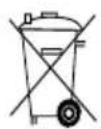
For EC countries only
Disposal of electric tools together with household waste is not permissible.
In observance of the European Directive on waste electrical and electronic equipment and its implementation in accordance with national law, electrical appliances that have reached the end of their life must be collected separately and returned to an environmentally compatible recycling
11 Manufacturer's warranty - tools
Hilti warrants that the tool supplied is free of material and workmanship. This warrant as the tool is operated and handled correctly, and serviced properly and in accordance with Operating Instructions, and the technical system tained. This means that only original Hilti consult components and spare parts may be used in
This warranty provides the free-of-charge repair or replacement of defective parts only over the entire of the tool. Parts requiring repair or replacement result of normal wear and tear are not covered warranty.
additional claims are excluded, unless stringent national indices prohibit such exclusion. In particular, H can not be obligated for direct, indirect, incidental or c nesequential damages, losses or expenses in connec tionai with, or by reason of, the use of, or inability mages the tool for any purpose. Implied warranties o themetantability or fitness for a particular purpose a specifically excluded.
The Lifesparepair or replacement, send the tool or related part immediately upon discovery of the defect to the address and oby this local Hilti marketing organization provided.
This constitutes Hilti's entire obligation with regard to warranty and supersedes all prior or contemporaneous comments and oral or written agreements concerning warranties.
12 EC declaration of conformity (original)
| Designation: angle grinder |
| Type: DEG 125-D / DEG 125-P,DEG 150-D / DEG 1 |
| Year of design: 2005 |
We declare, on our sole responsibility, that this p complies with the following directives and standard 2006/42/EC, 2004/108/EC, 2011/65/EU, EN 60745-1, EN 60745-2-3, EN ISO 12100.
Hilti Corporation, Feldkircherstrasse 100, FL-9494 Schaan
Paolo Luccini Jan Doongaji
Head of BA Quality and Process Man- Executive Vice President
agement
Business Area Electric Tools & Ac
cessories
01/2012 01/2012
BusinessUnitPower
Tools & Accessories
Technical documentation filed at:
Head of BA Quality and Process Management Executive Vice President
Business Area Electric Tools & Accessories Business Unit Power
series Tools & Accessories
01/2012 01/2012
Documentation technique par :
25-10 Entwicklungsgesellschaft mbH
-PZulassung Elektrowerkzeuge
Hiltistrasse 6
86916 Kaufering
orfBeitzehland
normes
Amoladora angular DEG 125-D / DEG 125-P, DEG 150-D / DEG 150-P
Head of BA Quality and Process Mana- Executive Vice President
gement
Business Area Electric Tools & Acces
series
01/2012
Business Unit Power
Tools & Accessories
01/2012
Smerigliatrice angolare DEG 125-D / DEG 125-P, DEG 150-D / DEG 150-P
it
2.5 ATC (Active Torque Control)
Head of BA Quality and Process Mana- Executive Vice President
gement
Business Area Electric Tools & Acces
series
01/2012 01/2012
Business Unit Power
Tools & Accessories
2.5 ATC (Active Torque Control)
- Monteer de zichhandgreep.
7 Bediening

AANWIJZING
Head of BA Quality and Process Management
Business Area Electric Tools & Accessories
01/2012
Jan Doongaji
Executive Vice President
Business Unit Power Tools & Accessories 01/2012
2.5 ATC (Active Torque Control)
erng afbryderen on/off. medfore
7.4 Til-/frakobling med lásning (DEG 125-P etter DEG 150-P)
BEMERK
8.1 Rengoring at maskinen
FARE
Head of BA Quality and Process Mana- Executive Vice President
gement
Business Area Electric Tools & Acces
series
01/2012 01/2012
Business Unit Power
Tools & Accessories
Bearbeide metall: Kapping,Sliping.
2.5 ATC (Active Torque Control)
Head of BA Quality and Process
Management
Business Area Electric Tools & Access
ries
01/2012
Jan Doongaji
Executive Vice President
Business Unit Power
Tools & Accessories
01/2012
2.5 ATC (Active Torque Control)
Head of BA Quality and Process Mana- Executive Vice President
gement
Business Area Electric Tools & Acces
series
01/2012 01/2012
Business Unit Power
Tools & Accessories
Kulmahiomakone DEG 125-D / DEG 125-P, DEG 150-D / DEG 150-P
2.5 ATC (Active Torque Control)
Head of BA Quality and Process Mana- Executive Vice President
gement
Business Area Electric Tools & Acces
series
01/2012 01/2012
Rebarbadora angular DEG 125-D / DEG 125-P, DEG 150-D / DEG 150-P
2.5 ATC (Active Torque Control)
4 Characteristicas techniques
pt
Paolo Luccini Jan Doongaji
Head of BA Quality and Process Management
Business Area Electric Tools & Accessories
01/2012 01/2012
2.5 ATC (Active Torque Control)
To nEeKtpoviko ouTnma ovayvpiCei otav unpxcivduvooc va koAanoei o biokoc kai anotpenei, aTVEpyoioWTO epyaleio, Tnv nepaIepw npieIPTPOPH tou oxva (dv anotpETeai TO "kawtoa" Tou epyaleiou). Iia v a Teel Eavoxe Aitoupyia To epyaleio ppeiV xaipnoe EaeuOepo Kai V a Pntnoe Eavx to diaKoTTTN.
2.14 PpouAaKtnpac Ee AaOaKaauync 5
PPO2OXH
Tia Exovopioa uieoiouc biokouc Exovbpioatoc kai yia konn mbiokouc konnc kat a Tny katepyaoix metaaikw uikw, xpoiopoioite tov npoquaktnpa eaaogka kauuync.
Aaies nnpopopie cy to epyaaio
TiaVauPiopεitEvαεpyαζεoεKaθεθεon kai Ekoipασα, (π.x. dakottns on/off otpaue
- AnopakpuveTe TIC Teoepic Bioc aTnV Kepaah Tou mXaviou kivnoC.
- Nepioptpe Tny Kepaah Tou mnxavioou kivnong 0tnv Etiuun Tneon, xwpic va Tny TpaBnEe Tp Ta eipoc Kaia vTnv aTIOoUVbOeTe aTO To eP 2A O A I
5.11p5.2Tepeewote Tny KepaH Tou uynxavioou kivnonc 3e TigtEoOepicβiδεs. - TOno8eTnOte Tnv nλxivxεipolαβn.
7Xερισμός

YINOAEIH
PpOaPpOcTe Tn OeAn Tou PpOuAaKt npa OTIC EKoTote aNaitnoEic Tns EpyaoiaC.
KINAYNOZ
Pntote mnpoTo to dikottn on/off. (n aopaxion an vepytoioi
bwoonn 75 0ayn enavekkivnnc
Tgav aioouvdeote to qic ao nTv npizk kai otn o To tonoetnoe Eaov npiZc evw eivao axoaxia quevoc o diaKoTTnc on/off,To epyaaleio 8e 8a Te3ei Aitoupyia. PpTei npotxa vao aonopaxiaoe To epyaalei otav to epyaaleio dev TpofooboteiTae pueuKa i va auvdoeote to qic stnv npizc.
TnV EIOKEUN n AVTKATOaON, TO epyaleio 0xETIKAXEAPTHUATPpTeI V aTOOTeAAovToa
aA aHn Hnntnny Iau eXTTuTOc OTO apoio TnC Hitti.
H Tnapouoa Eyyunon NepiaaBavei OAc TIC UTOxpeoeo
Oooxoc Eyyunons AIO NLeupac Hilti KAI aVTkAoiTc
OAE TIC Pponyoueves n Ouyxpovcs Dnawic, ypaTTec
n Ppopoipke Caupwies Oov axopao TIG Eyyuoeic.
Head of BA Quality and Process
Executive Vice President
Management
Business Area Electric Tools &
Accessories
01/2012 01/2012
YrnoHnObaBna HnMaunHa DEG 125-D / DEG 125-P, DEG 150-D / DEG 150-P
Ipeed hauanom pa6oTbI 06aTeIbHo n3y uHTe pyKOBOdCTBO NO 3KcNlyatauH.
Bcerda xpaHnte daHHoe pyKOBOcTBO no nnyataunn pAdom c HHCTpyMeHTOM.
Pn CmeHe BnaIeIbua 06aTeIbHO nepe DaIte pyKOBOdCTBO NO 3KcIIyatauH BMc HNCTpyMeHToM.
Copejxahne c.
1 O6uNe yKa3aHn 197
2OnncaHne 198
3 Akceccyapbl, pacxohhle MaTePnabl 201
4 TexHnueeckne xapaKTePncTnKn 202
5 Yka3aHn no TexHnke 6e3oNaChocTn 203
6 PndroBka K pa6ote 209
7Kcnnyatau 210
8 YxOД n TeXHnueckoe o6cnyKbHaHne 212
9Пибси устранен HeHcnpaBHOCTeI
0 YtniHaun 212
1 RapaHTnI npOn3BOIDTeJI 213
12ДeКлараци COOTBETCTBn HOpMaM EC (opuHnHaJ) 213
1 LcHpaMn 603HaueHbI COOTBeTCTByIOUe HIIIOCTpa- uH. HIOCTpauN K TeKCTy paCNoJoxHeH Ha pa3Bopo-tax. HcnoJIb3yIte nx npn H3yuEHH pyKOBoDCTBa. B TEKCTe DaHHoro pyKOBoDCTBa no 3KcNpyaTuH "INH- cPymENT" Bcerda 603Haayet YrIOByO 7nnΦMaunHy DEG 125 nn DEG 150.
3JIemeHTbl ynpabJIeHHN KOMIOHeHTbl
CTcHTpyMeHtA 1
① BeHTnIaHIOHHbIe npope3N
② BbIKIyOaTeIb
③ Bn6pOporIouaIoUaB 6OKOBa pyKoRTka
④ KhoNka ΦKCaTopa ⅢHdEJIa
⑤ KhoNka ΦKcaun KoKyuXa
⑥ LIIHHIeIb
⑦ 3aunTHbI KOxHx
⑧3aXMMHOn ΦnaneC KONbOcM KpyrIoro CeeyHn
⑨ OTepe3HO/06DnPoUHy Kpyr
(10)3aJHMHaraKa
15 BbICTpo3aKHMna raika Kwik-Lock (B BnDe on)
(12) Kliou
ru
1 06üne yka3aHHa
1.1 CnHaJIbHbIe coo6ueHHN n nx 3HaueHHN
ONACHO
O6uee 06o3haueHHe HENOCpeDCTBeHHo onaCHOn cnTyaun, KOTopar MoKeT NOBLeyb 3a COoB TjXkIbe TpaBMbl NnnpedctabJIrTb yrpo3y dnn Xn3Hn.
BHIMAHNE
Ooiee 0603naHHe noteHuaJIbHO onaCHO cnTu aHH, KOtopa MoKcT NOBLeu 3a CObO TReKJIbIe TpaBMnOnaHCTb npedctabJIb TyPo3y dJr Kn3HN.
OCTOPOKHO
O6uee 0603aueHne noTeHuaJIbHO onaCHO cnTyauHH, KOtopa MOKet NOBLeuB 3a co6oN JERKHe TpaBMbl NIN NOBpeKdene O6OpyDoBaHH.
YKA3AHNE
YkaHnno 3Kcnpnyataunn npyra nne3na HOpMaunr.
1.2 06o3HaueHne nHKtorpamM n dpyrHe 06o3HaueHH
PpeynpeKdaOuue 3HaNK


Onachnoctb npaKeHH 3NEKTPNHE-
CKHM TOKOM

PpeDnCbBaIOUne 3HaKn

HcnoIb3yIte 3aUHTbIe OQKn

HcnoIb3yIte 3aunTHyKACKy

NcnoIb3yIte 3aIHTbIe HayuHnKu

HcnoIb3yIte 3aIHTbIe nepuATKn

HcnoIb3yIte pecnnpatop
CNMBOJIbI

Iepei
Hauajom
pa60tbl
npouHTe pyKOBODCTBO
TaoH

HanpaBbTe
OTpa6OtaH Hne
MaTePnAbl Ha
nepepaotky

BolbT Amnep




HbI TOK
HomHaJIb-Ha YactotaBpaueHn
O6opoTOB MNHyTy
B O6opOby MHHy


DnaMeTp
DBoHnA
N3OJIaIaI
PacnoIooKeHne IeHTnKauNoHHbIX daHHbIX Ha HCTpyMeHTe
Tn INCTpyMeHTa, apTNkyn, rOД npOn3BOdCTBa n MOINKauy yka3aHbHa 3aBOdCKoN Ta6nUne HNCTpyMeHTa. CepnHbH NOMEp yka3aH Ha NeBON CTOPHe KOpnyca 3JIeKTPoDBrHATeJr. 3aHecNTe 3TH DaHHbE B HAcTOuEE pyKOBOdCTBO no 3KcPlyaTuAn. OHN HeOxOdHMbl pRn cepBnCHOM OBCnyKaBaHn INCTpyMeHTa KOHCyIbTa- qnxNo erO 3KcPnyatau.
Tun:
CepnHbH HOMep:
2OncaHne
2.1 HcnoJb3ObaHne HHCTpyMeHTa no Ha3HaueHHIO
HCTpyMeNT npedHa3NaueH nA a6pa3NBHO OTe3aHn N oDInpoUHO IINHPOBAHn MeTALNueCKHX MmHePAhBbIX MaepnaIOB 6e3 Hcnonb3OBaHH BO Bpem pa60nt no pe3ke KAMH HeoOxOIMo HcNoJIb3OBAt b HApBaJIIOuIe. Bo3MOKHBie 6bactn HapnaHTb HcNoJIb3OBaHH INCTpyMeHTa: cTpOnTeJbHn AIOJaKa, MaCTepckar, BblONHeHne pEmOHTHbIX pa60T pa3HbIX TINOB.
3Kcnpyaataa HNCTpyMeHTA BO3MOXHa TOnbKO npn HAnpHXeHH N YaCTOTE 3JIeKTPOCeTN, COOTBETCTByIOxuYka3aH HBIM Ha 3aBOdCKo Ta6NIuKe.
O6pa60ka MeTanna: a6pa3nBHOe Otpe3aHHe, 6DnpoHoe 7nnfoBaHne.
O6pa60ka MMHeapalbHbIX MaTePnaIOB: a6pa3nBHOe OTppe3aHne, StpO6JIeHne c KOxYXOM (DC EX), 6DInpoUHOe.
JINFOBAHne CO CNEuaJIbHbIM KOxYXOM (DG EX).
IcnoIb3yIe ToIbKO Te pa6Oue HNCTpyMeHtB (Kpyr nIa 6pa3nBHO OTepe3aHn/O6DnpoHOro 7nΦOBAHn I. KOTOpBie DOnuSyHeI dR NcNoJIb3OBAHn C cAcrTOI BpaSeHn He MeHee 11 000 o6/MnH dR 0 125 MM n He MeHee 9300 06/MnH dR 0 150 MM; MaKcIMaJIbHa TOnUHa Kpyra dR O6DnpoHOro 7nΦOBAHn -6,4 MM, MaKcIMaJIbHa TOnUHa Kpyra dR a6pa3nBHO OTepe3aHn -2,5 MM.
IcnoB3yIe ToIbKO OTe3HbIe/O6DnIOPOHyIe IINIOKpyrN CO CB3yOuIM N3 CNHTeTneCKo CMOJIbI C Do6aBHeHem BOJOKOH C DOnyCTHMOg OKpyKHO CKOpocTbHO He MeHee 80 M/c.
HCTpymEn TnpedHa3HaueH ToIbKO JnCyXOrO 1nfoBaHHn OTope3aHH.
Pn nnfoBaHn KaMn CneDyET nCNoJb3ObaTb yCTpoIcTBO dnn ydaJIeHn Ibln C COOTBeTcTBYIOUm nbIeynabInBaOuIM FnbTpOM, HapnmuE npOxoJaun nbIeoc Hilti.
Takke co6nloaainTe HaunohbHbe Tpe6oBaHH OxaHbI Tpyda.
IcnoB3OBaTb onaChbIe IIN 3dOpOBMaTePnAbI (Haepmep, ac6ecT) 3anpeaaetc.
BHeceHne n3MeHenn B KOHCTpyKuIIO HNCTpymeHTa I erO MoDnΦkauZra 3anpeuaTcra.
Bo n36eKaHne TpaBM nepcoHaIa I nobpeKdEHHN HcTpyMeHTa HCnOJIb3yTe TOJIbKO opIRnHaJIbHbIe npIHnAdJeKHOCTn I NHCtpymEtbl npON3BOIDCTBa Hilti.
Co6nIaTe yka3aHnno 3Kcnnyatauyn, yXoNy nTexHnueckomy o6cnyknaHnIO nHCTpyMeHTa, npNBedeHHbIe B HactoIeM pyKOBOdCTBe no 3Kcnnyatauyn.
IhctpymEn npedHa3haueH dI npoepccnoHaIbHorO nCnOlb3OBaHn, noTOMy MOKeT oClyKuBaTcBn peMOHTNoPobatcbraToIbKO yNOHOMOeHHbIM nepcoHAnOM. NepcoHAn DoJKeH npoITn CneuaHbHbN IHCTpykTaX NO TEXHKe 6e30NaChocTH. IcNoIb3OBaHHe hCTpyMeHTa He No Ha3HaueHIO Hn erO 3KcnPytaqHr HeoByeHHbIM nepcoHAnOM npedCTabJIHOt ONaCHOCTb.
YuNbIbAaTe yCIOBnOkpyKaHOe CpeDbI. He nCNoJIb3yIte INCTpyMeHT TaM, Ie cyIecTByeT ONaCHOCTb NOKapa IIIN B3pblBa.
2.2 B KOMNNEKT NOCTABKN B KAPTOHHO ynaKOBKe BXoJrT:
1 INCTpymEnT C 3aunTHbIM KOxYXOM
1 PepenHnHaKnlaKa (onu)
1 Bn6ponorloaoua 6okOBa pykOraKa
1 BbIcTpo3aXmHna raKa Kwik-Lock (B BnDe onuIN)
1Фланец
1 T a n Ka
1 K n y
1 PykoBoOCTBO no 3KcnpnyatauH
1 KapToHHa Kopo6Ka
2.3 OrpaHnHTeIb nyckOBoro ToKa
3neKtpoHHbI orpaHnHTeJIy nCKOBoro TOKa CHNkaet CNY ny nCKOBoro TOKa dIy npedOTBpaueHnCpa6aTbBAHHcTeBOrO npedoxpAHnTeJI. 3a cuet 3TOrO npocxOHT PnaBHOE BKIOUeHHe IHCTpyMeHTa.
2.4 CnCTema 3JIeKTPoHHoro peryIINpOBaHHa cactOToBbPaUeHHa/TaxOperyTAp
CnCTema 3JIeKTPoHHoro peRyIINpOBaHn yAcTOTb I BpaueHn NOdEepXnBaet NocToHHo 3aHaHHyO qactOTy BpaueHn B DnHaNa3OHe OT XoIOCTOrO XoDa Do NOnHO Harpy3Kn. NcNoB3OBAHne 3ToI CnCTeMbl NocBoJnReT Oba6aTbIBaTB MaTePnaBb B ONTMaNbHOM peXnMe C NoCToHHo YAcTOTO BpaueHn.
2.5 AKTHBHy KOHTpOlb BpaaHooero MOMeHTa (ATC)
CnCTema pacno3Haet noteHuaJIbHOe 3aedHne WInHMaTePnAna n npenrTcByET npOBopaUBAHNIO wHHNHeI,OTKIIoua HnCTpyMeHT (He npedOTBpaauaet OTdauy).ДЯ pa36JLOKINPOBKN CNeDyET BbIKNoHTb N BkNoHTb INCTpyMeHT, NOBOPaUNBa BBKNoHTaTeIb.
2.6 ENoKHpOp NOBtOPhOro BkIIOueHn
Iocne c6oB a 3JIeKtpocetH nHCTpyMeHT He MoKeT BKNIOHTbC aMoCTOaTeMbHO npu BO3O6HOBHeHn IOnaun 3JIeKToPONHTAHn, ecnn 3aJeIcTBOBaH daHHbI 6IoKnpaTOp. JIn pa36IOKpOBKn CNeDuYET BbIKIOHTb N BKIOHTb INNOBOPaUHBa BbIKIOUaTeMb.
2.7 Tepmo3aunTa HnHcTpymeHa
CnCTema TepMo3aunbI DBratJI KOnTpOIpPyET nOTpe6JIeHne 3JeKtpO3HeprHn, HarpeB DBratJIeN 3aunuaeT erO ot neperpeBa.
Pn neperpy3ke Dniratena BcneDCTBne daBHeHna npnxHMA 3aMeTHo naaet MOUHOCTb, B peSyIbTaTe Yero HHTpyMeHT MoKET OCTAHOBITbcra (OCTAHOBky He CneDyET dOnyCKaTb).
Ionyctmampeperpy3ka HnCTpymeHTa He RBLReTcTOUHO ONpeDeHHO BJIuHIO, a 3aBNCIT OT TemnepaTypbI DBrataJI.
B cnuyae neperpy3kn cneIyET yMeHbIHTb Harpy3ky Ha IHCTpymeHT n DaTb emy npa6oTaB OKOIO 30 cekyHd Ha XONOCTOM XOdy.
2.8 HcnoJb3OBAHne ydInHHTeJIbHoro ka6eIa
IcnoB3yIe ToIbKO nOxOJHne IaHHo ObNaCTn npImHeHna ydNInHTeNbHbIe Ka6JIc N doCTaTOHbIM ceueHnEM. HnAue Bo3MOXHa Notepn MOUHOCTn IHCTpyMeHTa n nepepeB Ka6JIr. PeryIraPHO npOBepRHTe, He nobpeKDeHnn Ka6JIb. NObpeKDeHHbIe ydNInHTeNbHbIe Ka6JIi HEmeDJIeHNO 3aMeHnTe.
PekomeHnyemblie MHN. CeueHn H MaKc. dHHa Ka6eNei:
| Сechени повозов | \( 1,5\;{\mathrm{{MM}}}^{2}\;2 \) | \( {\mathrm{{MM}}}^{2}\;2,5\;{\mathrm{{MM}}}^{2}\;3,5\;{\mathrm{{MM}}}^{2} \) | 14 AWG 12 AWG | |
| Нарpenения сети 100 B | \( {30}\mathrm{M}\;{50}\mathrm{M} \) | |||
| НарpenBELСETN 110-120 B | \( {20}\mathrm{M}\;{30}\mathrm{M}\;{40}\mathrm{M}\;{50}\mathrm{M}\;{75}\mathrm{{ft}}\;{25}\mathrm{{ft}} \) | |||
| НарpenBELСETN 220-240 B | \( {50}\mathrm{M}\;{100}\;\mathrm{M} \) |
IcnoB3OBaTb ydHnHHeBhBie Ka6eHN C ceeyHem 1,25 MM² n 16 AWG 3anpeaaetca.
2.9 PpHMeHeHne ydJIHHHTeJbHorO Ka6eI BHe NOMeUeHN
Pp np a60ax BHe NOMEHn HcnoJIb3yIe ToIbKO dOnyUeHHbIe K 3KcnNyaTaun ydInHHTeNbHbIe Ka6eIN C COOTBeTCTByIOSe MapKnpoBko.
2.10 NcnoJb3ObaHne reHepaTopa nn TpaHcΦopMaTopa
HnctpymeHT MoKET nntaTbC TOr TRehepaTopa Hn TpaHcΦopMaTopa np Co6hOeHN CneDyIOuX Tpe6oBaHN: BbIXoHna MOUHOCTb NCTOCHNka 3JIeKTPoNTaHnA (Bt) MInHMMyB Dba pa3a 60NbSe MOUHOCTn, yKa3aHHoHa 3aBOdCKo Ta6NIuKe IHCTpymeHTa; pa6Oue HaPRAKeHHe HxODITCB B npeDenax OT +5 % Do -15 % OT HOMHaNBHOr O HApRKeHn; Yactota ToKa DOJINHCoCTaBnTb 50-60 Tq, Hn B Koem cnyae He 60Jee 65 Tq, a TaKHe HMeetcABTomatNueckn CTaBnIIN3ATOp HAnpRKeHn C NysKOBbIM ycNlntelem.
IcnoB3OBaTb reHepatop/tpaHcphiOpMaTOp dIy OJHOBpeMeHHoro nITaHn yCTpOiCTB KaTeOpNueCKn 3anpe-aaetc. Pn BkIOUeHH/NbIKIOUeHH dpyHX yCTPOiCTB MOYr BO3HNKHyTB cKaChn HAnPRAKeHHn IITaHn, B pe3yJIbTaTe KOTOpbIX BO3MOXHO NOBpeKdEHHne IHCTpyMeHTa.
2.11 Koxyx dny ydaJeHHn nbiln npn uHFOBaHH DG-EX 125/5" 2
HCTpymEnIpeHa3HaueHINbIJIHepeyIphoroO6DnpoHOro 0nΦOBaHnMnHepaIbHbIX MaTePnaIOB C noMOuTO aIma3HbIX YaueUHbIX 0nKpyROB.
OCTOPOXHO
06pa60ka Metanla c HcnoJb3ObaHnem 3TOro KOKyxa 3anpeueHa.
YKA3AHHE
PnO6DnpoHOM 7HnHOBAHm MInHepaIbHbIX MaTepHaIOB, HAnpIMep 6eToHa IIN KAMH, peKOMEHyETcN CNoJb-30BaTb KOxUx dIydaJIeHn IbIIN C NOxOJaUM Nblncocom Hilti. KoXy dIydaJIeHn Ibln 3auiuaeT onepatopa, a TAKKe IOBbIaEe T cPOK CnyKbI INHCTpyMeHTa HacaDok.
2.12KoJyX dIy ydaJIeHnI npI a6pa3HBOM oTpe3aHH/HTpo6JeHH DC-EX 125/5"-M c HappaBIAHOUcHM 3
O6pa60ka (a6pa3nBHOe OTpe3aHne n 7tpo6leHne) MNHepaIbHbIX MaTePnaIOB DOJHKHa BblNOJIHTbcr TOnbKO C KOxyom dIydaJeHHn IIJIN HApPaBIAIOUcIMN.
OCTOPOKHO
06pa60ka Metaannnca nCNoJIb3OBAHHeM 3TOro Koxyxa 3anpeueHa.
YKA3AHNE
Pn o6pa6tke (a6pa3nBHOe OTe3aHne n 8Tpo6leHne) MInepaIbHbIX MaTepnaIIOB, HApnpMeR 6eToHa IIN KaMnpeKOMeHdyETcNcNoJIb3OBAHHe KOxUy dnydAJeHn Nbln, aadantipoBaHHoro K 3KcnIyatauCn Cblncocom Hlti. KoKyx dny ydaJeHn Nbln 3aunlaeT onepaTopa, a TaKKe NObIwaet cPok cnJX6bl IHCTpyMeHTa Haca
2.13KoKyx DC-EX 125/5"-C KOMnakTHoro HcnonHeHH nla ydaeneHH npn Otpe3aHH
Iy BbInonHeHHpe3OB B KnpNHyOH KnaKe n 6eToHe.
OCTOPOXHO
06pa60ka Metaannac HcnoJb3ObaHnem 3TOro KOKyxa 3anpeueHa.
YKA3AHNE
Pn o6paobKe (a6pa3nBHOe OTe3aHne n 8Tpo6leHne) MInepaIbHbIX MaTepnaIOB, HApnpMeR 6eToHa nn KaMnpeKOMeHdyETcNcNoJIb3OBAHHe KOxUa IydaIeHn Nblnn, aadantipOBaHHoro K 3KcnIyatauC n bIeCocom Hilti. KoKux dny ydaIeHn Nblnn 3aunlaeT onepaTopa, a TaKke nobblaaet cPok cnJXkbI IHCTpyMeHTa n Haca
2.14 3aunTHbIn KOxyc HaKlaadKoI
OCTOPOKHO
Pn 06dnpoHOM 7nHObAHnn c nnockmN 06dnpoHbIMn 7nHfKpyramn n Otp3aHHn a6pa3HBbIMn C HbIMN Kpyramn MeTannuecknx OCHOBAHn CneDyET HcNoIb3OBaTb 3aHTbIe KOxyxC HaKJaADKOH.
2.15 NpeepnHaHaknaKaIJa 3aunTHoro Koxyxa (Tolbko IIN DEG 125-D n DEG 125-P)7
OCTOPOXHO
Pn 06dnoohom 7nnfoBaHH C NIOCKHM O6dnooHbIMN 7nHfKpyramn H OTe3aHH a6pa3HBbIMn HbIMN Kpyramn MeTannuecknx OCHOBAHNI CneDyET HcNOB3OBaTB 3aHTbI KOKyx C nepeDHei HaKla
3 Akceccyapbl, paCXOndhle MaTePnaJIbI
PpHnHaJneJxHocTn K DEG 125 n DEG 150
OToaayraBnAeTcCneCTBHeM HenpaBnHbHoro Hn6OuHOro nCNoIb3OBaHHn 3NeKtpOnHCTpyMeHTa. Pnp Co6JIIODeHHn HxKePnPBeDeHHbIX Mep PpeIoctOpOxHOCT 3TOrMOxH0 N36ExKaTb.
a) HaJeKHO DepeKHTe 3JKeTPOHHCTpyMeHT, npHnAB TaKoe nOLOXKeHne, pN KOTOpOM Bbl CMOKeTe amOpTH3npoBaTb OTdauy HnCTpyMeHTa. Bcerda HcNoJIb3yIte DOnONHHTeBHyU pyKOHTky (npH HAnuH), YTO6bl MaKCHMaIbHO KOHTpOINPOBaTb OTdauy HIn peAKTHBHbIE MOMeHTbl, BO3HNKaHO- Une npn pa3rOHe 3JKeTPODBrHrTeJI. Pn yBn CO6JIIODeHn COOTBETCTByUOxH Mep npedo POxHOCTn ONEaTOP MOKeT KOHTpOINPOBaTb O n peAKTHBbIM MOMeHT.
Hpy-He np6nHexaTe Knctb pyKn K Bpaauoummcpa6oHm HnCTpymeHTam. Pnp otdaue pa6oyn nH-CKN CTpymeHT MOKeT INx 3auenTb.
c) N36eRaIte nonaHaHnB 3OHy, B KOTopyo CMeUa T O- eTcra 3NeKTPoHHCTpyMeHT BO Bpemr OTdaun. OT- Tepa a CMeuaet 3JKeKTPoHHCTpyMeHT OT MeCTa 6NOKnPobkB HnPaBLeHnn, npOTNBONIOXHOM Bpaue-HTa HnO pa6oero HHCTpyMeHTa.
6HnEybTe npedeIbHO BHNMaTeIbHbI npn 06pa6oTKe BaWeyrnoB,OCtpbIX KpOMOK n T.Д. He DOnyckaIte MnpooTcKaKNBaHHN H 3aeDaHHN pa6oHx HHCTpyMeH TOB B 06pa6aTaIBaEMOJ DetAn. BpauaOuHcra 3n pa6oHn IHCTpyMeHn npn 06pa6oTKe yrnoB,OCtpbIX KpOMOK nN B cnyae erO OTcKaKNBaHHN MOXeT 3a- DBnEdaTb. 3TO cTAHOBITcR npnuHOr NOTEpH KOHTPONA 3JIeKHaD INHCTpyMeHToM nN BO3HNKHOBEHHN OTdaHn.
e) He nCnoIb3yIte nHlbHbI dNcK c cenHbIM HnH ne- 3y64aTbIM 3aueIeHHeM. IcNoJIb3OBAHne TaKx pa- 6oUHX INHCTpyMeHTOB 3auaCTyIO BbI3bIBAeT OTdaCy IIN npINBOJNT K NOTepe KOHTPOJI NaI 3JeKTPOINHCTpy-MEHTOM.
5.4 Ocobye yka3aHnno TeXnKe 6e3oNaChOCTn
IO U npu HOBHn Hpe3KcOTpe3HbM KpyrM X e T
a) NcNoB3yIte ToIbKO dOnyUeHHbE K 3KcnNyata-
uHN a6pa3HBbIe HHCTpymEtbl N COOTBETCTByHO-
Une NM 3auHTbIe KOJxN. A6pa3NBbIe KpyrN,
He npedHa3HaueHHbIe Dnla DaHHoro 3JeKtpoINHCTpy-
MeHTa, He MOrTy 3KpaHInPOBaTbCn B DoCTaTOOH
HO, CTepeHH n pa6oTaOT HeCTa6HbHO.
Bbinykblie 6pa3NBhle KpyrdoJXHb6bYtB yCTaHOBJ TaKHM 6pa3OM, YTO6bHX
Baopa6OyAn nobepxHocTb He BbICTynana 3a KpOMky 3aunTHoro KOxya. HenpaBnIbHO yCTaHOJIeHHb TnBO-6pa3NBbl Kpyr, BbICTynaIOU 3a KpOMky py- 3aunTHoro KOxyxa, He MoKet 6bITb 3KpaHnpOBaH JInpy-dONKHbIM 6pa3OM.
c) 3aunthbI KOKyX DoJxH 6bItb HaJeKHO pa6aTaKpEnHe Ha 3JeKTPoHNCTpyMeHTe H OTpeB DnHPOBaH TaKHM 06pa3OM, yTO6bl O6ecNepHTb MaKCHMaJIbHyO 6e3OnaCHOCTb. OTKpbITOn KEtCn DOJXHa OCTaBAhCBa NIIb CamaM Mana Yactb (B 3aOp3HBHOrO NHCTpyMeHTa. 3aunTHbIKoKyx CnyKNT DnA 3aUnTbI OepaTopa OT OCKOKNOB H EHHne CnyuAHIORO COpnHKOCHOBeHHa C a6pa3NBbIM INHCTpyMeHTOM, a TaKKe OT NCKP, KOToPBle MOYr OShnBOcPnAmEHHTb ODeKdPy Pn IonoJaAHn Ha Hee.
d) A6pa3NBHbI HNCTpyMeHTbI DOJIHHbI HCNoJb-3OBaTbC TOnbKO No Ha3NaueHnO. HanpImep: 3anpeuaeTcB BInoJHrTb UINΦOBaHne 6OKOBONOBepxHOCTbIO OTe3HOrO Kpyra. OTe3HBe KpyrnpedHa3NaueHbI DnA CHrTH MaTePnaJa KpOMKo Kpyra. Bo3DeiCTBHe, OKa3bIBaEMoe Ha Kpyr c 6OKOBONCTOpOHbI, MoKeT CTaTB npuHnO erO ee pa3pySeHnR.
e)Дя установкишлфкруг Bcerda ИспобзутЕ
неновөдөньий 3ахиMHоŋ Фланч_HУЖHOrO
po- pa3метаи Форmbi. Похюшип no Форme n pa3-
TO-Mepy Фланць i Фнсчутшлфкруг n ChИжkaHT CTБ
dauу пьпсka ero pa3lOMa. 3aЖиMHье Фланчы дЯ
OTpe3HbIX KpyROB MOrYT OTNIuHaTbCRA OT 3aKHMbIX
ФlaHcEB DnA DpyrNx UINΦKpyROB.
f) He nCnoJb3yIte H3HOWeHbIe 7JIHΦKpyrN OT 3JIeKTPoHHCTpymeHTOB 6OJIbWero pa3Mepa. 7JIINΦKpyrN, H3ROTOBJIeHHbIe JIЯ 3JIeKTPoHHCTpymeHTOB 6OJIbWero pa3Mepa, He paccuTahbHa BbICOKyIO qAcTOTy BpaUeHn MaIOra6apHTbIX 3JIeKTPoHHCTpymeHTOB I N03ToMy MOryt pa3pyuHTbcra.
5.5 DononHHTeIbHbIe yKa3aHHn no TexHnke 6e3oNaChOCTn npn pe3Ke OTpe3HbIM KpyROM
a) 60KpO8n Ope3HOro Kpyra Hnn CnHsKom CnBHorO DaBHeHH npJxHMa. He BbINOHNrTe CnHsKom rny60kHex pe3OB. Perpy3Ka OTpe3HOrO Kpyra yBeJIuHBAeT erO nHoc I NOBepKeHHOCt b NepeKocy Hnn 60KpO8ke, a BmecTe c Tem BO3MOXHOCTb NOBHeHH OTdaH NII erO pa3pyUeHH.
b) H36eAHTe HaxoJdeHnB 30He nepeD BpaaHouHmCg OTpe3HbIM Kpyrom Hno3aHr Hero. CMeueHHN OTpe3HOro Kpyra B O6pa6aTBiBaEMoT aJIH B HApRaBHeHH NOT Ce6r 3NeKTPOnHCTpyM Cnyuae OTdaun MOKeT OTCKOHTb PpMo Ha B
c) B cnyuae 3aklnHHBaHn8 oTpE3HOro Kpyra Hn npepbIBaHHpa60tB BBIKIOUHTe HHCTpyMeHTdoXdntecb, noka Kpyr NOJHOCTbO OCTaHOBn HnkOrda He nbTaTecb BbITAHyBe ue Bpau Oouncr OTpe3HOKpyr N3 pe3a - BO3MOKOTdaua. YctaHOBITE uycpAHte npuHy 3aBAHNIA.
d) He BKNIOUOaHTe HNCTpymeHT CHOBA, ecH OH BCE eue HAXoHNTCB O6pa6aTBiBaEMoJ DeTaN. peI npoDOJIKeHHem pa6oTBI DOxHNTecb, nOKa HHCTpymeHT He pa3ROHnTCB Do pa6oey qac BpaueHH. B npOTINBHOM Cnyae BO3MOXHO 3 Hne Kpyra, erO BbICKaKINBaHne N3 O6pa6aTBiBaE DetAIn Nnn NORBLeHHe OTdaHn.
e) POnnpaIte nnHbI Hn DetaIIN 60JbWoro pa3- mepa, UTObI CHN3NTb CTeneHb PNCKA B Cnyuae 3aeDaHn OTepe3Horo Kpyra. BoJbUne o6paBtBuBaEMbIe Detaln MOrY TnpornbTcR NOD DeNCT co6CTBeHHoro Beca. O6paBtBuBAemyo Detalb OBxOdmo POnnpaTb C DByX CTOpOH KaK B6NI MeCTa BblONHeHn pe3a, TaK N BDoJIe K
f) Bydte 0co6eHNO octopoKhb npn BbINOJIHe norgyKhbIX pe3OB B CTeHax HIN B DpyHX, He npocMaTpNbAembix 3OHAX. Pn norpyKeHHN Otp3- HORO DnCKa BO Bpemr pe3KN rao- IN BOODPOb 3JNEKTPNuecknx IPOBOIDOB HIN DpyHX O6BeKTOB BO3- MOXHO NOBJIeHne OTdaHn.
5.6 DononHHTeIbHbIe yKa3aHHn no TexHnKe 6e3oNaChocTh
5.6.1 Be3onachocrb nepcohana
a) Bcerda depknte HnctpymEn 3a pykoRTKn o6eHMH pykamN. CneDHTe 3a Tem, yTO6bl pykoRTKn 6bIIN cyxHMn 6e3 CNEIOB Macna n CMA3Kn.
b) EcnH HnCTpyMeHT HcNoJb3yeTc8 6e3 yCtpoHCTB DnYydaeneHH nbIn npn pa6oTaX cO6pa3OBaHHem
NbINH, HcNoJIb3yIte CpeIcTBA 3aIHTbI OpraHOB IbIXaHnI.
c) YTo6bI BO BpeMa pa6oTbI pyKn He 3aTeKaJIH, De naIte nepepbIBbl dIpaCCna6JeHHn H pa3MNHKn nalbcE.
d) He npHKacaiTecb K BpaauoHmCg DeTaAM HCTpymeHTa. BKnIOuayte HHCTpymeHT ToIbKO nOcne TORO, KaK NoDBeTe erO K pa6Oey 3OHe. PnIKOCHOBeHne K BpaauoHmCg y3JaM, B Ooc6eHNOCTHN K BpaauoHmCg HacaKaM, MoKET pINBecTN K TpaBMam.
e) Pn pa6ote cIeHnte 3a TeM, YTO6bI cTeBOH n ydHHHTeHbHn Ka6eHN Bcerda HaxOHNHCb NO- 3aHn HnCTpyMeHtA. 3TO NOMOXeT He CNOTKHytBCr O Hnx BO BpeMa pa6oTbI.
f) PnO6HnPoCHOM 7JHnΦOBaHH C NIOCKHMn O6- DnpoChbIMN 7JHnΦKpyramn H OTPe3aHH a6pa3NB-HbIMN OTPe3HbIMN Kpyramn MeTaNJIYeCKHX OCHOBAHN CJIeDyET HcNOJIb3OBaTb 3aUHTbI KOKyx C NaKaIADKOJ.
Hn DTeH DoJIHHbI 3HaTb O TOM, yTo Hm 3aIpeUeHO HrpaTb C HHCTpyMeHTOM.
He HNCTpyMeHT He npedHa3HaueH dJn HCNoIb3OBA-HnA DeTbMn HnH fN3HueCKN OCna6JIeHHbIMn N- cAMn 6e3 COOTBETCTBYIOeRO HHCTpyKTaxa.
i) He pa6otaTe C HNCTpyMeHTOM B Cnyae erO 3a- Tcra. eDaHHa Hn OTdauH. CyueCTByET BepoRTHOCTb, yTO
a-HncpabeH 3JeKTPoHHbI 6NoK. O6paNTeCb B ab-
Ha Topn3OBaHHbI cepBnCHbI ueTp Hilti.
HIN-NbIb, Bo3NkaIOUaJ npn 6pa6OKe MaTePnaIOB, CoepKaUx CBnHeu, HeKOTopbIX BINOB DpeBeCInbI, MInHepaNoB N MeTaIIIOB, MoXeT
Ipe- npedctabnTb coboi onachoctb IJN 3dopoBb. BdbixaHne yactn taKo nbln nn KOHTaKT CTOBc Hei MOKeT cTaTb npuHHoN NOBJIeHNr aeaJa-anleprnuecknx peakun /nn 3a6ObeBaHn
MOBn DbixaTeNbHbI NyTe. HeKOTOpBie BNDIb Nbln (HaNPmEp nbIb, BO3HnKaIOUaJ npN O6pa6OTKe dyBa nn 6yka) CHTAOTc KaHcpePOReHHbIMN, OC06eHHO B KOMbHaCn C DOONHtEhBbIMN MaTePnaIaMn, IcNOJIb3yEmbIMn dJIa O6pa6OTKn TBNEM DpeBeCInbI (CoJIb XpOMOBn KNCJOTbI, CpeDCTBa HHe- 3aunTbI DpeBeCInbI). O6pa6OTKa MaTePnaIOB C 3Bn CoepXaHem ac6ecTa DOJXHa BblINHrTbcr BOOMKnToJIbKO CneuaJIncTaMn. No BO3MOxHOCTH
HcnoIb3yIte NOxOaHn NblJeOTcAbBaHOu annapaT.ДЯ ONTHMaJIbHOrO ydaJIeHHN NblIN HCNoIb3yIte 3TOT 3JKeKTPoHHCTpyMeHT B KOM6HauHN C NOxOJaUHM NepeHoCHbIM nbIEcOCOM, peKOMeHIOBaHHbIM Hilti dNry bOpKn DpeBeCHbIX OHILOK H/HII MNHepaJIbHOH nbIIN. O6ecneYbTe XopoWyo BeHTNlaUHQ pa6Oye 3OHbI. PeKOMeHdyETc HocHTb pecnHpTop cФHbTpOM Klacca P2.Co6IIOJaTIe DeIcTByIOUHe HaIOHaJIbHbIe npednHcaHn no o6pa6OTke MaTePnaIOB.
5.6.2 AkkypaTHoe 6bpaueHne c 3JIeKTPoHHCTpyMeHTOM H erO npaBnIbHaJ 3KcPJIyatauHa
a) XpaHnTe ⅢHnΦkpyrH n o6paauaItec b c HmN b COOTBeTCTBnC yKa3aHHaMH Hx npOH3BOIDHTeJn.
b) Y6eHNTecb, yTO WJINHnHCTpyMeHT yCTaHOBLeH Ha WJINHcMaunHy B COOTBeTCTBHN C HHCTpyKcHrMn H3ROTOBHTeJI.
(c) EcnB KOMnIeKeT K ⅢHΦpyram NOCTABNFTOTc npOKnAdkn, CneIHTe 3a TEM, YTO6bl OH N yCTaHOJIeHbI npabHJbHO.
d)пелспльзованemy6e
Фннсгимпраиьho yctahOBJIeH N 3akpe
Лeн.ДaITE npa6otatb HnCtpyMeHTy B 6e3Pnac-
HOM nOJOKeHH Ha XoIOCTOM xOdy OK.60 ce
KHyI.Пр BO3HKnHOBeHH 3amETHOB Bn6paUH
HIN dpyrHx HeNoJADOK HEmdJIeHHO OCTaHOBHTe
HnCtpyMeHT. He3ameJNTeBHO npOBepbTe HH
cTpymeHT, YTO6bl yCTaHOBHTb npHuHHy erO He
HCnPaBHOn pa60TbI.
e) Nolb3OBaTbCn HNCTpyMeHToM 6e3 3aUHTHOro K0- Kyyxa 3anpeuaetc.
f) HcnoIb3OBAtB OTdIeIbHbIe nepExoIbIe BTyIKN Hnn aadantepbl B cIeIAX NOIroHKn K OTBepCTHO 6oIbIbero pa3Mepa 3anpeuaetcra.
g) Pn HcnoJb3OBAHH uHhHCTpymeHTa c pe3b-60BOB BCTaBKO y6eHNTecb, yTO pe3b6a HMeETdoCTaTOHyIO dNNHY IJI KpeNIIeHHK WnnH C) denIO.
h) Pn pa6ote 06pa6aTbIbAeMyo Detanb cNeyet HadeJHO 3aΦHKcHPOBaTb.
i) NcnoJb3ObaTb OTpe3HbIe Kpyr n dJa 06dnpouHoro WlnnfoBaHHa 3anpeuaeTcra. e)
j) CneHnte 3a Tem, yTo6bI BblTeAIOUHe HCKpbl H npedctabnAnOnachOCTn Ira pa6oTaIOUx Hn HaxoJauHXcpaDOM Nt, a TaKHe He nonaHa HBOcNJaMeHraIOUncEe npedMeTbI. Ira 3TO10 5.6 npabHbHO yCTaHOBHTe 3aunTHbIKoKyx.
k) CneHnte, yTO6bI npn pa6oTaX c 60JIbShm o6- pa3OBAHHem NblH He 3a6HbAHNcB BEHTNIAHnHO HbIe OTBepCTn. Pn HEO6xODHMocTH OCHTHe b) HHCTpyMeHT OT NblH; CHaHa OTCoeDHHTe erOOT 3JNEKTPOCETn, HcNoJIb3yIte HEmeTAJIHueCKHe npEIMetbl H36eRaHTe NOBpeKdEHn BHyTpEHnHex DeTaNen.
I) Pocne OTKJIIOUeHn HNCTpyMeHT eue HeKOTOpoe Bpemno Hnepu npa6oTaet. Doxntecb nonHOH OCTaHOBKn HNCTpyMeHTa.
5.6.3 ΘeKtpueckKa 6e3onacHocTb
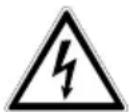
3JIeKtpnueckoro TOKa, ecnn CnyauHHO 3aTeTb 3JIeKtpponpOBOky. Pn 3Tom BO3HnKaet ONaCHOctb nopaxKeHHN 3JIeKtpnueckm TOKOM.
PeryJrpho npOBepHte Ka6eB 3JeKtpOnHTaHHnHCTpyMeHTa.3ameHa NOBpeXDeHHoro Ka6eJnDOJHXa HPOHN3BOHnTbCnEuaHnCTOM-3JeKTPHKom.B Cnyuae NOBpeXDeHHnHTaHOero CneJyET 3ameHnTb HaDPYRO, CNEUaJIbHO pPeHNa3HaueHHbI DnA3ameHbI Ka6eB, KOTOpBm MOxHO 3aKa3aTb Chepe3OTdE NO O6cNjXnBaHHO KInHeNTOB.PeryJrpho npOBepHte yDINHHTeBhBe Ka6eHn n PnHnHTeCbTOW Nn HAnuHn NOBpeXDeHHn 3aMeHnTe nx.Ecnn BO BpEMpa60tbl CeTEBOHn YDINHHTeBhBn Ka6eB 6bl NOBpeXDeH, pNkacatbCn K Hemy 3anpeaaetc.BbInbTe BNky Ka6eHn n3 cTeBOHpo3ETKn.HencnpabHbIe Ka6eHn 3JeKtpOnHTAHnY DInHHTeBhBe Ka6eHn ppeCTabJIHOT OnaCHOCTb NopaxKeHH 3JeKTPnueeckIM TOKOM.
Pn qacto pa6ote c TOKonpoBDAuHM MaTe- pHaAMn HNCTpyMeHr 3aRpa3HReTcra, POaTOMy ero CneLyET perynapHO cdaBaTB B cepBnCHbI YeHTp HiIti npoBepKn. Pn He6laoropnAHTbIX ycNo-BnX Bnara N nbIb, cKaJIbBaIOUaCra Ha NOBepx-HOCTn INCTpyMeHtA (OCO6eHHO OT TOKonpoBDAuHX MaTePnaIOB), MOrYr Bbl3BaTb yIap 3NeKtpueeCKM TOKOM.
Ipn pa6ote Ha OTKpbITOM BO3dyxe y6eHNTecb, yTO HnCTpymEn TIOkJIHOueH K CetH C aBTOMATOM 3a- IHTBI OT TOKa yTeuKN (RCD) C MaKCHMaJIbHBiM 1 KOM OTKIIOHeH NcNoJIb3OBAHne aBTOMaTa 3aIHTBI OT TOKa yTeuKN CHNJaET pNCK NopaJHeH NJIeKTPnuecknM TOKOM.
06bIyHO peKOMeHdyetyCnNoJb3ObaTb aBTOMaT 3auntbl ot ToKa yTeuKN (RCD) C MaKcHMaJIbHbIM TOKOM OTKJIIOUeHEN 30 MA.
5.6.4 Pa6ooye MeTo
a) 06ecneybTe xopoOee ocBeueHne pa6oeryo me- cTa.
06ecnebyTe xopouyu BeHTnlaucnpo pa6oey 30Hb.IIIOxo npOBetpnaeMaJ pa6oay 3OHa MOKeCTaTb npUHHO yXdUHeNn CaMOyBCTBnI H3-3a BBICOKO KONcHTpaunn nbIN.
5.6.5 CpeCTBa HnHbIyauJIbHoI 3aunTbI





a) Npeed hauanom pa60tI npOBepnTe pa60ee MeCTO Ha HAnuHne cKpbITOn 3NeKTponpOBOH ra3OBbIX H BOJOpBOHbIX Tpy6, HanpHmep, NOMOUc MEtaJIIOHcKaTeJI. OTKpbTble MetaJIINC KHe qACTn IHCTpymeHTa MOryt CTaTb PNOBOH
Pa6oTaHouHn C HNCTpyMeHTOM YeNoBek N HaxOJaUHn-
ecB HeNoocpeDCTBeHHoN 6JIn3OCTn JInca DOnJXHbI Hi
pHn
EeBaTb 3aUnTHbIE OCHN, 3aUnTHbI JInem, 3aUnTHbIe
1HAVuHNKn, 3aUnTHbIe NepaTkN IerKn peCnnpa-
kAMn
TOP.
6 NpOJrTOBka K paOoTe

ONACHO
PpeKJe Yem HactpaHbTa HNCTpyMeHT, 3aMeHrTpnpHaIeJXHOCTn HIN DeLaTb NepepbB Bpa6ote, BblbTe BNk Ky n3 po3ETKn. 3Ta Mepa npedocTOPOXHOCTn PpeDToBpauaet CnyaHoe BKIOUcHHe IHCTpyMeHTa.
OCTOPOXHO
B Xode MOHTaKa, DEMoHTaKa, peryInpOBKn yCTpaHeHn HeHCnpaBHOcTe noJIb3yInTecb 3aunTHbIMN nepuATkAmn.
BHIMAHNE
IOnb3OBaTbcra HnHCTpyMeHTOM 6e3 3aUHTHOK KO 3anpeuaetc.
OCTOPOXHO
Pn HcnoJb3ObaHHn He peKomeHdoBaHHo Hilti Dn npHMeHeHH OCHACTKN C BblIeHa3BaHHbIMN yrIooJIHfoBaIbHbIMN MaunHAMn nepe nprMeHe HHe M OCHACTKN CneJeY T BHMaTeJIbHO IpOueCTb pyKOBoIDCTBO NO 3KcIIyatauHN co6IIOdaTb BCE erO yKa3aHH.
6.1 YctaHOBka 6OKOBpyKoRTkn
BHIMAHNE
Pn BbINOJIHeHH NIO6bIX pa60r BCerda DOJXHa yCTaHOBNeHa 6OKOBa pyKoRTka.
Бokobar pykortka npikpyuHaetcnaeBa ninn cnpaba K Kopnycy.
6.2 3aunTHbIKoKxyx
OCTOPOXHO
Perynpynte noJooKeHne 3aunTHoro KOxyBa 3abnCmOCTN OT ycIOBni pa60tbl.
OCTOPOXHO
3aKpbTaN CTOpOHa 3auNTHOr KOxUxdoJHnHa 6bITb Bcerda HnPaBJeHa Ha onepaTopa.
6.2.1 YcTaHOBka 3aUHTHOro KOxyxA/3aUHTHOro KOxyxC HAKlaADKoN
YKA3AHNE
Cneunbna Hnepembyka Ha 3aunTHOM KOxye DOnyckaet MOHTAK TOIbKO NDOxOJaero 3aunTHoro KOxyxa. Kpome TORo, 3ta nepembyka npedotBpauaet Kac 3aunTHORO KOxyxa npaboyero HNCTpyMeHa.
- HadeHbTe 3aunTHbI KOxUx Ha WeiKy IINHdEnr TaKIM o6pa3OM, YTO6bl Oba n3o6paXeHH TpeYroJIb-HNKOBHa INHCTpyMeHTe Ha 3aunTHOM KOxUxepaONarAIncB dpyr HanpOTNB dpyra.
- PnKMMTe 3aunTHbIKoKyX K WeKe uHHdEJI; HAKMTE KONky fNKcatopa n NobOPaUNBaIte 3a- uTHbIKoKyX, NOKa OH He 3aΦNKcHpyETcN KHNka fNKcatopa He pa36loKnpyETc (OTOKMeTcA).
6.2.2 PerylnpoBka noJooKeHn 3aunTHoro Koxyxa
- Haxmnte KhoNky fKcAtopa KoKyxa n nobopauBaIte 3aunTHbIKoKyx, noka OH He 6ydet 3aΦnKpoBaH B HyKHOM NOLOKeHN
6.2.3 CHaTHe 3aunTHoro KOxUxA/3aunTHoro KOxUxA C HauJaKnO
- Haxmnte KhoNky fKcataopa n nobopauBaIte 3a- uHTbIKoKxy, oKa o6e OTMeKN B BnDE Tpeyron Hka Ha NHCtpymeTe n Ha 3aunTHOM KOxKyHe yctahOBrTc dpyr HanpOTINB dpyra.
- CHIMNTE 3aunTHbI KOxHyX.
6.2.4 YcTaHOBKa n ChrTne nepeDHe HakJaAdkn 9
- YctaHOBnTe nepeHIOHaKNaIky 3aKpbIToi CTopoHO, KaK Noka3aHO Ha pncyHKe, Ha CTAHapTHbI 3aunTHbIKoKyX Do FHKcaUN KpenHeHNA.
2.ДЯСНТЯNEpeDHeHaKJaIKnpacФИКсИpyTe KpenJIeHne NepeIHeHaKJaIKn I CHIMITE HaKJaIky CO cTaHdApTHOrO 3auITHOrO KOxMyxa.
6b1b 6.3 yCTaHOBka H CHATHE 3aUHTHO T KOJyxa 10 11 ONACHO
y6eHNTecb, yTo yKa3aHHa Ha 7JInnHnHCTpyMeHTe CKOpOCTb paBHa HIN npeBblIaet pacYeTHyO CKOpOCTb 7JInnΦMaunHbI.
ONACHO
Ipeepn0b0aHem HnKpyroB npOBepe Hx nCnpabHocTb. HcNoB3OBaTb HnKpyrcoCKoJAMn, Tpeunhamn nn DpyHMn DeektaMn 3anpeaaetca.
YKA3AHNE
AIma3HbIe Kpyrno noJneKat 3aMeHe cpa3y noCne 3aMetHoro CHnJKeHnI IN npOn3BODInTeNbHOCTN. KaK npaBnIO, 3aMeHa Heo6XODnMa, eCIn BBICota aIma3HbIX CeMehTOB CTAHOBITcR MeHbWe 2 MM. KpyrnpdyrNtTNOB IJIeKAT 3aMeHe, KaK TOnbKO CTahET 3aMeTHbIM CHnJKeHne IN npOn3BODInTeNbHOCTN pe3AHn HIN eCNI DeTaIIYrLOUHnOBAhHO MaunHbI (3a NCKIOUChHnEM CamOROKpyra) NaHyT KacatbC8 ObaBaTaIBaEMOro MATEpnaIaNBo Bpem Pa60Tb. A6pa3NBbIe Kpyrno NOJNeKat 3aMeHe IO nCTeueHHn IN cPoka rOHOCTN.
- OCTOPOXHO B 3aKIMHOJ ΦnaHeU yCTaHOJIeHepyHyU. B 3OM clyuae 6bICTpo3aKIMHa raKa OTkpY KOJIbQo KpyrIoro ceYeHnA. Ecnn KOJIbQo KpyrIIOEETCA npn NOMOUs TOPcOBOrO KInOua (Ho He ra3OB CEeHnN NOBpeXdEHO HnN OTCyTCTByET, erO Kneya).
dyet 3aMeHHTb.
YcTaHOBnTe 3aXmHOn ΦHaHeu Ha WInHdJIb.
- YctaHOBInTe paOOnH NHCPTpyMeHT.
3.ПиВИNTIte 3aЖнMHyO raNky, yuTbIbaH OcO6eHHoCTn yctaHOBJIeHHOrO pa6OyeRo HhCTpyMeHTa (Kpyra).11 - OCTOPOJXHO KHonky fHKcaTopa 7nnHdeJn pa3pe7aeTcH HaxHMAtb TOnbKO Nocne NOJN octaHOBKn BpaueHHa nnHdeJn.
HaKMITE uYdePKeBaIe HaKaToN KHOnKy Topa UINHdJIa.
5.C NOMOJIbHO 3aXHMHOro KJIIOUa 3aTHHnTe 3aKJraIKy H OTNcyTInTe KHNKy 6NOKIpOBKn 1INHnD
6.ДЯ CHA TIN pa6Oyero HNCTpyMeHTa npOeJaTe OnncaHHbIeBbIweJeNCTBnBBo6paTHO
6.4 Pa6ochn HnCtpymeHT c 6bICtpo3aXHMHOI raikon Kwik-Lock
OCTOPOXHO
Cneinte 3a TeM, yTo6bI BO BpEmpa60Tb6 3aXHMHraIka «Kwik-Lock» He cOpnKacanacb c oCHOBaHHem. He nCnoJIb3yIte NOBpeKdEHHbIe 6 po3aXHMHbIe raIKN «Kwik-Lock»
YKA3AHNE
BMeCTO 0bUHON 3aXHMHO raIK NMOKET HcNoJIb3O- BAtbC8 6bICTpo3aXHMHa raKa KWik-Lock. OHa nIeT MeHrTB a6pa3HBHbIe OTpe3HbIe KpyrN 6e3 I3OBAHn DOnOIHNHTeMbHO INCHTpymeHTa.
6.4.1 YctaHObKa n CHrTne pa6oeryo HhCTpyMe6bICTpo3aJHMHOn raIKoN Kwik-Lock 12
YKA3AHNE
Ctpenka, pacnoioxeHHa Ha BepxHen CTopoHe, HaxoHbChn B npedelaox OTMeTK. Ecn 6bictpo3a Hna raKa 3akpyeHa TaKIM o6pa3OM, YTO cTpe DITcra 3a npedeIamn OTMeTK, ee Henb3y 6yDet
- OuInCTnTe ΦIaHeU n 6bIcTpO3aXmMHyo raiKy.
- OCTOPOXHO B 3aJHMHON fnaHeu yCTaHOBNEHO KOJIbUo KpyrIoro CeueHn. Ecnn KoJIbUO KpyrIoro ceueHn NOBpeXdEHO Hn OTCyTCTByeT, erO Cne- dyet 3ameHHTb. YCTaHOBtTe 3aJHMHO fnaHeu Ha UINHDeIb.
- YCTaHOBtPe pa6ouH INHCTpymENT.
- 3aTaNHe 6bICTPO3aKHMHyO rAky (HaDnHcB B 3aTMyKca-HyTOM NIOJKeHN DOnKHa YHTaTBcR) Do NOCAKn Hpa6ouH INCTpyMeHT.
MHcyOCTOPOXHO KhONKy FHKCaTopa WnHHdeJe
eJI. pa3peShaetcH HaKHMaTb TOnbKO NocNe NOHOh OCTaHOBKn BpaueHnNHeJI.
MnoBnMMe. u ydepkBaIte HaKaToi KhoNky fNKcaTopa 1nnHdJIa.
6.C NOMOJIbIO 3aJHMMHOI KJIIOVA 3aTAHNTE 3aJHMHyIO raIKy IIN npOBopaUNBaIte paOouH INHCTpyMeHT pyKoI NO yacOBoi CTpeJIke, noka 6bICTpO3aJHMHaIraIka He 6byET 3aTAYta Do yNopa; nocJe 3TOrO cTpo-OTNYCTIe KHONKY 6JOKnPOBKN UINHDeJIa.
7. ⅡIa CHaTnI npOeJaIte OINcaHHbIe BblIe DeHCTBnB B O6paTHOM NopRdKe.
6.5 Nobopot peDyKtopa 13
YKA3AHNE
0366bI 6e3oNaCHO u yO6Ho pa6oTaB B IIO6OM nOHO HnH- (HaNPiMeP, Ha rONoBo), peDyKTop MOxHO NOBep. HyTb Yetblpe pa3a Ha yron 90^
d. cOuHCTnTe INHCTpyMeHT.
- ChHIMTe 6OKOBYIO pyKoRTky C HcHTpyMeHTa.
-
BBBepnnteuebpeBnHTapeyKtopa.
-
NobepHnTe peDyKTophB MExaHn3M B Tpe6yeMoE
HnM- NOJKeHne, He CHNMa erO C HnCTpyMeHTa. - 3apeHnTe YeTbIpe BNHTa peDyKTopa.
CnabHOHOBHTe 60KOByO pyKoRTKy.
7 3Kcnnnyatauna

YKA3AHNE
PerynpyTe noloxeHne 3aunTHoro KOkyxa B 3aB MocTN OT ycNoBn pa60Tbl.
ONACHO
HaedeBaTe 3aunTHbIe HayuHKn. Bpe3yIbTaTe Bo3-DeiCTBn yMa BO3MOxHa nOtepA Clyxa.
OCTOPOXHO
3aKpbTAR CTOPoHa 3aUHTHORO KOxUxA DOJXHa Bcerda HAnpaBHeHa Ha onepaTopa.
BHIMAHNE
JaTe npa6oTaB HnCTpyMeHTy C yCTaHOBnEHbIM HOBBIM ⅢHnΦHHCTpyMeHTOM nPH MaHC. YactOTE Bpa- 6e3 Harpy3Kn OKONo 30 cekyHd.
BHHMAHNE
ble paobatae c HNCTpymehTom B cnyuae ero 3aedn Hnn Otnaun. CyueCTByET BepoarTHOCTb, YTO HeNCnpaBeH 3JIeKtpoHHbI 6IOK. Obpatntecb B aBtOpn3OBaHnHbI cepBnCHbI ueHtp Hilti.
BHIMAHNE
Bb6opka na3OB B Hecyuixx CTeHax I Dpyrnx KOHCTpyKuxnIX 3MeHReT INX IpOCHoCTb, OCO6eHHO Pa3pe3Ke apMaTypbI HIN HeCyuxN KOHCTpyKxu. Npea Na7anom pa60tI npOKOHcyNbTHpyntecb y
HHexhepa-CTponten HnDpyroro OTBeTCTBehHO nua.
BHIMAHNE
HanpKaHeHne cEtN DOJHKHO COOTBeTCTBOBaTb Da3aBOcKoI Ta6nUckn. HnCtpymeHTbl, paccuHTaHHHa pa6Ory B ceTAX 230 B, moryt pa6OtaB E HanpKaHeHem 220 B.
BHIMAHNE
Bcerda pa6oTaTe c HnCTpyMeHToM C 60KOBOn ATKOJ (B BnDe onuHN - c pyKOaTKo-CKo6oN)
BHIMAHNE
3aKpennne 06pa6aTbIbAemble H3JeHn 3aXHMnB npncnoc6JeHHAMn Hn THCKAMn.
BHIMAHNE
Ecnn HNCTpyMeHT HcNoJb3yeTc8 6e3 yctpoiCTB ydaeneHH Nbln npn pa60tax c 6pa3oBaHem HcNoJb3yIte CpeDCTBa 3aunHtbi OpraHO BdxHaH
BHIMAHNE
He npHKacaiTecb K BpaauoumcA DeTaIaM MeHTa. BkIouaIte HNCTpymeT TOIbKO nOcJIe KaK noBedeTe erO K paoboye 30He. PnIKoCH Bpaauoumcra y3IaM, B OOCo6eHHoCTH K Bpaauo Hacaikam, MOKeT pPiBeCTn K TpaBMam.
OCTOPOXHO
Bo Bpemra paoTb paoboye HNCTpyMeHTb HarpeBa Pn 3amehe pa6oeryo HNCTpyMeHTa HaedeBaTe uHTbIe nepuATkn!
OCTOPOKHO
HCTpymEnT 6bnaaet BbICOKn KpyrAunM MOMeHT OTO COOTBeTCTByET erO 6bnaCTaN npIMHeHn. Pp 60Te C HCTpymENTOM DePknte erO 6beHMn pNONb3yIteCb 6OKOBOn pyKoTko. OepaToP dOn 6bItb rOTOB K BHe3aHHo 6bOknpOBKe HCTpymEnT
OCTOPOXHO
PnO6pa6oTKe OCHOBaHHaMOKe OTKaJIbIIBaTcB pHaI. POnb3yInTeCb 3aunTHbIMN OUYKAMN, 3auNTH nepuATkAmn n, ecn Bbl pa6oTaete 6e3 yctpo dYdaJeHn NblIN, IerKHM pecnnpaTOpOM dU uHTbI DbIXaTeJIbHbIX nyTei. OCKOLNI MaTePNana TpaBMnPOBaTB TeNo n rna3a.
BHIMAHNE
Pn BbINONHeHH OTe3HbIX pa6OT He nepeKaBaHTe OTpe3HO Hpyr H He npHKnaDbBaHTe 4p Horo ycnHn. B npOTnBHom Cnyae BO3MOxHa cHOBka INHCTpyMeHTa, NOBJIeHne OTdauH NNN NNoN Kpyra.
OCTOPOXHO
4To6bI BO Bpempa60tby pyn He 3aTeKaHn, nepepbIBbl npaaccna6JeHHn pa3MHKN na
BHIMAHNE
Cneinte 3a Tem, yTo6b B pa6ooye 3OHe He Hncb JERKOBOCnIaMeHrHOuIuecR MaTepeHaJIb.
7.1 06dnpouHoe uHFOBaHne
OCTOPOXHO
HcnoJb3ObaTb a6pa3HBHbIe OTepe3HbIe KpyH dIa 06- HpoOHOro 7nnfoBaHH 3anpeuaetc.
PnO6HIpOCHOM 7JINFOBaHm NOy yrIOM B Dnana3OHe OT5o 30° o6ecneuHbOTc ONTHMaJIbHbIe pe3yJIbTaTb O6pa6OTKn. NepemueaTe HCTpyMeHT C He6oJIbUHM HaKIMOM. Bnaoradapr 3tOMy 3aROTOBka He HarpeETc CnHsKOM CNIbHO, He N3MeHHTc ZBet ee NOBepxHOCTn PyKO Ha He He OCTaHETc HnKaKHX CNeIOB O6pa6OTKn.
7.2 A6pa3HBHoe oTpe3aHne
Mn a6pa3HBHOM oTpe3aHH pa6oTaTe C Hn3Ko Noda-ey, He donyckan nepekoca nHcTpymenta nn a6pa3NBHO O Tpe3HOrO Kpyra (noD yIOM npm. 90° K PIOCHCTnpa3delenen).PpOfnnnne6oBbWnetpy
MbHoro CeueHnnyuwe BCero OTpe3aTb Ha yactkax
MaNBIM nonepeunbIM ceehnem.
7.3 BkIIOueHHe/BbIKIOueHHe 6e3 6nOKpOBKn
(DEG 125-D u nn DEG 150-D)
ctpy- 3.1 BkIoueHne
BHeHneBdaBte Bnky ceteBoro Kaebna B po3eKy.
MCAcDnHbTe BbIKIOaTeNb Bnpei, 3aTeMa HaxMMTe Ha Hero Do ynpa.
7.3.2 BbIKIOUeHne
OHTyCTNTe OCHOBHO BbIKIOUaTeIb. 3a-
7.4 BkIIOueHHe/BBIKIOueHHe c 6JOKnpoBkoN
(DEG 125-P Hn DEG 150-P)
YKA3AHHE
Ippa-3a6nOKPOBaHHOM BbIKHouateNe HNCTpyMeHT He 3aKmTTQ,ecnBnky CTeBOrO Ka6eJy BbHyTb N3 poK8TKN 3JIeKTPOcETn,a 3aTEM BCTaBnTb ee o6paTHo. Ch. 4aJaB O6eTOeHHOM COCToHHN INHCTpyMeHTa CneJeT OTKIOuHTb 6nOKPOBky BbIKHouateJN TOJbKO 3aTEM BCTaBnTb BNkY cTeBOrO Ka6eJy B po3eTKy 3JIeKTPO8EBH.
CT34.1 BkIIOueHne n 6nOKnpOBka
1.3a-BCTaBbTe BnKy ceTeBOro Ka6eB B po3eTKy. 19rT CdBnHbTe BBkIIOuATEnb BpeEg (Ha 3 MM), HaxMM erO I B HaXaTOM NIOLOKeHnN CdBnHbTe erO BnpeP noka OH He 3a6NoKpyeTc.
7.4.2 BbIKnIOueHne nocne 6nOKnpOBKn
3Mep- 3aXMMTe BBKIOUaTeJIb (6JOKnPOBka CHIMaETcR).
7.5БлokнратОпВТOPHOrВВКЛЮЧЕНЯ
YKA3AHNE
Pn 3a6NOKnPOBaHHOM BbIKHouateIe HNCTpyMeHT He 3a- nane, eCNI BnKy cTeBOrO Ka6eIa BbHyTb N3 po- Kn 3NeKTpocetn, a 3aTEM BcTabNTb ee o6paTHo. CH qaIa npo 0EcbTOeHHOM INCTpyMeHT CJIeDyET OTKIO- nTb 6LOKnPOBky BbIKHouateIe I TObKO 3aTEM BcTAbl TckO- ceTEBOrO Ka6eIa B po3eTKy 3NeKTpocetn.
8 yxod n texhnueeckoe 06cnyxnbAHne
OCTOPOXHO
BbInbTe BnIky Ka6eJn H3 ceTeBOJ po3ETKn.
8.1 yxoid 3a HhctpyMeHToM
ONACHO
B JeeCTknx YcNoBnax 3KcnIpyataun npn o6pa60Th TaNNOB BO3MOXHO OCAxJeHHe TOKONPOBOAuei nH BHyTpH NHCtpyMeHTa. 3TO MoKET NOBJIaRb Ha eC UTHyO H3OJIaHIO.B TaKnx Cnyaarx peKOMeHdyE
HcNoB3OBAHHe cTaUHOHApHORo BbITaHHORO yCTpoCTBa, MHorOKpaTHaO uNCTKa BeHTnlauHOHHbIX nppe3e H npedBapHTeJIbHOe BkIIOueHne aBTOMataUHTbI OT ToKa yTeuKN (RCD).
BHeuHn KOpNyc HnCTpyMeHTa n3rOToBnE H3 yDap npouHn PnactMaCCbI. HaKnaJaKa Ha Kopnyce n3rot leHa n3 3JnactOMepa.
Pn pa6ote He 3aKpbIbaIte BeHTINJIauHbIe npoc B KpbIuKe Kopnyca! PeryIaRHO n AkkypaTHO OuH BcHTINJIauHbIe npope3n cyXoN cTeKoN. CneIITe TEM, YTO6bl BHyTpB Kopnyca HcTpyMeHa THe NOna NOCTOPOHHne npedMeTb. NObblSeHHaR KOHcETpaUN (TOKo)npOBODaIeN PbIN (B CaTHOCTN, C CoDEpKaH MeTaNIIueckNX qAcTIu, yrIepoNbIX BOLOKOH), 3aca BaEMoB B KopNyc DBrIaTeJIa, MoKcT CO3DaTb ONa
HOCb nopaxhenn 3JIeKTPnuecKIM TOKOM. PeryIrpHo OunuaiTe BHeuHIO NOBepxHOCTb HNCTpyMeHTa BNo HOI TKAHbIO. 3anpeuaetc NcnoJb3ObaTb BOraHOI NbInTeIb, Naporehepatop nn CTpyo BoI! NocLe YnCTKN TAKIMn CpeDCTBaMn 3JIeKTPo6e3OpacHOCTb CTpyMeHTa He o6ecneuBaETc. 3amacneHHbIe pyKor
HemeIeHHO ouHauTe. 3anpeaetc HcnoJb3oBaTb YnCTaune CpeDCTBa, coedeKuaune CNIKOH.
YKA3AHNE
Yacto BbIIOJIHReMaO dba60Ka TOKOpBOJxuX MaTepeNaOB (B YactHOCTn, MetaIIa, yIepoDhIX BOLOKOH)MgKETnpNBcEeTNKcOKpaueHnHHTepB KOrO 06CnykBaHna. Co6IouaTe He6xoDmble MepbI PpOCTOPOXHOCTn C yyeTOM Tex ONaCHOtei, KOtOpBe MOrYT Bo3HKeTaB Ha BaUem paooem MeCTe.
8.2 TexHnueckoe 6cnyHbAHne
BIMMAHNE
3Kcnpnyataa np6opa c NOBpeJdeHHbIMn DeTAMN Hn HEnCnpabHBIMn 3JeMeHTAMn 0HpaBneHn 3anpeaaetc. Pn Heo6xoHmocTH O6paHTecb B cepBnchbl ueHtp Hiiti.
BANKAHNE
Pemont 3Jektpnuecko qactn HhctpymeHTa npy- Taute TOnbko cneuaHcTy-3JekTpNky. daJIH
Perynphno npOBepHne y3JIb IHCTpyMeHTa Ha OTCyT- Hme noBpeKdEHH, a TaKHe NCpPaBHOCtB Bcex 3Ne- CHTOB ynpaBHeHH KOMNOHETOB.
8.3 KOnTpObl nocIe pa60r no yxody H
8K- TexHnueckomy 06cnykHBaHHIO
pac-
1PocIe yxoda 3a NHCTpyMeHTOM I erO TexHnueckoro O
HCLyJHKBaHNy y6eINTEcb, YTO BCE 3aunTHbIe npncnoCo6-
HnHnry UCTaHOBLeHbI N cnpaBHO fYHKUOHNPuyOT.
Executive Vice President
Head of BA Quality and Process Management
Business Area Electric Tools & Accessories 01/2012
Business Unit Power Tools & Accessories 01/2012
TexHuecka DOKyMeHTaun:
2.5 ATC (Active Torque Control)
Elektronika konstate, ka draud ripas iestregsana, un izsledz iekaru, lai varpsta neturpinatu rotacijas kustibu (atsitiens netiek noversts). Lai atsaku t iekaras darbinasaanu, sledzis jaatbrivo un janospiez velreiz.
2.6 Atkartotas ieslegsanas noversana
Pec eventuala sprieguma padeves partraukuma iekarta automatiski neiesledzas, ja ir nobloketsledzis. Sledzis vispirms jaatbrivo un pec tam janospiez no jauna.
2.7 lekartas termiska aizsardziba
Motora termiskas aizsardzibas sistema kontrolle ieejas stravu un motora sasiljanas procesu, tadejadi pasargajot iekartu no pärkarasanas.
Paolo Luccini Jan Doongaji
Head of BA Quality and Process Man- Executive Vice President
nagement
Business Area Electric Tools & Business Unit Power
Accessories Tools & Accessories
01/2012 01/2012
2.5 ATC (Active Torque Control)
Head of BA Quality and Process Man- Executive Vice President
gement
Business Area Electric Tools & Accessories
01/2012 01/2012
ALGUPÄRANE KASUTUSJUHEND
Ketasloikur DEG 125-D / DEG 125-P, DEG 150-D / DEG
Metalli tootlemine: loikamine, lihvmine.
Pidage kinni ka kohalikest tokailtsenouetest.
2.5 ATC (Active Torque Control)
Paolo Luccini Jan Doongaji Head of BA Quality and Process Management
Business Area Electric Tools & Accessories
01/2012
Executive Vice President
Business Unit Power
Tools & Accessories 01/2012
Hilti Corporation
LI-9494 Schaan
Tel.: +423/234 21 11
Fax:+423/234 2965
www.hiti.com
160992A0GZ
Hilti = registered trademark of Hilti Corp., Schaan
W3089|1013|10-Pos.1|1
Printed in Germany © 2013
Right of technical and programme changes reserved S. E. & O.






- ATC (Active Torque Control)
- Technische Daten
- DEG 125-D / DEG 125-P, DEG 150-D / DEG 150-P angl
- Contents Page
- e Operating controls and parts to other
- General information
- DANGER
- WARNING
- CAUTION
- NOTE
- Explanation of the pictograms and other information
- Obligation signs
- Symbols
- Type:
- Description
- Use of the product as directed
- The items supplied in the cardboard box are:
- Starting current limitation
- Constant-speed electronics
- Restart interlock
- Temperature-dependent motor protection
- Using extension cords
- Using extension cords outdoors
- Using a generator or transformer
- DG-EX 125/5" dust removal hood for grinding 2
- DC-EX 125/5"-M dust removal hood with guide carriage for cutting and slitting
- DC-EX 125/5"-C compact dust removal hood for cutting
- Accessories, consumables
- Technical data
- Safety instructions
- General Power Tool SafetyWarnings
- a) !WARNING
- Workarea safety
- Electrical safety
- s.5.1-3- Personal safety
- 3:1.4 Power tool use and care
- Service
- Safety warnings for abrasive cutting-off operations
- Kickback and related warnings
- Safety warnings specific for grinding and abrasive cutting-off operations
- Additional safety warnings specific for abrasive or cutting-off operations
- Additional safety instructions
- Personal safety
- Power tool use and care
- Work area
- Beforeuse
- Fitting the side handle
- Guard
- Fitting the guard or guard with cover plate
- Adjusting the guard 6
- Fitting and removing the front cover 9
- Fitting and removing the disc 10 11
- RANGER
- Insert tool with Kwik-Lock quick-release CAUTION
- Fitting and removing the insert tool using the wire us-Kwik-Lock quick-release nut 12
- rarexpent or
- at the steps 6.5 Rotating the gearing section 18
- Operation
- Rough grinding
- Cutting
- er7.9obl Switching on
- Switching off
- NOTES
- Swin
- Switching off after locking the switch
- Restart interlock
- doNOTethe lock
- Care and maintenance
- Care of the power tool
- ul8.2beMaintenance
- WRAPPING
- rowWArRiNG
- Troubleshooting
- Disposal
- Manufacturer's warranty - tools
- EC declaration of conformity (original)
- Amoladora angular DEG 125-D / DEG 125-P, DEG 150-D / DEG 150-P
- Smerigliatrice angolare DEG 125-D / DEG 125-P, DEG 150-D / DEG 150-P
- it
- Bediening
- AANWIJZING
- Jan Doongaji
- BEMERK
- Rengoring at maskinen
- FARE
- Kulmahiomakone DEG 125-D / DEG 125-P, DEG 150-D / DEG 150-P
- Rebarbadora angular DEG 125-D / DEG 125-P, DEG 150-D / DEG 150-P
- Characteristicas techniques
- PpouAaKtnpac Ee AaOaKaauync 5
- PPO2OXH
- 7Xερισμός
- YINOAEIH
- KINAYNOZ
- YrnoHnObaBna HnMaunHa DEG 125-D / DEG 125-P, DEG 150-D / DEG 150-P
- Copejxahne c.
- 06üne yka3aHHa
- ONACHO
- BHIMAHNE
- OCTOPOKHO
- YKA3AHNE
- 06o3HaueHne nHKtorpamM n dpyrHe 06o3HaueHH
- PpeDnCbBaIOUne 3HaKn
- CNMBOJIbI
- PacnoIooKeHne IeHTnKauNoHHbIX daHHbIX Ha HCTpyMeHTe
- 2OncaHne
- HcnoJb3ObaHne HHCTpyMeHTa no Ha3HaueHHIO
- B KOMNNEKT NOCTABKN B KAPTOHHO ynaKOBKe BXoJrT:
- OrpaHnHTeIb nyckOBoro ToKa
- CnCTema 3JIeKTPoHHoro peryIINpOBaHHa cactOToBbPaUeHHa/TaxOperyTAp
- AKTHBHy KOHTpOlb BpaaHooero MOMeHTa (ATC)
- ENoKHpOp NOBtOPhOro BkIIOueHn
- Tepmo3aunTa HnHcTpymeHa
- HcnoJb3OBAHne ydInHHTeJIbHoro ka6eIa
- PpHMeHeHne ydJIHHHTeJbHorO Ka6eI BHe NOMeUeHN
- NcnoJb3ObaHne reHepaTopa nn TpaHcΦopMaTopa
- Koxyx dny ydaJeHHn nbiln npn uHFOBaHH DG-EX 125/5" 2
- OCTOPOXHO
- YKA3AHHE
- 2.12KoJyX dIy ydaJIeHnI npI a6pa3HBOM oTpe3aHH/HTpo6JeHH DC-EX 125/5"-M c HappaBIAHOUcHM 3
- 2.13KoKyx DC-EX 125/5"-C KOMnakTHoro HcnonHeHH nla ydaeneHH npn Otpe3aHH
- 3aunTHbIn KOxyc HaKlaadKoI
- NpeepnHaHaknaKaIJa 3aunTHoro Koxyxa (Tolbko IIN DEG 125-D n DEG 125-P)7
- Akceccyapbl, paCXOndhle MaTePnaJIbI
- DononHHTeIbHbIe yKa3aHHn no TexHnke 6e3oNaChOCTn npn pe3Ke OTpe3HbIM KpyROM
- DononHHTeIbHbIe yKa3aHHn no TexHnKe 6e3oNaChocTh
- Be3onachocrb nepcohana
- AkkypaTHoe 6bpaueHne c 3JIeKTPoHHCTpyMeHTOM H erO npaBnIbHaJ 3KcPJIyatauHa
- ΘeKtpueckKa 6e3onacHocTb
- Pa6ooye MeTo
- CpeCTBa HnHbIyauJIbHoI 3aunTbI
- NpOJrTOBka K paOoTe
- YctaHOBka 6OKOBpyKoRTkn
- 3aunTHbIKoKxyx
- YcTaHOBka 3aUHTHOro KOxyxA/3aUHTHOro KOxyxC HAKlaADKoN
- PerylnpoBka noJooKeHn 3aunTHoro Koxyxa
- CHaTHe 3aunTHoro KOxUxA/3aunTHoro KOxUxA C HauJaKnO
- YcTaHOBKa n ChrTne nepeDHe HakJaAdkn 9
- 6b1b 6.3 yCTaHOBka H CHATHE 3aUHTHO T KOJyxa 10 11 ONACHO
- 3Kcnnnyatauna
- BHHMAHNE
- 06dnpouHoe uHFOBaHne
- A6pa3HBHoe oTpe3aHne
- BkIIOueHHe/BbIKIOueHHe 6e3 6nOKpOBKn
- ctpy- 3.1 BkIoueHne
- BbIKIOUeHne
- BkIIOueHHe/BBIKIOueHHe c 6JOKnpoBkoN
- CT34.1 BkIIOueHne n 6nOKnpOBka
- BbIKnIOueHne nocne 6nOKnpOBKn
- 7.5БлokнратОпВТOPHOrВВКЛЮЧЕНЯ
- yxod n texhnueeckoe 06cnyxnbAHne
- yxoid 3a HhctpyMeHToM
- TexHnueckoe 6cnyHbAHne
- BIMMAHNE
- BANKAHNE
- Atkartotas ieslegsanas noversana
- lekartas termiska aizsardziba
- ALGUPÄRANE KASUTUSJUHEND
- Ketasloikur DEG 125-D / DEG 125-P, DEG 150-D / DEG
Brand : HILTI
Model : DEG 125P
Category : Grinder