Chef XTRA - Saucepan FAGOR - Free user manual and instructions
Find the device manual for free Chef XTRA FAGOR in PDF.



| Product type | Pressure cooker / Pot |
| Brand | Fagor |
| Model | Chef XTRA |
| Capacity | 4-6 L (ø 20.5 cm) or 8 L (ø 23 cm) depending on model |
| Diameter | 20.5 cm (4-6 L) / 23 cm (8 L) |
| Body material | Stainless steel |
| Base type | Thermal diffusion plate |
| Pressure levels | Low pressure (~0.55 bar) and High pressure (~1.05 bar) |
| Timer | Integrated (model with timer), 2-year battery |
| Safety | Double safety valve, pressure indicator, closing gasket, locking system |
| Maintenance and cleaning | Wash with hot water and mild detergent using a non-abrasive sponge; clean the gasket by hand |
| Spare parts | Closing gasket, operating valve, safety valve; use original parts |
| Minimum liquid capacity | 200 ml |
| Maximum fill level | MAX mark; for expanding foods (rice, dried vegetables): half the capacity |
| Main functions | Low and high pressure cooking, cooking soups, vegetables, meats, fish, desserts |
| Depressurization | Quick (valve in depressurization position or water jet on the lid) or natural |
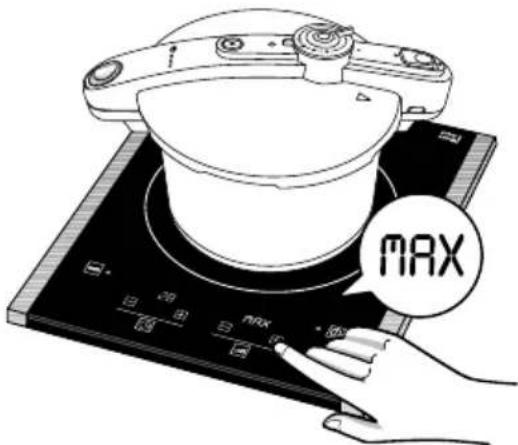
| Heat source compatibility | Suitable for all heat sources (gas, electric, ceramic, induction*) – source diameter ≤ appliance base |
| Color | Silver (stainless steel) |
| Warranty | Refer to the warranty certificate provided with the appliance |
| Repairability | Spare parts available; repair by authorized technical service |
Frequently Asked Questions - Chef XTRA FAGOR
User questions about Chef XTRA FAGOR
0 question about this device. Answer the ones you know or ask your own.
Ask a new question about this device
Download the instructions for your Saucepan in PDF format for free! Find your manual Chef XTRA - FAGOR and take your electronic device back in hand. On this page are published all the documents necessary for the use of your device. Chef XTRA by FAGOR.
USER MANUAL Chef XTRA FAGOR
MANUAL DE INSTRUÇÕES
MANUEL D'INSTRUCTIONS
USER'S MANUAL
GEBRAUCHSANWEISUNG
ΕΝΤΥΠΟ ΟΔΗΓΙΩΝ
HASZNÁLATI ÚTMUTATÓ
NÁVOD K pOUŽITÍ
NÁVOD NA pOUŽITIE
INSTRUKCJA OBSŁUGI
دليل الإستعمال
natural_image
Technical line drawing of a mechanical component with a cylindrical base and flanged ends (no text or symbols)
Gas

Electric

Vitro

Induction

Halogen
FAGOR

natural_image
Two identical cooking pots with different fill patterns, one marked with a checkmark and the other with an 'X' symbol (no text or labels)natural_image
Diagram showing a circular object with internal lines and a rotating arrow, no text or symbols presentnatural_image
Diagram of a light bulb emitting a circular object with a rotating arrow, no text or symbols presentnatural_image
Diagram of a mechanical device with a circular component and concentric rings, showing rotational motion (no text or symbols)natural_image
Pure technical line drawing of a mechanical component without any text, numbers, or symbolsnatural_image
Simple 3D diagram of a circular object with a central dot, enclosed in a rounded square frame (no text or symbols)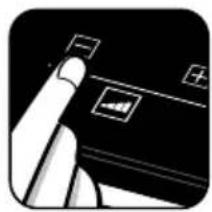
natural_image
Close-up of a finger pressing a button on a dark surface, with no visible text or symbolsnatural_image
Simple diagram of a cylindrical object on a curved surface, no text or symbols present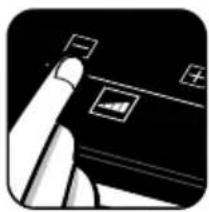
natural_image
Close-up of a finger pressing a button with a small icon (no text or symbols visible)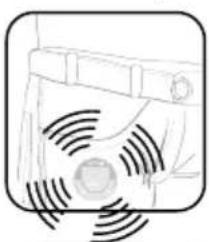
natural_image
Diagram of a fan with sound waves, no text or symbols presentnatural_image
Illustration of three kitchenware steps: induction heating, potted plant cooking, and a close-up of a pot with a lid (no text or symbols)
MANTENIMIENTO
natural_image
Illustration of two food containers with a hand holding a bowl, one partially covered by a spoon (no text or symbols)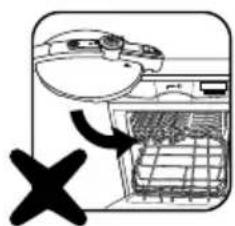
natural_image
Diagram showing a kitchen appliance with a magnified view and a black X mark indicating a defect or absence (no text or symbols present)natural_image
Illustration of a hand washing a basin with a faucet (no text or symbols)natural_image
Illustration of a hand using a pen to adjust or install electronic components, with an inset showing a mechanical component (no text or symbols present)natural_image
Diagram of a steering wheel with directional arrows indicating orientation (no text or labels)natural_image
Technical line drawing of a mechanical component with a magnified inset showing a circular feature (no text or symbols)natural_image
Illustration of a soldering iron with a flame inside, showing a magnified view of the process (no text or symbols present)
V MEDIO-AMBIENTE
natural_image
Two identical cooking pots with different liquid levels, one marked with a checkmark and the other with an 'X' symbol (no text or labels)natural_image
Diagram showing a circular object with an arrow pointing to concentric rings, enclosed in a rectangular frame (no text or symbols)natural_image
Diagram of a mouse eye interacting with a circular mechanical component, showing rotational motion (no text or symbols)natural_image
Diagram of a mechanical device with a circular component and concentric rings, showing rotational motion (no text or symbols)natural_image
Simple line drawing of a mechanical component with no text or symbols6.6 Desligue o foco de calor.

natural_image
Illustration of three different cooking methods: a kitchen induction oven, a potted plant on a stove, and a portable appliance with a lid (no text or symbols present)
MANUTENÇÃO
natural_image
Illustration of a hand washing a circular basin with a faucet (no text or symbols)natural_image
Illustration of a hand using a tool to adjust or install a component, with an inset showing a close-up of the component (no text or symbols present)natural_image
Diagram of a steering wheel with two arrows indicating direction (no text or symbols)
V MEIO-AMBIENTE
INFORMAÇÃO pARA A GESTÃO CORRECTA DOS RESÍDUOS DE ApARELHOS ELÉCTRICOS E ELECTRÓNICOS
natural_image
Two identical cooking pots with different colors and symbols, one marked with a checkmark and the other with an 'X' (no text or labels)natural_image
Diagram showing a circular object with internal lines and a rotating arrow, no text or symbols presentnatural_image
Diagram of a cat silhouette inside a circular mechanical component with rotational arrow (no text or symbols)natural_image
Diagram of a mechanical device with a circular component and concentric rings, showing rotational motion (no text or symbols)natural_image
Simple line drawing of a mechanical component or bracket (no text or symbols)natural_image
Simple 3D diagram of a circular object with a dot on top, enclosed in a rounded square frame (no text or symbols)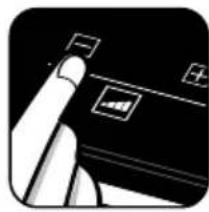
natural_image
Close-up of a finger pressing a button on a dark surface, with no visible text or symbolsnatural_image
Simple line drawing of a cylindrical object on a curved surface, no text or symbols present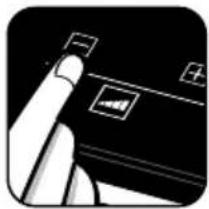
natural_image
Close-up of a finger pressing a button on a device (no visible text or symbols)natural_image
Illustration of a kitchen appliance setup with three stages: heating, emitting steam, and close-up of the interior (no text or symbols)
MAINTENANCE
natural_image
Illustration of a hand washing a basin with a faucet (no text or symbols)natural_image
Illustration of a hand using a pen to adjust a component, with an inset showing a close-up of a device (no text or symbols present)natural_image
Diagram of a steering wheel with two circular components and directional arrows indicating rotation (no text or labels)natural_image
Illustration of a device emitting vapor, with an inset showing a hand holding a plug inserted into a component (no text or symbols present)
V
ENVIRONNEMENT
INFORMATION pOUR LA CORRECTE GESTION DES RÉSIDUS D'AppAREILS ÉLECTRIQUES ET ÉLECTRONIQUES
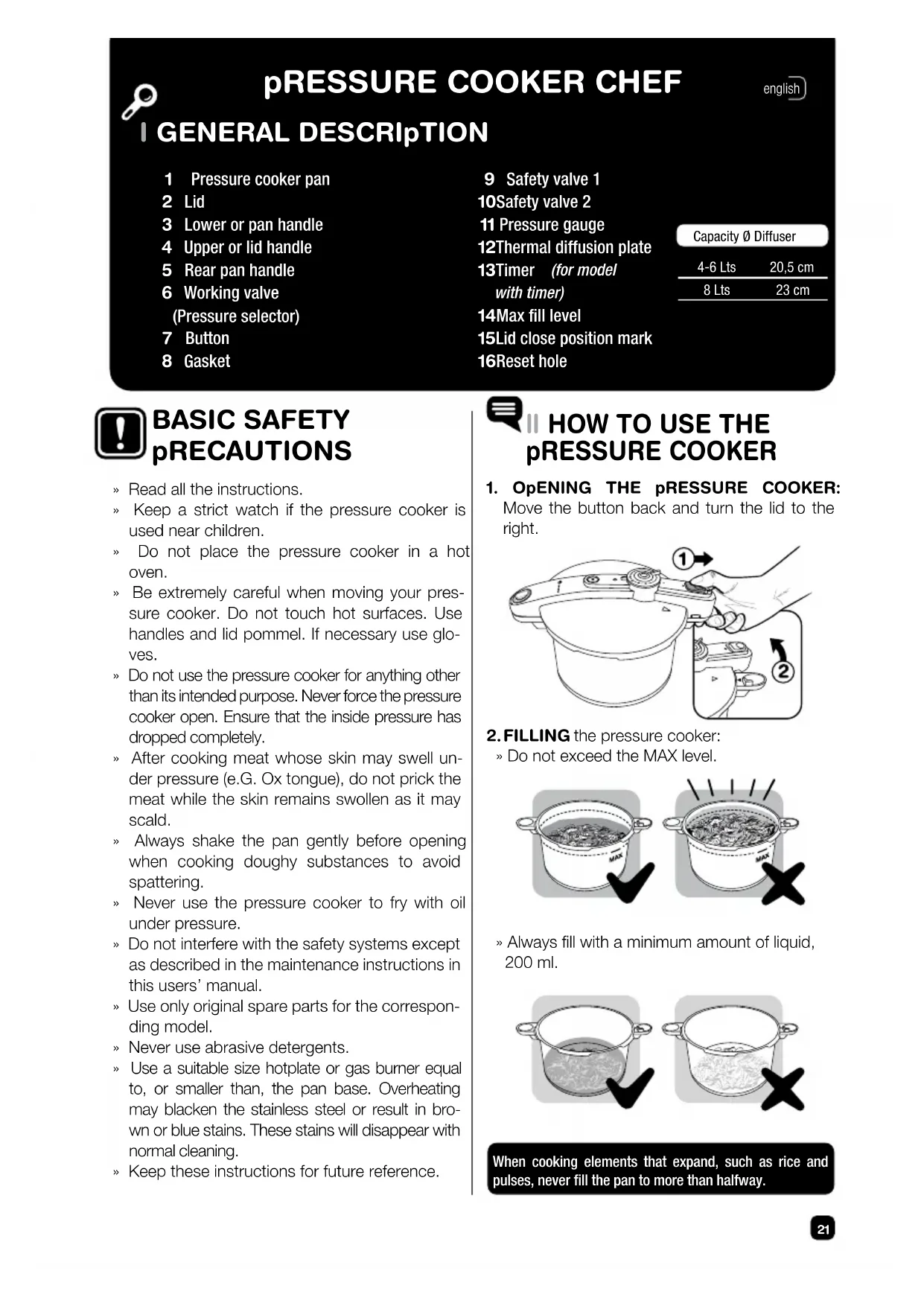
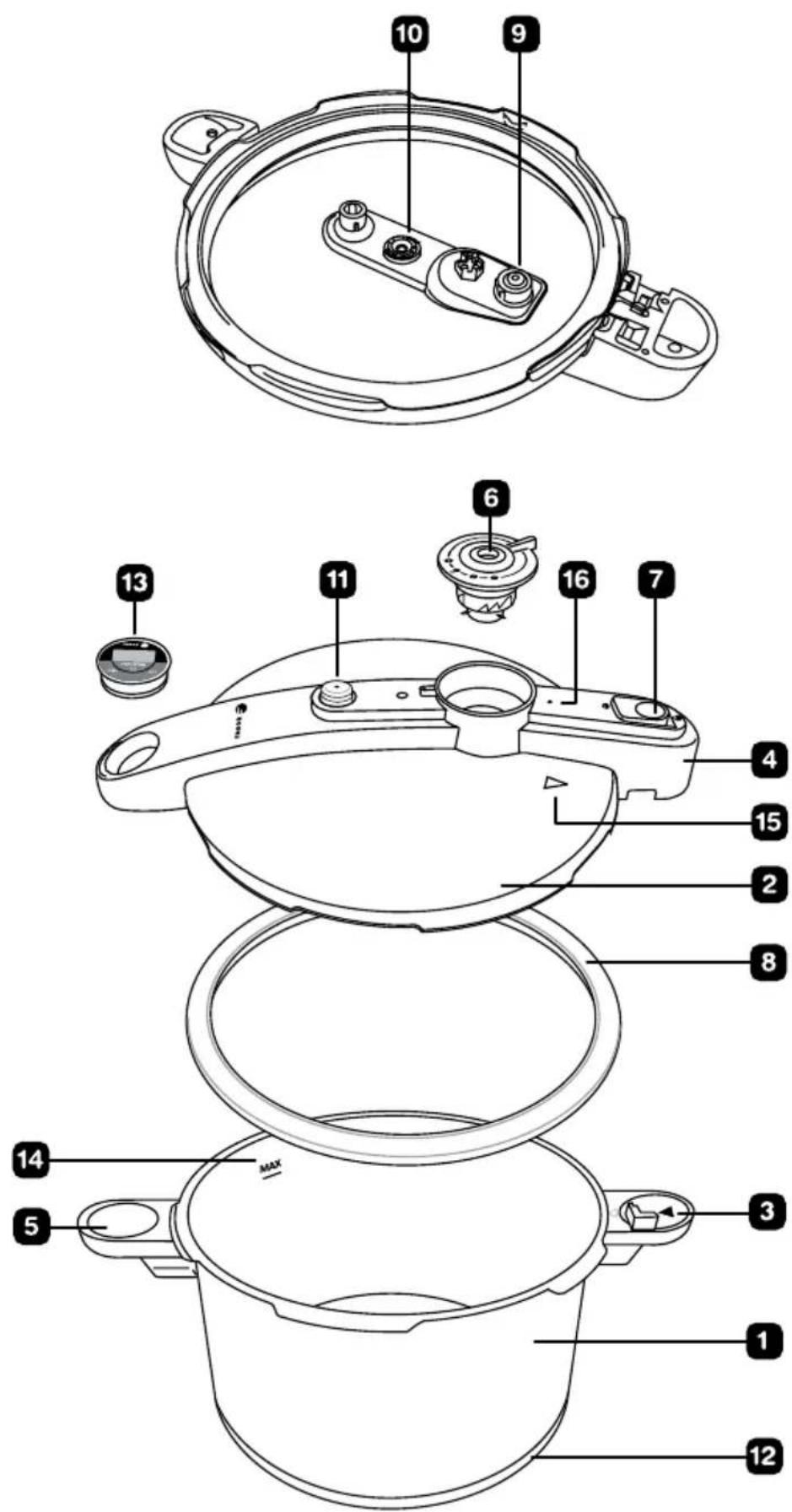
3 Lower or pan handle
4 Upper or lid handle
5 Rear pan handle
6 Working valve (Pressure selector)
7 Button
8 Gasket
9 Safety valve 1
10Safety valve 2
11 Pressure gauge
13Timer (for model with timer)
14Max fill level
15Lid close position mark
16Reset hole
Capacity ∅ Diffuser
| 4-6 Lts | 20,5 cm |
| 8 Lts | 23 cm |

BASIC SAFETY pRECAUTIONS
» Read all the instructions.
» Keep a strict watch if the pressure cooker is used near children.
» Do not place the pressure cooker in a hot oven.
» Be extremely careful when moving your pressure cooker. Do not touch hot surfaces. Use handles and lid pommel. If necessary use gloves.
» Do not use the pressure cooker for anything other than its intended purpose. Never force the pressure cooker open. Ensure that the inside pressure has dropped completely.
» After cooking meat whose skin may swell under pressure (e.G. Ox tongue), do not prick the meat while the skin remains swollen as it may scald.
» Always shake the pan gently before opening when cooking doughy substances to avoid spattering.
» Never use the pressure cooker to fry with oil under pressure.
» Do not interfere with the safety systems except as described in the maintenance instructions in this users' manual.
» Use only original spare parts for the corresponding model.
» Never use abrasive detergents.
» Use a suitable size hotplate or gas burner equal to, or smaller than, the pan base. Overheating may blacken the stainless steel or result in brown or blue stains. These stains will disappear with normal cleaning.
» Keep these instructions for future reference.

|| HOW TO USE THE pRESSURE COOKER
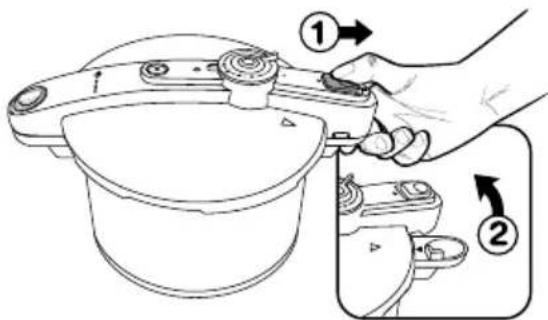
1. OpENING THE pRESSURE COOKER:
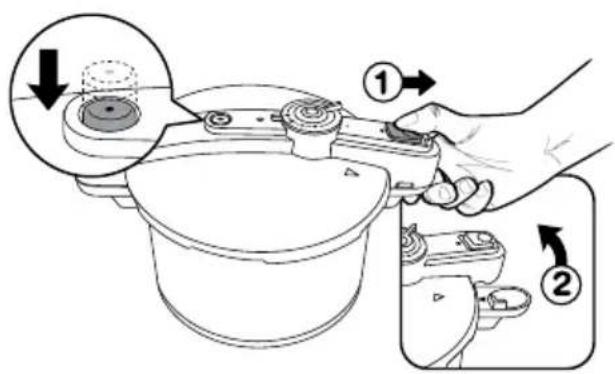
Move the button back and turn the lid to the right.
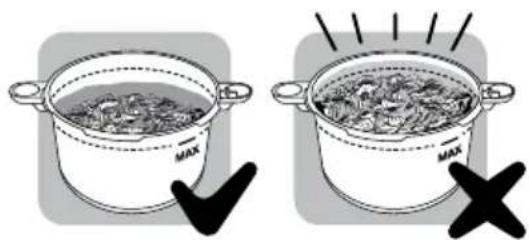
2. FILLING the pressure cooker:
» Do not exceed the MAX level.
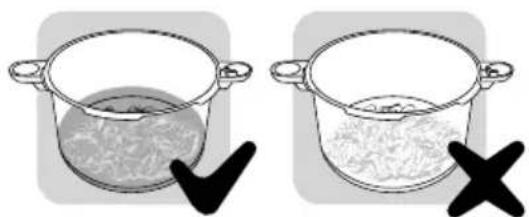
» Always fill with a minimum amount of liquid, 200 ml.
natural_image
Two identical cooking pots with different colors and symbols, one marked with a checkmark (no text or labels)When cooking elements that expand, such as rice and pulses, never fill the pan to more than halfway.
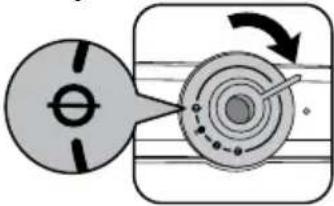
4. SELECTING THE pRESSURE LEVEL.
4.1 Position for removing and placing the valve for cleaning.
natural_image
Diagram showing a circular object with an arrow pointing to concentric circles, enclosed in a rectangular frame (no text or symbols)Before turning the lid to this position make sure no pressure has built up inside the pressure cooker. You can do this by holding the valve cap in decompression position, for example. See section II.4.2.
4.2 Position for removing all the pressure from inside the pressure cooker, after cooking.
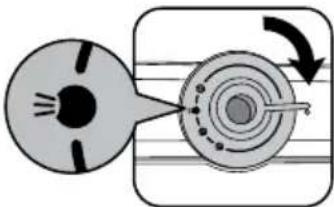
natural_image
Diagram of a cat silhouette and a circular mechanical component with rotational arrow (no text or symbols)4.3 Average pressure level. The cooking times are slightly longer than in position 2. Use for soups, fish, puddings, etc.
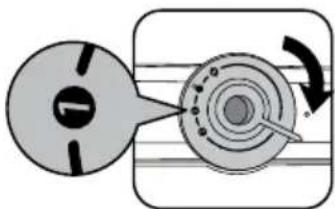
natural_image
Diagram of a mechanical device with a circular component and rotating shaft (no text or symbols)4.4 High pressure level. The cooking times are slightly shorter. Use for cooking meat, vegetables, pasta, etc.
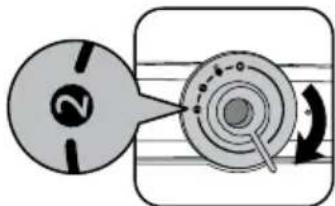
For further information, see the enclosed table in II.6.4.
4.5 Select the cooking pressure:
POSITION OF SELECTOR PRESSURE / bar
| 0 | |
| 1 | 0'55 |
| 2 | 1'05 |
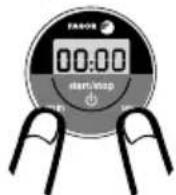
5. TIMER FUNCTIONING (for model with timer).
5.1 ON/OFF ⏻

5.2 Setting the time. Start / Pause.
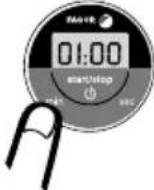
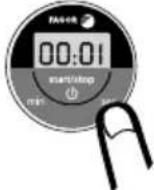
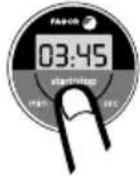
5.3 Set to zero.
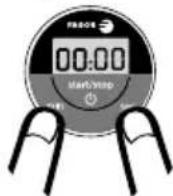
6. FUNCTIONING UNDER pRESSURE.
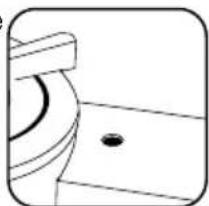
6.1 When the orange
indicator rises in the reset hole, this means there is pressure inside the cooker and it must not be opened
natural_image
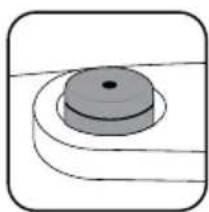
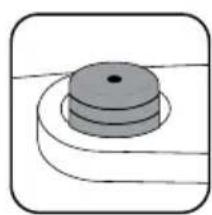
Simple line drawing of a mechanical component with a central dot and curved base (no text or symbols)6.2 If you select pressure level ①, the pressure level indicator will rise to the first mark. When the mark is visible, turn the heat
down so that it remains at this level and no steam comes out.
natural_image
Simple 3D diagram of a circular object with a dot on top, enclosed in a rounded square frame (no text or symbols)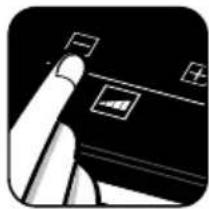
natural_image
Close-up of a finger pressing a button on a device (no visible text or symbols)6.3 If you select pressure level ②, the pressure level indicator will rise to the second mark. When the mark is visible, turn the heat down so that it remains at this level and no steam comes out.
natural_image
Simple diagram of a cylindrical object with a dot on top, placed on a curved surface (no text or symbols)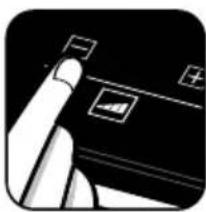
natural_image
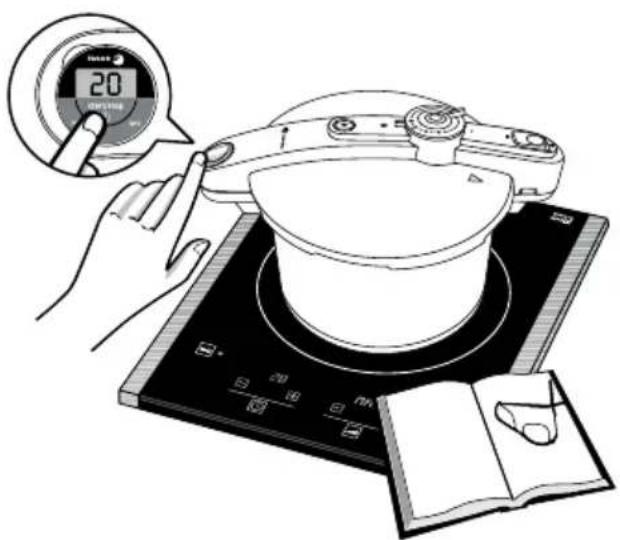
Close-up of a finger pressing a button with icons (no text or symbols visible)6.4 Adjusting the cooking time. Select the cooking time according to the recipe, and press START (for model with timer).
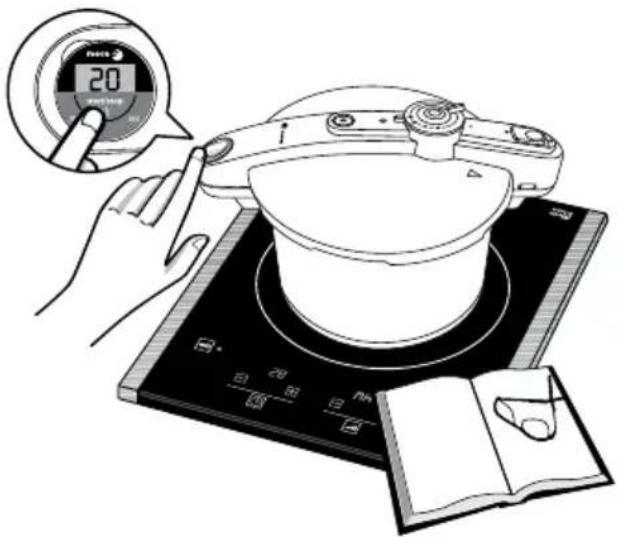
The times indicated are meant only as a guideline. You should adjust them to suit your personal tastes, cooking style and ingredients, etc.
» It is best to soak lentils, chickpeas and haricot beans etc. before cooking.
» You do not need to defrost frozen pulses or small fish. Increase cooking time by a few minutes when cooking large fish and frozen meat.
» Frothy soups (e.g. pea soup, etc.) should be first cooked with the lid off. Before closing the lid remove the froth with a skimmer.
» You do not need to worry about water evaporation as only a very small amount of vapour actually escapes.
» Brown meat a little more than normal as the vapour tends to lighten the colour. Cooking times will depend on its thickness and quality.
» Clean fish well, squeeze a little lemon juice over the top and season immediately before cooking.
| FOOD | Water quantity | Cooking time in minutes | Selector setting |
SOUPS:
| Rice soup To taste 4-6 2 |
| Garlic soup To taste 1-2 1 |
| Soup Juliana-style To taste 3-5 2 |
| Vegetable soup To taste 4-5 2 |
| Fish soup To taste 3-4 2 |
| Noodle soup To taste 3-5 1 |
PASTA:
| Chicken and rice 2 cups for 1 cup rice 6-7 2 | |||
| Paella valencia-style 2 cups for 1 cup rice 6-8 2 | |||
| Spaghetti Cover | 4-5 | 2 | |
| Macaroni cheese Cover | 5-6 2 | ||
VEGETABLES:
| Chard | Cover | 6-7 | ||
| Sautéed artichokes | Couvrir | 5-6 2 | ||
| Leeks | Cover | 3-5 | 2 | |
| Carrots | Cover | 5-6 | 2 | |
| Cabbage | 2 cups | 4-5 2 | ||
| Cauliflower | 2 cups | 4-6 2 | ||
| Espinach | Cover | 4 | 2 | |
| Broad Beans | Cover | 3-4 2 | ||
| PULSES: | ||||
| Chickpeas | Cover | 20 | 2 | |
| Lentils | Cover | 15 | 2 | |
POTATOES:
| Potatoes with garlic and parsley | 1 l. per 1 kg. | 5-7 | 2 |
| Potatoes with chorizo | 3/4 l. per 1 kg. | 5-7 | 2 |
FISH:
| Tuna with potatoes | To taste 10 | 2 | ||
| Squid | 2 cups | 10 | 2 | |
| Octopus | Cover | 30 | ||
| Trout | 1 cup | 30 | 1 | |
| Steamed mussels | 1/2 litre | 20 | 1 |
MEAT:
Meatballs 2 cups 10-12 2
Round of beef Cover 20-22 2
Kidneys cooked in sherry 2 cups of sherry 5-6 2
Ox sirloin steak 1 cup per 1.5 kg. 15-17 2
| Tripe | Cover | 25-35 |
| Lamb | 1/2 l. per 1 kg. | 10-12 2 |
| Rabbit | 1/2 l. | 10-12 2 |
| Quail in sauce | 1 cup 5-10 | 2 |
| Chicken with sherry | 1 cup 8-9 2 | |
| Chicken | Cover | 15-20 2 |
DESERTS:
| Rice pudding | 2 cups milk | ||
| 1 cup rice | 6 | 1 | |
| Compote | 2 cups 7-8 | 1 | |
| Creme caramel | 1/2 l. milk | 4-5 | 1 |
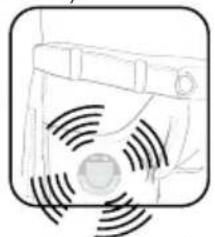
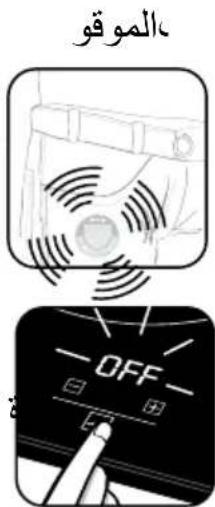
6.5 You can keep the timer with you while the pressure cooker is cooking the food. When the set time has elapsed, the timer will beep (for model with timer).
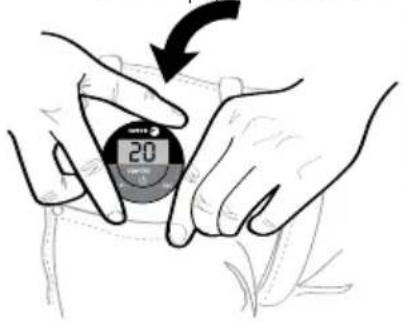
natural_image
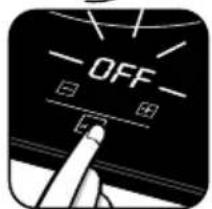
Diagram of a washing machine with sound waves and control panel (no text or symbols)6.6 Turn off the heat.
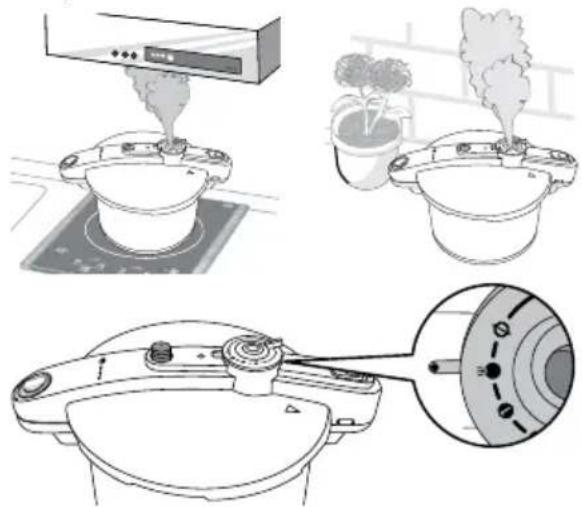
- DECOMpRESSION. There are several ways of reducing the pressure:
7.1 Quick decompression. Place the pressure cooker under the extractor hood or take it outside. Then turn the valve to ≧. See point II.4.2.
natural_image
Illustration of a cooking process showing a kitchen appliance being heated by a pan, with a close-up of the interiormost pot (no text or symbols present)7.2 Quick decompression by cooling.
(for model with timer)
natural_image
Diagram showing a faucet with water spray and a black X mark, no text or symbols present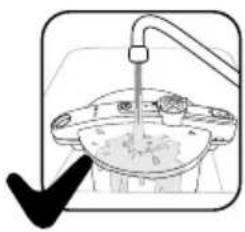
natural_image
Simple line drawing of a mechanical device with a handle and base, no text or symbols present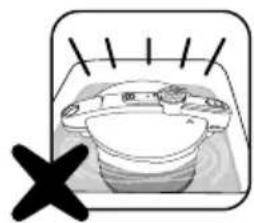
natural_image
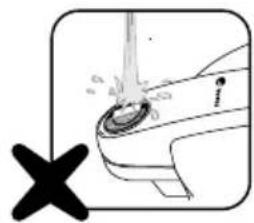
Simple line drawing of a bowl with a lid and a cross mark, no text or symbols presentPour a little cold water over a corner of the lid until the orange indicator drops. Never submerge the pressure cooker in water, as this is very dangerous.
7.3 Natural decompression.
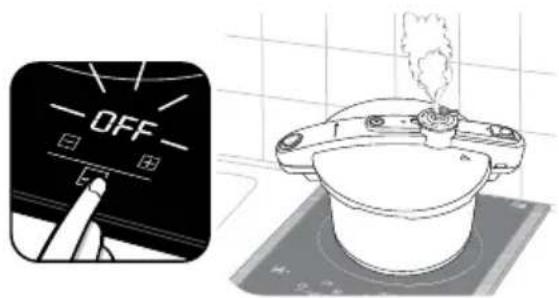
If you let the pressure cooker cool down in the position you have cooked the food in, take this extra time into account when calculating the cooking times.
- OpENING THE pRESSURE COOKER.

MAINTENANCE
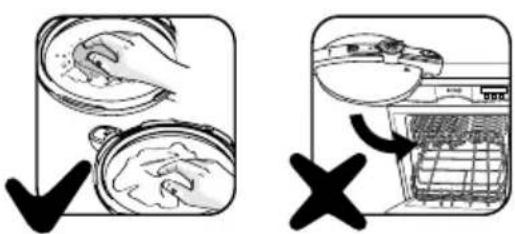
- After each use, wash the pan with hot soapy water and a soft cloth, rinse and dry. Take special care with the inside of the lid.
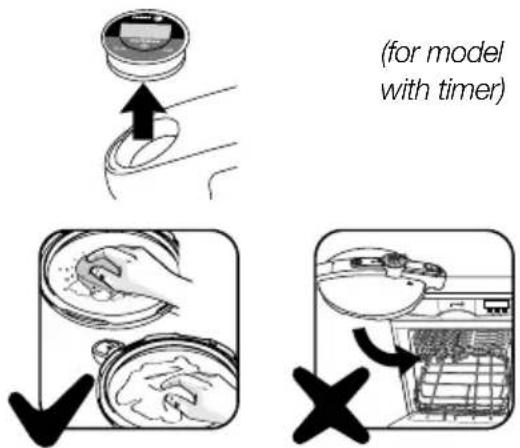
Do not use wire sponges or abrasive products as these could scratch the stainless steel coating.
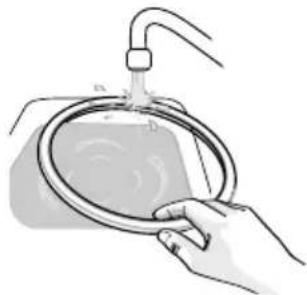
- Clean the sealing gasket manually after each use.
natural_image
Illustration of a hand holding a circular object with a tube, no text or symbols present- Check that the vapour outlets are clean and free from obstructions.
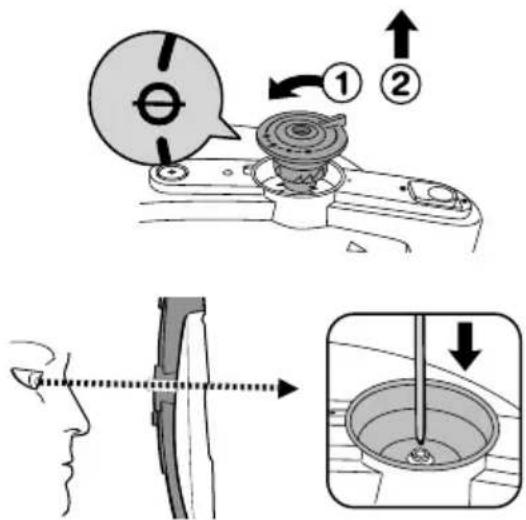
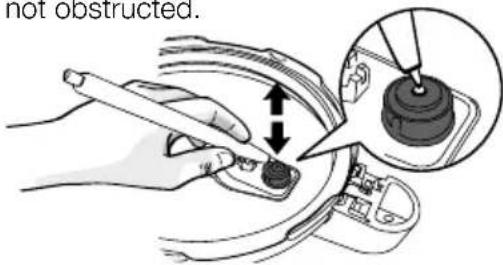
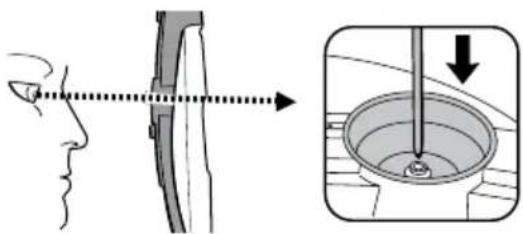
- Safety valve. Before each use, press the sphere with a ballpoint pen to make sure it is not obstructed.
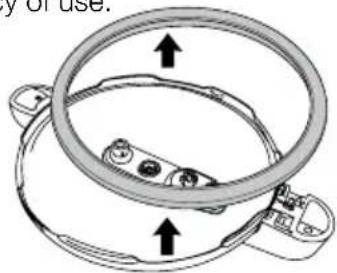
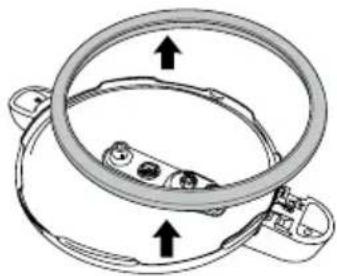
- Gasket. We recommend that you replace the gasket every 1 or 2 years, depending on the frequency of use.
natural_image
Diagram of a mechanical device with two circular components and directional arrows indicating motion (no text or symbols)IMPORTANT: Do not adjust parts or attempt to assemble them in any way other than that indicated. ALWAYS USE ORIGINAL SPARE PARTS.
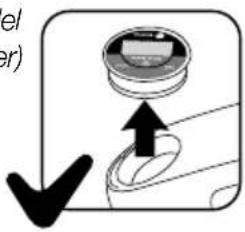
- Timer. The approximate lifetime of the timer battery is 2 years. You can replace the battery yourself when it has run down.
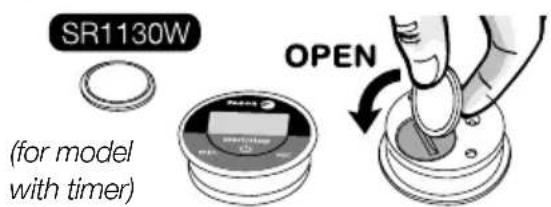
Do not submerge the timer in water.

IV TROUBLESHOOTING
- If the operating valve is blocked, turn off the heat, open the pressure cooker and clean the operating valve as described in point III.3.
natural_image
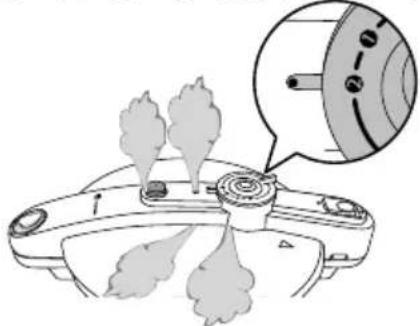
Technical line drawing of a mechanical component with a magnified inset showing a circular feature (no text or symbols)- If the first safety valve is blocked, the second safety valve will be triggered. If this happens, the pressure cooker can no longer be used and you will need to take it to a technical assistance centre for repair.
natural_image
Diagram of a device emitting smoke or vapor, with an inset showing a dial (no text or symbols present)- No pressure is building up inside the pressure cooker:
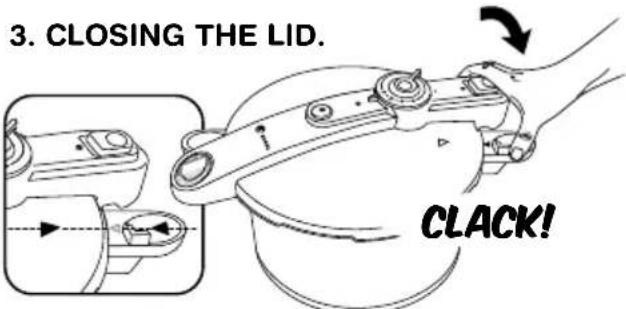
3.1 The pressure cooker is not properly closed. Close it again and make sure you hear a click. See point II.3.
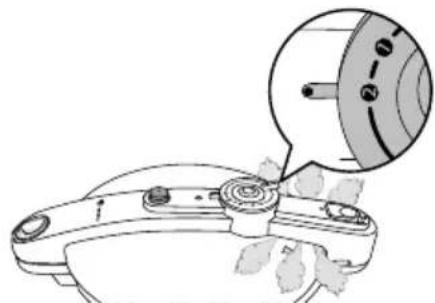
3.2 No pressure has been selected. Select position ① or ② See points II.4.3 and II.4.4.
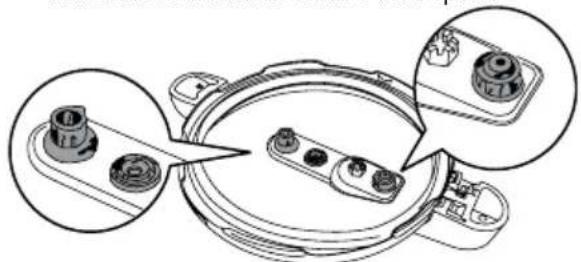
3.3 The second safety valve has been triggered. Take the pressure cooker to a technical assistance centre for repair. See point IV.2.

natural_image
Technical line drawing of a mechanical component with a magnified inset showing a circular feature (no text or symbols)3.4 The sealing gaskets inside the lid are damaged. Take the pressure cooker to a technical assistance centre for repair.
natural_image
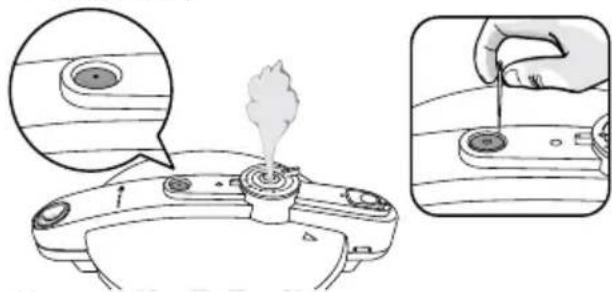
Technical line drawing of a mechanical component with three views (no text or symbols)- The pressure gauge is not rising correctly (if this happens, pressure will still be building up inside the pressure cooker). Clean the area carefully with a needle.
natural_image
Illustration of a device emitting smoke, with an inset showing a hand holding a small object (no text or symbols present)
V
ENVIRONMENT
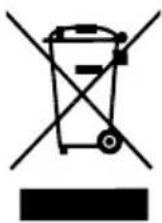
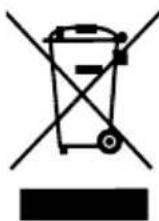
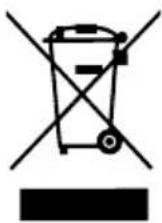
INFORMATION FOR THE CORRECT DISpOSAL OF ELECTRICAL AND ELECTRONIC AppLIANCES
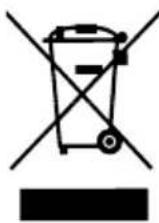
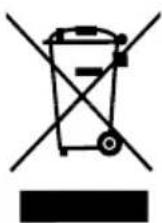
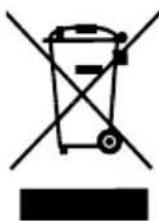
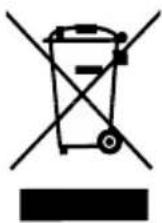
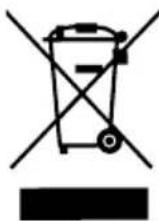
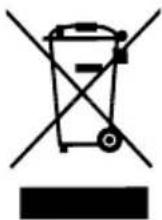
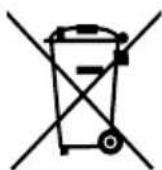
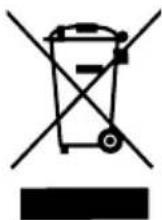
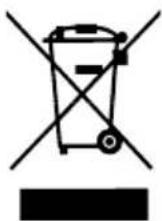
At the end of its working life, the product must not be disposed of as urban waste.
It must be taken to a special local authority differentiated waste collection centre or to a dealer providing this service. Disposing of a household appliance separately avoids possible negative consequences for the environment and health deriving from inappropriate disposal and enables the constituent materials to be recovered to obtain significant savings in energy and resources.
To remind you that you must collaborate with a selective collection scheme, the symbol shown appears on the product warning you not to dispose of it in traditional refuse containers. For further information, contact your local authority or the shop where you bought the product.
Remember that batteries are not household waste. Spent batteries must be disposed of in the special containers provided.
natural_image
Two identical cooking pots with different fill patterns, one marked with a checkmark and the other with an 'X' symbol (no text or labels)natural_image
Diagram showing a circular object with an arrow pointing to a concentric circular pattern, enclosed in a rectangular frame (no text or symbols)natural_image
Diagram of a mechanical or electrical component with circular components and directional arrows (no text or symbols)natural_image
Diagram of a mechanical component with a circular head and concentric rings, showing rotational motion (no text or symbols)natural_image
Simple line drawing of a mechanical component or tool with no visible text, numbers, or symbols.natural_image
Simple 3D diagram of a circular object with a dot on its surface, enclosed in a rounded square frame (no text or symbols)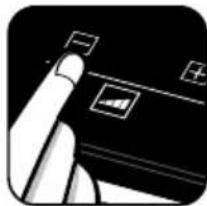
natural_image
Close-up of a finger pressing a button on a device (no visible text or symbols)natural_image
Simple 3D illustration of a cylindrical object on a curved surface, no text or symbols present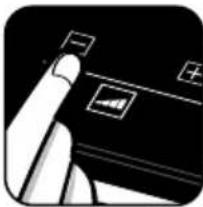
natural_image
Close-up of a finger pressing a button on a device (no visible text or symbols)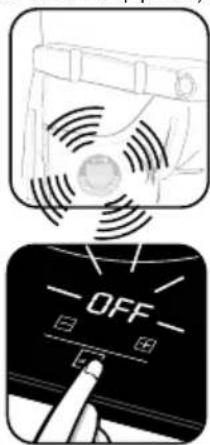
natural_image
Illustration of two cooking methods: a microwave oven and a potted plant on a stovetop (no text or symbols)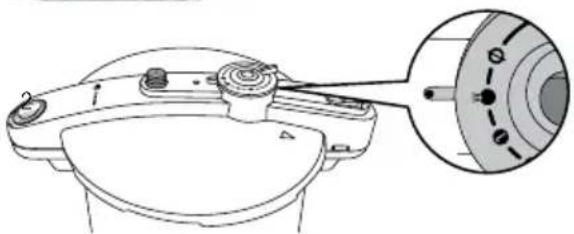
natural_image
Technical line drawing of a mechanical component with a magnified inset showing internal components (no text or symbols)
WARTUNG
natural_image
Illustration of a hand washing a basin with a pipe outlet (no text or symbols)natural_image
Diagram of a mechanical component with two circular parts and directional arrows indicating movement (no text or symbols)natural_image
Technical line drawing of a mechanical component with a magnified inset showing a circular feature (no text or symbols)natural_image
Diagram of a robotic vacuum cleaner with smoke and control panel, showing airflow direction (no text or symbols)natural_image
Technical line drawing of a mechanical component with a magnified inset showing a circular dial (no text or symbols)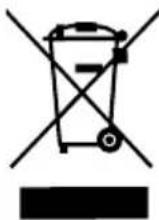
natural_image
Two identical cooking pots with different liquid levels, one marked with a downward arrow and the other with a cross (no text or symbols)natural_image
Diagram of a mechanical device with a circular component and rotating shaft (no text or symbols)5.3 Μηδενισμός.
natural_image
Simple line drawing of a mechanical component with a circular feature and a dot (no text or symbols)natural_image
Simple 3D diagram of a circular object with a central dot, placed on a curved surface within a rounded square frame (no text or symbols)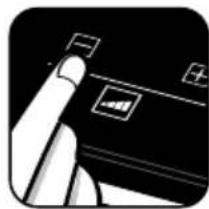
natural_image
Close-up of a finger pressing a button on a device (no visible text or symbols)natural_image
Simple line drawing of a cylindrical object on a curved surface, no text or symbols present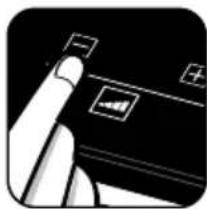
natural_image
Close-up of a finger pressing a button with a small icon (no text or symbols visible)natural_image
Illustration of a kitchen appliance with three steps: heating, emitting steam, and pouring into a pan (no text or symbols)
ΣΥΝΤΗΡΗΣΗ
natural_image
Illustration of a hand washing a basin with a pipe outlet (no text or symbols)natural_image
Illustration of a hand using a pen to adjust a component, with an inset showing a close-up of a device (no text or symbols present)natural_image
Diagram of a mechanical component with two circular parts and directional arrows indicating rotation or movement (no text or symbols)natural_image
Diagram of a spacecraft with exhaust plumes and a circular dial indicator (no text or symbols)
V ПЕРІВАЛЛОН
ÚRTARTALOM ELOSZTÓ ∅
| 4-6 Liter | 20,5 cm |
| 8 Liter | 23 cm |

ALAPVETÕ BIZTONSÁ- GI INTÉZKEDÉSEK
natural_image
Two identical cooking pots with different fill patterns, one marked with a checkmark and the other with an 'X' symbol (no text or labels)natural_image
Diagram showing a circular object with an arrow indicating rotation, surrounded by concentric circles and a pointer (no text or symbols)natural_image
Diagram of a mouse interacting with a circular device, showing internal components and rotation arrow (no text or symbols)natural_image
Diagram of a mechanical device with a circular component and a rotating shaft, showing no text or symbols.natural_image
Simple line drawing of a mechanical component with a circular feature and a small dot on a base (no text or symbols)natural_image
Simple 3D diagram of a circular object with a central dot, placed on a curved surface within a rounded square frame (no text or symbols)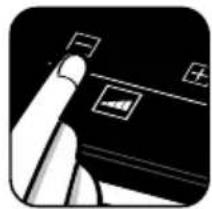
natural_image
Close-up of a finger pressing a button with two square buttons (no text or symbols visible)natural_image
Simple diagram of a cylindrical object with concentric rings, no text or symbols present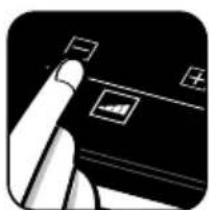
natural_image
Close-up of a finger pressing a button on a device (no visible text or symbols)natural_image
Illustration of a hand using a digital timer to press a cooking pot on an induction cooktop, with an open book and pen nearby (no text or symbols)natural_image
Illustration of hands adjusting a digital stopwatch with an arrow indicating rotation (no text or symbols present)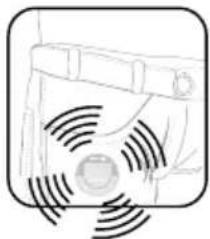
natural_image
Diagram of a fan with sound waves, no text or symbols presentnatural_image
Illustration of a cooking process showing a kitchen setup with steam rising, a pot on a stove, and a close-up of the lid (no text or symbols)
KARBANTARTÁS
natural_image
Illustration of two food containers with hands, one partially covered and the other partially covered, both showing a checkmark (no text or symbols)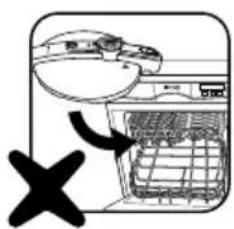
natural_image
Illustration of a hand washing a basin with a faucet (no text or symbols)natural_image
Illustration of a hand using a stylus to adjust a component, with an inset showing a mechanical component (no text or symbols present)natural_image
Diagram of a mechanical component with circular and rectangular features, no text or symbols presentnatural_image
Technical line drawing of a mechanical component with a magnified inset showing a circular detail (no text or symbols)natural_image
Technical line drawing of a mechanical component with a magnified inset showing a circular component (no text or symbols)natural_image
Illustration of a device emitting smoke, with an inset showing a hand inserting a plug into a component (no text or symbols present)
V KÖRNYEZETVÉDELEM
ELEKTROMOS ÉS ELEKTRONIKUS KÉSZÜLÉKEK MARADVÁNYAINAK MEGFELELŐ KEZELÉSÉRE VONATKOZÓ INFORMÁCIÓ
- NAPLNĚNÍ potravin do hrnce:
natural_image
Two identical cooking pots with different fill patterns, one marked with a black checkmark and the other with a black cross (no text or symbols)natural_image
Diagram showing a circular object with an arrow indicating rotation, surrounded by concentric circles and a pointer (no text or symbols)natural_image
Diagram of a mechanical or electrical component with circular components and directional arrows (no text or symbols)natural_image
Diagram of a mechanical device with a circular component and concentric rings, showing rotational motion (no text or symbols)natural_image
Pure technical line drawing of a mechanical component without any text, numbers, or symbolsnatural_image
Simple 3D diagram of a circular component with a central dot, enclosed in a rounded square frame (no text or symbols)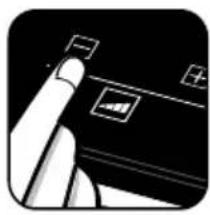
natural_image
Close-up of a finger pressing a button on a device (no visible text or symbols)natural_image
Simple diagram of a cylindrical object with a dot on top, placed on a curved surface (no text or symbols)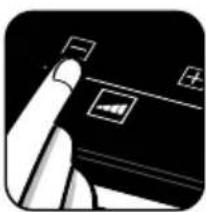
natural_image
Close-up of a finger pressing a button on a black surface, with no visible text or symbolsnatural_image
Illustration of a kitchen appliance with steam rising from a mounted dish, showing three stages: heating, emitting smoke, and close-up of the interior (no text or symbols)
ÚDRŽBA
(pro model s chronometrem)
natural_image
Illustration of a hand washing a basin with a pipe outlet (no text or symbols)natural_image
Diagram of a mechanical component with two circular parts and directional arrows indicating movement (no text or symbols)natural_image
Technical line drawing of a mechanical component with a magnified inset showing a circular component (no text or symbols)natural_image
Technical line drawing of a mechanical component with a magnified inset showing a circular feature (no text or symbols)natural_image
Technical line drawing of a mechanical component with three views (top, front, side), no text or symbols present.natural_image
Illustration of a device emitting vapor with a magnified inset showing the process (no text or symbols)V OCHRANA ŽIVOTNÍHO PROSTŘEDÍ
INFORMACE, TÝKAJÍCÍ SE SPRÁVNÉHO NAKLÁDÁNÍ S ODPADEM
- NAPLNENIE potravín do hrnca:
natural_image
Two identical cooking pots with different colors and shapes, one marked with a checkmark and the other with an 'X' symbol (no text or labels)natural_image
Diagram showing a circular object with an arrow indicating rotation or movement, surrounded by concentric circles (no text or symbols)natural_image
Diagram of a light bulb emitting a circular pattern with an arrow indicating rotation (no text or symbols)natural_image
Diagram of a mechanical device with a circular component and rotating shaft (no text or symbols)natural_image
Pure mechanical component diagram without any text, numbers, or symbolsnatural_image
Two technical diagrams showing a circular component and a finger pointing to a button (no text or symbols present)natural_image
Two technical illustrations: one showing a circular component on a curved surface, the other showing a finger pressing a button (no text or symbols)6.4 Nastavte dobu varenia. V závislosti od typu receptu zvolte dobu varenia a stisnite ŠTART (pre model s chronometrom).
natural_image
Illustration of a cooking step with a digital thermometer and a pot on an induction cooktop (no text or symbols)natural_image
Illustration of three kitchenware steps: induction heating, emitting steam, and pouring into a pot (no text or symbols)
ÚDRŽBA A SKLADOVANIE
natural_image
Illustration of a hand washing a basin with a pipe outlet (no text or symbols)natural_image
Illustration of a hand using a pen to adjust a device component, with an inset showing a mechanical component (no text or symbols present)- Tesnenie. Doporučujeme tesnenie vymieňat' pravidelne každé 1 až 2 roky v závislosti na početnosti používania hrnca.
natural_image
Diagram of a mechanical component with two circular parts and directional arrows indicating movement (no text or symbols)Dôležité: Neupravujte časti spotrebiča, ani s nimi nemanipulujte iným spôsobom, než bolo uvedené. POUŽÍVAJTE IBA ORIGINÁLNE NÁHRADNÉ DIELY.
Neponárajte chronometer do vody.

IV RIEŠENIE PROBLÉMOV
natural_image
Technical line drawing of a mechanical component with a magnified inset showing a circular feature (no text or symbols)natural_image
Technical line drawing of a mechanical component with a magnified inset showing a pin (no text or symbols)natural_image
Illustration of a device emitting smoke from a burner, with an inset showing a hand holding a screwdriver (no text or symbols present)V OCHRANA ŽIVOTNÉHO PROSTREDIAÍ
INFORMÁCIA, TÝKAJÚCA SA SPRÁVNEHO NAKLADANIA S ODPADOM Z ELEKTRIC- KÝCH A ELEKTRONICKÝCH SPOTREBIČOV
natural_image
Two identical cooking pots with different colors and shapes, one marked with a checkmark and the other with an 'X' symbol (no text or labels)natural_image
Diagram showing a circular object with an arrow indicating rotation or movement, surrounded by concentric circles and horizontal lines (no text or symbols)natural_image
Diagram of a mechanical device with a circular component and rotating shaft (no text or symbols)natural_image
Pure mechanical component diagram without any text, numbers, or symbolsnatural_image
Simple 3D diagram of a circular object with a central dot, placed on a curved surface within a rounded square frame (no text or symbols)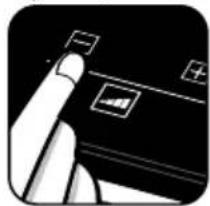
natural_image
Close-up of a finger pressing a button on a computer keyboard (no visible text or symbols)natural_image
Simple diagram of a cylindrical object with concentric rings, no text or symbols present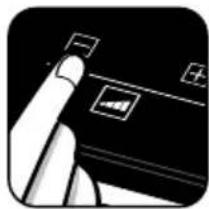
natural_image
Close-up of a finger pressing a button on a device (no visible text or symbols)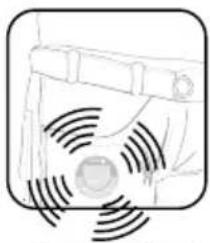
natural_image
Diagram of a fan with sound waves, no text or symbols presentnatural_image
Illustration of two cooking methods: one using a blower with steam rising, the other showing a potted plant inside a pot (no text or symbols)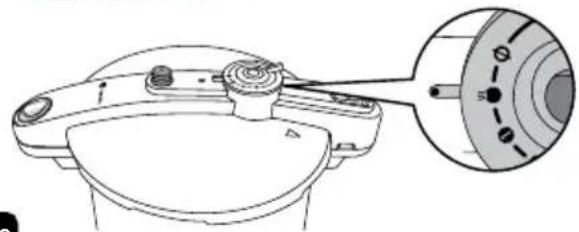
natural_image
Technical line drawing of a mechanical component with a magnified inset showing internal components (no text or symbols)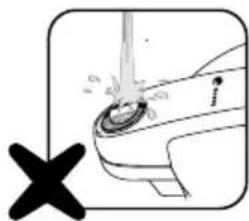
natural_image
Diagram of a faucet with water spray and a black X mark indicating no text or symbols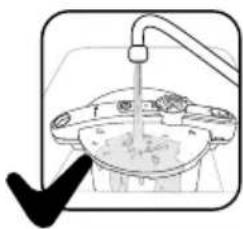
natural_image
Simple line drawing of a kitchen sink with a faucet and a checkmark pointing to the drain (no text or symbols)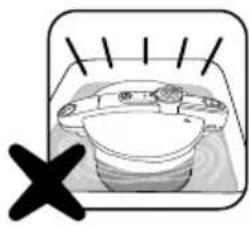
natural_image
Simple line drawing of a bowl with a lid and handles, no text or symbols present
KONSERWACJA
natural_image
Illustration of a hand holding a circular object with a tube, pouring liquid from a pipe (no text or symbols)natural_image
Diagram of a mechanical component with two circular parts and directional arrows indicating movement (no text or symbols)natural_image
Technical line drawing of a mechanical component with a magnified inset showing a circular feature (no text or symbols)natural_image
Diagram of a device with smokestacks and a close-up inset showing a circular component (no text or symbols)natural_image
Technical line drawing of a mechanical component with three views of a housing (no text or symbols)natural_image
Illustration of a device emitting vapor with a magnified inset showing the process (no text or symbols)V OCHRONA ŚRODOWISKA NATURALNEGO
INFORMACJA DOTYCZĄCA PRAWIDŁOWEGO ZARZĄDZANIA ODPADAMI URZĄDZEŃ ELEKTRYCZNYCH I ELEKTRONICZNYCH
التعبة
2.
natural_image
Illustration of a cooking pot with liquid and a downward arrow (no text or symbols)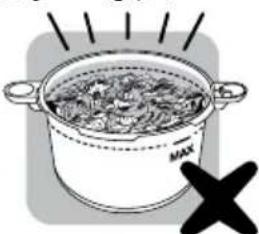
natural_image
Illustration of a cooking pot with steam rising, marked with a 'MAX' and a black X symbol (no text or labels)natural_image
Two identical cooking pots with different fill patterns, one marked with a checkmark and the other with an 'X' symbol (no text or labels)natural_image
Diagram showing a circular object with an arrow indicating rotational motion, surrounded by concentric circles and horizontal lines (no text or symbols)عملية التنظيف
natural_image
Diagram of a cat silhouette inside a circular structure with an arrow indicating rotation (no text or symbols)natural_image
Diagram of a mechanical device with a circular component and rotating shaft (no text or symbols)natural_image
Simple line drawing of a mechanical component with a circular feature and a small dot (no text or symbols)natural_image
Simple 3D diagram of a circular object with a central dot, placed on a curved surface (no text or symbols)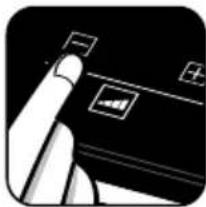
natural_image
Close-up of a finger pressing a button on a dark surface, with no visible text or symbolsnatural_image
Simple 3D illustration of a cylindrical object with a central dot, placed on a curved surface (no text or symbols)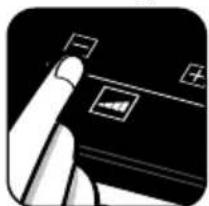
natural_image
Close-up of a finger pressing a button on a dark surface, with no visible text or symbols
natural_image
Illustration of a kitchen induction setup with a steaming pot and a control panel (no text or symbols)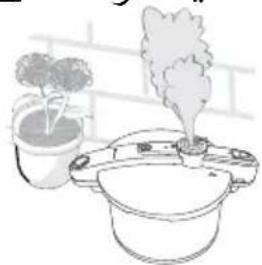
natural_image
Illustration of a pot and a cooking pot with steam rising, set against a brick wall background (no text or symbols)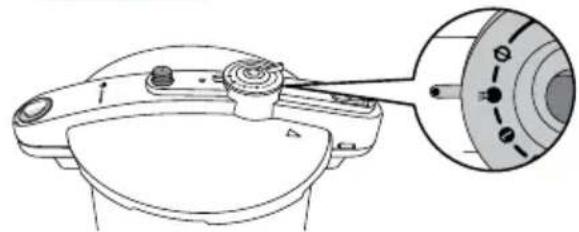
natural_image
Technical line drawing of a mechanical component with a magnified inset showing internal components (no text or symbols)عملية الصينة


natural_image
Illustration of a hand washing a basin with a faucet (no text or symbols)natural_image
Diagram of a mechanical component with two circular parts and directional arrows indicating movement (no text or symbols)natural_image
Technical line drawing of a mechanical component with a magnified inset showing a circular feature (no text or symbols)1.
natural_image
Diagram of a device emitting exhaust smoke, with an inset showing a circular component (no text or symbols)- القدر لا يأخذ ضغط:
natural_image
Technical line drawing of a mechanical component with a close-up inset showing a circular feature (no text or symbols)natural_image
Technical illustration of a mechanical component with three views showing internal components (no text or symbols)natural_image
Diagram of a steaming device with a magnified inset showing a circular component (no text or symbols)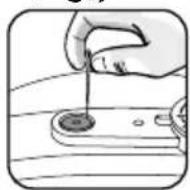
الHMAYAة المحيطية

معلومات حول التسير
الجيد للنقايات
الkeh Renewable
والإلكترونيكية

natural_image
Two identical cooking pots with different fill patterns and symbols, one marked with a checkmark (no text or labels)natural_image
Diagram showing a circular object with an arrow pointing to a concentric ring structure, enclosed in a rounded rectangle (no text or symbols)natural_image
Diagram of a circular device with internal components and directional arrow, no text or symbols presentnatural_image
Diagram of a mechanical device with a circular component and concentric rings, showing rotational motion (no text or symbols)natural_image
Pure technical line drawing of a mechanical component without any text, numbers, or symbolsnatural_image
Simple 3D diagram of a circular object with a dot on its surface, enclosed in a rounded square frame (no text or symbols)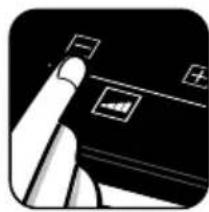
natural_image
Close-up of a finger pressing a button on a dark surface, with no visible text or symbolsnatural_image
Simple diagram of a cylindrical object on a curved surface, no text or symbols present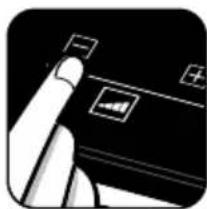
natural_image
Close-up of a finger pressing a button with a small icon (no text or symbols visible)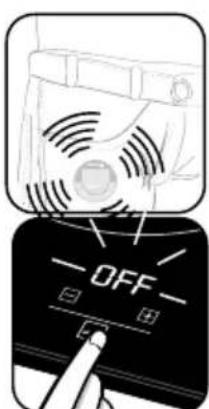
natural_image
Illustration of cooking process steps: induction heating on a stove, pouring steam from a pot, and adding a lid to a kitchen appliance (no text or symbols)XXX yXOD
natural_image
Diagram of a mechanical component with two circular parts and directional arrows indicating motion (no text or symbols)natural_image
Technical line drawing of a mechanical component with a magnified inset showing a circular feature (no text or symbols)natural_image
Illustration of a device emitting smoke or vapor, with an inset showing a hand holding a screwdriver (no text or symbols present)
2.食物放置
不要超过最大容量指示标记
natural_image
Two identical cooking pots with different colors and shapes, one marked with a checkmark and the other with an 'X' symbol (no text or labels)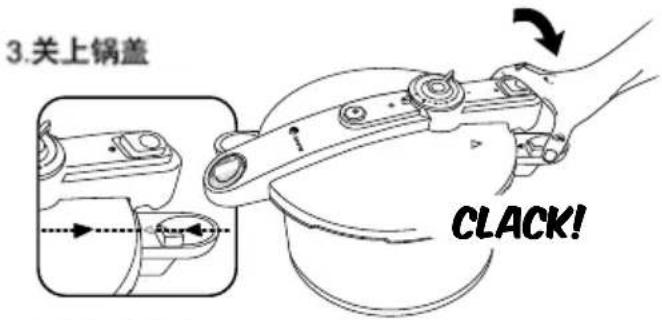
4. 选择压力档位
natural_image
Diagram of a mechanical or electrical component with circular elements and directional arrows, no visible text or symbols.natural_image
Diagram of a mechanical component with circular features and rotational arrow (no text or symbols)更多信息请查阅II.6.4章节
4.5选择适当的烹饪压力
| 档位 | 压力大小/bar |
| # | 0 |
| 1 | 0'55 |
| 2 | 1'05 |
natural_image
Simple line drawing of a mechanical component or bracket with no text or symbolsnatural_image
Simple 3D diagram of a circular object with a central dot, placed on a curved surface (no text or symbols)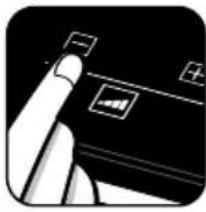
natural_image
Close-up of a finger pressing a button on a device (no visible text or symbols)natural_image
Simple illustration of a cylindrical object on a curved surface, no text or symbols present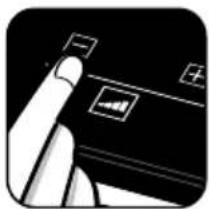
natural_image
Close-up of a finger pressing a button on a computer screen (no visible text or symbols)natural_image
Illustration of a cooking step with a digital timer and open book (no text or symbols)烹饪时间
natural_image
Illustration of a cooking process showing a kitchen setup with a stove, a potted plant, and a close-up of the oven (no text or symbols present)natural_image
Line drawing of a cooking pot with steam rising from its lid, placed on an induction cooktop (no text or symbols)
维护
natural_image
Illustration of two cooking steps: dropping sauce and boiling (no text or symbols)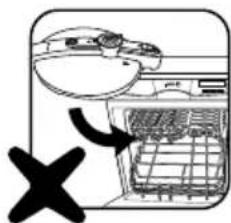
natural_image
Illustration of a hand using a pen to adjust a component, with an inset showing a close-up of a device (no text or symbols present)natural_image
Technical diagram of a mechanical component with two circular parts and directional arrows indicating rotation (no text or symbols)请勿将定时器浸入水中。

IV 异常现象及排除方法
natural_image
Technical line drawing of a mechanical component with a magnified inset showing a circular feature (no text or symbols)natural_image
Diagram of a device emitting exhaust smoke, with an inset showing a circular component (no text or symbols)- 锅内不形成压力:
natural_image
Technical line drawing of a mechanical component with a magnified inset showing a circular feature (no text or symbols)natural_image
Diagram of a mechanical component with three views showing internal components (no text or symbols)natural_image
Illustration of a device emitting smoke from a chimney, with an inset showing hand holding a screwdriver (no text or symbols)
VI 环境保护
电器类产品的正确报废处置方法
natural_image
Two identical cooking pots with different fill patterns, one marked with a checkmark and the other with an 'X' symbol (no text or labels)natural_image
Diagram showing a circular component with internal structure and directional arrow, no text or symbols presentnatural_image
Diagram of a mouse and a circular mechanical component with rotational arrow (no text or symbols)natural_image
Diagram of a mechanical device with a circular component and concentric rings, showing rotational motion (no text or symbols)natural_image
Pure technical line drawing of a mechanical component without any text, numbers, or symbolsnatural_image
Simple 3D diagram of a circular object with a central dot, enclosed in a rounded square frame (no text or symbols)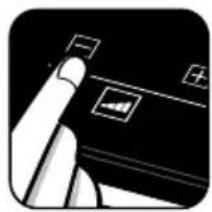
natural_image
Close-up of a finger pressing a button on a device (no visible text or symbols)natural_image
Simple diagram of a cylindrical object on a curved surface, no text or symbols present
natural_image
Close-up of a finger pressing a button with a small icon (no text or symbols visible)natural_image
Illustration of a hand using a digital timer to press a cooking pot on an induction cooktop, with an open book and glass nearby (no text or symbols)natural_image
Illustration of a kitchen appliance setup with three stages: heating, emitting steam, and a close-up view of the lid (no text or symbols)
MANTENTZEA
natural_image
Illustration of a hand washing a basin with a faucet (no text or symbols)natural_image
Illustration of a hand using a pen to adjust or install electronic components, with an inset showing a device component (no text or symbols present)natural_image
Diagram of a steering wheel with directional arrows indicating orientation (no text or labels)Ez sartu kronometroa uretan.

IV DIAGNOSTIKOA
natural_image
Technical line drawing of a mechanical component with a magnified inset showing a circular feature (no text or symbols)natural_image
Technical line drawing of a mechanical component with three circular views showing internal features (no text or symbols)natural_image
Illustration of a soldering iron with steam rising, showing a magnified view of the process (no text or symbols)
V INGURUMENA
ApARAILU ELEKTRIKO ETA ELEKTRONIKOEN HONDAKINAK EGOKI KUDEATZEKO INFORMAZIOA
The manufacturer reserves the right to modify the models described in this User's Manual.


- MANTENIMIENTO
- V MEDIO-AMBIENTE
- MANUTENÇÃO
- V MEIO-AMBIENTE
- INFORMAÇÃO pARA A GESTÃO CORRECTA DOS RESÍDUOS DE ApARELHOS ELÉCTRICOS E ELECTRÓNICOS
- MAINTENANCE
- ENVIRONNEMENT
- BASIC SAFETY pRECAUTIONS
- || HOW TO USE THE pRESSURE COOKER
- OpENING THE pRESSURE COOKER:
- FILLING the pressure cooker:
- SELECTING THE pRESSURE LEVEL.
- TIMER FUNCTIONING (for model with timer).
- FUNCTIONING UNDER pRESSURE.
- MEAT:
- DESERTS:
- IV TROUBLESHOOTING
- ENVIRONMENT
- INFORMATION FOR THE CORRECT DISpOSAL OF ELECTRICAL AND ELECTRONIC AppLIANCES
- WARTUNG
- ΣΥΝΤΗΡΗΣΗ
- V ПЕРІВАЛЛОН
- ALAPVETÕ BIZTONSÁ- GI INTÉZKEDÉSEK
- KARBANTARTÁS
- V KÖRNYEZETVÉDELEM
- ELEKTROMOS ÉS ELEKTRONIKUS KÉSZÜLÉKEK MARADVÁNYAINAK MEGFELELŐ KEZELÉSÉRE VONATKOZÓ INFORMÁCIÓ
- ÚDRŽBA
- V OCHRANA ŽIVOTNÍHO PROSTŘEDÍ
- ÚDRŽBA A SKLADOVANIE
- IV RIEŠENIE PROBLÉMOV
- V OCHRANA ŽIVOTNÉHO PROSTREDIAÍ
- KONSERWACJA
- V OCHRONA ŚRODOWISKA NATURALNEGO
- عملية الصينة
- XXX yXOD
- 2.食物放置
- 选择压力档位
- 烹饪时间
- 维护
- IV 异常现象及排除方法
- VI 环境保护
- MANTENTZEA
- IV DIAGNOSTIKOA
- V INGURUMENA
- ApARAILU ELEKTRIKO ETA ELEKTRONIKOEN HONDAKINAK EGOKI KUDEATZEKO INFORMAZIOA
Brand : FAGOR
Model : Chef XTRA
Category : Saucepan