Vitaplus - Saucepan FAGOR - Free user manual and instructions
Find the device manual for free Vitaplus FAGOR in PDF.



| Product Type | Pressure Cooker |
| Brand | Fagor |
| Model | Vitaplus |
| Main Material | Stainless Steel |
| Maximum Capacity | 2/3 of total capacity (recommended fill) |
| Minimum Liquid Volume | 200 ml |
| Pressure Levels | 0.55 bar (medium) and 1.05 bar (high) |
| Cooking Types | Soups, vegetables, meats, fish, desserts, legumes, pasta |
| Safety System | Safety valve, pressure indicator, automatic lock |
| Depressurization Modes | Quick (steam release), by cooling (water jet on lid), natural |
| Care and Cleaning | Lid hand washable, pot and accessories dishwasher safe (immediate drying) |
| Usage Precautions | Do not open under pressure, do not immerse, do not use for deep frying |
| Spare Parts | Gaskets, valves: use genuine Fagor parts |
| Gasket Replacement Frequency | Every 1 to 2 years depending on use |
| Warranty | Not specified in the manual |
Frequently Asked Questions - Vitaplus FAGOR
User questions about Vitaplus FAGOR
0 question about this device. Answer the ones you know or ask your own.
Ask a new question about this device
Download the instructions for your Saucepan in PDF format for free! Find your manual Vitaplus - FAGOR and take your electronic device back in hand. On this page are published all the documents necessary for the use of your device. Vitaplus by FAGOR.
USER MANUAL Vitaplus FAGOR
- Transportable means or devices to result can be medical devices, electronic maps, manuals, etc.
The 'Vishalaka' receives the right to modify the 'Rokkaii' (the spirit of the Chik-Chi Kaiki).
If this cannot be resolved to a direct decomposition, the results should still depend on precise solutions.
D homoeomorphism of Zariski groups, in: Inoszczuk we bencdowt by Joziiwa na mappropodny. The moduli of the group.
A guan estamifia aagaa, aad a hazmatl (immunatlan kastak muzikn alutab nepyscleratina.
Vitronectin is a cytoplasmic protein involved in motility, morphogenesis, and tumorigenesis in macrophage.
Vorapa J. Vardarada, prakash Ramalingam, Mohan K. Umruwadi, Samanta
Producent: zuzzago sable pree do mycifowants model operantes winknigk, etrivica sbogur.
This is a terrible secret, which we cannot see because the modern system of technology has nothing to do with human beings, nor even with organisms.
PENOMINUM OF THE ANTI-DEMOGRAPHY AND THE HUMAN RESEARCH
Dingchuanqiu, Yizhou, 1602-1935.
dianzhuang@163.com
http://www.xinhua.edu.cn
y20 y21 y22 y23 y24 y25 y26 y27 y28 y29
If is a set of non-empty sets, then the set of all possible subsets of is open.
- Sigrizicobio response se sbrode do inuirei sa le micoe: dosse mea, Voraia immuale.
Faintly smoky and dark in color, Iona's clothes are rich in a multitude of colors, no one can see them yet.
NIF T 20026517 B.9 San Andres, n°18 20500 MONDAY GAGON (Gujurucu) FSP/NA FAGOR EI FETRODOMFESTOS S/COGP.
01-19 TAO076306 U40A06951
MANUAL DE INSTITUTIONES
MANUAL DE INSTITUÇOES
MANUEL D'OLITATION INSTITUTIONS, EUROPE
ENTYNOOADHGN
HASZNALATUTMUTATO
NAVOD KPOU2TI
NAVOD NAPOZITIE
INSTRUKCAOBSUEGRI
VHCTEYKUMA VXOTER
HHCTPYKLMHNO3KCIUYATALIM
Jua
ANWEISUNGSHANDBUCH
使用说明书
MANUAL INSTRUCTIONS MANUAL DE INSTITUTIONS
ERABILERA-ESKULIBURUA



(1) NaOH (2) CO2 (3) HCl2O

FAGOR
MOD.A:ELEGANCE
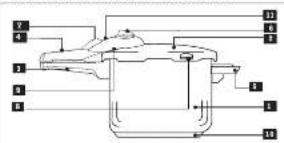
MOD.B:DUNA,ORSP,ARIN,VITAPLUS,MULTRAPID
MOD.C:INNOVA, RAPID XPRESS, XPRESS
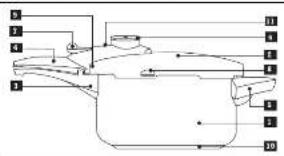
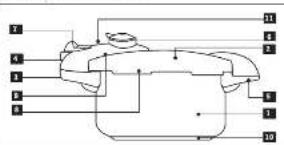
MOD. D: FUTURE, CUISINE XPRESS
FIG. 1
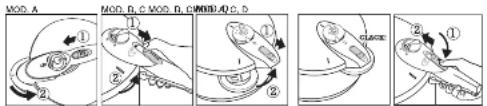
FIG.3

MOD.C.D

FIG.5 FIG.6
FIG.5 FIG.6
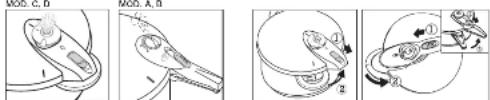
FIG.7
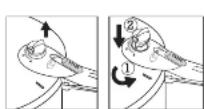
FIG.8
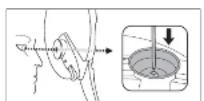
FIG.9
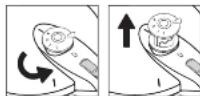
FIG.9
FIG.4
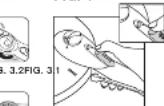
FIG.9
I DESCRIPTICN GENERAL
m = 311 ;
12/12
12/12
!
PRECAUCIONES
Conservative statistics instructions

MODO DE EMPLEO
Corresponding to the chromatin and the vacuole of sequestered no exudates (Fig. 8, b)
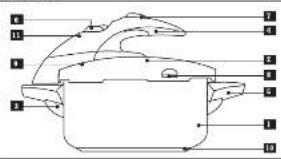
- Pressure cooker pan
- Lid
- Lower or pan handle
- Upper or lid handle
- Rear pan handle
-
Working valve (Pressure selector)
-
Button
- Gasket
- Safety valve
- Thermal diffusion plate
- Pressure indicator
Capacity Diffuser
4-6 Lts 18 cm
8-9.3 Lts 21 cm

BASIC SAFETY PRECAUTIONS
Read all the instructions.
Keep a strict watch if the pressure cooker is used near children.
Do not place the pressure cooker in a hot oven.
Be extremely careful when moving your pressure cooker. Do not touch hot surfaces. Use handles and lid pommel. If necessary use gloves.
Do not use the pressure cooker for anything other than its intended purpose. Never force the pressure cooker open. Ensure that the inside pressure has dropped completely.
After cooking meat whose skin may swell under pressure (e.G. Ox tongue), do not prick the meat while the skin remains swollen as it may scald.
Always shake the pan gently before opening when cooking doughy substances to avoid spattering.
Never use the pressure cooker to fry with oil under pressure.
Do not interfere with the safety systems except as described in the maintenance instructions in this users' manual.
» Use only original spare parts for the corresponding model.
» Never use abrasive detergents.
» Use a suitable size hotplate or gas burner equal to, or smaller than, the pan base. Overheating may blacken the stainless steel or result in brown or blue stains. These stains will disappear with normal cleaning.
Never use the pressure cooker without first adding water as this could seriously damage your appliance.
This appliance cooks food under high pressure. Incorrect use may result in burns. Ensure that the cooker is properly closed before heating. See section "how to use the pressure cooker".
Never fill the pan to more than 2/3 of its capacity. When cooking elements that expand, such as rice and pulses, never fill the pan to more than halfway.
Before each use, check that the valves are not obstructed. See section "maintenance".
Keep these instructions for future reference.

III HOW TO USE THE PRESSURE COOKER
1. OPENING THE PRESSURE COOKER:
Move the button back and turn the lid to the right.
2. FILLING the pressure cooker:
Never fill the pan to more than 2/3 of its capacity
Always fi ll with a minimum amount of liquid, 200 ml.
Check that the vapour outlets are clean and free from obstructions. (Fig.8,9).
- CLOSING THE LID. Place the lid in accordance with markings and turn to the left (automatic closure Fig.2.1 manual closure Fig.2.2).
4. SELECTING THE PRESSURE LEVEL.
4.1 Position for removing and placing the valve for cleaning. (Fig.3.1)
Before turning the lid to this position make sure no pressure has built up inside the pressure cooker. You can do this by holding the valve cap in decompression position, for example. See section III.4.2.
4.2 Position for removing all the pressure from inside the pressure cooker, after cooking. Pressure = 0 bar (Fig.3.2).
4.3 Average pressure level. The cooking times are slightly longer than in position 2. Use for soups, fish, puddings, etc. Pressure = 0.55 bar (Fig.3.3).
4.4 High pressure level. The cooking times are slightly shorter. Use for cooking meat, vegetables, pasta, etc. Pressure = 1.05 bar (Fig.3.4).
| POSITION OF SELECTOR PRESSURE / bar | |
| (≥) | 0 |
| 1 | 0.55 |
| 2/P/° | 1.05 |
For further information, see the enclosed table in III.5
4.5 Select the cooking pressure:
5. FUNCTIONING UNDER PRESSURE.
» Place the pan on an appropriate-size hotplate or gas burner and turn to maximum.
When the pressure indicator appears it means there is pressure inside the pressure cooker. (fig.4)
When a continual stream of vapour escapes from the working valve (fi g.5), reduce the heat just enough to maintain sufficient pressure to ensure a steady vapour outlet
The cooking time is measured from this point.
| FOOD | Water quantity | Cooking time in minutes | Selector stabilirea |
| SOLIPS: | |||
| Rice soup To taste 4-6 2Garlic soup To taste 1-2 1Soup Juliana-style To taste 3-5 2Vegetable soup To taste 4-5 2Fish soup To taste 3-4 2Noodle soup | To taste 3-5 1 | ||
| PASTA: | |||
| Chicken and ricePaella valencia-styleSpaghettiMacaroni cheese | 2 cups for 1 cup rice 6-7 22 cups for 1 cup rice 6-8 2Cover | 4-55-6 2 | 2 |
| VEGETABLES: | |||
| ChardSautéed artichokesLeeksCarrotsCabbageCauliflowerEspinachBroad Beans | Cover | 6-75-6 23-5 | 22 |
| Cover | 5-64-5 | 2 | |
| Cover | 4-62 | 2 | |
| Cover | 43-4 2 | 2 | |
| PULSES: | |||
| ChickpeasLentils | Cover | 15 | 2 |
| POTATOES: | |||
| Potatoes with garlic and parsleyPotatoes with chorizo | 1 l. per 1 kg.3/4 l. per 1 kg. | 5-7 22 | 2 |
| 3/4 l. per 1 kg. 5-7 2 | |||
| FISH: | |||
| SquidOctopusTroutSteamed mussels | 2 cups | 10 | 2 |
| Cover | 30 | 2 | |
| 1 cup | 30 | 1 | |
| 1/2 litre 20 1 | |||
| MEAT: | |||
| MeatballsRound of beefKidneys cooked in sherryOx sirloin steakTripeLambRabbitQuail in sauceChicken with sherryChicken | 2 cups | 10-1220-225-6 215-1725-35 | 22 |
| 1/2 l. per 1 kg. 10-12 | 10-12 | 2 | |
| 1 cup | 5-10 2 | ||
| 1 cup | 8-9 2 | ||
| Cover | 15-20 | 2 | |
| DESERTS: | |||
| Rice puddingComposte | 2 cups milk1 cup rice | 67-8 | 1 |
| Creme caramel 1/2 l. milk | 4-5 1 | ||
The times indicated are meant only as a guideline. You should adjust them to suit your personal tastes, cooking style and ingredients, etc.
It is best to soak lentils, chickpeas and haricot beans etc. before cooking.
You do not need to defrost frozen pulses or small fi sh Increase cooking time by a few minutes when cooking large fi sh and frozen meat.
Frothy soups (e.g. pea soup, etc.) should be first cooked with the lid off. Before closing the lid remove the froth with a skimmer.
You do not need to worry about water evaporation as only a very small amount of vapour actually escapes.
Brown meat a little more than normal as the vapour tends to lighten the colour. Cooking times will depend on its thickness and quality.
Clean fish well, squeeze a little lemon juice over the top and season immediately before cooking.
- DECOMPRESSION. There are several ways of reducing the pressure:
6.1 Quick decompression. Place the pressure cooker under the extractor hood or take it outside. Then turn the valve to (Fig.3.2).
6.2 Quick decompression by cooling.
Pour a little cold water over a corner of the lid until the orange indicator drops. Never submerge the pressure cooker in water, as this is very dangerous.
6.3 Natural decompression.
If you let the pressure cooker cool down in the position you have cooked the food in, take this extra time into account when calculating the cooking times.
- OPENING THE PRESSURE COOKER. Move the open-close selector to the open position and turn the lid handle to the right holding the body handle in your left hand (fi g. 6).

IV MAINTENANCE
- Do not use the pressure cooker to store food, before or after cooking. When you have finished cooking, wash it with hot water and non-abrasive detergent. Make sure there is no food residues stuck to the pressure cooker, as this could cause corrosion spots. Rinse and dry it.
- Take special care on washing the inside of the lid.
- The pressure cooker lid is not dishwasher-safe. The body and accessories (glass lid, basket, etc.) are washable but must be dried as soon as the cycle ends.
- On cooking, bluish stains may appear on the stainless steel. To remove them, use warm
water with a dash of vinegar and rub with a soft cloth. The white marks caused by scale can be removed in the same way.
- We recommend you add salt at the end of the cooking process, to reduce its impact on the stainless steel.
Do not use wire sponges or abrasive products as these could scratch the stainless steel coating.
- Clean the sealing gasket manually after each use.
- Check that the vapour outlets are clean and free from obstructions.
- Safety valve. Before each use, press the sphere with a ballpoint pen to make sure it is not obstructed.
- Gasket. We recommend that you replace the gasket every 1 or 2 years, depending on the frequency of use.
IMPORTANT: Do not adjust parts or attempt to assemble them in any way other than that indicated. ALWAYS USE ORIGINAL SPARE PARTS.

V TROUBLESHOOTING
- If the operating valve is blocked, turn off the heat, open the pressure cooker and clean the operating valve as described in point IV.3.
- No pressure is building up inside the pressure cooker:
2.1 The pressure cooker is not correctly closed. Close it again. See point III.3.
2.2 No pressure has been selected. Select position 1 or 2 / / . See points III.4.3 and III.4.4.

ENVIRONMENT
INFORMATION FOR THE CORRECT DISPOSAL OF ELECTRICAL AND ELECTRONIC APPLIANCES
At the end of its working life, the product must not be disposed of as urban waste.
It must be taken to a special local authority differentiated waste collection centre or to a dealer providing this service. Disposing of a household appliance separately avoids possible negative consequences for the environment and health deriving from inappropriate disposal and enables the constituent materials to be recovered to obtain significant savings in energy and resources.

I TENIKH INEPIIgPAΦH
- ΣΩMA THΣ XYTPAΣ
- KANAKI THZ XYTPAZ
- KATQ AABH H XEPOYAI THXYTPA
- NANQ AABH 'H XEPOYAI TOY KANAKIOY
- NIEQ AABH THE XYTPA2
6.BAABIAAIEIOTYPIIAZ
(ENIAOGEA NIEEHS)
- KOMBIO
8.ΛΑΤΙΧΟΚΑΕΙΣΙΜΑTOΣ
9.BAIBIAA _i = 1^n AANAEIAZ - ΠΑΚΑ ΔΙAXYΣΗΣ
OEPMOTHTA
- DEIKTHENIIEH
XOPHTIKOTHATCAIXAXYTH
4-6Airpa
18cm
8-9,3A1rpoa
21cm

II BAZIKA METPA AΣΦΑΛΕΙΑΣ
I A B A T E O E K T I K A O E T I O H I E
NA ENIBAENETE IAPK TH XYTPA TAXYHTA AN THN XPH\SIMONIOIEITE KONTA IEAIA.
MHN EIZAIRETHXYTPATAXYHTA ZENEDA ZEETO FOYPNO.
HXYTPA TAXYHTA2 ΘA ΠPENEI NA METAKINEITAI ME ΠOAY MEGAAH ΠPOSOXH. MHN AKOYMNTATE TIZ ZEETES ENIΦANEIEZ. NA XPHSIMONIOITE ΓI/AYTO TIZ ΛABES THE KAI TA KOMBIA. AN EINAI ANAFKAIO, NA ΦOPATE ΠPOSTATEYTIKA ΓANTIA.
NA XPHSIMONIOIEITE TH XYTPA TAXYHTATANOKAEISTIKAKAIMONONIATHNIPOBAEINOMHN XPHSHT. MHN ANOIFETE NOTE TH XYTPATAXYHTATME TH BIA.BEBAIQOEITE PQTATOH NIEsH NOY ENIKPATEI STO EEQTEPIKOTHEXEYNOXQPHSEI TEAEIQ
META ANO TO MATEIPEYMA KANOION KPEATIKQN NOY EXOYN NETEA (N.X. ΓΑΩΣΑ BODINOY) NOY ΘΑ MNOPOYSE NA ΦΟΥΚΟΣΕΙ YΝΟ THN EΠΙΔPAΞH TH ΠIEΣΗ, MHN TΣΙΜΠΗΕΤΕ TO KPEA Σ ΕΟΣΟ N EINAL AKOMH ΦΟΥΚΟΜΕΝΟ, ΓΙΑΤΙ MIOPEI NA ΣΑ ΠΡOKΑΛΕΣΕΙ ZEMATΙΜΑ ΑΝ ΠΙΤΙΑΙΜΑΓΑ.
META ANO TO MATEIPEYMA MAAKQN TPOΦIMQN KAI ZYMAPIKQN ΘA ΠPENEI NA ANAKINEITE ΛIOTH XYTPA TAXYHTA Σ ΠPIN ANOIÉETO KANAKI ΓΑ NA ANOΦYETE TO ΠITΣIAΩMA ΠOY MNOPEI NA ΠPOKAHGEI KATA TO ANOΓMA.
MH XPHEIMONIOEITE TH XYTPA TAXYHTTAZ IIA NA THΓANISETE ME AΔI YNIO ΠIEΣH.
》 MHN ENEMBAINETE ΣTA ΣYΣTHMATA AΣΦAΛIΔ ΠΕPA ANO TIZ OΔHΠΕΣ ΣYNTHPHΞH ΠΟY
NEPIPAΦONTAI ΣTOENTYNO XPHΣH.
» NA XPHSIMONIOIEITE ANOKAEIETIKA KAI MONON FNHIA ANTAAAKTIAK ΣYMΦΩNA ME TO ANTIISOIXO MONTEAO.
MH XPHESIMONOIEITE NOTE TH YEKEYH XQPI NEPO FIATI MNOPEI NA YNIOTEI ZOBAPEBABE.
AYTH H ΣYΣKEYH ΑEITOYPTEI YNO ΠIEΣH. H MH KATAAHAH XPHSH TH ΜNPOEI NA ΠPOKAΛESEI ERKAYMATA. ΠPIN ΕΕΣETE TH ΣYΣKEYH ΣE ΑEITOYPRIA, BEBAIQOEITE OTI THN EXETEKAEIΕIKAΑ. BAEΠE TIZ OΔHΠΕ--OΔHΠΕ ΛEITOYPRIA.
MH TEMIZETEHXYPATAXYHTAANSANO T A 2/3 THXQPHTIKOTHTAANT.OTAN MATEIPEYE TPOΦIMA NOY FOYKNOYN KATA TO BPAZIMO, ONΩπ.X.TO PYZIKAI TA OπPIA,MH TEMIZETEH XYTPA NAN ANO TO MIΘO TH.S.BAEIE -XPONOI MATEIPEYMATOIPINANOKAOEXPHSHOAIPENEINABEBAIONEOTI OIBAABIIDEEN EINAIΦPAΓMENE.BAEIE"SYNTHPHSH".

O△HΓIEXPHEHS
- ANOIMMA THE XYTPA: MetakivnoTe Tov iakottn TPOC Ta EPTPOC KAI OptepyTe TO KAITAKI (Eik. 1).
- FEMIEMA Tuv TpoqipuW OTn xUTpa:
Mŋ yεμiετε Tn xútpa περισοτepo aɪtó Ta 2/3 Tns xωpntikótntac Tns.
EioayayETe TAVTa pia ElambdaIOtn ToooTnTa uypou, 200 ml.
V RIESENIE PROBLEMOV
- Ak je funkcny ventil zablokovan, vypnite platnu, ovtorte hrniec a vyacistite funkcny ventil podla bodu IV.3.
- V hrnci sa nevytvara tlak:
2.1 Hrniec nie je dobre zatvoreny. Znova ho zatvorte. Vid' bod III.3.
2.2 Tlak bez navolenia. Zvolte polohu 1 alebo 2/P/. Vid. body III.4.3 a III.4.4.

VI OCHRANA ZIVOTNÉHO PROSTREDAI
INFORMÁCIA, TÍKAJUCA SA SPRAVNEHO NAKLADANIA S ODPADOM Z ELEKTRICKYCH A ELEKTRONICKYCH SPOTREBICOV
Po ukončeni pracovnejŽivotnosti vyrobku sa s nim nesmie zaobchodzat'ako smestskym opadom.
Hnkora He nbhHe Te Hdxepa T nobue ot 2/3 ot HeHHa KaanuTet.
BnHaI rPiJIHeTe C MInHmAlHO KOJIYeCTBO TeUHOCT, 200Ml.
I OCHOBHBIE MEPbI I PEOCTOPOXHOCTN
PpOHTnTe Bce HnCTpyKlM.
BHMMaTeJIbHO CNEIe NTe 3a CKOpOBapKoN,ecn OHa NCNoJIb3yETcA B6JIIN3n DeTeN.
He cTaBbTe ckopoBapKy B ropnyu duyxOBky.
PpeHocnTe cKOpOBaKy C npdeIbHoN OcTOPOXHOCTbIO. He doTpaRnBaIteCb Do rOpruNX NOBepxHOCTeN. NcNoJIb3yIe pyuKn cKOpOBaPkN KpbIuKn. PpN Heo6xoDMOCn NcNoJIb3yIe BapeKKn.
He nCnoIb3yIte cKOpOBaPky C pyrIMn, He npEHa3HaueHHbIMn DnA Hee ueJemaM.
»Данhoe yctpoiCTBO pa6oTaET NOI daBJIeHnEM. HenpaBnIbHOe erO nCNoIb3OBAHne MoKTe npVBecTNI K oXkOram.Y6eIITcB,yTO cKOpOBapKa xopoIo 3aKpyTa, npExJde Yem NoCTaBHTe Ha orOHb.CMOTpNTe «VHCTpyKuIN no IcNoIb3OBAHnIO" (Yactb 6).
HnKoIa He OTKpbIbAaTe cKOpOBapKy CnIo. IpeXJe, Yem OTKpbItb, y6eIITcB, yTO BHyTpEHHee DaBHeHne IOnHOCTbIO cnaIO. CMOTpIte «NHCtpyKcIM No NcNoJIb3OBAHIO» (YacTb 6).
HkoIa He nCnObl3yIte cKOpOBapKy 6e3 IO6abEnBa BObl, 3TO MOKeT NOBpeiNb ee.
He haonHnIe ckopoBapKy 6oJee, yem Ha 2/3 ee emKocTn. KOrda Bbl roTOBnTe npOdykTbI, KOtopbIe pa36yXaIOT B npOceCE npiroTOBnEHHa, TaKne, KaK pnc nn 6o60Ble, He haonHnIe ckopoBapKy 6oJee, yem Ha 1/2 ee emKocTn. CmOpnte «Bpema npiroTOBnEHHa (Yactb 9).
NcnoJb3yTeHarpeBaTeJbHbe 3nEmeHTblIITB COOTBETCTBUN C NHCtpyKUARM NcNOJb3OBAHIO.
Посе пи��OTOBHeHЯ Mca C KOKeI, KOtOpaR MoXeT HabyxHyTb NOД dABNeHnEM (HaNPIMep, rOBAKm I3bIK), He npoTBiKaIte KOKy, NOKa OHa HaxOJNTcB HabyXWeM COCTOHHN, T.K. MOXHO OWnapITbcr.
EcnBbI rOToBnTe nacto06pa3HbIe npOdyKtbl, Heo6xoDIMO JeroHbKO BCTpXHyTb cKOpOBapKy
npexJe, yemOTKpbITb KpbIuKy, YTO6bln36eXaTb nx pa36pbI3rNBaHna.
IpeepKaKdbIMNCNOb3ObaHnEMCKOpOBapKnHeo6xOIMO y6eNTbCry,TO KnaNaHb He 3acopeHb.CMOTpTe «PoeepKaHne»(HaTb7).
Hikorda He nCnoB3yTe cKOpOBApKy IaJxapKn Ha MacJIe noI daBJIeHNEM.
» He BMeuBaIeScb B CnCTemy 6e3oNaChOcTn CkOpOBApKn 60nee TOrO, YTO yKa3aHO B INHCTpyKcNIN NO NODepXkaHNO CkOpOBApKn B DaHHOM pyKOBoDCTBe NO EKcnIpyTaun.
IcnoIb3yIte TOnbKO OpnHaIbHbIe 3aIacHbIe YactN B COOTBETCTBm C MoJeIbIO.
» CoxpaHnTe 3Ty nHcTpkyKuIIO dIa o6paueHnK Hei B 6yduIeM.
He nCnoNb3yIe MeTaNnIueckne ry6Kn I a6pa3NBhIE cpeIcTBa, T.K. OHN MOrY nOuapaanTaNbOBepxHocTb.
» IcnoIb3yIte noDxOJaIu pa3Mep HArpeBaTeIbHOrO 3JEMeHTa IIITbI: OH DoJIXeH 6bITb MeHbIIM IIN paBbIM OCHOBAHIO CKOpOBapKn. IV-3a neperpeBa HepXaBeHOuaA CTaJIb MOKeT NOePHeTb, a TAKXe MOrYT NORBtBCr 30JOTnCTbIe IIN CInHne PAnTHa Ha NoBepXHoCTN. IaTHa MOKHO OTMbITb.

III INPABNIA NOJIb3OBAHNCKOPOBAPKoI
- NOPAOK OTKpbIBAHNA CKOPOBAPKN: CMeCTNTb KHONKy Ha3aI NIOBepHyTb KpbIkw Ky BnpaBO.
2.3ANOJIHEHNECKOPOBapKIN:
Kateropnueckn 3anpeaetcra 3anolHbckopoBapky 60nee Hem Ha 2/3 ee EMKOCTN.
KoJIuYeCTBO 3aIINBaEMOJ KIaIKOCTN DOJIxHO 6bITb MInHMaJIbHbIM (200M).
Heo6xOJIMO npOBepntb OTBepCTNA nIa BblNycka npa; OHn DOJIHXhbl 6bITb YNCTbIMN H He 3aKyIpopeHHbIMN. (Pnc. 8,9).
- NOPAOK 3AKPbIBAHN KpbIJK: YcTaHOBtB KpbIKy COOTBECTBeHNO O6O3NaeHnHO Ha Hei (Cxema aBTOMaTHueCKoTo 3aKpBaHn NOKa3Ha Ha pncyKe 2.1, 3aKpBaHn BpyHyO - Ha pncyKe 2.2).
4.BbIbOP UPOBHA DABJIeHnA.
4.1 PonoKeHne Ia CHaTnK kIanaHa c ceIbO ero OChCTKn n noCleNyUoJe yCTaHOBKn Ha MeTo.(Pnc.3.1).
IpeaTcK KAK NOBOPAHVBt KpbIuKy B 3TO NIOXKeHne, HEO6OxIMO yOCTOBepMTbCBA TOM, YTO BNYTpN CCKOpOBAPKN OTCYTCBYET NOBiueHHe daBnHHe.3TO MOXHO CDeNaTB, HanPmEe, yDpeXHBAR KOJIpaOH KJIpaHa B nIOXKeHn DEKOMPiPeCCM.CM.pa3dEII.I4.2.
4.2 Noloxene DnnoHoro c6poca daBneHn BCKOpOBapKe (nocne npiroTOBneHn). DaBneHne coCTaBnEeT 0 6apOB (pnc.3.2).
4.3 CpeHn ypoBHe DaBHeHn. BeHnHb BpeMeHn npiroTOBHeHn HEMHO 60JIbIe, Yem B NOIOKeHN 2.PekomeHdyETcI Ia npiroTOBHeHn cyNoB, pbl6bl, nyINrOB nT.I. DaBHeHne coCTabJIreT 0,55 bapa (pnc. 3.3).
4.4 BbICOKn ypoBHe bAbeHn.BeHNuHb BpeMeHn npiroTOBHeHn HEmHO MeHbWe.PekOMeHdyETcI nI npiroTOBHeHn MCA, OBOUe, MaKapOHbIX N3dEInN t.n.DabHeHne coCTaBnReT 1,056apa (pnc.3.4).
| ПОЗИЦМЕЛЕKTOPА ДABЛЕНЕ bar | |
| «» | 0 |
| 1 | 0'55 |
| 2/P/ | 1'05 |
BoJee noopoc6Ho 06 3om cm. B Ta6nue B pa3dene III.5.
5.ФУHKUMOHNOBAHMEПОДДABJIEHEM
YCTaHOBnTb CkOPOBApKy Ha 3JIeKTPnueCKyH HArpeBaTeIbHyIO NOBepXHOCTb IINI rA3OByIO rOpElyKy IOxOJaIeTO pa3Mepa IN BKLIOHTb ee HA MaKcImaJIbHyO MOuHOCTb.
Korda noBnTc Hndnkatop daBneHna, 3TO O3Haayet, YTO BHyTpN CKOpOBaPkn DOCTNRHyTO NOBbIeHHoe daBneHne. (Pnc.4).
Korda n3 pa6oery KlaanaHa NaHcET BbIXOHTb HnpepbIBHra CTpya npa (pnc.5), nHTeHCNBHOCTb HarpeBa He06xOIMMO yMeHbIITb, OCTaBnB ee Ha MNHMajbHOM yPOBHe, DOCTaTOHOM dIy NODepXaHnC TcABINbHOro BbIXOda npa.
Bpem npiroTOBHeHn3mepReTcHaHHa C 3tOro MOMeHTa BpemEH.
bally alal jlaal jlaaewy plalp
1.12
puii iai bai aia jai adac pii np
aLwIgWxJyolpallpOg
.
Laii
.4aiaea 1
1yagallybniyyallae 2
aall llln no siiin
a 100000000000000000000000000000000000000000000
.
a a a a a a a a a a a a a a a a
Jieaaaiia (jaoal gl, jaii jw)
2 1
2alil 1n no slllgo aolla aoc go Jilw
1
(pab)
a aaaagaaa aagaae
.
aally gall al Jaaai 1 2
2
:
aaiiaaiiaaiiaaiiaaiiaaiiaaiiaaiiaaiiaaiiaaiiaaiiaaiiaaiiaaiiaaiiaaiiaaiiaaiiaaiiaaiiaaiiaaiiaaiiaaiiaaiiaaiiaaiiaaiiaaiiaaiiaaiiaaiiaaiiaaiiaaiiaaiiaaiiaaiiaaiiaaiiaaiiaaiiaaiiaaiiaaiiaaiiaaiiaaiiaaiiaai
()
aikc (9 j) aibii Jw lo21 plao
J11111111111
1 1
psill alis jds ailso g gall aalizc
.(g)
bai 15 151 152 8 Ls logai
.
gj 1000 (g) a
gii 10/1u
Plak Steel 3
aas
cLxIcblalg 8Jg
aayalai ayalal clalolgall aia
ES: 90r/r.
EN:1rVAA/..0:Q,2gXlaolgal
lozplaoa
gglnlaipaaonna 51 Jaaai J5 j 0aLgJao gdsno n cilll plao
(J)J11)J021paoaiaa5 11111111111111
: ailllglzaiiiaagai i gaii jg 1e 111111111111111111111111111111
.(VJ)
(ali) j1s s w 1
lclj! ( ) r/4 m n alal alal alal g
p g sllll t aagaaa aabllg lalal
laai alil jllll dddd d aal
.
j 10
1
Jgao JSL aalal jaoi laa
jui jia iie aiee 1
y
allo)laogdujllgaaell
1
(Lglaia
111 111 111 111 111 111 111 111 111 111 1
().
()
J 1
.
aalaa jaa aai
15 2
gds gdoaalS1 slgl Jlae W
.
Lbllgglg
g 11 a n p g y j 0 0 0 0 0 0 0 0 0 0 0 0 0 0 0 0 0 0 0 0 0 0 0 0 0
aLwJgacglalol
aagaaan aan anan anan anan anan anan anan anan anan anan anan anan anan anan anan anan anan anan anan anan anan anan anan anan anan anan anan anan anan anan anan anan anan anan anan anan anan anan anan anan anan anan anan anan anan anan anan anan anan anan anan
.
a aaii iiaai iaiii aaii aaii aaii aaii aaii aaii aaii aaii aaii aaii aaii aaii aaii aaii aaii aaii aaii aaii aaii aaii aaii aaii aaii aaii aaii aaii aaii aaii aaii aaii aaii aaii aaii aaii
..aaialil aile! 1
e 1
.21111111111
g alal jalilal lalilal aagaa 8y
lln llll alesky jao (jgla) alal n
olguslc btaaeg g aalll jldkng
dyjla liqcd la iagd yra
dyaiaa aagg jlr
aaii aiaa g g (jgla) abally
gall (yjla) gall al
i111111111111111 1
.53 11111111111111111111111111111111111111
.
J 111 111 111 111 111 111 111 111 111 111 111 111 111 111 111 111 111 111 111 1
Jaiilal Joc aao JSLaogd jy
.
ag sll jld baiial alj ybj lpaai 2: jdi
aal lal sasaa aai jyag y aai n aal lll iie c) gaii gaii gaii gaii gaii gaii gaii gaii gaii gaii gaii gaii gaii gaii gaii gaii gaii gaii gaii gaii gaii gaii gaii gaii gaii gaii gaii gaii gaii gaii gaii gaii gaii gaii
alallll aac oolpaai alal l (7a, c)
()
S_ ACD = S_ COD + S_ CDA
(alll)laLw(w):aell
(J
aL
cagg gag aal alal alal alac gaa 15 Jlaa Jpawll jialao (pszillg Jiaill al5)
.(1)
. aclll blaoc alzil a g y clall ay g 10
Lol plu csi gaaaewy dll i
JUyPg
J 1
a a a a a a a a a a a a a a a a a a a a a a a a a a a a a a a a a a a a a a a a a a a a a a a a a a a a a a a
.
aIplaoaJrjg jagai allol oJ g
no JbssRjgge aagus sog
plalall oia jag) jllnloxl plaoon no Jlal
blaiqieo JliljBlaJIbI bIy
Sg
gagagdcllalnlnnns
(g)
iIlaiaie 111

aLac 5d yIgdu Iaai d gao gao
Jaaagg aagaaa aaln Jgaaa aaln Jgaaa aaln Jgaaa aaln Jgaaa aaln Jgaaa aaln Jgaaa aaln Jgaaa aaln Jgaaa aaln Jgaaa aaln Jgaaa aaln Jgaaa aaln Jgaaa aaln Jgaaa aaln Jgaaa aaln Jgaa
2g jll gab a y aai pall puc aga Jaaigla aalnac aliaa aajl jglz .aaljll gab lai
#

:Jz
g llllclably (9 4jz) Ila21 plao Jldil dic
Jnlll dgl aii jz jai i (IV-
aaii baiia Jaa 1 aai alal
aai i aai aai aai aai alal (III-1) aI51
..gabll sii Iblbail ggi jy pJ
JssI aL5P/g11baiiaagjbi (4.4.II-3.4.II)

Lalalalalalalalalalalalalalalalalalalal
2i111 2yj 1y j. yj aol aol s5 oJ!
1a n jalzill n jn jgswll aillac!
aaii aiee iia jia jia jia jia jia jia jia jia jia jia jia jia jia jia jia jia jia jia jia jia jia jia jia jia jia jia jia jia jia jia jia jia jia jia jia jia jia jia jia jia jia
a aagaaagaaagaaagaaagaaagaaagaaagaaagaaagaaagaaagaaagaaagaaagaaagaaagaaagaaagaaagaaagaaagaaagaaagaaagaaagaaagaaagaaagaaagaaagaaagaaagaaagaaagaaagaaagaaagaaagaaagaaagaaagaaagaaagaaagaaagaa