
PocketSaw Pro - Electric saw Hammersmith - Free user manual and instructions
Find the device manual for free PocketSaw Pro Hammersmith in PDF.


| Product Type | Cordless Electric Saw (mini chainsaw) |
| Brand | Hammersmith |
| Model | PocketSaw Pro |
| Power Supply | 21 V, 1500 mAh, 30 Wh lithium-ion battery |
| Charger | 100-240 V~ 50/60 Hz AC adapter, output 21 V 1 A |
| Motor | Brushless motor |
| Guide Bar Length | Not specified (standard guide bar for cutting branches up to guide bar diameter) |
| Sound Pressure Level | 101 dB(A) |
| Sound Power Level | 103 dB(A) |
| Delivery Contents | 1 saw with chain, 1 21 V battery, 1 rigid case, 1 pair of gloves, 1 pair of goggles, 1 mains plug |
| Intended Uses | Cutting shrubs, branches, wood and small domestic carpentry work |
| Lubrication System | Automatic with oil tank and oil pump |
| Chain Tension | Adjustable via external rotating ring |
| Safety Devices | Safety button, protective cover, automatic stop when switch is released |
| Maintenance | Cleaning with damp cloth and soapy water, rotate guide bar every 8 h, lubricate chain regularly |
| Weight | Approximately 2 kg (estimate) |
| Spare Parts Available | Replacement guide bar and chain recommended by the manufacturer |
Frequently Asked Questions - PocketSaw Pro Hammersmith
User questions about PocketSaw Pro Hammersmith
0 question about this device. Answer the ones you know or ask your own.
Ask a new question about this device
Download the instructions for your Electric saw in PDF format for free! Find your manual PocketSaw Pro - Hammersmith and take your electronic device back in hand. On this page are published all the documents necessary for the use of your device. PocketSaw Pro by Hammersmith.
USER MANUAL PocketSaw Pro Hammersmith
HAMMERSMITH®
PocketSaw Pro
Instructions for Use 22
natural_image
Black and white toy hand tool with diagonal blade and handle, mounted on a base with a cable (no text or symbols visible)
EN: WARNING! The saw is supplied without chain oil. Use
chainsaw oil to extend the service life of the saw. This oil is designed to lubricate the chain and guide bar to reduce friction and wear.
natural_image
3D rendered image of a chain-link robotic device with visible teeth and central gear (no text or symbols)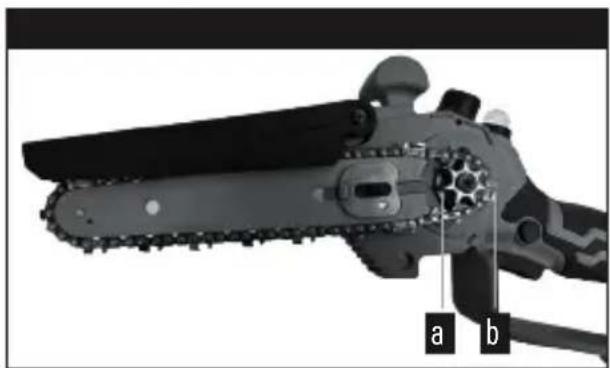
natural_image
Close-up of a mechanical chain saw with labeled parts (a and b), no readable text or symbols beyond labels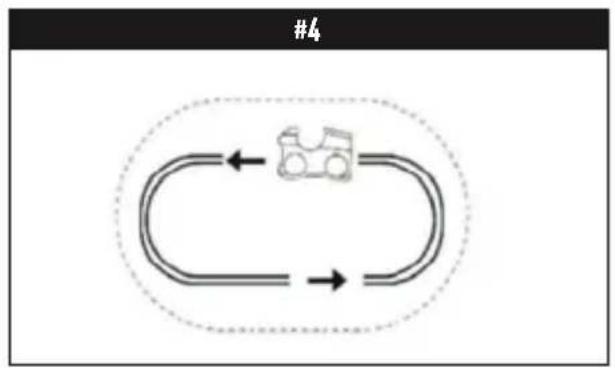
flowchart
graph TD
    A["Car"] --> B["Oval Path"]
    B --> C["Bottom Path"]
    C --> D["Right Arrow"]
    D --> E["Left Arrow"]
    E --> F["Up Arrow"]
    F --> G["Down Arrow"]
natural_image
Black chain-link robotic brush head with textured surface and cutouts (no text or symbols)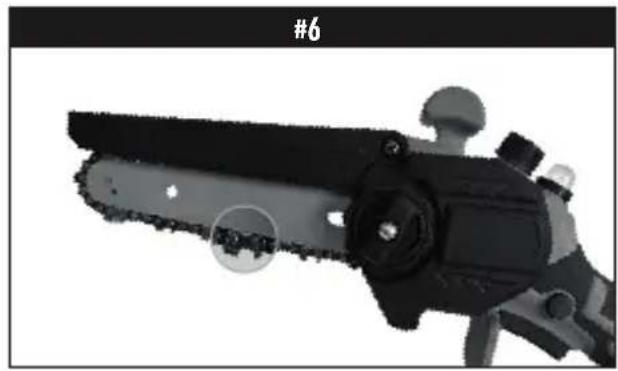
natural_image
Close-up of a chain-linking tool with a gear and handle, labeled #6 (no text or symbols on the tool itself)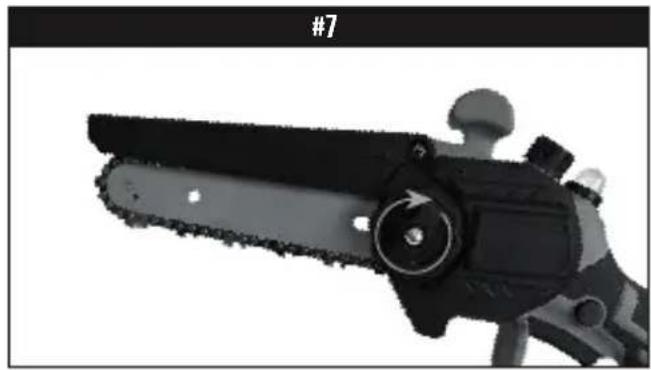
natural_image
3D rendered image of a chainsaw with visible blade and gear (no text or symbols)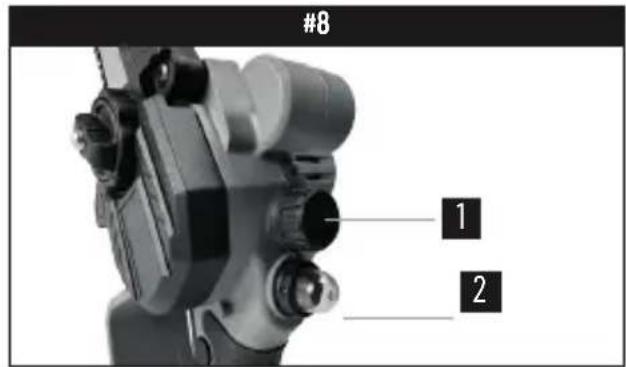
natural_image
Two black electronic devices with wires, one connected to a battery and the other on top (no visible text or symbols)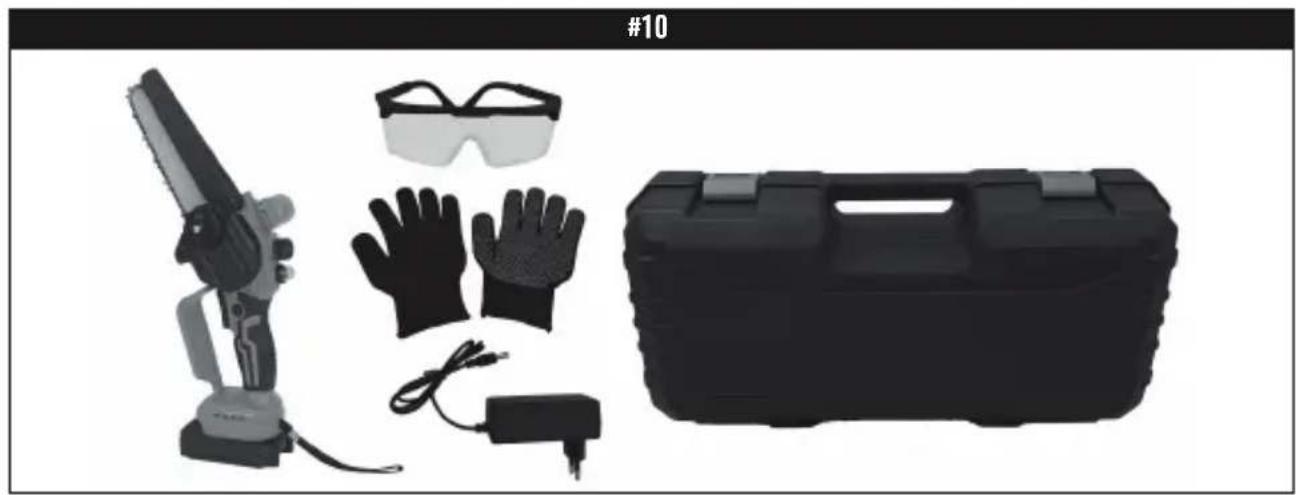
natural_image
Product photo of a robotic arm with gloves, safety goggles, and a black case (no text or symbols visible)DE
ABBILDUNG #1
A. Saw chain (pre-mounted)
B. Guide bar (chain bar)
C. Protective cover
D. Twist lock cover
E. Outer rotating ring for unlocking & releasing the cover and adjusting the chain tension
F. Oil tank cover
G. Oil pump (chain oil)
H. Side chain cover
I. ON/OFF switch
J. Safety button
K. Non-slip handle
L. Hand strap
M. 21V battery
PICTURE #3
a. Fixing screws
b. Sprocket
DELIVERY CONTENTS (#10)
1 x Hammersmith PocketSaw Pro with saw chain, 1 x 21V battery, 1 x hard case, 1 x protective gloves, 1 x safety goggles, 1 x power plug
FR
IMAGE #1
A CSOMAG TARTALMA (#10)
CONTINUT COLET (#10)
- EN: Warning! Danger! Handle with care! This pictogram indicates a possible risk. The measures labelled with this symbol can prevent a serious or even fatal accident.
WARNING AND SAFETY NOTICES
READ ALL SAFETY INFORMATION AND INSTRUCTIONS CAREFULLY. FAILURE TO FOLLOW THE WARNINGS AND INSTRUCTIONS MAY RESULT IN SERIOUS INJURY. KEEP ALL WARNINGS AND INSTRUCTIONS FOR FUTURE REFERENCE.

WARNING!
This device is intended exclusively for cutting shrubs, branches, wood and similar materials
up to a diameter corresponding to the length of the guide bar, as well as for small carpentry work under domestic conditions. Any other use is contrary to the intended use (e.g. cutting trees, walls, plastics, or food), may pose a serious risk to the user and may also result in damage to the device.

WARNING!
The manufacturer is not liable for damage caused by improper or incorrect use of the device. The owner of the saw and/or the person operating it is solely responsible for accidents, injury to the health or damage to the property of other people.
- Familiarise yourself with the controls and proper use before initial use.
- In general, the use of mini chainsaws is only recommended from the age of 18. The person must be able to understand the risks and deal with them responsibly. Not suitable for use by children.
- Parents or legal guardians are responsible if minors use such tools. The device is not intended for use by persons (including children) with limited mental or physical abilities, or by persons who do not have the necessary knowledge and/or experience. The device may only be operated by an adult who has read these instructions and is aware of the risk of injury and damage that may result from failure to observe the rules contained herein.
- The product is not intended for commercial or other use.
- Do not use or store power tools in rain or wet conditions.
- All applicable local safety regulations, standards, and ordinances must be complied with. The use of noise-emitting power tools may be restricted to certain periods of time by national or local
regulations.
- Accessories not included in the delivery contents must not be used.
1. Safety in the workplace
- Always keep the workplace clean and well-lit. Cluttered and poorly lit workplaces increase the risk of accidents.
- Do not use the device in the vicinity of flammable liquids, gases, dust or other potentially explosive substances. The device can generate sparks that can ignite the dust or vapours.
- Keep children and bystanders away while operating the device. Distractions can lead to a loss of control over the device.
2. Electrical safety
- The plugs of the power supply unit must match the socket. Never modify the plug in any way. Do not use extension cables for power tools that have a cable with a protective earth wire. Unmodified plugs and matching sockets reduce the risk of electric shock.
- Unplug the power supply cable if it is not being used or needs to be cleaned.
- Avoid physical contact with earthed surfaces such as pipes, radiators, ovens and refrigerators. Touching earthed parts increases the risk of electric shock.
- Do not use the power tool in the rain or in other damp environments. If water enters the power tool, there is an increased risk of electric shock.
- Never use the mains cable of the power tool to carry or pull the power tool or to pull the plug out of the socket. Keep the cable away from heat, oil, sharp edges or moving parts. Damaged or tangled cables increase the risk of electric shock.
- Only use the power supply unit included in the delivery contents.
- Before starting work, always make sure that the battery shows no visible signs of damage or wear.
- Do not use the device with a damaged or worn
battery.
- Do not charge a leaking battery. Make sure that the surface is dry and clean before charging.
- Do not use chargers for purposes for which they are not intended.
- Before charging, make sure that the charger is compatible with the local power source.
- Charge the battery indoors and only use it in dry conditions and away from water sources.
- Protect the charger from moisture, frost and dirt.
- Do not use the charger outdoors.
- Do not open the charger and keep it out of the reach of children.
- Make sure that the charger slot is free and unobstructed.
- When charging the battery, ensure that the charger is set up in a well-ventilated area and away from flammable materials. Batteries can heat up quickly during the charging process. Ensure that batteries and chargers are not left unattended during the charging process.
- A longer service life and better performance can be achieved if the battery is charged at an air temperature between 18 °C and 24 °C. Do not charge the battery if the air temperature is below 0 °C or above 45 °C. This is important because it can prevent serious damage to the battery.
- The battery cells must not be dismantled, opened or destroyed.
- Do not short circuit the battery. Do not store batteries haphazardly in a box or drawer where they can short-circuit each other or be short-circuited by conductive materials. When the battery is not in use, keep it away from other metal objects such as paper clips, coins, keys, nails, screws or other small metal objects that could connect the terminals. If the terminals of the battery are joined together, this may cause a fire.
- Do not expose the batteries to heat or fire. Do not expose to sunlight.
-
Do not subject the battery to mechanical shocks.
-
If a battery leaks, ensure that the liquid does not come into contact with skin or eyes. If contact has occurred, wash the affected area with plenty of water and consult a doctor.
- Keep the battery clean and dry.
- Wipe the battery contacts with a clean, dry cloth if they are dirty.
- The battery must be charged before use. Read the charging process in these operating instructions and use the correct charging procedure.
- Do not carry out any maintenance work while the battery is charging.
- After prolonged storage, it may be necessary to charge and discharge the battery several times in order to achieve maximum performance.
- Do not use batteries that are not intended for use with this device.
- Remove the battery from the device when you are not using it.
- Dispose of batteries properly.
- The battery must be recharged when it no longer supplies enough power for the device. Do not continue to use the device if the battery no longer supplies sufficient power.
- The battery can be charged at any time, even if it is not fully discharged.
- Ensure that the charger's connections are not short-circuited by metal objects when the charger's mains cable is connected. Unplug the mains cable when the charger is not in use.
- Disconnect the charger from the power supply before cleaning.
- Never immerse the charger in water or any other liquid.
- Never allow water to enter the charger - there is a risk of electric shock.
- Do not charge the batteries in hot places.
3. Personal safety
- Be proactive, watch what you are doing and use common sense when using power tools. Do not use the device when you are tired or under
the influence of drugs, alcohol or medication. A moment of carelessness when operating the power tool can cause serious personal injury.
- Always use appropriate protective equipment. Always wear safety goggles, protective equipment such as dust masks, non-slip safety shoes, safety helmet or hearing protection.
- Wear appropriate clothing. Do not wear loose clothing or jewellery. Keep your hair and clothing away from moving parts. Loose clothing, jewellery or long hair can get caught in the moving parts.
- Avoid unintentional starting of the device. Before connecting the battery and before picking up or carrying the device, make sure that the switch on the power tool is switched off and cannot be actuated.
- Do not lean too far forward when working. Always stand stably on as level a surface as possible and keep your balance. This gives you better control over the power tool in unexpected situations.
- Do not allow the familiarity gained through frequent use of the tool to lead to careless use and disregard of the safety rules. Careless behaviour can lead to serious injuries in a fraction of a second.
4. Use and care of the power tool
- Do not use the power tool if it cannot be switched on using the on/off switch. Any power tool that does not work properly is dangerous and must be repaired.
- Remove the battery from the power tool before making adjustments, replacing parts or storing the tool. These safety measures help to avoid the risk of the device switching itself on unintentionally.
- Check all components regularly for damage or wear that could impair proper function or pose a hazard.
- Keep unused power tools out of the reach of children, and do not allow people who are not
familiar with the power tool or these instructions to operate the power tool. Power tools are dangerous in the hands of untrained users.
- Maintenance of power tools and their accessories: Check whether moving parts are misaligned or jammed, whether parts are broken and whether other factors could impair the operation of the power tool. If you notice any damage, have the power tool repaired before using it. Many accidents are caused by improper maintenance of power tools.
- Keep cutting tools sharp and clean. Correctly maintained cutting tools with sharp blades block less and are easier to control.
- The power tool and accessories must be used in accordance with these instructions, taking into account the working conditions and the work to be carried out. Using the power tool for work other than that for which it is intended can lead to dangerous situations.
- Keep handles and grip surfaces dry, clean and free from oil and grease. Slippery handles and gripping surfaces do not allow safe operation and control of the tool in unexpected situations. Check regularly that the chain is correctly tensioned.
• Always work with the underside of the guide bar. - Never saw more than one log at a time.
- Watch out for falling pieces of wood and other objects that could break the chain.
- Carefully insert the guide bar into the cut. Make sure that you do not jam the garden saw when cutting.
- Stop the machine if someone is in the cutting area.
- Examine the cutting area before starting work. Remove all stones, sticks, wires and other foreign objects that could impair the operation of the machine or be thrown out by the rotating chain.
- Carry out a visual inspection of the machine before each use. Do not operate the machine if it is damaged or if its safety devices (hand guard) or parts of the cutting device are missing or if the
screws are worn, damaged, or loose.
- Only work in daylight or with very good artificial lighting.
- Never leave the device unattended at the workplace.
- Always switch off the device and remove the battery when you move away from the device.
- Start and stop the motor according to the instructions in these instructions and only when you are at a safe distance from the guide bar and chain.
- Look out for holes, ruts, hidden objects or bumps - tall grass can easily hide them.
- Never let go of the garden saw while it is in operation.
- Never attempt to stop the cutting element (chain) by hand! Always wait until it stops by itself.
- Do not start the machine if it is upside down or not in the operating position.
- The chain continues to move for a few seconds after the device is switched off. Keep your hands and feet away from the machine.
- Only remove cutting residues when the machine is switched off and the battery is removed.
- Do not attempt to free a jammed chain before you have switched off the machine.
- If the machine starts to vibrate in an unusual or abnormal way, switch off the motor and remove the battery. Look for the cause. Vibrations are a warning sign of a problem.
- During operation of the chain, traces of oil may be thrown out (lubricate the chain with oil before starting work).
- Spraying oil on the surface you are walking or standing on can become a slip hazard.
- Operating the chainsaw releases wood dust, which can be a health hazard (especially for allergy sufferers). Wear a face mask.
- Do not lubricate the chain with lubricating oil near a fire. Do not smoke while lubricating the chain with oil.
- If the appliance receives a heavy blow or falls,
check its condition before continuing work.
- Check the control units and safety devices for malfunctions before each use.
- Hold the saw firmly to prevent the garden saw from slipping (skidding) or bouncing when you start cutting.
- Make sure you keep your balance at the end of the cut, as a "kickback" may occur.
- Take note of the wind direction and speed. Avoid sawdust and chain oil mist.
5. Repair
Have your power tool repaired by a qualified person and only with original spare parts. This ensures that the power tool can continue to be used safely. Do not attempt to repair the device yourself unless you have the appropriate specialist training in this area.

ALL WORK NOT DESCRIBED IN THIS UAL SHOULD BE CARRIED OUT BY AN HORISED SERVICE CENTRE. PLEASE TACT CUSTOMER SERVICE FOR THIS.
SAFE WORKING WITH THE CHAINSAW
NOTE: Learn the technique of working with a chainsaw. This information is readily available. We recommend that you complete the appropriate training. The information contained in this document is intended for supplementary purposes only.

WARNING!
If cutting is beyond your knowledge and capabilities - consult a professional. Your safety comes first.

WARNING!
Before using the saw for the first time, make a cut on a saw-horse or a test piece of wood in order to gain a minimum of practice.

WARNING!
Keep all body parts away from the chain when the motor is running. Hold the device firmly when it is in operation. Always ensure good posture and balance. Do not throw or drop the tool. Do not cover the tool's ventilation openings.
- Position yourself stably on the left side of the saw - this will keep your body out of the saw line (in the event of an uncontrolled kickback, navigate using your right shoulder).
- Before starting the saw, make sure that the saw is not touching anything you do not want it to touch. A moment of carelessness when operating a saw can result in your clothing or body becoming entangled in the saw chain.
- Wear safety goggles for protection. Additional protective equipment for hearing, head, hands, legs and feet is recommended. Appropriate protective clothing will reduce the risk of injury from flying debris or accidental contact with the chainsaw.
- Do not use a chainsaw on a tree, ladder, roof or other unstable surface. Operating a chainsaw in this way can result in serious injury.
- Always ensure that you are standing securely and only operate the saw when you are standing on a firm, secure and level surface. Slippery or unstable surfaces can lead to loss of balance or control.
- Pay attention to the spring back when cutting a branch that is under tension. If the tension in the wood fibres is released, the spring-loaded arm can hit the operator and cause a loss of control.
- Be particularly careful when cutting undergrowth and tree trunks. Thin material can get caught in the chainsaw and be thrown back at you or throw you off balance.
- Carry the chainsaw by the handle when it is
switched off and away from your body.
- Follow the instructions for lubricating, tensioning and replacing the chain. An improperly tensioned or lubricated chain can break or increase the risk of kickback.
- Keep the handle dry, clean and free from oil and grease. Greasy, oily handles are slippery and lead to loss of control.
- For cutting wood only - do not use the saw for purposes other than those for which it is intended. Do not use the chainsaw to cut metal, plastic, masonry or building materials other than wood.
- Always hold a chainsaw by the insulated grip surfaces.
- Metal parts of the device are live and can cause an electric shock. This chainsaw is not designed for felling whole trees. The use of the saw for work for which it is not designed can result in serious injury to the operator or bystanders.
- Follow all instructions when storing or maintaining the chainsaw. Make sure that the switch is switched off and the battery is removed. Unexpected starting of the chainsaw during maintenance can result in serious injury.
Causes and avoidance of kickback by the operator
Kickback can occur if the tip or nose of the guide bar touches an object, or if the wood jams the saw during the cut. In some cases, touching the tip can cause a sudden opposite reaction by throwing the guide bar up and back towards the operator.
Any of these reactions can cause you to lose control of the saw. Do not rely solely on the safety devices built into the saw.
As a chainsaw user, you should take several steps to prevent accidents or injuries when carrying out cutting work. Kickback is the result of improper use of the tool and/or improper procedures or operating conditions and can be avoided by taking the precautions described below:
- Follow ALL manufacturer's instructions for use and maintenance of your chainsaw.
- Do not lean or cut above shoulder height. This prevents accidental contact with the tip and makes it easier to control the chainsaw in unexpected situations.
- Only use the replacement bars and chains recommended by the manufacturer. Incorrect replacement bars and chains can cause chain breakage and/or kickback.
- Place your thumbs and fingers firmly around the handles of the saw and hold the saw with both hands. Then position your body and arm so that you can withstand the kickback forces. The kickback forces can be controlled by the operator if appropriate precautions are taken. Do not let go of the saw.
WARNING!
Even if the tool is used as recommended, all remaining risk factors cannot be ruled out. The following risks may occur due to the design of the device:
Lung damage if an effective dust mask is not worn.
Hearing damage if effective hearing protection is not used.
Damage to health due to vibration emissions if the device is used for a long period of time or is not properly operated and maintained.
WARNING!
This device generates an electromagnetic field during operation. Under certain circumstances, this field can interfere with the operation of active or passive medical implants. To reduce the risk of serious or fatal injury, if you are using medical implants, we recommend that you consult your doctor and the manufacturer of the medical implant before using this device.
Vibration
Exposure to vibrations during prolonged use of hand tools can cause damage to blood vessels or nerves in fingers, hands and joints in people who are particularly susceptible to circulatory disorders or swelling. Prolonged use of the tool can lead to an interruption of the blood supply to the hands due to the vibration. If symptoms occur such as numbness, pain, weakness, skin discolouration or changes, loss of feeling in the fingers, hands or joints, you should discontinue use and consult a doctor.
- To reduce noise and vibrations, limit the time the product is used and use suitable protective devices.
- Observe the following precautions to minimise the risk of exposure to vibrations and/or noise: only use the tool as described in this manual.
- Ensure that the power tool is in good condition.
- Use sharp accessories (saw chain) that are in good condition and intended for the relevant purpose.
- Hold the handles firmly.
The vibration damping system is no guarantee that the above-mentioned problems will not occur. Users who regularly use motorised hand tools must monitor their health and the condition of the equipment used. However, the working time can be extended by using suitable gloves or taking regular breaks.
Protective equipment when working with a garden saw with a handle
To avoid injury to your head, eyes, hands or feet and to protect your hearing, you must wear the following protective equipment when working with a garden saw:
- Clothing should be appropriate, i.e. close-fitting but not distracting. Do not wear any jewellery or clothing that could become entangled in bushes or shrubs. If you have long hair, tie it back so it doesn't get caught!
- A safety helmet must be worn when operating a chainsaw. The safety helmet must be checked regularly for damage and replaced after 5 years at the latest. Only use approved safety helmets.
- The face shield of the safety helmet (or safety goggles) protects against sawdust and wood shavings. Always wear safety goggles or face protection when working with a garden saw to prevent eye injuries.
- Wear suitable noise protection equipment (earmuffs, earplugs, etc.).
- A protective jacket made of 22 layers of nylon is recommended to protect the operator from cuts.
- Safety shoes or safety boots with non-slip soles, steel toecaps and foot protection must always be worn when working with a garden saw. Safety shoes with a protective layer offer protection against cuts and stability for the foot.
THE OPERATING PRINCIPLE OF THIS POWER TOOL
The cordless garden saw cuts small green waste with the help of a special chain that sits on a high-quality guide and moves more or less perpendicular to the cutting plane at high speed. The chain is set in motion by a brushless motor, which is powered by a 1 Ah lithium-ion battery with 21 V direct current. The saw is equipped with an automatic chain lubrication system. The user's working comfort is ensured by the low weight of the device and the cover that protects the hands from the cutting element.
PREPARATION FOR USE
NOTE: The chain and guide bar are already fitted to the saw when you remove it from the hard case..
- Before the saw is ready for use, the chain tension must be adjusted and the chain and guide bar lubricated. Correct chain tension is extremely important and should be checked both before and during the cutting process.
-
Only insert the battery and start the device motor once the device has been properly prepared.
-
Do not fit any bar or chain other than the one suitable for your model.
WARNING!
Read, understand and follow the instructions on the battery charger.
WARNING!
The chain tensions automatically when the twist lock on the side of the cover is firmly tightened.
WARNING!
The saw chain must be tensioned correctly before use, see instructions for tensioning below.
WARNING!
To distribute wear evenly and extend the service life of the guide bar, lift it and clean it of dust and sawdust.
INSTALLATION/REPLACING THE CHAIN AND GUIDE
WARNING!
Always ensure that the saw switch is switched off before inserting or removing the battery.
WARNING!
Always ensure that the battery is removed and the switch is turned off before checking, adjusting or servicing any part of the saw.
WARNING!
The chain and guide bar of the garden saw are still hot shortly after use. Allow the tools to cool down before working with them.
WARNING!
The guide bar and chain must be fitted or removed in a clean area that is free of sawdust or such like.
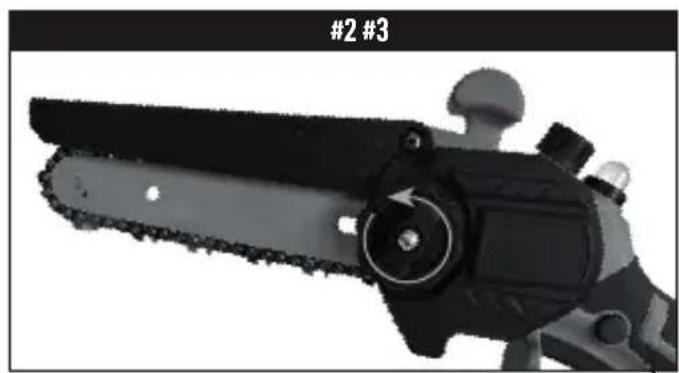
- Place the device in front of you and turn the twist lock on the cover anti-clockwise to release it (see #2). Turn the left-hand dot on the rotating ring of the cover to the unlock symbol.
- Then remove the cover. Use a brush or a small hand brush to remove dust and sawdust from the interior.
- The guide bar with saw chain can now be lifted off the threaded bolt and the sprocket (see #3).
- Remove the worn chain from the guide bar and place the new chain around the guide bar. Pay attention to the correct tooth direction (see #4).
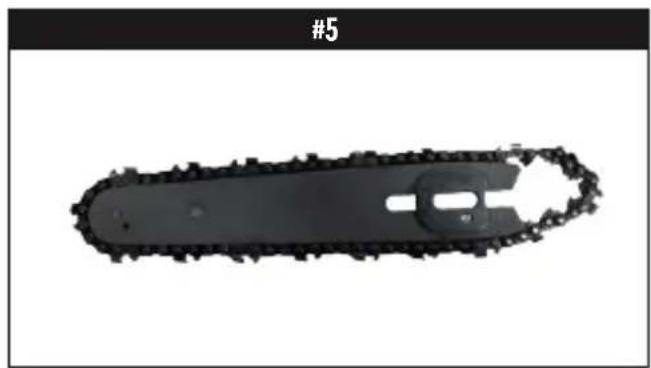
- Make sure that the new chain is fully wrapped around the guide bar (see #5).
- Then reattach the new chain with guide bar to the threaded screws and the sprocket of the device, lifting the blade cover slightly to do so. Make sure that the inside teeth of the saw chain are in the groove on the side of the guide bar (see #6).
- Now replace the cover, making sure that the outer rotating ring is still in the unlocked position, and tighten the cover by attaching and turning the twist lock clockwise (see #7). Then turn the right-hand point on the outer rotating ring of the cover to the lock symbol.
TENSIONING THE SAW CHAIN
Proper chain tension of the device is extremely important and must be checked before and during each cutting operation. If you take the time to make the necessary adjustments to the saw chain, you can ensure better cutting performance and a longer chain life.

WARNING!
If the chain is too loose or too tight, the links will wear out more quickly.

WARNING!
Do not tension the chain of the device too much. Excessive chain tension can lead to chain breakage and premature wear of the guide bar.

WARNING!
A chain that is too loose can jump off the guide bar and cause injury. The device chain may become loose after many hours of operation. Check chain tension before and after each use.

WARNING!
The saw chain has very sharp edges. Wear protective gloves for safety.
- Always ensure that the battery is removed and the switch is turned off before checking or adjusting the tension of the chain.
- To loosen the chain, first slightly loosen the twist lock on the cover.
- Make sure that the threaded pin is still in the round hole of the guide bar.
- Adjust the chain tension by turning the outer rotating ring to the right for tighter tension and to the left for looser tension.
NOTE: There should be no gap between the sides of the chain and the bottom of the guide bar. - When the chain is correctly tensioned, tighten the twist lock on the cover by turning it clockwise again. Otherwise, the guide bar will move and the chain tension will be loosened again. This increases the risk of kickback and can also damage the saw.

WARNING!
A new chain will stretch, check the new chain after the first few minutes of operation. Let the chain cool down. Adjust the chain tension if necessary.

WARNING!
All drive chain links must be correctly positioned in the guide bar groove.
TOPPING UP THE CHAIN OIL (see #8)

WARNING!
Always ensure that the saw is switched off and the battery is removed before lubricating it or making any adjustments.
- Pour oil into the oil tank until it is full. (see #8.1.)
- Now press the oil pump to start lubrication. (see #8.2.)
Regularly check the oil level in the tank!
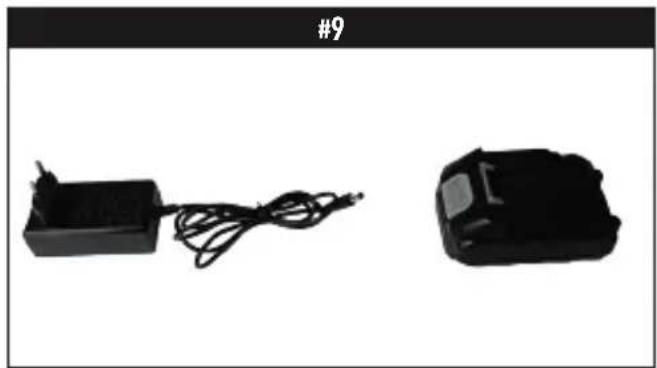
CHARGING THE BATTERY (see #9)
- Charge the battery fully before using it for the first time.
- Insert the charging plug of the power supply unit into the socket on the battery.
- Plug the charger into a suitable 220 V DC socket to start the charging process.
- When the battery is charging, the LED lights up red.
- When it is fully charged, the LED lights up green.
- Disconnect the battery and charger from the power source after charging.
INSERTING THE BATTERY
- Ensure that the device is never in operation before inserting or removing the battery.
- To insert the battery, align the projection of the battery with the grooves in the housing and push it into the device along the battery guide until you hear a "click".
- To remove the battery, press the green release
button on the battery and pull the battery out of the guide again.
WARNING!
Do not use force when inserting the battery. If the battery cannot be inserted easily, it is not inserted correctly.
STARTING THE SAW
- Before each start-up, ensure that the chain is tensioned and check the oil level.
- Insert the battery into the base of the device.
- Now take the device in your hand. Your thumb rests on the safety button and your fingers rest on the ON/OFF switch. Hold the handle above the motor housing with the other hand.
- To start the saw, press the safety button and press the ON/OFF switch at the same time.
- Then release the switch so that the saw stops again.
WARNING!
Release the switch to switch off the saw. The safety lock button is a safety device that prevents accidental switch on.
WARNING!
Hold the device firmly with both hands until the chain has come to a complete stop. The saw motor is stopped automatically when the switch is released. The chain stops shortly after switch off.
SAWING
First steps
- Bring the chain of the device into contact with the workpiece to be cut before switching it on.
- Start the device and saw the workpiece.
- Apply light pressure to the workpiece using the handle on the top of the machine.
- Continue sawing until the workpiece is sawn
through.
- Then release the switch so that the saw stops again.
WARNING!
If you are making several cuts, switch off the garden saw between cuts to prevent it from overheating.
Cutting small branches
- Bring the chain of the device into contact with the branch to be cut before switching it on. If this is not observed, the guide bar may wobble and cause injury.
- Apply light pressure to the branch using the handle on the top of the machine.
- If you cannot cut through the wood in one go, pull the saw back a little. For thicker pieces, first make a shallow cut from the bottom and then the final cut from the top.
MAINTENANCE, CLEANING AND STORAGE
WARNING!
Switch off the garden saw and remove the battery from the device before carrying out maintenance work! Parts that come into contact with the body with a rotating chain can cause injury, disability or death!
Cleaning the saw
- Use a soft cloth moistened with soapy water. Wipe the saw dry.
- Clean the saw thoroughly after each use.
- Do not immerse the garden saw in water or other liquids!
- Do not use sandpaper.
- Do not use any agents containing ammonia, chlorine, carbon tetrachloride, naphtha or petrol.
- Clean the chain with oil and spray it with a metal protection spray.
Maintaining the bars
Most problems with the bars are caused by uneven wear of the bar. The guide bar should be reversed every 8 operating hours to ensure even wear.
Routine maintenance of the bars:
- Remove the guide bar from the saw.
- Regularly remove sawdust from the guide groove. Use a putty knife for this purpose.
- Clean the oil holes with a cloth.
Storage
- Store the device in a dry, dust-free place and out of the reach of children.
- Before storing the device in a closed room, remove the battery from the device and wait until the motor has cooled down.
- Before storing the device for a longer period of time, remove the battery from the device and charge it fully.
- Avoid extreme cold or heat during storage to prevent a reduction in battery performance. Do not store the device and battery in direct sunlight for long periods of time.
- Clean the appliance and accessories thoroughly to prevent mould growth.
- Check the charge status of the battery during longer periods of storage and recharge it if necessary.
FR
AVERTISSEMENTS ET CONSIGNES DE SÉCURITÉ
LISEZ LES CONSIGNES DE SÉCURITÉ ET LES INSTRUCTIONS AVEC ATTENTION. LE NON- RESPECT DES AVERTISSEMENTS ET DES INSTRUCTIONS PEUT
ENTRAÎNER DES BLESSURES GRAVES. CONSERVEZ CES AVERTISSEMENTS ET CES INSTRUCTIONS POUR POUVOIR LES CONSULTER ULTÉRIEUREMENT.
⚠ AVERTISSEMENT !
INSTALLATION/REPLACEMENT DE LA CHAÎNE ET DU GUIDE
⚠ AVERTISSEMENT !
WAARSCHUWING EN VEILIGHEIDSINSTRUCTIES
LEES ALLE VEILIGHEIDSINFORMATIE EN INSTRUCTIES ZORGVULDIG DOOR. HET NIET INACHTNEMEN VAN DE WAARSCHUWINGEN EN INSTRUCTIE KAN LEIDEN TOT ERNSTIG LETSEL. BEWAAR DEZE HANDLEIDING EN VEILIGSHEIDSWAARSCHUWINGEN OP EEN VEILIGE PLEK ZODAT
U ZE LATER OPNIEUW KUNT RAADPLEGEN.

WAARSCHUWING!
The Ground Truth image displays a single, solid horizontal line. According to Rule 2 (UNDERSCORE & LINE RULES), this is a stylistic or background line, not a placeholder underscore. Therefore, the OCR result must ignore it and output nothing or only meaningful text. The provided OCR content is "____", which consists of four underscores. This is an incorrect interpretation of the line as a placeholder, violating the rule that stylistic lines must be ignored. The OCR has hallucinated placeholder underscores where none exist in the GT, violating the rule to ignore such lines. Hence, the OCR result is inconsistent with the Ground Truth.
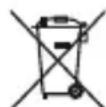
EN: This symbol means that such electrical equipment or batteries must not be disposed of with normal household waste. You are legally obliged to hand in such items - free of charge - to a public collection point or distributor-created collection point for the recycling of electrical devices and expired bulbs and batteries within the scope of the Electrical and Electronic Equipment Act that are not encapsulated by or fixed into the appliance, and can be removed or separated from the appliance by non-destructive means, for disposal at the end of their service life. Use rechargeable batteries instead of single-use batteries wherever possible. The recovery and recycling of old appliances makes an important contribution to protecting our environment. Improper disposal can result in toxic substances being released into the environment, which can have harmful effects upon people, animals and plants. Batteries with an increased pollutant content are also marked with the following symbols: Cd = cadmium, Hg = mercury, Pb = lead. Consumers are themselves responsible for deleting any personal data from appliances. Here are some best practices and recommendations to extend the life of your batteries and enable their reuse:
- Charge your batteries correctly and fully to maximize their lifespan. If necessary, fully discharge it using a suitable appliance before recharging it.
- Consider the possibility of using rechargeable batteries. These can be reused and recharged multiple times, reducing the quantity of battery waste.
- Always use the correct type of batteries for your devices. Improper use may shorten battery life and potentially give rise to harmful effects.
Hergestellt in China | Made in China | Fabriqué en Chine ↓ Fabbricato in Cina | Made in China |
Šzarmazasi hely: Kina | Vyrobeno v Cíně | Vyrobené v Cíne | Tara de provenienta: China |
office@mediashop-group.com | www.mediashop.tv
DE | AT | CH: 0800 37 6 36 06 - kostenlose Servicehotline | CZ: +420 234 261 900 |
SK: +421 220 990 800 | RO: +40 318 114 000 | HU: +36 96 961 000 | ROW: +43 1 267 69 67



- HAMMERSMITH®
- PocketSaw Pro
- DE
- ABBILDUNG #1
- PICTURE #3
- DELIVERY CONTENTS (#10)
- FR
- IMAGE #1
- A CSOMAG TARTALMA (#10)
- CONTINUT COLET (#10)
- WARNING AND SAFETY NOTICES
- WARNING!
- Safety in the workplace
- Electrical safety
- Personal safety
- Use and care of the power tool
- Repair
- ALL WORK NOT DESCRIBED IN THIS UAL SHOULD BE CARRIED OUT BY AN HORISED SERVICE CENTRE. PLEASE TACT CUSTOMER SERVICE FOR THIS.
- SAFE WORKING WITH THE CHAINSAW
- Causes and avoidance of kickback by the operator
- Vibration
- Protective equipment when working with a garden saw with a handle
- THE OPERATING PRINCIPLE OF THIS POWER TOOL
- PREPARATION FOR USE
- INSTALLATION/REPLACING THE CHAIN AND GUIDE
- TENSIONING THE SAW CHAIN
- TOPPING UP THE CHAIN OIL (see #8)
- CHARGING THE BATTERY (see #9)
- INSERTING THE BATTERY
- STARTING THE SAW
- SAWING
- First steps
- Cutting small branches
- MAINTENANCE, CLEANING AND STORAGE
- Cleaning the saw
- Maintaining the bars
- Routine maintenance of the bars:
- Storage
- AVERTISSEMENTS ET CONSIGNES DE SÉCURITÉ
- ⚠ AVERTISSEMENT !
- INSTALLATION/REPLACEMENT DE LA CHAÎNE ET DU GUIDE
- WAARSCHUWING EN VEILIGHEIDSINSTRUCTIES
- U ZE LATER OPNIEUW KUNT RAADPLEGEN.
- WAARSCHUWING!
Brand : Hammersmith
Model : PocketSaw Pro
Category : Electric saw