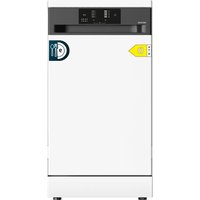
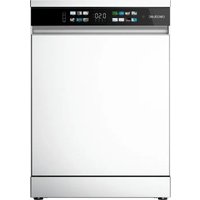
USER MANUAL Bolero Aguazero 6800 CECOTEC
natural_image
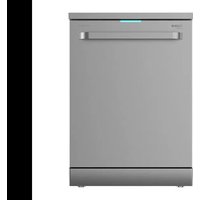
Exterior view of a modern white kitchen appliance with a blue indicator light on the door (no text or symbols visible)
| Instrucciones de seguridad 4 | | 8. Nettoyage et entretien | 112 |
| Safety instructions 8 | | 9. Resolution de problèmes | 115 |
| Instructions de sécurité 12 | | 10. Specifications techniques | 120 |
| Sicherheitshinweise 16 | | 12. Recyclage des appareils | |
| Istruzioni di sicurezza 20 | | électroménagers et électriques | 122 |
| Instruções de segurança 24 | | 13. Garantie et SAY | 122 |
| Veligheidsvoorschritten | 28 | 14. Copyright | 122 |
| Instrukcie bezpieczefislava 32 | | | |
| Bezpočnostní pokyny 35 | | INHALT | |
| | 3. Installation | 124 |
| | 4. Vor der Benutzung des Geschirrspülers | 127 |
| ÍNDICE | | | |
| 1. Piezas y componentes 40 | | 5. Beladung des Geschirrspülers | 131 |
| 2. Antes de instalar 40 | | 6. Programmtabelle | 136 |
| 3. Instalación 41 | | 7. Bedienfeld | 139 |
| 4. Antes de usar el lavavojillas 44 | | 8. Reinigung und Wartung | 142 |
| 5. Cargo del lavavojillas 48 | | 9. Problembchebung | 145 |
| 6. Tabla de programas 52 | | 10. Technische Spezifikationen | 150 |
| 7. Panel de control | 54 | 11. Technische Daten | 151 |
| 8. Limpleza y mantenimiento | 58 | 12. Recycling van Clektro- und | |
| 9. Resolución de problemas | 60 | Clektronikgeräten | 152 |
| 10. Especificaciones técnicas | 64 | 13. Garantie und Kundendienst | 152 |
| 11. Fiches técnicas 65 | | 14. Copyright | 152 |
| 12. Reciclaje de electrodomésticos y aparatos eléctricos 66 | | INDICE | |
| 13. Garantie y SAT | 66 | 1. Partie componenti | 153 |
| 14. Copyright 66 | | 2. Prime dell'installazione | 153 |
| | 3. Installazione | 154 |
| INDEX | | 4. Prima di usare la lavasloviglie | 157 |
| 1. Parts and components | 67 | 6. Tabela dei programmi | 164 |
| 2. Before installation | 67 | 7. Panrello di controllo | 166 |
| 3. Installation | 68 | 8. Pulizia e manutenzione | 170 |
| 4. Before using the dishwasher | 71 | 9. Risoluzione dei problemi | 172 |
| 5. Loading the dishwasher | 74 | 10. Specifiche tecniche | 177 |
| 6. Programmes table | 78 | 11. Schede tecniche | 177 |
| 7. Control panel | 80 | 12. Ricidlaggio di elettrodiomestici | |
| 8. Cleaning and Maintenance | 84 | e apparecchiature electriche | 178 |
| 9. Troubleshooting | 86 | 13. Garanzia e supporto tecnico | 179 |
| 10. Technical specifications | 91 | 14. Copyright | 179 |
| 11. Technical sheets | 91 | | |
| 12. Disposal of aid electrical appliances | 92 | ÍNDICE | |
| 13. Technical support and warranty | 93 | 1. Peças e componentes | 180 |
| 14. Copyright 93 | | 2. Antes da instalação | 180 |
| | 3. Instalação | 181 |
| SQMMAIRE | | 4. Antes de usar a máquina de lavar louça | 184 |
| 1. Pièces et composants | 94 | 5. Carregamento da máquina de lavar louça | 188 |
| 2. Avant installation | 94 | 6. Tabela de programas | 192 |
| 3. Installation | 95 | 7. Panel de controllo | 195 |
| 4. Avant utilisation | 98 | 8. Limpeza e manutenção 198 | |
| 5. Chargement du lave volissette | 102 | 9. Resolução de problemas | 201 |
| 6. Tableau de programmes | 106 | 10. Especificações técnicas | 206 |
| 7. Panneau de contrôle 109 | | 11. Folhas de dados | 206 |
| 12. Reocidagem de electrodomésticos e aparelhos eléctricos 208 |
| 13. Garantia e SAT | 208 |
| 14. Copyright | 208 |
| INDEX |
| 1. Onderdoelen en componenten | 209 |
| 2. Véor de installatie | 209 |
| 3. Installatie | 210 |
| 4. Voordat u de vaatwasser gebruikt | 215 |
| 5. De vaatwasser innruimen | 216 |
| 6. Programma tabel | 222 |
| 7. Bedieningspaneel | 225 |
| 8. Schoenmaak en onderhoud | 228 |
| 9. Probleermoplossing | 231 |
| 10. Technische specificaties | 236 |
| 11. Technische fiches | 236 |
| 12. Recycling van elektrische en elektronische apparatuur | 237 |
| 13. Garantie en technische ondersteuning | 238 |
| 14. Copyright | 238 |
SPIS TREŚCI
| Icon Type Meaning | |
| WARNING Risk of serious injury or death |
| RISK OF ELECTRIC SHOCKRisk of dangerous voltage |
| FIREWarning: Risk of fire/ flammable materials |
| WARNINGRisk of injury or damage to property |
| IMPORTANT/NOTE Correct system use |
Please, keep this instruction manual in a safe place for future reference or new users.
- Read these instructions carefully before assembling or using the product. These instructions contain important information that will help you get the best out of your equipment. It is your responsibility to make sure every user is informed about the warnings and precautions stated in this instruction manual.
-
This appliance can be used by children aged 8 years and above and persons with reduced physical, sensory or mental capabilities or lack of experience and knowledge if they have been given supervision or instruction concerning the use of the appliance in a safe way and understand the hazards involved. Children must not play with the appliance. Cleaning and user maintenance should not be carried out by unsupervised children.
-
After using the dishwasher, there may be remains in the interior. Keep children away from the machine when it is open.
WARNING: check if the dishwasher and package are not damaged. Never use the dishwasher if it is damaged, immediately contact the Cecotec Technical Support Service.
- Packaging material may be dangerous to children. Remove it and place it out of their reach.
- Choose a suitable and safe place to install the dishwasher.
- Do not install the dishwasher on a surface in which the base cannot air properly, like a carpet.
- Use the provided hoses, do not reuse old hoses.
- Do not plug the dishwasher before installing it.
The machine must be unplugged during its installation.
- It is recommended that the dishwasher is installed by authorised personnel.
- Never use an extension cord or a multi-socket connection.
- The socket must be accessible after the dishwasher installation.
- After the installation, the first time you run the dishwasher, do it while it is empty.
- Always use the socket provided with the dishwasher. Do not modify the socket provided with the device if it does not match the power socket.
- Check the power cord regularly for visible damage. If the cord is damaged, it must be replaced by the official Technical Support Service of Cecotec in order to avoid any type of danger.
-
Do not operate the product if its cord, plug or structure show visible damage, do not operate properly or have been dropped.
-
In case of malfunctioning, repair must be carried out by the Cecotec Technical Support Service; otherwise the warranty will be void.
Before repairing the dishwasher, you must disconnect it from the power supply and close the stopcock.
- ⚠️ ⚠️ To unplug the dishwasher, pull from the socket, never from the cord.
- This dishwasher is intended for household use only. Do not operate it outdoors.
- During use, the dishwasher uses less energy and water than washing dishes by hand, provided that the household dishwasher is used according to these instructions.
- Do not misuse it, do not stand, sit or place any heavy object on the door or baskets.
- Do not use the dishwasher if all interior elements are not correctly placed.
- Use only detergents and rinse aids specific for dishwashers.
- Some dishwasher detergents are very alkaline. They may be extremely dangerous if you ingest them. Avoid contact with skin and eyes and keep children away from the dishwasher when the door is open.
- Due to the danger of explosion, do not place chemical solvents in the machine washing section.
- Do not place articles which are not dishwasher safe in the machine.
- Do not fill the baskets over their capacity.
- Cecotec is not responsible for any deformation produced in the interior of the machine due to misuse.
- Do not open the door while the dishwasher is running, as it could spill hot water. The machine features safety
INSTRUCTIONS DE SÉCURITÉ
- Upper spray arm
- Interior tube
- Lower spray arm
- Filtering set
- Salt tank
- Dispenser
Fig. 2
- Cutlery tray
- Upper basket
- Upper spray arm
- Cup rack
- Lower basket
Note
The graphics in this manual are schematic representations and may not exactly match the product.
2. BEFORE INSTALLATION
- This product includes a safety package to protect it during transport. Unpack the appliance and keep the original packaging and materials in a safe place. It will help prevent any damage if the product needs to be transported in the future. In case the original packaging is disposed of, make sure all packaging materials are recycled accordingly.
- Make sure all parts and components are included and in good conditions. If some are missing or not in the best condition, contact the Technical Support Service of Cecotec immediately.
Box contents
- Bolero Aguazero 6800 Stainless Steel dishwasher
- Water supply hose
- Drain hose
- Moisture barrier tape
- Instruction manual
ENGLISHENGLISH
3. INSTALLATION
Step 1: Selecting the dishwasher location
Fig. 3
Fig. 5
- Dishwasher
- Dishwasher door
- Minimum space of 5 mm
- Cabinet
- Do not hold the device by its door or panel.
- Leave an appropriate distance around the machine to make its disconnection from the mains and movement easier when cleaning it.
Step 2: Water supply hose connection
Fig. 6
Connect the water supply hose to a cold water tap, and make sure it is securely in place.

WARNING: use the water supply hose provided with your dishwasher, do not reuse the water supply hose from your old dishwasher.

WARNING: open the tap and let water run through the water supply hose before connecting it to the dishwasher.

WARNING: connect the water supply hose directly to the water Inlet (1). The pressure supplied by the inlet must be at least 0.04 MPa and at most 1 MPa. If the pressure is MPa, you must install a pressure release valve in the connection (2).

When the connections are ready, open the tap completely and check if there is any water leakage. Close the water supply tap after every washing programme.
Step 3: Draining hose connection
Fig. 7
- Back of the dishwasher
- Main cable
- Water inlet
- Drain hose hole
- Drain hose
-
Worktop
-
Next, connect the drain hose directly to a drain (B) or to an outlet with at least a 4-cm diameter (A). This connection must be at least 50 cm and at most 100 cm over the floor level.
- If the end of the drain hose is free, you should not be immersed in water, to avoid water backflow.
- Make sure the drain hose is not twisted.

IMPORTANT: Utensils will not be washed correctly if you use a drain hose with over 4-m length.
Step 4: Electric connection
Connect the dishwasher to the electric circuit.

WARNING: make sure that the mains voltage matches the voltage stated on the rating label of the appliance and that the wall outlet is grounded.
The dishwasher plug must be connected to a grounded socket. If you do not have a grounded socket, a grounded installation must be carried out by a licensed electrician. In case of ungrounded use, Cecotec shall not be liable for any malfunction or damage that this may cause.
ENGLISHENGLISH
Make sure there is an appropriate grounded socket before using the appliance.
Step 5: Placing the dishwasher
The back of the dishwasher must rest against the wall behind it, and the sides, in the cabinets or adjacent walls.
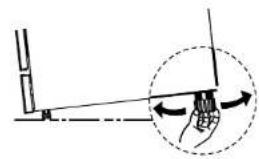
Step 6: Levelling the dishwasher
Fig. 8
-
Set the level from front to back.
-
Set the level from side to side.
- For a correct operation, the dishwasher must be level.
- Once you have placed the device, you can modify its height with the adjustment of the screwed level feet. Fig. 9
- Place a spirit level in the door and in the basket rail, as shown on image B, to check the dishwasher is level.
- Level the dishwasher adjusting the three level feet individually. The rear foot can be set from the front part of the dishwasher by turning the screw located on the centre of the dishwasher base with a screwdriver. To set the front feet, use a flat-head screwdriver and turn the front feet until the dishwasher is level.
- When levelling the dishwasher, be careful not to knock it over.
NOTES
- The maximum height adjustment of the feet is 50 mm.
- It is not recommended to lean the device over 2^ .
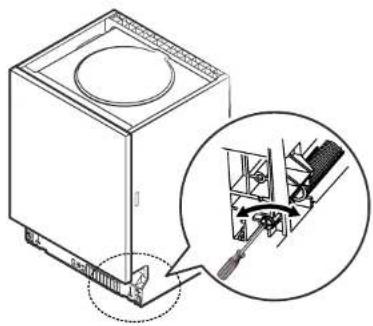
Step 7: Setting the spring tension on the door
Fig. 10
- The door springs are factory set to the appropriate tension for the exterior door.
- Turn the adjustment screw to tighten or loosen the steel cable. Adjust the tension of the door springs using a screwdriver by turning it clockwise to tighten the left and right door springs.
- The door spring tension is correct when the door remains horizontal in the fully open position, but can be raised to the closed position with a slight push.
Step 8: Cabinet fixing
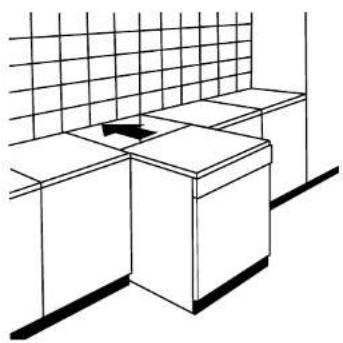
- Fit the machine by pushing it under the worktop, taking care not to crush or bend the hoses.
- If you want to secure the dishwasher to the cabinet, you have two installation methods (Fig. 11):
- Normal surface: place the installation hook in the side panel slot and fix it to the worktop with the screws.
- Marble or granite surface: fix the side with the screws.
Make sure the water supply and water outlet hoses are not crushed or trapped. Make sure the dishwasher is not placed over the electric cable when installing it.
4. BEFORE USING THE DISHWASHER
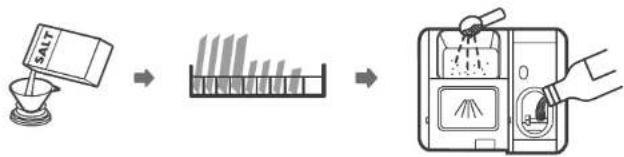
For a correct washing, the dishwasher needs soft water. Otherwise, water will leave scale remains in the tableware and in the interior of the machine which may block the dishwasher. To do this, water goes through a system that removes the lons that form the hardness of the water, either special dishwasher salt or a water softener.
Before the first use, follow these steps:
-
Set the water softener
-
Add special salt for dishwashers.
-
Load the baskets
-
Fill the detergent compartment.
Fig. 12
41. Dishwasher salt

- Use only salt special for dishwashers.
The salt compartment is located under the lower basket.
Filling the compartment with dishwasher salt
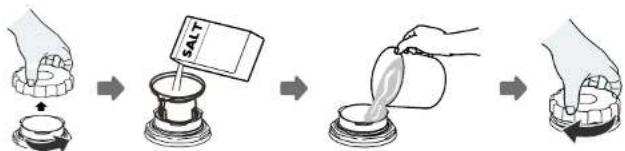
Fig. 13
-
Remove the lower basket and loosen the compartment cap.
-
Open the salt compartment cap by turning it counterclockwise.
-
Fill the compartment with salt for dishwasher until it is almost full. Using a funnel will make the process easier.
-
Add water to the salt compartment until the limit (only in the first use). It is normal for a small amount of water to come out of the salt compartment.
-
Place the cap back and tighten it.
-
The salt indicator light will turn off after the salt compartment is filled with salt.
-
When running the dishwasher, the salt compartment will fill with water, so you must fill the compartment before running the dishwasher.
- Fill the salt compartment immediately before running the dishwasher as, otherwise, the filtering system, pump and other important parts of the machine may get damaged. The guarantee shall not cover this eventuality.
ENGLISHENGLISH
Note
You must only refill the salt compartment when the salt indicator light turns on on the control panel. Depending on how well the salt is dissolved, the salt indicator light may remain on, even if the salt compartment is full.
4.2 Water softener
- This dishwasher is equipped with a water softener which uses a salt compartment specifically designed to reduce water hardness.
- To find out the hardness level of your tap, you can contact your water company or use a test strip.
- You must set the water softener manually according to the water hardness in your area, to do so use the water hardness dial. The goal is to optimise and customise the salt consumption level.
Water hardness table
| Water hardness in Germany (dH) | Water hardness in France (dF) | Water hardness in the United Kingdom (dE) | Indicator on the display |
| 0-5 0-9 0-6 H1 | | | |
| 6-11 10-20 7-14 H2 | | | |
| 12-17 21-30 15-21 H3 | | | |
| 18-22 31-40 22-28 | | H4 | |
| 23-34 | 41-60 29-42 | H5 | |
| 35-55 | 61-98 | 43-69 | H6 |
Note

Water hardness is set in H3 by default. If water comes from a well or its water hardness is over 90 dF, it is recommended to use refinement filters and devices
Setting the water softener
- Open the door, press the power button and close the door again.
- Wait for a minute, open the door again and hold down the programme button for more than 5 seconds to access the water softener setting mode.
- Press the programme button again to select the water hardness level suitable according to the previous table.
- Press the power button to save settings.
- Close the door so the dishwasher resumes the washing cycle automatically.
4.3 Detergent use
- Use only detergents designed specifically for household dishwashers. Keep the detergent in a cool, dry place and out of reach from children.
- The ingredients used in the detergents are necessary to remove dirt from the dishwasher.
- Do not fill the compartment with powder detergent until it is ready to wash the dishes.
- The necessary detergent amount will depend on the cycle, the load size and the dishes dirt level. Add an adequate amount to ensure optimum performance.
- If the detergent amount is too high, you will notice glass and dishes have whitish stripes or bluish layers, which may cause corrosion. Continued use of too much detergent may cause damage to the dishwasher.
- If the amount of detergent is too low, it can cause bad cleaning, as well as whitish stripes. If the water is hard.
- Check the manufacturer instructions for the detergent to get more information.
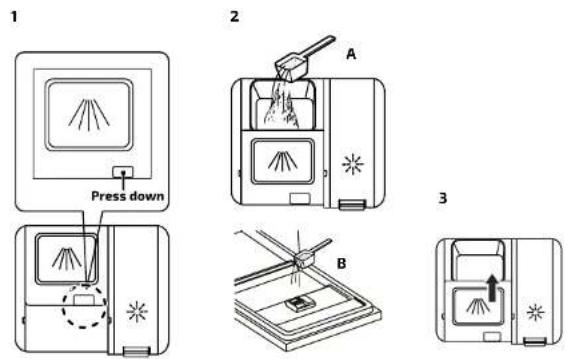
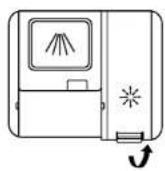
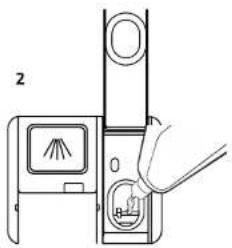
Filling the detergent dispenser
Fig. 14
- Slide the detergent compartment release tab to the right to open the cover.
- Add detergent in the biggest hole (A) for the main wash. For better results on dirtier loads, also add detergent in the smaller hole (B) so that detergent is released during prewash.
- Close the tap by sliding it forward and press it downwards.
4.4 Rinse aid use
- Use only detergents designed specifically for household dishwashers. Keep the rinse aid in a cool, dry place and out of reach from children.
- Rinse aid is used to promote the drying of the dishes without marks and stains. The rinse aid is automatically released during the last rinse to prevent water droplets from forming on the dishes, which can leave stains and marks.
- This dishwasher is designed to use liquid rinse aids.
- If the rinse aid dose is too low, there will be whitish stains in the dishes and they will not dry correctly.
- If the rinse aid dose is too high, you will see bluish layers on glass and dishes.
Never fill the rinse aid compartment with other substances, as this could damage the dishwasher
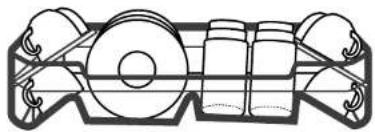
Filling the rinse aid compartment
Fig. 15
- Remove the tap of the rinse aid compartment by lifting it.
- Pour the rinse aid in the dispenser carefully, avoiding spilling it out of the compartment.
- Close the tap by pressing it until it is locked in place.
ENGLISHENGLISH
- You must fill the rinse aid compartment when the rinse aid level indicator lights up, as it indicates there is little rinse aid left.
- Do not overfill the rinse aid compartment.

NOTE: be careful not to spill rinse aid outside the compartment and clean it if it is spilled.
Rinse aid setting
- The higher the number, the more amount of rinse aid will be released.
- Set the rinse aid level to obtain better drying results with less quantity.
- If the dishwasher does not dry correctly or leaves stains, increase the rinse aid level.
- Open the dishwasher door and turn it on by pressing the power button.
- Wait for a minute and hold down the programme button for more than 5 seconds.
- Press the delay start button to access the setting mode, the rinse aid indicator will light up.
- Press the programme button to select the suitable setting depending on your area.
- Turn the dishwasher off by pressing the power button to save the settings.
5. LOADING THE DISHWASHER
Recommendations
- To get better results, follow the loading tips.
- If you do not overload the dishwasher capacity, you will save energy and water.
- Loading the dishwasher to its full capacity will contribute to energy and water saving.
- Remove any coarse residue from the dishes before placing them in the machine. Manual, prerinse of the tableware will lead to higher water and energy consumption and is not recommended.
- Place the utensils and tableware in a safe manner, so they cannot be knocked over and they do not overlap.
- You can place mugs, cups, glasses, small dishes, bowls, etc. in the upper basket.
- When placing long stem glasses, lean them on the edge of the basket or over the rack, never on any tableware piece. Make sure that the glasses do not touch each other, as they may not stay still and could be damaged.
- Place every container, like mugs, glasses and pots upside down in the dishwasher, otherwise water may accumulate in the interior.
- Place all big objects (pots, pans, lids, dishes, bowls, etc.) and those which are not very dirt in the lower basket.
- Dishes and cutlery pieces should not be placed one on top of the other.
-
To avoid damage, do not take the tableware out immediately after finishing the washing programme.
-
Make sure the tableware and utensils introduced and washed in the dishwasher are dishwasher safe. Remember some utensils should not be washed at high temperatures, even if they are dishwasher safe.
- Do not wash too small utensils in the dishwasher, as they may fall off the basket and cause serious interior damage to the dishwasher.
- Some types of glass can lose their brightness after a great amount of dishwasher washing cycles.
- Silver and aluminium pieces tend to discolour after dishwasher washing
- Enamelled pieces may fade if they are washed frequently in the dishwasher.
-
To get better results, we advise you to load the lower basket first and then the upper basket.
-
WARNING: make sure the rotation of the spray arms is not blocked after loading the dishwasher.
- WARNING: make sure after loading the dishes you can open the detergent compartment.
- NO: No not overload the tray nor place dishes in the wrong basket.
- Do it wash too small utensils in the dishwasher, as they may fall off the basket and cause serious interior damage to the dishwasher.
- WARNING: to avoid any possible injury, place sharp knives with its sharp part upside down or horizontally on the cutlery tray. Long and/or sharp cutlery pieces must be placed in a horizontal position in the upper basket.
- WARNING: wait for at least 15 minutes before unloading the dishwasher, as the objects may be hot when the programme finishes.
5.1 Upper basket
Fig. 16
The upper basket is designed to place the most delicate and light tableware, like glasses, mugs and saucers, as well as dishes, small bowls and shallow pans (as long as they are not too dirty).
Place the tableware and kitchenware so it does not move because of the water spray.
Fig.17
- Cups of coffee
- Saucers
- Classes
- Mugs
- Small pot
ENGLISHENGLISH
Height setting
Type 1
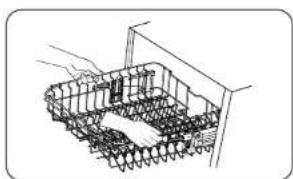
Fig. 18
- The height of the upper basket can be set easily to create more space for large utensils on the upper or lower basket.
- To set the height of the upper basket, follow these steps:
- Pull out the upper basket.
- Remove the upper basket.
- Place the upper basket again on the upper or lower rollers.
- Push the upper basket inwards.
Type 2
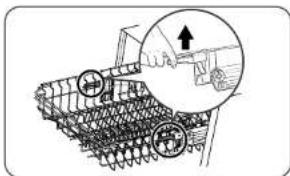
Fig. 19
- To raise the upper basket, lift it at each end until the basket is positioned in the highest position. There is no need to raise the adjustment handle.
- To reduce the height of the upper basket, adjust the handles on each side to release the basket and lower it to the lowest position.
5.2 Lower basket
Fig. 20
- Place big and difficult to wash items in the lower basket, like pots, pans. lids, serving dishes and bowls, as shown in the image.
- It is advisable to place platters and lids on the sides of the baskets so they do not block the rotation of the upper spray arm.
- It is not advised to place dishes with a diameter of 19 cm or over in front of the detergent compartment, as it may difficult its operation.
Fig 21
- Oven pan
- Small dishes
- Flat dishes
- Soup plates
- Platter
- Small melamine dishes
- Melamine bowls
- Glass bowl
- Dessert bowls
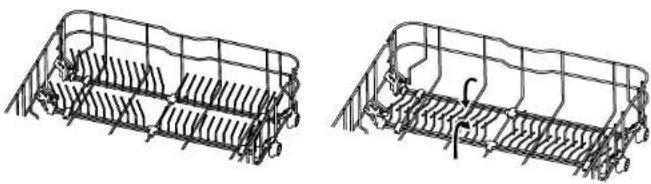
Setting the lower basket (Fig. 22)
- The spikes on the lower basket are used to hold the dishes and the tray as shown in the image. (Fig. 22)
You can lower them so there is more room for big utensils.
5.3 Cutlery tray
Fig. 23-24
- Soup spoons
- Forks
- Knives
- Teaspoons
- Dessert spoons
- Serving spoons
- Serving forks
-
Gravy ladle
-
Cutlery pieces must be placed in the cutlery tray separately one from another in the correct position. Make sure utensils do not overlap, as this could cause malfunctioning.
- You can place utensils like blenders, mugs, etc. without affecting the operation of the upper basket.

Always load sharp objects with the point upside down.
Adjusting the cutlery tray
Fig. 25
- Lift the left rack, adjust it to the lowest position, it will lie flat and the right rack will lie on its side.
- Lift the right rack, now both are flat.
- Move the right rack from right to left, now they are both overlapping.
- Remove the right rack from the tray, there will be the left rack left.
Height setting
Fig. 26
Loosen the four buttons on the tray and push it down gently.
ENGLISHENGLISH
- PROGRAMMES TABLE
| Symbol | Programme name | Cycle description | Pre/main wash detergent | Length (min) | Energy consumption (kWh) | Water consumption (litres) | Rinse aid |
| Auto Pre-wash (45°C) | Wash (55-65°C)SoakRinse (50-55°C)Dry | (4/18 g)/(1 o 2 dosis) | 90-180 0.850 | 1.550 8.5-18.0 Yes | | |
| Intensive Pre-wash | 50°C)Wash (65°C)SoakRinse (60°C)Dry | (4/18 g)/(1 o 2 dosis) | 205 1.500 | 16.6 | Yes | |
| Universal | Pre-wash (45°C)Wash (55°C)SoakRinse (55°C)Dry | (4/18 g)/(1 o 2 dosis) | 175 | 0.980 | 13.6 | Yes |
| ECO | Eco | Wash (50°C)SoakRinse (50°C)Dry | (4/18 g)/(1 o 2 dosis) | 198 | 0.747 | 9.8 | Yes |
| Class | Pre-washWash (50°C)Rinse (50°C)Rinse (50°C)Dry | (4/18 g)/(1 o 2 dosis) | 120 | 0.950 | 13.5 | Yes |
| 90 min | Wash (60°C)SoakRinse (50°C)Dry | (22 g)/(1 dosis) | 90 | 1.180 | 12.5 | Yes |
| Rapid | Wash (40°C)Rinse (40°C)Rinse (55°) | 12 g | 30 | 0.820 | 11.2 | No |
| SoakSoak | Pre-wash | - | 15 | - | 4.1 | No |
ENGLISHENGLISH
- The times indicated for each programme match the length with standard loads and temperatures. Other loads and temperatures will need different programme length.
- The programme duration can change according to the amount of dishes, water temperature, room temperature and the selected additional functions.
- The values provided for the programmes, except for the ECO programme, are just indicative.
- The ECO programme is suitable to clean normally soiled dishes; it is the most efficient programme in terms of combined energy and water consumption and is used to assess compliance with EU eco-design legislation.
- Washing dishes in a household dishwasher generally consumes less energy and water than manual dishwashing when the dishwasher is used according to the manufacturer's instructions.
- It is recommended that you leave the door slightly open after the washing cycle has finished to speed up drying.
- You can access the product database where the information for this model is stored by scanning the QR code on the energy label.
Programme description:
- Auto mode: use this washing programme with automatic detection to clean lightly soiled, normally or heavily soiled dishes, with or without dry food.
- Intensive: use this programme to clean dirtier tableware, and pots, pans, dishes, etc. moderately soiled, with dry food.
- Universal: for loads with normal soiling, such as lightly soiled pots, dishes, glasses and pans, use this programme.
- ECO: this is the standard programme, suitable for cleaning normally soiled dishes and the most efficient programme in terms of combined energy and water consumption for such tableware.
- Glass: use this programme to wash the tableware and glass which is lightly soiled.
- 90 min: for normally soiled loads that need to be washed quickly.
- Rapid: this is a short washing programme, useful for lightly soiled loads which do not need drying.
- Soak: use this programme to soak dishes which you want to wash later. It is recommended to rinse dishes by hand and not use this programme.
7. CONTROL PANEL
Fig. 27
- Power button
- Alt button
-
Function button
-
Delay start button
- Programme selection button
- Programme indicators
- Alt indicator
- Function Indicator
- Warning indicator
- Washing phase indicator
- Display
- Press this button to turn the dishwasher on and off.
- When the dishwasher turns on, the display will light up.
- Press this button to activate or deactivate the spray arms.
- The indicators for the upper spray arm and/or lower spray arm will light up according to your choice.
- Press this button to select one of the functions available.
- The function indicator you have selected will light up.
- Use this button to delay the start hour of a programme before running it. You can activate the start of a cycle within 1 hour up to 24 hours after, in 1-hour intervals.
- The delay start button will light up
- Use this button to choose a programme. The programme indicator for the selected programme will light up.
- To obtain more details about the programmes, check the "Programmes table" section.
Programme indicator
It indicates the programmes available.

Mado Auto

Intensivo
Intensive

Universal

Eco

Vidrip Glass

90 min.

Rápido
Rapid

Aclarado Soak
ENGLISHENGLISH
Alt indicator
| / | |
| Upper spray arm | Lower spray arm |
- Upper spray arm: if you activate this option, the dishwasher will only wash the tableware on the upper basket.
- Lower spray arm: if you activate this option, the dishwasher will only wash the tableware on the lower basket.
- If you activate both, the dishwasher will clean both baskets.
Function Indicator
- Extra Drying: activate this function to add an extra drying. You can only use this setting with the Auto, Intensive, Universal, ECO, Glass and 90 min programmes.
- TurboSpeed: use this function to reduce the time of the programme you have selected.
Warning indicator
- Rinse Aid: if this indicator is lit up, it means the dishwasher has little rinse aid.
- Salt: if this indicator is lit up, it means the dishwasher has little salt.
Washing phase indicator
- The prewash, wash, rinse and dry cycles are indicated with 2 indicator lights on.
- The main wash cycle is indicated with 4 indicator lights on.
- The rinse cycle is indicated with 6 indicator lights on.
- The dry cycle is indicated with 8 indicator lights on.
- The lights will turn off when the washing ends.
Display
It shows the remaining time, the delay start, error code, etc.
Starting a washing cycle
Fig. 28
- Remove all coarse residues from the tableware, avoid using the pre-rinse of the dishwasher.
- Take out the upper and lower baskets, load the tableware and push them back inside. It is recommended to load the lower basket first and then the upper basket.
- Fill the detergent compartment.
- Press the power button, choose a programme and the indicator light will light up. Next, close the dishwasher door to start the cycle.
Changing the programme
Fig. 29
- A programme can only be changed if it has been running for a short time, otherwise the detergent may have already been released or the wash water with detergent may have already been drained. In this case, the dishwasher needs to be re-set and the detergent compartment must be refilled.
- If you want to change the programme when the dishwasher is operating:
- Slightly open the dishwasher door so it stops. When the spray arms have stopped, you can open it completely.
- Hold down the programme button for 3 seconds. The machine will enter the programme selection mode.
- You can change the programme you prefer. Close the dishwasher door again to start the cycle.
Introducing tableware during the cycle
Fig. 30
- You can add tableware at any time before the detergent compartment is activated.
- Slightly open the dishwasher door so it stops. When the spray arms have stopped, you can open it completely.
- Add the table water you have forgotten.
- Close the door and the dishwasher will resume the washing.
WARNING: it is dangerous to open the door in the middle of the cycle, as the hot steam can burn you.
Automatic door opening
After washing, the door will open automatically for better drying results.
NOTE: the dishwasher door must not be blocked by any object, as this could alter the door locking functionality.
NOTE: the Rapid and Soak programmes do not feature the automatic door opening function.
ENGLISHENGLISH
8. CLEANING AND MAINTENANCE
- The dishwasher cleaning is important to preserve the machine shelf life.
- Make sure that water softener has been adjusted correctly and the correct amount of detergent is used to prevent limescale build-up.
- Refill the salt compartment when the salt indicator light lights up.
- Dil and limescale may accumulate in the dishwasher over time. If this happens:
- Fill the detergent compartment, but do not load any dish.
- Select a high-temperature programme and let the dishwasher run with no load.
- If this operation does not clean the dishwasher enough, use a cleaning agent designed to be used in dishwashers.
- To lengthen your dishwasher shelf life, clean the device regularly every month.
- Clean the door gaskets and the door regularly with a damp cloth to remove any accumulated remain or strange object.
- Clean the control panel with a soft and slightly damp cloth.
- Clean the filters and the spray arms at least once a week. If there are food remains or strange objects in the fine and coarse filters, remove the filters and clean them thoroughly with water.
Warnings
- To avoid water entering the door gasket and the electric components, do not use any type of spray cleaning agent to clean the dishwashing exterior.
- Never use abrasive cleaning agents or scouring pads in the exterior surfaces, as they can scratch the finish. Some paper towels can also scratch or leave stains in the surface.
Filtering system
Fig. 31
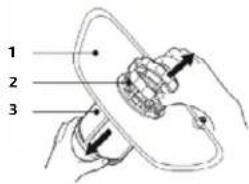
1. Main filter
2. Coarse filter
3. Fine filter
- The filtering system retains coarse remains from the wash cycle, including foreign objects such as toothpicks or splinters. Coarse remains may block the filters.
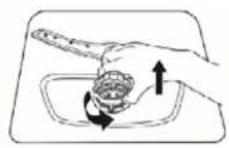
- Hold the coarse filter and turn it counterclockwise to unlock it. Lift the filter upwards and remove it from the dishwasher.
- The fine filter can be removed from the lower part of the filtering set. The coarse filter can be separated from the main filter by slightly pressing the tabs on the upper part and pulling it.
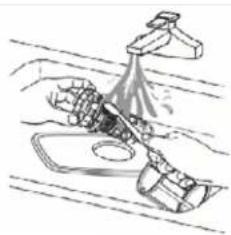
- The biggest food remains can be cleaned by placing the filter under running water. For a more complete cleaning, use a soft cleaning brush.
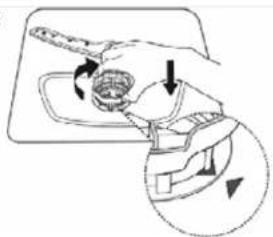
- Reassemble the filters in the reverse order of disassembly, place the filter again inside the hole at the bottom of the dishwasher and turn it clockwise until you reach the locking arrow.
WARNING: do not press the filters too much. Place the filters again in a safe manner; otherwise, large remains may enter the system and cause a blockage.
WARNING: never use the dishwasher without the filters installed. Incorrect substitution of the filter may reduce the performance level of the device and damage the tableware and utensils.
WARNING: do not wash any filter in the dishwasher.
NOTE: the washing effectiveness will decrease if the filter is placed incorrectly.
NOTE: the use of clean filters is necessary for the correct operation of the dishwasher.
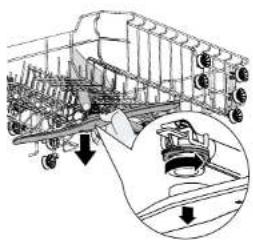
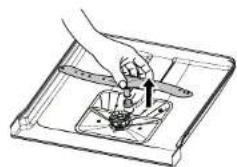
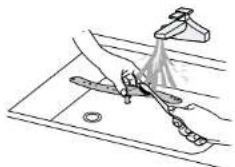
Spray arms
Fig. 32
- Make sure the spray arms are not blocked and there are no food remains or strange objects sticked to them. If there is some blockage, remove the spray arms and clean them under running water.
- To remove the upper spray arm, hold the nut and turn the arm counterclockwise.
- To remove the lower spray arm, pull the spray arm upwards.
- Clean the arms with soap and warm water and use a soft brush to clean the holes.
Frost protection
Take frost protection measures in winter. After every washing cycle, follow these steps:
1. Turn off the electrical power to the dishwasher from the power supply.
2. Turn off the water supply and disconnect the water supply hose from the water valve.
3. Empty the water from the supply hose and from the water valve. (Use a bucket to pick up water).
4. Connect the water supply hose again to the water valve.
5. Remove the filter from the bottom of the dishwasher and use a sponge to absorb the water on the drain.
After every wash
After every wash, close the device water supply and leave the door slightly open for some minutes so moisture and odours are not trapped in the interior.
When not in use for a long time
- We recommend running a washing cycle without any load and, next, disconnect the plug from the mains supply, close the water supply and leave the door slightly open.
- This will help preserve the door gaskets for more time and will prevent odours forming inside the device.
ENGLISHENGLISH
- TROUBLESHOOTING
| Problem Possible causes Solutions | | |
| The dishwasher does not turn on | The fuse has blown or the circuit breaker has tripped. | Replace the fuse or restart the circuit breaker.Remove any other device sharing the same circuit as the dishwasher. |
| The power supply is not on. Make sure the dishwasher is on and door is properly closed.Make sure that the power cord is plugged into the socket properly. |
| Water pressure is too low. Check the water supply is properly connected and the tap is open. |
| The dishwasher door is not properly closed. | Make sure you properly close the door and it clicks. |
| The water in the dishwasher is not drained | The drain hose is twisted or trapped. | Check the drain hose. |
| Blocked filter. Check the filtering system. |
| Blocked kitchen sink. Check the kitchen sink to make sure it is draining correctly. If the problem is the kitchen sink is not draining, you may need a plumber instead of the Technical Service. |
| Foam in the interior | Unsuitable detergent. Use only | detergent special for dishwashers to prevent foam formation. If there is foam forming, open the dishwasher and let it evaporate. Add a litre of cold water in the bottom of the dishwasher. Close the dishwasher door and select any cycle. At the start, the dishwasher will drain the water. Open the door after the drainage to check the foam has disappeared. Repeat this process if necessary. |
| Spilled rinse aid. Always clean | spilled rinse aid immediately. |
| The interior is stained | You may have used detergent with colouring. | Make sure your detergent does not contain colouring. |
| White film on the interior surface | Hard water. To clean the interior, use a soft and damp cloth with detergent for dishwasher and use rubber gloves. Never use any cleaner other than dishwasher detergent, as this may cause foaming. |
ENGLISHENGLISH
| There are rust stains on the cutlery | The affected items are not dishwasher safe | Avoid washing items which are not dishwasher safe. |
| You did not run a programme after adding salt to the dishwasher. There were salt remains in the washing cycle. | Always run a wash programme with no load after adding salt. Do not select the Turbo function (if it is included in this model) after adding salt to the dishwasher. |
| The water softener cover is loose. | Check the water softener cover is properly closed. |
| Knocking noise in the dishwasher | A spray arm is hitting an item in the basket. | Pause the programme and place the items blocking the spray arm again. |
| Rattling noise in the dishwasher | The tableware is loose in the dishwasher. | Pause the programme and place the items again. |
| Knocking noise on water hoses | This may be caused by the installation or the pipe section. | It does not affect the dishwasher operation. If you have any doubts, contact a qualified plumber. |
| Dishes are not clean | You have not loaded them correctly. | Read the "Preparing and loading the dishes" section. |
| The programme is not powerful enough. | Select a more intensive programme. |
| Not enough detergent has been dispensed. | Use more detergent or change the detergent. |
| There are items blocking the spray arms movement. | Place the items again so the spray arm can move freely. |
| The filtering set is not clean or not correctly placed in the bottom of the dishwasher. This may block the spray arms holes. | Clean and/or place the filter correctly. Clean the spray arm holes. |
| Opaque glass Combination of soft water and too much detergent. | Use less detergent if you have soft water and select a shorter cycle to wash the items made of glass. |
| White spots appear on plates and glasses | Areas with hard water may cause lime deposits. | Check the water softener settings or the salt deposit filling. |
| Black or grey marks on tableware | Aluminium items have brushed against the tableware | Use a mild abrasive cleaner to remove these marks. |
| There is detergent in the dispenser | The dishes block the detergent dispenser. | Load the dishes again correctly. |
ENGLISHENGLISH
| The dishes are not dry. | Inadequate load. Wear gloves | If you find detergent residues on the dishes to avoid skin irritation. |
| You are removing the dishes too fast. | Do not empty the dishwasher immediately after the wash. Open the door slightly to allow steam to escape. Do not take the dishes out until the interior temperature is safe to the touch. Unload first the lower basket to avoid water from dripping from the upper basket. |
| You have selected an inadequate programme. | With a short programme, the washing temperature is lower, which decreases the cleaning performance.Choose a programme with longer washing time. |
| Use of low-quality coated cutlery. | The water draining is more difficult with these items. The cutlery or tableware of this kind cannot be washed in the dishwasher. |
Warning
Cecotec cannot be held responsible for unprofessional repair as this may cause serious risks to the safety of the user of the appliance and affect the warranty.
Error codes
If there is a malfunction, the dishwasher will display an error code. The next table shows possible error codes and their causes.
| Codes Problem Possible causes | |
| El The dish washer needs more time for the water to enter. | The taps are not open, or the water inlet is limited, or the water pressure is too low. |
| E3 The desired temperature is not reached. | Heating element failure. |
| E4 Overflow: Some element in the dishwasher is leaking. |
| Ed Failure of communication between the main printed circuit board and the main printed circuit board of the display. | Open circuit or breakage of wiring for communication. |
Warnings
- If an overflow occurs, turn off the main water supply before contacting the Technical Service.
- If there is water in the base due to overfilling or a small leak, water must be removed before running the dishwasher again.
- If there is an error code you cannot solve, seek professional help.
10. TECHNICAL SPECIFICATIONS
Product name: Bolero Aguazero 6800 Stainless Steel
Reference: 02361
1760-2100 W, 220-240 V AC, 50 Hz
Water pressure: 0.04–1.0 MPa
IP X1
Capacity: 14 place setting.
Manufactured in China | Designed in Spain
Technical specifications may change without prior notification to improve product quality.
- TECHNICAL SHEETS
| Brand Cecotec | |
| Name of the model | Bolero Aguazero 6800 Stainless Steel dishwasher |
| Reference: 02361 | |
| Capacity (place setting) 14 | |
ENGLISHENGLISH
| Energy efficiency class C | |
| ECO programme energy consumption 0.747 | |
| Standard programme energy consumption (EPEC) (kWh/cycle) | 1.700 |
| Energy Efficiency Index (EEI) 43,9 | |
| Eco programme water consumption (EPWC)/ (litro/cycle) | 9.8 |
| Cleaning performance index (Ic) 1.125 | |
| Drying performance index (Ic) 1.065 | |
| ECO programme duration (Tp) / (h:min) 3:18 | |
| Power consumption in off mode (Pc) 0.49 | |
| Does 'standby mode' include the display of information? | No |
| Power consumption in delay start mode (Pds) 1.00 | |
| If the delay start is available, can it be programmable for more than 24 hours? | No |
| Test programme ECO | |
| Airborne acoustic noise emissions (dB) 42 | |
| Sound level class B | |
| Dimensions (cm) | Height 85 | |
| Width | 60 |
| Depth | 60 |
12. DISPOSAL OF OLD ELECTRICAL APPLIANCES

This symbol indicates that, according to the applicable regulations, the product and/or battery must be disposed of separately from household waste. When this product reaches the end of its shelf life, you should dispose of the batteries/accumulators and take them to a collection point designated by the local authorities.
Consumers must contact their local authorities or retailer for information
concerning the correct disposal of old appliances and/or their batteries.
Compliance with the above guidelines will help to protect the environment.
13. TECHNICAL SUPPORT AND WARRANTY
Cecotec shall be liable to the end user or consumer for any lack of conformity that exists at the time of delivery of the product under the terms, conditions and deadlines established by the applicable regulations.
It is recommended that repairs be carried out by qualified personnel.
If at any moment you detect any problem with your product or have any doubt, do not
hesitate to contact Cecotec official Technical Support Service at +34 963 210 728.
14. COPYRIGHT
The intellectual property rights over the texts in this manual belong to CECOTEC INNOVACIONES, S.L. All rights reserved. The contents of this publication may not. In whole or in part, be reproduced, stored in a retrieval system, transmitted or distributed by any means (electronic, mechanical, photocopying, recording or similar) without the prior authorization of CECOTEC INNOVACIONES, S.L.
FRANÇAISFRANÇAIS
1. PIÈCES ET COMPOSANTS
Img.1
Fig. / Img. / Rys. / Obr. 1
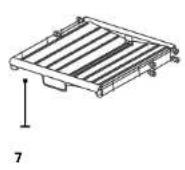
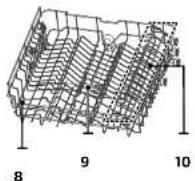
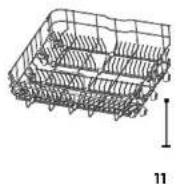
Fig. / Img. / Rys. / Obr. 2
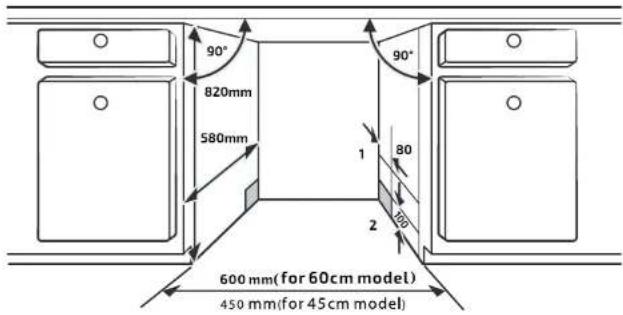
Fig. / Img. / Rys. / Obr. 3
natural_image
Line drawing of a kitchen sink with a grid-patterned wall and an open door (no text or symbols)
Fig. / Img. / Rys. / Obr. 4
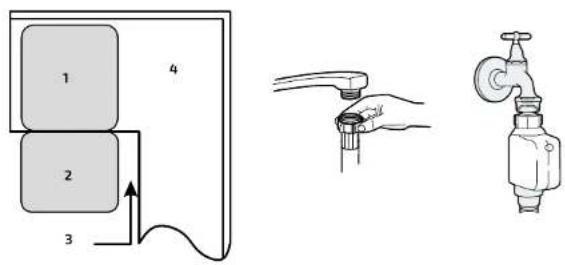
Fig. / Img. / Rys. / Obr. 5 Fig. / Img. / Rys. / Obr. 6
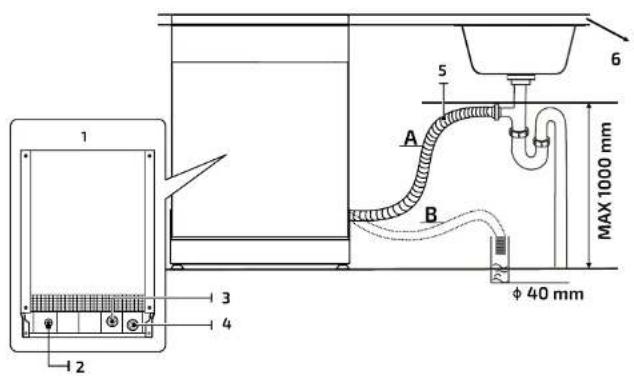
Fig./Img./Rys./Obr.7
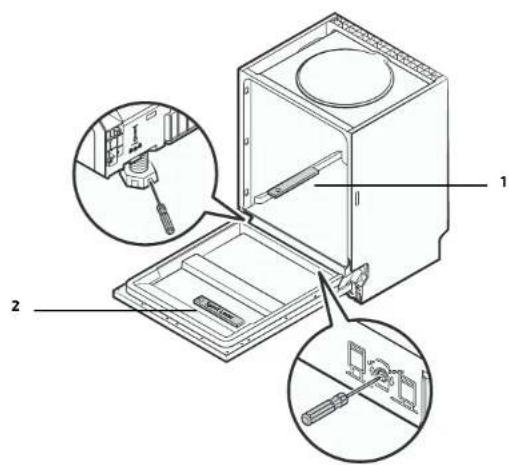
Fig. / Img. / Rys. / Obr. 8
natural_image
Diagram showing a hand operating a lever with an inset close-up of the lever mechanism (no text or symbols)
Fig. / Img. / Rys. / Obr. 9
natural_image
Diagram of a washing machine with an inset showing internal components (no text or labels)
Fig. / Img. / Rys. / Obr. 10
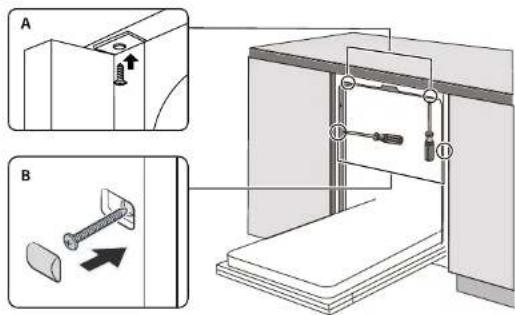
Fig. / Img. / Rys. / Obr. 11
flowchart
graph LR
    A["SALT"] --> B["Add salt"]
    B --> C["Add hydrochloric acid"]
    C --> D["Add gas collection into a device with drying tube"]
    D --> E["Final product inspection with reagent addition"]
Fig. / Img. / Rys. / Obr. 12
flowchart
graph LR
    A["Hand holding a cup"] --> B["Add salt to a container"]
    B --> C["Salt being poured into a container"]
    C --> D["Hearts the same steps"]
Fig. / Img. / Rys. / Obr. 13
1
3
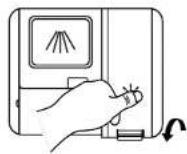
Fig. / Img. / Rys. / Obr. 15
natural_image
Technical line drawing of a mechanical component with rollers and brackets (no text or symbols)
Fig. / Img. / Rys. / Obr. 14
Fig. / Img. / Rys. / Obr. 16
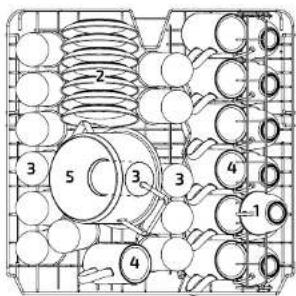
Fig. / Img. / Rys. / Obr. 17
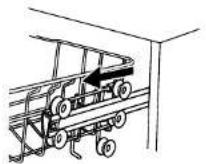
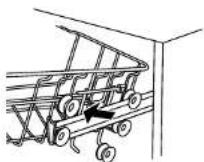
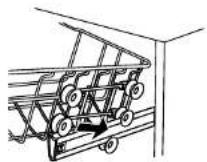
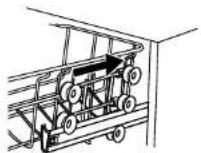
Fig. / Img. / Rys. / Obr. 18
natural_image
Line drawing of a cage-like structure with multiple legs and a central body, possibly a pork feed or livestock (no text or symbols)
natural_image
Illustration of a robotic arm with gears and a hand holding a tool, showing mechanical components (no text or symbols)
Fig. / Img. / Rys. / Obr. 19
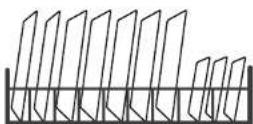
Fig. / Img. / Rys. / Obr. 20
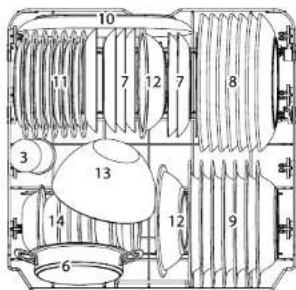
Fig. / Img. / Rys. / Obr. 21
natural_image
Two technical line drawings of a mechanical or agricultural component with grid-like supports and no visible text or symbols.
Fig. / Img. / Rys. / Obr. 22

Fig. / Img. / Rys. / Obr. 23
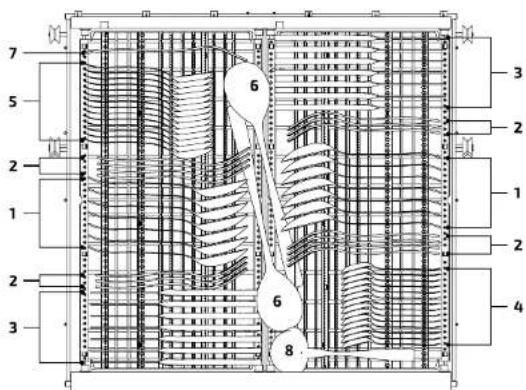
Fig. / Img. / Rys. / Obr. 24
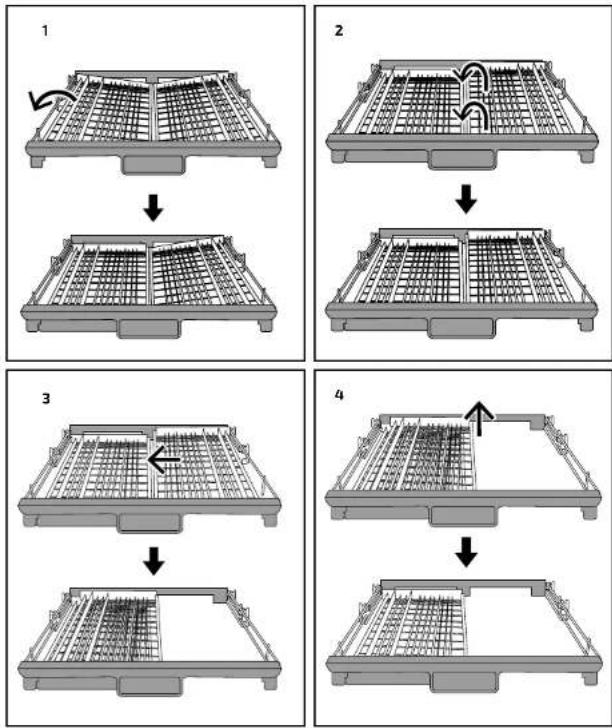
Fig. / Img. / Rys. / Obr. 25
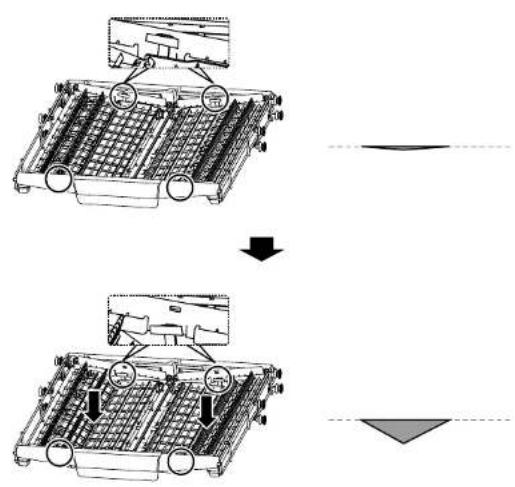
Fig. / Img. / Rys. / Obr. 26
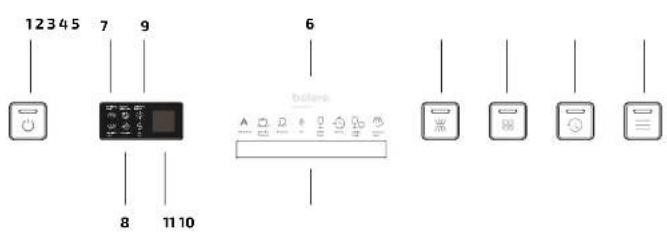
Fig. / Img. / Rys. / Obr. 27
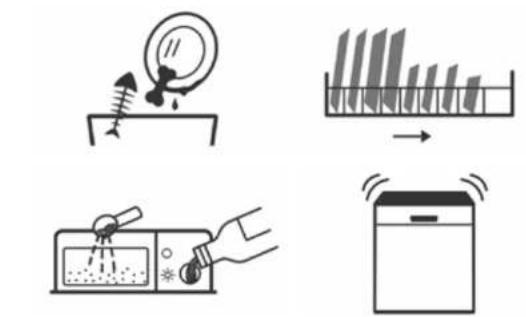
Fig. / Img. / Rys. / Obr. 28
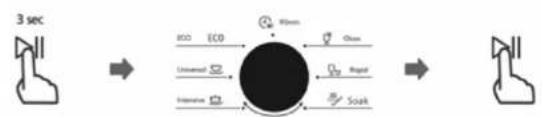
flowchart
graph LR
    A["Input"] --> B["ECO"]
    B --> C["Engine"]
    C --> D["Pressure Gauge"]
    D --> E["Output"]
    style A fill:#f9f,stroke:#333
    style E fill:#bbf,stroke:#333
Fig. / Img. / Rys. / Obr. 29

flowchart
graph LR
    A["Hand icon"] --> B["After 5 sec"]
    B --> C["Brush with brush"]
    C --> D["Add a bag"]
    D --> E["Add a cloth"]
    E --> F["Final cloth icon"]
Fig. / Img. / Rys. / Obr.30
1
2
3
natural_image
Illustration of a hand spraying water onto a kitchen sink (no text or symbols)
4
natural_image
Illustration of a hand holding a small bowl with arrows indicating rotation or movement (no text or symbols)
natural_image
Technical diagram of a mechanical assembly with an inset showing a close-up view of a component (no text or labels present)
natural_image
Illustration of a hand using a tool to adjust or install a component on a tray (no text or symbols visible)
natural_image
Line drawing of a kitchen sink with a hand cleaning the surface (no text or symbols)
Fig. / Img. / Rys. / Obr. 31
Fig. / Img. / Rys. / Obr. 32
www.cecotec.es
Quart de Poblet, Valencia (Spain)
YV01211108