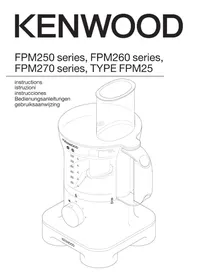
Multipro Compact FMP270 - Food Processor KENWOOD - Free user manual and instructions
Find the device manual for free Multipro Compact FMP270 KENWOOD in PDF.



| Technical Specifications | Power: 750 W, Bowl capacity: 3.5 L, Bowl material: plastic, Number of speeds: 2, Pulse function: yes |
|---|---|
| Usage | Ideal for chopping, mixing, kneading, and emulsifying, Included accessories: stainless steel blade, grating disc, slicing disc, whisk |
| Maintenance and Repair | Easy cleaning: dishwasher-safe removable parts, Regularly check accessories to avoid wear |
| Safety | Safety system: bowl locking, Overheat protection, Non-slip feet for better stability |
| General Information | Dimensions: 24 x 24 x 38 cm, Weight: 3.5 kg, Warranty: 1 year |
Frequently Asked Questions - Multipro Compact FMP270 KENWOOD
User questions about Multipro Compact FMP270 KENWOOD
0 question about this device. Answer the ones you know or ask your own.
Ask a new question about this device
Download the instructions for your Food Processor in PDF format for free! Find your manual Multipro Compact FMP270 - KENWOOD and take your electronic device back in hand. On this page are published all the documents necessary for the use of your device. Multipro Compact FMP270 by KENWOOD.
USER MANUAL Multipro Compact FMP270 KENWOOD
FPM250 series, FPM260 series, FPM270 series, TYPE FPM25
- Read these instructions carefully and retain for future reference.
- Remove all packaging and any labels.
- The blades and discs are very sharp, handle with care. Always hold by the finger grip at the top, away from the cutting edge, both when handling and cleaning.
- Do not lift or carry the processor by the handle - or the handle may break resulting in injury.
- Always remove the knife blade before pouring contents from the bowl.
- Keep hands and utensils out of the processor bowl and liquidiser goblet whilst connected to the power supply.
- Switch off and unplug:
before fitting or removing parts;
when not in use;
before cleaning.
- Never use your fingers to push food down the feed tube. Always use the pusher/s supplied.
- Never fit the blade unit to the power unit without the liquidiser or mill jar fitted.
- Before removing the lid from the bowl or liquidiser/mill from the power unit:
忍 switch off;
wait until the attachment/blades have completely stopped;
be careful not to unscrew the liquidiser goblet or mill jar from the blade assembly.
- SCALD RISK: Hot ingredients should be allowed to cool to room temperature before blending.
- Do not use the lid to operate the processor, always use the on/off speed control.
- This appliance will be damaged and may cause injury if the interlock mechanism is subjected to excessive force.
- Always unplug your food processor when not in use.
- Never use an unauthorised attachment.
- Never leave the appliance unattended when it is operating.
- Never use a damaged appliance. Get it checked or repaired: see 'service & customer care'.
- Never let the power unit, cord or plug get wet.
- Don't let excess cord hang over the edge of a table or worktop or touch hot surfaces.
-
Do not exceed the maximum capacities stated in the recommended speed chart.
-
Children should be supervised to ensure that they do not play with the appliance.
- This appliance shall not be used by children. Keep the appliance and its cord out of reach of children.
- Appliances can be used by persons with reduced physical, sensory or mental capabilities or lack of experience and knowledge if they have been given supervision or instruction concerning use of the appliance in a safe way and if they understand the hazards involved.
- Only use the appliance for its intended domestic use. Kenwood will not accept any liability if the appliance is subject to improper use, or failure to comply with these instructions.
- Misuse of your processor/liquidiser can result in injury.
- The maximum rating is based on the attachment that draws the greatest load. Other attachments may draw less power.
Refer to the relevant section under "using the attachments" for additional safety warnings for each individual attachment.
liquidiser
- SCALD RISK: Hot ingredients should be allowed to cool to room temperature before blending.
- Always take care when handling the blade assembly and avoid touching the cutting edge of the blades when cleaning.
- Only operate the liquidiser with the lid in place.
- Only use the goblet with the blade assembly supplied.
- Never run the liquidiser empty.
- To ensure the long life of your liquidiser, do not run it for longer than 60 seconds.
- Smoothie recipes - never blend frozen ingredients that have formed a solid mass during freezing, break it up before adding to the goblet.
mill
- Never fit the blade unit to your food processor without the jar fitted.
- Never unscrew the jar while the mill is fitted to your appliance.
- Do not touch the sharp blades - Keep the blade unit away from children.
- Never remove the mill until the blades have completely stopped.
- To ensure the long life of your mill, never run for longer than 30 seconds. Switch off as soon as you have got the right consistency.
- The processing of spices is not recommended as they may damage the plastic parts.
- The appliance will not work if the mill is incorrectly fitted.
- Use for dry ingredients only.
slicing/grating discs
- Never remove the lid until the cutting disc has completely stopped.
- Handle the cutting discs with care - they are extremely sharp
centrifugal juicer
- Do not use the juicer if the filter is damaged.
- The cutting blades on the base of the filter drum are very sharp, take care when handling and cleaning the drum.
- Only use the pusher supplied. Never put your fingers in the feed tube. Unplug before unblocking the feed tube.
- Before removing the lid, switch off and wait for the filter to stop.
before plugging in
Make sure your electricity supply is the same as the one shown on the underside of your appliance.
WARNING: THIS APPLIANCE MUST BE EARTHED.
- This appliance conforms to EC directive 2004/108/EC on Electromagnetic Compatibility and EC regulation no. 1935/2004 of 27/10/2004 on materials intended for contact with food.
before using for the first time
1 Remove the plastic blade covers from the knife blade. Take care the blades are very sharp. These covers should be discarded as they are to protect the blade during manufacture and transit only.
2 Wash the parts see 'care & cleaning'
key
processor
① pusher
② feed tube
③ lid
④ detachable drive shaft
⑤ bowl with drive shaft
⑥ power unit
⑦ speed/pulse control
⑧ safety interlocks
⑨ cord storage (at back)
(4) plastic liquidiser
blade unit
⑪ sealing ring
⑫ goblet
filler cap
④ lid
⑧ glass liquidiser
⑮blade unit
⑥ sealing ring
⑰ goblet
18 lid
filler cap
# attachments
Not all of the attachments listed below may be included with your food processor. Attachments are dependent upon the model variant.
glass multi mill (if supplied)
knifeblade
念 dough tool
twin beater geared metal whisk
2 thick slicing/coarse grating disc
thin slicing/fine grating disc
26 rasping/parmesan disc (if supplied)
citrus juicer (if supplied)
centrifugal juicer (if supplied)
spatula (if supplied)
to use your food processor
1 Fit the bowl by aligning the on the bowl with the on the power unit, turn clockwise until it locks
2 Fit an attachment over the bowl drive shaft.
Note: Detachable drive shaft ④ should only be fitted when using the discs, citrus juicer or twin beater geared metal whisk.
Always fit the bowl and attachment onto the processor before adding ingredients.
3 Fit the lid 2 - ensuring the top of the drive shaft/tool locates into the centre of the lid.
- Do not use the lid to operate the processor, always use the on/off speed control.
4 Plug in, switch on and select a speed. (Refer to the recommended speed chart).
- The processor will not operate if the bowl lid are not fitted correctly into the interlock. Check that the feed tube and bowl handle are situated to the right hand side.
- Use the pulse (P) for short bursts. The pulse will operate for as long as the control is held in position.
5 Reverse the above procedure to remove the lid, attachments and bowl.
Always switch off and unplug before removing the lid. important
- Your processor is not suitable for crushing or grinding coffee beans, or converting granulated sugar to caster sugar.
- When adding almond essence or flavouring to mixtures avoid contact with the plastic as this may result in permanent marking.
A Plastic liquidiser
to use your liquidiser
1 Fit the sealing ring into the blade unit - ensuring the seal is located correctly in the grooved area.
- Leaking will occur if the seal is damaged or incorrectly fitted.
2 Hold the underside of the blade unit 10 and insert the blades into the goblet - turn anti-clockwise until it clicks 3. Refer to the graphics on the underside of the blade unit as follows:
- unlocked position
- locked position
The liquidiser will not operate if incorrectly assembled.
3 Put your ingredients into the goblet.
4 Fit the lid onto the goblet and turn clockwise until it clicks. Fit the filler cap.
5 Place the liquidiser onto the power unit, align the the liquidiser with the the power unit and turn clockwise to lock
- The appliance will not operate if the liquidiser is incorrectly fitted to the interlock.
6 Select a speed (refer to the recommended speed chart) or use the pulse control.
Glass liquidiser
to use your liquidiser
1 Fit the sealing ring 16 into the blade unit 15 - ensuring the seal is located correctly in the grooved area.
- Leaking will occur if the seal is damaged or incorrectly fitted.
2 Screw the goblet onto the blade assembly 6. Refer to the graphics on the underside of the blade unit as follows:
- unlocked position
- locked position
The liquidiser will not operate if incorrectly assembled.
3 Put your ingredients into the goblet.
4 Fit the lid to the goblet and push down to secure 7. Fit the filler cap.
5 Place the liquidiser onto the power unit, align the on the liquidiser with the on the power unit and turn clockwise to lock
- The appliance will not operate if the liquidiser is incorrectly fitted to the interlock.
6 Select a speed (refer to the recommended speed chart) or use the pulse control.
Hints
- When making mayonnaise, put all the ingredients, except the oil, into the liquidiser. Remove the filler cap. Then, with the appliance running, add the oil slowly through the hole in the lid.
- Thick mixtures, e.g. pâtés and dips, may need scraping down. If the mixture is difficult to process, add more liquid.
- Ice crushing - operate the pulse in short bursts until crushed to the desired consistency.
The processing of spices is not recommended as they may damage the plastic parts.
The appliance will not work if the liquidiser is incorrectly fitted. - To blend dry ingredients - cut into pieces, remove the filler cap, then with the appliance running, drop the pieces down one by one. Keep your hand over the opening. For best results empty regularly.
- Don't use the liquidiser as a storage container. Keep it empty before and after use.
- Never blend more than 1.2 litres - less for frothy liquids like milkshakes.
to use your mill (if supplied)
a blade unit
⑥ sealing ring
jar
Use the mill for milling herbs, nuts and coffee beans.
1 Put the ingredients into the jar
2 Fit the sealing ring into the blade unit. (a)
3 Turn the blade unit upside down. Lower it into the jar, blades down.
4 Screw the blade unit onto the jar until finger tight 9. Refer to the graphics on the underside of the blade unit as follows:
G - unlocked position
- locked position
5 Place the mill onto the power unit, align the the mill with the the power unit and turn clockwise to lock

6 Switch onto maximum speed or use the pulse control.
Hints
Herbs are best milled when clean and dry.
| recommended speed chart | |||
| tool/attachment function speed maximum | capacities | ||
| knife blade Cake making 1 - 2 1,2Kg/2lb 6oz total weight | |||
| Rubbing fat into flour 2 300g/11oz flour weightAdding water to combine pastry ingredients 1 - 2 | |||
| Chopping & pureeing 2 400g/14oz chopping lean | meat total weight | ||
| Thick soup mixes (600ml liquid to 600g dry 1.2 litres/1 pt 16 fl ozingredients). Process vegetables with start on300ml water until finely chopped, add increasethere remaining water until incorporated. | |||
| Thinner soup mixes/milk 600 ml/18 fl oz | |||
| dough tool Yeasted mixes | 2 340g/12oz flour weight | ||
| twin beater geared metal whisk | Egg whitesCream | 241 - 2 250 ml/7 | ½ fl oz |
| discs - slicing/grating | Firm food items such as carrots, hard cheesesSoffer items such as cucumbers, tomatoes | 21 | - - |
| rasping disc (if supplied) Parmesan cheese, Potato for German2 potato dumplings | - | ||
| citrus juicer (if supplied) Citrus fruits | 1 | - | |
| liquidiser | All processing | 2 1.2 litres/1 pt 16 fl oz | |
| glass mill (if supplied) | Herbs | 2 10g/ | ½oz |
| Nuts, coffee beans | 2 50g/2oz | ||
| Uncooked meat - beef steak - cut into 2½cm cubes | 2 (5 secs) | 50g/2oz | |
| centrifugal juicer (if supplied) | Hard fruit and vegetables ie carrots and apples | 2 | 800g/1lb 12oz |
| Soft fruit ie tomatoes and grapes | 1 500g/1lb 2oz | ||
using the attachments
Refer to recommended speed chart for each attachment.

knife blade
The knife blade is the most versatile of all the attachments. The length of the processing time will determine the texture achieved. For coarser textures use the pulse control. Use the knife blade for cake and pastry making, chopping raw and cooked meat, vegetables, nuts, pate, dips, pureeing soups and to also make crumbs from biscuits and bread.
Hints
- Cut food such as meat, bread, vegetables into cubes approximately 2cm / 3 / 4 in before processing.
- Biscuits should be broken into pieces and added down the feed tube whilst the machine is running.
- When making pastry use fat straight from the fridge cut into 2cm/3/4in.cubes.
Take care not to over-process.

dough tool
Use for yeasted dough mixes.
- Place the dry ingredients in the bowl and add the liquid down the feed tube whilst the machine is running. Process until a smooth elastic ball of dough is formed this will take 60 secs.
- Re-knead by hand only. Re-kneading in the bowl is not recommended as it may cause the processor to become unstable.

twin beater geared metal whisk
Use for light mixtures only eg egg whites, cream, evaporated milk and for whisking eggs and sugar for fatless sponges. Heavier mixtures such as fat and flour will damage it.
using the whisk
1 Fit the bowl onto the power unit, add the detachable drive shaft.
2 Push each beater securely into the drive head.
3 Fit the whisk by carefully turning until it drops over the drive shaft.
4 Add the ingredients.
5 Fit the lid - ensuring the end of the shaft locates into the centre of the lid.
6 Switch on.
important
- The whisk is not suitable for making one-stage cakes or creaming fat and sugar as these mixes will damage it. Always use the knife blade for cake making.
Hints
- Best results are obtained when the eggs are at room temperature.
- Ensure the bowl and whisks are clean and free from grease before whisking.
- Carefully fold in flour and sugar by hand using a metal spoon for fatless sponges and meringues.
slicing/grating discs
To use the discs.
reversible slicing/grating discs - thick 2thin 25
Use the grating side for cheese, carrots, potatoes and foods of a similar texture.
Use the slicing side for cheese, carrots, potatoes, cabbage, cucumber, courgette, beetroot and onions.
rasping disc (if supplied)
Grates Parmesan cheese and potatoes for German potato dumplings.
to use the cutting discs
1 Fit the bowl onto the power unit, add the detachable drive shaft.
2 Holding by the centre grip, place the disc onto the drive shaft with the appropriate side uppermost.
3 Fit the lid.
4 Put the food in the feed tube.
5 Switch on and push down evenly with the pusher - never put your fingers in the feed tube.
Hints
Use fresh ingredients
- Don't cut food too small. Fill the width of the feed tube fairly full. This prevents the food from slipping sideways during processing.
- Food placed upright comes out shorter than food placed horizontal.
- There will always be a small amount of waste on the disc or in the bowl after processing.
⑦ citrus juicer (if supplied)
Use the citrus juicer to squeeze the juice from citrus fruits (eg, oranges, lemons, limes and grapefruits).
a cone
⑥ sieve
to use the citrus juicer
1 Fit the bowl onto the power unit, add the detachable drive shaft.
2 Fit the sieve into the bowl - ensuring the sieve handle is locked into position directly over the bowl handle.
3 Place the cone over the drive shaft turning until it drops all the way down.
4 Cut the fruit in half. Then switch on and press the fruit onto the cone.
- The citrus juicer will not operate if the sieve is not locked correctly.
- For best results store and juice the fruit at room temperature and hand roll on a worktop before juicing.
- To help with juice extraction move the fruit from side to side when juicing.
- When juicing large quantities, empty the strainer regularly to prevent the build up of pulp and seeds.
28centrifugal juicer (if supplied)
Use the centrifugal juicer for making juice from firm fruit and vegetables.
a pusher
b centrifugal lid
pulp remover
d filterdrum
bowl
① juicing spout
to use the centrifugal juicer
1 Place the juicer bowl with the spout onto the power unit, align the on the bowl with the on the power unit and turn clockwise until it locks.
2 Place the pulp remover into the filter drum - ensuring the tabs locate with the slots in the bottom of the drum 12.
3 Fit the filter drum 13.
4 Place the attachment lid to the bowl and turn until it locks. Your juicer will not operate if the bowl or lid are not fitted correctly into the interlock.
5 Place a suitable glass or jug under the juice outlet.
6 Cut the food to fit the feed tube.
7 Switch on and push down evenly with the pusher - never put your fingers in the feed tube. Process fully before adding more.
After adding the last piece, let the juicer run for a further 30 seconds to extract all the juice from the filter drum.
important
- If the juicer starts to vibrate, switch off and empty the pulp from the drum. (The juicer vibrates if the pulp becomes unevenly distributed).
Maximum capacity that can be processed at one time is 800g of fruit or vegetables. - Some very hard foods may make your juicer slow down or stop. If this happens switch off and unblock the filter.
- Switch off and clear the pulp collector regularly during use.
Hints
- Before processing remove stones and pips (eg pepper, melon, plum) and tough skins (eg melon, pineapple). You don't need to peel or core apples and pears.
Use firm, fresh fruit and vegetables. - Citrus fruit - peel and remove the white pith, otherwise the juice may taste bitter. For best results use the citrus juicer.
care & cleaning
Always switch off and unplug before cleaning.
- Handle the blades and cutting disc with care - they are extremely sharp.
- Some foods may discolour the plastic. This is perfectly normal and won't harm the plastic or affect the flavour of your food. Rub with a cloth dipped in vegetable oil to remove the discolouration.
power unit
- Wipe with a damp cloth, then dry. Ensure that the interlock area is clear of food debris.
- Don't immerse the power unit in water.
- Store excess cord in the storage area at the back of the power unit (9).
liquidiser/mill
1 Empty the goblet/jar before unscrewing it from the blade unit.
2 Wash the goblet/jar by hand.
3 Remove and wash the seals.
4 Don't touch the sharp blades - brush them clean using hot soapy water, then rinse thoroughly under the tap. Don't immerse the blade unit in water.
5 Leave to dry upside down.
twin beater geared metal whisk
- Detach the beaters from the drive head by gently pulling them free. Wash in warm soapy water.
- Wipe the drive head with a damp cloth, then dry.
Do not immerse the drive head in water.
all other parts
- Wash by hand, then dry.
- Alternatively they are dishwasher safe and can be washed on the top rack of your dishwasher. Avoid placing items on the bottom rack directly over the heating element. A short low temperature (Maximum 50^ ) programme is recommended.
| item suitable for | dishwashing |
| main bowl, lid, pusher✓ | |
| knife blades, dough tool✓ | |
| detachable drive shaft✓ | |
| discs✓ | |
| whisk beaters✓ | |
| Do not immerse the drive head in water | |
| citrus juicer✓ | |
| centrifugal juicer✓ | |
| liquidiser goblet, lid, filler cap✓ | |
| glass mill jar✓ | |
| blade unit and seal for liquidiser and mill× | |
| spatula✓ |
service & customer care
- If the cord is damaged it must, for safety reasons, be replaced by KENWOOD or an authorised KENWOOD repairer.
- If you experience any problems with the operation of the processor, before calling for assistance refer to the troubleshooting guide.
If you need help with:
- using your appliance or
servicing or repairs -
Contact the shop where you purchased your appliance.
-
Designed and engineered by Kenwood in the UK.
Made in China.
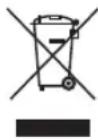
IMPORTANT INFORMATION FOR CORRECT DISPOSAL OF THE PRODUCT IN ACCORDANCE WITH EC DIRECTIVE 2002/96/EC.
At the end of its working life, the product must not be disposed of as urban waste.
It must be taken to a special local authority differentiated waste collection centre or to a dealer providing this service.
Disposing of a household appliance separately avoids possible negative consequences for the environment and health deriving from inappropriate disposal and enables the constituent materials to be recovered to obtain significant savings in energy and resources. As a reminder of the need to dispose of household appliances separately, the product is marked with a crossed-out wheeled dustbin.
| troubleshooting guide | ||
| Problem Cause Solution | ||
| The processor will not operate. No Power. Check | processor is plugged in. | |
| Bowl not fitted to power unit correctly. Check | check bowl is located correctly and the handle is situated towards the right hand side. | |
| Bowl lid not locked on correctly. Check that | the lid interlock is located correctly into the handle area. | |
| The processor will not work if the bowl and lid are fitted incorrectly. | ||
| If none of the above check the fuse/circuit breaker in your home. | ||
| Liquidiser/mill will not operate Liquidiser/mill not lock | locked on correctly. The liquidiser/mill will not operate if fitted incorrectly to the interlock. | |
| Liquidiser/mill not assembled correctly. Check | check blade unit is fully tightened into the goblet/jar. | |
| Processor stops during Processor overloaded/max processing capacities exceeded. in the recommend | maximum Check maximum capacities stated speed chart. | |
| Lid unlocked. Check lid is locked correctly. | ||
| Liquidiser/mill leaking from blade assembly base. | Seal missing | Check seal is fitted correctly and not damaged. To obtain a replacement seal see "service & customer care" |
| Seal incorrectly fitted | ||
| Seal damaged. | ||
| Poor performance of tools/attachments | Refer to hints in relevant "using the attachment" section. Check attachments are assembled correctly. | |
Nederlands
WAARSCHUWING: DIT APPARAAT MOET GEAARD ZIJN.
m = 311 ;
A TERMÉK MEGFELELO HULLADEKKEZÉLESÉRE VONATKOZO FONTOS TUDNIVALOK A 2002/96/EK IRÁNYELV ÉRTELMEBEN
KOPNUCTyBaTnC MIKCEPOM
1 YctahOBITb yuINbHOBaJIbHe KInbue ⑪ y HoxOBn 6Iok ⑩ TaK, uO6 BOHO npaBnIbHO yBiUNo do na3iB.
- YKuo yuinbHOBauch nowkOxKeHH a6o Noro 6yNo BCTaHOBNeHO HEnpaBnBHO, ce MoXe cnpuHHnT npotikAHHa.
2 Bi3bMItbcra 3a TnIbHy cTOpOHy HOXOBORO 6NOKy Ta BCTaBTE HOXOBIN 6JOK y YaU. NObepHITb npOTn RoHHNKOBOI cTpiIKN DO KNaCaHHe 3. INB. MaHONKn Ha 3BOPoTHi CTOPOHI HOXOBORO 6NOKy:
-po36noKOBaHa no3nui
-3a6nokoBaHa no3uia
Kzio mikcep 6yno 3i6paHo HnpaBnIbHO, BIn He npauOBaTme.
3 Poknaitb inrpeiEntn do aani.
4 Hakpiny KaWy KpnuKoTo Ta NoBepHb3a RoDnHHKOBIO CTpINKO 4 Do KnaCaHry. YcTaHOBiTb KOBnaQOK 3aJIbAJIbHorO OTBOpY.
5 Nomicitb yawy kombaHa Ha 6nok enektpoBnryHa, 3ictabTe 3a wsi kombaHy 3 Ha 5nOKy, NOBepHtB 3a rOHNHHKOBOO CTpINKOIO 5, uO6 3a6NOKyBaTN
KIO MICKep 6yNo BCTAHOBNeHO HENpaBnIbHo y MexaH3Mi 6JOKyBaHH, npuJaHe npaObaTmE.
6 OepiTb noTpi6Hy wBnDkictb (Nubitbc Ta6nucpoekomeHDOBAHnx wBnDkoCTei) a6o cKOpncTaTeCmIMyIbChmpeKmOM.
CkIaHmMiKcep
KOPINCTyBaTnCmIKcepom
1 YctaHObITb yuINbHOBaNbHe KINbue 16 y HOXOBn 6NOK 15 TAK, uO6 BOHO npabUNbHO yBIMNo Do na3IB.
- YKsqo yuizilbHOBauch noxkoJKeHH a6o noro 6yno BCTaHOBJeHO He npabunbHo, ce MoKe cnpnHHHTn npOTiKaHH.
2 Hakpyitb yauy mikcepa Ha HOKOBn 6NOK ⑥.ДИВ. MaIOHKn Ha 3BOPOTHI CTOPOHIO HOXOBORO 6Noka:
-po36nOKoBaHa no3u
-3a6JNOKOBaHaNo3nU
Kuio mikcep 6yno 3i6paHo HenpaBnIbHo, BIn He npaIOBaTme.
3 PoknaIb IHrpeiHTn do yawi.
4 YctahOBiB KpnuKy Ha uawy Ta HauChHtB, 06n 3aqiKcByatn Ha Micui 7. YctahOBiTB KObnaQok 3aINBaIbHorO OTbOpY.
5 Nomicitb yawy KOM6aHa Ha 6nok eneKtpoBnHyHa, 3ictaTe Ha aWsi KOM6aHy 3 Ha 6nOKy, NOBepHtB 3a roDHHNKOBOIO cTpiIKOIO 8, 106 3a6nOKyBaTN
- RaKo Mikcep 6yNo BcTaHOBJeHO HenpaBnIbHO y MexaH3Mi 6JOKyBaHH, npnad He npauKOBaTmE.
6 O6epitb notpiHy wBnKicTb (NvBtbcra Ta6niopeKOMeHDoBAHNX WBNkOKeTe) a6o CKOpNCtaITeCImyIbchMm peKIMOM.
Kopnci npaui
PiJvac npirotybaHHmaNoHe3y, noKnaTb yci iHrpeiHtN do mikcepa, 3a BnHrTkOM oIi. BntraHITb KObNaQOK 3aNaBaJIbHorO OTBOPy. Notim yBIMKHITb npuaTa nobInbHO DoaainTe OIO Kpi3b OTBip y KpuiCi.
Piic npirotoybaHHr yctnx cymiue, Hanpknad, naWTeTIB a6o coyciB, MoKe TpanNTncb HAnnnaHH npodykty Ha cInKn Y taKOMy BnnaKy notpiHo ii ouNCTNI. KaIO ihPeJeHtN noraHO 3MiuyHbca, dOdaIte piHNH.
Iopip6HeHHaBbOy-BMkaTe Ta BMnKaHte imnybchni peKIM Ha KopoTKn Yac, DOKn He OTPMaete 6baKaHy KOHCNCTeHIO
He pekomehnyeTbcpepeo6nTn cnei, aJe ce moKe nokoNDn nIaCTNKoi detani.
- YKIO mIKcep 6yIIO BCTaHOBNeHO He npaBnIbHO, npIaNd HnpaOBAtme.
- 506 3miwatau cyxihrpeiHtn, noipixte ix Ha umatoqkn, BnTARHITb KOBnaqOK 3aINBaIbHO rO TBPo, a Notim yBIMKHTb npua Ta nocIOBHO DOaBAHTe NO ONDMy umatoQky do yawi. Pyk TYPMaIte HAD OTBOPOM. DnA OTPMaHHHaIKpauo ro pe3yIbTaTy, peryIpaHBO BnNopoxKnHrTe YaWy.
He BnKOpNCToBnyTe MlKcep kE MHiCt bIa 36epirAHHa. Bin Mae 3aJImuataNcR NopoxHim Do Ta nicra BnKOpNCtAHHa.
Hikon He nepemiyute 6inb, HIX 1,2 ntipB piHH; niac 3miyyaHHX xonoHNx cyMiwe, HanpNKnad,MONoCHNX KOKTeNIB, pIDHN NOBUNHO 6yTu MeHne.
20ДЛЯВИКОРИСТАНHA NOДPI6HIOBAUa (npnHaRABHOCTi)
a HOKOBIN6NOK
yuiNbHIOBaJIbHe KINbIe
CKJIAHKA
Iopip6HIOBau BnKOpncTOByEcTbcra IJI noPip6HeHHa TpaB, ropixib Ta KaBOBnx 3epeH
1 Nomicitb ihrpejeHtny y aawy
2 BcTaHOBITb yuJIbHIOBaJIbHe KINbUe HoxOBn 6IOK a).
3 IpeBepHITb HOKOBn 6nok. OnycTitb NOro Ha aUy HOXAMN Do H3y.
4 HaKpyTtB HOKOBn 6JOK HA qaUy pykAmn Do ynpOy 9. INB.MaJIOnHKn Ha 3BOpOTHi CToPOHi HOKOBOrO 6JOKy:
-po36noKOBaHa no3nui
-3a6nokoBaHa no3nui
5 BctaHOIBIb NOpi6HIOBau Ha 6NoK eNEKtpoBNyHa, 3ictaTe Ta nopi6HIOBaui 3 H6NOKy Ta nobepHiTa 3a RoDHHNKOBIO CTPIKIO 10, 106 3abNOkyBatn.
6 BKnHcyIb Ha MaKcImaIbHy WbNkICTb a60 BnKOpNCTOByTe IMnyCbNBHN peXIM.
Kopnci npa
Haikpaae nopiibHOBAt cyxu nCTi TpaBn.
BnKopncToByTe HIX dIg npiroToYBaHHa NporIB Ta TicTa, py6Kn Cnporo i npiroTOBJeHOrO M'raCa, Hapi3kn OBOuIB, ropixib, naWTeTIB, nIDnIBOK, cyNIB-NHOpe Ta Kpam6JIOB i3 6ickBiTy ixNiy.
Kopnci npa
HapiKTe M'raCo, XJIb, OBOci Ta nOdi6hi IHrpeDiEHTN KBykamn no 2 cm nepeD obpo6koio.
- ПechИВО сиД nOKрИшТи Та 3асинати Уретз TrpyБу y xODIpo6OTn KOMбaйHy.
- Xin dian ticta cnid hapi3atn xoloqHm Ha ky6uKn no 2 cm.
Cniikkyte 3a tim, uo6 He niDabatn iHrpeiEHTN haMiphi o6pO6ci.

Hacadka DnBmimiWbAHnTicTa
BukopncTObyEbCnI npKIOBOrTOCTa
- Po3toynte cyx ihrpeiEHTn y uawti Ta doaBaTe pidyHy npoueci po60tn npuJaNy no Tpy6ci. PpOIOBkynte Do Tnx nip nKHe y TBOpNTbc rnaekn npyxkn Kom ticTa, 0q NK npabnno 3aMae 60 cekyHd.
-ПовторноЗамшувати сдтльк рукам. He pekomehdyetbcra BnIOBHOBATN NOBTOPHe 3amiyBaHHa.Yaшц,Тakяк ле може пизВecTu Do HectiKOi po60Ti KOM6aHHy.

IodBiiHn peDyKTopHn MeTaeBn BiHnK dJa 36nBaHHa (3 npNBOdom)
Pn3NaeHn TiBKn DnA HerycTx Cymiwe, Hanpknad,
KcHnx 6inkB, Kpemy, 3ryueho MOnoka Ta dnn
3buaHHra eCb i3 uKpom DnA HeKnpHX 6ickBtIB. Ppn
BVKOpNCtAHHi 3 6InbU 1JNbHMn Cymiama MoKe
BiD6yTncr NOnOMka.
BnKOpncTaHn 36nBaJkn
1 BctaHOBt b auy ha 6nok eNeKtpoDburyHa, BCTaHOBt npuBOHn BaI.
2 HadiHOBCTaBTe KOxEH BiHuNK y roNoBky 3 npuBoDOM
3 Bctanobitb 36nBaIky, o6epexHo nobepTaOCh ii, DOKN BOHa He onyCTnTbcra Ha npINBOdHn BaI.
4Ioknajitbnotpi6hihirpeiHtN.
5 Bctanobitb kpiuky, cnidkyuohn 3a Tm, uo6n Topeub Baana OINHBCr no ceHTpy kpiuKn.
6 BknoiYb kombaH. Ybara!
He BnKOpNCToBnyTe BiHnOc dI npriroTyBaHHra Ticta Inporib i3 OndHokpaTHM BmimiSyBaHHrM qn dIe 36nBaHHx npy i3 cykPOM, ocknbKne ce MoKe noNkoDHTn HacAdKy. BnKOpNCToBnyTe hIX dIa 3amiSyBaHHra Ticta.
Kopnci npapdi
-ДяоТриманнHaikpauo pe3yNbTaTy BkOpnCTOByTeЯ,у 36epiranC3aKimHaTHoi Tempepatypn.
- Pered 36nBaHHm nepekoHaItecra, 0o qaasa i BInuok uCTi I He MaIOb 3aIIuKIB Knpy.
-Дяприroтувань Нжирнх 6ickbitIB ta 6i3e akypaTHO 3MiUyBaIte uKOp i3 MykoO 3a DonomoroH MoTaJIeBOI JOKKn.
ДиСКИ ДЯну Hapi3KN/HaTnpaHHN
BukopncTaHHn DnCKIB
ДвoctopoHHI ДИСКИ ДЯн Hapi3KN/HaTnpaHH-TOBCTOIO TOHKOI
BnKOpncToByTe cToPOHy TeptKn IaHaTnpaHnC npy, MopkBN, KaptonJI Ta noi6Hnx npOdyKTIB.
BnKopncToBynte cToPOHy HAp3Kn DnA Cnpy, MOpKBn, Kaptonni, kanyctn, oripkib, ka6aaykb, 6pyky Ta nyka.
Dnck-TeptKa npHaeBHOcti
Cnykntb nna HatapannnapMe3aHy Ta KaptonJI nnKHeDNIKB.
KopncTyBaTnca NnCKaMn.
1 YcTaHOBiTb 3HOMMnK npuBIDHn BaN i YaUy Ha 6JIOEJIeKTPoDnBuRyHa.
2 TpmaHoun depxak B ceHTpi, yctaHOBiTb NcK Ha npuBIDHn BaI BiNObiHO cToPOHO Do Bepxy.
3 YctaHObitb KpnIky
4 Noknaidtb ihrpeiEHTNo HapmHoi Tpy6K.
5YbIMKHTb npnlaT a nobInbHo npoToBxyTe iHpeiEHTN 3a DOnOMoroHO WToBXaHa - HikoN He onyckaTe naIbci Do HaprMHOI Tpy6Kn.
Kopnc hi npa
BukopncToByntcBiXipnpoyKTN.
He KpniTiB npOdykTN. 3anOBHnTe HAnpMHy Tpy6ky BeNkoR o03mipy pIBHomipHO nO Bci uPnHi. Lc DOnOMoKe yHnKHyTN 3MiueHHn npOdykTb y6ik niD qac 6bp6kn.
- PpOdykTn, 0o DoJaIoTBcra y BepTnKaIbHOMy nOJoxKeHHi, HAp3aIOBcra Ha KOpOTwi IImaTOUKN, HIX Ti, 0o DoJaIOBcra y Ropu3OHTaJIbHOMy nOJoxKeHHi.
Ha ncky Hn Ha yawi 3aBXn 3aIIwaetbca HebeIka KInbKiCTb npOdykTIB nCn 3akHueHHo6p06Kn.
②7 COKOBUNKIMaJIkaДЯЦИТPyCObNX (npnHaBHOCTi)
Pn3haeHnn DnBnKmHaHHcOky i3 nTpycoBnx (hanpknad, i3 anenbcnHib, nmoHib, naMy i rpeinnpyTIB).
@ KOHYC
CnTO
K KOpNCTyBaTnCra COKOBxKImaIkoIO DnA nTPycobnx
1 YctaHOBbIpbuBIDHn BAN i yauHa 6Iok eJeKtpoDbNryHa.
2 YctahOBiBcHTo Ha aWu TAK, 06bI depKaK cTAt3HaxOdBc npMo HAD depKaKOM aWl.
3 YctaHObitb KOHc Hn npBIDHM BANOM, NOBepTaOHU Noro, DOKN BiH He ONyCTNTbcra Do KIHua BHNA.
4 HapiXTe 6pyKtn HabnIn. Notim yBIMKHTb npnaI d i HaTNCHTb PO3pi3aHOIO NOJOBHNKOIO 6pyKta Ha KOHYC.
KuO CnTo 6yNo BCTaHOBNeHO HnnpaBnIbHo y MexaHi3Mi 6NOKyBaHHa, COKOBxMamKa dna cHTpyCOBnX He npauHObATme.
-ДгЯОТРИМАнHЯ ONTIMMaJIbHINxpe3yIbTaTIBфpyKTnciD 36epiratTu BIXKIMaTI npN KIMHaTHiI TempepaTyPi. Ipeed BIXKIMaHHaM NOKaTaNTeфpyKT pykoNo no pObooyomy Micu.
- Ⅲo6 nokpaunTn BxKumHaH, noBepTaTe ppyKT Ha KOhyci 3 60ky B 6ik.
- PnBnKImMaHHi BeInkoi KINbKOci ppykTIB peryIaRHO ouNtae CnTO, 06n Ha HbOMy He HAKONuYBaIncn HacinHra Ta WkipKn.
②8 COKOBKIMaJIka 3 ueHTpnofoIO (npn HaeBHOCTi)
COKOBKIMaJIka 3 ueHTPNFOIO DO3BOJAE OTPMyBaTNI cik i3 TbePdNx fpykTiB Ta OBOyIB.
a)
b KPNUka
Pnucpii DnBnDnEHHM'KOTI
6apa6aH pInbtpa
@
① HOCIKДЯ BNXOу COky
K KOPNCTyBaTnC A COKOBXIMaJIKOIO 3 UeHTpNΦyROI
1 YctaHObity cOkoHmAJn H6noK eNeKTPOdBHyHa TAK, 0o63iCTabTu Ha aAwi 3 Ha 6NoKy eNeKTPOdBHyHa, NOBepHiTb 3a rOdHHNKOBHO CTpINKOIO 1, 0o6 3a6NOKyBaTu
2YCTAHOBiB npncpiINI BnDAneHnM'KOTI 6apabHy pInbTpA nepekoHaTeCra,IO6 cKO6n yBiWnNo rH3da,po3TaWoBaHoro y HxKHi YacTnHi 6apabHy 12.
3YctaHObitb6apabanphiIbTpap
4 YctaHOIBt KpNkUHa YaAuy HOBepHiB ii TaK, 06 BOHa 3AMKHyIacr. Jkso yawa a6o Kpnka 6yIn BCTaHOBJIeHl HenpaBnIbHo y BiNobiHi MexaHI3Mn 6IOkyBaHH ⑧, COKOBHXMaJka He npauOBAHTme.
5 NocTaBe BiINOBiHn KeNix a6o iHuy EMKiCTb dIa COKy niD OTBOPOM.
6 PopiXTe npOdyKTn Ha HeBEnuKi UMaToUKn, Uo6 BOH NmJIN npoxOuNTn Kpi3b HAnpMHy Tpy6ky.
7 BkHIOUITb KOM6aH i akypaTHO npoWTOBxyIte npOyKTI 3a DOnOMOrO IO TToBxAca. Hi B JAKOMy pa3i He onyckaTe naIbci Do HaprMHOI Tpy6Kn. Ipeep IoDaBaHHaM HOBII npucii IHrpEiEHTIB cNoaTky NobHicTIO o6pO6Ib nonepeDHIO.
- Picla doaabaHra octaHbOro 5MaToyka cokOBKImaJa
noBHHa npaUbaTn npotrrom 30 cekyH, 06n
3annknc KcQy Bnwn i3 pfjtpy.
ybara!
- RaKUo COKOBUNMAMJKA noUHe BiBpyBaTN, BUMKHITb npuJaTa BUNOpOxHITb M'AKOTb 3 6apa6aHa. (COKOBUNMAMKa noUHAc BiBpyBaTN, RaKUo M'AKOTb HEPiBHOMipHO po3nOdiinEeTbc).
3a oINH pa3 moXHa o6po6nTn He 6iNbwe 800 r cpykTIB a6o OBOvIb. - Dejki dyjke TBepdi npoDyKTN MOkyTB yNOBInbHHTn pyx npuJaNy a6o npuINHHTn Noro po6Ory. JaQo ce TpanNuocra, BmKHiTb npuJa, po36NoKyTe fiNbTp.
- Piiud pobotn peryraHOBIMkaTe npuaT Ta uNCTNb EMKICTb DnA M'AKOTI.
Kopnc hi nopadn
- Ipeqo6pokoi Buaanitb KICTOa Ta 3epnTa (HapnKna,nepeu, CnBa,DnHa) Ta TBepy uKipky (HapnKna,DnHa,aHaac).He Tpe6a uNCTTu Ta BuaTc cepueBHy aNyKa Ta rpyu.
BukopncToByntBeTbpdi,cbixi pkyTu Ta OBOU.
LcItpycobi-noHCTiTaBnDanitb6inycepeBHy,60 iHaKwecikMaTmE ripkn npucMaK.ДЯOTpMaHHa Kpauxpe3yNbTaTIB BnKOpNCToByTe COKOBxMAnKy dNra LcITpycoBnx.
DorJraTa YnUeHHa
3abKnBumkaTe npnaTa bIKNoaTe noo Bidelektpomepexi nepeD uHem.
- Je3a Ta duCKn - dyKi roCTpi, TOMy 6yDbTe yBaXHi.
- Deeri npOdykTN MoKyTB 3He6apBnIOBaTn PnactIKOBi detani. Lc BBAkaTbCn HopMaJIbHIM RAIIeM, He npN3BOIDNTB DO noIWKoDKeH NpactIKOBnx DeTaneN Ta HE BnIBNaE Ha Cmak iXi. U6 BnBeCTn 3He6apBnIOBaHy nIyMy, NotPiTb II raHvIpKOIO, 3MooyEOY pocnnHHIOnii.
6nok eneKtpoDbnryHa
- Pnptpi6IOK cnoaKy BOJorOo, a notim cyxoo raHupko. CniKyTe 3a Tm, uOb 30Ha npRd 3 MEXAHIMOM 6IOKyBaHH He 6yna 3acMueHa 3aNtKamn iXi.
He onyckaIte 6Jok eJekTPOdBnryHa y BODy.
36epiraTe 3aBy yactnHy uHypa y BiDcky dny 36epirAHHa, kni po3TaWObaHo y 3aHiy yactnHi 6Ioka eJeKToDbNryHa ⑨.
Mikcep/noopip6HOBaY
1IpeTm,IK BiKpyTHTN HOXOBn 6JOK,BINOPOXHITb yawy/npdiHOBa.
2ПOMnTe YAswy/NoDiPi6HOBaU BpyHy.
3 3HIMITb Ta NOMInTe yuinBnHOBaJIbHi KINbIa.
4 He TopkaOuNCb roctpux Je3, npOMnTe ix rapraHO MmIbHO BOIO, a NOTIM peteBHo cnoJocHITb niKpaHOM. He onyckaTHe HoxOBn 6NoK y BDOy.
5 IpeBepHitb Hoxi Doropn dHom Ta 3aIINuTe npocuxatn. noDbiiHm peDyKtopHm MetaJIeBn BiHnOc Kdny 36NBaHH
3HIMITb BInuKn i3 rOnOBKn npBODa, o6epeKHO notarHyBwN 3a Hx. POMnTe ix y teni MmblHi BOJI.
- PpOtpiB roNOBky npNBOda cNoaTKy BONORo, a notIM cyXHO raHupkoIO. He onyckaIte roNOBky npNBOdy y BODY.
Ihwi detai
- PpomnTe BpyHy, notim npocuWitb.
- Do3B0JAEbCmTn iHwI Detani Ha BepXHi nOJIu nocydomnHOi MaunHn. He peKomeHdyetbcra po3MiuyBaTu detani Ha HxHNIoNlui npA Mo hAd HarpiBaIbHM eMeHTOM. PeKomeHdyetbcra BHKOpucToByBatn KopoTKy nporpamy i3 Hn3bKOIO TempepaTypoIo (MaKcMMym 50^
L 1 L 1 L 1 L 1 L 1 L 1 L 1 L 1 L 1 L 1 L 1 L 1 L 1 L 1 L 1 L 1 L 1 L 1 L 1 L 1 L 1 L 1 L 1 L 1 L 1 L 1 L 1 L 1 L 1 L 1 L 1 L 1 L 1 L 1 L
Kenwood d 1
aall aillll 1y yagaa 9
aiaaaill/Juaaill
1 1
S ADB = S COD + S BDO - S BOC
- | x - 2| = 1 ; | y - 3| = 1
aalalabwbyaiyaaaiy
aal l aai 1000
S OBC = S COD + S BOC - S BOC
jll jai jai laaui jai jai jai jai jai jai
gaiy
aall
1 = 255
gaiuall gai jaiia Jaaal
JdJIg 8
a
lll llll
-llgall Lac alwgl gwl lalblg 1aV
S木弟形 COBD = S COD + S BDO = S COD + S_ BDO
aalalalalalalalalalalalalalalalalalalalal
[\text{P}\left( {x,y - 1}\right) ]
山 1
aill jolj 1
- 2Lall ggi yuus uauuauuuey 1g j 1 1 1 1 1 1 1 1 1 1 1 1 1 1
#
() ()
1 1 1 1 1 1 1 1 1 1 1 1 1 1 1 1 1 1 1 1 1 1 1 1 1 1 1 1
()g/
- 15
aabg aabg g jzj g jzj g jzj g jzj g jzj g jzj g jzj g jzj g jzj g jzj g jzj g jzj g jzj g jzj g
()
cbaii chwip
J 1
c bll gaiy jyall yaiy jyaii chw kui 1
Sall = ( S1 + S2 + ·s + Sn) + S1 + S2 + ·s + S_n
1 1 1 1 1 1 1 1 1 1 1 1 1 1 1 1 1 1 1 1 1 1
#
iJbLiSso
() 100
gagall pabll jzj 1
sbllll bww 10000000000000000000000000000000000000000000000
()
aal aai jaiiui 10 Sii -ailll lal aaiy
1
| x - 2| = | x - 4|
Jal 11 Jai jai jai jai jai jai jai
1 ②
J 1111111111111111111111111111111111111111111
#
p 10000000000000000000000000000000000000000000000000000000000000000000000000000000
1 2
yaii jaii i 100
J 1
1
a 8
.
6 00all sial (sagall) tllal aol
aill 1000
jraa 8 aclll jlrac oal jauall
Jaaall 230
Jaaa
()
oo
yj. yjjllueeallgksall jgsa, jssllaaee
aagall jll Jyj no hkyb cjjg 1
jLai jai liy jali y
all Lwosalll aagll liaaall Jia kssall jai
Jilgall joljall gai,laa aai y aai gai jil
ples Jannll jnnll gss
Jlll
aill aie 10b jaiyaojaiyaiyaiyaiyaiyaiyaiyaiyaiyaiyaiyaiyaiyai
aaii aiaaa
pkiu kuiuyuuaall gjil jlll uai l
p
aagall gaaalg aal jab gaiaball
⑧
aai jg kuy jabllcagjldgaa
1.
- clalol pksjwlpKabJnabll 1g
aaggl gllg lgl aaggall gssgill
1
1
jai 1
aoll (yjgall) 100000000000
aill 1sgl sgsal 0kall kaiabll gdsgall
()
Jaaal 30
Jaaa aas
Jaaa aagoo aao aayy yglal lal
ailllll lglgall jll
J 1
3.3.3.3.3.3.3.3.3.3.3.3.3.3.3.3.3.3.3.3.3.3.3.3.3.3.3.3.3.3.3.3.3.3.3.3.3.3.3.3.3.3.3.3.3.3.3.3.3.3.3
aill lioe le biaiol jjgl gaiil jaii
aall ylll lill jy wyso yj yj yj yj yj
S OBC = S COD + S_ BOC
gall all jy jia jia jia lai ggi
Lolalok
Jssj gagall jalpiaL qie palaill j
S
a a a a a a a a a a a a a a a a a a a a
1
cill 6
joll
()
Lolai holl
1
sssssss
Jolal
J 1
.
J ⑧
a3^2 + a4^2 + a_5^2 = 8 ②
y1 < y2
山
UaC ⑧
19
aLol o
jagaaeg Jaololal Jgss
aalalallgagaaalalalalalal
④
gjlaall gjcbai jyjplzuiu u
i
aaii jia pabll jia jia g aalggbail lga
S OBC = S BOC + S_ BOC
jssse jll jraa o 2 sall
slll lalil sss
plabll jjgljglalgall gosw
32 ÷ 11( -2)
a ③
Ube ④
1
J 1
JLb81 JgLi
aiaiaiaiaiaiaiaiaiaiaiaiaiaiaiaiaiaiaiaiaiaiaiaiaiaiaiaiaiaiaiaiaiaiaiaiaiaiaiaiaiaiaiaiaiaiaiaiaiaiaiaiaiaiaiaiaiaiaiaiaiaiaia
aaii iiaiee aiee
y
jlll 1s
1
JiOyI p 1 a 1 1 1 1 1 1 1 1 1 1 1 1 1 1 1 1 1 1 1 1 1 1 1
S ACD = S COD + S_ DCE
1
aaln no jnnn nnnn nn nnnn nnnn nnnn nnnn nnnn nnnn nnnn nnnn nnnn nnnn nnnn nnnn nnnn nnnn nnnn nnnn nnnn nnnn nnnn nnnn nnnn nnnn nnnn nnnn nnnn nnnn nnnn nnnn nnnn nnnn nnnn nnnn nnnn nnnn
Jai Jaaai
aaii iiaaae aieae "aiee aiee" paae aaee
10
Jusall
a 1
blaloc
aalalalalalalalalalalalalalalalalalalal
在 Rt ABD 中:
.
a
- iJi Juaaia
. 1
y
1 1
aiboll
1
Jb1 Jglnnn nnnnnnnnnnnnnnnnnnnnnnnnnnnnnnnnnnnnnnnnnnnnnnnnnnnnnnnnnnnnnnnnnnnnnnnnnnnnnnnnnnnnnnnnnnnnnnnnnnnnnnn
.
J 1
a ball
y
J 10
.
a
a aalaaanl aolaiu uulglal g baiyagll
1
Jai Iaiu Jaii jaiy 1000 Jaoa
.
Laa aal yss -aall no palaal jg Joo
1
1
Jgll Jssal 100000000000000000000000000000000000000000
1
-1
1 0
1 0
a 1
e Loe oioo. 1y jieil yj ploBg
.
d g (g) 100
a a a a a a a a a a a a a a a a a a a a a a
blalloc
()On/Off
a
.
.
山
i 1
"
1
y
·

HEAD OFFICE: Kenwood Limited, 1-3 Kenwood Business Park, New Lane, Havant, Hampshire PO9 2NH
kenwoodworld.com