ManualGo.com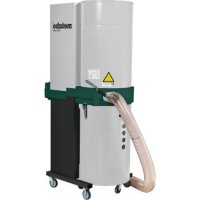
SPA 2002 D - Vacuum Cleaner METABO - Free user manual and instructions
Find the device manual for free SPA 2002 D METABO in PDF.



Frequently Asked Questions - SPA 2002 D METABO
Download the instructions for your Vacuum Cleaner in PDF format for free! Find your manual SPA 2002 D - METABO and take your electronic device back in hand. On this page are published all the documents necessary for the use of your device. SPA 2002 D by METABO.
USER MANUAL SPA 2002 D METABO
Original instructions We, being solely responsible, hereby declare: this chip extraction system identified by their type and serial number *1) conform to all relevant provisions of the directives *2) and standards *3). Technical documents for *4) - see page 2. This device is not designed for the use of persons (including children) with limited physical, sensory or mental aptitude or lack of experience and/or knowledge. Unauthorised modifications to the device and the use of parts that are not tested and approved by the manufacturer are prohibited. All improper use of the device is regarded as non- specified use; this can result in unpredictable damage! The user bears sole responsibility for any damage caused by inappropriate use. Generally accepted accident prevention regulations and the enclosed safety information must be observed.
2.1 The chip extraction system is
- suitable for the extraction and separation of dry wood dust and chips of dust explosion classes St 1 (KST value ≤ 200 bar m/s); - not suitable for dust with KST value > 200 bar m/ s (dust explosion class St 2 and St 3, and/or with minimum ignition energy below 10 mJ - not suitable for extraction of explosive or similar substances, for explosive gaseous atmospheres, for flammable liquids and for mixtures of flammable dust and liquids - not suitable for use in potentially explosive atmosphere - not suitable for extraction from machines with an increased risk of generating ignition sources (note: according to BGI 739-1 these are shredding machines, multi-blade circular saws and wide-belt sanding machines in the manufacture of chipboards, doors, strips and parquet) WARNING This system is not intended for the extraction of materials other than those specified as suitable, hot or aggressive dust, lubricating oils etc. Coarse pieces of wood, metals etc. must not be extracted on a large scale due to the mechanical overload of the housing components. - The system is tested in accordance with the GS- HO-07 test principles of the Prüf- und Zertifizierungsstelle Holz im Fachbereich Holz und Metall Vollmoellerstraße 11 70563 Stuttgart . It is therefore suitable for separating wood dust, where the residual dust content level 3 "H3" of 0.1 mg/m3 is reliably observed. It bears the mark of conformity with the corresponding supplement: - The system is suitable for collecting, conveying and separating wood dust and wood chips from individual dust sources. The result of the dust test is based on the extraction of dry wood dust and dry wood chips with a residual moisture content < 30%. Information with regard to changing applications The system can be used to extract chips and dust from processing machines that have a maximum connection diameter for the cross section of the chip extraction system: connecting piece Ø 100 mm = 0.00785 m
A1 = tube cross section dust source 1 A2 = tube cross section dust source 2 A3 = tube cross section clean air dust extractor A1 + A2 <
(see fig. D) If extraction of contaminated air is required at several points of a processing machine (e.g. bench-mounted circular saw with two extractor connections), make sure that the sum of the cross sections from the machine extractor connection pieces is less than the cross section on the system. The gradation and design must be selected so that the flow speeds remain approximately the same. Caution! Extraction on wood processing machines with a suction nozzle diameter greater than 100 mm is not permitted. For your own protection and for the protection of your power tool, pay attention to all parts of the text that are marked with this symbol! WARNING – Read the operating instructions to reduce the risk of injury. WARNING Read all safety warnings and instructions. Failure to follow all safety warnings and instructions may result in electric shock, fire and/or serious injury. Keep all safety instructions and information for future reference. Always include these documents when passing on your power tool. Observe these points to avoid injury, fire and other hazards due to improper use and operation of the system. Warning! Assembly, electrical connection, supply connection, maintenance, commissioning, repair etc. may only be carried out by trained specialist personnel. The chip extraction system may only be operated with completely closed inspection doors and covers! Before carrying out any work on the system or opening the inspection doors, it must be ensured that the power supply is switched off (on all poles), the mains plug is disconnected and secured against unauthorised reconnection! The system must be properly installed and used in accordance with our instructions. If assembly is carried out contrary to our regulations and if there is a causal link between the defect / damage and improper modifications, processing or other treatment, all claims for damages or warranty are excluded. The customer must provide evidence that the improper installation was not the cause of the defect that occurred. General maintenance instructions in the operating and installation instructions for the system must be observed. The design and construction of the system comply with the standards listed in the Declaration of Conformity in order to minimize and potential hazards arising from the system. It must be ensured that all persons commissioned to deal with the system have read, understood and observed these operating instructions in their entirety! In order to avoid dangers within the company, all factory instructions, operating and work instructions of the user apply in addition to these operating instructions. Personal protective equipment is required for work on the system! - Dust masks when changing the filter and when disposing of the collected materials. Gloves for filter change and assembly work. - The machine should only be used in dry and frost-free areas. Consult the manufacturer in the event of deviations. - The system may be operated at room temperatures between + 5° to + 40° C. - Make sure that the power cable is not damaged by being driving over, crushed, dragged or similar. - The power cable must be inspected regularly for signs of damage or ageing. - The machine may only be used if the power cable is not damaged. - When replacing the power cable, only the cable type stated in the specifications may be used. -When replacing the power plug, use only the plug type stated in the specifications. - The power cable and mains plug should only be replaced by qualified personnel. - If the mains or machine power cable needs to be replaced, it must not be deviated from the details specified by the manufacturer. - The power plug of the system may only be plugged in after installation on site. - Connection to CEE plug (e.g. wall socket) with 3 x 16 A backup fuse or 1 x 10 A single-phase alternating current. - Disconnect the mains plug after use, prior to moving the chip extraction system to another location and before cleaning, maintaining, replacing or removing movable parts. - The use of electric coupling devices and adapters is not permitted during operation. - Pay attention to the motor’s direction of rotation. Warning! In the event of fire, the device must be disconnected from the mains by pulling the power plug. Do not open the device, there could still be glowing embers. Alert the fire brigade that will open the device under protection. Do not activate filter cleaning! Risk of fire and injury. Caution! To protect any released pollutants, the rooms may only be entered with respiratory masks. For devices built without ignition sources applies: - They are not suitable for extracting objects (from processing machines) where active ignition sources cannot be ruled out. - From a safety viewpoint, dust-explosion protected industrial vacuum cleaners and pure air dust extractor are unsuitable for vacuuming or extracting materials that pose a danger of explosion or similar based on § 1 Explosive G, dust of dust-explosion class St 2 and St 3, flammable liquids and mixtures of flammable dust with flammable liquids. - Only plug connections in accordance with VDE 0165 section 6.6.1 may be used for the connection of electrically operated industrial vacuum cleaners and chip extraction systems. Coupling connectors and adapters are not permitted. The dust-collection container must be emptied when necessary. Only original replacement parts should be used. - Fluids, aggressive gases, easily flammable materials or glowing particles (glowing embers or similar) should not be extracted. It is prohibited to use the dust extractor e.g. in paintshops. Extraction at wood-processing machines where active ignition sparks and glowing embers are expected (e.g. multiple-bladed saws) is prohibited. - Only clean the housing with household detergents and a damp cloth. - These extraction unit are not intended for installation in an ex-area. Unplug the power plug from the outlet to disconnect it from the power supply, before effecting any work! Disconnect the power supply plug in the event of an emergency stop.
The chip extraction system may only be operated on TN networks with grounded neutral.
1. Declaration of Conformity
3. General safety information
The system should only be operated by people who have been informed on how to use it and who have been given express permission to do so. Only use original Metabo accessories when operating the system. The fan is clad. This cladding can only be removed with a tool. If this cladding is removed, there is a residual risk that there could be a hazard from contact with moving parts. Using disposable dust bags with a sealable opening ensures dust-free disposal of collected material. However, when changing a dust bag the risk of inhaling dust cannot be excluded. Compliance with the instructions (point 8.5.4) for the change/disposal minimises these dangers. The system is suitable for extracting dry wood dust and dry wood chips. This also applies to oak and beech wood dust. Initially, this test applies to wood dust, for the extraction of other metallic, ceramic and organic chips of dust explosion class St 1 only after consultation with the manufacturer. If the system is exposed to extreme amounts of dust, the manufacturer must be consulted beforehand. When extracting a “dust-tested” wood processing machine with a dust source, the use of the system ensures that the value of 2 mg/m
is permanently and reliably maintained at this machine workstation, provided that no disturbing external influences are present. The metrological monitoring of such a workplace is then no longer necessary! In order to maintain these advantages for a long time, it is essential that you observe these operating instructions. Read these instructions already before the first use. Should you have any questions, please do not hesitate to contact us at any time. If necessary, please consult the enclosed documents for any spare parts needed. The system must be included in the operator’s explosion and fire protection documents.
4.2 Installation of chip extraction system
(location) The packaging film and other packaging material must be removed. The system should be set up as close as possible to the machine to extracted. It should be set up on a level surface. The lockable swivel castor must be locked at the operation site.
4.3 Fire and explosion protection
4.3.1 Machines generating sparks
The system is not suitable for extracting wood processing machines where active ignition sparks cannot be ruled out without a corresponding additional safety installation. The extraction of wood processing machines which are expected to produce active ignition sparks and glowing embers (e.g. multi-blade circular saws, wide tube belt sanders in chipboard factories and door factories) is only permitted with an additional safety device (spark extinguishing system) if air recirculation is present. No ignition sources caused by the process or the environment (e.g. glowing parts) may be sucked into the system.
The inlet nozzle on the unit has an outside diameter of 100 mm The suction hose of the corresponding nominal values must be fastened to the nozzle with the clamp. When connecting an extractor hose, make sure that only electroconductive hoses are used and that the electric connection between the hose and connector is correct. If a so-called “spiral hose” is used, the metal spiral must be stripped about 5 cm. Remove the remaining hose material in the stripped area and bend the bare metal wire inwards so that perfect electrical conductivity to the suction nozzle is established once the hose is connected. Then fasten the hose with a worm drive clamp or band clamp. Hoses made from plastic must be flame-retardant. Only use hoses with corresponding nominal diameters. Detailed requirements for piping systems - only use steel pipes and flame-retardant flexible hoses with metal spirals for electrostatic earthing - ensure continuous earthing - use automatic sliders (if required) - avoid air velocities below the minimum transport air velocity
Due to the design of the fan, the system corresponds to type B 1 (design without ignition source) if no spark-generating machines are extracted or if a spark extinguishing system is installed.
Fixed pipelines in fire risk areas must be made of non-combustible materials. Connection lines between machine and collection or main line must consist at leas of flame-retardant materials. The maximum hose length (so-called flexible hoses) must not exceed 0.5 m if this can be avoided by suitable pipe elements.
Components, in particular metal pipelines and flexible hoses, must be continuously electrically earthed from the processing machine to the fan/ filter in order to dissipate static electricity.
The chip extraction system may only be operated within the technical data specified by Metabo. Any use other than or going beyond that described under point “2. Intended use” is not considered as intended. The manufacturer is not liable for any resulting damage. Possible misuse is e.g.: Handling of media with impermissible high or low temperatures, aggressive or highly dusty media. - See point 4, page 3 (for devices built without ignition sources applies)
4.5 Residual hazards
Hazards can emanate from the system if it is not operated by trained personnel and/or used improperly or not as intended. Residual hazards are potential, not evident hazards, e.g.: - Injuries resulting from non-compliance with safety instructions, standards, directives or regulations, - injuries caused by uncoordinated work, - hazard due to working at the electrical system, cables and connections, -etc.
4.6 Storage, transport
Warning! Caution! - Store the individual functional parts in their original packagings dry and protected from the elements. - Cover open pallets with tarpaulins and protect the functional parts from dirt (e.g. chips, stones, water etc.). - For transport under difficult conditions (e.g. on open vehicles, with exceptional vibration stress, during transport by sea or to subtropical countries), additional packaging must be used to ward off these special influences. - During storage avoid constant and above all abrupt temperature changes. This is particularly harmful if moisture can condense. - For storage periods of more than 3 months, check the smooth running of the rotating parts (bearings, fans, etc.) before assembly. - Please also observe the instructions in the respective chapters. - The system can be transported to the installation site with a forklift truck (see fig. G). After assembly it can be moved by hand. - During transport, the individual components must be transported vertically and secured against tipping over. - Ensure sufficient visibility during transport (if needed assign personnel to the transport). - No persons may be in the transport area. - Use suitable fork lengths to avoid damage to the bottom of the unit. Always pay attention to any protrusions (e.g. sound absorbers). - During transport the relevant regulations on occupational safety and environmental protection must be observed. - Ensure that suitable lifting gear is used. - The system may be transported only be trained and instructed personnel and under the “safety” aspect. - When using transport equipment requiring a driving license, it must be ensured that the personnel is in possession of a valid driving license. - The tilting limit is at approx. 12 ° (see fig. F). Pay attention to the centre of gravity
4.7 Obligations of the operator
The operator of the system must regularly train his personnel on the following topics: - Observation and use of the operating and assembly instructions as well as the legal provisions. - Intended operation of the system. - If necessary, follow the instructions of site security. - Behaviour in case of emergency The exact type designation, the filter category use, the filter area and the motor data can be found on the nameplate. The working range lies between the nominal and minimum volume flow. The minimum volume flow of the system must be selected in such a way that a minimum air speed of 20 m/s is guaranteed in the suction nozzles of all woodworking machines to be operated simultaneously, unless otherwise provided by the manufacturer of the processing machine. Compact chip extraction systems in system design for the collection of wood dust and wood chips, with built-in filter chamber and built-in fan and manual cleaning. Housing made of single-walled galvanised sheet steel with inspection flap or door. Control box to control the entire system according to VDE 0100, 0113, 0165. The monitoring of a prescribed minimum volume flow (e.g. 18 m/s or 20 m/s) is carried out in the chip extraction system by measuring the filter differential pressure by means of a differential bellows. The smooth inner housing construction ensures easy and quick cleaning of the devices. See page 2, fig. A. 1 Filling container 2 Inspection window 3 Clamping lever for filling container 4Suction nozzle 5 Filter housing cover 6Cleaning lever 7 Star screw 8 Suppressor sleeve 9 Pressure gauge 10 Nameplate 11 Switch 12 Brake roller 13 Filter retainer plate 14 Filter 15 Plastic bearing 16 Vibration rod 17 Wiper arm The packaging film and other packaging material must be removed. The chip extraction system is assembled ready for connection to the mains. Despite optimised manufacturing processes, there is a residual risk of injury from cutting edges. In order to further minimise the risk of injury, personal protective equipment (protective gloves etc.) must always be worn when mounting the equipment. General: There must be sufficient space for operation and maintenance of the system. Note: The accessories can be found inside the filling container on delivery. Caution!
Carefully cover devices before and after installation until commissioning to avoid damage and contamination.
8.1 General instructions
Caution! Prior to commissioning, all functions must be tested and compliance with performance data must be checked.
8.2 Connection to Power Mains
Before commissioning, check that the rated mains voltage and mains frequency stated on the type plate match your power supply. When connecting the three-phase version (SPA 2002 D) pay attention to the direction of rotation. Warning! Assembly, commissioning, maintenance and repair work may only be carried out by trained and instructed specialist personnel. General maintenance instructions in the operating and installation instructions for this chip extraction system must be observed. Warning! When carrying out any work on the system, it must be ensured that the power supply is switched off (on all poles), the mains plug is disconnected and secured against unauthorised reconnection. Only open inspection doors when the fans are switched off and stationary. After switching off the device, the impeller continues to run for approx. 1 to 3 minutes. The impeller must never by slowed down by hand or using objects. Prior to commissioning the system, the tight fit of all installed filters, especially the fine dust filters, must be checked. The operating instructions of other connected devices must be observed. Always install an RCD with a maximum trip current of 30 mA upstream.
8.3 Commissioning the chip extraction
system The packaging film and other packaging material must be removed. The dust extractor should be set up as close as possible to the machine to extracted. It should be set up on a level surface. The lockable swivel castor must be locked at the operation site. The filling container must be loosened and removed from the two clamping closures to ensure that it is ready for operation. The chip bag (one chip bag is included in the scope of delivery) in the filling container (1) is taken out and unfolded. Now you put the bag into the filling container (1)and fold it, if possible without creases, over the edge for approx. 100 mm (fig. E). Make sure that it lies flat particularly at the inspection window (2) so you can read the fill level. After retracting the container, the filling container is inserted tightly by simultaneously operating both clamping closures (3). Caution! Switch off the main switch before pulling out the collection container. For this activity, a dust mask (filter mask with particle filter, filter class 2) must always be used. Avoid covering third parties with dust. The new dust bag is inserted as described above (inserting the chip bag) (fig. E).
Commissioning: 1stCheck the clean air area for foreign bodies. 2.Check the impeller for free running by turning it by hand. 3.Check the fan for dirt and unbalance, damage and corrosion. 4.Re-tighten all fastening screws. 5.Check direction of rotation of the drive elements! 6.Check the direction of rotation of the fan (see arrow on fan housing) by briefly switching on the motor. 7.Correct the direction of rotation if necessary. 8.Measure the current consumption with a completely connected chip extraction system (pipe network) and compare it with the rated current stated on the motor nameplate. 9.Carry out a PE conductor test. Caution! Danger of overloading the motor if the direction of rotation is wrong. The current consumption must not exceed the specified rated current. The maximum motor speed must not be exceeded. The maximum fan speed must not be exceeded. Hazard warning: Within the scope of commissioning and later on, the fans must be checked for inadmissible vibrations at regular intervals and the same must be documented! The fans must not be operated in the event of unusual vibrations and noises or inadmissible high vibration speeds! Operation with inadmissible high vibration values can cause the impellers to brake, which can lead to serious damage to property and personal injury.
8.5.1 Dedusting the filter
The filter resistance is monitored using a manometer installed on the device (9). When the max. permissible negative pressure (red range) is reached, the device must be switched off and the filter (6) must be cleaned by moving the cleaning lever (14) up and down several times. Caution! Cleaning (6) is only effective when the fan is at a standstill! Do not move the cleaning lever up to the stop when cleaning the filter in upward movements!
8.5.2 Cleaning the main filters
Over the course of time, the filter elements will slowly become clogged with fine dust embedded deep in the pores. This fine dust can no longer be removed by the filter cleaning system. In this case, the filter must be replaced.
8.5.3 Replacing the filter
In order to be able to replace the filter (14), at first the cleaning device must be removed. To do this, remove the filling container (1) in order to access the filter chamber from below. After removing the nuts with a wrench (AF 10), the wiper arms (17) can be taken out individually. As soon as the wiper arms (17) and the earthing cable have been removed from the vibrating rod (16), the vibration rod can (16) can be pulled out at the side by undoing the retaining screw. Now lift the upper cover by unscrewing the star screw (7) . To remove the filter unit upwards, unscrew the upper fixing screw from the silencer sleeve (8) and cut out the putty seam on the filter retaining plate (13) with two cuts. When inserting the new filter unit, the steps should be carried out in the following order (see Fig. B and C): - Insert the filter unit (fig. B) from the top, paying attention to the direction of the lug for the vibration rod (16) . - Thread in the vibration rod (16) and secure it with the retaining screw when it exits on the other side. - Insert the wiper arms (17) (make sure the recess for the shaft is positioned correctly) and secure with the lock nut. - Do not forget to screw on the earthing cable. - Now insert the screws for fastening the silencer sleeve (8) at the top. - Seal the filter retaining plate (13) with putty all around. -Place the housing cover on the filter unit and fasten it with the star screw (7) to the bracket of the filter unit. - Inserting filling container Important: It is advisable to observe the curing time of the putty (approx. 24 hours) before the next start-up.
8.5.4 Disposal of collected dust
When the filling container is full or when it reaches the maximum filling level, the device must be switched off (before, however, the dust generator should be switched off) and the cleaning process should be repeated. By releasing the clamping lever (3) the filling container (1) is lowered and can be pulled out to replace the chip bag. Now carefully close the chip bag and remove it from the container. The disposal must be carried out in accordance with local provisions. Caution! For this activity, a dust mask (filter mask with particle filter, filter class 2) must always be used. Avoid covering third parties with dust. The new dust bag is inserted as described under point 8.3.
8.6 Connecting the extractor hose
Only use electroconductive hoses. Hoses made from plastic must be flame-retardant.
1. At one end of the spiral hose, strip the metal
spiral so that approx. 5 cm of the metal spiral protrudes.
2. Cut off the piece of hose that the metal spiral
3. Bend the stripped piece of metal spiral in such
a way that it protrudes inside the spiral hose.
4. Push the end of the hose (and one hose clamp)
over the extractor connection piece from the dust extractor and secure with the hose clamp: Attach the hose clamp in such a way that the stripped metal spiral is pressed against the extractor connection piece on the dust extractor to ensure that there is an electroconductive connection. Make sure that the electrical connection between the hose and extractor connection piece on the dust extractor is perfect.
8.7 Drive components
8.7.1 Electrical connection
Caution! for chip extraction system 100/230! The dust extractor is subject to special connection conditions according to EN 61000-3-11, the maximum permissible mains impedance at the installation site is (0.275 + j0.172) Ω. Caution! for chip extraction system 100/400! Before commissioning, please ensure that the direction of rotation of the motor or impeller is correct. If the direction of rotation is wrong, the device is subjected to impermissible temperatures. In addition, the volume flow is reduced, thus reducing the performance of the unit. Important: When commissioning, always switch on the dust extractor first and then the dust generator. The reverse sequence must be observed when switching off. Caution! The following maintenance work is urgently required to keep the chip extraction system in good working order. The regular maintenance and repair consists of: The fan and drive units must be checked periodically for dirt, damage and corrosion
9.1 Daily inspection:
- Visual inspection for obvious defects or damage to the device or parts. - The raw gas/filter chamber must be checked for unusual deposits and cleaned if necessary. - Procedure for leaks: Switch off the device, seal leaks, replace defective filters.
8. Commissioning and
9.2 Monthly inspection:
The monthly inspection must be carried out by a responsible competent person, i.e. someone who has been instructed in the operation of the extraction system. - Clogging in the filter are must be removed. - Visual inspection for obvious defects or damage to the device or parts. - The raw gas/filter chamber must be checked for unusual deposits and cleaned if necessary. -Check for leaks. - Leaky doors, flaps and housings must be sealed. - Check the filter interior for chip deposits. - Defective filters must be replaced.
9.3 Annual inspection:
The annual inspection must be carried out by a competent responsible person, i.e. someone who has been instructed in the maintenance of the system. - Clogging in the filter are must be removed. - Visual inspection for obvious defects or damage to the device or parts. - The raw gas/filter chamber must be checked for unusual deposits and cleaned if necessary. - Check all seals for damage and tight fit, replace if necessary. - Defective filters must be replaced. - Check the tightness of the housing and the container and seal if necessary. - Check clean air chambers for dust deposits and clean if necessary. - Check the cleaning device for damage and wear. - Check the filter interior for chip deposits. - Functional test of the filter differential monitoring. - Extraction power control. - Filter condition and tightness by visual inspection in the filter chamber and in the clean air chamber. - Function of all warning devices, malfunction indicator lamps of the control, filter differential pressure control etc. - Check the fan for dirt, vibration, damage, loose screws, and corrosion. Every 6 months check impeller and especially welds for possible formation of cracks. - Clean the parts of the fan that come in contact with air to preserve their function - Check the function of the pressure/flow regulators of the MSR devices - Check on the outside for dirt, fixture, damage, and corrosion and clean if necessary. - Re-righten the connection terminals - Measure voltage, current consumption and phase symmetry; measurement data must be recorded in the measurement log - Check bearing for noise - Filter - Check for inadmissible dirt and damage (leakage); filters must have the separation efficiency corresponding to the filter class over their entire service life. The filter must be replaced if there is noticeable dirt or leakage. - Check differential pressure; if maximum differential pressure is exceeded, replace filter -Cleaning; check wiper arm (17) - Check device housing for dirt, damage, and corrosion Cleaning and repair Caution! Monthly and annual inspections must be documented in writing with the following content: -Item number - Date of commissioning the chip extraction system - Name of the person who commissioned the system. - Date of inspection - Name of tester - Remark on the condition of the dust extractor and, if applicable, indication of defects - Information on audit work - Signature of operating personnel and responsible tester (see chapter 9.2 and 9.3) The operating personnel shall properly enter all maintenance and revision work carried out in a list and have it confirmed in writing by a competent person. On request, this list must be submitted to the supervisory bodies, e.g. the trade association and trade supervisory office, duly completed and signed. Caution! If required, the chip extraction system should undergo an overhaul! The maximum sound pressure level can be influenced by the installation of the system. The operator should subtract extraneous noise which is not causally connected to the chip extraction system in accordance with standard arithmetic. The airborne noise generated by the system can also be reflected by the adjacent workshop walls and ceilings. The reflections cause result in an increased level for smooth surfaces. In most cases, the operator can achieve an improvement by applying a targeted sound-absorbing cladding. - A constant message “filter differential pressure high” can be caused by a clogged filter. The system must be switched off to remove this blockage. The operator should then manually clean the filter several times to remove the dust from the filter. If this is not successful, the filters must be cleaned by hand. - If the newly inserted chip bag is pulled upwards during operation, the vacuum under the bag is not sufficient to hold it down. The reasons for this can be: - the container is not in contact with the rubber sleeve - a defective seal above the filling container - a defective chip bag Warning! Diagnostics, troubleshooting and recommissioning may only be carried out by authorised persons. This applies in particular to work on electrical equipment within the control cabinet (e.g. test work, replacement, etc.)!
11.1 Decommissioning
Before starting any works, disconnect the system from the power supply (switch off all poles) and secure it against unauthorised reactivation. Caution! Certain plant components are pressurised. If the system is decommissioned for a longer period of time, the instructions of the individual components must be observed. In addition, the information of the component manufacturers must be observed (request if needed). Before commissioning the system again, the points under chapter “commissioning and maintenance” must be observed.
Use only genuine Metabo accessories. Use only accessories that fulfil the requirements and specifications listed in these operating instructions. Set of pocket filters with mounted filter plate (as a replacement) ......... Order no. 0913059441 Chip bags (pack of 10) ....................................... Order no. 0913059433 Suction hose (as a replacement), flame-retardant, Ø 100 mm, 2.5 m according to Regulation ZH 1/139 .......Order no. 0913013565 Universal adapter .......... Order no. 0913031288 Cleaning nozzle ............. Order no. 0913031270 Transfer ring .................. Order no. 0913031300 Automatic switch-on ALV 10 ........................... Order no. 0913014634 See www.metabo.com or the catalogue for a complete range of accessories. Danger! Repairs to this device must be carried out by qualified electricians only! Rectification of incorrect direction of rotation of the drive elements: - A phase inverter is installed in the insulating section of the plug, which is turned by 180° using a slotted screwdriver. Please contact your Metabo service centre if you have Metabo devices that require repairs. For addresses see www.metabo.com. You can download a list of spare parts from www.metabo.com. Observe national regulations on environmentally compatible disposal and on the recycling of disused machines, packaging and accessories. Only for EU countries: never dispose of power tools in your household waste! According to European Directive 2012/19/ EU on Waste from Electric and Electronic Equipment and implementation in national law, used power tools must be collected separately and recycled in an environmentally-friendly manner. Changes due to technological progress reserved. SPA 2002 W Suction nozzle: ......................................100 mm Rated output of motor: ...... 1.1 kW, 1 Ph, 230 V / 50 Hz Nominal volume flow at the nozzle: .....565 m3/h Negative pressure at the nozzle with nominal volume flow: .....................2118 Pa Electrical connection: ......connection cable: 5 m ........................................... H07RNF 3x1.5 mm2 .................................Plug: Schuko plug CEE 7/4 Power consumption: ................................. 6.8 A Filtering surface: .....................................4.1 m2 Filling container volume: .................... max. 135 l Dimensions l x b x h: ..... 1178 x 650 x 1973 Unit weight: .................................................... 114 kg Residual dust content: ...........H3 (< 0.1 mg/m3) Filter pressure monitoring: .......Differential pressure gauge with pointer Filter cleaning:... manual cleaning Sound pressure level according to BG:............69 dB(A) Noise value according to MRL appendix 1, point
measurement uncertainty 4 dB. Measurement according to DIN EN ISO 11201.** **The values stated are emission values and as such do not necessarily constitute values which are safe for the workplace. Although there is a correlation between emission levels and environmental impact levels, whether further precautions are necessary cannot be derived from this. Factors influencing the actually present environmental impact level in the workplace include the characteristics of the work area and other noise sources, i.e. the number of machines and other neighbouring work processes. The permissible workplace value may vary from country to country. This information is intended to assist the user in his estimate of hazards and risks.
10. Help in case of malfunctions
(The sound pressure level was measured in free field, at nominal volume flow and without material transport.) The impact of the transported dust and chips on the walls of the pipeline system can lead to a level increase of up to 10 dB, and in some cases even more, compared to the noise emission measured in the pipeline system without dust and chips being transported.FRANÇAIS fr