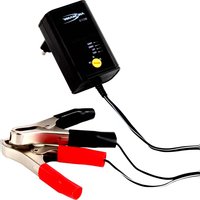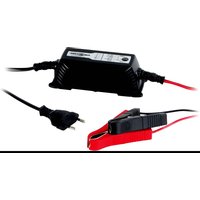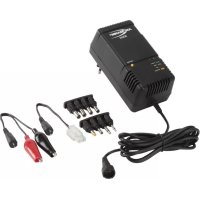
ACS110 - Battery charger ANSMANN - Free user manual and instructions
Find the device manual for free ACS110 ANSMANN in PDF.



| Product type | Smart charger for NiMH/NiCd battery packs |
| Brand | Ansmann |
| Model | ACS110 |
| Number of compatible cells | 1 to 10 cells (1.2V - 12.0V) |
| Power supply | 100-240 V AC, 50/60 Hz (universal) |
| Output voltage | 1.45 V - 14.5 V |
| Charge current | 800 mA |
| Discharge current | 150 mA - 200 mA |
| Chargeable battery capacity | 800 mAh - 10000 mAh |
| Charging time | Approximately 1.5 hours per 1000 mAh |
| Main functions | Automatic cell count detection, pre-discharge, pulse maintenance charge, automatic cut-off (-dU), short-circuit and reverse polarity protection, LED charge status display |
| Included accessories | Adapter cable with Tamiya socket, cable with crocodile clips, polarity reverser with 8 output plugs |
| Maintenance and cleaning | Unplug the mains plug before cleaning. Clean contacts with a dry cloth. |
| Safety | Use only in dry indoor environments. Do not open the device. Keep out of reach of children. Observe polarity. Do not charge Li-Ion or Li-Po batteries. |
| Warranty | 3 years (excluding damage due to improper use) |
| General information | Wide spectrum charger, suitable for NiMH/NiCd battery packs of 1 to 10 cells. Worldwide use thanks to universal power supply. |
Frequently Asked Questions - ACS110 ANSMANN
User questions about ACS110 ANSMANN
0 question about this device. Answer the ones you know or ask your own.
Ask a new question about this device
Download the instructions for your Battery charger in PDF format for free! Find your manual ACS110 - ANSMANN and take your electronic device back in hand. On this page are published all the documents necessary for the use of your device. ACS110 by ANSMANN.
USER MANUAL ACS110 ANSMANN
Deutsch | English | Français
Pycckn | Espanol | Portugues
Thank you for purchasing the ACS110 from ANSMANN.
We hope you will be happy with your new charger.
Your ANSMANN Team
SAFETY INSTRUCTIONS
- Please read these operating instructions carefully before using the charger!
- Do not use the device if there are any signs of damage to the housing, plug or cable. If you do find any damage to the unit, please contact an authorised dealer!
- Only use 1-10 cell NiMH or NiCd battery packs with a rated voltage from 1.2V-12.0V. Other battery types (Li-Ion or Li-Po) may cause batteries to explode!
- Please make sure battery packs are connected in the correct polarity (+/-) !
- Only use the charger indoors in a dry area!
- In order to avoid the risk of fire and/or electric shock the charger must be protected against high humidity and water!
- Before cleaning the unit with a dry cloth, disconnect it from the mains!
- Never attempt to open the charger!
- Keep out of children's reach! Children should be supervised to ensure that they do not play with the charger!
- The device is not to be used by children or people with reduced physical, sensory or mental capabilities. In addition, novice users who have not fully read these instructions should be supervised or given instruction before use!
- If the safety instructions are not followed, damage to the device or batteries may occur and could cause injury to the user!
FUNCTIONAL OVERVIEW
- Intelligent charger for 1-10 cell NiMH/NiCd battery packs (1.2V-12.0V)
- Includes adapter cable with Tamiya socket for racing packs
- Includes adapter cable with crocodile clips
- Includes 8 polarity reversible output connectors
- Detects automatically the number of the cells (1-10) and adjusts the charging voltage automatically
-
Pre-discharge of the battery pack is optional, then it switches automatically to charging
Automatic cut-off (-dV) & trickle charging
LED-charging state indicator -
Short-circuit and wrong polarity protection
For worldwide use (100-240V AC / 50-60Hz)
IMPORTANT SETTINGSBEFOREUSE
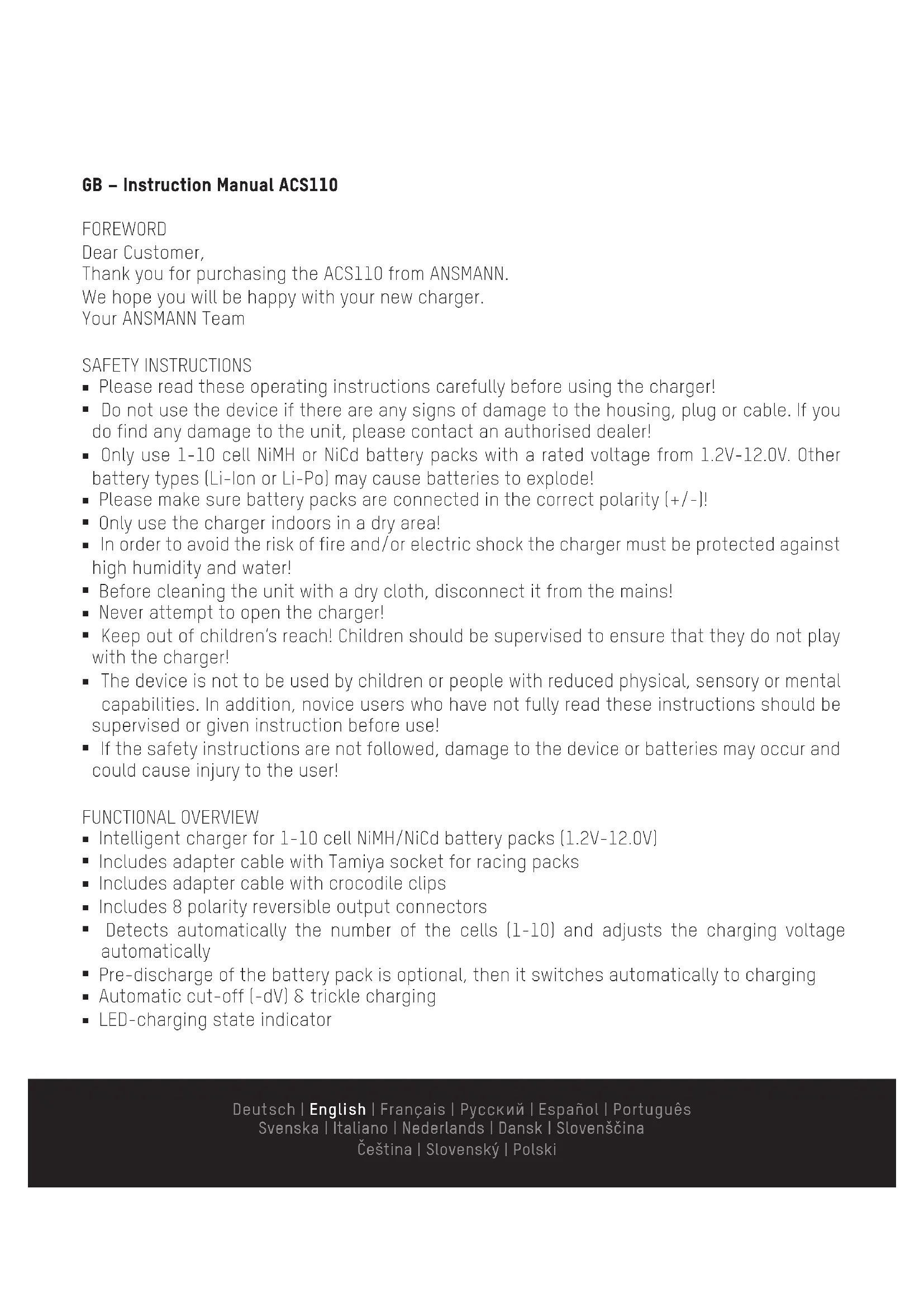
Included in delivery are two adapter cables (one with Tamiya socket, one with crocodile clips) and 8 standard plugs for connecting with the correct polarity. Choose the right plug or the respective adapter cable. The adapter cables or plugs should fit properly using a little pressure.
Please do not use extreme force!
When connecting an output plug, please make sure that the selected polarity of the battery pack is correct (see picture 1).
When connecting the adapter cable, the polarity is pre-determined and not changeable. The polarity for the adapter cable with crocodile clips is: + red clip / - black clip.
Reversed polarity can destroy the battery pack!
OPERATION
Connect the battery pack to the charger and plug the charger into a mains socket (100-240V AC 50-60Hz). If polarity is correct, the charging process starts automatically and the charging indicator flashes green. If the charging indicator is flashing red, please check if the battery pack is connected reverse or defective (short circuit).
You can discharge the battery pack before charging if required. Therefore please press the "Discharge"-button on the device. The charging indicator lights yellow when discharging is activated. Once the battery pack is discharged, the device automatically switches to charging.
A heating of the battery pack while charging is normal.
TIP: We recommend the pre-discharge when using NiCd battery packs, so that they are reliable and without memory-effect even over a long period of time. A pre-discharge when using NiMH-battery packs is not necessary. We recommend occasional pre-discharge after 40-50 part charging cycles of NiMH batteries.
If the discharge process was started by mistake or you wish to cancel it prematurely, disconnect the charger from the mains or disconnect and reconnect the battery pack to start the charging function.
The charger has a battery-full-detection (-dV), which automatically ends the fast charging process when reaching the charging end voltage and switches over to a keep "topped-up" trickle charge mode. This function guarantees an optimal performance and eliminates the battery self-discharge effect. The charging indicator lights permanently green once the battery is fully charged. Now the battery pack can be used or left connected to keep topped up ready for use later.
ENVIRONMENT
Do not dispose of the device in the normal household waste. Please return it to your dealer, nearest recycling centre or collection point. Please also recycle all packing materials.
CARE & MAINTENANCE
To make sure that the charger works properly, please keep the plug contacts free from dirt and dust. To clean the unit disconnect it from the mains and only use a dry cloth.
TECHNICAL DATA
Input: 100-240V AC / 50-60Hz
Output: 1.45V - 14.5V (for 1.2V-12.0V battery packs)
Charging current: 800mA
Discharging current: 150mA - 200mA
Charable battery pack capacities: 800mAh - 10000mAh
Charging time: approx. 1.5 hours per 1000mAh
DISCLAIMER
Information in these operating instructions can be changed without prior notice. ANSMANN cannot accept liability for direct, indirect, accidental or other claims by not using this device as indicated by these operating instructions. Consequential losses are not accepted at any time.
WARRANTY NOTICE
We hereby offer a 3 year warranty on this charger. This does not apply to damages caused by: low quality batteries being used, non-compliance of the operating instructions or physical damage due to lack of care.
Technical details subject to change without prior notice. No liability accepted for typographical errors or omissions. 04/2015
F - MODE D'EMPLOI ACS110
AVANT-PROPOS
Chere cliente, cher client,
Ybaxaembi(a) nokynatelb!
БларпьмВасяпобетенеЗардноустpoистВАNSMANNACS110.Haideemся,3TO HOBOe3apdHoeyctpoiCTBO npinhecet Bam mHoro paOCTn.
Baw konlneKtub ANSMANN
ПРABИАТEXHUNКБE30ПACHOCTN
- Паранлб30Ванем Heo6xOДМо TшаTeьНо почeCTb pyKOBODSTBO nIb3OBaTeЯ И спдовать павиам ТхИКи Be3ОпаСHоCTn!
- Пп поврждени Коруca, Sttekepoи Кабели Рльботьсу CTpoиCTBOM 3anpeaetc. 06patntecb KaВTopn3OBaHHOMy dInepy!
- Ппnomои данногу устрочь pa3pewaetc 3apxkaTb TOnbko HnkeIb/ metanlorgndpndhbie (NiMH) nnn hkeNb/kaMneBbie (NiCd) aKKymyIaTopbl c 1-10 3nemHTamn n homHaHbHbIM hapgxekHeM 1,2 B-12,0 B. Пр ncnoJb3ObaHnC dpyrmm aKKymyIaTopamn (hanpimep, c Li-lon nnn Li-Po) Bo3nkaet onachocTB b3pbBa!
- Pn noicoeHHeHn KOHTaKToB aKKymyIaTe c6bIoudaTe noJapHOcTb (+/-)!
- IcnoIb3OBAHHe yCTpoIcTba pa3peWaeTcra TOnbKO B 3aKpbITbIX, cyxnx NOMEeHNsX!
Bo n36eKahne noXapa nn npaKeHna 3neKtpnueckm TOKOM 3aunuTe yctpoNCTBO OT Bnarnn doxndra!
OuNTky npabotb no texobcnykubahnpoa3peaaetc npoBOntb TOnbKO nocne OTCoeDHHN 0T CETN NHTAHNIA
He BCKpbIbAaTe yCTpOcTBO!
XpaHnTe Bdann OTeTe! He octabnAte Te Tee 6e3 npncMoTpa, TTo6bI rapaHTnpoBaTb, YTO OHn He 6yDyT nrgaTb C yCTpO'CTBOM!
-Данhoe yctpoicTBo He npedHa3HaueHo IJn IcNoIb3OBAHn Iuamn (BkIouaI dTei) c
OgpanuehhbIMN TelechbIMN, CEHCOPHBIMN NIN yMCTBeHHbIMN CNOco6HOCTaMn, COTcyTCTBnEM ONbITA n 3HaHn o6 obpaueHN C yCTpOJCTBOM. TAKne Nua dny nx 6e30NaCHOCTn DOJXHbI 6bITb npOHCTpyKTHUPOBaHbI CBOm ONEkyHom NIN Jx DOnJXHbI 6bITb NOd erO npNCMOPTpOM BO Bpem NOnb3OBAHy UCTpOJCTBOM!
- HecobloudeHne npabn TexnK be3oNaChocTn Beet K nobpeJdeHIO yctpOCTBa, aKKymyIaTopa nn K nOlyeHIO onaChbIX TpaBM!
0530PФУHKUIM
- Иnteелктуалhoe зарадhoe устpoистwo дя NiMH/NiCd akkymлготорв (1,2 B-12,0 B) c 1-10 anementamn
B KOMnneK T BxOuNT nepexoHbI Ka6eJb C rHe3dom Tamiya dJa Racing Pack
B KOMnIeK T BxOJnt NepexoHbI Ka6eJIc 3aJxuMaMn TUna «KpOKoDInJ»
B komnneK TBxOint peBepc nonpaHbIX BbIX HbIX WTekepoB - ABTomatnueckoe paCno3HaBAHne KOJIuYeCTBa 3IeMeHToB (1-10) n HacTpoiKa 3apRdHOro HAprrKeHHa
Bo3mOxHa npedBapnteHna pa3pKa aKKymyIaTopa, nocne KOTopoA aBTOMaTnueckn npoNCxoDHT nepeKlnuYeHne Ha npoceC 3apdKn - ABTomatnueckoe OTKIoueHne (-dU) n imnybcnoepkaHne 3apra
CBeToIONoHbI UHdNKaTOp 3apraDa
3auntatoKopotko0 3ambikaHn HnpepaBnboHn noJpHocTn - YHNBepcaIbHbI 6IOK nHTaHnI ppeIOCTaBnEeT BO3MOJHOCTb NCNoIb3OBAHnY yCTpoiCTBa no Bcemy mpy (100-240 B AC / 50-60 T)
BAKHBIE HACTPOIKN IEPEN HAJOM NCI0JIb3OBAHNA
B komnneKT noctabkn BxodT Dba nepexoHbix ka6enra (OunH c rhe3dom Tamiya, OunH c 3axmamn Tnna «KpokOnn»), a taKxe 8 pacnpoctpaHbIX wTekepoB dnnnoCoeHHnKa peBepCy nonapnoCTn. BbIbePte noXoJn nnBaWnx HxjN wTeke npn COOTBeTcTByUu n aanterpbHbIK Ka6enb. BblpaHbI WTekep cJeDyET do KOHca, Ho be3 Ype3MepHoro ycInna, BCTaBtB K0HeuHoe yCtpoiCTBO. He npImeHae Te cnny Ype3MepHo!
Pn noCoeHHeHH WTeKepa K peBepCy nOJrpHocTn 683aTeNbHO cneNyET co6IouaTb npabNbHyIO nOJrpHOCTb 3apXkaEMOro aKKymyIaTopa (cM. nnIOCTpaunio 1).
IpnnoocnHHeHHnpepoxoHOrKa6eJnOJIpaHocTbYBnEeTc3aDaHHoNee HeBO3MOxHO n3MeHHTb. IoparHocTb nepexoHoro Ka6eJc 3axmamTuNa «KpOKoDn»: «+» KpacbIn 3aXIM/ «-» YepHbIn 3aXIM.
HenpaBnIbHa nOJaepHOCTb MoKet npVBecTn Ka3pyeHIO aKKymyIaTopa!
HAJANO PA60TbI IN PUNHcUN DEINCTBNA
IopocdHnTe KOHTaKbI aKKymyIaTopa K 3apJHOMy yCTpoiCTBy n noKnIouHte 3apJHoe yCTpOcTBo K cTe N3eKTPoPiTuHa (100-240 B AC 50-60 T). Ecnn noJrpHoctb co6IooHe na npabInbHO, To npocce C3apJDKn HauHETcA bTOMaTUnCeCKn, n INDkaTOp COCTOHNr 3apJDKn HauHET MfArb 3eJeHbIM ZBeTom. Ecnn INDkaTOp Muraet KpaChbIM ZBeTom, To npOBepbTe aKKymyIaTOp: Ni6o He npabInbHO co6IooHe NaJrpHoCtB, Ni6o OH HeNCnPpBeH (kopotKoe 3ambikAHne).
3apndnoyeyctpoiCTBO no3B0JareTakke pa3pkaTb aKKymnIaTOpbI nepeix 3apjko.ДЯ 3tOrO kpaKOBpeMeHNO haxmnte KhoNkY «Discharge» Ha 3apdHom yctpoiCTBe. INdnKaTOp COCToHn 3apdKn TOpNT JKeIbIM ZcETOM, YTO CnHAn3npyET O pa3pIKe. KaK TOnbKO aKKymnIaTO pByet pa3pJKeH, yCTpoiCTBO ABTomatueckn NepeKlnouHTcB Pexkm 3apdKn. HarpeB aKKymnIaTOpa B npocce 3apdKn ABLaETcHopMaNbHbIM ABlneHnEM.
COBET: Mbl pekomehdyem Bcerda nCnoIb30BaTb FyHKuHn npedBapntelbHO pa3pRdKn dJa NiCd aKKymyIaTOPOB, YTO6bl Nyepe3 DInTeNbHOe BpEma OHN pa6oTaHn HadeXHo N 6e3 3ΦfekTa «NamrTn».ДЯ NiMH aKKymyIaTOPOB npedBapntelbHa na pa3pRdKa, B npINcHne, He Tpe6yETcN. PpeBAPNTeNbHa pa3pRdKa NiMH aKKymyIaTOPOB peKOMeHdyetcTOnbKO yepe3 40-50 uKNoB yactuHno 3apRdKn.
Ecn npoecc pa3pndkn 3anyuen Hnno nno erO cneyet 3aBepntb npexdeBpeMeHHO, TO oTcoeHnnte 3apdHoe yctpoNCTBO OT cETn 3neKtpoNTAHnna nno OTCoeDInHnTe KOHTAKT OT aKKymyIaTOPa, TTO6bl nepeKNIuHTbcra B pexm 3apdKn.
3apdHoe yctpojCTBO OshaeNo fynkneepacno3nabAHn nonho 3apdKn (-dU), KOtopa no doCTNKeHN KoHeuHO HnnpJKeHN 3apda aBTOMaTueckn 3aBepaet npoecc 3apdkn n nepeKluOaET yctpojCTBO B pexim noDepxahan 3apda. DaHHa fynkncraPantpyet ONTMalbHyIO npOn3BoNTelbHOCTb IN npenrTCTByET camopazny aKKymyIaTopa. KaTolbKO aKKymyIaTOp bYedT NOHocTbO 3apJKeH, INDkaTOp COCTOHN Haunhet rOpTe 3eIeHbIM cBeTOM. Tepeb MOxHO nOlb30BaTbcA aKKymyIaTOpom.
YKA3AHINI NO 3AUNTE OKPYXIAUOEN CPEbI
yTnHn3npoBaTb yCTpOcTBc 6bITOBbIM Mycopom cTporo 3aIpeaaetc. yTnHn3npuYte DaHHoe yCTpOcTBcHO h npEePnTn NO ydaJIeHNIO OTXoDOb nII npN NOMOUs KOMMyHaNbHOrO
obOpUdoBAnrA drr yTnHn3aunn OTxoDOb.CobIouaIte DeIcTBuyOuIne npednscAnr. Pn
NoRbHeHn ComHeHn oBpaauTeCB Cnyk6y, CneuaHn3npuOyUocra Ha yTnHn3aunn
OTxoDOb. yTnHn3npuYte yNaKOBoUhBiE MaTePnaIbIC coBIOJeHNem npednscAnH No 3aunTe
OKpykaUoSeCpebl.
06CJYKINBAHNE/yyOД
Для obecneченя nCnpaBHorO yHKnUHOHpOBaHnY yCTpoiCTBa He DoNyckaIte 3aRpa3HeHnKa KOnTaKToB KaK CamrO 3apArdHOrO yCTpoiCTBa, TaK N aKKyMylTopa. OUnCTky yCTpoiCTBa CNeDyET BbInONHraTb CyXoN CaΦeTKo N TOnbKO NocNe OTCoeDINHeHnO T cTe N 3JIeKTpOpiNTaHnY.
TEXHUNECKNEXAPAKTEPNCTUKN
BxoHoe HapjKeHne: 100-240 B AC / 50-60 T
BbIXoHoe HnpanjxKeHne: 1,45 B-14,5 B (dЯakKymyIaTopoB 1,2 B-12,O B)
3apnHbI TOK: 800 mA
Pa3pIHyI ToK: 150 mA - 200 mA
PnroHbIe IJ3apJIKN
EMKoCTn aKKymyIaTopa: 800 mA*u - 10000 mA*u
Bpemzapd: npn61.1,5 yaca ha 1000MA*
MCKJIHOUeyHE OTBETCTBEHHOCTN
HfOpMaun, npBedeHHa B HactoJem pyKOBoCTBe noIb3OBaTeJn, MoKet 6bITb n3MeHeHa 6e3 npEdBapntelbHoro yBeOJmJeHnA. ANSMANN He HecET OTBETCTBEHNOCTH 3a npraMoi, KocBehHbI, CnyaHbI nn npouy uep6, HaHeceHbI B pe3yIbTaTe IcNoB3OBaHn 3apAnHO yCTpoJcTBA He No Ha3NaueHnO nn n3-3a npHe6peKeHn HfOpMaunei, npBedeHHo B HactoJem pyKOBoCTBe noIb3OBaTeJn.
YKA3AHNIOIAPAHNTIN
Mblnpedoctabnem TpexrouHnyraaHTnoHa yctpoicTBO.Ipn nobpejdeHn uystpoicTBA BCneIcTBnHe HecobJDoHn pykoBODCTBaNo 3Kcnpyataun nn n3-3a Hn3KOro KaeeCTBa aKKymyIaTopa rapaHTn He npedocTabnEeTc.
0ctabnem 3a cobon npabo Ha texhueckne n3meHeHna. OTBETCTBeHHocTb 3a oneatkn NCKIouaetcra. 04.2015
ES - INSTRUCCIONES DE USO ACS110
PRÓLOGO
INDICACAO RELATIVA A GARANTIA
Ontlaadstroom: 50mA - 200mA
Laadbare accucapaciteiten: 800mAh - 10000mAh
POKNY NA OCHRANU ZIVOTNEHO PROSTREDA
97959 ASSAMSTADT I GERMANY
Hotline: +49 [0] 6294 / 4204 3400
E-Mail: hotline@ansmann.de | www.ansmann.de