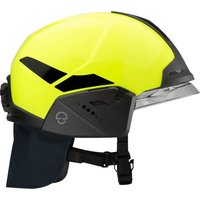
F400 FIBERTECH - Protective helmet Schuberth - Free user manual and instructions
Find the device manual for free F400 FIBERTECH Schuberth in PDF.


| Product type | Firefighter helmet |
| Brand | Schuberth |
| Model | F400 FIBERTECH |
| Weight | 1490 g (without accessories) |
| Head circumference | 49–67 cm |
| Shell material | Duroplast (thermosetting) reinforced with glass fiber (High Temp-Fibre) |
| Standards | EN 443:2008, EN 16471:2014, EN 16473:2014 |
| Face protection | VF4 visor according to EN 14458:2018, optical class 1 |
| Operating temperature | Down to -40 °C (low temperatures) |
| Electrical resistance | Level E3 (electrical insulation) |
| Chemical resistance | Tested against sulfuric acid, sodium hydroxide, p-xylene, butan-1-ol, n-heptane |
| Retention system | Chin strap with quick-release, adjustable nape strap |
| Head size adjustment | Quick-turn knob at the back (2 knobs) |
| Optional accessories | Flashlight, headlamp, microphone-earpiece kit, neck flap, hood, mask adapter, eye protection |
| Cleaning | Lukewarm soapy water, no solvents or abrasives |
| Service life | No fixed expiration date; check before each use, replace after any impact |
| Warranty | 2 years from date of purchase |
| Spare parts | Carrier net, headband, chin strap, sweatband, nape pad, visor, quick adjustment |
| Maintenance | Regular inspection, replacement of parts by the user or trained personnel |
| Storage | Cool, dry place away from direct sunlight |
Frequently Asked Questions - F400 FIBERTECH Schuberth
User questions about F400 FIBERTECH Schuberth
0 question about this device. Answer the ones you know or ask your own.
Ask a new question about this device
Download the instructions for your Protective helmet in PDF format for free! Find your manual F400 FIBERTECH - Schuberth and take your electronic device back in hand. On this page are published all the documents necessary for the use of your device. F400 FIBERTECH by Schuberth.
USER MANUAL F400 FIBERTECH Schuberth
natural_image
Front view of a white and black Schubert helmet with visor, showing front gear and helmet details (no text or symbols on the helmet itself)F400 FIBERTECH

SCHUBERTH
MANUAL
F400 FIBERTECH
DE DEUTSCH 5 – 29
EN ENGLISH 31 – 55
ES ESPAÑOL 57 – 81
natural_image
Line drawing of a hand holding a helmet with a device, no text or symbols present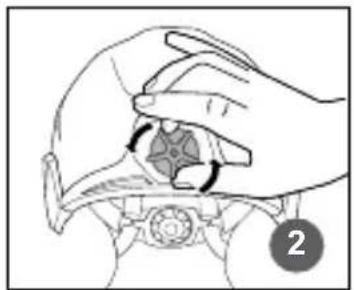
natural_image
Illustration of a hand pressing down on a mechanical component (no text or symbols visible)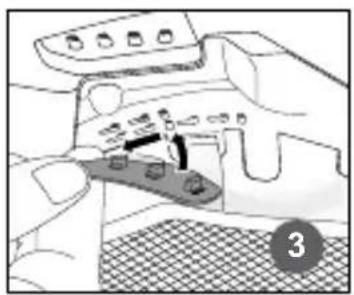
natural_image
Diagram of a car interior showing hand positioning and tool placement (no text or symbols)
natural_image
Cross-sectional diagram of a mechanical component with central hatched area and four mounting holes (no text or symbols)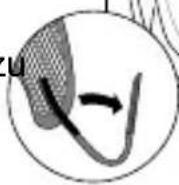
natural_image
Line drawing of a person's arm and shoulder with a shaded band and arrow (no text or symbols)natural_image
Diagram of a vehicle interior showing a highlighted component with circular arrows indicating motion (no text or symbols)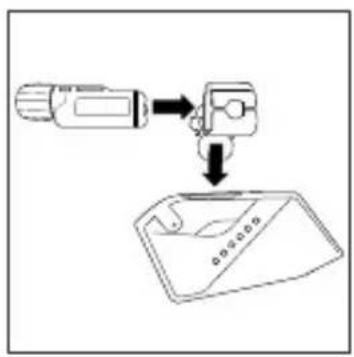
natural_image
Line drawing of a person wearing a helmet and cap, viewed from the side (no text or symbols)flowchart
graph TD
    A["Initial State"] --> B["Step 1"]
    B --> C["Final State"]
natural_image
Diagram of a vehicle electrical connector with four slots (no text or symbols)natural_image
Technical diagram of a mechanical component with cross-sectional view and magnified detail (no text or symbols)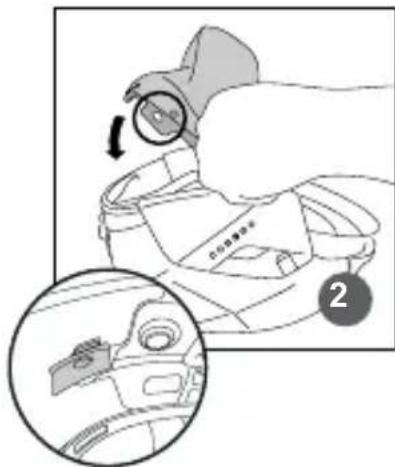
5.7. Augenschutz
natural_image
Line drawing of a person wearing a helmet and safety goggles (no text or symbols)6. INNENAUSSTATTUNG
natural_image
Diagram showing a mechanical component with circular features and a magnified inset illustrating the internal structure (no text or symbols)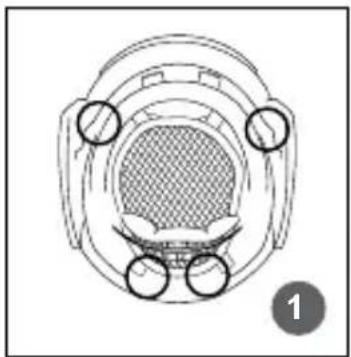
natural_image
Top-down schematic of a mechanical component with four circular features and a mesh center (no text or symbols)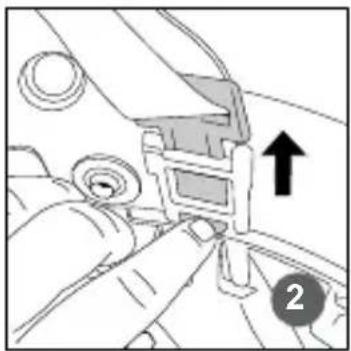
natural_image
Diagram of a hand inserting a component into a car's seat, with an arrow indicating direction (no text or symbols present)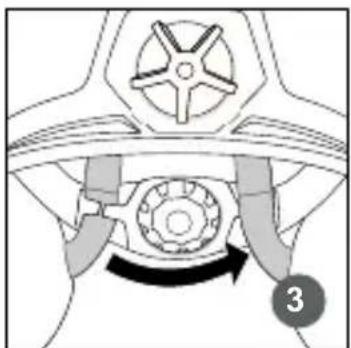
natural_image
Mechanical assembly diagram showing a rotating component with a numbered label (3), no readable text or symbols present.natural_image
Illustration of a hand holding a car with a black arrow indicating rotation or change (no text or symbols)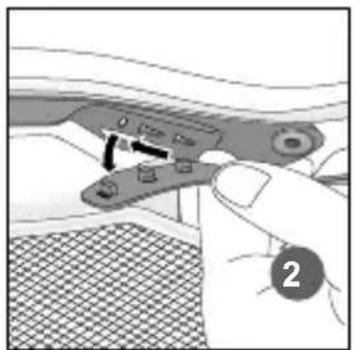
natural_image
Close-up of hands holding a small electronic device with buttons and a grid pattern (no visible text or symbols)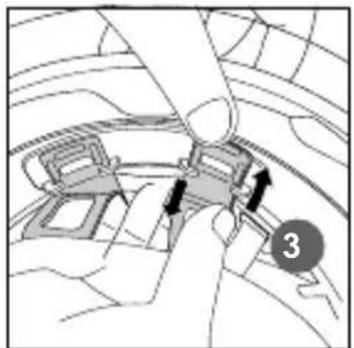
natural_image
Diagram of a mechanical component with arrows indicating assembly or movement (no text or symbols)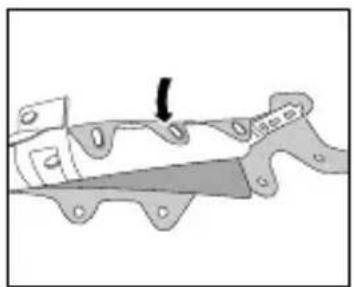
natural_image
Mechanical component diagram showing a lever and guide mechanism (no text or symbols)6.5 Tausch Nackenpolster
natural_image
Illustration of hands holding a transparent object with a curved handle, no text or symbols present7. ALLGEMEINE INFORMATIONEN ZUM HELM
natural_image
Side profile illustration of a person wearing a helmet and visor (no text or symbols)Helm – Farben
Nachleuchtend
Tagesleuchtgelb - RAL 1026
natural_image
Line drawing of a person wearing a helmet and adjusting the cap (no text or symbols)natural_image
Diagram of a mechanical component with arrows indicating direction, no visible text or symbols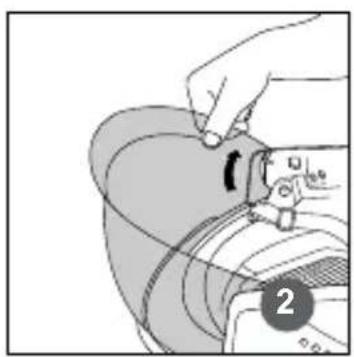
natural_image
Illustration of a hand adjusting a mechanical component with a circular label showing number 2 (no text or symbols on the diagram itself)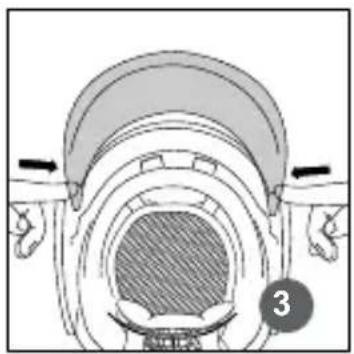
natural_image
Diagram of a mechanical or anatomical component with curved surfaces and directional arrows, no visible text or symbols.This instruction manual is intended to familiarise you with the construction, use and care of the SCHUBERTH F400 FiberTech firefighter helmet. Correct handling, maintenance and care is a prerequisite for functionality and maintaining the protective effect.
Read these instructions for use and those of the associated products carefully before using the product. Correct handling is a prerequisite for the helmet to fulfil its protective function. Keep the instructions in a safe place to ensure proper use of the SCHUBERTH F400 FiberTech.
Please pay particular attention to the following:

Warning: Safety instructions

Caution: Note

Tip: Practical advice
We reserve the right to make changes that reflect technical developments – including without prior notice.
2. SAFETY INSTRUCTIONS AND SCOPE OF APPLICATION
The F400 FiberTech firefighter helmet is a SCHUBERTH quality product, which was developed especially for increased thermal stress and meets the highest standards of safety and performance in use. It complies with DIN EN 443:2008, DIN EN 16471:2014 and DIN EN 16473:2014 (www.dinmedia.de/en).
The SCHUBERTH F400 FiberTech firefighter helmet is intended for firefighting in buildings and other structures, for technical rescues, as well as forest and moorland fire suppression, and generally for all work that falls within the scope of fire and rescue services. All other uses are to be excluded and release SCHUBERTH from any liability.
Safety helmets, including face protection, are part of personal protective equipment (PPE) and help to prevent or at least significantly reduce head and face injuries.
The scope of protection of the personal protective equipment in question results from the relevant provisions of PPE Regulation (EU) 2016/425 of the European Parliament and of the Council and the standards derived therefrom to be applied in accordance with the Declaration of Conformity. Further protection against special hazards such as chemical, biological, electrical or radioactive hazards can only be provided by other and/or additional protective equipment.
A risk assessment shall be carried out by each user of this PPE before use. This is the only way to determine the operational risks and ensure a basis for the selection and use of appropriate protective equipment.
Always make sure that the selected PPE meets your risk assessment's requirements in terms of its protective effect.
WARNING: The protective effect is only achieved when the helmet fits perfectly, the headband is adjusted to the head circumference, and the chin/neck strap is fastened. Removable parts (except for headlamp and helmet lamp) must not be worn separately. Only wear the helmet when it is fully assembled.
WARNING: The helmet is designed to absorb one impact only. Like a car's crumple zone, the energy acting on the helmet is absorbed by complete or partial destruction of the helmet's shell or lining structure. Even if this damage is not immediately obvious, the helmet must be replaced after an impact or other force.
CAUTION: The liability for the SCHUBERTH F400 Pro firefighter helmet's function is transferred to the owner or operator in any event if the SCHUBERTH F400 firefighter helmet is improperly maintained or repaired by persons who do not belong to SCHUBERTH GmbH or were not trained by SCHUBERTH GmbH or if handling is carried out that does not correspond to the intended use. SCHUBERTH GmbH is not liable for damage caused by non-observance of the above information.
CAUTION: Exceptional environmental conditions, such as training in special containers or similar situations, which can be expected to result in extraordinary heat and/or flame exposure, are not to be considered as regular operating conditions. This shall be taken into account separately in the risk assessment and the PPE shall be supplemented accordingly.
3. CONTENTS
-
Notes for the manual 31
-
Safety instructions and scope of application 32
-
Contents 34
-
Use 36
4.1 Adjusting the head width 36
74.2 Adjusting the support net / wearing height 37
4.3 Adjusting the chin and neck strap 37
- Connection of optional accessories .... 39
5.1 Universal interface 39
5.2 Torch 39
5.3 Front lamp 39
5.4 Adapter for respirator mask 39
5.5 Head set 40
5.6 Neck protector / shawl collar 40
5.7 Eye protection 40
- Lining 41
6.1 Exchange support net 41
6.2 Exchange chin / neck straps 41
6.3. Exchange head support ring 42
6.4 Exchange leather sweatband 42
6.5 Exchange neck pads 43
- General information about the helmet 43
7.1 Change to the helmet 43
7.2 Cleaning and care 44
7.3 Service life 44
7.4 Checking the fitness for use 44
7.5 Maintenance 46
7.6 Helmet – Weight 46
7.7 Properties and labels 46
8. Visor 48
8.1 Visor protection performance 48
8.2 Notes on use 48
8.3 Visor operation 49
8.4 Changing the visor panel 49
8.5 Maintenance 50
8.6 Cleaning and care 50
8.7 Service life 51
8.8 Visor properties and labels 51
9. Storage and transport 52
10. Warranty 52
11. Disposal instructions .... 53
12. Spare parts and accessories 54
12.1 Spare parts 54
12.2 Accessories 54
13. Contact 55
4. USE
The SCHUBERTH F400 FiberTech firefighter helmet is available in one helmet shell size. The helmet is approved for the following head size range: Size 49-67 cm.
4.1. Adjusting the head width
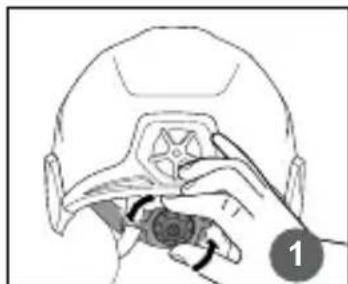
The head width can be adjusted to the wearer's individual head width by turning the quick head size adjustment on the back (consisting of 2 rotary wheels). By turning the rotary wheels clockwise or counterclockwise, you can narrow or widen the head width and at the same time change the position of the helmet shell on the head. To adjust the helmet positioning, first turn the lower quick adjustment ① until the head support ring rests lightly against the head. For further fine adjustment, rotate the upper quick adjustment ②. The lower quick adjustment's range can be increased. For this, loosen the connection of the adjustment straps on the left and right of the retaining ring ③ and reconnect them in a rear position. To loosen the connection, the securing pin must first be levered out of the retaining ring and the adjustment straps pushed backwards. Make sure that both adjustment straps are attached in the same position.
natural_image
Illustration of a person adjusting a helmet with a gear mechanism (no text or symbols)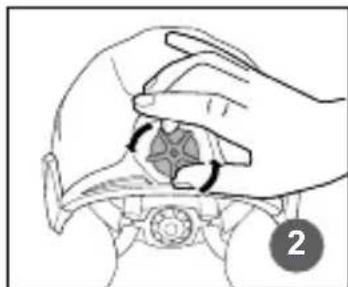
natural_image
Illustration of a hand holding a small object with a star-like pattern, possibly a mechanical or medical component (no text or symbols present)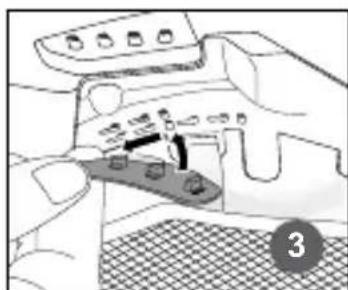
natural_image
Diagram of a robotic arm interacting with a mechanical component, showing no text or symbols😊 Tip: Note for more comfort
Individual adjustment of the head support ring: The head support ring is flexibly fixed to the outer shell and thus adapts to different head shapes, thereby allowing an optimal fit within the helmet shell. The helmet shell's position on the head can be changed by varying the adjustment widths of the lower and upper quick adjustments. This allows the helmet's center of gravity to be optimally adjusted on the head for maximum wearing comfort.
Caution: Do not force turning after the end stops have been reached.
4.2 Adjusting the support net / wearing height
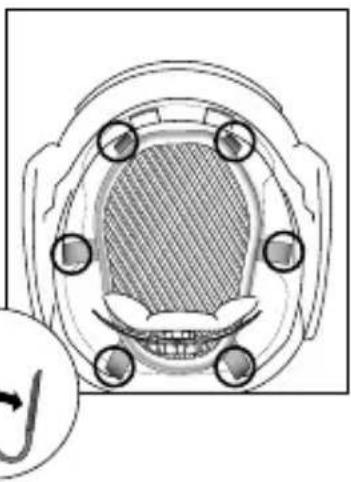
The 6-point suspension of the support net (wearing height) is adjusted by tightening or widening the six Velcro straps at the ends of the support net. It should be adjusted in a way that ensures the support net is evenly tensioned and the helmet is neither too high nor too low on the head.
natural_image
Cross-sectional diagram of a mechanical component with central hatched area and four mounting holes (no text or symbols)4.3 Adjusting the chin and neck strap
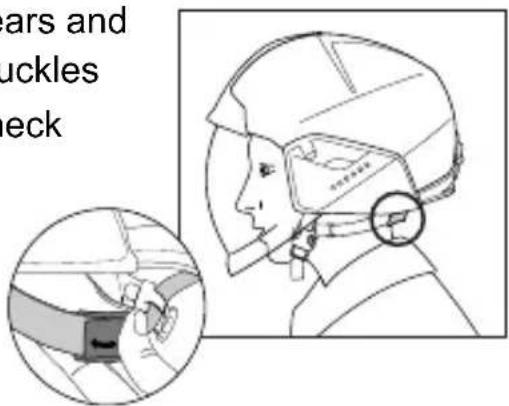
The chin strap's quick release ensures easy opening and fastening of the chin strap. Grasp the helmet with both hands on the chin-neck strap and pull it over your head from the forehead. Adjust the wearing position and head width if necessary, and fasten the chinstrap with the quick release fastener.
- The neck strap must be tight under the ears and at the back of the head. Two clamping buckles are available to adjust the length of the neck strap.
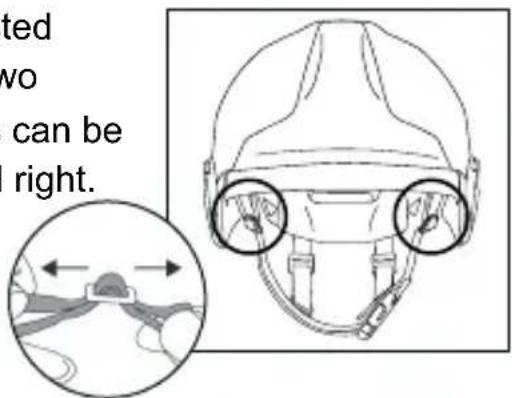
- The length of the chinstrap can be adjusted individually for different face shapes at two positions. The length of the vertical belts can be adjusted using the sliders on the left and right.
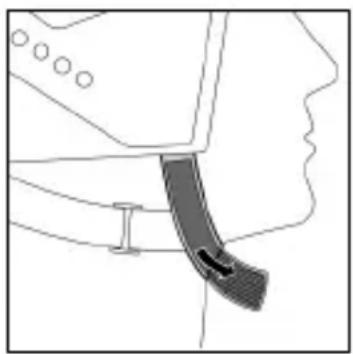
- It is also possible to adjust the chin strap's length under the chin by loosening or tightening the Velcro. These two adjustment options allow the position of the mortise lock to be shifted so that it rests in the most comfortable position for the wearer. The chinstrap must be snug under the chin.
natural_image
Line drawing of a human shoulder with a shaded bandage and arrow indicating a specific area (no text or symbols)Warning: The SCHUBERTH F400 FiberTech helmet complies with the requirements of the DIN EN 443:2008; DIN EN 16471:2014; DIN EN 16473:2014 standards for the retention system if the chin strap supplied by the manufacturer has been worn and adjusted in accordance with these instructions.
Caution: No materials known to cause irritation or allergic reactions are used in production. However, allergic reactions cannot be completely ruled out in individual cases.
5. CONNECTION OF OPTIONAL ACCESSORIES
5.1. Universal interface
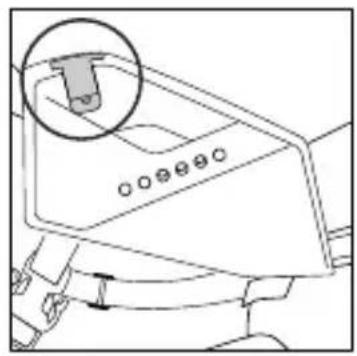
The multi-function adapter (MFA) has a universal interface on which additional accessories can be mounted.
natural_image
Diagram of a vehicle interior showing a gear shift and mode indicators (no text or symbols)5.2. Torch
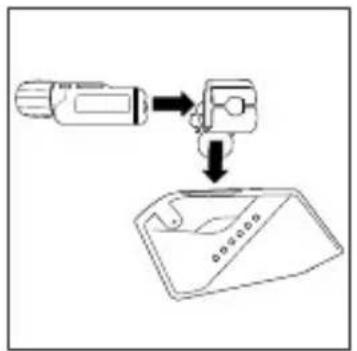
It is possible to mount a torch on the left or right multi-function adapter via the associated lamp adapter.
5.3. Front lamp
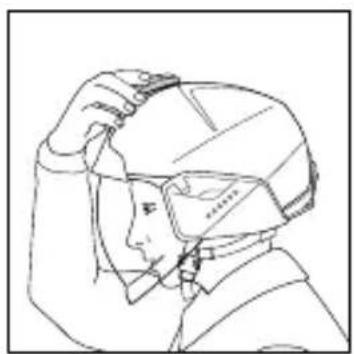
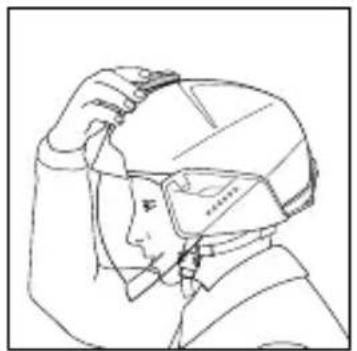
A lamp can be mounted on the front panel. This is pushed onto the panel from behind until it clicks into place.
Disassembly: To remove the lamp, lift it up at the rear and push it backwards out of the guide.
natural_image
Line drawing of a person wearing a helmet and cap, adjusting the helmet (no text or symbols)5.4. Adapter for respirator mask
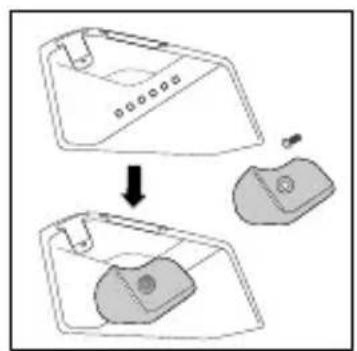
The multi-function adapter is intended for adapting a respirator mask as a helmet-mask combination. To do this, the mask adapter must be fastened to the MFA via a screw connection and can be fixed in three positions.
flowchart
graph TD
    A["Step 1: Initial Setup"] --> B["Step 2: Output"]
    style A fill:#f9f,stroke:#333
    style B fill:#bbf,stroke:#333
5.5. Head set
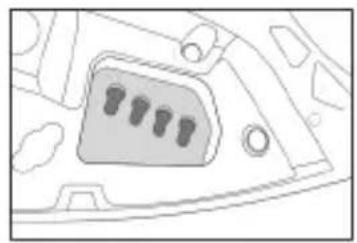
The F400 FiberTech can optionally be equipped with a head set.
There are 4 connection points on the multi-function adapter's inner retaining plate for this purpose.
natural_image
Diagram of a vehicle electrical connector with four pins (no text or symbols)5.6. Neck protector / Shawl collar
The NPH4 Nomex® and HTH4 series neck protectors have a retaining strap that attaches to the helmet. To do this, insert the two locking cams, flush left and right, into the recesses on the inside of the multi-function adapter ①. Then swivel the neck protector backwards, guide it into the helmet shell and push it in until the two snap-in hooks at the back of the helmet snap into the retaining strap ②.
Disassembly: First loosen the two rear snap-in hooks and pull the neck protector upwards out of the helmet shell. Swivel the neck protector forward until the two locking cams on the left and right ends of the retaining strap can be pulled out.

natural_image
Technical diagram of a mechanical component with cross-sectional view and magnified detail (no text or symbols)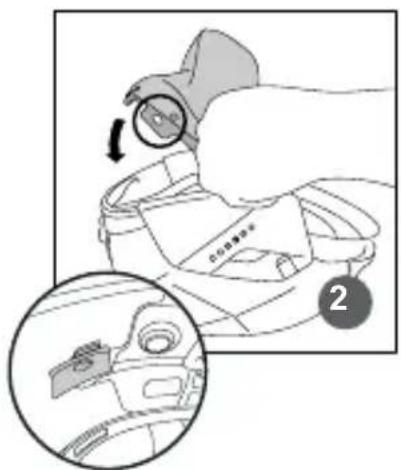
5.7. Eye protection
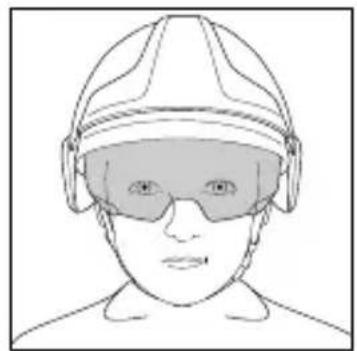
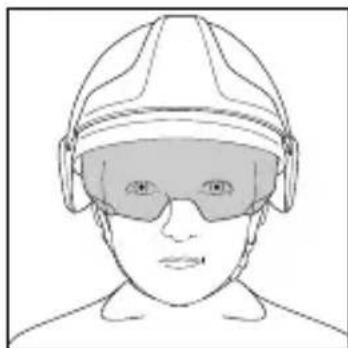
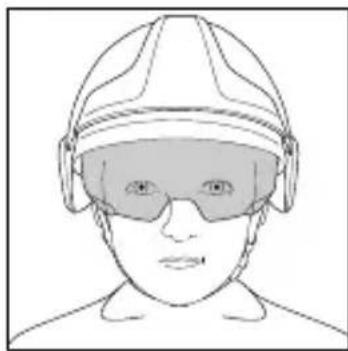
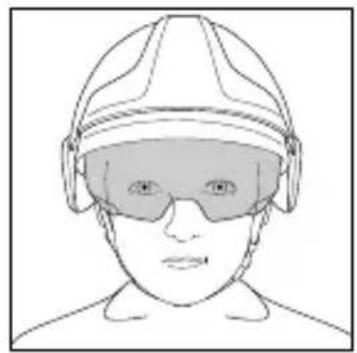
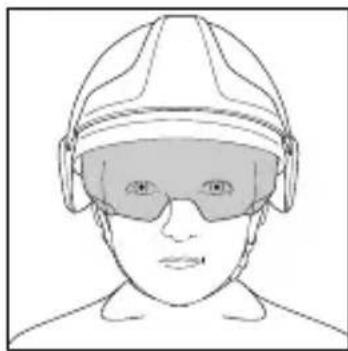
Eye protection can be fitted in addition to the face shield. The retrofit set is available as an accessory. For details on assembly, disassembly and use, please refer to the eye protection's enclosed user information.
natural_image
Line drawing of a person wearing a helmet and goggles (no text or symbols)6. LINING
6.1 Exchange support net
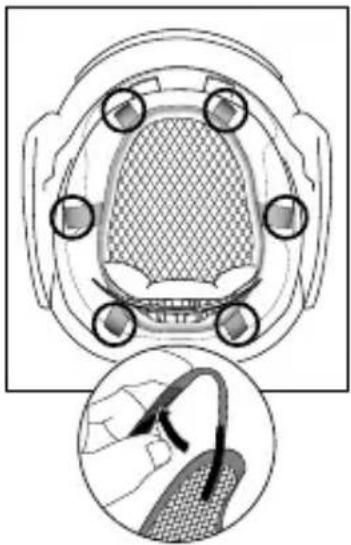
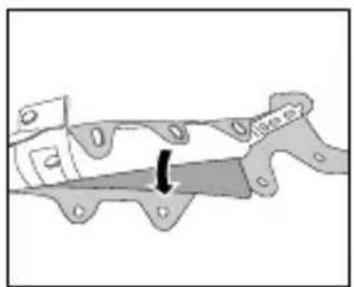
The support net can be easily removed from the helmet by loosening the six Velcro fasteners. When inserting the new support net, please make sure that the narrower side is placed towards the forehead. Please refer to section 4.2 for instructions on adjusting the wearing height.
6.2 Exchange chin/neck straps
To remove the chin-neck strap, release all four closing hooks from their catches ① and unthread the neck straps from the lower size adjustment's webbing guide ③.
To release the locking hooks, press the ends at the top of the helmet firmly outwards (use a screwdriver as an aid if necessary) and pull out the hooks ②.

Tip: When installing the chin-neck strap, make sure that all four closing hooks audibly click into place. Both neck straps must finally be threaded through the lower size adjustment's webbing guide.
natural_image
Diagram showing a mechanical component with circular features and a magnified inset illustrating the internal structure (no text or symbols)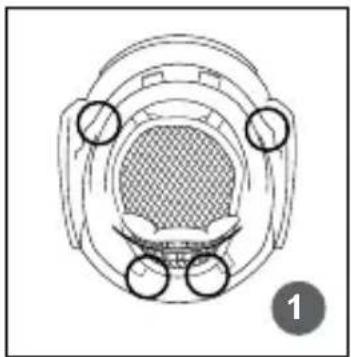
natural_image
Top-down schematic of a mechanical component with four circular features and a mesh center (no text or symbols)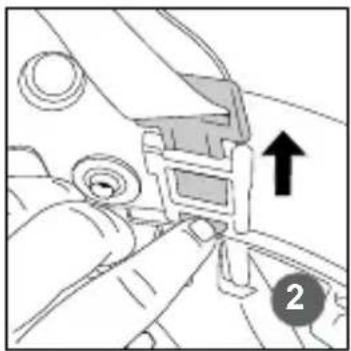
natural_image
Diagram of a hand inserting a component into a vehicle's seat, with an arrow indicating direction (no text or symbols present)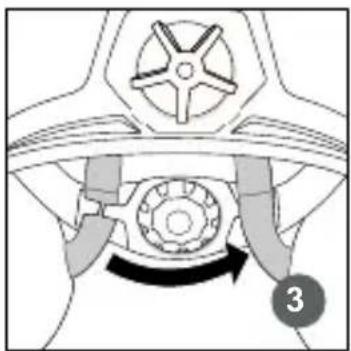
natural_image
Mechanical component diagram showing a rotating shaft and housing (no text or symbols)6.3 Exchange head support ring
- Detach the lateral support arms from the head support ring: Loosen the two connection pieces, to the left and right of the push button on the head support ring.
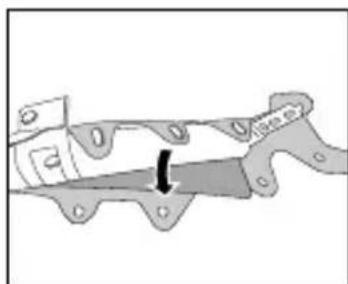
- Detach adjustment strap from the support ring: First, fold the leather sweatband at the ends of the head support ring to release the adjustment straps' connection to the left and right of the head support ring. To do this, first pull the securing pin out of the adjustment strap. Then slide the head support ring backwards and release it from the keyhole connection.
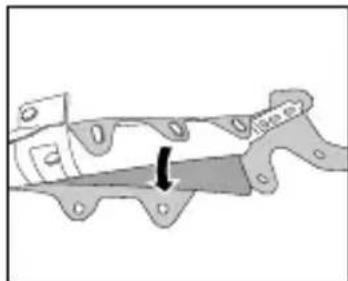
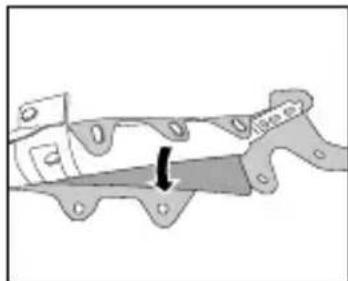
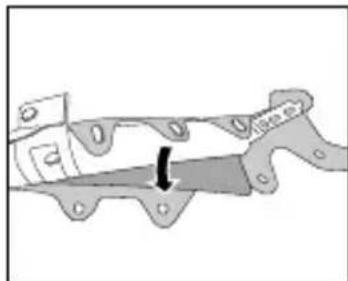
- Release tabs from the front of the retaining ring: To release the two front connections, push the tabs of the head support ring upwards and pull them over the retaining ring's hook. The tabs can then be pulled downward out of the guide.
Assembly takes place in reverse order.
6.4 Exchange leather sweatband
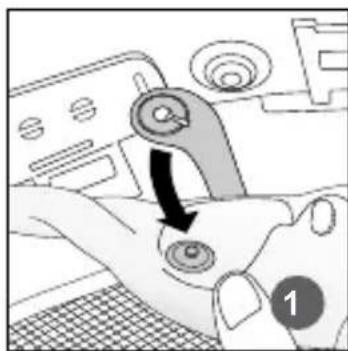
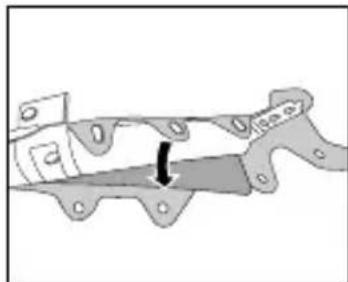
To disassemble the leather sweatband and padding strip, release the tabs from the attachment pins on the outside of the head support ring.
😊 Tip: The easiest way to disassemble and assemble the leather sweatband is to remove the head support ring from the helmet (see section 6.3). To assemble, start by connecting the centre attachment pin.
natural_image
Illustration of a hand holding a device with a black arrow indicating rotation (no text or symbols present)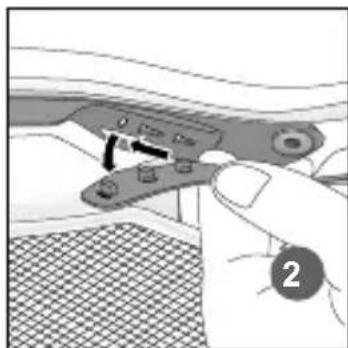
natural_image
Close-up of a hand holding a pliers or tool, with no visible text or symbols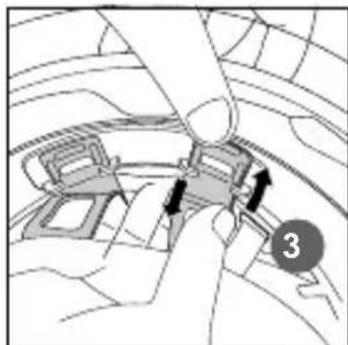
natural_image
Mechanical component diagram showing a highlighted section with an arrow (no text or symbols present)6.5 Exchange neck pads
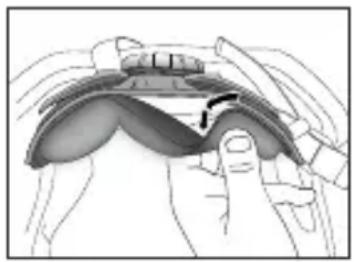
To remove the neck pad, grip the middle between the padded part and the plastic support part, pull the neck pad inwards and pull the two hooks left and right out of the support part. For assembly, first hook in one hook of the neck pad into the support part on one side, buckle the neck pad in the middle, thread the second hook in and press the neck pad on.
natural_image
Illustration of hands holding a transparent object with a curved handle, no text or symbols present7. GENERAL INFORMATION ABOUT THE HELMET
7.1 Change to the helmet
⚠ Warning: The standard version of your helmet complies with the applicable standards and therefore may not be changed or equipped with third-party components and accessories of any kind. Incorrect or third-party linings, subsequent drilling of holes for accessories, or other changes to the protective helmet may impair its protective function.
⚠ Warning: The validity of the EC type-examination certificate may be invalidated if a helmet marked as complying with this European Standard is fitted with another piece of personal protective equipment or with accessories (other than accessories supplied by the manufacturer for use with this helmet).
Only accessories suitable for the SCHUBERTH F400 FiberTech may be used. In case of doubt, please contact SCHUBERTH directly.
7.2 Cleaning and care
Helmet shell, plastic parts and inner linings must be cleaned regularly. Clean only with lukewarm soapy water. The helmet's lining can also be treated with a disinfectant (e.g. Heliosept Medical Spray). Do not use solvents (e.g. acetone, alcohol) or cleaning agents with abrasive particles for cleaning and disinfecting.
For further information on mechanical cleaning, please refer to https://schuberth.com/en/reinigung.
7.3 Service life
This helmet's service life is affected by the type of material(s) used in its construction, as well as the environment in which the helmet is used and stored. The F400 FiberTech has a painted helmet shell made of advanced, high-temperature-resistant thermoset (High-Temp Fibre) that is extremely resistant to ageing and is not affected by sunlight (UV radiation).
The lifetime of these helmets is limited mainly by mechanical, thermal and chemical influences. Thermosets (such as the High-Temp-Fibre used) are generally considered to be very resistant to these stresses. They are significantly more efficient than thermoplastic materials in terms of their resistance to weather-related, chemical and thermal effects.
7.4 Checking the fitness for use
Please check the helmet shell, visor, lining, chin strap and accessories at regular intervals and depending on use (e.g. always after fire fighting, rescue and salvage operations):
A damaged helmet must not be used again. It must be exchanged and rendered useless.
Also, the helmet's paint surface must be checked for damage, since the self-extinguishing special paint structure is an important factor for thermal performance and damage to the paint can lead to a reduction in service life. Small, superficial scratches do not reduce the protective effect.
The helmet may also no longer be used if it is damaged due to high thermal effects or direct contact with chemicals (sometimes detectable by damage or colour changes to the shell coating). For evaluation, use our damage overview in the download area at https://www.schuberth.com/de/f400 as a guide.
⚠ Warning: As a rule, the helmet must not be used after being subjected to a high impact or any other force. This applies even if no external damage is visible.
Caution: SCHUBERTH firefighter helmets do not have a mandatory service life deadline or expiry/discard date, as the maximum service life depends on the above-mentioned effects. Please check the helmet carefully before each use and replace it in case of any damage.
Warning: A helmet marked as conforming to DIN EN 443:2008; DIN EN 16471:2014; DIN EN 16473:2014 may no longer conform to all sections of this standard if worn with other personal protective equipment or accessories (excluding accessories supplied by the manufacturer for use with this helmet).
😊 Tip: We recommend that you only use SCHUBERTH original accessories and spare parts for your SCHUBERTH helmet, as these are optimally matched to your helmet model.
7.5 Maintenance
The helmet must undergo regular maintenance. The user can replace SCHUBERTH original parts from the spare parts and accessories list in these operating instructions. Any other repair work must be carried out exclusively by trained personnel or at the SCHUBERTH Service Partner.
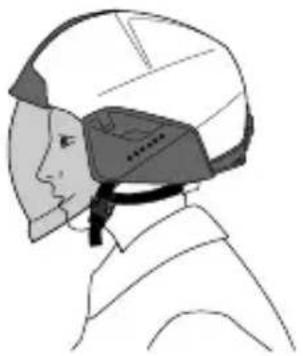
7.6 Helmet – Weight:
1490 g (without accessories)
natural_image
Side profile illustration of a person wearing a helmet and visor (no text or symbols)Helmet – Colours
Luminescent
Fluorescent yellow - RAL 1026
Yellow luminescent
Red - RAL 3002
White - RAL 9010
Black - RAL 9005
7.7 Properties and labels
Please refer to the table below for all properties applicable to this helmet and their meaning. The label is located in the front area on the inside of the helmet shell.
SCHUBERTH F400 FiberTech firefighter helmet
| Label Explanation of label | |
| EN 443:2008EN 16471:2014EN 16473:2014 | European standard for which approval has been granted |
| 04/2025 | Example of production month and year (April 2025) |
| Type B 3b | Type: Full-shell helmet with face protection |
| F400 | Helmet name |
| 49–67 | The SCHUBERTH F400 FiberTech's head size range in cm |
| UP-GF | Helmet material abbreviation(glass fibre reinforced thermoset material) |
| 0299 | Number of the supervising inspection body |
| Symbol for “see instructions for use” | |
Optional helmet properties and labels
| Label Explanation of label | |
| **** | The SCHUBERTH F400 FiberTech firefighter helmet is suitable for use at low temperatures down to -40°C |
| Certification for shipboard firefighting | |
| E3 | Electrical insulation |
| C Resistance against contact with liquid chemicals | |
Overview of the chemicals for which the helmet and visor have been tested
| Chemicals Concentration (% by mass) | |
| Sulfuric acid 30 (aqueous solution) | |
| Sodium hydroxide 10 (aqueous solution) | |
| p-Xylene undiluted | |
| Butan-1-ol undiluted | |
| n-Heptane undiluted |
8. VISOR
8.1 Visor protection performance
The VF4 series visors are part of the personal protective equipment and help to prevent injuries or at least significantly reduce them.
They meet the requirements of DIN EN 14458:2018 and are marked “+”. They are designed to be used for firefighting (e.g. extinguishing fires) and in instances where considerable amounts of heat and/or flames are likely to occur. Use by, for example, ambulance personnel or emergency services, as well as in technical rescue is permitted. They correspond to optical class 1 according to EN166:2001 and are therefore suitable for continuous use.
⚠ Warning: The full protective effect of the helmet/visor combination with regard to the electrical properties in accordance with DIN EN 14458:2018 is only given if all components of the helmet/visor combination meet the same requirements.
8.2 Notes on use
The VF4 series visors are hard-wearing face shields designed exclusively for use with the SCHUBERTH F400 FiberTech firefighter helmet.
Warning: The visor's protective effect is ensured only when it is in the lower end position (end stop, no intermediate position).
Caution: The materials used comply with the latest health safety standards. They are not known to cause allergic reactions or irritation.
Warning: Before use, please make sure that the correct type of visor has been chosen for the intended activity (see "Application areas").
⚠ Warning: Visors do not provide impact protection. Prescription glasses worn under the visor may therefore be damaged and pose a risk to the wearer.
8.3 Visor operation
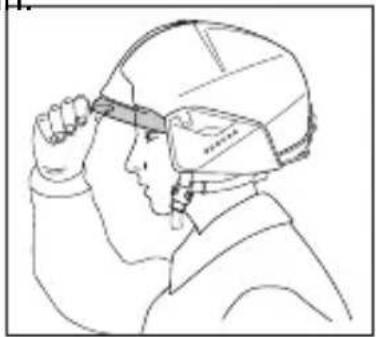
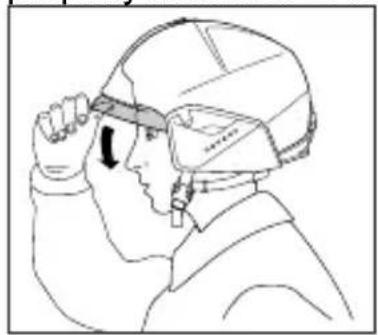
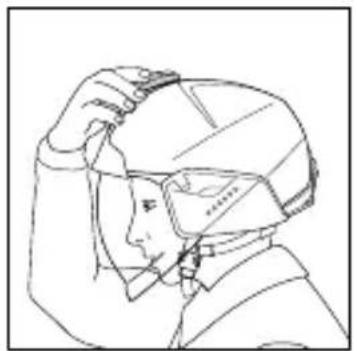
The SCHUBERTH F400 FiberTech visor protrudes slightly from the helmet shell when retracted. It can be easily pulled down – even with protective gloves or work gloves. The visor can be raised again and lowered into the helmet shell by applying appropriate pressure on the lower edge of the visor. The helmet's visor mechanism ensures that the visor firmly latches into the respective end positions. The visor must be properly attached to the helmet.
natural_image
Line drawing of a person wearing a helmet and adjusting the grip (no text or symbols)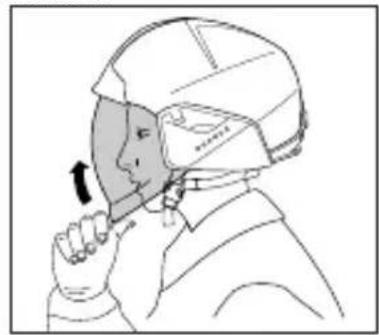
natural_image
Line drawing of a person wearing a helmet and pointing to the nose area (no text or symbols)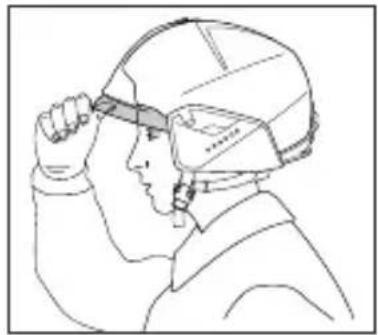
natural_image
Line drawing of a person wearing a helmet and glasses, adjusting their face (no text or symbols)8.4 Changing the visor panel
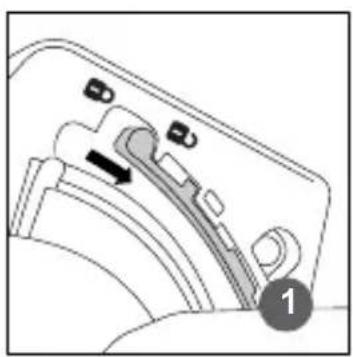
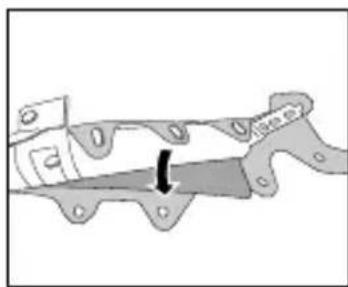
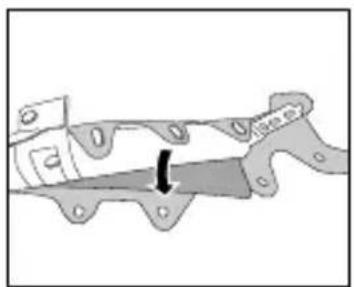
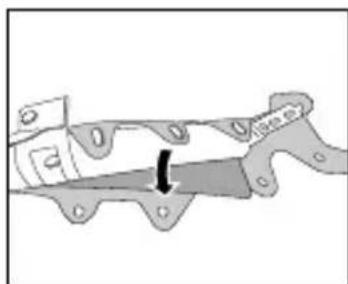
Removal: First bring the visor to the upper end position. Now slide the visor locking devices up on the left and right side (1). Swivel the visor out until the two lower locking cams reach the removal position (2), i.e. the first lower latching position. Now press the visor slightly inward on both sides to push the locking cams out of the guide (3). Continue to guide the visor downwards and finally push the two upper locking cams out of the guide.
Fitting: The visor's fitting is carried out in the opposite order.
natural_image
Diagram of a mechanical component with arrows indicating direction, no visible text or symbols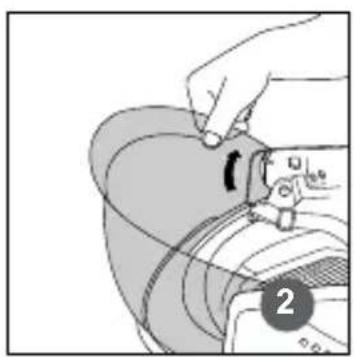
natural_image
Illustration of a hand adjusting a mechanical component with a circular label showing number 2 (no text or symbols on the diagram itself)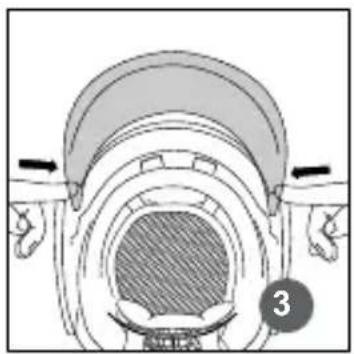
natural_image
Diagram of a mechanical or anatomical component with curved surfaces and directional arrows, no visible text or symbols.Caution: After fitting, slide the visor locking device back up to the lower stop and check the visor for functionality.
8.5 Maintenance
Please check the visor for damage and wear at regular intervals and based on usage (e.g. always check the visor after it has been used in fire-fighting, emergency and rescue missions). In the event of visible damage or when the wearer's vision is impaired (e.g. due to scratches, holes, discolouration or dirt), the visor should be replaced as quickly as possible.
You should also check that the visor is stable and in the correct position.
Warning: A damaged visor must not be reused. It must be replaced and rendered unusable for safety reasons.
8.6 Cleaning and care
Proper cleaning, care and treatment of the visor is a prerequisite for proper function.
The visor should be thoroughly cleaned after each use. Take care when cleaning to avoid surfaces becoming damaged. You'll achieve the best results by using lukewarm, slightly soapy water, Then rinse and wipe dry. Do not use any rough cloths or corrosive liquids, solvents or cleaning agents.
Caution: Mechanical cleaning can put additional strain on visor materials, so manual cleaning is recommended.
8.7 Service life
The length of the visor's service life depends to a large extent on its type of use, care, maintenance and storage. Weather influences, operating conditions as well as thermal and mechanical loads contribute to wear and material ageing. These factors must be taken into account during regular inspections, and a defective or worn visor must be replaced if necessary.
Caution: Wear resistance was determined according to the requirements on its resistance to surface damage by small particles in accordance with DIN EN 166:2001 section 7.3.1 and tests were carried out in accordance with DIN EN 168:2001, section 15.
Caution: Resistance to fogging was determined according to DIN EN 166:2001, Section 7.3.2 and tests were carried out in accordance with DIN EN 168:2001, Section 16.
8.8 Visor properties and labels
| Label Explanation of label | |
| EN 14458:2018 | European standard for which approval has been granted |
| SH Manufacturer abbreviation SCHUBERTH | |
| 05/2025 | Example of production month and year (May 2025) |
| VF4 | Visor designation |
| + | Symbol for suitability in firefighting operation |
| ◎ | Symbol for classification as face protection |
| Symbol for "see manufacturer information" | |
| 0299 Number of the supervising inspection body | |
| R1 | Protection level with regard to radiant heat for visors with increased thermal performance. |
| BT | Resistance to medium-energy impacts (120 m/s) at extreme temperatures. |
| E1/E3 | Electrical insulation |
Visor's optical properties and labels
| Explanation of labelLabel | |
| K | Surface resistance to damage by small particles |
| -40°C / 60°C | Extreme temperatures for which the visor is approved |
| N | Resistance to fogging |
| 1 | Optical Class 1 according to EN 166 |
| 2C-1.2 UV protection filter according to EN 170 | |
9. Storage and transport
The SCHUBERTH F400 FiberTech and VF4 Series visors are to be kept cool and dry in a protected place. Although the helmet shell is UV-resistant, it should be protected from direct exposure to sunlight during storage to prevent possible UV radiation damage. Storage in the vicinity of aggressive substances such as solvents and fuels must be avoided at all costs. The helmet and visor can be transported and stored in a cardboard box, adequately wrapped in padded film.
10. Warranty
SCHUBERTH grants the original purchaser a warranty for material and manufacturing defects of two years from the date of purchase if the helmet is used as intended. SCHUBERTH's liability is limited at its sole discretion to either the repair or replacement of products that are demonstrably defective within the warranty period. The helmet must not deviate from its original condition and/or be damaged by improper use.
11. Disposal instructions
The F400 FiberTech incl. visor VF4 is made of special glass fibre reinforced plastic (GRP). To ensure environmentally friendly disposal, please observe the following instructions.
- Specialised disposal: The F400 FiberTech incl. visor VF4 should not be disposed of in normal household waste. Return the helmet to an authorised disposal point or recycling centre.
- Check decontamination: If the helmet has come into contact with hazardous substances (e.g. asbestos, chemicals) during use, it must be disposed of as hazardous waste. Please contact the responsible disposal centre or your fire department.
- Do not dispose of in plastic or residual waste: The special material composition means that conventional disposal is not possible.
- For further information, please contact your local disposal centre or SCHUBERTH GmbH.
12. Spare parts and accessories
12.1 Spare parts
3993400520 Support net
3993400080 Head support ring with leather sweatband
3993400210 Chin/neck strap left (lock case)
3993400220 Chin/neck strap right (belt tongue)
3993400590 Set of leather sweatbands with felt strips (10 pcs)
3993400700 Neck pad
3993400800 Visor VF4 clear AS/AS
3993400070 Quick size adjustment inside
12.2 Accessories
3993400530 Neck protection NPH4 Nomex®
3993400038 HTH4 Shawl collar
3993400910 Mask connection set
3990000515 Torch connection LH3
9049100111 Torch SH PX1 for LH3
9049100112 Torch SH PX1 Shorty for LH3
Involved, notified authority 0299
Department of Personal Protective Equipment (PPE)
EU declaration of conformity:
https://https://www.schuberth.com/en/f400
PSA Regulation (EU) 2016/425:
https://eur-lex.europa.eu/legal-content/DE/ALL/?uri=CELEX%3A32016R0425
13. Contact
SCHUBERTH GmbH
Stegelitzer Str. 12
39126 Magdeburg
Germany
Tel. +49 (0)391 8106 - 0
Fax +49 (0)391 8106 - 444
Subject to technical changes without notice.
No warranty for errors and misprints.
1. NOTAS SOBRE EL MANUAL
natural_image
Illustration of a person adjusting a helmet with a device, no text or symbols present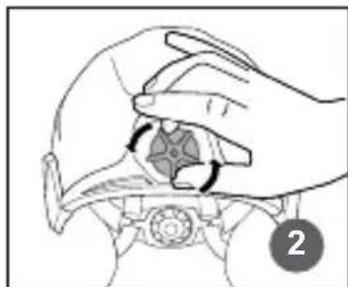
natural_image
Illustration of a hand holding a small object with a star-like pattern, no text or symbols present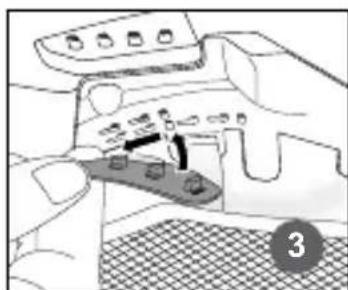
natural_image
Diagram of a car interior showing hand positioning and foot positioning (no text or symbols)natural_image
Cross-sectional diagram of a mechanical component with internal features and a magnified inset showing a curved tool or component (no text or symbols)natural_image
Line drawing of a person's arm and shoulder with a shaded band and arrow (no text or symbols)natural_image
Diagram of a vehicle interior showing a highlighted component with circular arrows indicating motion (no text or symbols)5.2. Linterna
5.3. Lámpara delantera
natural_image
Line drawing of a person wearing a helmet and cap, adjusting the helmet (no text or symbols)flowchart
graph TD
    A["Step 1: Initial State"] --> B["Step 2: Final State"]
    style A fill:#f9f,stroke:#333
    style B fill:#bbf,stroke:#333
natural_image
Diagram of a vehicle electrical connector with four pins (no text or symbols)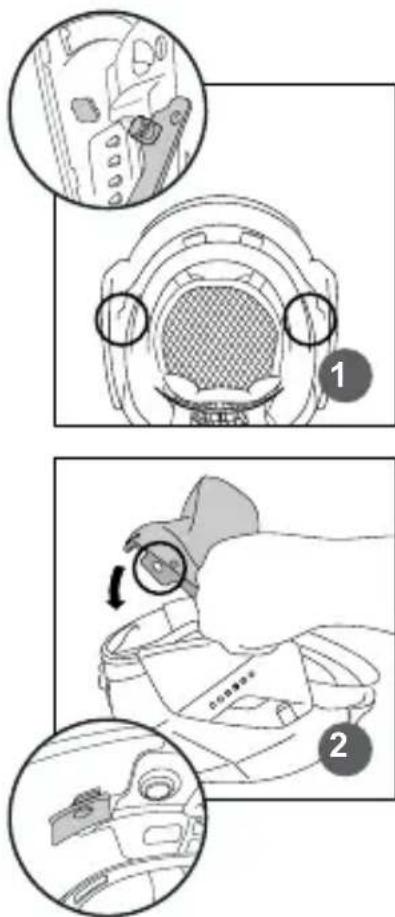
natural_image
Line drawing of a person wearing a helmet and safety goggles (no text or symbols)6. FORRO
natural_image
Diagram showing a mechanical component with circular features and a magnified inset illustrating the internal structure (no text or symbols)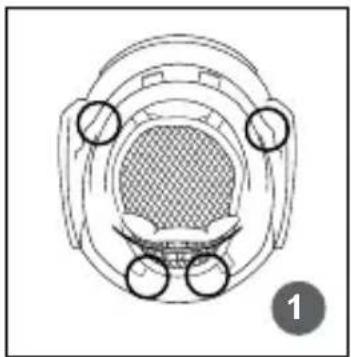
natural_image
Top-down schematic of a mechanical component with four circular features (no text or symbols)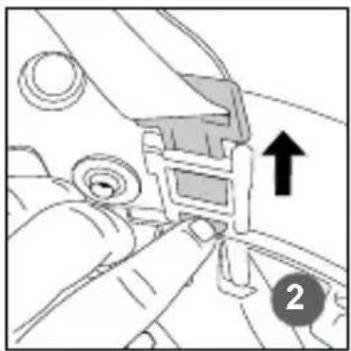
natural_image
Diagram of a hand inserting a component into a vehicle's seat, with an arrow indicating direction (no text or symbols present)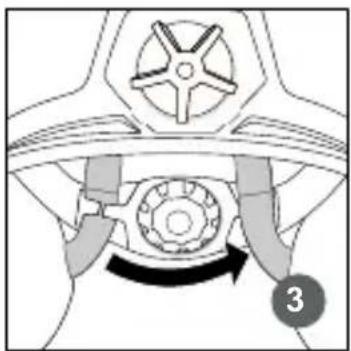
natural_image
Mechanical component diagram showing a rotating shaft and housing (no text or symbols)natural_image
Illustration of a hand holding a device with a black arrow indicating rotation (no text or symbols present)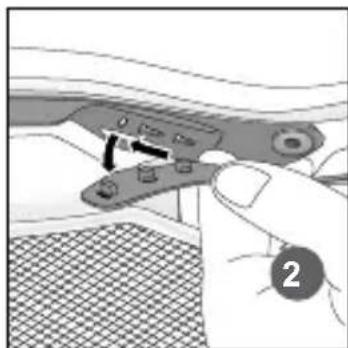
natural_image
Close-up of a hand holding a pliers or tool, with no visible text or symbols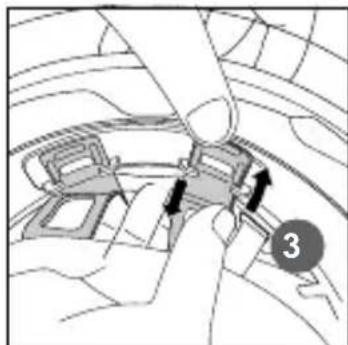
natural_image
Mechanical component diagram showing a lever and shaft assembly (no text or symbols)natural_image
Illustration of hands holding a transparent object with a curved handle and arrow indicating direction (no text or symbols)natural_image
Side profile illustration of a person wearing a helmet and cap (no text or symbols)Casco – Colores
Fotoluminiscente
Amarillo brillante - RAL 1026
Amarillo brillante fotoluminiscente
Rojo - RAL 3002
Blanco - RAL 9010
Negro - RAL 9005
natural_image
Line drawing of a person wearing a helmet and adjusting the cap (no text or symbols)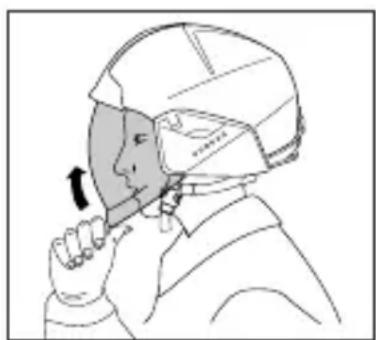
natural_image
Line drawing of a person wearing a helmet and holding an object, with an arrow indicating motion (no text or symbols)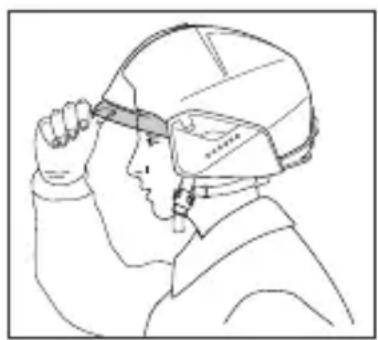
natural_image
Line drawing of a person wearing a helmet and holding an object, no text or symbols presentnatural_image
Diagram of a mechanical component with arrows indicating direction, no visible text or symbols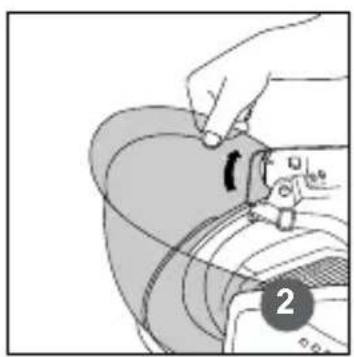
natural_image
Illustration of a hand adjusting a mechanical component with a circular label showing number 2 (no text or symbols on the diagram itself)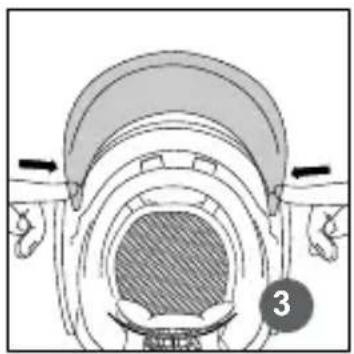
natural_image
Diagram of a mechanical or anatomical component with curved surfaces and directional arrows, no visible text or symbols.natural_image
Illustration of a person adjusting a helmet with a device, no text or symbols present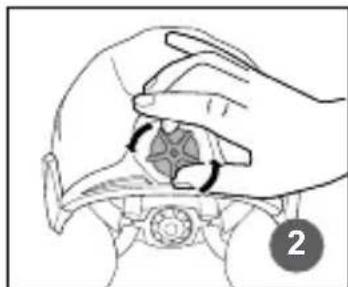
natural_image
Illustration of hands performing a medical procedure on a patient's spine (no text or symbols present)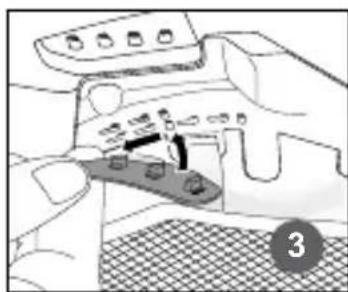
natural_image
Illustration of a hand holding a small electronic device with buttons and a grid-patterned surface (no text or symbols)natural_image
Cross-sectional diagram of a mechanical component with internal structure and mounting holes, shown with an inset magnified view (no text or symbols)natural_image
Line drawing of a human arm joint with a shaded band and arrow indicating force or movement (no text or symbols)natural_image
Diagram of a vehicle interior showing a highlighted component with circular arrows indicating motion (no text or symbols)5.2. Lampadina a torcia
5.3. Lampada frontale
natural_image
Line drawing of a person wearing a helmet and cap, adjusting the helmet (no text or symbols)flowchart
graph TD
    A["Initial State"] --> B["Step 1"]
    B --> C["Final State"]
natural_image
Diagram of a vehicle electrical connector with four pins (no text or symbols)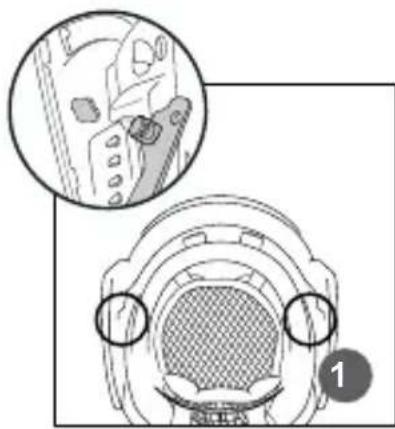
natural_image
Technical diagram of a mechanical component with cross-sectional view and magnified detail (no text or symbols)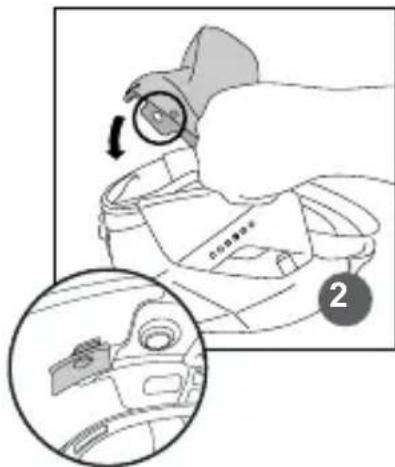
natural_image
Line drawing of a person wearing a helmet and safety goggles (no text or symbols)6. FODERA INTERNA
natural_image
Diagram showing a mechanical component with circular features and a magnified inset illustrating the internal structure (no text or symbols)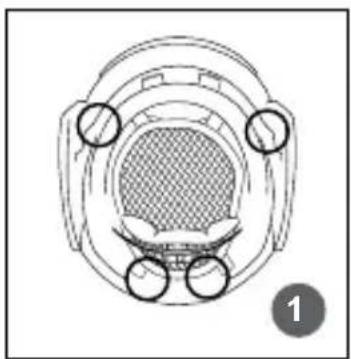
natural_image
Top-down schematic of a mechanical component with four circular features and a mesh center (no text or symbols)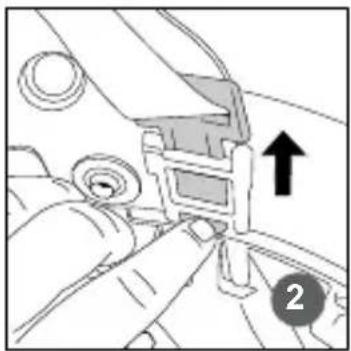
natural_image
Diagram of a hand inserting a component into a car's seat, with an arrow indicating direction (no text or symbols present)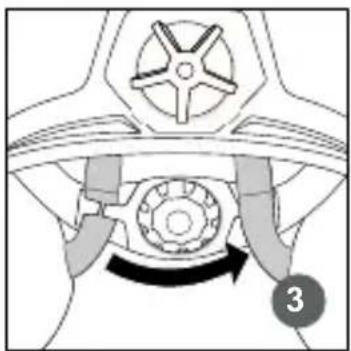
natural_image
Mechanical component diagram showing a rotating shaft and housing (no text or symbols)natural_image
Illustration of a hand holding a device with a black arrow indicating rotation (no text or symbols)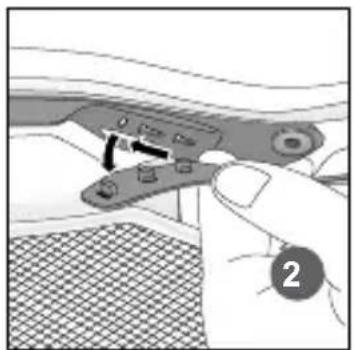
natural_image
Close-up of hands holding a small electronic device with buttons and a grid-patterned surface (no visible text or symbols)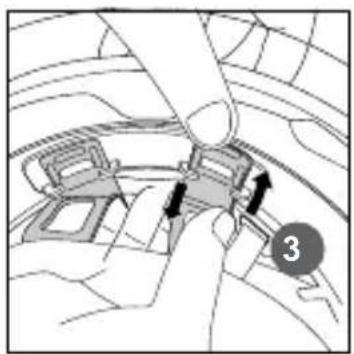
natural_image
Mechanical component diagram showing a lever mechanism with no visible text or symbolsnatural_image
Illustration of hands holding a transparent object with a curved handle, no text or symbols present7. INFORMAZIONI GENERALI SUL CASCO
7.1 Modifiche al casco
natural_image
Side profile illustration of a person wearing a helmet and visor (no text or symbols)Casco - Colori
Fosforescente
natural_image
Line drawing of a person wearing a helmet and adjusting the head (no text or symbols)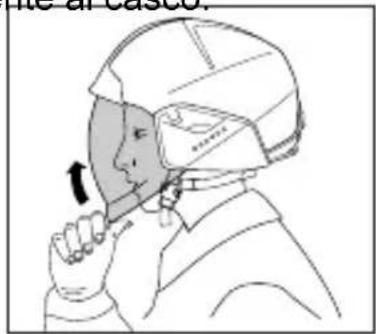
natural_image
Illustration of a person wearing a helmet and holding an object, with an arrow indicating motion (no text or symbols)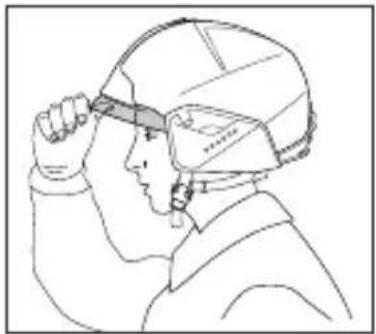
natural_image
Line drawing of a person wearing a helmet and safety goggles (no text or symbols)8.4 Cambiare la visiera
natural_image
Diagram of a mechanical component with arrows indicating direction, no visible text or symbols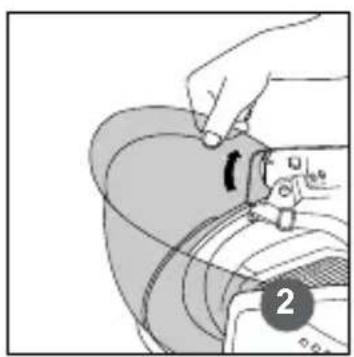
natural_image
Illustration of a hand adjusting a mechanical component with a circular label showing number 2 (no text or symbols on the diagram itself)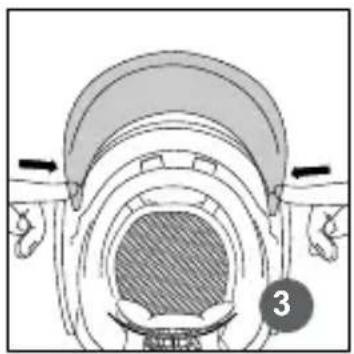
natural_image
Diagram of a mechanical or anatomical component with curved surfaces and directional arrows, no visible text or symbols.https://https://www.dinmedia.de/en
Regolamento DPI (UE) 2016/425:
https://eur-lex.europa.eu/legal-content/DE/ALL/?uri=CELEX%3A32016R0425
natural_image
Illustration of a person adjusting a helmet with a device (no text or symbols visible)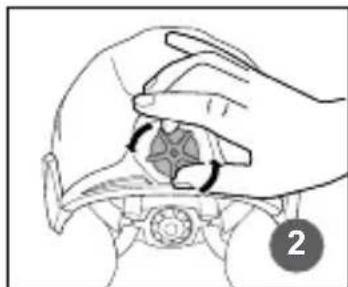
natural_image
Illustration of hands performing a medical procedure on a patient's spine (no text or symbols present)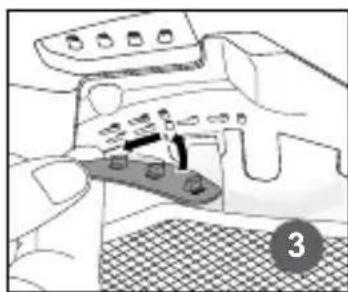
natural_image
Illustration of a hand holding a small electronic device with buttons and a grid-patterned surface (no text or symbols)natural_image
Cross-sectional diagram of a mechanical component with internal structure and mounting holes, shown with an inset magnified view (no text or symbols)natural_image
Line drawing of a person's profile showing a curved arm and belt (no text or symbols)natural_image
Diagram of a vehicle interior showing a highlighted component with circular arrows indicating motion (no text or symbols)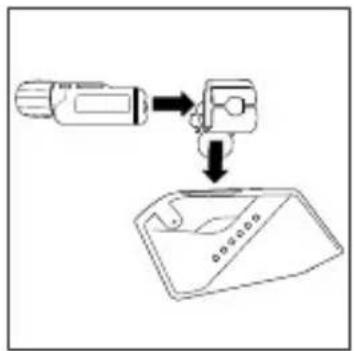
5.3. Lampe frontale
natural_image
Line drawing of a person wearing a helmet and cap, no text or symbols presentnatural_image
Diagram of a vehicle electrical connector with four pins (no text or symbols)5.6. Bavolet/cagoule
natural_image
Line drawing of a person wearing a helmet and safety goggles (no text or symbols)natural_image
Diagram showing a mechanical component with circular features and a magnified inset illustrating the internal structure (no text or symbols)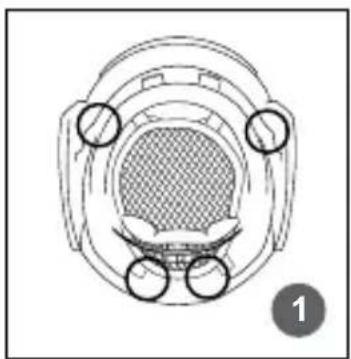
natural_image
Top-down schematic of a mechanical component with no visible text or symbols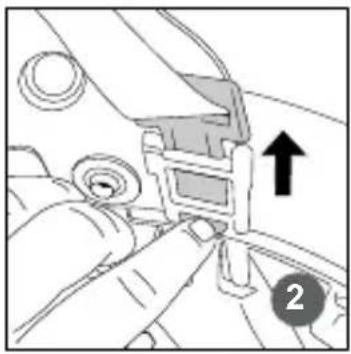
natural_image
Diagram of a hand inserting a component into a vehicle's head panel, with an arrow indicating direction (no text or symbols present)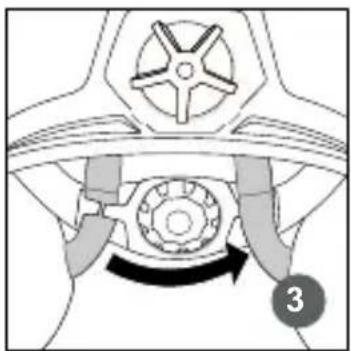
natural_image
Mechanical component diagram showing a rotating shaft and housing (no text or symbols)natural_image
Diagram of a hand pressing a button on a device, showing a black arrow indicating the action (no text or symbols present)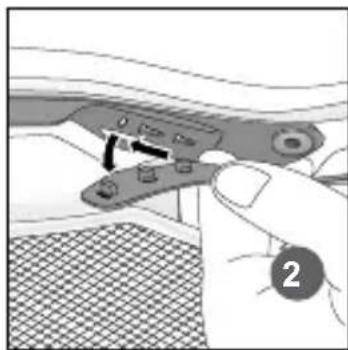
natural_image
Close-up of a hand holding a pliers or tool, with no visible text or symbols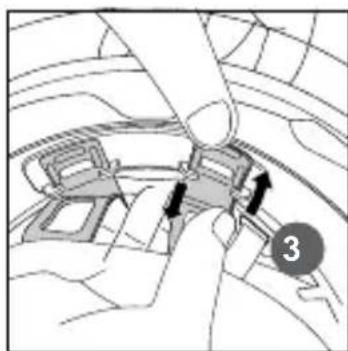
natural_image
Mechanical component diagram showing a lever and shaft assembly (no text or symbols)natural_image
Illustration of hands holding a transparent object with a curved handle, no text or symbols present7. INFORMATIONS GENERALES SUR LE CASQUE
natural_image
Side profile illustration of a person wearing a helmet and visor (no text or symbols)Casque - Couleurs
Luminescent
Jaune luminescent - RAL 1026
Jaune fluorescent
Rouge - RAL 3002
Blanc - RAL 9010
Noir - RAL 9005
natural_image
Line drawing of a person wearing a helmet and adjusting the jaw (no text or symbols)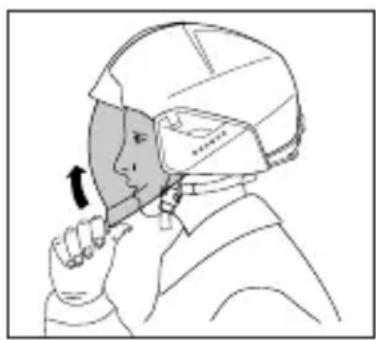
natural_image
Illustration of a person wearing a helmet and pointing to the nose area (no text or symbols)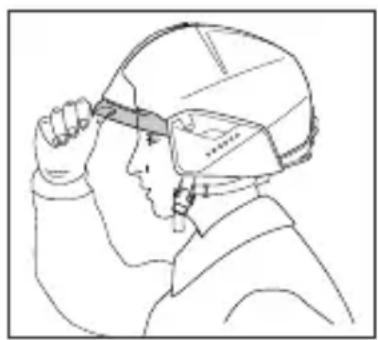
natural_image
Line drawing of a person wearing a helmet and adjusting the head (no text or symbols)natural_image
Diagram of a mechanical component with arrows indicating direction, no visible text or symbols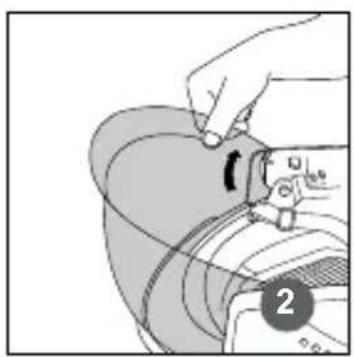
natural_image
Illustration of a hand adjusting a mechanical component with a circular label showing number 2 (no text or symbols on the diagram itself)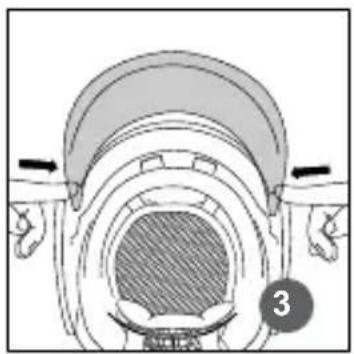
natural_image
Diagram of a mechanical or anatomical component with curved surfaces and directional arrows, no visible text or symbols.natural_image
Illustration of a person adjusting a helmet with a circular object, no text or symbols present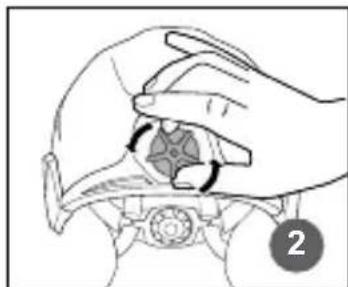
natural_image
Illustration of a hand holding a small object with a star-like pattern, possibly a device or tool (no text or symbols present)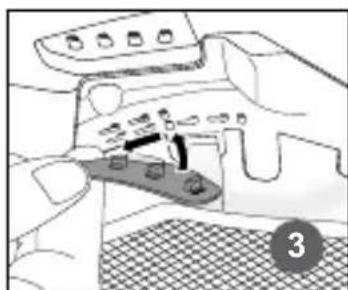
natural_image
Diagram of a robotic arm interacting with a tool, showing mechanical components and a numbered label (3) in the corner.natural_image
Line drawing of a human arm joint with a shaded band and arrow indicating force or movement (no text or symbols)natural_image
Diagram of a vehicle interior showing a highlighted component with circular arrows indicating motion (no text or symbols)5.2. Staaflamp
5.3. Voorlamp
natural_image
Line drawing of a person wearing a helmet and cap, no text or symbols presentnatural_image
Diagram of a vehicle electrical connector with four pins (no text or symbols)5.6. Nekbeschermer
natural_image
Technical diagram of a helmet component with an inset close-up showing a mechanical component (no text or symbols)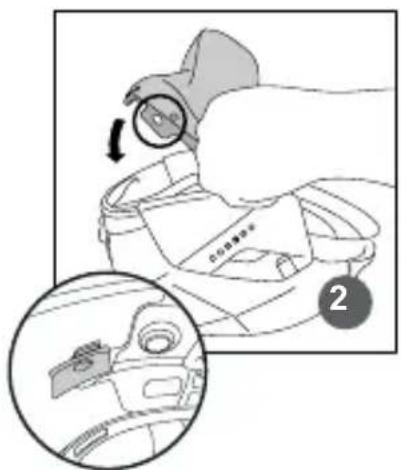
5.7. Oogbescherming
natural_image
Line drawing of a person wearing a helmet and goggles (no text or symbols)6. BINNENUITRUSTING
natural_image
Diagram showing a mechanical component with circular features and a magnified inset illustrating the internal structure (no text or symbols)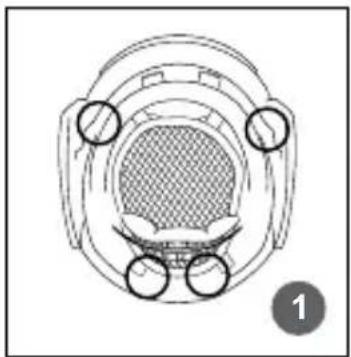
natural_image
Top-down schematic of a mechanical component with four circular features and a mesh center (no text or symbols)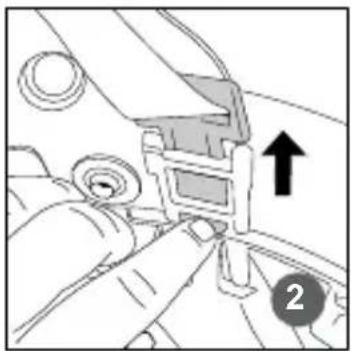
natural_image
Diagram of a hand inserting a component into a vehicle's seat, with an arrow indicating direction (no text or symbols present)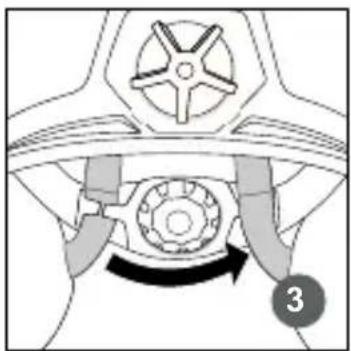
natural_image
Mechanical component diagram showing a rotating shaft and housing (no text or symbols)natural_image
Diagram of a hand holding a device with a black arrow indicating rotation (no text or symbols present)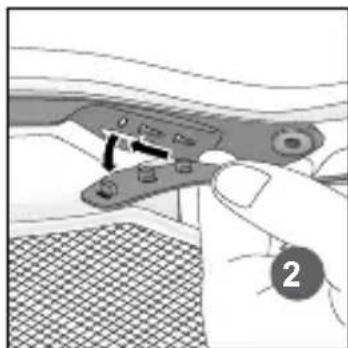
natural_image
Close-up of a hand holding a pliers or tool, with no visible text or symbols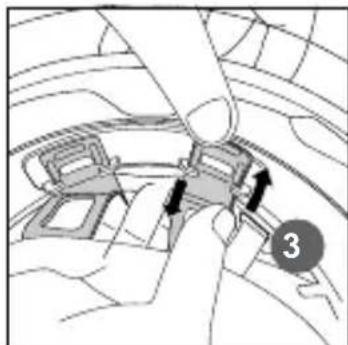
natural_image
Mechanical component diagram showing a shaft and housing with a black arrow indicating direction (no text or symbols)natural_image
Illustration of hands holding a transparent object with a curved handle, no text or symbols present7. ALGEMENE INFORMATIE OVER DE HELM
natural_image
Side profile illustration of a person wearing a helmet and safety gear (no text or symbols)Helm - Kleuren
Fotoluminescent
Fluorescerend geel - RAL 1026
Fotoluminescent fluorescerend geel
Rood - RAL 3002
Wit - RAL 9010
Zwart - RAL 9005
natural_image
Line drawing of a person wearing a helmet and adjusting the jaw (no text or symbols)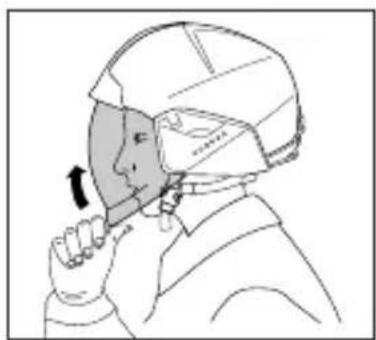
natural_image
Illustration of a person wearing a helmet and holding an object, with an arrow indicating direction (no text or symbols)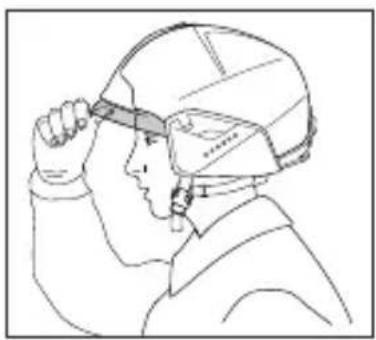
natural_image
Line drawing of a person wearing a helmet and adjusting the cap (no text or symbols)natural_image
Diagram of a mechanical component with arrows indicating direction, no visible text or symbols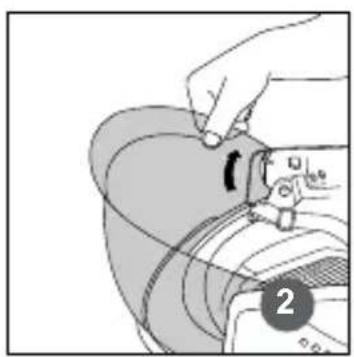
natural_image
Illustration of a hand adjusting a mechanical component with a circular label showing number 2 (no text or symbols on the diagram itself)
natural_image
Diagram of a mechanical or anatomical component with curved surfaces and directional arrows, no visible text or symbols.3993400800 Vizier VF4 helder AS/AS
3993400070 Snelle maataanpassing binnenin
12.2 Accessoires
3993400530 Nekbescherming NPH4 Nomex®
3993400038 Nekbeschermer HTH4
3993400910 Maskerverbindingsset
https://https://www.schuberth.com/en/f400
PBM-verordening (EU) 2016/425
https://eur-lex.europa.eu/legal-content/DE/ALL/?uri=CELEX%3A32016R0425
13. Contact
SCHUBERTH GmbH
Stegelitzer Str. 12
39126 Magdeburg
Duitsland
Tel. +49 (0)391 8106 - 0
Fax +49 (0)391 8106 - 444
natural_image
Illustration of a person adjusting a helmet with a gear mechanism (no text or symbols)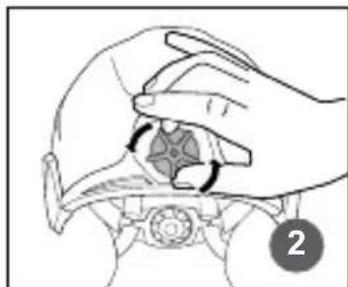
natural_image
Illustration of a hand holding a small object with a star-like pattern, possibly a mechanical or medical component (no text or symbols present)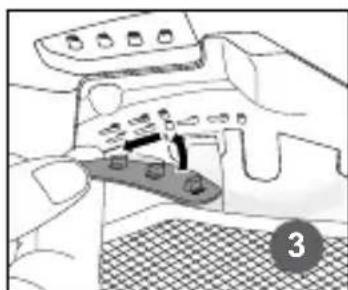
natural_image
Diagram of a robotic arm interacting with a handheld device, showing no text or symbolsnatural_image
Line drawing of a human arm joint with a shaded band and arrow indicating force or movement (no text or symbols)natural_image
Diagram of a vehicle interior showing a highlighted component with circular arrows indicating motion (no text or symbols)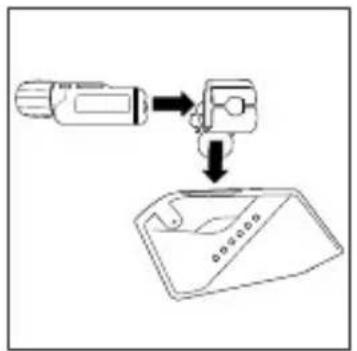
natural_image
Line drawing of a person wearing a helmet and cap, adjusting the helmet (no text or symbols)natural_image
Diagram of a vehicle electrical connector with four slots (no text or symbols)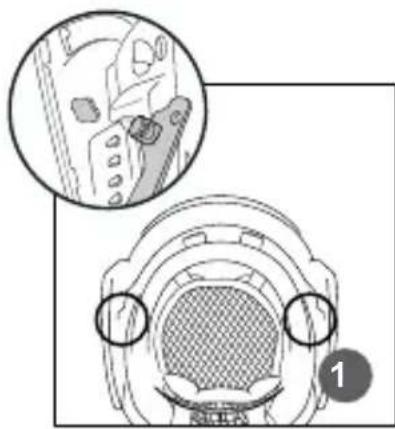
natural_image
Technical diagram of a mechanical component with cross-sectional view and magnified detail (no text or symbols)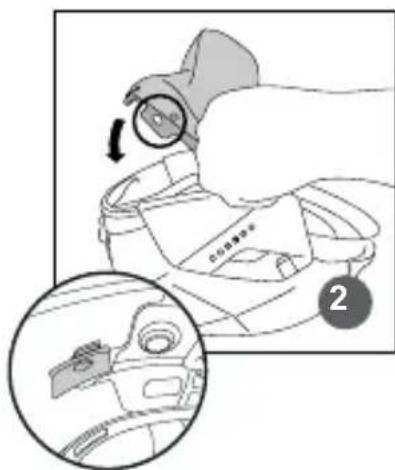
natural_image
Line drawing of a person wearing a helmet and safety goggles (no text or symbols)6. WYPOSAŻENIE WEWNEĘTRZNE
natural_image
Diagram showing a mechanical component with circular features and a magnified inset illustrating the internal structure (no text or symbols)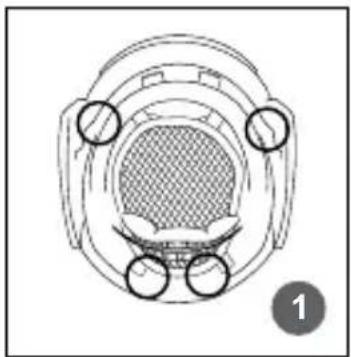
natural_image
Top-down schematic of a mechanical component with four circular features and a mesh center (no text or symbols)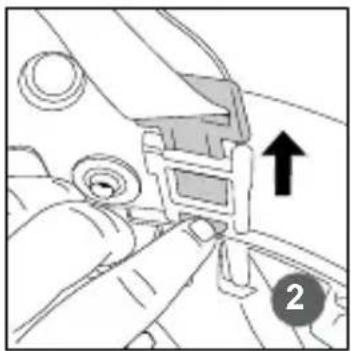
natural_image
Diagram of a hand inserting a component into a vehicle's seat, with an arrow indicating direction (no text or symbols present)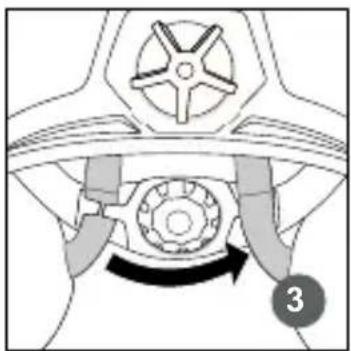
natural_image
Mechanical component diagram showing a rotating shaft and housing (no text or symbols)natural_image
Illustration of a hand holding a device with a black arrow indicating rotation (no text or symbols)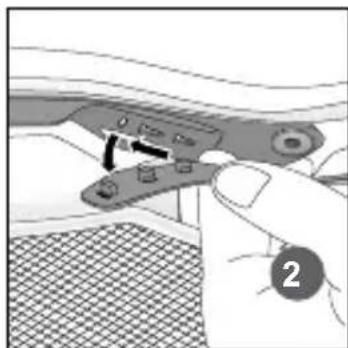
natural_image
Close-up of a hand holding a pliers or tool, with no visible text or symbols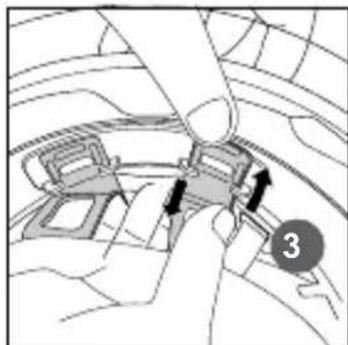
natural_image
Mechanical component diagram showing a lever mechanism with no visible text or symbolsnatural_image
Illustration of hands holding a transparent object with a curved handle, no text or symbols present7. OGÓLNE INFORMACJE O HEŁMIE
natural_image
Side profile illustration of a person wearing a helmet and safety gear (no text or symbols)Hełm – kolory
Luminescencyjny
natural_image
Line drawing of a person wearing a helmet and adjusting the jaw (no text or symbols)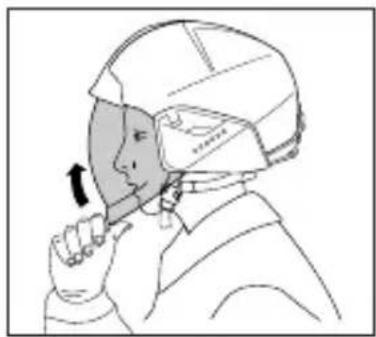
natural_image
Illustration of a person wearing a helmet and pointing to the nose area (no text or symbols)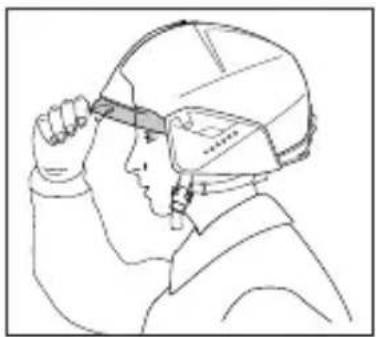
natural_image
Line drawing of a person wearing a helmet and adjusting the cap (no text or symbols)natural_image
Diagram of a mechanical component with arrows indicating direction, no visible text or symbols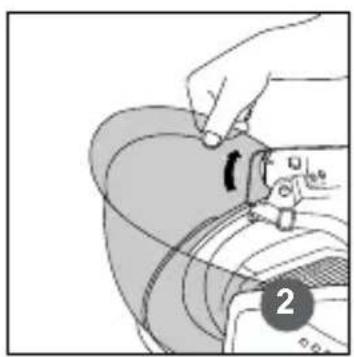
natural_image
Illustration of a hand adjusting a mechanical component with a circular label showing number 2 (no text or symbols on the diagram itself)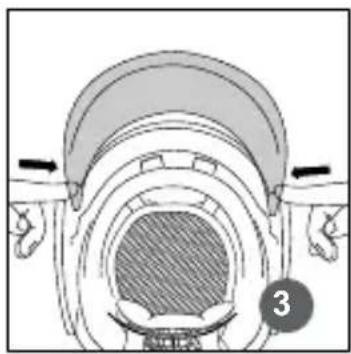
natural_image
Diagram of a medical or anatomical structure with curved layers and arrows indicating direction (no text or symbols)https://https://www.schuberth.com/de/f400
natural_image
Illustration of a hand holding a helmet with a gear mechanism, no text or symbols present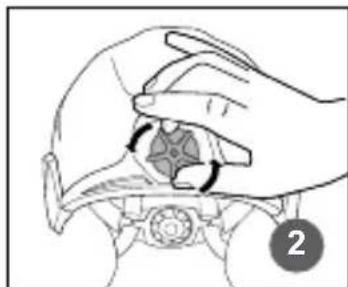
natural_image
Illustration of a hand holding a small object with a star-like pattern, possibly a mechanical or medical component (no text or symbols present)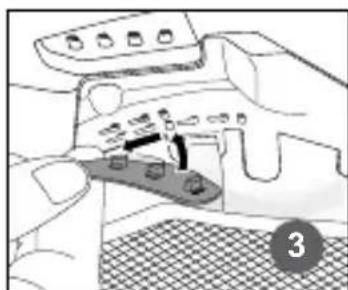
natural_image
Diagram of a robotic arm interacting with a tool, showing mechanical components and a numbered label (3) in the corner.natural_image
Cross-sectional diagram of a mechanical component with no visible text or symbolsnatural_image
Line drawing of a human shoulder with a shaded bandage and arrow indicating a specific area (no text or symbols)natural_image
Diagram of a vehicle interior showing a highlighted component with circular arrows indicating motion (no text or symbols)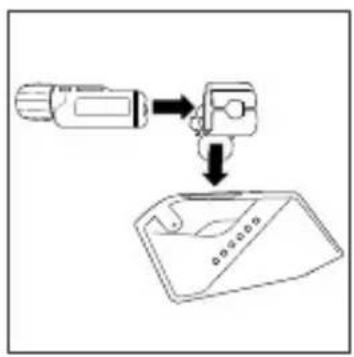
5.3. Čelní svítilna
natural_image
Line drawing of a person wearing a helmet and cap, viewed from the side (no text or symbols)5.4. Adaptér pro ochrannou masku
natural_image
Diagram of a vehicle electrical connector with four pins (no text or symbols)natural_image
Technical diagram of a mechanical component with cross-sectional view and magnified detail (no text or symbols)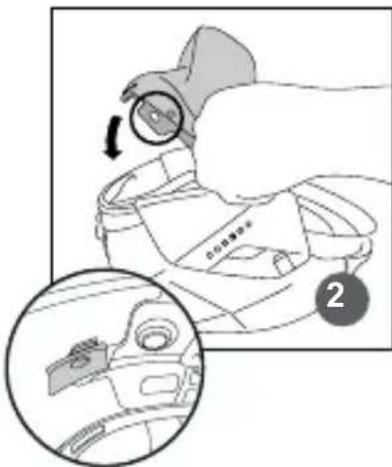
5.7. Ochrana očí
natural_image
Line drawing of a person wearing a helmet and safety goggles (no text or symbols)6. VNITŘNÍ VYBAVENÍ
natural_image
Diagram showing a mechanical component with circular features and a magnified inset illustrating the internal structure (no text or symbols)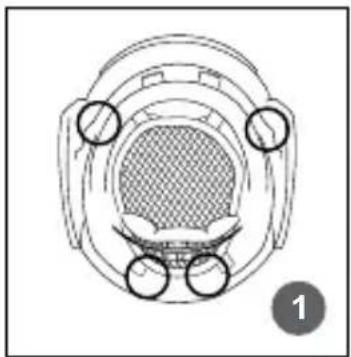
natural_image
Top-down schematic of a mechanical component with four circular features and a mesh center (no text or symbols)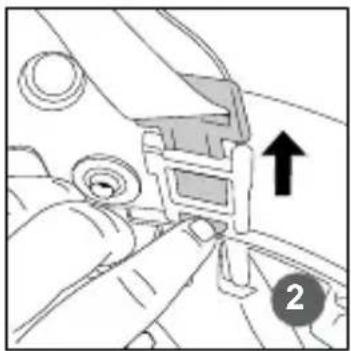
natural_image
Diagram of a hand inserting a device into a car's seat, with an arrow indicating the component (no text or symbols present)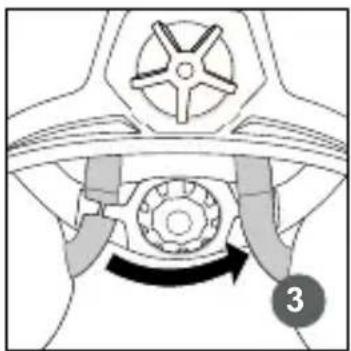
natural_image
Mechanical component diagram showing a rotating shaft and housing with a numbered label (3), no readable text or symbols present.natural_image
Illustration of a hand holding a device with a black arrow indicating rotation or adjustment (no text or symbols present)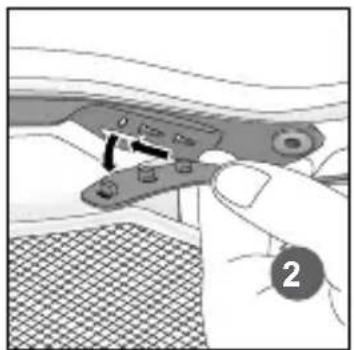
natural_image
Close-up of hands holding a small electronic device with a grid pattern, no visible text or symbols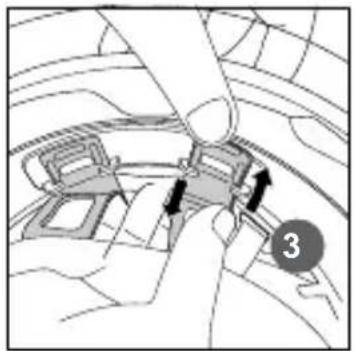
natural_image
Mechanical component diagram showing a lever mechanism with no visible text or symbolsnatural_image
Illustration of hands holding a transparent object with a curved handle, no text or symbols present7. VŠEOBECNÉ INFORMACE O PŘILBĚ
7.1 Změny na přilbě
natural_image
Side profile illustration of a person wearing a helmet and safety gear (no text or symbols)Přilba - barvy
Fotoluminiscenční
natural_image
Line drawing of a person wearing a helmet and adjusting glasses (no text or symbols)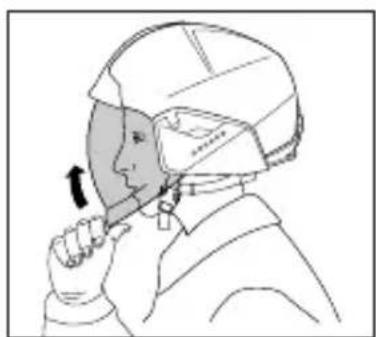
natural_image
Line drawing of a person wearing a helmet and holding an object, with an arrow indicating motion (no text or symbols)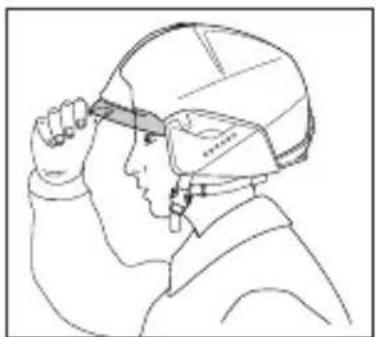
natural_image
Line drawing of a person wearing a helmet and glasses, adjusting the subject (no text or symbols present)8.4 Výměna štítu
natural_image
Diagram of a mechanical component with arrows indicating direction, no visible text or symbols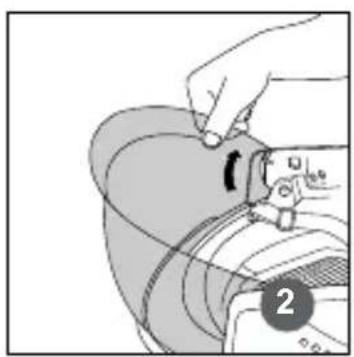
natural_image
Illustration of a hand adjusting a mechanical component with a circular label showing number 2 (no text or symbols on the diagram itself)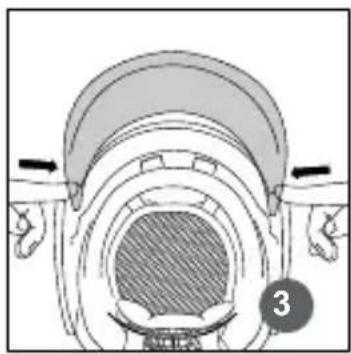
natural_image
Diagram of a medical or anatomical structure with curved layers and directional arrows, no visible text or symbolshttps://https://www.schuberth.com/en/f400
natural_image
Illustration of a person adjusting a helmet with a gear mechanism (no text or symbols)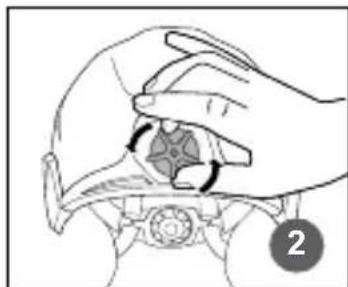
natural_image
Illustration of a hand holding a small object with a star-like pattern, possibly a mechanical or medical component (no text or symbols present)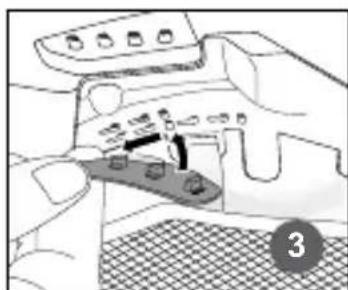
natural_image
Diagram of a robotic arm interacting with a mechanical component, showing no text or symbolsnatural_image
Line drawing of a human shoulder with a shaded bandage and arrow indicating a specific area (no text or symbols)Varovanie: Prilba SCHUBERTH F400 FiberTech spíňa požiadavky noriem DIN EN 443:2008, DIN EN 16471:2014, DIN EN 16473:2014 pre zadržiavací systém, ak sa remienok pod bradou dodávaný výrobcom nosí a nastavuje v súlade s týmito predpismi.
natural_image
Diagram of a vehicle interior showing a highlighted component with circular arrows indicating motion (no text or symbols)5.2. Svetlo
5.3. Čelová lampa
natural_image
Line drawing of a person wearing a helmet and cap, no text or symbols presentnatural_image
Diagram of a vehicle electrical connector with four pins (no text or symbols)natural_image
Technical diagram of a mechanical component with cross-sectional view and magnified detail (no text or symbols)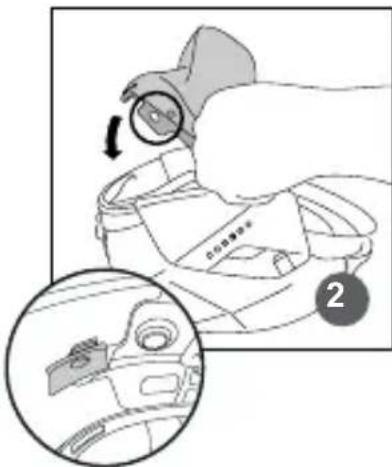
5.7. Ochrana očí
natural_image
Line drawing of a person wearing a helmet and safety goggles (no text or symbols)6. VNÚTORNÉ VYBAVENIE
natural_image
Illustration of a hand holding a device with a black arrow indicating rotation (no text or symbols)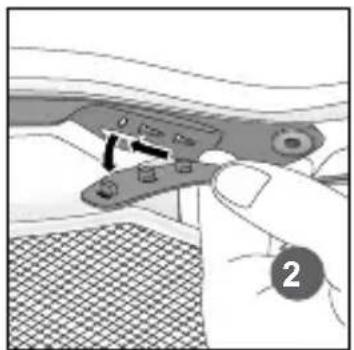
natural_image
Close-up of hands holding a small electronic device with a button, no visible text or symbols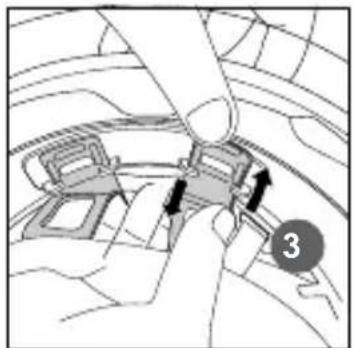
natural_image
Diagram of a mechanical component with arrows indicating assembly or movement (no text or symbols present)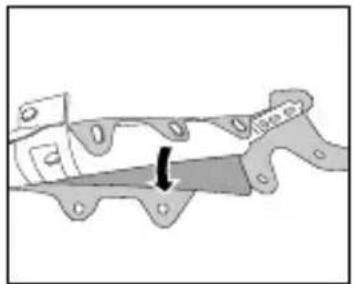
natural_image
Mechanical component diagram showing a lever mechanism with a black arrow indicating force or direction (no text or symbols present)natural_image
Illustration of hands holding a transparent object with a curved handle, no text or symbols present7. VŠEOBECNÉ INFORMÁCIE O PRILBE
7.1 Zmeny na prilbe
natural_image
Side profile illustration of a person wearing a helmet and safety gear (no text or symbols)Prilba – farby
Fosforeskujúce
natural_image
Line drawing of a person wearing a helmet and adjusting the cap (no text or symbols)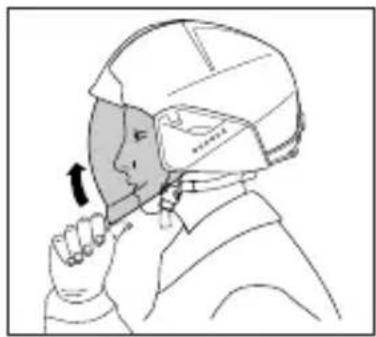
natural_image
Line drawing of a person wearing a helmet and holding an object, with an arrow indicating motion (no text or symbols)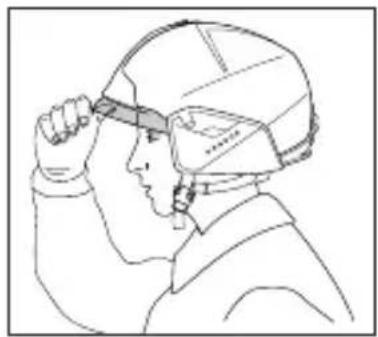
natural_image
Line drawing of a person wearing a helmet and adjusting the glasses (no text or symbols)natural_image
Diagram of a mechanical component with arrows indicating direction, no visible text or symbols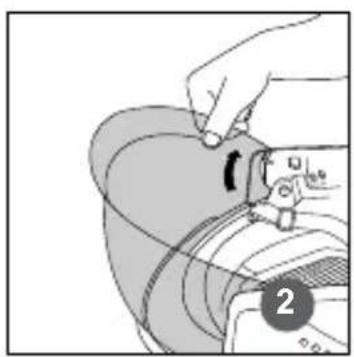
natural_image
Illustration of a hand adjusting a mechanical component with a circular label showing number 2 (no text or symbols on the diagram itself)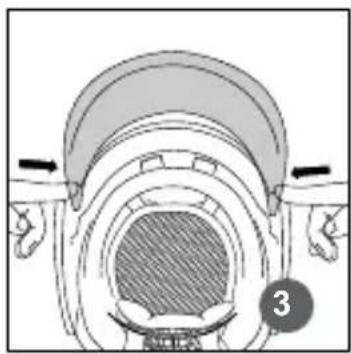
natural_image
Diagram of a medical or anatomical structure with curved layers and arrows indicating direction (no text or symbols)https://https://www.schuberth.com/en/f400
natural_image
Illustration of a person adjusting a helmet with a hand pointing to the component (no text or symbols present)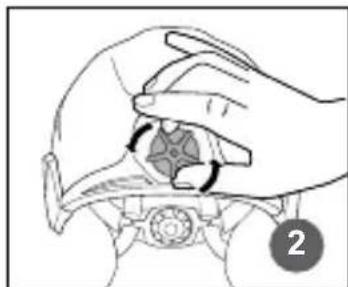
natural_image
Illustration of a hand holding a circular object with a star-like symbol, possibly a medical or anatomical component (no text or symbols present)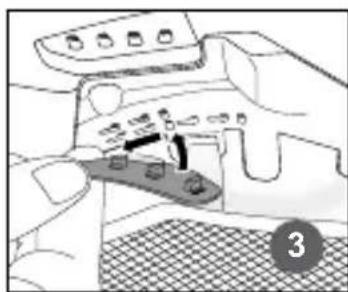
natural_image
Diagram of a robotic arm interacting with a tool, showing no text or symbolsnatural_image
Cross-sectional diagram of a mechanical component with central shaded area and four mounting holes (no text or symbols)natural_image
Line drawing of a human shoulder with a shaded bandage and arrow indicating a specific area (no text or symbols)natural_image
Diagram of a vehicle interior showing a gear shift and mode indicators (no text or symbols)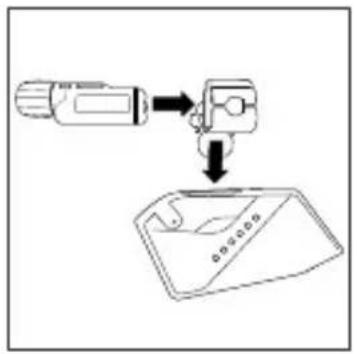
5.3. Framlampa
natural_image
Line drawing of a person wearing a helmet and holding the cap (no text or symbols)natural_image
Diagram of a vehicle electrical connector with four pins (no text or symbols)natural_image
Technical diagram of a mechanical component with cross-sectional view and magnified detail (no text or symbols)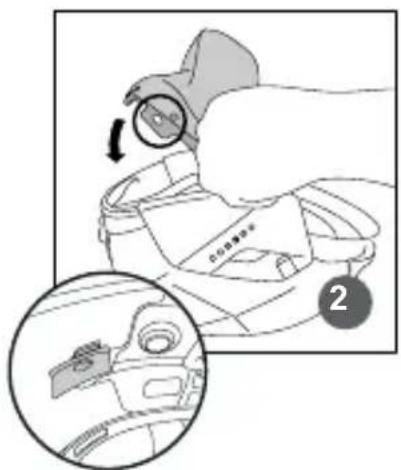
5.7. Ögonskydd
natural_image
Line drawing of a person wearing a helmet and safety goggles (no text or symbols)6. INREDNING
natural_image
Diagram showing a mechanical component with circular features and a magnified inset illustrating the internal structure (no text or symbols)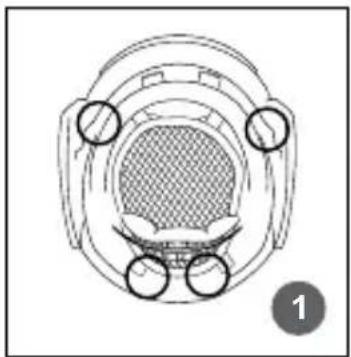
natural_image
Top-down schematic of a mechanical component with four circular features and a mesh center (no text or symbols)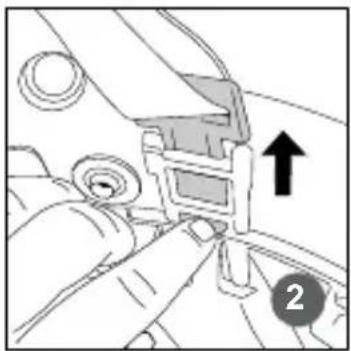
natural_image
Diagram of a hand inserting a device into a car's seat, with an arrow indicating the component (no text or symbols present)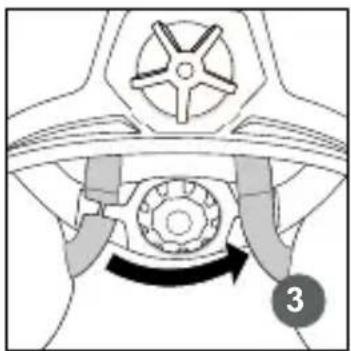
natural_image
Diagram of a mechanical component with a central gear and directional arrow, no text or symbols presentnatural_image
Illustration of a hand holding a device with a black arrow indicating rotation (no text or symbols)
natural_image
Close-up of a hand holding a pliers or tool, with no visible text or symbols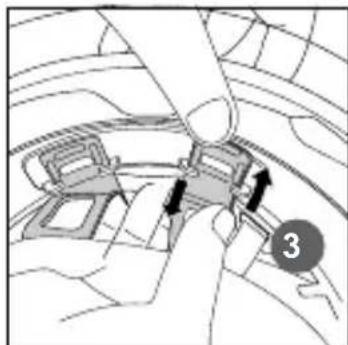
natural_image
Mechanical component diagram showing a lever and shaft assembly (no text or symbols)natural_image
Illustration of hands holding a transparent object with a curved handle, no text or symbols present7. ALLMÄN INFORMATION OM HJÄLMEN
natural_image
Side profile illustration of a person wearing a helmet and visor (no text or symbols)Hjälm – färger
Fotoluminiscent
Fluorescerande gult - RAL 1026
Fotoluminiscent klargult
Röd - RAL 3002
Vit - RAL 9010
Svart - RAL 9005
natural_image
Line drawing of a person wearing a helmet and adjusting the cap (no text or symbols)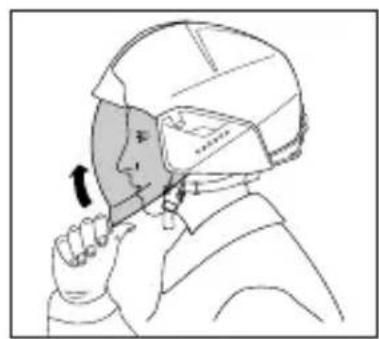
natural_image
Line drawing of a person wearing a helmet and pointing to the nose area (no text or symbols)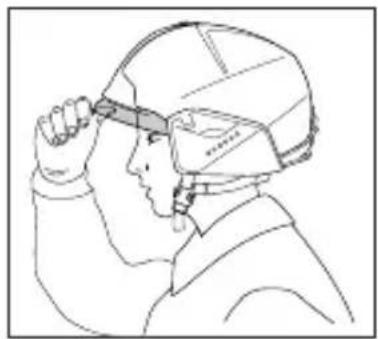
natural_image
Line drawing of a person wearing a helmet and holding an object, viewed from the side (no text or symbols)natural_image
Diagram of a mechanical component with arrows indicating direction, no visible text or symbols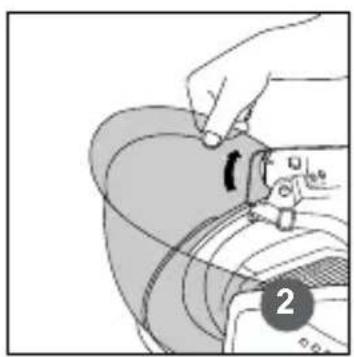
natural_image
Illustration of a hand adjusting a mechanical component with a circular label showing number 2 (no text or symbols on the diagram itself)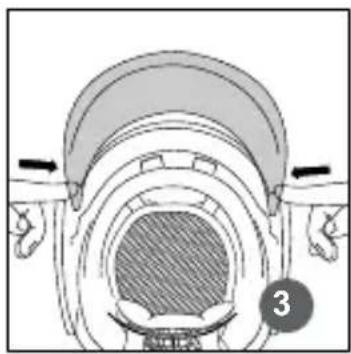
natural_image
Diagram of a medical or anatomical structure with curved layers and arrows indicating direction (no text or symbols)https://https://www.schuberth.com/en/f400
12.1 Reservedeler 28
12.2 Tilbehør 28
- Kontakt 29
4. BRUK
natural_image
Illustration of a person adjusting a helmet with a finger pointing to the seat area (no text or symbols)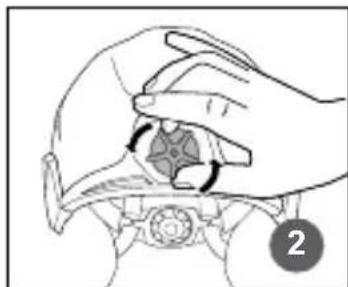
natural_image
Illustration of hands performing a medical procedure on a patient's spine (no text or symbols present)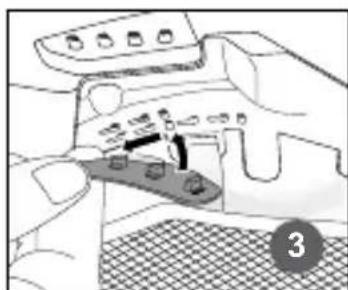
natural_image
Diagram of a robotic arm interacting with a tool, showing mechanical components and a numbered label (3) in the corner.natural_image
Cross-sectional diagram of a mechanical component with no visible text or symbols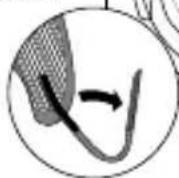
natural_image
Line drawing of a human shoulder with a shaded bandage and arrow indicating a specific area (no text or symbols)natural_image
Diagram of a vehicle interior showing a highlighted component with circular arrows indicating motion (no text or symbols)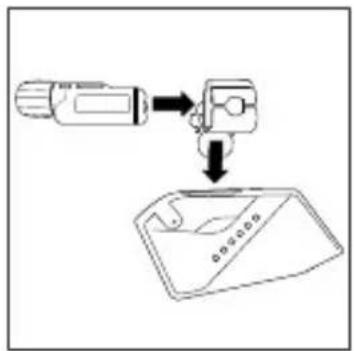
5.3. Frontlampe
Det kan monteres en lampe på frontpanelet. Denne skyves på dekselet bakfra til den klikker på plass.
natural_image
Line drawing of a person wearing a helmet and cap, no text or symbols presentnatural_image
Diagram of a vehicle battery pack with four slots (no text or labels)5.6. Nakkebeskytter / hollandsk skjerf
natural_image
Technical diagram of a mechanical component with cross-sectional view and magnified detail (no text or symbols)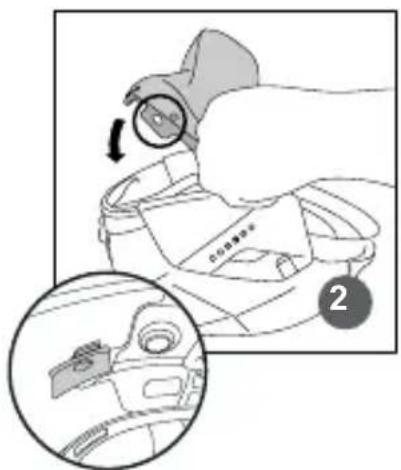
5.7. ∅yeveryn
natural_image
Line drawing of a person wearing a helmet and safety goggles (no text or symbols)6. INNVENDIG DESIGN
6.1 Bytte bærenett
natural_image
Diagram showing a mechanical component with circular features and a magnified inset illustrating the internal structure (no text or symbols)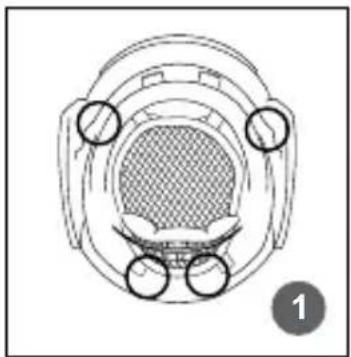
natural_image
Top-down schematic of a mechanical component with four circular features and a mesh center (no text or symbols)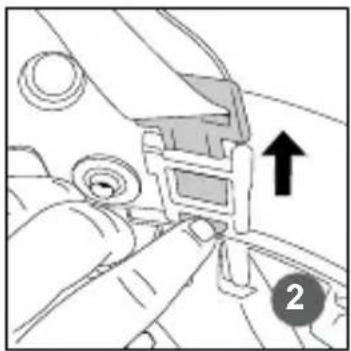
natural_image
Diagram of a hand inserting a component into a vehicle's seat, with an arrow indicating direction (no text or symbols present)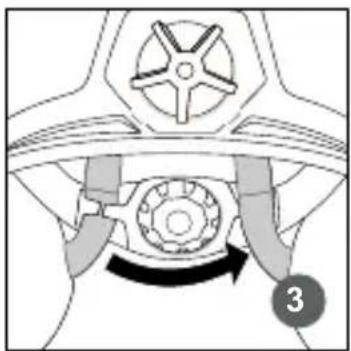
natural_image
Mechanical component diagram showing a rotating shaft and housing (no text or symbols)natural_image
Diagram of a hand pressing a button on a device, showing a black arrow indicating the action (no text or symbols present)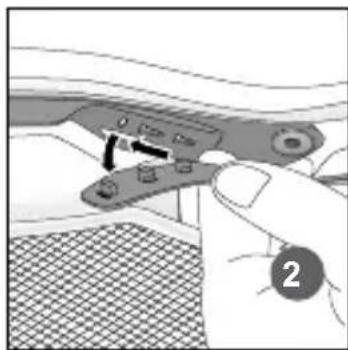
natural_image
Close-up of a hand holding a pliers or tool, with no visible text or symbols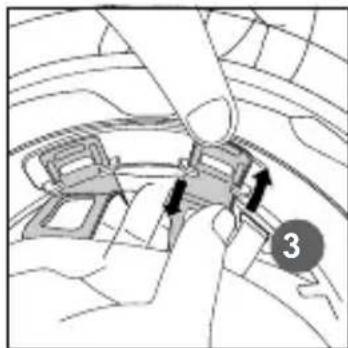
natural_image
Mechanical component diagram showing a shaft and housing with no visible text or symbolsnatural_image
Illustration of hands holding a transparent object with a curved handle, no text or symbols present7. GENERELL INFORMASJON OM HJELMEN
7.1 Bytte til hjelm
natural_image
Side profile illustration of a person wearing a helmet and safety gear (no text or symbols)Hjelm - Farger
Fotoluminescerende
Fluorescerende gul - RAL 1026
Fotoluminescerende fluorescerende gul
Rød - RAL 3002
Hvit - RAL 9010
Svart - RAL 9005
natural_image
Line drawing of a person wearing a helmet and adjusting the cap (no text or symbols)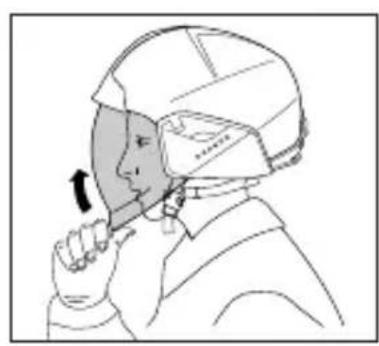
natural_image
Line drawing of a person wearing a helmet and pointing to the nose area (no text or symbols)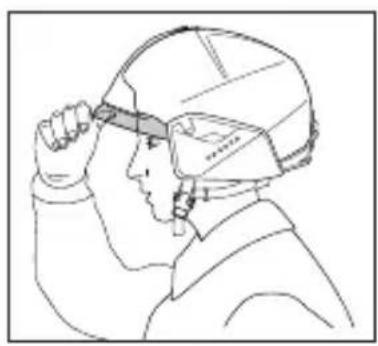
natural_image
Line drawing of a person wearing a helmet and adjusting the cap (no text or symbols)8.4 Bytte visirskive
natural_image
Diagram of a mechanical component with arrows indicating direction, no visible text or symbols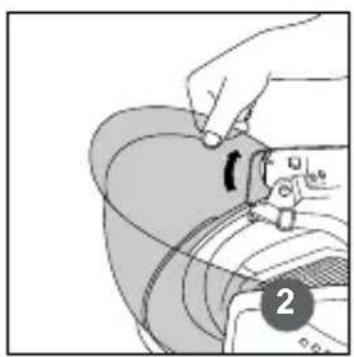
natural_image
Illustration of a hand adjusting a mechanical component with a circular label showing number 2 (no text or symbols on the diagram itself)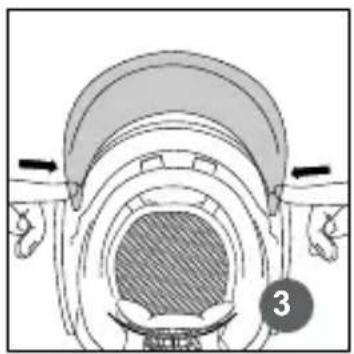
natural_image
Diagram of a mechanical or anatomical component with curved surfaces and directional arrows, no visible text or symbols.https://https://www.schuberth.com/de/f400
Personlig verneutstyr forordningen (EU) 2016/425:
https://eur-lex.europa.eu/legal-content/DE/ALL/?uri=CELEX%3A32016R0425
13. Kontakt
SCHUBERTH GmbH
Stegelitzer Str. 12
39126 Magdeburg
Germany
Tel. +49 (0)391 8106 - 0
Fax +49 (0)391 8106 - 444
natural_image
Illustration of a person adjusting a helmet with a hand pointing to the component (no text or symbols present)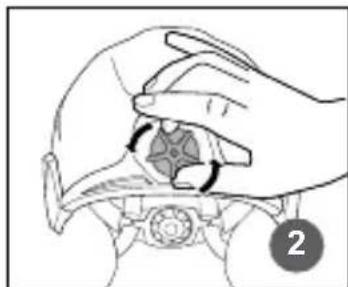
natural_image
Illustration of hands performing a medical procedure on a patient's spine (no text or symbols present)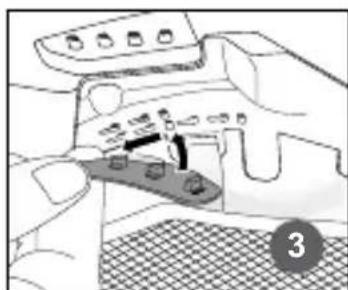
natural_image
Diagram of a robotic arm interacting with a handheld device, showing no text or symbolsnatural_image
Cross-sectional diagram of a mechanical component with central hatched area and four circular features (no text or symbols)natural_image
Line drawing of a person's profile showing a curved arm and belt (no text or symbols)natural_image
Diagram of a vehicle interior showing a highlighted component with circular arrows indicating motion (no text or symbols)5.2. Taskulamppu
5.3. Etuvalaisin
natural_image
Line drawing of a person wearing a helmet and cap, no text or symbols present5.5. Kuuloke-mikrofoni
natural_image
Diagram of a vehicle battery pack with four slots (no text or labels)5.6. Niskasuoja
natural_image
Technical diagram of a mechanical component with cross-sectional view and magnified detail (no text or symbols)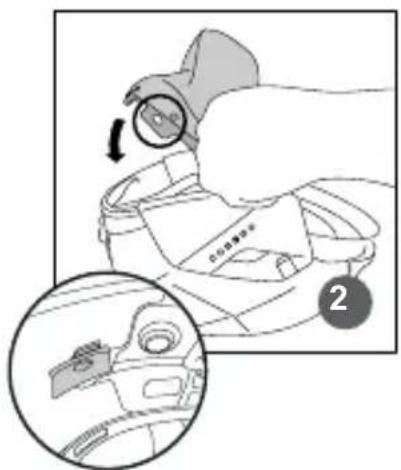
5.7. Silmäsuojaimet
natural_image
Line drawing of a person wearing a helmet and safety goggles (no text or symbols)6. SISUS
natural_image
Diagram showing a mechanical component with circular features and a magnified inset illustrating the internal structure (no text or symbols)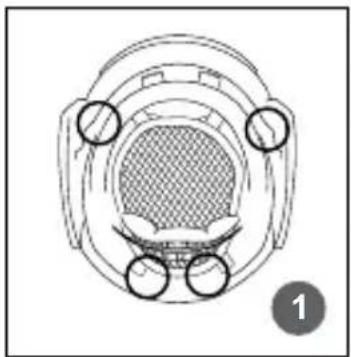
natural_image
Top-down schematic of a mechanical component with four circular features and a mesh center (no text or symbols)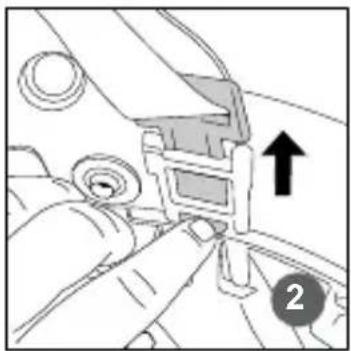
natural_image
Diagram of a hand inserting a component into a vehicle's seat, with an arrow indicating direction (no text or symbols present)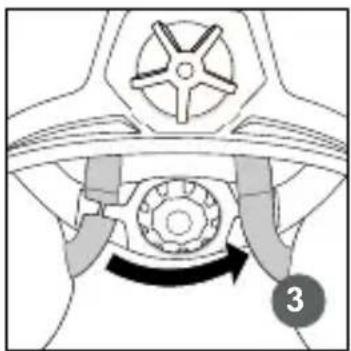
natural_image
Diagram of a mechanical component with a central gear and directional arrows, no text or symbols present.natural_image
Illustration of a hand holding a device with a black arrow indicating rotation (no text or symbols present)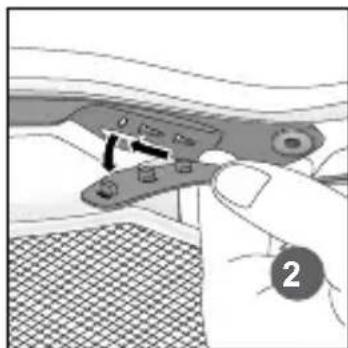
natural_image
Close-up of a hand holding a pliers or tool, with no visible text or symbols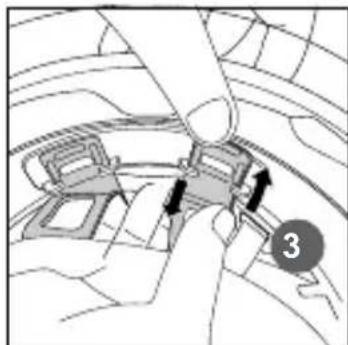
natural_image
Mechanical component diagram showing a shaft and housing with a black arrow indicating direction (no text or symbols)natural_image
Illustration of hands holding a transparent object with a curved handle, no text or symbols presentnatural_image
Side profile illustration of a person wearing a helmet and safety gear (no text or symbols)Kypärä – värit
Yövalaiseva
natural_image
Line drawing of a person wearing a helmet and adjusting the head (no text or symbols)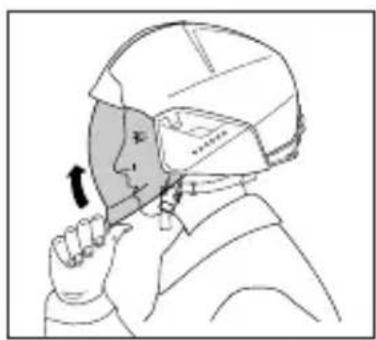
natural_image
Line drawing of a person wearing a helmet and holding an object, with an arrow indicating motion (no text or symbols)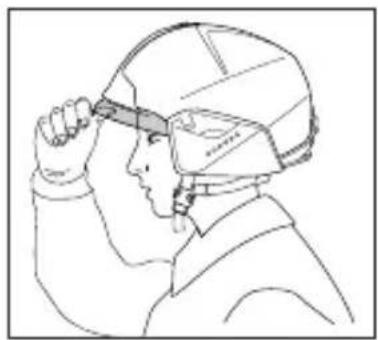
natural_image
Line drawing of a person wearing a helmet and adjusting the cap (no text or symbols)natural_image
Diagram of a mechanical component with arrows indicating direction, no visible text or symbols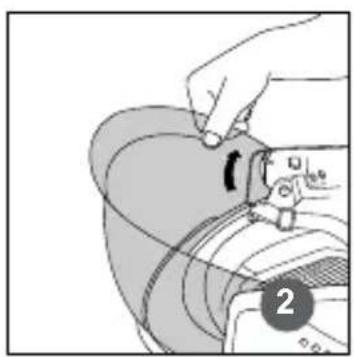
natural_image
Illustration of a hand adjusting a mechanical component with a circular label showing number 2 (no text or symbols on the diagram itself)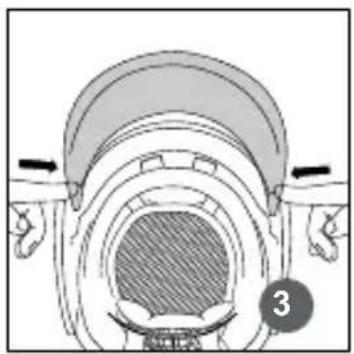
natural_image
Diagram of a mechanical or anatomical component with curved surfaces and directional arrows, no visible text or symbols.https://https://www.schuberth.com/de/f400

- MANUAL
- F400 FIBERTECH
- Augenschutz
- INNENAUSSTATTUNG
- Tausch Nackenpolster
- ALLGEMEINE INFORMATIONEN ZUM HELM
- SAFETY INSTRUCTIONS AND SCOPE OF APPLICATION
- CONTENTS
- USE
- Adjusting the head width
- 😊 Tip: Note for more comfort
- Adjusting the support net / wearing height
- Adjusting the chin and neck strap
- CONNECTION OF OPTIONAL ACCESSORIES
- Universal interface
- Torch
- Front lamp
- Adapter for respirator mask
- Head set
- Neck protector / Shawl collar
- Eye protection
- LINING
- Exchange support net
- Exchange chin/neck straps
- Exchange head support ring
- Exchange leather sweatband
- Exchange neck pads
- GENERAL INFORMATION ABOUT THE HELMET
- Change to the helmet
- Cleaning and care
- Service life
- Checking the fitness for use
- Maintenance
- Helmet – Weight:
- Properties and labels
- VISOR
- Visor protection performance
- Notes on use
- Visor operation
- Changing the visor panel
- Maintenance
- Cleaning and care
- Service life
- Storage and transport
- Warranty
- Disposal instructions
- Spare parts and accessories
- Spare parts
- Accessories
- Contact
- NOTAS SOBRE EL MANUAL
- Linterna
- Lámpara delantera
- FORRO
- Lampadina a torcia
- Lampada frontale
- FODERA INTERNA
- INFORMAZIONI GENERALI SUL CASCO
- Modifiche al casco
- Cambiare la visiera
- Lampe frontale
- Bavolet/cagoule
- INFORMATIONS GENERALES SUR LE CASQUE
- Casque - Couleurs
- Staaflamp
- Voorlamp
- Nekbeschermer
- Oogbescherming
- BINNENUITRUSTING
- ALGEMENE INFORMATIE OVER DE HELM
- Accessoires
- WYPOSAŻENIE WEWNEĘTRZNE
- OGÓLNE INFORMACJE O HEŁMIE
- Čelní svítilna
- Adaptér pro ochrannou masku
- Ochrana očí
- VNITŘNÍ VYBAVENÍ
- VŠEOBECNÉ INFORMACE O PŘILBĚ
- Změny na přilbě
- Výměna štítu
- Svetlo
- Čelová lampa
- VNÚTORNÉ VYBAVENIE
- VŠEOBECNÉ INFORMÁCIE O PRILBE
- Zmeny na prilbe
- Framlampa
- Ögonskydd
- INREDNING
- ALLMÄN INFORMATION OM HJÄLMEN
- BRUK
- Frontlampe
- Nakkebeskytter / hollandsk skjerf
- ∅yeveryn
- INNVENDIG DESIGN
- Bytte bærenett
- GENERELL INFORMASJON OM HJELMEN
- Bytte til hjelm
- Bytte visirskive
- Kontakt
- Taskulamppu
- Etuvalaisin
- Kuuloke-mikrofoni
- Niskasuoja
- Silmäsuojaimet
- SISUS
Brand : Schuberth
Model : F400 FIBERTECH
Category : Protective helmet