
SS-25100 - Saucepan Sogo - Free user manual and instructions
Find the device manual for free SS-25100 Sogo in PDF.
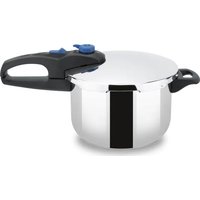


| Brand | Sogo |
| Model | SS-25100 |
| Product type | Pressure cooker (pressure pot) |
| Pot material | Stainless steel 18/10 |
| Base type | 3-layer sandwich |
| Compatibility | Induction, gas, electric |
| Cooking pressure | 60 kPa (low) and 90 kPa (high) |
| Sealing gasket | Silicone rubber, replaceable |
| Safety devices | 4: control valve, lid lock, decompression window, regulator |
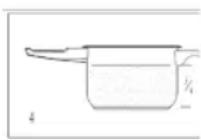
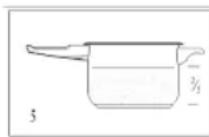
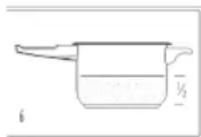
| Maximum filling capacity | 3/4 volume for normal food, 2/3 for rice, 1/2 for expanding foods |
| Maintenance | Clean with mild detergent, do not use metal sponge |
| Gasket replacement | After 400 hours of use |
| Spare parts | Contact SOGO after-sales service |
| Usage | Domestic, indoor |
| Origin | Made in China, imported by Sanysan Appliances S.L. |
| Certifications | Directive 2014/68/EU (pressure equipment), 2015/863/EU (RoHS) |
Frequently Asked Questions - SS-25100 Sogo
User questions about SS-25100 Sogo
0 question about this device. Answer the ones you know or ask your own.
Ask a new question about this device
Download the instructions for your Saucepan in PDF format for free! Find your manual SS-25100 - Sogo and take your electronic device back in hand. On this page are published all the documents necessary for the use of your device. SS-25100 by Sogo.
USER MANUAL SS-25100 Sogo
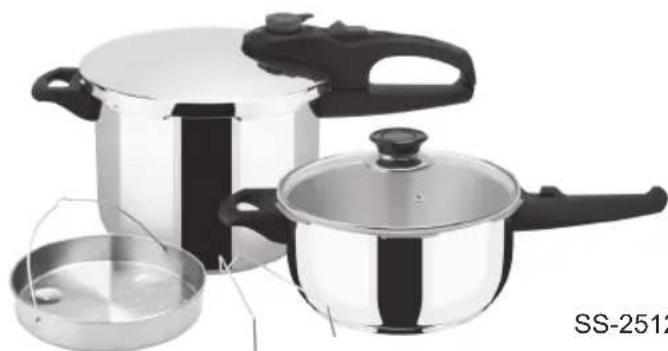
Ref. SS-25105
Ref. SS-25125
Download your manual. Téléchargez votre manuel. Baixe seu manual. Laden Sie Ihr Handbuch herunter. Scarica il tuo manuale. Stáhněte si manuál. Download din manual. Prenesite svoj priročnik. Preuzmite svoj priručnik. Pobierz swoją instrukcję. Descărcați manualul dvs. Завантажте посібник. Descàrrega el teu manual.
Declaration of conformity, responsibility for electronic product disposal, importer details, and after-sales service are provided on the last pages.
7. MAINTENANCE AND CLEANING:
• Always read the instruction manual carefully before use. - This manual can be downloaded from our website www.sogo.es. - Keep these instructions for future reference.
2. Safety instructions for the user
GENERAL PRECAUTIONS
General precautions during the use of electrical equipment
- Do not use the appliance for any purpose other than described in this manual.
- Do not use or store the appliance outdoors.
- This product is intended for indoor, non-industrial, non-commercial, and household use only. Do not use the item outdoors or for any other purpose. Misuse or improper handling may cause problems with the appliance.
- The unit must be used only for its intended purposes. No liability is accepted for damages arising from improper use or wrong handling.

Restrictions on use to avoid personal injury
- Never use accessories that are not recommended by the manufacturer.
- The use of accessories not recommended or sold by the appliance manufacturer may result in fire, electric shock or injury to persons.
- All parts of the pressure cooker must be from this pressure cooker.
- In case of appliance malfunction, or if it has been damaged in any manner, return the appliance to the nearest authorized service facility for examination, repair or adjustment.
- If you find an abnormal phenomenon while using the pressure cooker or the safety device does not work normally, you should stop using it immediately and send it to our authorized service centre for inspection and repair. Do not attempt to repair it by yourself.

Restrictions for use with children and the elderly
- Children should be supervised to ensure that they do not play with the appliance.
- Children are prohibited from using the pressure cooker.
- Keep an eye on the pressure cooker when in use, especially at the place or time when children are near it.

Instructions to be followed when using the device
- Do not touch the hot surface straight away. Use the handle and the regulator.
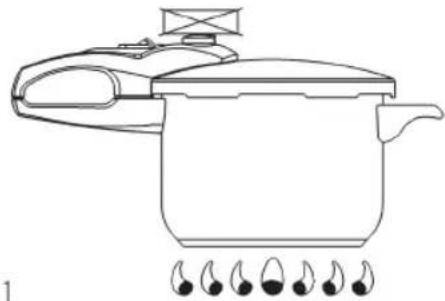
- Do not press down the pressure-control valve or use others to take its place. (Picture 1)
- Do not place the pressure cooker on the cooktop when it is empty. Do not use it for frying.
- Do not use the pressure cooker for other than its intended use.
• The pressure cooker should be heated on a stable fire.
- You should be very careful while moving the pressure cooker which is under pressure or full of hot liquid.
- Do not let the decompression window and the pressure control valve point towards a person's direction.
- You can open the pressure cooker only when there is no pressure inside. Do not force it to open.
• Always inspect before using if the exhaust pipe and the clog proof filter is jammed.
- This appliance cooks under pressure. Improper use may result in scalding injury. Make sure to close it properly before use. Please follow "Operating instructions".
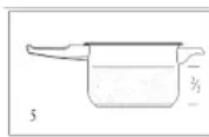
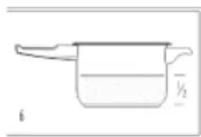
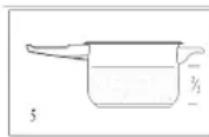
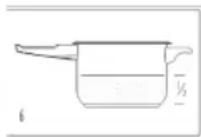
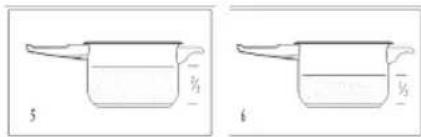
- Do not fill the unit over 2/3 full. While cooking foods which tend to expand during cooking such as rice or dried vegetables, do not fill the unit over 1/2 full. Over filling may cause a risk of clogging the vent pipe and developing excess pressure. See "Food Preparation instructions."
- Be aware that certain foods, such as applesauce, cranberries, pearl barley, oatmeal or other cereals, split peas, noodles, macaroni, rhubarb, or spaghetti can foam, froth, and sputter, and clog the pressure release device (steam vent). These foods should not be cooked in a pressure cooker.
• Always check the pressure release devices are not clogged before use.
- Do not open the pressure cooker until the unit has cooled down and all internal pressure has been released. If the handles are difficult to push apart, this indicates that the cooker is still pressurized - do not force it open. Any pressure in the cooker can be hazardous.
- When the unit arrives at normal pressure, turn the heat down, so that all the liquid, which creates the steam, does not evaporate.
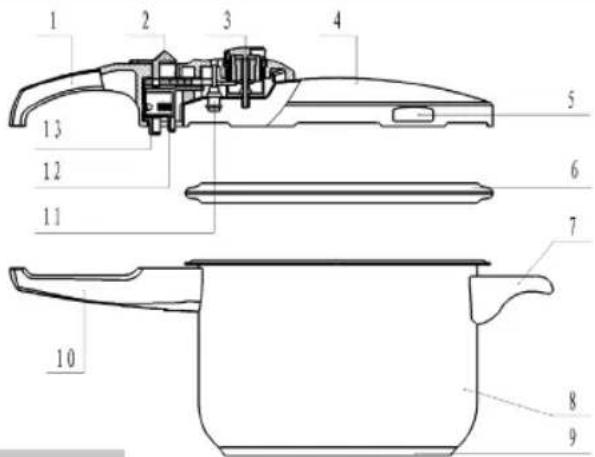
3. PARTS DESCRIPTION
- Lid handle
- Regulator
- Two level pressure-control valve
- Lid
- Decompression window
- Gasket
- Pot side handle
- Pot
- Sandwich Base
- Pot main handle
- Lid lock & Overpressure plug
- Inside slider
- Outside slider
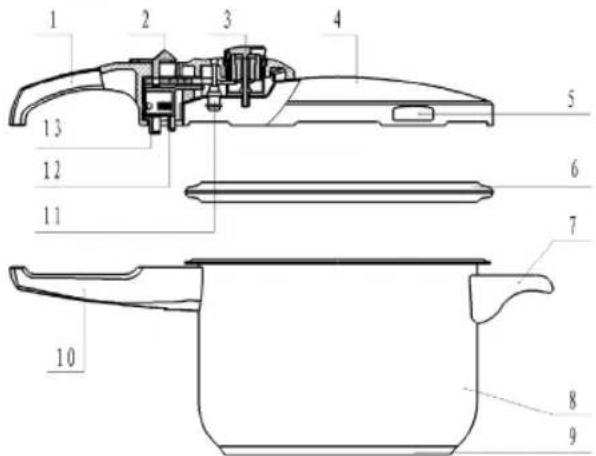
4. PRODUCT'S TECHNICAL PARAMETERS
- The product is made of high-quality 18/10 stainless steel. The three-level sandwich base makes it more durable, with uniform heating and saves energy and time. It is suitable for induction hobs, electric surface and other gas stoves.
- The gasket is made of silicon rubber, and has good airtightness. It is non-toxic and tasteless, safe and durable. It helps to open easily and close the lid of the pressure cooker.
5. SAFETY DEVICES
- Two-level pressure-control valve: First, you can choose 60kpa or 90kpa to regulate pressure using the regulator. Second, the pressure could be released to "0" before opening to ensure safety. Third, the pressure-control valve can be removed easily and cleaned.
- Lid lock & Over pressure plug: If the lid is not closed completely, the pressure cooker's internal pressure will not rise up to 5 Kpa. If pressure rises more than 5 Kpa, then lid and pot will be locked together. If the pressure is more than over pressure plug's working pressure, it will open automatically to release the pressure.
- Decompression window: If the pressure is more than the gasket's exhaust pressure, the gasket will be pushed and the pressure will drop quickly.
- Open-lid regulator: Moving with the lid lock and over-pressure plug, it effectively prevents accidents. When the lid is not closed completely, the regulator and the inside slider prevent the over-pressure plug from rising. Conversely, if there is pressure in the pot, the over-pressure plug won't drop, stopping the regulator and outside slider from moving so that the lid cannot open.
6. MODE OF OPERATION
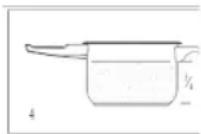
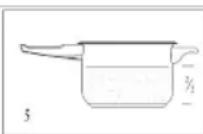
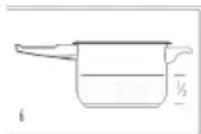
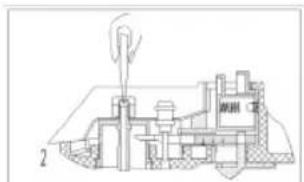
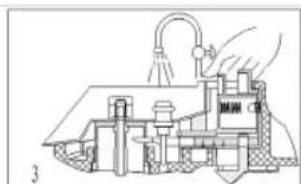
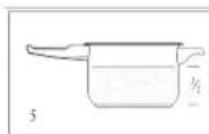
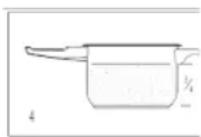
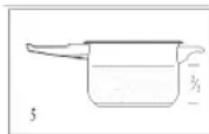
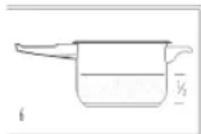
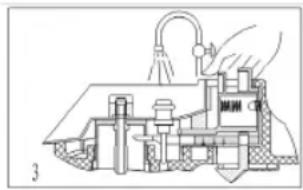
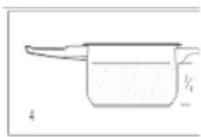
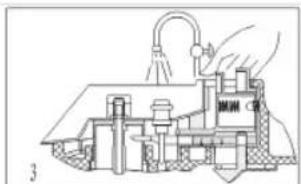
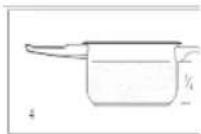
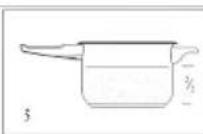
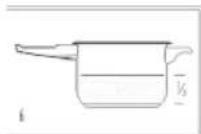
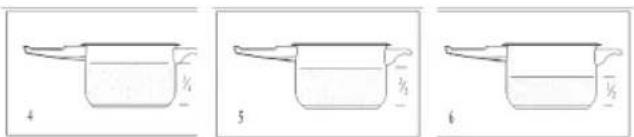
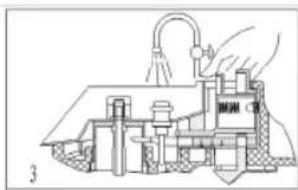
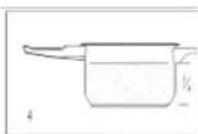
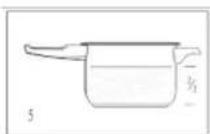
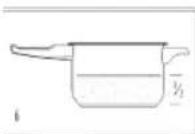
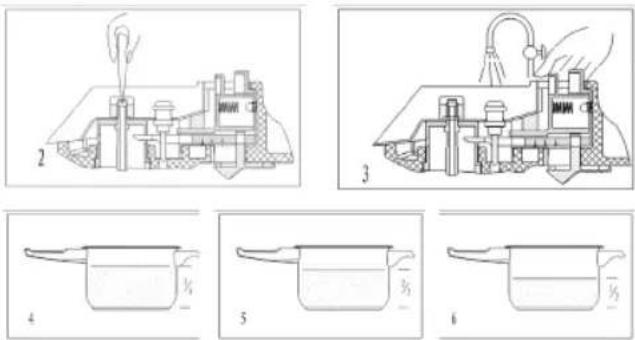
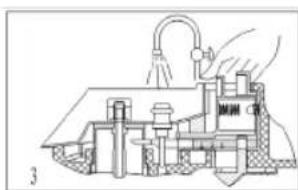
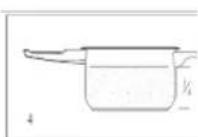
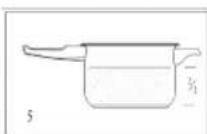
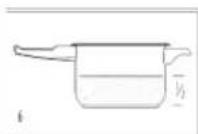
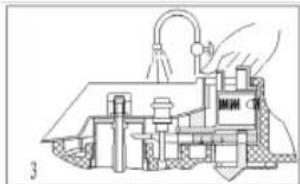
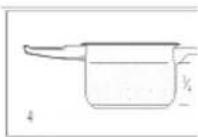
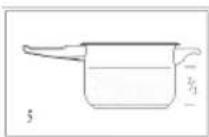
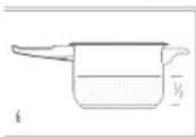
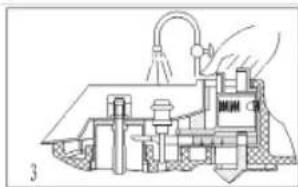
* For the first time use, clean the pressure cooker with liquid detergent, rinse thoroughly, and dry it. Make sure the exhaust pipe hole is clean. If it is clogged, clear it with a needle of 2 mm diameter (Picture 2). *If the lid lock doesn't move freely, clean it and the area around it (Picture 3). *Regardless of the pressure cooker used, the total capacity of food should not exceed 3/4 of the pot (Picture 4). When cooking rice, it should not be filled over 2/3 (Picture 5), and food that expands, such as porridge, should not be more
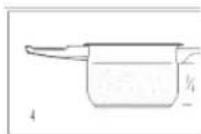
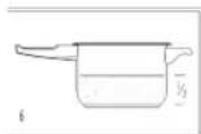
than 1/2 full (Picture 6).
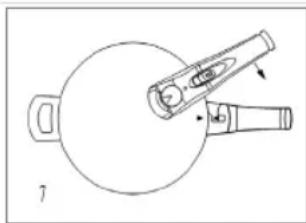
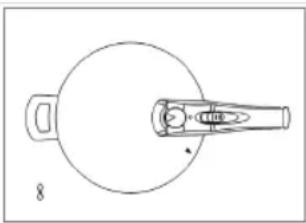
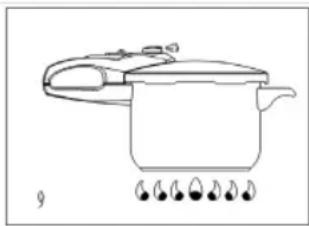
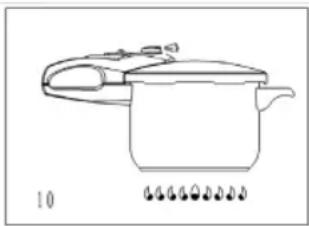
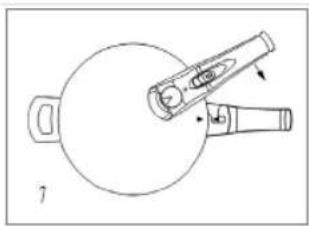
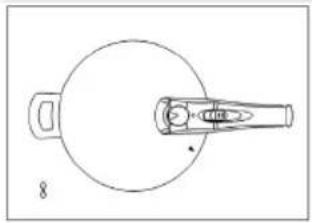
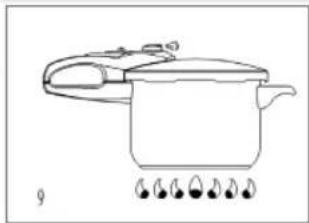
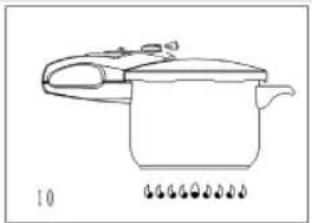
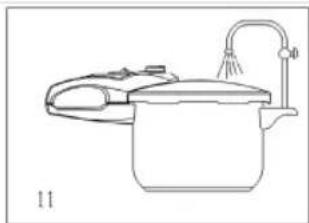
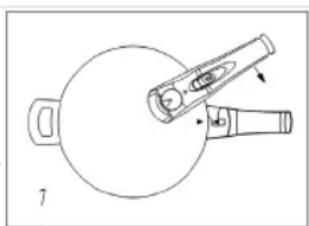
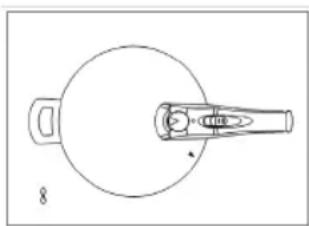
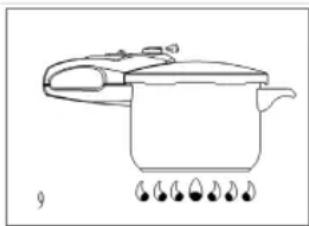
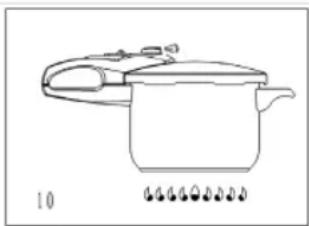
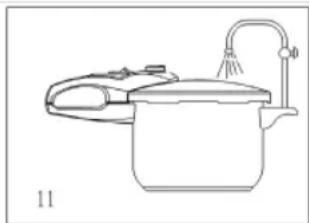
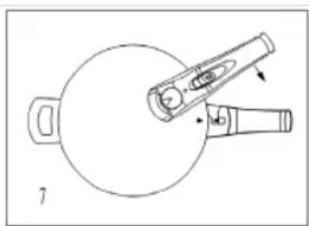
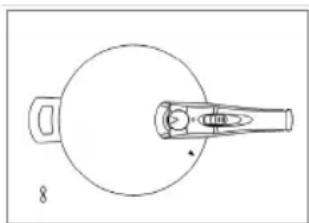
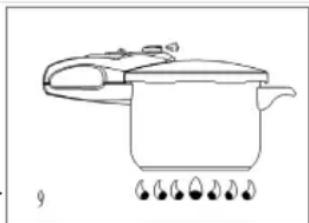
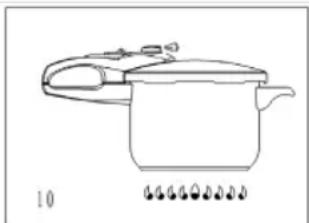
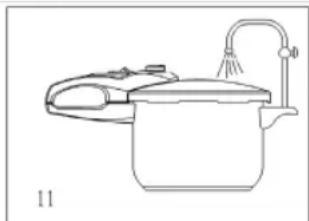
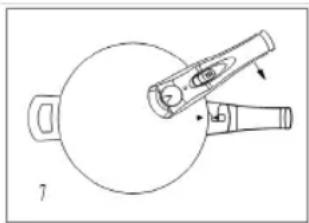
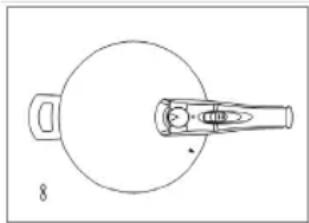
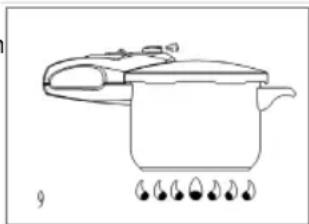
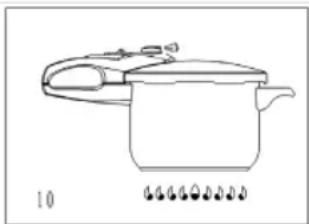
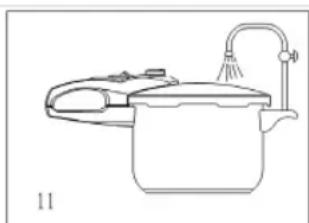
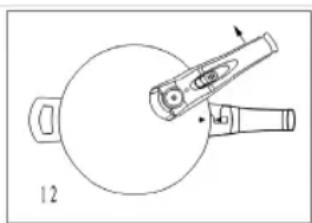
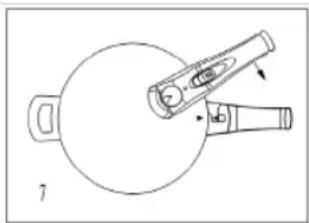
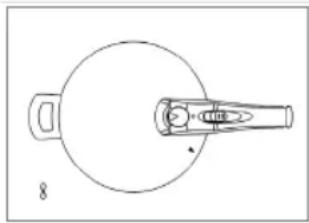
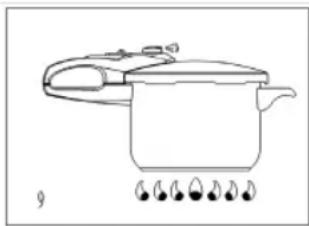
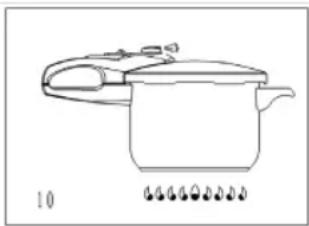
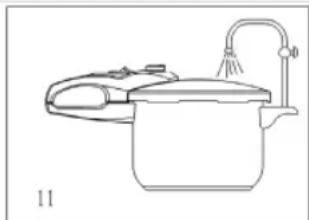
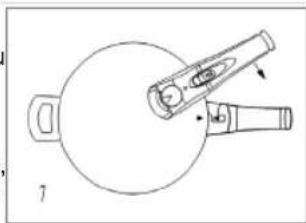
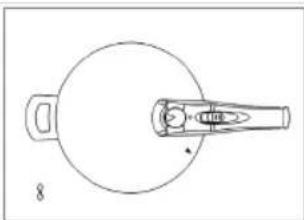
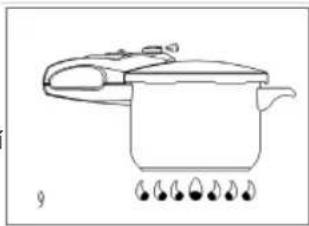
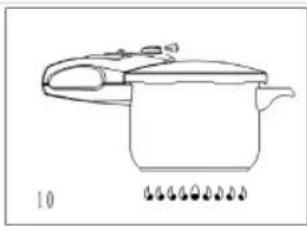
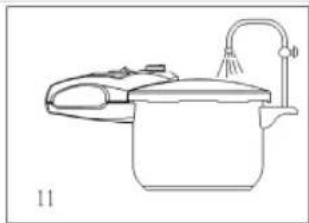
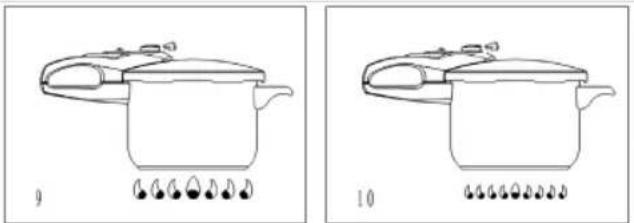
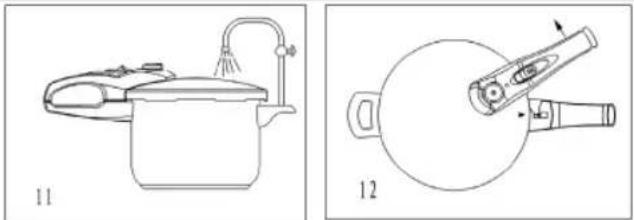
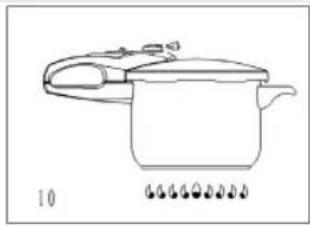
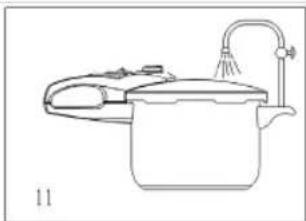
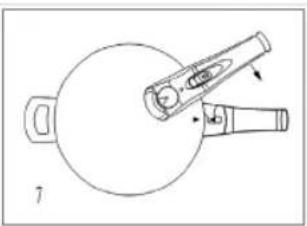
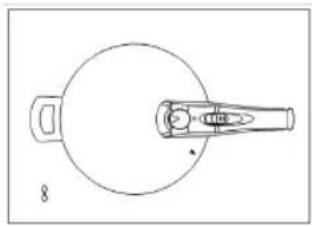
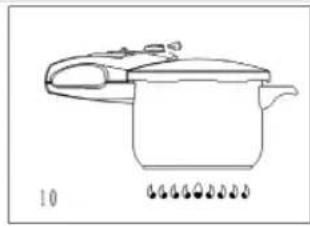
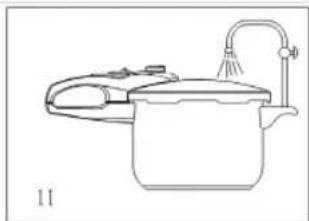
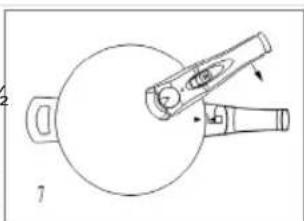
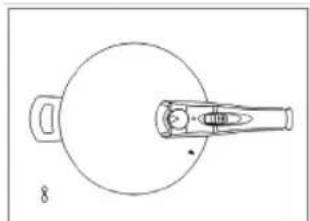
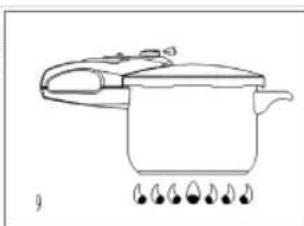
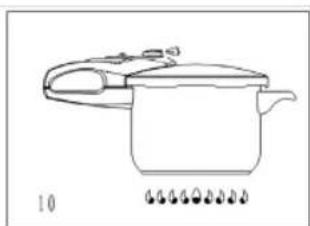
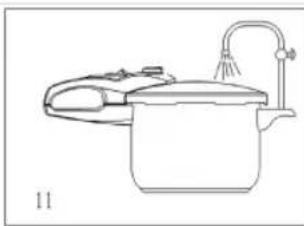
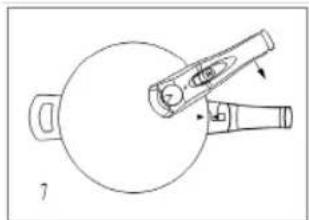
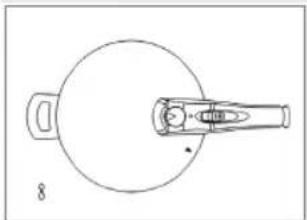
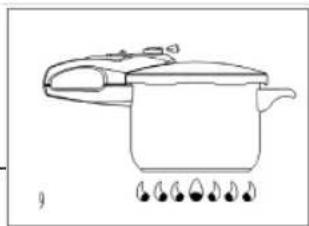
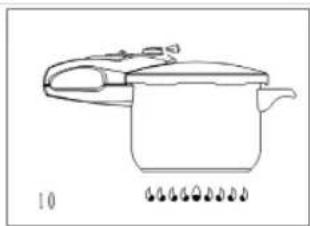
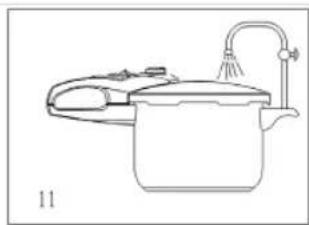
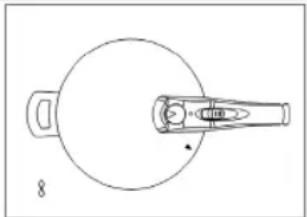
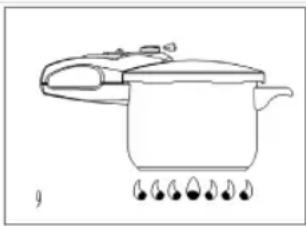
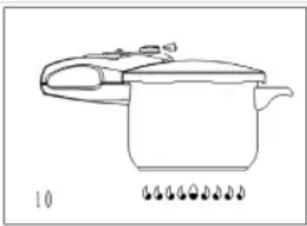
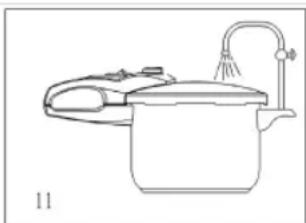
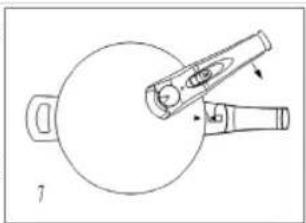
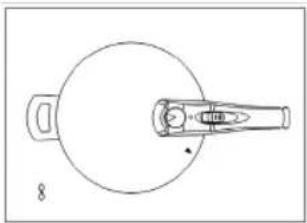
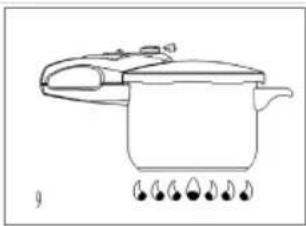
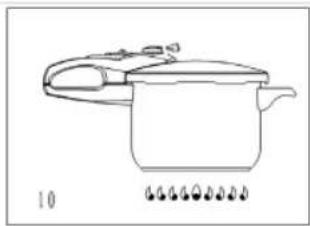
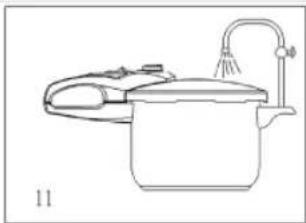
* While closing the lid, align the triangle mark on the lid with the pot handle mark. Hold the pot handle with your left hand and move the lid handle flatly with your right hand in a clockwise direction until the lid handle moves above the pot handle, indicating that the lid is closed completely (Pictures 7 and 8). *Place the pressure cooker on the heat source, such as a kitchen hob. When there is steady steam exhausting from the exhaust pipe, place the pressure-control valve on the exhaust pipe. Then the over-pressure plug rises when steam escapes from the pressure-control valve (Picture 9). Turn down the heat (Picture 10) and let the steam exhaust slowly, following the "Cooking Time" reference, until the food is cooked. *Before opening the lid, turn off the heat source or move the pressure cooker away from it. Use one of the following methods to cool: 1. Let it cool naturally at room temperature. 2. Cool it with cold water (Picture 11). Remove the pressure-control valve before opening the lid, and make sure the exhaust pipe is not
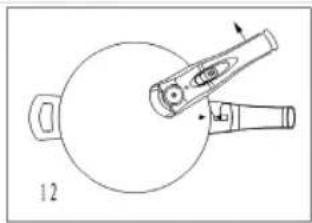
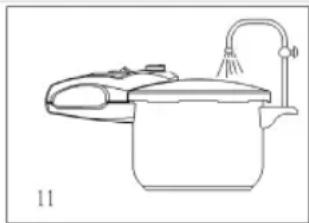
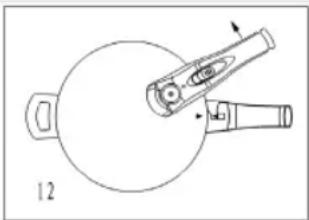
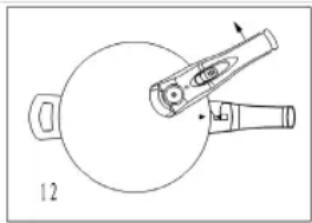
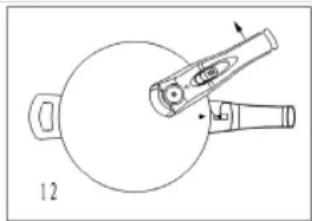
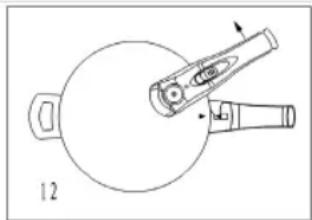
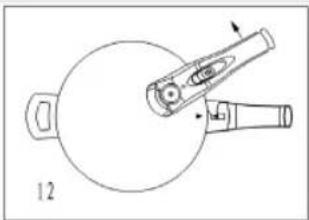
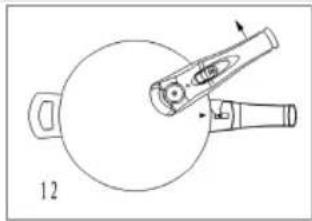
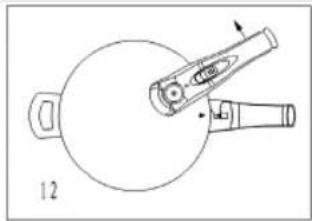
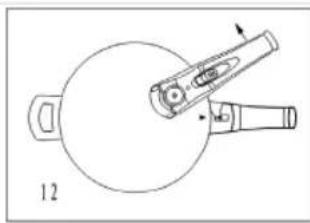
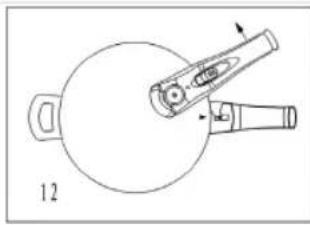
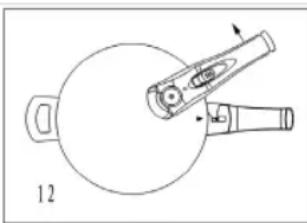
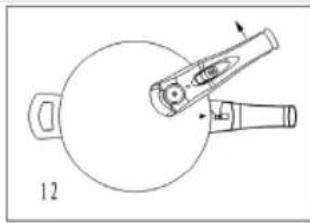
exhausting. Meanwhile, the over-pressure plug drops. Move the lid regulator to the front end, then move the lid handle counter-clockwise until it aligns with the two triangles (Picture 12), and the lid can be opened.
7. MAINTENANCE AND CLEANING:
- Clean the pressure cooker with detergent after cooking.
- Keep it dry when not in use.
- Do not scrape the pressure cooker with hard objects such as metal scouring pads or similar.
- Clean the gasket before and after each use. Remove dirt and oil, and keep it dry. Place it correctly in the lid.
- Clean the pressure-control valve carefully after each use. If the exhaust pipe is clogged, clear it thoroughly (Picture 2).
- Clean the over-pressure plug frequently. Hold the inside slider to raise the head, turn the lid over, and check if the over-pressure plug moves freely. Wash any residue when the plug hole is exposed (Picture 3).
8. PROBLEMS AND SOLUTIONS:
- When heating, if the over pressure plug does not rise or looks locked, please clean the plug hole.
- If gasket is not put in right way or if it is ageing, put it right, clean it or change it.
- If the regulator is not back to end, clean it or help it with your hand.
- If is not hot enough when heating, turn the fire up or eliminate the scorched things inside the pot.
- If the scorched thing inside the pot bottom is hard, fill hot water into the pressure cooker to make it soft then clean it. Do not use hard things such as metal scourers, or you will damage the pot.
- After prolonged usage, leakage of gasket will occur. In such a case you should change it promptly. Our suggested life of a gasket is 400 hours, and it must be of the same material and parts as supplied by SOGO.
9. COOKING TIME REFERENCE FOR SAFE USE
| Level Food Time (Min.) | ||
| 60 Rice 5 | ||
| 60 Cabbage 5 | ||
| 60 Cauliflower 5 | ||
| 60 Fish 5 | ||
| 60 Onion soup 4~5 | ||
| 60 Tomato soup 4 | ||
| 60 Pasta 6 | ||
| 60 Congee 20 | ||
| 60 Potato 6 | ||
| 90 | Chicken | 15 |
| 90 | Mutton | 20 |
| 90 Soybean 20 | ||
| 90 Pork | 20 | |
| 90 | Beef 20 | |
| 90 Veal 15 | ||
| 90 Oxtail soup | 20~30 | |
| 90 Haricot bean | 18~23 | |
| 90 | Red bean soup | 18~23 |
- The time is calculated from the beginning of pressure-control valve's normal releasing.
- Cooking time is affected by volume of food, weather, heat energy and so on. The time is only for reference.
- Cooking time is obtained according to cooking on gas stoves. It may vary if you use another type of heat sources.
10. PRECAUTIONS:
- Each time, before using the pressure cooker, always check to make sure that the operating valve is clean of any built-up particles.
- For increased safety and best results, the rubber gasket should be replaced after using it approximately for 400 hours.
- Each time, before using the pressure cooker, always check the handles, the base handle, support grip, and the lid handle to make sure that they are securely screwed in place. If not, tighten the handle screws with a screwdriver.
11. REPLACEMENT PARTS
All parts of our pressure cooker are designed independently and specially for this product by SOGO. DO NOT change any part or assemble the parts in any other way. All parts used must be our SOGO pressure cooker parts. Please contact your regular retail outlet to supply you parts for this pressure cooker or contact the SOGO Authorized Service Centre.
Cooking time is decided by different people's appetite, cooking style and ingredients.

8. PROBLEMS AND SOLUTIONS:

7. MAINTENANCE AND CLEANING:
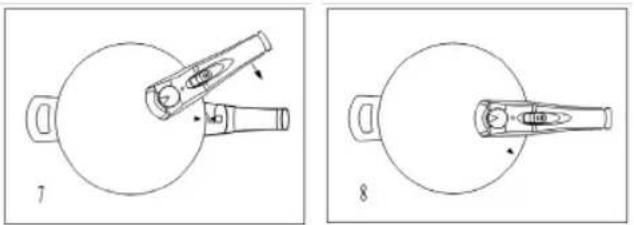
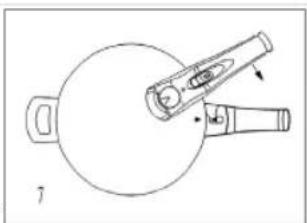
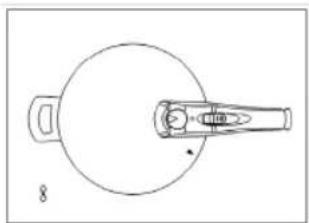
until the lid handle moves over the pot handle, which means the lid is completely closed. (Figure 7 and Figure 8)
- Do not place the pressure cooker on the stove when it is empty. Do not use it for frying.
- Do not use the pressure cooker for purposes other than those intended.
- The pressure cooker should be heated over a stable flame.
- Be very careful when moving a pressure cooker that is under pressure or full of hot liquid.
- Do not let the decompression window and pressure control valve point towards any person.
- The pressure cooker can only be opened when there is no pressure inside. Do not force it open.
- Always check before use that the exhaust pipe and the anti-clogging filter are not clogged. • This appliance cooks under pressure. Improper use may result in burns. Before use, always make sure it is properly closed. Please follow the "Instructions for Use".
- Do not fill the appliance more than 2/3 full. When cooking food that expands during cooking, such as rice or dried vegetables, do not fill the appliance more than 1/2 full. Overfilling may cause a risk of clogging the ventilation pipe and developing excessive pressure. See "Food Preparation Instructions."
- Be aware that certain foods, such as applesauce, cranberries, barley, oatmeal or other cereals, peas, pasta, macaroni, rhubarb, or spaghetti may foam, hiss, and spatter, and clog the pressure release device (steam valve). Such food should not be cooked in the pressure cooker.
- Always check that the pressure release devices are not clogged before use.
- Do not open the pressure cooker until the device has cooled down and all internal pressure has been released. If the handles are difficult to separate, this indicates that the cooker is still under pressure - do not force it open. Any pressure in the cooker can be dangerous.
- When the device reaches normal pressure, reduce the heat so that all the liquid that creates steam does not evaporate.
3. DESCRIPTION OF PARTS
- Lid handle
- Regulator
- Two-level pressure control valve
- Lid
- Decompression window
- Gasket
- Side handle of the pot
- Pot
- Sandwich base
- Main handle of the pot
- Lid lock & Safety plug
- Inner slider
- Outer slider
4. TECHNICAL PARAMETERS OF THE PRODUCT
- The product is made of high-quality 18/10 stainless steel. The triple sandwich base makes it more durable, allows for even heating, and saves energy and time. It is suitable for induction plates, electric surfaces, and other gas stoves.
- The gasket is made of silicone rubber and has good airtightness. It is non-toxic and tasteless, safe and durable. It facilitates opening and closing the pressure cooker lid.
5. SAFETY DEVICES
- Two-level pressure control valve: First, you can choose 60kpa or 90kpa to regulate pressure using the regulator. Second, pressure can be released to "0" before opening to ensure safety. Third, the pressure control valve can be easily removed and cleaned.
- Lid lock & Safety plug: If the lid is not completely closed, the internal pressure of the pressure cooker will not rise to 5 Kpa. If pressure rises above 5 Kpa, then the lid and pot will be locked together. If pressure exceeds the working pressure of the safety plug, it will automatically open to release pressure.
- Decompression window: If pressure exceeds the exhaust pressure of the gasket, the gasket will be pushed and pressure will drop quickly.
- Lid opening regulator: It moves together with the lid lock & safety plug, effectively avoiding accidents. When the lid is not completely closed, the regulator and inner slider prevent the safety plug from rising. Conversely, if there is pressure in the pot, the safety plug will not fall. Stop the regulator and outer slider from moving so the lid cannot be opened.
6. OPERATING METHOD
- On first use, clean the pressure cooker with liquid detergent, wash thoroughly, and dry. Check that the hole of the exhaust pipe is clean. If clogged, clear it with a 2 mm diameter needle (Figure 2).
- If the lid lock does not move freely, you can clean it and set it around it. (Figure 3)
- Regardless of which pressure cooker you use, the total food capacity should not exceed 3/4 of the pot (Figure 4), while cooking rice it should not be filled more than 2/3 (Figure 5), and food that needs to expand, such as porridge, should not be filled more than 1/2. (Figure 6)
- When closing the lid, align the triangular mark of the lid with the mark on the pot handle, hold the pot handle with your left hand and move the lid handle straight clockwise with your right hand
- Let it cool naturally to normal temperature.
- Cool it forcibly with cold water (Figure 11). Remove the control valve before opening the lid, making sure the discharge pipe does not release steam. Meanwhile, the safety plug drops, move the lid handle regulator to the front end, turn the lid handle counterclockwise until it aligns with the two triangles (Figure 12), then the lid can be opened.
7. MAINTENANCE AND CLEANING:
7. MAINTENANCE AND CLEANING:
DECLARATION OF CONFORMITY
DECLARATION OF CONFORMITY
This device complies with the pressure equipment directive 2014/68/EC, Directive 2015/863/EU on the restriction of the use of certain hazardous substances in electrical and electronic equipment.

This symbol on the product or on the packaging indicates that this product cannot be disposed of as normal rubbish or household waste. All electrical, electronic equipment, and battery-operated units must be recycled in a proper manner and according to the local municipal laws. You can recycle them by taking them to government authorized disposal centers or specialized bins which you can find in any nearby big supermarkets, electronics or electro domestics products stores or malls who have these types of facilities available.
Designed by: SOGO based on European quality standards Imported by: Sanysan Appliances S.L, NIF: B98753056, C/ Barcas 2, 2, 46002 Valencia, Spain Product manufactured in CHINA. After-sales service: www.sogosat.com sogosat@sogosat.com / 0034 902 222 161
- MAINTENANCE AND CLEANING
- SAFETY INSTRUCTIONS FOR THE USER
- GENERAL PRECAUTIONS
- GENERAL PRECAUTIONS DURING THE USE OF ELECTRICAL EQUIPMENT
- RESTRICTIONS ON USE TO AVOID PERSONAL INJURY
- RESTRICTIONS FOR USE WITH CHILDREN AND THE ELDERLY
- INSTRUCTIONS TO BE FOLLOWED WHEN USING THE DEVICE
- PARTS DESCRIPTION
- PRODUCT'S TECHNICAL PARAMETERS
- SAFETY DEVICES
- MODE OF OPERATION
- PROBLEMS AND SOLUTIONS
- COOKING TIME REFERENCE FOR SAFE USE
- PRECAUTIONS
- REPLACEMENT PARTS
- DESCRIPTION OF PARTS
- TECHNICAL PARAMETERS OF THE PRODUCT
- OPERATING METHOD
- DECLARATION OF CONFORMITY
Brand : Sogo
Model : SS-25100
Category : Saucepan