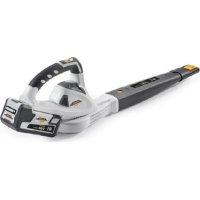
BL 548 Li - Blower ALPINA - Free user manual and instructions
Find the device manual for free BL 548 Li ALPINA in PDF.


| Brand | Alpina |
| Model | BL 548 Li |
| Product type | Cordless blower |
| Motor | 48 V DC |
| Max air speed | 270 km/h |
| Weight (without battery) | 1.45 kg |
| Sound pressure level (LPA) | 86 dB(A) (uncertainty K=3 dB(A)) |
| Guaranteed sound power level (LWA) | 96.9 dB(A) (uncertainty K=3 dB(A)) |
| Vibration level (ah) | 2.6 m/s² (uncertainty K=1.5 m/s²) |
| Power supply | Lithium-ion battery (not included) |
| Battery type | 48 V battery pack (compatible with the range) |
| High speed nozzle | Included for heavy debris |
| Blower tube | Tool-free assembly |
| Variable speed trigger | Yes, progressive speed adjustment |
| On/Off switch | Yes |
| Handle | Ergonomic |
| Intended use | Cleaning hard surfaces, clearing leaves and light debris |
| Safety distance | Keep people and animals at least 15 m away |
| User protection | Wear glasses, shoes, long trousers, dust mask recommended |
| Maintenance | Clean with a dry cloth, no solvents; store in a dry place |
| Spare parts | Use only original parts |
| Warranty | Void if non-original parts are used |
Frequently Asked Questions - BL 548 Li ALPINA
User questions about BL 548 Li ALPINA
0 question about this device. Answer the ones you know or ask your own.
Ask a new question about this device
Download the instructions for your Blower in PDF format for free! Find your manual BL 548 Li - ALPINA and take your electronic device back in hand. On this page are published all the documents necessary for the use of your device. BL 548 Li by ALPINA.
USER MANUAL BL 548 Li ALPINA
ENGLISH - Translation of the original instructions ...... EN
Fig. 1
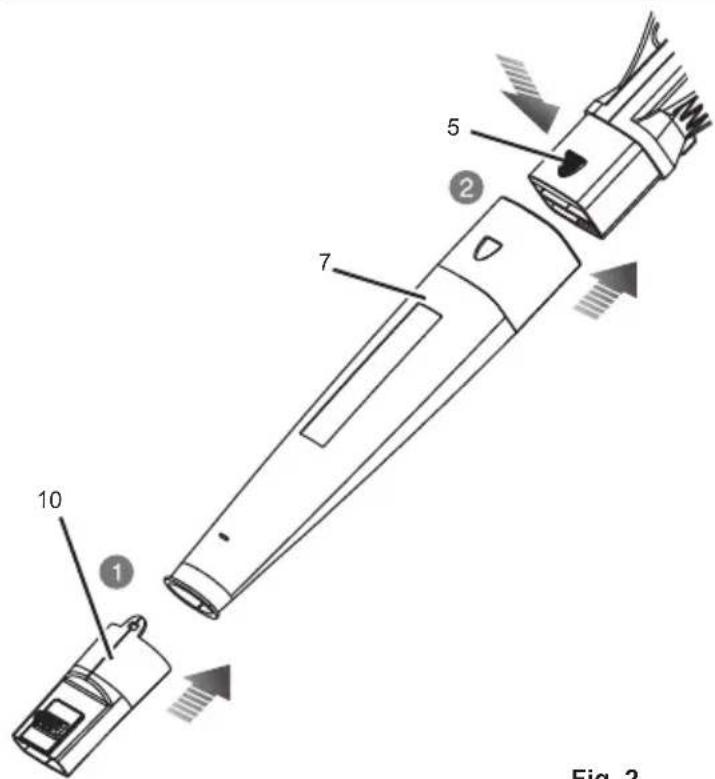
Fig. 2
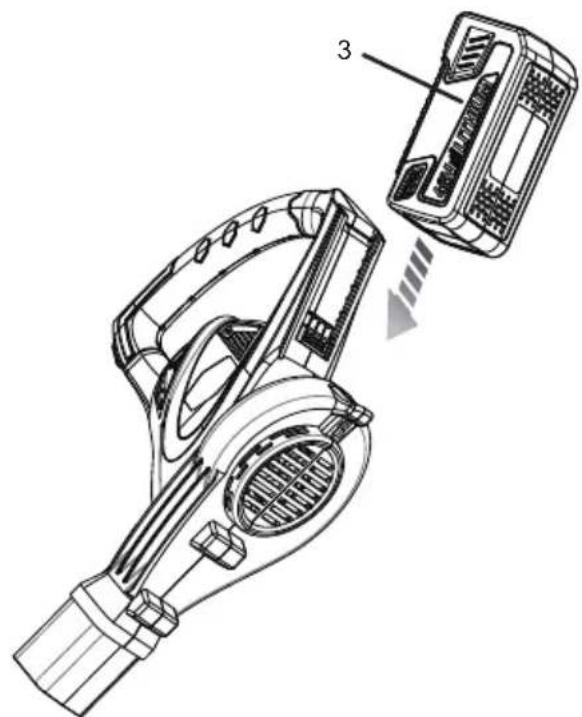
Fig. 3
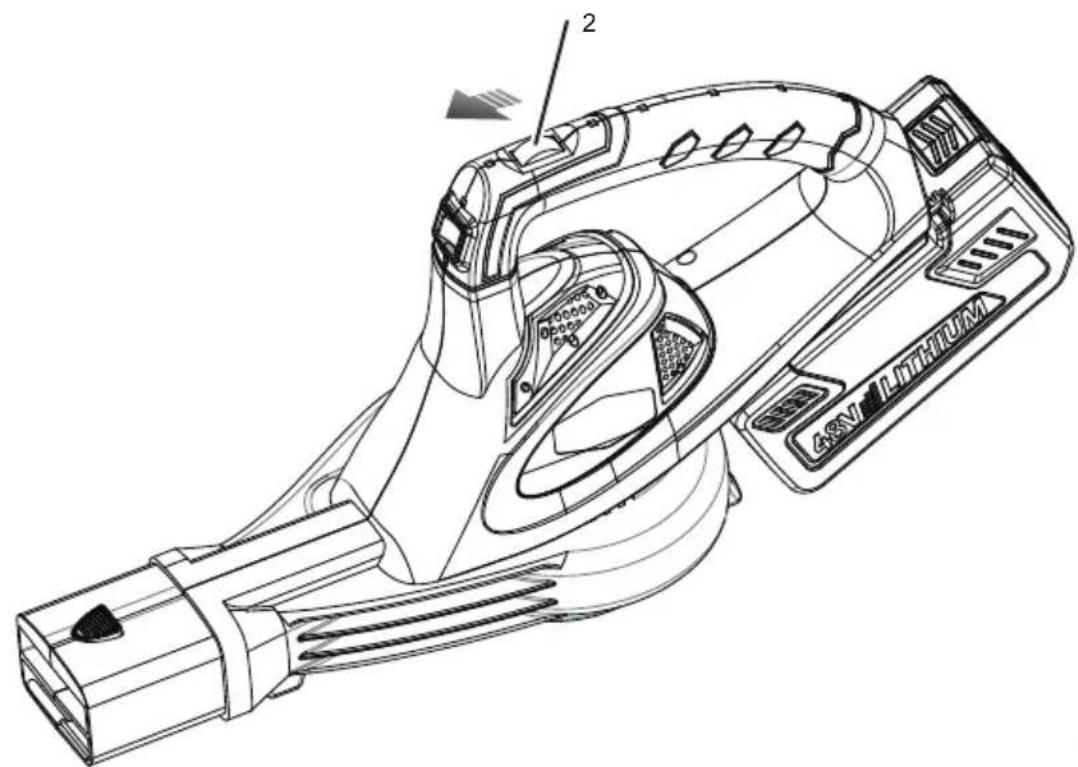
Fig. 4
natural_image
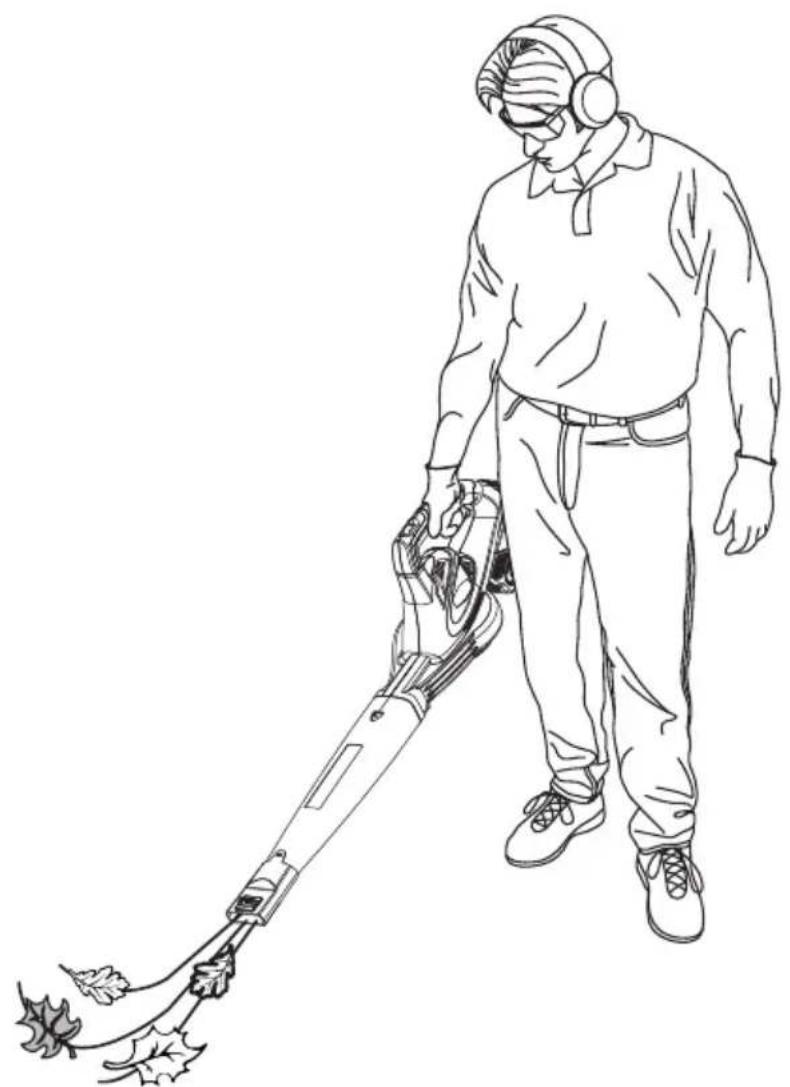
Line drawing of a person using a handheld vacuum cleaner to clean leafy material (no text or symbols)Fig. 5
INDICE
- NORME DI SICUREZZA GENERALE......1
- SIMBOLOGIA....3
- SPECIFICHE....3
- DESCRIZIONE......4
- MONTAGGIO....4
- MAINTENANCE....5
- SMALTIMENTO....5
1. NORME DI SICUREZZA GENERALE
- General safety warnings....1
- Symbols....3
- Specifications....3
- Description......4
- Assembly 4
- Maintenance ....5
- Dispoal....5
1. GENERAL SAFETY WARNINGS
Your machine has been engineered and manufactured to high standard for dependability, ease of operation, and operator safety. When properly cared for, it will give you years of trouble-free performance.
Thank you for buying a product.
GENERAL SAFETY WARNINGS
WARNING
When using battery operated tools basic safety precautions should always be followed to reduce the risk of fire, leaking batteries and personal injury, including the following.
■ Do not touch the fan when operating this unit.
- Keep the handles dry and clean.
TRAINING
- Read the instructions carefully be familiar with the controls and the proper use of the appliance.
■ Never allow children to use the appliance.
■ Never allow people unfamiliar with these instructions for use the appliance local regulations may restrict the age of the operator
■ Never operate the appliance while people especially children, or pets are nearby.
■ The operator or user is responsible for accidents or hazards occurring to other people or their properly.
PREPARATION
■ While operating the appliance, always wear substantial footwear and long trousers.
■ Do not wear loose clothing or jewellery that can be drawn into the air inlet. Keep long hair away from the air inlets.
■ Wear protective goggles while operating.
■ Wearing a face mask is recommended to prevent dust irritation.
OPERATION
■ Operate the appliance only in daylight or in good artificial light.
■ Do not overreach and keep your balance at all times. Always be sure of your footing on steps.
■ Walk, never run.
- Keep all cooling air inlets clear of debris.
■ Never blow debris in the direction of bystanders
MAINTENANCE AND STORAGE
- Keep all nuts, bolts and screws tight to be sure the appliance is in safe working condition.
■ Replace worn or damaged parts.
■ Use only genuine replacement parts and accessories.
■ Store the appliance only in a dry place.
WARNING
Use only the manufacturer's replacement parts. Failure to do so may cause poor performance, possible injury and may void your warranty.
The term "power tool" in the warnings refers to your-mains-operated (corded) power tool or battery-operated(cordless) power tool.
User types: This machine is intended for use by consumers, i.e. non-professional operators. The Machine is intended for “DIY” use only.
WORK AREA SAFETY
- Keep work area clean and well lit. Cluttered or darkareas invite accidents.
- Do not operate power tools in explosiveatmospheres, such as in the presence of flammableliquids, gases or dust. Power tools create sparkswhich may ignite the dust or fumes.
- Keep children and bystanders away while operating apower tool. Distractions can cause you to losecontrol.
ELECTRICAL SAFETY
■ Avoid body contact with earthed or grounded surfaces, such as pipes, radiators, ranges and refrigerators. There is an increased risk of electric shock if your body is earthed or grounded.
■ Do not expose power tools to rain or wet conditions. Water entering a power tool will increase the risk of electric shock.
PERSONAL SAFETY
■ Stay alert, watch what you are doing and use common sense when operating a power tool. Do not use a power tool while you are tired or under the influence of drugs, alcohol or medication. A moment of inattention while operating power tools may result in serious personal injury.
■ Use personal protective equipment. Always wear eyeprotection. Protective equipment such as dust mask, non-skid safety shoes, hard hat, or hearing protection used for appropriate conditions will reduce personal injuries.
■ Prevent unintentional starting. Ensure the switch is inthe off-position before connecting to power source and/or battery pack, picking up or carrying the tool. Carrying power tools with your finger on the switch orenergising power tools that have the switch on invites accidents.
■ Remove any adjusting key or wrench before turning the power tool on. A wrench or a key left attached to a rotating part of the power tool may result in personal injury.
- Do not overreach. Keep proper footing and balance at all times. This enables better control of the powertool in unexpected situations.
■ Dress properly. Do not wear loose clothing or jewellery. Keep your hair, clothing and gloves away from moving parts. Loose clothes, jewellery or longhair can be caught in moving parts. Your machine has been engineered and manufactured to high standard for dependability, ease of operation, and operator safety. When properly cared for, it will give you years of trouble-free performance. Thank you for buying a product.
POWER TOOL USE AND CARE
■ Do not force the power tool. Use the correct powertool for your application. The correct power tool will do the job better and safer at the rate for which it was designed.
- Do not use the power tool if the switch does not turn iton and off. Any power tool that cannot be controlled with the switch is dangerous and must be repaired.
■ Store idle power tools out of the reach of children and do not allow persons unfamiliar with the power tool or these instructions to operate the power tool. Powertools are dangerous in the hands of untrained users.
- Maintain power tools. Check for misalignment orbinding of moving parts, breakage of parts and anyother condition that may affect the power tool's operation. If damaged, have the power tool repaired before use. Many accidents are caused by poorly maintained power tools.
- Keep cutting tools sharp and clean. Properly maintained cutting tools with sharp cutting edges are less likely to bind and are easier to control.
■ Use the power tool, accessories and tool bits etc. in accordance with these instructions, taking into account the working conditions and the work to be performed. Use of the power tool for operations different from those intended could result in ahazardous situation.
BATTERY TOOL USE AND CARE
■ Recharge only with the charger specified by themanufacturer. A charger that is suitable for one typeof battery pack may create a risk of fire when usedwith another battery pack.
■ Use power tools only with specifically designated battery packs. Use of any other battery packs may create a risk of injury and fire.
■ When battery pack is not in use, keep it away from other metal objects, like paper clips, coins, keys, nails, screws or other small metal objects, that can make a connection from one terminal to another. Shorting the battery terminals together may cause burns or a fire.
■ Under abusive conditions, liquid may be ejected from the battery; avoid contact. If contact accidentally occurs, flush with water. If liquid contacts eyes, additionally seek medical help. Liquid ejected from the battery may cause irritation or burns.
SERVICE
■ Have your power tool serviced by a qualified repairperson using only identical replacement parts. This will ensure that the safety of the power tool is maintained.
SAVE THESE INSTRUCTIONS. REFER TO THEMFREQUENTLY AND USE THEM TO INSTRUCT OTHERSWHO MAY USE THIS UNIT. IF YOU LOAN SOMEONETHIS UNIT, LOAN THEM THESE INSTRUCTIONS ALSO.
2. SYMBOLS
Some of the following symbols may be used on this tool. Please study them and understand their meaning. Proper interpretation of these symbols will allow you to operate the tool better and safer.
| SYMBOL NAME DESIGNATION/EXPLANATION | ||
 | Safety Alert Cautions that involve your safety. | |
 | Read The Operator's Manual | Read the operation manual and follow all warnings and safety |
 | Eyes and Ears Protection Wear eye protection and ear protection. | |
 | Ricochet alert | Thrown objects can ricochet and result in personal injury or property damage. Wear protective clothing and boots. |
 | Keep bystanders away | Keep all bystanders, especially children and pets, at least 15m from the operating area. |
 | Do not touch the fan. Do not touch the fan when operating this unit. | |
 | Wet conditions alert Do not expose to rain or damp conditio | |
| The following signal words and meanings are intended to explain the levels of risk associated with this product. | ||
| SYMBOL SIGNAL MEANING | ||
 | DANGER: | Indicates an imminently hazardous situation, which, if not avoided, will result in death or serious |
 | WARNING: | Indicates a potentially hazardous situation, which, if not avoided, could result in death or serious injury. |
 | CAUTION: | Indicates a potentially hazardous situation, which, if not avoided, may result in minor or moderate injury. |
| CAUTION: | (Without Safety Alert Symbol) Indicates a situation that may result in property damage. | |
3. SPECIFICATIONS
| Product Specifications | |
| Motor 48 Volt DC | |
| Air Velocity 270 km/h (Max) | |
| Weight (Battery Pack not included) 1.45kg | |
| Sound pressure level– Measurement uncertainty | LPA: 86 dB(A), K: 3 dB(A) |
| Sound power level–Measurement uncertainty | LWA: 96.9 dB(A), K: 3 dB(A) |
| Vibration level– Measurement uncertainty | Ah= 2.6 m/s 2 , K= 1.5 m/s 2 |
The example of the Declaration of Conformity is provided on the penultimate page of the manual.
4. DESCRIPTION
- Handle 12. Acoustic power level
- Variable speed trigger according to directive
- Battery pack (not 2000/14/EC)
included) 13. Conformity marking - Battery latch button according to directive
- Tube latch 2006/42/EC
- Blower housing outlet 14. Year of manufacture
- Blower tube 15. Type of machine
- Nozzle tab 16. Serial number
- Blower tube outlet 17. Name and address
- High speed nozzle of Manufacturer
- ON/OFF switch 18. Article code
KNOW YOUR BLOWER
See Figure 1.
The safe use of this product requires an understanding of the information on the blower and in this operator's manual as well as a knowledge of the project you are attempting. Before use of this product, familiarize yourself with all operating features and safety rules.
BLOWER TUBE
See Figure 1.
The blower tube can be installed on the blower without using any tools.
5. ASSEMBLY
WARNING
To prevent accidental starting that could cause serious personal injury, always remove the battery pack from the blower when assembling parts.
ASSEMBLING THE BLOWER TUBE
See Figure 2.
■ With the logo area facing up, slide the blower tube over the outlet on the blower housing while pressing down on the tube latch.
■ Slide blower tube over housing outlet until the tube latch locks into place through the opening in the blower tube.
For clearing wet leaves or heavier debris, install the high speed nozzle by connecting it to the blower tube outlet. Make sure the nozzle snaps over the nozzle tab to secure it in place.
OPERATION
WARNING
Do not allow familiarity with tools to make you careless. Remember that a careless fraction of a second is sufficient to inflict serious injury.
INTENDED USE
You may use this tool for the purposes listed below:
■ Clearing hard surfaces such as driveways and walkways.
- Keeping driveways, garages, and decks free from leaves, pine needles, and other small debris.
WARNING
Not intended for use other than what is listed above.
For complete charging instructions, refer to the Operator's Manuals for your battery pack and charger models.
NOTE: To avoid serious personal injury, always remove the battery pack and keep hands clear of the variable speed trigger when carrying or transporting the tool.
TO INSTALL BATTERY PACK
See Figure 3.
Place the battery pack in the blower. Align raised rib on battery pack with grooves in the blower's battery port.
■ Make sure the latch on bottom of the battery pack snaps in place and that battery pack is secured in the blower before beginning operation.
CAUTION
When placing battery pack in the blower, be sure the raised ribs on the battery pack align with the grooves in the top of the blower. Make sure the battery is fully seated, and it latches into place properly. Improper installation of the battery pack can cause damage to internal components.
TO REMOVE BATTERY PACK
See Figure 3.
■ Release the variable speed trigger (item 2) to stop the blower.
■ Press and hold the button at the bottom of the battery pack.
■ Remove battery pack from the blower.
STARTING/STOPPING THE BLOWER
See Figures 4.
■ To start the blower, press and hold the variable speed trigger (item 2). The harder it is pressed, the stronger the air velocity.
■ To stop the blower, just release the variable speed trigger.
WARNING
Battery tools are always in operating condition. Therefore, switch should always be in the OFF position when not in use or carrying at your side.
■ To keep from scattering debris, blow around the outer edges of a debris pile. Never blow directly into the center of a pile.
■ To reduce sound levels, limit the number of pieces of equipment used at any one time.
■ Use rakes and brooms to loosen debris before blowing. In dusty conditions, slightly dampen surfaces when water is available.
■ Conserve water by using power blowers instead of hoses for many lawn and garden applications, including areas such as gutters, screens, patios, grills, porches, and gardens.
■ Watch out for children, pets, open windows, or freshly washed cars, and blow debris safely away.
■ After using blowers or other equipment, CLEAN UP! Dispose of debris properly.
6. MAINTENANCE
WARNING
When servicing use only identical replacement parts. Use of any other parts may create a hazard or cause product damage.
Avoid using solvents when cleaning plastic parts. Most plastics are susceptible to damage from various types of commercial solvents and may be damaged by their use. Use clean cloths to remove dirt, dust, oil, grease, etc.
WARNING
Do not at any time let brake fluids, gasoline, petroleumbased products, penetrating oils, etc. come in contactwith plastic parts. They contain chemicals that candamage, weaken or destroy plastic.
WARNING
Do not attempt to modify this tool or create accessories not recommended for use with this tool. Any such alteration or modification is misuse and could result in a hazardous condition leading to possible serious personal injury.
WARNING
To avoid serious personal injury, always remove the battery pack from the tool when cleaning or performing any maintenance.
STORING THE BLOWER
Clean the blower thoroughly before storing. Store theblower in a dry, well-ventilated place that is inaccessible to children. Keep away from corrosive agents such as garden chemicals and de-icing salts.
■ Store and charge your batteries in a cool area. Temperatures above or below normal room temperature will shorten battery pack life.
■ Never store batteries in a discharged condition. Waitfor battery pack to cool and fully charge immediately.
■ All batteries gradually lose their charge. The higherthe temperature, the quicker they lose their charge. If you store your unit for long periods of time without using it, recharge the batteries every month or two. This practice will prolong battery pack life.
ENVIRONMENTAL PROTECTION
■ Environmental protection should be a priority of considerable importance when using the machine, for the benefit of both social coexistence and the environment in which we live. Try not to cause any disturbance to the surrounding area.
■ Scrupulously comply with local regulations for the disposal of packaging, deteriorated parts or any elements with a strong environmental impact; this waste must not be disposed of as normal waste, it must be separated and taken to specified waste disposal centres where the material will be recycled.
■ Scrupulously comply with local regulations for the disposal of waste materials after mowing.
■ At the time of decommissioning, do not pollute the environment with the machine, but hand it over to a disposal centre, in accordance with the local laws in force.
7. DISPOSAL
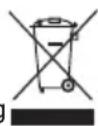
Waste electrical products should not be disposed of together with household waste. Please recycle where facilities exist. Check with your local authority or retailer for recycling advice.
ÍNDICE
- INSTRUCCIONES DE SEGURIDAD.....1
- SÍMBOLOS....3
- CARACTERÍSTICAS DEL PRODUCTO....3
- CARACTERÍSTICAS....4
- MONTAJE....4
- MANTENIMIENTO....5
- ELIMINACIÓN......6
ETTEVALMISTUSTOIMINGUD
- TURVALLISUUSMÄÄRÄYKSET......1
- SYMBOLIT....3
- TUOTTEEN TEKNISET TIEDOT....3
- TEKNISET TIEDOT....4
- KOKOONPANO....4
- HUOLTO....5
- HÄVITYS....5
1. TURVALLISUUSMÄÄRÄYKSET
3. TUOTTEEN TEKNISET TIEDOT
| TUOTTEENTEKNISETTIEDOT | |
| Moottori 48 Volt DC | |
| Ilman virtausnopeus 270 km/h(Max) | |
| Vekt (akku eimukana) 1.45 kg | |
| Akustisen paineen– Epätarkka mittaus | LPA: 86 dB(A), K: 3 dB(A) |
| Akustisen tehon taattu taso– Epätarkka mittaus | LWA: 96.9 dB(A), K: 3 dB(A) |
| Tärinätaso– Epätarkka mittaus | Ah= 2.6 m/s2 , K= 1.5 m/s2 |
BLAASBUIS MONTEREN (AFB. 2)
- SIKKERHETSFORSKRIFTER....1
- SYMBOLER....3
- PRODUKTEGENSKAPER....3
- KARAKTERISTIKKER....4
- MONTERING....4
- VEDLIKEHOLD....5
- DISPONERING....5
1. SIKKERHETSFORSKRIFTER
VEDLIKEHOLD OG LAGRING
BRUK OG VEDLIKEHOLD AV ELEKTROVERK-T∅Y
BLI KJENT MED BLÅSEREN (FIG. 1)
NAVODILA ZA VARNO UPORABO
OPOZORILO
INNEHÅLLSFÖRTECKNING
- SÄKERHETSFÖRESKRIFTER....1
- SYMBOLER....3
- PRODUKTDATA....3
- TEKNISKA DATA....4
- MONTERING....4
- UNDERHÅLL....5
- BORTSKAFFNING....5
1. SÄKERHETSFÖRESKRIFTER
UNDERHÅLL OCH FÖRV ARING
D. Lgs. 262/2002, ANNEX VI, proc. 1 (Italy)
- INDICE
- NORME DI SICUREZZA GENERALE
- GENERAL SAFETY WARNINGS
- GENERAL SAFETY WARNINGS
- WARNING
- TRAINING
- PREPARATION
- OPERATION
- MAINTENANCE AND STORAGE
- WORK AREA SAFETY
- ELECTRICAL SAFETY
- PERSONAL SAFETY
- POWER TOOL USE AND CARE
- BATTERY TOOL USE AND CARE
- SERVICE
- SYMBOLS
- SPECIFICATIONS
- DESCRIPTION
- KNOW YOUR BLOWER
- BLOWER TUBE
- ASSEMBLY
- ASSEMBLING THE BLOWER TUBE
- See Figure 2.
- INTENDED USE
- TO INSTALL BATTERY PACK
- CAUTION
- TO REMOVE BATTERY PACK
- See Figure 3.
- STARTING/STOPPING THE BLOWER
- See Figures 4.
- MAINTENANCE
- STORING THE BLOWER
- ENVIRONMENTAL PROTECTION
- DISPOSAL
- ÍNDICE
- ETTEVALMISTUSTOIMINGUD
- TURVALLISUUSMÄÄRÄYKSET
- TUOTTEEN TEKNISET TIEDOT
- BLAASBUIS MONTEREN (AFB. 2)
- SIKKERHETSFORSKRIFTER
- VEDLIKEHOLD OG LAGRING
- BRUK OG VEDLIKEHOLD AV ELEKTROVERK-T∅Y
- BLI KJENT MED BLÅSEREN (FIG. 1)
- NAVODILA ZA VARNO UPORABO
- OPOZORILO
- INNEHÅLLSFÖRTECKNING
- SÄKERHETSFÖRESKRIFTER
- UNDERHÅLL OCH FÖRV ARING
Brand : ALPINA
Model : BL 548 Li
Category : Blower