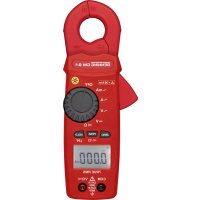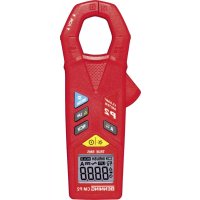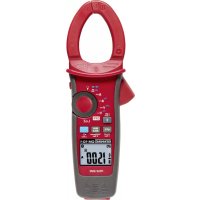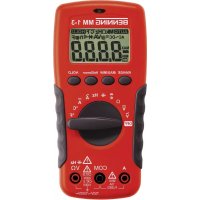
MM 13 - Multimeter BENNING - Free user manual and instructions
Find the device manual for free MM 13 BENNING in PDF.



| Product Type | Digital Multimeter |
| Brand | BENNING |
| Model | MM 13 |
| Dimensions (L x W x H) | 156 x 74 x 44 mm |
| Weight | 320 g (with suspension device and batteries) |
| Power Supply | 2 x 1.5 V batteries type R3 (IEC LR06) |
| Battery Life | approx. 250 hours (alkaline batteries) |
| Display | LCD 3½ digits, 16 mm height, max. 2000 count |
| Overvoltage Category | CAT III 600 V, CAT II 1000 V |
| Pollution Degree | 2 |
| Protection Type | IP30 |
| Measurement Functions | DC/AC voltage, DC/AC current (up to 10 A), resistance, diode test, continuity test, capacitance, frequency, temperature (°C/°F) |
| DC Voltage Ranges | 200 mV to 1000 V (accuracy ±0.5% + 2 digits) |
| AC Voltage Ranges | 200 mV to 750 V (accuracy ±1.5% + 5 digits, 50-500 Hz) |
| DC Current Ranges | 2 A / 10 A (accuracy ±1.0% + 3 digits) |
| AC Current Ranges | 2 A / 10 A (accuracy ±1.5% + 5 digits, 50-500 Hz) |
| Resistance Ranges | 200 Ω to 20 MΩ (accuracy ±0.7% to ±1.5% + 3 digits) |
| Continuity Test | Audible signal for resistance < 25 Ω |
| Capacitance Ranges | 2 nF to 2 mF (accuracy ±1.9% + 8 digits) |
| Frequency Ranges | 2 kHz to 20 MHz (accuracy ±0.01% + 1 digit) |
| Temperature Ranges | -20 °C to 800 °C / -4 °F to 1472 °F (accuracy ±1% to ±3%) |
| Non-Contact Voltage Indicator | VoltSensor, threshold ≥ 230 V AC |
| Auto Power Off | After approx. 10 minutes (deactivatable) |
| Protective Fuse | 10 A / 600 V, fast-acting, 50 kA |
| Maintenance and Cleaning | Clean with dry cloth; no solvents or abrasives |
| Spare Parts and Repairability | Spare fuse ref. 748263; type R3 batteries; calibration recommended annually |
Frequently Asked Questions - MM 13 BENNING
User questions about MM 13 BENNING
0 question about this device. Answer the ones you know or ask your own.
Ask a new question about this device
Download the instructions for your Multimeter in PDF format for free! Find your manual MM 13 - BENNING and take your electronic device back in hand. On this page are published all the documents necessary for the use of your device. MM 13 by BENNING.
USER MANUAL MM 13 BENNING
D GB F E CZ DK GR H I NL PL RIS TR
2019/04/M 13
Fig. 11: I'm too able to carry.
Fig. 12: Transferrant means of work.
Fig. 13: I have a wide range of work.
Fig. 14: I had a wide range of work.
Fig. 15: I were not able to carry.
Fig. 16: I were not able to carry.
Fig. 17: I was not able to carry.
Fig. 18: I was not able to carry.
Fig. 19: I was not able to carry.
Fig. 20: I was not able to carry.
Fig. 21: I was not able to carry.
Fig. 22: I was not able to carry.
Fig. 23: I was not able to carry.
Fig. 24: I was not able to carry.
Fig. 25: I was not able to carry.
Fig. 26: I was not able to carry.
Fig. 27: I was not able to carry.
Fig. 28: I was not able to carry.
Fig. 29: I was not able to carry.
Fig. 30: I was not able to carry.
Fig. 31: I was not able to carry.
Fig. 32: I was not able to carry.
Fig. 33: I was not able to carry.
Fig. 34: I was not able to carry.
Fig. 35: I was not able to carry.
Fig. 36: I was not able to carry.
Fig. 37: I was not able to carry.
Fig. 38: I was not able to carry.
Fig. 39: I was not able to carry.
Fig. 40: I was not able to carry.
Fig. 41: I was not able to carry.
Fig. 42: I was not able to carry.
Fig. 43: I was not able to carry.
Fig. 44: I was not able to carry.
Fig. 45: I was not able to carry.
Fig. 46: I was not able to carry.
Fig. 47: I was not able to carry.
Fig. 48: I was not able to carry.
Fig. 49: I was not able to carry.
Fig. 50: I was not able to carry.
Fig. 51: I was not able to carry.
Fig. 52: I was not able to carry.
Fig. 53: I was not able to carry.
Fig. 54: I was not able to carry.
Fig. 55: I was not able to carry.
Fig. 56: I was not able to carry.
Fig. 57: I was not able to carry.
Fig. 58: I was not able to carry.
Fig. 59: I was not able to carry.
Fig. 60: I was not able to carry.
Fig. 61: I was not able to carry.
Fig. 62: I was not able to carry.
Fig. 63: I was not able to carry.
Fig. 64: I was not able to carry.
Fig. 65: I was not able to carry.
Fig. 66: I was not able to carry.
Fig. 67: I was not able to carry.
Fig. 68: I was not able to carry.
Fig. 69: I was not able to carry.
Fig. 70: I was not able to carry.
Fig. 71: I was not able to carry.
Fig. 72: I was not able to carry.
Fig. 73: I was not able to carry.
Fig. 74: I was not able to carry.
Fig. 75: I was not able to carry.
Fig. 76: I was not able to carry.
Fig. 77: I was not able to carry.
Fig. 78: I was not able to carry.
Fig. 79: I was not able to carry.
Fig. 80: I was not able to carry.
Fig. 81: I was not able to carry.
Fig. 82: I was not able to carry.
Fig. 83: I was not able to carry.
Fig. 84: I was not able to carry.
Fig. 85: I was not able to carry.
Fig. 86: I was not able to carry.
Fig. 87: I was not able to carry.
Fig. 88: I was not able to carry.
Fig. 89: I was not able to carry.
Fig. 90: I was not able to carry.
Fig. 91: I was not able to carry.
Fig. 92: I was not able to carry.
Fig. 93: I was not able to carry.
Fig. 94: I was not able to carry.
Fig. 95: I was not able to carry.
Fig. 96: I was not able to carry.
Fig. 97: I was not able to carry.
Fig. 98: I was not able to carry.
Fig. 99: I was not able to carry.
Fig. 100: I was not able to carry
Fig. 2: Spontopodon, aerom, cemare
Fig. 12: Vang, adorum, cemare
Fig. 12: Adorum, de serio, cemare
Fig. 13: Inocordia, de serio, cemare
Fig. 14: Indicronaphid, cemare
Fig. 15: Spontopodon, aerom, cemare
Fig. 16: Dibby, kong, pugnol
Fig. 17: Urtus, cemare
Fig. 18: Urtus, cemare
Fig. 19: Spontopodon, aerom, cemare
Fig. 20: Urtus, cemare
Fig. 21: Spontopodon, aerom, cemare
Banning Elektrotechnik & Elektronik GmbH & Co. KG
Münsterstraße 135 - 137
D. 40987 Rockhall
Telefon ←49 (0) 2871 - 93 - 0 • Fax ←49 (0) 2871 - 93 - 429
www.benning.de • eMail: duspol@benning.de
BENNING MM 1-1/1-2/1-3
BENNING
Bedienungsanleitung
Operating manual
Notice d'emploi
Instrucciones de servicio
Návod k obsluze
Betjeningsvejledning
Οδηγίες χρήσεως
Kezelési utasítás
Istruzioni d'uso
Gebruiksaanwijzing
Instrukcja obsługi
Инструкция по эксплуатации
индикатора напряжения
Kullanma Talimati
text_image
BENNING MM 1-3 AC=50Hz/MA=10HzF MAX=0.000000 COM VΩ A COM VΩ A COM VΩ A COM VΩ A COM VΩ A COM VΩ A COM VΩ A COM VΩ A COM VΩ A COM VΩ A COM VΩ A COM VΩ A COM VΩ A COM VΩ A COM VΩ A C C C C C C C C C C C C C C C C C C C C C C C C C C C C C C C C C C C C C C C C C C C C C C C C C C A A ADVE GS
D GB F E CZ DK GR H I NL PL HHB TR
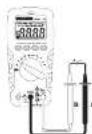
Fig.2: Gluoroprenning
Fig.2: Ductrology measurement
Fig.2: Deutment and control
Fig.2: Wound, 30 cm³/min, 100
Fig.2: Varynx, 30 cm³/min, 100
Fig.2: Varynx, 30 cm³/min, 100
Fig.2: Varynx, 30 cm³/min, 100
Fig.2: Varynx, 30 cm³/min, 100
Fig.2: Varynx, 30 cm³/min, 100
Fig.2: Varyn, 30 cm³/min, 100
Fig.2: Varyn, 30 cm³/min, 100
Fig.2: Varyn, 30 cm³/min, 100
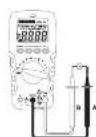
Fig. 2: The case was an unknown.
Fig. 3: Alterating the case was an unknown.
Fig. 4: The case was a false answer.
Fig. 5: The case was a false answer.
Fig. 6: The case was a false answer.
Fig. 7: The case was a false answer.
Fig. 8: The case was a false answer.
Fig. 9: The case was a false answer.
Fig. 10: The case was a false answer.
Fig. 11: The case was a false answer.
Fig. 12: The case was a false answer.
Fig. 13: The case was a false answer.
Fig. 14: The case was a false answer.
Fig. 15: The case was a false answer.
Fig. 16: The case was a false answer.
Fig. 17: The case was a false answer.
Fig. 18: The case was a false answer.
Fig. 19: The case was a false answer.
Fig. 20: The case was a false answer.
Fig. 21: The case was a false answer.
Fig. 22: The case was a false answer.
Fig. 23: The case was a false answer.
Fig. 24: The case was a false answer.
Fig. 25: The case was a false answer.
Fig. 26: The case was a false answer.
Fig. 27: The case was a false answer.
Fig. 28: The case was a false answer.
Fig. 29: The case was a false answer.
Fig. 30: The case was a false answer.
Fig. 31: The case was a false answer.
Fig. 32: The case was a false answer.
Fig. 33: The case was a false answer.
Fig. 34: The case was a false answer.
Fig. 35: The case was a false answer.
Fig. 36: The case was a false answer.
Fig. 37: The case was a false answer.
Fig. 38: The case was a false answer.
Fig. 39: The case was a false answer.
Fig. 40: The case was a false answer.
Fig. 41: The case was a false answer.
Fig. 42: The case was a false answer.
Fig. 43: The case was a false answer.
Fig. 44: The case was a false answer.
Fig. 45: The case was a false answer.
Fig. 46: The case was a false answer.
Fig. 47: The case was a false answer.
Fig. 48: The case was a false answer.
Fig. 49: The case was a false answer.
Fig. 50: The case was a false answer.
Fig. 51: The case was a false answer.
Fig. 52: The case was a false answer.
Fig. 53: The case was a false answer.
Fig. 54: The case was a false answer.
Fig. 55: The case was a false answer.
Fig. 56: The case was a false answer.
Fig. 57: The case was a false answer.
Fig. 58: The case was a false answer.
Fig. 59: The case was a false answer.
Fig. 60: The case was a false answer.
Fig. 61: The case was a false answer.
Fig. 62: The case was a false answer.
Fig. 63: The case was a false answer.
Fig. 64: The case was a false answer.
Fig. 65: The case was a false answer.
Fig. 66: The case was a false answer.
Fig. 67: The case was a false answer.
Fig. 68: The case was a false answer.
Fig. 69: The case was a false answer.
Fig. 70: The case was a false answer.
Fig. 71: The case was a false answer.
Fig. 72: The case was a false answer.
Fig. 73: The case was a false answer.
Fig. 74: The case was a false answer.
Fig. 75: The case was a false answer.
Fig. 76: The case was a false answer.
Fig. 77: The case was a false answer.
Fig. 78: The case was a false answer.
Fig. 79: The case was a false answer.
Fig. 80: The case was a false answer.
Fig. 81: The case was a false answer.
Fig. 82: The case was a false answer.
Fig. 83: The case was a false answer.
Fig. 84: The case was a false answer.
Fig. 85: The case was a false answer.
Fig. 86: The case was a false answer.
Fig. 87: The case was a false answer.
Fig. 88: The case was a false answer.
Fig. 89: The case was a false answer.
Fig. 90: The case was a false answer.
Fig. 91: The case was a false answer.
Fig. 92: The case was a false answer.
Fig. 93: The case was a false answer.
Fig. 94: The case was a false answer.
Fig. 95: The case was a false answer.
Fig. 96: The case was a false answer.
Fig. 97: The case was a false answer.
Fig. 98: The case was a false answer.
Fig. 99: The case was a false answer.
Fig. 100: The case was a true
BCHING (M 12-15)
Fig. 4: "Sarum, marmamal"
Fig. 5: "Verm, marmamal"
Fig. 6: "Verm, marmamal"
Fig. 7: "Verm, marmamal"
Fig. 8: "Verm, marmamal"
Fig. 9: "Verm, marmamal"
Fig. 10: "Verm, marmamal"
Fig. 11: "Verm, marmamal"
Fig. 12: "Verm, marmamal"
Fig. 13: "Verm, marmamal"
Fig. 14: "Verm, marmamal"
2016.12.13 Fig. 7: Vomous and w/oing Fig. 8: Vomous and w/oing Fig. 9: Vomous and w/oing Fig. 10: Vomous and w/oing Fig. 11: Vomous and w/oing Fig. 12: Vomous and w/oing Fig. 13: Vomous and w/oing Fig. 14: Vomous and w/oing Fig. 15: Vomous and w/oing Fig. 16: Vomous and w/oing Fig. 17: Vomous and w/oing Fig. 18: Vomous and w/oing
D GB F E CZ OK GR H I NL PL RS TR
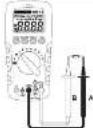
Fig. 2: Vomodendyamang
Fig. 3: Bao hiananamamam
Fig. 4: Hua wai Halabar ca
Fig. 5: Hua hui hui hui hui
Fig. 6: Mio hui hui hui
Fig. 7: Wai hui hui hui
Fig. 8: Hua hui hui hui
Fig. 9: Hua hui hui hui
Fig. 10: Vomodendyamang
Fig. 11: Poidu maunhaj
Fig. 12: Hua hui hui hui
Mild T: Drittenening
Fig. 1: Dried being
Fig. 2: Sun & Sun, Sun
Fig. 3: Sun & Sun, Sun
Fig. 4: Sun & Sun, Sun
Fig. 5: Sun & Sun, Sun
Fig. 6: Sun & Sun, Sun
Fig. 7: Sun & Sun, Sun
Fig. 8: Sun & Sun, Sun
Fig. 9: Sun & Sun, Sun
Fig. 10: Sun & Sun, Sun
Fig. 11: Sun & Sun, Sun
Fig. 12: Sun & Sun, Sun
Fig. 13: Sun & Sun, Sun
Fig. 14: Sun & Sun, Sun
Fig. 15: Sun & Sun, Sun
Fig. 16: Sun & Sun, Sun
Fig. 17: Sun & Sun, Sun
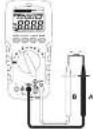
Fig. 8: Cachnacherung langen S. annan
Fig. 9: Caimin krylening würne
Fig. 10: Cachnacherung kauhuiu an albaen
Fig. 11: Caimin de cam valladon en valladon
Fig. 12: Cichka, dukov.
Fig. 13: Cachnacherung langen kauhuiu an albaen
Fig. 14: Caimin krylening würne (paplan)
Fig. 15: Cachnacherung langen kauhuiu an albaen
Fig. 16: Caimin krylening würne (paplan)
Fig. 17: Cachnacherung langen kauhuiu an albaen
Fig. 18: Caimin krylening würne (paplan)
Fig. 19: Cachnacherung langen kauhuiu an albaen
Fig. 20: Caimin krylening würne (paplan)
Fig. 21: Cachnacherung langen kauhuiu an albaen
Fig. 22: Caimin krylening würne (paplan)
Fig. 23: Cachnacherung langen kauhuiu an albaen
Fig. 24: Caimin krylening würne (paplan)
Fig. 25: Cachnacherung langen kauhuiu an albaen
Fig. 26: Caimin krylening würne (paplan)
Fig. 27: Cachnacherung langen kauhuiu an albaen
Fig. 28: Caimin krylening würne (paplan)
Fig. 29: Cachnacherung langen kauhuiu an albaen
Fig. 30: Caimin krylening würne (paplan)
Fig. 31: Cachnacherung langen kauhuiu an albaen
Fig. 32: Caimin krylening würne (paplan)
Fig. 33: Cachnacherung langen kauhuiu an albaen
Fig. 34: Caimin krylening würne (paplan)
Fig. 35: Cachnacherung langen kauhuiu an albaen
Fig. 36: Caimin krylening würne (paplan)
Fig. 37: Cachnacherung langen kauhuiu an albaen
Fig. 38: Caimin krylening würne (paplan)
Fig. 39: Cachnacherung langen kauhuiu an albaen
Fig. 40: Caimin krylening würne (paplan)
Fig. 41: Cachnacherung langen kauhuiu an albaen
Fig. 42: Caimin krylening würne (paplan)
Fig. 43: Cachnacherung langen kauhuiu an albaen
Fig. 44: Caimin krylening würne (paplan)
Fig. 45: Cachnacherung langen kauhuiu an albaen
Fig. 46: Caimin krylening würne (paplan)
Fig. 47: Cachnacherung langen kauhuiu an albaen
Fig. 48: Caimin krylening würne (paplan)
Fig. 49: Cachnacherung langen kauhuiu an albaen
Fig. 50: Caimin krylening würne (paplan)
Fig. 51: Cachnacherung langen kauhuiu an albaen
Fig. 52: Caimin krylening würne (paplan)
Fig. 53: Cachnacherung langen kauhuiu an albaen
Fig. 54: Caimin krylening würne (paplan)
Fig. 55: Cachnacherung langen kauhuiu an albaen
Fig. 56: Caimin krylening würne (paplan)
Fig. 57: Cachnacherung langen kauhuiu an albaen
Fig. 58: Caimin krylening würne (paplan)
Fig. 59: Cachnacherung langen kauhuiu an albaen
Fig. 60: Caimin krylening würne (paplan)
Fig. 61: Cachnacherung langen kauhuiu an albaen
Fig. 62: Caimin krylening würne (paplan)
Fig. 63: Cachnacherung langen kauhuiu an albaen
Fig. 64: Caimin krylening würne (paplan)
Fig. 65: Cachnacherung langen kauhuiu an albaen
Fig. 66: Caimin krylening würne (paplan)
Fig. 67: Cachnacherung langen kauhuiu an albaen
Fig. 68: Caimin krylening würne (paplan)
Fig. 69: Cachnacherung langen kauhuiu an albaen
Fig. 70: Caimin krylening würne (paplan)
Fig. 71: Cachnacherung langen kauhuiu an albaen
Fig. 72: Caimin krylening würne (paplan)
Fig. 73: Cachnacherung langen kauhuiu an albaen
Fig. 74: Caimin krylening würne (paplan)
Fig. 75: Cachnacherung langen kauhuiu an albaen
Fig. 76: Caimin krylening würne (paplan)
Fig. 77: Cachnacherung langen kauhuiu an albaen
Fig. 78: Caimin krylening würne (paplan)
Fig. 79: Cachnacherung langen kauhuiu an albaen
Fig. 80: Caimin krylening würne (paplan)
Fig. 81: Cachnacherung langen kauhuiu an albaen
Fig. 82: Caimin krylening würne (paplan)
Fig. 83: Cachnacherung langen kauhuiu an albaen
Fig. 84: Caimin krylening würne (paplan)
Fig. 85: Cachnacherung langen kauhuiu an albaen
Fig. 86: Caimin krylening würne (paplan)
Fig. 87: Cachnacherung langen kauhuiu an albaen
Fig. 88: Caimin krylening würne (paplan)
Fig. 89: Cachnacherung langen kauhuiu an albaen
Fig. 90: Caimin krylening würne (paplan)
Fig. 91: Cachnacherung langen kauhuiu an albaen
Fig. 92: Caimin krylening würne (paplan)
Fig. 93: Cachnacherung langen kauhuiu an albaen
Fig. 94: Caimin krylening würne (paplan)
Fig. 95: Cachnacherung langen kauhuiu an albaen
Fig. 96: Caimin krylening würne (paplan)
Fig. 97: Cachnacherung langen kauhuiu an albaen
Fig. 98: Caimin krylening würne (paplan)
Fig. 99: Cachnacherung langen kauhuiu an albaen
Fig. 100: Caimin krylening würne (paplan)
Ingram 10.13
Figs: Ingram 10.14
Fig. 5: Ingram 10.15
Fig. 5: Ingram 10.16
Fig. 5: Ingram 10.17
Fig. 5: Ingram 10.18
Fig. 5: Ingram 10.19
Fig. 5: Ingram 10.20
Fig. 5: Ingram 10.21
Fig. 5: Ingram 10.22
Fig. 5: Ingram 10.23
Fig. 5: Ingram 10.24
Fig. 5: Ingram 10.25
Fig. 5: Ingram 10.26
Fig. 5: Ingram 10.27
Fig. 5: Ingram 10.28
Fig. 5: Ingram 10.29
Fig. 5: Ingram 10.30
Fig. 5: Ingram 10.31
Fig. 5: Ingram 10.32
Fig. 5: Ingram 10.33
Fig. 5: Ingram 10.34
Fig. 5: Ingram 10.35
Fig. 5: Ingram 10.36
Fig. 5: Ingram 10.37
Fig. 5: Ingram 10.38
Fig. 5: Ingram 10.39
Fig. 5: Ingram 10.40
Fig. 5: Ingram 10.41
Fig. 5: Ingram 10.42
Fig. 5: Ingram 10.43
Fig. 5: Ingram 10.44
Fig. 5: Ingram 10.45
Fig. 5: Ingram 10.46
Fig. 5: Ingram 10.47
Fig. 5: Ingram 10.48
Fig. 5: Ingram 10.49
Fig. 5: Ingram 10.50
Fig. 5: Ingram 10.51
Fig. 5: Ingram 10.52
Fig. 5: Ingram 10.53
Fig. 5: Ingram 10.54
Fig. 5: Ingram 10.55
Fig. 5: Ingram 10.56
Fig. 5: Ingram 10.57
Fig. 5: Ingram 10.58
Fig. 5: Ingram 10.59
Fig. 5: Ingram 10.60
Fig. 5: Ingram 10.61
Fig. 5: Ingram 10.62
Fig. 5: Ingram 10.63
Fig. 5: Ingram 10.64
Fig. 5: Ingram 10.65
Fig. 5: Ingram 10.66
Fig. 5: Ingram 10.67
Fig. 5: Ingram 10.68
Fig. 5: Ingram 10.69
Fig. 5: Ingram 10.70
Fig. 5: Ingram 10.71
Fig. 5: Ingram 10.72
Fig. 5: Ingram 10.73
Fig. 5: Ingram 10.74
Fig. 5: Ingram 10.75
Fig. 5: Ingram 10.76
Fig. 5: Ingram 10.77
Fig. 5: Ingram 10.78
Fig. 5: Ingram 10.79
Fig. 5: Ingram 10.80
Fig. 5: Ingram 10.81
Fig. 5: Ingram 10.82
Fig. 5: Ingram 10.83
Fig. 5: Ingram 10.84
Fig. 5: Ingram 10.85
Fig. 5: Ingram 10.86
Fig. 5: Ingram 10.87
Fig. 5: Ingram 10.88
Fig. 5: Ingram 10.89
Fig. 5: Ingram 10.90
Fig. 5: Ingram 10.91
Fig. 5: Ingram 10.92
Fig. 5: Ingram 10.93
Fig. 5: Ingram 10.94
Fig. 5: Ingram 10.95
Fig. 5: Ingram 10.96
Fig. 5: Ingram 10.97
Fig. 5: Ingram 10.98
Fig. 5: Ingram 10.99
Fig. 5: Ingram 11 |
Figurals in grams
D GB F E CZ DK GR H I NL PL MS TR
text_image
BENNING MM 1-1 AUTOMkΩ HOLD AC~DC=0mA→- -0.0.0.0 RANGE VoltSensor HOLD OFF V Ω * COM VΩ CAT II 500V CAT I 1002V 750V~1000V~000000 M#1-1
5th 1st Cenakaranda
P. 12: Monkola pod
P. 13: Monkola card de la paral
P. 14: Monkola card de la paral
P. 15: Monkola card de la paral
P. 16: Monkola card de la paral
P. 17: Monkola card de la paral
2014. 10:30-37:56
302007
text_image
BENNING MM 1-2 AUTOMKHz HOLD AC~DC=0mA >~InF MAX 0.0.0 MIN 0.0.0 RANGE MAX/MIN Voltage/HOLD Ω * Hz A V̅ OFF A COM VΩ MAX 10A FLUID CAT II 600V 750V~7900V~ 750V~7900V~DISHING MM 14
Brd B: Gathalobothae a.
Fig. 8: Fm Ithium an al.
Fig. 9: Paracarpus cingii ophosum
Fig. 10: POCHEATL sp. al.
an al. Phea dianu s##ge
Fig. 11: Japachovus
reg as to be performed up
I see 2000s
It is: I was on an apical, and
It is: A large in a parical
It's. For much apical,
I see it. The apical, the
It is to be open
1212007
DONNING MM 1-1/12/13
text_image
BENNING MM 1-3 AUTO MK0Hz C F HOLD AC~DC=8mA~H~mpF MAX 8.8.8 MIN RANGE MAX/MIN VolSensor HOLD OFF A COM VΩ MAX 10A FUSED CAT.II 500V 100V 750V~1000V~ ① ② ③ ④ ⑤ ⑥ ⑦ ⑧ ⑨ ⑩ ⑪2019.5.2 (MNI-3)
Sir is Canadianville
Fig. 1: Frontside panel
Fig. 2: Aerial view of the Great
Fig. 3: Aerial view of the Great
Fig. 4: Aerial view of the Great
Figure 5: Aerial view of the Great
regua in Ippenay
1. Box: P#l##t
6. K. Leve davs apuvom
by. K. Vauajevan dvs ap
P#s1. Pe dp ##pupajde
pro. K. be, m####punjne
M#m x. D###y##
12'200"
DENNING MM 1-2 1-2/1-0
D GB F E CZ OK GB H I NL PL NB TR
text_image
Fig. 13: Internal panel Fig. 12: Panel internal panel Fig. 12: Seating panel, type Fig. 12: Central hub Fig. 12: Engine panel Fig. 12: Panel end Ligging measure, type, type Fig. 12: Horizontal bar Fig. 12: Seating, button Fig. 12: Seating, switch, switch Fig. 12: Internal hub Fig. 12: External hub Figure 13: Body/Body panel Figure 14: Body/Body panel Figure 14: Seating panel, type Figure 14: Seating panel, button Figure 14: Central hub Figure 14: Seating panel, mode Figure 14: Seating panel, mode Figure 14: Seating panel, mode Figure 14: Seating panel, mode Figure 14: Seating panel, mode Figure 14: Seating panel, mode Figure 14: Seating panel, mode Figure 14: Seating panel, mode Figure 14: Seating panel, mode Figure 14: Seating panel, mode12 2307
DONNING MM 1-1/1-2/1-3
D GB F E CZ DK GR H I NL PL RS TR
10. 13. Fatsing, for the time, and taking
14. 15. Pupping (the city, U.S.).
16. 17. Eosy, for the time, and taking
18. 19. Arundamia or a contemporary program for the city.
20. 21. I'm not in place.
22. 23. Coping and making the city.
24. 25. Tally to avoid being
26. 27. And a beautiful woman.
28. 29. Anvings of the city, and
30. 31. Molding will be able to make
32. 33. Aperture, for the city.
34. 35. Horsley, for the city.
36. 37. Power and power
10.17. Achnology of the 2008-2012 issue.
10.18. Aneking of the 2008-2012 issue.
10.19. Aneking of the 2008-2012 issue.
10.20. Aneking of the 2008-2012 issue.
10.21. Aneking of the 2008-2012 issue.
10.22. Aneking of the 2008-2012 issue.
10.23. Aneking of the 2008-2012 issue.
10.24. Aneking of the 2008-2012 issue.
10.25. Aneking of the 2008-2012 issue.
10.26. Aneking of the 2008-2012 issue.
10.27. Aneking of the 2008-2012 issue.
10.28. Aneking of the 2008-2012 issue.
10.29. Aneking of the 2008-2012 issue.
10.30. Aneking of the 2008-2012 issue.
10.31. Aneking of the 2008-2012 issue.
10.32. Aneking of the 2008-2012 issue.
10.33. Aneking of the 2008-2012 issue.
10.34. Aneking of the 2008-2012 issue.
10.35. Aneking of the 2008-2012 issue.
10.36. Aneking of the 2008-2012 issue.
10.37. Aneking of the 2008-2012 issue.
10.38. Aneking of the 2008-2012 issue.
10.39. Aneking of the 2008-2012 issue.
10.40. Aneking of the 2008-2012 issue.
10.41. Aneking of the 2008-2012 issue.
10.42. Aneking of the 2008-2012 issue.
10.43. Aneking of the 2008-2012 issue.
10.44. Aneking of the 2008-2012 issue.
10.45. Aneking of the 2008-2012 issue.
10.46. Aneking of the 2008-2012 issue.
10.47. Aneking of the 2008-2012 issue.
10.48. Aneking of the 2008-2012 issue.
10.49. Aneking of the 2008-2012 issue.
10.50. Aneking of the 2008-2012 issue.
10.51. Aneking of the 2008-2012 issue.
10.52. Aneking of the 2008-2012 issue.
10.53. Aneking of the 2008-2012 issue.
10.54. Aneking of the 2008-2012 issue.
10.55. Aneking of the 2008-2012 issue.
10.56. Aneking of the 2008-2012 issue.
10.57. Aneking of the 2008-2012 issue.
10.58. Aneking of the 2008-2012 issue.
10.59. Aneking of the 2008-2012 issue.
10.60. Aneking of the 2008-2012 issue.
10.61. Aneking of the 2008-2012 issue.
10.62. Aneking of the 2008-2012 issue.
10.63. Aneking of the 2008-2012 issue.
10.64. Aneking of the 2008-2012 issue.
10.65. Aneking of the 2008-2012 issue.
10.66. Aneking of the 2008-2012 issue.
10.67. Aneking of the 2008-2012 issue.
10.68. Aneking of the 2008-2012 issue.
10.69. Aneking of the 2008-2012 issue.
10.7
12'207
DENNING MM 1-1/1-0/1-0
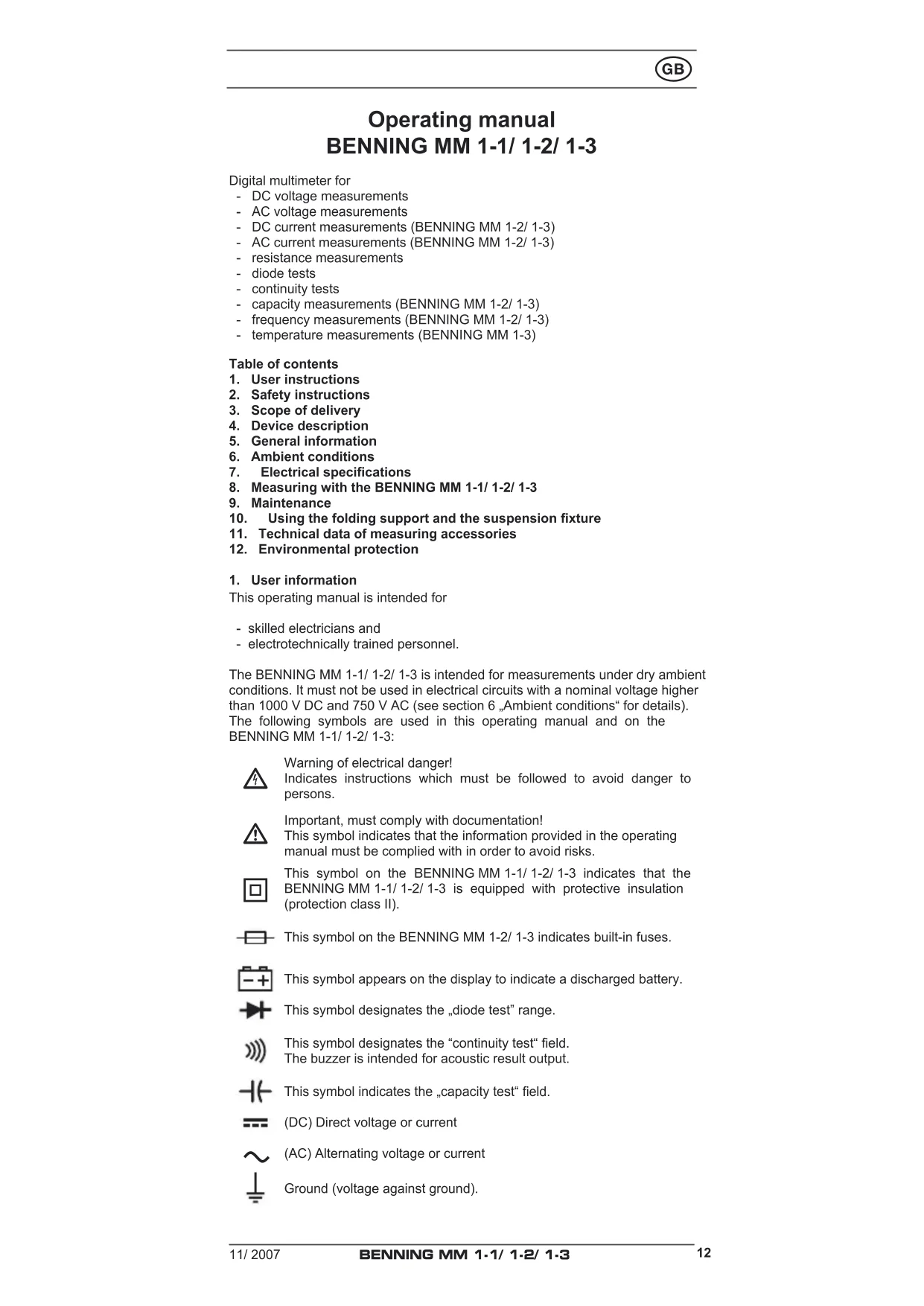
Bedienungsanleitung BENNING MM 1-1/ 1-2/ 1-3
Digital-Multimeter zur
- DC voltage measurements
- AC voltage measurements
- DC current measurements (BENNING MM 1-2/ 1-3)
- AC current measurements (BENNING MM 1-2/ 1-3)
- resistance measurements
- diode tests
- continuity tests
- capacity measurements (BENNING MM 1-2/ 1-3)
- frequency measurements (BENNING MM 1-2/ 1-3)
- temperature measurements (BENNING MM 1-3)
Table of contents
- User instructions
- Safety instructions
- Scope of delivery
- Device description
- General information
- Ambient conditions
- Electrical specifications
- Measuring with the BENNING MM 1-1/1-2/1-3
- Maintenance
- Using the folding support and the suspension fixture
- Technical data of measuring accessories
- Environmental protection
1. User information
This operating manual is intended for
- skilled electricians and
- electrotechnically trained personnel.
The BENNING MM 1-1/ 1-2/ 1-3 is intended for measurements under dry ambient conditions. It must not be used in electrical circuits with a nominal voltage higher than 1000 V DC and 750 V AC (see section 6 „Ambient conditions“ for details). The following symbols are used in this operating manual and on the BENNING MM 1-1/ 1-2/ 1-3:

Warning of electrical danger!
Indicates instructions which must be followed to avoid danger to persons.

Important, must comply with documentation!
This symbol indicates that the information provided in the operating manual must be complied with in order to avoid risks.

This symbol on the BENNING MM 1-1/1-2/1-3 indicates that the BENNING MM 1-1/1-2/1-3 is equipped with protective insulation (protection class II).

This symbol on the BENNING MM 1-2/ 1-3 indicates built-in fuses.

This symbol appears on the display to indicate a discharged battery.

This symbol designates the „diode test“ range.

This symbol designates the "continuity test" field. The buzzer is intended for acoustic result output.

This symbol indicates the „capacity test“ field.

(DC) Direct voltage or current

(AC) Alternating voltage or current

Ground (voltage against ground).
2. Safety instructions
The instrument is built and tested in accordance with
and has left the factory in perfectly safe technical condition.
To preserve this condition and to ensure safe operation of the device, the user must observe the notes and warnings given in these instructions at all times.

The device must be used in electrical circuits of overvoltage category II with a conductor for a maximum of 1000 V to earth or of overvoltage category III with a conductor for a maximum of 600 V to earth only.
Please observe that work on live parts and electrical components of all kinds is dangerous!
Even low voltages of 30 V AC and 60 V DC may be dangerous to human life.

Before starting the current clamp multimeter, always check the device as well as all cables for damages.
If it can be assumed that safe operation is no longer possible, switch the device off immediately and secure it against unintended operation.
Safe operation can be assumed to be no longer possible, if
- the device or the measuring lines exhibit visible damages,
- the device no longer works,
- the device has been stored under unfavourable conditions for a longer period of time,
- the device was exposed to extraordinary stress during transport.

In order to prevent danger
- do not touch the bare measuring probe tips of the measuring lines,
- insert the measuring lines into the respectively designated measuring sockets of the multimeter.
3. Scope of delivery
The scope of delivery of the BENNING MM 1-1/ 1-2/ 1-3 comprises:
3.1 One BENNING MM 1-1/ 1-2/ 1-3,
3.2 One safety measuring line, red (L = 1.4 m; probe tip ∅ = 4 mm),
3.3 One safety measuring line, black (L = 1.4 m; probe tip ∅ = 4 mm),
3.4 One measuring adapter with wire temperature sensor type K (BENNING MM 1-3)
3.5 One rubber suspension fixture,
3.6 One compact protective pouch,
3.7 Two 1.5 V micro (AAA) batteries are integrated into the device,
3.8 One fuse for initial assembly is integrated into the device (BENNING MM 1-2/1-3),
3.9 One operating manual.
Parts subject to wear:
- The BENNING MM 1-1/1-2/1-3 is supplied by means of two integrated 1.5 V micro (AAA) batteries (IEC 6 LR 03).
- The BENNING MM 1-2/1-3 is equipped with a fuse for overload protection: One quick-acting fuse, nominal current 10 A (600 V), 50 kA (P.no. 748263)
- The safety measuring lines ATL-2 mentioned above (tested accessories) comply with CAT III 1000 V and are approved for a current of 10 A.
4. Device description
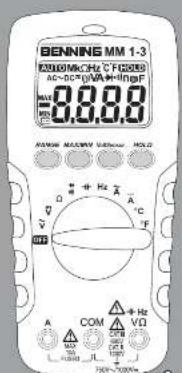
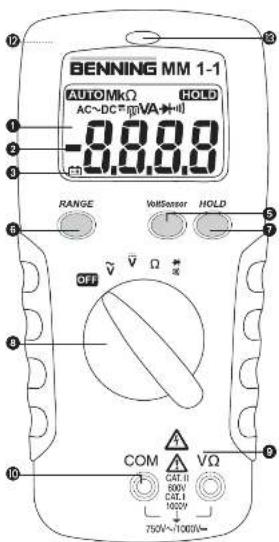
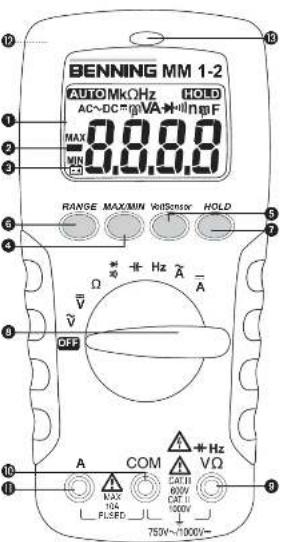
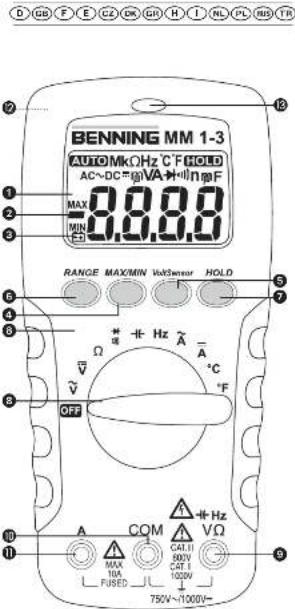
See figure 1a, 1b, 1c: Device front
The display and operating elements shown in figures 1a, 1b and 1c are designated as follows:
① Digital display, displaying measured value and range exceedance,
② Polarity indication,
③ Battery indication, appears in case of discharged battery,
4 MIN/ MAX key, storage of the highest and lowest measured value (BENNING MM 1-2/ 1-3),
⑤ VoltSensor key, for determining AC voltage to earth,
6 RANGE key, switch-over between automatic/ manual measuring range,
⑦ HOLD key, storage of the displayed measured value,
8 Rotary switch, for selecting the measuring function,
⑨ Jack (positive ^1 ), for V, Ω, ± Hz,
10 COM jack, common jack for current/voltage/resistance/frequency/temperature/capacity measurements, continuity and diode tests,
11 Jack (positive ^1 ), for A range, for currents up to 10 A (BENNING MM 1-2/ 1-3),
⑫ Suspension fixture
⑬ LED for voltage indicator
1) This is what the automatic polarity indication for DC current and voltage refers to
5. General information
5.1 General information on the multimeter
5.1.1 The digital display ① is a 3½-digit LC display with a font size of 16 mm and a decimal point. The highest numerical value to be displayed is 2000.
5.1.2 The polarity indication ② works automatically. Only a polarity contrary to the jack definition is indicated with “-”.
5.1.3 The range exceedance is indicated by "0L" or "-0L" and partly by an acoustic warning.
Attention, no indication and warning in case of overload!
5.1.4 The „MAX/ MIN“ key function ④ automatically determines and stores the highest and the lowest measured value. Preselect the measuring range by means of the „RANGE“ key, if necessary. By pressing the key, the following values are displayed:
„MAX“ shows the highest stored value and „MIN“ the lowest stored value. The continuous determination of the MAX/ MIN value can be stopped or started by pressing the „HOLD“ key ⑦. By pressing the „MAX/ MIN“ key for approx. 1 second, you can switch back to normal mode.
5.1.5 The „RANGE“ key ⑥ is intended for shifting the manual measuring ranges and masking the „AUTO“ symbol on the display at the same time. Select the automatic range selection by pressing the key for approx. 1 second („AUTO“ is shown on the display).
5.1.6 Measured value storage „HOLD“: Press the “HOLD” key ⑦ to store the measuring result. At the same time, the display shows the “HOLD” symbol. Press the key again to switch back to the measuring mode.
5.1.7 The nominal measuring rate of the BENNING MM 1-1/1-2/1-3 is 2 measurements per second for the digital display.
5.1.8 The BENNING MM 1-1/ 1-2/ 1-3 can be switched on or off by means of the rotary switch ⑧. Switched off: position „OFF“.
5.1.9 The BENNING MM 1-1/ 1-2/ 1-3 switches off automatically after approx. 10 minutes (APO, Auto-Power-Off). It is switched on again if a key or the rotary switch is operated. A buzzer tone indicates that the device is switched off automatically. Automatic switch-off can be deactivated by pressing the „RANGE“ key and by simultaneously switching on the BENNING MM 1-1/ 1-2/ 1-3 from the switching position „OFF“.
5.1.10 Temperature coefficient of the measured value: 0.15 x (stated measuring accuracy)/°C < 18 °C or > 28 °C, related to the value for the reference temperature of 23 °C.
5.1.11 The BENNING MM 1-1/1-2/1-3 is supplied by means of two 1.5 V micro (AAA) batteries (IEC 6 LR 03).
5.1.12 If the battery voltage falls below the specified operating voltage of the BENNING MM 1-1/1-2/1-3, a battery symbol ③ appears on the display ①.
5.1.13 The battery life is approx. 250 hours (alkaline battery).
5.1.14 Dimensions of the device: (L x W x H) = 156 x 74 x 44 mm with suspension fixture Weight: 320 g with suspension fixture and battery
5.1.15 The safety measuring lines are designed in 4 mm plug-in technology. The enclosed safety measuring lines are explicitly intended for the nominal voltage and the nominal current of the BENNING MM 1-1/1-2/1-3.
5.1.16 The BENNING MM 1-1/ 1-2/ 1-3 can be set up by means of a foldable support or can be attached by means of the suspension fixture.
5.1.17 The BENNING MM 1-1/ 1-2/ 1-3 is equipped with a detector as voltage indicator at its top side to localize earthed AC voltages.
6. Ambient conditions
- The BENNING MM 1-1/1-2/1-3 is intended for measurements under dry ambient conditions,
- Maximum barometric height for measurements: 2000 m,
- Overvoltage category / installation category: IEC 60664-1/ IEC 61010-1 → 600 V category III; 1000 V category II,
- Contamination class: 2,
- Protection category: IP 30 DIN VDE 0470-1 IEC/EN 60529
IP 30 means: Protection against access to dangerous parts and protection against solid impurities of a diameter > 2.5 mm, (3 – first index).
No protection against water, (0 - second index).
- Operating temperature and relative air humidity:
For operating temperatures from 0 °C to 30 °C: relative air humidity less than 80 %,
For operating temperatures from 31 °C to 40 °C: relative air humidity less than 75 %,
For operating temperatures from 41 °C to 50 °C: relative air humidity less than 45 %,
- Storage temperature: The BENNING MM 1-1/ 1-2/ 1-3 can be stored at temperatures between - 15 °C and + 60 °C (air humidity of 0 to 80 %). During storage, the battery should be removed.
7. Electrical specifications
Note: The measuring accuracy is specified as the sum of:
- a relative part of the measured value and
- a number of digits (i.e. counting steps of the last digit).
This measuring accuracy applies for temperatures from 18 °C to 28 °C and a relative air humidity less than 80 %.
7.1 DC voltage ranges
The input resistance is 10 MΩ.
| Measuring range ^3 | Resolution | Measuring accuracy | Overload protection |
| 200 mV | 100 μV ± (0.5 % of the measured value + 2 digits) | 1000 V | DC |
| 2 V | 1 mV ± (0.5 % of the measured value + 2 digits) | 1000 V | DC |
| 20 V | 10 mV | ± (0.5 % of the measured value + 2 digits) | 1000 V |
| 200 V | 100 mV | ± (0.5 % of the measured value + 2 digits) | 1000 V |
| 1000 V | 1 V | ± (0.5 % of the measured value + 2 digits) | 1000 V |
7.2 AC voltage ranges
The input resistance is 10 MΩ in parallel 100 pF.
| Measuring range *3 | Resolution | Measuring accuracy *1 within the frequency range 50 Hz - 300 Hz | Overload protection |
| 200 mV | 100 μV ± (2.0 % of the measured value + 5 digits) * | 2 | 750 V_eff |
| 2 V | 1 mV | ± (1.5 % of the measured value + 5 digits) *2 | 750 V_eff |
| frequency range 50 Hz - 500 Hz | |||
| 20 V | 10 mV | ± (1.5 % of the measured value + 5 digits) *2 | 750 V_eff |
| 200 V | 100 mV | ± (1.5 % of the measured value + 5 digits) *2 | 750 V_eff |
| 750 V | 1 V ± (1.5 % of the measured value + 5 digits) * | 2 | 750 V_eff |
The measured value of the BENNING MM 1-1/1-2/1-3 is obtained by mean value rectification and is displayed as r.m.s. value.
The measuring accuracy is specified for a sinusoidal curve. In case of non sinusoidal curves, the accuracy of the displayed value decreases. Thus, an additional error results for the following crest factors:
Crest factor from 1.4 to 3.0 additional error ± 1.5 %
Crest factor from 3.0 to 4.0 additional error ± 3 %
*2 Applies to sinusoidal curves of 50 Hz/ 60 Hz
*3 For automatic range selection (AUTO), the change-over point might be already at a value of 1400!
7.3 DC current ranges (BENNING MM 1-2/ 1-3)
Overload protection:
- 10 A (600 V) fuse, quick-acting, 50 kA, at the 10 A input (BENNING MM 1-2/ 1-3),
| Measuring range | Resolution | Measuring accuracy | Voltage drop |
| 2 A | 1 mA | ± (1.0 % of the measured value + 3 digits) | max. 2 V |
| 10 A ^-2 | 10 mA | ± (1.0 % of the measured value + 3 digits) | max. 2 V |
7.4 AC current ranges (BENNING MM 1-2/ 1-3)
Overload protection:
- 10 A (600 V) fuse, quick-acting, 50 kA at the 10 A input (BENNING MM 1-2/1-3),
| Measuring range | Resolution | Measuring accuracy ^-1 within the frequency range 50 Hz - 500 Hz | Voltage drop |
| 2 A 1 mA ± (1.5 % of the measured value + 5 digits) max. 2 V | |||
| 10 A ^-2 | 10 mA ± (1.5 % of the measured value + 5 digits) max. 2 V | ||
The measured value is obtained by mean value rectification and is displayed as r.m.s. value.
The measuring accuracy is specified for a sinusoidal curve. In case of non sinusoidal curves, the accuracy of the displayed value decreases. Thus, an additional error results for the following crest factors:
Crest factor from 1.4 to 3.0 additional error ± 1.5 %
Crest factor from 3.0 to 4.0 additional error ± 3 %
^*2 The maximum permissible operating time is limited from current value ≥ 7 A.
7.5 Resistance measuring range
Overload protection for resistance measurements: 600 V _eff
| Measuring range ^-3 | Resolution | Measuring accuracy | Max. open-circuit voltage |
| 200 Ω | 0.1 Ω | ± (0.7 % of the measured value + 3 digits) | 1.3 V |
| 2 kΩ | 1 Ω | ± (0.7 % of the measured value + 3 digits) | 1.3 V |
| 20 kΩ | 10 Ω | ± (0.7 % of the measured value + 3 digits) | 1.3 V |
| 200 kΩ | 100 Ω | ± (0.7 % of the measured value + 3 digits) | 1.3 V |
| 2 MΩ | 1 kΩ | ± (1.0 % of the measured value + 3 digits) | 1.3 V |
| 20 MΩ | 10 kΩ | ± (1.5 % of the measured value + 3 digits) | 1.3 V |
*3 For automatic range selection (AUTO), the change-over point might be already at a value of 1400!
7.6 Diode and continuity test
The stated measuring accuracy is applied to a range between 0.4 V and 0.8 V. Overload protection for diode tests: 600 V_eff
The integrated buzzer sounds at a resistance R lower than 25 Ω.
| Measuring range | Resolution | Measuring accuracy | Max. measuring current | Max. open-circuit voltage |
| 10 mV | ± (1.5 % of the measured value + 5 digits) | 1.5 mA | 2.0 V |
7.7 Capacity ranges (BENNING MM 1-2/1-3)
Conditions: Discharge capacitors and apply them according to the specified polarity.
Overload protection for capacity measurements: 600 V _eff
| Measuring range | Resolution | Measuring accuracy |
| 2 nF | 1 pF | ± (1.9 % of the measured value + 8 digits) |
| 20 nF 10 pF | ± (1.9 % of the measured value + 8 digits) | |
| 200 nF | 100 pF | ± (1.9 % of the measured value + 8 digits) |
| 2 μF | 1 nF | ± (1.9 % of the measured value + 8 digits) |
| 20 μF | 10 nF | ± (1.9 % of the measured value + 8 digits) |
| 200 μF | 100 nF | ± (1.9 % of the measured value + 8 digits) |
| 2 mF | 1 μF | ± (1.9 % of the measured value + 8 digits) |
< 10 digits in case of fluctuating indication
7.8 Frequency ranges (BENNING MM 1-2/1-3)
Overload protection for frequency measurements: 600 V _eff
Minimum pulse width > 25 ns; operating cycle limitation > 30 % and < 70 %
| Measuring range | Resolution Measuring accuracy for 5 V_eff max. Sensitivity | |
| 2 kHz 1 Hz ± (0.01 % of the measured value + 1 digits) > 1.5 < 5 V | eff | |
| 20 kHz 10 Hz ± (0.01 % of the measured value + 1 digits) > 1.5 < 5 V | eff | |
| 200 kHz 100 Hz ± (0.01 % of the measured value + 1 digits) > 1.5 < 5 V | eff | |
| 2 MHz 1 kHz ± (0.01 % of the measured value + 1 digits) > 2 < 5 V | eff | |
| 20 MHz 10 kHz ± (0.01 % of the measured value + 1 digits) > 2 < 5 V | eff | |
7.9 Temperature ranges °C (BENNING MM 1-3)
Temperature measurements (BENNING MM 1-3) are possible by means of the enclosed temperature measuring adapter only.
Overload protection for temperature measurements: 600 V _eff
| Measuring range | Resolution | Measuring accuracy |
| -20 °C ~ 0 °C | 1 °C | ± (2 % + 4 ^) |
| 1 °C ~ 100 °C | 1 °C | ± (1 % + 3 ^) |
| 101 °C ~ 500 °C | 1 °C | ± (2 % + 3 ^) |
| 501 °C ~ 800 °C | 1 °C | ± (3 % + 2 ^) |
7.10 Temperature ranges °F (BENNING MM 1-3)
Temperature measurements (BENNING MM 1-3) are possible by means of the enclosed temperature measuring adapter only.
Overload protection for temperature measurements: 600 V _eff
| Measuring range | Resolution | Measuring accuracy |
| -4 °F ~ 32 °F | 1 °F | ± (2 % + 8 ^) |
| 33 °F ~ 212 °F | 1 °F | ± (1 % + 6 ^) |
| 213 °F ~ 932 °F | 1 °F | ± (2 % + 6 ^) |
| 933 °F ~ 1472 °F | 1 °F | ± (3 % + 4 ^) |
8. Measuring by means of the BENNING MM 1-1/1-2/1-3
8.1 Preparing the measurement
Operate and store the BENNING MM 1-1/ 1-2/ 1-3 at the specified storage and operating temperatures only!
Do not permanently expose the device to sunlight.
- Check stated nominal voltage and nominal current on the safety measuring lines. Nominal voltage and current of the enclosed safety measuring lines comply with the respective values of the BENNING MM 1-1/ 1-2/ 1-3.
- Check insulation of the safety measuring lines. If the insulation is damaged, the safety measuring lines must be replaced immediately.
- Check the safety measuring lines for continuity. If the conductor in the safety measuring line is interrupted, replace the safety measuring lines immediately.
- Before selecting another function by means of the rotary switch ⑧, disconnect the safety measuring lines from the measuring point.
- Strong sources of interference in the vicinity of the BENNING MM 1-1/ 1-2/ 1-3 might involve unstable readings and measuring errors.
8.2 Voltage and current measurement

Do not exceed the maximum permitted voltage with respect to earth potential! Electrical danger!
The highest voltage which may be applied to the
- COM jack 10
- jack for V, Ω, -+, Hz ⑨
- jack for the 10 A range (BENNING MM 1-2/1-3) of the BENNING MM 1-1/1-2/1-3 against ground is 1000 V.

Electrical danger!
Maximum circuit voltage for a measured current of 500 V! In case of fuse triggering at values above 500 V, damages of the device might be involved. A damaged device might represent an electrical hazard!
8.2.1 Voltage measurement
- Select the desired function (V AC) or (V DC) by means of the rotary switch ⑧ of the BENNING MM 1-1/ 1-2/ 1-3.
- Connect the black safety measuring line to the COM jack 10 of the BENNING MM 1-1/ 1-2/ 1-3.
- Connect the red safety measuring line to the jack for V, Ω, , Hz ⑨ of the BENNING MM 1-1/ 1-2/ 1-3.
- Bring the safety measuring lines into contact with the measuring points and read the measured value on the digital display ① of the BENNING MM 1-1/ 1-2/ 1-3.
See figure 2: DC voltage measurement
See figure 3: AC voltage measurement
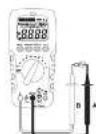
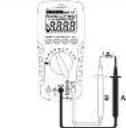
8.2.2 Current measurement (BENNING MM 1-2/1-3)
- Select the desired range and function (A AC) or (A DC) by means of the rotary switch 8 of the BENNING MM 1-2/ 1-3.
- Connect the black safety measuring line to the COM jack 10 of the BENNING MM 1-2/ 1-3.
- Connect the red safety measuring line to the jack for V, Ω, -1, Hz ⑨ or to the jack for the 10 A range ⑪ (DC or AC currents up to 10 A) of the BENNING MM 1-2/ 1-3.
- Bring the safety measuring lines into contact with the measuring points and read the measured value on the digital display ① of the BENNING MM 1-2/1-3.
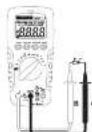
See figure 4: DC current measurement (BENNING MM 1-2/1-3)
See figure 5: AC current measurement (BENNING MM 1-2/1-3)
8.3 Resistance measurement
- Select the desired function (Ω) by means of the rotary switch ⑧ of the BENNING MM 1-1/ 1-2/ 1-3
- Connect the black safety measuring line to the COM jack 10 of the BENNING MM 1-1/1-2/1-3.
- Connect the red safety measuring line to the jack for V, Ω, +, Hz ⑨ of the BENNING MM 1-1/ 1-2/ 1-3.
- Bring the safety measuring lines into contact with the measuring points and read the measured value on the digital display ① of the BENNING MM 1-1/ 1-2/ 1-3.
See figure 6: Resistance measurement
8.4 Diode test
- Select the desired function ( ) by means of the rotary switch ⑧ of the BENNING MM 1-1/ 1-2/ 1-3.
- Connect the black safety measuring line to the COM jack 10 of the BENNING MM 1-1/ 1-2/ 1-3.
- Connect the red safety measuring line to the jack for V, Ω, +, Hz ⑨ of the BENNING MM 1-1/ 1-2/ 1-3.
- Bring the safety measuring lines into contact with the diode connections and read the measured value on the digital display ① of the BENNING MM 1-1/1-2/1-3.
- For a standard Si diode applied in conduction direction, a conduction voltage between 0.400 V and 0.900 V is displayed. „000“ indicates a short-circuit inside the diode, „OL“ indicates an interruption inside the diode.
- For a diode applied in reverse direction, „OL“ is indicated. If the diode is defective, „000“ or other values are indicated.
See figure 7: Diode test
8.5 Continuity test with buzzer
- Select the desired function ( ) by means of the rotary switch ⑧ of the BENNING MM 1-1/ 1-2/ 1-3.
- Connect the black safety measuring line to the COM jack 10 of the BENNING MM 1-1/ 1-2/ 1-3.
- Connect the red safety measuring line to the jack for V, Ω, +, Hz ⑨ of the BENNING MM 1-1/ 1-2/ 1-3.
- Bring the safety measuring lines into contact with the measuring points. If the line resistance between the COM jack 10 and the jack for V, Ω, H, Hz 9 falls below 25 Ω, the integrated buzzer of the BENNING MM 1-1/1-2/1-3 sounds.
See figure 8: Continuity test with buzzer
8.6 Capacity measurement (BENNING MM 1-2/1-3)

Before performing capacity measurements, discharge capacitors completely!
Never apply voltage to the capacity measurement jacks! This might damage or destroy the device! A damaged device might represent an electrical hazard!
- Select the desired function ( ) by means of the rotary switch 8 of the BENNING MM 1-2/ 1-3.
- Determine the polarity of the capacitor and completely discharge the capacitor.
- Connect the black safety measuring line to the COM jack 10 of the BENNING MM 1-2/1-3.
- Connect the red safety measuring line to the jack for V, Ω, -1/-, Hz ⑨ of the BENNING MM 1-2/ 1-3.
- Bring the safety measuring lines into contact with the discharged capacitor according to ist polarity and read the measured value on the digital display ① of the BENNING MM 1-2/1-3.
See figure 9: Capacity measurement
8.7 Frequency measurement (BENNING MM 1-2/1-3)
- Select the desired function (Hz) by means of the rotary switch 8 of the BENNING MM 1-2/1-3.
- Connect the black safety measuring line to the COM jack 10 of the BENNING MM 1-2/1-3.
- Connect the red safety measuring line to the jack for V, Ω, -1, Hz 9 of the BENNING MM 1-2/ 1-3. Please observe the minimum sensitivity for frequency measurements of the BENNING MM 1-2/ 1-3!
- Bring the safety measuring lines into contact with the measuring points and read the measured value on the digital display ① of the BENNING MM 1-2/1-3.
See figure 10: Frequency measurement
8.8 Temperature measurement (BENNING MM 1-3)
- Select the desired function (°C or °F) by means of the rotary switch ⑧ of the BENNING MM 1-3.
- Connect the temperature measuring adapter and the temperature measuring line to the COM jack (-) 10 and to the jack for V, Ω, -1+, Hz (+) 9 observing correct polarity.
- Arrange the end of the temperature measuring line in the vicinity of the heat source to be monitored. Read the measured value on the digital display ① of the BENNING MM 1-3.
See figure 11: Temperature measurement
8.9 Voltage indicator
The voltage indicator function is possible from each position of the rotary switch. No measuring lines are required as voltage indicator (non-contact detection of an alternating field). The detector is located on the upper part of the device behind the LED. By pressing the „VoltSensor“ key ⑤, the display indication disappears (if the display is switched on). If a phase voltage is localized, this is indicated by an acoustic signal and a red LED signal ⑬. An indication is made in earthed AC current networks only! The phase can be determined by means of a single-pole measuring line.
Practical hint:
Interruptions (cable breaks) in cables lying around openly such as e.g. cable reels, fairy lights etc. can be traced from the feeding point (phase) to the point of interruption.
Functional range: ≥ 230 V
See figure 12: Voltage indicator with buzzer
8.9.1 Phase test
- Connect the red safety measuring line to the jack for V, Ω, -1/-, Hz ⑨ of the BENNING MM 1-1/ 1-2/ 1-3.
- Bring the safety measuring line into contact with the measuring point of the system part and press the „VoltSensor“ key ⑤.
- If the red LED lights and if there is an acoustic signal, the phase of an earthed AC voltage is applied to this measuring point (system part).
9. Maintenance

Before opening the BENNING MM 1-1/ 1-2/ 1-3, make sure that the device is free of voltage! Electrical danger!
Working on the opened BENNING MM 1-1/1-2/1-3 under voltage must be carried out by skilled electricians only who must observe special precautions for the prevention of accidents!
Therefore, make sure the BENNING MM 1-1/ 1-2/ 1-3 is free of voltage before opening the device:
- First, remove both safety measuring lines from the object to be measured.
- Then, remove both safety measuring lines from the BENNING MM 1-1/ 1-2/ 1-3.
- Switch the rotary switch ⑧ to position „OFF“.
9.1 Securing the device
Under certain circumstances, safe operation of the BENNING MM 1-1/ 1-2/ 1-3 might no longer be ensured, e.g. in case of:
- visible damages of the housing,
- incorrect measuring results,
- recognizable consequences of prolonged storage under inadmissible conditions and
- recognizable consequences of extraordinary stress due to transport.
In such cases, immediately switch off the BENNING MM 1-1/1-2/1-3, disconnect it from the measuring points and secure it against further use.
9.2 Cleaning
Clean the exterior of the device with a clean dry cloth (exception: special cleaning wipers). Do not use any solvents and/or abrasives to clean the device. Make sure that the battery compartment and the battery contacts are not contaminated by leaking battery electrolyte.
If there are electrolyte contamination or white deposits in the area of the battery or the battery housing, clean these areas as well by means of a dry cloth.
9.3 Battery replacement

Before opening the BENNING MM 1-1/ 1-2/ 1-3, make sure that the device is free of voltage! Electrical danger!
The BENNING MM 1-1/1-2/1-3 is supplied by means of two integrated 1.5 V micro (AAA) batteries.
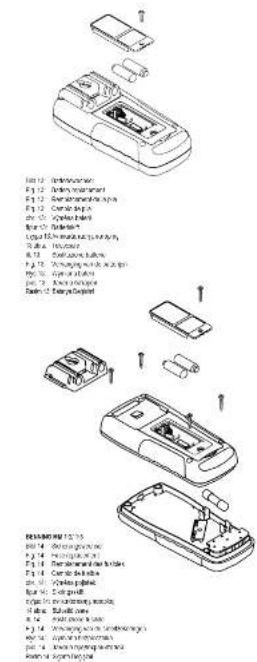
Battery replacement (see figure 13) is required, if the battery symbol ③ appears on the display ①.
Proceed as follows to replace the battery:
- Disconnect the safety measuring lines from the measuring circuit.
- Disconnect the safety measuring lines from the BENNING MM 1-1/ 1-2/ 1-3.
- Switch the rotary switch ⑧ to position „OFF“.
- Put the BENNING MM 1-1/ 1-2/ 1-3 face down and unscrew the screw of the battery compartment cover.
- Lift off the battery compartment cover from the bottom part of the battery compartment.
- Remove the discharged batteries from the battery compartment.
- Insert the new batteries into the battery compartment observing correct polarity.
- Lock the battery compartment cover into place on the bottom part and tighten the screw.
See figure 13: Battery replacement

Make your contribution for environmental protection! Do not dispose of discharged batteries via the household waste. Instead, return them to a collecting point for discharged batteries or special waste. Please look for information in your community's facilities.
9.4 Fuse replacement (BENNING MM 1-2/1-3)

Before opening the BENNING MM 1-2/ 1-3, make sure that the device is free of voltage! Electrical danger!
The BENNING MM 1-2/ 1-3 is protected against overload by means of an
integrated fuse (G fusible insert) 10 A (see figure 14). Proceed as follows to replace the fuse:
- Disconnect the safety measuring lines from the measuring circuit.
- Disconnect the safety measuring lines from the BENNING MM 1-2/ 1-3.
- Switch the rotary switch ⑧ to position „OFF“.
- Put the BENNING MM 1-2/ 1-3 face down and unscrew the screw of the battery compartment cover.
- Lift off the battery compartment cover from the bottom part.
- Remove the batteries from the battery compartment.
- Remove the suspension fixture 12 (lift off the snap-on nose by means of a small slotted screwdriver) from the bottom of the housing.
- Unscrew the four screws from the bottom of the housing.

Do not unscrew any screws from the printed circuit of the BENNING MM 1-2/1-3!
- Lift off the bottom of the housing from the front part.
- Lift one end of the defective fuse out of the fuse holder.
- Completely remove the defective fuse from the fuse holder.
- Insert a new fuse of the same nominal current, of the same triggering characteristics and of the same dimensions.
- Arrange the new fuse in the middle of the holder.
- Carefully place the bottom of the housing back onto the device. When closing the bottom of the housing, make sure that the battery springs in the bottom of the housing slide into the receptacle slots!
- Lock the bottom of the housing into place onto the front part and fasten the four screws.
- Lock the suspension fixture 12 into place on the back of the bottom part of the housing.
- Insert the batteries back into the battery compartment observing correct polarity, close the battery compartment cover and tighten the screws.
See figure 14: Fuse replacement
9.5 Calibration
To maintain accuracy of the measuring results, the device must be recalibrated in regular intervals by our factory service. We recommend recalibrating the device once a year. For this purpose, send the device to the following address:
10. Using the suspension fixture
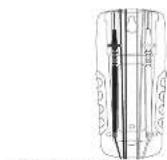
- You can store the safety measuring lines by winding them around the device and by engaging the probe tips of the safety measuring lines in a protected way on the suspension fixture 12 (see figure 15).
- You can engage a safety measuring line on the suspension fixture 12 in such a way that the probe Tipp remains free in order to be able to guide the probe tip towards a measuring point together with the BENNING MM 1-1/ 1-2/ 1-3.
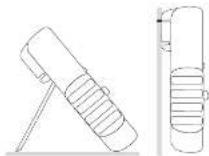
- The rear support of the device allows an inclined setup of the BENNING MM 1-1/1-2/1-3 (facilitates reading the measured values) or suspension of the device (see figure 16).
- The suspension fixture 12 is equipped with a lug which can be used for suspension.
See figure 15: Winding the safety measuring lines
See figure 16: Setting up the BENNING MM 1-1/ 1-2/ 1-3
11. Technical data of the measuring accessories
4 mm safety measuring line ATL 2
- Standard: EN 61010-031,
- Maximum rated voltage to earth ( ) and measuring category:
1000 V CAT III, 600 V CAT IV, - Maximum rated current: 10 A.
- Protection class II (回), continuous double or reinforced insulation,
- Contamination class: 2,
- Length: 1.4 m, AWG 18,
- Ambient conditions:
Barometric height for measurements: max. 2000 m,
Temperature: 0°C to +50 °C, humidity: 50 % to 80 %
- Use the measuring lines in perfect condition and according to these operating instructions only, as otherwise the protection provided might be impaired.
- Replace the measuring lines, if the insulation is damaged or if the conductor/connector is interrupted.
- Do not touch the bare contact tips of the measuring lines. Only touch the area intended for your hands!
- Insert the bent terminals into the testing or measuring device.
12. Environmental protection

At the end of product life, dispose of the unserviceable device via appropriate collecting facilities provided in your community.
Mode d'emploi BENNING MM 1-1/ 1-2/ 1-3
minimale (BENNING MM 1-2/ 1-3),
8.2.2 Stroommeting (BENNING MM 1-2/1-3)
(BENNING MM 1-2/1-3)
(BENNING MM 1-2/1-3)