EasyManual
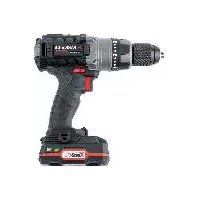
PABSP 20Li C2 - Drill PARKSIDE - Free user manual and instructions
Find the device manual for free PABSP 20Li C2 PARKSIDE in PDF.


User questions about PABSP 20Li C2 PARKSIDE
0 question about this device. Answer the ones you know or ask your own.
Ask a new question about this device
Download the instructions for your Drill in PDF format for free! Find your manual PABSP 20Li C2 - PARKSIDE and take your electronic device back in hand. On this page are published all the documents necessary for the use of your device. PABSP 20Li C2 by PARKSIDE.
USER MANUAL PABSP 20Li C2 PARKSIDE
Operation and safety notes Translation of the original instructions
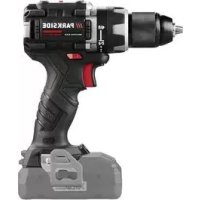
Introduction We congratulate you on the purchase of your new product. You have chosen a high quality product. The instructions for use are part of the product. They contain important information concerning safety, use and disposal. Before using the product, please familiarise yourself with all of the safety information and instructions for use. Only use the product as described and for the specified applications. If you pass the product on to anyone else, please ensure that you also pass on all the documentation with it. Intended use This cordless drill (hereinafter “product” or “power tool”) is designed for inserting, tightening and loosening screws as well as drilling in wood, metal, ceramics, and plastics. The product is not intended to drill into very hard materials such as cement or concrete. Always use the correct accessory tools according to the intended use! Observe the technical requirements of this product (see “Technical data“) when purchasing and using accessory tools! The LED work light [] on this product is intended to illuminate the immediate work area.27GB/IE Any other use or modification of the product are considered improper use and can result in hazards such as death, life-threatening injuries and damage. The manufacturer is not liable for any damages caused by improper use. The product is not intended for commercial use or for any other use. Scope of delivery
WARNING! u The product and the packaging are not children’s toys! Children must not play with plastic bags, sheets and small parts! There is a danger of choking and suffocation! 1 x Cordless drill 20 V PABSP 20-Li C2 1 x Battery pack PAP 20 B1 * 1 x Rapid battery charger PLG 20 C3 * 1 x Belt clip 1 x Carrying case 1 x Instruction manual Parts description Figure A: [1] Chuck [2] Chuck ring [3] Torque sleeve [4] Gear selector [5] Rotation direction switch/lock [6] On/off switch/speed control [7] Grip handle [8] Bit holder (magnetic) [9] Belt clip [] Battery pack * [] LED work light Figure B: [] Battery pack * [] Release button for battery pack [] button (charging level) [] Charging level LEDs (red/orange/green) Figure C: [] Battery pack * [] Battery charger (rapid battery charger) * [] Power cord with power plug [] Charging control LED – Green [] Charging control LED – Red Not illustrated: [] Carrying case Technical data Cordless drill PABSP 20-Li C2 Rated voltage: 20 V Drill chuck type: keyless chuck Gearbox: 2 speed No-load speed n
Max. torque: 60 N m Chuck clamping range: max. Ø 13 mm Max. drill diameter: into steel Ø 13 mm into wood Ø 38 mm Battery pack PAP 20 B1 * Type: Lithium-Ion Rated voltage: 20 V max. Capacity: 2 Ah Energy value: 37 Wh Number of cells: 5 Rapid battery charger PLG 20 C3 * Input: Rated voltage: 230–240 V
Rated frequency: 50 Hz Rated power: 120 W Fuse (internal):
Output: Rated voltage: 21.5 V Charging current: 4.5 A Protection class: II /
- Battery and rapid battery charger are not included28 GB/IE Charging time: Battery type PAP 20 B1, 2.0 Ah (available separately): 45 minutes Battery type PAP 20 B3, 4.0 Ah (available separately): 60 minutes Recommended ambient temperature: While charging: +4 to +40 °C During operation: +4 to +40 °C During storage: +20 to +26 °C Noise emission value The measured values have been determined in accordance with EN 62841. The A-rated noise level of the power tool is typically as follows: HG08178 Sound pressure level L
: 85,0 dB(A) Uncertainty K
WARNING! Wear ear protection! NOTE u The declared vibration total value and the declared noise emission value have been measured in accordance with a standard test method and may be used for comparing one tool with another. u The declared total vibration value and the declared noise emission value may also be used for a preliminary assessment of exposure.
WARNING! u The vibration and noise emissions during actual use of the power tool can differ from the declared values depending on the manner in which the tool is used, especially what kind of workpiece is processed. Try to minimise exposure to vibration and noise. Examples of measures to reduce vibration include wearing gloves when using the tool and limiting working time. All parts of the operating cycle must be taken into account (e.g. times when the power tool is switched off and when it is running idle in addition to the trigger time).29GB/IE Safety instructions General power tool safety warnings
WARNING! u Read all safety warnings, instructions, illustrations and specifications provided with this power tool. Failure to follow all instructions listed below may result in electric shock, fire and/or serious injury. Save all warnings and instructions for future reference. The term “power tool” in the warnings refers to your mains-operated (corded) power tool or battery-operated (cordless) power tool. Work area safety
1) Keep work area clean and well
lit. Cluttered or dark areas invite accidents.
2) Do not operate power tools in
explosive atmospheres, such as in the presence of flammable liquids, gases or dust. Power tools create sparks which may ignite the dust or fumes.
3) Keep children and bystanders
away while operating a power tool. Distractions can cause you to lose control. Electrical safety
1) Power tool plugs must match the
outlet. Never modify the plug in any way. Do not use any adapter plugs with earthed (grounded) power tools. Unmodified plugs and matching outlets will reduce risk of electric shock.
2) Avoid body contact with earthed
or grounded surfaces, such as pipes, radiators, ranges and refrigerators. There is an increased risk of electric shock if your body is earthed or grounded.
3) Do not expose power tools to rain
or wet conditions. Water entering a power tool will increase the risk of electric shock.
4) Do not abuse the cord. Never use
the cord for carrying, pulling or unplugging the power tool. Keep cord away from heat, oil, sharp edges or moving parts. Damaged or entangled cords increase the risk of electric shock.
5) When operating a power tool
outdoors, use an extension cord suitable for outdoor use. Use of a cord suitable for outdoor use reduces the risk of electric shock.30 GB/IE
6) If operating a power tool in a
damp location is unavoidable, use a residual current device (RCD) protected supply. Use of an RCD reduces the risk of electric shock. Personal safety
1) Stay alert, watch what you are
doing and use common sense when operating a power tool. Do not use a power tool while you are tired or under the influence of drugs, alcohol or medication. A moment of inattention while operating power tools may result in serious personal injury.
2) Use personal protective
equipment. Always wear eye protection. Protective equipment such as dust mask, non-skid safety shoes, hard hat, or hearing protection used for appropriate conditions will reduce personal injuries.
3) Prevent unintentional starting.
Ensure the switch is in the off- position before connecting to power source and/or battery pack, picking up or carrying the tool. Carrying power tools with your finger on the switch or energising power tools that have the switch on invites accidents.
4) Remove any adjusting key or
wrench before turning the power tool on. A wrench or a key left attached to a rotating part of the power tool may result in personal injury.
5) Do not overreach. Keep proper
footing and balance at all times. This enables better control of the power tool in unexpected situations.
6) Dress properly. Do not wear loose
clothing or jewellery. Keep your hair, clothing and gloves away from moving parts. Loose clothes, jewellery or long hair can be caught in moving parts.
7) If devices are provided for the
connection of dust extraction and collection facilities, ensure these are connected and properly used. Use of dust collection can reduce dust-related hazards.
8) Do not let familiarity gained from
frequent use of tools allow you to become complacent and ignore tool safety principles. A careless action can cause severe injury within a fraction of a second.31GB/IE Power tool use and care
1) Do not force the power tool. Use
the correct power tool for your application. The correct power tool will do the job better and safer at the rate for which it was designed.
2) Do not use the power tool if the
switch does not turn it on and off. Any power tool that cannot be controlled with the switch is dangerous and must be repaired.
3) Disconnect the plug from the
power source and / or the battery pack from the power tool before making any adjustments, changing accessories, or storing power tools. Such preventive safety measures reduce the risk of starting the power tool accidentally.
4) Store idle power tools out of the
reach of children and do not allow persons unfamiliar with the power tool or these instructions to operate the power tool. Power tools are dangerous in the hands of untrained users.
5) Maintain power tools and
accessories. Check for misalignment or binding of moving parts, breakage of parts and any other condition that may affect the power tool’s operation. If damaged, have the power tool repaired before use. Many accidents are caused by poorly maintained power tools.
6) Keep cutting tools sharp and
clean. Properly maintained cutting tools with sharp cutting edges are less likely to bind and are easier to control.
7) Use the power tool, accessories
and tool bits etc. in accordance with these instructions, taking into account the working conditions and the work to be performed. Use of the power tool for operations different from those intended could result in a hazardous situation.
8) Keep handles and grasping surfaces
dry, clean and free from oil and grease. Slippery handles and grasping surfaces do not allow for safe handling and control of the tool in unexpected situations.32 GB/IE Battery tool use and care
1) Recharge only with the charger
specified by the manufacturer. A charger that is suitable for one type of battery pack may create a risk of fire when used with another battery pack.
2) Use power tools only with
specifically designated battery packs. Use of any other battery packs may create a risk of injury and fire.
3) When battery pack is not in use,
keep it away from other metal objects, like paper clips, coins, keys, nails, screws or other small metal objects, that can make a connection from one terminal to another. Shorting the battery terminals together may cause burns or a fire.
4) Under abusive conditions, liquid
may be ejected from the battery; avoid contact. If contact accidentally occurs, flush with water. If liquid contacts eyes, additionally seek medical help. Liquid ejected from the battery may cause irritation or burns.
5) Do not use a battery pack
for tool that is damaged or modified. Damaged or modified batteries exhibit unpredictable behaviour resulting in fire, explosion or risk of injury.
6) Do not expose a battery pack
or tool to fire or excessive temperature. Exposure to fire or temperature above 130 °C may cause explosion.
7) Follow all charging instruction and
do not charge the battery pack or tool outside the temperature range specified in the instruction. Charging improperly or at temperatures outside the specified range may damage the battery and increase the risk of the fire. Service
1) Have your power tool serviced by
a qualified repair person using only identical replacement parts. This will ensure that the safety of the power tool is maintained.
2) Never service damaged battery
packs. Service of battery packs should be only be performed by the manufactured or authorized service providers. Drill safety warnings
1. Safety instructions for all operations
1) Hold the power tool by insulated
gripping surfaces, when performing an operation where the accessory tool or fasteners may contact hidden wiring. Accessory tools or fasteners contacting a “live” wire may make exposed metal parts of the power tool “live” and could give the operator an electric shock.33GB/IE
1) Never operate at higher speed
than the maximum speed rating of the drill bit. At higher speeds, the drill bit is likely to bend if allowed to rotate freely without contacting the workpiece, resulting in personal injury.
2) Always start drilling at low speed
and with the drill bit tip in contact with the workpiece. At higher speeds, the drill bit is likely to bend if allowed to rotate freely without contacting the workpiece, resulting in personal injury.
3) Apply pressure only in direct line
with the drill bit and do not apply excessive pressure. Drill bits can bend causing breakage or loss of control, resulting in personal injury. Vibration and noise reduction To reduce the impact of noise and vibration emission, limit the time of operation, use low- vibration and low-noise operating modes as well as wear personal protective equipment. Take the following points into account to minimise the vibration and noise exposure risks: Only use the product as intended by its design and these instructions. Ensure that the product is in good condition and well maintained. Use correct accessory tools for the product and ensure they are in good condition. Keep tight grip on the handles / grip surface. Maintain this product in accordance with these instructions and keep it well lubricated (where appropriate). Plan your work schedule to spread any high vibration tool use across a longer period of time. Behaviour in emergency situations Familiarise yourself with the use of this product by means of this instruction manual. Memorise the safety warnings and follow them to the letter. This will help to prevent risks and hazards. Always be alert when using this product, so that you can recognise and handle risks early. Fast intervention can prevent serious injury and damage to property. Switch the product off and disconnect it from the mains if there are malfunctions. Have the product checked by a qualified professional and repaired, if necessary, before you operate it again.34 GB/IE Residual risks Even if you are operating this product in accordance with all the safety requirements, potential risks of injury and damage remain. The following dangers can arise in connection with the structure and design of this product: Health defects resulting from vibration emission if the product is being used over long periods of time or not adequately managed and properly maintained. Injuries and damage to property due to broken accessory tools or the sudden impact of hidden objects during use. Danger of injury and property damage caused by flying objects. NOTE u This product produces an electromagnetic field during operation! This field may under some circumstances interfere with active or passive medical implants! To reduce the risk of serious or fatal injury, we recommend persons with medical implants to consult their doctor and the medical implant manufacturer before operating this product! Battery charger safety warnings This appliance can be used by children aged from 8 years and above and persons with reduced physical, sensory or mental capabilities or lack of experience and knowledge if they have been given supervision or instruction concerning use of the appliance in a safe way and understand the hazards involved. Children shall not play with the appliance. Cleaning and user maintenance shall not be made by children without supervision. Do not charge non- rechargeable batteries. Disregarding this instruction is hazardous. If the supply cord is damaged, it must be replaced by the manufacturer, its service agent or similarly qualified persons in order to avoid a hazard.35GB/IE Protect the electrical parts against moisture. Do not immerse such parts in water or other liquids to avoid electrical shock. Never hold the appliance under running water. Pay attention to the instructions provided for cleaning, maintenance and repair. The appliance is suitable for indoor use only. ATTENTION! This charger is only designed for charging the battery pack types: Parkside 20 V battery pack PAP 20 B1 2 Ah 5 cells PAP 20 B3 4 Ah 10 cells An up-to-date list of battery compatibility can be found at www.lidl.de/akku. Before first use Accessories To operate this product safely and correctly, the following accessories, i.e. tools and accessory tools, are necessary: Suitable drill bits Suitable driver bits Cooling lubricant (cutting oil) suitable for drilling in metal Suitable personal protective equipment Cross tip screwdriver Accessories and accessory tools are available through your authorised dealer. When buying always consider the technical requirements of this product (see “Technical data”). If you are not certain, ask a qualified specialist and get advice from your trusted dealer. NOTE u This instruction manual contains information and suggestions for several accessory tools and their uses. The accessory tools depicted are not included in the shipment (see “Scope of delivery”), but are meant to indicate additional possibilities for using this product.
WARNING! u Do not use accessories not recommended by Parkside. This may result in electric shock or fire. Suitable battery packs and chargers Battery pack: Parkside X 20 V Team Charger: Parkside X 20 V Team36 GB/IE Belt clip (Fig. J) The belt clip [9] is not assembled upon delivery. The belt clip can be mounted on either side of a belt (required tool: Cross tip screwdriver). Loosen the belt clip’s [9] screw. Insert the belt clip [9] on either side of the product. Tighten the screw. Operation Attaching/removing the battery pack
CAUTION! RISK OF INJURY! u Always lock the on/off switch [6] to avoid accidental starting by moving the rotation direction switch [5] into the centre position (Lock) before attaching/removing the battery pack
Removing the battery pack: Press the battery pack release button []. Remove the battery pack [] (Fig. D). Attaching the battery pack: Align the battery pack [] to the handle and slide it into it. Ensure it clicks noticeably in place. The battery pack can only be inserted into the product in one direction. Checking the battery pack charging level (Fig. B) Check battery pack charge level: Press the button []. The charging level LEDs [] light up: LED [] Charging level Red / orange / green Maximum Red / orange Medium Red Low Charging the battery pack (Fig. C) NOTE u The battery pack [] may be charged at any time without reducing the life. u Interrupting the charging process does not damage the battery pack
Charge the battery pack [] before operation when it is at medium or low charging level. The charging control LEDs (green [] and red []) indicate the status of the charger [] and the battery pack
LED Status Red LED lights up Battery pack charges Green LED lights up Battery pack fully charged Green and red LED flashing Battery pack defective Red LED flashing Battery pack too cold or too warm Green LED lights up (without battery pack) Charger ready Insert the battery pack [] into the charger [].37GB/IE Connect the power cord with power plug
of the charger [] to the socket. When the battery pack [] is fully charged: Remove the battery pack from the charger []. Then disconnect the power plug [] of the charger from the socket. Attaching/removing the accessory tool
CAUTION! RISK OF INJURY! Accessory tools can be sharp and may become hot during use. Always wear protective gloves when handling accessory tools!
WARNING! Always switch the product off, remove the battery pack [] and let the product cool down before making any adjustments!
CAUTION! RISK OF INJURY! u Keep your hands away from the accessory tool when the product is in operation.
CAUTION! RISK OF INJURY! u After the product has been switched off, the accessory tool continues moving for some time. Do not touch the accessory tool and do not attempt to brake it. This product is equipped with an automatic spindle lock to open or close the chuck [1] with the chuck sleeve [2]. Open the chuck [1]: Turn the chuck sleeve [2] in a counter-clockwise direction (Fig. E). Insert a suitable accessory tool into the chuck [1] as deep as required. Close the chuck [1]: Hold the accessory tool in position. Turn the chuck sleeve [2] in a clockwise direction. NOTES u This product is equipped with a Röhm drill chuck with an anti-lock function. u If you attempt to open the fully opened chuck [1] further, the anti-lock function will be activated to protect the chuck. u When the anti-lock function is activated, the chuck [1] cannot be closed by turning the chuck sleeve [2] in a clockwise direction. A ratcheting sound will be produced when you attempt to close the chuck. u Deactivating the chuck’s [1] anti-lock function: Turn the chuck sleeve [2] in a clockwise direction by a certain extent. Then, turn the chuck sleeve [2] suddenly and quickly in a counter-clockwise direction. Repeat this action if the anti-lock function is still active. When the anti-lock function is deactivated, you should be able to close the chuck [1] without ratcheting sounds.38 GB/IE Gear selection
ATTENTION! RISK OF PRODUCT
DAMAGE! Do not operate the gear selector [4] until the product has come to a standstill. Change the gear by sliding the gear selector [4] forwards or backwards (fig. F).
gear: Suitable for: Screwing Speed: Low Torque: High
gear: Suitable for: Drilling Speed: High Torque: Low Setting the rotating direction
ATTENTION! RISK OF PRODUCT
DAMAGE! Do not operate the rotation direction switch [5] until the product has come to a standstill. Change the direction of rotation by pressing the rotation direction switch [5] towards the left or right (fig. G). When the rotation direction switch [5] is in the middle position, the on/off switch [6] is locked. Torque control This product is equipped with a torque control that disengages the spindle when a predefined torque is exceeded. The torque can be adjusted by turning the torque sleeve [3] (fig. H). Small screws or soft materials: Select a low level. Large screws, hard materials or removing screws: Select a high level. For drilling operation: Turn the torque sleeve [3] to the position. Switching on and off NOTE The on/off switch [6] cannot be locked. Switching on: Press and hold the on/off switch [6]. Regulate the speed as required (see “Speed control”) (fig. I). Switching off: Release the on/off switch [6]. Speed control By using the on/off switch [6], you can progressively control the speed: Pressure Speed Gentle pressure: Lower speed Greater pressure: Higher speed39GB/IE LED work light This product is equipped with a LED work light [] to illuminate the immediate working area to improve visibility in poorly lit areas. The LED work light [] lights up automatically as soon as the product is switched on. NOTE u The LED work light [] stays on for an additional approx. 10 seconds after switching off the product. Trial run NOTE u Always carry out a no-load trial run before starting work and after every accessory tool replacement. Switch the product off immediately if the accessory tool is not running smoothly, if considerable vibration occurs or if you hear abnormal noises. Before operating the product, check whether the accessory tool is correctly positioned, i.e. centred in the chuck [1]. Screw bits are labelled according to their dimensions and their shape. If you are uncertain, always check whether the bit fits tightly in the screw head without any free play. Working instructions Torque Smaller screws/bits can be damaged if you set the torque or rotational speed too high. Hard screw joints (in metal) Particularly high torque occurs, for example in metal screw joints made using drive sockets. Select a low rotational speed. Soft screw joints (e.g. in soft wood) Again, use a low rotational speed, e.g. to avoid damaging the surface of the wood upon contact with the screw head. Use a countersink. Drilling in wood, metal and other materials Use a high speed for drill bits with small diameter and a low speed for drill bits with large diameter. Select a low speed for hard materials and a high speed for soft materials. Secure or fasten the workpiece in a clamp or vice (if possible). Mark the spot where you want to drill using a centre punch or nail. Select a low rotational speed when starting. Pull the rotating drill bit from the hole repeatedly to remove dust and chips and clear the hole. Drilling in metal Use a metal drill (HSS). For optimum results, cool the drill bit with cooling lubricant (cutting oil). Metal drill bits can also be used to drill into plastics. Start with a 3 mm diameter drill bit and then increase the size until the desired hole diameter is achieved.40 GB/IE Drilling in wood Use a wood drill with a lathe centre. Deep holes: Use an auger bit. Large-diameter holes: Use a Forstner bit. Small screws can be screwed directly into soft wood. Belt clip
CAUTION! RISK OF INJURY! u Before hanging the product in the belt: Push the rotation direction switch [5] to the centre position (lock). This prevents the product from being switched on accidentally. The belt clip [9] allows the tool to be hooked on belt or pocket. Cleaning and care
WARNING! Always switch the product off, remove the battery pack [] and let the product cool down before performing inspection, maintenance and cleaning work! Cleaning Never allow fluids to get into the product. The product must always be kept clean, dry and free from oil or grease. Remove debris from it after each use and before storage. Regular and proper cleaning will help ensure safe use and prolong the life of the product. Clean the product with a dry cloth. Use a soft brush for areas that are hard to reach. In particular clean the air vents after every use with a cloth and soft brush. The vents must always be clear. NOTE u Do not use chemical, alkaline, abrasive or other aggressive detergents or disinfectants to clean this product as they might be harmful to its surfaces. Maintenance Before and after each use, check the product and accessories (e.g. accessory tools) for wear and damage. If required, exchange them for new ones as described in this instruction manual. Observe the technical requirements (see “Technical data”). Repair This product does not contain any parts that can be repaired by the user. Contact an authorised service centre or a similarly qualified person to have it checked and repaired. Storage Push the rotation control switch [5] to the centre position to lock the on/off switch [6]. Clean the product as described above. Store the product and its accessories in a dark, dry, frost-free, well-ventilated place.41GB/IE Always store the product in a place that is inaccessible to children. The ideal long term storage (longer than 3 months) temperature is between +20 and +26 °C. Guide the drill bit into the bit holder [8]. Store the product in its carrying case
Battery pack advice Only store the battery pack [] partially charged. The battery pack should be charged to 40 to 60 % (red and orange LED in the charge indicator [] light up) before storing for extended periods. Check the battery pack [] charge about every 3 months when storing for extended periods. Recharge as necessary. Transportation Push the rotation control switch [5] to the centre position to lock the on/off switch [6]. Transport the product in its carrying case