
WHADC0309J3E5B - Air conditioner PANASONIC - Free user manual and instructions
Find the device manual for free WHADC0309J3E5B PANASONIC in PDF.

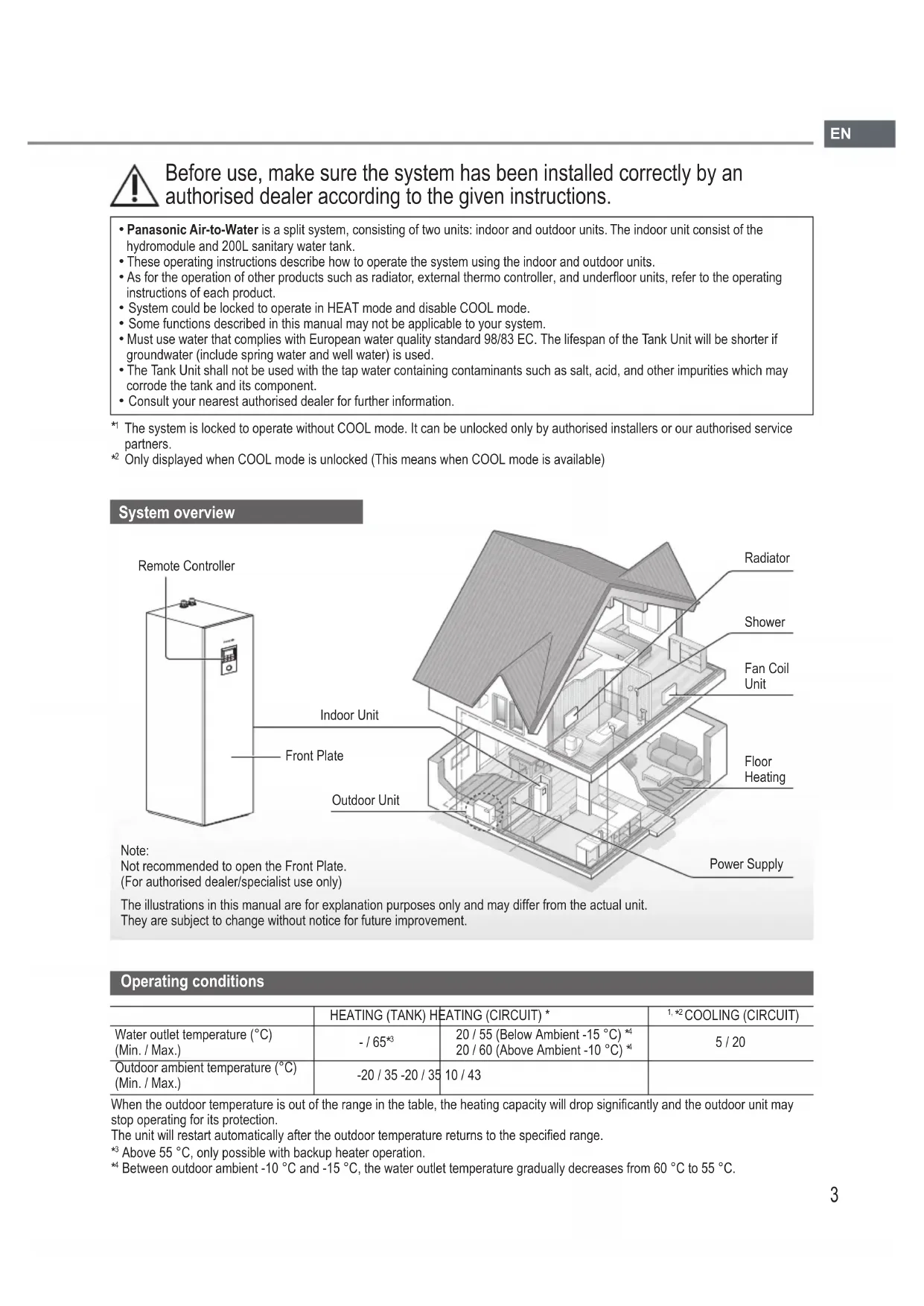


| Product type | Reversible air-to-water heat pump (air conditioner) |
| Refrigerant | R32 (low flammability) |
| Domestic hot water tank capacity | 200 liters |
| Water outlet temperature range (heating) | 20 °C to 65 °C |
| Water outlet temperature range (cooling) | 5 °C to 20 °C |
| Outdoor ambient operating temperature (heating) | -20 °C to 35 °C |
| Outdoor ambient operating temperature (cooling) | 10 °C to 43 °C |
| Power supply | 230 V ~ 50 Hz (single-phase) |
| Operating modes | Heating, Cooling* (unlockable by installer), Auto, Domestic hot water (DHW) |
| Main functions | Weekly programming, holiday mode, silent mode, anti-legionella sterilization, electric backup, energy metering |
| Installation type | Split system (indoor unit + outdoor unit) |
| Control | Remote control with LCD screen and directional buttons |
| Safety protection | Residual current circuit breaker (RCCB/ELCB), refrigerant leak detection, overheat protection |
| Routine maintenance | Cleaning the water filter at least once a year; checking outdoor air vents |
| User maintenance | Do not clean with water or solvents; use a soft dry cloth |
| Repairability | Internal parts not repairable by user; contact an authorized installer |
| Recommended water pressure | 0.05 to 0.3 MPa (0.5 to 3 bar) |
| Optional accessories | Connectivity card, network adapter, condensate pan heating cable |
Frequently Asked Questions - WHADC0309J3E5B PANASONIC
User questions about WHADC0309J3E5B PANASONIC
0 question about this device. Answer the ones you know or ask your own.
Ask a new question about this device
Download the instructions for your Air conditioner in PDF format for free! Find your manual WHADC0309J3E5B - PANASONIC and take your electronic device back in hand. On this page are published all the documents necessary for the use of your device. WHADC0309J3E5B by PANASONIC.
USER MANUAL WHADC0309J3E5B PANASONIC
Operating Instructions
Air-to-Water Hydromodule + Tank
Model No.
Indoor Unit
WH-ADC0309J3E5B
Outdoor Unit
WH-UD03JE5*
WH-UD05JE5*
WH-UD07JE5*
WH-UD09JE5*
Operating Instructions
Air-to-Water Hydromodule + Tank
Thank you for purchasing Panasonic product.
Before operating the system, please read these operating instructions thoroughly and keep them for future reference.
Installation Instructions attached.
Serial number and production year please refer to name plate.
Table of contents
Safety precautions 4-16
Remote Controller buttons and display 17-19
Initialization 19
Quick Menu 20
Menus 20-31
For user
1 Function setup 20-21
1.1 Weekly timer
1.2 Holiday timer
1.3 Quiet timer
1.4 Room heater
1.5 Tank heater
1.6 Sterilization
1.7 DHW mode
2 System check 22
2.1 Energy monitor
2.2 System information
2.3 Error history
2.4 Compressor
2.5 Heater
3 Personal setup 22-23
3.1 Touch sound
3.2 LCD contrast
3.3 Backlight
3.4 Backlight intensity
3.5 Clock format
3.6 Date & Time
3.7 Language
3.8 Unlock password
4 Service contact 23
4.1 Contact 1 / Contact 2
For installer
5 Installer setup > System setup .....24-26
5.1 Optional PCB connectivity
5.2 Zone & Sensor
5.3 Heater capacity
5.4 Anti freezing
5.5 DHW capacity
5.6 Base pan heater
5.7 Alternative outdoor sensor
5.8 External SW
5.9 External error signal
5.10 Demand control
5.11 SG ready
5.12 External compressor SW
5.13 Circulation liquid
5.14 Heat-Cool SW
5.15 Force heater
5.16 Force defrost
5.17 Defrost signal
5.18 Pump flowrate
6 Installer setup > Operation setup .....26-30
6.1 Heat
6.2 Cool
6.3 Auto
6.4 Tank
7 Installer setup > Service setup ....30-31
7.1 Pump maximum speed
7.2 Pump down
7.3 Dry concrete
7.4 Service contact
Cleaning instructions 32
Troubleshooting 33-34
Information 35-36

Before use, make sure the system has been installed correctly by an authorised dealer according to the given instructions.
- Panasonic Air-to-Water is a split system, consisting of two units: indoor and outdoor units. The indoor unit consists of the hydromodule and 200L sanitary water tank. • These operating instructions describe how to operate the system using the indoor and outdoor units.
- As for the operation of other products such as radiator, external thermo controller, and underfloor units, refer to the operating instructions of each product.
- System could be locked to operate in HEAT mode and disable COOL mode.
- Some functions described in this manual may not be applicable to your system.
- Must use water that complies with European water quality standard 98/83 EC. The lifespan of the Tank Unit will be shorter if groundwater (include spring water and well water) is used.
- The Tank Unit shall not be used with the tap water containing contaminants such as salt, acid, and other impurities which may corrode the tank and its component.
- Consult your nearest authorised dealer for further information.
*1 The system is locked to operate without COOL mode. It can be unlocked only by authorised installers or our authorised service partners. *2 Only displayed when COOL mode is unlocked (This means when COOL mode is available)
System overview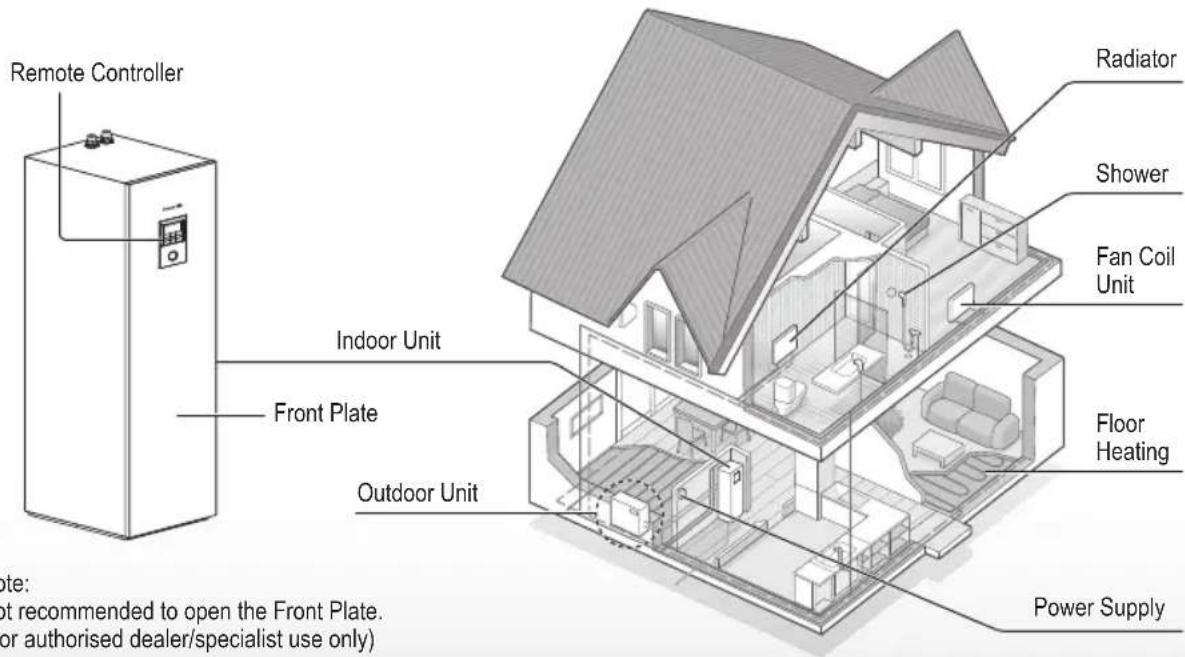
Note: It is not recommended to open the front plate. (For authorized dealer/specialist use only.) The illustrations in this manual are for explanation purposes only and may differ from the actual unit. They are subject to change without notice for future improvement.
Operating conditions
| HEATING (TANK) HEATING (CIRCUIT) * | 1.*2 COOLING (CIRCUIT) | ||
| Water outlet temperature (°C)(Min. / Max.) | - / 65*3 | 20 / 55 (Below Ambient -15 °C) *420 / 60 (Above Ambient -10 °C) *4 | 5 / 20 |
| Outdoor ambient temperature (°C)(Min. / Max.) | -20 / 35 -20 / 35 | 10 / 43 | |
When the outdoor temperature is out of the range in the table, the heating capacity will drop significantly and the outdoor unit may stop operating for its protection. The unit will restart automatically after the outdoor temperature returns to the specified range. *3 Above 55 °C, only possible with backup heater operation. *4 Between outdoor ambient -10 °C and -15 °C, the water outlet temperature gradually decreases from 60 °C to 55 °C.
Safety precautions
To prevent personal injury, injury to others, or property damage, please comply with the following:
Incorrect operation due to failure to follow instructions below may cause harm or damage, the seriousness of which is classified as below:
This appliance is not intended for accessibility by the general public.
| WARNING | This sign warns of death or serious injury. |
| CAUTION | This sign warns of injury or damage to property. |
The instructions to be followed are classified by the following symbols:
| No | This symbol denotes an action that is PROHIBITED. |
| These symbols denote actions COMPULSORY. |

WARNING
Indoor unit and outdoor unit

This appliance can be used by children aged from 8 years and above and persons with reduced physical, sensory or mental capabilities or lack of experience and knowledge if they have been given supervision or instruction concerning use of the appliance in a safe way and understand the hazards involved. Children shall not play with the appliance. Cleaning and user maintenance shall not be made by children without supervision.
Please consult an authorized dealer or specialist to clean the internal parts, repair, install, remove, disassemble and reinstall the unit. Improper installation and handling will cause leakage, electric shock or fire.
Confirm with authorized dealer or specialist on usage of any specified refrigerant type. Using refrigerant type other than the specified may cause product damage, burst and injury etc.

Do not use means to accelerate the defrosting process or to clean, other than those recommended by manufacturer.
Any unfit method or using incompatible material may cause product damage, burst and serious injury.
Do not install the unit in a potentially explosive or flammable atmosphere. Failure to do so could result in fire.

Do not insert your fingers or other objects into the Air to water indoor or outdoor unit, rotating parts may cause injury.

Do not touch the outdoor unit during lightning, it may cause electric shock.
Do not sit or step on the unit, you may fall down accidentally.

Do not install the indoor unit outdoors. This is designed for indoor installation only.
Power supply

Do not use a modified cord, joint cord, extension cord or unspecified cord to prevent overheating and fire.


To prevent overheating, fire or electric shock:
- Do not share the same power outlet with other equipment.
- Do not operate with wet hands.
- Do not over bend the power supply cord.

If the supply cord is damaged, it must be replaced by the manufacturer, service agent or similarly qualified persons in order to avoid a hazard.
This unit is equipped with Residual Current Circuit Breaker/Earth Leakage Circuit Breaker (RCCB/ELCB). Ask an authorised dealer to check RCCB/ELCB operation regularly, especially after installation, inspection, and maintenance. RCCB/ELCB malfunction may result in electric shock and/or fire.

It is strongly recommended that Install Residual Current Device (RCD) on-site to prevent electric shock and/or fire.
Before obtaining access to terminals, all supply circuits must be disconnected.
Stop using the product if any abnormality/failure occurs and disconnect the power supply. (Risk of smoke/fire/electric shock)
Examples of abnormality/failure
• RCCB/ELCB trips frequently. - Burning smell is observed. - Abnormal noise or vibration of the unit is observed. - Hot water leaks from the indoor unit. Contact your local dealer immediately for maintenance/repair.
Wear gloves during inspection and maintenance.

This equipment must be earthed to prevent electrical shock or fire.

Prevent electric shock by switching off the power supply:
-Before cleaning or servicing, -When extended non-use.
This appliance is for multiple uses. To avoid electric shock, burn and/or fatal injury, make sure to disconnect all power supplies before accessing any terminal in the indoor unit.

CAUTION
Indoor unit and outdoor unit

Do not wash the indoor unit with water, benzine, thinner or scouring powder to avoid damage or corrosion at the unit.
Do not install the unit close to any combustibles or at bathroom. Otherwise, it may cause electric shock and/or fire.
Do not touch the sharp aluminium fin, sharp parts may cause injury.

Do not use the system during sterilisation in order to prevent scalding with hot water, or overheating of shower.
Do not dismantle the unit for cleaning purpose to avoid injury.
Do not step onto an unstable bench when cleaning the unit to avoid injury.
Do not place a vase or water container on the unit. Water may enter the unit and degrade the insulation. This may cause an electric shock.

Prevent water leakage by ensuring drainage pipe is:
-Connected properly, -Kept clear of gutters and containers, or -Not immersed in water
After a long period of use or use with any combustible equipment, aerate the room regularly.
After a long period of use, make sure the installation rack does not deteriorate to prevent the unit from falling down.
Remote Controller

Do not wet the Remote Controller. Failure to do so may result in electric shock and/or fire.
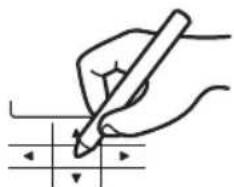
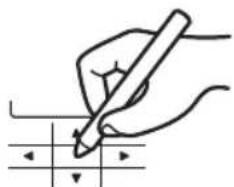
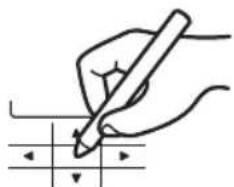
Do not press the buttons on the Remote Controller using hard and sharp objects. Failure to do so may cause damage to the unit.
Do not wash the Remote Controller using water, benzine, thinner or scouring powder.
Do not inspect or maintain the Remote Controller by yourself. Consult an authorised dealer in order to prevent personal injury caused by incorrect operation.

WARNING
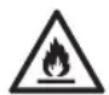
This appliance is filled with R32 (mild flammable refrigerant).
If the refrigerant is leaked and exposed to an external ignition source, there is a risk of fire.
Indoor unit and outdoor unit

The appliance shall be installed and/or operated in a room with a floor area larger than Amin (m²) and kept away from ignition sources, such as heat, sparks, or open flames, or hazardous areas such as gas appliances, gas cooking, reticulated gas supply systems, or electric cooking appliances, etc. (Refer to Table I of the Installation Instructions for Amin (m²)).
Be aware that refrigerant may not contain an odor. It is highly recommended to ensure suitable flammable refrigerant gas detectors are present, operating, and able to warn of a leak.
Keep any required ventilation openings clear of obstruction.

Do not pierce or burn, as the appliance is pressurized. Do not expose the appliance to heat, flame, sparks, or other sources of ignition. Otherwise, it may explode and cause injury or death.
Precaution for using R32 refrigerant
The basic installation work procedures are the same as for conventional refrigerant (R410A, R22) models.

Since the working pressure is higher than that of R22 models, some piping, installation, and service tools are special. Especially when replacing an R22 model with a new R32 model, always replace the conventional piping and flare nuts with the R32 and R410A piping and flare nuts on the outdoor unit side. For R32 and R410A, the same flare nut on the outdoor unit side and pipe can be used.
The mixing of different refrigerants within a system is prohibited. Models that use R32 and R410A have a different charging port thread diameter to prevent erroneous charging with R22 and for safety.
Therefore, check beforehand. [The charging port thread diameter for R32 and R410A is 1/2 inch.]
Always ensure that foreign matter (oil, water, etc.) does not enter the piping. Also, when storing the piping, securely seal the opening by pinching, taping, etc. (Handling of R32 is similar to R410A.)
Operation, maintenance, repairing, and refrigerant recovery should be carried out by trained and certified personnel in the use of flammable refrigerants and as recommended by the manufacturer. Any personnel conducting an operation, servicing, or maintenance on a system or associated parts of the equipment should be trained and certified.

- Any part of the refrigerating circuit (evaporators, air coolers, AHU, condensers, or liquid receivers) or piping should not be located in the proximity of heat sources, open flames, operating gas appliances, or operating electric heaters.
- The user/owner or their authorized representative shall regularly check the alarms, mechanical ventilation, and detectors at least once a year, where required by national regulations, to ensure their correct functioning.
- A logbook shall be maintained. The results of these checks shall be recorded in the logbook.
- In case of ventilations in occupied spaces, they shall be checked to confirm no obstruction.
- Before a new refrigerating system is put into service, the person responsible for placing the system in operation should ensure that trained and certified operating personnel are instructed on the basis of the instruction manual about the construction, supervision, operation and maintenance of the refrigerating system, as well as the safety measures to be observed, and the properties and handling of the refrigerant used.
- The general requirements for trained and certified personnel are indicated below:
a) Knowledge of legislation, regulations and standards relating to flammable refrigerants; and,
b) Detailed knowledge of and skills in handling flammable refrigerants, personal protective equipment, refrigerant leakage prevention, handling of cylinders, charging, leak detection, recovery and disposal; and,

c) Ability to understand and apply in practice the requirements in the national legislation, regulations and standards; and d) Continuously undergo regular and further training to maintain this expertise. e) Air-conditioner piping in the occupied space shall be installed in such a way to protect against accidental damage in operation and service. f) Precautions shall be taken to avoid excessive vibration or pulsation to refrigerating piping. g) Ensure protection devices, refrigerating piping and fittings are well protected against adverse environmental effects (such as the danger of water collecting and freezing in relief pipes or the accumulation of dirt and debris). h) Expansion and contraction of long runs piping in refrigerating systems shall be designed and installed securely (mounted and guarded) to minimize the likelihood of hydraulic shock damaging the system. i) Protect the refrigerating system from accidental rupture due to moving furniture or reconstruction activities. j) To ensure no leaking, field-made refrigerant joints indoors shall be tightness tested. The test method shall have a sensitivity of 5 grams per year of refrigerant or better under a pressure of at least 0.25 times the maximum allowable pressure (>1.04 MPa, max 4.15 MPa). No leak shall be detected.

1. Installation (Space)
- Products with flammable refrigerants shall be installed according to the minimum room area, Amin (m²), mentioned in Table I of the Installation Instructions.
- In case of field charge, the effect on refrigerant charge caused by the different pipe length has to be quantified, measured and labelled.
- Must ensure the installation of pipework shall be kept to a minimum. Avoid using dented pipe and do not allow acute bending.
- Must ensure that pipework shall be protected from physical damage.
- Must comply with national gas regulations, state municipal rules and legislation. Notify relevant authorities in accordance with all applicable regulations.
- Must ensure mechanical connections are accessible for maintenance purposes.
- In cases that require mechanical ventilation, ventilation openings shall be kept clear of obstruction.
- When disposing of the product, follow the precautions in #12 and comply with national regulations. Always contact local municipal offices for proper handling.

2. Servicing
2-1. Service personnel
- The system is inspected, regularly supervised, and maintained by trained and certified service personnel who are employed by the user or the party responsible.
- Ensure the actual refrigerant charge is in accordance with the room size within which the refrigerant-containing parts are installed.
- Ensure refrigerant charge does not leak.
- Any qualified person who is involved in working on or breaking into a refrigerant circuit should hold a current valid certificate from an industry-accredited assessment authority, which authorizes their competence to handle refrigerants safely in accordance with an industry-recognized assessment specification.
- Servicing shall only be performed as recommended by the equipment manufacturer. Maintenance and repair requiring the assistance of other skilled personnel shall be carried out under the supervision of a person competent in the use of flammable refrigerants.
- Servicing shall be performed only as recommended by the manufacturer.

2-2. Work
- Prior to beginning work on systems containing flammable refrigerants, safety checks are necessary to ensure that the risk of ignition is minimized. For repair to the refrigerating system, the precautions in #2-2 to #2-8 must be followed before conducting work on the system. • Work shall be undertaken under a controlled procedure so as to minimize the risk of a flammable gas or vapor being present while the work is being performed.
- All maintenance staff and others working in the local area shall be instructed and supervised on the nature of work being carried out.
- Avoid working in confined spaces. Always ensure a safe distance of at least 2 meters from the source, or a free space zone of at least 2 meters in radius.
- Wear appropriate protective equipment, including respiratory protection, as conditions warrant.
- Keep all sources of ignition and hot metal surfaces away.

2-3. Checking for presence of refrigerant
- The area shall be checked with an appropriate refrigerant detector prior to and during work, to ensure the technician is aware of potentially flammable atmospheres.
- Ensure that the leak detection equipment being used is suitable for use with flammable refrigerants, i.e. non-sparking, adequately sealed or intrinsically safe.
- In case of leakage/spillage, immediately ventilate the area and stay upwind and away from the spill/release.
- In case of leakage/spillage, notify persons downwind of the leaking/spill, isolate the immediate hazard area and keep unauthorized personnel out.

2-4. Presence of fire extinguisher
- If any hot work is to be conducted on the refrigerating equipment or any associated parts, appropriate fire extinguishing equipment shall be available at hand.
- Have a dry powder or CO2 fire extinguisher adjacent to the charging area.

2-5. No ignition sources
- No person carrying out work in relation to a refrigerating system which involves exposing any pipe work that contains or has contained flammable refrigerant shall use any sources of ignition in such a manner that it may lead to the risk of fire or explosion. He/She must not be smoking when carrying out such work.
- All possible ignition sources, including cigarette smoking, should be kept sufficiently far away from the site of installation, repairing, removing and disposal, during which flammable refrigerant can possibly be released to the surrounding space.
- Prior to work taking place, the area around the equipment is to be surveyed to make sure that there are no flammable hazards or ignition risks.
- "No Smoking" signs shall be displayed.

2-6. Ventilated area
- Ensure that the area is in the open or that it is adequately ventilated before breaking into the system or conducting any hot work.
- A degree of ventilation shall continue during the period that the work is carried out.
- The ventilation should safely disperse any released refrigerant and preferably expel it externally into the atmosphere.

2-7. Checks to the refrigerating equipment
- Where electrical components are being changed, they shall be fit for the purpose and to the correct specification.
- At all times the manufacturer's maintenance and service guidelines shall be followed.
- If in doubt consult the manufacturer's technical department for assistance.
- The following checks shall be applied to installations using flammable refrigerants.
-The actual refrigerant charge is in accordance with the room size within which the refrigerant containing parts are installed.
-The ventilation machinery and outlets are operating adequately and are not obstructed.
-If an indirect refrigerating circuit is being used, the secondary circuit shall be checked for the presence of refrigerant.
-Marking to the equipment continues to be visible and legible. Markings and signs that are illegible shall be corrected.
-Refrigerating pipe or components are installed in a position where they are unlikely to be exposed to any substance which may corrode refrigerant containing components, unless the components are constructed of materials which are inherently resistant to being corroded or are properly protected against being so corroded.

2-8. Checks to electrical devices
• Repair and maintenance to electrical components shall include initial safety checks and component inspection procedures. - Initial safety checks shall include but not limit to:-
- That capacitors are discharged: this shall be done in a safe manner to avoid the possibility of sparking.
- That there are no live electrical components and wiring exposed while charging, recovering, or purging the system.
- That there is continuity of earth bonding.
- At all times, the manufacturer's maintenance and service guidelines shall be followed.
- If in doubt, consult the manufacturer's technical department for assistance.
- If a fault exists that could compromise safety, then no electrical supply shall be connected to the circuit until it is satisfactorily dealt with.
- If the fault cannot be corrected immediately but it is necessary to continue operation, an adequate temporary solution shall be used.
- The owner of the equipment must be informed or reported so all parties are advised thereafter.

3. Repairs to sealed components
- During repairs to sealed components, all electrical supplies shall be disconnected from the equipment being worked upon prior to any removal of sealed covers, etc.
- If it is absolutely necessary to have an electrical supply to equipment during servicing, then a permanently operating form of leak detection shall be located at the most critical point to warn of a potentially hazardous situation.
- Particular attention shall be paid to the following to ensure that by working on electrical components, the casing is not altered in such a way that the level of protection is affected. This shall include damage to cables, excessive number of connections, terminals not made to original specification, damage to seals, incorrect fitting of glands, etc.
- Ensure that apparatus is mounted securely.
- Ensure that seals or sealing materials have not degraded such that they no longer serve the purpose of preventing the ingress of flammable atmospheres.
- Replacement parts shall be in accordance with the manufacturer's specifications.
NOTE: The use of silicon sealant may inhibit the effectiveness of some types of leak detection equipment.
Intrinsically safe components do not have to be isolated prior to working on them.

4. Repair to intrinsically safe components
- Do not apply any permanent inductive or capacitance loads to the circuit without ensuring that this will not exceed the permissible voltage and current permitted for the equipment in use.
- Intrinsically safe components are the only types that can be worked on while live in the presence of a flammable atmosphere.
- The test apparatus shall be at the correct rating.
- Replace components only with parts specified by the manufacturer. Unspecified parts by manufacturer may result ignition of refrigerant in the atmosphere from a leak.

5. Cabling
- Check that cabling will not be subject to wear, corrosion, excessive pressure, vibration, sharp edges or any other adverse environmental effects.
- The check shall also take into account the effects of aging or continual vibration from sources such as compressors or fans.

6. Detection of flammable refrigerants
• Under no circumstances shall potential sources of ignition be used in the searching or detection of refrigerant leaks. - A halide torch (or any other detector using a naked flame) shall not be used.

7. The following leak detection methods are deemed acceptable for all refrigerant systems
- No leaks shall be detected when using detection equipment with a sensitivity of 5 grams per year of refrigerant or better under a pressure of at least 0.25 times the maximum allowable pressure (>1.04 MPa, max 4.15 MPa), for example, a universal sniffer.
- Electronic leak detectors may be used to detect flammable refrigerants, but the sensitivity may not be adequate, or may need re-calibration. (Detection equipment shall be calibrated in a refrigerant-free area.)
- Ensure that the detector is not a potential source of ignition and is suitable for the refrigerant used.
- Leak detection equipment shall be set at a percentage of the LFL of the refrigerant and shall be calibrated to the refrigerant employed and the appropriate percentage of gas (25% maximum) is confirmed.
- Leak detection fluids are also suitable for use with most refrigerants, for example, bubble method and fluorescent method agents. The use of detergents containing chlorine shall be avoided as the chlorine may react with the refrigerant and corrode the copper pipe-work.
- If a leak is suspected, all naked flames shall be removed/extinguished.
- If a leakage of refrigerant is found which requires brazing, all of the refrigerant shall be recovered from the system, or isolated (by means of shut off valves) in a part of the system remote from the leak. The precautions in #8 must be followed to remove the refrigerant.

8. Removal and evacuation
- When breaking into the refrigerant circuit to make repairs – or for any other purpose – conventional procedures shall be used. However, it is important that best practice is followed since flammability is a consideration. The following procedure shall be adhered to: remove refrigerant -> purge the circuit with inert gas -> evacuate -> purge with inert gas -> open the circuit by cutting or brazing.
- The refrigerant charge shall be recovered into the correct recovery cylinders.
- The system shall be purged with OFN to render the appliance safe. • This process may need to be repeated several times.
- Compressed air or oxygen shall not be used for this task.
- Purging shall be achieved by breaking the vacuum in the system with OFN and continuing to fill until the working pressure is achieved, then venting to atmosphere, and finally pulling down to a vacuum.
- This process shall be repeated until no refrigerant is within the system.
- When the final OFN charge is used, the system shall be vented down to atmospheric pressure to enable work to take place.
- This operation is absolutely vital if brazing operations on the pipe work are to take place.
- Ensure that the outlet for the vacuum pump is not close to any potential ignition sources and there is ventilation available.
OFN = oxygen free nitrogen, type of inert gas.

9. Charging procedures
• In addition to conventional charging procedures, the following requirements shall be followed.
- Ensure that contamination of different refrigerants does not occur when using charging equipment. - Hoses or lines shall be as short as possible to minimize the amount of refrigerant contained in them. - Cylinders shall be kept in an appropriate position according to the instructions. - Ensure that the refrigerating system is earthed prior to charging the system with refrigerant. - Label the system when charging is complete (if not already). - Extreme care shall be taken not to overfill the refrigerating system.
- Prior to recharging the system it shall be pressure tested with OFN (refer to #7).
- The system shall be leak tested on completion of charging but prior to commissioning.
- A follow-up leak test shall be carried out prior to leaving the site.
- Electrostatic charge may accumulate and create a hazardous condition when charging and discharging the refrigerant. To avoid fire or explosion, dissipate static electricity during transfer by grounding and bonding containers and equipment before charging/discharging.

10. Decommissioning
- Before carrying out this procedure, it is essential that the technician is completely familiar with the equipment and all its details.
- It is recommended good practice that all refrigerants are recovered safely.
- Prior to the task being carried out, an oil and refrigerant sample shall be taken in case analysis is required prior to re-use of recovered refrigerant.
- It is essential that electrical power is available before the task is commenced.
a) Become familiar with the equipment and its operation. b) Isolate system electrically. c) Before attempting the procedure ensure that:
- mechanical handling equipment is available, if required, for handling refrigerant cylinders;
- All personal protective equipment is available and being used correctly; • the recovery process is supervised at all times by a competent person; • recovery equipment and cylinders conform to the appropriate standards. d) Pump down refrigerant system, if possible. e) If a vacuum is not possible, make a manifold so that refrigerant can be removed from various parts of the system. f) Make sure that cylinder is situated on the scales before recovery takes place. g) Start the recovery machine and operate in accordance with instructions.

h) Do not overfill cylinders. (No more than 80% volume liquid charge). i) Do not exceed the maximum working pressure of the cylinder, even temporarily. j) When the cylinders have been filled correctly and the process completed, make sure that the cylinders and the equipment are removed from site promptly and all isolation valves on the equipment are closed off. k) Recovered refrigerant shall not be charged into another refrigerating system unless it has been cleaned and checked. - Electrostatic charge may accumulate and create a hazardous condition when charging or discharging the refrigerant. To avoid fire or explosion, dissipate static electricity during transfer by grounding and bonding containers and equipment before charging/discharging.

11. Labelling
• Equipment shall be labelled stating that it has been de-commissioned and emptied of refrigerant. • The label shall be dated and signed. - Ensure that there are labels on the equipment stating the equipment contains flammable refrigerant.

12. Recovery
- When removing refrigerant from a system, either for servicing or decommissioning, it is recommended good practice that all refrigerants are removed safely.
- When transferring refrigerant into cylinders, ensure that only appropriate refrigerant recovery cylinders are employed.
- Ensure that the correct number of cylinders for holding the total system charge are available.
- All cylinders to be used are designated for the recovered refrigerant and labelled for that refrigerant (i.e. special cylinders for the recovery of refrigerant).
- Cylinders shall be complete with pressure relief valve and associated shut-off valves in good working order.
- Recovery cylinders are evacuated and, if possible, cooled before recovery occurs.
- The recovery equipment shall be in good working order with a set of instructions concerning the equipment that is at hand and shall be suitable for the recovery of flammable refrigerants.
- In addition, a set of calibrated weighing scales shall be available and in good working order.
- Hoses shall be complete with leak-free disconnect couplings and in good condition.
- Before using the recovery machine, check that it is in satisfactory working order, has been properly maintained and that any associated electrical components are sealed to prevent ignition in the event of a refrigerant release. Consult manufacturer if in doubt.

- The recovered refrigerant shall be returned to the refrigerant supplier in the correct recovery cylinder, and the relevant Waste Transfer Note arranged.
- Do not mix refrigerants in recovery units and especially not in cylinders.
- If compressors or compressor oils are to be removed, ensure that they have been evacuated to an acceptable level to make certain that flammable refrigerant does not remain within the lubricant.
- The evacuation process shall be carried out prior to returning the compressor to the suppliers.
- Only electric heating to the compressor body shall be employed to accelerate this process.
- When oil is drained from a system, it shall be carried out safely.
Buttons / Indicator
Quick Menu button
① (For more details, refer to the separate Quick Menu Guide.) ② Back button Returns to the previous screen ③LCD Display ④ Main Menu button For function setup ⑤ ON/OFF button Starts/Stops operation Operation indicator ⑥ Illuminates during operation, blinks during alarm.
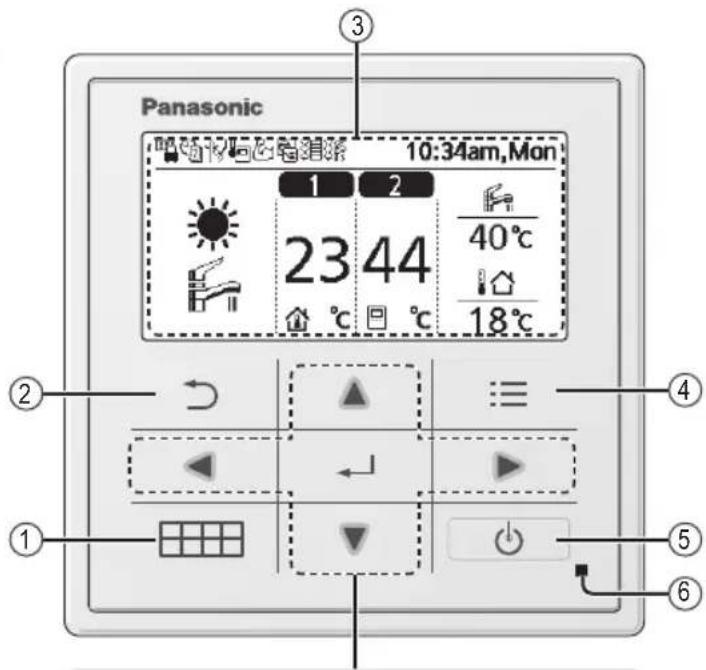
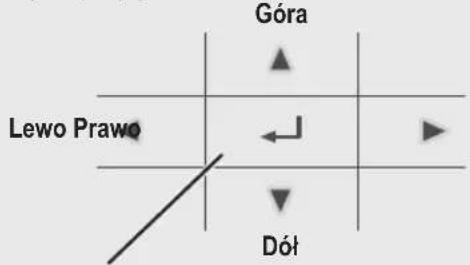
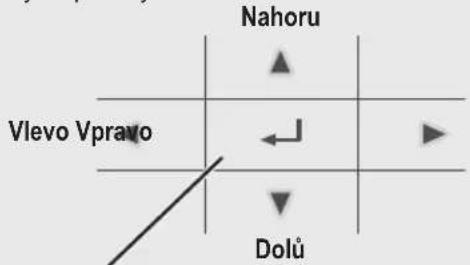
Cross key buttons
Selects an item.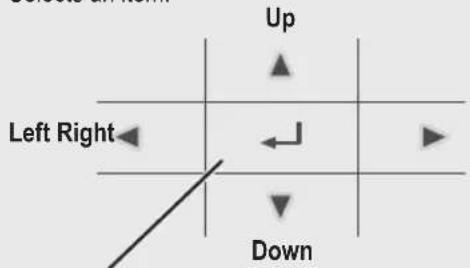
Enter button Fixes the selected content.
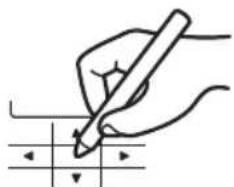
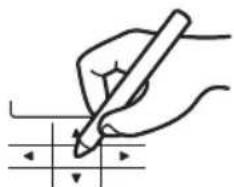
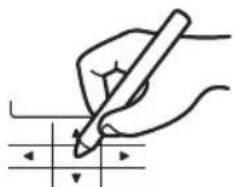
Press centre
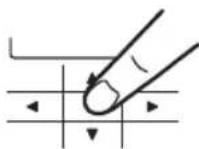
No glove
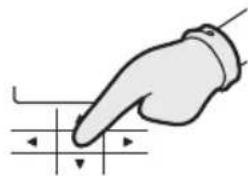
No pen
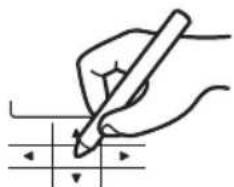
Remote Controller buttons and display
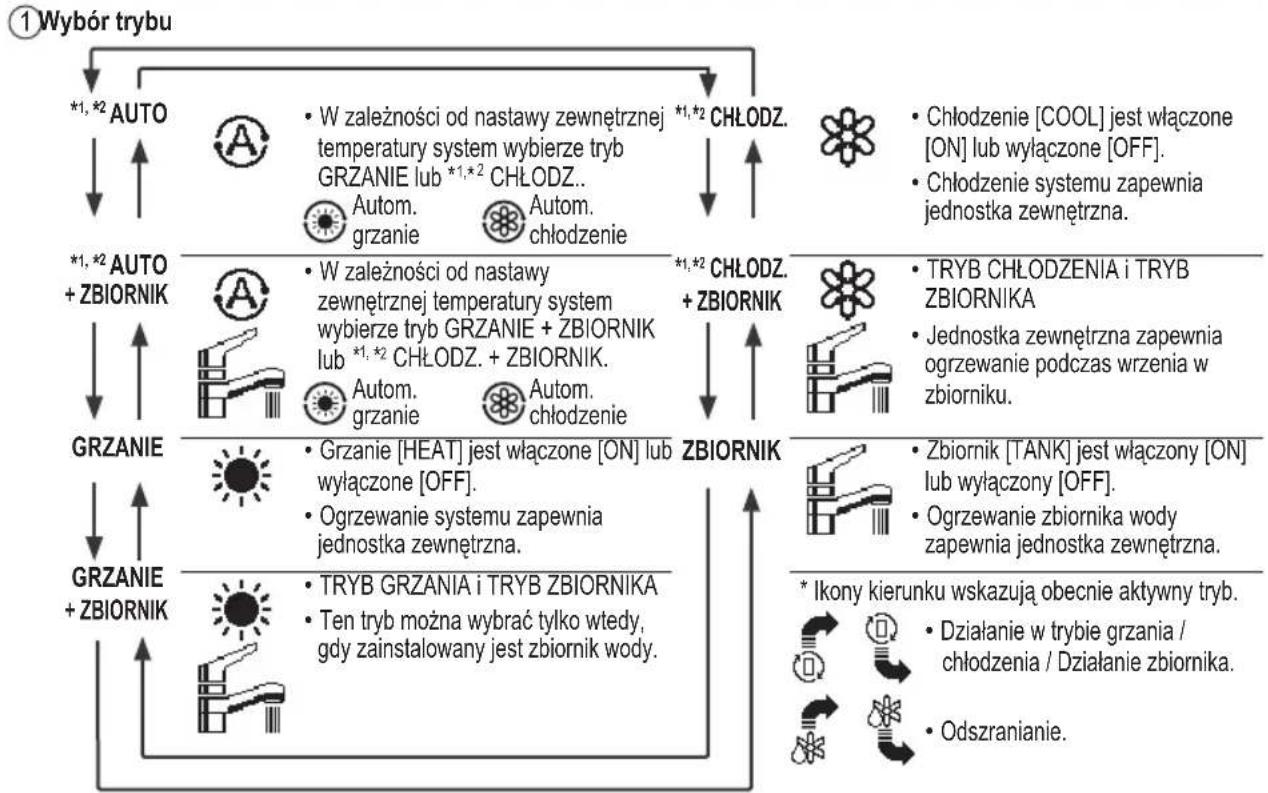
![graph TD A["Mode selection"] --> B["1"] B --> C["AUTO"] C --> D["HEAT + TANK"] D --> E["HEAT"] E --> F["HEAT + TANK"] subgraph ModeSelection G["Depending on the preset outdoor temperature, the system selects HEAT or *1,*2 COOL operation mode."] --> H["Auto Heat Auto Cool"] I["Depending on the preset…](/content/2026/03/451126/images/fad4685eab36948c18b0e41932349d32928d16a3dff4f7edc7230b3c8cb3596a.jpg)
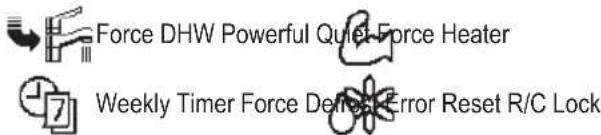
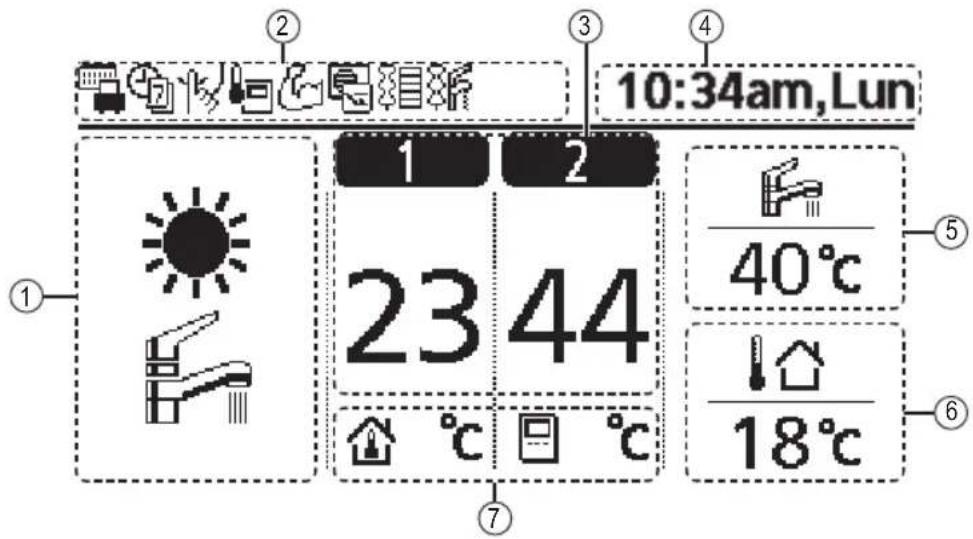
② Operation icons
The status of operation is displayed.
Icon will not display (under operation OFF screen) whenever operation is OFF except weekly timer.


Holiday operation status Weekly Upper operation status Quiet operation status
Zone: Room Thermostat →Internal sensor status
Room Heater status Tank Heater status
Inter operation status Quiet operation status
Powerful operation status
nstatus Demand Control or SG ready or SHP status
* The system is locked to operate without COOL mode. It can be unlocked only by authorised installers or our authorised service partners.
*2 Only displayed when COOL mode is unlocked (This means when COOL mode is available).
③ Temperature of each zone ④ Time and day ⑤ Water Tank temperature ⑥ Outdoor temperature
⑦ Sensor type/Set temperature type icons


Water Temperature →Compensation curve Room Thermostat →External


Water Temperature →Direct Room Thermostat →Internal


Pool only Room Thermistor
Initialization
Before starting to install the various menu settings, please initiate the Remote Controller by selecting the language of operation and installing the date and time correctly.
When power is turned on for the first time, it becomes the setting screen automatically. It can also be set from personal setting of the menu.
Selecting the language
Wait while the display is initializing.
When initializing screen ends, it turns to normal screen.
When any button is pressed, language setting screen appears.
① Scroll with ▼ and ▲ to select the language. ② Press ← to confirm the selection.
Setting the clock
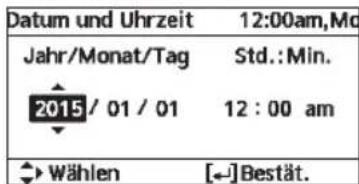
① Select with ▼ or ▲ how to display the time, either 24h or am/pm format (for example, 15:00 or 3:00 pm). ② Press ← to confirm the selection. ③ Use ▼ and to select year, month, day, hour and minutes. (Select and move with ▼ and press to confirm.) ④ Once the time is set, time and day will appear on the display even if the Remote Controller is turned OFF.
![Initialization 12:00am, Mon, LCD blinking, Initializing . . . 12:00am, Mon, [◀] Start, Language 12:00am, Mon, ENGLISH, FRANÇAIS, DEUTSCH, ITALIANO, Select [←] Confirm, Clock format 12:00am, Mon, 24h, am/pm, *Select [←] Confirm, Date & Time 12:00am, Mon, Year/Month/Day Hour : Min, 2015 / 01 / 01 12 :…](/content/2026/03/451126/images/74e2264bf201eac840e273b4d490b962baf0d5f4f37895e5c43b149a18f9f16b.jpg)
After the initial settings have been completed, you can select a quick menu from the following options and edit the setting.
① Press ☐ to display the quick menu.
![Select [←] ON/OFF](/content/2026/03/451126/images/7666663e648ca21b262256e4166ec429384d9c16e03b296214b3453874b83e6b.jpg)
② Use ▲ ▼ to select menu. ③ Press ← to turn on/off the select menu.
Menus
For user
Select menus and determine settings according to the system available in the household. All initial settings must be done by an authorized dealer or a specialist. It is recommended that all alterations of the initial settings are also done by an authorized dealer or a specialist.
• After initial installation, you may manually adjust the settings. - The initial setting remains active until the user changes it. - The Remote Controller can be used for multiple installations. - Ensure the operation indicator is OFF before setting. - The system may not work properly if set wrongly. Please consult an authorized dealer.
To display:
To select menu: ▲ ▼ ◀ ▶
To confirm the selected content:
![Panasonic, Main Menu 10:34am, Mon, Function setup, System check, Personal setup, Service contact, Select [+/-] Confirm](/content/2026/03/451126/images/fd11a93b0fa9a5e0e1d6f74e8c89a4b751ff9a2395f381bac2e64840f0ead659.jpg)
Menu Default Setting Setting Options / Display
1 Function setup
1.1 > Weekly timer
Once the weekly timer is set up, User can edit from Quick Menu. To set up to 6 patterns of operation on a daily basis.
- Disabled if Heat-Cool SW is select "Yes" or if Force Heater is on.
Timer setup Select day of the week and set the patterns needed (Time / Operation ON/OFF / Mode)
Timer copy
Select day of the week
| Weekly timer 10:34am,Mon | ||||||
| Sun | Mon | Tue | Wed | Thu | Fri | Sat |
| 1. | 8:00am | ON | 40°C | |||
| 2. | 12:00pm | ON | 24/28°C | 40°C | ||
| 3. | 1:00pm | ON | 12/10°C | |||
| ←Day | Pattern | [-]Edit | ||||
Menu Default Setting Setting Options / Display
1.2 > Holiday timer
| To save energy, a holiday period may be set to either turn OFF the system or lower the temperature during the period. | OFF | ONOFF | |
| >ON | |||
| Holiday start and end.Date and time | Holiday: End 10:34am, MonYear/Month/Day Hour : Min2015 / 01 / 07 10 : 00 amSelect [←] Confirm | ||
| OFF or lowered temperature | |||
| • Weekly timer setting may be temporarily disabled during Holiday timer setting but it will be restored once the Holiday timer is completed. | |||
1.3 > Quiet timer
| To operate quietly during the preset period.6 patterns may be set.Level 0 means the mode is off. | Time to start Quiet :Date and time | Quiet10:34am, Mon | ||
| Pattern | Time | Level | ||
| 1 | 8:00 am | 0 | ||
| Level of quietness:0 ~ 3 | 2 | 5:00pm | 1 | |
| 3 | 11:00pm | 3 | ||
| Select | [←] Edit | |||
1.4 > Room heater
| To set the room heater ON or OFF. | OFF |
1.5 > Tank heater
| To set the tank heater ON or OFF. | OFF |
1.6 > Sterilization
| To set the auto sterilization ON or OFF. | ON |
- Do not use the system during sterilization in order to prevent scalding with hot water, or overheating of shower.
- Ask an authorised dealer to determine the level of sterilization function field settings according to the local laws and regulations.
| To set the DHW mode to Standard or Smart.• Standard mode have faster DHW Tank heat up time. Meanwhile Smart mode take longer time to heat up DHW time with lower energy consumption. | Standard | 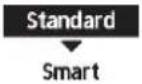 |
| To set the tank sensor to Top or Center.• Selection of the tank sensor to top slow down the start of boiling up the tank and reduce power consumption. Please change this selection to “Center” when the hot water becomes insufficient. | Top | 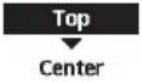 |
Menu Default Setting Setting Options / Display
2 System check
2.1 > Energy monitor
| Present or historical chart of energy consumption, generation or COP. | PresentSelect and retrieve | Total consumption (1year) |
| Historical chartSelect and retrieve |
• COP = Coefficient of Performance. - For historical chart, the period is selected from 1 day/1 week/1 year. - Energy consumption (kWh) of heating, cooling, tank and total may be retrieved. - The total power consumption is an estimated value based on AC 230 V and may differ from value measured by precise equipment.
2.2 > System information
| Shows all system information in each area. | Actual system information of 8 items: Inlet / Outlet / Zone 1 / Zone 2 / Tank / Pool / COMP frequency / Pump flowrateSelect and retrieve | System Information 10:34am,Mon |
| 1. Inlet : 0°C2. Outlet : 0°C3. Zone 1 : 0°C4. Zone 2 : 0°C | ||
| Page |
2.3 > Error history
| Refer to Troubleshooting for error codes.The most recent error code is displayed at the top. | Select and retrieve | Error history 10:34am, Mon |
| 1. -- | ||
| 2. -- | ||
| 3. -- | ||
| 4. -- | ||
| [-]Clear history |
2.4 > Compressor
| Shows the compressor performance. | Select and retrieve | Compressor 10:34am, Mon |
| 1. Current frequency : 0 Hz2. (OFF-ON) counter : 03. Total ON time : 0 h | ||
| [→]Back |
2.5 Heater
| Total hours of ON time for Room heater/Tank heater. | Select and retrieve | Heater 10:34am, Mon |
| Total ON time | ||
| ☐ : 0h | ||
| ☐ : 0h | ||
| [☐]Back |
3 Personal setup
3.1 Touch sound
| Turns the operation sound ON/OFF. | ON |
3.2 LCD contrast
| Sets the screen contrast. | 3 | LCD contrast 10:34am, Mon | ||
| Low | High | |||
| Select | [←] Confirm | |||
*1 The system is locked to operate without COOL mode. It can be unlocked only by authorised installers or our authorised service partners. *2 Only displayed when COOL mode is unlocked (This means when COOL mode is available).
| Menu Default Setting Setting Options / Display | ||||
| 3.3 | >Backlight | |||
| Sets the duration of screen backlight. | 1 min | Backlight 10:34am,Mon | ||
| OFF 5 mins | ||||
| 15 secs 10 mins | ||||
 | ||||
 -]Confirm -]Confirm | ||||
| 3.4 | >Backlight intensity | |||
| Sets screen backlight brightness. | 4 | Backlight intensity 10:34am,Mon | ||
 Bright Bright | ||||
 -]Confirm -]Confirm | ||||
| 3.5 | >Clock format | |||
| Sets the type of clock display. | 24h |  10:34am,Mon 10:34am,Mon | ||
 4h am/pm 4h am/pm | ||||
 -]Confirm -]Confirm | ||||
| 3.6 | >Date & Time | |||
| Sets the present date and time. | Year / Month / Day / Hour / Min |  Date & Time 10:34am,Mon Date & Time 10:34am,Mon | ||
| Year/Month/Day Hour :Min | ||||
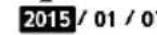 10:00 am 10:00 am | ||||
 [-]Confirm [-]Confirm | ||||
| 3.7 | >Language | |||
| Sets the display language for the top screen. | ENGLISH / FRANÇAIS / DEUTSCH / ITALIANO / ESPAÑOL / DANISH / SWEDISH / NORWEGIAN / POLISH / CZECH / NEDERLANDS / TÜRKÇE / SUOMI / MAGYAR / SLOVENŠČINA / HRVATSKI / LIETUVIŲ |  10:34am,Mon 10:34am,Mon | ||
| • For Greek, please refer to the English version. | ENGLISH  DEUTSCH ITALIANO DEUTSCH ITALIANO  Select [-]Confirm Select [-]Confirm | |||
| 3.8 | >Unlock password | |||
| 4 digit password for all the settings. | 0000 |  Unlock password 10:34am,Mon Unlock password 10:34am,Mon | ||
 00 00 | ||||
 -]Confirm -]Confirm | ||||
4 Service contact  | ||||
| 4.1 | >Contact 1 / Contact 2 | |||
| Preset contact number for installer. | Select and retrieve |  10:34am,Mon 10:34am,Mon | ||
Contact 1  , Adams , Adams | ||||
| : 08812345678 | ||||
 | ||||
Menu Default Setting Setting Options / Display
5 Installer setup System setup
5.1 Optional PCB connectivity
| To connect to the external PCB required for servicing. | Yes | YesNo |
- The external PCB is connected, the system will have following additional functions:
① Control over 2 zones (including the swimming pool and the function to heat water in it). ② External compressor switch. ③ External error signal. ④ SG ready control. ⑤ Demand control. ⑥ Heat-Cool SW
5.2 Zone & Sensor
| To select the sensors and to select either 1 zone or 2 zone system. | 2 Zone system | ZoneAfter selecting 1 or 2 zone system, proceed to the selection of room or swimming pool.If the swimming pool is selected, the temperature must be selected for T temperature between 0 °C ~ 10 °C. | Zone & Sensor 10:34am,MonZone1 Zone system2 Zone system * Select [-/-] Confirm |
| Sensor* For room thermostat, there is a further selection of external or internal. | Zone & Sensor 10:34am,MonSensorWater temperatureRoom thermostatRoom thermistor Select [-/-] Confirm |
5.3 Heater capacity
| To reduce the heater power ifunnecessary.*3 kW / 6 kW / 9kW* Options of kW vary dependingon the model. | Heater capacity 10:34am,Mon3 kW[-/-] Confirm |
5.4 Anti freezing
| To activate or deactivate the water freeze prevention when the system is OFF | Yes | YesNo |
5.5 DHW capacity
| To select tank heating capacity to variable or standard. Variable capacity heat up tank with fast mode and keep the tank temperature with efficient mode. While standard capacity heat up tank with rated heating capacity. | Variable | VariableStandard |
| Menu Default Setting Setting Options / Display | ||
| 5.6 > Base pan heater | ||
| To select whether or not optional base pan heater is connected.* Type A - The base pan heater activates only during deice operation.* Type B -The base pan heater activates when outdoor ambient temperature is 5 °C or lower. | No | YesNo |
| > Yes | ||
| A | Set base pan heater type*.Base pan heater type 10:34am,MonABSelect [-]Confirm | |
| 5.7 > Alternative outdoor sensor | ||
| To select an alternative outdoor sensor. | No | YesNo |
| 5.8 > External SW | ||
| No | YesNo | |
| 5.9 > External error signal | ||
| No | YesNo | |
| 5.10 > Demand control | ||
| No | YesNo | |
| 5.11 > SG ready | ||
| No | YesNo | |
| > Yes | ||
| 120 % | SG ready 10:34am,MonCapacity [1-0]: DHWRange: (50%~150%)Steps: ±5%120 %Select [-]Confirm | |
| 5.12 > External compressor SW | ||
| No | YesNo | |
| 5.13 > Circulation liquid | ||
| To select whether to circulate water or glycol in the system. | Water | Circulation liquid 10:34am,MonWaterGlycolSelect [-]Confirm |
| 5.14 > Heat-Cool SW | ||
| No | YesNo | |
| Menu Default Setting Setting Options / Display | |||
| 5.15 >Force heater | |||
| To turn on Force heater either manually (by default) or automatically. | Manual | Force heater 10:34am,MonAutoManual | |
| Select [←]Confirm | |||
| 5.16 >Force defrost | |||
| If auto selection is set, outdoor unit will start defrost operation if long heating hour operate during low outdoor temperature. | Manual | AutoManual | |
| 5.17 >Defrost signal | |||
| To turn on defrost signal to stop fan coil during defrost operation. (If defrost signal set to yes, bivalent function will not available to use) | No | YesNo | |
| 5.18 >Pump flowrate | |||
| To set variable flow pump control or fix pump duty control. | ΔT | ΔTMax. Duty | |
| 6 Installer setup >Operation setup | |||
| To access to the four major functions or modes. | 4 main modesHeat / *1, *2 Cool / *1, *2 Auto / Tank | Operation setup 10:34am,MonHeatCoolAutoTankSelect [←]Confirm | |
| 6.1 >Heat | |||
| To set various water & ambient temperatures for heating. | Water temp. for heating ON / Outdoor temp. for heating OFF /△T for heating ON /Heater ON/OFF | Operation setup 10:34am,MonHeatWater temp. for heating ONOutdoor temp. for heating OFF△T for heating ONSelect [←]Confirm | |
| >Water temp. for heating ON | |||
| Compensation curve | Heating ON temperatures in compensation curve or direct input. | Operation setup 10:34am,MonHeat ON: Water temp.Compensation curveDirectSelect [←]Confirm | |
* The system is locked to operate without COOL mode. It can be unlocked only by authorised installers or our authorised service partners.
*2 Only displayed when COOL mode is unlocked (This means when COOL mode is available).
Menu Default Setting Setting Options / Display
| >Water temp. for heating ON >Compensation curve | ||
| X axis: -5 °C, 15 °CY axis: 55 °C, 35 °C | Input the 4temperature points(2 on horizontal Xaxis, 2 on vertical Yaxis). | Heat ON: Water temp.:Zone1 |
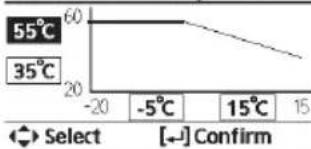 | ||
| • Temperature range: X axis: -20 °C ~ 15 °C, Y axis: See below• Temperature range for the Y axis input:1. WH-UD model: 20 °C ~ 60 °C2. WH-UH model & Back up heater is enabled: 25 °C ~ 65 °C3. WH-UH model & Back up heater is disabled: 35 °C ~ 65 °C4. WH-UX model: 20 °C ~ 60 °C• If 2 zone system is selected, the 4 temperature points must also be input for Zone 2.• “Zone 1” and “Zone 2” will not appear on the display if only 1 zone system. | ||
| >Water temp. for heating ON >Direct | ||
| 35 °C | Temperature forheating ON | Operation setup 10:34am,Mon |
| Heat ON: Water temp.:Zone2 | ||
Range: (20°C~60°C)Steps: ±1°C  | ||
| Select [-/-] Confirm | ||
| • Min. ~ Max. range is conditional as follows:1. WH-UD model: 20 °C ~ 60 °C2. WH-UH model & Back up heater is enabled: 25 °C ~ 65 °C3. WH-UH model & Back up heater is disabled: 35 °C ~ 65 °C4. WH-UX model: 20 °C ~ 60 °C• If 2 zone system is selected, temperature set point must input for Zone 2.• “Zone 1” and “Zone 2” will not appear on the display if only 1 zone system. | ||
| >Outdoor temp. for heating OFF | ||
| 24 °C | Temperature forheating OFF | Operation setup 10:34am,Mon |
| Heat OFF: Outdoor temp. | ||
Range: (5°C~35°C)Steps: ±1°C  | ||
| Select [-/-] Confirm | ||
| >Δ for heating ON | ||
| 5 °C | Set △T for heatingON.* This setting will notavailable to set whenpump flowrate set toMax. duty. | Operation setup 10:34am,Mon |
| Heat ON: ΔT | ||
Range: (1°C~15°C)Steps: ±1°C  | ||
| Select [-/-] Confirm | ||
| >Heater ON/OFF | ||
| >Heater ON/OFF >Outdoor temp. for heater ON | ||
| 0 °C | Temperature forheater ON | Operation setup 10:34am,Mon |
| Heater ON: Outdoor temp. | ||
Range: (-20°C~15°C)Steps: ±1°C  | ||
| Select [-/-] Confirm | ||
Menu Default Setting Setting Options / Display
| >Heater ON/OFF >Delay time for heater ON | |||
| 0:30 min | Delay time for heater to turn on | Operation setup 10:34am,MonHeater ON: Delay timeRange: (0:10~1:00)Steps: ±0:10  Select [-] Confirm Select [-] Confirm | |
| >Heater ON/OFF >Water temperature for heater ON | |||
| -4 °C | Setting of water temperature to turn on from water set temperature. | Operation setup 10:34am,MonHeater ON: ΔT of target Temp.Range: (-10°C~-2°C)Steps: ±1°C  Select [-] Confirm Select [-] Confirm | |
| >Heater ON/OFF >Water temperature for heater OFF | |||
| -2 °C | Setting of water temperature to turn off from water set temperature. | Operation setup 10:34am,MonHeater OFF: ΔT of target Temp.Range: (-8°C~0°C)Steps: ±1°C  Select [-] Confirm Select [-] Confirm | |
| 6.2 >*1, *2 Cool | |||
| To set various water & ambient temperatures for cooling. | Water temperatures for cooling ON and △T for cooling ON. | Operation setup 10:34am,MonCoolWater temp. for cooling ON△T for cooling ONSelect [-] Confirm | |
| >Water temp. for cooling ON | |||
| Compensation curve | Cooling ON temperatures in compensation curve or direct input. | Operation setup 10:34am,MonCool ON: Water temp.Compensation curveDirectSelect [-] Confirm | |
| >Water temp. for cooling ON >Compensation curve | |||
| X axis: 20 °C, 30 °CY axis: 15 °C, 10 °C | Input the 4 temperature points (2 on horizontal X axis, 2 on vertical Y axis) | Cool ON: Water temp: Zone1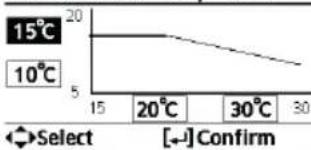 | |
| • If 2 zone system is selected, the 4 temperature points must also be input for Zone 2.• “Zone 1” and “Zone 2” will not appear on the display if only 1 zone system. | |||
*1 The system is locked to operate without COOL mode. It can be unlocked only by authorised installers or our authorised service partners.
*2 Only displayed when COOL mode is unlocked (This means when COOL mode is available).
Menu Default Setting Setting Options / Display
| >Water temp. for cooling ON >Direct | |||
| 10°C | Set temperature for Cooling ON | Operation setup 10:34am, MonCool ON: Water temp.: Zone2Range: (5°C~20°C)Steps: ±1°C10 °CSelect [-] Confirm | |
| • If 2 zone system is selected, temperature set point must input for Zone 2.• “Zone 1” and “Zone 2” will not appear on the display if only 1 zone system. | |||
| >Δ for cooling ON | |||
| 5°C | Set △T for cooling ON* This setting will not available to set when pump flowrate set to Max. duty. | Operation setup 10:34am, MonCool ON: ΔTRange: (1°C~15°C)Steps: ±1°C5 °CSelect [-] Confirm | |
| 6.3 >*1, *2 Auto | |||
| Automatic switch from Heat to Cool or Cool to Heat. | Outdoor temperatures for switching from Heat to Cool or Cool to Heat.Outdoor temp. for (Heat to Cool) / Outdoor temp. for (Cool to Heat) | Operation setup 10:34am, MonAutoOutdoor temp. for (Heat to Cool)Outdoor temp. for (Cool to Heat)Select [-] Confirm | |
| >Outdoor temp. for (Heat to Cool) | |||
| 15°C | Set outdoor temperature for switching from Heat to Cool. | Operation setup 10:34am, MonAuto: Outdoor temp.(Heat to Cool)Range: (11°C~25°C)Steps: ±1°C15 °CSelect [-] Confirm | |
| >Outdoor temp. for (Cool to Heat) | |||
| 10°C | Set outdoor temperature for switching from Cool to Heat. | Operation setup 10:34am, MonAuto: Outdoor temp.(Cool to Heat)Range: (5°C~14°C)Steps: ±1°C10 °CSelect [-] Confirm | |
| 6.4 >Tank | |||
| Setting functions for the tank. | Floor operation time (max) /Tank heat up time (max) /Tank re-heat temp. /Sterilization | Operation setup 10:34am, MonTankFloor operation time (max)Tank heat up time (max)Tank re-heat temp.Select [-] Confirm | |
| • The display will show 3 functions at a time. | |||
| >Floor operation time (max) | |||
| 8:00 | Maximum time for floor operation (in hours and minutes) | Operation setup 10:34am, MonTank: Floor ope. time (max)Range: (0:30~10:00)Steps: ±0:308:00Select [-] Confirm | |
* The system is locked to operate without COOL mode. It can be unlocked only by authorised installers or our authorised service partners.
*2 Only displayed when COOL mode is unlocked (This means when COOL mode is available).
Menu Default Setting Setting Options / Display
| >Tank heat up time (max) | |||
| 1:00 | Maximum time for heating the tank (in hours and minutes) | Operation setup 10:34am, MonTank: Heat up time (max)Range: (0:05~4:00)Steps: ±0:05Select [-] Confirm | |
| >Tank re-heat temp. | |||
| -8 °C | Set temperature to perform reboil of tank water. | Operation setup 10:34am, MonTank: Re-heat temp.Range: (-12°C~-2°C)Steps: ±1°CSelect [-] Confirm | |
| >Sterilization | |||
| Monday | Sterilization may be set for 1 or more days of the week.Sun / Mon / Tue / Wed / Thu / Fri / Sat | Operation setup 10:34am, MonSterilization: DaySun Mon Tue Wed Thu Fri Sat-✓ - - - - - - | |
| >Sterilization: Time | |||
| 12:00 | Time of the selected day(s) of the week to sterilize the tank0:00 ~ 23:59 | Operation setup 10:34am, MonSterilization: Time12:00 pmSelect [-] Confirm | |
| >Sterilization: Boiling temp. | |||
| 65 °C | Set boiling temperatures for sterilize the tank. | Operation setup 10:34am, MonSterilization: Boiling temp.Range: (55°C~65°C)Steps: ±1°C65 °CSelect [-] Confirm | |
| >Sterilization: Ope. time (max) | |||
| 0:10 | Set sterilizing time (in hours and minutes) | Operation setup 10:34am, MonSterilization: Ope. time (max)Range: (0:05~1:00)Steps: ±0:05Select [-] Confirm | |
7 Installer setup Service setup
| 7.1 > Pump maximum speed | ||
| To set the maximum speed of the pump. | Setting the flow rate, max. duty and operation ON/OFF of the pump. | Service setup 10:34am, Mon |
| Flow rate Max. Duty Operation | ||
| 0.0 L/min 0xCE Air Purge | ||
| Select | ||
| Menu Default Setting Setting Options / Display | ||
| 7.2 > Pump down | ||
| To set the pump down operation. | Pump down operationON | Service setup 10:34am,MonP Pump down operation in progress![+]OFF[=]Comm |
| 7.3 > Dry concrete | ||
| To dry the concrete (floor, walls, etc.) during construction.Do not use this menu for any other purposes and in period other than during construction | Edit to set the temperature of dry concrete.ON / Edit | Service setup 10:34am,MonDry concreteONEditSelect [--] Confirm |
| > Edit | ||
| Stages: 1Temperature: 25 °C | Heating temperature for drying the concrete.Select the desired stages: 1 ~ 10,range: 1 ~ 99 | |
| > ON | ||
| Confirm the setting temperatures of dry concrete for each stage. | Service setup 10:34am,MonDry concrete: StatusStage : 1/10Water set temp. : 25°CActual water temp. :25°C/25°C[+]OFF | |
| 7.4 > Service contact | ||
| To set up to 2 contact names and numbers for the User. | Service engineer's name and contact number.Contact 1 / Contact 2 | Service setup 10:34am,MonService contact:Contact 1Contact 2Select [--] Confirm |
| > Contact 1 / Contact 2 | ||
| Contact name or number.Name / phone icon | Service contact 10:34am,MonContact 1Name : Bryan Adams8 : 08812345678Select [--] Edit | |
| Input name and numberContact name: alphabet a ~ z.Contact number: 1 ~ 9 | Contact-1ABC/abc 0-9/OtherABCDEFGH I JKLMNOPQR SpaceSTUVWXYZ abcdefghi BSjklmnopqrstuvwxyz Conf<->Select [--] EnterNumber:1 2 3 (4 5 6 )7 8 9 - BS* 0 # _Conf<->Select [--] Enter | |
To ensure optimal performance of the system, cleaning has to be carried out at regular intervals. Consult an authorised dealer.
- Disconnect the power supply before cleaning.
- Do not use benzine, thinner or scouring powder.
- Use only soap (≈ pH7) or neutral household detergent.
- Do not use water hotter than 40°C.
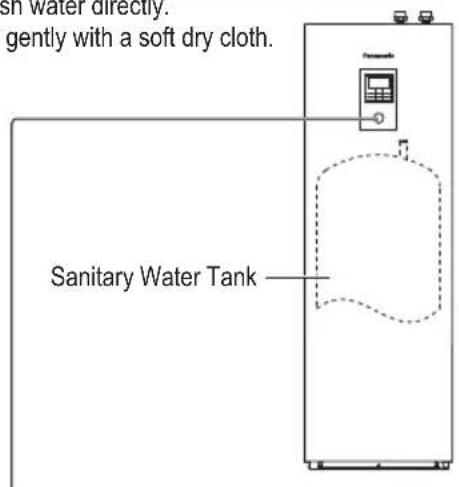
Indoor unit
- Do not splash water directly. Wipe the unit gently with a soft dry cloth.
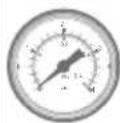
Water pressure gauge

- Do not press or hit the glass cover using hard and sharp objects. Failure to do so may cause damage to the unit.
- Ensure that the water pressure is between 0.05 and 0.3 MPa (0.1 MPa = 1 bar). • In case the water pressure is out of the above range, consult an authorised dealer.

For extended non-use
- The water inside the Sanitary Water Tank should be drained.
- Disconnect the power supply.
Non serviceable criteria
Disconnect the power supply
then please consult an authorised dealer under the following conditions:
• Abnormal noise during operation. • Water/foreign particles have entered the Remote Controller. • Water leaks from the indoor unit. • Circuit breaker switches off frequently. • Power cord becomes excessively warm.
Water filter
- Clean the water filter at least once a year. Failure to do so may cause the filter to clog up, which may lead to system breakdown. Consult an authorised dealer.
- Please also remove dust on the magnet.
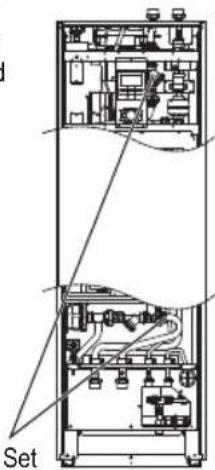
Water Filter Set
Outdoor unit
- Do not obstruct the air inlet and outlet vents. Failure to do so may result in low performance or system breakdown. Remove any obstruction to ensure proper ventilation.
- When it snows, clean and remove snow around the outdoor unit to prevent the air inlet and outlet vents from being covered with snow.
MAINTENANCE
User
- In order to ensure optimal performance of the units, the user may inspect and clear any obstruction on the air inlet and outlet vents of the outdoor unit.
- Users should not try to service or replace parts of the unit.
- Contact an authorized dealer for scheduled inspection.
Dealer
- In order to ensure safety and optimal performance of the units, seasonal inspections on the units, functional check of RCCB/ELCB, field wiring and piping have to be carried out at regular intervals by an authorized dealer.
- Specific to the Sanitary Water Tank, it is important to service the Water Filter Set periodically.
The following symptoms do not indicate malfunction.
| Symptom Cause | |
| Water flowing sound during operation. | • Refrigerant flow inside the unit. |
| Operation is delayed a few minutes after restarting. | • The delay is a protection for the compressor. |
| Outdoor unit emits water/steam. | • Condensation or evaporation occurring in the pipes. |
| Steam comes out of the outdoor unit in the heating mode. | • It is caused by defrost operation in the heat exchanger. |
| Outdoor unit does not operate. | • It is caused by the protection control of the system when outdoor temperature is out of the operating range. |
| System operation switches off. | • It is caused by the protection control of the system. When the water inlet temperature is lower than 10 °C, the compressor stops and the backup heater power turns on. |
| System is hard to heat up. | • When the panel and the floor are heated simultaneously, warm water temperature may decrease, which may reduce the heating ability of the system.• When the outdoor air temperature is low, the system may need longer time to heat up.• Discharge outlet or intake inlet in the outdoor unit is blocked by some obstacle, such as a pile of snow.• When the preset water outlet temperature is low, the system may need longer time to heat up. |
| System does not heat up instantly. | • System will take some time to heat up the water if it starts to operate at cold water temperature. |
| Backup heater is automatically turned ON when it is disabled. | • It is caused by the protection control of the indoor unit heat exchanger. |
| Operation starts automatically when the timer is not set. | • Sterilization timer has been set. |
| Loud refrigerant noise continues for several minutes. | • It is caused by protection control during deice operation at outdoor ambient temperature lower than -10 °C. |
| *1,*2 COOL mode is unavailable. | • System has locked to operate in HEAT mode only. |
Check the following before calling for servicing.
| Symptom Check | |
| Operation in HEAT/ *1 . *2 COOL mode is not working efficiently. | Set the temperature correctly.Close the panel heater/cooler valve.Clear any obstruction in the air inlet and air outlet vents of the outdoor unit. |
| Noisy during operation. | Outdoor unit or indoor unit has been installed at an incline.Close the cover properly. |
| System does not work. • Circuit breaker | has tripped/activated. |
| Operation LED is not lit or nothing is displayed on the Remote Controller. | Power supply is working correctly, or a power failure has occurred. |
*1 The system is locked to operate without COOL mode. It can be unlocked only by authorized installers or our authorized service partners.
*2 Only displayed when COOL mode is unlocked (i.e., when COOL mode is available).
Troubleshooting
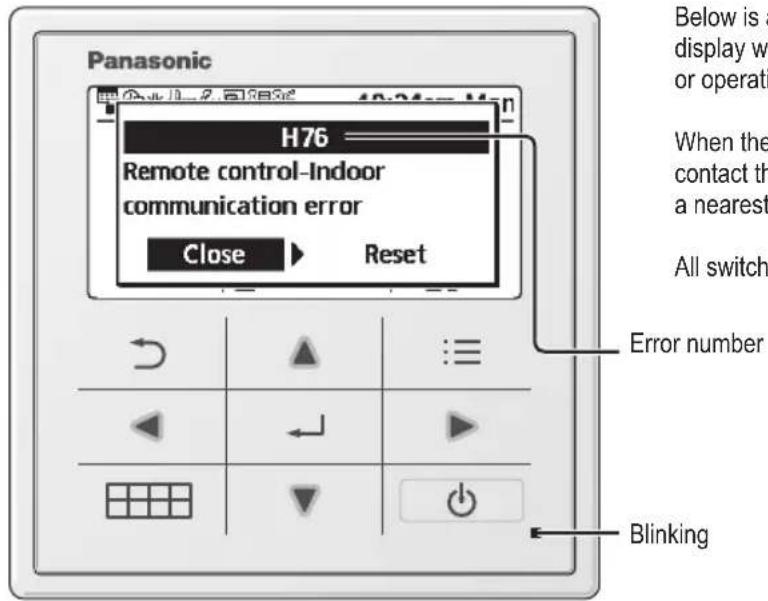
Below is a list of error codes that may appear on the display when there is some trouble with the system setting or operation.
When the display shows an error code as indicated below, contact the number registered in the Remote Controller or a nearest authorised installer.
All switches are disabled except and.
Error number
| Error No. | Error explanation |
| H12 | Capacity mismatch |
| H15 | Compressor sensor error |
| H20 | Pump error |
| H23 | Refrigerant sensor error |
| H27 | Service valve error |
| H28 | Solar sensor error |
| H31 | Pool sensor error |
| H36 | Buffer tank sensor error |
| H38 | Brand mismatch error |
| H42 | Low pressure protection |
| H43 | Zone 1 sensor error |
| H44 | Zone 2 sensor error |
| H62 | Water flow error |
| H63 | Low pressure sensor error |
| H64 | High pressure sensor error |
| H65 | Deice water circulation error |
| H67 | External thermistor 1 error |
| H68 | External thermistor 2 error |
| H70 | Back-up heater OLP error |
| H72 | Tank sensor error |
| H74 | PCB communication error |
| H75 | Low water temp protection |
| H76 | RC-Indoor communication error |
| H90 | Indoor-Outdoor communication error |
| H91 | Tank heater OLP error |
| H95 | Voltage connection error |
| H98 | High pressure protection |
| H99 | Indoor freeze prevention |
| Error No. | Error explanation |
| F12 | Pressure switch activated |
| F14 | Poor compressor rotation |
| F15 | Fan motor lock error |
| F16 | Current protection |
| F20 | Compressor overload protection |
| F22 | Transistor module overload protection |
| F23 | DC peak |
| F24 | Refrigerant cycle error |
| F25 | *1,*2 Cool / heat cycle error |
| F27 | Pressure switch error |
| F29 | Low discharge super heat |
| F30 | Water outlet sensor 2 error |
| F32 | Internal thermostat error |
| F36 | Outdoor ambient sensor error |
| F37 | Water inlet sensor error |
| F40 | Outdoor discharge sensor error |
| F41 | Power factor correction error |
| F42 | Outdoor heat exchanger sensor error |
| F43 | Outdoor defrost sensor error |
| F45 | Water outlet sensor error |
| F46 | Current transformer disconnection |
| F48 | Evaporator outlet sensor error |
| F49 | Bypass outlet sensor error |
| F95 | *1,*2 Cooling high pressure error |
* Some error code may not be applicable to your model. Consult authorised dealer for clarification.
*1 The system is locked to operate without COOL mode. It can be unlocked only by authorised installers or our authorised service partners.
*2 Only displayed when COOL mode is unlocked (i.e., when COOL mode is available).
Information when connecting to Network Adaptor (Optional Accessories Part)

WARNING
Before use, check the safety around the Air-to-Water system. Confirm human and living objects at surrounding before operation.
Incorrect operation due to failure to follow instructions may cause harm and damage.

Confirm the below before operation (inside premises)
- Timer setting condition. Unpredictable on/off operation may cause serious injury or damage to human and living objects.
Confirm the below before and during operation (outside from premises)
- If it is known that someone is in the premises, notify the person from outside of the new operation setting prior to executing. This is to avoid sudden shock to the person and any serious health breakdown duly from the operation change.
- Please do not use this appliance when an infant, a physically disabled person, or an elderly person who is unable to operate the appliance by themselves is in the premises.
- Check the setting and operation status frequently.
- Stop the operation when an error code is displayed and consult an authorized dealer or specialist.
Please confirm before use
- The system may not be usable when communication conditions are bad. Please check "Operation Status" from the application display after operation. The following conditions may happen in the remote operation.
- Cannot operate, operation time is not reflected.
- Air-to-Water operation is not reflected when operation is set outside of premises.
- It is recommended to lock the screen of the smart phone device to prevent miss-operation.
- Do not use other remote control, communication, and operation devices not specified by an authorized dealer or specialist.
- Use under the agreement of "Terms of Service" and "Handling of Personal Information" of Panasonic Smart Application.
- For extended non-use of Panasonic Smart Application, disconnect the network adaptor from the device.
Information for Users on Collection and Disposal of Old Equipment
This symbol on the products, packaging, and/or accompanying documents means that used electrical and electronic products must not be mixed with general household waste.
For proper treatment, recovery and recycling of old products, please take them to applicable collection points in accordance with your national legislation.
By disposing of these products correctly, you will help to save valuable resources and prevent any potential negative effects on human health and the environment which could otherwise arise from inappropriate waste handling.
For more information about collection and recycling of old products, please contact your local municipality, your waste disposal service or the point of sale where you purchased the items.
Penalties may be applicable for incorrect disposal of this waste, in accordance with national legislation.
For business users in the European Union
If you wish to discard electrical and electronic equipment, please contact your dealer or supplier for further information.
[Information on Disposal in other Countries outside the European Union]
These symbols are only valid in the European Union. If you wish to discard these items, please contact your local authorities or dealer and ask for the correct method of disposal.
Information
 WARNING WARNING | This symbol shows that this equipment uses a flammable refrigerant. If the refrigerant is leaked, together with an external ignition source, there is a possibility of ignition. |  | This symbol shows that the Operation Instructions should be read carefully. |
 | This symbol shows that a service personnel should be handling this equipment with reference to the Installation Instructions. |  | This symbol shows that there is information included in the Operation Instructions and/or Installation Instructions. |
5.6 Res. band. condens.
5.7 Sensor exterior alternativo
5.8 Interr. Externo

No use bolígrafos
Pantalla
Senza penna
Display
7.4 Service contact person
Do not use a pen

Forced hot water

Water filter set
Outdoor unit
Cursor buttons
Select item.
Display

Without a pen
Cursor buttons
Select item.
Do not use a pen
Water filter set
Outdoor unit
1.2 Holiday program
1.3 Silent program
7.4 Maintenance contact
Cleaning Instructions 284
Troubleshooting 285-286
Information 287-288


Without pen
Display
① Mode selection![12:00am, Lur [+] Démar.](/content/2026/03/451126/images/d388f996737e4b158b345b73614066094f48fa65abed0dafb2fcfaa424abf970.jpg)
![Langue 12:00am, Lur ENGLISH FRANÇAIS DEUTSCH ITALIANO Select. [←] Conf.](/content/2026/03/451126/images/45038ea51491c4f4597e00c811515b2c1bc8c1ad63f3ec409a41b2159ce9462c.jpg)
![Format Horloge 12:00am, Lun 24H am/pm ^Select. [←] Conf.](/content/2026/03/451126/images/4e829947b757deed8e2c1738d83302f12cd7d9ced72508a65dfe9e3a53d3e81f.jpg)
![Date & Heure 12:00am, Lur AAAA/MM/JJ H:Min 2015 / 01 / 01 12 : 00 am →Sélect. [←]Conf.](/content/2026/03/451126/images/b9f82153bd1d0eaedc81d1ba2be31ea20ef65326a8d3d604c7a2d1dc23ccfab2.jpg)
![10:00am, Mer [+] Démar.](/content/2026/03/451126/images/f654b71051adce207dbdb11f7785fbe542f6b16e29c164ddf358004a86b8b51c.jpg)

No pen
Display
![Language 12:00am, Mc ENGLISH FRANÇAIS DEUTSCH ITALIANO Select [←] Confirm](/content/2026/03/451126/images/b0bf3357aec76209ddc9af5c4c1b10a41d99bbc215e78346d6ee7903fb407cd0.jpg)
![Time format 12:00am, Mo 24 h AM / PM Select [←] Confirm](/content/2026/03/451126/images/3c577f57c9872204d38424824edeb3105c9dfe64dd0da149c1a5873fe83ad25a.jpg)
Water filter
Outdoor unit
No pen
- OPERATING INSTRUCTIONS
- AIR-TO-WATER HYDROMODULE + TANK
- TABLE OF CONTENTS
- FOR USER
- FOR INSTALLER
- BEFORE USE, MAKE SURE THE SYSTEM HAS BEEN INSTALLED CORRECTLY BY AN AUTHORISED DEALER ACCORDING TO THE GIVEN INSTRUCTIONS
- SAFETY PRECAUTIONS
- WARNING
- INDOOR UNIT AND OUTDOOR UNIT
- POWER SUPPLY
- CAUTION
- REMOTE CONTROLLER
- THIS APPLIANCE IS FILLED WITH R32 (MILD FLAMMABLE REFRIGERANT)
- PRECAUTION FOR USING R32 REFRIGERANT
- INSTALLATION (SPACE)
- SERVICING
- SERVICE PERSONNEL
- WORK
- CHECKING FOR PRESENCE OF REFRIGERANT
- PRESENCE OF FIRE EXTINGUISHER
- NO IGNITION SOURCES
- VENTILATED AREA
- CHECKS TO THE REFRIGERATING EQUIPMENT
- CHECKS TO ELECTRICAL DEVICES
- REPAIRS TO SEALED COMPONENTS
- REPAIR TO INTRINSICALLY SAFE COMPONENTS
- CABLING
- DETECTION OF FLAMMABLE REFRIGERANTS
- THE FOLLOWING LEAK DETECTION METHODS ARE DEEMED ACCEPTABLE FOR ALL REFRIGERANT SYSTEMS
- REMOVAL AND EVACUATION
- CHARGING PROCEDURES
- DECOMMISSIONING
- LABELLING
- RECOVERY
- BUTTONS / INDICATOR
- REMOTE CONTROLLER BUTTONS AND DISPLAY
- ② OPERATION ICONS
- INITIALIZATION
- SELECTING THE LANGUAGE
- SETTING THE CLOCK
- MENUS
- MENU DEFAULT SETTING SETTING OPTIONS / DISPLAY
- FUNCTION SETUP
- WEEKLY TIMER
- SYSTEM CHECK
- ENERGY MONITOR
- SYSTEM INFORMATION
- ERROR HISTORY
- COMPRESSOR
- HEATER
- PERSONAL SETUP
- TOUCH SOUND
- LCD CONTRAST
- INSTALLER SETUP SYSTEM SETUP
- OPTIONAL PCB CONNECTIVITY
- ZONE & SENSOR
- HEATER CAPACITY
- ANTI FREEZING
- DHW CAPACITY
- INDOOR UNIT
- WATER PRESSURE GAUGE
- FOR EXTENDED NON-USE
- NON SERVICEABLE CRITERIA
- DISCONNECT THE POWER SUPPLY
- WATER FILTER
- OUTDOOR UNIT
- MAINTENANCE
- USER
- DEALER
- TROUBLESHOOTING
- CONFIRM THE BELOW BEFORE OPERATION (INSIDE PREMISES)
- CONFIRM THE BELOW BEFORE AND DURING OPERATION (OUTSIDE FROM PREMISES)
- PLEASE CONFIRM BEFORE USE
- INFORMATION FOR USERS ON COLLECTION AND DISPOSAL OF OLD EQUIPMENT
- FOR BUSINESS USERS IN THE EUROPEAN UNION
- [INFORMATION ON DISPOSAL IN OTHER COUNTRIES OUTSIDE THE EUROPEAN UNION]
- INFORMATION
- PANTALLA
- DISPLAY
Brand : PANASONIC
Model : WHADC0309J3E5B
Category : Air conditioner