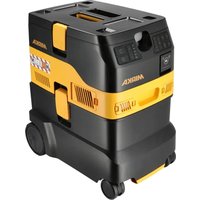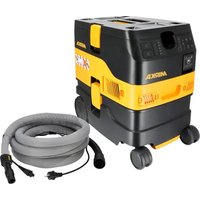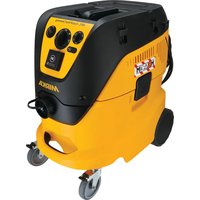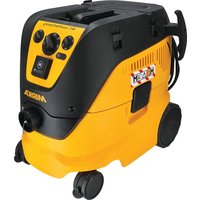
1230 M - Handheld vacuum Mirka - Free user manual and instructions
Find the device manual for free 1230 M Mirka in PDF.

 FR
FR
 BG
BG
 CS
CS
 DA
DA
 DE
DE
 EL
EL
 EN
EN
 ES
ES
 ET
ET
 FI
FI
 HU
HU
 IS
IS
 IT
IT
 JA
JA
 KO
KO
 LT
LT
 LV
LV
 MK
MK
 NL
NL
 NO
NO
 PL
PL
 PT
PT
 RO
RO
 RU
RU
 SL
SL
 SV
SV
 TR
TR
 ZH
ZH
| Product Type | Table vacuum cleaner |
| Brand | Mirka |
| Model | 1230 M |
| Supply voltage | 220-240 V |
| Frequency | 50/60 Hz |
| Maximum power | 1200 W |
| Weight | 14.5 kg |
| Dust class | M |
| Protection rating | IPX4 |
| Electrical protection class | I |
| Maximum air flow | 75 l/s (270 m³/h) |
| Maximum vacuum | 25 kPa |
| Sound level | 68 dB(A) |
| Filter surface area | 0.5 m² |
| Filter cleaning system | Push & Clean and AFC (Auto Filter Cleaning) |
| Auxiliary outlet | Yes, with 5 A thermal circuit breaker |
| Auto-On/Off operation | Yes, for connected power tool |
| Antistatic connection | Yes |
| Water level limiter | Yes |
| Use | Dry dust, liquids, non-flammable wood dust |
| Main spare parts | Filter, dust bag, motor cooling filter |
| Maintenance | Regular cleaning of the filter and motor cooling filter |
Frequently Asked Questions - 1230 M Mirka
User questions about 1230 M Mirka
0 question about this device. Answer the ones you know or ask your own.
Ask a new question about this device
Download the instructions for your Handheld vacuum in PDF format for free! Find your manual 1230 M - Mirka and take your electronic device back in hand. On this page are published all the documents necessary for the use of your device. 1230 M by Mirka.
USER MANUAL 1230 M Mirka
Mirka® Dust Extractor
1230 M & 1242 M · 230 V / 100–120 V · PC & AFC
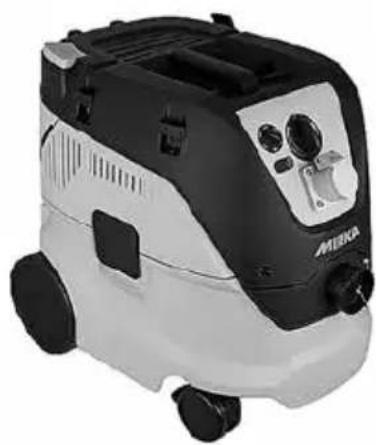
natural_image
Exterior view of a MIBA industrial vacuum cleaner (no visible text or symbols)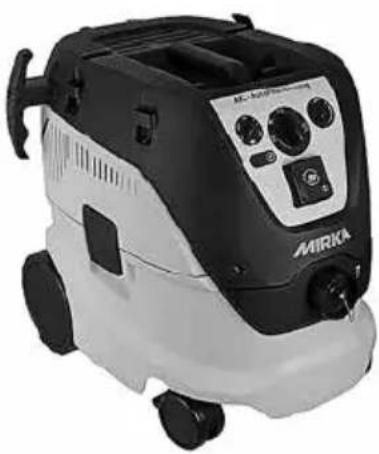
natural_image
Exterior view of a MIRKA vacuum cleaner (no visible text or symbols on the device body)
natural_image
Stylized illustration of a bulldog in aggressive posture (no text or symbols)Mirka® Dust Extractor
1230M & 1242M
ar 13
is Notkunarleiðbeiningar....157
Operating elements
1 Handle
2 Accessory positions
3 Container clamp
4 Wheel
5 Container
6 Inlet fitting
7 Switch
8 Speed control
9 Appliance socket
10 Filter cleaning button (Push & Clean)
11 Hose hook
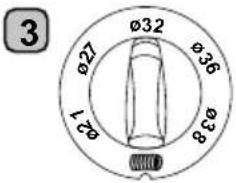
12 Hose diameter setting
13 LED indicator
14 Inlet cap
The pictorial quick reference guide
The pictorial quick reference guide is designed to help you when starting up, operating and storing the unit. The guide is subdivided into four sections, which are represented by symbols:
Before starting
DO READ OPERATING INSTRUCTIONS BEFORE USE!
Control/Operation
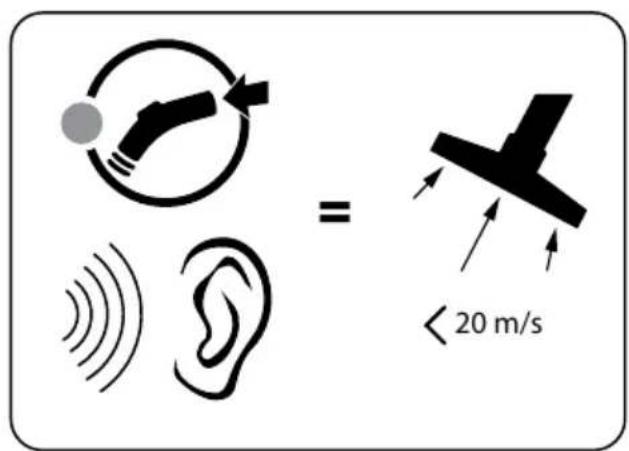
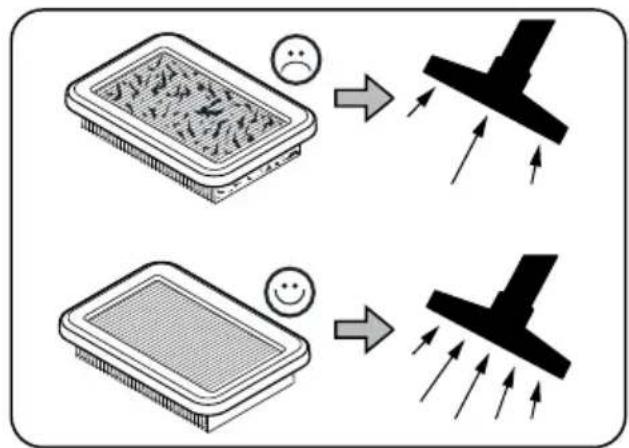
A Flow rate and filter warning
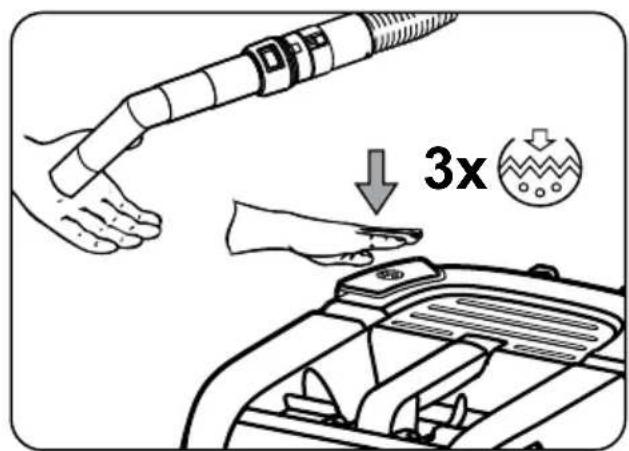
B PC – Push & Clean filter cleaning system
C AFC-Auto Filter Cleaning system
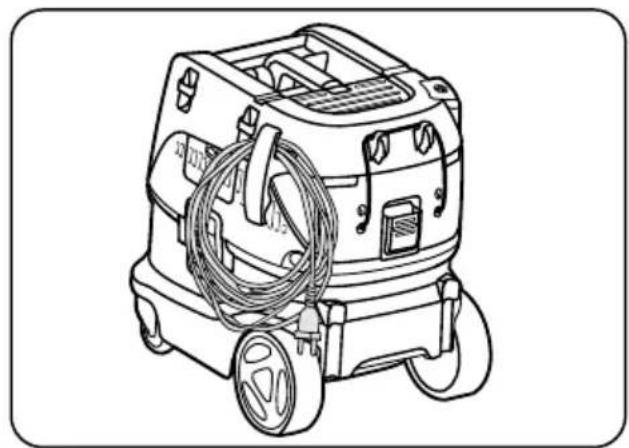
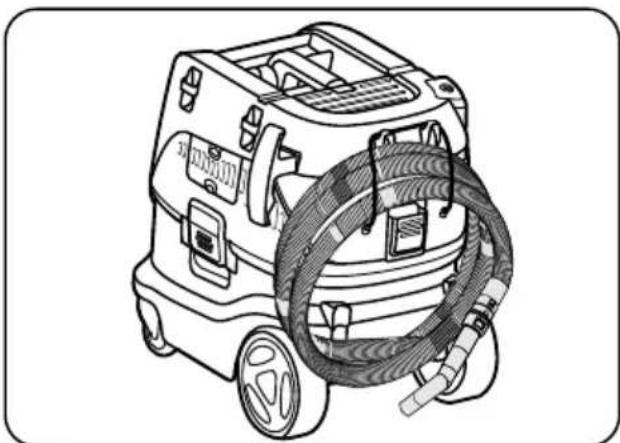
D Cable and hose storage
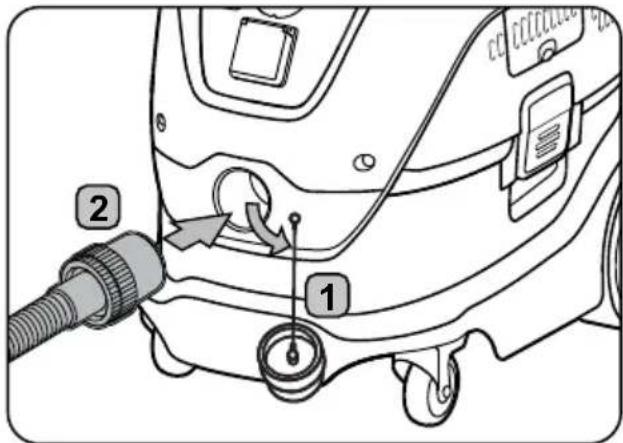
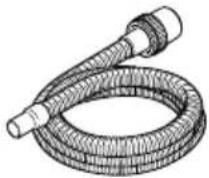
E Hose insert & operations
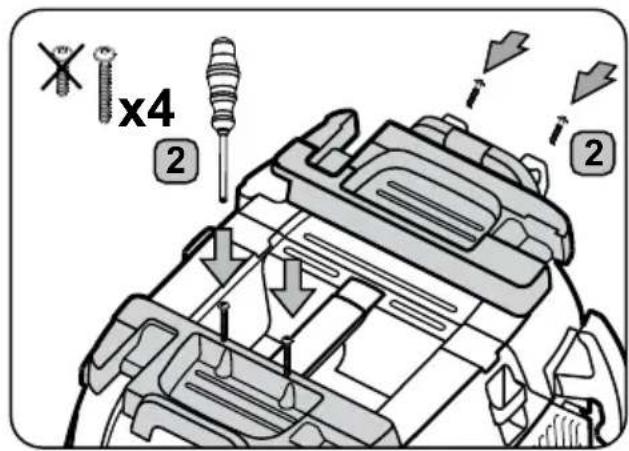
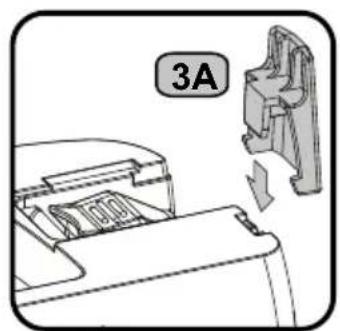
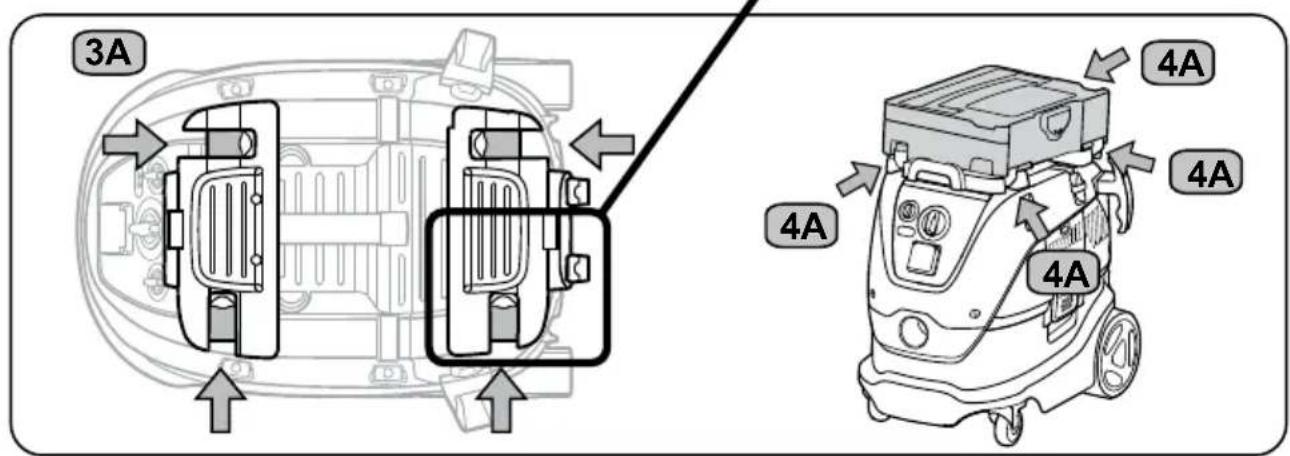
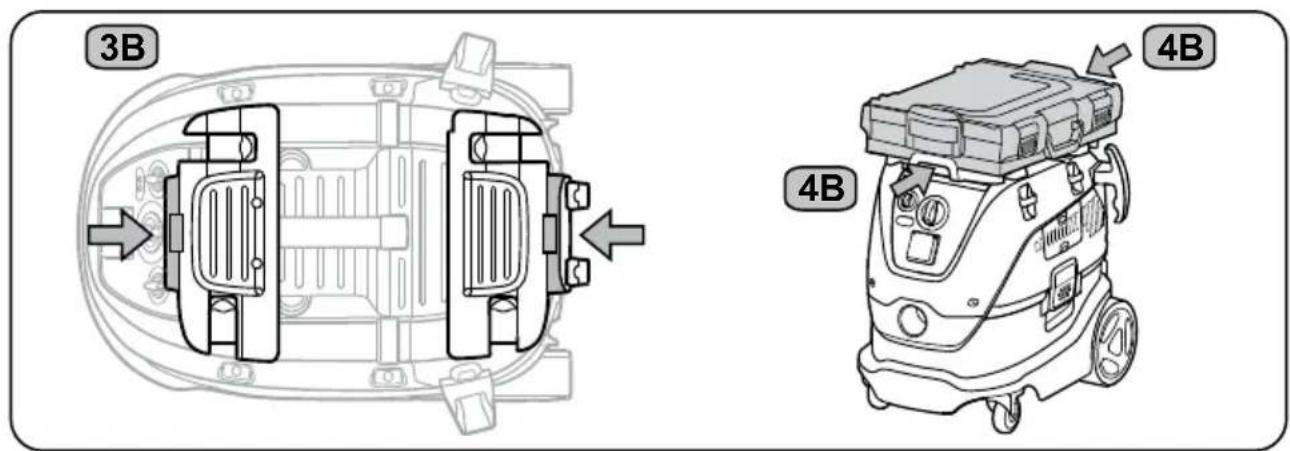
F Case fastening accessory
Connecting electrical appliances
G Power tool adaption
Maintenance
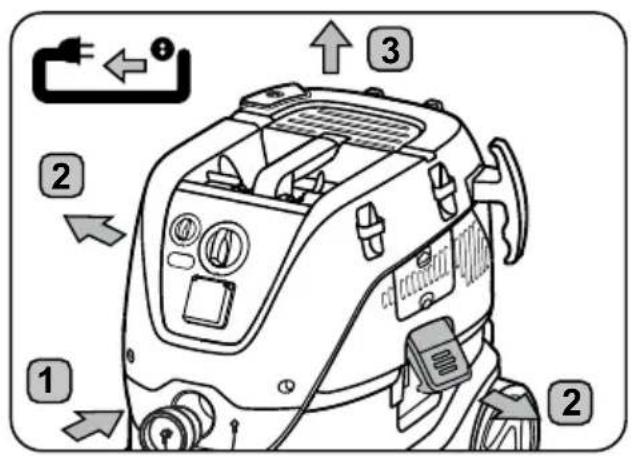
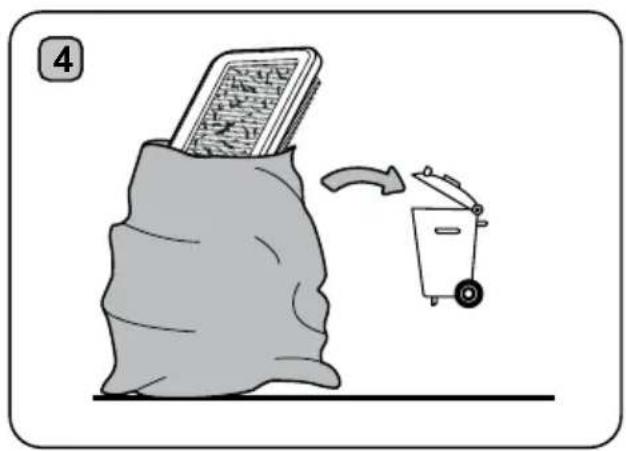
H Filter bag replacement
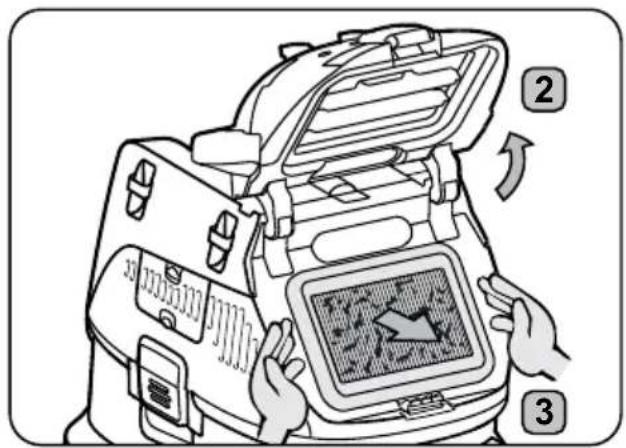
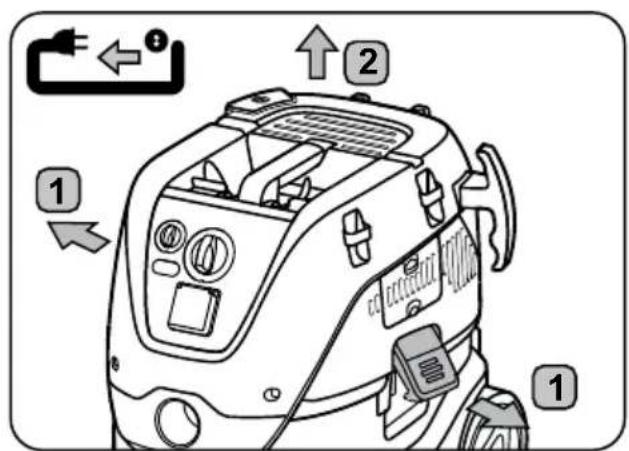
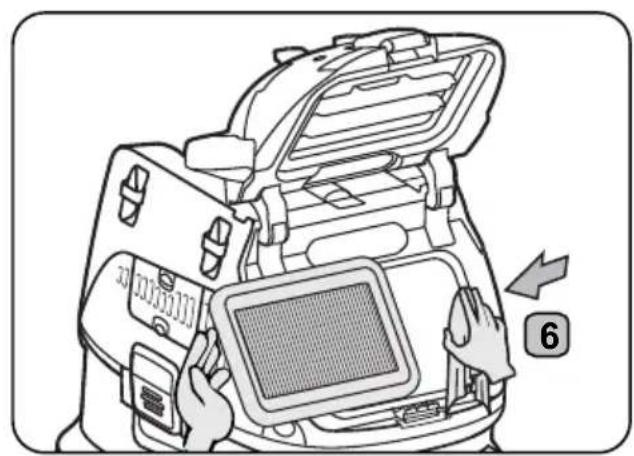
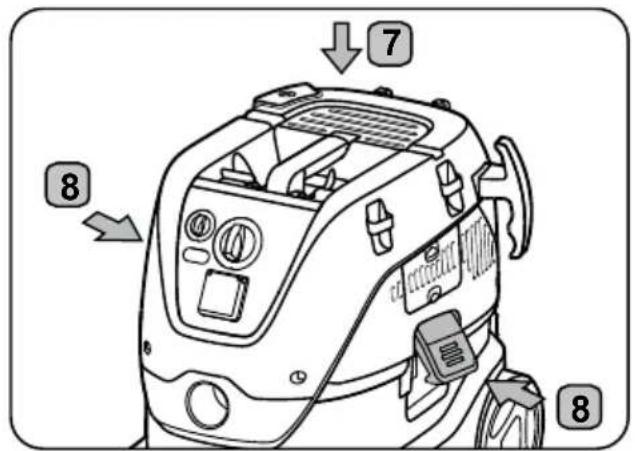
I Filter replacement
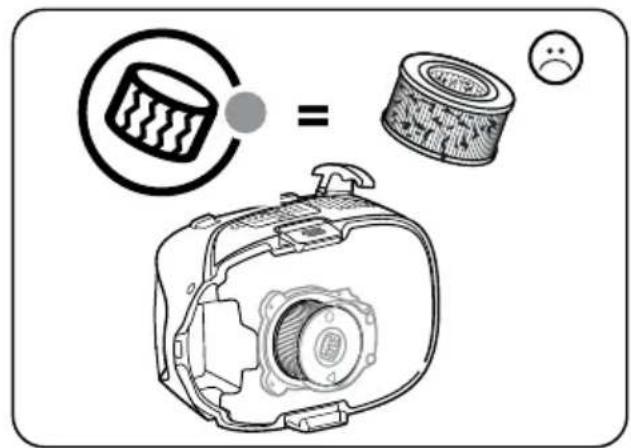
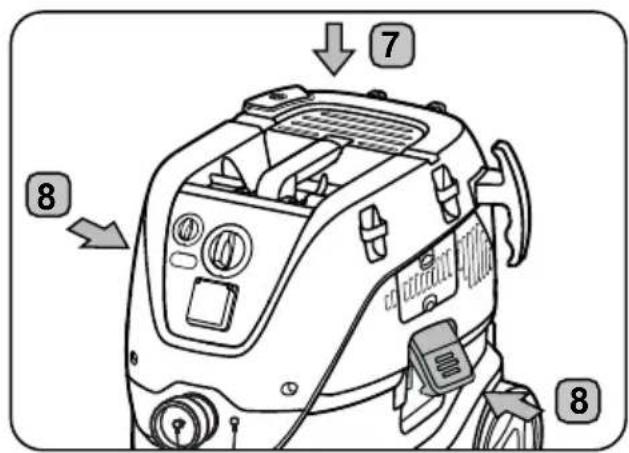
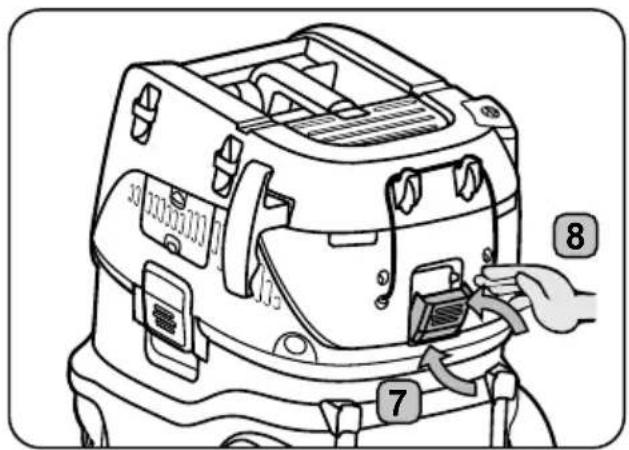
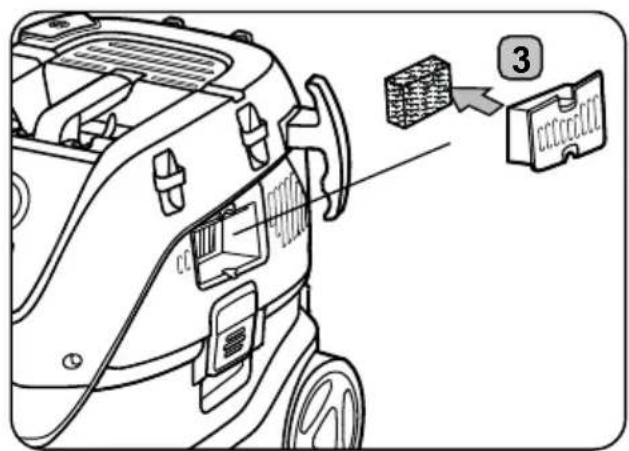
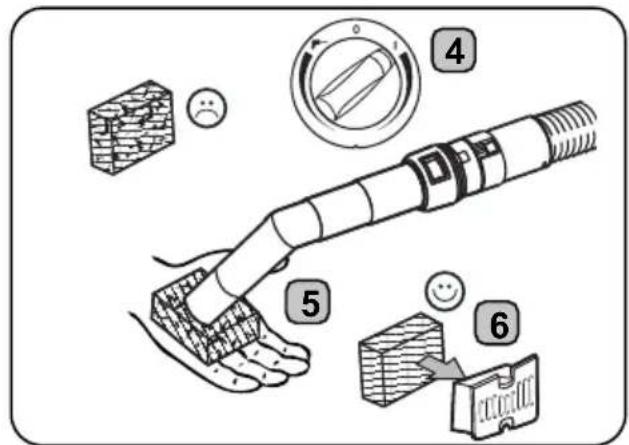
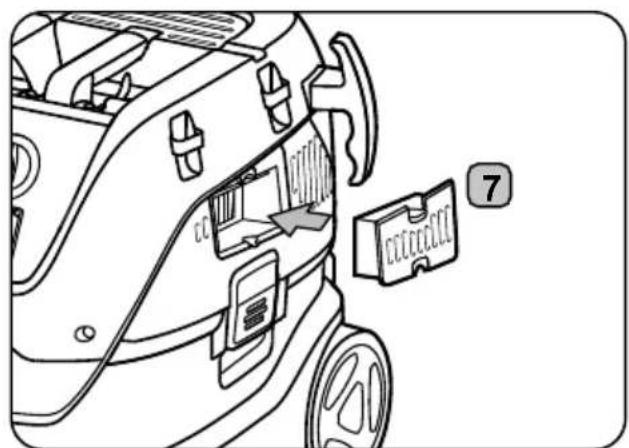
J Motor cooling filter cleaning
K Gaskets and float cleaning
A
B
flowchart
graph TD
    A["Top panel: Air Quality"] --> B["Arrow pointing to airplane"]
    C["Bottom panel: Air Quality"] --> D["Arrow pointing to airplane"]
C
flowchart
graph TD
    A["Top panel: Surface treatment with sad face"] --> B["Arrow to top panel"]
    C["Bottom panel: Surface treatment with smiley face"] --> D["Arrow to bottom panel"]
D
natural_image
Line drawing of a portable industrial vacuum cleaner with coiled cable and wheels (no text or symbols)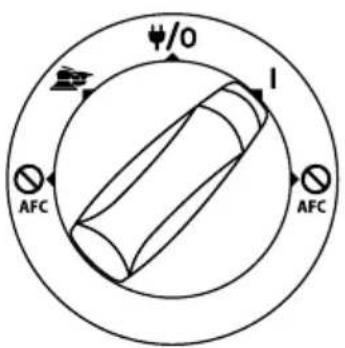
natural_image
Line drawing of a portable industrial vacuum cleaner with coiled tubing (no text or symbols)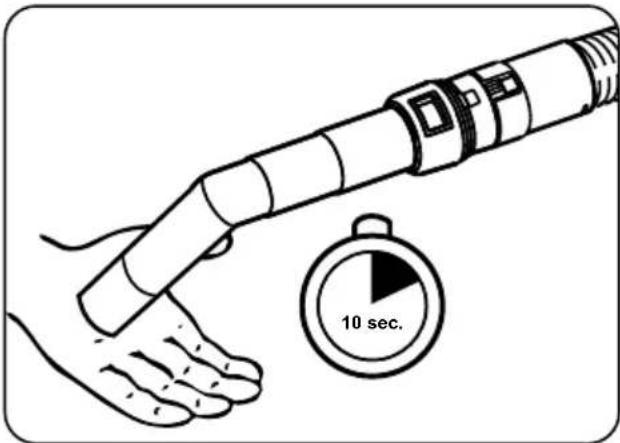
natural_image
Line drawing of a portable vacuum cleaner with coiled tubing and wheels (no text or symbols)AFC-AutoFilterCleaning
natural_image
Line drawing of a portable gasifier with coiled hose and wheels (no text or symbols)E
 |  |
| ∅ 21 ∅ 21 | |
| ∅ 27 ∅ 27 | |
| ∅ 32 ∅ 32 | |
| ∅ 36 ∅ 36 | |
| ∅ 38 ∅ 38 |
F
Case fastening accessory
G
H
I
natural_image
Illustration of a portable electronic device with a hand inserting a plug into it, showing no text or symbols.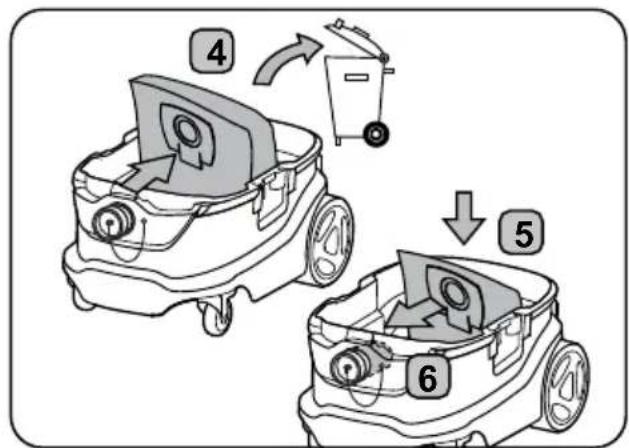
natural_image
Illustration of a bag filled with a smartphone and a trash bin with an arrow indicating a recycling or disposal process (no text or symbols)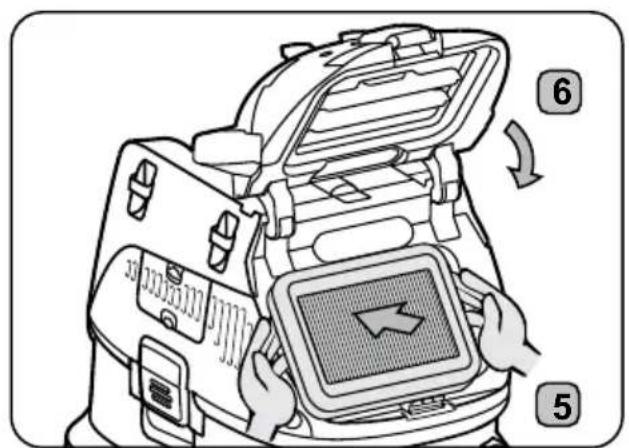
J
natural_image
Line drawing of a portable electronic device with labeled parts (8 and 7), showing a hand inserting a component to a surface (no text or symbols beyond labels)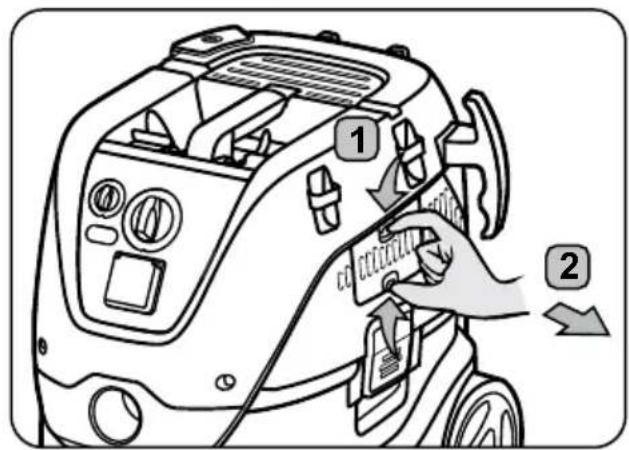
K
natural_image
Line drawing of a device with hands operating the screen and a device labeled '6' (no text or symbols on the device itself)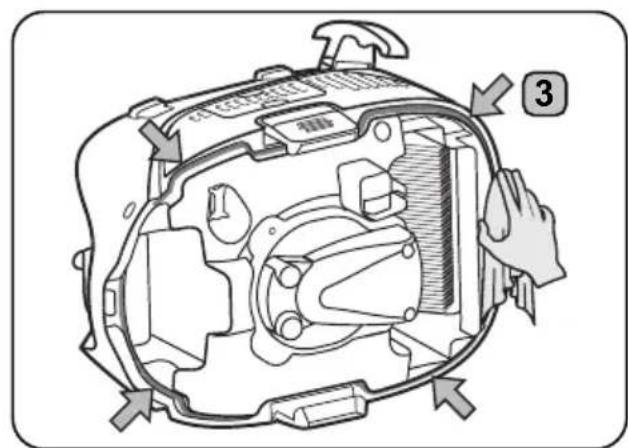
natural_image
Technical line drawing of a car interior panel with arrows indicating movement or assembly (no text or symbols)1. معلومات السلام
ت Connectivity Operation Environmental Concern: Any desired activities of the public and other activities of the government. Any desired activities of the government are not necessarily applied to the Government's policies.
٧-١ تحذيرات مهمة

We reserve the right to make changes to this manual without prior notice.
Operating elements
1 Handle
2 Accessory positions
3 Container clamp
4 Wheel
5 Container
6 Inlet fitting
7 Switch
8 Speed control
9 Appliance socket
10 Filter cleaning button (Push & Clean)
11 Hose hook
12 Hose diameter setting
13 LED indicator
14 Inlet cap
The pictorial quick reference guide
The pictorial quick reference guide is designed to help you when starting up, operating and storing the unit. The guide is subdivided into four sections, which are represented by symbols:
Before starting
DO READ OPERATING INSTRUCTIONS BEFORE USE!
Control/Operation
A Flow rate and filter warning
B PC – Push & Clean filter cleaning system
C AFC-Auto Filter Cleaning system
D Cable and hose storage
E Hose insert & operations
F Case fastening accessory
Connecting electrical appliances
G Power tool adaption
Maintenance
H Filter bag replacement
I Filter replacement
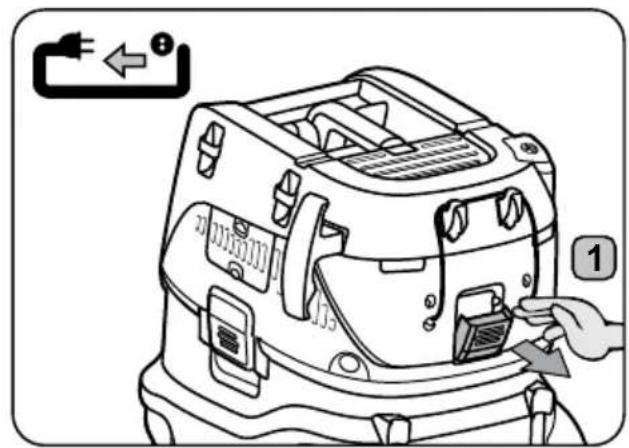
J Motor cooling filter cleaning
K Gaskets and float cleaning
Contents
1. Safety instructions
1.1 Symbols used to mark instructions
1.2 Instructions for use
1.3 Purpose and intended use
1.4 Electrical connection
1.5 Extension lead
1.6 Warranty
1.7 Important warnings
1.8 Additional warnings
2. Risks
2.1 Electrical components
2.2 Hazardous dust
2.3 Spare parts and accessories
2.4 In explosive or inflammable atmosphere
3. Control / Operation
3.1 Starting and operating the machine
3.2 Auto-On / Off socket outlet for power tools
3.3 PC - Push & Clean
3.4 AFC - Auto Filter Cleaning
3.5 Antistatic connection
3.6 Motor cooling filter
3.7 Wet pick-up
3.8 Dry pick-up
4. After using the machine
4.1 After use
4.2 Transport
4.3 Storage
4.4 Accessory and tool storage
4.5 Recycling the machine
5. Maintenance
5.1 Regular servicing and inspection
5.2 Maintenance
6. Further information
6.1 EU Declaration of conformity
6.2 Specifications
1. Safety instructions

This document contains safety information that is relevant to the appliance, along with a quick reference guide. Before starting up your machine for the first time, this instruction manual must be read through carefully. Save the instructions for later use.
Further support
Further information on the appliance can be found on our website at www.mirka.com. For further queries, please contact the Mirka service representative responsible for your country. See reverse of this document.
1.1 Symbols used to mark instructions

DANGER
Danger that leads directly to serious or irreversible injuries, or even death.

WARNING
Danger that can lead to serious injuries or even death.

CAUTION
Danger that can lead to minor injuries and damage.
1.2 Instructions for use
The appliance must:
- Only be used by persons who have been instructed in its correct usage and explicitly commissioned with the task of operating it.
- Only be operated under supervision.
- This appliance is not intended for use by persons (including children) with reduced physical, sensory or mental capabilities, or lack of experience and knowledge.
• Children must be supervised to make sure that they do not play with the appliance. - Do not use any unsafe working methods.
- Never use the appliance without a filter.
- Switch off the appliance and disconnect the mains plug in the following situations:
– Prior to cleaning and servicing
– Prior to replacing components
– Prior to changing over the appliance
- If foam develops or liquid emerges
Besides the operating instructions and the binding accident prevention regulations valid in the country of use, observe recognised regulations for safety and proper use.
Before starting work, the operating staff must be informed about and trained in:
- use of the machine.
- risks associated with the material to be picked up.
- safe disposal of the picked-up material.
1.3 Purpose and intended use
This mobile dust extractor is designed, developed and rigorously tested to function efficiently and safely when properly maintained and used in accordance with the following instructions.
This machine is suitable for industrial use, for example at plants, construction sites and workshops.
Accidents due to misuse can only be prevented by those using the machine.
READ AND FOLLOW ALL SAFETY INSTRUCTIONS.
Any other use is considered as improper use. The manufacturer accepts no liability for any damage resulting from such use. The risk for such use is borne solely by the user. Proper use also includes proper operation, servicing and repairs as specified by the manufacturer.
The air flow in safety vacuum systems has to be strictly controlled to achieve a minimum flow rate of V_min = 20 m/s in the suction hose.
For Dust Class M machines the following applies:
The appliance is suitable for picking up dry, non-flammable dust and liquids, sawdust and hazardous dust with OEL (Occupational Exposure Limit) values ≥ 0.1 mg/m^3 .
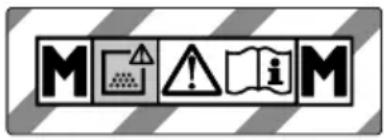
Dust Class M (IEC 60335-2-69). Dust in this class includes: dust with OEL values ≥ 0.1mg / m^3 as well as sawdust. The machine has been tested in its entirety under vacuum for this dust class. The maximum degree of permeability is 0,1% and the exhaust air must be low in dust.
For dust extractors, ensure adequate air change rate M, when the exhaust air is returned to the room. Observe national regulations before use.
1.4 Electrical connection
- It is recommended that the machine should be connected via a residual current circuit breaker.
- Arrange the electrical parts (sockets, plugs and couplings) and lay down the extension lead so that the protection class is maintained.
- Connectors and couplings of power supply cords and extension leads must be watertight.
1.5 Extension lead
- Only use the version of extension lead specified by the manufacturer, or one of a higher quality.
- When using an extension lead, check the minimum cross-sections of the cable:
Cable length Cross section < 16 A Cross section < 25 A
| ≤ 20 m 1,5 mm | ^2 | 2,5 mm ^2 |
| 20–50 m 2,5 mm | ^2 | 4,0 mm ^2 |
1.6 Warranty
Our general conditions of business are applicable with regard to the warranty. Unauthorised modifications to the appliance, the use of incorrect brushes and use of the appliance in a way other than for the intended purpose exempt the manufacturer from any liability for the resulting damage.
1.7 Important warnings

WARNING
- To reduce the risk of fire, electric shock, or injury, please read and follow all safety instructions and caution markings before use. This machine is designed to be safe when used for cleaning functions as specified. Should damage occur to electrical or mechanical parts, the machine and/or accessory should be repaired by a competent service centre or the manufacturer before use in order to avoid further damage to the machine or physical injury to the user.
- Do not leave the machine when it is plugged in. Unplug from the socket when not in use and before maintenance.
- Do not use with damaged cord or plug. To unplug, grasp the plug, not the cord. Do not handle plug or machine with wet hands. Turn off all controls before unplugging.
- Do not pull or carry by cord, use cord as a handle, close a door on cord, or pull cord around sharp edges or corners. Do not run machine over cord. Keep cord away from heated surfaces.
- Keep hair, loose clothing, fingers and all parts of the body away from openings and moving parts. Do not put any objects into openings or use with opening blocked. Keep openings free of dust, lint, hair, and anything else that could reduce the flow of air.
- Do not use in outside areas at low temperature.
- Do not use to pick up flammable or combustible liquids such as gasoline, or use in areas where they may be present.
- Do not pick up anything that is burning or smoking, such as cigarettes, matches or hot ashes.
- Use extra care when cleaning on stairs.
- Do not use unless filters are fitted.
- If the machine is not working properly or has been dropped, damaged, left outdoors, or dropped into water, return it to a service centre or dealer.
- If foam or liquid escapes from the machine, switch off immediately.
- The machine may not be used as a water pump. The machine is intended for vacuuming air and water mixtures.
- Connect the machine to a properly earthed mains supply. The socket outlet and the extension cable must have an operative protective conductor.
- Provide for good ventilation at the work place.
- Do not use the machine as a ladder or step ladder. The machine can tip over and become damaged. Danger of injury.
- Only use the socket outlet on the machine for purposes specified in the instructions.
1.8 Additional warnings

WARNING
Some dust created by power sanding, sawing, grinding, drilling, and other construction activities contains chemicals known to cause cancer, birth defects or other reproductive harm. Some examples of these chemicals are:
- Lead from lead-based paints,
• Crystalline silica from bricks and cement and other masonry products, and - Arsenic and chromium from chemicallytreated lumber.
Your risk from these exposures varies, depending on how often you do this type of work. To reduce your exposure to these chemicals: work in a well ventilated area, and work with approved safety equipment, such as those dust masks that are specially designed to filter out microscopic particles.
2. Risks
2.1 Electrical components

DANGER
The upper section of the machine contains live components. Contact with live components leads to serious or even fatal injuries. Never spray water on to the upper section of the machine.

DANGER
Electric shock due to faulty mains connecting lead. Touching a faulty mains connecting lead can result in serious or even fatal injuries.
- Do not damage the mains power lead (e.g. by driving over it, pulling or crushing it).
- Regularly check whether the power cord is damaged or shows signs of ageing.
- If the electric cable is damaged, it must be replaced by an authorized Mirka distributor or similar qualified person in order to avoid a hazard.
- In no circumstances should the power supply cord be wrapped around fingers or any part of the operator.
2.2 Hazardous dust

WARNING
Hazardous materials. Vacuuming up hazardous materials can lead to serious or even fatal injuries. The following materials must not be picked up by the machine:
• hot materials (burning cigarettes, hot ash, etc.)
- flammable, explosive, corrosive liquids (e.g. petrol, solvents, acids, alkalis, etc.)
- flammable, explosive dust (e.g. magnesium or aluminium dust, etc.)
2.3 Spare parts and accessories

CAUTION
Spare parts and accessories.
The use of non-genuine spare parts, brushes and accessories can impair the safety and/or function of the appliance. Only use original spare parts and accessories from Mirka. Spare parts that can affect the health and safety of the operator and/or function of the appliance, are specified below.
| Description Mirka code |
| Filter element 8999100411 |
| Fleece filter bag (5 pcs) 8999100211 |
| Disposal bag (5 pcs) 8999110311 |
| Motor cooling filter 8999110111 |
| Motor cooling filter PET 8999110211 |
| Case fastening accessory 8999110411 |
| Pneumatic box 230 V EU 8999101011 |
| Pneumatic box 230 V UK 8999101011UK |
| Handle for Dust Extractor 8999299111 |
2.4 In explosive or inflammable atmosphere

CAUTION
This machine is not suitable for use in explosive or inflammable atmospheres or where such atmospheres are likely to be produced by the presence of volatile liquid or inflammable gas or vapour.
3. Control/Operation

CAUTION
Damage due to unsuitable mains voltage. The appliance can be damaged as a result of being connected to an unsuitable mains voltage.
- Ensure that the voltage shown on the rating plate corresponds to the voltage of the local mains power supply.
3.1 Starting and operating the machine
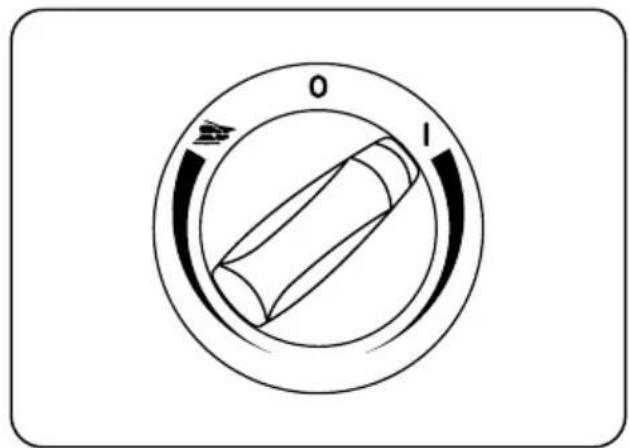
Check that the electrical switch is switched off (in position 0). Check that suitable filters are installed in the machine. Then connect the suction hose into the suction inlet on the machine by pushing the hose forward until it fits firmly into the inlet. When used for dust extraction together with a dust-producing tool, connect the end of the suction hose using an appropriate adapter. Connect the plug into a proper electrical outlet. Put the electrical switch into position I in order to start the motor.
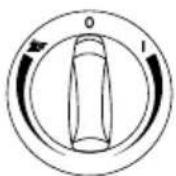
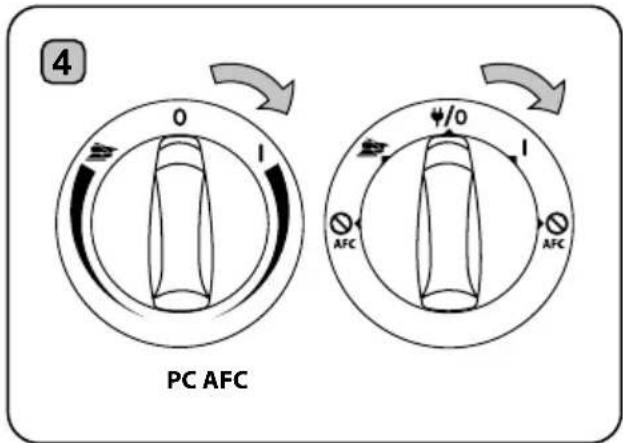
Turn to I: Activate the dust extractor.
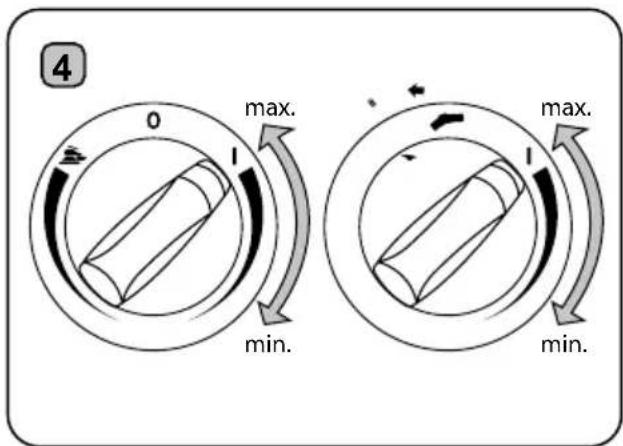
Turn clockwise for speed control.
Turn to 0: Stop the dust extractor.
Turn to sander: Activate Auto-On/Off.
Operation - turn counter-clockwise for speed control.
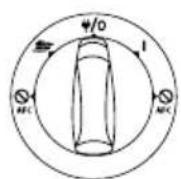
Turn to I: Activate the dust extractor.
Turn to ♦/0: Stop the dust extractor. Permanent power on socket.
Turn to I: Activate Auto-On/Off operation.
Turn to I + AFC Off: Activate the dust extractor with deactivated Auto Filter Cleaning.
Turn to sander + Off: Activate Auto-On/Off operation with deactivated Auto Filter Cleaning.
Speed control operation on separate rotary knob.
The hose diameter and the setting for suction hose diameter must be the same: ∅ 21, 27, 32, 36, 38 mm.
3.2 Auto-On / Off socket outlet for power tools

CAUTION
Appliance socket
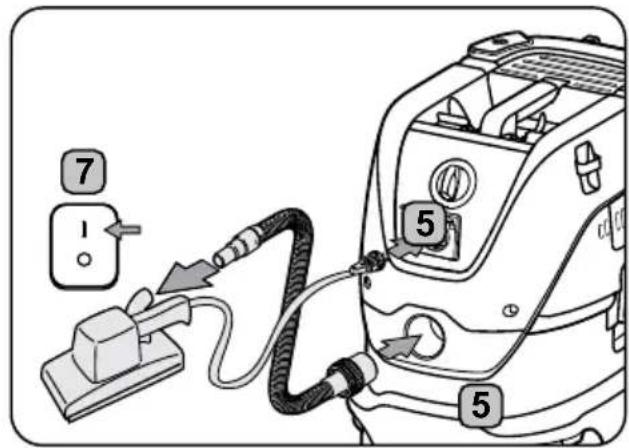
The appliance socket is designed for electrical auxiliary equipment; see technical data for reference.
- Prior to plugging in an appliance, always switch off the machine and the appliance that is to be connected.
- Read the operating instructions for the appliance to be connected and observe the safety notes contained in these.
An earthed appliance socket is integrated in the machine. An external power tool can be connected there. The socket has a 5 Amp thermal fuse to protect the machine against overload. If the power consumption gets too high the thermal fuse activates and cut off the power on the socket outlet. The thermal fuse can be deactivated again by pressing the knob. The socket features permanent power on when the switch is set to the ♦/0 position, i.e. the machine can be used as an extension cord.
In position 📄, the machine can be switched on and off from the connected power tool.
Dirt is picked up from the source of dust immediately. To comply with regulations, only approved dust-producing tools should be connected.
The maximum power consumption of the connected electrical appliance is stated in the "Specifications" section. Before turning the switch to position 📋, ensure that the tool connected to the appliance socket is switched off.
3.3 Push & Clean
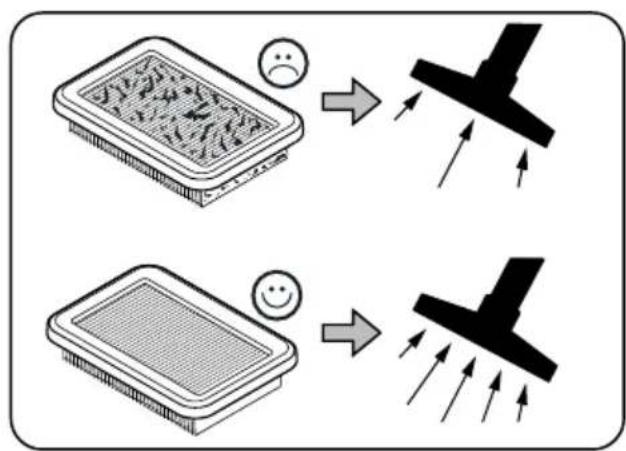
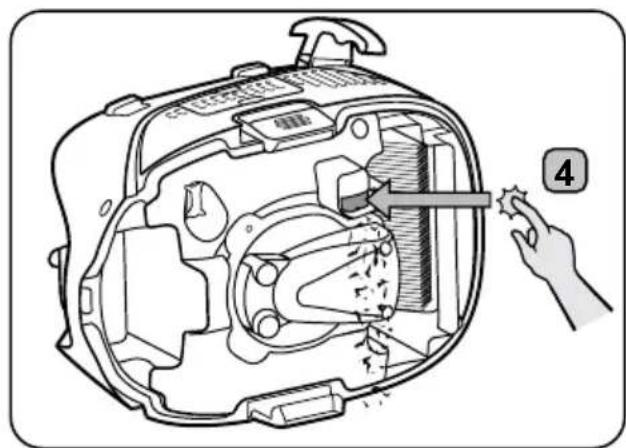
The "PC" machine is equipped with a semiautomatic filter cleaning system, Push & Clean. The filter cleaning system must be actuated when the suction performance starts to fade. Regular use of the filter cleaning feature maintains suction performance and increases the lifetime of the filter. For instructions, see the quick reference guide.
3.4 AFC – Auto Filter Cleaning
The “AFC” machine is equipped with an automatic filter cleaning system, Auto Filter Cleaning. A frequent cleaning cycle will automatically run during operation to ensure that suction performance is always at its best.
If suction performance decreases or in very dusty applications, a manual filter cleaning operation is recommended:
- Switch off the machine.
- Close the nozzles or suction hose opening with the palm of your hand.
- Turn the switch to position "I" and let the machine operate at full speed for approx. 10 seconds with the suction hose opening closed.
If suction power is still reduced take out the filter and clean it mechanically or replace the filter. For certain applications, such as wet pick-up, it is recommended to turn off the Auto Filter Cleaning system. For details see chapter 3.1.
3.5 Antistatic connection

CAUTION
The machine is equipped with an antistatic system to discharge any static electricity that may develop during dust pick-up.
The antistatic system is located in the front part of the motor top and creates an earth ground connection to the inlet fitting of the container. For correct operation, the use of an electrically conductive or antistatic suction hose is recommended. When inserting the optional disposal bag make sure the antistatic connection is maintained.
3.6 Motor cooling filter
To protect the electronics and motor, the machine is equipped with a motor cooling filter. Clean the motor cooling filter regularly.
For areas with a high concentration of fine dust in the surrounding air it is recommended to equip the machine with an optional motor cooling filter PET to prevent dust from settling inside the air channels and motor. Contact your local sales representative.

CAUTION
If the motor cooling filter is clogged by dust the overload protection switch in the motor may be tripped. If this happens, switch off the machine, clean the motor cooling filter and allow machine to cool for approx. 5 minutes.
3.7 Wet pick-up

CAUTION
The machine is equipped with a water level limit system which shuts off the machine when the maximum liquid level is reached. When this occurs, switch off the machine. Disconnect the machine from the socket and empty the container. Never pick up liquids without the water level limit system and filter in place.
Picking up liquids
- Do not pick up flammable liquids.
- Before liquids are picked up, always remove the filter bag/disposal bag and check that the water level limit works properly.
- If foam appears, stop work immediately and empty the container.
- Clean the water level limiting device regularly and check for signs of damage.
Before emptying the container, unplug the machine. Disconnect the hose from the inlet by pulling out the hose. Release the container clamps by pulling them outwards so that the motor top is released. Lift the motor top off the container. Always empty and clean the container and water level limit system after picking up liquids.
Empty by tilting the container backwards or sideways and pour the liquid into a floor drain or similar. Refit the motor top on the container. Secure the motor top with the container clamps. Sudden movements can accidentally trigger the water level limiting device. Should this happen; turn off the machine and wait for 3 seconds to reset the device. Continue to operate the machine afterwards.
3.8 Dry pick-up

CAUTION
Picking up environmentally hazardous materials. Materials picked up can present a hazard to the environment.
- Dispose of the dirt in accordance with legal regulations.
Unplug the machine before emptying after dry pick-up. Release the container clamps by pulling them outwards so that the motor top is released. Lift the motor top off the container.
Main filter: Check the filter. To clean the filter you can brush or wash it. Wait until the filter is dry before re-starting dust pick-up.
Dust bag: Check bag to ensure the fill factor. Replace dust bag if necessary. Remove the old bag. The new bag is fitted by passing the cardboard piece with the rubber membrane through the vacuum inlet. Make sure that the rubber membrane passes the raised part of the vacuum inlet.
After emptying: Close motor top on the container and secure the motor top with the container clamps. Never pick up dry material without having a filter fitted in the machine. The suction efficiency of the machine depends on the size and quality of the filter and dust bag. You should therefore only use an original filter and dust bags.
4. After using the machine
4.1 After use
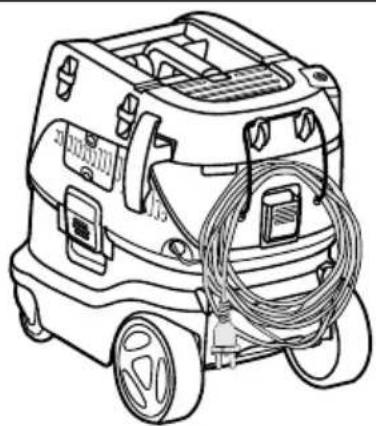
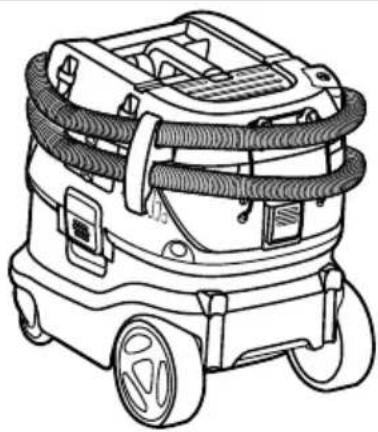
Unplug the machine from the socket when the machine is not in use. Wind up the cord starting from the machine. The power cord can be wound up around the motor top or the container, or hung from the hook provided, or some other fastener.
4.2 Transport
- Before transporting the machine, close all the container clamps.
- Close the inlet with the inlet cap.
- Do not tilt the machine if there are liquids in the container.
- Do not use a crane hook to lift the machine.
- Do not lift the machine by the trolley handle
4.3 Storage

CAUTION
Store the appliance in a dry place, protected from rain and frost. The machine must be stored indoors only.
4.4 Accessory and tool storage
For convenient transport and storage of accessories or tools, integrated rails are provided on the side of the machine, which allow fastening with straps or some other means. A flexible strap and hooks are included at the back of the machine for hanging the suction hose or mains cable. For instructions, see quick reference guide.
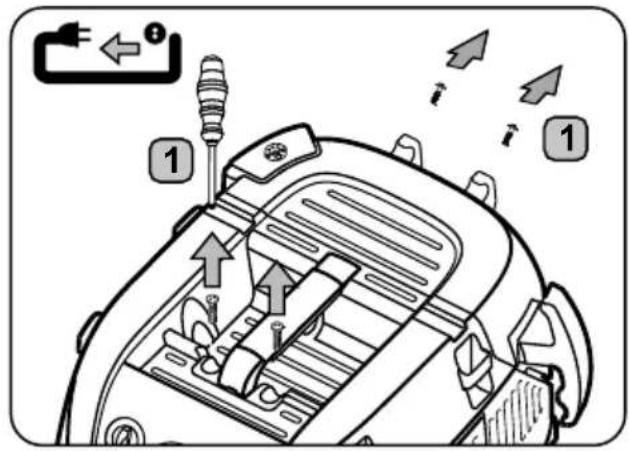
An optional case fastening accessory with attachment system can be installed on top of the machine for fastening of 2-point or 4-point storage cases. Unplug from the socket before installing the case fastening accessory.

CAUTION
Do not lift machine and case fastening accessory without ensuring that the storage case is safely installed. Note the weight and balance of the appliance in case of storage. Maximum weight of storage cases is 30 kg.
4.5 Recycling the machine
Make the old machine unusable.
- Unplug the machine.
- Cut the power cord.
- Do not discard electrical appliances with regular household waste.
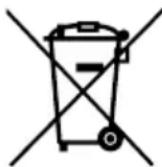
As specified in European Directive 2012/19/EU on old electrical and electronic appliances, used electrical goods must be collected separately and recycled ecologically.

5. Maintenance
5.1 Regular servicing and inspection
Regular servicing and inspection of your machine must be carried out by suitably qualified personnel in accordance with relevant legislation and regulations. In particular, electrical tests for earth continuity, insulation resistance, and condition of the flexible cord should be carried out frequently.
In the event of any defect, the machine MUST be withdrawn from service, completely checked and repaired by an authorized service technician. At least once a year, a Mirka technician or an instructed person must perform a technical inspection including filters, air tightness and control mechanisms.
5.2 Maintenance
Remove the plug from the socket before performing maintenance. Before using the machine make sure that the frequency and voltage shown on the rating plate correspond with the mains voltage.
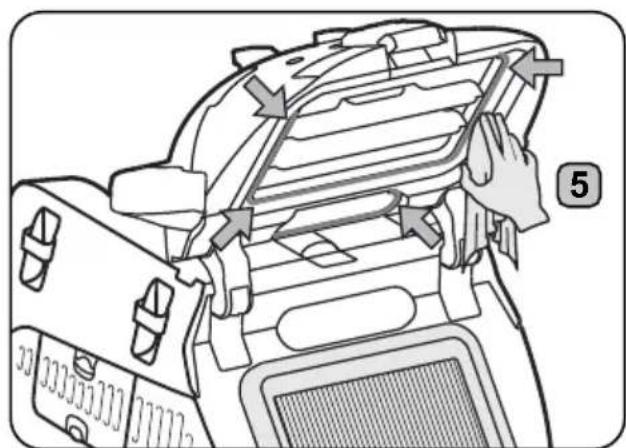
The machine is designed for continuous heavy work. Depending on the number of running hours – the dust filter should be renewed. Keep the machine clean with a dry cloth, and a small amount of spray polish.
During maintenance and cleaning, handle the machine in such a manner that there is no danger to maintenance staff or other persons. In the maintenance area:
• Use filtered compulsory ventilation.
- Wear protective clothing.
- Clean the maintenance area so that no harmful substances get into the surroundings.
During maintenance and repair work all contaminated parts that cannot be cleaned satisfactorily must be:
- Packed in well-sealed bags.
- Disposed of in a manner that complies with valid regulations for such waste removal.
For details of after sales service, contact your dealer or Mirka service representative responsible for your country. See reverse of this document.
6. Further information
6.1 Declaration of conformity
| We hereby declare that the machine described below complies with the relevant basic safety and health requirements of the EU Directives, both in its basic design and construction as well as in the version put into circulation by us. This declaration is not valid if the machine is modified without our prior approval. | |||
| Product: Mirka® Dust ExtractorType: 1230M & 1242 M | |||
| Relevant EU directives: Machinery Directive 2006/42/EU, EMC Directive 2014/30/EU, RoHS Directive 2011/65/EU + 2015/863/EU | |||
| Applied standards: EN 60335-1:2012 + A11:2014, EN 60335-2-69:2012, EN 55014-1:2017, EN 55014-2:2015, EN 61000-3-2:2014, EN 61000-3-3:2013, EN 50581:2012 | |||
| Authorized documentation representative: | |||
| Jeppo 13.04.2020Place and date of issue | MIRKACompany Stefan Sjöberg, CEO | CE | |
6.2 Specifications
Technical data
| Mirka® Dust Extractor | 1230 M 1242 M | |||||||
| PC·EU AFC·EU PC·GB AFC·GB AFC·AU/NZ AFC·EU | AFC·AU/NZ | |||||||
| Possible voltage | V | 220-240 | 220-240 | 100-120 | 220-240 | 220-240 | 220-240 | 220-240 |
| Power P_IEC | W | 1200 | 1200 | 1000 | 1200 | 1200 | 1200 | 1200 |
| Connected load for appliance socket | W | 2400 | 2400 | 750 | 1750 | 1100 | 2400 | 1100 |
| Mains frequency | Hz | 50/60 | 50/60 | 50/60 | 50/60 | 50/60 | 50/60 | 50/60 |
| Fuse | A | 16 | 16 | 16 | 13 | 10 | 16 | 10 |
| Protection grade (moist, dust) | A | IPX4 | IPX4 | IPX4 | IPX4 | IPX4 | IPX4 | IPX4 |
| Protection class (electrical) | A | I | I | I | I | I | I | I |
| Max. airflow* | l/s | 75 | 75 | 70 | 75 | 75 | 75 | 75 |
| m^3/h | 270 | 270 | 252 | 270 | 270 | 270 | 270 | |
| CFM | 159 | 159 | 148 | 159 | 159 | 159 | 159 | |
| Max. vacuum | kPa | 25 | 25 | 23 | 25 | 25 | 25 | 25 |
| hPa | 250 | 250 | 230 | 250 | 250 | 250 | 250 | |
| in_H_2O | 100 | 100 | 92 | 100 | 100 | 100 | 100 | |
| Sound pressure level L_PA (IEC 60335-2-69) | dB(A) | 68±2 | 68±2 | 68±2 | 68±2 | 68±2 | 68±2 | 68±2 |
| Working sound level | dB(A) | 60±2 | 60±2 | 60±2 | 60±2 | 60±2 | 60±2 | 60±2 |
| Vibration ISO 5349 a_h | m/s^2 | ≤2,5 | ≤2,5 | ≤2,5 | ≤2,5 | ≤2,5 | ≤2,5 | ≤2,5 |
| Weight | kg | 14,5 | 14,5 | 14,5 | 14,5 | 14,5 | 16,0 | 16,0 |
| lb | 31,9 | 31,9 | 31,9 | 31,9 | 31,9 | 35,3 | 35,3 | |
| Filter surface area | m^2 | 0,5 | 0,5 | 0,5 | 0,5 | 0,5 | 0,5 | 0,5 |
| Dust class | M | M | M | M | M | M | M | |
* Measured at container
Specifications and details are subject to change without prior notice. Model range may vary between markets.
∅ 21, 27, 32, 36, 38 mm.
1.8 Tilleggsadvarsler

ADVARSEL
geo
| Location | Marker | | -------- | ------ | | Mirka Ltd | 1 | | Finland | 2 |Mirka Ltd
Finland
Brazil Mirka Brasil Ltda.
Belgium Mirka Belgium Logistics NV
Canada Mirka Canada Inc.
China Mirka Trading Shanghai Co., Ltd
Finland & Baltics Mirka Ltd
France Mirka France Sarl
Germany Mirka GmbH
India Mirka India Pvt Ltd
Russia Mirka Rus LLC
Singapore Mirka Asia Pacific Pte Ltd
Spain Mirka Ibérica S.A.U.
Sweden Mirka Scandinavia AB
Turkey Mirka Turkey Zimpara Ltd Şirketi
United Kingdom Mirka (UK) Ltd
United Arab Emirates Mirka Middle East FZCO
USA Mirka USA Inc.
For contact information,
please visit www.mirka.com