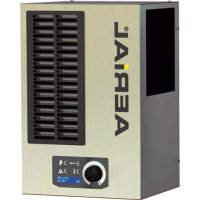
AD 110 - Dehumidifier Aerial - Free user manual and instructions
Find the device manual for free AD 110 Aerial in PDF.



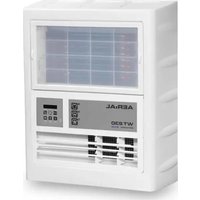
| Product type | Wall-mounted dehumidifier |
| Brand | Aerial |
| Model | AD 110 |
| Power supply | 230 V / 50 Hz / 350 W |
| Rated current | 1.5 A |
| Refrigerant | R1234yf (0.14 kg), GWP 4 |
| Protection | IP44 |
| Minimum room area | 4 m² |
| Operating temperature range | 1 °C to 34 °C |
| Mounting | Wall-mounted with supplied bracket |
| Drainage | Drain hose with built-in pump |
| Max delivery height | 3 m |
| Hygrostat type | Adjustable (0 to continuous operation) |
| Automatic defrosting | Yes |
| Air filter | Washable, replaceable |
| Display functions | Ambient temperature, humidity, operating hours |
| Indicator lights | Humidity reached, dehumidification in progress, temperature out of range, malfunction |
| Supplied accessories | Wall bracket, mounting kit, drain hose |
| Maintenance | Clean filter and drip tray, use compressed air |
| Storage temperature | 0 °C to +40 °C |
| Approximate weight | 15 kg (estimated) |
| Approximate dimensions (W × H × D) | 40 × 60 × 30 cm (estimated) |
Frequently Asked Questions - AD 110 Aerial
User questions about AD 110 Aerial
0 question about this device. Answer the ones you know or ask your own.
Ask a new question about this device
Download the instructions for your Dehumidifier in PDF format for free! Find your manual AD 110 - Aerial and take your electronic device back in hand. On this page are published all the documents necessary for the use of your device. AD 110 by Aerial.
USER MANUAL AD 110 Aerial
natural_image
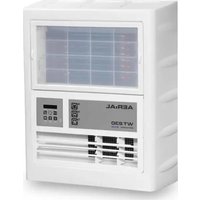
Exterior view of a dual air conditioner unit (no visible text or symbols)AD 110
EN Instructions for use 12
FI Käyttöohje 22
Fig. 2: Rückansicht
natural_image
Close-up of a hand using a screwdriver to adjust or install a metal bracket (no visible text or symbols)natural_image
Close-up of a mechanical device with wires and a labeled component (no readable text or symbols)natural_image
Close-up of a mechanical setup with coiled tubes and a blue component, no visible text or symbols1 Product overview.... 12
2 Overview of control panel....14
3 Overview of wall attachment.... 15
4 About these operating instructions .... 15
5 Product description.... 15
6 Safety 15
7 Unpacking 16
8 Transport and connection....17
9 Operation....18
10 Maintenance and care 18
11 Troubleshooting.... 19
12 Decommissioning, storage and disposal 20
13 EC Declaration of Conformity 21
1 Product overview
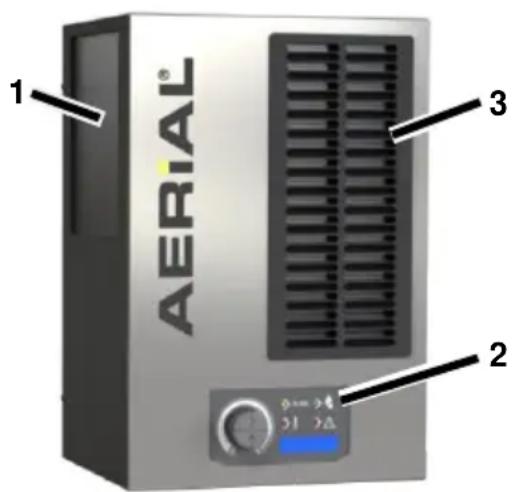
Fig. 1: Front view
| 1 | Air intake area with filter |
| 2 | Control panel |
| 3 | Air outlet |
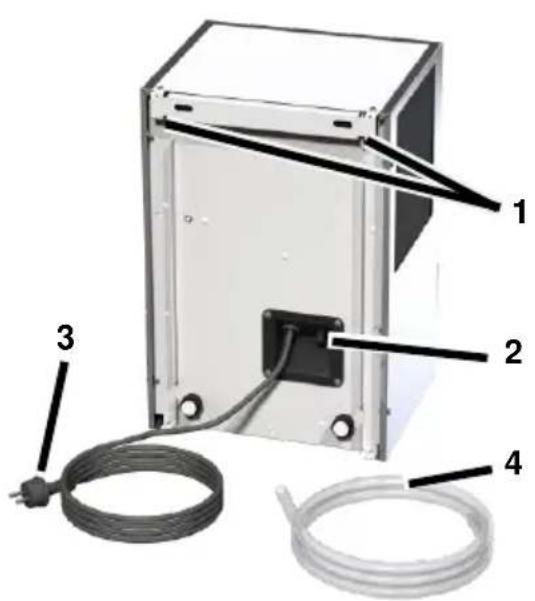
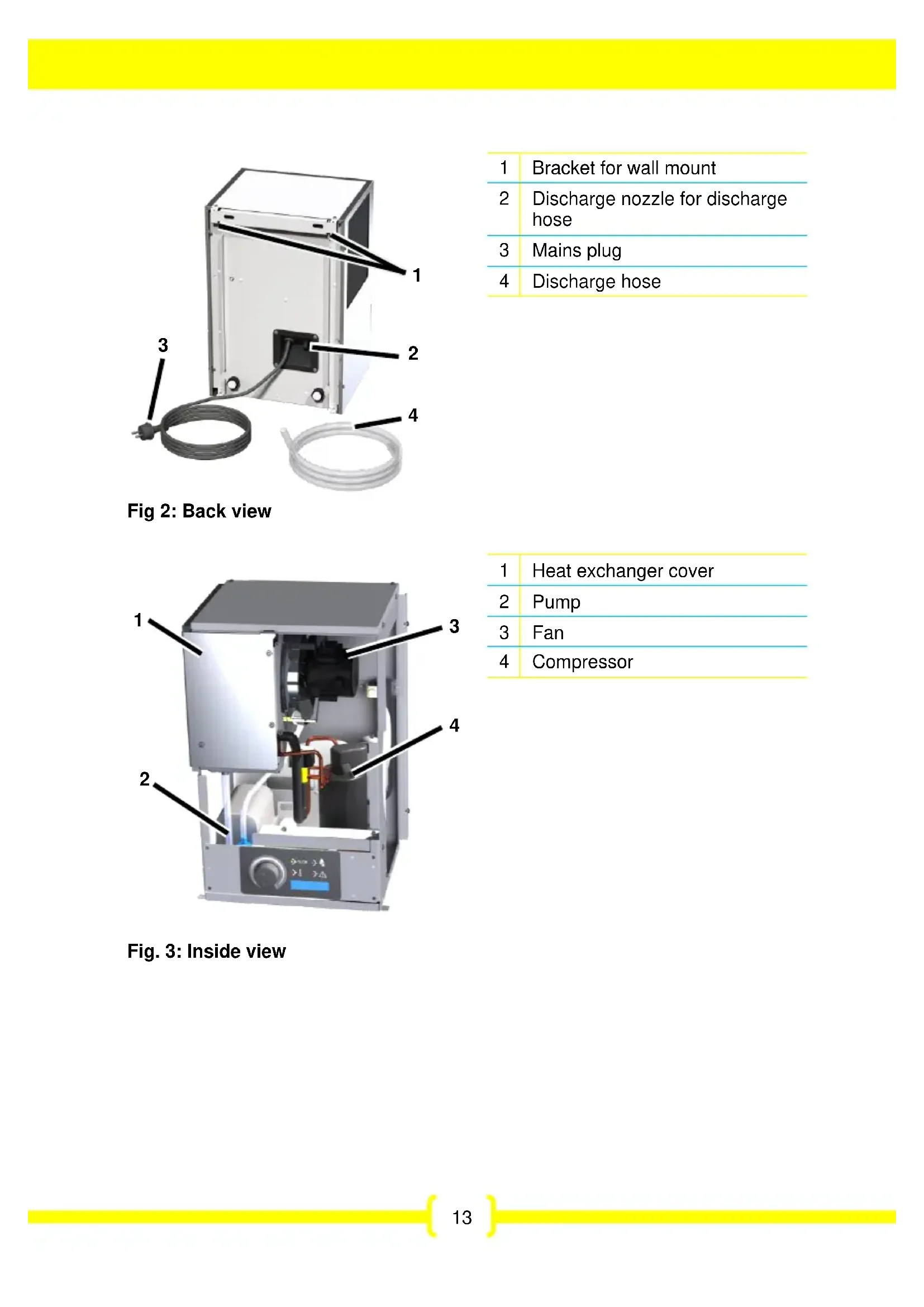
Fig 2: Back view
| 1 | Bracket for wall mount |
| 2 | Discharge nozzle for discharge hose |
| 3 | Mains plug |
| 4 | Discharge hose |
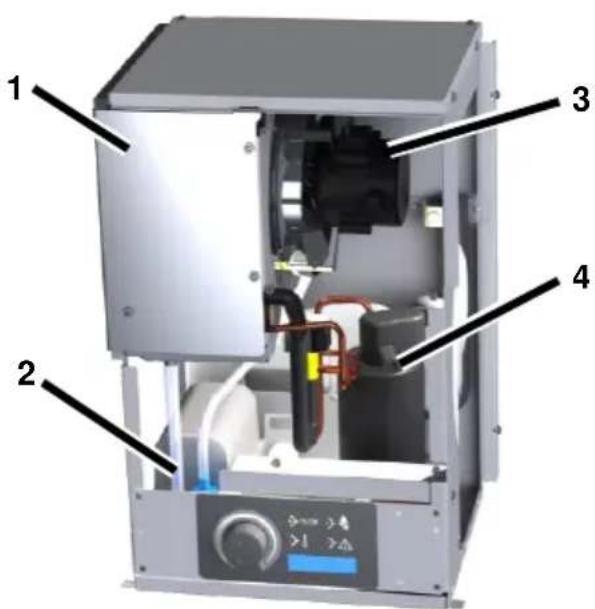
Fig. 3: Inside view
| 1 | Heat exchanger cover |
| 2 | Pump |
| 3 | Fan |
| 4 | Compressor |
2 Overview of control panel
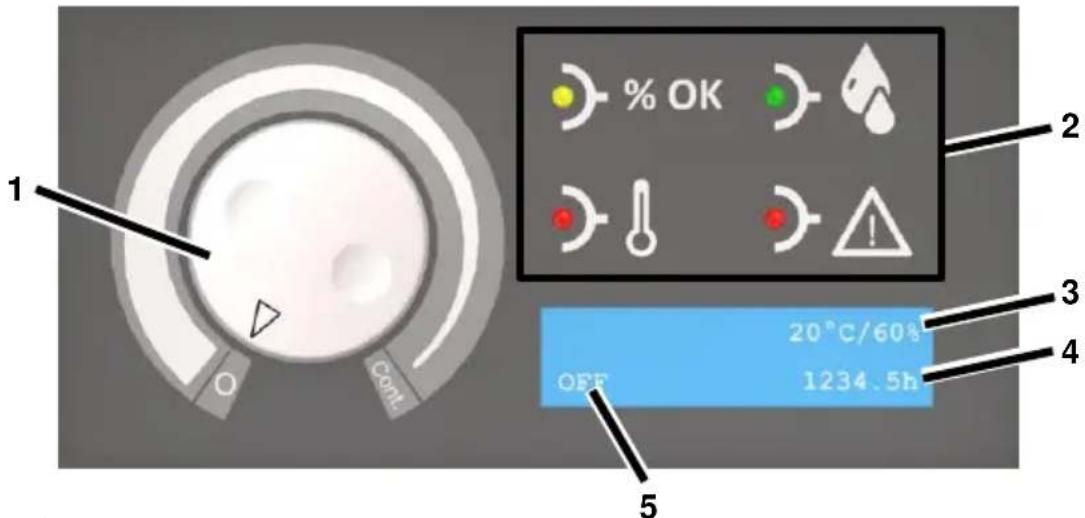
Fig. 4: Overview of control panel
| 1 | Humidity switch:0 = offCont. = continuous operation | 4 | Operating hours |
| 2 | Signal lights | 5 | Operating state/Target room humidity |
| 3 | Actual room temperature/Actual room humidity |
| Signal light | State | Meaning |
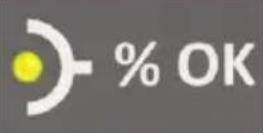 | Illuminated | Target room humidity reached |
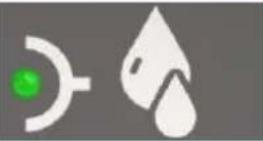 | Illuminated | Dehumidifying room |
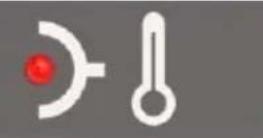 | Illuminated | Outside temperature <1°C or >34 °C |
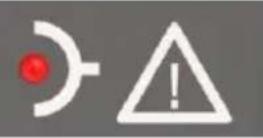 | Illuminated | Fault |
| Flashing | Pump fault. The pump will start up again automatically once the fault has been repaired. |
3 Overview of wall attachment
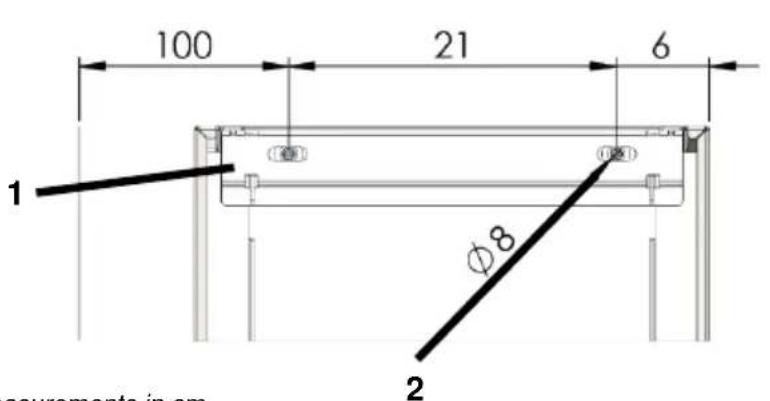
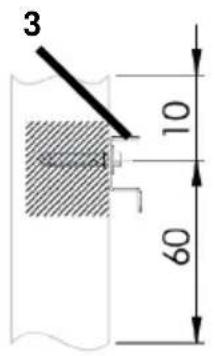
Measurements in cm
Fig 5: Overview of wall attachment
| 1 | Wall mount | 3 | Top edge of wall mount |
| 2 | Drilled hole ∅ = 8 mm (2x) |
4 About these operating instructions
These operating instructions must not be reproduced, duplicated or distributed without the written consent of the manufacturer.
Important: Read carefully before use. Keep for later reference.
5 Product description
The dehumidifier controls the air humidity in the room. The condensate water which is produced is pumped away via a discharge hose. The dehumidifier has an automatic defrost function. The dehumidifier is designed to be wall-mounted.
Package contents
- Dehumidifier
- Operating instructions
- Wall mount
• Universal installation kit for wall attachment
- Discharge hose 12 x 2 mm with hose clamp
Identification plate
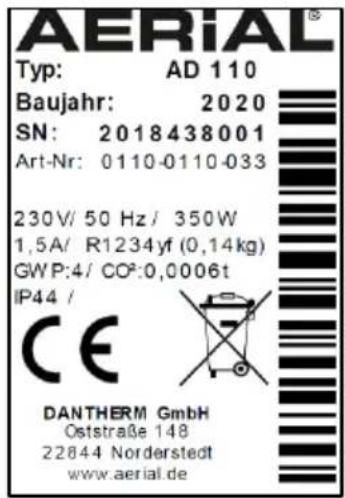
The identification plate is on the housing.
6 Safety
Intended use and conditions of use
The dehumidifier is used to remove humidity from the air where there is atmospheric pressure in closed indoor rooms, such as basements, garages or
warehouses, and is designed to be wall mounted.
The dehumidifier must only be mounted, used and stored in rooms larger than 4 m^2 .
The dehumidifier must only be used in compliance with the Technical Data (see last page).
Persons with physical, sensory or mental restrictions and children are not permitted to use the dehumidifier.
Every user must have read and understood the operating instructions.
Foreseeable misuse
The dehumidifier must not be used:
- In rooms with potentially explosive atmospheres.
- In rooms with an aggressive atmosphere (e.g. caused by chemicals).
- In rooms with water with a pH value below 7.0 or above 7.4.
- In rooms with salt or liquids with a salt content > 1 %, e.g. brine baths.
- In rooms with ozone-treated air, high solvent concentrations or high dust pollution.
General safety information
WARNING! Risk of explosion, burns and poisoning from refrigerants!
The appliance contains an odourless, flammable refrigerant which, if handled incorrectly, could result in explosions and fire as well as injuries and burns. The refrigerant circuit is pressurised.
Do not use any objects to accelerate the thawing process.
Do not store the dehumidifier in rooms with permanent sources of ignition, such as open flames, operational gas appliances or electric heaters.
Do not drill open or ignite dehumidifiers.
- Only operate the appliance in an adequately ventilated room larger than 4 m ^2 .
- Any work to the refrigerant circuit must be performed by the manufacturer or the manufacturer's authorised technical personnel. Before working on the refrigerant circuit, it must be depressurised using the designated mechanisms.
Observe the national regulations for gas installations.
Do not dump refrigerants or dispose of them as household waste.
Avoid coming into contact with the refrigerant.
WARNING! Electrocution!
Working on live components or water on live components can cause life-threatening electrocution.
Avoid contact between water and live components.
Always switch off and unplug the dehumidifier before moving it to another location.
- Only allow the manufacturer or authorised personnel to carry out work on electric components.
7 Unpacking
Procedure
-
Check that the package contents are complete. Contact your stockist in the event of damage or missing contents.
-
Remove the packaging and dispose of it in accordance with local regulations.
8 Transport and connection
Transport
WARNING! Crushing as a result of instability!
→ Transport the dehumidifier in an upright position and secure it so that it cannot tip over or slip.
- Position the dehumidifier on a stable, even surface.
WARNING! Risk of cuts and crushing from incorrect handling during transport
Do not reach into openings such as air filters.
The dehumidifier must be transported by two people using appropriate lifting and transport equipment.
Procedure
- Make sure that the discharge hose and the mains cable have been disconnected from the appliance.
- Transport the dehumidifier to where it is going to be used.
Installing the dehumidifier
WARNING! Risk of dehumidifier falling as a result of incorrect assembly!
- Only use the wall mount provided and universal installation kit.
The dehumidifier must be installed by two people.
→ Make sure that the wall is sound and capable of bearing the load.
Requirements
The air must circulate freely. Do not cover the air openings. There must be a clearance of at least 100 cm in front of the air outlet and the air filter.
There must be at least 10 cm between the top of the wall mount and the nearest object to allow the device to be mounted. There must be at least 60 cm between the bottom of the wall mount and the nearest object.
Procedure
- Remove and set aside the two screws used to pre-assemble the wall mount to the dehumidifier.
- Use a spirit level to position the wall mount horizontally and fix to the wall using the universal installation kit as shown in fig. 5. Drilled hole = 8 mm.
- Hang the dehumidifier on the bracket of the wall mount.
- Screw the dehumidifier to the wall mount using the two screws from step 1 to secure the device so that it does not fall.
Connecting the discharge hose
ATTENTION! Inadequate appliance output!
Do not bend the discharge hose.
Do not place any objects on the hose.
Procedure
- Attach the discharge hose on the back of the device to the discharge nozzle and secure with the hose clamp.
- Run the discharge hose away from the dehumidifier to a drain (maximum height difference: 3 m).
Electrical connection
Procedure
- Make sure that the supply voltage is the same as the connection voltage in the technical data.
- Provide an adequate fuse for the socket and the power supply.
-
Install an earth leakage circuit breaker in damp rooms and building sites.
-
Make sure that the mains plug is suitable for the socket of the building.
- Make sure that the socket used is earthed.
- Plug the mains plug into the socket.
9 Operation
Dehumidifying the room
NOTE: Allow the dehumidifier to rest in its final position for approx. 15 minutes before starting up, after transport and after prolonged storage.
Procedure
- Make sure that the condensate water can drain off through a discharge hose
- Turn the humidity switch from "0" to "Cont". Set the desired humidity at the humidity switch. The dehumidifier will only start if the actual room humidity is higher than the target room humidity.
Light illuminates. The dehumidifier will start operating. The dehumidifier runs until the target room humidity has been reached, then it will stop running. If the humidity switch is at "Cont", the dehumidifier will run continuously.
Switching off
Procedure
- Set humidity switch to "0".
10 Maintenance and care
WARNING! Damage to health from dust!
- Only clean the dehumidifier with compressed air in open spaces.
- Wear a protective mask and goggles.
WARNING! Risk of injury from rotating fan.
Before opening the bezel:
- Disconnect the mains plug and wait at least 15 s.
Make sure that the fan has stopped.
CAUTION! Risk of burning from hot cables!
Some cables inside the housing can get hot and cause slight burns.
Allow the cables to cool down sufficiently.
ATTENTION! Damage to property!
→ Cleaning agents can damage surfaces. Only use mild detergents.
- Only use approved original spare parts.
Cleaning and inspection
Procedure
- Switch off the dehumidifier.
- Unplug the mains plug.
- Remove and clean the air filter (e.g. with vacuum cleaner) or replace it.
- Check the discharge nozzle and hose, if connected.
- Insert a new or clean filter. Only use an original filter.
- Undo the screws on the side panels and the lid and remove the bezel.
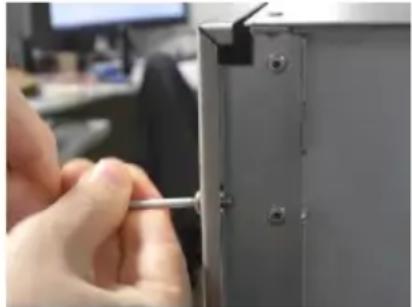
natural_image
Close-up of a hand using a screwdriver to adjust or install a metal bracket (no visible text or symbols)-
Undo the screws on the heat exchanger cover and remove the lid.
-
Pull out the drip tray slightly (Pos. 1) and wipe with a cloth.
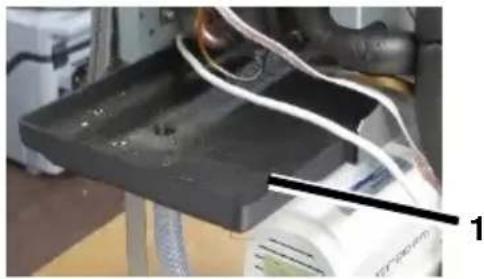
natural_image
Close-up of a mechanical device with wires and a black tray, no visible text or symbols-
Push the drip tray back in again.
-
WARNING! Risk of electrocution from leaking condensate water! After cleaning the drip tray, make sure that the drain hose (Pos. 2) is inserted in the pump opening.
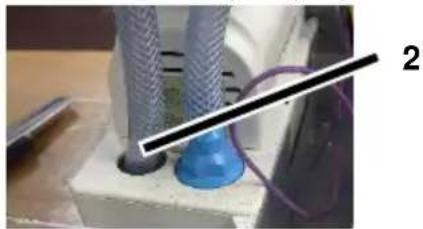
natural_image
Close-up of a blue dome-shaped object with a white rod inserted, placed on a concrete base with coiled wires (no visible text or symbols)- Carefully blow off the device with compressed air. Make sure that all of the components have been cleaned.
- Fit the heat exchanger cover.
- Fit the bezel.
- Plug in the mains cable.
Spare parts and customer service
If you have any questions about the dehumidifier or require spare parts, contact your authorised dealer or AERIAL Service.
11 Troubleshooting
Please check the following points in the event of a fault. If necessary contact AERIAL Service.
WARNING! Poisoning from refrigerant, burns, crushing or electrocution during maintenance work!
- Only allow the manufacturer or authorised personnel to carry out repairs and maintenance work.
In the event of malfunctions, switch off the dehumidifier and secure it so that it cannot be switched back on again.
Allow any hot components to cool sufficiently before working on them.
Error messages
| Display message | Possible cause | Remedial action |
| Error E1<Room temp> | Outside temperature < 1°C or >34°C | Appliance will automatically restart as soon as the temperature is >5°C or< 30°C. |
| Error E2<cooling system> | Cooling system fault | Switch off the dehumidifier and reset to the required target room humidity. |
Faults
| Problem | Possible cause | Remedial action |
| The dehumidifier is not performing well/removing moisture. | Air filter is dirty. The dehumidifier is not getting enough air. Dirty filters can damage the appliance in the long term. | Clean the filter or replace if necessary. |
| The dehumidifier is out of operation / fan and compressor are not working. | Dehumidifier is switched off. | Switch on the dehumidifier. |
| There is no power supply to the dehumidifier. | Check the power supply. | |
| Pump fault | Pump is blocked, e.g. water cannot drain out of the discharge hose. | Check the discharge hose, if connected. |
| Pump faulty. | Contact AERIAL Service. |
12 Decommissioning, storage and disposal
Decommissioning
Procedure
- Switch off the dehumidifier.
- Unplug the mains plug.
- Cover the dehumidifier with a cloth to protect it from dust.
Storage
CAUTION! Injury!
Do not stack more than two dehumidifiers on top of each other.
Secure the dehumidifiers so that they do not fall over.
Procedure
- Store the dehumidifier between 0^ C and +40^ C.
Disposal
ATTENTION! Risk from materials and substances
Sort materials according to type and recycle in accordance with local regulations.
When disposing of auxiliary and operating materials, observe the local regulations and information on the safety data sheets.
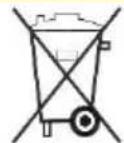
Do not dispose of the dehumidifier as household waste but rather in accordance with the legal regulations.
13 EC Declaration of Conformity
EC Declaration of Conformity in accordance with Machinery Directive 2006/42/EC Appendix II 1.A
Functional description: The dehumidifier is used to remove humidity from air where there is atmospheric pressure in closed rooms.
We hereby confirm that the product complies with the relevant provisions of the following directives:
• 2006/42/EC Machinery directive
• 2014/30/EU Directive on electromagnetic compatibility (EMC)
The following harmonised standards have been applied:
• EN 60335-2-40:2003
• EN 60204-1:2006
• EN 378-2:2016
• EN ISO 12100:2010
• EN ISO 13857:2008
• EN ISO 14120:2015
Person authorised to compile the technical documentation: Manfred Föhlisch - Oststraße 148 - 22844 Norderstedt
Norderstedt, 30 March 2020
Kuva 2: Taustapuoli
natural_image
Close-up of a hand using a screwdriver to adjust or install a metallic mechanical component (no visible text or symbols)natural_image
Close-up of a mechanical device with a black tray and white cable, no visible text or symbolsnatural_image
Laboratory setup with coiled tubes and a blue bulb, no visible text or symbolsFig. 2: Vista posteriore
natural_image
Close-up of a hand using a screwdriver to adjust or install a metallic mechanical component (no visible text or symbols)natural_image
Close-up of a mechanical device with a black base and white cable, no visible text or symbolsnatural_image
Close-up of a blue bulb mounted on a concrete base with coiled tubing and a white rod inserted (no visible text or symbols)2
8 Transport et raccordement
Transport
natural_image
Close-up of a hand holding a small metallic tool inside a metal enclosure (no visible text or symbols)natural_image
Close-up of a mechanical device with wires and a black tray, no visible text or symbolsnatural_image
Close-up of a blue bulb mounted on a white base with coiled tubing and a black line overlay (no text or symbols visible)Fig. 2: Set bagfra
Fig. 3: Set indefra
| 1 | Afskærmning varmeveksler |
| 2 | Pumpe |
| 3 | Ventilator |
| 4 | Kompressor |
2 Oversigt over betjeningspanel
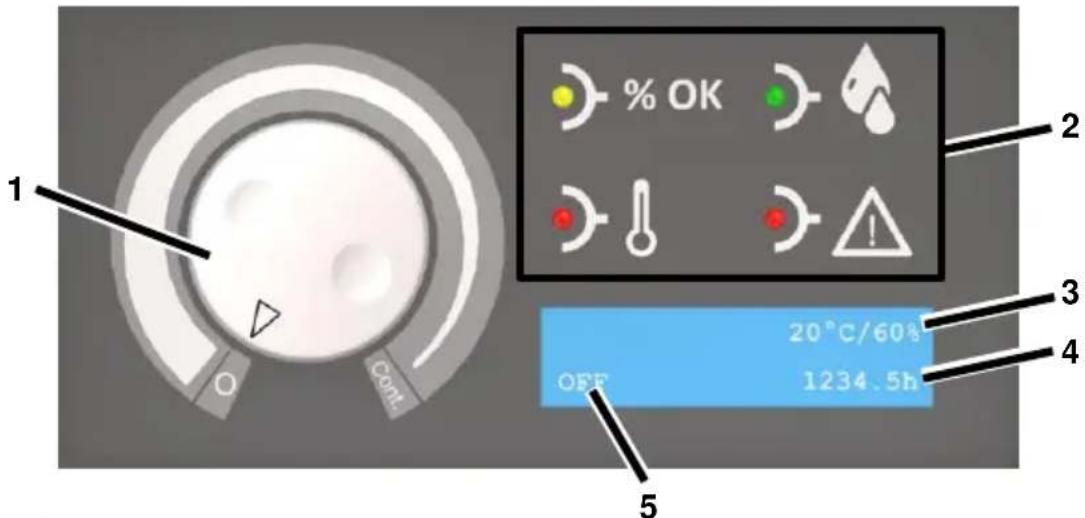
Fig. 4: Oversigt over betjeningspanel
natural_image
Close-up of a hand using a tool to adjust or install a metal bracket (no visible text or symbols)natural_image
Close-up of a mechanical device with wires and a black tray, no visible text or symbolsnatural_image
Close-up of a mechanical setup with a blue bulb, coiled wire, and two cylindrical components (no visible text or symbols)Fig. 2: Sett bakfra
natural_image
Close-up of a hand using a screwdriver to adjust or install a metallic panel (no visible text or symbols)natural_image
Close-up of a mechanical device with wires and a black tray, no visible text or symbolsnatural_image
Close-up of a blue bulb mounted on a white base with coiled wires and a black diagonal line (no text or symbols visible)natural_image
Close-up of a hand using a tool to adjust or install a metallic bracket (no visible text or symbols)natural_image
Close-up of a mechanical device with wires and a black tray, no visible text or symbolsnatural_image
Laboratory setup with a blue bulb and coiled tubing mounted on a white base, no visible text or symbolsFig. 2: Vista traseira
Fig. 3: Vista interior
| 1 | Cobertura do permutador de calor |
| 2 | Bomba |
| 3 | Ventilador |
| 4 | Compressor |
2 Vista geral do painel de controlo
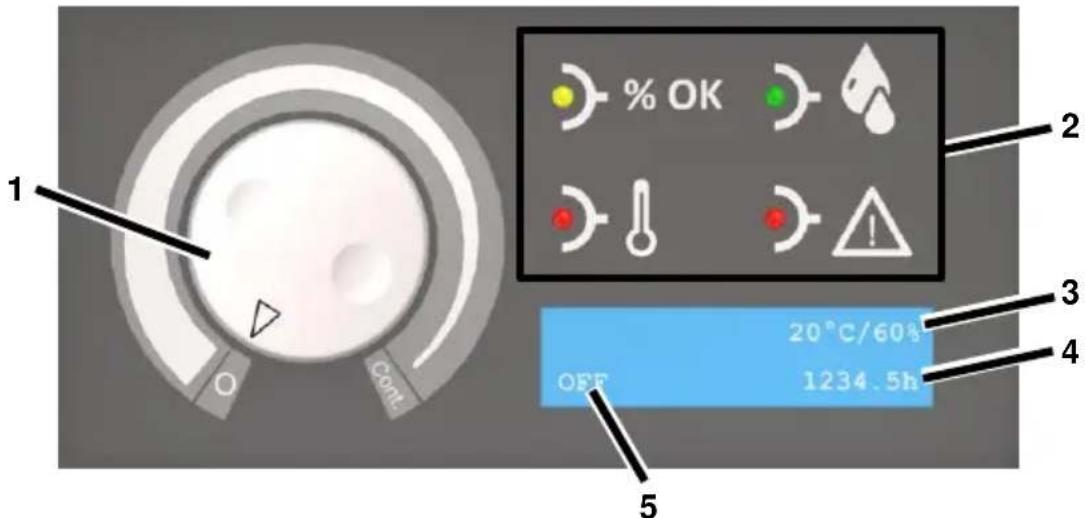
Fig. 4: Vista geral do painel de controlo
natural_image
Close-up of a hand holding a screwdriver next to a metallic mechanical component (no visible text or symbols)natural_image
Close-up of a mechanical device with wires and a black tray, no visible text or symbolsnatural_image
Close-up of a laboratory setup with a blue bulb and coiled tubing, no visible text or symbolsFig. 2: Bakifrån
Fig. 3: Inifrån
natural_image
Close-up of a hand using a screwdriver to adjust or install a metal bracket (no visible text or symbols)natural_image
Close-up of a mechanical device with wires and a black tray, no visible text or symbolsnatural_image
Laboratory setup with a blue funnel and coiled tubing, no visible text or symbolsFig. 2: Vista trasera
Fig. 3: Vista interior
natural_image
Close-up of a hand using a screwdriver to adjust or install a metallic mechanical component (no visible text or symbols)natural_image
Close-up of a mechanical device with wires and a black base, no visible text or symbolsnatural_image
Close-up of a blue bulb mounted on a white base with a black rod and purple cable, no visible text or symbolsnatural_image
Close-up of a hand using a tool to adjust or install a metallic mechanical component (no visible text or symbols)natural_image
Close-up of a black electronic device with white cables and a power strip, no visible text or symbolsnatural_image
Close-up of a blue plastic funnel mounted on a white base with coiled gray and purple tubing, no visible text or symbols.2
- Product overview
- Overview of control panel
- Overview of wall attachment
- About these operating instructions
- Product description
- Package contents
- Safety
- Foreseeable misuse
- General safety information
- WARNING! Risk of explosion, burns and poisoning from refrigerants!
- WARNING! Electrocution!
- Unpacking
- Procedure
- Transport and connection
- Transport
- WARNING! Crushing as a result of instability!
- WARNING! Risk of cuts and crushing from incorrect handling during transport
- Installing the dehumidifier
- WARNING! Risk of dehumidifier falling as a result of incorrect assembly!
- Requirements
- Connecting the discharge hose
- ATTENTION! Inadequate appliance output!
- Electrical connection
- Operation
- Dehumidifying the room
- Switching off
- Maintenance and care
- WARNING! Damage to health from dust!
- WARNING! Risk of injury from rotating fan.
- CAUTION! Risk of burning from hot cables!
- ATTENTION! Damage to property!
- Cleaning and inspection
- Spare parts and customer service
- Troubleshooting
- Decommissioning, storage and disposal
- Decommissioning
- Storage
- CAUTION! Injury!
- Disposal
- ATTENTION! Risk from materials and substances
- EC Declaration of Conformity
- Transport et raccordement
- Oversigt over betjeningspanel
- Vista geral do painel de controlo
Brand : Aerial
Model : AD 110
Category : Dehumidifier