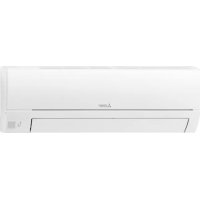
MXZ2HA40VF - Air Conditioning MITSUBISHI - Free user manual and instructions
Find the device manual for free MXZ2HA40VF MITSUBISHI in PDF.

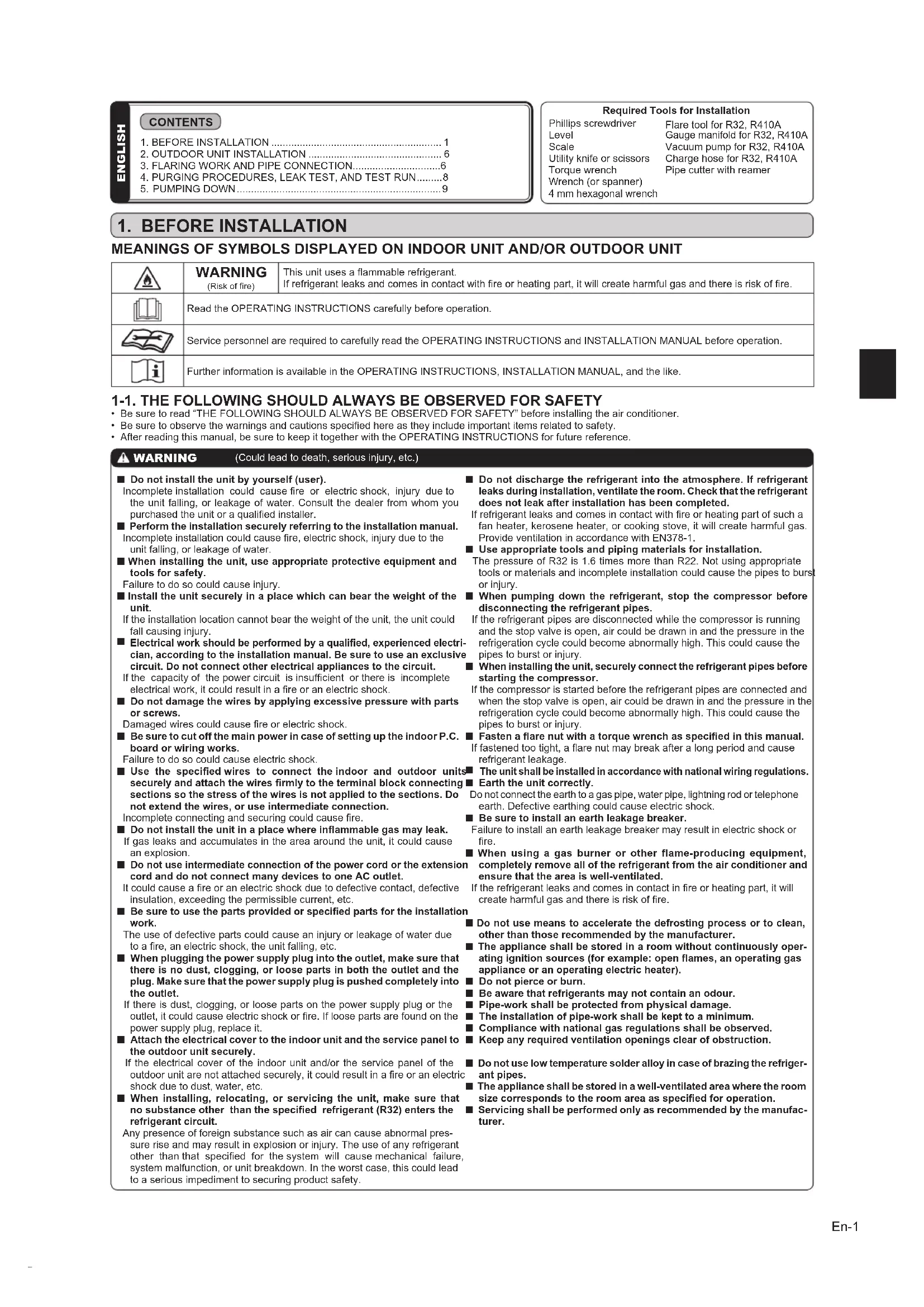


| Product type | Reversible air conditioning (heating/cooling), multi-split system (2 indoor units) |
| Brand | Mitsubishi |
| Model | MXZ2HA40VF |
| Power supply | 220-230-240 V ~ 50 Hz, 15 A |
| Refrigerant | R32 (flammable), factory charge 0.9 kg |
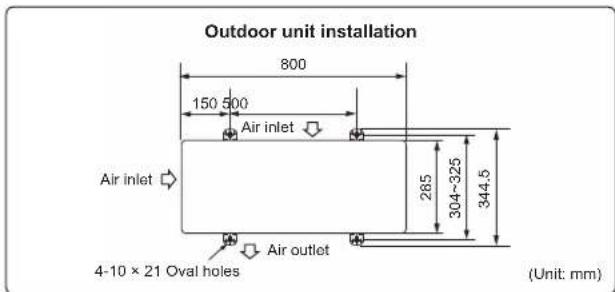
| Outdoor unit dimensions (W × H × D) | 800 × 304-325 × 344.5 mm (approximate) |
| Sound level (cooling / heating) | 44 dB(A) / 50 dB(A) |
| Max. pipe length per indoor unit | 20 m (for multi-system: 30 m total) |
| Max. height difference between units | 15 m (10 m if outdoor unit is higher) |
| Pipe diameter (liquid / gas) | 6.35 mm (1/4") / 9.52 mm (3/8") |
| Capacity of compatible indoor units | 25 to 50 (depending on series) |
| Main functions | Cooling, heating, dehumidification, ventilation |
| Special functions | Mode lock (cool or heat only), outdoor noise reduction |
| Protection against rapid restarts | 3-minute delay (compressor protection) |
| Earth leakage circuit breaker required | Yes (national electrical compliance) |
| Installation | Reserved for a qualified installer; respect safety distances and ventilation areas |
| Maintenance (recommended) | Regular cleaning of indoor filters, leak check by professional |
| Operating ambient temperature | Not specified in this manual (refer to the instruction manual) |
| Outdoor unit weight | Not specified (estimated ~40-50 kg) |
Frequently Asked Questions - MXZ2HA40VF MITSUBISHI
User questions about MXZ2HA40VF MITSUBISHI
0 question about this device. Answer the ones you know or ask your own.
Ask a new question about this device
Download the instructions for your Air Conditioning in PDF format for free! Find your manual MXZ2HA40VF - MITSUBISHI and take your electronic device back in hand. On this page are published all the documents necessary for the use of your device. MXZ2HA40VF by MITSUBISHI.
USER MANUAL MXZ2HA40VF MITSUBISHI
Split-type Air-Conditioner
MXZ-2HA40VF
MXZ-2HA50VF
English is original.
• This manual only describes the installation of outdoor unit.
When installing the indoor unit, refer to the installation manual of indoor unit.
ENGo to the above website to download manuals, select model name, then choose language.
Required Tools for Installation
| Phillips screwdriver | Flare tool for R32, R410A |
| Level | Gauge manifold for R32, R410A |
| Scale | Vacuum pump for R32, R410A |
| Utility knife or scissors | Charge hose for R32, R410A |
| Torque wrench | Pipe cutter with reamer |
| Wrench (or spanner) | |
| 4 mm hexagonal wrench |
1. BEFORE INSTALLATION
MEANINGS OF SYMBOLS DISPLAYED ON INDOOR UNIT AND/OR OUTDOOR UNIT
 | WARNING(Risk of fire) | This unit uses a flammable refrigerant.If refrigerant leaks and comes in contact with fire or heating part, it will create harmful gas and there is risk of fire. |
 | Read the OPERATING INSTRUCTIONS carefully before operation. | |
| [c88Y] | Service personnel are required to carefully read the OPERATING INSTRUCTIONS and INSTALLATION MANUAL before operation. | |
| [y7GG] | Further information is available in the OPERATING INSTRUCTIONS, INSTALLATION MANUAL, and the like. | |
1-1. THE FOLLOWING SHOULD ALWAYS BE OBSERVED FOR SAFETY
- Be sure to read "THE FOLLOWING SHOULD ALWAYS BE OBSERVED FOR SAFETY" before installing the air conditioner.
- Be sure to observe the warnings and cautions specified here as they include important items related to safety.
• After reading this manual, be sure to keep it together with the OPERATING INSTRUCTIONS for future reference.
WARNING
(Could lead to death, serious injury, etc.)
■ Do not install the unit by yourself (user).
Incomplete installation could cause fire or electric shock, injury due to the unit falling, or leakage of water. Consult the dealer from whom you purchased the unit or a qualified installer.
■ Perform the installation securely referring to the installation manual. Incomplete installation could cause fire, electric shock, injury due to the unit falling, or leakage of water.
■ When installing the unit, use appropriate protective equipment and tools for safety.
Failure to do so could cause injury.
■ Install the unit securely in a place which can bear the weight of the unit.
If the installation location cannot bear the weight of the unit, the unit could fall causing injury.
Electrical work should be performed by a qualified, experienced electrician, according to the installation manual. Be sure to use an exclusive circuit. Do not connect other electrical appliances to the circuit. If the capacity of the power circuit is insufficient or there is incomplete electrical work, it could result in a fire or an electric shock.
■ Do not damage the wires by applying excessive pressure with parts or screws.
Damaged wires could cause fire or electric shock.
■ Be sure to cut off the main power in case of setting up the indoor P.C. board or wiring works.
Failure to do so could cause electric shock.
Use the specified wires to connect the indoor and outdoor units securely and attach the wires firmly to the terminal block connecting sections so the stress of the wires is not applied to the sections. Do not extend the wires, or use intermediate connection. Incomplete connecting and securing could cause fire.
- Do not install the unit in a place where inflammable gas may leak. If gas leaks and accumulates in the area around the unit, it could cause an explosion.
Do not use intermediate connection of the power cord or the extension cord and do not connect many devices to one AC outlet. It could cause a fire or an electric shock due to defective contact, defective insulation, exceeding the permissible current, etc.
■ Be sure to use the parts provided or specified parts for the installation work.
The use of defective parts could cause an injury or leakage of water due to a fire, an electric shock, the unit falling, etc.
When plugging the power supply plug into the outlet, make sure that there is no dust, clogging, or loose parts in both the outlet and the plug. Make sure that the power supply plug is pushed completely into the outlet.
If there is dust, clogging, or loose parts on the power supply plug or the outlet, it could cause electric shock or fire. If loose parts are found on the power supply plug, replace it.
■ Attach the electrical cover to the indoor unit and the service panel to the outdoor unit securely.
If the electrical cover of the indoor unit and/or the service panel of the outdoor unit are not attached securely, it could result in a fire or an electric shock due to dust, water, etc.
■ When installing, relocating, or servicing the unit, make sure that no substance other than the specified refrigerant (R32) enters the refrigerant circuit.
Any presence of foreign substance such as air can cause abnormal pressure rise and may result in explosion or injury. The use of any refrigerant other than that specified for the system will cause mechanical failure, system malfunction, or unit breakdown. In the worst case, this could lead to a serious impediment to securing product safety.
Do not discharge the refrigerant into the atmosphere. If refrigerant leaks during installation, ventilate the room. Check that the refrigerant does not leak after installation has been completed.
f refrigerant leaks and comes in contact with fire or heating part of such a fan heater, kerosene heater, or cooking stove, it will create harmful gas. Provide ventilation in accordance with EN378-1.
If refrigerant leaks and comes in contact with fire or heating part of such a fan heater, kerosene heater, or cooking stove, it will create harmful gas. Provide ventilation in accordance with EN378-1.
■ Use appropriate tools and piping materials for installation.
The pressure of R32 is 1.6 times more than R22. Not using appropriate tools or materials and incomplete installation could cause the pipes to burs or injury.
■ When pumping down the refrigerant, stop the compressor before disconnecting the refrigerant pipes.
If the refrigerant pipes are disconnected while the compressor is running and the stop valve is open, air could be drawn in and the pressure in the refrigeration cycle could become abnormally high. This could cause the pipes to burst or injury.
If the refrigerant pipes are disconnected while the compressor is running and the stop valve is open, air could be drawn in and the pressure in the refrigeration cycle could become abnormally high. This could cause the pipes to burst or injury.
■ When installing the unit, securely connect the refrigerant pipes before starting the compressor.
If the compressor is started before the refrigerant pipes are connected and when the stop valve is open, air could be drawn in and the pressure in the refrigeration cycle could become abnormally high. This could cause the pipes to burst or injury.
■ Fasten a flare nut with a torque wrench as specified in this manual. If fastened too tight, a flare nut may break after a long period and cause refrigerant leakage.
The unit shall be installed in accordance with national wiring regulations.
■ Earth the unit correctly.
Do not connect the earth to a gas pipe, water pipe, lightning rod or telephone earth. Defective earthing could cause electric shock.
■ Be sure to install an earth leakage breaker.
Failure to install an earth leakage breaker may result in electric shock or fire.
■ When using a gas burner or other flame-producing equipment, completely remove all of the refrigerant from the air conditioner and ensure that the area is well-ventilated.
If the refrigerant leaks and comes in contact in fire or heating part, it will create harmful gas and there is risk of fire.
■ Do not use means to accelerate the defrosting process or to clean, other than those recommended by the manufacturer.
The appliance shall be stored in a room without continuously operating ignition sources (for example: open flames, an operating gas appliance or an operating electric heater).
■ Do not pierce or burn.
■ Be aware that refrigerants may not contain an odour.
■ Pipe-work shall be protected from physical damage.
■ The installation of pipe-work shall be kept to a minimum.
■ Compliance with national gas regulations shall be observed.
- Keep any required ventilation openings clear of obstruction.
■ Do not use low temperature solder alloy in case of brazing the refrigerant pipes.
■ The appliance shall be stored in a well-ventilated area where the room size corresponds to the room area as specified for operation.
■ Servicing shall be performed only as recommended by the manufacturer.

CAUTION
(Could lead to serious injury in particular environments when operated incorrectly.)
■ Install an earth leakage breaker depending on the installation place.
If an earth leakage breaker is not installed, it could cause electric shock.
■ Perform the drainage/piping work securely according to the installation manual.
If there is defect in the drainage/piping work, water could drop from the unit, soaking and damaging household goods.
■ Do not touch the air inlet or the aluminum fins of the outdoor unit. This could cause injury.
■ Do not install the outdoor unit where small animals may live.
f small animals enter and touch the electric parts inside the unit, it could cause a malfunction, smoke emission, or fire. Also, advise user to keep the area around the unit clean.
■ Do not operate the air conditioner during interior construction and finishing work, or while waxing the floor.
Before operating the air conditioner, ventilate the room well after such work is performed. Otherwise, it may cause volatile elements to adhere inside the air conditioner, resulting in water leakage or scattering of dew.
1-2. SPECIFICATIONS
| Model | Power supply *1 Wire specifications *2 | Pipe length and height difference *3, *4, *5, *6, *7, *8 | Outdoor Noise level | |||||||
| Rated Voltage | Fre-quency | Breaker capacity | Power supply | Indoor/outdoor connecting wire | Max. pipe length per in-door unit / for multi-system | Max. height difference *9 | Max. no. of bends per in-door unit / for multi-system | Cooling | Heating | |
| MXZ-2HA40VF | 220-230-240V | 50 Hz 15 A | A | 3-core | 4-core | 20 m / 30 m | 15 m 20 / 30 | 44 dB (A) | 50 dB (A) | |
| MXZ-2HA50VF 47 dB (A) | 47 dB (A) | dB (A) | 12 | 2.0 mm^2 | 1.0/1.5 mm^2 | |||||
| Model | Maximum amount of refrigerant charge | Factory-charged refrigerant amount |
| MXZ-2HA40VF | 0.9 kg | 0.9 kg |
| MXZ-2HA50VF |
*1 Connect to the power switch which has a gap of 3 mm or more when open to interrupt the source power phase. (When the power switch is shut off, it must interrupt all phases.)
*2 Use wires in conformity with design 60245 IEC 57. Use the indoor/outdoor connecting wire in
conformity with the wire specifications specified in the installation manual of the indoor unit.
*3 Never use pipes with thickness less than specified. The pressure resistance will be insufficient.
*4 Use a copper pipe or a copper-alloy seamless pipe.
*5 Be careful not to crush or bend the pipe during pipe bending.
*6 Refrigerant pipe bending radius must be 100 mm or more.
*7 Insulation material : Heat resisting foam plastic 0.045 specific gravity
*8 Be sure to use the insulation of specified thickness. Excessive thickness may cause incorrect installation of the indoor unit and insufficient thickness may cause dew drippage.
9 If the outdoor unit is installed higher than the indoor unit, max. height difference is reduced to 10 m.
1-3. SELECTING OPTIONAL DIFFERENT-DIAMETER JOINTS
If the diameter of connection pipe does not match the port size of outdoor unit, use optional different-diameter joints according to the following table.
(Unit: mm (inch))
| Port size of outdoor unit Optional different-diameter joints (port size of outdoor unit → diameter of connection pipe) | ||
| MXZ-2HA Liquid | / Gas | 9.52 (3/8) → 12.7 (1/2) : MAC-A454JP-ERefer to the installation manual of indoor unit for the diameter of connection pipe of indoor unit. |
| A, B UNIT | 6.35 (1/4) / 9.52 (3/8) | |
1-4. SELECTING THE INSTALLATION LOCATION
• Where it is not exposed to strong wind.
• Where airflow is good and dustless.
- Where rain or direct sunshine can be avoided as much as possible.
- Where neighbours are not annoyed by operation sound or hot air.
- Where rigid wall or support is available to prevent the increase of operation sound or vibration.
• Where there is no risk of combustible gas leakage.
- When installing the unit, be sure to secure the unit legs.
- Where it is at least 3 m away from the antenna of TV set or radio. Operation of the air conditioner may interfere with radio or TV reception in areas where reception is weak. An amplifier may be required for the affected device.
• Install the unit horizontally.
- Please install it in an area not affected by snowfall or blowing snow. In areas with heavy snow, please install a canopy, a pedestal and/or some baffle boards.
Note:
It is advisable to make a piping loop near outdoor unit so as to reduce vibration transmitted from there.
Note:
When operating the air conditioner in low outside temperature, be sure to follow the instructions described below.
- Never install the outdoor unit in a place where its air inlet/outlet side may be exposed directly to wind.
- To prevent exposure to wind, install the outdoor unit with its air inlet side facing the wall.
- To prevent exposure to wind, it is recommended to install a baffle board on the air outlet side of the outdoor unit.
Avoid the following places for installation where air conditioner trouble is liable to occur.
• Where flammable gas could leak.
• Where there is much machine oil.
- Where oil is splashed or where the area is filled with oily smoke (such as cooking areas and factories, in which the properties of plastic could be changed and damaged).
- Salty places such as the seaside.
• Where sulfide gas is generated such as a hot spring.
• Where there is high-frequency or wireless equipment.
- Where there is emission of high levels of VOCs, including phthalate compounds, formaldehyde, etc., which may cause chemical cracking.
- The appliance shall be stored so as to prevent mechanical damage from occurring.
- R32 is heavier than air—as well as other refrigerants—so tends to accumulate at the base (in the vicinity of the floor). If R32 accumulates around base, it may reach a flammable concentration in case room is small. To avoid ignition, maintaining a safe work environment is required by ensuring appropriate ventilation. If a refrigerant leak is confirmed in a room or an area where there is insufficient ventilation, refrain from using of flames until the work environment can be improved by ensuring appropriate ventilation.
• Refrigerant pipes connection shall be accessible for maintenance purposes.
• Install outdoor units in a place where at least one of the four sides is open, and in a sufficiently large space without depressions.
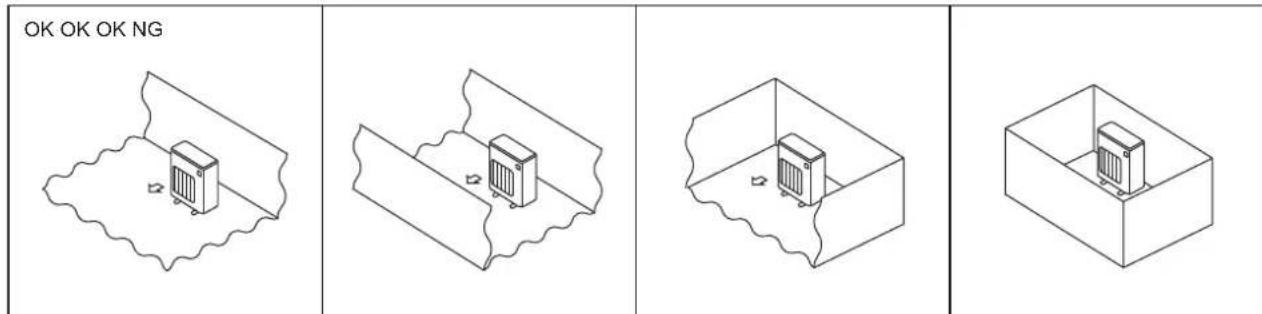
1-4-1. Minimum installation area for Outdoor units
If you unavoidably install a unit in a space where all four sides are blocked or there are depressions, confirm that one of these situations (A, B or C) is satisfied.
Note: These countermeasures are for keeping safety not for specification guarantee.
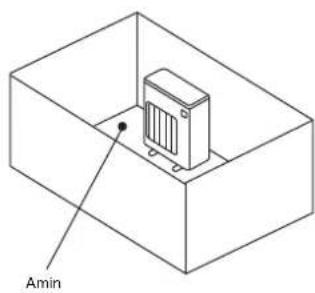
A) Secure sufficient installation space (minimum installation area Amin).
Install in a space with an installation area of Amin or more, corresponding to refrigerant quantity M (factory-charged refrigerant + locally added refrigerant).
| M [kg] Amin m^2 | |
| 1.0 12 | |
| 1.5 17 | |
| 2.0 23 | |
| 2.5 28 | |
| 3.0 34 | |
| 3.5 39 | |
| 4.0 45 | |
| 4.5 50 | |
| 5.0 56 | |
| 5.5 62 | |
| 6.0 67 | |
| 6.5 73 | |
| 7.0 78 | |
| 7.5 84 |
B) Install in a space with a depression height of ≤ 0.125 [m].
![Height from the bottom of 0.125 [m] or less Height from the bottom of 0.125 [m] or less](/content/2026/03/560662/images/ab7f5857a7c3b675f003b54a477623e2a28a24b5f4d047f48b5ef0433cf9fa11.jpg)
C) Create an appropriate ventilation open area.
Make sure that the width of the open area is 0.9 [m] or more and the height of the open area is 0.15 [m] or more.
However, the height from the bottom of the installation space to the bottom edge of the open area should be 0.125 [m] or less. Open area should be 75% or more opening.
![75% or more opening Width W 0.9 [m] or more Height from the bottom 0.125 [m] or less Height H 0.15 [m] or more](/content/2026/03/560662/images/c7ff03a8db5993bac1f78df1508679e28999d8780f3baa334ba49d03bb986ea6.jpg)
1-4-2. Minimum installation area for Indoor units
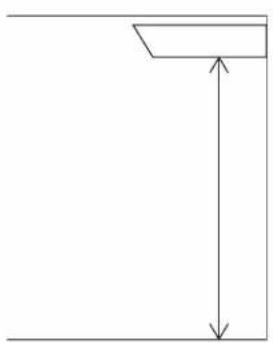
Install in a room with a floor area of Amin or more, corresponding to refrigerant quantity M (factory-charged refrigerant + locally added refrigerant).
Install the indoor unit so that the height from the floor to the bottom of the indoor unit is h0;
for wall mounted: 1.8 m or more;
for ceiling suspended, cassette and ceiling concealed: 2.2 m or more.
There are restrictions in installation height for each model, so read the installation manual for the particular unit.
| M [kg] Amin [ m^2 ] | |
| 1.0 3 | |
| 1.5 4.5 | |
| 2.0 6 | |
| 2.5 7.5 | |
| 3.0 9 | |
| 3.5 12 | |
| 4.0 15.5 | |
| 4.5 20 | |
| 5.0 24 | |
| 5.5 29 | |
| 6.0 35 | |
| 6.5 41 | |
| 7.0 47 | |
| 7.5 54 |
![h0 ≥ 1.8 [m] Wall mounted](/content/2026/03/560662/images/ba4cefeaeac707bdafefbc65ce70539a138c4194baa7e8d214b9e6b8a919d67b.jpg)
natural_image
Simple line drawing of a rectangular object with a vertical double-headed arrow pointing downward (no text or symbols)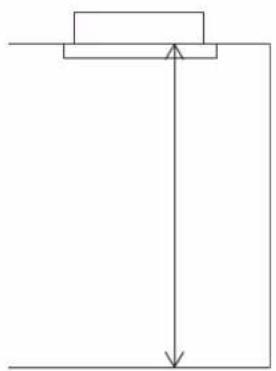
natural_image
Simple line diagram showing a vertical arrow pointing upward from a rectangular box, with no text or symbols present.![h0 ≧ 2.2 [m]h0 ≧ 2.2 [m]h0 ≧ 2.2 [m]](/content/2026/03/560662/images/e2acc36258b0b951d9608fc98f4c9716e1842138ea8df1abb273f8488c3aa6bd.jpg)
Ceiling concealed Cassette Ceiling suspended

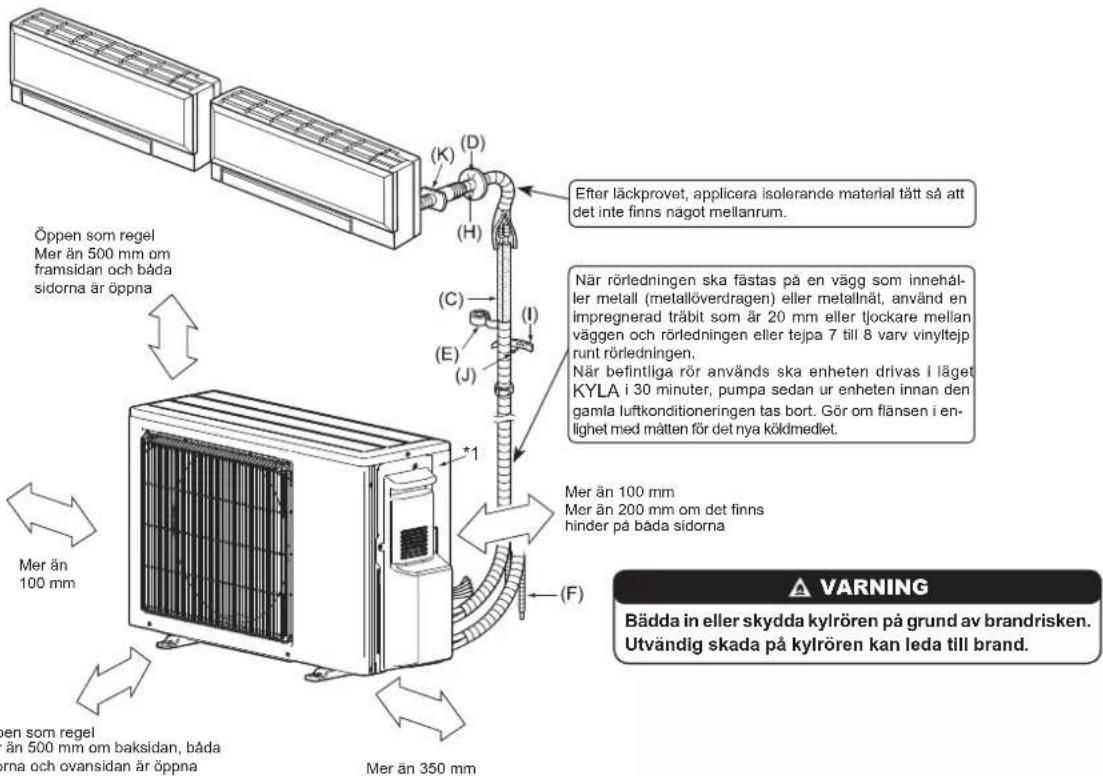
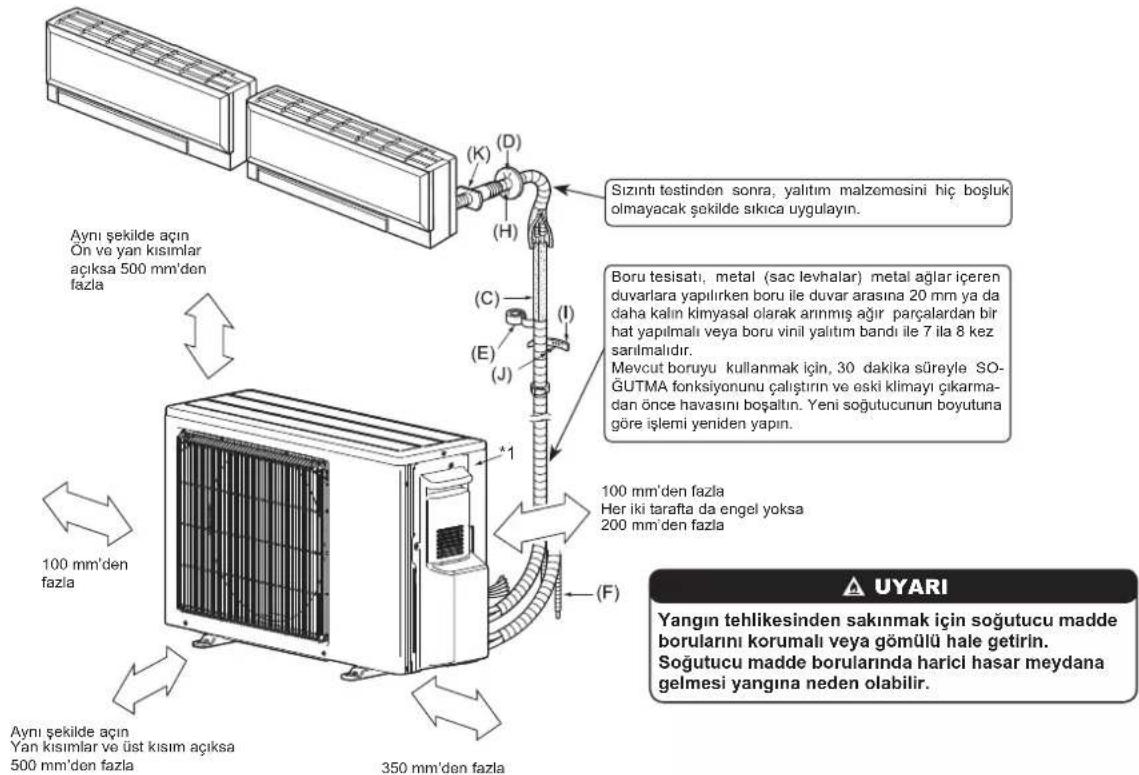
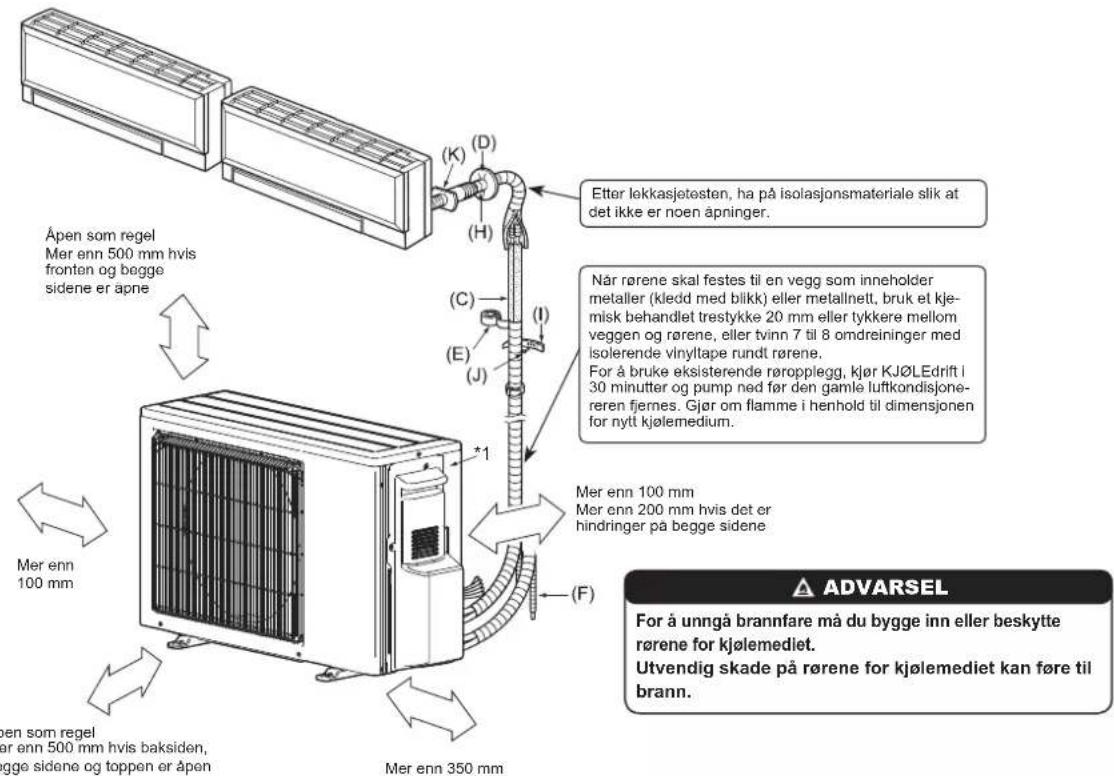
1-5. INSTALLATION DIAGRAM
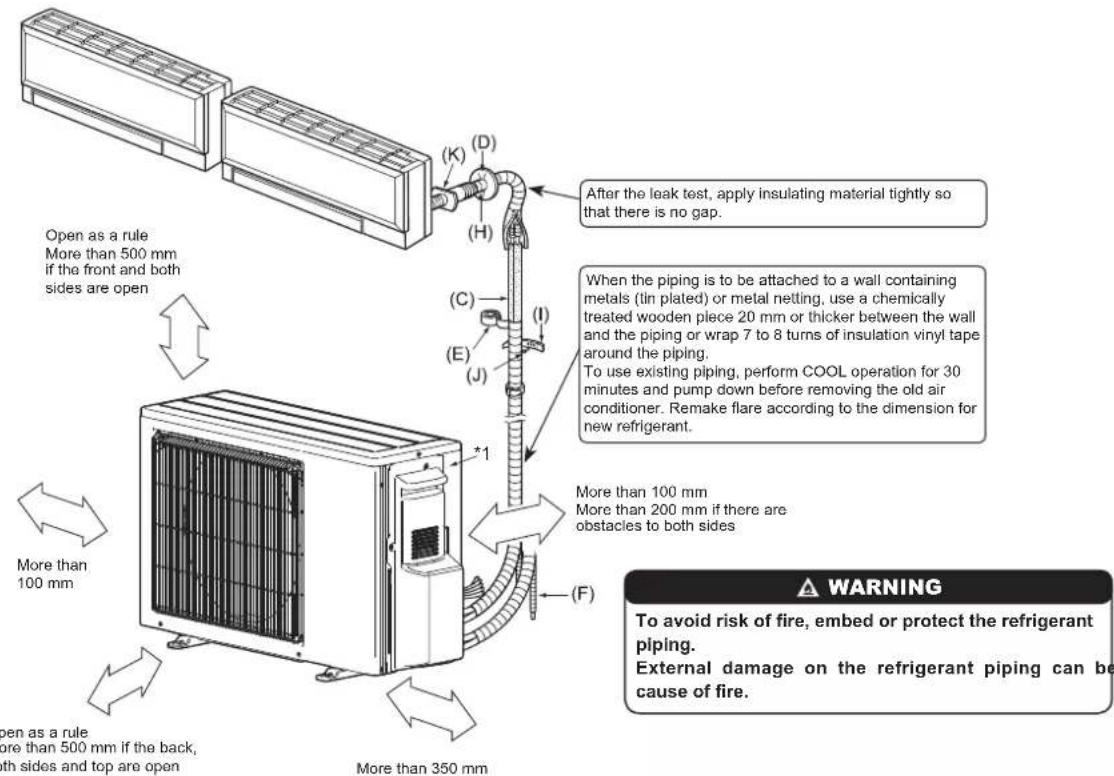
*1 The manufacturing year and month is indicated on the spec name plate.
ACCESSORIES
Check the following parts before installation.
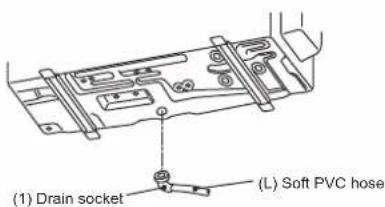
| (1) | Drain socket 1 |
PARTS TO BE PROVIDED AT YOUR SITE
| (A) | Power supply cord*2 1 | |
| (B) | Indoor/outdoor unit connecting wire*2 | 1 |
| (C) | Extension pipe 1 | |
| (D) | Wall hole cover 1 | |
| (E) | Piping tape 1 | |
| (F) | Extension drain hose (or soft PVC hose, 15 mm inner diameter or hard PVC pipe VP16) | 1 |
| (G) | Refrigeration oil | Little amount |
| (H) | Putty 1 | |
| (I) | Pipe fixing band | 2 to 7 |
| (J) | Fixing screw for (I) | 2 to 7 |
| (K) | Wall hole sleeve | 1 |
| (L) | Soft PVC hose, 15 mm inner diameter or hard PVC pipe VP16 for drain socket (1) | 1 |
Note:
*2 Place indoor/outdoor unit connecting wire (B) and power supply cord (A) at least 1 m away from the TV antenna wire.
The "Q'ty" for (B) to (K) in the above table is quantity to be used per indoor unit.
1-6. DRAIN PIPING FOR OUTDOOR UNIT
Please perform the drain piping work only when draining from one place.
1) Provide drain piping before indoor and outdoor piping connection.
2) Connect the soft PVC hose (L) I.D.15 mm as shown in the illustration.
3) Make sure to provide drain piping with a downhill grade for easy drain flow.
Note:
Install the unit horizontally.
Do not use the drain socket (1) in the cold regions. Drain may freeze and it makes the fan stop.
The outdoor unit produces condensate during the heating operation. Select the installation place to ensure to prevent the outdoor unit and/or the grounds from being wet by drain water or damaged by frozen drain water.
Units should be installed by licensed contractor according to local code requirements.
2. OUTDOOR UNIT INSTALLATION
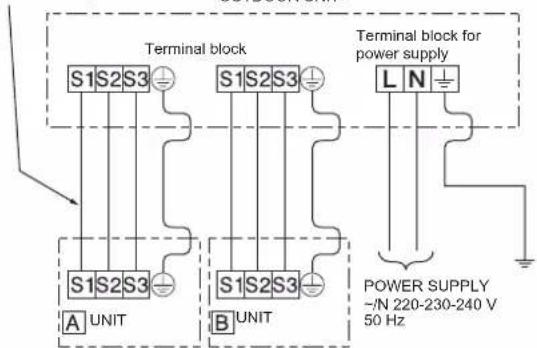
2-1. CONNECTING WIRES FOR OUTDOOR UNIT
1) Remove the service panel.
2) Loosen terminal screw, and connect indoor/outdoor unit connecting wire (B) from the indoor unit correctly on the terminal block. Be careful not to make mis-wiring. Fix the wire to the terminal block securely so that no part of its core is appeared, and no external force is conveyed to the connecting section of the terminal block.
3) Firmly tighten the terminal screws to prevent them from loosening. After tightening, pull the wires lightly to confirm that they do not move.
4) Perform 2) and 3) for each indoor unit.
5) Connect power supply cord (A).
6) Fix indoor/outdoor unit connecting wire (B) and power supply cord (A) with the cable clamps.
7) Close the service panel securely. Make sure that 3-3. PIPE CONNECTION is completed.
- After making connections between both power supply cord (A) and indoor/outdoor unit connecting wire (B), be sure to fix both cable and wire with cable clamps.
Indoor/outdoor unit connecting wire
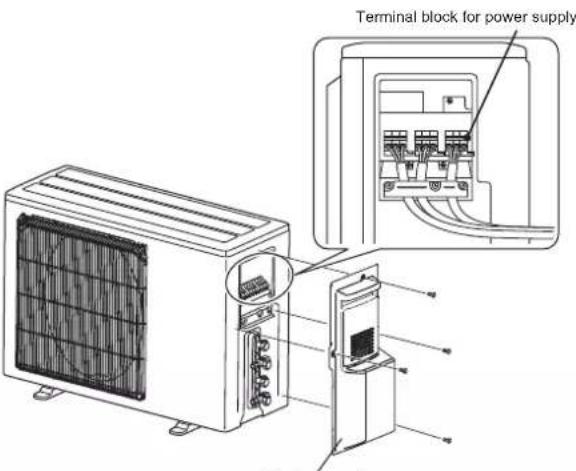
Service panel
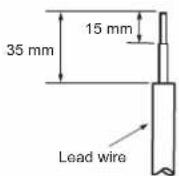
- Be sure to attach each screw to it correspondent terminal when securing the cord and/or the wire to the terminal block.
• Make earth wire a little longer than others. (More than 35 mm)
- For future servicing, give extra length to the connecting wires.
3. FLARING WORK AND PIPE CONNECTION
3-1 PRECAUTIONS FOR DEVICES THAT USE R32 REFRIGERANT
- Use ester oil, ether oil, alkylbenzene oil (small amount) as the refrigeration oil applied to the flared sections.
- Use C1220 copper phosphorus, for copper and copper alloy seamless pipes, to connect the refrigerant pipes. Use refrigerant pipes with the thicknesses specified in the table to the below. Make sure the insides of the pipes are clean and do not contain any harmful contaminants such as sulfuric compounds, oxidants, debris, or dust.
Always apply no-oxidation brazing when brazing the pipes, otherwise, the compressor will be damaged.
WARNING:
When installing or relocating, or servicing the air conditioner, use only the specified refrigerant (R32) to charge the refrigerant lines. Do not mix it with any other refrigerant and do not allow air to remain in the lines.
If air is mixed with the refrigerant, then it can be the cause of abnormal high pressure in the refrigerant line, and may result in an explosion and other hazards.
The use of any refrigerant other than that specified for the system will cause mechanical failure or system malfunction or unit breakdown. In the worst case, this could lead to a serious impediment to securing product safety.
| Pipe size (mm) | ø6.35 | ø9.52 | ø12.7 | ø15.88 | ø19.05 | ø22.2 | ø25.4 | ø28.58 | ||
| Thickness (mm) | 0.8 | 0.8 | 0.8 | 1.0 | 1.0 | 1.0 | 1.0 |
- Do not use pipes thinner than those specified above.
- Use 1/2 H or H pipes if the diameter is 19.05 mm or larger.
- Be sure to have appropriate ventilation in order to prevent ignition. Furthermore, be sure to carry out fire prevention measures that there are no dangerous or flammable objects in the surrounding area.

3-2. FLARING WORK
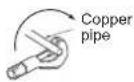
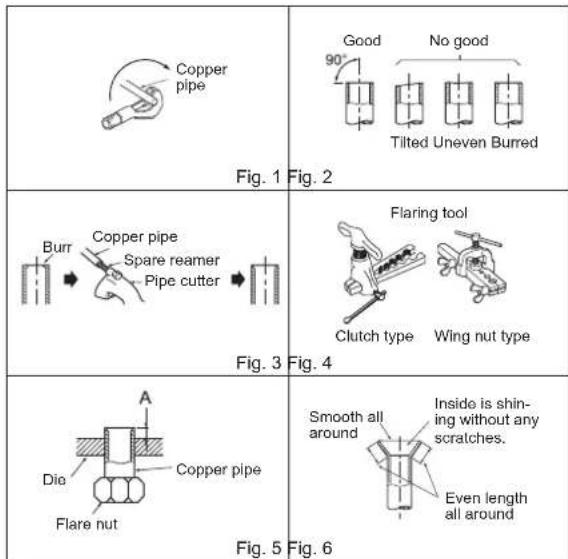
1) Cut the copper pipe correctly with pipe cutter. (Fig. 1, 2)
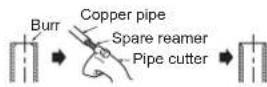
2) Completely remove all burrs from the cut cross section of pipe. (Fig. 3)
- Aim the copper pipe downward while removing burrs to prevent burrs from dropping in the pipe.
3) Remove flare nuts attached to indoor and outdoor units, then put them on pipe having completed burr removal. (Not possible to put them on after flaring work.)
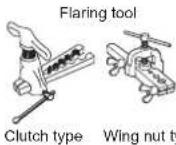
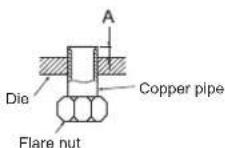
4) Flaring work (Fig. 4, 5). Firmly hold copper pipe in the dimension shown in the table. Select A mm from the table according to the tool selected.
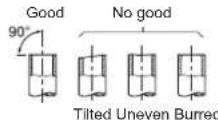
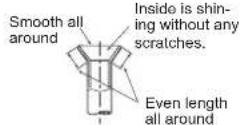
5) Check
• Compare the flared work with Fig. 6.
- If flare is noted to be defective, cut off the flared section and do flaring work again.
| Pipe diameter (mm) | Nut (mm) | A (mm) Tightening torque | ||||
| Clutch type tool for R32, R410A | Clutch type tool for R22 | Wing nut type tool for R22 | N·m kgf | cm | ||
| ø6.35 (1/4") | 17 | 4.3 to 41.20 to 0.5 | 350 to 4201.0 to 1.5 | 1.5 to 2.0 | 13.7 to 17.7 | 140 to 180 |
| ø9.52 (3/8") | 22 | |||||
| ø12.7 (1/2") | 26 | 2.0 to 2.5 | 49.0 to 56.4 | 500 to 575 | ||
| ø15.88 (5/8") | 29 | 3.5 to 78.4 | 750 to 800 | |||
3-3. PIPE CONNECTION
- The connected pipe size differs depending the models and the capacities of indoor units.
| Indoor unit capacity 25 ~ 50 | |
| Liquid pipe size ø6.35 | |
| Gas pipe size ø9.52 |
- Use tightening torque table above as a guideline for indoor unit side union joint section, and tighten using two wrenches. Excessive tightening damages the flare section.
1) Apply a thin coat of refrigeration oil (G) to the flared ends of the pipes and the pipe connections of the outdoor unit.
2) Align the center of the pipe with that of the pipe connections of the outdoor unit, then hand tighten the flare nut 3 to 4 turns.
3) Tighten the flare nut with a torque wrench as specified in the table.
• Over-tightening may cause damage to the flare nut, resulting in refrigerant leakage.
- Be sure to wrap insulation around the piping. Direct contact with the bare piping may result in burns or frostbite.
3-4. INSULATION AND TAPING
1) Cover piping joints with pipe cover.
2) For outdoor unit side, surely insulate every piping including valves.
3) Using piping tape (E), apply taping starting from the entry of outdoor unit.
- Stop the end of piping tape (E) with tape (with adhesive agent attached
- When piping have to be arranged through above ceiling, closet or where the temperature and humidity are high, wind additional commercially sold insulation to prevent condensation.
WARNING
When installing the unit, securely connect the refrigerant pipes before starting the compressor.
CAUTION
When there are the ports which are not used, make sure their nuts are tightened securely.
4. PURGING PROCEDURES, LEAK TEST, AND TEST RUN
4-1. PURGING PROCEDURES AND LEAK TEST
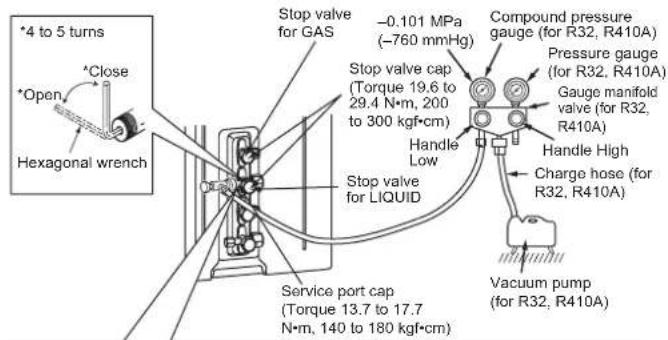
1) Remove service port cap of stop valve on the side of the outdoor unit gas pipe. (The stop valves are fully closed and covered in caps in their initial state.)
2) Connect gauge manifold valve and vacuum pump to service port of stop valve on the gas pipe side of the outdoor unit.
3) Run the vacuum pump. (Vacuumize for more than 15 minutes.)
4) Check the vacuum with gauge manifold valve, then close gauge manifold valve, and stop the vacuum pump.
5) Leave as it is for one or two minutes. Make sure the pointer of gauge manifold valve remains in the same position. Confirm that pressure gauge shows -0.101 MPa [Gauge] (-760 mmHg).
6) Remove gauge manifold valve quickly from service port of stop valve.
7) Fully open all stop valves on the gas pipe and the liquid pipe. Operating without fully opening lowers the performance and this causes trouble.
8) Refer to 1-2., and charge the prescribed amount of refrigerant if needed. Be sure to charge slowly with liquid refrigerant. Otherwise, composition of the refrigerant in the system may be changed and affect performance of the air conditioner.
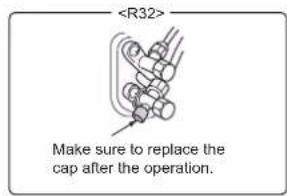
9) Tighten cap of service port to obtain the initial status.
10)Leaktest
WARNING
To avoid risk of fire, make sure that there are no flammable hazards or ignition risks before opening the stop valves.
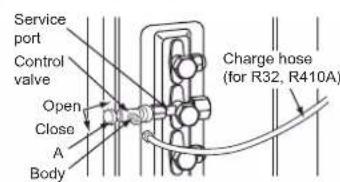
Precautions when using the control valve
When attaching the control valve to the service port, valve core may deform or loosen if excess pressure is applied. This may cause gas leak.
When attaching the control valve to the service port, make sure that the valve core is in closed position, and then tighten part A. Do not tighten part A or turn the body when valve core is in open position.
4-2. GAS CHARGE
Perform gas charge to unit.
1) Connect gas cylinder to the service port of stop valve.
2) Perform air purge of the pipe (or hose) coming from refrigerant gas cylinder.
3) Replenish specified amount of the refrigerant, while operating the air conditioner for cooling.
Note:
In case of adding refrigerant, comply with the quantity specified for the refrigerating cycle.
CAUTION:
When charging the refrigerant system with additional refrigerant, be sure to use liquid refrigerant. Adding gas refrigerant may change the composition of the refrigerant in the system and affect normal operation of the air conditioner. Also, charge the liquid refrigerant slowly, otherwise the compressor will be locked. To maintain the high pressure of the gas cylinder, warm the gas cylinder with warm water (under 40°C) during cold season. But never use naked fire or steam.
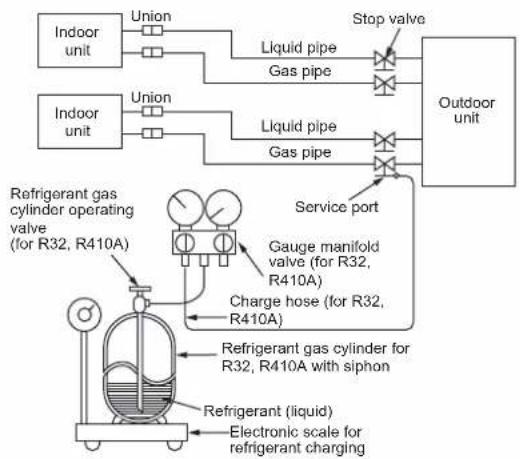
flowchart
graph TD
    A["Indoor unit"] --> B["Union"]
    B --> C["Liquid pipe"]
    C --> D["Stop valve"]
    D --> E["Outdoor unit"]
    F["Indoor unit"] --> G["Union"]
    G --> H["Liquid pipe"]
    H --> I["Service port"]
    I --> J["Gauge manifold valve (for R32, R410A)"]
    J --> K["Charge hose (for R32, R410A)"]
    K --> L["Refrigerant gas cylinder for R32, R410A with siphon"]
    L --> M["Refrigerant gas cylinder operating valve (for R32, R410A)"]
    M --> N["Refrigerant (liquid)"]
    N --> O["Electronic scale for refrigerant charging"]
4-3. LOCKING THE OPERATION MODE OF THE AIR CONDITIONER (COOL, DRY, HEAT)
• Description of the function:
With this function, once the operation mode is locked to either COOL/DRY mode or HEAT mode, the air conditioner operates in that mode only.
* Changing the setting is required to activate this function. Please explain about this function to your customers and ask them whether they want to use it.
[How to lock the operation mode]
1) Be sure to turn off the main power for the air conditioner before making the setting.
2) Set the "1" of SW1 on the outdoor display board to ON to enable this function.
3) To lock the operation mode in COOL/DRY mode, set the "2" of SW1 on the outdoor display board to OFF. To lock the operation in HEAT mode, set the same switch to ON.
4) Turn on the main power for the air conditioner.
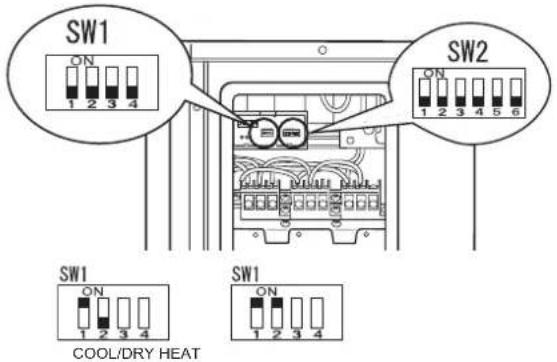
4-4. LOWERING THE OPERATION NOISE OF THE OUTDOOR UNIT
• Description of the function:
With this function, the operating noise of the outdoor unit can be lowered by reducing the operation load, for example, during nighttime in COOL mode. However, please note that the cooling and heating capacity may lower if this function is activated.
* Changing the setting is required to activate this function. Please explain about this function to your customers and ask them whether they want to use it.
[How to lower the operating noise]
1) Be sure to turn off the main power for the air conditioner before making the setting.
2) Set the "3" of SW1 on the outdoor display board to ON to enable this function.
3) Turn on the main power for the air conditioner.
![MITSUBISHI MXZ2HA40VF - [How to lower the operating noise] - 1](/content/2026/03/560662/images/6f58a30828f77c816841f6f0b7c17147a2fd838a8b835e33c35eb65a1a7fe30e.jpg)
Lower the operating noise
4-5. TEST RUN
- Test runs of the indoor units should be performed individually. See the installation manual coming with the indoor unit, and make sure all the units operate properly.
- If the test run with all the units is performed at once, possible erroneous connections of the refrigerant pipes and the indoor/outdoor unit connecting wires cannot be detected. Thus, be sure to perform the test run one by one.
Make sure that the following is done.
• Power is supplied to the unit.
- Stop valves are open.
About the restart protective mechanism
Once the compressor stops, the restart preventive device operates so the compressor will not operate for 3 minutes to protect the air conditioner.
4-6. EXPLANATION TO THE USER
- Using the OPERATING INSTRUCTIONS, explain to the user how to use the air conditioner (how to use the remote controller, how to remove the air filters, how to remove or put the remote controller in the remote controller holder, how to clean, precautions for operation, etc.).
- Recommend the user to read the OPERATING INSTRUCTIONS carefully.
5. PUMPING DOWN
When relocating or disposing of the air conditioner, pump down the system following the procedure below so that no refrigerant is released into the atmosphere.
1) Turn off the breaker.
2) Connect the gauge manifold valve to the service port of the stop valve on the gas pipe side of the outdoor unit.
3) Fully close the stop valve on the liquid pipe side of the outdoor unit.
4) Turn on the breaker.
5) Start the emergency COOL operation on all the indoor units.
6) When the pressure gauge shows 0.05 to 0 MPa [Gauge] (approx. 0.5 to 0 kgf/cm²), fully close the stop valve on the gas pipe side of the outdoor unit and stop the operation. (Refer to the indoor unit installation manual about the method for stopping the operation.)
* If too much refrigerant has been added to the air conditioner system, the pressure may not drop to 0.05 MPa [Gauge] (approx. 0.5 kgf/cm²), or the protection function may operate due to the pressure increase in the high-pressure refrigerant circuit. If this occurs, use a refrigerant collecting device to collect all of the refrigerant in the system, and then recharge the system with the correct amount of refrigerant after the indoor and outdoor units have been relocated.
7) Turn off the breaker. Remove the pressure gauge and the refrigerant piping.
WARNING
When pumping down the refrigerant, stop the compressor before disconnecting the refrigerant pipes. The compressor may burst and cause injury if any foreign substance, such as air, enters the pipes.
DEUTSCH
INHALT
| 1. VOR DER INSTALLATION | 1 |
| 2. INSTALLATION DES AUSSENGERÄTES | 6 |
| 3. LÖTARBEITEN UND ROHRANSCHLÜSSE | 6 |
| 4. SPÜLPROZEDUREN, LECKTEST UND TESTLAUF | 8 |
| 5. LEERPUMPEN | 9 |
natural_image
Simple line drawing of a rectangular object with a vertical double-headed arrow pointing downward (no text or symbols)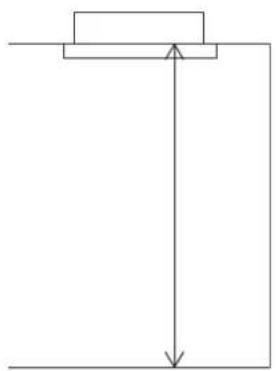
natural_image
Simple line drawing of a vertical arrow pointing upward from a rectangular block, with no text or symbols present.![h0 ≧ 2,2 [m]h0 ≧ 2,2 [m]h0 ≧ 2,2 [m]](/content/2026/03/560662/images/6c8fa1ed6365fa447f13dac51c706014bdeb6d3621ea61106d7b3c01a4dea8cf.jpg)
natural_image
Isometric line drawing of a room with a cabinet and directional arrow, no text or symbols present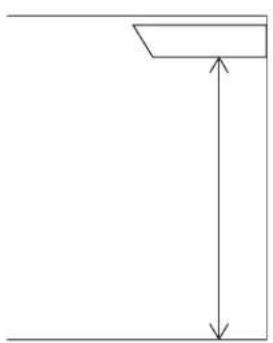
natural_image
Simple line drawing of a rectangular object with a vertical double-headed arrow pointing downward (no text or symbols)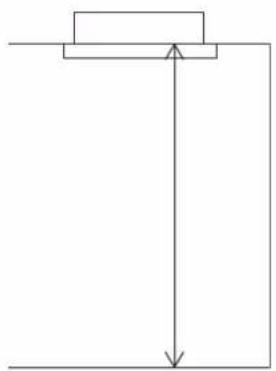
natural_image
Simple diagram showing a vertical arrow pointing upward from a horizontal line, with no text or symbols present.![h0 ≧ 2,2 [m]h0 ≧ 2,2 [m]h0 ≧ 2,2 [m]](/content/2026/03/560662/images/a93e9c33ae5b35fc85253d9db2fdbf25e049a4a8ac54e22b58dc2336b0fcde38.jpg)
(Eenheid: mm (inch))
natural_image
Simple line drawing of a rectangular object with a vertical double-headed arrow pointing downward (no text or symbols)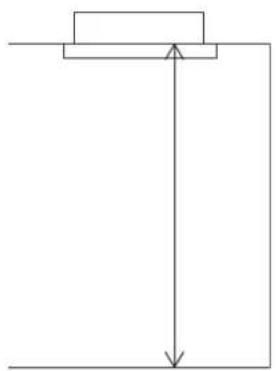
natural_image
Simple line drawing of a vertical arrow pointing upward from a rectangular block, with no text or symbols present.![h0 ≧ 2,2 [m]h0 ≧ 2,2 [m]h0 ≧ 2,2 [m]](/content/2026/03/560662/images/9e369ce1f8c64210aab0cdd9f18d381d1ab4e10807f0e8f0ecf27043ba53d316.jpg)
natural_image
Simple line drawing of a rectangular object with a vertical double-headed arrow pointing downward (no text or symbols)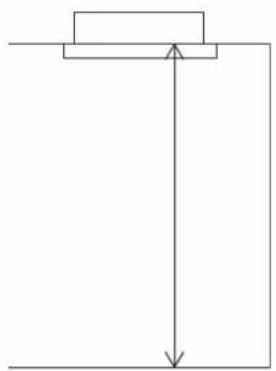
natural_image
Simple line diagram showing a vertical arrow pointing upward from a rectangular box, with no text or symbols present.![h0 ≥ 2,2 [m]h0 ≥ 2,2 [m]h0 ≥ 2,2 [m]](/content/2026/03/560662/images/354c8107805b912ac5d82363bc316432af43303178cbe466ad724d386277d09c.jpg)
natural_image
Simple line drawing of a rectangular object with a vertical double-headed arrow pointing downward (no text or symbols)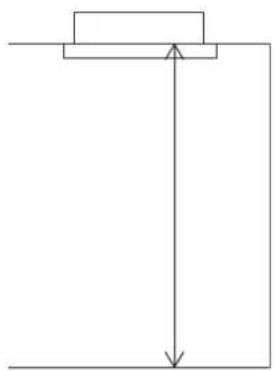
natural_image
Simple line drawing of a vertical arrow pointing upward from a rectangular block, with no text or symbols present.![h0 ≧ 2,2 [m]h0 ≧ 2,2 [m]h0 ≧ 2,2 [m]](/content/2026/03/560662/images/ad3e0a47d54b7367b7c00bd0b1c3484f30d72448f208ef05fc0e07debc8719b0.jpg)
natural_image
Technical line drawing of an air conditioner unit with internal components and a close-up view of the internal panel (no text or symbols)natural_image
Isometric line drawing of a device mounted on a tray with a pointer and ground symbol (no text or labels)natural_image
Simple line drawing of a rectangular object with a vertical double-headed arrow pointing downward (no text or symbols)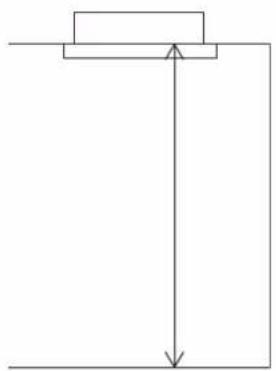
natural_image
Simple line diagram showing a vertical arrow pointing upward from a rectangular box, with no text or symbols present.![u0 ≥ 2,2 [m]u0 ≥ 2,2 [m]u0 ≥ 2,2 [m]](/content/2026/03/560662/images/8bd548c404891a7c03ebc69ff651f9e6c8d7d8a006c9d5a105c8436dca4e01d5.jpg)
natural_image
Isometric line drawing of a room with a vent and a mounted device, no text or symbols presentAltura de 0,125 [m] ou menos a partir da parte inferior
![125 [m] ou menos arte inferior](/content/2026/03/560662/images/f3aa27a3e368ae7812d366ded4e2231a13b8aa6387c77553c86a41a77d6d54c3.jpg)
natural_image
Simple line drawing of a rectangular object with a vertical double-headed arrow pointing downward (no text or symbols)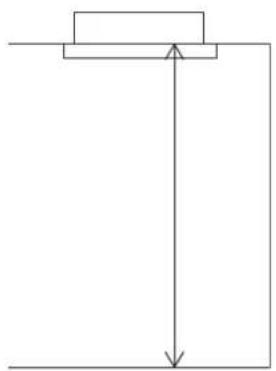
natural_image
Simple line drawing of a vertical arrow pointing upward from a rectangular block, with no text or symbols present.![h0 ] 2,2 [m]h0 | 2,2 [m]h0 ] 2,2 [m]](/content/2026/03/560662/images/dad4e614cc02408accb85aeb79ea815358fd28f4be6f8001c5f77fcca5fcd1b4.jpg)
Oculta no tectoCasseteSuspensa do tecto
natural_image
Simple line drawing of a rectangular object with a vertical double-headed arrow pointing downward (no text or symbols)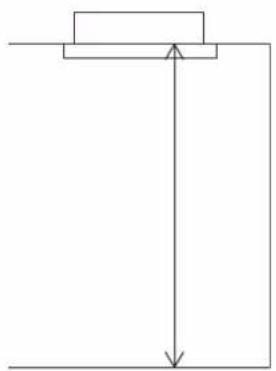
natural_image
Simple line diagram showing a vertical arrow pointing upward from a rectangular box, with no text or symbols present.![h0 ≧ 2,2 [m]h0 ≧ 2,2 [m]h0 ≧ 2,2 [m]](/content/2026/03/560662/images/1e96d93a2901bcc8ea1d94ab2ec6282b0b93123d3f37ecc73df0da38951d80cf.jpg)
natural_image
Simple line drawing of a rectangular object with a vertical double-headed arrow pointing downward (no text or symbols)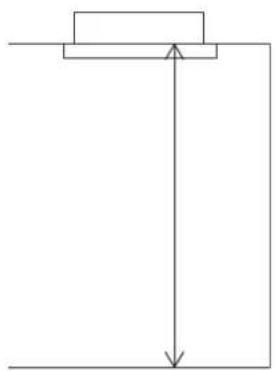
natural_image
Simple line drawing of a vertical arrow pointing upward from a rectangular block, with no text or symbols present.![h0 ≧ 2,2 [m]h0 ≧ 2,2 [m]h0 ≧ 2,2 [m] Dold i taketKassettTakupphängd](/content/2026/03/560662/images/f190ba0418d124c27726cd1706511e0ac95f05f28a83f52f4257901f663f7a70.jpg)
1-5. INSTALLATIONSDIAGRAM
DELAR SOM SKA FINNAS TILL HANDS PÅ PLATSEN
natural_image
Isometric line drawing of a mechanical setup with a rectangular base and a vertical rod, no text or symbols presentTabandan yükseklik
natural_image
Simple geometric diagram showing a rectangle with a vertical double-headed arrow pointing downward (no text or symbols)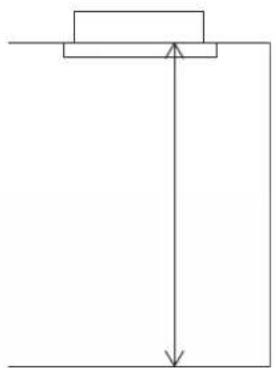
natural_image
Simple line drawing of a vertical arrow pointing downward from a rectangular block (no text or symbols)![h0 ≥ 2,2 [m]h0 ≥ 2,2 [m]h0 ≥ 2,2 [m]](/content/2026/03/560662/images/618ef1ad200864dd6a7f9fcb94c20a1d7ff311f756b160e36fb1c0b63cef8e88.jpg)
Tavanda gizliTavana gömmeTavandan asma

1-5. MONTAJ SEMASI
natural_image
Symbol of a trash bin crossed with a diagonal line and a black rectangle below (no text or labels)İthalatcı Firma:
Mitsubishi Electric Corporation (Head Office)
Tokyo Building, 2-7-3, Marunouchi, Chiyoda-ku, Tokyo 100-8310, Japan
Tel: +81 (3) 3218-2111
www.mitsubishielectric.com
съдържание
natural_image
Isometric line drawing of a mechanical device with a base and a pointer, no text or symbols presentnatural_image
Simple line drawing of a rectangular object with a vertical double-headed arrow pointing downward (no text or symbols)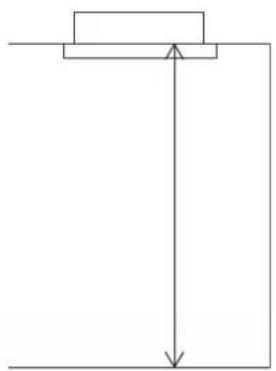
natural_image
Simple line diagram showing a vertical arrow pointing upward from a rectangular box, with no text or symbols present.![h0 ≥ 2,2 [m]h0 ≥ 2,2 [m]h0 ≥ 2,2 [m]](/content/2026/03/560662/images/f39f8d29561154bba2b90720ec0e005c2b931d861838c45fdebf6854abf80902.jpg)
natural_image
Simple line drawing of a rectangular object with a vertical double-headed arrow pointing downward (no text or symbols)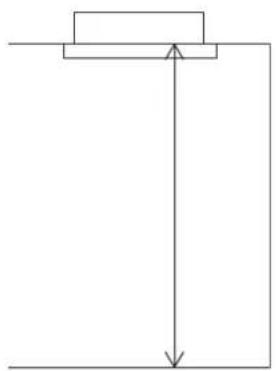
natural_image
Simple line diagram showing a vertical arrow pointing upward from a rectangular box, with no text or symbols present.![h0 ≧ 2,2 [m]h0 ≧ 2,2 [m]h0 ≧ 2,2 [m]](/content/2026/03/560662/images/9c8efcec33f40c3ba16d63435d105840c2693364011144ef0e9428f08912489c.jpg)
(Enhet: mm (tommer))
natural_image
Simple line drawing of a rectangular object with a vertical double-headed arrow pointing downward (no text or symbols)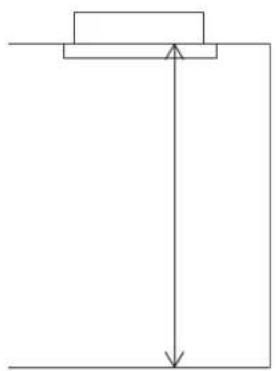
natural_image
Simple line drawing of a vertical arrow pointing upward from a rectangular block, with no text or symbols present.![h0 ≧ 2,2 [m]h0 ≧ 2,2 [m]h0 ≧ 2,2 [m]](/content/2026/03/560662/images/d9097dd15cc7c421f9b677caa51cb0fc92349e6e3e9528d25088965bb8ed15c3.jpg)
Skjult i taketKassettHengende fra tak

1-5. INSTALLASJONSDIAGRAM
hereby declares under its sole responsibility that the air conditioners and heat pumps described below for use in residential, commercial and light-industrial environments:
Note: Its serial number is on the nameplate of the product.
2006/42/EC: Machinery Directive
2014/30/EU: Electromagnetic Compatibility Directive
2009/125/EC: Energy-related Products Directive and Regulation (EU) No 206/2012
2011/65/EU: RoHS Directive
THAILAND Manager, Quality Assurance Department
Importer:
Mitsubishi Electric Europe B.V.
Capronilaan 46, 1119 NS, Schiphol Rijk, The Netherlands
French Branch
25, Boulevard des Bouvets, 92741 Nanterre Cedex, France
German Branch
Mitsubishi-Electric-Platz 1, 40882 Ratingen, Germany
Belgian Branch
Autobaan 2, 8210 Loppem, Belgium
Irish Branch
Westgate Business Park, Ballymount, Dublin 24, Ireland
Italian Branch
Travellers Lane, Hatfield, Herts., AL10 8XB, England, U.K.
Polish Branch
Krakowska 50, PL-32-083 Balice, Poland
MITSUBISHI ELECTRIC TURKEY ELEKTRİK ÜRÜNLERİ A.Ş.
Şerifali Mah. Kale Sok. No: 41 34775 Ümraniye, İstanbul / Turkey
- Split-type Air-Conditioner
- Required Tools for Installation
- BEFORE INSTALLATION
- 1-1. THE FOLLOWING SHOULD ALWAYS BE OBSERVED FOR SAFETY
- WARNING
- (Could lead to death, serious injury, etc.)
- CAUTION
- (Could lead to serious injury in particular environments when operated incorrectly.)
- 1-3. SELECTING OPTIONAL DIFFERENT-DIAMETER JOINTS
- 1-4. SELECTING THE INSTALLATION LOCATION
- Note:
- 1-4-1. Minimum installation area for Outdoor units
- 1-4-2. Minimum installation area for Indoor units
- 1-5. INSTALLATION DIAGRAM
- ACCESSORIES
- 1-6. DRAIN PIPING FOR OUTDOOR UNIT
- OUTDOOR UNIT INSTALLATION
- 2-1. CONNECTING WIRES FOR OUTDOOR UNIT
- FLARING WORK AND PIPE CONNECTION
- 3-1 PRECAUTIONS FOR DEVICES THAT USE R32 REFRIGERANT
- WARNING:
- 3-2. FLARING WORK
- 3-3. PIPE CONNECTION
- 3-4. INSULATION AND TAPING
- PURGING PROCEDURES, LEAK TEST, AND TEST RUN
- 4-1. PURGING PROCEDURES AND LEAK TEST
- 4-2. GAS CHARGE
- CAUTION:
- 4-3. LOCKING THE OPERATION MODE OF THE AIR CONDITIONER (COOL, DRY, HEAT)
- [How to lock the operation mode]
- 4-4. LOWERING THE OPERATION NOISE OF THE OUTDOOR UNIT
- [How to lower the operating noise]
- 4-5. TEST RUN
- About the restart protective mechanism
- 4-6. EXPLANATION TO THE USER
- PUMPING DOWN
- DEUTSCH
- INHALT
- 1-5. INSTALLATIONSDIAGRAM
- 1-5. MONTAJ SEMASI
- съдържание
- 1-5. INSTALLASJONSDIAGRAM
- Importer:
Brand : MITSUBISHI
Model : MXZ2HA40VF
Category : Air Conditioning