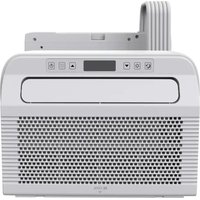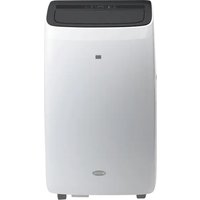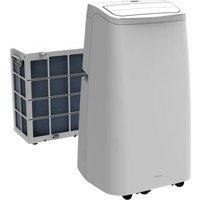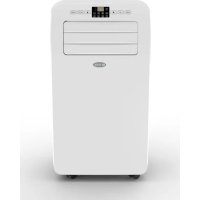
BC12KL2201FW - Air Conditioning Be Cool - Free user manual and instructions
Find the device manual for free BC12KL2201FW Be Cool in PDF.


| Product type | Monobloc mobile air conditioner |
| Brand | Be Cool |
| Model | BC12KL2201FW |
| Dimensions (W x H x D) | 443 x 830 x 340 mm |
| Weight | 29 kg |
| Power supply | 220-240 V ~ 50 Hz |
| Cooling power | 12,000 BTU / 3.42 kW |
| Maximum power consumption | 1370 W |
| Energy efficiency class | A |
| Refrigerant | R290 (0.215 kg) |
| Noise level (sound power) | 65 dB(A) |
| Airflow | 350 m³/h |
| Operating modes | Cooling, Fan, Dehumidification |
| Special features | Timer (1-24h), Wi-Fi 2.4 GHz, Remote control, Automatic oscillation |
| Filter cleaning | Every 2 weeks; wash with warm water (40°C) and neutral detergent |
| Warranty | 2 years (valid in Austria upon presentation of proof of purchase) |
| Repairability | Only by an authorized service center; do not open yourself |
Frequently Asked Questions - BC12KL2201FW Be Cool
User questions about BC12KL2201FW Be Cool
0 question about this device. Answer the ones you know or ask your own.
Ask a new question about this device
Download the instructions for your Air Conditioning in PDF format for free! Find your manual BC12KL2201FW - Be Cool and take your electronic device back in hand. On this page are published all the documents necessary for the use of your device. BC12KL2201FW by Be Cool.
USER MANUAL BC12KL2201FW Be Cool
natural_image
White portable air conditioner unit with control panel and buttons, labeled 'BE COOL' at bottom (no other text or symbols visible)HERZLICHEN GLÜCKWUNSCH!
text_image
Warning symbols including no hand, flame, open book, and warning triangletext_image
Diagram of a portable air conditioner unit with numbered parts labeled 1 to 5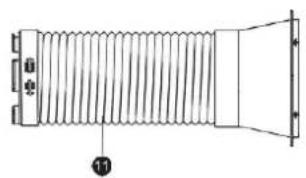
natural_image
Pure diagram of a coiled spring or hose assembly without any text, numbers, or symbols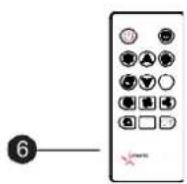
text_image
Technical diagram of a portable air conditioner unit with numbered parts labeled 7, 8, 9, and 10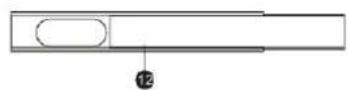
natural_image
Technical line drawing of a mechanical device with coiled tubing and housing (no text or symbols)natural_image
Technical line drawings of two different air conditioning machines with ventilation ducts and control panel (no text or symbols)Falsche Installation
natural_image
Technical line drawing of a mechanical device with a cross-shaped component (no text or symbols)Bemerkung:
natural_image
Line drawing of a portable air conditioner unit with fan and cup (no text or symbols)Hinweis:
natural_image
Line drawing of a portable industrial machine with fan and control panel (no text or symbols)text_image
QR code with a blue house icon in the center, likely linking to a digital service or application.Scan QR code
Registrierung
text_image
09:17 我的家... Add Device Learn abou DIY homep Dont show app Crosie Scene Add Quick Toggle Card Scan All Devices Edit 09:17 Add Device Turn on Bluetooth Bluetooth makes your device more disposable. 09:17 Select 2.4 GHz Wi-Fi Network and enter password. If your Wi-Fi is 5GHz, please set it to be 2.4GHz. Common router setting method × Wi-Fi - 6GHz ✓ Wi-Fi - 2.4GHz XK001 Select Wi-Fi 123456789 Add Manually Electrical Air Conditioning Lighting Sensors Air Credit out Air Conditioner Air Cashouter Large Home Appliances 100Hz (0.4+0.4Hz) (0.7+0.7) (2GB/1) NextBE COOL
text_image
09:17 Reset the device Press and hold the @SET button for's second set the indicator white (subject to the user manual) Select the status of the indicator light or hear the beep: Blink Slowly Blink Quickly 09:21 Connect your mobile phone to the device's hotspot Connect your phone to the hotspot shown before: OK Now ✓ SmartLife-XXXX ✓ SL-XXXX "请用" Wants to Join WLAN Network "SmartLife-E758"? Cancel Join Go to Connect 10:12 Add Device Can currently add successful. PortascIt Air Conditioner... Add successfully Core:text_image
My Windows Cable Antifunction All Devices Shuttle center 智能监控 Settings Smart View Game Mode Black Mode Light Kucent 12 Air Lightweight Lightweight Switch-on Lighton Mode Line network Cable Antifunction All Devices Devices to be added: 1 Air Conditioner Add Enter Wi-Fi Information Choose Wi-Fi and enter password Xiaomi i2 Pro 1234567890 NextBE COOL
text_image
Add Device Air Conditioner Air Conditioner Air Conditioner Air Conditioner Air Conditioner Air Conditioner Air Conditioner Air Conditioner Air Conditioner Air Conditioner Air Conditioner Air Conditioner Air Conditioner Air Conditioner Air Conditioner Air Conditioner Air Conditioner Air Conditioner Air Conditioner Air Conditioner Air Conditioner Air Conditioner Air Conditioner Air Conditioner Air Conditioner Air Conditione Air Conditione Air Conditione Air Conditione Air Conditione Air Conditione Air Conditione Air Conditione Air Conditione Air Conditione Air Conditione Air Conditione Air Conditione Air Conditione Air Conditione Air Conditione Air Conditione Air Conditione Air Conditione Air Conditione Air Conditione Air Conditione Air Conditione Air Conditione Air Conditione Air Condition e Air Condition e Air Condition e Air Condition e Air Condition e Air Condition e Air Condition e Air Condition e Air Condition e Air Condition e Air Condition e Air Condition e Air Condition e Air Condition e Air Condition e Air Condition e Air Condition e Air Condition e Air Condition e Air Condition e Air Condition e Air Condition e Air Condition e Air Condition e Air Condition e Air Conditionetext_image
WORKS WITH amazon alexa works with the Google Assistantnatural_image
White portable air conditioner unit with control panel and 'BE COOL' branding (no visible text beyond label)FÉLICITATIONS! MERCI D'AVOIR CHOISI UN PRODUIT BE COOL.
BE COOL


text_image
Diagram of a portable air conditioner unit with numbered parts labeled 1 to 5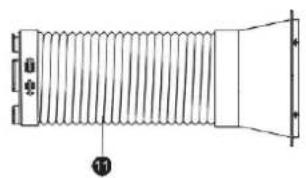
natural_image
Pure diagram of a coiled spring or hose assembly without any text, numbers, or symbols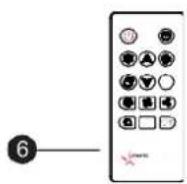
text_image
Technical diagram of a portable air conditioner unit with numbered parts labeled 7, 8, 9, and 10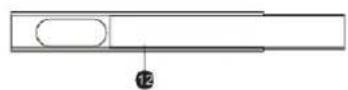
PANNEAU DE COMMANDE ET TÉLÉCOMMANDE
flowchart
graph TD
    A["TIMER"] --> B["5"]
    C["FAN"] --> D["4"]
    E["▲"] --> F["3"]
    G["▼"] --> H["2"]
    I["MODE"] --> J["4"]
    K["POWER"] --> L["4"]
BE COOL
- Bouton marche/arrêt
natural_image
Technical line drawing of a mechanical device with coiled tubing and housing (no text or symbols)natural_image
Technical line drawings of two different air conditioning machines with ventilation ducts and control panel (no text or symbols)natural_image
Technical line drawing of a portable air conditioner unit with a cross-shaped logo on the right side (no text or symbols)Remarque :
natural_image
Line drawing of a portable air conditioner unit with cooling fan and bucket (no text or symbols)Remarque :
natural_image
Line drawing of a portable air conditioner unit with fan and cooling fins (no text or symbols)NETTOYAGE ET ENTRETIEN
text_image
QR code with a blue house icon in the center, likely linking to a digital service or website.Scan QR code
Inscription
text_image
09:17 Add Device Learn abeu DIY homep Don't show app Add Quick Toggle Card Scan All Devices Edit 09:17 Add Device Turn on Bluetooth Bluetooth makes your devices more accessible. 09:17 Select 2.4 GHz Wi-Fi Network and enter password. If your Wi-Fi is 5GHz, please set it to be 2.4GHz. Common router setting method × Wi-Fi - 5GHz ✓ Wi-Fi - 2.4GHz XK001 Select Wi-Fi 123456789 Add Manually Electrical Air Conditioning Lighting Sensors Air Condenser Air Condenser Large Home Appliances Air NextBE COOL
text_image
09:17 Reset the device Press and hold the dSRT button for 5 seconds until the indicator thinks (subject to the user manual) Select the status of the indicator light or hear the beep: Blink Slowly Blink Quickly 09:21 Connect your mobile phone to the device's hotspot Connect your phone to the hotspot shows clone: WLAN ✓ SmartLife-XXXX ✓ SL-XXXX "请用" Wants to Join WLAN Network "SmartLife-E768"? Cancel Join Go to Connect 10:12 Add Device (See check) added successfully Portasoft Air Conditioner... Aberi successfully Donetext_image
my home Cable Notification All Devices Shortcut center 传统生活 Settings Browse Ultra GUSB Music Dark Mini Scan Kiaomi 12 Pro Flashlight Bluetooth SpeedUo Verizon MHz Data network My home Cable Notification All Devices Devices to be added: 1 Air Conditioner Add Enter Wi-Fi Information Choose Wi-Fi and enter password Xiaomi 12 Pro 1234567890 NextBE COOL
text_image
Add Device Air Conditioner Air Conditioner Air Conditioner Air Conditioner Air Conditioner Air Conditioner Air Conditioner Air Conditioner Air Conditioner Air Conditioner Air Conditioner Air Conditioner Air Conditioner Air Conditioner Air Conditioner Air Conditioner Air Conditioner Air Conditioner Air Conditioner Air Conditioner Air Conditioner Air Conditioner Air Conditioner Air Conditioner Air Conditioner Air Conditione Air Conditione Air Conditione Air Conditione Air Conditione Air Conditione Air Conditione Air Conditione Air Conditione Air Conditione Air Conditione Air Conditione Air Conditione Air Conditione Air Conditione Air Conditione Air Conditione Air Conditione Air Conditione Air Conditione Air Conditione Air Conditione Air Conditione Air Conditione Air Conditione Air Condition e Air Condition e Air Condition e Air Condition e Air Condition e Air Condition e Air Condition e Air Condition e Air Condition e Air Condition e Air Condition e Air Condition e Air Condition e Air Condition e Air Condition e Air Condition e Air Condition e Air Condition e Air Condition e Air Condition e Air Condition e Air Condition e Air Condition e Air Condition e Air Condition e Air Conditionetext_image
WORKS WITH amazon alexa works with the Google Assistantnatural_image
White portable air conditioner unit with control panel and indicator lights (no visible text or symbols on device body)CONGRATULAZIONI! GRAZIE PER AVER SCELTO UN PRODOTTO BE COOL.
BE COOL


text_image
QR code image containing encoded data, no visible human-readable textLEGGERE ATTENTAMENTE LE ISTRUZIONI PER L'USO PRIMA DI INIZIARE IL MONTAGGIO, L'INSTALLAZIONE, IL FUNZIONAMENTO O LA MANUTENZIONE. PROTEGGERE SE STESSI E GLI ALTRI SEGUENDO LE ISTRUZIONI DI SICUREZZA. LA MANCATA OSSERVANZA DELLE ISTRUZIONI PUÒ CAUSARE LESIONI PERSONALI E/O DANNI MATERIALI E/O LA PERDITA DELLA COPERTURA DELLA GARANZIA!
IMPORTANTI INFORMAZIONI SULLA SICUREZZA, E ALL'IMPIANTO ELETTRICO COLLEGAMENTO.




text_image
Diagram of a portable air conditioner unit with numbered parts labeled 1 to 5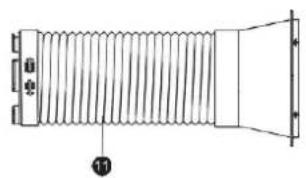
natural_image
Pure diagram of a coiled spring or hose assembly without any text, numbers, or symbols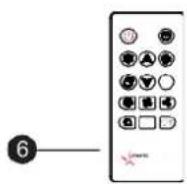

text_image
Technical diagram of a portable air conditioner unit with numbered parts labeled 7, 8, 9, and 10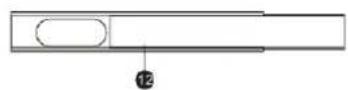
PANNELLO DI CONTROLLO E TELECOMANDO
flowchart
graph TD
    A["TIMER"] --> B["5"]
    C["FAN"] --> D["4"]
    E["▲"] --> F["3"]
    G["▼"] --> H["2"]
    I["MODE"] --> J["4"]
    K["POWER"] --> L["4"]
BE COOL
natural_image
Technical line drawing of a mechanical device with coiled tubing and housing (no text or symbols)natural_image
Technical line drawing of two air conditioning machines with ventilation ducts and a window frame (no text or symbols)natural_image
Technical line drawing of a portable air conditioner unit with a cross-shaped logo on the right side (no text or symbols)Osservazione:
natural_image
Line drawing of a portable air conditioner unit with fan and bucket (no text or symbols)Suggerimento:
natural_image
Line drawing of a portable air conditioner unit with fan and cooling fins (no text or symbols)text_image
QR code with a blue house icon in the center, likely linking to a digital service or application.Scan QR code
Registrazione
text_image
09:17 我的家... Learn about DIY homep 24 GHz Add Device Create Scene Add Quick Toggle Card Scan All Devices Edit 09:17 Add Device Turn on Bluetooth Bluetooth delivers your devices more accessible. 09:17 Select 2.4 GHz Wi-Fi Network and enter password. If your Wi-Fi 5GHD, please set it to be 2.4GHz. Common router setting instead Wi-Fi - 6Ghz Wi-Fi - 2.4Ghz XK001 Select Wi-Fi 123456789 Add Manually Electrical Air Conditioning Lighting Sonzoa Air Consult user (5GHz+Hi) Air Conditioner (Off-7) Air Consulter Zojoed Large Home Appliances NextBE COOL
text_image
09:17 Reset the device Press and hold the dSRT button for 5 seconds until the indicator thinks (subject to the user manual). Select the status of the indicator light or hear the beep: Blink Slowly Blink Quickly 09:21 Connect your mobile phone to the device's hotspot Connect your phone to the hotspot shows beep: WLAN ✓ SmartLife-XXXX ✓ SL-XXXX "请用" Wants to Join WLAN Network "SmartLife-E768"? Cancel Join Go to Connect 10:12 Add Device Use recently added successfully Portasoft Air Conditioner(... Added successfully) Donetext_image
WORKS WITH amazon alexa works with the Google AssistantMobiele airconditioner BC12KL2201FW
natural_image
White portable air conditioner unit with control panel and buttons (no visible text or symbols on body)GEFELICITEERD! BEDANKT OM VOOR EEN BE COOL PRODUCT TE KIEZEN.
BE COOL


text_image
QR code image containing encoded data, no visible human-readable textLEES DE BEDIENINGSINSTRUCTIES ZORGVULDIG DOOR VOORDAT U BEGINT MET DE MONTAGE, INSTALLATIE, BEDIENING OF HET ONDERHOUD. BESCHERM UZELF EN ANDEREN DOOR DE VEILIGHEIDSINSTRUCTIES OP TE VOLGEN. HET NIET OPVOLGEN VAN DE INSTRUCTIES KAN LEIDEN TOT PERSOONLIJK LETSEL EN/OF MATERIËLE SCHADE EN/OF VERLIES VAN DE GARANTIEDEKKING!
BELANGRIJKE VEILIGHEIDSINFORMATIE, LOCATIE EN NAAR DE ELEKTRISCHE VERBINDING.




text_image
Diagram of a portable air conditioner unit with numbered parts labeled 1 to 5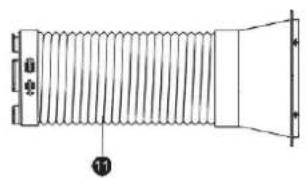
natural_image
Pure diagram of a coiled spring or hose assembly without any text, numbers, or symbols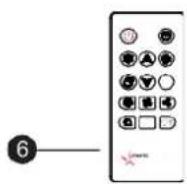
text_image
Technical diagram of a portable air conditioner unit with numbered parts labeled 7, 8, 9, and 10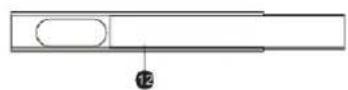
BEDIENINGSPANEELE EN AFSTANDSBEDIENING
flowchart
graph TD
    A["TIMER"] --> B["5"]
    C["FAN"] --> D["4"]
    E["▲"] --> F["3"]
    G["▼"] --> H["2"]
    I["MODE"] --> J["4"]
    K["POWER"] --> L["4"]
BE COOL
- Aan- en uitknop
PLAATSING EN INSTALLATIE
Line-up
natural_image
Technical line drawing of a mechanical device with coiled tubing and housing (no text or symbols)natural_image
Technical line drawing of two air conditioning machines with ventilation ducts and a window frame (no text or symbols)natural_image
Technical line drawing of a mechanical device with a grid base and X-shaped component (no text or symbols)Opmerking:
natural_image
Line drawing of a portable air conditioner unit with cooling fan and bucket (no text or symbols)natural_image
Line drawing of a portable industrial machine with fan and control panel (no text or symbols)REINIGING EN ONDERHOUD
text_image
QR code with a blue house icon in the center, likely linking to a digital service or application.Scan QR code
Registratie
text_image
09:17 Add Device Turn on Bluetooth Bluetooth makes your devices more discoverable. All Devices Edit 09:17 Add Device Select 2.4 GHz Wi-Fi Network and enter password. If your Wi-Fi is S6Hz, please set it to be 2.4GHz. Common router setting method Wi-Fi - 5GHz Wi-Fi - 2.4GHz XK001 Select Wi-Fi 123456789 Add Manually Electrical Air Conditioning Lighting Sensors Air Conditioner Air Conditioner Air Conditioner Large Home Appliances NextBE COOL
text_image
09:17 Reset the device Press and hold the dSRT button for 5 seconds until the indicator thinks (subject to the user manual) Select the status of the indicator light or hear the beep: Blink Slowly Blink Quickly 09:21 Connect your mobile phone to the device's hotspot Connect your phone to the hotspot shows clone: WLAN ✓ SmartLife-XXXX ✓ SL-XXXX "请用" Wants to Join WLAN Network "SmartLife-E768"? Cancel Join Go to Connect 10:12 Add Device (See check) added successfully Portasoft Air Conditioner(... Abees successfully Donetext_image
my home Cable Notification All Devices Shortcut center 传统生活 Settings Browse Ultra GUSB Music Dark Mini Scan Kiaomi 12 Pro Flashlight Bluetooth Speed0.0 Viment MODE Data network My home Cable Notification All Devices Devices to be added: 1 Air Conditioner Add Enter Wi-Fi Information Choose Wi-Fi and enter password Xiaomi 12 Pro 1234567890 NextBE COOL
text_image
Add Device Air Conditioner Air Conditioner Air Conditioner Air Conditioner Air Conditioner Air Conditioner Air Conditioner Air Conditioner Air Conditioner Air Conditioner Air Conditioner Air Conditioner Air Conditioner Air Conditioner Air Conditioner Air Conditioner Air Conditioner Air Conditioner Air Conditioner Air Conditioner Air Conditioner Air Conditioner Air Conditioner Air Conditioner Air Conditioner Air Conditione Air Conditione Air Conditione Air Conditione Air Conditione Air Conditione Air Conditione Air Conditione Air Conditione Air Conditione Air Conditione Air Conditione Air Conditione Air Conditione Air Conditione Air Conditione Air Conditione Air Conditione Air Conditione Air Conditione Air Conditione Air Conditione Air Conditione Air Conditione Air Conditione Air Condition e Air Condition e Air Condition e Air Condition e Air Condition e Air Condition e Air Condition e Air Condition e Air Condition e Air Condition e Air Condition e Air Condition e Air Condition e Air Condition e Air Condition e Air Condition e Air Condition e Air Condition e Air Condition e Air Condition e Air Condition e Air Condition e Air Condition e Air Condition e Air Condition e Air Conditionetext_image
WORKS WITH amazon alexa works with the Google Assistant| Technische gegevens WiFi | |
| Draadloze technologie: | Wifi (WLAN) |
| Radiofrequentie | 2412 MHz-2472 MHz |
| BLE-frequentie | 2402 MHz-2480 MHz |
| Modulatietype | 802.11b: DSSS802.11g: OFDM802.11n (20 MHz): OFDM |
| Vaste frequentie-software | SecureCRT.exe |
| Antenneversterking | 2,5 dBi |
| Antennetype | PCB |
| Zendvermogen | :520dBm |
FOUT
Foutdetectie
natural_image
White portable air conditioner unit with control panel and buttons (no visible text or symbols on body)text_image
QR code image containing encoded data, no visible human-readable texttext_image
Warning symbols including no hand, flame, open book, and warning signstext_image
Diagram of a portable air conditioner unit with numbered parts labeled 1 to 5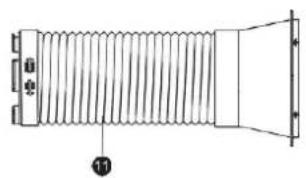
natural_image
Pure diagram of a coiled spring or hose assembly without any text, numbers, or symbols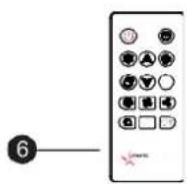
text_image
Technical diagram of a portable air conditioner unit with numbered parts labeled 7, 8, 9, and 10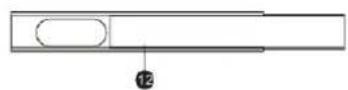
PANEL DE CONTROL Y MANDO A DISTANCIA
flowchart
graph TD
    A["TIMER"] --> B["5"]
    C["FAN"] --> D["4"]
    E["▲"] --> F["3"]
    G["▼"] --> H["2"]
    I["MODE"] --> J["4"]
    K["POWER"] --> L["4"]
BE COOL
natural_image
Technical line drawing of a mechanical device with coiled tubing and housing (no text or symbols)natural_image
Technical line drawings of two different air conditioning machines with ventilation ducts and control panel (no text or symbols)natural_image
Technical line drawing of a portable air conditioner unit with a cross-shaped logo overlay (no text or symbols)Observación:
natural_image
Line drawing of a portable electric fan with a bucket, no text or symbols presentPista:
natural_image
Line drawing of a portable air conditioner unit with fan and cooling fins (no text or symbols)LIMPIEZA Y MANTENIMIENTO
text_image
QR code with a blue house icon in the center, likely linking to a digital service or application.Scan QR code
Registro
text_image
09:17 Add Device Turn on Bluetooth Bluetooth makes your devices more discoverable. 09:17 Add Manually Electrical Air Conditioning Lighting Sensor Air Condenser (BLU+WiFi) Air Condenser (WiFi) Air Condenser (Zybeet) Large Home Appliance Next Select 2.4 GHz Wi-Fi Network and enter password. If your WiFi is 5GHz, please set it to be 2.4GHz. Common router setting instead × WiFi - 6GHz ✓ WiFi - 2.4GHz XK001 Select WiFi 123456789 我的家... Learn about DIY homep Add Device Create Scene Add Quick Toggle Card Scan All Devices EditBE COOL
text_image
09:17 Reset the device Press and hold the dSRT button for 5 seconds until the indicator thinks (subject to the user manual) Select the status of the indicator light or hear the beep: Blink Slowly Blink Quickly 09:21 Connect your mobile phone to the device's hotspot Connect your phone to the hotspot shows clone: WLAN ✓ SmartLife-XXXX ✓ SL-XXXX "请用" Wants to Join WLAN Network "SmartLife-E768"? Cancel Join Go to Connect 10:12 Add Device (See check) added successfully Portasoft Air Conditioner(... Abees successfully DoneWORKS WITH amazon alexa

works with the Google Assistant
natural_image
White portable air conditioner unit with control panel and buttons (no visible text or symbols on body)GRATULUJEME! DĚKUJEME, ŽE JSTE SI VYBRALI PRODUKT BE COOL.
BE COOL


text_image
QR code image containing encoded data, no visible human-readable textPŘED ZAHÁJENÍM MONTÁŽE, INSTALACE, PROVOZU NEBO ÚDRŽBY SI POZORNĚ PŘEČTĚTE NÁVOD K OBSLUZE. DODRŽOVÁNÍM BEZPEČNOSTNÍCH POKYNŮ CHRAŇTE SEBE I OSTATNÍ. NEDODRŽENÍ POKYNŮ MŮŽE MÍT ZA NÁSLEDEK ZRANĚNÍ OSOB A/NEBO POŠKOZENÍ MAJETKU A/NEBO ZTRÁTU ZÁRUKY!
DŮLEŽITÉ BEZPEČNOSTNÍ INFORMACE, UMÍSTĚNÍ A K ELEKTRICKÉMU SPOJENÍ.
text_image
Warning symbols including no hand, flame, open book, and warning triangletext_image
Diagram of a portable air conditioner unit with numbered parts labeled 1 to 5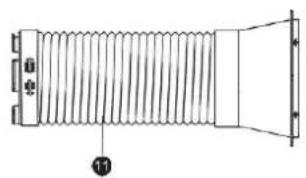
natural_image
Pure diagram of a coiled spring or hose assembly without any text, numbers, or symbols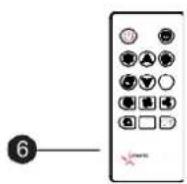
text_image
Technical diagram of a portable air conditioner unit with numbered parts labeled 7, 8, 9, and 10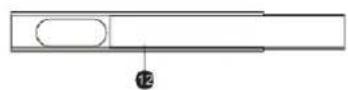
OVLÁDACÍ PANEL A DÁLKOVÉ OVLÁDÁNÍ
flowchart
graph TD
    A["TIMER"] --> B["5"]
    C["FAN"] --> D["4"]
    E["▲"] --> F["3"]
    G["▼"] --> H["2"]
    I["MODE"] --> J["4"]
    K["POWER"] --> L["4"]
BE COOL
natural_image
Technical line drawing of a mechanical device with coiled tubing and housing (no text or symbols)natural_image
Line drawings of two different air conditioning machines with ventilation ducts and control panel (no text or symbols)Nesprávná instalace
natural_image
Technical line drawing of a mechanical device with a cross-shaped component (no text or symbols)Poznámka:
natural_image
Line drawing of a portable air conditioner unit with cooling fan and bucket (no text or symbols)natural_image
Line drawing of a portable air conditioner unit with fan and ventilation slots (no text or symbols)ČIŠTĚNÍ A ÚDRŽBA
natural_image
Line drawing of a vintage portable air conditioner unit with fan and cooling fins (no text or symbols)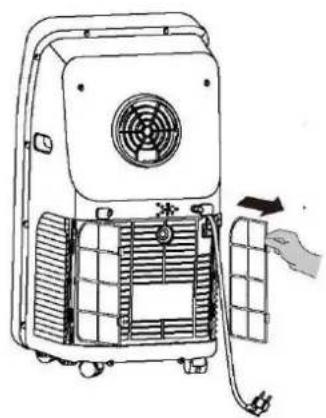
natural_image
Line drawing of a portable air conditioner unit with cooling fan and heating element (no text or symbols)BE COOL
SEZÓNNÍ ÚKLID
text_image
QR code with a blue home icon in the center, likely linking to a digital service or application.Scan QR code
Registrace
text_image
09:17 我的家... Learn about DIY homep Add Device Create Scene Add Quick Toggle Card Scan All Devices Edit 09:17 Add Device Turn on Bluetooth Bluetooth make your devices more disassembled. Add Manually Decidual Air Conditioning Lighting Sensors Air Condenser Air Condenser Air Condenser Zobel Large Home Appliances 09:17 Reset the device Press and hold the RESET button for 5 seconds until the indicator while subject to the user manual. Select the status of the indicator light or hear the beep: Blink Slowy Blink Quickly 09:17 Select 2.4 GHz Wi-Fi Network and enter password. If your Wi-Fi SGHz, please set it to be 2.4GHz. Common router setting method X WLF - 8GHz ✓ Wi-Fi - 2.4GHz XK001 Select Wi-Fi 123456789 Next 09:21 Connect your mobile phone to the device's hotspot! Connect your phone to the helpset down below: WLAN ✓ SmartLife-XXXX ✓ SL-XXXX “添利” Wants to Join WLAN Network "SmartLife-E760"? Cancel Join On to Connect 10/12 Add Device I currently added successfully PortaspIt Air ConditionerL. Add successful CoreBE COOL
text_image
Cable Anticulation All Devices Shortset Center NIRL4 Settings Browse One Base Smart One Mode Show Kapri, E Play Light Bluetooth Speed UP Wireless Music Use network Cable Anticulation All Devices Devices to be added: 1 All Conditioner Add Enter Wi-Fi Information Choose Wi-Fi and enter password Xiaomi 12 Pro 1234567890 Next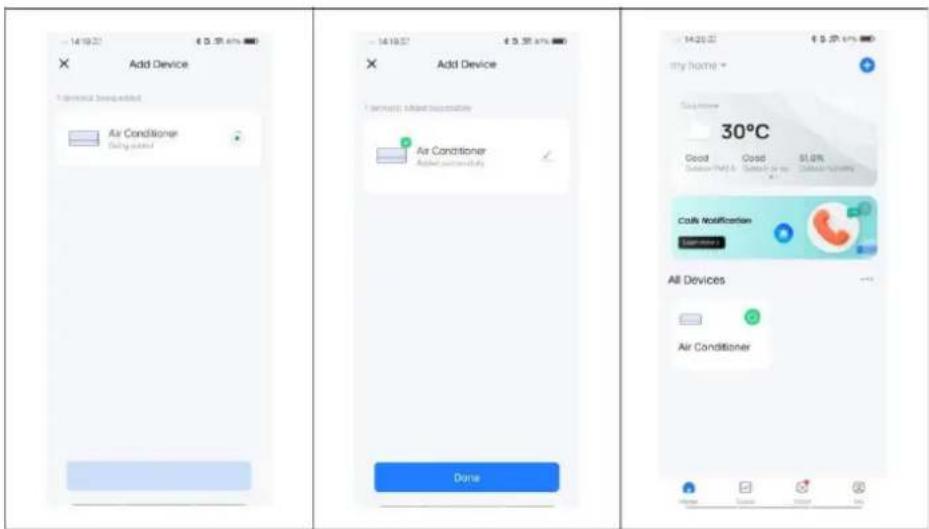
text_image
Add Device Air Conditioner Doing padlock Done Add Device Air Conditioner Added padlock Done 30°C Cool Outdoor PMI & Control or no 51.0% Outdoor running Cable Notification Enter more All Devices Air ConditionerAplikace funguje také s Amazon Alexa a Google Assistant.

text_image
WORKS WITH amazon alexa works with the Google AssistantBE COOL
natural_image
White portable air conditioner unit with control panel and buttons (no visible text or symbols on body)GRATULUJEME! ĎAKUJEME, ŽE STE SI VYBRALI VÝROBOK BE COOL.
BE COOL


text_image
QR code image containing encoded data, no visible human-readable textPRED ZAČATÍM MONTÁŽE, INŠTALÁCIE, PREVÁDZKY ALEBO ÚDRŽBY SI POZORNE PREČÍTAJTE NÁVOD NA OBSLUHU. DODRŽIAVANÍM BEZPEČNOSTNÝCH POKYNOV CHRÁŇTE SEBA AJ OSTATNÝCH. NEDODRŽANIE POKYNOV MÔŽE MAŤ ZA NÁSLEDOK ZRANENIE OSÔB A/ALEBO POŠKODENIE MAJETKU A/ALEBO STRATU ZÁRUČNÉHO KRYTIA!
DÔLEŽITÉ BEZPEČNOSTNÉ INFORMÁCIE, UMIESTNENIE A NA ELEKTRICKÚ PRÍSLUŠENSTVO.
text_image
Warning symbols including no hand, flame, open book, and lightning warning signstext_image
Technical diagram of a portable air conditioner unit with numbered parts labeled 1 to 5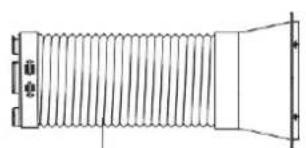
natural_image
Pure diagram of a coiled spring or hose without any text, numbers, or symbols11
text_image
Technical diagram of a portable air conditioner unit with numbered labels pointing to components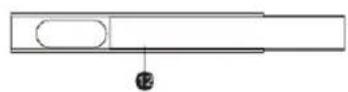
OVLÁDACÍ PANEL A DIAL'KOVÉ OVLÁDANIE
flowchart
graph TD
    A["TIMER"] --> B["5"]
    C["FAN"] --> D["4"]
    E["△"] --> F["3"]
    G["▽"] --> H["2"]
    I["MODE"] --> J["4"]
    K["POWER"] --> L["4"]
BE COOL
natural_image
Technical line drawing of a mechanical device with coiled tubing and housing (no text or symbols)natural_image
Line drawings of two different air conditioning machines with ventilation ducts and control panel (no text or symbols)natural_image
Technical line drawing of a mechanical device with a grid base and X-shaped component (no text or symbols)Poznámka:
natural_image
Line drawing of a portable air conditioner unit with cooling fan and bucket (no text or symbols)Tip:
natural_image
Line drawing of a portable air conditioner unit with fan and cooling fins (no text or symbols)ČISTENIE A ÚDRŽBA
natural_image
Line drawing of a vintage portable air conditioner unit with fan and cooling fins (no text or symbols)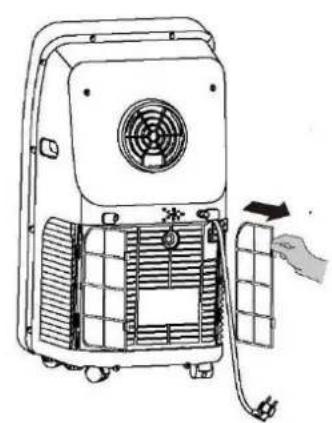
natural_image
Line drawing of a portable air conditioner unit with cooling fan and ventilation grilles (no text or symbols)BE COOL
SEZÓNNE ČISTENIE
text_image
QR code with a blue home icon in the center, likely linking to a digital service or application.Scan QR code
Registrácia
text_image
09:17 我的家... Learn abeu DIY homep Add Device Creste Scene Add Quick Toggi's Card Scan All Devices Edit 09:17 Add Device Turn on Bluetooth Bluetooth making your devices more accessible. Add Manually Electrical Air Conditioning Lighting Sonoco Air Condit user Air Conditome Air Conditour Large Home Appliances 09:17 Select 2.4 GHz Wi-Fi Network and enter password. If your Wi-Fi is SGRP, please set it to be 2.4GHz Common router setting method Wi-Fi - 6Ghz Wi-Fi - 2.4Ghz XK001 Select Wi-Fi 123456789 Next 09:21 Connect your mobile phone to the device's hotspot Connect your phone to the hotspot shown below: WLAN SmartLife-XXXX SL-XXXX "请勿" Wants to Join WLAN Network "SmartLife-E76B"? Cancel Join Select the status of the indicator light or hear the beep: Blink Slowy Blink Quickly Go to Connect 10/12 Add Device Connect this posted network... Portscilt Air Conditioner... Add syncouts DoneBE COOL
Automatické pridanie zariadenia
text_image
Air Devices Cable Authentication Air Device center Windows Settings Apache Big Data Smart Black Mode Sapi Haier 12 Pro Firefight Dramatic Spent-1.0 Wireless Music Big Machine Air Devices Devices to be added: 1 Air Conditioner Add Enter Wi-Fi Information Choose Wi-Fi and enter password Xiaomi 12 Pro 1234567890 Next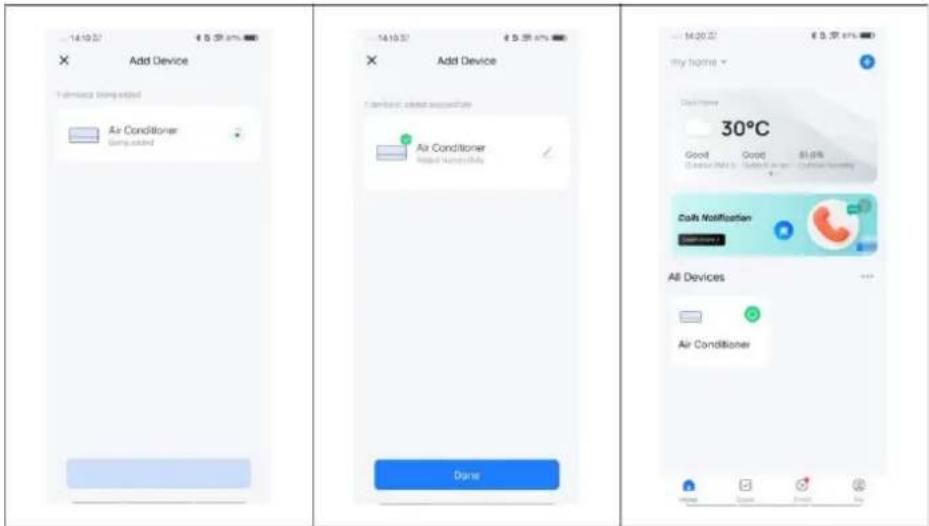
text_image
Add Device Air Conditioner Done Done Add Device Air Conditioner Help Humorally Done M20:27 € 5.77 61% My home 30°C Good Good 81.6% Device Hold to Select your choice Calls Notification All Devices Air ConditionerAplikácia funguje aj s Amazon Alexa a Google Assistant.

text_image
WORKS WITH amazon alexa works with the Google AssistantBE COOL
| Technické údaje WiFi | |
| Bezdrótová technológia: | Wifi (WLAN) |
| Frekvencia rádiového prevádzky | 2412 MHz – 2472 MHz |
| Pracovná frekvencia BLE | 2402 MHz – 2480 MHz |
| Typ modulácie | 802.11b: DSSS802.11g: OFDM802.11n (20 MHz): OFDM |
| Softvér s pevnou frekvenciou | SecureCRT.exe |
| Zosilnenie antény | 2,5 dBi |
| Typ antény | PCB |
| Prenosový výkon | :520 dBm |
ERROR
Zist'ovanie chýb
natural_image
White BE COOL air conditioner unit with control panel and display (no visible text or symbols on device body)FELICITĂRI! VĂ MULȚUMIM CĂ AȚI ALES UN PRODUS BE COOL.
BE COOL
RO

text_image
QR code image containing encoded data, no visible human-readable textVĂ RUGĂM SĂ CITIȚI CU ATENȚIE INSTRUCTIUNILE DE UTILIZARE ÎNAINTE DE A ÎNCEPE ASAMBLAREA, INSTALAREA, FUNCTIONAREA SAU ÎNTRETINEREA. PROTEJAȚI-VĂ PE DUMNEAVOASTRĂ ȘI PE CEILALȚI RESPECTÂND INSTRUCTIUNILE DE SIGURANȚĂ. NERESPECTAREA INSTRUCTIUNILOR AR PUTEA DUCE LA VĂTĂMĂRI CORPORALE ȘI/SAU DAUNE MATERIALE ȘI/SAU PIERDEREA ACOPERIRII GARANȚIEI!
INFORMATII IMPORTANTE PRIVIND SIGURANTA, LOCAȚIA ȘI LA INSTALAȚIA ELECTRICĂ CONEXIUNE.




text_image
Diagram of a portable air conditioner unit with numbered parts labeled 1 to 5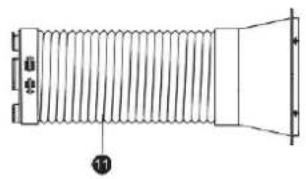
natural_image
Technical line drawing of a coiled spring or hose assembly with no visible text or symbols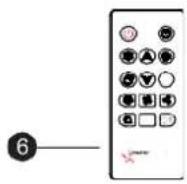
text_image
Technical diagram of a portable air conditioner unit with numbered labels pointing to components
PANOU DE CONTROL ŞI TELECOMANDĂ
flowchart
graph TD
    A["TIMER"] --> B["5"]
    C["FAN"] --> D["4"]
    E["▲"] --> F["3"]
    G["▼"] --> H["2"]
    I["MODE"] --> J["4"]
    K["POWER"] --> L["4"]
    B --> F
    D --> F
    H --> J
BE COOL
natural_image
Technical line drawing of a mechanical device with coiled tubing and housing (no text or symbols)natural_image
Line drawings of two different air purifiers with ventilation ducts, shown from front and side views (no text or symbols)natural_image
Technical line drawing of a mechanical device with a cross-shaped symbol on the right side (no text or labels)Observatie:
natural_image
Line drawing of a portable air conditioner unit with cooling fan and bucket (no text or symbols)Sfat:
natural_image
Line drawing of a portable air conditioner unit with fan and cooling panel (no text or symbols)text_image
QR code with a blue house icon in the center, likely linking to a digital service or application.Scan QR code
Înregistrare
text_image
09:17 我的家... Learn about DIY homep Add Device Create Scene Add Quick Toggle Card Scan All Devices Edit 09:17 Add Device Turn on Bluetooth Bluetooth makes your device more discoverable. 09:17 Select 2.4 GHz Wi-Fi Network and enter password. If your Wi-Fi is 5GHz, please set it to be 2.4GHz. Common router setting instead × Wi-Fi - 6GHz ✓ Wi-Fi - 2.4GHz XK001 Select Wi-Fi 123456789 Add Manually Electrical Air Conditioning Lighting Sensors Air Condenser Air Conditioner Air Controler Large Home Appliances NextBE COOL
text_image
09:17 Reset the device Press and hold the @SET button for's second port the indicator white (subject to the user manual) Select the status of the indicator light or hear the beep: Blink Slowly Blink Quickly 09:21 Connect your mobile phone to the device's hotspot Connect your phone to the hotspot shown before: OK Now ✓ SmartLite-XXXX ✓ SL-XXXX "请用" Wants to Join WLAN Network "SmartLite-E758"? Cancel Join 10:12 Add Device Can currently add successful. PortascIt Air Conditioner... Add successfully Go to Connect Core:text_image
Add Device Air Conditioner Doing action Done Add Device Air Conditioner Added action Done 14:10:27 € 5.37 € 6% 14:10:27 € 5.37 € 6% 14:20:27 € 5.37 € 6% My Name * Cash increase 30°C Good Good $1.0% Options HACI Button Next Step Cash Notification All Devices Air Conditionertext_image
WORKS WITH amazon alexa works with the Google Assistantnatural_image
White portable air conditioner unit with control panel and indicator lights (no visible text or symbols on device body)GRATULACJE! DZIEKUJEMY ZA WYBRANIE PRODUKTU BE COOL.
BE COOL


text_image
QR code image containing encoded data, no visible human-readable textPRZED ROZPOCZĘCIEM MONTAŻU, INSTALACJI, OBSŁUGI LUB KONSERWACJI NALEŻY UWAŻNIE PRZECZYTAĆ INSTRUKCJĘ OBSŁUGI. NALEŻY CHRONIĆ SIEBIE I INNYCH POPRZEZ PRZESTRZEGANIE INSTRUKCJI BEZPIECZEŃSTWA. NIEPRZESTRZEGANIE INSTRUKCJI MOŻE SKUTKOWAĆ OBRAŻENIAMI CIAŁA I/LUB USZKODZENIEM MIENIA I/LUB UTRATĄ GWARANCJI!
WAŻNE INFORMACJE DOTYCZĄCE BEZPIECZEŃSTWA, I DO LOKALIZACJI ELEKTRYCZNEJ POŁĄCZENIE.
text_image
Warning symbols including no hand, flame, open book, and warning triangletext_image
Diagram of a portable air conditioner unit with numbered parts labeled 1 to 5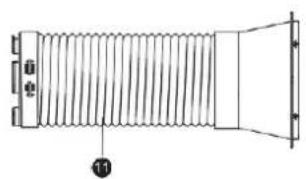
natural_image
Technical line drawing of a coiled spring or hose assembly with no visible text or symbols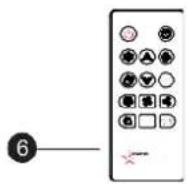
text_image
Technical diagram of a portable air conditioner unit with numbered parts labeled 7, 8, 9, and 10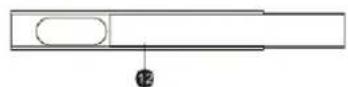
text_image
Diagram of a refrigerator control panel with labeled icons and temperature/°F settingsROZMIESZCZENIE I INSTALACJA
Skład
natural_image
Technical line drawing of a mechanical device with coiled tubing and housing (no text or symbols)natural_image
Line drawings of two different air purifiers with ventilation ducts, shown from front and side views (no text or symbols)natural_image
Technical line drawing of a mechanical device with a cross-shaped cutout (no text or symbols)Uwaga:
natural_image
Line drawing of a portable electric fan with a bucket beside it (no text or symbols)natural_image
Line drawing of a portable industrial machine with fan and cooling unit (no text or symbols)CZYSZCZENIE I KONSERWACJA
text_image
QR code with a blue house icon in the center, likely linking to a digital service or application.Scan QR code
Rejestracja
text_image
09:17 Add Device Turn on Bluetooth Bluetooth makes your device more discoverable. 09:17 Add Device Select 2.4 GHz Wi-Fi Network and enter password. If your Wi-Fi is 5GHz, please set it to be 2.4GHz. Common router setting method Wi-Fi - 6GHz Wi-Fi - 2.4GHz XK001 Select Wi-Fi 123456789 Add Manually Electrical Air Conditioning Lighting Sensors Air Credit user AIR Conditioner Air Controler Large Home Appliances NextBE COOL
text_image
09:17 Reset the device Press and hold the dSRT button for 5 seconds until the indicator thinks (subject to the user manual) Select the status of the indicator light or hear the beep: Blink Slowly Blink Quickly 09:21 Connect your mobile phone to the device's hotspot Connect your phone to the hotspot shows clone: WLAN ✓ SmartLife-XXXX ✓ SL-XXXX "请用" Wants to Join WLAN Network "SmartLife-E768"? Cancel Join Go to Connect 10:12 Add Device (See check) added successfully Portasoft Air Conditioner(... Abees successfully Donetext_image
Add Device Air Conditioner Doing action Done Add Device Air Conditioner Added action Done 14:10:27 € 5.37 € 6% 14:10:27 € 5.37 € 6% 14:20:27 € 5.37 € 6% My Name * Cash increase 30°C Good Good $1.0% Options HACI Button Next Step Cash Notification All Devices Air Conditionertext_image
WORKS WITH amazon alexa works with the Google Assistantnatural_image
White portable air conditioner unit with control panel and 'BE COOL' branding (no visible text beyond branding)ČESTITAMO! HVALA, KER STE IZBRALI IZDELEK BECOOL.
BE COOL


text_image
QR code image containing encoded data, no visible human-readable textPRED ZAČETKOM MONTAŽE, NAMESTITVE, DELOVANJA ALI VZDRŽEVANJA NATANČNO PREBERITE NAVODILA ZA UPORABO. Z UPOŠTEVANJEM VARNOSTNIH NAVODIL ZAŠČITITE SEBE IN DRUGE. NEUPOŠTEVANJE NAVODIL LAHKO POVZROČI TELESNE POŠKODBE IN/ALI MATERIALNO ŠKODO IN/ALI IZGUBO GARANCIJSKEGA KRITJA!
POMEMBNE VARNOSTNE INFORMACIJE, LOKACIJO IN DO ELEKTRIČNEGA PRIKLJUČITEV.




www.becool.at/downloads
Razen napak in tehničnih sprememb.
www.becool.at
BE COOL
OPIS ENOTE IN OBSEG DOBAVE
text_image
Diagram of a portable air conditioner unit with numbered parts labeled 1 to 5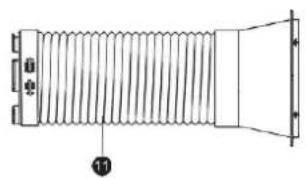
natural_image
Pure diagram of a coiled spring or hose assembly without any text, numbers, or symbols
text_image
Technical diagram of a portable air conditioner unit with numbered parts labeled 7, 8, 9, and 10
NADZORNA PLOŠČA IN DALJINSKI UPRAVLJALNIK
flowchart
graph TD
    A["TIMER"] --> B["5"]
    C["FAN"] --> D["4"]
    E["▲"] --> F["3"]
    G["▼"] --> H["2"]
    I["MODE"] --> J["4"]
    K["POWER"] --> L["4"]
BE COOL
natural_image
Technical line drawing of a mechanical device with coiled tubing and housing (no text or symbols)natural_image
Line drawings of two different air conditioning machines with ventilation ducts and control panel (no text or symbols)natural_image
Technical line drawing of a mechanical device with a grid base and X-shaped component (no text or symbols)Opomba:
natural_image
Line drawing of a portable electric heater with a cup beside it (no text or symbols)natural_image
Line drawing of a portable air conditioner unit with fan and cooling fins (no text or symbols)ČIŠČENJE IN VZDRŽEVANJE
natural_image
Line drawing of a vintage portable air conditioner unit with fan and cooling fins (no text or symbols)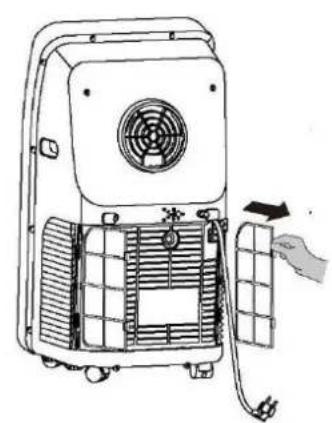
natural_image
Line drawing of a portable air conditioner unit with cooling fan and ventilation grilles, showing a hand pressing down (no text or symbols)BE COOL
SEZONSKO ČIŠČENJE
text_image
QR code with a blue home icon in the center, likely linking to a digital service or application.Scan QR code
Registracija
text_image
09:17 Add Device Turn on Bluetooth Bluetooth enables you to deliver more disposable. Add Device Select 2.4 GHz Wi-Fi Network and enter password. If your WiFi is 5GHz, please set it to be 2.4GHz. Common router setting method XW-Fi - 6GHz WiFi - 2.4GHz XK001 Select WiFi 123456789 Add Manually Electrical Air Conditioning Lighting Sensor Air Condenser Air Condenser Air Condenser Large Home Appliances Next Reset the device Press and hold the RESET button for 5 seconds until the indicator lights (subject to the user morning) Select the status of the indicator light or hear the beep: Drink Slowy Think Quickly 09:17 Connect your mobile phone to the device's hotspot Connect your phone to the Hotspot shown below: WLAN ✓ SmartLife-XXXX ✓ SL-XXXX “添利” Wants to Join WLAN Network "SmartLife-E760"? Cancel Join Go to Connect 10:12 Add Device Lower(s) added security. Portaxill Air Conditioner... Close successfully DoneBE COOL
Samodejno dodajanje naprave
text_image
Air Devices Catal Authentication Air Conditioning Air Devices Device center Wireless Settings Analog Play Master Share Mode Play Kuomi 12 Pro Password Send up Weather Mode Get Phone Devices to be added: 1 Air Conditioner Add Enter Wi-Fi information Choose Wi-Fi and enter password Xiaomi 12 Pro 1234567890 Next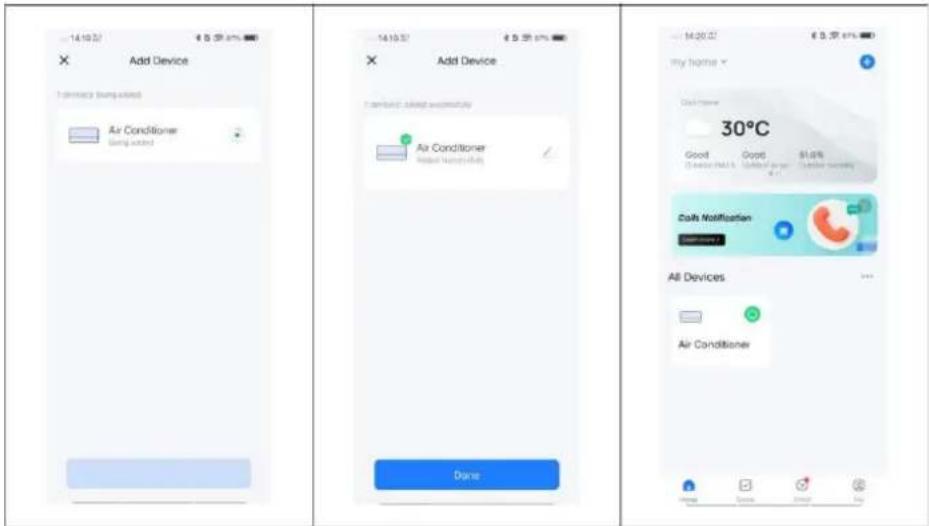
text_image
Add Device Air Conditioner Being added 14:19:27 € 5.37 €% 14:19:27 € 5.37 €% Add Device Air Conditioner Being not used Done MAYOZ € 5.37 €% My home 30°C Good Good 81.6% Device includes a small number of devices Cable notification All Devices Air ConditionerWORKS WITH amazon alexa

works with the Google Assistant
BE COOL
| Tehnični podatki WiFi | |
| Brezžična tehnologija: | Wifi (WLAN) |
| Frekvenca delovanja radijskega signala | 2412 MHz–2472 MHz |
| BLE-frekvenca delovanja | 2402 MHz–2480 MHz |
| Tip modulacije | 802.11b: DSSS802.11g: OFDM802.11n (20 MHz): OFDM |
| Programska oprema s fiksno frekvenco | SecureCRT.exe |
| Ojačitev antene | 2,5 dBi |
| Tip antene | PCB |
| Prenosna moč | :520dBm |
ERROR
Zaznavanje napak
natural_image
White portable air conditioner unit with control panel and 'BE COOL' branding (no visible text beyond branding)ČESTITAMO! HVALA VAM ŠTO STE ODABRALI BE COOL PROIZVOD.
BE COOL


Ažurirani korisnički priručnici i drugi jezici
text_image
QR code image containing encoded data, no visible human-readable textMOLIMO VAS, PAŽLJIVO PROČITAJTE UPUTE ZA KORISNIKE PRIJE POČETKA SASTAVLJANJA, INSTALACIJE, RADA ILI ODRŽAVANJA. ZAŠTITITE SEBE I DRUGE PRIDRŽAVANJEM SIGURNOSNIH UPUTA. NEPRIDRŽAVANJE UPUTA MOŽE REZULTIRATI OSOBNIM I/ILI ŠTETAMA NA IMOVINI I/ILI PONIŠTENJEM JAMSTVA!
VAŽNE SIGURNOSNE INFORMACIJE, LOKACIJA I ELEKTRIKA POVEZIVANJE.
text_image
Warning symbols including no hand, flame, open book, and warning signstext_image
Diagram of a portable air conditioner unit with numbered parts labeled 1 to 5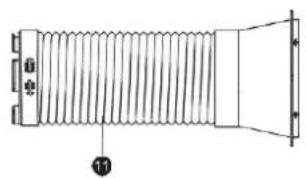
natural_image
Pure diagram of a coiled spring or hose assembly without any text, numbers, or symbols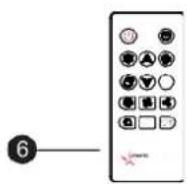
text_image
Technical diagram of a portable air conditioner unit with numbered parts labeled 7, 8, 9, and 10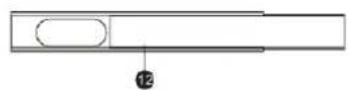
UPRAVLJAČKA PLOČA I DALJINSKI UPRAVLJAČ
flowchart
graph TD
    A["TIMER"] --> B["5"]
    C["FAN"] --> D["4"]
    E["▲"] --> F["3"]
    G["▼"] --> H["2"]
    I["MODE"] --> J["4"]
    K["POWER"] --> L["4"]
BE COOL
natural_image
Technical line drawing of a mechanical device with coiled tubing and housing (no text or symbols)- Umetnite ispušno crijevo u otvor za brtvljenje, podesite širinu otvora prozora tako da prozor ispravno odgovara brtvenoj ploči; duljina brtvene ploče je podesiva.
natural_image
Line drawings of two different air conditioning machines with ventilation ducts and control panel (no text or symbols)natural_image
Technical line drawing of a mechanical device with a cross-shaped component and a side view (no text or symbols)Napomena:
natural_image
Line drawing of a portable air conditioner unit with cooling fan and cup (no text or symbols)Obavijest:
Kada koristite funkciju odvlaživanja, trebali biste ukloniti komponente odvodne cijevi, inače će to rezultirati lošijom izvedbom odvlaživanja i pojavit će se alarm "FL" - "Voda puna")
natural_image
Line drawing of a portable air conditioner unit with fan and cooling fins (no text or symbols)ČIŠĆENJE I ODRŽAVANJE
text_image
QR code with a blue house icon in the center, likely linking to a digital service or application.Scan QR code
Registracija
text_image
09:17 Add Device Turn on Bluetooth Bluetooth makes your device more discover adds. All Devices Edit 09:17 Add Device Select 2.4 GHz Wi-Fi Network and enter password. If your Wi-Fi is 5GHz, please set it to be 2.4GHz. Common router setting method Wi-Fi - 6GHz Wi-Fi - 2.4GHz XK001 Select Wi-Fi 123456789 Add Manually Electrical Air Conditioning Lighting Sensors Air Condenser (BLD+6Hz) Air Condenser (BLD+Fly) Air Condenser (Zyber) Large Home Appliances NextBE COOL
text_image
09:17 Reset the device Press and hold the @SET button for's second set the indicator white (subject to the user manual) Select the status of the indicator light or hear the beep: Blink Slowly Blink Quickly 09:21 Connect your mobile phone to the device's hotspot Connect your phone to the hotspot shown before: OK Now ✓ SmartLite-XXXX ✓ SL-XXXX "请用" Wants to Join WLAN Network "SmartLite-E758"? Cancel Join Go to Connect 10:12 Add Device Can currently add successful. Portasoft Air Conditioner... Add successfully Core:text_image
My DOFi Child Application All Devices Shortcut order Wireless Settings Browse One Game Water One Game Kuayou ID Fing Firefight Firefight SpeedUp Shortest Speed Data response Al Air Devices Al Air Devices Devices to be added: 1 Air Conditioner Add Enter Wi-Fi Information Choose Wi-Fi and enter password Xiaomi 12 Pro 1234567890 Add NextBE COOL
text_image
Add Device Air Conditioner Doing action Done Add Device Air Conditioner Added action Done 14:10:27 € 5.37 € 6% 14:10:27 € 5.37 € 6% 14:20:27 € 5.37 € 6% My Name * Cash increase 30°C Good Good $1.0% Options HAD$ Customer is good Cash Notification All Devices Air ConditionerWORKS WITH amazon alexa

works with the Google Assistant
| Tehnički podaci WiFi-ja | |
| Radio tehnologija: | Wi-Fi (WLAN) |
| Radna frekvencija radija | 2412 MHz - 2472 MHz |
| Radna frekvencija BLE- a | 2402 MHz - 2480 MHz |
| Vrsta modulacije | 802.11b: DSSS802.11g: OFDM802.11n (20 MHz) : OFDM |
| Softver s fiksnom frekvencijom | SecureCRT.exe |
| Pojačanje antene | 2,5 dBi |
| Vrsta antene | PCB |
| Prijenosna snaga | :520dBm |
BE COOL
POGREŠKA
Otkrivanje grešaka
Mobile air conditioner BC12KL2201FW
natural_image
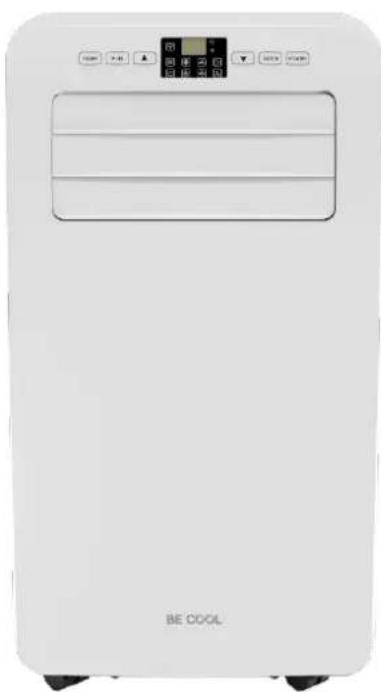
White portable air conditioner unit with control panel and buttons (no visible text or symbols on body)CONGRATULATIONS! THANK YOU FOR CHOOSING A BE COOL PRODUCT.
BE COOL


Latest user manuals and other languages
Download the latest user manuals in various languages via the link www.becool.at/downloads or scan the displayed QR code. Follow the instructions on the website.

text_image
QR code image containing encoded data, no visible human-readable textPLEASE READ THE INSTRUCTION MANUAL CAREFULLY BEFORE STARTING ASSEMBLY, INSTALLATION, OPERATION OR MAINTENANCE. PROTECT YOURSELF AND OTHERS BY FOLLOWING THE SAFETY INSTRUCTIONS. FAILURE TO COMPLY WITH INSTRUCTIONS COULD RESULT IN PERSONS AND / OR PROPERTY DAMAGES AND / OR LOSS OF THE WARRANTY CLAIM!
IMPORTANT INFORMATION ON SAFETY, LOCATION AND ELECTRICAL CONNECTION.




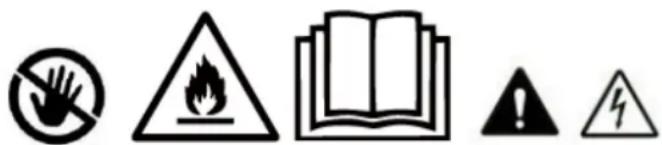
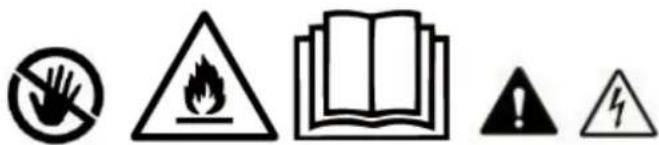
- Read all instructions carefully before using the device.
- Use this device only in accordance with the instructions in the manual. Any other use not recommended by the manufacturer could result in fire, electric shock, or personal injury.
- This device is intended for cooling in households and may not be used for any other purpose.
- The device is not suitable for continuous and precision operation and should not be used for cooling electrical systems (e.g: in server rooms).
- It is forbidden to modify the characteristics of this device in any way and only use replacement parts and accessories recommended by the manufacturer (failure to do so will void the warranty).
- For any repairs to the device, power plug or cable, always and exclusively contact authorized service centers. The customer service centers can be accessed online at www.becool.at.
- Remove the packaging and make sure the air conditioner is not damaged. If in doubt, do not use the air conditioner and contact the service center or your seller.
- Keep children away from packaging material. If swallowed there is danger of suffocation!
- If the power cord is damaged, it must be replaced by the manufacturer or an authorized service center to avoid all possible risks.
- The device must be installed in accordance with local electrical system installation and operating instructions.
- The electrical socket in which you connect the device must not be defective or loose and must be suitable for the required current load and above all be reliably earthed. If in doubt, have your electrical installation checked by a qualified electrician.
- Before connecting to the device to the electrical socket, you must check whether the type of current and the mains voltage comply with the information given on the back of the device.
BE COOL
- Avoid using an extension cord as it could overheat and cause a fire.
-
Do not twist or bend the power cord.
-
This device may only be used by adults.
- Children under the age of 8 and persons with limited physical, mental, sensory or mental abilities, and lack of experience and knowledge may only use this device if it is under appropriate supervision and provide detailed instructions for use of the device in a safe manner and how the existing dangers have been described.
- Do not let children play with the packaging and make sure that children do not play with the device. ●
- Do not use the air conditioner outdoors.
- Do not use the device with wet hands.
- Never operate the device in areas where gas, oil or sulfur are present.
- Do not place the device near sources of heat (e.g.: near heating systems and gas heaters) and avoid direct sunlight.
- Keep a minimum distance of at least 50cm to combustible materials (e.g., alcohol, etc.) or pressurized vessels (e.g., spray containers).
- Do not use the air conditioner near water or high humidity, e.g.: in the wet basement, next to swimming pool, bath or shower. Make sure that no water gets into the device.
- Do not place heavy or hot objects on the unit and never cover the unit.
- Never insert fingers, pins or other objects into the unit, being careful not to block the air inlet and outlet.
- Always turn off the power before unplugging the power cord.
- Do not pull the power cord to disconnect the device from the mains. Always pull on the plug to pull out the power cord. Do not handle the plug with wet hands to avoid electric shock.
- Unplug the device when not in use before cleaning, servicing or moving it from one location to another.
-
If the device has a defect, switch it off with the on / off button on the control panel and contact the customer hotline.
-
Maintain the air conditioner in good condition by caring for and cleaning the unit.
- The air filter should be cleaned at least once a week.
- Store the device vertically in a safe place, dry and out of the reach of children, when not in use. Do not cover the device with plastic packaging.
- Store the unit in a room with no ignition sources in operation (e.g.: open fire, service gas appliance or electric heater with open heat source).
- The air conditioner should be transported in an upright position or slightly sideways position. Empty the internal condensate tank first. Wait at least one hour after transporting the device before turning on the device.
- Always contact authorized service centers for repairs to the device, power plug, or cable.
- Do not use any means to accelerate or eliminate the defrost process, the device will do it on its own.
- If you have any questions about maintenance, you can contact the manufacturer's authorized hotline / service center.
BE COOL
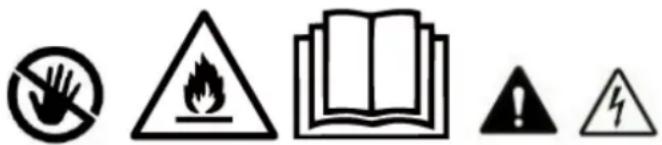
WARNING
The main power switch and the on / off switch should not be used as the sole means of power disconnection. Always unplug the power cord before servicing or moving the unit.
To avoid the risk of electric shock, disconnect the plug from the power outlet when not in use - as we as before each cleaning.
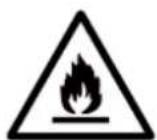
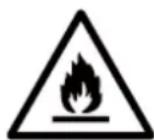
SPECIFIC INFORMATION ABOUT THE R290 REFRIGERANT
- R290 is a refrigerant in accordance with EC environmental regulations.
- The refrigerant is odorless.
- The device must be placed in a room where there are no ignition sources in operation (e.g. open fire, operating gas and electrical appliances with an open heat source)
- You must not perforate or burn the air conditioner.
- Care must be taken to ensure that the cooling circuit is not drilled.
- Non-ventilated rooms in which the unit is installed, operated or stored must be constructed in such a way that any refrigerant losses do not accumulate. This avoids the risk of fire or explosion caused by ignition of the refrigerant caused by electric ovens, cookstoves or other ignition sources.
- The device must be stored in such a way that no mechanical damage can occur.
- Persons working on a cooling circuit or carrying out interventions must be in possession of a valid certificate issued by an authorised authority attesting to their expertise in the handling of refrigerants by means of an assessment specification recognised by industry associations.
- The repair procedures must be carried out according to the instructions of the manufacturer of the device. Repair and maintenance interventions that require the use of additional specialist personnel must be carried out under the supervision of the specialist responsible for handling flammable refrigerants.
BE COOL
Recycling, disposal, declaration of conformity
 | RECYCLINGThe packaging materials can be recycled. Therefore, it is recommended to dispose of them in sorted waste. |
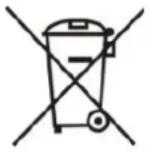 | DISPOSALThe symbol "crossed-out dustbin" requires the separate disposal of waste electrical and electronic equipment (WEEE). Electrical and electronic equipment may contain hazardous and environmentally dangerous substances. Therefore, do not dispose of this in unsorted residual waste, but at a designated collection point for waste electrical and electronic equipment. By doing so, you are helping to protect resources and the environment.For more information, please contact your dealer or local authorities. |
 | DISPOSAL OF THE BATTERIESBATTERY DISPOSALIn accordance with Legislative Decree 188 of November 20, 2008 on the implementation of Directive 2006/66/EC on batteries, accumulators and related waste, the crossed-out wheeled garbage can symbol on the battery indicates that it is forbidden to dispose of used batteries in household waste.batteries and accumulators contain highly polluting substances. The user is obliged to dispose of used batteries at the collection points in the municipality or in the appropriate containers. The service is free of charge. In this way, the legal requirements are complied with and the environment is protected.These symbols can be found on batteries:Li = battery contains lithiumAl = battery contains alkaliMn = battery contains manganeseCR 2025 (Li); AA (Al, Mn); AAA (Al, Mn) |
 | DECLARATION OF CONFORMITYWe hereby certify that this article complies with the essential requirements, regulations and directives of the EU.You can view the detailed declaration of conformity at any time under the following link:www.becool.at/downloads |
Errors and technical modifications excepted.
www.becool.at
BE COOL
PRODUCT INSTRUCTION
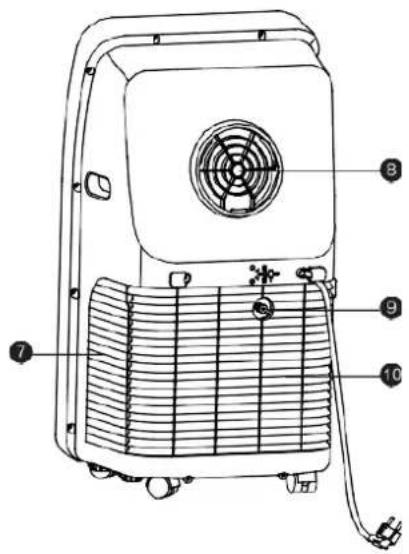
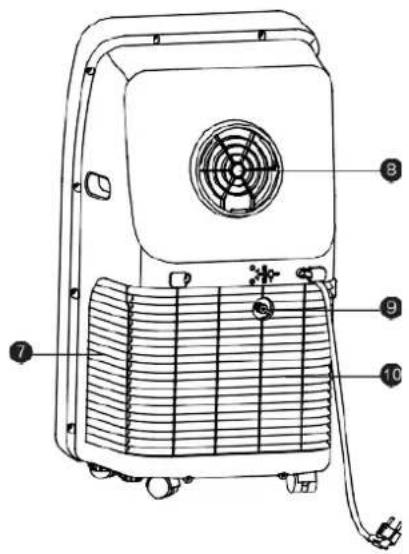
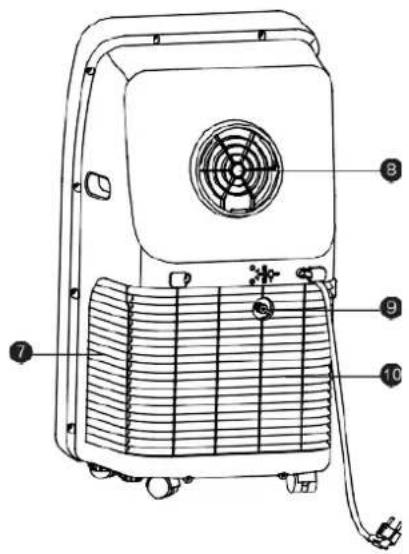
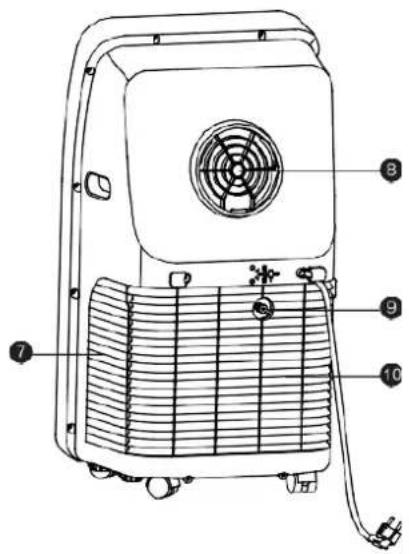
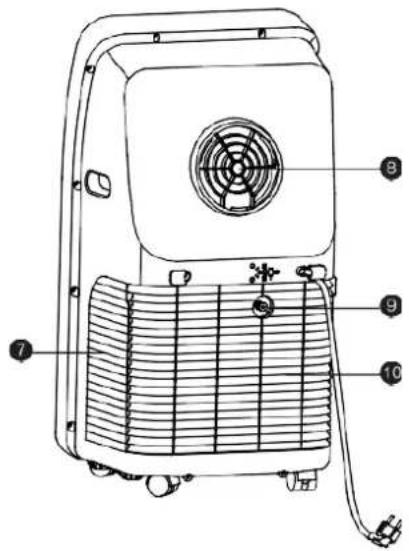
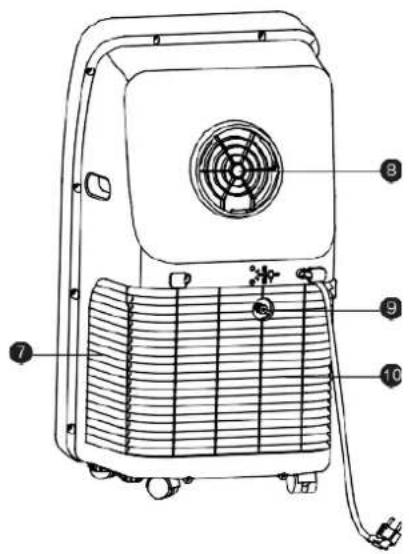
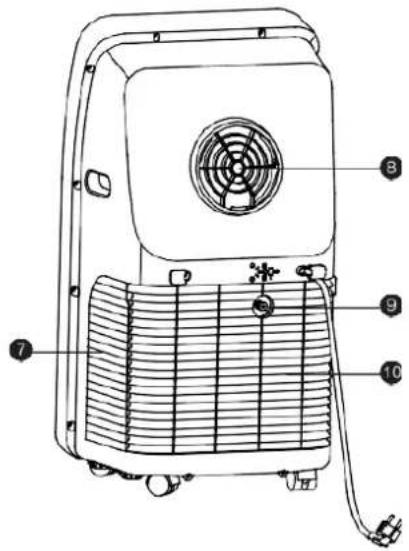
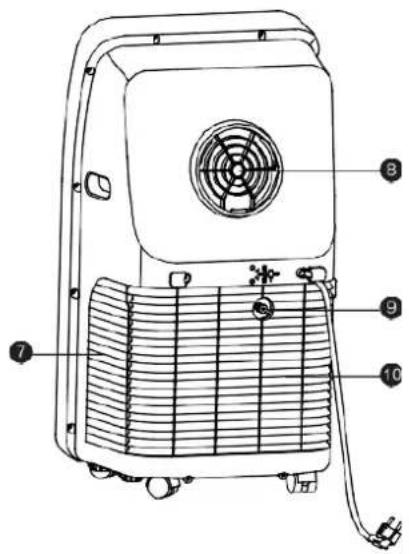
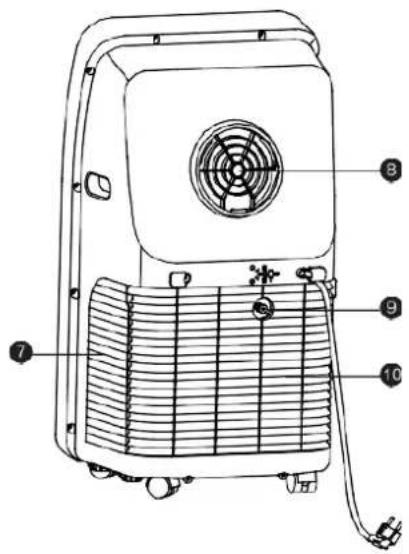
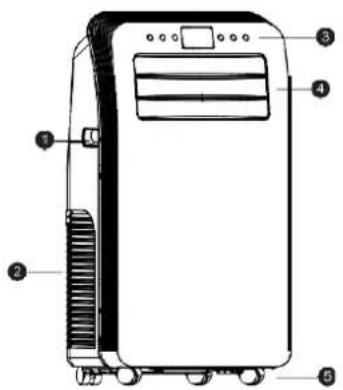
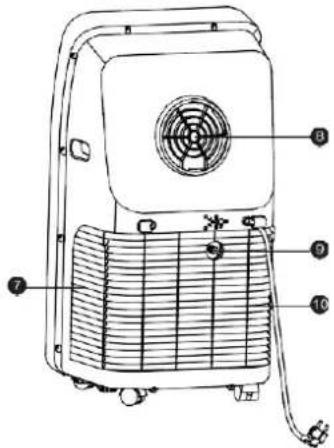
MAIN PART AND COMPONENTES
- Handle
- Air inlet (L)
- Control panel
- Wind guide bar
- Caster
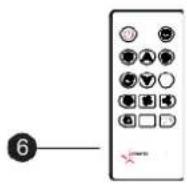
- Remote controller
- Air inlet (R)
- Air outlet
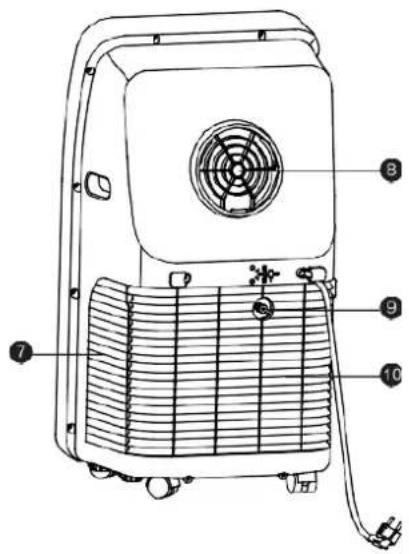
- Dehumidification drainage nozzle
- Air inlet grille
- Exhaust duct assembly
- Window sealing plate assembly
text_image
Diagram of a portable air conditioner unit with numbered parts labeled 1 through 5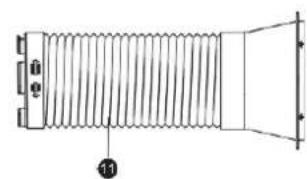
natural_image
Technical line drawing of a coiled spring or hose component with no visible text or symbols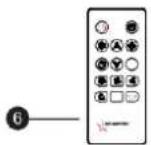
text_image
Technical diagram of a portable air conditioner unit with numbered labels pointing to components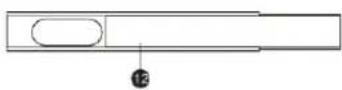
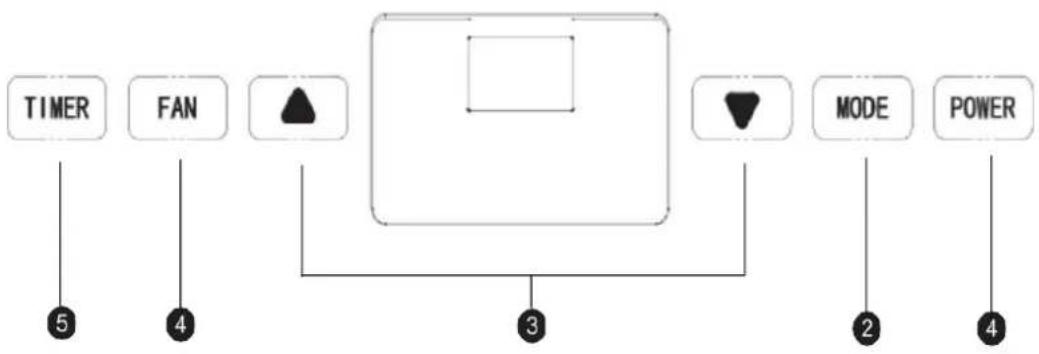
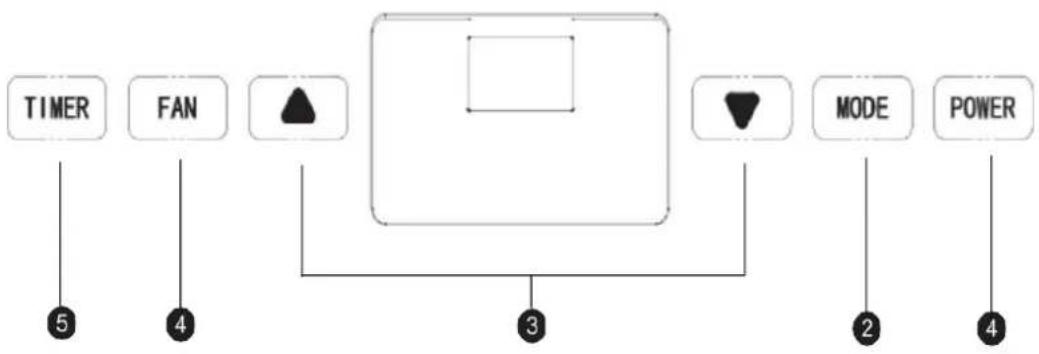
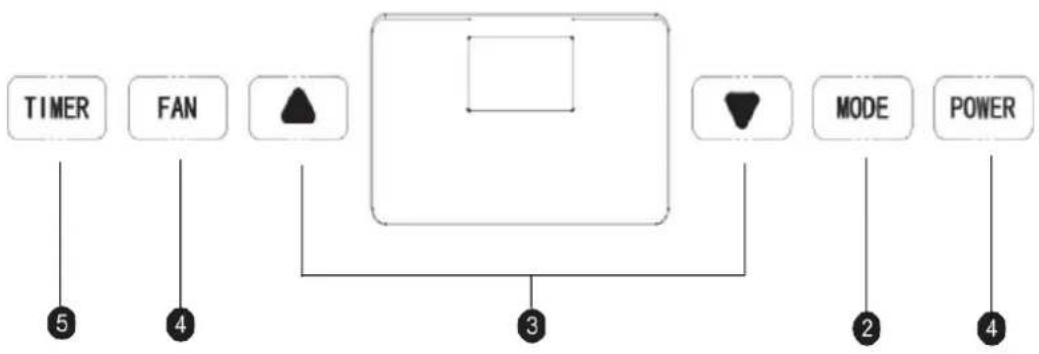
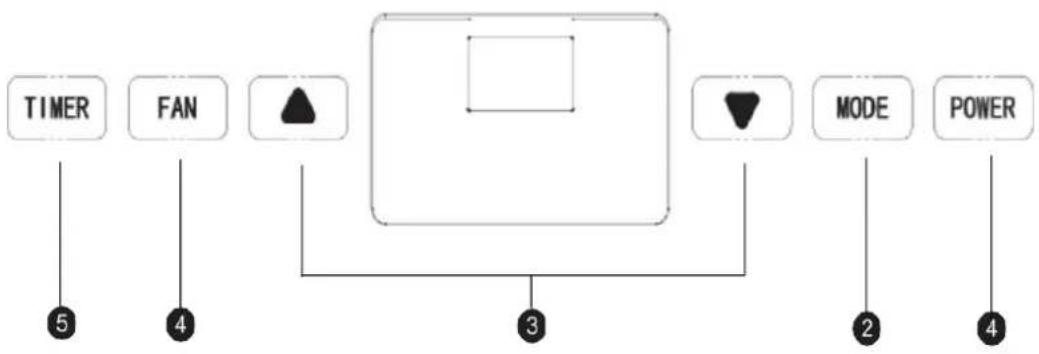
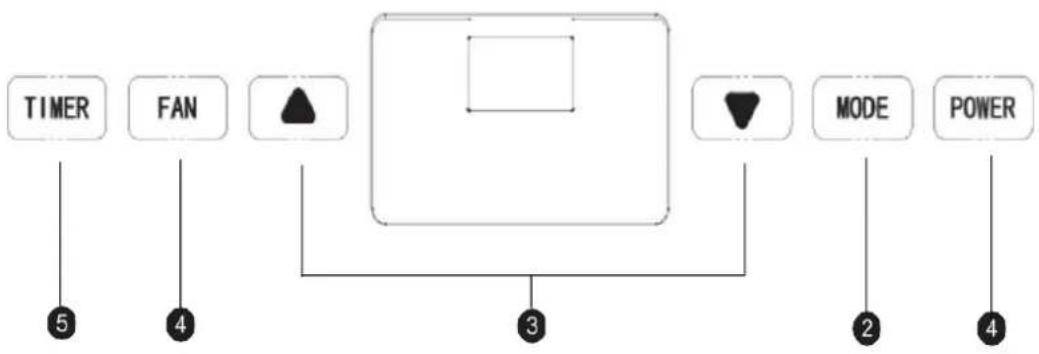
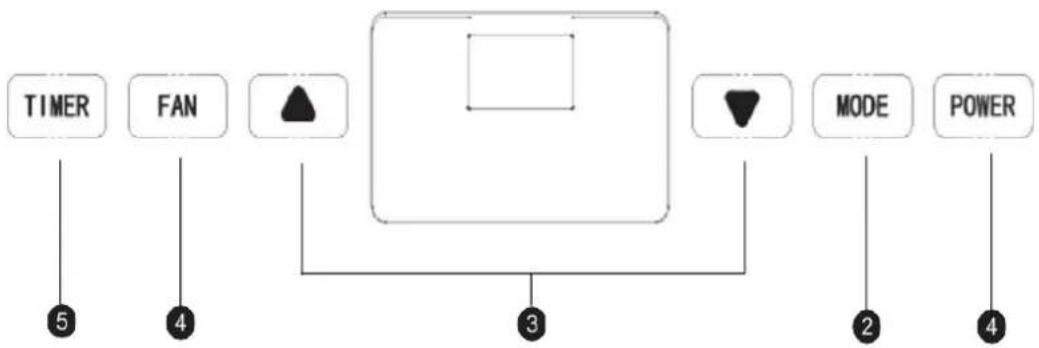
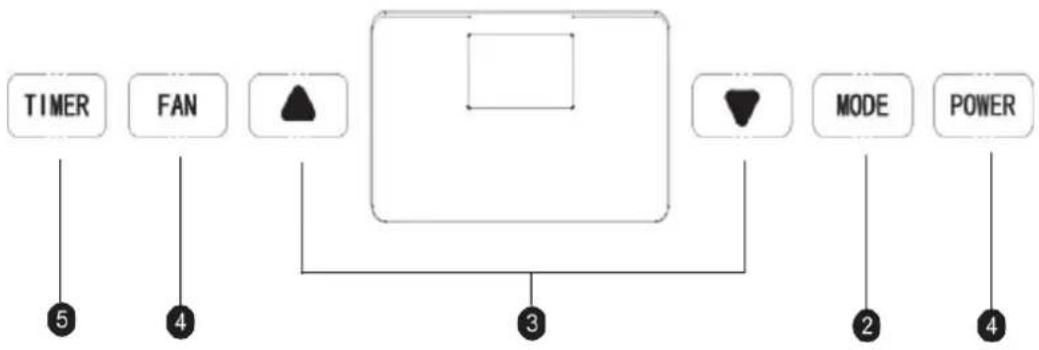
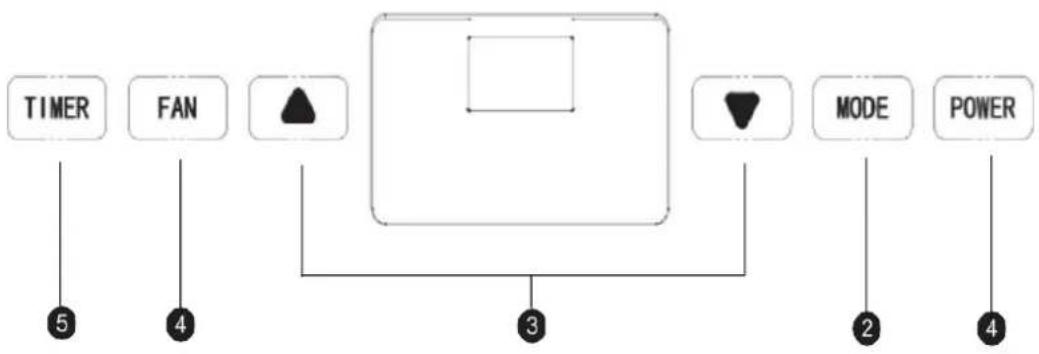
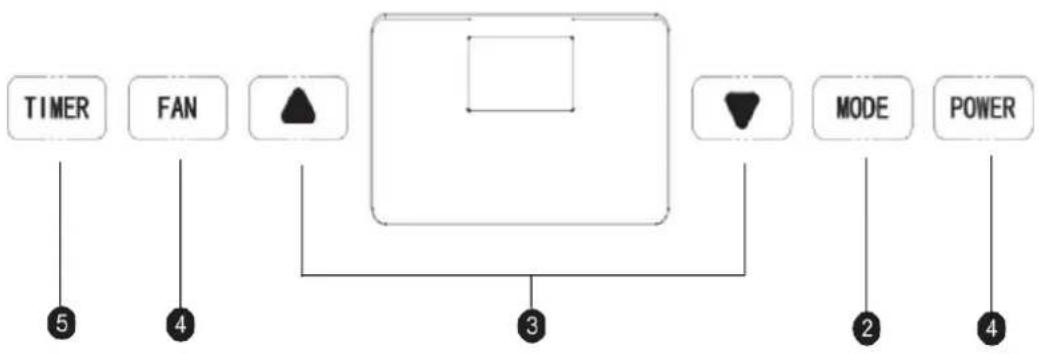
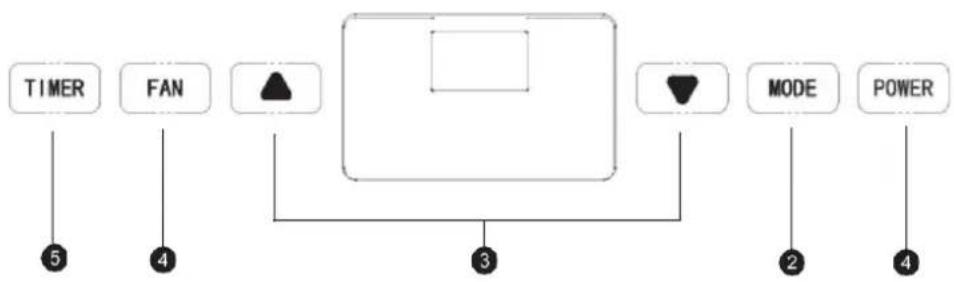
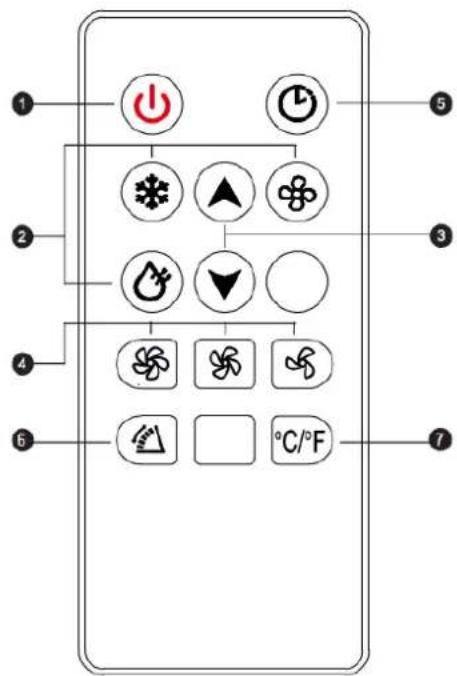
CONTROL PANEL AND REMOTE CONTROLLER
flowchart
graph TD
    A["TIMER"] --> B["5"]
    C["FAN"] --> D["4"]
    E["▲"] --> F["3"]
    G["▽"] --> H["MODE"]
    I["POWER"] --> J["2"]
    I --> K["4"]
BE COOL
- Power key
Press the key to turn ON/OFF the A/C.
- Mode key
Press the key to choose cooling, wind, dehumidification and heating(cooling only model has no heating) mode.
- Temperature/ time adjusting key
Press the key at cooling mode to increase/reduce the setting temperature; press it at timing mode to adjust timing ON/OFF time; press Up and Down keys simultaneously to switch Fahrenheit and Centigrade degree temperature.
- Fan key
Press the key to choose high/ low gear wind speed.
- Timer Key
press this key to set a timer for auto start or auto stop.
- Swing key
Press this key at any time after turning on the A/C to swingthe wind guide bar automatically.
- °C/°F switching key
Press the key to switch ^ C and ^ F.
text_image
Diagram of a device control panel with labeled icons and function keys, including power, ignition, and climate controls.PRODUCT OPERATION
PLACEMENT AND INSTALLATION
Placement
- Place it at even and dry place, and keep it at least 50cm away from its surrounding object.
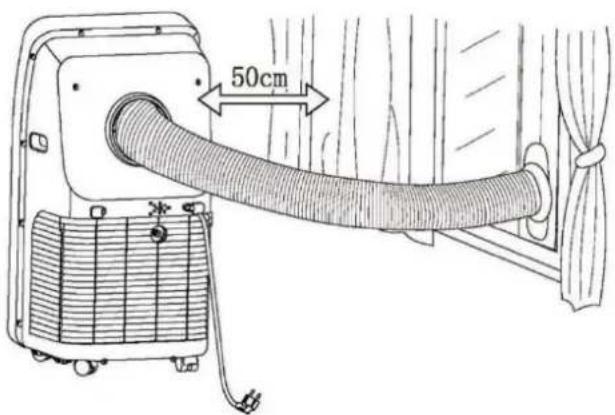
text_image
50cmBE COOL
Installation
- Screw the exhaust duct assembly in the air outlet behind the panel (anticlockwise).
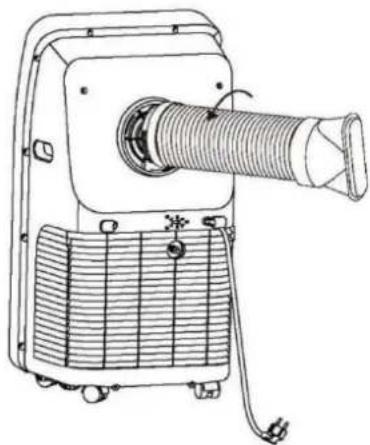
natural_image
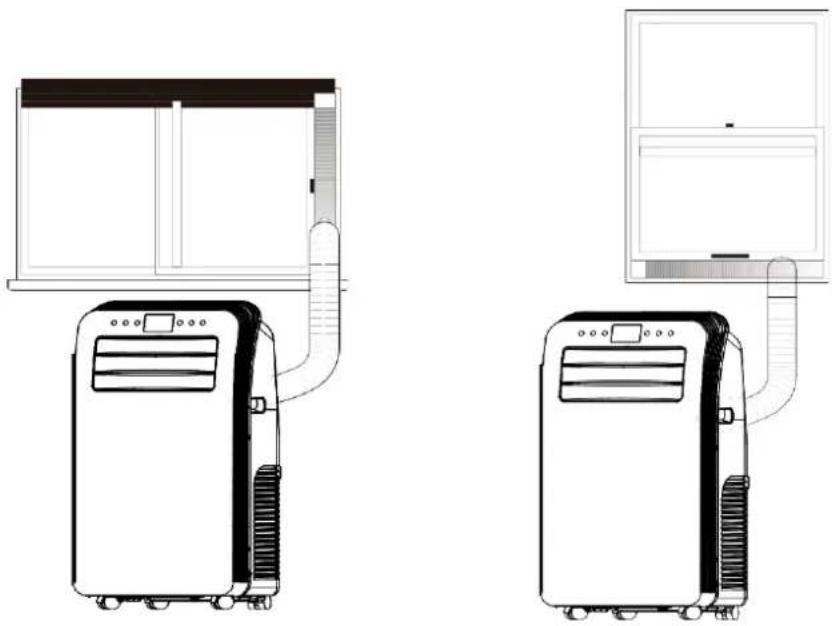
Technical line drawing of a mechanical device with coiled tubing and housing (no text or symbols)- Insert the air exhaust hose into the window sealing plate, adjust opening width of window so that the window can match with the sealing plate properly; length of the sealing plate is adjustable.
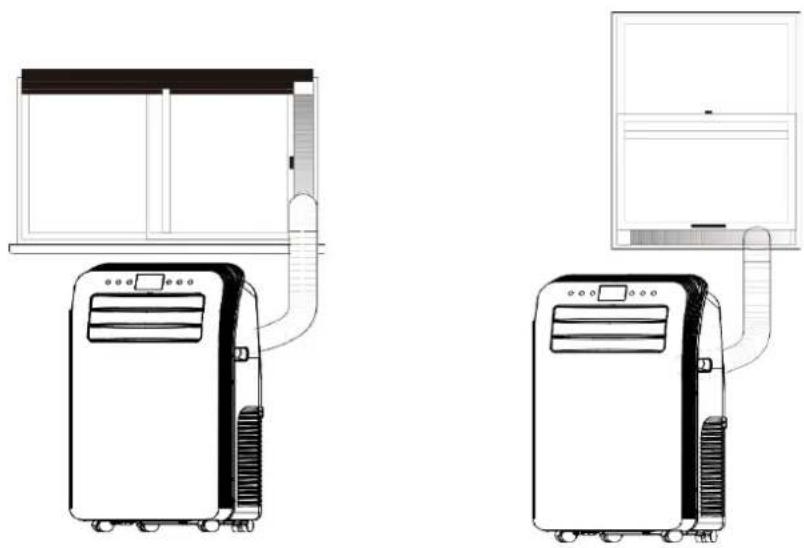
natural_image
Technical line drawing of two air conditioning machines with ventilation ducts and a window (no text or symbols)Incorrect installation
It's important to keep the exhaust duct smooth. Incorrect installation will affect work of the A/C.
• Prevent the exhaust duct from seriously bending.
• Ensure air can flow smoothly in the duct.
Warning:
The exhaust duct is designed especially for this model. Don't replace or lengthen it; otherwise, it will result in failure.
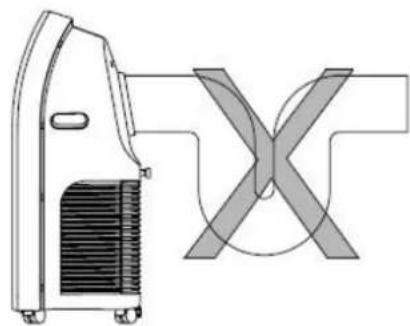
natural_image
Technical line drawing of a mechanical device with a grid-like structure and no visible text or symbolsBE COOL
Notice:
Max. developed length of the exhaust duct is 1,500mm. It's better to shorten it while use and keep it horizontal while installation.
OPERATION METHOD
Cooling mode
- When the A/C enters cooling mode automatically or cooling mode is selected after power ON, the cooling indicator lamp lights up.
- Press Up/Down key to adjust setting temperature (16°C\~30°C).
- Press Speed key to choose High/Mid/Low speed.
Fan mode
- When pressing mode key or choosing Fan mode by pressing the remote controller, the wind indicator lamp lights up.
- Press Speed key to choose High/Mid/Low speed.
• Temperature can't be set.
Dehumidification mode
- When pressing mode key or choosing dehumidification mode by pressing the remote controller, the dehumidification indicator lamp lights up.
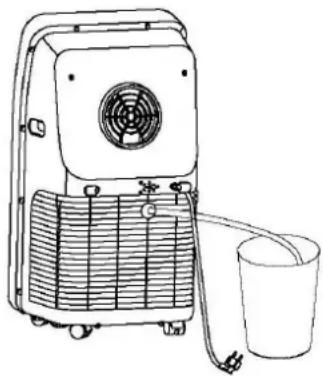
- Remove the dehumidification water wedge, insert water manifold, place the other end of the water manifold into the water vessel or drainage passage, as shown in the right figure.
- After entering the dehumidification mode, if room temperature≥17°C (62°F), the compressor is ON. Then control as follows: when room temperature ≤15°C (59°F)
natural_image
Line drawing of a portable air purifier with cooling fan and bucket (no text or symbols)the compressor is OFF; when temperature increases to room temperature≥17°C, the compressor is started again (in order to protect the compressor, it will be restarted 3min. later).
- In dehumidification mode, the fan is defaulted to run at low speed, and wind speed can't be adjusted.
- Temperature can't be set. (Note: when use dehumidify function, should removeexit pipe components, otherwise, it will cause worse dehumidify performance, and appear "FL" water full alarm)
Timer mode
- In standby state, press the Timer key to set ON time. Press Up and Down keys to setON time (1\~24H), and the timer indicator lamp lights up.
- In ON state, pressure the timer key to set OFF time. Press Up and Down keys to set OFF time (1\~24H), and the timer indicator lamp lights up.
BE COOL
CLEAN AND MAINTENANCE
Drainage Methode
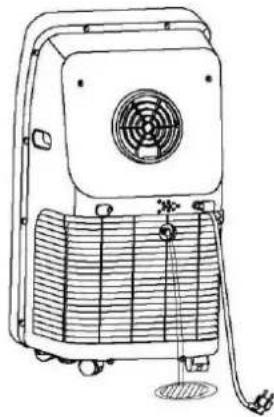
This product is equipped with automatic water vaporization system. The condenseris cooled with the circulating of condensing water, so as to improve cooling efficiency and save energy.
- If the internal vessel is full of water, the display screen will display "FL", and the compressor stops working automatically. After power off, unscrew the water cover, pull out the water wedge to drain off water, and it will become normal after being restarted.
natural_image
Line drawing of a portable air conditioner unit with fan and cooling fins (no text or symbols)MAINTENANCECE
Notice: in order to avoid electric shock, please turn off the A/C and unplug before maintenance or repair.
CLEANING
• Unplug before cleaning.
- Wipe with soft semi-dry cloth. Don't use chemical reagent, such as benzene, alcohol and gasoline etc; otherwise surface of the A/C and even the whole A/C will be damaged.
• Prevent water from spattering in the A/C.
FILTER SCREEN
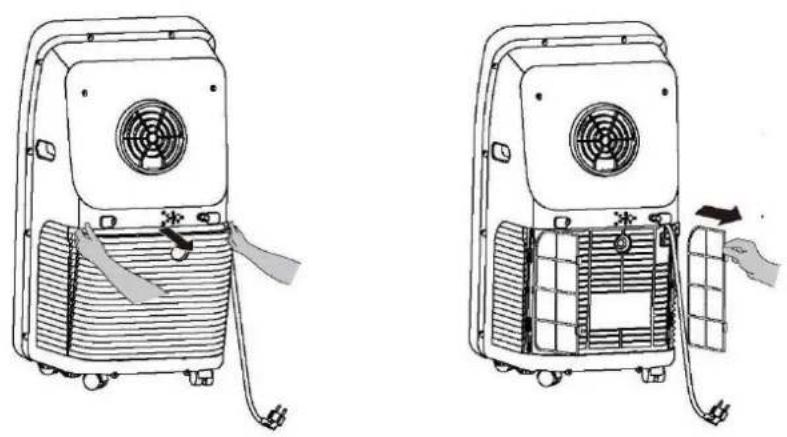
- Wash the filter screen once every two weeks. If it is blocked by dust, efficiency of the A/C will be reduced.
BE COOL
• Take out the air inlet grille and pull out the filter screen at both sides according to the direction shown in the following figures.
- Put the filter screen into the warm water (about 40°C) added with neutral detergent, dry it at a shady place after cleaning.
•
SEASONAL CLEANING
If the A/C will not be used for a long time:
• Pull out the water wedge to drain.
• Run the A/C in fan mode for 2H till its inside is dry.
• Turn off the A/C and unplug.
• Wash the filter screen and reassemble it.
• Dismantle the exhaust duct and keep it properly.
• Cover the A/C with a plastic bag and place it at a dry place.
Smart Home Wi-Fi Connection Guide
IMPORTANT
Please note that only 2.4GHz networks are supported!
Transmission power: max. 100mW
App installation
Download the "Smart life" app from the Play Store (Android) or the App Store (iOS). The following QR code will take you directly to the app download:

text_image
QR code with a blue house icon in the center, likely linking to a digital service or application.Scan QR code
BE COOL
Registration
If you do not yet have a Smart Life account, you can register or log in with a verification code that will be sent to you via SMS.
To register:
- Navigate to the registration area in the app.
- The system will automatically detect your country or region. You also have the option of selecting the country code manually. Enter your mobile phone number or email address and tap "Continue."
- If you choose the mobile phone number option, enter the verification code you received via SMS. Then set a password and tap "Confirm" to complete the registration.
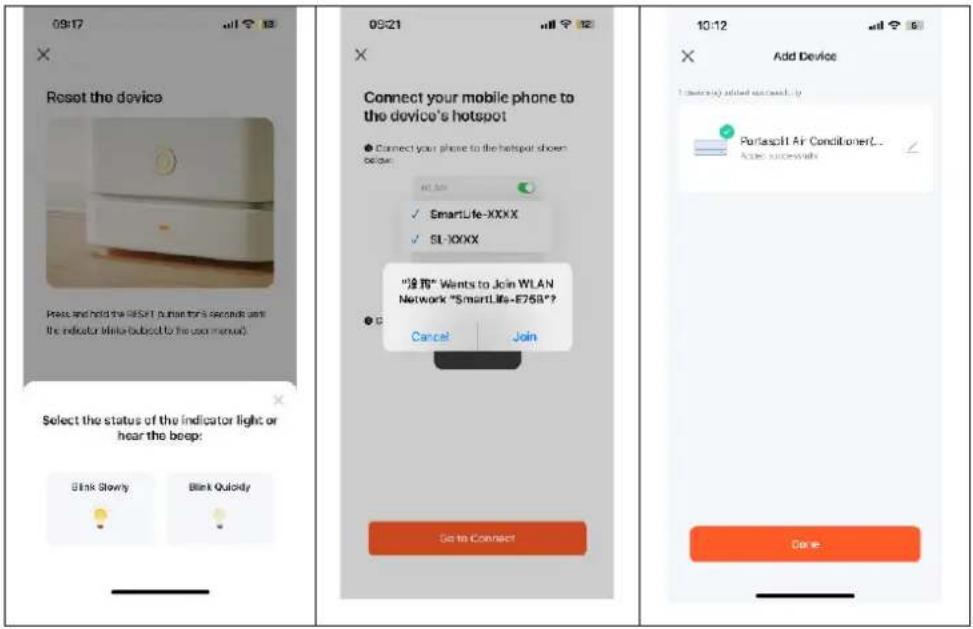
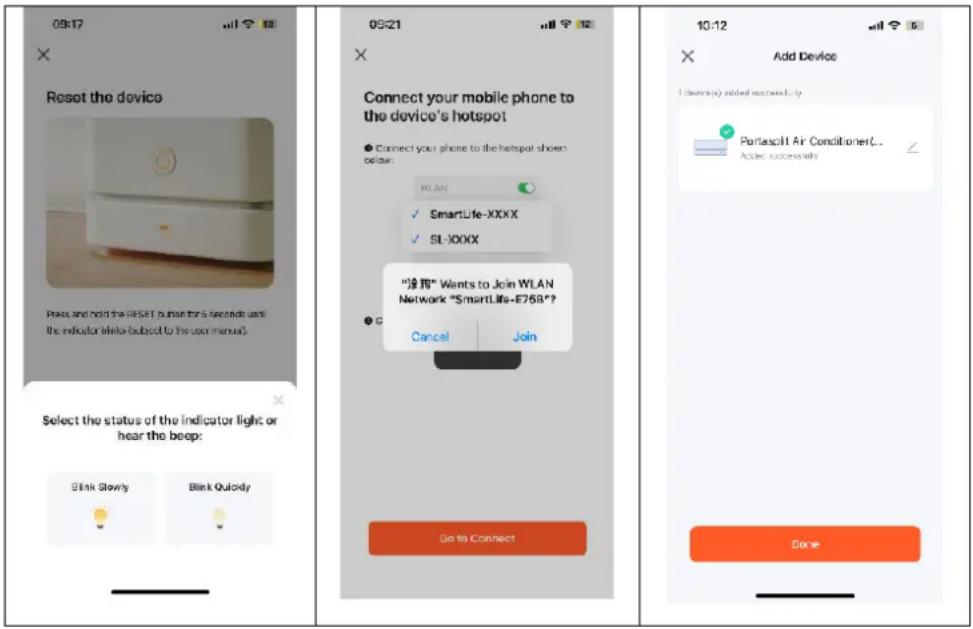
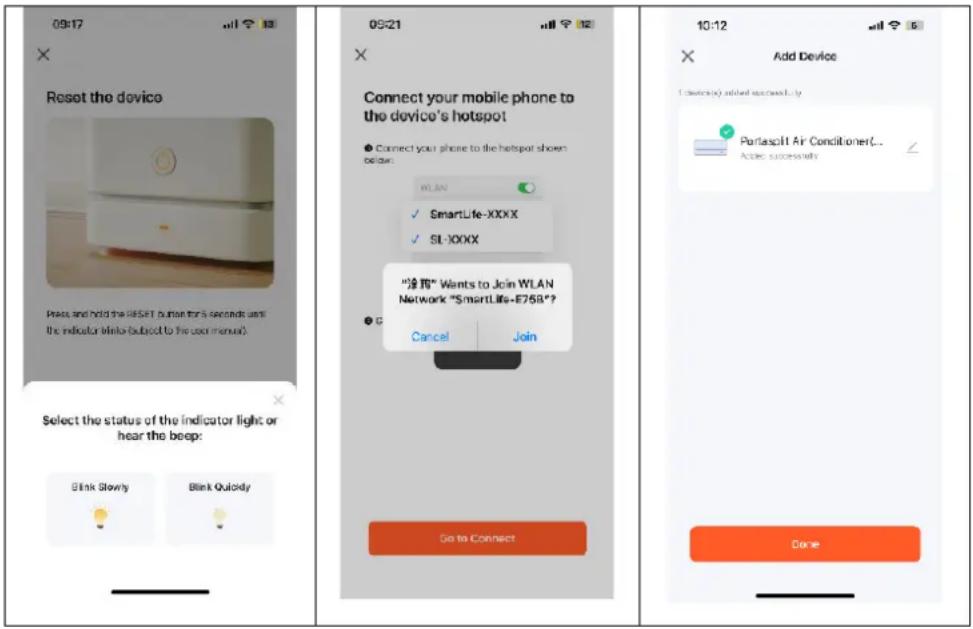
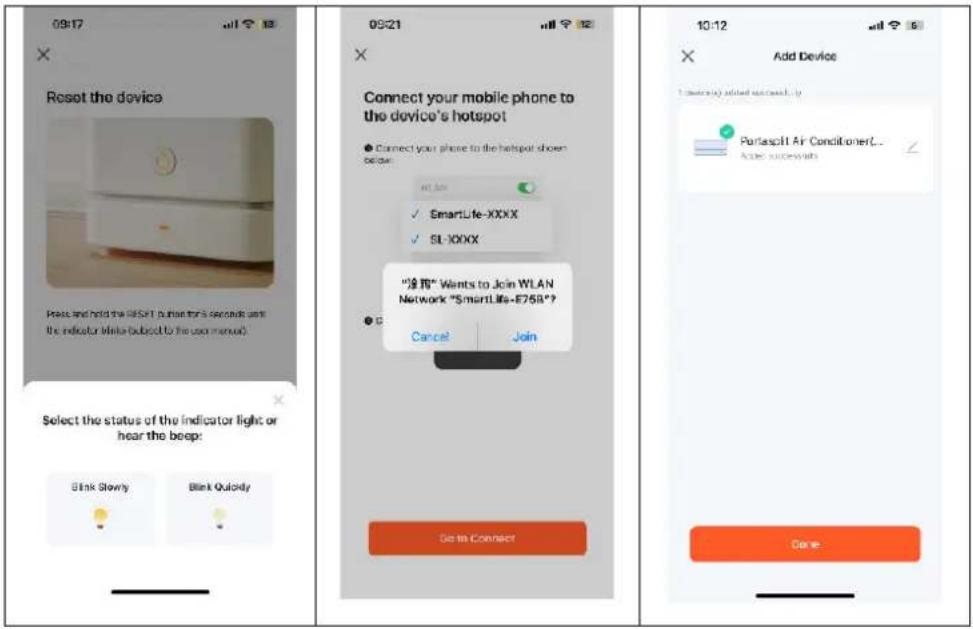
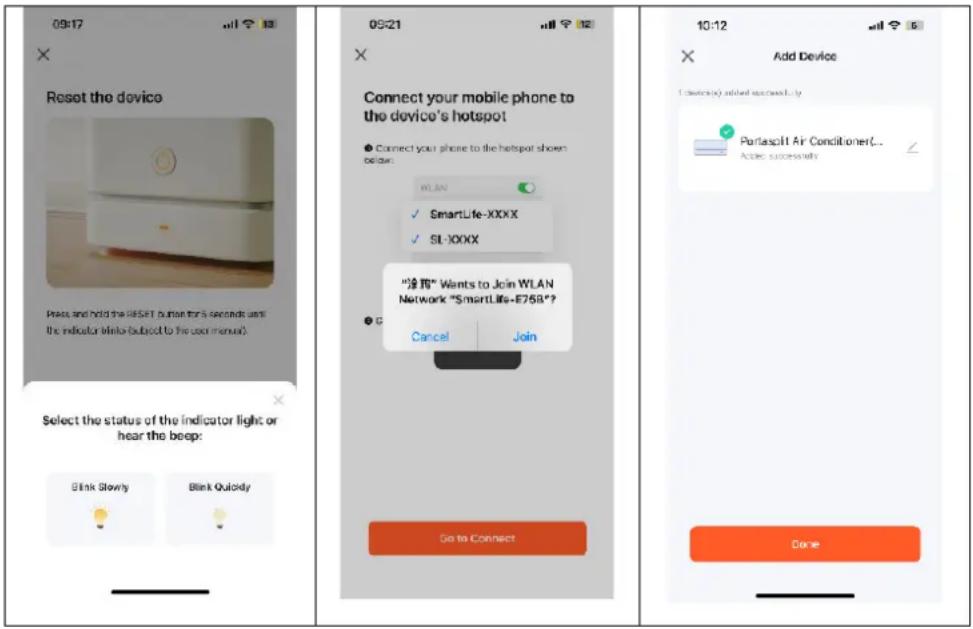
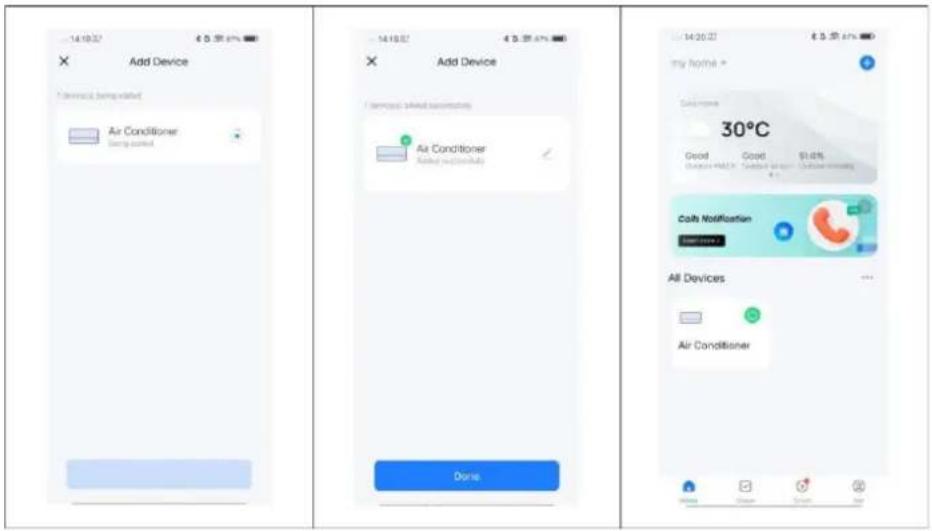
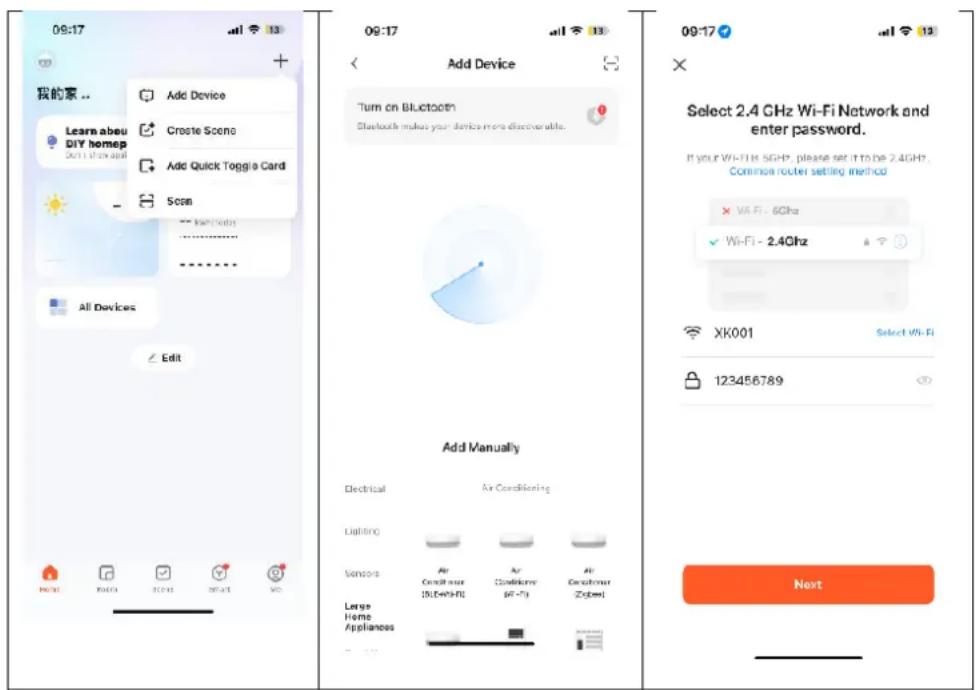
Adding a device manually:
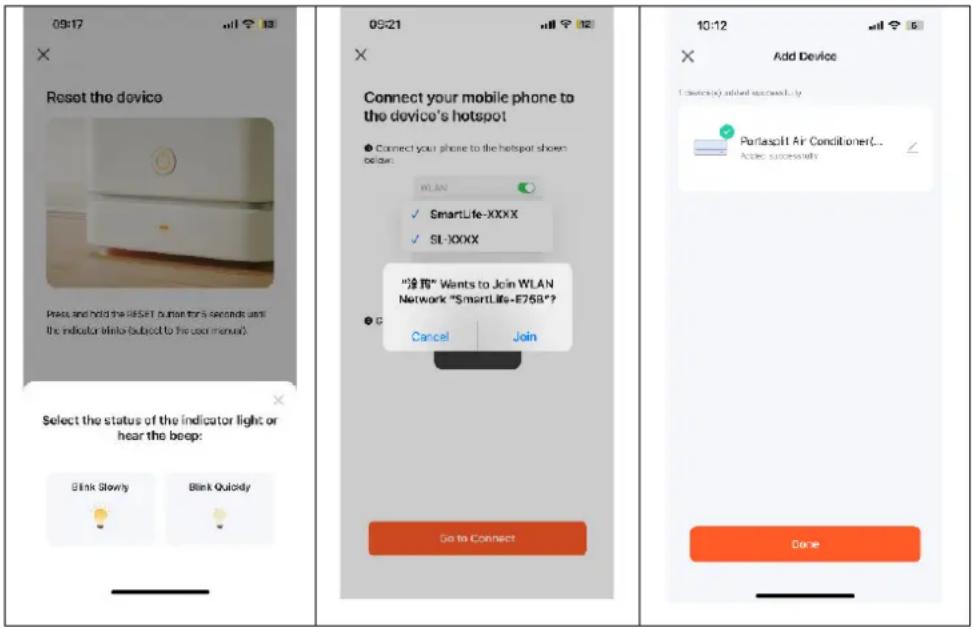
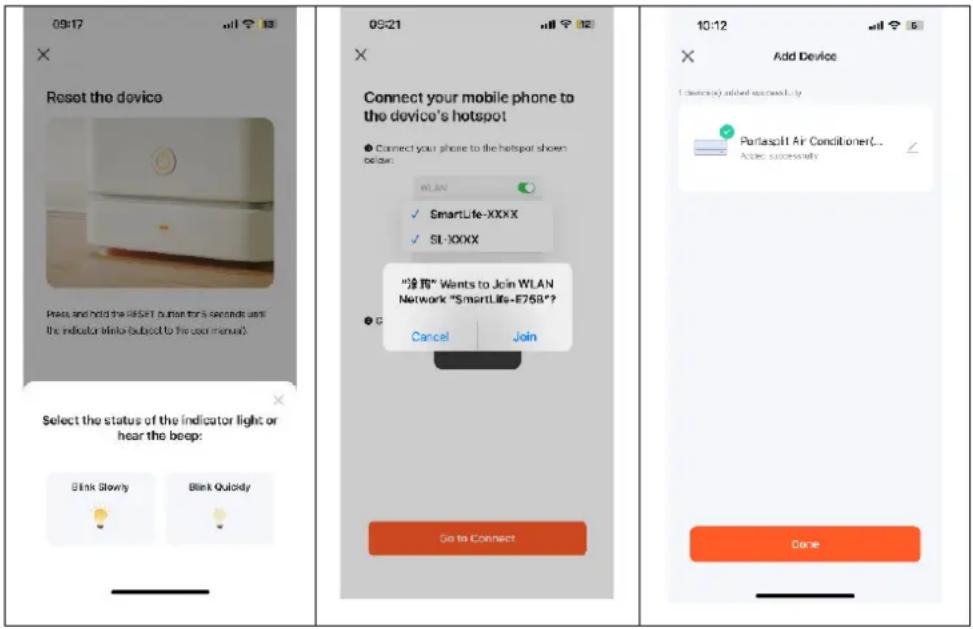
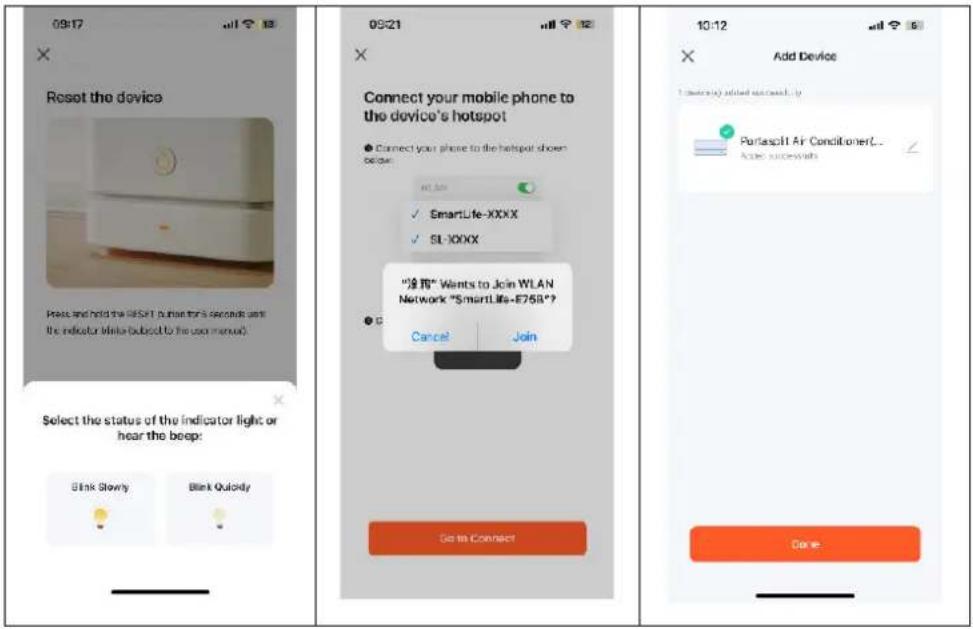
- When the air conditioner is in standby mode, press and hold the FAN button on the control panel for 3 seconds to enter Wi-Fi connection mode. The Wi-Fi signal light will start flashing.
- Open the Smart Home app and tap "+" in the upper right corner to add a new device via the network.
- Make sure the operating light is flashing, tap "Confirm" that the light is flashing, and follow the instructions on the screen.
- Select the Wi-Fi network (note: the network must be in the 2.4 GHz band) and enter the password. The device will start the pairing process and connect to the app.
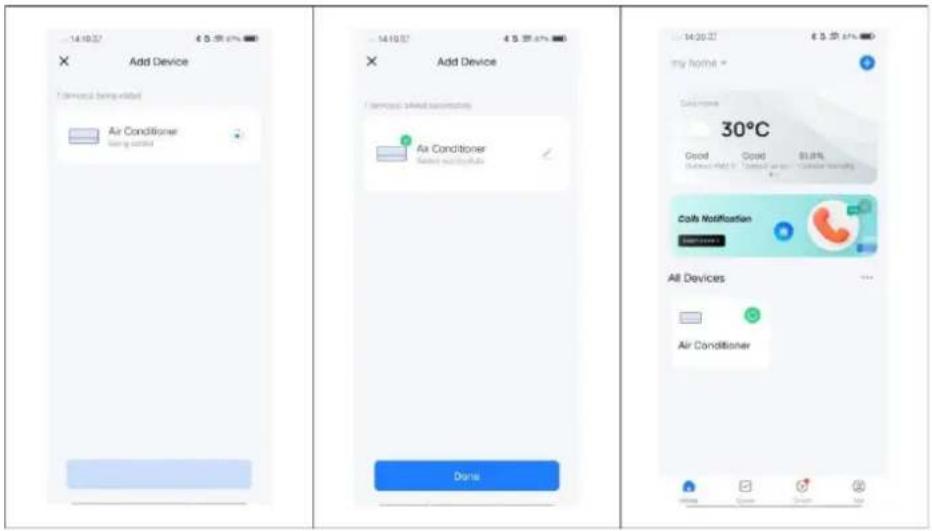
- Once the device has been successfully configured, the air conditioner will be displayed on the Smart Home page. Tap on it to access the device controls.
text_image
09:17 Add Device Turn on Bluetooth Bluetooth makes your device more discoverable. 09:17 Add Manually Electrical Air Conditioning Digitaling Sensors Air Credit-in (10.0m²+FE) Air Cloudinery (6.0°) Air Desktop (25mm) Large Home Appliances Select 2.4 GHz Wi-Fi Network and enter password. If your Wi-Fi is SGHz, please set it to be 2.4GHz. Common router setting method Wi-Fi - 6GHz Wi-Fi - 2.4GHz XK001 Select Wi-Fi 123456789 NextBE COOL
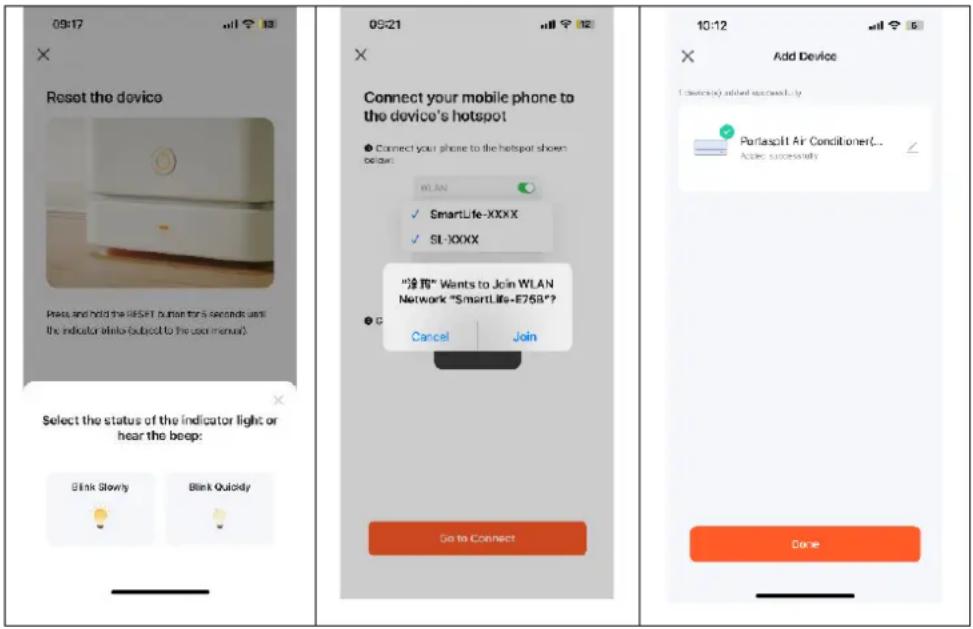
text_image
09:17 Reset the device Press and hold the RESET button for 5 seconds until the indicator thinks (subject to the user menu) Select the status of the indicator light or hear the beep: Blink Slowly Blink Quickly 09:21 Connect your mobile phone to the device's hotspot Connect your phone to the hotspot shows beep: WLAN ✓ SmartLife-XXXX ✓ SL-XXXX "请用" Wants to Join WLAN Network "SmartLife-E768"? Cancel Join Go to Connect 10:12 Add Device (Switch) added successfully Portasoft Air Conditioner(... Adds successfully) DoneAdding a device automatically
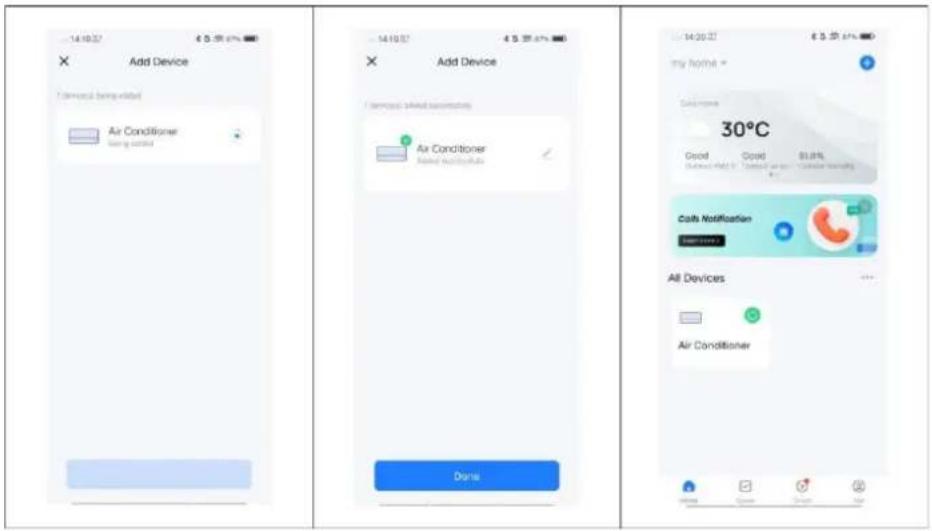
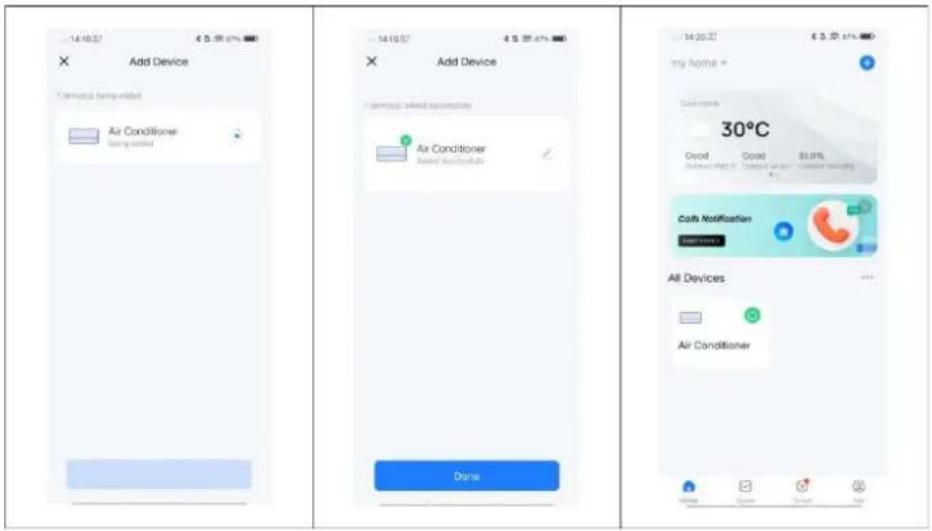
- Make sure the device is in standby mode before connecting.
- Press the "FAN" button for 3 seconds to switch to Wi-Fi connection mode, and the Wi-Fi signal light will start flashing.
■ Activate Bluetooth on your phone. - Open the app and wait a moment until the device is automatically detected and displayed.
- Click the "Add" button to connect.
- Enter the WiFi SSID (WiFi connection name), enter the WiFi password, and click "Next" to continue with the setup. (Note: The network must be in the 2.4 GHz band.)
- When the progress bar is complete, the device pairing interface will be displayed and the device will be successfully connected.
- Click the "Done" button to go to the device control interface.
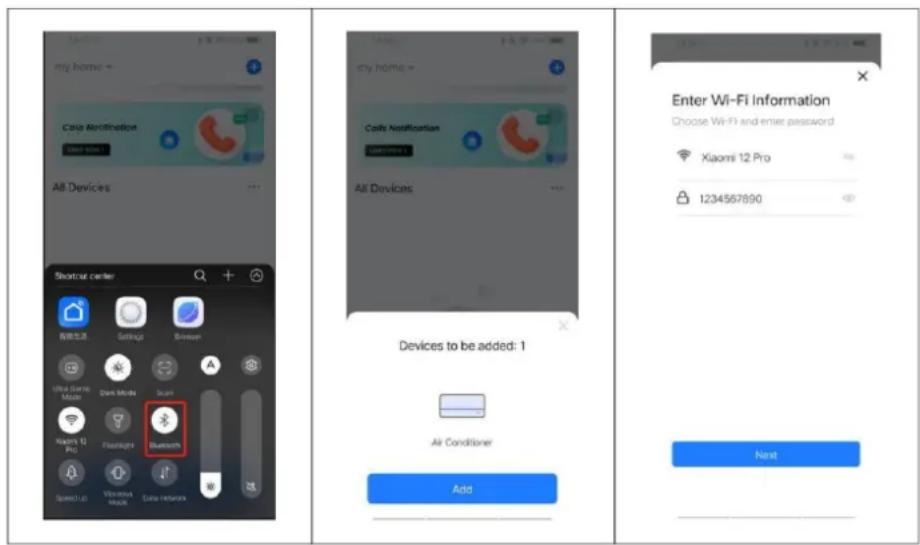
text_image
my home Cable Notification User mini All Devices Shortcut center 智能生活 Settings Browse Ultra Garden Mode Dark Mode Scan Kiaomi 12 Pro Flashlight Bluetooth Speed:0.0 Virenet Music Data retention Ally My home Cable Notification User mini All Devices Devices to be added: 1 Air Conditioner Add Enter Wi-Fi Information Choose Wi-Fi and enter password Xiaomi 12 Pro 1234567890 NextBE COOL
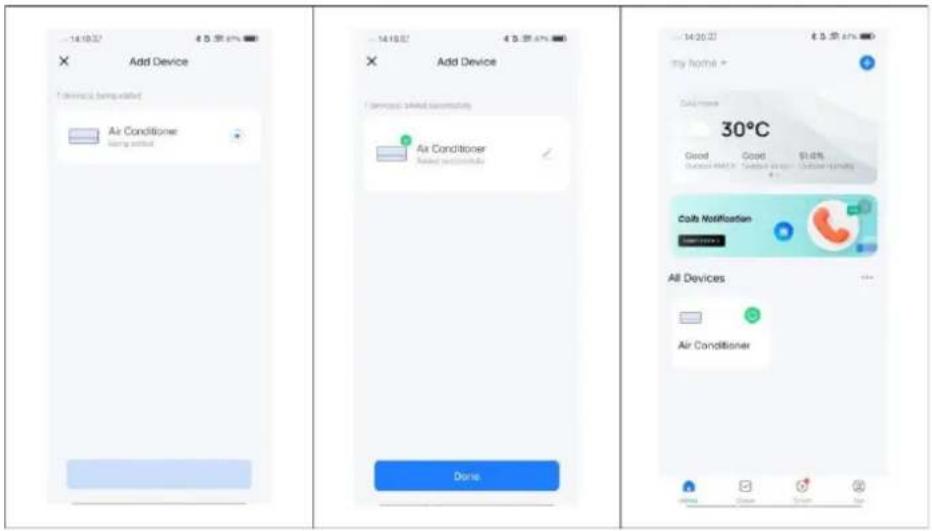
text_image
Add Device Air Conditioner Existing protocol Done Add Device Air Conditioner Existing protocol Done 14:10:27 € 5.37 € 6% 14:10:27 € 5.37 € 6% 14:20:27 € 5.37 € 6% My Name * Cash Move 30°C Good Good $1.0% Outlook HAT$ Coupon on the Cash Notification All Devices Air ConditionerThe application also works with Amazon Alexa and Google Assistant.

WORKS WITH amazon alexa

works with the Google Assistant
| Technical Specifications WiFi | |
| Wireless technology: | WiFi (WLAN) |
| Radio operating frequency | 2412MHz-2472MHz |
| BLE operating frequency | 2402 MHz–2480 MHz |
| Modulation type | 802.11b: DSSS802.11g: OFDM802.11n (20 MHz): OFDM |
| Fixed frequency software | SecureCRT.exe |
| Antenna gain | 2.5 dBi |
| Antenna type | PCB |
| Transmission power | :520dBm |
BE COOL
COMMON FAILURES AND DIAGNOSIS
INTELLIGENT ERROR DETECTION
| Error-detecting code | Multi-functional defection |
| E1 | Error of the coil's temperature sensor |
| E2 | Error of indoor temperature sensor |
| E4 | Anti-freezing protection: temperature of the coil is too low and the whole A/C is off. When temperature exceeds 8°C, the protection is released and previous working state is recovered. |
TROUBLE-SHOOTING
In case of any of the following trouble, please contact professional maintenance personnel time.
| TROUBLE | CAUSE | SOLUTION |
| The A/C doesn’t work | Not plug in | Plug in |
| The display panel displays “FL” | Restart the A/C after power off and draining, then it will become normal | |
| Time OFF function is started | The A/C can be restarted 3 minutes after being turning off. | |
| The A/C starts frequently | Direct sunlight | Draw the curtain |
| Doors and windows keep open; there are lots of people or heat source in room | Close doors and windows, removeheat source | |
| Filter screen is very dirty | Clean or replace it | |
| Air inlet or air outlet is blocked | Remove the stem | |
| Big noise of the A/C | The A/C is placed unevenly | Place it at even and firm ground, avoid shaking |
| The compressor doesn’t work | Its delay protection is started | Wait for 3min., turn on it after temperature decreases |
Notice: When there is any abnormal to the A/C, turn it off and unplug, and then contact professional maintenance personnel.
The above technical parameters are subject to change without notice.
BE COOL
| Technical information | |
| Item no. | BC12KL2201FW |
| Cooling performance | 12.000Btu |
| Max. power consumption | 1370W |
| Input voltage | 220-240V~ |
| Frequency | 50Hz |
| WIFI transmission frequency | 2,4GHz |
| Transmitting power: | max. 100mW |
| Refrigerant/capacity/GWP | R290/0.215kg/3 |
| EER energy efficiency | 2.6 |
| Energy efficiency class | A |
| Air circulation | 350m3/h |
| Noise level (sound power level) | 65dB |
| Weight | 29kg |
| Measurements | 443x830x340 mm |
| Contact addresses for further information | Schuss Home Electronic GmbH Scheringgasse 3, A-1140 Wien Tel: +43 (1) 97 0 21 - 0 Serviceline: +43 (1) 97 0 21 - 502 www.becool.at FB-Nr: 236974 t / FB-Gericht: Wien |
BE COOL
| Requirements for information on single-pipe and two-pipe air conditioners | P | ||
| Information identifying the model(s) to which the information relates: | |||
| Description | Symbol | Value | Unit |
| Rated cooling capacity | P_rated for cooling | 3,420 | kW |
| Rated capacity for heating | P_rated for heating | - | kW |
| Nominal power consumption for cooling | P_EER | 0.963 | kW |
| Nominal power consumption for heating | P_COP | - | kW |
| Nominal energy efficiency ratio | EER_d | 2.62 | - |
| Nominal coefficient of performance | COP_d | - | - |
| Information identifying the model(s) to which the information relates [please complete]: | |||
| Description | Symbol | Value | Unit |
| Power consumption in thermostat off mode | P_TO | N/A | W |
| Power consumption in standby P mode | P_SB | 0.44 | W |
| Power consumption of devices with one or two channels (specify separately for cooling and heating) | Q_SD | SD: 1.303 (cooling) | kWh/h |
| Sound power level | L_WA | 63 | dB(A) |
| Global warming potential | GWP | 3 | kgCO2 eq. |
| Contact details for further information | Schuss Home Electronic GmbH Scheringgasse 3 1140 Vienna, Austria Tel.: +43 (1) 97 0 21 - 0 www.becool.at | ||
BE COOL
WARRANTY
By purchasing a BE COOL quality product you have acquired an innovative, long lasting and reliable item.
For this BE COOL device we grant a warranty of 2 years from the date of purchase, valid in Austria only.
In the unlikely event that service work is required on your device in this period we warrant free repair (spare parts and labour) or (subject to Schuss's decision) to replace the product. In the event that neither repair nor exchange make sense from an economical perspective we reserve the right to issue a credit based on current value.
When dealing with air conditioning devices you should always contact the customer hotline first (see label on the device or the title page of the instruction manual), in case of fans contact your dealer or us directly. Please note that repair not performed by the authorised workshop in Austria immediately renders this warranty void.
This warranty does not include:
• Repair of replacement of parts due to normal wear
- Damage due to non-compliance with the instruction manual
• Devices that are used commercially – even in part
• Devices damaged by external forces (falling, impact, cracking, improper use etc.) as well as aesthetic wear
• Devices that have been used improperly
• Devices that were not opened by our authorised workshop.
- Damages caused by improperly closed condensation drains on air conditioning devices or improperly inserted water container.
- Unfulfilled customer expectations.
• Damage caused by force majeure, water, lightning and overvoltage.
• Devices on which type denomination and/or serial number on the device have been erased, rendered illegible or removed.
- Service work not performed by our authorised workshops, transport costs to an authorised workshop or us and back as well as associated risks.
Please note that within the warranty period we charge a flat rate of 60 € (indexed as per consumer price index 2010, June 2015) in case of operating errors or if no fault can be found.
The total warranty period of 2 years is not extended if warranty service is performed (repair or device replacement).
The 2 year warranty is only valid if the original invoice (must contain name and address of the dealer as well as full device name) and the respective warranty certificate are produced, on which the device type and serial number (can be found on the box and the device's rear or bottom) are to be noted! Only the statutory warranty coverage applies if the warranty certificate cannot be produced!
Please note that the statutory warranty coverage is not altered by this warranty and that it applies in full regardless.
Schuss Home Electronic GmbH and its vicarious agents are only liable for damages in case of gross negligence or intent. Liability for loss of profit, expected but not incurred savings, consequential damages and damages from third party claims is excluded in any case. Damages to or for recorded data are always excluded from the liability for damages.
Congratulations on your choice. We hope you will enjoy using your BE COOL device!
ADDRESS
Schuss Home Electronic GmbH
1140 Vienna, Scheringgasse 3
Tel.: +43 (0)1/ 970 21
Type designation: ....
Serial number: ....
Together with the device, this warranty certificate must be handed to the authorised workshop or dealer you bought the device from in the event of a warranty claim!
BE COOL
WICHTIG!
These instructions are only for the BE COOL-Service center!

A Service or repairing of the device must only be performed by a qualified technician who is allowed to handle the R290 refrigerant.
Do not attempt to repair or open the case of the air conditioner yourself, this leads to the immediate loss oft he warranty.
INSTRUCTIONS FOR REPAIRING APPLIANCES CONTAINING R290
1 GENERAL INSTRUCTIONS
1.1 Checks to the area
Prior to beginning work on systems containing flammable refrigerants, safety checks are necessary to ensure that the risk of ignition is minimized. For repair to the refrigerating system, the following precautions shall be complied with prior to con-ducting work on the system.
1.2 Work procedure
Work shall be undertaken under a controlled procedure so as to minimize the risk of a flammable gas or vapor being present while the work is being performed.
1.3 General work area
All maintenance staff and others working in the local area shall be instructed on the nature of work being carried out. Work in confined spaces shall be avoided. The area around the workspace shall be sectioned off. Ensure that the conditions within the area have been made safe by control of flammable material.
1.4 Checking for presence of refrigerant
The area shall be checked with an appropriate refrigerant detector prior to and during work, to ensure the technician is aware of potentially flammable atmospheres. Ensure that the leak section equipment being used is suitable for use with flammable refrigerants, i.e. non sparking, adequately sealed or intrinsically safe.
1.5 Presence of fire extinguisher
If any hot work is to be conducted on the refrigeration equipment or any associated parts, appropriate fire extinguishing equipment shall be available to hand. Have a dry powder or CO 2 fire extinguisher adjacent to the charging area.
1.6 No ignition sources
No person carrying out work in relation to a refrigeration system which involves exposing any pipe work that contains or has contained flammable refrigerant shall use any sources of ignition in such a manner that it may lead to the risk
BE COOL
of fire or explosion. All possible ignition sources, including ecigarette smoking, should be kept sufficiently far away from the site of installation, repairing, removing and disposal, during which flammable refrigerant can possibly be released to the surrounding space. Prior to work taking place, the area around the equipment is to be surveyed to make sure that there are no flammable hazards or ignition risks. "No Smoking" signs shall be displayed.
1.7 Ventilated area
Ensure that the area is in the open or that it is adequately ventilated before breaking into the system or conducting any hot work. A degree of ventilation shall continue during the period that the work is carried out. The ventilation should safely disperse any released refrigerant and preferably expel it externally into the atmosphere.
1.8 Checks to the refrigeration equipment
Where electrical components are being changed, they shall be fit for the purpose and to the correct specification. At all times the manufacturer's maintenance and service guidelines shall be followed. If in doubt consult the manufacturer's technical department for assistance. The following checks shall be applied to installations using flammable refrigerants: the charge size is in accordance with the room size within which the refrigerant containing parts are installed; the ventilation machinery and outlets are operating adequately and are not obstructed; if an indirect refrigerating circuit is being used, the secondary circuit shall be checked for the presence of refrigerant; marking to the equipment continues to be visible and legible. Markings and signs that are illegible shall be corrected; refrigeration pipe or components are installed in a position where they are unlikely to be exposed to any substance which may corrode refrigerant containing components, unless the components are constructed of materials which are inherently resistant to being corroded or are suitably protected against being so corroded.
1.9 Checks to electrical devices
Repair and maintenance to electrical components shall include initial safety checks and component inspection procedures. If a fault exists that could compromise safety, then no electrical supply shall be connected to the circuit until it is satisfactorily dealt with. If the fault cannot be corrected immediately but it is necessary to continue operation, an adequate temporary solution shall be used. This shall be reported to the owner of the equipment so all parties are advised.
Initial safety checks shall include: Those capacitors are discharged: this shall be done in a safe manner to avoid possibility of sparking; that there no live electrical components and wiring are exposed while charging, recovering or purging the system; that there is continuity of earth bonding.
2 REPAIRS TO SEALED COMPONENTS
2.1 During repairs to sealed components, all electrical supplies shall be disconnected from the equipment being worked upon prior to any removal of sealed covers, etc. If it is absolutely necessary to have an electrical supply to equipment during servicing, then a permanently operating form of leak detection shall be located at the most critical point to warn of a potentially hazardous situation.
2.2 Particular attention shall be paid to the following to ensure that by working on electrical components, the casing is not altered in such a way that the level of protection is affected.
This shall include damage to cables, excessive number of connections, terminals not made to original specification, damage to seals, incorrect fitting of glands, etc. Ensure that apparatus is mounted securely. Ensure that seals or sealing materials have not degraded such that they no longer serve the purpose of preventing the ingress of flammable atmospheres. Replacement parts shall be in accordance with the manufacturer's specifications.
NOTE The use of silicon sealant may inhibit the effectiveness of some types of leak detection equipment. Intrinsically safe components do not have to be isolated prior to working on them.
3 REPAIR TO INTRINSICALLY SAFE COMPONENTS
Do not apply any permanent inductive or capacitance loads to the circuit without ensuring that this will not exceed the permissible voltage and current permitted for the equipment in use.
Intrinsically safe components are the only types that can be worked on while live in the presence of a flammable atmosphere. The test apparatus shall be at the correct rating. Replace components only with parts specified by the manufacturer. Other parts may result in the ignition of refrigerant in the atmosphere from a leak.
4 CABLING
BE COOL
Check that cabling will not be subject to wear, corrosion, excessive pressure, vibration, sharp edges or any other adverse environmental effects. The check shall also take into account the effects of aging or continual vibration from sources such as compressors or fans.
5 DETECTION OF FLAMMABLE REFRIGERANTS
Under no circumstances shall potential sources of ignition be used in the searching for or detection of refrigerant leaks. A halide torch (or any other detector using a naked flame) shall not be used.
6 LEAK DETECTION METHODS
The following leak detection methods are deemed acceptable for systems containing flammable refrigerants. Electronic leak detectors shall be used to detect flammable refrigerants, but the sensitivity may not be adequate, or may need recalibration. (Detection equipment shall be calibrated in a refrigerant-free area.) Ensure that the detector is not a potential source of ignition and is suitable for the refrigerant used. Leak detection equipment shall be set at a percentage of the LFL of the refrigerant and shall be calibrated to the refrigerant employed and the appropriate percentage of gas (25 % maximum) is confirmed. Leak detection fluids are suitable for use with most refrigerants but the use of detergents containing chlorine shall be avoided as the chlorine may react with the refrigerant and corrode the copper pipe-work. If a leak is suspected, all naked flames shall be removed/extinguished. If a leakage of refrigerant is found which requires brazing, all of the refrigerant shall be recovered from the system, or isolated (by means of shut off valves) in a part of the system remote from the leak. Oxygen free nitrogen (OFN) shall then be purged through the system both before and during the brazing process.
7 REMOVAL AND EVACUATION
When breaking into the refrigerant circuit to make repairs – or for any other purpose – conventional procedures shall be used. However, it is important that best practice is followed since flammability is a consideration. The following procedure shall be adhered to: remove refrigerant; purge the circuit with inert gas; evacuate; purge again with inert gas; open the circuit by cutting or brazing. The refrigerant charge shall be recovered into the correct recovery cylinders. The system shall be “flushed” with OFN to render the unit safe. This process may need to be repeated several times. Compressed air or oxygen shall not be used for this task. Flushing shall be achieved by breaking the vacuum in the system with OFN and continuing to fill until the working pressure is achieved, then venting to atmosphere, and finally pulling down to a vacuum. This process shall be repeated until no refrigerant is within the system. When the final OFN charge is used, the system shall be vented down to atmospheric pressure to enable work to take place. This operation is absolutely vital if brazing operations on the pipework are to take place.
Ensure that the outlet for the vacuum pump is not close to any ignition sources and there is ventilation available.
8 CHARGING PROCEDURES
In addition to conventional charging procedures, the following requirements shall be followed.
- Ensure that contamination of different refrigerants does not occur when using charging equipment. Hoses or lines shall be as short as possible to minimize the amount of refrigerant contained in them.
- Cylinders shall be kept upright.
- Ensure that the refrigeration system is earthed prior to charging the system with refrigerant.
- Label the system when charging is complete (if not already).
- Extreme care shall be taken not to overfill the refrigeration system.
- Prior to recharging the system it shall be pressure tested with OFN. The system shall be leak Tested on completion of charging but prior to commissioning. A follow up leak test shall be Carried out prior to leaving the site.
9 DECOMMISSIONING
Before carrying out this procedure, it is essential that the technician is completely familiar with the equipment and all its detail. It is recommended good practice that all refrigerants are recovered safely. Prior to the task being carried out, an oil and refrigerant sample shall be taken in case analysis is required prior to re-use of reclaimed refrigerant. It is essential that electrical power is available before the task is commenced.
- Become familiar with the equipment and its operation.
- Isolate system electrically.
- Before attempting the procedure ensure that :mechanical handling equipment is available, if required, for handling refrigerant cylinders; all personal protective equipment is available and being used correctly; the recovery process is supervised at all times by a competent person; recovery equipment and cylinders conform to the appropriate standards.
BE COOL
- Pump down refrigerant system, if possible.
- If a vacuum is not possible, make a manifold so that refrigerant can be removed from various parts of the system.
- Make sure that cylinder is situated on the scales before recovery takes place.
- Start the recovery machine and operate in accordance with manufacturer's instructions.
- Do not overfill cylinders. (No more than 80 % volume liquid charge).
- Do not exceed the maximum working pressure of the cylinder, even temporarily.
- When the cylinders have been filled correctly and the process completed, make sure 11. that the cylinders and the equipment are removed from site promptly and all isolation
- valves on the equipment are closed off.
- Recovered refrigerant shall not be charged into another refrigeration system
- unless it has been cleaned and checked.
10 LABELLING
Equipment shall be labelled stating that it has been de-commissioned and emptied of refrigerant. The label shall be dated and signed. Ensure that there are labels on the equipment stating the equipment contains flammable refrigerant.
11 RECOVERY
When removing refrigerant from a system, either for servicing or decommissioning, it is recommended good practice that all refrigerants are removed safely. When transferring refrigerant into cylinders, ensure that only appropriate refrigerant recovery cylinders are employed. Ensure that the correct number of cylinders for holding the total system charge is available. All cylinders to be used are designated for the recovered refrigerant and labelled for that refrigerant (i.e. special cylinders for the recovery of refrigerant). Cylinders shall be complete with pressure relief valve and associated shut-off valves in good working order. Empty recovery cylinders are evacuated and, if possible, cooled before recovery occurs.
The recovery equipment shall be in good working order with a set of instructions concerning the equipment that is at hand and shall be suitable for the recovery of flammable refrigerants. In addition, a set of calibrated weighing scales shall be available and in good working order. Hoses shall be complete with leak-free disconnect couplings and in good condition. Before using the recovery machine, check that it is in satisfactory working order, has been properly maintained and that any associated electrical components are sealed to prevent ignition in the event of a refrigerant release. Consult manufacturer if in doubt.
The recovered refrigerant shall be returned to the refrigerant supplier in the correct recovery cylinder, and the relevant Waste Transfer Note arranged. Do not mix refrigerants in recovery units and especially not in cylinders.
If compressors or compressor oils are to be removed, ensure that they have been evacuated to an acceptable level to make certain that flammable refrigerant does not remain within the lubricant. The evacuation process shall be carried out prior to returning the compressor to the suppliers. Only electric heating to the compressor body shall be employed to accelerate this process. When oil is drained from a system, it shall be carried out safely.
Competence of service personnel
General
Special training additional to usual refrigerating equipment repair procedures is required when equipment with flammable refrigerants is affected.
In many countries, this training is carried out by national training organizations that are accredited to teach the relevant national competency standards that may be set in legislation. The achieved competence should be documented by a certificate.
Training
The training should include the substance of the following:
Information about the explosion potential of flammable refrigerants to show that flammables may be dangerous when handled without care.
Information about potential ignition sources, especially those that are not obvious, such as lighters, light switches, vacuum cleaners, electric heaters.
Information about the different safety concepts:
Unventilated – (see Clause GG.2) Safety of the appliance does not depend on ventilation of the housing. Switching off the appliance or opening of the housing has no significant effect on the safety. Nevertheless, it is possible that
BE COOL
leaking refrigerant may accumulate inside the enclosure and flammable atmosphere will be released when the enclosure is opened.
Ventilated enclosure – (see Clause GG.4) Safety of the appliance depends on ventilation of the housing. Switching off the appliance or opening of the enclosure has a significant effect on the safety. Care should be taken to ensure a sufficient ventilation before.
Ventilated room – (see Clause GG.5) Safety of the appliance depends on the ventilation of the room. Switching off the appliance or opening of the housing has no significant effect on the safety. The ventilation of the room shall not be switched off during repair procedures. Information about the concept of sealed components and sealed enclosures according to IEC 60079-15:2010.
Information about the correct working procedures:
1. Commissioning
o Ensure that the floor area is sufficient for the refrigerant charge or that the ventilation duct is assembled in a correct manner.
o Connect the pipes and carry out a leak test before charging with refrigerant.
o Check safety equipment before putting into service.
2. Maintenance
o Portable equipment shall be repaired outside or in a workshop specially equipped for servicing units with flammable refrigerants.
o Ensure sufficient ventilation at the repair place.
o Be aware that malfunction of the equipment may be caused by refrigerant loss and a refrigerant leak is possible.
Discharge capacitors in a way that won't cause any spark. The standard procedure to short circuit the capacitor terminals usually creates sparks.
o Reassemble sealed enclosures accurately. If seals are worn, replace them.
o Check safety equipment before putting into service.
3. Repair o Portable equipment shall be repaired outside or in a workshop specially equipped for servicing units with flammable refrigerants.
o Ensure sufficient ventilation at the repair place.
o Be aware that malfunction of the equipment may be caused by refrigerant loss and a refrigerant leak is possible.
o Discharge capacitors in a way that won't cause any spark.
When brazing is required, the following procedures shall be carried out in the right order:
- Remove the refrigerant. If the recovery is not required by national regulations, drain the refrigerant to the outside. Take care that the drained refrigerant will not cause any danger. In doubt, one person should guard the outlet. Take special care that drained refrigerant will not float back into the building.
• Evacuate the refrigerant circuit. - Purge the refrigerant circuit with nitrogen for 5 min.
- Evacuate again.
- Remove parts to be replaced by cutting, not by flame.
• Purge the braze point with nitrogen during the brazing procedure. - Carry out a leak test before charging with refrigerant.
• Reassemble sealed enclosures accurately. If seals are worn, replace them. - Check safety equipment before putting into service.
4. Decommissioning o If the safety is affected when the equipment is put out of service, the refrigerant charge shall be removed before decommissioning.
o Ensure sufficient ventilation at the equipment location.
o Be aware that malfunction of the equipment may be caused by refrigerant loss and a refrigerant leak is possible.
o Discharge capacitors in a way that won't cause any spark.
o Remove the refrigerant. If the recovery is not required by national regulations, drain the refrigerant to the outside. Take care that the drained refrigerant will not cause any danger. In doubt, one person should guard the outlet. Take special care that drained refrigerant will not float back into the building.
o Evacuate the refrigerant circuit.
o Purge the refrigerant circuit with nitrogen for 5 min.
o Evacuate again.
o Fill with nitrogen up to atmospheric pressure.
o Put a label on the equipment that the refrigerant is removed.
5. Disposal o Ensure sufficient ventilation at the working place.
BE COOL
Remove the refrigerant. If the recovery is not required by national regulations, drain the refrigerant to the outside. Take care that the drained refrigerant will not cause any danger. In doubt, one person should guard the outlet. Take special care that drained refrigerant will not float back into the building.
o Evacuate the refrigerant circuit.
o Purge the refrigerant circuit with nitrogen for 5 min.
o Evacuate again.
o Cut out the compressor and drain the oil.
Transportation, marking and storage for units that employ flammable refrigerants
Transport of equipment containing flammable refrigerants
Attention is drawn to the fact that additional transportation regulations may exist with respect to equipment containing flammable gas. The maximum number of pieces of equipment or the configuration of the equipment, permitted to be transported together will be determined by the applicable transport regulations.
Marking of equipment using signs
Signs for similar appliances used in a work area generally are addressed by local regulations and give the minimum requirements for the provision of safety and/or health signs for a work location.
All required signs are to be maintained and employers should ensure that employees receive suitable and sufficient instruction and training on the meaning of appropriate safety signs and the actions that need to be taken in connection with these signs.
The effectiveness of signs should not be diminished by too many signs being placed together. Any pictograms used should be as simple as possible and contain only essential details.
Disposal of equipment using flammable refrigerants See national regulations.
Storage of equipment/appliances
The storage of equipment should be in accordance with the manufacturer's instructions. Storage of packed (unsold) equipment Storage package protection should be constructed such that mechanical damage to the equipment inside the package will not cause a leak of the refrigerant charge. The maximum number of pieces of equipment permitted to be stored together will be determined by local regulations.
DECLARATION OF CONFORMITY
This declaration of conformity is issued under the sole responsibility of the manufacturer.
Schuss Home Electronic GmbH
Scheringgasse 3
1140 Wien, AUSTRIA
Declares, that the product
Manufacturer
Hersteller
BC12KL2201FW BPPAC12000FW
is conformity with following directives, norms and/or regulations:
DIRECTIVE 2014/53/EU OF THE EUROPEAN PARLIAMENT AND OF THE COUNCILof 16 April 2014
on the harmonisation of the laws of the Member States relating to the making available on the market of radio equipment and repealing Directive 1999/5/EC EU L 153/62 22.5.2014
Article 3.1(a) Safety:
EN 60335-2-40:2003+A11:2004+A12:2005+A1:2006+A2:2009+A13:2012
EN 60335-1:2012+A11:2014+A13:2017+A1:2019+A14:2019+A2:2019
EN62233: 2008
Article 3.1(a) Health:
EN 50665:2017, EN 62311:2020
Article 3.1(b) EMC:
EN 301 489-1 V2.2.3
EN 301 489-17 V3.2.4
EN 55014-1:2017+A11:2020, EN 55014-2:2015
EN IEC 61000-3-2:2019, EN IEC 61000-3-3: 2013+A1:2019
Article 3.2 Radio:
EN 300 328 V2.1.1
EMC Directive (EMC): 2014/30/EU Directive of the European Parliament and of the Council of 26 February 2014 on the harmonisation of the laws of the Member States relating to electromagnetic compatibility; Official Journal of the EU L96, 29/03/2014, p. 79–106
Low Voltage Directive (LVD):2014/35/EU Directive of the European Parliament and of the Council of 26 February 2014 on the harmonisation of the laws of the Member States relating to the making available on the market of electrical equipment designed for use within certain voltage limits; Official Journal of the EU L96, 29/03/2014, p. 357–374
Ökodesign-Richtlinie Energy-Related-Products-Directive (ErP)2009/125/EC;
Official Journal EU L285/10-35 (31.10.2009) and associated regulation 2015/1188
RoHS Directive: 2011/65/EU Directive of the European Parliament and of the Council of 8 June 2011 on the restriction of the use of certain hazardous substances in electrical and electronic equipment; Official Journal of the EU L174, 1/07/2011, p. 88–110
Reach SVHC(EC)NO. 1907/2006 Schuss Home Electronic GmbH hereby confirms that in the products we supply, there are no substances of very high concern (SVHC) in the candidate list (last ECHA update from June 14, 2023, 235 substances) above 0.1% in accordance with Article 33 of the REACH Regulation (EC) No .1907/2006 are included.
Place and date of issue:
Vienna, 2025-11-19
Senior product and purchasing manager i.V.
Name, Funktion / name, function
Unterschrift / signature
Declaration reference:
SCHUSS HOME ELECTRONIC GMBH
Scheringgasse 3, 1140 Wien, AUSTRIA