USER MANUAL SMW 800 F1 SILVERCREST
MICROWAVE / MIKROWELLE / FOUR À MICRO-ONDES SMWC 700 C1
GB IE MT
MICROWAVE
Operating instructions
FR BE CH
FOUR À MICRO-ONDES
Mode d'emploi
CZ
MIKROVLNNÁ TROUBA
Návod k obsluze
SK
MIKROVLNNÁ RÚRA
Návod na obsluhu
DK
MIKROBØLGEOVN
| DE/AT/CH Bedienungsanleitung Seite 37 |
| FR/BE/CH Mode d'emploi Page 69 |
| NL/BE Gebruiksaanwijzing Pagina 105 |
| CZ | Návod k obsluze | Strona | 137 |
| PL | Instrukcja obstugi | Strana 167 | |
| SK | Návod na obsluhu | Strana | 201 |
| ES | Instrucciones de uso | Página | 231 |
| DK | Betjeningsvejledning | Side | 263 |
| IT/MT/CH Istruzioni per l'uso | Pagina 293 | |
| HU | Kezelési útmutató | Oldal | 325 |
| SI | Navodila za uporabo | Stran | 357 |
![graph TD A["17"] --> B["Player"] C["16"] --> D["Player"] E["15"] --> F["Player"] G["12"] --> H["Player"] I["13"] --> J["Player"] K["14"] --> L["Menu"] style A fill:#ccc,stroke:#333 style C fill:#ccc,stroke:#333 style E fill:#ccc,stroke:#333 style G fill:#ccc,stroke:#333 style I fill:#ccc,stroke:#333…](/content/2026/03/506378/images/7ee837ee6d4377786046f087876e265652000d3820b8d101e59dfffbad1383a6.jpg)
1.1. Information about this user manual ....7 1.2. Explanation of symbols 7
2. Proper use ....1
3. Safety instructions ....1
3.1. Setting up and connecting the microwave 11 3.2. Avoiding risk of fire 14 3.3. Safety instructions relating specifically to the use of microwave ovens ....15 3.4. Safety instructions on the heating of liquids 16 3.5. Cleaning and maintaining the appliance ....17
4. Description of components....17
5. Package contents 18
6. Technical specifications....19
8. Cooking and heating up in the microwave oven 20
8.1. Size and shape of microwave-safe containers .....20 8.2. Microwave-suitable materials.....20
9. Before using the appliance for the first time 21
9.1. Setting up the appliance....21 9.2. Cleaning the appliance for the first time 22 9.3. Inserting the glass turntable 22
10. Configuring basic settings....22
10.1. Setting the time 22 10.2. Setting the child lock 22
11. Operation 23
11.1. Quick start....24 11.2. Cooking programme....25 11.3. Cooking table....25 11.4. Defrosting programme 26 11.5. Using multiple programmes....27 11.6. Automatic programme 28 11.7. Interrupting a programme....29 11.8. Display indicators....29 11.9. Setting the timer 30 11.10. End of programme.... 30
12. Energy-saving tips....30
13. Cleaning and care ....30
14. Prolonged non-use and transport 31
SILVERCREST®
- Troubleshooting 31
- Disposal 32
- Legal notice 32
17.1. Information on trademarks 32
- MLAP GmbH Warranty 33
18.1. Conditions of warranty 33 18.2. Warranty period and legal claims for defects 33 18.3. Scope of warranty 33 18.4. Processing of warranty claims 34
- Service 34
19.1. Supplier/Producer/Importer 35
- Privacy statement 35
1. Introduction

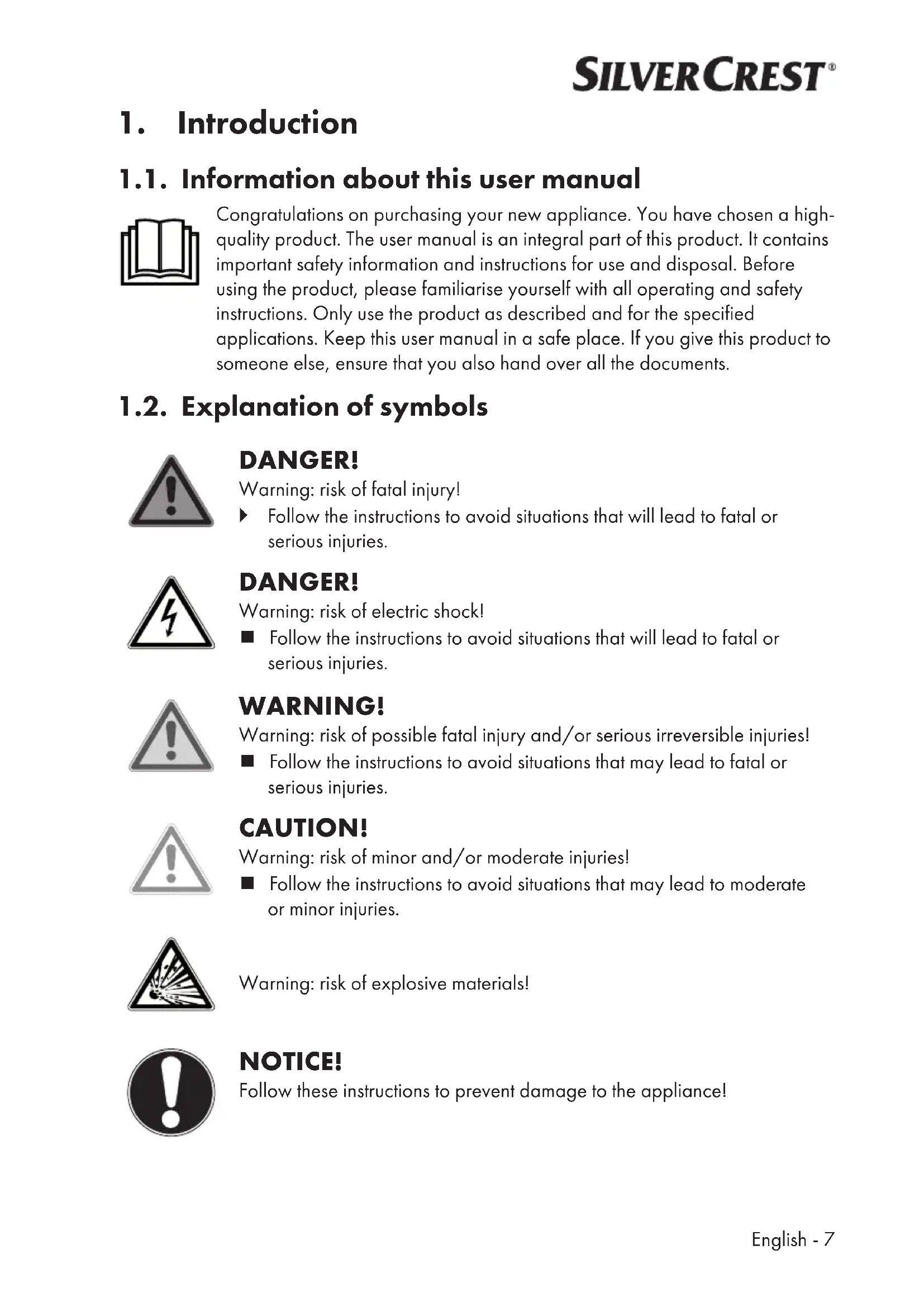
Congratulations on purchasing your new appliance. You have chosen a high-quality product. The user manual is an integral part of this product. It contains important safety information and instructions for use and disposal. Before using the product, please familiarise yourself with all operating and safety instructions. Only use the product as described and for the specified applications. Keep this user manual in a safe place. If you give this product to someone else, ensure that you also hand over all the documents.
1.2. Explanation of symbols
DANGER!
Warning: risk of fatal injury!
▶ Follow the instructions to avoid situations that will lead to fatal or serious injuries.
DANGER!
Warning: risk of electric shock!
■ Follow the instructions to avoid situations that will lead to fatal or serious injuries.
WARNING!
Warning: risk of possible fatal injury and/or serious irreversible injuries!
■ Follow the instructions to avoid situations that may lead to fatal or serious injuries.

CAUTION!
Warning: risk of minor and/or moderate injuries!
Follow the instructions to avoid situations that may lead to moderate or minor injuries.

Warning: risk of explosive materials!

Notice!
Follow these instructions to prevent damage to the appliance!
SILVER CREST®

More detailed information about using the appliance!

Follow the instructions in the user manual!
Instruction to be followed to prevent hazards
• Bullet point/information on steps during operation
Instruction to be carried out
CE labelling
Products that feature this symbol meet the requirements of the EU directives (see chapter entitled "Declaration of conformity").

Tested safety
Products that feature this symbol meet the requirements of the German Product Safety Act.

Symbol for alternating current (AC)

Symbol used in the EU to indicate materials that come into contact with food, such as packaging or appliance surfaces
Packaging material label regarding waste separation
Label includes abbreviations (a) and numbers (b) with the following meaning: 1–7: plastics/20–22: paper and cardboard/80–98: composite materials.

Dispose of packaging in compliance with environmental regulations (see section "Disposal").

The "Triman" symbol tells the consumer that the product can be recycled, is covered by an extended system of manufacturer's responsibility and must be sorted by material type, in France.
Dispose of packaging in compliance with environmental regulations (see section "Disposal").
Dispose of the appliance in compliance with environmental regulations (see section "Disposal").
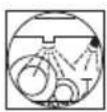
The glass turntable is dishwasher safe.

Packaging marked with this symbol is produced in a particularly resource-efficient and environmentally friendly way.

Automatic programme A-1 Heating

Automatic programme A-2 Vegetables

Automatic programme A-3 Fish

Automatic programme A-4 Meat

Automatic programme A-5 Pasta

Automatic programme A-6 Potatoes

Automatic programme A-7 Pizza

Automatic programme A-8 Soup
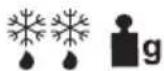
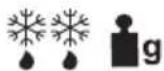
Defrosting programme dEF1 – Weight defrost
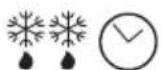
Defrosting programme dEF2 – Time defrost

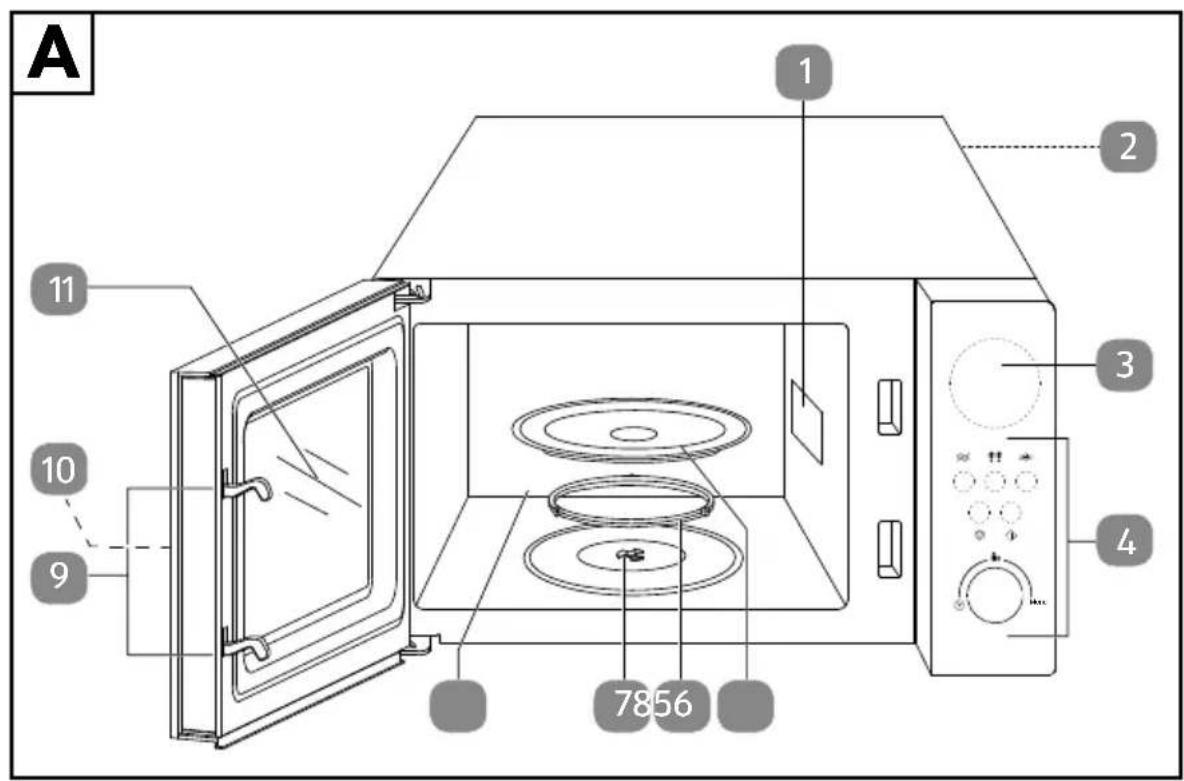
The position numbers after the corresponding appliance components in the text refer to the illustration in section "4. Description of components" on page 17.
SILVERCREST®
2. Proper use
The microwave may only be used for heating up suitable food in suitable cooking containers and suitable dishes. Do not use the appliance outdoors!
This appliance is designed for use in private households and similar household applications, such as
- in kitchens for staff in retail outlets, offices and other commercial areas • on agricultural estates • by customers in hotels, motels and other accommodation facilities • in bed-and-breakfast establishments.
The manufacturer accepts no liability for damages if the appliance is used for commercial purposes or for any purpose other than the purpose specified above.
■ Please note that we shall not be liable in cases of improper use.
■ Comply with all the information in this user manual, especially the safety instructions. Any other use is considered improper and can cause personal injury or property damage.
3. Safety instructions
IMPORTANT SAFETY INSTRUCTIONS – READ CAREFULLY AND KEEP FOR FUTURE REFERENCE!

WARNING!
Risk of injury!
There is a risk of injury to children and persons with limited physical, sensory or mental abilities (for example, partially disabled people or older people with limited physical and mental abilities) or to those without experience and knowledge (such as older children).
- Keep the appliance and its accessories out of the reach of children.
This appliance can be used by children over the age of 8 and by persons with reduced physical, sensory or mental abilities
SILVERCREST®
or by those without experience and/or knowledge, if they are supervised or have been instructed in the safe use of the appliance and have understood the dangers that result from it.
■ Children must not be allowed to play with the appliance. ■ Cleaning and user maintenance must not be carried out by children unless they are supervised. ■ Children younger than 8 must be kept away from the appliance and the mains cable.

DANGER!
Risk of injury!
There is a risk of choking and suffocation due to swallowing or inhaling small parts or plastic wrap.
- Keep all packaging materials used (bag, pieces of polystyrene etc.) out of reach of children. ■ Do not allow children to play with the packaging material.
3.1. Setting up and connecting the microwave
WARNING!
Warning: risk of electric shock!
There is a risk of electric shock due to live parts.
Before using the appliance for the first time and after each use, check the microwave oven and the mains cable for damage.
Do not use the microwave if you notice that it, or the mains cable, is damaged.
Make sure that the mains cable is not damaged and does not run underneath the microwave or over hot surfaces or sharp edges.
Completely unwind the mains cable.
Do not kink or crush the mains cable.
Contact our Service team without delay if the appliance has been damaged during transport.
Only connect the microwave to a properly installed, earthed and fused socket. The mains voltage must match the technical specifications for the appliance: 230 V~, 50 Hz.
The socket must be freely accessible so that you can unplug the microwave from the mains quickly if necessary.

WARNING! Risk of injury!
There is a risk of injury as a result of microwave radiation. Microwave radiation may leak outside if the appliance is damaged. Damage to the mains cable may cause an electric shock.
If the housing, covers, microwave door, door seals or the door catch of the microwave oven are damaged, do not use the microwave oven under any circumstances. Immediately remove the plug from the earthed mains socket in this case. Do not use the microwave oven again until it has been repaired by a person trained for this purpose.
WARNING! It is dangerous for untrained persons to carry out any repair or maintenance work which requires the removal of a cover which is in place to prevent the escape of microwave radiation.
Do not, under any circumstances, make any unauthorised modifications to the microwave and never try to open a component and/or repair it yourself. The microwave oven and mains cable must exclusively be repaired by a professional workshop or contact the Service Centre in order to avoid any hazards.
- Do not remove any of the microwave oven's internal covers or the inner coating of the viewing window as this may lead to microwave radiation leakage.
■ Only use replacement parts or accessories that we have supplied or approved.
■ Do not use the microwave oven in humid environments as this may cause an electric shock.
■ Do not immerse the microwave oven in water or other liquids and do not hold the microwave oven under running water.
■ Protect the microwave oven from water in droplet and spray form. Do not let the appliance come into contact with water or other liquids. Keep the appliance, the mains cable and the mains plug away from wash basins, sinks or similar. If liquid ever penetrates the appliance, immediately disconnect the plug from the earthed mains outlet. Have the appliance checked by a qualified specialist workshop.
■ Pull the mains plug out of the mains socket:
—when you are cleaning or maintaining the appliance —when you are assembling or disassembling the appliance -if the appliance is damp or wet -if you are no longer using the appliance —when the appliance is unattended —during thunderstorms.
■ Do not touch the appliance or the mains cable with wet hands.

NOTICE!
POSSIBLE MATERIAL DAMAGE!
There is a risk of damage to the appliance if installed incorrectly.
■ Place the microwave oven on a level, stable surface which is able to carry the weight of the appliance as well as the maximum weight of the food which will be cooked in it. ■ Use the appliance indoors only. ■ Do not expose the appliance to extreme conditions. Avoid:
-high humidity or wet conditions
—extremely high or low temperatures
-direct sunlight
-naked flames.
■ Do not place the microwave oven near heat sources.
Chemical additives in furniture coatings may corrode the material of the appliance feet and create a residue on the furniture surface.
■ Place the appliance on a heat-resistant mat if necessary.
SILVER CREST®
3.2. Avoiding risk of fire
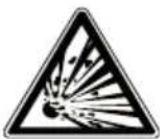
DANGER! Risk of explosion!
Mixtures of water and oil can ignite or even explode.
■ Do not heat water mixed with oil or fat in the microwave oven. ■ Do not defrost frozen fat or oil in the microwave oven.

WARNING! Risk of fire!
There is a risk of fire due to improper use of the appliance.
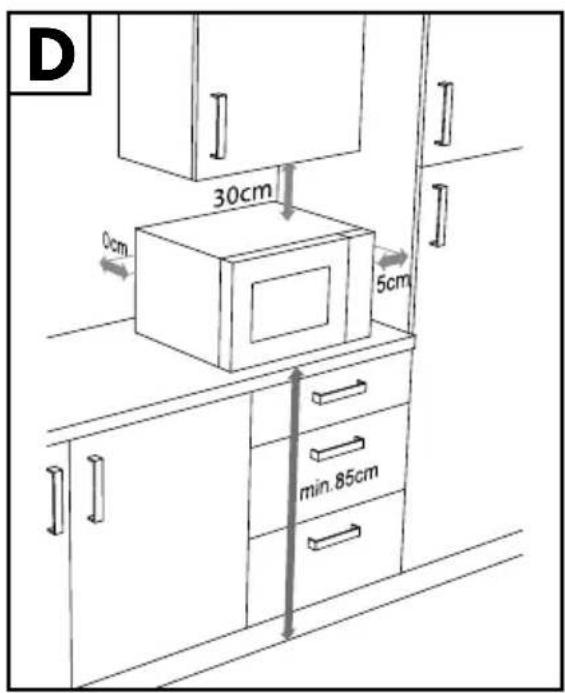
■ Do not place objects on top of the microwave oven. A minimum safe clearance of 30 cm to the top, 0 cm to the back and 5 cm on both sides must be observed to ensure adequate ventilation (see Fig. D). The minimum distance from the ground must be 85 cm.
■ Do not cover or block any openings on the appliance.
■ Do not remove the feet.
The microwave oven is designed as a free-standing appliance. Do not operate the microwave oven in fitted cabinets or a cupboard.
Never leave the appliance unattended while it is in use.
Do not operate the microwave oven with an external timer or separate, remote control system.
Keep an eye on the microwave oven when heating up or cooking food in combustible materials like plastic or paper containers.
The appliance may only be used for heating up suitable food in suitable containers and suitable dishes.
Do not dry combustible objects in the appliance (no food or clothing, heat pads, slippers, sponges, moist cleaning cloths etc.). This may lead to injuries, ignition or fire.
Do not prepare any food containing alcohol in the appliance.
Do not use the appliance for frying or to heat up oil.
If smoke is emitted, switch off the appliance or unplug the plug and keep the microwave door closed to suffocate any flames.
As soon as you notice sparks or flashes, immediately press the stop button Ⓤ and pull out the mains plug. Check whether there are any metal objects in or on the food or the dish.
Always use standard popcorn packaging that is designed for making popcorn in a microwave.
Never exceed the cooking times specified by the manufacturer.
Do not store any food or other objects in the microwave oven.
3.3. Safety instructions relating specifically to the use of microwave ovens
Do not heat up food or liquids in sealed or tightly closed containers! These can explode in the appliance and cause injuries on opening. Remove the lids from containers which close, such as feeding bottles for babies.
Food prepared in the microwave oven may heat up unevenly. Check the temperature of food before eating. When preparing baby food and bottles, always stir the food or shake the bottle before checking the temperature in order to avoid burns.
Do not heat eggs in their shells or prepare whole hard-boiled eggs in the microwave oven as they may explode while cooking and even after removal from the oven. Eggs may only be cooked in microwave dishes designed specifically for this purpose.
Prick or score food with a tough skin, e.g. tomatoes, sausages, aubergines etc. before cooking in order to prevent it from bursting.
Hot steam will escape when you open cooking containers (e.g. popcorn bags, food storage containers). Always hold the opening away from the body on opening.
Hot steam will escape when you open the microwave door. Do not stand too close.
The surfaces of the microwave, the accessory parts, as well as the dishes will become very hot during the cooking process. Use oven gloves. Allow parts to cool down before cleaning.

Do not operate the appliance without the glass turntable and never operate it without food in the cooking area.
Exclusively use the accessories supplied or accessories which are described as suitable in this user manual.
Do not use dishes with metal trimmings or metal dishes in microwave mode as this may lead to sparks that may damage the appliance and/or the dishes.
Use dishes suitable for microwave ovens. Look for markings such as "Microwave-safe" or "For the microwave" when purchasing dishes.
■ Do not move the appliance when it is in use.
3.4. Safety instructions on the heating of liquids

CAUTION!
Risk of injury!
There is a risk of burns.
- When warming up liquids in the microwave, so-called “delayed boiling” can occur, i.e. the liquid has reached boiling temperature without beginning to bubble as boiling liquids normally do.
Movements, such as those generated when removing the liquid from the microwave oven, can then cause a sudden reaction, causing boiling liquid to spurt out, which is why caution is required when handling the container.
■ Do not use tall, narrow containers.
Place a glass rod or ceramic rod in the container when heating liquids in order to prevent delayed boiling. Wait a few moments after heating the liquid then take hold of the container carefully and stir the liquid before you take it out of the oven.
3.5. Cleaning and maintaining the appliance
■ The improper use of cleaning agents on the appliance may damage the surfaces. Do not use any aggressive chemical agents, scouring agents or hard sponges for cleaning. ■ Do not clean the appliance with a steam cleaner. Steam may penetrate into the appliance and damage the electronics and the surfaces.
Failure to clean the microwave properly can damage the surface which can in turn reduce the service life of the appliance and may lead to dangerous situations.
■ Regularly clean the appliance and remove food residue. - Observe the instructions for cleaning when cleaning the inside of the microwave oven as well as the adjacent parts, see "13. Cleaning and care" on page 30.
4. Description of components
See Fig. A
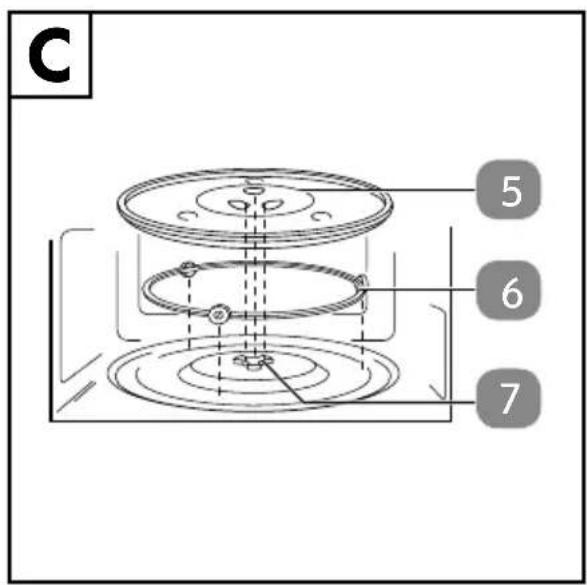
1) Magnetron mica waveguide cover (DO NOT REMOVE!) 2) Mains cable with plug (on the back, not shown) 3) Display 4) Control panel 5) Glass turntable 6) Roller ring 7) Drive shaft 8) Cooking area 9) Door lock 10) Door handle 11) Microwave door with viewing window
See Fig. B
Risk of choking and suffocation!
There is a risk of choking and suffocation due to swallowing or inhaling small parts or plastic wrap.
- Keep the plastic packaging out of the reach of children. ■ Do not let children play with the packaging material.
Remove the product from the packaging and remove all packaging materials. ▶ Check your purchase to ensure that all items are included and in perfect condition. If anything is missing or damaged, please contact our service department within 14 days of purchase.
The following items are supplied with your product:
- Microwave
- Glass turntable
- Roller ring
- Drive shaft
- Short manual
6. Technical specifications
Supplier's name or trademark: SilverCrest®
Supplier's address: MLAP GmbH
Meitnerstr. 9
70563 Stuttgart
GERMANY
Model identifier: SMWC 700 C1
Rated voltage: 230 V~, 50 Hz
Rated power: 1050 W
Rated power output: 700 W
Microwave frequency: 2450 MHz
Protection class: I
Housing dimensions (W x H x D): Approx. 44.0 x 25.7 x 36.3 cm
Net weight: Approx. 10 kg
Diameter of glass turntable: Approx. 25.5 cm


Cooking area (8) and glass rotary plate (5) are food-safe.
CE MLAP GmbH hereby declares that the product conforms to the following requirements of the European Union:
• EMC Directive 2014/30/EU • Low Voltage Directive 2014/35/EU • Ecodesign Directive 2009/125/EC • RoHS Directive 2011/65/EU.
This product meets the requirements of European standard EN 55011. The product is classed as standard-compliant as a group 2, class B appliance. Group 2 means that the appliance intentionally generates high-frequency energy in the form of electromagnetic rays for the heat-treatment of foodstuffs. Class B means that the appliance is suitable for domestic use.
SILVERCREST®
8. Cooking and heating up in the microwave oven
▶ Arrange the food in the oven correctly and place the thickest pieces on the outside so that it cooks properly. ▶ Note the exact cooking or heating times. Choose the shortest available cooking or heating time and extend it if necessary. ▶ Cover food during cooking or heating with a cover that is suitable for the microwave oven. Covering the food helps avoid splashes; furthermore, the food is more evenly cooked. ▶ Turn over foods such as chicken pieces or hamburgers once when cooking in the microwave oven in order to speed up cooking. Larger pieces such as joints or roasting chickens must be turned at least once to ensure that the food is cooked evenly. It is also important to reposition food, e.g. if cooking meatballs: After half of the cooking time has elapsed, reposition the food from top to bottom and from the inside to the outside. After heating, stir the food thoroughly, if possible, to ensure even temperatures, otherwise let the food stand for a short time.
8.1. Size and shape of microwave-safe containers
Flat, broad containers are better than narrow, tall ones. "Flat" foods can be cooked more evenly.
Round or oval containers are more suitable than angular ones. There is a danger of local overheating in the corners.
8.2. Microwave-suitable materials
Use the following utensils in the microwave:
- Browning dishes
- Crockery • Glass containers without a lid
- Oven-safe glassware
- Oven-safe cooking bags • Paper bags and cups (only for short heating times) • Paper towel (only for covering foods and for soaking up grease) • Microwave-safe plastic containers • Microwave-safe plastic packaging • Microwave-safe thermometer • Wax paper (only for covering foods)
Always note the manufacturer's instructions.

NOTICE!
Possible material damage!
The use of unsuitable materials can cause damage to the appliance or the material itself.
■ Never use metal dishes or dishes with metal trimmings.
■ Do not use crystal or lead crystal glass. It can shatter, and coloured glass may become discoloured.
■ Do not use materials that are not resistant to heat. They may warp or may even catch fire.
9. Before using the appliance for the first time
▶ Ensure that all packaging materials have been removed from inside the appliance and that protective films have been removed.

NOTICE!
Possible material damage!
Possibility of damage to the appliance due to improper handling
■ Never remove the mica waveguide cover (1) in the cooking area (8). It is not part of the packaging, but is for protection against magnetrons.
9.1. Setting up the appliance
▶ Do not place the microwave:
-near to sources of heat
-near to radios or televisions
-in the immediate vicinity of inflammable materials
-in a location prone to wetness or high humidity.
To ensure adequate ventilation, the clearances specified in Fig. D must be maintained. The spacer on the back of the appliance must touch the wall. It ensures that the correct clearance is maintained when positioning the microwave.
▶ Do not remove the feet.
Connect the microwave to a convenient and easily accessible, earthed mains socket.
SILVER CREST®
9.2. Cleaning the appliance for the first time
▶ Pull the door handle (10) to open the microwave door (11).
To remove dust residue from the packaging and any other potential residue stemming from the manufacturing process, wipe out the cooking area (8) and the inner side of the viewing window (11) with a slightly damp, soft cloth before using the appliance for the first time. Ensure that no liquids penetrate into the microwave and dry the surfaces completely afterwards. Clean the glass turntable (5) and the roller ring (6) in warm water with a little washing up liquid before drying off these parts completely.
9.3. Inserting the glass turntable
Do not use the microwave without properly installing the glass turntable (5). ▶ Check that the drive shaft (7) is correctly inserted in the recess on the base of the cooking area and that its wings rest flat on the base. If necessary, turn the drive shaft (7) until it sinks into its correct position. Place the roller ring (6) in the recess in the cooking area (8) and then place the glass turntable (5) centrally on the drive shaft (7) (see Fig. C) so that the webs of the glass turntable (5) lie between the wings of the drive shaft (7).
10. Configuring basic settings
10.1. Setting the time
When the product is used for the first time or if the power supply is interrupted, the display (3) will show 0:00 and the time (24-hour display) needs to be set.
▶ Press the timer/clock button (12) twice. The hour display begins to flash. ▶ Turn the control knob (14) to set the desired hour. Then press the timer/clock button (12) again. ▶ Turn the control knob (14) to set the desired minutes. Then press the timer/clock button (12) again. The time is now set.
10.2. Setting the child lock
▶ You can enable a child lock on this product by pressing and holding the stop button (15) for approx. 3 seconds. A beep sounds and [ : : ] is shown on the display (3).
The product buttons will now have no function.
After approx. 3 seconds, the time is displayed again, if it has been set.
You can disable the child lock by pressing and holding the stop button (15) for approx. 3 seconds. A beep sounds and all functions are available again.
11. Operation

DANGER!
Risk of injury!
Microwave radiation may leak outside if the appliance is damaged. Damage to the mains cable may cause an electric shock.
If the housing, covers, microwave door (11) or the door lock (9) are damaged then do not use the microwave under any circumstances. Immediately remove the mains plug (2) from the earthed mains socket in this case.
■ Do not use the microwave, if objects are stuck in the microwave door (11) or if the microwave door (11) does not close properly.
If you discover any damage, do not use the microwave. Instead, please contact the Service Centre.

NOTICE!
Possible material damage!
Possibility of damage to the appliance due to improper handling
■ The microwave is only intended for household use. Do not use the microwave outdoors.
■ Do not operate the appliance without the glass turntable (5) and never operate it without food in the cooking area (8).
SILVER CREST®

CAUTION!
Risk of injury!
As the food or containers may be very hot, there is a risk of scalding.
■ Always use a protective cloth or heatproof oven gloves when removing food from the oven (8).

When the appliance is in use, condensation may form on the inner walls and microwave door (11). This is normal when cooking and does not indicate a malfunction. If condensation forms, wipe it off with a soft cloth.
Prepare the food:
Poultry, pork, minced meat and all types of fish are suitable for preparing in the microwave. In contrast, beef and game meats quickly become tough in the microwave and are therefore not suitable.
When preparing vegetables, meat and fish, cut the food into as evenly sized pieces as possible.
▶ Pull the door handle (10) to open the microwave door (11).
Place the food in a microwave-safe container in the centre of the glass turntable (5). ▶ Cover food during cooking or heating with a cover that is suitable for the microwave oven. Covering the food helps avoid splashes; furthermore, the food is more evenly cooked. ▶ Close the microwave door (11) until you hear it click into place.
11.1. Quick start
If you press the start button (13) without previously setting the power level, the cooking programme will start at the maximum level (700 watts). This function is, however, not available for the automatic programmes and defrosting programme.
Press the ◇ start button (13) several times until the desired cooking time is shown on the display (3) (the cooking time is increased by 30 seconds each time the button is pressed). The cooking process starts immediately. If the appliance is in use, the cooking time can be increased by 30 seconds each time the start button (13) is pressed.
The longest cooking time is 95 minutes.
11.2. Cooking programme
Press the microwave button (16) once and turn the control knob (14) to set the power level.
Alternatively, you can press the ≈ microwave button (16) once or several times to select one of the power levels shown in the following table:
| Microwave button (16) | Cooking pro-gramme | Output in watts | Examples of use |
| Press 1 x P100 | 700 Fast heating, heating drinks, | boiling water, cooking vegetables |
| Press 2 x P80 | 560 Cooking rice, minced meat | dishes, chicken |
| Press 3 x P50 | 350 Slow cooking, cooking fish, | soups |
| Press 4 x P30 | 210 Defrosting, melting butter | |
| Press 5 x | P10 | 70 | Keeping warm, thawing ice cream |
Press the ◇ start button (13) to confirm the desired energy setting.
▶ Turn the control knob (14) to set the desired cooking time in minutes and seconds (0:00).
The longest cooking time is 95 minutes.
▶ Press the ◇ start button (13) to start the programme.
11.3. Cooking table
| Cooking table/examples |
| Cooking programme | Weight | Cooking time | Examples of use |
| P10 100 g | 0:30 | Thawing ice cream |
| 200 g | 1:00 | |
| 300 g | 1:30 | |
SILVERCREST®
| Cooking table/examples |
| Cooking programme | Weight Cooking time | Examples of use |
| P30 200 g | 6:00 Defrosting | vegetables (e.g. | broccoli) |
| 400 g 11:00 |
| 600 g 15:00 |
| P50 200 g | 7:30 Heating (cooled) fish dishes | |
| 300 g 8:00 |
| 400 g 9:30 |
| P80 200 g | 4:00 Heating (cooled) vegetables | |
| 300 g 6:00 |
| 400 g 8:30 |
| P80 500 g | 18:00 Cooking | meat loaf | |
| P80 500 g | 25:00 Cooking | pork goulash (in sauce) | sauce) |
| P100 150 g | 5:00 | Cooking potatoes |
| 300 g 8:00 | |
| 450 g 13:00 | |
| P100 | 300 ml 2:30 | Heating (cooled) milk |
| 600 ml 4:30 | |
| 900 ml 7:00 | |
If the food is not cooked/heated enough after the cooking time has elapsed, start the process again. To do so, use the power level indicated in the table for several minutes to fully cook/heat up the food.
11.4. Defrosting programme
11.4.1. Weight defrost
You can set the defrosting programme based on the weight of the food. Weights from 100 g to 2000 g can be set.
Then press the ⚙️ defrost button (17) to select the desired defrosting mode by weight. dEF1 will appear on the display (3). ▶ Turn the control knob (14) to set the weight of the food.
Press the start button (13) to start the programme.
Two short beeps will sound after half the cooking time has elapsed.
▶ Open the microwave door (11). Turn over the food or stir it to guarantee even defrosting.
Then close the microwave door (11) again and press the start button (13) again to continue the programme.
If the food is not fully defrosted after the time has elapsed, start the process again. To do so, use the power level P30 for several minutes to fully defrost the food.
11.4.2. Time defrost
You can set the desired duration of the defrosting programme.
Then press the ⚙️ defrost button (17) twice to select the desired defrosting mode by time.
dEF2 will appear on the display (3).
▶ Turn the control knob (14) to set the desired defrost time in minutes and seconds (0:00).
The longest defrosting time is 95 minutes.
The following list details the approximate defrost times required for various weights:
| Food weight Time | |
| 100 g 04:44 minutes | |
| 600 g 30:04 minutes | |
| 1000 g 50:20 minutes | |
| 1500 g 75:40 minutes | |
| 2000 g | 95:00 minutes |
Press the start button (13) to start the programme.
If necessary, open the microwave door (11) approximately halfway through the cooking time. Turn over the food or stir it to guarantee even defrosting.
Then close the microwave door (11) again and press the start button (13) again to continue the programme.
If the food is not fully defrosted after the time has elapsed, start the process again. To do so, use the power level P30 for several minutes to fully defrost the food.
11.5. Using multiple programmes
The product can carry out multiple programmes consecutively. Any two sequences can be programmed to run automatically.
Set the programme but only press the start button (13) when the last programme
SILVER CREST®
has been set.
Example:
You would like to defrost some food using a defrosting programme and then start cooking programme P50.
Set the defrosting programme as described in section "11.4. Defrosting programme" on page 26 without subsequently pressing the start button (13). Set the P50 programme as described in section "11.2. Cooking programme" on page 25. Then press the start button (13) to start the programmes. Both programmes run one after another.
11.6. Automatic programme
It is not necessary to set the cooking time or power level for the automatic programme. The product automatically determines the values depending on the foodstuff and weight input.
Turn the control knob (14) clockwise. A programme number appears on the display (3) (e.g. "A-1" for automatic programme 1). Select an automatic programme from A-1 to A-8.
The corresponding symbol flashes on the display (3).
Press the start button (13) to confirm the selection.
Now select the desired weight. To do this, turn the control knob (14) until the desired portion size is displayed.
The weight/amount is shown on the display (3).
The amount can be set according to the following table:
| Program Weight Display Output | | |
| A-1 Heating | 200 g 200 | | 700 W400 g 400 |
| |
| 600 g 600 | |
| A-2 Vegetables | 200 g 200 | | 700 W300 g 300 |
| |
| 400 g 400 | |
| A-3 Fish | 250 g | 250 | 560 W350 g |
| |
| 450 g 450 | |
| A-4 Meat | 250 g | 250 | 700 W350 g 350 |
| |
| 450 g 450 | |
| A-5 Pasta | 50 g(+ 450 ml water) | 50 | 560 W |
| 100 g(+ 800 ml water) | 100 |
A-6 Potatoes | 200 g 200 | | 700 W400 g 400 |
| |
| 600 g 600 | |
A-7 Pizza 200 | g 200 | | 700 W |
| 400 g 400 | |
A-8 Soup 200 | ml 200 | | 560 W |
| 400 ml 400 | |
Then press the start button (13) to start the programme.
If the desired food is not fully cooked through, cook it again for a few minutes more with the cooking programme.
11.7. Interrupting a programme
If you want to turn or stir the food, for instance midway through the cooking process, it is often necessary to interrupt the cooking programme.
Open the microwave door (11) or press the stop button (15) to interrupt the programme.
The remaining time is still shown on the display (3).
Once you have closed the microwave door (11) again, press the start button (13) to resume the selected programme.
Press the stop button (15) twice in order to prematurely stop the programme completely.
11.8. Display indicators
Press the microwave button (16) while the programme is running. The current microwave setting is shown on the display (3) for approx. 3 seconds.
This does not work if an automatic or defrosting programme has been set.
▶ Press the timer/clock button (12) while the programme is running. The current time is shown on the display (3) for approx. 3 seconds.
SILVER CREST®
11.9. Setting the timer
The product can emit a beep after a defined period of time has elapsed. You can use this function as an egg timer, for example. The timer function is not available while a programme is in progress.
Press the timer/clock button (12). The display (3) shows 00:00. ▶ Turn the control knob (14) to set the desired period of time.
The maximum duration that can be set is 95 minutes.
▶ Confirm your entry with the start button (13).
11.10. End of programme
Once the programme has finished, 5 beeps sound to signal the end of the respective process.
▶ Open the microwave door (11) by pulling the handle (10). ▶ Carefully remove the food from the cooking area (8).
12. Energy-saving tips
Choose the shortest available cooking time and extend it as required. ▶ Cook small portions at a time. When cooking large quantities of food, it is more energy-efficient to use a cooker/oven. ▶ Distribute the food evenly in a microwave-safe cooking dish and stir and/or turn the food halfway through the cooking time.
13. Cleaning and care
Failure to clean the microwave properly can damage the surface which can in turn reduce the service life of the appliance and may lead to dangerous situations. Therefore, clean the microwave regularly.
▶ Switch off the microwave and remove the mains plug (2) from the earthed mains socket before cleaning. Keep the cooking area (8) clean. Wipe away splashes or spilled liquids that stick to the inner walls of the cooking area (8) with a damp cloth. If the cooking area (8) is very dirty, wipe it with a damp cloth and a mild cleaning solution. Do not use cleaning sprays, scouring agents or other caustic detergents.
Do not clean the appliance with a steam cleaner.
Clean the exterior surfaces with a damp cloth. Prevent water from penetrating into the ventilation openings. Clean the microwave door with viewing window (11) and the door lock (9) with a mild soap solution. Take great care not to damage these parts. Water may condense on the external surfaces if used in high humidity. Wipe it with a soft cloth. ▶ Wash the glass turntable (5) in warm water with a mild soap solution or in the dishwasher.
Remove the drive shaft (7) and the roller ring (6). Wipe the drive shaft (7) and the roller ring (6) with a damp cloth.
▶ Reinsert the drive shaft (7), the roller ring (6) and the glass turntable (5) after cleaning (see "9.3. Inserting the glass turntable" on page 22).
▶ Make sure that all parts are fully dry before using the microwave.
Lingering odours in the microwave can be removed by placing a glass of water with the juice and rind of a lemon into a deep container that is suitable for microwave use and heating for 5 minutes. Then wipe the cooking area (8) thoroughly with a damp cloth and then fully dry the surfaces.
If you have to replace the light in the microwave, please contact a qualified specialist workshop or our Service Centre.
14. Prolonged non-use and transport
If you do not plan to use the microwave for a long period of time, disconnect the mains plug (2), clean the appliance and store it in a dry, clean and dust-free place.
To avoid damaging the product during transport, we recommend that you use the original packaging.
15. Troubleshooting
| Problem Possible cause Solution | |
| The appliance does not start. | The mains plug (2) is not inserted properly. | ▸ Disconnect the mains plug (2), wait about 10 seconds and then plug it back into the socket again. |
| The mains socket is faulty. ▶ | Check the mains socket by connecting another appliance. |
| The cooking process does not start. | The microwave door (11) is not closed. | ▸ Close the microwave door (11). |
| The lighting does not work. | The bulb is defective. ▶ Contact our Service Centre. |
SILVER CREST®
16. Disposal
Packaging
Your appliance has been packaged to protect it from damage in transit. Packaging materials are raw materials and can therefore be reused or recycled.
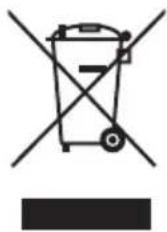
Appliance
Do not dispose of old appliances in normal household waste.
In accordance with Directive 2012/19/EU, the appliance must be properly disposed of at the end of its service life.
This involves separating the materials in the appliances for the purpose of recycling and minimising the environmental impact.
Take old appliances to an electrical scrap collection point or a recycling centre.
Contact your local waste disposal company or your local authority for more information on this subject.
17. Legal notice
Copyright © 2022
All rights reserved.
This user manual is protected by copyright.
Mechanical, electronic and any other forms of reproduction are prohibited without the written permission of the manufacturer.
Copyright is owned by the company:
MLAP GmbH
Meitnerstr. 9
70563 Stuttgart
GERMANY
SilverCrest® is a registered trademark of Lidl Stiftung & Co. KG, 74167 Neckarsulm, Germany.
All other names and products are trademarks or registered trademarks of their respective owners.
18. MLAP GmbH Warranty
Dear customer,
The warranty on this product is 3 years from the date of purchase. In the event of defects in this product, you have legal rights against the product vendor. These legal rights are in no way limited by the warranty described below.
18.1. Conditions of warranty
The warranty period begins on the date of purchase. Please take care to keep the original purchase receipt. This document will serve as a proof of purchase.
If, within three years of the date of purchase of this product, any defect in material or manufacture should become evident, the product will – as we choose – be repaired free of charge or replaced. This warranty is subject to presentation, within the three-year term, of the defective product and the proof of purchase (receipt) and a brief, written description of what constitutes the defect and when it became evident.
If the defect is covered by our warranty, you will receive back the repaired product or a new replacement. Repair or exchange of the product does not lead to a renewed warranty period.
18.2. Warranty period and legal claims for defects
The warranty period is not prolonged by the above fulfilment. This also applies for replaced and repaired parts. Any damage or defects present at the time of purchase must be notified immediately after unpacking. Repairs that are carried out after the expiration of the warranty period are subject to a charge.
18.3. Scope of warranty
The product is manufactured in accordance with strict quality guidelines and thoroughly tested before dispatch.
The warranty applies for defects in materials or manufacture. This warranty does not extend to product parts that are subject to normal wear and can therefore be regarded as wearing parts or to damage to fragile parts, e.g. switches, batteries or parts made of glass.
This warranty is void if the product has been damaged or not properly used or serviced. For proper use of the product, exact compliance with all instructions listed in the user manual is required. It is essential to avoid procedures and use for purposes against which the user manual advises or warns.
The product is intended for private use only and not for industrial/commercial use. Improper handling and usage not in accordance with the intended purpose, use of force and any interventions that are not carried out by our authorised service centre will render the warranty null and void.
SILVER CREST®
18.4. Processing of warranty claims
For speedy processing of your request, please observe the following instructions:
- For all enquiries, please keep the receipt and the article number IAN 379524/379531/379537_2110 to hand as proof of purchase.
- The article number is to be found on the type plate, an engraving, on the title page of your instructions (bottom left) or on an adhesive label on the rear or underside.
- If functional or other defects occur, first contact the service department named below by telephone or via our contact form.
19. Service
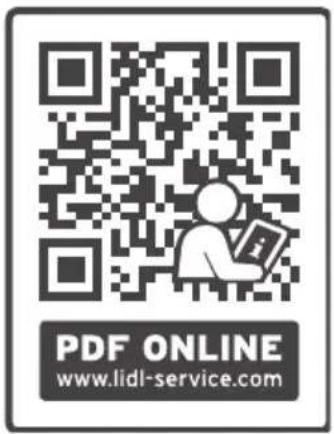
You can download this user manual and many other manuals, product videos and installation software from www.lidl-service.com.
Scan this QR code to be directed straight to the Lidl Service website (www.lidl-service.com) where you can open your user manual by entering the article number IAN 379524/379531/379537_2110.

Service Ireland
Hotline
① +353 1 6533859
Mon - Fri: 09:00 - 17:00
Please use the contact form at www.mlap.info/contact

Service Malta
Hotline
① 800 62713
Mon - Fri: 09:00 - 17:00
Please use the contact form at www.mlap.info/contact
IAN 379524/379531/379537_2110
19.1. Supplier/Producer/Importer
Please note that you cannot use the address below for returns. Please contact the Service Centre mentioned above.
MLAP GmbH
Meitnerstr. 9
70563 Stuttgart
GERMANY
20. Privacy statement
Dear Customer,
We wish to inform you that we, MLAP GmbH, Meitnerstr. 9, 70563 Stuttgart, Germany, process your personal data as a data controller.
For matters regarding data protection, we are supported by our company data protection officer who can be contacted at MLAP GmbH, Datenschutz, Meitnerstr. 9, 70563 Stuttgart, Germany, datenschutz@mlap.info. We process your data for the purpose of warranty processing and associated processes (e.g. repairs) and therefore rely on processing your data for the sales contract concluded with us.
Stuttgart, Germany, datenschutz@mlap.info. We process your data for the purpose of warranty processing and associated processes (e.g., repairs) and therefore rely on processing your data for the sales contract concluded with us.
Your data will be provided to repair service providers contracted by us for the purpose of warranty processing and associated processes (e.g., repairs). We generally store your personal data for a period of three years in order to fulfill your legal warranty rights.
You have the right to be informed of the personal data concerned, as well as the right to rectification, deletion, restriction of processing, the right to object to processing, and the right to data portability.
In case of access and cancellation rights, restrictions apply according to paragraphs 34 and 35 of the BDSG (Federal Data Protection Act) (Art. 23 GDPR). In addition, there is a right of appeal to a competent data protection supervisory authority (Article 77 GDPR in conjunction with paragraph 19 BDSG). For MLAP, this is the Landesbeauftragte für Datenschutz und Informationsfreiheit Baden-Württemberg, Postfach 10 29 32, 70025 Stuttgart, Germany, www.baden-wuerttemberg.datenschutz.de.
The processing of your data is necessary for warranty processing: it is not possible to process the warranty without the provision of the required data.
Table of Contents
1. Introduction 39
Device
Appliance
Symbol for alternating current
WARNING! Fire hazard!

WARNING! Fire hazard!
A-3 automata program – hal

A-4 automata program – hús

A-7 automata program – pizza

A-8 automata program – leves