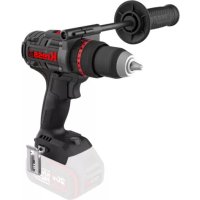
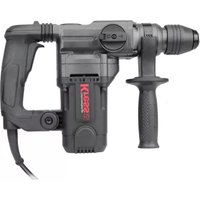
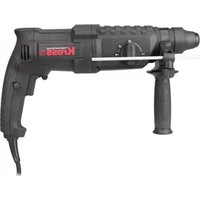
KUC35.9 - Drill KRESS - Free user manual and instructions
Find the device manual for free KUC35.9 KRESS in PDF.



| Product type | Cordless hammer drill |
| Brand | Kress |
| Model | KUC35.9 |
| Rated voltage | 18 V (max 20 V) |
| Battery type | Lithium-Ion |
| No-load speed | 0-550 / 0-2000 rpm (2 speeds) |
| Max torque | 140 Nm |
| Chuck capacity | 13 mm |
| Steel drilling capacity | 16 mm |
| Wood drilling capacity | 152 mm |
| Concrete drilling capacity | 16 mm |
| Brick drilling capacity | 16 mm |
| Impact rate | 0-10450 / 0-38000 bpm |
| Number of torque positions | 20+1+1 |
| Weight | 1.5 kg |
| Lighting | Integrated LED |
| Sound pressure level (drilling) | 72.7 dB(A) |
| Sound power level (drilling) | 80.7 dB(A) |
| Sound pressure level (hammer drilling) | 81.8 dB(A) |
| Sound power level (hammer drilling) | 89.8 dB(A) |
| Vibration (concrete drilling) | 1.187 m/s² (K=1.5) |
| Vibration (hammer drilling concrete) | 6.493 m/s² (K=1.5) |
| Included accessories | Auxiliary handle, double bits, belt hook, bit clip |
| Maintenance | Clean with a dry cloth, do not use water or chemicals |
| Safety | Wear eye, ear, and dust mask protection |
Frequently Asked Questions - KUC35.9 KRESS
User questions about KUC35.9 KRESS
0 question about this device. Answer the ones you know or ask your own.
Ask a new question about this device
Download the instructions for your Drill in PDF format for free! Find your manual KUC35.9 - KRESS and take your electronic device back in hand. On this page are published all the documents necessary for the use of your device. KUC35.9 by KRESS.
USER MANUAL KUC35.9 KRESS
Lithium-1on brushless hammer drill EN
WARNING Read all safety warnings, instructions, illustrations and specifications provided with this power tool.
Failure to follow all instructions listed below may result in electric shock, fire and/or serious injury.
Save all warnings and instructions for future reference.
The term "power tool" in the warnings refers to your mains-operated (corded) power tool or battery-operated (cordless) power tool.
1) Work area safety
a) Keep work area clean and well lit. Cluttered or dark areas invite accidents.
b) Do not operate power tools in explosive atmospheres, such as in the presence of flammable liquids, gases or dust. Power tools create sparks which may ignite the dust or fumes.
c) Keep children and bystanders away while operating a power tool. Distractions can cause you to lose control.
2) Electrical safety
a) Power tool plugs must match the outlet. Never modify the plug in any way. Do not use any adapter plugs with earthed (grounded) power tools. Unmodified plugs and matching outlets will reduce risk of electric shock.
b) Avoid body contact with earthed or grounded surfaces, such as pipes, radiators, ranges and refrigerators. There is an increased risk of electric shock if your body is earthed or grounded.
c) Do not expose power tools to rain or wet conditions. Water entering a power tool will increase the risk of electric shock.
d) Do not abuse the cord. Never use the cord for carrying, pulling or unplugging the power tool. Keep cord away from heat, oil, sharp edges or moving parts. Damaged or entangled cords increase the risk of electric shock.
e) When operating a power tool outdoors, use an extension cord suitable for outdoor use. Use of a cord suitable for outdoor use reduces the risk of electric shock.
f) If operating a power tool in a damp location is unavoidable, use a residual current device (RCD) protected supply. Use of an RCD reduces the risk of electric shock.
3) Personal safety
a) Stay alert, watch what you are doing and use common sense when operating a power tool. Do not use a power tool while you are tired or under the influence of drugs, alcohol or medication. A moment of
inattention while operating power tools may result in serious personal injury.
b) Use personal protective equipment. Always wear eye protection. Protective equipment such as dust mask, non-skid safety shoes, hard hat, or hearing protection used for appropriate conditions will reduce personal injuries.
c) Prevent unintentional starting. Ensure the switch is in the off-position before connecting to power source and/or battery pack, picking up or carrying the tool. Carrying power tools with your finger on the switch or energising power tools that have the switch on invites accidents.
d) Remove any adjusting key or wrench before turning the power tool on. A wrench or a key left attached to a rotating part of the power tool may result in personal injury.
e) Do not overreach. Keep proper footing and balance at all times. This enables better control of the power tool in unexpected situations.
f) Dress properly. Do not wear loose clothing or jewellery. Keep your hair and clothing away from moving parts. Loose clothes, jewellery or long hair can be caught in moving parts.
g) If devices are provided for the connection of dust extraction and collection facilities, ensure these are connected and properly used. Use of dust collection can reduce dust-related hazards.
h) Do not let familiarity gained from frequent use of tools allow you to become complacent and ignore tool safety principles. A careless action can cause severe injury within a fraction of a second.
4) Power tool use and care
a) Do not force the power tool. Use the correct power tool for your application. The correct power tool will do the job better and safer at the rate for which it was designed.
b) Do not use the power tool if the switch does not turn it on and off. Any power tool that cannot be controlled with the switch is dangerous and must be repaired.
c) Disconnect the plug from the power source and/or remove the battery pack, if detachable, from the power tool before making any adjustments, changing accessories, or storing power tools. Such preventive safety measures reduce the risk of starting the power tool accidentally.
d) Store idle power tools out of the reach of children and do not allow persons unfamiliar with the power tool or these instructions to operate the power tool. Power tools are dangerous in the hands of untrained users.
e) Maintain power tools and accessories. Check for misalignment or binding of moving parts, breakage of parts and any other condition that may affect the power tool's operation. If damaged, have the power tool repaired before use. Many
accidents are caused by poorly maintained power tools.
f) Keep cutting tools sharp and clean.
Properly maintained cutting tools with sharp cutting edges are less likely to bind and are easier to control.
g) Use the power tool, accessories and
tool bits etc. in accordance with these instructions, taking into account the working conditions and the work to be
performed. Use of the power tool for operations different from those intended could result in a hazardous situation.
h) Keep handles and grasping surfaces
dry, clean and free from oil and grease
Slippery handles and grasping surfaces do not allow for safe handling and control of the tool in unexpected situations.
5) Battery tool use and care
a) Recharge only with the charger specified by the manufacturer. A charger that is suitable for one type of battery pack may create a risk of fire when used with another battery pack.
b) Use power tools only with specifically designated battery packs. Use of any other battery packs may create a risk of injury and fire.
c) When battery pack is not in use, keep it away from other metal objects, like paper clips, coins, keys, nails, screws or other small metal objects, that can make a connection from one terminal to another.
Shorting the battery terminals together may cause burns or a fire.
d) Under abusive conditions, liquid may be ejected from the battery; avoid contact. If contact accidentally occurs, flush with water. If liquid contacts eyes, additionally seek medical help. Liquid ejected from the battery may cause irritation or burns.
e) Do not use a battery pack or tool that is damaged or modified. Damaged or modified batteries may exhibit unpredictable behaviour resulting in fire, explosion or risk of injury.
f) Do not expose a battery pack or tool to fire or excessive temperature. Exposure to fire or temperature above 130ircC may cause explosion.
g) Follow all charging instructions and do not charge the battery pack or tool outside the temperature range specified in the instructions. Charging improperly or at temperatures outside the specified range may damage the battery and increase the risk of fire.
6) Service
a) Have your power tool serviced by a qualified repair person using only identical replacement parts. This will ensure that the safety of the power tool is maintained.
b) Never service damaged battery packs.
Service of battery packs should only be performed by the manufacturer or authorized service providers.
DRILL SAFETYWARNINGS
1) Safety instructions for all operations
a) Hold the power tool by insulated gripping surfaces, when performing an operation where the cutting accessory or fasteners may contact hidden wiring or its own cord.
Cutting accessory or fasteners contacting a "live" wire may make exposed metal parts of the power tool "live" and could give the operator an electric shock.
2) Safety instructions when using long drill bits
a) Never operate at higher speed than the maximum speed rating of the drill bit. At higher speeds, the bit is likely to bend if allowed to rotate freely without contacting the workpiece, resulting in personal injury.
b) Always start drilling at low speed and with the bit tip in contact with the workpiece. At higher speeds, the bit is likely to bend if allowed to rotate freely without contacting the workpiece, resulting in personal injury.
c) Apply pressure only in direct line with the bit and do not apply excessive pressure. Bits can bend causing breakage or loss of control, resulting in personal injury.
SAFETY WARNINGS FOR BATTERY PACK
a) Do not dismantle, open or shred cells or battery pack.
b) Do not short-circuit a battery pack. Do not store battery packs haphazardly in a box or drawer where they may short-circuit each other or be short-circuited by conductive materials. When battery pack is not in use, keep it away from other metal objects, like paper clips, coins, keys, nails, screws or other small metal objects, that can make a connection from one terminal to another. Shorting the battery terminals together may cause burns or a fire.
c) Do not expose battery pack to heat or fire. Avoid storage in direct sunlight.
d) Do not subject battery pack to mechanical shock.
e) In the event of battery leaking, do not allow the liquid to come into contact with the skin or eyes. If contact has been made, wash the affected area with copious amounts of water and seek medical advice.
f) Keep battery pack clean and dry.
g) Wipe the battery pack terminals with a clean dry cloth if they become dirty.
h) Battery pack needs to be charged before use. Always refer to this instruction and use the correct charging procedure.
i) Do not maintain battery pack on charge when not in use.
j) After extended periods of storage, it may be necessary to charge and discharge
the battery pack several times to obtain maximum performance.
k) Recharge only with the charger specified by Kress. Do not use any charger other than that specifically provided for use with the equipment.
I) Do not use any battery pack which is not designed for use with the equipment.
m) Keep battery pack out of the reach of children.
n) Retain the original product literature for future reference.
o) Remove the battery from the equipment when not in use.
p) Dispose of properly.
q) Do not mix cells of different manufacture, capacity, size or type within a device.
r) Keep the battery away from microwaves and high pressure.
SYMBOLS
| To reduce the risk of injury, user must read instruction manual | |
| Warning | |
| Wear ear protection | |
| Wear eye protection | |
| Wear dust mask | |
| Li-Ion battery This product has been marked with a symbol relating to 'separate collection' for all battery packs and battery pack. It will then be recycled or dismantled in order to reduce the impact on the environment. Battery packs can be hazardous for the environment and for human health since they contain hazardous substances. | |
| Waste electrical products must not be disposed of with household waste. Please recycle where facilities exist. Check with your local authorities or retailer for recycling advice.. | |
| Do not burn |
| Batteries may enter water cycle if disposed improperly, which can be hazardous for ecosystem. Do not dispose of waste batteries as unsorted municipal waste. | |
| Wear protective gloves | |
| Screwdriving | |
| Drilling | |
| T | Hammer drilling |
| Wood | |
| Metal | |
| Brick | |
| Concrete | |
| Lock | |
| High speed | |
| Low speed |
COMPONENT LIST
| 1. | CHUCK |
| 2. | TORQUE ADJUSTMENT RING |
| 3. | TWO-SPEED GEAR CONTROL |
| 4. | FORWARD/REVERSE ROTATION CON- TROL |
| 5. | SOFT GRIP HANDLE |
| 6. | BATTERY PACK * |
| 7. | BELT HOOK |
| 8. | BATTERY CAPACITY INDICATOR |
| 9. | BATTERY PACK RELEASE BUTTON * |
| 10. | LED LIGHT |
| 11. | ON/OFF SWITCH |
| 12. | BIT CLIP |
- Not all the accessories illustrated or described are included in standard delivery.
TECHNICAL DATA
Type Designation KUC35 KUC35.9 KUC35.91 (C35 - designation of machinery, representative of drill)
| KUC35 | KUC35.9 KUC35.91 | ||
| Voltage 20V | = Max** | ||
| No load speed 0-550/0-2000 min-1 | |||
| Number of clutch positions | 20+1+1 | ||
| Impact rate 0-10450/0-38000bpm | |||
| Max torque 140Nm | |||
| Chuck capacity 13mm | |||
| Max. drilling capacity | Steel 16mm | ||
| Wood 152mm | |||
| Concrete 16mm | |||
| Brick 16mm | |||
| Machine weight 2.2kg 1.5kg | |||
** Voltage measured without workload. Initial battery voltage reaches maximum of 20 volts. Nominal voltage is 18 volts.
ACCESSIONS
| KUC35 KUC35.9 KU | C35.91 | |
| Charger | 1(KAC21) | / |
| Battery pack | 2(KAB21) | / |
| Auxiliary handle | 1 | 1 |
| Double ended bits | 1 | 1 |
| Hook | 1 | 1 |
| Bit Clip | 1 | 1 |
We recommend that you purchase your accessories listed in the above list from the same store that sold you the tool. Refer to the accessory packaging for further details. Store personnel can assist you and offer advice.
NOISE INFORMATION
Drill mode:
| A weighted sound pressure | LpA= 72.7 dB(A) |
| A weighted sound power | LwA= 80.7 dB(A) |
| KpA & KwA | 5 dB(A) |
| Wear ear protection. |
Impact Drilling Mode:
| A weighted sound pressure | LpA= 81.8 dB(A) |
| A weighted sound power | LwA= 89.8 dB(A) |
| KpA & KwA | 5 dB(A) |
| Wear ear protection. |
VIBRATION INFORMATION
Drill mode:
| Vibration total values (triax vector sum) determined according to EN 62841: | |
| Drilling into con-crete | Vibration emission value\( a_{h,ID} = 1.187 \text{ m/s}^2 \) |
| Uncertainty K = 1.5 m/s2 | |
Impact Drilling Mode:
| Vibration total values (triax vector sum) determined according to EN 62841: | |
| Impact drilling into concrete | Vibration emission value ah,Id=6.493 m/s2 |
| Uncertainty K=1.5 m/s2 | |
The declared vibration total value and the declared noise emission value have been measured in
accordance with a standard test method and may be used for comparing one tool with another.
The declared vibration total value and the declared noise emission value may also be used in a preliminary assessment of exposure.
WARNING: The vibration and noise emissions during actual use of the power tool can differ from the declared value depending on the ways in which the tool is used especially what kind of workpiece is processed dependant on the following examples and other variations on how the tool is used: How the tool is used and the materials being cut or drilled.
The tool being in good condition and well maintained.
The use of the correct accessory for the tool and ensuring it is sharp and in good condition.
The tightness of the grip on the handles and if any anti vibration and noise accessories are used.
And the tool is being used as intended by its design and these instructions.
This tool may cause hand-arm vibration syndrome if its use is not adequately managed.
WARNING: To be accurate, an estimation of exposure level in the actual conditions of use should also take account of all parts of the operating cycle such as the times when the tool is switched off and when it is running idle but not actually doing the job. This may significantly reduce the exposure level over the total working period.
Helping to minimise your vibration and noise exposure risk.
Always use sharp chisels, drills and blades.
Maintain this tool in accordance with these instructions and keep well lubricated (where appropriate).
If the tool is to be used regularly then invest in anti vibration and noise accessories.
Plan your work schedule to spread any high vibration tool use across a number of days.
OPERATING INSTRUCTIONS

NOTE: Before using the tool, read the instruction book carefully.
Assembly and Operation
| ACTION FIGURE | |
| ASSEMBLY | |
| CHUCK ADJUSTMENTWarning: Always lock off trigger switch and disconnect tool from power source when changing accessories. Always ensure the bit is secure before starting the tool. Damage to the Chuck or a loose bit may cause possible personal injury. | |
| Removing the bits See Fig. A1 | |
| Inserting the bits See Fig. A2 |
| Assembling the belt hook and bit clip | See Fig. B1,B2,B3,B4 |
| OPERATION | |
| Forward/reverse rotation control Warning: Never change the direction of rotation when the chuck is rotating, wait until it has stopped! | See Fig. C1, C2, C3 |
| TWO-SPEED GEAR CONTROL See | Fig. D |
| TORQUE ADJUSTMENT SCREWDRIVING 1-20 DRILLING HAMMER DRILLING | See Fig. E |
| Operating the on/off switch Warning: Do not operate for long periods at low speed because excess heat will be produced internally. | See Fig. F |
| LED light indicator Before operation, the LED light will be activated when the On/Off switch is slightly pressed, and will automatically turn off 20 seconds after the On/Off switch is released. | |
| The tool and battery are equipped with a protection system. When the LED Light is quickly flashing 3 seconds and turn off, the system will automatically cut off power to the tool to extend battery life. The tool will automatically stop during operation if the tool and/or battery are placed under one of the following conditions: • Overloaded: The tool is operated in a manner that causes it to draw an abnormally high current. In this situation, release the Trigger Switch on the tool and stop the application that caused the tool to become overloaded. Then pull the Trigger Switch again to restart. • Overheated: Under the condition above, if the tool does not start, the Tool and Battery are overheated. In this situation, let the Tool and Battery cool before pulling the Trigger Switch again. • Low battery voltage: The remaining Battery capacity is too low and the tool will not operate. In this situation, remove and recharge the Battery. | |
| Warning: To turn on the light, press the On/Off switch and make sure the Forward/Reverse Rotation Control is on right/left position. |
ASSEMBLY
Note: Always power off the tool and remove the battery pack before performing any assembly operations on the tool. Be sure to use the side handle (auxiliary handle) for safe operations.
- Install the side handle (auxiliary handle) (see fig. G)
Firstly, rotate the handle counterclockwise relative to the
hand, and rotate the handle clockwise relative to the outer
- Remove the side handle (auxiliary handle) (see fig. H)
with one hand, rotate the handle counterclockwise rela
ANTI-SPRAIN FUNCTION
The power tool will shut down quickly, when drill body suddenly rotates around the bit due to blockage during drilling. When the quick shutdown function is in effect, the LED light will first flash twice slowly and then flash every 1.5s circularly. Once the On/Off Switch is released, the LED light stops flashing.
Press the On/Off Switch again to restart the tool.
PROBLEM SOLUTION
- WHY DOES THE DRILL NOT TURN ON WHEN YOU PRESS THE SWITCH?
The Forward and Reverse Switch, which is on top of the trigger, is positioned in the lock function. Unlock the Forward and Reverse Switch putting it into the required rotation position. Push the trigger and the drill will start to rotate.
- THE DRILL STOPS BEFORE THE SCREW IS COMPLETELY TIGHTENED. WHY?
Verify the torque position of the Torque Adjustment Ring, you can find the Torque Adjustment Ring between the Chuck and the drill body. Position 1 is the lowest torque (screw driving force) and position 20 is the highest torque (screw driving force). Position 3 is for drill operation. Position 4 is for hammer drill operation. Regulate the Torque Adjustment Ring to a higher position to reach the best result.
- I CAN NOT FIT THE BATTERY INTO THE BATTERY CHARGER. WHY?
The battery can be inserted into the charger only in one direction. Turn the battery around until it can be inserted into the slot, the red LED Light should turn on when the battery is charging.
- REASONS FOR DIFFERENT BATTERY PACK WORKING TIMES
Charging time problems, as above, and having not used a Battery Pack for a prolonged time will reduce the Battery Pack working time. This can be corrected after several charge and discharge operations by charging & working with your drill. Heavy working conditions such as large screws into hard wood will use up the Battery Pack energy faster than lighter working conditions. Do not re-charge your Battery Pack below 0ircC and above 40ircC as this will affect performance.
MAINTENANCE
Remove the battery pack from the tool before carrying out any adjustment, servicing or maintenance.
There are no user serviceable parts in your power tool. Never use water or chemical cleaners to clean your power tool. Wipe clean with a dry cloth. Always store your power tool in a dry place. Keep the motor ventilation slots clean. Keep all working controls free of dust.
FOR BATTERY TOOLS
The ambient temperature range for tool and battery use and storage is 0ircC - 45ircC
The recommended ambient temperature range for the charging system during charging is 0ircC - 40ircC
ENVIRONMENTAL PROTECTION

- Waste electrical products must not be disposed of with household waste. Please recycle where facilities exist. Check with your local authorities or other for recycling advice.
Positec Germany GmbH
Postfach 32 02 16, 50796 Cologne, Germany
DECLARATION OF CONFORMITY
We,
Positec Germany GmbH
Postfach 32 02 16, 50796 Cologne, Germany
Declare that the product
Description Battery-powered Drill
Type KUC35 KUC35.9 KUC35.91 (C35-
designation of machinery, representative of Drill)
Function Drilling
Complies with the following Directives:
2006/42/EC
2011/65/EU&(EU)2015/863
2014/30/EU
Standards conform to
EN 55014-1
EN 55014-2
EN 62841-1
EN 62841-2-1
The person authorized to compile the technical file,
Name Marcel Filz
Address Positec Germany GmbH
Postfach 32 02 16, 50796 Cologne, Germany

2022/09/02
Allen Ding
Deputy Chief Engineer, Testing & Certification
Positec Technology (China) Co., Ltd
18, Dongwang Road, Suzhou Industrial
Park, Jiangsu 215123, P. R. China
18, Dongwang Road, Suzhou Industrial
Park, Jiangsu 215123, P. R. China
NOTICE ORIGINALE SÉCURITÉ DU PRODUIT AVERTISSEMENTS DE SÉCURITÉ GENÉRAUX POUR L'OUTIL

INFORMATIONS RELATIVES AU BRUIT
Mode perçage:
INFORMATIONS RELATIVES AUX VIBRATIONS
Mode perçage:
18, Dongwang Road, Suzhou Industrial
Park, Jiangsu 215123, P. R. China
ISTRUZIONI ORIGINALI SICUREZZA DEL PRODOTTO AVVISI GENERALI PER LA SICUREZZA DEGLI UTENSILI A MOTORE
18, Dongwang Road, Suzhou Industrial
Park, Jiangsu 215123, P. R. China
18, Dongwang Road, Suzhou Industrial
Park, Jiangsu 215123, P. R. China
MANUAL ORIGINAL SEGURANÇA DO PRODUTO AVISOS GERAIS DE SEGURANÇA DE FERRAMENTAS ELECTRICAS
FUNÇA O N T I E N T O R S E
18, Dongwang Road, Suzhou Industrial
Park, Jiangsu 215123, P. R. China
OORSPRONKELIJKE GEBRUIKSAANWIJZING PRODUCTVEILIGHEID ALGEMENE VEILIGHEIDSWAARSCHUWINGEN VOOR VERMOGENSMACHINE
VEILIGHEIDSWAARSCHUWINGEN VOOR BOOR
18, Dongwang Road, Suzhou Industrial
Park, Jiangsu 215123, P. R. China
ORIGINAL INSTRUCTIONS PRODUCT SAFETY OBŞNE IPPABNJA TEXHNIK BE3OPACHOCTN IPN PABOTE C ÖJEKTPOHHCTPymeHTOM

IPEIOCTEPEXEHNE! BHMMaTeNbHO 03HaKOMbTecb C HNCTpyKUAMM
I npdeoctepexeHHnMoTexHKe 6e3onachoctn.HeBbInoJIHeHne BCex
HIXeepnBeDeHHbIX INHCTpyKcN IN peKOMeHaCNI MOKeT npNBecTu K nopaxKeHNIO 3JeKTPnueckm TOKOM, NOXkapy N cepbe3HbIM TpaBMam.
CoxpaHnte Bce npedoctepeXeHn m HnCTpyKcun dIaJIbHeJWeO nOJIb3OBaHn.
B daJIbHeIeM TePMnH 3JIeKTPoINHCTpyMeHT
ncNoJIb3yeTcKa Kd IaPa6ToaIOUeO O T cTeN
(IIPOBOHO) 3JIeKTPoINHCTpyMeHTa, TaK I dJa
3JIeKTPoINHCTpyMeHTa, pa6ToaIOUeO OT aKKyMyJrTopa
(6ecnpoBOdHO).
1. B3OJIACHOCTb HA PABOYEM MECTE
a) Codepxnte pa6oee MeCTO B uHcTote H xopo0o ocBeueHHbIM. 3arpoMoxKeHHbIe I N IIOXO OCBeUeHHbIe 3OHbI cNooc6CTByOT BO3HNKHOBeHIO HeCuaCThIx Cnyaeb.
b) He pa6oTaIe c HnCTpyMeHToM BO B3pbIBOONacHOaTMocΦepe, B npncyTCTBnBocnJaMeHReMbIX XnDkoCTe, Ra3OB nIN nbIN.
Bo3HnKaIOUe npu pa6Ote 3neKtpoHcTpymeHTa NCKpbI MOrTy pINBecTNI K BOCnJaMeHeHIO roPouhX BeUeCTB.
c) Pn pa6ote c HnctpymehToM Detn n NoctopOHHe DoJXHbI HaXoNDtbcHa 6e3onacHom pacctOHH. OTBleueHne BHIMaHn MOKeT PnVBecTu K NOTepe BamN KOHTpOJI.
2. 3NEKTP06E3ONACHOCTb
a) WtencelbHbIe BnIKN 3JIeKTPoHCTpymeHTOBdoJXHbI COOTBcTcBOBaTb po3etkam. HNKOrda HNKOM 6pa30M He N3MeHnTe CoedHnTeNbHyO BnKy.Ipn 3a3emHeHHbIX 3JIeKTPoHCTpymeHTax He NcNoJIb3yIte HnKaKnx nepexoHNKOB.Heu3MeHeHHbIe BnIKN u COOTBcTcByUcIne po3eTKn CHnXaOT pUCK nopaxHeN 3JIeKTPoTOKOM.
b) 36eraTe fH3ueckoro KOHTaTa C 3a3emnEHbIMN NOBepxHOCTaMn, TAKHM, KaK Tpy6bl, padNaTopbl, NNTbI IN XOLOINbHNKn. PnCK npaxKeHnE 3NeKTPOTOKOM NOBbIaetcR, ecIn BaWe TeNo 6yDet 3a3emHeo.
c) He noBepraTe 3neKtpoHCTpyMeHTbI BO3eJCTBnIO DOxJa NJIu BBICOKO BJIaXHOCTN. IonaDaHne BOdBi B
3JIeKTPoHCTpyMeHT NOBbIaet ONaCHOCTb NopaxHeNr 3JIeKTPOTOKOM.
d) Правильно образаайтесь с
электурабем. Нкordа He
нспалзу内蒙古 Кабел Дд посяхоч
электуонстурмента, a Тадже He Танчte
3a Кабел Дд Вьключеня ИЗ розтК.
Дерхиite Кабел на 6eazonachom
pacstoryнг OT NGTOUHKNOB TELna,
Macna, OCTpbIX KpOMOK И DBNXUXXСЯ
чacter. Повржени СИУЗТАнНье Кабел
ПОвьшaitot рпсн Рорakени ЗлекtpOTOKOM.
e) Pn pa6ote c 3neKtpoHcTpymeHTOM BHe NomeuHn HcNoJIb3yIte ydHHTeH, KOTOpBie npeHa3HaueHbI dJa pa6Otbl Ha OTKpbITOM Bo3dyXe.3TO CHINKaET pNCK nopaxeHn 3JNEKtpOTOKOM.
f)ПиИСпОЛьЗOBAHн 3ЛЕКТрОнHCTpyMeHTA BO BJIaXHOM nOMEseHn erO Heo6xOДнmo NOДКЛIOUATb K 3ЛЕKТрOCETN Upe3 yCTpoIcTBO 3auNTHOr OTKJIOUeHn (Y30).ИспОЛьЗOBAHne Y3O chINkaeT pUCK nopaxHeHЯ 3ЛЕKТpoTOKOM.
3. JIINHAR BE3ONACHOCTb
a) Bybte BHNMaTeJbHbI: CJeDInTe 3a Tem, yTO Bbl DeJaTe, n pyKOBoDCTByuTecb 3dpabBIM cMbICnOM, pa6otar c 3neKtpOnHcTpymeHTom. He NCnonb3yute 3neKtpOnHcTpymeHT, ecnn Bbl yCTaJIH nn HaxoNTecb NOB BO3dEChTBHe mNbHoDeHCTBYUOxu X cpeCTB, aNKOROI Jn MeNkAmeHTOB. IOTepra BHImaHnJaXe Ha KOpOTKoe MHOBeHne npn pa6ote C 3neKtpOnHcTpymeHTom MOKeT npINBeCTN K cepbe3HbIM TpaBMam.
b) NcnoJb3yIte HndBnDyAaHbHbIe cpeCTBa 3aunTbI. Bcerda HaedeBaTe cpeCTBa 3aunTbI rna3. TaKne cpeCTBa 3aunTbI, KaK pecnnpaTop, HeckoJIb3raUa3aunTHaR ObyB, KACKa IIN 3aunTHbIe HayuHnIKN, NcNoJIb3yOuUncEa B COOTBeTCTByUOUX yCIOBnX, CHNXaOT PNCK NOJyHeHr TpaBM.
c) PpeodTbpaaate CnyaHb3anyck 3JektpoHCTpymeHTa. Y6eINTecb,TO BbIKIOuATeNb HAXOHTCBA NOIOXeHHN "BbIKIOUeHO" nepe IoKIOUeHHem K 3JekTpocetn /nnn AkkymyIaTOPHO 6atapen,cbopko nnnepehOCOM 3JektpoHCTpymeHTa. Ipeehocka IHCTpyMeHTa C NaIbueM Ha KHONKe Nycka NN BkIOUeHHe B CeTb 3JekTpOHCTpymeHTa C BkIOUeHHbIM BbIKIOUaTeJIEM CNOCOBCTBYET HechactHomy CNYaIO.
d) YdaJIaIte BCE peryNIOPOBOHbIe npncnocO6NeHn mJn raeHbIe KJIouH npeD BKJIooHeHem 3JIeKTPoHnCTpyMeHTa. OcTabJIeHHbIe Ha BpaUaHOuXcR DeTajnx 3JIeKTPoHnCTpyMeHTa, OH N MOrYT npVBecTn K TpaBME.
e) He nepenapraTecb. NocToHHo 3aHMaTe yctOuMbOE NOJoxEHe n NOdepKnBaTe paBHOBeCne. 3TO I03BOJareIyUHe KOHTpOIpOBaTb 3JIeKTPOINHCTpyMeHT B HEnpeDnDeHHbIX CNTyaunx.
f) OdeBaITeCb HApIeXaUIM o6pa30M. He HaIeBaIte Cbo6oHyIO odExky IyKpaSeHn. DePxNte BOnocbl, odexky n nepuATKn Ha pacCTOHHn OT DBrNkUxxCraCTe. Cbo6oHyIO odexky, yKpaIeHn IyI dIIHHbIe BONoCbl MoKeT 3aTAYb B DBNkUxncs CaCTn.
g) McnoIb3yIte npedyCMOTpeHHbIe cpeCTBa n yctpoIcTba IJIaC6opa n UdaJIeHn NblIn, ecJIN HNCTpyMeHT OCHaueH TAKOBIMN. IcNoJIb3OBAHne TAKNX CpeIcTB MOKeT CHN3NTb ONaCHOCTN, CBraHHbIe C IIbIIbIO.
h) He no3B0JrTe OCBeDOMJIeHHoCTn, NOJyueHNoB pe3yJbTaTe Yactoro HcnoJb3ObaHn HHCTpyMeHTOB, 3aCTaBtB Bac paccna6bTbcN mRhopnpoBaTb npHHuNbI TEXHKn 6e3oNaChOCTn np pa6ote C HnCTpyMeHTom. HeocTopoxHoe DeiCTBne MOXET npVBecTn K cepbe3HbIM TpaBMam B TeueHne DOJN CeKHyDbI.
4. ИСПОЛБ3OBAHNE ЗЛЕКТPOИHCTPYMEHTA И YXOD 3A НИМ
a) He neperpykaTe 3neKtpoHnCTpymeHT. NcnoIb3yUte nOxOJaun HnCTpymeHT dna kaxdoonpeDeneHHo cenn. IpaBnIbHO nOio6paHHbI 3neKtpoHnCTpymeHT BblONHIT pa6Ty lyuwe n HaedkHee Ha ypoBHe, dna KOTOPOr OH npEHa3HaueH.
b) He mnoIb3yIte 3neKtpoHCTpymeHT, ECIN BbIKIOUaTeJIb HeBO3MOXHO BKIOHTb NIN BbIKIOUHTb. JIO6OJ 3NEKTPoHNCTpymeHT, KOtOpBn HEBO3MOXHO KOHTPOINPOBaTb BbIKIOUaTeJIem, IpeIcTaNJeT ONaCHOCTb n DOJKeH 6bITb OTpeMOHTnpoBaH.
c) OToCoeHNHtE WTeNCEb OT 3JeKtpocetn / nIaKKyMylTOpHyo 6aTapeo OT 3JeKtpOnHCTpyMeHTa nepeI npOBeDeHem KaKx-Jn6o HAcTpoek, CMeHoi HacAdok NnX XpaHeHHem 3JeKtpOnHCTpyMeHTa. Ioo6HbIe npEOxpaHHTeBhIbe MepbI CHNkaOT OnaCHOctb CnyauHOrO NyCkA 3JeKtpOnHCTpyMeHTa.
d) XpaHnte He nCnoJb3yUoIuecra 3NeKtpOnHCTpyMeHTbIB MecTax, HeOocTyNhbIX dIa DeTei. He pa3pewaiTe pa6otatb c 3NeKtpOnHCTpyMeHTOM IuCaM, KOToPbIE He 3HaOT erO ocObeHOcte NnHe O3NaKOMJIeHbIC DaHHoN HnCTpyKcnei. 3NeKtpOnHCTpyMeHTbIB pykax Heo6yHeHHbIX NOJIb3OBaTEJe IpeDCTaBJIaOT ONaCHOCTb.
e) NopdepxmbaTe 3neKtpoHcTpymeHT B nCnpabHom coCTOHH. PpOBepaIte HNcTpymeHT Ha npedMeT CmeueHn Hn 3aeDaHH AINKxyuXxC qactei, NOLOMKn Detane Hn NIObIX INbIX HncPabHOCTe, Moryux NOBInrTa Ha pa6Oy 3neKtpoHcTpymeHT. B clyuae NobpeKdeHn CJeDyET OTPMOHTnpoBaTb 3neKtpoHcTpymeHT nepei npimeHeHem. Mhore HeecactHbIe Cnyau BBi3BaHbI IIOXUM YXODOM 3a 3neKtpoHcTpymeHTOM.
f) PekyuHn HcTpymeHTdoJXeH 6bITb 3aToueHHbIM uHCTbIM. Pn noDepKahmpeKyuNX nHcTpymeHOB B HaJIeKaUeM COCToHmN C OcTpbIM peKyuUMn KpOMkAmMBepoAHTOcTB INx 3aKJIiHNBaHnYMeHbShaETcN NMMI JERYe ynpabTb.
g) IcnoIb3yIte 3JeKtpOnHCTpyMeHT, npHaJNeXHOCTn, CBepJa n T. N. B COOTBeTCTBmN C DaHHbIMN HHCTpyKUaMn, CneuФNKoI KOHKpETHorO Tnna 3JeKtpOnHCTpyMeHTa, yuHTbIaY cNoBna pa6tby N BblONHReMyO 3aDaUy. IcnoJIb30BaHne 3JeKtpOnHCTpyMeHTa dIЯ INhIx Opeaun, NOMMo Tex,ДЯ KOTOpbIX OH npEdHa3HaueH, MOxKet pInBeCTn K BO3HNKHOBEHIO ONaCHOI CNTyaUnn.
h)PyuKn I NOBepXHOCTN DnI 3aXbata DOJXHbIMN 6bITb CyXIMN, UcTbIMN H 6e3 cIeIOB macna n Cma3Kn. CkOJIb3Kne pyuKn I NOBepXHOCTN DnI 3aXbATA He IIO3BOJIaIOT 6e3OpACHO oBaPauTaBCS C INHCTpyMeHTOM N KOHTpOIIPOBaTb ERO B HEnpeDvIeHHbIX CNTyaUnx.
5. Исторы Akkymлар�TOHOTOPHO INHCTPYMEHTA ИУХOD 3A HNM
a) PpOu3BODHTe NO3apAky AKKymyIaTopa ToIbKO pN NOMOUnOpHrHaJIbHOro 3ApAHO yCTpoiCTBa.3apAHOye yCTPOINCTBO, KOtOPOe IOXoDHT DnA ONDHO Tnna AKKymyIaTPhOH 6aTapeu, MoKET npNBecTu K Noxapy, KorDa nCNoJb3yeTc C dpyrIM TINOM AKKymyIaTPhOH 6aTapeu.
b) IcnoIb3yIte aKKymJrTopHbI INHCTpyMeHT TOIbKO COpHnHaJIbHbIMN aKKymJrTopAMn. IcnoJIb3OBAHne IIO6oR OpyrTO Tnna aKKymJrTopa MoKet npINBecTn K TpaBme nII NOxApy.
c) HencnoJb3yeMbIe aKKymyIaTOPHbIe 6atapen XpaHnTe OTdEJIbHO OT metaJIInuecknx npEdMeTob, TaKHX KaK cKpenKn IJa 6yMaru, MoHETbl, KIOUH, TBO3Dn, BnHTbl N TOMy NOo6Hoe, KOtOpBle MOrYt 3aMKHyTb KOHTaKTbl 6atapen. 3aMbIkaHHe KOHTaKTOB aKKymyIaTOPHoI 6atapen MoKeT pNBeCTn K OXkOram HIN NoxApy.
d) B KapitucheknX cnTyauunx n3 aKKyMnyTopa MoKet BblTeKaTb XnkocTb - H36eAaTe KOHTaKTa C Hei. Ecnn KnkocTb BCE Je nonaHa noBepxHocTb Koxn, cMoIe ee 60nbum KOnueeCTBOM BObl. PpN nonaHnn XnkocTn B rna3a CpOHO o6paNTecb 3a MednHcKo NmOoubIO. KnkocTb, BblteKwAa I3 aKKyMnyTopa, MoKet Bbl3BaTb pa3dpaxKeHne INJ OKOrn.
e) He nCnoIb3yIte aKKymJrTOpHyO 6aTaapeU Hn HNCTpyMeH, KOTOpBIO NOBpeXdE Hn MoHcHnUPoBaH. IOBpeXdEHbIe Hn MOInΦuINpOBaHHbIe aKKymJrTOpHbIe 6aTaapeM Oryt cpa6aTBiBaTb HENpeDcKa3yEmbIM O6pa3OM, YTO MOKeT PnVBecTI K NoxApY, B3pbBy Hn PNCKy NOnyuEHn TpaBMbl.
f) He noDbepraTe aKKMyIaTOpHyo 6atapeIO nHn HNCTpyMeHT Bo3deIcTBIO orHr nn Ype3MepHO BbICOKO TeMnepaTypbI.Bo3deIcTBVe oHr nIe TEmnpaTypbI Bblwe 130 irc C MoKet npNBecTn K B3pBly.
g) Cnedyte Bcem HNCTpyKcIyam no 3apJke N He 3apJkaTe aKKymyIaTOp IIN HNCTpyMeHT BHe dHaana30Ha Tempeatyp, yKa3aHHoro BnHCTpyKcIyX. HenpaBnIbHna 3apJda KU IN Tempeatypa, BbIXOJa7a 3a npedeJIb yKa3aHHoro dHaana30Ha, MOKeT NOBpeDITb aKKymyIaTOp I NOBbICNTb pUCK BO3rOpAHNA.
6. CEPBNUCHOE OBCNJYKINBAHNE
a) Pemont 3neKtpOnHcTpymeHTa DoJKeH BblONHrTbC KBAJIHΦNcIupOBaHHbIM NepcoHaJOM C HcNoJIb3OBAHmE ToJIbKO opnHnAJBhBix 3anachbIX qacte. 3To rapaHTnpyET 6e3oNaCHOCTb erO nCNOJIb3OBAHnA.
b) HnKorda He 06cnyxnbAte NOBpeXdeHHbIe aKKymyIaTOPbl. O6cnyxnbAHne aKKymyIaTOPhBX 6aTapei DOJIXHO BbINONHrTbC TOnbKO IPOUN3BOIDTeJIeM INI aBTOpN3OBaHHbIMN NocTaBzIKaMn cepBnCHbY yCnyr.
6aTaapeIO dIgNIOCTNXKeHnMaKcMmaJIbHOJ 3ΦΦeKTNBHOCTNe eepa6Obl.
k) NcnoIb3yIte TOnbko 3apnHbIe yctpoIcTba,yka3aHHbIe Kress. He donyckaetca nCNoJIb3OBAt b KaKHe-Im6o 3apnHbIe yctpoIcTba, 3a NCKJIouyeHem cneuaJIbHO npedHa3NaueHHbIX dJaHHoro o6OpydoBaHra.
I) He donyckaetcna cnoNb3oBaTb kaKeIIn6o aKKymyIaTOpHbIe 6aTapeu, He npedHa3NaueHHbIe dJa nCnoJb3ObaHnC daHHbIM o6opydoBaHnem.
m) XpaHnte aKKymyIaTOpHyIO 6aTapeIO B MeCTax, HeIOCTynHBIX dIra deTei.
n) CneNyet coxpaHntb opnHnHaJIbHyIO dOkymeHTaCuHIO Ha n3dennne Inn 6yduero HcnoJb3ObaHH.
o) N0 Bo3MoXHocTH n3BnKeaIte aKKymyIaTOpHyO 6aTapeIO n3 n3deJInr, ecn OH He nCNoJIb3YeTc.
p) YtHn3npyIte aKKymyIaTOpHyO 6aTapeIO doJXHbIM 06pa3OM.
q) He nCnoJb3yUte akKymyIaTOpbl CTOpOHnHX npOn3BODnteNe
r) Bepernte akkymyIaTOp oT Bo3deIcTBnB CB4-n3nyehn n BbICOKO r daBneHn.
YCJIOBHBIE OBO3HAUEHNIA
BapnaHTOB erOpnmeHnI o6pe3aEmbIX nINu nnFyEmbIX MaTePnaNoB.
IcnpaBHOCTn IHCTpyMeHTa n erO npaBnHOrTo texHueckoro 6cnyKuBaHHa.
IcnoB3OBAHncooTBeTCTByuux akceccyapOB n COCTOHA BCEX peKyuux IOBepxHOCTeN IOCTpOblNX KpOMOK.
ПлOTHOCTN3axBaTHa pyKoRtKaxИ NCNoIb3OBaHnKaKnx-нб6aHTBn6paCIOHOHbIX AkceccyapOB.
NcnoB3OBAHnIHCTpyMeHTa B COOTBeTCTBmC ero npedHa3HaueHHeM N 3TNMI INHCTpyKunrMaN.
3TOT HNCTpymEnT MoKET Bbl3BaTb TpeMop pyk, ecnn ero nCNoIb3ObaHne He 6yJeT perynipoBaTbca DoJXhblm 06pa3OM.
PPEIOCTEPEXEHNE!ДЯ obecneeynmaKcHmAbHoTouHOCTn PnO uOeHKe yPOBnBaO3dCTBnB BpeAhbIX YCNOBnX NcNoIb3OBaHnBOJKNbI TaKke yuHTbIbTaC Bce acNeKTbIpa6oeryo Ukna, TAKne KaN nepnoDbI BpemeH, KOrda INHCTpyMeH TBkInUyeH, a TAKke pa6oTaETHa XOLOCTOM XOy H He BblONHReT PaKTNUeCKyOpa6Oty. 3To MoKet 3HaunTeNbHO Chn3NTb yPOBeHbBO3dCTBnHa Ha ONEpaTopa 3a BeCb pa6oHy nepnoi, PO3BOJRA MNHMn3nPoBaTb ONaCHOCTb BO3dNCTBnBA6paunu N Wyma.
Bcerda nCnoJb3yIte 3aToueHHbIe Je3Bn, CBePJa I pe3bl.
O6cIyKbAte 3OT INHCTpyMeHT B COOTBETCTBn C daHHbIMN INHCTpyKUJMAu N XOPOWOCMa3bIBaTe (npn Heo6xOAnMocTn).
EcnHnCTpyMeHT nCNoJIb3yETcpeRyIaPHO, npno6peTnte aHTnBn6paunOHHbIe akceccyapbl. PnaHpyTe CBoI rpaFnk pa6oTbI, YTObI pa3bITb NCNoJIb3OBAHne INCTpyMeHTOB C BbICOKO Bn6paUneHa HeCKoJIbKO dHei.
NHCTPYKUNI03KcPnyATAUIN

PIMMEUHNE:IpeedncnoJIb3OBAHHeM
INHCTpyMeHTA BHIMaTeNbHO IpOuHTaTe INHCTpyKUIO.
C6OPKA N 3KCIJIYATAUHA
| ДемICTВЕ PUNCYHOK | |
| СБОРKA | |
| PERΥЛΝΟΒΚA 3ΑχΝΜΗΟΡΙΝΑΤΡΟHA ΠΡΕΝΟCTEΡΕΧΕΝΗΕ: Пρι ΣΑΜΕ ΕΑΚCECCΥΑΡΟ ВСЕГА δύλΚΥΡΙΤΕ ΠΥΚΟΒΟΙ ВБΙΚΙΝΥΑΤΕΝΑ ΜΟΤΟΕΝΗΙ ένητρΥΜΕΝΤΟ ΟΙΝΤΟΥΝΗΑ ΠΙΝΤΑΝΗΑ. Пеρεδ 3απυκΟΜ ΙνιντρΥΜΕΝΤΑ ВСЕΓΑ ΠΡΟΒΕΡΙΤΕ, ΧΤΟ Ανερήο ΗΔεχηθο 3ακρερηλης. Πονρεχάνην 3αχΝΜΗΟ ΑναρΟΗ Ανη ΣΝΑΒΟ 3αφίκηκρονανΗΟΕ Βερη ΜΟχΕΤ Πρινε鲍Τι Κ ΠραΒΜΕ. | |
| --Извileецчес CBерпа См. Рс. A1 | |
| --Вставka CBерпа См. Рс. A2 | |
| Установka поясно Крюки Зжима ддя бint | См. Рс. B1, B2, B3, B4 |
| 3КСПЛУATAЦИA | |
| ПЕPEКПIOЧATEЛь ВРALLEНЯ ВПЕPED / OБРATHΟΤΟ ВРALLEHENIA ΠΡΕΝΟCTEΡΕΧΕΝΗΕ: 3απpeшаетс调解 Meнгь нанравленье CBашени, KORDA 3αχΝΜΗΟ Αντρουн Врашаетс. Побождente, пoka on octahobNTс! | См. Рс. C1, C2, C3 |
| PERΥЛЯТΟ ДВΥХСКΟPOCTHΟΤΟ РÉДΥKTΟPA | См. Рс. D |
| ВыБОР PΕχΝΙΜΑ PΑΒΟΤBI PEχΝΙΜ ΜΥΡΥΝΟΒΕΡΑ 1-20 PEχΝΙΜ CBΕΡΙΗΝΑ УДAPΗΟЕ CBΕΡΙΗΝΕ | См. Рс. E |
| PΑΒΟΤΑ C ΠΕPEΚΠIOUATEЛЕМ ВКЛ./ВыΙΚЛ. ΠΡΕΝΟCTEΡΕΧΕΝΗΕ: He paşobαιerte в тучения ДДΙΝΤΕΝΗΟ CBЕМΗ ннэзковский CBОРOSTN, NOTOMу ChTO Внутуни NGHTРМУ CBETΥMERTA 6удт БыIPAба tbваьсья n3Бы�очhoe KOLINCHETO TEПА. | См. Рс. F |
HnDnKaTOp nOcBETKn
Ipepe pa60ToHnDnKaTOp 6yDet
akTNBnPoBaH, KOrDa nepeKlIOuTeJIb
BKn./BbIK. cJerka Haxat, n
aBtOMaTHueCKn BbIKNIOUHTcR Yepe3
20 ceKHyd nocNe OTnyckaHna
nepeKlIOuTeJI.
HCTpyMeHT n aKKyMylTOpHa8 6aTapeR oCHaUeHbI CnCTEmo3aunTbI. KOrDa CBeToNDnHbINHdNKATOP 6bICTPO Mnraet BTeueHne 3 cKyHn I rachET, CnCTemaABTomatNueCKN OKJIIOUaET NITAHNE HCTpyMeHTa, YTObI npOJNTbCpOK cnyXbI 6aTaapeN. HCTpyMeHT ABTomatNueCKN OCTaHOBNTcBOBpempa0tbl, ecnN INCTpyMeHTn / nnn aKKyMylTOpHa8 6aTapeR hXoJaTcPnD Bo3DeiCTBnEMODHOrO n3 CNeNyUoUx ycIOBn:
- Neperpy3ka: INHCTpymeHT pa60taet TakIM O6pa3OM, YTO OH NOTpe6IaET aHOMaIbHO BblCOKN TOK. B 3TOM cIyuae OTnyctnte nyCKOBoB bIKIOuHaTeNb Ha INHCTpymeHTe nIpePBNTe ONepaUNIO, KOTopAa BB3BaJa na Neperpy3Kv INHCTpymeHTa. 3aTEM CHOBa NOTAHITE nyCKOBoB bIKIOUaTeNb, YTO6bl BO306HOBnTB pa60Ty.
- NeperpeB: npn ONncAHbIX Bblwe ycNoBnx, ecn HNCTpyMeHT He 3aNyckaetc, 3TO O3HaayeT, yTO INHCTpyMeHT n aKKymyIaTOPHa 6atapee neperpeBaOTc. DaIte HNCTpyMeHTu n aKKymyJIaTOpy OCTbIb, IpexJe Yem ChOba HaxIMaTb Ha NyckoBoi BblIOUaTeJIb.
Hn3koe HnpanjKeHne aKKymyIaTopa: OCTaBwaJcR MOUHOCTb aKKymyIaTOpHoi 6aTapeu CNIUsKOM MaJa, INHCTpyMeHT He 6yTe pa6oTaTb. B TAKOM cnyae, n3BNeKeNte n 3aprIITe aKKymyIaTOp.
I PPEIOCTEPEXHEHNE: TTO6bI BKNIOUHTb NODCBETKU, HAKMITE Ha nepeKIOUaTeJIb BKn./BbIKN. n y6eNTecb, YTO nepeKIOUaTeJIb BpaSeHnA BnepeD / o6paTHOrO BpaSeHnA HaxoITcB I npabOM / NeBOM NIOLOKeHN.
CEOPKA
PpimMeaHHe: Ppeod ocyuaceTBJeHHem KaKnx-nn6o c607poHybIX onepaunC HnCTpyMeHTOM o63aTeNbHO OTKnIOuHTe Ero OT nCTOuyHnKa TOKa N 3BLeKNTe aKKymyIaTOPhBk KomJIeKT.
Дя obecneueHЯ 3KcNpyaTaUNoHHo
6e3onacHocTH no83aTeNbHO nCNoJb3yIte
6OKobyIO (BCnOMoratEnbHyIO) pyKoTky.
1.YctaHOBka 6OKOBoi (BCnOMoratEnbHoi)
pyKoTKN (CM.pnc.G)
Chayana noBepHnTe pyKoTky npOTnv yacobov
npaBoI CTOpOnbI peDyKToPa, npNdepeXnTe BHeuHm
Yacoboi CTpeNke NO OTHOWeHnIO K BHeUHEmy KyNaUKy
2. ChTne 6OKOB0B (BCNOMORAteNbHO) pyKoAeTKn (cm.pnc.H)
NoJXnTe HcTpyMeH Na pa6OuN CToI, npnepxnte
pyKoTky npOTNB YacOBOc CTpeKNI NO OTHo7eHnIO K
TEXHnueCKOE OBCJnyKINBAHNE
CHMMTE aKKyMylTOpHy 6aTapeo c HnHCTpyMeHTa nepeB BbINOnHeHHem IIO6bIX HaJaDoUHbIX pa60T, TexHnueckoro 06cJyXnBaHH NIn peMOHTa.
B 3JektpOnHCTpyMeHTe OTCyTCTByOT DeTaII,
NoJIeXaIe NeOcJIyKbAHHIO NOJIb3OBaTeJIeM.
HkoRda He NcIOnb3yIte BODy IIN XIMnueckne
YnCTraIe CpeIcTBa DnA YnCTKn 3JekTpOHCTpyMeHTa.
IpOTpaIte erO cyXoTKaHbIO.BcerDa xpaHnte
3JektpOnHCTpyMeHT B CxYM MeCTe.CoDEpxNTe B
UHCTOTE BEHTINIAOHHbIE OTBepCTN DAIBrATeJIa.
OuIsaIte OT nbIIn BCE pa6OJe opraHbI ynpabHeHna.
Дл AKKUMYJIATOPHbIX MHCTPymeHTOB
3aMeCTIeIb IaBHO INXHeHa,
Tecnpobahne n ceptnkaun
Positec Technology (China) Co., Ltd
18, Dongwang Road, Suzhou Industrial
Park, Jiangsu 215123, P. R. China
INSTRUKCJA ORYGINALN BEZPIECZENSTWO PRODUKTU OGOLNE OSTRZEŽENIA DOTYCZACE BEZPIECZENSTWA PODCZAS PRACY Z ELEKTRONARZEDZIAMI
18, Dongwang Road, Suzhou Industrial
Park, Jiangsu 215123, P. R. China
Kress

- DRILL SAFETYWARNINGS
- SAFETY WARNINGS FOR BATTERY PACK
- COMPONENT LIST
- TECHNICAL DATA
- ACCESSIONS
- NOISE INFORMATION
- VIBRATION INFORMATION
- This tool may cause hand-arm vibration syndrome if its use is not adequately managed.
- OPERATING INSTRUCTIONS
- ASSEMBLY
- ANTI-SPRAIN FUNCTION
- PROBLEM SOLUTION
- MAINTENANCE
- FOR BATTERY TOOLS
- ENVIRONMENTAL PROTECTION
- DECLARATION OF CONFORMITY
- NOTICE ORIGINALE SÉCURITÉ DU PRODUIT AVERTISSEMENTS DE SÉCURITÉ GENÉRAUX POUR L'OUTIL
- INFORMATIONS RELATIVES AU BRUIT
- INFORMATIONS RELATIVES AUX VIBRATIONS
- ISTRUZIONI ORIGINALI SICUREZZA DEL PRODOTTO AVVISI GENERALI PER LA SICUREZZA DEGLI UTENSILI A MOTORE
- MANUAL ORIGINAL SEGURANÇA DO PRODUTO AVISOS GERAIS DE SEGURANÇA DE FERRAMENTAS ELECTRICAS
- FUNÇA O N T I E N T O R S E
- OORSPRONKELIJKE GEBRUIKSAANWIJZING PRODUCTVEILIGHEID ALGEMENE VEILIGHEIDSWAARSCHUWINGEN VOOR VERMOGENSMACHINE
- VEILIGHEIDSWAARSCHUWINGEN VOOR BOOR
- ORIGINAL INSTRUCTIONS PRODUCT SAFETY OBŞNE IPPABNJA TEXHNIK BE3OPACHOCTN IPN PABOTE C ÖJEKTPOHHCTPymeHTOM
- CoxpaHnte Bce npedoctepeXeHn m HnCTpyKcun dIaJIbHeJWeO nOJIb3OBaHn.
- B3OJIACHOCTb HA PABOYEM MECTE
- 3NEKTP06E3ONACHOCTb
- JIINHAR BE3ONACHOCTb
- ИСПОЛБ3OBAHNE ЗЛЕКТPOИHCTPYMEHTA И YXOD 3A НИМ
- Исторы Akkymлар�TOHOTOPHO INHCTPYMEHTA ИУХOD 3A HNM
- CEPBNUCHOE OBCNJYKINBAHNE
- NHCTPYKUNI03KcPnyATAUIN
- CEOPKA
- ChTne 6OKOB0B (BCNOMORAteNbHO) pyKoAeTKn (cm.pnc.H)
- TEXHnueCKOE OBCJnyKINBAHNE
- CHMMTE aKKyMylTOpHy 6aTapeo c HnHCTpyMeHTa nepeB BbINOnHeHHem IIO6bIX HaJaDoUHbIX pa60T, TexHnueckoro 06cJyXnBaHH NIn peMOHTa.
- Дл AKKUMYJIATOPHbIX MHCTPymeHTOB
- INSTRUKCJA ORYGINALN BEZPIECZENSTWO PRODUKTU OGOLNE OSTRZEŽENIA DOTYCZACE BEZPIECZENSTWA PODCZAS PRACY Z ELEKTRONARZEDZIAMI
- Kress
Brand : KRESS
Model : KUC35.9
Category : Drill