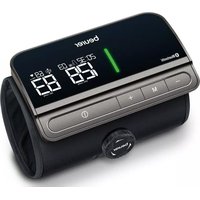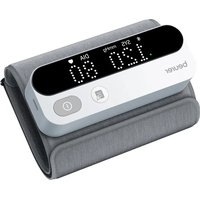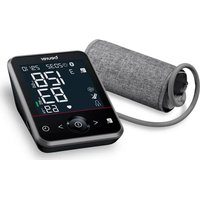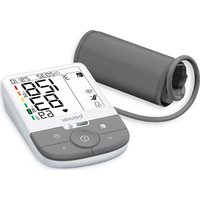
BM 65 - Blood pressure monitor BEURER - Free user manual and instructions
Find the device manual for free BM 65 BEURER in PDF.


Frequently Asked Questions - BM 65 BEURER
User questions about BM 65 BEURER
0 question about this device. Answer the ones you know or ask your own.
Ask a new question about this device
Download the instructions for your Blood pressure monitor in PDF format for free! Find your manual BM 65 - BEURER and take your electronic device back in hand. On this page are published all the documents necessary for the use of your device. BM 65 by BEURER.
USER MANUAL BM 65 BEURER
Thank you for choosing one of our products. Our name stands for high-quality, thoroughly tested products for the applications in the areas of heat, weight, blood pressure, body temperature, pulse, gentle therapy, massage and air. Please read these instructions for use carefully and keep them for later use, be sure to make them accessible to other users and observe the information they contain.
Best regards, Your Beurer Team
1. Getting to know your instrument
The upper arm blood pressure monitor is used for noninvasive measurement and monitoring of adults' arterial blood pressure.
You can use it to measure your blood pressure quickly and easily, storing the results and displaying the progression of readings together with the average.
A warning is issued for anyone suffering from cardiac arrhythmia.
The values determined are classified and graphically evaluated according to WHO guidelines.
Keep these instructions carefully for further use and also let other users have access to them.
2. Important information

Advice on use
- Always measure your blood pressure at the same time of day, in order to ensure that values are comparable.
Relax for approx. 5 minutes before each measurement. - You should wait five minutes before measuring a second time.
- The readings that you take may only be used for information purposes – they are not a substitute for a medical examination! Discuss your results with the doctor. Never use them to make medical decisions independently (e.g. regarding medication and dosage thereof).
- There may be incorrect measurements where there is cardiocirculatory disease, as well as with very low blood pressure, circulatory disorders, dysrhythmia and other preexisting diseases.
- Only use the instrument on persons whose upper arm has the right circumference for the instrument.
-
You can operate the blood pressure monitor with both batteries and mains. Note that it is only possible to save data when your blood pressure monitor is receiving power. As soon as the batteries wear out or you disconnect the mains adapter from the mains, the blood-pressure instrument loses the date and time.
-
The automatic switch-off function switches off the blood pressure monitor in order to preserve the batteries, if no button is pressed within one minute.
- Make sure that the cuff is cleaned when changing users.

Storage and Care
- The blood pressure monitor is made up of precision electronic components. Accuracy of readings and the instrument's service life depend on careful handling.
- You should protect the device from impact, moisture, dirt, major temperature fluctuations and direct exposure to the sun's rays.
- Never drop the device.
- Do not use near strong electromagnetic fields, i.e. keep it away from any radio systems and mobile phones.
- Only ever use the cuffs provided with the monitor or original replacement cuffs. Otherwise erroneous results will be recorded.
- Do not press any buttons until the cuff is in position.
- If the instrument is not used for any length of time, we recommend removing the batteries.

Advice on batteries
-
Batteries can be fatal if swallowed. You should therefore store the batteries and products where they are inaccessible to small children. If a battery has been swallowed, call a doctor immediately.
-
Batteries should not be charged or reactivated with any other means, nor should they be taken apart, thrown in the fire or short-circuited.
- Remove the batteries from the instrument if they are worn out or if you are not going to use the instrument for any length of time. This prevents any damage as a result of leakage. Always replace all the batteries at the same time.
- Never use different types of battery, battery brands or batteries with different capacities. You should preferably use alkaline batteries.

Repair and disposal
- Batteries do not belong in domestic refuse. Used batteries should be disposed of at the collection points provided.
- Never open the instrument. If these instructions are not heeded, the warranty will be null and void.
- Never attempt to repair the instrument or adjust it yourself. We can no longer guarantee perfect functioning if you do.
- Repairs may only be performed by Beurer Customer Service or authorized dealers. However, always check the batteries and replace them if necessary prior to making any complaint.
- The appliance should be disposed of according to Regulation 2002/96/EC-WEEE (Waste Electrical and Electronic Equipment). In case of queries, please contact the municipal authorities responsible for waste disposal in your area.
3. Unit description
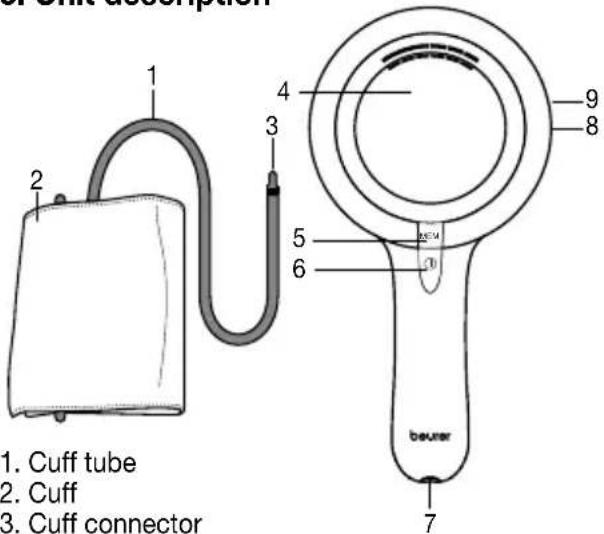
- Cuff connector
- Display
- MEM memory button
- START/STOP button ①
- Connection for cuff connector
- USB interface
- Connection for mains adapter
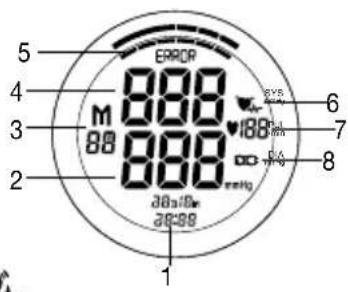
Icons in the display:
- Time and date
- Diastolic pressure
- Memory display, average value (R), morning (R), evening (P)
- Systolic pressure
5.WHO classification - Arrhythmia recognition
- Measured pulse
- Change battery icon
PC kit
With the additionally available accessory set 655.17, consisting of a CD with PC software and a data-transfer cable, you can evaluate your data extremely effectively. You will find the installation instructions in the PC kit.
4. Prepare measurement Inserting battery
- Replace the battery cover carefully.
- Insert four AAA 1.5 V alkaline (LR 03) batteries, making absolutely sure that you insert them with the correct polarity as marked. Never use rechargeable batteries.
- Replace the battery cover carefully.
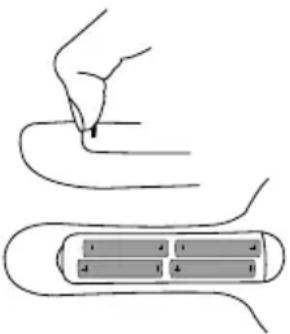
If the battery change, is continuously illuminated, measurement is no longer possible and you must replace all the batteries. Once batteries have been removed from the device, the time must be reset. Used batteries do not belong in the household waste. You are legally obliged to dispose of the batteries. Dispose of them via your specialist electrical supplier or local collect ting point for recyclable waste.
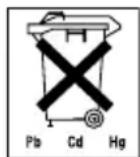
Note: Batteries containing pollutant substances are marked as follows:
Pb = Battery contains lead,
Cd = Battery contains cadmium,
Hg = Battery contains mercury.
Setting date and time
You should set the date and time without fail. Otherwise, you will not be able to save your measured values correctly with a date and time and to access them again later.
The time is displayed in the 24-hour format.
Tip: If you press and hold the "MEM" button, you can set the values more quickly.
To set the date and time, proceed as follows:
- Press the "START/STOP" and "MEM" buttons simultaneously. The year display will start to flash. Set the year with the "MEM" button and confirm with "START/STOP".
- Then set the month, day, hour and minutes and confirm each setting with "START/STOP".
- Pressing the "START/STOP" button again will switch the display off; the date and time are permanently displayed.
Mains operation
You can also operate this device with a mains adapter. No batteries should be in the battery compartment for this. The mains adapter is available from retailers or from the service address under order no. 071.19. The blood pressure monitor should only be used with the mains adapters specified here. The mains adapter should only be connected to the mains voltage indicated on the rating plate. Once you have disconnected the device from the mains, the date and time on the blood pressure monitor are lost. Any measurement results that have been stored are however retained.
5. Measuring blood pressure
Please ensure the device is at room temperature before measuring.
Positioning cuff
Fit the cuff round your bare left upper arm. Blood circulation in the arm should not be restricted by tight clothing or other objects. The cuff should be placed on the upper arm so that the lower edge is 2 to 3cm above the bend of the elbow and above the artery. The tube should be in line with the centre of the palm.
Now place the free end of the cuff snugly, but not too tightly, around the arm, and fix it with the Velcro fastener. The cuff should be fitted tight enough to allow just two fingers to fit beneath the cuff. Insert the cuff tubing into the socket for the cuff attachment.
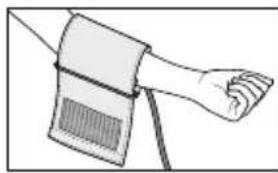
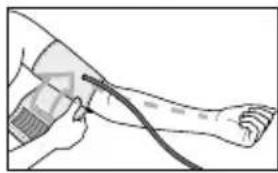
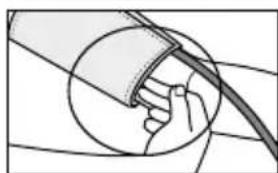
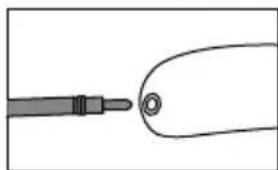
Important: The device may only be operated with the original cuffs. The device comes with 2 cuffs: a standard cuff for arm circumferences of 22 to 30~cm and a larger cuff for upper arm circumferences of 30 to 42~cm .
Correct posture
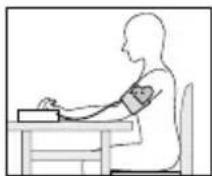
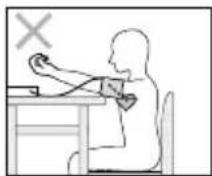
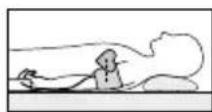
- Rest for approx. 5 minutes before each measurement. Otherwise there may be divergences.
- You can perform the measurement either sitting or lying down. Always make sure that the cuff is on a level with your heart.
- In order not to distort the result, it is important to keep still during the measurement and not talk.
Measuring blood pressure
- Put on the cuff as described previously and assume the position in which you want to carry out the measurement.
- Switch on the blood pressure monitor with the "START/ STOP" button. After the full-screen display, the most recently used user memory appears (U0, U1,..., U9). To change the user memory, press the "MEM" button and confirm your selection with the "START/STOP" button. If
no button is pressed, the most recently used user memory is automatically used after 5 seconds.
- Before the measurement, the last saved test result is briefly displayed. If there is no measurement in the memory, the instrument always displays the value "0".
- The cuff is pumped up to 190mmHg . Cuff air pressure is released slowly.
If a tendency towards high blood pressure is already detectable, the cuff is pumped up again and cuff pressure increased further. As soon as a heart rate is detected, the heart beat symbol is displayed.
- Heart rate, systolic and diastolic blood pressure are displayed.
- Measuring can be cancelled at any time by pressing the "START/STOP" button.
- "Er" appears if it has not been possible to perform the measurement properly. Observe the section in these instructions on error messages/troubleshooting and repeat the measurement.
- The test result is saved automatically.
- To switch off, press the "START/STOP" button. If you forget to turn off the device, it will switch off automatically after approx. 1 minute.
Wait at least 5 minutes before taking another measurement!
6. Evaluating results
Cardiac arrhythmia:
This instrument can identify possible cardiac arrhythmia disorders during measurement and if necessary indicates the measurement with the flashing icon
This may be an indicator for arrhythmia. Arrhythmia is a condition where the heart rhythm is abnormal as a result of defects in the bioelectrical system controlling the heart beat. The symptoms (omitted or premature heart beats, slow or excessively fast heart rate) may be caused, among other things, by heart disease, age, physical predisposition, excessive use of stimulants, stress or lack of sleep. Arrhythmia can only be ascertained through examination by your doctor.
Repeat the measurement if the flashing icon is displayed after the measurement. Please note that you should rest for 5 minutes between measurements and not talk or move during the measurement. If the icon appears often, please contact your doctor. Any self-diagnosis and treatment based on the test results may be dangerous. It is vital to follow your doctor's instructions.
WHO classification:
The World Health Organization (WHO) and National High Blood Pressure Education Program Coordinating Committee have developed a blood pressure standard, according
to which areas of low- and high-risk blood pressure are identified. This standard, however, is a general guideline as individual's blood pressure varies among different people and different age groups...etc.
| Range of blood pressure values Systolic | (in mmHg) | Diastolic (in mmHg) | Measure |
| Grade 3: Severe hypertension >= 180 >= 10 | 10 Seek medical advice | ||
| Grade 2: Moderate hypertension 160 – 179 | 100 – 109 Seek medical advice | ||
| Grade 1: Mild hypertension 140 – 159 90 – 99 Have it checked regularly by doctor | |||
| High-normal 130 – 139 85 – 89 Have it checked regularly by doctor | |||
| Normal 120 – 129 80 – 84 Check it yourself | |||
| Optimal < 120 < 80 Check it yourself |
Source: WHO, 1999
It is important that you consult with your physician regularly. Your physician will tell you your normal blood pressure range as well as the point at which you will be considered at risk.
The WHO classification in the display shows the range of the measured blood pressure.
If the values for systolic and diastolic pressure are in two different WHO ranges (e.g. systolic in the grade hypertension range and diastolic pressure in the normal range), the WHO classification on the unit always indicates the higher range (grade hypertension in the example described).
7. Saving, retrieving and deleting results
- The results of each successful measurement are stored together with date and time. With more than 30 items of measured data, the earliest items of data measured are lost.
- Press "MEM" button to activate the memory function and choose the desired user memory by using the "START/ STOP" button. If you press the "MEM" button again, the average value "R" of all the stored measured values in the user memory will be displayed. If you press the "MEM" button again, the average value of the last 7 days for the morning measurement will be displayed (Morning: 5 a.m. - 9
a.m., display "Rn. If you press the "MEM" button again, the average value of the last 7 days for the evening measurement will be displayed (Evening: 6 p.m. - 8 p.m., display "Pn"). If you continue to press the "MEM" button, the most recent individual measured values with date and time are displayed in turn.
- You can delete the memory by pressing and holding the "MEM" button for 3 seconds. All the values in the current user memory are deleted after three beeps are output.
- To switch off, press the "MEM" button again or the "START/STOP" button.
- If you forget to switch off the device, it will switch off automatically after 2 minutes.
8. Error messages/trouble-shooting
In case of faults, the "Er_ message appears in the display. Error messages can occur when
- the blood-pressure values are unusually high or low (Er1 or Er2 appears in the display),
- the cuff is too tight or too loose (Er3 or Er4 appears in the display),
the inflation pressure is higher than 300mmHg (Er5 appears in the display), - inflation takes longer than 3 minutes (Er6 appears in the display),
-
there is a system or device error (ErA, Er0, Er7 or Er8 appears in the display),
-
the batteries are almost empty
In such cases, repeat the measurement. Ensure you do not move or speak.
If necessary, re-insert or replace the batteries.
9. Cleaning and storing the instrument
- Clean your blood pressure computer carefully only with a slightly moistened cloth.
- Do not use detergents or solvents.
- On no account must you immerse the computer in water, otherwise liquid can enter it and cause demage.
- When storing the device, make sure that no heavy objects are placed on top of it. Remove the batteries. The cuff tube should not have any sharp kinks.
10. Specifications
Model No. BM 65
Method of Measurement Oscillometric, non-invasive blood pressure measurement on the upper arm
Range of Measurement Pressure 0 - 295 mmHg, systolic 30 - 280 mmHg, diastolic 30 - 280 mmHg, pulse 40 - 180 beats/minute
Accuracy of the systolic ± 3mmHg /diastolic pressure reading ± 3mmHg / pulse ± 5% of the displayed value
| Measuring uncertainty max. permissible standard devia-tion according to clinical testing:systolic: 8 mmHg /diastolic: 8 mmHg |
| Sets of Memory 10 x 30 memory places |
| Unit Dimension L240 x W120 x H50 mm |
| Unit Weight Approx. 419 g |
| Cuff Size 22 - 30 cm / 30 - 42 cm |
| Operating Temperature +5 °C to +40 °C, < 90 % RH |
| Storage-Temperature -20 °C to +55 °C, < 95 % RH |
| Power Supply 4 x 1,5 V AAA batteries (alkalinen-type LR 03) |
| Battery Life For approx. 220 measurements,depending on blood pressure level or inflation pressure |
| Accessories With storage pouch, instructionmanu al4 x 1,5 V AAA battery (LR 03) |
| Classification Application part Type B |
| Protection class Internal power supply, IPXO, noAP or APG, continuousoperation |
Key to symbols: Application part Type B

Important! Read the operating
instruction!

Manufacturer

These specification are subject to change without notice for purpose of improvement.
11. Adapter
Model No. FW 7575M/EU/6/06
Input 100-240 V, 50-60 Hz
Output 6 V DC, 600mA, only in connection with beurer blood pressure monitor
Protection This device is double insulated and protected against short circuit and overload by a primary thermal fuse. Make sure to take the batteries out of the compartment before using the adapter

double insulated / equipment class 2
Enclosures and Equipment enclosed to protect against Protective Covers contact with live parts, and with parts which can become live (finger, pin, hook test).
The operator shall not contact the patient and the output plug of AC adaptor simultaneously.
- This unit is in line with European Standard EN60601-1-2 and is subject to particular precautions with regard to electromagnetic compatibility (EMC). Please note that portable and mobile HF communication systems may interfere with this instrument. For more details, please contact customer service at the address indicated.
- The instrument is in line with the EU Medical Products Directive 93/42/EC, the German medical products act and European standards EN1060-1 (non-invasive blood pressure monitors, Part 1: general requirements) and EN1060-3 (non-invasive blood pressure monitors, Part 3: Supplementary Requirements for Electromechanical Blood Pressure Measurement Systems).
- If you are using the instrument for commercial or economic purposes, you must check measurement precision regularly in accordance with the Operators' Ordinance on Medical Products'. Even in the case of private use, we recommend checking measurement precision every two years at the manufacturers.
FRANÇAIS
Chere cliente, cher client,
Model no. FW 7575M/EU/6/06
Giris 100-240V,50-60Hz
Annapat IJnI IN3MepeHnKPOBHOI DaJIeHnB IIJIeueBOApTEpnn CnyXnT IJn HEnHbA3NBHOrIO IN3MepeHnIKoHTpOJIApTEpnaIbHO rDaJIeHnY B3PocNbIX NaIeHToB.CeroI NOMOuBbI MoKeTe 6bICTpO nIpoCTo IN3MeepTaBaIe KPOBHOE DaJIeHnE, BBOINbB I NaMrtb pe3yNbTaTbI IN3MepeHn I NOKa3bIBaTb IN3MeHeHn I CpeDHne 3HaueHnIAdJIeHnI.
Bb6yTe npEynpeKdeHb npn BO3MOxHO mHeoXcHapuHnx pTMa cepua.
Pe3yIbTaTbI n3MepeHn KLnaccuHpUyTOc cornaCHO dIpuKTeBAM BO3 n noDbepraHOTc rpaHneckomy aHaJIa3y.
BHHMaTeIbHo IpoUHTe DaHHyIO HNCTpyKcHIO NO 3KcNlYaTaUIM, COxpaHnTE ee N O3HaKOMbTe C HeN IN Dpynx NOJb3OBaTeJe.
2. BaxKhIe yKa3aHnA

Yka3aHnNo npImHeHHIO
Bcerda n3mepaTe KPOBAHOe DaBHeHne B OOn H TO Xe Bpemc cyToK, TTO6bl ObecneHTb CpABHMocTb pe3yNbTaTOB.
-Перед Каддим Имерением раслайтесьВтуене okono 5MuHyT!
Mekdy DByMa N3MepeHnMa peKOMeHnyetcNoDOKdaTb OKOJ0 5 MNHyT!
ПолуенныеВампpe3yЛьТаТыИЗмерениМогутСлУЖИТБ TOлькоДЯИнФорmaцIN-OHи He 3aMeHЯOT MeДицИнСКоE OбслEOВанHe!ОБсydnte pe3yЛьТаТыИЗмерениСВрачOM, HeПринимаTe Ha IX OCHOBAHN HNKaKNx MeДицИнСКnx peшен(HaPpIMep,BbIbOp MeДиKamEHTOB INxdo3nIPOBKN)!
HeBepHbIe H3MepeHHaMOryT BO3HnKaTb np3a6ObeBaHnAxCepDeuHO-CocyDnCToONCTeMbI, a TaKxpe npOChEh Hn3KOM
apTepnAbHOM DaBHeHH, HApUeHHx KpOBoOpaeHH N cepJeHOro pTuMa n Dpynx npE6OJe3Hx.
- VcnoIb30BaTb annapaT ToIbKO IJIIOJeY, y KOTOpbIX O6bem IIeHa COOTBeTCTByET YKa3aHHOMy Dnana3OHy.
AnnapaT MoKet pa6oTaTb OT 6aTapeek nnn 6Ioka CeTeBOrO NITAHn. YUHTe, YTO COxpaHeHne DaHHbIX BO3MOxHToTolbKO B TOM Cnyuae, ecnn annapaT nOlyuayet 3NeKTPnueckn TOK. Iocne nonHoro pa3praDa 6aTapeek nnn OTCoeDInHeHn 6Ioka PNTAHn OT CETn NOKa3aHn DaTbl, BpeMeHN NCye3aOT. - ABTomatika OKJIIOUeHnB BIKIOuAeT annapat B cIeJX 3KOHOMHO IcNoIb3OBAHn BaTapeEe, eCIN B TeueHne ODHONMHyTbI He HaxIMaTb HN ODNHY KHOJOK.
- Y6eIntecb, yTO npn CmHe NOnb3OBaTeJI BbINOJIHReTcA OuNCTKa MaHKeTbl.
Yka3aHnno xpaHeHnIO nyXoOy
Annapat coctont n3 npeun3noHHbIX n 3neKtpoHHbIX y3IOB. ToHocTb pe3yIbTaTOB n3MpeHn i cPOK cIyX6bl annapata 3aBnCt OT npabInbHOCTn O6paueHn C np6opom :
- IpedoxpaHnTe np6op OT yapOB, DeiCTBnBnAri, rpr3n, cnIbHbIX KOle6aHNI TeMnepaTpybl NpRmbix COJIHeHbIX Jyuei.
- He donyckaia Te naedenn npnbopa.
-
He nCnoB3yIe npi6op B6Iu3n CunIbHbIX 3JeKTPoMaTHNbIX noJIe, Hapimep, B6Iu3n paIIOaIpaIaTypbI uIN Mo6uIbHbIX TelefoHOB.
-
IcnoIb3yInTe TOnIbKO BxOJaUne B O6bEm NocTaBKn nnOpnHnHaJIbHbIe 3aIacHbIe MaHXeTbI. B IpOTnBHom CnyuaeNoJyauTcH HeBepHbIe pe3YNbTaTbI n3MepeHn.
He haximatb Ha KHONKn, noka He HaTeMaHKeTa.
- EcIn Bbl dInTeBHOe Bpem He nOlb3yeTecb np6opom, peKOMeHNdyETcB bHHTb 6aTapeNk.
yka3aHnB OTHoWeHn 6aTapeek
- IporlaTbIbAHne 6aTapeeK MoKeT npNBOITb K ONaCHOCTn dna Xn3Hn. IooTomy xpaHTe 6bataeKEN n N3dennB Heoctynom dJr deTei MeCte. B Cnyae nporlaTbIbAHn 6bataeKEN He3aMeDInTeJbHO o6paTntecb K BpaCy.
3aPpeaaetc3apJXaTb Nn peakTNBupoBaTb 6aTapeKINHbIMN cnoc6amn, pa3bnpaTb nx, 6pOcaTb B OROh Nn 3aMbKaTb HaKOpOTko. - BbTaunTe 6aTapeKn n3 annapaTa, ecn OH pa3pJxehbI nnecn Bbl dntelbHoe BpeM He noB3yeTecb np6opom. TaKIM o6pa3oM Bbl npedotBpaauaete yuep6, KOtOpBIM MOKeT 6bITb Bbl3BaH BblNBUMc3NeKtpOnlTom. Bcerda 3aMeHnTe BCE 6aTapeKn ODHOBpeMeHHO.
He nCnoB3yIte 6aTapeKn pa3NHybIX TINOB, MapOK nn 6batapeKn C pa3NHyOH EMKOCTbIO. PpenMyeCTBeHNO nCnoB3yIte ⅢeNoCHbIe 6batapeKn.

BcemnpnopraHn3aun 3dpabooxpaHeHn (BO3) nHaonhaNbHbKoOpDnHaOnHbKOMTET no o6p3OBaTeNBHO nporpaMMe O BbICOKOM KPOBHom daBHeHH (National High Blood Pressure Education Program Coordinating Committee) pa3pa6OtaUN cTaHaprTHbIe 3NaueHn KPOBHO rDaBHeHn dI rOppeJeHn ypoBHeN
KPOBHOO DaBHeHn BbICOKO n Hn3KOro pNcKa. Ondako 3TN CTaNapTHbIe 3NaueHn RAJIaOTcRA BCero JINMb o6uIMN I OPNEHTIpOBOChbIMN, NCKOJIbKY INHINBnUyAInbHOe KPOBHOe DaBHeHne MOKeT OTJNuHaTbcra y OTdEnbHbIX NIODei, B pa3HbIX BO3pactHBix rpynnax n T.D.
7. CoxpaHeHne, BbI3OB u ydaJeHne pe3yNbTaTOB n3MepeHnA
- Pe3yNbTaTbI KaXDoR YoYcNeUHOro N3MepeHncoXpaHrOITcB IaMHTu BMeCTe C DaToN IbPeMeHem. Ppi 60nee Yem 30 pe3yNbTaTax Cambl CTapbl pe3yNbTAT nepENICbIBAETcR.
-
Bb6epnte npn nomoun KhoNk, MEM, a 3aTeM npn nomoun KhoNk, START/STOP "HyxHyIO NOIb3OBaTeNbckyIO naMTb. Ecnn haxKaTb KhoNky, MEM" eue pa3, oTo6pa3NTcR cpeHnee 3NaueHne R n3 BCex COxpaHeHHbIX B daHHOI NOIb3OBaTeNbckO nnMaTn N3MepeHHbIX 3NaueHn. Ecnn haxKaTb KhoNky, MEM" eue pa3, oTo6pa3NTcR cpeHnee 3NaueHne I3 BCex pe3yNbTaTOB yTpeHHNX N3MepeHn 3a nocLeDnE 7 dHe. (Ytpo: 5.00 - 9.00, INdkaUra, ).Ecnn haxKaTb KhoNky, MEM" eue pa3, oTo6pa3NTcR cpeHnee 3NaueHne I3 BCex pe3yNbTaTOB BeepeHHX N3MepeHn 3a nocLeDnE 7 dHe. (Beep: 18.00 - 20.00, INdkaUra, ).PpN daIbHeIwem HaxKtN KhoNk, MEM" kKdbI pa3 6ydyr OTo6paKATbCRA pe3yNbTaTb OTdEhNbHix nocLeDnIX N3MepeHn C yka3AHmE DaTb I BpeMeHN.
BbMoKTeOChTnB NaMBy, yDepXNBaR KHOJky ,MEM" HaxaToB TceHne 3 cekyHd. Bce 3NaYeHnR, coxpaHeHHbIe B INcNoJIb3yEmoB B daHHe BpE M NoIb3OBaTeNbCKo I naMTn, nocLe TpoHOrO 3ByKOBOr CInHaN a6yDt ydaJeHbl.
-ДИАОТКЛIOUHeHЯ NOBTOpHO HaxMnTe KhoNky MEM nIIN KhoNky START/STOP. -
Ecnn Bbl 3a6ynde Te BblKIOHHTb np6op, OH OTKIOHNTcABTOMaTHueCKnYepe3 2 MInHytbl.
8. Coo6eHnO HeNCpPaBHOCTaX/ YcTpaHeHne HncPpaBHOCTe
Pn HncnpaBHOCTx Ha dncnnee noABJIeTc COo6ueHne Er. Coo6eHHO HeNCpapBHOCTX MOyT NOABJIATbC, ECNI
- 3HaueHne apTepnaiNbHO daBleHna Ype3BbIaHNo BbICOKoe nnu Ype3BbIaHNo Hn3Koe (Ha ducnJIee nOBJIeTcER1 nn Er2),
MaHKeTa HANOKeHa CnIeKOM CnIbHO IIN CNIeKOM Cna6o (Ha nCnJIee NOBJIeTcR Er3 nn Er4),
-Давленине НакачиВаньпpeвblшael300 MM pT. CT.(Ha DnCnJIeE NOBnIeTcR Er5), - HakaunBaHne dInTc 60onee 3 MNHyT (Ha DnCnnee noBnEer6),
- IMeETcH HeNCnPaBHOCTb CnCTembl Nn np6opa (Ha dncnnee noBnEETcERA, Er0, Er7 nn Er8),
- 6atapeiKn noTn pa3pJxHeBb
B Taknx Cnyaax BbIIOJIHInTe NOBTOPHOe N3MepeHne.
Cneinte 3a TEM, yTo6bI Bbl He DnBraJIMCb Hr RoBOpIN.
Pn HeoXOIMOCn yCTaHOBnTe 6aTapeKn CHOBa Ha MecTo Nn 3AmEHnTe NX.
9. OuicTka n xpaHene npnbopa
- Pnp6op dIINnI3MpeHnKpOBHOrO daBHeHnCneDyET YNCTNTb OTOPOXHO pni NOMOu CnerKa CMOeHHo TKaHI.
3anpeaetcnaonb3oBaHne YnCTaux CpeCTB nIpaTbOpnten.
He donyckaIte nona daHne npnbopa B BOy, T.K. B pe3yIbTaTe B Hero MoKet npOHKnHYb KnIDKOCTb NOBpeDntb np6op. - Pn xpaHEnn annapaTa Ha Hero HeIb3r CTaBnTb TReKeIbIe npEmdTebl. 3anpeuaeTcR CInbHO nepen6aTb COeDHHHTeNbHyTO Tpy6ky MaHXeTbl.
10. TexHnueckne daHHbIe
Moelb Ng BM 65
MeToIbI N3MepEnIg Ocunllmo MeTpueeckoe
N3MepHHe HeINHb3nBHOe
KPOBraHOrO DaBJIeHNr Ha
PipeIJIpeYe