
YOGURTEO YG231E32 - Yogurt maker MOULINEX - Free user manual and instructions
Find the device manual for free YOGURTEO YG231E32 MOULINEX in PDF.



| Brand | MOULINEX |
| Model | YOGURTEO YG231E32 |
| Product type | Yogurt maker |
| Capacity | 1 liter of milk (about 8 yogurt pots) |
| Power supply | 220-240 V ~ 50/60 Hz |
| Main functions | Yogurt making; programmable fermentation time up to 15 hours; automatic shut-off with audible signal |
| Materials | Plastic body; glass pots; plastic lids |
| Cleaning | Pots and lids dishwasher safe; body cleanable with a damp cloth |
| Safety instructions | Do not immerse the body in water; do not move during operation; use on a stable surface |
| Included accessories | Glass pots with date-mark lids; main and secondary lids |
Frequently Asked Questions - YOGURTEO YG231E32 MOULINEX
User questions about YOGURTEO YG231E32 MOULINEX
0 question about this device. Answer the ones you know or ask your own.
Ask a new question about this device
Download the instructions for your Yogurt maker in PDF format for free! Find your manual YOGURTEO YG231E32 - MOULINEX and take your electronic device back in hand. On this page are published all the documents necessary for the use of your device. YOGURTEO YG231E32 by MOULINEX.
USER MANUAL YOGURTEO YG231E32 MOULINEX
Thank you for choosing a Moulinex appliance which is exclusively designed for making yoghurts.
DESCRIPTION
A Lid made up of 2 parts:
- Lid A1: Main lid
- Lid A2: Secondary lid
B Body
C Yoghurt jars made up of 2 parts:
- Glass jar C1
- Lid with date display C2
D Backlit electronic display
E Control buttons:
- Time setting programme button E1
- On/off switch E2

SAFETY INSTRUCTIONS
- This product has been designed for domestic use only. Any commercial use, inappropriate use or failure to comply with the instructions, the manufacturer accepts no responsibility and the guarantee will not apply.
- This appliance is not intended for use by persons (including children) with reduced physical, sensory or mental capabilities, or lack of experience and knowledge, unless they have been given supervision or instruction concerning use of the appliance by a person responsible for their safety.
- Children must be supervised to ensure that they do not play with the appliance.
- Check that the power voltage for your appliance corresponds to that of your mains installation.
- Any connection error renders the guarantee invalid.
This appliance is intended to be used only in the household, for domestic purposes.
It is not intended to be used in the following applications, and the guarantee will not apply for:
-
Staff kitchen areas in shops, offices and other working environments,
-
Farm houses,
- By clients in hotels, motels and other residential type environments,
-
Bed and breakfast environments.
-
Unplug the appliance if you are not going to use it for a long period and when you are cleaning it.
- Do not use your appliance if it is not operating correctly or if it has been damaged. If this occurs, contact an authorised Moulinex service centre (see list in service booklet).
- All repair work other than cleaning and basic maintenance by the customer must be done by an approved Moulinex centre.
- Never put the appliance, the power cord or the plug in water or any other liquid.
- Do not leave the power cord within reach of children.
- The power cord must never be close to or in contact with the hot parts of your appliance or close to a heat source or a sharp edge.
- If the power cord or the plug is damaged, do not use your appliance. In order to avoid any danger, have them replaced by an approved Moulinex service centre (see the list in the service booklet).
- For your safety, only use Moulinex accessories and spare parts that correspond to your appliance.
- All appliances are subject to strict quality control. These include actual usage tests on randomly selected appliances, which would explain any traces of use.

RECOMMENDATIONS
- Before using for the first time: clean the jars (C1) and the lids (C2, A1 and A2) using warm soapy water or in the dishwasher. To clean inside the body (B), simply use a damp cloth. Never plunge the body of the appliance into water.
While in use: do not move the appliance during use, in particular, do not open the lid (A1). Do not
place the yoghurt maker in any place where there may be vibrations (for example above a refrigerator) or which is exposed to draughts. Complying with these recommendations will ensure successful yoghurts.
To make your yoghurt, you will need one litre of milk and a ferment.

TIPS FOR CHOOSING YOUR MILK AND FERMENT
1) CHOOSING YOUR MILK
- For good results and ease of preparation, use whole or semi-skimmed UHT milk or reconstituted milk powder. Fresh milk (untreated) or pasteurised milk needs to be boiled and then cooled and sieved in order to remove the skin.
Notes:
- Whole milk makes for a firmer and more flavoursome yoghurt.
- Raw untreated or pasteurised milk contains more vitamins and trace elements.
- To make yoghurts with a better consistency, you can add one or two jars of skimmed milk powder to your litre of milk, stirring carefully.
- Use the milk at room temperature or slightly warm (heat to 37°C or 40°C and measure using a thermometer). Do not use milk straight out of the refrigerator.
2) CHOOSING YOUR FERMENT (CULTURE)
Your ferment can be made either:
- using one individual pot (150 g size)

MAKING THE YOGHURTS
- Mix the litre of milk very carefully with the ferment you have chosen (yoghurt or lyophilised dry ferment/ yoghurt culture) in a container with a spout. Be careful not to froth this mixture up.
natural unflavoured fresh yogurt found in the shops (preferably made from whole milk), with the longest best before date possible.
- using lyophilised dry ferment or dried yoghurt culture (bought in supermarkets, pharmacies and certain health food shops) (Note: in the UK only available in certain health food shops or online). Use the activation time and quantity of ferment/starter recommended in the manufacturers instructions.
- use one pot of plain yoghurt you have already made in your yoghurt maker.
Important: when you have made your first set of yoghurts, you simply need to keep one jar by in order to serve as the ferment for the others. After 5 sets, the ferment should be renewed because after a while it becomes weaker and provides for a less solid consistency. Only used plain unflavoured yoghurts as a ferment.
-
For the best results, if using a pot of yoghurt mix it using a fork in order to make it into a smooth paste and then add the milk, stirring all the time. If you are using a dry ferment/ culture, fold it into the milk gently and mix very carefully.
-
Divide your mixture into the jars (C1).
-
Place the jars (C1), without their lid (C2), into the yoghurt maker.
- Put 'the lids' (A1) on the yoghurt maker.
Practical tip: you can also place the lids of the jars (C2) on the lid A1 and then cover with the lid A2 (see illustration).
Notes: You can sweeten your yoghurts either when you eat them or when you make them. To do this add sugar to the milk (no more than 80g sugar for 1 Litre of milk) at the same time as you add the ferment/culture and beat with a whisk until the sugar dissolves or dissolve the sugar when heating the milk. Honey or artificial sweeteners may also be used. If sweetening yoghurts when you eat them, add sugar or honey to your taste, generally one or two teaspoons per pot is sufficient.
2) SWITCHING THE YOGHURT MAKER ON
- Plug the yoghurt maker in. The screen flashes "00".
- Choose the preparation time using the button E1. Keep your finger on the button until the desired time is displayed. The maximum programming time is 15 hours. To rapidly advance the time, keep your finger on the button E1 for 2 seconds.
- Then press the on/off button (E2). The screen lights up and shows that the
program has started.
- When the programming time has finished "00" flashes on the display and then a beep, which is repeated 5 times, informs you that the programme has finished. The beep can be stopped by pressing the on/off button.
- Unplug the appliance.
3) STORING YOUR YOGHURTS:
- Lift the lids (A1 and A2), taking care to prevent any condensation from dripping into the jars (C1).
- Using the manual date display, located on each lid (C2), set the best before date of your yoghurts by simply rotating the upper part of the lid to the required number.
- Tighten the lids (C2) onto the glass jars (C1) and place them in the refrigerator for at least 6 hours before enjoying them. If you wait 24 hours, they will be even firmer.
Notes:
Plain yoghurts can be kept in the refrigerator for a maximum of 7 days days, depending on the freshness of the milk. The best before date for natural yoghurts will be the date the yoghurts were made plus 7 days.
- Never put the appliance in the refrigerator.
- Other types of flavoured yoghurts, must be eaten more quickly. Use within to 5 days.

CLEANING
- Always unplug the appliance before cleaning it.
- Never plunge the body of the appliance into water. Clean it with a
damp cloth and warm water and washing-up liquid. Rinse and dry.
- The yoghurt jars (C1) and the lids (C2, A1 and A2) are all dishwasher safe.

CARE & HYGIENE WHEN MAKING YOGHURT
-
All the equipment used in the yoghurt making process - jars, jar lids and if used saucepan, jug, sieve, and spoons - should be sterilized either by using Milton sterilizing solution or cleaning in a dishwasher.
-
Sterilising the jars and lids is important to prevent the introduction of any undesirable airborne organisms which could interfere with the incubation of the fement/culture, and result in runny yoghurt which will not set.

SOLUTIONS TO FREQUENT PROBLEMS
| PROBLEMS | CAUSES | SOLUTIONS |
| Yoghurts are too runny. | Use of semi-skimmed or skimmed milk without adding milk powder (the milk used on its own is not rich enough in proteins). | Add 1 yoghurt jar of milk powder (2 with skimmed milk) or use whole milk and a half a jar of whole milk powder. |
| The yoghurt maker was moved, bumped or vibrated during fermentation. | Do not move the yoghurt maker while it is working (do not place it on a refrigerator). | |
| The ferment is no longer active. | Change ferment or brand of yoghurt. Check the use-by-date of your ferment or your yoghurt. | |
| The yoghurt maker was opened during its fermentation cycle. | Do not remove the jars or open the yoghurt maker before the programme is finished (around 8 hours). Keep the yoghurt maker out of draughts while it is operating. | |
| Fermentation time too short. | Start a second cycle at the end of the first. | |
| The pots haven't been properly cleaned/rinsed. | Before pouring your preparation into the pots, check that there are no traces of washing-up liquid, household cleaner or dirt on the inside of the pots. | |
| Fruit added to the yoghurt. | Try cooking fruits, or preferably use commercial stewed fruits or jams (at room temperature). Raw fruits will release acidic substances which prevent the yoghurt from forming correctly. | |
| Yoghurts too acidic. | Fermentation time too long. | Reduce the fermentation time next time you use the yoghurt maker. |
| A viscous liquid (called serum) has formed on the yoghurt's surface at the end of fermentation. | Too much fermentation. | Reduce the fermentation time and/or add some powdered milk. |

WHAT DO I DO IF MY APPLIANCE DOESN'T WORK?
- Start by checking the power cord and plug.
You have carefully followed all these instructions, and yet your appliance still does not work? In this case, contact your dealer or an approved Moulinex Centre (see the list in the "Moulinex Service" booklet).
If you have any problems or queries please call our Customer Relations Team first for expert help and advice:
Helpline:
0845 602 1454 - UK
(01) 677 4003 - ROI or contact us
via our website: www.moulinex.co.uk

END-OF-LIFE ELECTRONIC PRODUCT
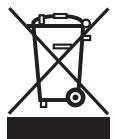
Environmental protection first!
(1)
Your appliance contains valuable materials which can be recovered or recycled.
Leave it at a local civic waste collection point.
RECIPES
FLAVoured YOGHURTS
YOGHURTS WITH FLAVoured SYRUPS
The syrups used are the type used in cocktails.
1 litre of milk, 1 jar plain yoghurt or 1 sachet of fermented.
- Fruit syrups (grenadine, orange, blackcurrant, lemon, mandarin, strawberry, redburrant, barley water, raspberry, wild strawberry, banana, blueberry, cherry, etc): 5 tablespoons
- Flower syrups (rose, violet, jasmine, sandalwood): 4 tablespoons.
- Mint syrup: 4 tablespoons.
Pour the yoghurt or the ferment into a container. Add the cordial and gradually pour the milk in, mixing all of the time with a fork. Pour the mixture into the jars and place them
in the yoghurt maker (8 hours) without the lids.
YOGHURT WITH COOKED FRUIT
JAM YOGHURT
1 litre of milk, 1 jar plain yoghurt or 1 sachet of ferment, 4 tablespoons of jam which is not too thick and which contains small berries or small pieces of fruit: cranberries, blueberries, rhubarb, ginger, strawberry, orange marmalade.
Whip the jam with a little bit of milk. Add the yoghurt or ferment. Mix well, then pour in the rest of the milk.
Pour the mixture into the jars and place them in the yoghurt maker (8 hours) without the lids.
Variation: if you want to make a two-layer yoghurt, simply put the jam at the bottom of the jars. Then pour the
milk/yoghurt or milk /ferment mixture very carefully into the jars. Then place them in the yoghurt maker (8 hours) without the lids.
VANILLA YOGHURTS
700 ml of whole milk, 20 g of semiskimmed milk powder, 1 jar plain yoghurt or 1 sachet of ferment, 80 g of caster sugar, 300 ml of single cream, 1 vanilla pod (cut lengthways to expose seeds).
Warm the cream up and then add the vanilla pod and sugar. Mix well so that the sugar melts and the vanilla seeds are well distributed. Put to one side. Dilute the yoghurt (or the ferment) with the milk, which you add little by little. Pour the cream into the milk/yoghurt or milk/ferment mixture, and then mix in the milk powder. Pour the mixture into the jars and place them in the yoghurt maker (8 hours) without the lids.
WAT DOE IK ALS HET APPARAAT NIET WERKT?
FREMSTILLING AF YOGHURT
1) TILBEREDNING AF BLANDINGEN:
YOGHURT MED SYLLETØJ/MARMELADE
YOGHURT PÅ KOKT FRUKT
YOGHURT MED SYLT
YOGHURT MED FRUKTSAFT
1 liter melk, 1 naturyoghurt aller
1 pose med yoghurtkultur.
- fruktsaft (eple, appelsin, solbaer, sitron, mandarin, jordbaer, rips, bringebaar, skogsbær, banan, blåbaer, kirsebaer, moreller...): 5 spiseskjeer.
- saft av blomster (rose, fiol, sjasmin, sandeltre): 4 spiseskjeer.
peppermyntesaft: 4 spiseskjeer.
YOGHURT MED TILBEREDIT FRUKT
YOGHURT MED SYLTETØY
1 liter elk, 1 naturyoghurt ell er 1 pose yoghurtkultur, 4 spiseskjeer med et syltetoy som ilke er for tykt, og som inneholder bær ell er sma biter av frukt: tyttebaer, blabae rabarbra, ingefae, jordbae, appelsinmarmelade.
B KaYeCTBe 3aKBaCKn MoXHo BOCNoJIb3OBaTbCra:
- HaTypaJIbHbIM IyOrypTOM npOMbIuJIeHHORO N3rTOOBJIeHnN (IpEnMByUeCTBeHNO Ha OCHOBE UeJIbHO MOJOKa) C MaKcImaJIbHO BO3MOxHbIM 3aIacOM BpeMeHn Do IcTeueHnCpOKa rOdHOCTn;
-cyXo JnOoJnIIN3npOBaHHo 3aKBacKo (KOTOpYIO MOxHO npNo6pectu B CynepeMapKeTe, B aNTeKe, B HeKOtOpbIX MaRa3nHax DnEtUneCKnx PpOdykTOB).B 3TOM Clyuae, CNeDyET BbIDepXnBaTb Bpemra kTNBaun, yKa3aHHoe B INHCTpyKUn NIO nCNOJIb3OBAHHU 3aKBacKn.
-Либо ИогуртOM Baшero COбстBEнHorO nprirotOBlenHЯ.
Baxho: noCle npnroTOBneHn nepBoi napTn NOrypTOB DoCTaTOUHO COxpaHntb OINH n3 HNX B KaueCTBe 3aKBaCKn DnIy NocJeDyUOuX npnroTOBneHn. NocJe npnroTOBneHn 5 NapTn CNeDuyeT NCNoJIb3OBaTb HOByIO 3aKBaCKy - C TeueHnEM BpemeHn OHa CJIeKFa NcToUaTeC, yTO npNBOJNT K NOJUYeHnIO NOrypTa C MeHee rCyToKoHCNCCTeHznei.

ПРИГOTOBЛЕHNE IOΓΥPTA
1) ПИNGOTOBJIENIE CMECIN
-B emkoctn c HOCIKOM dJa HaJIINBaHnA OueHb TuaTeIbHo nepemeaTe OINH IInTp MOJOKa C 3aKBaCKo N0 BaWeMy BblOpy (NOrypTOM nJIn cyXoJ INoΦnIIIN3npOBaHHo 3aKBaCKo).Ppi nepemeuBaHnHe BCpeHnBaTe CMEcb.
-Дя получени ODHOPODHOn CMEcn
прдварптельно B36eHTe IYORypT BUNKOJ
-эTO пидаCT erO KOHCNCTeHcIIN
ГlaKDIOCTb, a 3aTeM, He npeKpaца
неремшВаТ, ДобавыTe мОЛКо. B
Случae ИСПОЛБЗOBAHЯ cyxоJ
ПИФИЛIN3ИРОВАНHO 3aKBaCKn, ДобавыTe
ee B MOLOKO N OЧЕН TШаTEЛьНО
неремшайTe.
- Pa3JIeITe cMecbв 6aHouKn (C1).
-Поставытse 6аночкn (C1)Виогуртнцу, He NaKpbIbЯnx KpbIшКамn (C2).-HakpoTe Nogуртнцу KpbIшКоi (A1).
IpaKTHueckn COBeT: pacNoJoxKeTe KpbIshKn 6aHoyek (C2) Ha KpbIshKe A1, 3aTeM NaKpoIte KpbIshKoA2 (cM. pncyHok).
2) INCПОЛьЗOBAHNE ネГΥPTHицbl
-ПодкючnteиогуртнцуКэл ektpocetn. Ha dincпee BbICBETTcR MInraIoUne UФь«00».
- YcTaHOBnTe BpEm npriroTOBHeHnC nOMOuIbIO KHOJKN E1. UdepXnBaIte KHOJKN HaxaToI Do NPOBLeHn JKeJaEMoTO 3NaueHnM. MaKcImaJIbHoe 3NaueHnE dInTeJIbHOCTn cIKJa, KOtOpoe MOxH0 3aPOrpaMMnPoBaTb, paBHO 15 Yacam. YTo6bl yckOpntb pnoeDpyu NaCTpoiKn BpEmHn, Haxmnte Ha KHOJKN E1 n UdepXnBaIte ee HaxaToI B TeueHnE 2 cekyHd.
- 3aTeM haxMMte Ha KHOKNy BKJIIOueHnra / BbIKIIOueHnra (E2). 3KpaH 3aXnIraeTcra n 3TO yKa3bIBaET Ha HauaNo npOprpAMMbI.
-При 3aBepшeHnnpoRpaMMbI HaДИSCJIeE BbICBeuNBAeTcra "00"и 3ByuNT 3BykoBOc nHa5 pa3,ИнФОрмИpya Bac O TOM,чTO npoRpMa 3aBepSheHa (3BykoBOc nHaJMOxET 6bITb OTKJIIOueH DOCPOUHO HaxaTHeM Ha KHOIpKByKJIIOUeHnra / BbIKJIIOUeHnra).
- Otklouchte npnbop ot cetn.
3) XPAHEHNE FOTOOBbIX NOrpyPTOB
-СнHMnTe KpbIuKn (A1 n A2), cIeJЯ 3a TEM, uTo6bI He dOnyCTnTb IOnaJaHnB B 6aHouKn (C1) BOdbl, KOtOpaЯ o6pa3yEtcR B pe3yIbTaTe KOHDeHcaUIn.
- C ネモウロ IU ΜMEJOUCEOGR Ha KaJDoI KpbISeueKe (C2) puHOro MapKepa DaTbI, yKaJNTe cPOK XpaHEnH IyOrypTOB -ДЯ 3TOrO pIOCTO NOBepHnTe BepXHIOU YaCTb KpbIuKN I BvICTaBbTE JeJaemYIO UINDpy.
-3aKpoIte cTeKJIaHHbIe 6aHouckn (C1) KpbIuKaMn (C2), 3aKpyTnB nX, nIOCTaBbTe B XOJIoNlBnHK He MeHee Yem Ha 6 YacOB, npExKe Yem DeRyCTnPoBaTb npriROtOBJIeHHbIe IOrypTbI. OxJaXdEHe NOrypTOB B TeUeHN CyTOK pNiDaCT NM 60Jee rCyCTyIO KOHCnCTeHcIIO.
PpimmeaHnA:
- Cpok XpaHeHnB XOJOnIbHnKe HAtypaIbHOro NOrpyrTa COCTaBnIeT He 60Jee 7 dHe. DpyrHe BnDbl NOrpyrTOB HxKHO yNtpe6ntb 6bICTpee CneIOBaTeJIbHO, Ha KpbIiKhax HyxHo yKa3aTb PpeJeIbHbI cPcK NOrpe6NeHnR: J+ 7 (J - dHe) dJa HAtypaIbHOro NOrpyrTa, D - daTa npriToBnEHHy NOrpyrTOB.
-CTaBnTb B XOJIoNJIbHnK IOrypTHNuCy 3anpeucaetc.

甲CTKA
- Ipeed Tem Kaq YnCTnTb npnbop, o63aTeJbHO OTKIouHte erO OT 3JIeKTPocetn.
- Hn B Koem clyuae He norgykaTe kopnyc npnbopa B Body. POnuCTnte erO
BnaKHO TkaHbO C TOpaYe MblbHO BDOI. CnOLOCHNTe N BbICyUHTe.
TKaHnHn I rapraOoi MmIbHOI BOiN.
Cnonochi t b i BucyuiTb.
-Баночи дяйогуртВ (C1) ta Кршки (C2,A1iA2) moЖнa мИТи B пocудомиHiMaшиHi.

UCYHEHNAIPOINPEHNX IPOBJIEM
2) WŁACZANIE JOGURTOWNICY:
KUI SEADE EI TÖÖTA, SIIS...
- DESCRIPTION
- SAFETY INSTRUCTIONS
- RECOMMENDATIONS
- TIPS FOR CHOOSING YOUR MILK AND FERMENT
- CHOOSING YOUR MILK
- NOTES
- CHOOSING YOUR FERMENT (CULTURE)
- MAKING THE YOGHURTS
- SWITCHING THE YOGHURT MAKER ON
- STORING YOUR YOGHURTS
- CLEANING
- CARE & HYGIENE WHEN MAKING YOGHURT
- WHAT DO I DO IF MY APPLIANCE DOESN'T WORK
- END-OF-LIFE ELECTRONIC PRODUCT
- ENVIRONMENTAL PROTECTION FIRST
- RECIPES
- FLAVOURED YOGHURTS
- YOGHURT WITH COOKED FRUIT
- VANILLA YOGHURTS
- WAT DOE IK ALS HET APPARAAT NIET WERKT
- FREMSTILLING AF YOGHURT
- TILBEREDNING AF BLANDINGEN
- YOGHURT MED SYLLETØJ/MARMELADE
- YOGHURT PÅ KOKT FRUKT
- YOGHURT MED SYLT
- YOGHURT MED FRUKTSAFT
- YOGHURT MED TILBEREDIT FRUKT
- ПРИГOTOBЛЕHNE IOΓΥPTA
- ПИNGOTOBJIENIE CMECIN
- INCПОЛЬЗOBAHNE ネГΥPTHИЦBL
- XPAHEHNE FOTOOBBIX NORPYPTOB
- PPIMMEAHNA
- 甲CTKA
- WŁACZANIE JOGURTOWNICY
- KUI SEADE EI TÖÖTA, SIIS
Brand : MOULINEX
Model : YOGURTEO YG231E32
Category : Yogurt maker