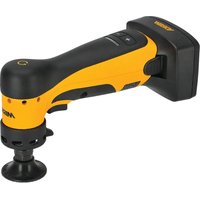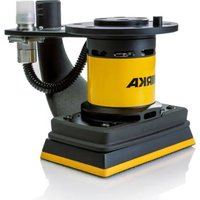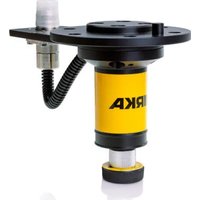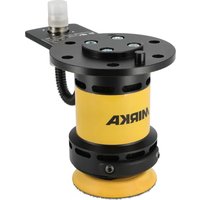
AROS-B 350 - Electric sander Mirka - Free user manual and instructions
Find the device manual for free AROS-B 350 Mirka in PDF.

 FR
FR
 BG
BG
 CS
CS
 DA
DA
 DE
DE
 EL
EL
 EN
EN
 ES
ES
 ET
ET
 FI
FI
 HE
HE
 HU
HU
 IT
IT
 JA
JA
 KO
KO
 LT
LT
 LV
LV
 MK
MK
 NL
NL
 NO
NO
 PL
PL
 PT
PT
 RO
RO
 RU
RU
 SL
SL
 SV
SV
 TR
TR
 ZH
ZH
| Product type | Cordless electric sander |
| Brand | Mirka |
| Model | AROS-B 350 |
| Rated voltage | 12 VDC |
| Speed | 4000 - 7000 rpm (adjustable in steps) |
| Eccentricity | 5 mm |
| Pad diameter | 77 mm |
| Weight (including battery) | 0.88 kg |
| Battery type | Rechargeable Li-ion (compatible with BPA 10825/10850/11125/11150) |
| Battery capacity | 2.5 Ah / 27 Wh (BPA 10825) or 5.0 Ah / 54 Wh (BPA 10850) |
| Charger | Mirka BCA 108 (100-240 VAC, 50-60 Hz) |
| Charging time | < 50 min (2.5 Ah) / < 100 min (5.0 Ah) |
| Sound pressure level (LpA) | 61.6 dB(A) |
| Sound power level (LWA) | 72.6 dB(A) |
| Vibration emission (ah) | 2.5 m/s² (uncertainty K=1.5 m/s²) |
| Built-in Bluetooth | Yes (compatible with MyMirka app) |
| Main functions | Sanding of paint, metal, wood, composites; variable speed; progressive trigger; speed lock; battery indicator LED |
| Maintenance and cleaning | Clean with a soft brush or damp cloth; do not use solvents |
| Safety | Read the manual; wear PPE (safety glasses, hearing protection, gloves, mask); remove battery before transport or maintenance |
| Spare parts and repairability | Pad, battery, charger available; repairs only by a Mirka-approved service center |
| General information | Manufacturer: Mirka Ltd, 66850 Jeppo, Finland; conforms to CE, UKCA, RCM standards |
Frequently Asked Questions - AROS-B 350 Mirka
User questions about AROS-B 350 Mirka
0 question about this device. Answer the ones you know or ask your own.
Ask a new question about this device
Download the instructions for your Electric sander in PDF format for free! Find your manual AROS-B 350 - Mirka and take your electronic device back in hand. On this page are published all the documents necessary for the use of your device. AROS-B 350 by Mirka.
USER MANUAL AROS-B 350 Mirka
Mirka® AOS-B130&AROS-B 150/325/350
natural_image
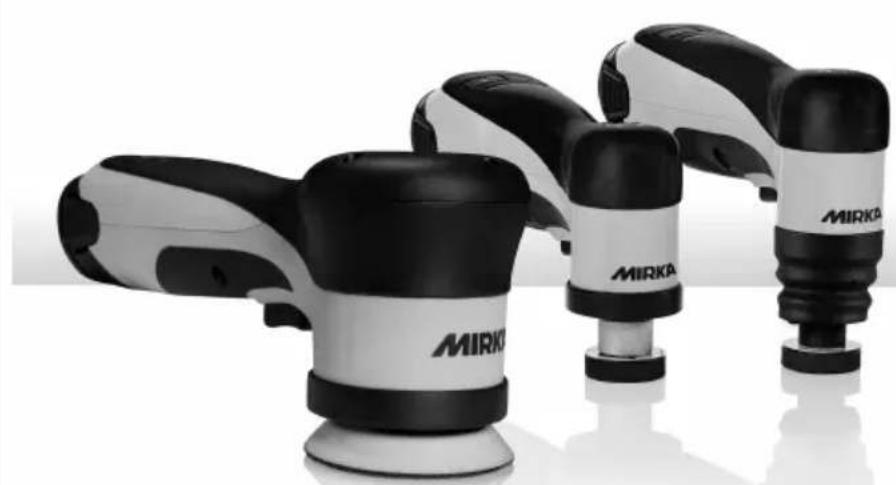
Four MIRKA brand push puters with black and white stripes, displayed against a plain background (no text or symbols visible on the devices themselves)
natural_image
Stylized illustration of a bulldog in aggressive posture (no text or symbols)Operating instructions (original)......66en
United States of America, Mexico & Canada
Operating instructions....271us-ca|en
People's Republic of China
zh 操作说明....300
Brazil
Operating instructions....317UK|en
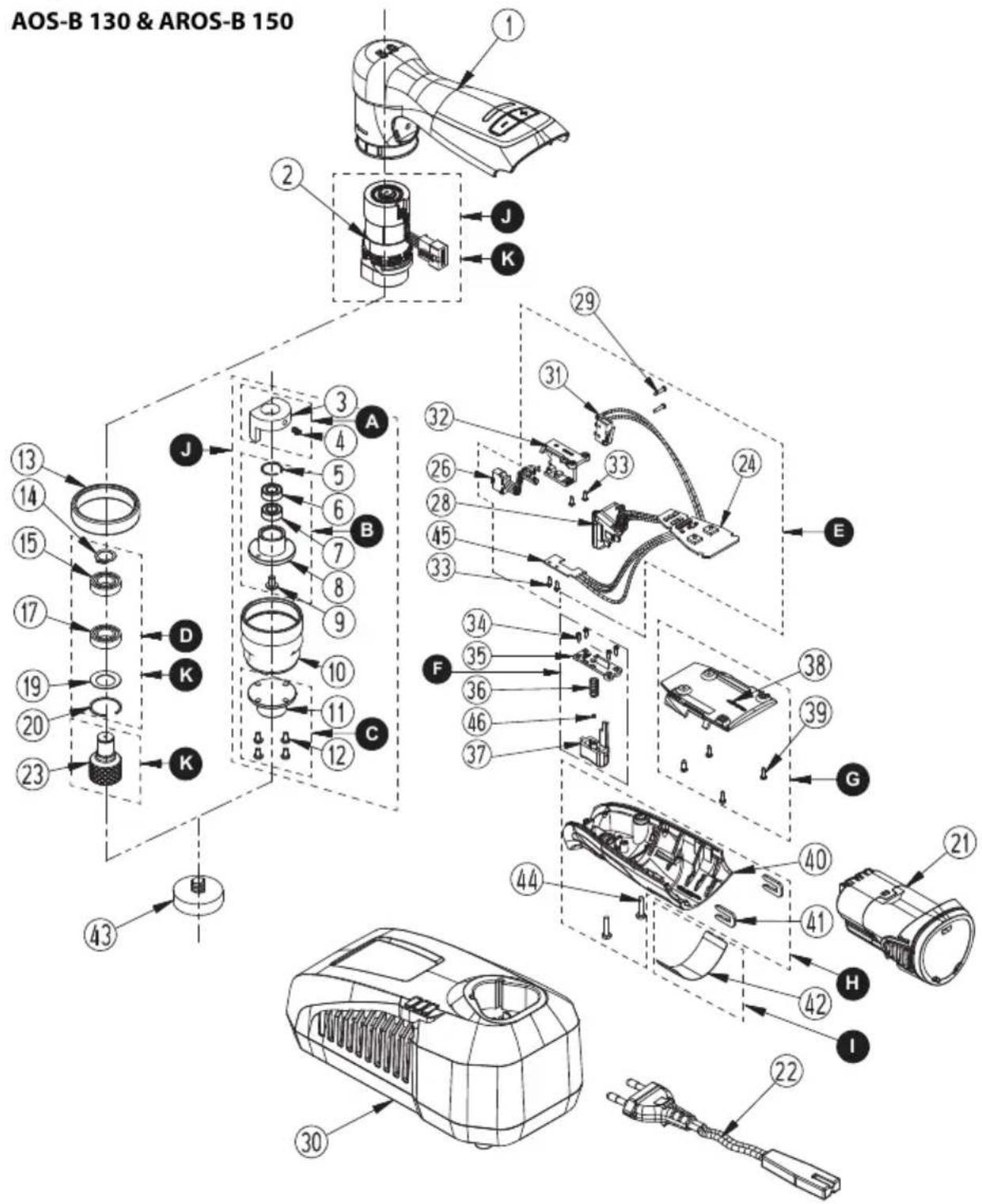
Exploded view
AOS-B 130 & AROS-B 150
Exploded view
AROS-B 325 & 350
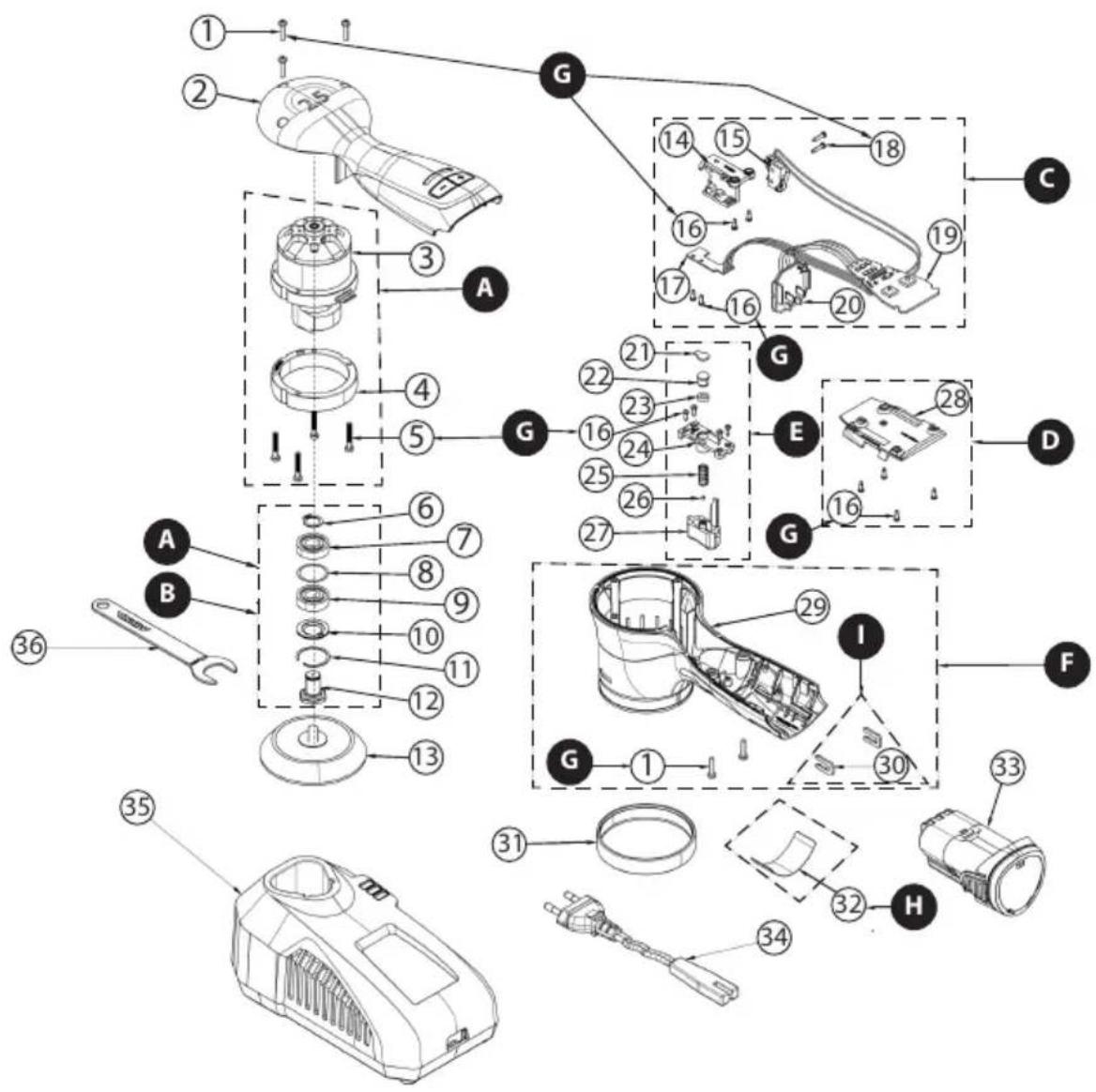
Figure 1
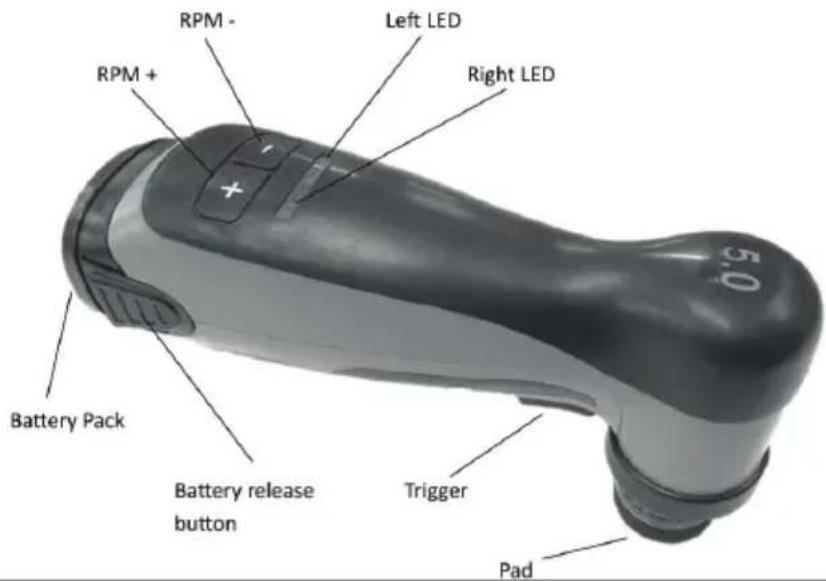
Figure 2

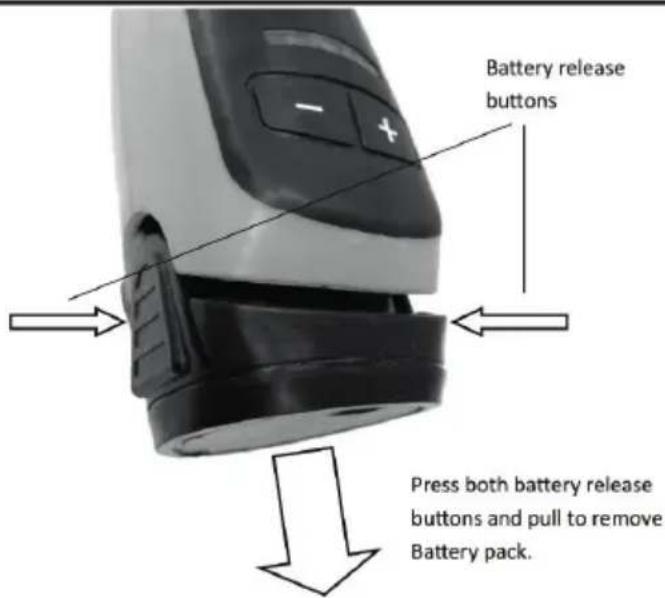
Figure 3
Parts list – AOS-B 130 & AROS-B 150 kits
| QTYKit DEighpinningtemM torque | ||||
| ACounter Weight kit for AOS-B8991120311 | ||||
| 1Counter Weight3 | ||||
| 1Set Screw4 | ||||
| BSpindle Bearing kit for AOS-B8991120511 | ||||
| 1Retaining Ring5 | ||||
| 1Ball Bearing6 | ||||
| 1Ball Bearing7 | ||||
| 1Balance Shaft8 | ||||
| 1Assembly Screw9 | ||||
| 8991121111 | CQuick Lock Plate Assembly for AOS-B | |||
| 11 | 1Quick Lock Plate | |||
| 12 | 4Assembly Screws | |||
| 8991121411 | Spindle Bearing kit for AROS-B | D | ||
| 1Retaining Ring14 | ||||
| 1Ball Bearing15 | ||||
| 1Ball Bearing17 | ||||
| 19 | 1Washer | |||
| 1Retaining Ring20 | ||||
| 8991162411 | Speed Controller (Variable) kit | E | ||
| 24 | 1Speed Controller | |||
| 26 | 1Motor Connector Assembly | |||
| 28 | 1Battery Terminal | |||
| 29 | Assembly Screw for Switch | 2 0,3 Nm/0,2 ft-lb | ||
| 31 | 1Switch | |||
| 32 | 1Holder | |||
| 33 | Assembly Screw for Switch Holder | 4 0,4 Nm/0,3 ft-lb | ||
| 45 | 1PCB Switch | |||
| 8991123411 | Trigger Button kit | F | ||
| 34 | Assembly Screw for Trigger Button Cover | 4 0,4 Nm/0,3 ft-lb | ||
| 35 | 1Trigger Button Cover | |||
| 1Trigger Spring36 | ||||
| 1Trigger Button37 | ||||
| 8991022511 | Trigger Button (Variable) kit | F | ||
| 34 | Assembly Screw for Trigger Button Cover | 4 0,4 Nm/0,3 ft-lb | ||
| 35 | 1Trigger Button Cover | |||
| 1Trigger Spring36 | ||||
| 1Trigger Button37 | ||||
| 46 | 1Magnet | |||
| 8991022111 | PCB Cover kit | G | ||
| 38 | 1PCB Cover | |||
| 39 | Assembly Screw | 4 0,4 Nm/0,3 ft-lb | ||
| 8991124011 | Cover kit | H | ||
| 40 | 1Cover | |||
| 41 | 2Assembly Clamp | |||
| QTYKit Designation Term Torque | ||||
| 44 | Assembly Screw for Cover | 2 0,7 Nm/0,5 ft-lb | ||
| ILabel kit (EU)8991124211 | ||||
| 10Type Label, AROS-B42 | ||||
| 10Type Label, AOS-B42 | ||||
| ILabel kit (North America) | ||||
| 10Type Label, AROS-B42 | ||||
| 10Type Label, AOS-B42 | ||||
| JAOS-B Motor kit Orbit 3.0 mm8991110231 | ||||
| 2 | AOS-B Motor Orbit 3.0 mm | 1 30 Nm/22,1 ft-lb | ||
| 3 | 1Counter Weight | |||
| 4 | 1Set Screw | |||
| 5 | 1Retaining Ring | |||
| 6 | 1Ball Bearing | |||
| 7 | 1Ball Bearing | |||
| 8 | 1Balance Shaft | |||
| 9 | 1Assembly Screw | |||
| 10 | 1Rubber Mount | |||
| 11 | 1Quick Lock Plate | |||
| 12 | 1Assembly Screw | |||
| 8991110251 | AROS-B Motor kit Orbit 5.0 mm | K | ||
| 2 | AROS-B Motor Orbit 5.0 mm | 1 30 Nm/22,1 ft-lb | ||
| 14 | 1Retaining Ring | |||
| 15 | 1Ball Bearing | |||
| 17 | 1Ball Bearing | |||
| 19 | 1Washer | |||
| 20 | 1Retaining Ring | |||
| 23 | Spindle Quick Lock Insert | 1 | ||
NOTE! Repairs done by non-authorized repairer will breach the Mirka warranty. Electrical tools must be serviced by a qualified repair person and in accordance with national requirements.
Parts list – AOS-B 130 & AROS-B 150 spareparts & accessories
| QTYKitD Tighipating Item torque | ||||||
| 1Housing for AROS-B, 5.0mm189911 | ||||||
| 1Housing for AOS-B, 3.0mm189911 | ||||||
| 2 | AOS-B Motor Orbit 3.0 mm | J | 1 | 30 Nm/22,1 ft-lb | ||
| 2 | AROS-B Motor Orbit 5.0 mm | K | 1 | 30 Nm/22,1 ft-lb | ||
| 3 | 1A,JCounter Weight | |||||
| 4 | 1A,JSet Screw | |||||
| 5 Retaining Ring | 1B,J | |||||
| 6 Ball Bearing | 1B,J | |||||
| 7 Ball Bearing | 1B,J | |||||
| 8 Balance Shaft | 1B,J | |||||
| 9 Assembly Screw | 1B,J | |||||
| 8991111011 | 10 | Rubber Mount for AOS-B | J | 1 | ||
| 11 1C,JQuick Lock Plate | ||||||
| 12 4C,JAssembly Screw | ||||||
| 8991111311 | 13 | 1Soft Ring for AROS-B | ||||
| 14 Retaining Ring | 1D,K | |||||
| 15 Ball Bearing | 1D,K | |||||
| 17 Ball Bearing | 1D,K | |||||
| 19 Washer | 1D,K | |||||
| 20 Retaining Ring | 1D,K | |||||
| 1Mirka Intelligent Battery BPA 11 | ||||||
| 1Mirka Intelligent Battery BPA 11 | ||||||
| 8991112211 | 22 | 1Power Cord 2.0 m EU | ||||
| 8991112311 | 22 | 1Power Cord 2.0 m US | ||||
| 8991112411 | 22 | 1Power Cord 2.0 m UK | ||||
| 8991112611 | 22 | 1Power Cord 2.0 m CN | ||||
| 8991112711 | 22 | 1Power Cord 2.0 m ANZ | ||||
| 8991112301 | 23 | Spindle Quick Lock Insert for AROS-B | K | 1 | ||
| 24 Speed Controller | 1E | |||||
| 26 | Motor Connector Assembly | E | 1 | |||
| 28 Battery Terminal | 1E | |||||
| 29 | Assembly Screw for Switch | E | 2 | 0,3 Nm/0,2 ft-lb | ||
| 8991123011 | 30 | 1Battery Charger | ||||
| 8991123011US 30 | 1Battery Charger (North America) | |||||
| 31 Switch | 1E | |||||
| 32 Holder | 1E | |||||
| 33 | Assembly Screw for Switch Holder | E | 4 | 0,4 Nm/0,3 ft-lb | ||
| 34 | Assembly Screw for Trigger Button Cover | F | 4 | 0,4 Nm/0,3 ft-lb | ||
| 35 | Trigger Button Cover | F | 1 | |||
| Trigger Spring36 | 1F | |||||
| 37 Trigger Button | 1F | |||||
| 38 PCB Cover | 1G | |||||
| 39 | Assembly Screw | G | 4 | 0,4 Nm/0,3 ft-lb | ||
| 40 Cover | 1H | |||||
| QTYKitDesignItemMtorgue | |||||
| 2HAssembly Clamp 2/Pack418991012 | |||||
| 1IType Label42 | |||||
| 1Backing Pad Quick Lock 32mm PSA I | |||||
| 1Backing Pad Quick Lock 32mm Grip : | |||||
| 44 | Assembly Screw for Cover | H | 2 | 0,7 Nm/0,5 ft-lb | |
| 45 PCB Switch | 1E | ||||
| 46 Magnet | 1F | ||||
| NOTE! Repairs done by non-authorized repairer will breach the Mirka warranty.Electrical tools must be serviced by a qualified repair person and in accordance with national requirements. | |||||
Parts list – AROS-B 325 & 350 kits
| QTYKitD8ighipatingtemMtorgue | |||||
| Motor kit Orbit 2.5 mm for AROS-B 325*MBS3220311 | |||||
| 1Motor Orbit 2.5 mm3 | |||||
| 1Base Block4 | |||||
| 5 | Screw M3 x 20 mm | 4 | 0,7Nm/0,5 ft-lb | ||
| 1Retaining Ring6 | |||||
| 1ABall Bearing7 | |||||
| 1Spacer8 | |||||
| 1Ball Bearing9 | |||||
| 10 | 1Dust Shield | ||||
| 1Retaining Ring11 | |||||
| 1Spindle 77mm12 | |||||
| Motor kit Orbit 5.0 mm for AROS-B 350*MBS3520311 | |||||
| 1Motor Orbit 5.0 mm3 | |||||
| 1Base Block4 | |||||
| 5 | Screw M3 x 20 mm | 4 | 0,7Nm/0,5 ft-lb | ||
| 1Retaining Ring6 | |||||
| 1ABall Bearing7 | |||||
| 1Spacer8 | |||||
| 1Ball Bearing9 | |||||
| 1Dust Shield | |||||
| 1Retaining Ring11 | |||||
| 1Spindle 77mm12 | |||||
| MIE3521311 | Spindle Bearing kit | ||||
| 1Retaining Ring6 | |||||
| 1Ball Bearing7 | |||||
| 1Spacer8 | |||||
| Ball Bearing9 | 1B | ||||
| 10 | 1Dust Shield | ||||
| 1Retaining Ring11 | |||||
| 1Spindle 77mm12 | |||||
| 8991021411 | Speed Controller kit* | ||||
| 1Holder14 | |||||
| 1Switch15 | |||||
| 16 | Screw 2,2 x 6,5 mm | 4 | 0,4 Nm/0,3 ft-lb | ||
| 17 | 1CTrigger Sensor PCB | ||||
| 18 | Screw 2,2 x 10 mm | 2 | 0,3 Nm/0,2 ft-lb | ||
| 19 | 1Speed Controller | ||||
| 20 | 1Battery Terminal | ||||
| 8991022111 | PCB Cover kit | ||||
| 16 | PCB Cover kit | ||||
| 28 | Screw 2,2 x 6,5 mm | D | 4 | 0,4 Nm/0,3 ft-lb | |
| 1PCB Cover | |||||
| MBB1121611 | Trigger Button (Variable) kit | ||||
| 16 | Screw 2,2 x 6,5 mm | 4 | 0,4 Nm/0,3 ft-lb | ||
| QTYKitDesigningItemMtorgue | |||||
| 1Washer21 | |||||
| 1Plastic Sleeve22 | |||||
| 1EWasher23 | |||||
| 1Trigger Button Cover24 | |||||
| 1Trigger Spring25 | |||||
| 1Magnet26 | |||||
| 1Trigger Button27 | |||||
| Housing kit8991022611 | |||||
| 1 | Screw 2,9 x 13 mm | F | 2 | 0,7Nm/0,5 ft-lb | |
| 1Housing29 | |||||
| 30 | 2Assembly Clamp | ||||
| 8991020111 | Screw kit | ||||
| 1 | Screw 2,9 x 13 mm | 5 | 0,7Nm/0,5 ft-lb | ||
| 5 | Screw M3 x 20 mm | G | 4 | 0,7Nm/0,5 ft-lb | |
| 16 | Screw 2,2 x 6,5 mm | 12 | 0,4 Nm/0,3 ft-lb | ||
| 18 | Screw 2,2 x 10 mm | 2 | 0,3 Nm/0,2 ft-lb | ||
| MBS3223211 | Type Label kit for AROS-B 325/350 | ||||
| 32 | Type Label AROS-B 325 | H | 5 | ||
| 32 | 5Type Label AROS-B 350 | ||||
| 8991012711 | Assembly Clamp kit | I | |||
| 30 | 2Assembly Clamp | ||||
Parts list – AROS-B 325 & 350 spareparts & accessories
| QTYKitD Tighipating Item torque | |||||
| 1 | Screw 2,9 x 13 mm | F,G | 5 | 0,7Nm/0,5 ft-lb | |
| 1Cover for AROS-B 3252MBS3210211 | |||||
| 1Cover for AROS-B 3502MBS3510211 | |||||
| 1AMotor Orbit 2.5 mm3 | |||||
| 1AMotor Orbit 5.0 mm3 | |||||
| 0,7Nm/0,5 ft-lb4A, GBase Block | |||||
| 5 | Screw M3 x 20 mm | A,B | 1 | ||
| 6 | 1A,BRetaining Ring | ||||
| 7 | 1A,BBall Bearing | ||||
| 8 | 1A,BSpacer | ||||
| 9 | 1A,BBall Bearing | ||||
| 10 | 1A,BDust Shield | ||||
| 11 | 1A,BRetaining Ring | ||||
| 12 | 1A,BSpindle 77mm | ||||
| 8294791311 | 13 | 1Backing Pad 77mm 1/4" Grip Medium | |||
| 14 | 1CHolder | ||||
| 15 | 1CSwitch | ||||
| 16 | Screw 2,2 x 6,5 mm | C,D,E,G | 12 | 0,4 Nm/0,3 ft-lb | |
| 17 | 1CTrigger Sensor PCB | ||||
| 18 | Screw 2,2 x 10 mm | C,G | 2 | 0,3 Nm/0,2 ft-lb | |
| 19 | 1CSpeed Controller | ||||
| 20 | 1CBattery Terminal | ||||
| 21 Washer | 1E | ||||
| 22 Plastic Sleeve | 1E | ||||
| 23 Washer | 1E | ||||
| 24 | Trigger Button Cover | E | 1 | ||
| Trigger Spring25 | 1E | ||||
| 26 Magnet | 1E | ||||
| 27 Trigger Button | 1E | ||||
| 28 PCB Cover | 1D | ||||
| 29 Housing | 1F | ||||
| 30 Assembly Clamp | 2F,I | ||||
| 8991012811 | 31 | 1Soft Ring | |||
| 32 | Type Label AROS-B 325 | H | 1 | ||
| 32 | Type Label AROS-B 350 | H | 1 | ||
| 1Mirka Intelligent Battery BPA 11 1855 | |||||
| 1Mirka Intelligent Battery BPA 11 1855 | |||||
| 8991112211 | 34 | 1Power Cord 2.0 m EU | |||
| 8991112311 | 34 | 1Power Cord 2.0 m US | |||
| 8991112411 | 34 | 1Power Cord 2.0 m UK | |||
| 8991112611 | 34 | 1Power Cord 2.0 m CN | |||
| 8991112711 | 34 | 1Power Cord 2.0 m ANZ | |||
| 8991123011 | 35 | 1Battery Charger | |||
| 8991123011US 35 | 1Battery Charger (North America) | ||||
Bluetooth neurosci Egypt LED neurosci Egypt LED neurosci Egypt
| LED | ||||||
| 3 | ||||||
| 2 | ||||||
| 1 | ||||||
| Status | Pre-charge(Trickle charge) | Charging... | Charging... | Charging finished | Over temperature | Battery failure |

Remain continuously on

Flashing
natural_image
Symbol of a trash bin with crossed lines and a solid rectangular base (no text or labels)
Remain continuously on

Flashing
Diagnostika nabíječky
Nabíječka indikuje tyto stavy:
Opladermarkeringer
natural_image
Symbol of a trash bin with crossed lines indicating no waste or discharge, and a solid black rectangle below (no text or labels)| LED | ||||||
| 3 | ||||||
| 2 | ||||||
| 1 | ||||||
| Status | Pre-charge(Trickle charge) | Charging... | Charging... | Charging finished | Over temperature | Battery failure |
natural_image
Symbol of a trash bin with crossed lines and a blank rectangular base (no text or labels)| LED | ||||||
| 3 | ||||||
| 2 | ||||||
| 1 | ||||||
| Status | Pre-charge(Trickle charge) | Charging... | Charging... | Charging finished | Over temperature | Battery failure |

Remain continuously on

Flashing
natural_image
Symbol of a trash bin with crossed lines and a solid black rectangle below (no text or labels)ΚΙΝΔΥΝΟΣ
Declaration of conformity
Mirka Ltd, 66850 Jeppo, Finland
declare under our sole responsibility that the Mirka® products (listed below and see "Technical data" table for particular model) to which this declaration relates are in conformity with the following standards or other normative documents: EN 62841-1:2015/A11:2022, EN 62841-2-4:2014, EN 55014-1:2021, EN 55014-2:2021, EN 300 328 V2.2.2, EN 301 489-1 V2.2.3, EN 301 489-17 V3.2.4 & EN IEC 63000:2018 in accordance with the regulations 2006/42/EC, 2014/53/EU & 2011/65/EU. The battery charger are in conformity with the following standards and directives; EN 60335-1:2012/A15:2021, EN 60335-2-29:2021/A1:2021, EN 62233:2008, EN 55014-1:2017, EN 55014-2:2015, EN 61000-3-2:2014, EN 61000-3-3:2013 & EN IEC 63000:2018 in accordance with the regulations 2014/35/EU, 2014/30/EU, 2011/65/EU, 2015/863/EU & 2012/19/EU.
Products: Mirka ^* AOS-B 130 & AROS-B 150/325/350
Jeppo 17.12.2024
Place and date of issue

Manufacturer/Supplier
Mirka Ltd
66850 Jeppo, Finland
Tel.+358 20 760 2111
Fax +358 20 760 2290
www.mirka.comStefan Sjöberg, CEOCompany

Original instructions. We reserve the right to make changes to this manual without prior notice.
Important
Read these safety and operating instructions carefully before installing, operating or maintaining this tool. Keep these instructions in a safe and accessible place. Read and comply with state and local regulations.
Required personal safety equipment

Read
operator's manual

Wear safety glasses

Wear
ear protection

Wear safety gloves
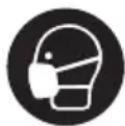
Wear
face mask
Symbols
 | Complies with EU relevant standards |
 | Complies with UK relevant regulations |
 | Complies with China RoHS requirement |
 | Complies with Australia & New Zealand RCM requirement |
 | Complies with Serbian conformity requirements |

Warning: Potential hazardous situation that may result in death or serious injury and/or property damage. Caution: Potential hazardous situation that may result in minor or moderate injury and/or property damage.

General Power Tool Safety Warnings

WARNING Read all safety warnings and all instructions. Failure to follow the warnings and instructions may result in electric shock, fire and/or serious injury.
Save all warnings and instructions for future reference. The term "power tool" in the warnings refers to your mains-operated (corded) power tool or battery-operated (cordless) power tool.
1. Work area safety
a. Keep work area clean and well lit. Cluttered or dark areas invite accidents.
b. Do not operate power tools in explosive atmospheres, such as in the presence of flammable liquids, gases or dust. Power tools create sparks which may ignite the dust or fumes.
c. Keep children and bystanders away while operating a power tool. Distractions can cause you to lose control.
2. Electrical safety
a. Power tool plugs must match the outlet. Never modify the plug in any way. Do not use any adapter plugs with earthed (grounded) power tools. Unmodified plugs and matching outlets will reduce risk of electric shock.
b. Avoid body contact with earthed or grounded surfaces, such as pipes, radiators, ranges and refrigerators. There is an increased risk of electric shock if your body is earthed or grounded.
c. Do not expose power tools to rain or wet conditions. Water entering a power tool will increase the risk of electric shock.
d. Do not abuse the cord. Never use the cord for carrying, pulling or unplugging the power tool. Keep cord away from heat, oil, sharp edges and moving parts. Damaged or entangled cords increase the risk of electric shock.
e. When operating a power tool outdoors, use an extension cord suitable for outdoor use. Use of a cord suitable for outdoor use reduces the risk of electric shock.
f. If operating a power tool in a damp location is unavoidable, use a residual current device (RCD) protected supply. Use of an RCD reduces the risk of electric shock.
3. Personal safety
a. Stay alert, watch what you are doing and use common sense when operating a power tool. Do not use a power tool while you are tired or under the influence of drugs, alcohol or medication. A moment of inattention while operating power tools may result in serious personal injury.
b. Use personal protective equipment. Always wear eye protection. Protective equipment such as a dust mask, non-skid safety shoes, hard hat, or hearing protection used for appropriate conditions will reduce personal injuries.
c. Prevent unintentional starting. Ensure the switch is in the off-position before connecting to power source and/or battery pack, picking up or carrying the tool. Carrying power tools with your finger on the switch or plugging in tools when the switch is in the on-position invites accidents.
d. Remove any adjusting key or wrench before turning the power tool on. A wrench or a key left attached to a rotating part of the power tool may result in personal injury.
e. Do not overreach. Keep proper footing and balance at all times. This enables better control of the power tool in unexpected situations.
f. Dress properly. Do not wear loose clothing or jewellery. Keep your hair, clothing and gloves away from moving parts. Loose clothes, jewellery or long hair can be caught in moving parts.
g. If devices are provided for the connection of dust extraction and collection facilities, ensure these are connected and properly used. Use of dust collection can reduce dust-related hazards.
h. Do not let familiarity gained from frequent use of tools allow you to become complacent and ignore tool safety principles. A careless action can cause severe injury within a fraction of a second.
4. Power tool use and care
a. Do not overload the power tool. Use the correct power tool for your application. The correct power tool will do the job better and safer at the rate for which it was designed.
b. Do not use the power tool if the switch does not turn it on and off. Any power tool that cannot be controlled with the switch is dangerous and must be repaired.
c. Disconnect the plug from the power source and/or the battery pack from the power tool before making any adjustments, changing accessories, or storing power tools. Such preventive safety measures reduce the risk of starting the power tool accidentally.
d. Store idle power tools out of the reach of children and do not allow persons unfamiliar with the power tool or these instructions to operate the power tool. Power tools are dangerous in the hands of untrained users.
e. Maintain power tools and accessories. Checkformisalignmentbinding of moving parts, breakage of parts and any other condition that may affect the power tool's operation. If damaged, have the power tool repaired before use. Many accidents are caused by poorly maintained power tools.
f. Keep cutting tools sharp and clean. Properly maintained cutting tools with sharp cutting edges are less likely to bind and are easier to control.
g. Use the power tool, accessories and tool bits etc. in accordance with these instructions, taking into account the working conditions and the work to be performed. Use of the power tool for operations different from those intended could result in a hazardous situation.
h. Keep handles and grasping surfaces dry, clean and free from oil and grease. Slippery handles and grasping surfaces do not allow for safe handling and control of the tool in unexpected situations.
5. Battery tool use and care
a. Recharge only with the charger specified by the manufacturer. A charger that is suitable for one type of battery pack may create a risk of fire when used with another battery pack.
b. Use power tools only with specifically designated battery packs. Use of any other battery packs may create a risk of injury and fire.
c. When battery pack is not in use, keep it away from other metal objects, like paper clips, coins, keys, nails, screws or other small metal objects, that can make a connection from one terminal to another. Shorting the battery terminals together may cause burns or a fire.
d. Under abusive conditions, liquid may be ejected from the battery; avoid contact. If contact accidentally occurs, flush with water. If liquid contacts eyes, additionally seek medical help. Liquid ejected from the battery may cause irritation or burns.
e. Do not use a batter pack or tool that is damaged or modified. Damaged or modified batteries may exhibit unpredictable behaviour resulting in fire, explosion or risk of injury.
f. Do not expose a battery pack or tool to fire or excessive temperature. Exposure to fire or temperature above 130 °C may cause explosion.
g. Follow all charging instructions and do not charge the battery pack or tool outside the temperature range specified in the instructions. Charging improperly or at temperatures outside the specified range may damage the battery and increase the risk of fire.
6. Service
a. Have your power tool serviced by a qualified repair person using only identical replacement parts. This will ensure that the safety of the power tool is maintained.
b. Never service damaged battery packs. Service of battery packs should only be performed by the manufacturer or authorized service providers

Safety rules for battery pack and charger
- Important safety and operating instructions for your battery and charger. Before using the charger, read all instructions and warnings on the charger, the battery pack and the tool.
- If the battery pack casing is cracked or damaged, do not insert into charger. There is a danger of electric shock or electrocution.
- Do not allow any liquid to get inside charger. Electric shock may result.
- This charger is not intended for any uses other than charging rechargeable batteries.
- Do not place any object on top of the charger, near any heat source or place the charger on a soft surface that may result in excessive internal heat.
- Make sure the cord is located so it will not be stepped on, tripped over, or otherwise subjected to damage or stress.
- Do not use the charger if it has received a sharp blow, been dropped or otherwise damaged in any way.
- Do not store or use the tool and battery pack in locations where the temperature may reach or exceed 50^ (122°F).
- The charger is designed to operate on standard household electrical power (100–240 VAC). Do not attempt to use it on any other voltage.
- Children should be supervised to ensure that they do not play with the appliance.

Additional Safety Warnings
• Always ensure that the work piece to be sanded is firmly fixed in place.
• Always remove battery during any transportation of the tool.
- Do not allow the tool to free speed without taking precautions to protect surrounding people and objects in the event that the abrasive or backing pad should come loose.
- Read all instructions before using this tool. All operators must be fully trained in the proper, safe use of this tool.
• All maintenance must be carried out by trained personnel. For service, contact a Mirka authorized service center. - If the tool appears to malfunction, stop using it immediately and arrange for service and repair.
• Before changing the abrasive always disconnect the power source - Never carry, store or leave the tool unattended with the power source connected.
- Keep hands clear of the spinning pad during use.
- Always wear required personal safety protection in accordance with manufacturer's instructions and local/national standards while using this tool.
- Read the Materials Safety Data Sheet (MSDS) for the working surface.
- If any physical hand/wrist discomfort is experienced, stop working and seek medical attention. Hand, wrist and arm injury may result from repetitive work, motion and overexposure to vibrations.
Additional information on battery and charger
- Never attempt to open the battery pack for any reason. If the plastic housing of the battery pack breaks or cracks, immediately discontinue use and do not recharge.
Technical data
| Mirka® | AOS-B 130 | AROS-B 150 | AROS-B 325 | AROS-B 350 |
| Voltage | 12 VDC | 12 VDC | 12 VDC | 12 VDC |
| Speed | 4000 –8000 rpm | 4000 –8000 rpm | 4000 –7000 rpm | 4000 –7000 rpm |
| Orbit | 3 mm (1/8") | 5 mm (3/16") | 2.5 mm (3/32") | 5 mm (3/16") |
| Size of backing pad | ∅ 32 mm (1 1/4") | ∅ 32 mm (1 1/4") | ∅ 77 mm (3") | ∅ 77 mm (3") |
| Weight (incl. battery) | 0.57 kg (1.3 lbs) | 0.56 kg (1.2 lbs) | 0.88 kg (1.9 lbs) | 0.88 kg (1.9 lbs) |
| Mirka BCA 108Battery charger | |
| Input | 100–240 VAC, 50–60Hz |
| Charging time | < 50 min (2.5 Ah)< 100 min (5.0 Ah) |
| Storage temperature range | -20 °C – 80 °C (-4 °F – 176 °F) |
| Charging temperature | 4 °C – 40 °C (39 °F – 104 °F) |
| Dimension | 191 x 102 x 86 mm(7 1/2" x 4" x 3 3/8" ") |
| Weight | 0.66 kg (1.5 lbs) |
| Degree of protection | II / ☑ |
| Battery pack | Mirka BPA 10825 | Mirka BPA 10850 | Mirka BPA 11125 | Mirka BPA 11150 |
| Type | Rechargeable | Rechargeable | RechargeableLi-ionLi-ion | RechargeableLi-ionLi-ion |
| Battery voltage | 10.8 VDC | 10.8 VDC | 11.1 VDC | 11.1 VDC |
| Capacity | 2.5 Ah / 27.0 Wh | 5.0 Ah / 54.0 Wh | 2.5 Ah / 27.75 Wh | 5.0 Ah / 55.5 Wh |
| Weight | 0.18 kg (0.4 lbs) | 0.38 kg (0.8 lbs) | 0.18 kg (0.4 lbs) | 0.38 kg (0.8 lbs) |
| Intelligent battery | Yes | Yes | Yes | Yes |
Noise and vibration information
The measured values may be used for comparing one tool with another and in a preliminary assessment of exposure.
| Cordless | AOS-B 130 | AROS-B 150 | AROS-B 325 | AROS-B 350 |
| Sound pressure level ( L_pA ) | 61.2 dB(A) | 61.6 dB(A) | 61.6 dB(A) | 61.6 dB(A) |
| Sound power level ( L_WA ) | 72.2 dB(A) | 72.6 dB(A) | 72.6 dB(A) | 72.6 dB(A) |
| Sound measurement uncertainty K_WA | 3.0 dB(A) | 3.0 dB(A) | 3.0 dB(A) | 3.0 dB(A) |
| Vibration emission value a_h^* | 2.54 m/s ^2 | 1.9 m/s ^2 | 1.6 m/s ^2 | 2.5 m/s ^2 |
| Vibration emission uncertainty K_PA^* | 1.5 m/s ^2 | 1.5 m/s ^2 | 1.5 m/s ^2 | 1.5 m/s ^2 |
Specifications subject to change without prior notice. Model range may vary between markets.
* In order to reflect normal working conditions of the sander the operating conditions did deviate from the standard method as follows: Grain size of the abrasive was 5 µm. Feed force was 10 N.
* The values stated in the table are derived from laboratory testing in conformity with stated codes and standards and are not sufficient for risk evaluation. Values measured in a particular work place may be higher than the declared values. The actual exposure values and amount of risk or harm experienced by an individual are unique to each situation and depend upon the surrounding environment, the way the individual operates the machinery, the particular material being worked, work station design and the user's exposure time and physical condition. Mirka accepts no responsibility for the consequences of using declared values instead of actual exposure values for any individual risk assessment.
Further occupational health and safety information can be obtained from the following websites:
https://osha.europa.eu/en (Europe) or http://www.osha.gov (USA)
Proper use of tool
This sander is designed for sanding all types of materials such as paints, metals, wood, stone, plastics, etc., using abrasives specially designed for this purpose. Do not use this sander for any other purpose than that specified without consulting the manufacturer or the manufacturer's authorized supplier. Do not use backing pads that have a working speed of less than the maximum rated speed of the tool's free speed. Any maintenance or repair work requiring the motor housing to be opened may only be carried out by an authorized service center.
Battery and charger
- The battery pack is not fully charged out of the carton. First read the safety instructions and then charge your battery according to the instructions.
- For optimal charging capacity the battery should be charged at an ambient temperature between 18 °C (64 °F) and 24 °C (75 °F). To prevent damage to the battery pack, do not charge the battery pack where the air temperature is below 4 °C (39 °F) or above 40 °C (104 °F).
- To obtain the longest possible battery life, we suggest the following:
- Store and charge your battery in a cool area. Temperatures above or below normal room temperature will shorten battery life.
– Never store the battery in a discharged condition. Recharge it immediately after it has been discharged.
- All batteries gradually lose their charge. The higher the temperature, the quicker they lose their charge.
If you store your tool for long periods of time without use, recharge the battery every month. This practice will prolong battery life.
Charging procedure
- Connect the power cord to the charger, and then plug into an outlet before inserting battery pack. All three charging lights will be on for two seconds and then turn off.
- Insert the battery pack into the charger. The lights will start to flash within 30 seconds.
- During the charging process, the charging lights will indicate the status as follows:
– Three charging lights will flash in sequence during the charging process.
– Fully charged, all three lights will remain on continuously.
- The charging process will last approximately 50 minutes for BPA 10825/11125 and 100 minutes for BPA 10850/11150 battery pack.
NOTE! This charger can only charge Mirka 12V battery packs.
NOTE! Charging times may be longer depending on the surrounding temperature and battery conditions.
LED indication of BCA 108 charger
| LED | ||||||
| 3 |  |  |  | |||
| 2 |  |  | [SYXX] |  | ||
| 1 |  |  |  |  |  |  |
| Status | Pre-charge(Trickle charge) | Charging... | Charging... | Charging finished | Over temperature | Battery failure |
Charger diagnostics
The charger will indicate if:
- A battery pack is overheated. All three charging lights will flash. Remove the battery and allow it to cool down for 15–30 minutes and re-insert.
- A malfunction occurs in the battery or the charger. Two charging lights will flash. Remove the battery and allow it to cool down. Re-insert the battery pack into the charger. If two charging lights still flash, the battery or charger may require service.
How to get started
- When unpacking the tool, make sure it is intact, complete and has not been damaged in transport. Never use a damaged tool.
- Before use, check that the backing pad is correctly mounted.
- Install the fully charged battery pack into the sander until it locks in place with a click.
Operating instructions
- The tool is intended to be operated as a hand held tool. The tool can be used in any position.
- Select a suitable abrasive and secure it to the backing pad. Make sure the abrasive is centered on the backing pad.
- The sander can now be activated / turned on and started by pressing the switch trigger.
- The sander will run and stay in active mode as long as the trigger is pressed. After the trigger is released the sander will stop but continue to stay in active mode for a short time before it automatically deactivates / turns off.
- When sander is in active mode the right LED is green.
• In active mode the left LED shows the battery status:
Green: Battery charge level is OK.
Flashing green/red: Battery charge level is weak.
Red: Battery voltage too low. Sander is not operable.
•
AOS-B 130 & AROS-B 150
AROS-B 325 & 350
In active mode the max rpm can be adjusted by pressing rpm+ or rpm−, see Figure 1.
The speed can be adjusted between 4 000 and max rpm by adjusting the position of the trigger. In active mode the max rpm can be adjusted by pressing rpm+ or rpm-, see Figure 1.
The rpm can be adjusted in steps of 4 000, 5 000, 6 000, 6 500, 7 000, 7 500 and 8 000 rpm.
The rpm can be adjusted in steps of 4 000, 4 500, 5 000, 5 500, 6 000, 6 500 and 7 000 rpm.
- The rpm can be locked to prevent an accidental rpm change. Wait until the sander is not in active mode. Simultaneously press and hold both rpm+ and rpm− buttons and then pull the switch trigger. In order to unlock the tool, repeat same operation. If rpm+ or rpm− is pressed in speed lock mode the right led flashes red twice but no speed change occur.
- When sanding, always place the tool on the work surface before starting the tool. Always remove the tool from the work surface before stopping it. This will prevent gouging of the work surface due to excess speed of the abrasive.
- When sanding is finished, remove the battery from the sander by simultaneously pressing the button on both sides and removing the battery from the tool. Charge the battery.
Bluetooth
This tool is equipped with Bluetooth ^® low energy technology and can be connected to MyMirka app through which additional tool functionality can be accessed. For more information on the app functionality and if it is available in your country, go to www.mirka.com/mymirka
Activate Bluetooth on your Mirka® AOS-B 130 & AROS-B 150/325/350 as follows:
- Connect the battery to the tool.
- Press and hold the rpm+ button while activating the tool by pressing the switch trigger.
- Middle LED is flashing green, to indicate that Bluetooth is active and ready for connections.
- Middle LED is lit green when the tool is connected to another Bluetooth device.
- Bluetooth is deactivated when the tool is deactivated/turned off.
NOTE! If the app is not installed or if it is not available in your country, Bluetooth shall not be activated.
The Bluetooth ^® word mark and logos are registered trademarks owned by the Bluetooth SIG, Inc. and any use of such marks by Mirka Ltd is under license. Other trademarks and trade names are those of their respective owners.
Maintenance

Always remove the battery before maintenance!
Only use original Mirka spare parts!
Replacing the backing pad
| AOS-B 130 & AROS-B 150 | AROS-B 325 & 350 | ||
| 1. | Hold the spindle with your fingers. | 1. | Insert the pad wrench between the backing pad and housing to hold the spindle nut. |
| 2. | Turn the backing pad counterclockwise to remove it. | 2. | Turn the backing pad counterclockwise to remove it. |
| 3. | Fit and tighten the new backing pad. | 3. | Fit and tighten the new backing pad with washers. |
| 4. | Remove the pad wrench. | ||
Cleaning
Use a soft brush to remove any accumulated dust. Wear safety glasses to protect your eyes while cleaning.
If the body of the tool needs cleaning, wipe it with a soft damp cloth. A mild detergent can be used.

WARNING: Never use alcohol, petrol or other cleaning agent. Never use caustic agents to clean plastic parts.
Charger cleaning instructions
Dirt and grease may be removed from the exterior of the charger using a cloth or soft non metallic brush. Do not use water or any cleaning solutions.

Further service
Servicing must always be performed by trained personnel. To keep the tool warranty valid and ensure optimal tool safety and function, servicing must be carried out by a Mirka authorized service centre. To locate your local Mirka authorized service centre, contact Mirka Customer Service, your Mirka dealer or go to www.mirka.com
Troubleshooting guide
| SolutionPossible causeSymptom | ||
| Nolightfromsander rightLED when trigger is pressed. | Battery pack not properly attached to the sander.Battery totally empty. | Insert the battery properly.Charge the battery. |
| ThesanderLED (right)is red and the sanderslowsdown tothe minimum speed setting when sanding. | Temperature too high in the sander.Too heavy long term load. | Reduce the load on the sander for some time and the sander will speed up again. |
| The sander LED (right) is red and rpm is slightly reduced. | Too heavy short term load. | Use lighter load and the LED (right) will automatically change to green. |
| The left LED is red and the sander is not running. | The battery voltage is too low. | Charge the battery. |
Disposal information
DANGER
Render redundant power tools unusable by removing the power cord.
Observe applicable country-specific regulations regarding disposal and recycling of disused machines, packaging and accessories.
natural_image
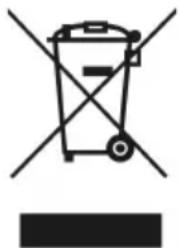
Symbol of a trash bin crossed with two crossed lines, no text or labels presentEU only: Do not dispose electric power tools in house-hold waste. According to European Directives on waste electrical and electronic equipment and its implementation under national law, electric tools that have reached the end of their life must be collected separately and taken to an environmentally compatible recycling facility.
For more information regarding REACH, RoHS and our corporate social responsibility visit www.mirka.com
natural_image
Symbol of a trash bin with crossed lines and a solid rectangle below (no text or labels)Tooted: Mirka® AOS-B 130 & AROS-B 150/325/350
Jeppo 17.12.2024
| LED | ||||||
| 3 | ||||||
| 2 | ||||||
| 1 | ||||||
| Status | Pre-charge(Trickle charge) | Charging... | Charging... | Charging finished | Over temperature | Battery failure |

Remain continuously on

Flashing
Laadija diagnostika
Latausdiagnostiikka
natural_image
Symbol of a trash bin with crossed lines indicating no waste or restriction, and a solid black rectangle below (no text or labels)Conforme aux exigences RoHS chinoises
| LED | ||||||
| 3 | ||||||
| 2 | ||||||
| 1 | ||||||
| Status | Pre-charge(Trickle charge) | Charging... | Charging... | Charging finished | Over temperature | Battery failure |

Remain continuously on

Flashing
Diagnostic chargeur
natural_image
Symbol of a trash bin with crossed lines indicating no waste, and a solid black rectangle below (no text or labels)| LED | ||||||
| 3 | ||||||
| 2 | ||||||
| 1 | ||||||
| Status | Pre-charge(Trickle charge) | Charging... | Charging... | Charging finished | Over temperature | Battery failure |

Remain continuously on

Flashing
בַרְשָׁה
:בְרָהִיַעֹתָם
,6,500,6,000,5,000,4,000 700
.T"70 8,000-1 7,500,7,000
rpm-rpm+77.
הכלהה, MyMirka (בַרְׁעֹרָה) is a whole of the whole.
.הכלההוּרָהוּרָהוּרָהוּרָהוּרָהוּרָהוּרָהוּרָהוּרָהוּרָהוּרָהוּרָהוּרָהוּרָהוּרָה
.1
| LED | ||||||
| 3 | ||||||
| 2 | ||||||
| 1 | ||||||
| Status | Pre-charge (Trickle charge) | Charging... | Charging... | Charging finished | Over temperature | Battery failure |

Remain continuously on

Flashing
Dijagnostika punjača
Indikatori na punjaču rade u sljedećim slučajevima:
- Baterija se pregrijava. Trepere sva tri indikatora punjenja. Uklonite bateriju, pričekajte 15 – 30 minuta da se ohladi te je ponovno umetnite.
- Došlo je do kvara na bateriji ili punjaču. Trepere dva indikatora punjenja. Uklonite bateriju i dopustite da se ohladi. Ponovno umetnite bateriju u punjač. Ako i dalje trepere dva indikatora punjenja, potrebno je servisirati bateriju ili punjač.
Kretanje s radom
natural_image
Symbol of a trash bin with crossed lines and a solid black rectangle below (no text or labels)natural_image
Symbol of a trash bin with crossed lines indicating no waste or discharge, and a solid black rectangle below (no text or labels)| LED | ||||||
| 3 | ||||||
| 2 | ||||||
| 1 | ||||||
| Status | Pre-charge (Trickle charge) | Charging... | Charging... | Charging finished | Over temperature | Battery failure |

Remain continuously on

Flashing
natural_image
Symbol of a trash bin with crossed lines indicating no waste or discharge (no text or labels)
Remain continuously on

Flashing
충전기 진단 정보
충전기표시 정보
Kroviklio diagnostika
Ikroviklis praneš, jei:
natural_image
Symbol of a trash bin with crossed lines indicating no waste or discharge, and a solid black rectangle below (no text or labels)| LED | ||||||
| 3 | ||||||
| 2 | ||||||
| 1 | ||||||
| Status | Pre-charge(Trickle charge) | Charging... | Charging... | Charging finished | Over temperature | Battery failure |

Remain continuously on

Flashing
natural_image
Symbol of a trash bin with crossed lines and a solid black rectangle below (no text or labels)Padariet nolietotos elektroinstrumentus neizmantojamus, nonemot strāvas kabeli.

Remain continuously on

Flashing
Laderdiagnostiek
Groen: Accuniveau is OK.
Knippert groen/rood: Accuniveau is laag.
natural_image
Symbol of a trash bin with crossed lines and a solid rectangle below (no text or labels)Laderdiagnostikk
Laderen indikerer hvis:
natural_image
Symbol of a trash bin crossed with two crossed lines, no text or labels presentnatural_image
Symbol of a trash bin crossed with two crossed arms, no text or labels presentnatural_image
Symbol of a trash bin with crossed lines indicating no waste or discharge (no text or labels)Stefan Sjöberg, Director ExecutivCompania
Producător/Furnizor
Mirka Ltd
66850 Jeppo, Finlanda
Tel.+358 20 760 2111
Fax +358 20 760 2290
www.mirka.com

| LED | ||||||
| 3 | ||||||
| 2 | ||||||
| 1 | ||||||
| Status | Pre-charge(Trickle charge) | Charging... | Charging... | Charging finished | Over temperature | Battery failure |

Remain continuously on

Flashing
natural_image
Symbol of a trash bin with crossed lines indicating no waste or discharge (no text or labels)| LED | ||||||
| 3 | ||||||
| 2 | ||||||
| 1 | ||||||
| Status | Pre-charge (Trickle charge) | Charging... | Charging... | Charging finished | Over temperature | Battery failure |

Remain continuously on

Flashing
natural_image
Symbol of a trash bin with crossed lines indicating no waste or discharge (no text or labels)Diagnostika polnilnika
natural_image
Symbol of a trash bin with crossed lines and a solid black rectangle below (no text or labels)Dijagnostika neispravnosti punjača
Indikatori na punjaču će signalizirati ako se desi sledeće:
- Baterija je pregrejana. Sva tri indikatora punjenja trepere. Uklonite bateriju i ostavite je da se hladi 15–30 minuta pa je ponovo stavite.
- Baterija ili punjač je u kvaru. Dva indikatora punjenja trepere. Uklonite bateriju i ostavite je da se ohladi. Vratite bateriju na punjač. Ako dva indikatora punjenja i dalje trepere, može biti neophodno servisiranje baterije ili punjača.
Kako početi?
natural_image
Symbol of a trash bin with crossed lines and a solid black rectangle below (no text or labels)Laddardiagnostik
natural_image
Symbol of a trash bin with crossed lines indicating no waste or restriction, and a solid black rectangle below (no text or labels)Şarj tanılama
natural_image
Symbol of a trash bin with crossed lines and a solid black rectangle below (no text or labels)Declaration of conformity
Mirka Ltd, 66850 Jeppo, Finland
declare under our sole responsibility that the Mirka® products (listed below and see "Technical data" table for particular model) to which this declaration relates are in conformity with the following standards or other normative documents: EN 62841-1:2015/A11:2022, EN 62841-2-4:2014, EN 55014-1:2021, EN 55014-2:2021, EN 300 328 V2.2.2, EN 301 489-1 V2.2.3, EN 301 489-17 V3.2.4 & EN IEC 63000:2018 in accordance with the regulations 2006/42/EC, 2014/53/EU & 2011/65/EU. The battery charger are in conformity with the following standards and directives; EN 60335-1:2012/A15:2021, EN 60335-2-29:2021/A1:2021, EN 62233:2008, EN 55014-1:2017, EN 55014-2:2015, EN 61000-3-2:2014, EN 61000-3-3:2013 & EN IEC 63000:2018 in accordance with the regulations 2014/35/EU, 2014/30/EU, 2011/65/EU, 2015/863/EU & 2012/19/EU.
Products: Mirka ^* AOS-B 130 & AROS-B 150/325/350
Jeppo 12/17/2024
Place and date of issue

Manufacturer/Supplier
Mirka Ltd
66850 Jeppo, Finland
Tel.+358 20 760 2111
Fax +358 20 760 2290
www.mirka.comStefan Sjöberg, CEOCompany

Original instructions. We reserve the right to make changes to this manual without prior notice.
Important
Read these safety and operating instructions carefully before installing, operating or maintaining this tool. Keep these instructions in a safe and accessible place. Read and comply with state and local regulations.
Required personal safety equipment

Read
operator's manual

Wear safety glasses

Wear
ear protection

Wear safety gloves
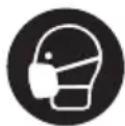
Wear
face mask
Symbols
| Complies with EU relevant standards |
| Complies with UK relevant regulations |
| Complies with China RoHS requirement |
| Complies with Australia & New Zealand RCM requirement |
| Complies with Serbian conformity requirements |

Warning: Potential hazardous situation that may result in death or serious injury and/or property damage. Caution: Potential hazardous situation that may result in minor or moderate injury and/or property damage.

Mirka® AROS-B & AOS-B Electrical Sander
CONFORMS TO UL STD 62841-1, 62841-2-4.
CERTIFIED TO CSA STD C22.2 No. 62841-1, C22.2 No. 62841-2-4.
Mirka® BCA 108 Battery Charger
CONFORMS TO UL STD 1310.
CERTIFIED TO CSA STD C22.2 No. 223.
Please read and comply with
- General Industry Safety & Health Regulations, part 1910, OSHA 2206, available from: Superintendent of Documents; Government Printing Office; Washington DC 20402
• State and local regulations

General Power Tool Safety Warnings

WARNING Read all safety warnings and all instructions. Failure to follow the warnings and instructions may result in electric shock, fire and/or serious injury.
Save all warnings and instructions for future reference. The term "power tool" in the warnings refers to your mains-operated (corded) power tool or battery-operated (cordless) power tool.
1. Work area safety
a. Keep work area clean and well lit. Cluttered or dark areas invite accidents.
b. Do not operate power tools in explosive atmospheres, such as in the presence of flammable liquids, gases or dust. Power tools create sparks which may ignite the dust or fumes.
c. Keep children and bystanders away while operating a power tool. Distractions can cause you to lose control.
2. Electrical safety
a. Power tool plugs must match the outlet. Never modify the plug in any way. Do not use any adapter plugs with earthed (grounded) power tools. Unmodified plugs and matching outlets will reduce risk of electric shock.
b. Avoid body contact with earthed or grounded surfaces, such as pipes, radiators, ranges and refrigerators. There is an increased risk of electric shock if your body is earthed or grounded.
c. Do not expose power tools to rain or wet conditions. Water entering a power tool will increase the risk of electric shock.
d. Do not abuse the cord. Never use the cord for carrying, pulling or unplugging the power tool. Keep cord away from heat, oil, sharp edges and moving parts. Damaged or entangled cords increase the risk of electric shock.
e. When operating a power tool outdoors, use an extension cord suitable for outdoor use. Use of a cord suitable for outdoor use reduces the risk of electric shock.
f. If operating a power tool in a damp location is unavoidable, use a residual current device (RCD) protected supply. Use of an RCD reduces the risk of electric shock.
3. Personal safety
a. Stay alert, watch what you are doing and use common sense when operating a power tool. Do not use a power tool while you are tired or under the influence of drugs, alcohol or medication. A moment of inattention while operating power tools may result in serious personal injury.
b. Use personal protective equipment. Always wear eye protection. Protective equipment such as a dust mask, non-skid safety shoes, hard hat, or hearing protection used for appropriate conditions will reduce personal injuries.
c. Prevent unintentional starting. Ensure the switch is in the off-position before connecting to power source and/or battery pack, picking up or carrying the tool. Carrying power tools with your finger on the switch or plugging in tools when the switch is in the on-position invites accidents.
d. Remove any adjusting key or wrench before turning the power tool on. A wrench or a key left attached to a rotating part of the power tool may result in personal injury.
e. Do not overreach. Keep proper footing and balance at all times. This enables better control of the power tool in unexpected situations.
f. Dress properly. Do not wear loose clothing or jewellery. Keep your hair, clothing and gloves away from moving parts. Loose clothes, jewellery or long hair can be caught in moving parts.
g. If devices are provided for the connection of dust extraction and collection facilities, ensure these are connected and properly used. Use of dust collection can reduce dust-related hazards.
h. Do not let familiarity gained from frequent use of tools allow you to become complacent and ignore tool safety principles. A careless action can cause severe injury within a fraction of a second.
4. Power tool use and care
a. Do not overload the power tool. Use the correct power tool for your application. The correct power tool will do the job better and safer at the rate for which it was designed.
b. Do not use the power tool if the switch does not turn it on and off. Any power tool that cannot be controlled with the switch is dangerous and must be repaired.
c. Disconnect the plug from the power source and/or the battery pack from the power tool before making any adjustments, changing accessories, or storing power tools. Such preventive safety measures reduce the risk of starting the power tool accidentally.
d. Store idle power tools out of the reach of children and do not allow persons unfamiliar with the power tool or these instructions to operate the power tool. Power tools are dangerous in the hands of untrained users.
e. Maintain power tools and accessories. Check for misalignment or binding of moving parts, breakage of parts and any other condition that may affect the power tool's operation. If damaged, have the power tool repaired before use. Many accidents are caused by poorly maintained power tools.
f. Keep cutting tools sharp and clean. Properly maintained cutting tools with sharp cutting edges are less likely to bind and are easier to control.
g. Use the power tool, accessories and tool bits etc. in accordance with these instructions, taking into account the working conditions and the work to be performed. Use of the power tool for operations different from those intended could result in a hazardous situation.
h. Keep handles and grasping surfaces dry, clean and free from oil and grease. Slippery handles and grasping surfaces do not allow for safe handling and control of the tool in unexpected situations.
5. Battery tool use and care
a. Recharge only with the charger specified by the manufacturer. A charger that is suitable for one type of battery pack may create a risk of fire when used with another battery pack.
b. Use power tools only with specifically designated battery packs. Use of any other battery packs may create a risk of injury and fire.
c. When battery pack is not in use, keep it away from other metal objects, like paper clips, coins, keys, nails, screws or other small metal objects, that can make a connection from one terminal to another. Shorting the battery terminals together may cause burns or a fire.
d. Under abusive conditions, liquid may be ejected from the battery; avoid contact. If contact accidentally occurs, flush with water. If liquid contacts eyes, additionally seek medical help. Liquid ejected from the battery may cause irritation or burns.
e. Do not use a batter pack or tool that is damaged or modified. Damaged or modified batteries may exhibit unpredictable behaviour resulting in fire, explosion or risk of injury.
f. Do not expose a battery pack or tool to fire or excessive temperature. Exposure to fire or temperature above 130 °C may cause explosion.
g. Follow all charging instructions and do not charge the battery pack or tool outside the temperature range specified in the instructions. Charging improperly or at temperatures outside the specified range may damage the battery and increase the risk of fire.
6. Service
a. Have your power tool serviced by a qualified repair person using only identical replacement parts. This will ensure that the safety of the power tool is maintained.
b. Never service damaged battery packs. Service of battery packs should only be performed by the manufacturer or authorized service providers

Safety rules for battery pack and charger
- Important safety and operating instructions for your battery and charger. Before using the charger, read all instructions and warnings on the charger, the battery pack and the tool.
-
If the battery pack casing is cracked or damaged, do not insert into charger. There is a danger of electric shock or electrocution.
-
Do not allow any liquid to get inside charger. Electric shock may result.
- This charger is not intended for any uses other than charging rechargeable batteries.
- Do not place any object on top of the charger, near any heat source or place the charger on a soft surface that may result in excessive internal heat.
• Make sure the cord is located so it will not be stepped on, tripped over, or otherwise subjected to damage or stress. - Do not use the charger if it has received a sharp blow, been dropped or otherwise damaged in any way.
- Do not store or use the tool and battery pack in locations where the temperature may reach or exceed 50^ (122°F).
- The charger is designed to operate on standard household electrical power (100–240 VAC). Do not attempt to use it on any other voltage.
• Children should be supervised to ensure that they do not play with the appliance

Additional Safety Warnings
• Always ensure that the work piece to be sanded is firmly fixed in place.
• Always remove battery during any transportation of the tool.
- Do not allow the tool to free speed without taking precautions to protect surrounding people and objects in the event that the abrasive or backing pad should come loose.
- Read all instructions before using this tool. All operators must be fully trained in the proper, safe use of this tool.
- All maintenance must be carried out by trained personnel. For service, contact a Mirka authorized service center.
- If the tool appears to malfunction, stop using it immediately and arrange for service and repair.
- Before changing the abrasive always disconnect the power source
- Never carry, store or leave the tool unattended with the power source connected.
- Keep hands clear of the spinning pad during use.
- Always wear required personal safety protection in accordance with manufacturer's instructions and local/national standards while using this tool.
- Read the Materials Safety Data Sheet (MSDS) for the working surface.
- If any physical hand/wrist discomfort is experienced, stop working and seek medical attention. Hand, wrist and arm injury may result from repetitive work, motion and overexposure to vibrations.
Additional information on battery and charger
- Never attempt to open the battery pack for any reason. If the plastic housing of the battery pack breaks or cracks, immediately discontinue use and do not recharge.
Technical data
| Mirka® | AOS-B 130 | AROS-B 150 | AROS-B 325 | AROS-B 350 |
| Voltage | 12 VDC | 12 VDC | 12 VDC | 12 VDC |
| Speed | 4000 –8000 rpm | 4000 –8000 rpm | 4000 –7000 rpm | 4000 –7000 rpm |
| Orbit | 3 mm (1/8") | 5 mm (3/16") | 2.5 mm (3/32") | 5 mm (3/16") |
| Size of backing pad | ∅ 32 mm (1 1/4") | ∅ 32 mm (1 1/4") | ∅ 77 mm (3") | ∅ 77 mm (3") |
| Weight (incl. battery) | 0.57 kg (1.3 lbs) | 0.56 kg (1.2 lbs) | 0.88 kg (1.9 lbs) | 0.88 kg (1.9 lbs) |
| Mirka BCA 108Battery charger | |
| 120 VAC, 60 HzInput | |
| Charging time | < 50 min (2.5 Ah)< 100 min (5.0 Ah) |
| Storage temperature range | -20 °C – 80 °C (-4 °F – 176 °F) |
| Charging temperature | 4 °C – 40 °C (39 °F – 104 °F) |
| Dimension | 191 x 102 x 86 mm(7 1/2" x 4" x 3 3/8") |
| Weight | 0.66 kg (1.5 lbs) |
Mirka BCA 108Battery charger
II /Degree of protection
| Battery pack | Mirka BPA 10825 | Mirka BPA 10850 | Mirka BPA 11125 | Mirka BPA 11150 |
| RechargeableRechargeableRecharge Li-ionLi-ionLi-ionLi-ion | ||||
| Battery voltage | 10.8 VDC | 10.8 VDC | 11.1 VDC | 11.1 VDC |
| Capacity | 2.5 Ah / 27.0 Wh | 5.0 Ah / 54.0 Wh | 2.5 Ah / 27.75 Wh | 5.0 Ah / 55.5 Wh |
| Weight | 0.18 kg (0.4 lbs) | 0.38 kg (0.8 lbs) | 0.18 kg (0.4 lbs) | 0.38 kg (0.8 lbs) |
| YesYesYesYesIntelligent battery |
Noise and vibration information
The measured values may be used for comparing one tool with another and in a preliminary assessment of exposure.
| Cordless | AOS-B 130 | AROS-B 150 | AROS-B 325 | AROS-B 350 |
| Sound pressure level (LpA) | 61.2 dB(A) | 61.6 dB(A) | 61.6 dB(A) | 61.6 dB(A) |
| Sound power level (LWA) | 72.2 dB(A) | 72.6 dB(A) | 72.6 dB(A) | 72.6 dB(A) |
| Sound measurement uncertainty KWA | 3.0 dB(A) | 3.0 dB(A) | 3.0 dB(A) | 3.0 dB(A) |
| Vibration emission value ah* | 2.54 m/s2 | 1.9 m/s2 | 1.6 m/s2 | 2.5 m/s2 |
| Vibration emission uncertainty KPA* | 1.5 m/s2 | 1.5 m/s2 | 1.5 m/s2 | 1.5 m/s2 |
Specifications subject to change without prior notice. Model range may vary between markets.
* In order to reflect normal working conditions of the sander the operating conditions did deviate from the standard method as follows: Grain size of the abrasive was 5 µm. Feed force was 10 N.
* The values stated in the table are derived from laboratory testing in conformity with stated codes and standards and are not sufficient for risk evaluation. Values measured in a particular work place may be higher than the declared values. The actual exposure values and amount of risk or harm experienced by an individual are unique to each situation and depend upon the surrounding environment, the way the individual operates the machinery, the particular material being worked, work station design and the user's exposure time and physical condition. Mirka accepts no responsibility for the consequences of using declared values instead of actual exposure values for any individual risk assessment.
Further occupational health and safety information can be obtained from the following websites:
https://osha.europa.eu/en (Europe) or http://www.osha.gov (USA)
Proper use of tool
This sander is designed for sanding all types of materials such as paints, metals, wood, stone, plastics, etc., using abrasives specially designed for this purpose. Do not use this sander for any other purpose than that specified without consulting the manufacturer or the manufacturer's authorized supplier. Do not use backing pads that have a working speed of less than the maximum rated speed of the tool's free speed. Any maintenance or repair work requiring the motor housing to be opened may only be carried out by an authorized service center.
Battery and charger
- The battery pack is not fully charged out of the carton. First read the safety instructions and then charge your battery according to the instructions.
-
For optimal charging capacity the battery should be charged at an ambient temperature between 18 °C (64 °F) and 24 °C (75 °F). To prevent damage to the battery pack, do not charge the battery pack where the air temperature is below 4 °C (39°F) or above 40 °C (104 °F).
• To obtain the longest possible battery life, we suggest the following: -
Store and charge your battery in a cool area. Temperatures above or below normal room temperature will shorten battery life.
- Never store the battery in a discharged condition. Recharge it immediately after it has been discharged.
• All batteries gradually lose their charge. The higher the temperature, the quicker they lose their charge.
If you store your tool for long periods of time without use, recharge the battery every month. This practice will prolong battery life.
Charging procedure
- Connect the power cord to the charger, and then plug into an outlet before inserting battery pack. All three charging lights will be on for two seconds and then turn off.
- Insert the battery pack into the charger. The lights will start to flash within 30 seconds.
- During the charging process, the charging lights will indicate the status as follows:
- Three charging lights will flash in sequence during the charging process.
– Fully charged, all three lights will remain on continuously.
- The charging process will last approximately 50 minutes for BPA 10825/11125 and 100 minutes for BPA 10850/11150 battery pack.
NOTE! This charger can only charge Mirka 12V battery packs.
NOTE! Charging times may be longer depending on the surrounding temperature and battery conditions.
LED indication of BCA 108 charger
| LED | ||||||
| 3 | ||||||
| 2 | ||||||
| 1 | ||||||
| Status |  Pre-charge (Trickle charge) Pre-charge (Trickle charge) |  Charging... Charging... |  Charging... Charging... |  Charging finished Charging finished |  Over temperature Over temperature | [SRSX] Battery failure |
 Remain continuously on Remain continuously on | Flashing | |||||
Charger diagnostics
The charger will indicate if:
- A battery pack is overheated. All three charging lights will flash. Remove the battery and allow it to cool down for 15–30 minutes and re-insert.
- A malfunction occurs in the battery or the charger. Two charging lights will flash. Remove the battery and allow it to cool down. Re-insert the battery pack into the charger. If two charging lights still flash, the battery or charger may require service.
How to get started
- When unpacking the tool, make sure it is intact, complete and has not been damaged in transport. Never use a damaged tool.
- Before use, check that the backing pad is correctly mounted.
- Install the fully charged battery pack into the sander until it locks in place with a click.
Operating instructions
- The tool is intended to be operated as a hand held tool. The tool can be used in any position.
-
Select a suitable abrasive and secure it to the backing pad. Make sure the abrasive is centered on the backing pad.
-
The sander can now be activated / turned on and started by pressing the switch trigger.
- The sander will run and stay in active mode as long as the trigger is pressed. After the trigger is released the sander will stop but continue to stay in active mode for a short time before it automatically deactivates / turns off.
- When sander is in active mode the right LED is green.
• In active mode the left LED shows the battery status:
Green: Battery charge level is OK.
Flashing green/red: Battery charge level is weak.
Red: Battery voltage too low. Sander is not operable.
•
AOS-B 130 & AROS-B 150
AROS-B 325 & 350
In active mode the max rpm can be adjusted by pressing rpm+ or rpm−, see Figure 1.
The speed can be adjusted between 4 000 and max rpm by adjusting the position of the trigger. In active mode the max rpm can be adjusted by pressing rpm+ or rpm-, see Figure 1.
The rpm can be adjusted in steps of 4 000, 5 000, 6 000, 6 500, 7 000, 7 500 and 8 000 rpm.
The rpm can be adjusted in steps of 4 000, 4 500, 5 000, 5 500, 6 000, 6 500 and 7 000 rpm.
- The rpm can be locked to prevent an accidental rpm change. Wait until the sander is not in active mode. Simultaneously press and hold both rpm+ and rpm− buttons and then pull the switch trigger. In order to unlock the tool, repeat same operation. If rpm+ or rpm− is pressed in speed lock mode the right led flashes red twice but no speed change occur.
- When sanding, always place the tool on the work surface before starting the tool. Always remove the tool from the work surface before stopping it. This will prevent gouging of the work surface due to excess speed of the abrasive.
- When sanding is finished, remove the battery from the sander by simultaneously pressing the button on both sides and removing the battery from the tool. Charge the battery.
Bluetooth
This tool is equipped with Bluetooth ^® low energy technology and can be connected to MyMirka app through which additional tool functionality can be accessed. For more information on the app functionality and if it is available in your country, go to www.mirka.com/mymirka
Activate Bluetooth on your Mirka® AOS-B 130 & AROS-B 150/325/350 as follows:
- Connect the battery to the tool.
- Press and hold the rpm+ button while activating the tool by pressing the switch trigger.
- Middle LED is flashing green, to indicate that Bluetooth is active and ready for connections.
- Middle LED is lit green when the tool is connected to another Bluetooth device.
- Bluetooth is deactivated when the tool is deactivated/turned off.
NOTE! If the app is not installed or if it is not available in your country, Bluetooth shall not be activated.
The Bluetooth ^® word mark and logos are registered trademarks owned by the Bluetooth SIG, Inc. and any use of such marks by Mirka Ltd is under license. Other trademarks and trade names are those of their respective owners.
FCC Rules & Industry Canada's licence-exempt RSS
Compliance with the radio regulations in North America has been verified in accordance with FCC Part 15 subpart B and C, RSS-GEN, RSS-247 and FCC §15.247. Operation is subject to the following two conditions:
- This device may not cause harmful interference.
- This device must accept any interference received, including interference that may cause undesired operation.
NOTE! This equipment has been tested and found to comply with the limits for a Class B digital device, pursuant to part 15 of the FCC Rules. These limits are designed to provide reasonable protection against harmful interference in a residential installation. This equipment generates, uses and can radiate radio frequency energy and, if not installed and used in accordance with the instructions, may cause harmful interference to radio communications.
However, there is no guarantee that interference will not occur in a particular installation. If this equipment does cause harmful interference to radio or television reception, which can be determined by turning the equipment off and on, the user is encouraged to try to correct the interference by one or more of the following measures:
- Reorient or relocate the receiving antenna.
- Increase the separation between the equipment and receiver.
- Connect the equipment into an outlet on a circuit different from that to which the receiver is connected.
- Consult the dealer or an experienced radio/TV technician for help.
CAUTION TO THE USER: Changes or modification not expressly approved by the party responsible for compliance could void the user's authority to operate the equipment.
Maintenance

Always remove the battery before maintenance!
Only use original Mirka spare parts!
Replacing the backing pad
| AOS-B 130 & AROS-B 150 | AROS-B 325 & 350 | ||
| 1. | Hold the spindle with fingers. | 1. | Insert the pad wrench betweenthebacking pad and housing to hold the spindle nut. |
| 2. | Turn the backing pad counterclockwise to remove it. | 2. | Turn the backing pad counterclockwise to remove it. |
| 3. | Fit and tighten the new backing pad. | 3. | Fit and tighten the new backing pad with washers. |
| 4. | Remove the pad wrench. | ||
Cleaning
Use a soft brush to remove any accumulated dust. Wear safety glasses to protect your eyes while cleaning.
If the body of the tool needs cleaning, wipe it with a soft damp cloth. A mild detergent can be used.

WARNING: Never use alcohol, petrol or other cleaning agent. Never use caustic agents to clean plastic parts.
Charger cleaning instructions
Dirt and grease may be removed from the exterior of the charger using a cloth or soft non metallic brush. Do not use water or any cleaning solutions.

Further service
Servicing must always be performed by trained personnel. To keep the tool warranty valid and ensure optimal tool safety and function, servicing must be carried out by a Mirka authorized service centre. To locate your local Mirka authorized service centre, contact Mirka Customer Service, your Mirka dealer or go to www.mirka.com
Troubleshooting guide
| SolutionPossible causeSymptom | ||
| Nolight from sanderrightLEDwhen trigger is pressed. | Battery pack not properly attached to the sander.Battery totally empty. | Insert the battery properly.Charge the battery. |
| Thesander LED(right)is red andthe sanderslows downto the minimum speed setting when sanding. | Temperature too high in the sander.Too heavy long term load. | Reduce the load on the sander for some time and the sander will speed up again. |
| The sander LED (right) is red and rpm is slightly reduced. | Too heavy short term load. | Use lighter load and the LED (right) will automatically change to green. |
| SolutionPossible causeSymptom | ||
| The left LED is red and the sander is not running. | The battery voltage is too low. | Charge the battery. |
Disposal information
DANGER
natural_image
Symbol of a trash bin with crossed lines indicating no waste or discharge (no text or labels)Render redundant power tools unusable by removing the power cord.
Observe applicable country-specific regulations regarding disposal and recycling of disused machines, packaging and accessories.
EU only: Do not dispose electric power tools in house-hold waste. According to European Directives on waste electrical and electronic equipment and its implementation under national law, electric tools that have reached the end of their life must be collected separately and taken to an environmentally compatible recycling facility.
For more information regarding REACH, RoHS and our corporate social responsibility visit www.mirka.com
Mirka® BCA 108 Battery Charger
CONFORMS TO UL STD 1310.
CERTIFIED TO CSA STD C22.2 No. 223.
- General Industry Safety & Health Regulations, part 1910, OSHA 2206, available from: Superintendent of Documents; Government Printing Office; Washington DC 20402
FCC Rules & Industry Canada's licence-exempt RSS
natural_image
Symbol of a trash bin with crossed lines indicating no waste or discharge (no text or labels)Conforme aux exigences RoHS chinoises
Mirka® BCA 108 Battery Charger
CONFORMS TO UL STD 1310.
CERTIFIED TO CSA STD C22.2 No. 223.
- General Industry Safety & Health Regulations, part 1910, OSHA 2206, available from: Superintendent of Documents; Government Printing Office; Washington DC 20402
Diagnostic chargeur
FCC Rules & Industry Canada's licence-exempt RSS
natural_image
Symbol of a trash bin with crossed lines indicating no waste or discharge (no text or labels)natural_image
Symbol of a trash bin with crossed lines indicating no waste or discharge (no text or labels)Declaration of conformity
Mirka Ltd, 66850 Jeppo, Finland
declare under our sole responsibility that the Mirka® products (listed below and see "Technical data" table for particular model) to which this declaration relates are in conformity with the following standards or other normative documents: BS EN 62841-1:2015/A11:2022, BS EN 62841-2-4:2014, BS EN 55014-1:2021, BS EN 55014-2:2021, EN 300 328 V2.2.2, EN 301 489-1 V2.2.3, EN 301 489-17 V3.2.4 & BS EN IEC 63000:2018 in accordance with regulations Supply of Machinery (Safety) Regulations 2008, The Restriction of the Use of Certain Hazardous Substances in Electrical and Electronic Equipment Regulations 2012, Radio Equipment Regulations 2017. The battery charger is in conformity with the following standards and directives; BS EN 60335-1:2012/A15:2021, BS EN 60335-2-29:2021/A1:2021, BS EN 62233:2008, BS EN 55014-1:2017, BS EN 55014-2:2015, BS EN 61000-3-2:2014, BS EN 61000-3-3:2013 & BS EN IEC 63000:2018 in accordance with the regulations Electrical Equipment (Safety) Regulations 2016, Electromagnetic Compatibility Regulations 2016, The Restriction of the Use of Certain Hazardous Substances in Electrical and Electronic Equipment Regulations 2012.
Products: Mirka ^* AOS-B 130 & AROS-B 150/325/350
| Jeppo 17.12.2024Place and date of issue |  Company Company |  Stefan Sjöberg, CEO Stefan Sjöberg, CEO |
| Manufacturer / SupplierMirka Ltd66850 Jeppo, FinlandTel. +358 20 760 2111Fax +358 20 760 2290www.mirka.com | Importer InformationMirka (UK) LtdSaxon HouseShirwell CrescentFurzton LakeMilton KeynesMK4 1GATel. +44 (0)1908 866100 |  |
This chapter is an addition to the English language chapter of the manual in order to fulfill the UKCA regulation requirements. Please refer to the English language chapter for more information about your product.
Statement of Compliance
We Mirka Ltd, hereby declare under our sole responsibility that the above-mentioned products, to which this statement relates, complies with the compliance conditions in Schedule 2 of The Product Security and Telecommunications Infrastructure (Security Requirements for Relevant Connectable Products) Regulations 2023.
The defined support period for the above-mentioned products is two years after the production date. The production date can be found on the marking plate of the products month/year.
geo
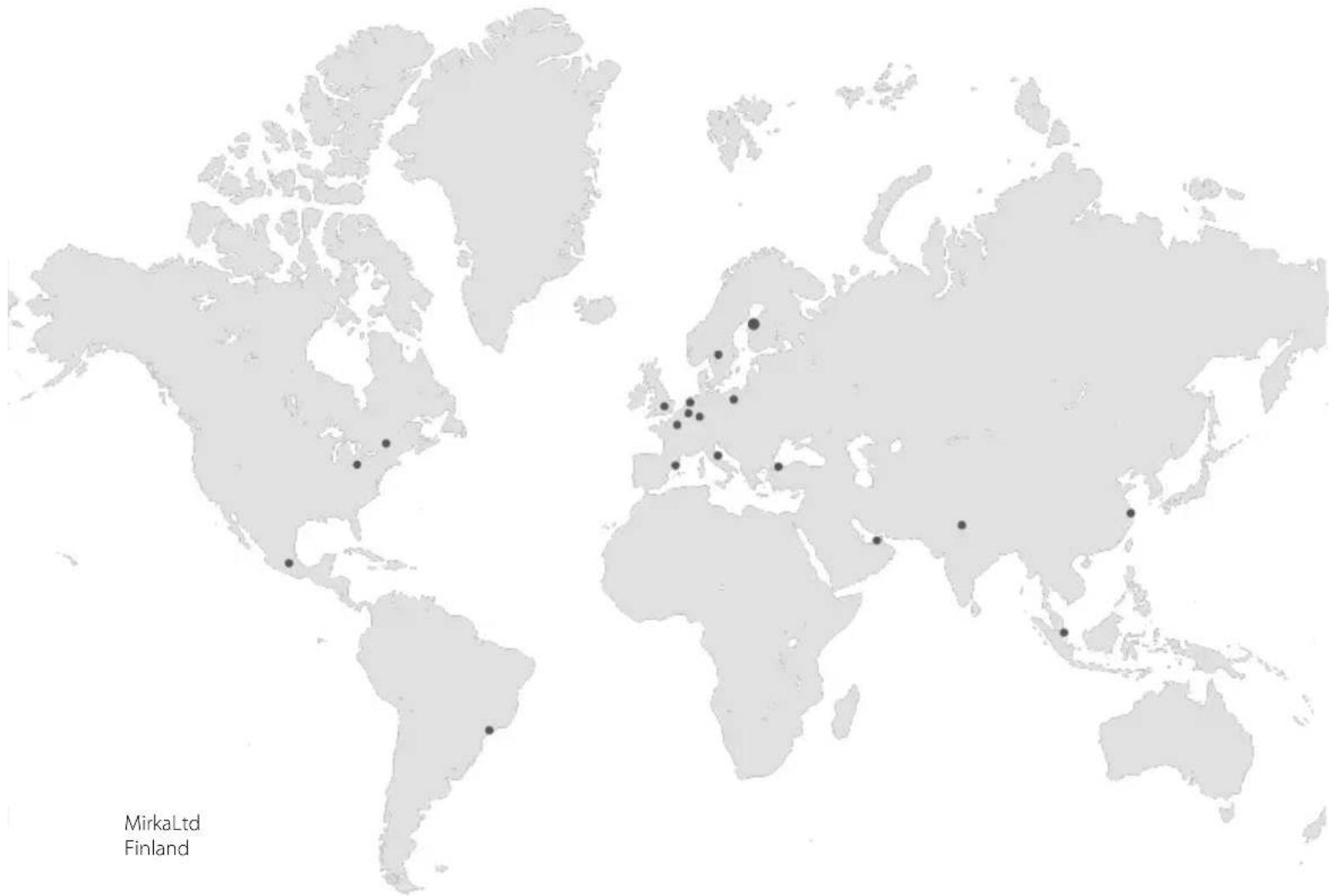
| Location | Marker | | -------- | ------ | | Central Europe | ● | | Eastern Europe | ● | | Western Europe | ● | | Northern Africa | ● | | Southern Africa | ● | | Middle East | ● | | Southeast Asia | ● | | Australia | ● | | North America | ● | | South America | ● | | Europe (not labeled) | ● | | Finland (not labeled) | ● |MirkaLtd
Finland
BrazilMirkaBrasilLtda.
BelgiumMirkaBelgiumLogisticsNV
CanadaMirkaCanadalnc.
ChinaMirkaTradingShanghaiCo.,Ltd
Finland&BalticsMirkaLtd
FranceMirkaFranceSarl
GermanyMirkaGmbH
IndiaMirkalndiaPvtLtd
ItalyMirkaltalias.r.l., CafroS.p.A.
MexicoMirkaMexicanaS.A.deC.V.
NetherlandsMirkaBeneluxB.V
PolandMirkaPolandSp.zo.o
SingaporeMirkaAsiaPacificPteLtd
SpainKWHMirkalbéricaS.A.U.
SwedenMirkaScandinaviaAB
TurkeyMirkaTurkeyZimparaLtdŞirketi
UnitedKingdomMirka(UK)Ltd
UnitedArabEmiratesMirkaMiddleEastFZCO
USAMirkaUSAInc.
Forcontactinformation,
pleasevisitwww.mirka.com