PWKS 700 A1 - Saw PARKSIDE - Free user manual and instructions
Find the device manual for free PWKS 700 A1 PARKSIDE in PDF.


User questions about PWKS 700 A1 PARKSIDE
0 question about this device. Answer the ones you know or ask your own.
Ask a new question about this device
Download the instructions for your Saw in PDF format for free! Find your manual PWKS 700 A1 - PARKSIDE and take your electronic device back in hand. On this page are published all the documents necessary for the use of your device. PWKS 700 A1 by PARKSIDE.
USER MANUAL PWKS 700 A1 PARKSIDE
natural_image
Exterior view of a parkside industrial machine with wheels and cutaway mechanism (no signage)
text_image
PDF ONLINE www.1idi-service.comROCKING LQG SAW - PWKS 700 A1 WIPPKREISSAGE - PWKS 700 A1

CHAT
WIPPKREISSÄGE
Operating and Safety Instructions Translation of Original Operating Manual

SKLÁPĚCÍ KOTOUČOVÁ PILA
Before reading, unfold the page containing the illustrations and familiarise yourself with all functions of the device.
DE AT CH
GB Operating and Safety Instructions Page 12
text_image
1.1 0 D D D D D D D D D D D D D D D D D D D D D D D D D D D D D D D D D D D D D D D D D D D D D D D D D D D D D D D D D D D D D D D D D D D D D D D D D D D D D D D D D D D D D D D D D D D D D D D D D D D D D D D D D D D D D D D D D D D D D D D D D D D D D D D D D D D D D D D D D D D D D D D D D D D D D D D D D D D D D D D D D D D D D 0 0 0 0 0 0 0 0 0 0 0 0 0 0 0 0 0 0 0 0 0 0 0 0 0 0 0 0 0 0 0 0 0 0 0 0 0 0 0 0 0 0 0 0 0 0 0 0 0 0 0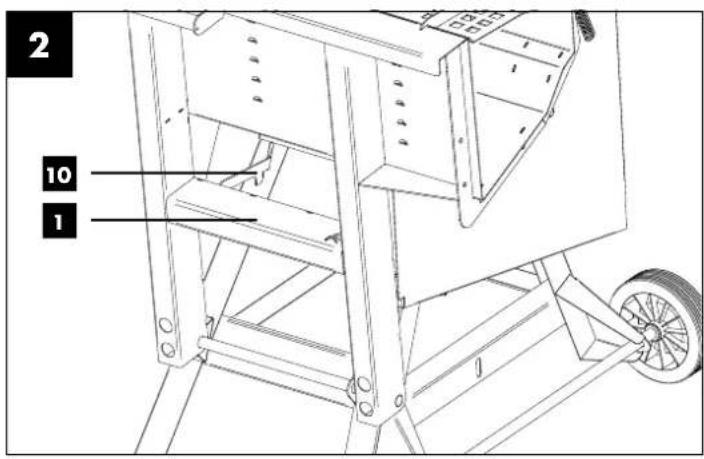
text_image
2 10 1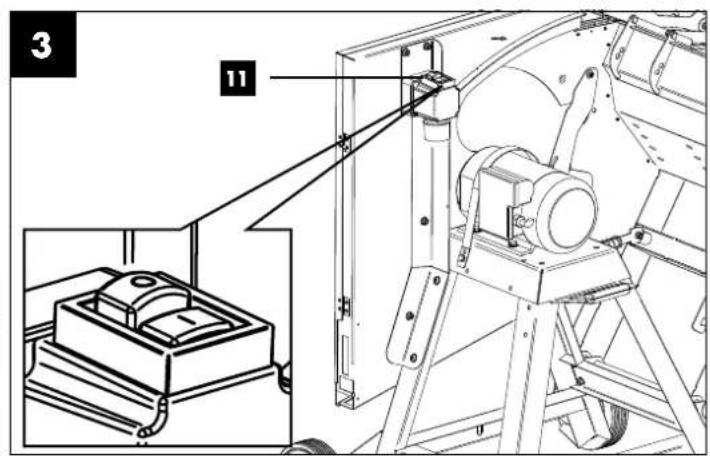
text_image
3 11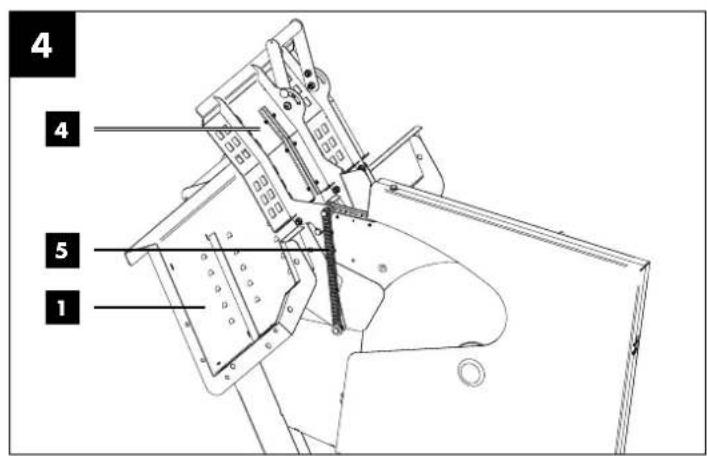
text_image
4 4 5 1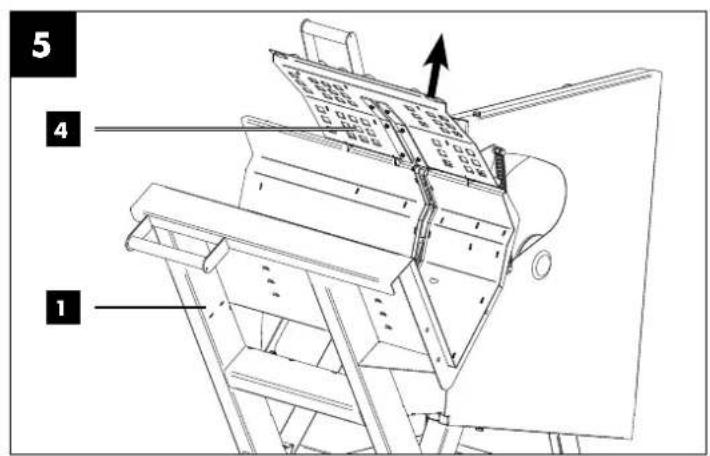
text_image
5 4 1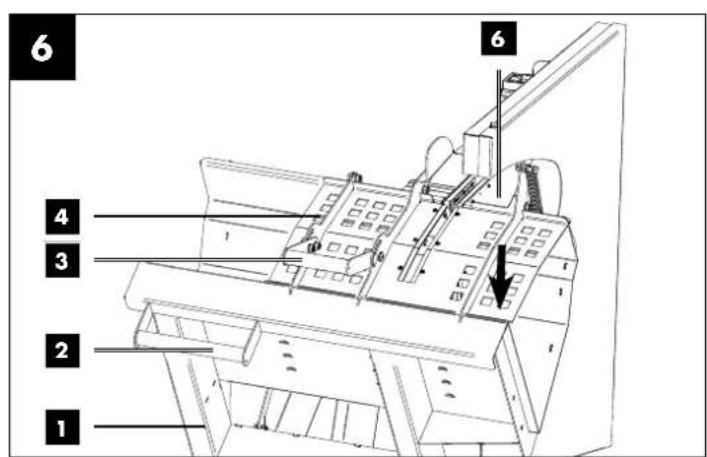
text_image
6 4 3 2 1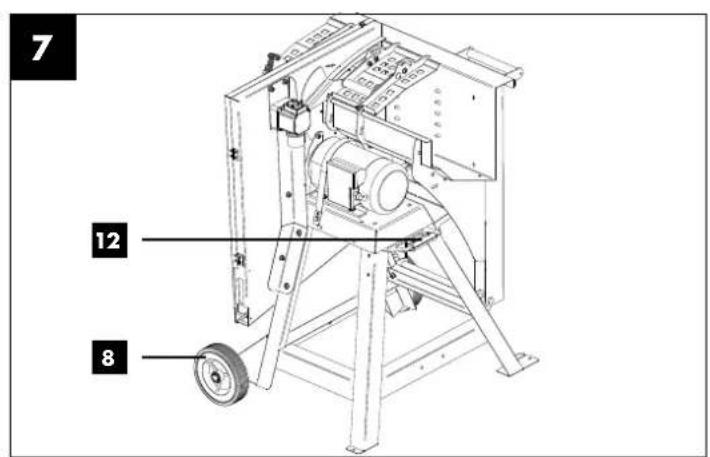
text_image
7 12 8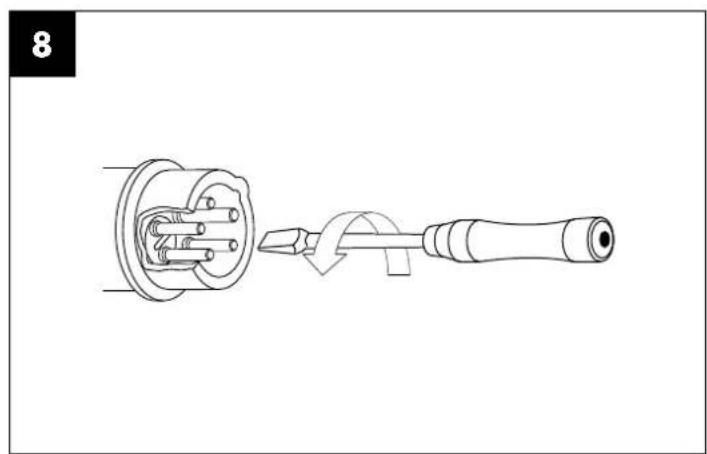
natural_image
Technical line drawing of a soldering iron with a screwdriver inserted into a socket (no text or symbols)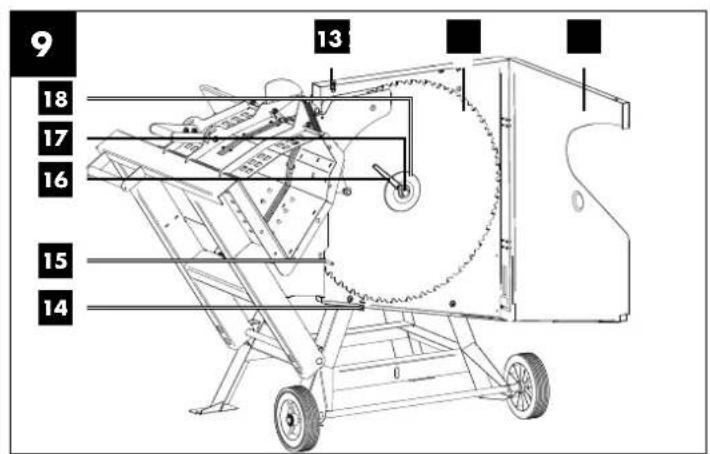
text_image
9 18 17 16 15 14 13Inhalt:
Seite:
Günzburger Straße 69
D-89335 Ichenhausen
VEREHRTER KUNDE,
service.AT@scheppach.com
service.CH@scheppach.com
Service-Adresse (DE): Service-Adresse (AT):
Scheppach GmbH
Günzburger Str. 69
DE - 89335 Ichenhausen
Table of contents: Page:
- Explanation of the symbols on the device....13
- Introduction....14
- Description of the product 14
- Scope of delivery....14
- Proper use....14
- Safety information....15
- Operator training....16
- Technical data....16
- Before commissioning....17
- Operation....17
- Transport....18
- Electrical connection....18
- Maintenance .... 19
- Storage....19
- Disposal and recycling 20
- Troubleshooting....20
- Warranty certificate....21
- Exploded view....54
- Declaration of conformity....56
1. Explanation of the symbols on the device

Read the operating and safety instructions before start-up and follow them.

Read the operating manual before commissioning.
Wear safety gloves.

Wear hearing protection.
Wear eye protection.
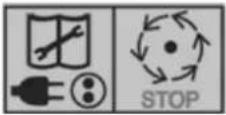
Attention!
Tool continues to run after power disconnected!
Disconnect the machine from the power supply before carrying out any maintenance, cleaning or repair work!
Danger of injury for fingers and hands due to the rotating cutting tool.
2. Introduction
MANUFACTURER:
Scheppach GmbH
Günzburger Straße 69
D-89335 Ichenhausen
DEAR CUSTOMER,
We hope your new tool brings you much enjoyment and success.
NOTE:
In accordance with the applicable product liability laws, the manufacturer of this device assumes no liability for damage to the device or caused by the device arising from:
- Improper handling,
- Failure to comply with the operating instructions.
- Repairs carried out by third parties, unauthorised specialists.
• Installing and replacing non-original spare parts,
• Application other than specified, - Failure of the electrical system in the event of the electrical regulations and VDE provisions 0100, DIN 13 / VDE0113 not being observed.
Please consider:
Read through the complete text in the operating manual before installing and commissioning the device.
The operating manual is intended to help the user to become familiar with the machine and take advantage of its application possibilities in accordance with the recommendations.
The operating manual includes important instructions for safe, proper and economic operation of the device, for avoiding danger, for minimising repair costs and downtimes, and for increasing the reliability and extending the service life of the device.
In addition to the safety instructions in this operating manual, you must also observe the regulations applicable to the operation of the device in your country.
Keep the operating manual package with the machine at all times and store it in a plastic cover to protect it from dirt and moisture. They must be read and carefully observed by all operating personnel before starting the work.
The device may only be used by personnel who have been trained to use it and who have been instructed with respect to the associated hazards. The required minimum age must be observed.
In addition to the safety instructions in this operating manual and the separate regulations of your country, the generally recognised technical rules relating to the operation of such machines must also be observed.
We accept no liability for accidents or damage that occur due to a failure to observe this manual and the safety instructions.
3. Description of the product
- Swivel frame
- Handle (swivel frame)
- Handle (protective cover)
- Protective cover
- Tension spring
- Saw blade
- Protective cover
- Transport wheel
- Supporting foot
- Swivel frame lock
- On/off switch
- Transport handle
- Top screw (protective cover)
- Bottom screw (protective cover)
- Locking pin
- Open-ended spanner WAF19
- Clamping screw
- External saw blade flange
4. Scope of delivery
- rocking log saw
• 1x Open-end spanner, size 19 (16) - 1x Locking pin (15)
- Operating instructions
5. Proper use
The firewood circular saw is designed exclusively with the offered tool for machining wood. The machine complies with the applicable EC machinery directive.
- The swivel log saw is designed as a one-man operating station and without an extraction device and is only to be used outdoors.
- The swivel log saw is a transportable circular saw. It can only be used for cross-cutting firewood with feed rocker in accordance with the technical data.
- The swivel log saw is designed exclusively for cross-cutting firewood with a maximum length of 1.5m.
- Regardless of the wood diameter, only one workpiece may be placed on the swivel frame.
- Observe all safety and danger notices on the machine and keep them complete and in legible condition.
- The working area and surroundings of the machine must be kept free of disruptive foreign bodies in order to prevent accidents.
- Basically, the timbers to be cut must be free of foreign bodies such as nails and screws.
- Only use the machine when in a technically faultless condition, appropriately and in compliance with the operating instructions and with full knowledge of safety and hazards. In particular, rectify malfunctions that could impair safety immediately (or commission rectification works accordingly).
- The manufacturer's safety, operating and maintenance specifications as well as the dimensions given in the technical data must be observed.
-
The applicable accident prevention regulations and the other generally accepted safety rules must be complied with.
-
The machine may only be used, maintained or repaired by persons who are familiar with it and have been informed of the dangers. Any liability of the manufacturer for damages resulting from arbitrary changes to the machine is excluded.
- The machine may only be operated with original accessories and original tools from the manufacturer.
- Any use beyond this is improper use. The manufacturer is not responsible for the resulting damages; the user solely bears the risk.
- Only use saw blades that comply with the European standard DIN EN 847-1.
- Make sure that the machine is stable on solid ground during assembly.
- The area around the machine must be free of trip hazards.
Please observe that our equipment was not designed with the intention of use for commercial or industrial purposes. We assume no guarantee if the equipment is used in commercial or industrial applications, or for equivalent work.
6. Safety information
We have marked points in these operating instructions that impact your safety with this symbol: ⚠
- Observe all of these notes before and while working with the saw.
- Store these safety instructions safely.
- Unused machines should be stored in a dry, locked place and out of reach of children.
- Keep tools sharp and clean in order to be able to work better and more safely.
- Pay attention to what you are doing. Remain sensible when working. Do not use the tool when you are fatigued.
- Do not use any tools on which the switch cannot be switched on and off.
- Warning! The use of other insertion tools and other accessories can entail a danger of injury.
- Warning: Pull out the mains plug before undertaking any maintenance work described in this manual.
- Pass the safety instructions on to all persons who work on the machine.
- Caution! There is a danger of injury to hands and fingers from the rotating saw blade.
- Do not expose the saw to rain and do not use the machine in a damp or wet environment.
- Ensure good lighting.
- Do not use in the vicinity of combustible fluids or gases.
- Wear suitable work clothing! Loose clothing or jewellery can be caught by the rotating saw blade.
- When working outdoors, anti-slip footwear is recommended.
- Tie long hair back in a hair net.
- Avoid abnormal posture.
- The operating personnel must be at least 18 years of age.
- Keep children away from the machine with the engine running.
- Keep the workplace free of wood debris and parts lying around.
• Disorder in the work area can lead to accidents.
- Do not allow other persons, especially children, to touch the tool. Keep such persons away from the workplace.
- Personnel working on the machine must not be distracted.
- Observe the direction of rotation of the engine and saw blade. Only use saw blades whose maximum permissible speed is not less than the maximum spindle speed of the circular saw and the material to be cut.
- Under no circumstances should the saw blades be braked by pushing against the side after switching off the drive.
- Only install saw blades that are well sharpened, free of cracks and not deformed.
- Only use saw blades recommended by the manufacturer and which comply with EN 847-1.
- Faulty saw blades must be replaced immediately.
- Do not use saw blades that do not correspond to the characteristics specified in these usage instructions.
- Safety equipment on the machine must not be disassembled or made unusable.
- Replace worn table or swivel frame insert.
- Working position always to the side of the saw blade.
- Do not load the machine so much that it comes to a standstill.
- Make sure that cut-off pieces of wood are not caught by the sprocket of the saw blade and flung away.
- Never remove loose fragments, chips or jammed wood pieces from the running saw blade.
- To rectify faults or remove jammed pieces of wood, switch the machine off. - Pull out the mains plug -
- If the sawing gap has increased due to wear, replace the swivel frame or table inlay. Switch off the machine and pull out the mains plug.
- Only carry out modifications, adjustment, measuring and cleaning work when the engine is switched off.
- Before switching on, make sure that keys and adjusting tools are removed.
- Switch off the motor and pull out the mains plug when leaving the work station.
- All protection and safety equipment must be reassembled immediately after repair or maintenance work is completed.
- The safety, operating and maintenance information of the manufacturer, as well as the dimensions specified in the technical data, must be observed.
- The relevant accident prevention regulations and the other generally accepted safety rules must be observed.
- Make sure that you have secure footing and always maintain your balance.
- Check the electric tool for potential damage!
- Protective devices or other parts with minor damage must be carefully inspected to ensure that they function correctly and as intended prior to continued use of the tool.
- Check whether the moving parts function faultlessly and do not jam or whether parts are damaged. All parts must be correctly mounted and all conditions must be fulfilled to ensure fault-free operation of the tool.
- Damaged protective devices and parts must be repaired properly or replaced by a recognised specialist workshop unless otherwise specified in the usage instructions.
- This tool conforms to the applicable safety regulations. Repairs may only be performed by a specialist using original spare parts. Otherwise accidents could occur.
-
If necessary, wear suitable personal protective equipment. This could include:
-
Hearing protection to prevent the risk of developing hearing loss;
- Respiratory protection to avoid the risk of inhaling damaging dust.
- Wear gloves when handling saw blades and rough materials. Saw blades must be carried in a container whenever practical.
- Use personal protective equipment. Always wear eye protection.
- The operator must be informed about the conditions that affect the noise levels (e.g. saw blades designed to reduce noise, care of saw blade and machine).
- Faults in the machine, including the guards and the saw blade, must be reported to the person responsible for safety as soon as they are discovered.
- When transporting the machine, use only the transport devices and never use the guards for handling and transport.
- All operators must be adequately trained in the use, setting and operation of the machine.
- Do not saw any material to be cut that contain foreign bodies such as wires, cables or cords.
- Only use sharp saw blades.
- The machine must stand during the operation on a horizontal, flat floor and the floor around the machine must be level, well maintained and free of debris, such as chips and cut workpieces.
Warning!
This power tool generates an electromagnetic field during operation. This field can impair active or passive medical implants under certain conditions. In order to prevent the risk of serious or deadly injuries, we recommend that persons with medical implants consult with their physician and the manufacturer of the medical implant prior to operating the power tool.
Attention: Danger of accidents!
The wood must always rest on both sides of the saw blade in the prism of the swivel frame. (see arrow in Fig. 1.1)
Residual risks
The machine has been built according to the state-of-the-art and the recognised technical safety requirements. However, individual residual risks can arise during operation.
- Danger of injury for fingers and hands due to the rotating saw blade with improper guiding of the workpiece.
- Risk to health from wood dust or wood chippings.
- Wearing personal protective equipment such as protective goggles and dust masks is mandatory.
- Risk to health due to noise. The permissible noise level is exceeded during operations. It is essential that personal protective equipment, such as hearing protection, is worn.
- Hazard due to electrical power with the use of improper electrical connection cables.
• Furthermore, despite all precautions having been met, some non-obvious residual risks may still remain. -
Residual risks can be minimised if the "Safety instructions" and "Proper use" are observed along with the whole of the operating instructions.
-
Injuries due to defective saw blade. Check the integrity of the saw blade regularly and before each use.
- When using special accessories, the operating instructions enclosed with the special accessories must be observed and read carefully.
7. Operator training
- Pass the safety instructions on to all persons who work on the machine.
- The operating personnel must be at least 18 years of age. Trainees must be at least 16 years of age and may only work on the machine under supervision.
- Personnel working on the machine must not be distracted.
- Keep children away from the mains-connected machine.
- Wear close-fitting clothing. Remove jewellery, rings and watches.
- Ensure that all of the safety information and danger notices on the machine are in legible condition.
- Caution when working: Danger of injury for fingers and hands due to the rotating cutting tool.
- Regular breaks must be taken during operation.
- Safety shoes and protective clothing must be worn during operation.
8. Technical data
Dimensions
Length / width / height 1270 / 730 / 1130 mm
Swivel frame support.... 670 mm
Weight 89.5 kg
Saw blade
Saw blade diameter....ø 700 mm
Bore diameter....ø 30 mm
Number of teeth....42
Drive
Motor....400 V 3\~ / 50 Hz
Nominal power S1 4.0 kW
Operating mode....S6 20%* 4.5 kW
Nominal current 10 A
Idle speed n_0 1400 min ^-1
Protection class IP54
Fuse.... 16 A slow-blow fuse
Work data
Log cutting height....max. 240 mm
......min. 60 mm
Reversible cut max. 250 mm
Firewood.....max. 370 x 240 mm
* Operating mode S6, uninterrupted, periodic operation. The mode comprises of a start-up period, a time with constant load and an idle time. The operating time is 10 mins, the relative duty cycle is 20% of the operating time.
Technical changes reserved!
Noise data
The sound power level defined in EN 23746 and EN 31202 respectively (correction factor k3 calculated in acc. with Appendix A.2 of EN 31204) for the device emissions values determined for workplace sound pressure level reflect the workplace conditions defined in ISO 7904 Appendix A.
Sound pressure level L_pA Idle....95 dB
Sound pressure level L_pA Operating .....97 dB
Uncertainty K_pA 2 dB
Sound power level L_WA Idle 105 dB
Sound power level L_WA Operating 107 dB
Uncertainty K_WA 2 dB
The stipulated values are emission values and so do not necessarily represent safe work station values. Although there is a correlation between emission levels and exposure levels, it is not possible to reliably determine whether additional precautionary measures will be required or not based on this. Factors which influence the actual exposure level present on working site include the nature of the working area, other noise sources e.g. the number of machines and neighbouring processes. The permissible working values can vary from country to country. However, the information should enable the operator to evaluate the hazards and risks.
Wear hearing protection.
Excessive noise can result in a loss of hearing.
9. Before commissioning
9.1 General information
- Remove the packaging material, as well as the packaging and transport safety devices (if present).
- Check whether the scope of delivery is complete.
- Check the machine and accessory parts for transport damage.
- Later claims will not be recognised.
- If possible, keep the packaging until the expiry of the warranty period.
DANGER
The device and the packaging are not children's toys! Do not let children play with plastic bags, films or small parts! There is a danger of choking or suffocating!
- Familiarise yourself with the machine by means of the operating instructions before using for the first time.
- With accessories as well as wearing parts and replacement parts use only original spare parts. Spare parts can be obtained from your specialist dealer.
- When ordering please provide the article number as well as type and year of manufacture for your machine.
9.2 Product-specific notes
- Before using the machine for the first time, remove the cable ties from the tension spring (5). Fold open the protective cover (4) and hook in the tension spring (5). (Fig. 4)
- Make sure that the machine is stable on solid ground during assembly. The transport wheels (8) and the feet (9) must not be left hanging.
• The workplace must be well lit. - The area around the machine must be free of trip hazards.
- Check the swivel frame (1). After releasing the swivel frame lock (10), it must return to its starting position by itself. (Fig. 2)
- Follow the safety instructions.
- All safety devices and aids must be installed.
- Check that the saw blade (6) is properly seated and that the running direction is correct.
- Carry out a functional check before starting work.
- The saw is designed exclusively for cross-cutting firewood with a maximum length of 1.5 metre.
- Regardless of the wood diameter, only one piece with a min. ∅ 60 mm may be placed on the swivel frame.
- The wood to be sawn must not be fixed by hand.
- Only carry out modifications, adjustments, measurements and cleaning work with the engine switched off. Wait for the rotating tool to stop and disconnect the mains plug.
10. Operation
The swivel log saw provides maximum safety thanks to its enclosed sawing area.
10.1 ON/OFF switch (Fig. 3)
- To switch on the saw, press the "I" button on the on/off switch (11). Before you start sawing, wait until the saw blade (6) has reached its maximum speed.
- To switch off the saw, press the "0" button on the on/off switch (11).
10.2 Overload protection
In the event of overloading, the motor will switch itself off. After a cool-down period (time varies) the motor can be switched back on again.
- Allow the machine to cool down.
- Switch the machine back on as described in 10.1.
10.3 Sawing process (Fig. 5 and 6)
⚠ Attention! With curved wood, the curved side must be aligned with the saw blade slot to avoid the wood tipping over and jamming during the cutting process, which can cause damage to the saw.
- Switch the machine on as described in 10.1.
- Unfold the protective cover (4).
- Place the material to be cut in the swivel frame (1).
- Close the protective cover (4).
Note: The sawing process can only be started with the protective cover (4) closed. - Swivel the swivel frame (1) with the handle (swivel frame) (2) and the handle (protective cover) (3) towards the saw blade (6) and saw through the material to be cut.
Note: During the sawing process, only exert enough pressure on the saw blade to keep the speed stable. - Swivel the swivel frame (1) back and open the protective cover (4).
Attention!
- Do not leave the machine unattended during operation.
- If you interrupt the work, switch off the machine and unplug the mains plug.
10.4 End of work (Fig. 2 + 3)
- Switch the machine off as described in 10.1.
- Wait until the saw blade (6) has come to a complete stop.
- Pull out the mains plug.
- Observe the general maintenance information.
- Bring the swivel frame (1) to the transport position and secure it with the swivel frame lock (10).
11. Transport
Note:
To transport the swivel log saw, move the swivel frame lock (10) to the first position (Fig. 2).
11.1 Transport over short distances (Fig. 7)
- Lift the swivel log saw by the transport handle (12).
- The swivel log saw can now be moved with the transport wheels (8).
11.2 Vehicular transport
⚠ WARNING
Danger of injury due to excessive product weight. - Take a second person to help you lift the product.
- When lifting the product, note its weight (see point 8. Technical data).
- Always switch off the product before transport and disconnect it from the power supply.
- Always carry the product with at least one other person.
- Protect the machine from impacts, shocks and severe vibrations, e.g. during vehicular transport.
- Secure the machine against tilting and slipping.
- Never use protective devices for handling or for transport.
12. Electrical connection
The electrical motor installed is connected and ready for operation. The connection complies with the applicable VDE and DIN provisions.
The customer's mains connection as well as the extension cable used must also comply with these regulations.
Use a portable safety switch (PRCD) if the residual current protective circuit (RCD) in the mains power supply is not provided with a rated residual current of no more than 30mA.
The mains power connection is protected with a 16 A slow-blow fuse.
Damaged electrical connection cables
The insulation on electrical connection cables is often damaged.
This may have the following causes:
- Pressure points, where connection cables are passed through windows or doors.
- Kinks where the connection cable has been improperly fastened or routed.
- Places where the connection cables have been cut due to being driven over.
• Insulation damage due to being ripped out of the wall outlet. - Cracks due to the insulation ageing.
Such damaged electrical connection cables must not be used and are life-threatening due to the insulation damage.
Check the electrical connection cables for damage regularly. Ensure that the connection cables are disconnected from electrical power when checking for damage.
Electrical connection cables must comply with the applicable VDE and DIN provisions. Only use connection cables with the designation H07RN-F.
The printing of the type designation on the connection cable is mandatory.
3-phase motor 400 V 3\~/ 50 Hz
Mains voltage 400 V 3N \~/ 50 Hz
Mains power connection and extension leads must be 5-core = 3\~ + N + PE.
- Extension cables must have a minimum cross section of 1.5 mm ^2 (≤ 25m).
- Extension cables must have a minimum cross section of 2.5 mm ^2 (> 25m).
Attention!
Check the direction of rotation (Fig. 8)
- Three-phase motors must be checked for their direction of rotation when newly connected or relocated. If necessary, the direction of rotation must be changed.
- To do this, change the direction of rotation of the phase inverter with a screwdriver (not included in the scope of delivery) in the device plug.
Motor braking device
The swivel log saw is equipped with an electronic brake control so that the saw blade comes to a standstill after max. 10 seconds after switching off.
The electric brake control is interrupted after max. 14 s.
If the braking process takes longer than 10 seconds, the machine must no longer be operated because the brake could be defective. It is essential to disconnect the machine from the power supply.
Note:
If the electronic brake control is defective, the saw must not be operated. Repairs to the electrical connections may only be carried out by a specialist workshop.
Electrical connection test
- Switch the machine on as described in 10.1.
- The sawing shaft starts running.
13. Maintenance
⚠ WARNING
Danger of injury due to unexpected start-up of the machine
- Unplug the mains plug from the socket before carrying out any cleaning or maintenance work.
⚠ WARNING
Warning against unexpected hazards and damages to the product
- Never carry out unauthorized changes or repairs to the product that are not described in the operating manual.
- Do not carry out work on the product described for a specialist workshop.
13.1 General notes
- Check the product for loose, worn or damaged components.
- Check the nuts, pins and screws for firm seating.
- Check the covers and protective equipment for damage and correct seating.
- Check the electrical connections. Repairs to the electrical connections may only be carried out by a specialist workshop.
13.2 Product-specific notes
- Check the saw blade regularly. Use only saw blades that are well sharpened, free of cracks and not deformed. Only use saw blades that comply with EN 847-1.
- Replace worn swivel frame bearings immediately.
- Check that no tools or miscellaneous parts are on or in the machine before putting it back into operation.
- Remove any sawdust accumulations at the discharge.
13.3 Oiling the product
-
Oil the rotating parts once monthly to extend the life of the tool.
-
Use a high-quality, low-viscosity machine oil to lubricate all moving parts.
-
Do not oil the motor.
△ Never use a high-pressure cleaner to clean your machine. Water can penetrate sealed areas of the machine and the transmission housing and cause damage to spindles, gear wheels, bearings or the engine. The use of high-pressure cleaners shortens the service life and reduces the ease of maintenance.
Service information
With this product, it is necessary to note that the following parts are subject to natural or usage-related wear, or that the following parts are required as consumables.
Wearing parts*: Saw blade; swivel frame inserts
* may not be included in the scope of supply!
13.4 Changing the saw blade (Fig. 9)
⚠ WARNING
Risk of injury! Improper handling of the swivel log saw may result in serious injury.
⚠ WARNING
Danger of injury for fingers and hands due to sharp edges
- Wear protective gloves.
- Put the swivel frame (1) into the cutting position.
-
Loosen the upper screw (13) and the lower screw (14) on the protective cover (7) and turn them out approx. 5 mm.
-
Open the protective cover (7).
-
To lock the saw blade (6), insert the locking pin (15) through the corresponding hole on the saw blade guard. To do this, insert the locking pin (15) completely and straight into the opening on the saw blade guard. Use the corresponding hole (depending on the saw blade type) so that the pin is at the lowest point (tooth base) of the saw blade (6).
-
Turn the tensioning screw (17) anti-clockwise with the open-end spanner (16) to open the tensioning screw (17).
-
Remove the tensioning screw (17) and the outer saw blade flange (18) from the drive shaft.
-
Now remove the saw blade (6) from the drive shaft.
-
Clean the external and internal saw blade flange carefully, before fitting a new saw blade (6).
-
Place a new saw blade (6) on the drive shaft. Observe the direction of rotation: The cutting angle of the teeth must point in the running direction (forwards).
-
Fit the external saw blade flange (18) back on the drive shaft. Ensure the correct alignment of the outer saw blade flange.
-
Tighten the tensioning screw (17) on the drive shaft by hand.
-
Turn the saw blade (6) carefully in the running direction: It must be precisely centred and not run out of round. Check that the saw blade (6) and external saw blade flange (18) are seated correctly. Align the parts once more, if the saw blade is not precisely centred.
⚠ WARNING
Warning against unexpected hazards and damages to the product
- Check the setting of the saw blade after every saw blade replacement.
-
Turn the tensioning screw (17) clockwise with the open-ended spanner (16).
-
⚠️ ATTENTION! Remove the locking pin (15).
14. Storage
⚠ WARNING
Danger of injury due to unexpected start-up of the machine
- Remove the mains plug from the socket.
ATTENTION
Product damage due to incorrect storage
- Store the product protected against dirt, dust and moisture.
- Store the product in its original packaging.
- Store the product in a dark, dry and frost-free place that is inaccessible to unauthorised persons.
- The optimum storage temperature lies between 5 and 30 °C.
- Store the operating manual with the product.
15. Disposal and recycling
Information on packaging


The packaging materials are recyclable. Please dispose of packaging in an environmentally friendly manner.
Information on the German Electrical and Electronic Equipment Act (ElectroG)

Electrical and electronic appliances do not belong in household waste, but should be collected and disposed of separately.
- Used batteries or rechargeable batteries that are not installed permanently in the old appliance must be removed non-destructively before disposal. Their disposal is regulated by the battery law.
- Owners or users of electrical and electronic appliances are obliged by law to return them after use.
- The end user bears personal responsibility for deleting his personal data from the old appliance to be disposed of.
-
The symbol of the crossed-through rubbish bin means that electrical and electronic appliances may not be disposed of in the household rubbish.
-
Electrical and electronic appliances can be handed in at the following places at no charge:
- Public service disposal or collection points (e.g. municipal building yards)
- LIDL offers you return options directly in its shops and markets. Return and disposal are free of charge for you.
- Up to three waste electrical devices per type of device, with an edge length of no more than 25 centimetres, can be returned free of charge to the manufacturer without prior purchase of a new device from the manufacturer or taken to another authorised collection point in your vicinity.
- Further supplementary take-back conditions of the manufacturers and distributors can be obtained from the respective customer service.
- If the manufacturer delivers a new electrical appliance to a private household, the manufacturer can arrange for the free collection of the old electrical appliance upon request from the end user. Please contact the manufacturer's customer service for this.
- These statements only apply to appliances that are installed and sold in the countries of the European Union and are subject to European Directive 2012/19/EU. Different provisions may apply to the disposal of electrical and electronic appliances in countries outside the European Union.
16. Troubleshooting
| Fault Possible cause Remedy | ||
| The saw does not brake when switching the machine off | Brake system defective Have the brake system checked and, if necessary, replaced by a specialist workshop. | |
| Saw blade is loose after the motor is switched off | Fixing nut not tight enough Tighten the fixing nut (Attention: right-hand thread) | |
| Engine makes excessive noise or hums | Coils damaged, motor defective Arrange for inspection of the engine by a specialist workshop. | |
| Burnt areas on the cutting surface | Blunt saw blade Sharpen saw blade or replace it if necessary | |
| Incorrect saw blade Replace saw blade | ||
| Saw blade turns in the wrong direction | Incorrect polarity / Incorrect connection | Change direction of rotation with phase inverter / Have an electrician change the polarity of the wall plug. |
| Motor not supplying power, fuse tripping | Cross section of the extension cable insufficient see “Electrical connection” | |
| Overload due to blunt saw blade Replacing the saw blade | ||
Electrical maintenance work may only be carried out by a qualified electrician!
17. Warranty certificate
Dear Customer,
All of our products undergo strict quality checks to ensure that they reach you in perfect condition. In the unlikely event that your device develops a fault, please contact our service department at the address shown on this guarantee card. Of course, if you would prefer to call us then we are also happy to offer our assistance under the service number printed below. Please note the following terms under which guarantee claims can be made:
- These guarantee terms cover additional guarantee rights and do not affect your statutory warranty rights. We do not charge you for this guarantee.
- Our guarantee only covers problems caused by material or manufacturing defects, and it is restricted to the rectification of these defects or replacement of the device. Please note that our devices have not been designed for use in commercial, trade or industrial applications. Consequently, the guarantee is invalidated if the equipment is used in commercial, trade or industrial applications or for other equivalent activities. The following are also excluded from our guarantee: compensation for transport damage, damage caused by failure to comply with the installation/assembly instructions or damage caused by unprofessional installation, failure to comply with the operating instructions (e.g. connection to the wrong mains voltage or current type), misuse or inappropriate use (such as overloading of the device or use of non-approved tools or accessories), failure to comply with the maintenance and safety regulations, ingress of foreign bodies into the device (e.g. sand, stones or dust), effects of force or external influences (e.g. damage caused by the device being dropped) and normal wear resulting from proper operation of the device.
The guarantee is rendered null and void if any attempt is made to tamper with the device.
- The guarantee is valid for a period of 3 years starting from the purchase date of the device. Guarantee claims should be submitted before the end of the guarantee period within two weeks of the defect being noticed. No guarantee claims will be accepted after the end of the guarantee period. The original guarantee period remains applicable to the device even if repairs are carried out or parts are replaced. In such cases, the work performed or parts fitted will not result in an extension of the guarantee period, and no new guarantee will become active for the work performed or parts fitted. This also applies when an on-site service is used.
- In order to assert your guarantee claim, please contact the service partner shown below. If the complaint is within the guarantee period, we will provide you with a return slip, with which you can return your defective device free of charge to us. It would help us if you could describe the nature of the problem in as much detail as possible. If the defect is covered by our guarantee then your device will either be repaired immediately and returned to you, or we will send you a new device.
Of course, we are also happy offer a chargeable repair service for any defects which are not covered by the scope of this guarantee or for units which are no longer covered. To take advantage of this service, please send the device to our service address.
Service-Hotline (GB):
00800 4003 4003
(0,00 EUR/Min.)
Service-Email (GB):
service.GB@scheppach.com
Service Address (GB):
Forest Park & Garden
Coed Court, Taffsmead Road
Treforest, Ind. Estate, Pontypridd CF375SW
text_image
PDF ONLINE www.lidl-service.comAt www.lidl-service.com you can download this and many more manuals, product videos plus installation software.
The QR code takes you directly to the Lidl service page (www.lidl-service.com) and you can open your operating manual by entering the article number (IAN) 420328_2201.
Table des matières: Page:
Günzburger Straße 69
D-89335 Ichenhausen
CHER CLIENT,
Service-hotline (BE):
00800 4003 4003
(0,00 €/Min.)
Email du service (FR):
service.FR@scheppach.com
E-mailadres (BE):
service.BE@scheppach.com
Scheppach France Strassburg
2, Impasse Jean Millot
FR - 6700 Strasbourg
Serviceadres (BE):
Service Center Bruyninckx
Guldendelle 30
BE - 1930 Zventem (Nossegem)
text_image
PDF ONLINE www.iidl-service.comGünzburger Straße 69
D-89335 Ichenhausen
VÁŽENÝ ZÁKAZNÍKU,
Günzburger Straße 69
D-89335 Ichenhausen
VÁŽENÝ ZÁKAZNÍK,
EC Declaration of Conformity
Translation of the original EC declaration of conformity
Standard references:
EN 1870-6:2017; EN 60204-1:2007+A1:2009; EN ISO 13857:2008; EN ISO 12100:2010; EN 349:2008;
EN 847-1:2013;
EN 55014-1:2017+A11:2020; EN 55014-2:2015; EN IEC 61000-3-2:2019+A1:2021; EN 61000-3-3:2013+A1:2019;
This declaration of conformity is issued under the sole responsibility of the manufacturer.
Subject to change without notice
Documents registrar: Thomas Schuster
Günzburger Str. 69, D-89335 Ichenhausen

SCHEPPACH GMBH
Günzburger Str. 69
D-89335 Ichenhausen
Last Information Update - Stand der Informationen. Version des informations. Stand van de informatie. Stav informaci. Stan informacji. Stav informaci. Estado de las informaciones. Tilstand af information-
Versione delle informazioni · Információk állása · Stanje informacij · Zadnje informacije · Stadiul informațiilor · Дата на информация · Екбосян тов плпрофорiw
Update: 08 / 2022 - Ident.-No.: 420328_2201_39051109915