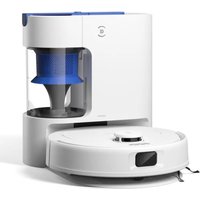
Deebot N20e Plus - Robot vacuum ECOVACS - Free user manual and instructions
Find the device manual for free Deebot N20e Plus ECOVACS in PDF.


| Product type | Robot vacuum with automatic emptying station and OZMO Pro 2.0 vibrating mop |
| Model | DKX55/DKX56 |
| Brand | ECOVACS |
| Robot dimensions (L x W x H) | 353 x 351 x 96 mm |
| Emptying station dimensions (L x W x H) | 356 x 451 x 380 mm |
| Weight (robot + station) | Approximately 8 kg (estimate) |
| Robot power supply | Li-ion battery 14.4 V DC, 4800 mAh, charged via station (20 V 1 A) |
| Station power supply | 220-240 V ~ 50/60 Hz, output 20 V 1 A, emptying power 1000 W |
| Charging time | Approximately 6.5 hours |
| Navigation | Laser triangulation (navigation module) for mapping and obstacle detection |
| Main functions | Automatic cleaning, multi-floor mapping, automatic emptying, vibrating mop, control via ECOVACS HOME app, scheduling, automatic resume |
| Connectivity | Wi-Fi 2.4 GHz (802.11 b/g/n), ECOVACS HOME app (iOS and Android) |
| Package contents | Robot, automatic emptying station, base, side brush, OZMO Pro 2.0 mop module, water tank, washable mopping pad, manual |
| Maintenance and cleaning | Empty after each use; weekly cleaning of brushes and filters; replace pads every 1-2 months, side brushes every 3-6 months, main brush every 6-12 months, filter every 3-6 months |
| Safety | Anti-drop sensors, anti-collision, carpet detection, child lock, use from age 8, automatic stop in case of issues |
| Voice assistant compatibility | Compatible with Amazon Alexa and Google Assistant (via app) |
| Warranty | Manufacturer standard (see ECOVACS website for details) |
Frequently Asked Questions - Deebot N20e Plus ECOVACS
User questions about Deebot N20e Plus ECOVACS
0 question about this device. Answer the ones you know or ask your own.
Ask a new question about this device
Download the instructions for your Robot vacuum in PDF format for free! Find your manual Deebot N20e Plus - ECOVACS and take your electronic device back in hand. On this page are published all the documents necessary for the use of your device. Deebot N20e Plus by ECOVACS.
USER MANUAL Deebot N20e Plus ECOVACS
For the Instruction Manual in further languages, visit: https://www.ecovacs.com.
Important Safety Instructions IMPORTANT SAFETY INSTRUCTIONS
When using an electrical Appliance, basic precautions should always be followed, including the following:
READ ALL INSTRUCTIONS BEFORE USING THIS APPLIANCE SAVE THESE INSTRUCTIONS
- This Appliance can be used by children aged from 8 years and above and persons with reduced physical, sensory or mental capabilities or lack of experience and knowledge if they have been given supervision or instruction concerning use of the Appliance in a safe way and understand the hazards involved. Children shall not play with the Appliance. Cleaning and user maintenance shall not be made by children without supervision.
- Clear the area to be cleaned. Remove power cords and small objects from the floor that could entangle the Appliance. Tuck rug fringe under the rug base, and lift items such as curtains and tablecloths off the floor.
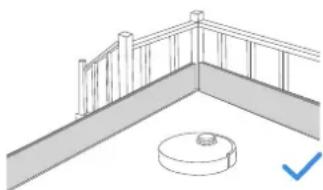
- If there is a drop off in the cleaning area due to a step or stairs, you should operate the Appliance to ensure that it can detect the step without falling over the edge. It may become necessary to place a physical barrier at the edge to keep the unit from falling. Make sure the physical barrier is not a trip hazard.
- Only use as described in this manual. Only use
attachments recommended or sold by the manufacturer.
- Please make sure your power supply source voltage matches the power voltage marked on the Auto-Empty Station.
- For INDOOR household use ONLY. Do not use the Appliance in outdoor, commercial or industrial environments.
- Use only the original rechargeable battery and Auto-Empty Station provided with the Appliance from the manufacturer. Non-rechargeable batteries are prohibited. For battery information, please refer to Specifications section.
- Do not use without dust bin and/or filters in place.
- Do not operate the Appliance in an area where there are lit candles or fragile objects.
- Do not use in extremely hot or cold environments (below -5^/23^ or above 40^/104^ ).
- Keep hair, loose clothing, fingers, and all parts of body away from any openings and moving parts.
- Do not operate the Appliance in a room where an infant or child is sleeping.
- Do not use Appliance on wet surfaces or surfaces with standing water.
- Do not allow the Appliance to pick up large objects like stones, large pieces of paper or any item that may clog the Appliance.
-
Do not use Appliance to pick up flammable or combustible materials such as gasoline, printer or copier toner, or use in areas where they may be present.
-
Do not use Appliance to pick up anything that is burning or smoking, such as cigarettes, matches, hot ashes, or anything that could cause a fire.
- Do not put objects into the suction intake. Do not use if the suction intake is blocked. Keep the intake clear of dust, lint, hair, or anything that may reduce air flow.
- Take care not to damage the power cord. Do not pull on or carry the Appliance or Auto-Empty Station by the power cord, use the power cord as a handle, close a door on the power cord, or pull power cord around sharp edges or corners. Do not run Appliance over the power cord. Keep power cord away from hot surfaces.
- If the power cord is damaged, it must be replaced by the manufacturer or its service agent in order to avoid a hazard.
- Do not use with a damaged power cord or receptacle. Do not use the Appliance or Auto-Empty Station if it is not working properly, has been dropped, damaged, left outdoors, or come in contact with water. It must be repaired by the manufacturer or its service agent in order to avoid a hazard.
- The lithium battery type suitable for CH2403 is max. 8 cells, max. nominal voltage DC 14.4 V, and rated capacity 4,800 mAh. The battery must be removed and discarded according to local laws and regulations before disposal of the Appliance.
- Turn OFF the power switch before cleaning or maintaining the Appliance.
- The plug must be removed from the receptacle before
cleaning or maintaining the Auto-Empty Station.
- Remove the Appliance from the Auto-Empty Station, and turn OFF the power switch to the Appliance before removing the battery for disposal of the Appliance.
- The battery must be removed and discarded according to local laws and regulations before disposal of the Appliance.
- Please dispose of used batteries according to local laws and regulations.
- Do not incinerate the Appliance even if it is severely damaged. The batteries can explode in a fire.
- When not using the Auto-Empty Station for a long period of time, please unplug it.
- The Appliance must be used in accordance with the directions in this Instruction Manual. ECOVACS ROBOTICS cannot be held liable or responsible for any damages or injuries caused by improper use.
- The robot contains batteries that are only replaceable by skilled persons. To replace the robot's battery, please contact Customer Service.
- If the robot will not be used for a long time, power OFF the robot for storage and unplug the Auto-Empty Station.
- WARNING: For the purposes of recharging the battery, only use the detachable supply unit CH2403 provided with the Appliance.
Device Update
Typically, some devices are updated bi-monthly, but not always so specific.
Some devices, especially those that went on sale more than three years ago, will only be updated if a critical vulnerability is found and fixed.
To satisfy RF exposure requirements, a separation distance of 20 cm or more should be maintained between this device and persons during device operation.
To ensure compliance, operations at closer than this distance is not recommended. The antenna used for this transmitter must not be co-located in conjunction with any other antenna or transmitter.
Ensure the robot is always connected to a network, for smart features to function properly.
| Class II | |
| Short-circuit-proof safety isolating transformer | |
| Switch mode power supply | |
| For indoor use only | |
| Direct current | |
| Alternating current | |
| Read all instructions before using (this appliance) | |
| Time-lag miniature fuse-link |
For EU Countries
For EU Declaration of Conformity information, visit https://www.ecovacs.com/global/compliance
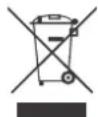
Correct Disposal of this Product
This marking indicates that this product should not be disposed of with other household waste throughout the EU. To prevent possible harm to the environment or human health from uncontrolled waste disposal, recycle it responsibly to promote the sustainable reuse of material resources. To recycle your used device, please use the return and collection systems or contact the retailer where the product was purchased. They can safely recycle this product.
European Union Compliance Statement Information on Disposal for Users of Waste Electrical & Electronic Equipment
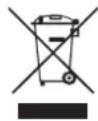
This symbol on the product or on its packaging indicates that used electrical and electronic products should not be mixed with unsorted municipal waste.
For proper treatment, it is your responsibility to dispose of your waste equipment by arranging to return it to designated collection points.
Disposing of this product correctly will help save valuable resources and prevent any potential negative effects on human health and the environment, which could otherwise arise from inappropriate waste handling.
To return your used device, please use the return and collection systems or contact the retailer where the product was purchased, which is free of charge, please contact your local authority for further details of your nearest designated collection point.
Penalties may be applicable for incorrect disposal of this waste, in accordance with your national legislation.
Restriction of the use of certain hazardous substances (RoHS) Directive
Ecovacs Home Service Robotics Co., Ltd. hereby declares the whole product including parts (cables, cords, and so on) meets the requirements of RoHS Directive 2011/65/EU and amendment Commission Delegated Directive (EU) 2015/863 on the restriction of the use of certain hazardous substances in electrical and electronic equipment ("RoHS recast" or "RoHS 2.0").
Radio Equipment Directive
Ecovacs Home Service Robotics Co., Ltd. hereby declares that the product listed in this section comply with the essential requirements and other relevant provisions of the Radio Equipment Directive 2014/53/EU.
Europe Authorised Representative:

Ecovacs Home Service Robotics Co., Ltd. hereby declares that the product comply with the essential requirements and other relevant provisions of the RoHS Directive 2011/65/EU and amendment Commission Delegated Directive (EU) 2015/863, the Radio Equipment Directive 2014/53/EU.
The declaration of conformity can be viewed at the following address: https://www.ecovacs.com/global/compliance.
PACKAGE CONTENTS
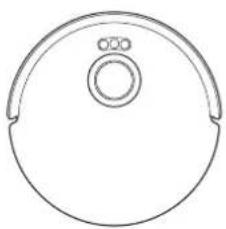
natural_image
Simple line drawing of a circular mechanical component with a central ring and two small protrusions (no text or symbols)Robot
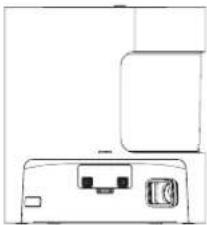
natural_image
Simple line drawing of a device with ports and a label (no text or symbols)Auto-Empty Station
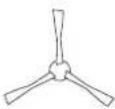
Side Brush
Instruction Manual
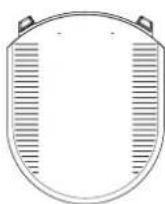
Base
OZMO Pro 2.0 Vibrating Mopping System and Vacuum Module (PKX55)
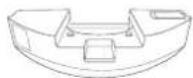
OZMO Pro 2.0
Vibrating Mopping System
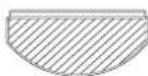
Washable
Mopping Pad
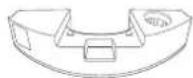
Vacuum Module
(pre-installed)
Water Tank and Mopping Pad Module (DKX56)
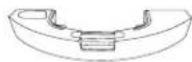
Reservoir
(pre-installed)
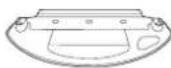
Mopping Pad Plate
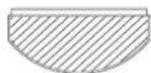
Washable
Mopping Pad
Note: Figures and illustrations are for reference only and may differ from actual product appearance. Product design and specifications are subject to changes without notice.
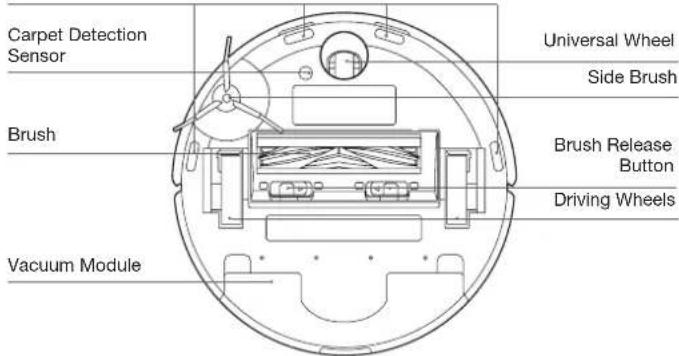
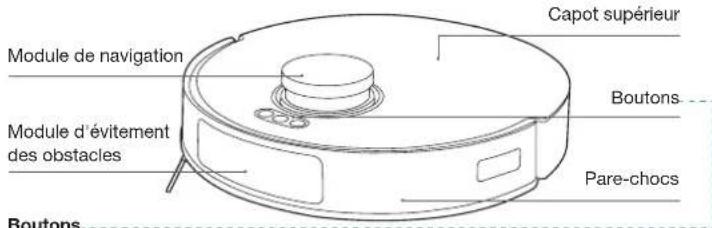
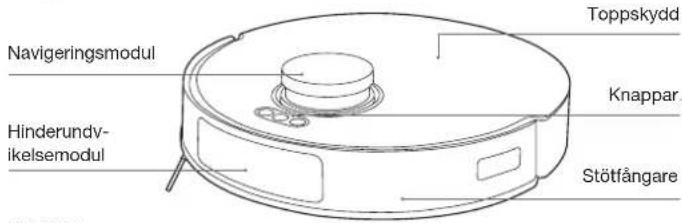
PRODUCT DIAGRAM
Robot
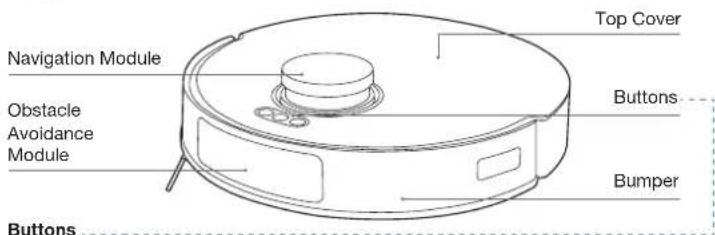

Short Press: Return to charge

Short Press: Start/Pause/Continue

Short Press: Start/End Spot Clean
Long Press: Power on/off
Long Press: Child Lock
RESET Button
Connect APP: Short press RESET button and follow voice prompts to connect to the App. Restore to default settings: Press and hold RESET Button for 5 s. After you hear the voice prompt, the startup music will be played and the robot will be restored to default settings.
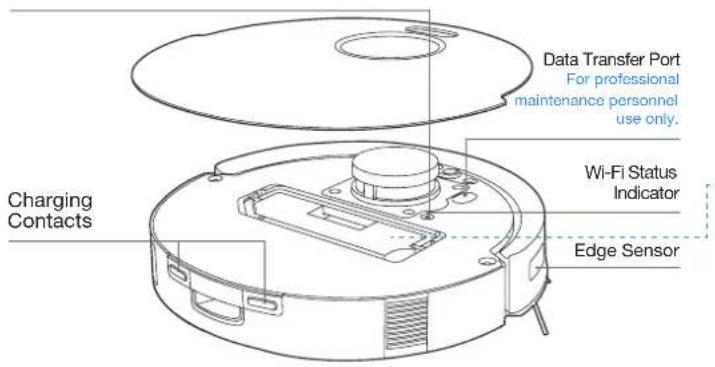
Bottom View (DKX55)
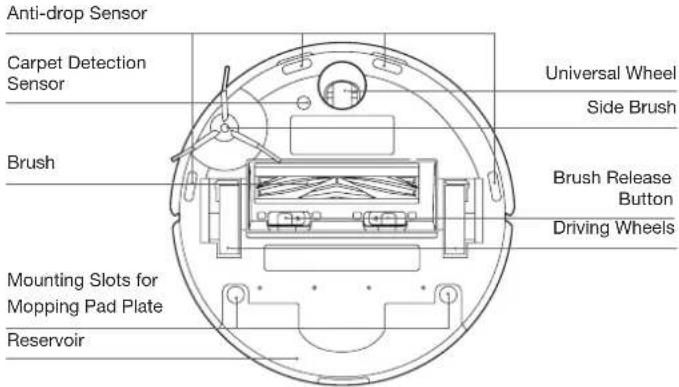
Anti-drop Sensor
OZMO Pro 2.0 Vibrating Mopping System
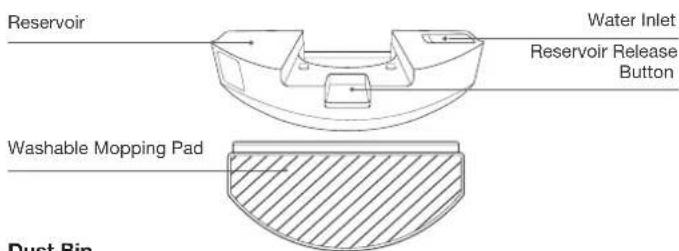
Bottom View (DKX56)
Mopping Pad Module
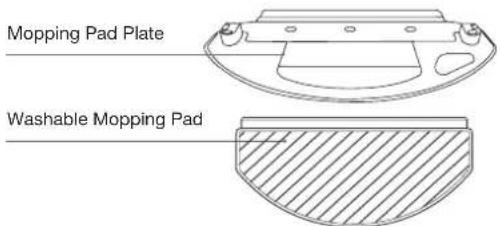
Note: Figures and illustrations are for reference only and may differ from actual product appearance. Product design and specifications are subject to changes without notice.
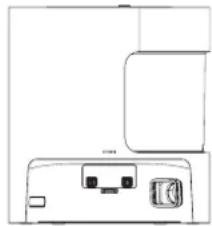
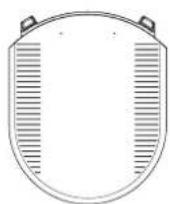
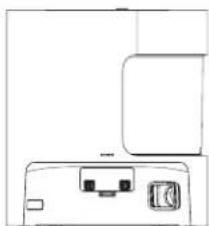
Auto-Empty Station
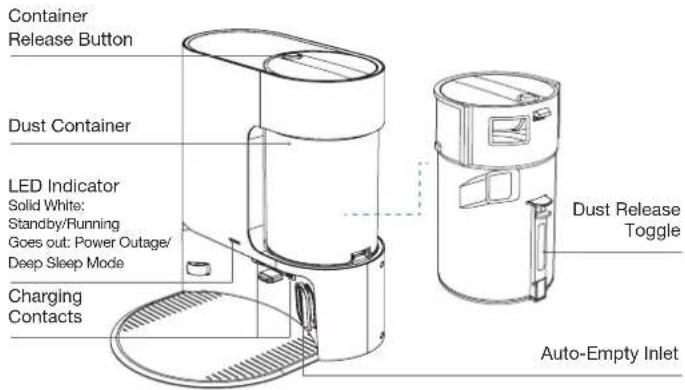

SENSORS NOTES BEFORE CLEANING
| Name Functional Description | |
| Navigation Module | By utilizing the principle of triangulation, which involves emitting and receiving laser beams reflected by surrounding objects, precise distance measurement information between the DEEBOT and nearby objects can be calculated through algorithms. When the DEEBOT moves within a certain environment, the positions of surrounding objects are determined to create a spatial map of the DEEBOT's surroundings. The measurement range is 0.8 m. |
| Obstacle Avoidance Module | With three sets of infrared transmitter and receiver pairs, it operates on the principle of infrared reflection to gauge obstacle distances by signal strength. The maximum detection range is approx. 10 cm. |
| Anti-drop Sensor | With infrared distance measurement, the infrared sensor can detect the distance between the bottom of DEEBOT and ground. DEEBOT will not move forward when there are stairs in front or the identified distance exceeds the preset threshold, realizing the Anti-drop. The trigger distance is approx. 60 mm. |
| Carpet Detection Sensor | The ultrasound probe can emit ultrasonic waves with a frequency of 300KHZ. The energy of the ultrasonic waves is absorbed by the carpet. If the reflected energy is below the threshold, the DEEBOT recognizes the presence of the carpet. According to ECOVACS lab tests, currently, over 50 types of carpets available on the market can be identified. |
| Edge Sensor | With infrared distance measurement, DEEBOT can detect the distance between itself and objects on its right side. When there is a wall or obstacle on the right side, DEEBOT will perform edge cleaning to avoid missing spots or collisions. |
| Anti-collision Sensor | When the transmitted signal is blocked by an obstacle, the signal receiver will not be able to receive the signal. With this principle, the robot will avoid obstacles when colliding with them. |
natural_image
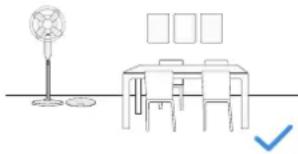
Simple line drawing of a dining table with a fan and plate, no text or symbols presentTidy up the area to be cleaned by putting furniture, such as chairs, in their proper place.
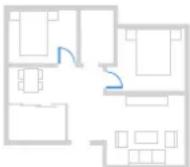
During the first use, make sure each room door is open to help DEEBOT fully explore your house.
natural_image
Isometric line drawing of a balcony structure with railing and circular base (no text or symbols)It may be necessary to place a physical barrier at the edge of a drop to stop the unit from falling over the edge.

Put away objects including cables, cloths and slippers, etc. on the floor to improve the cleaning efficiency.

Before using the product on a rug with tasseled edges, please fold the rug edges under.

Please do not stand in narrow spaces, such as hallways, and make sure not to block sensors.
QUICK START
Please remove all protective materials before use.
1 Installation
The sound of Click indicates proper installation.
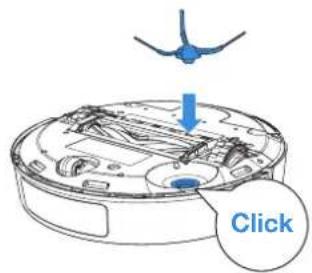
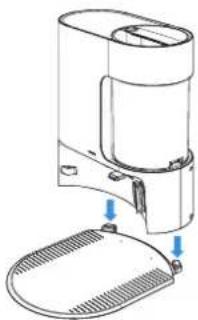
natural_image
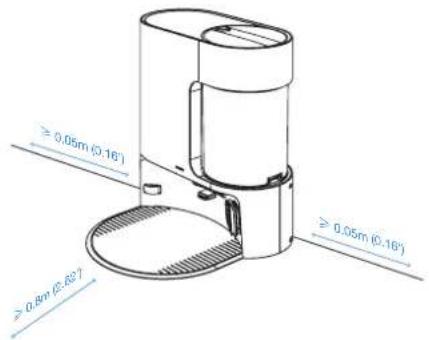
Technical line drawing of a mechanical device with blue arrows indicating component alignment (no text or symbols)2 Place the Auto-Empty Station
Keep the area around the Auto-Empty Station clear of objects, especially objects with reflective surfaces.
DOWNLOAD THE ECOVACS HOME APP
To enjoy all available features, it is recommended to control your DEEBOT via the ECOVACS HOME App.
- Scan the QR Code under the Top Cover to download the App.
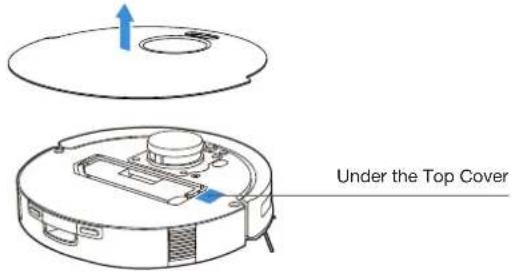
- Search ECOVACS HOME to download the App.



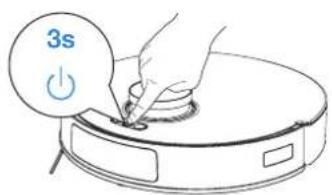
POWER ON DEEBOT
Press and hold for 3 seconds to power on DEEBOT.
Wi-Fi Network Requirements:
- You are using a 2.4 GHz or 2.4/5 GHz mixed network.
- Your router supports 802.11b/g/n and IPv4 protocol.
- Do not use a VPN (Virtual Private Network) or Proxy Server.
- Do not use a hidden network.
- WPA and WPA2 using TKIP, PSK, AES/CCMP encryption.
- WEP EAP (Enterprise Authentication Protocol) is not supported.
- Use Wi-Fi channels 1-11 in North America and channels 1-13 outside North
America (refer to local regulatory agency). - If you are using a network extender/repeater, the network name (SSID) and password are the same as your primary network.
- Please enable the WPA2 on your router.
Wi-Fi Indicator
| Flashing slowly Disconnected to Wi-Fi | |
| Flashing quickly Connecting the App | |
| On Connected to Wi-Fi |
Please be aware that the realization of intelligent functions such as remote startup, voice interaction, 2D map display and control settings, and personalized cleaning (depending on different products) requires users to download and use the ECOVACS HOME App, which is constantly updated. You need to agree to our Privacy Policy and User Agreement before we can process some of your basic and necessary information and enable you to operate the product. If you do not agree with our Privacy Policy and User Agreement, some of the aforementioned intelligent functions cannot be realized through the ECOVACS HOME App, but you can still use the basic functions of this product for manual operation.
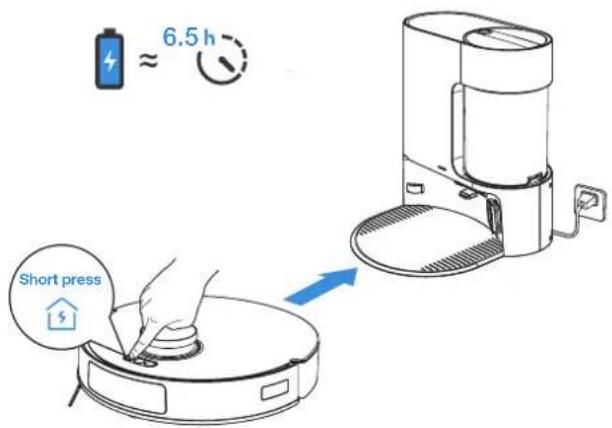
CHARGE DEEBOTCONNECT DEEBOT WITH
Short press to recall DEEBOT back to the Auto-Empty Station to charge.
OPERATE DEEBOT
Remove the Mopping Pad Plate/Module before mapping. When creating a map for the first time, please follow DEEBOT to help eliminate some minor issues.
For example, DEEBOT may get stuck under the furniture. Please refer to the following solutions:
① Raise your low sitting furniture if possible:
② Cover the bottom of the furniture:
③ Set up Virtual Boundary via the App.
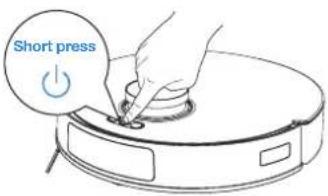
Before first vacuuming, please make sure DEEBOT is in the Charging Station and fully charged. Short press to start cleaning and mapping.
Note:
- Do not frequently remove washable mopping pads.
- Do not use a rag or any other object to scratch the Moping Pad Plate.
- When the ECOVACS HOME App prompts that the mops need to be replaced, please replace them in time. Explore more accessories at ECOVACS HOME App or at https://www.ecovacs.com.
REGULAR MAINTENANCE
Maintenance Frequency
To ensure optimal performance, perform maintenance tasks and replace parts at the following frequencies:
| Part | Maintenance Frequency | Replacement Frequency |
| Washable Mopping Pads After each cleaning Every 1-2 months | ||
| Side Brush Every 2 weeks Every 3-6 months | ||
| Brush Every week Every 6-12 months | ||
| Filter Every week Every 3-6 months | ||
| Navigation ModuleObstacle Avoidance ModuleAnti-drop SensorsCarpet Detection SensorEdge SensorBumperCharging ContactsUniversal Wheel | Every week / | |
| Dust Container After each cleaning Every 1-2 months | ||
| Dust Container Filter Every 3-6 months | Every 3-6 months/After multiple washes | |
Note: Explore more accessories in the ECOVACS HOME App or at https://www.ecovacs.com.
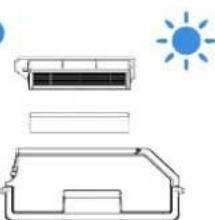
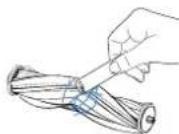
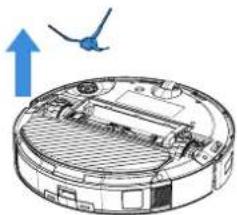
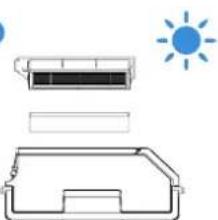
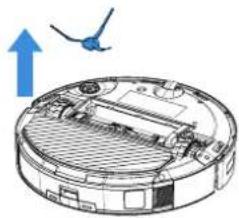
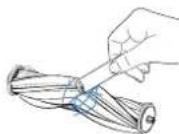
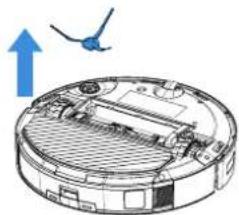
Maintain Dust Bin Maintain Brush and Side Brush
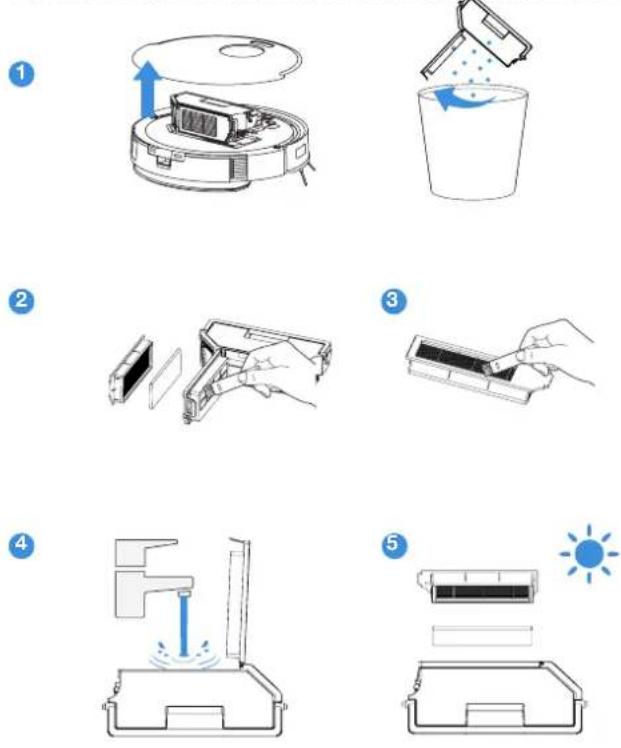
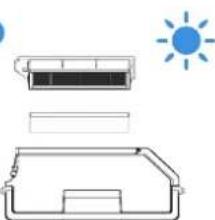
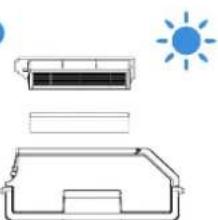
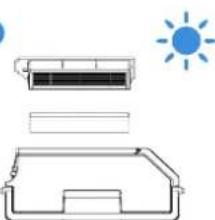
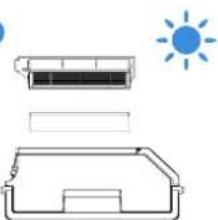
Note: Completely dry the Filter before use.
It is recommended that you purchase filters and cleaning tools from the ECOVACS HOME App store or the official ECOVACS online store at https://www.ecovacs.com.
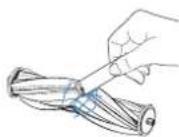
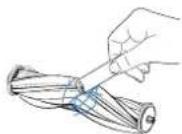
Brush
1
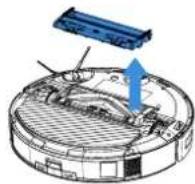
2
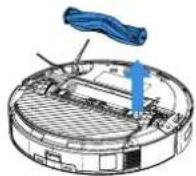
3
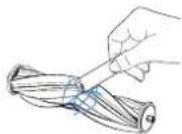
Side Brush
1
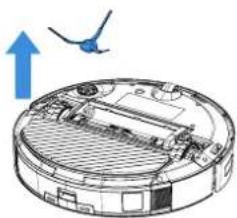
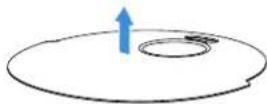
natural_image
Diagram of a circular device with internal components and an upward arrow, no visible text or symbols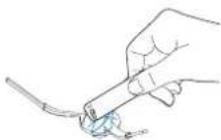
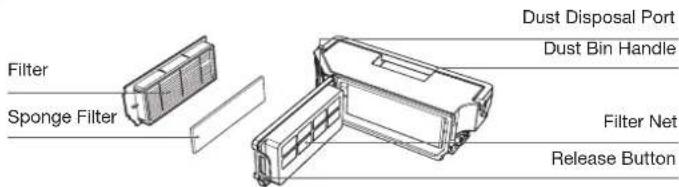
Maintain Dust Container and Its Filter
1 Press the Container Release Button, and remove the Dust Container.
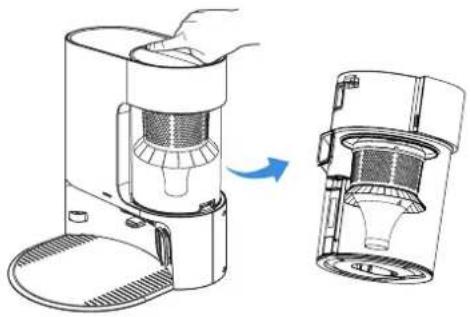
natural_image
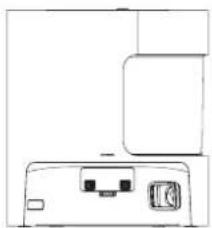
Technical line drawing of a vacuum cleaner with internal structure and side view (no text or symbols)2 Press the Dust Release Toggle to open the bottom of the Dust Bin, and empty the trash.
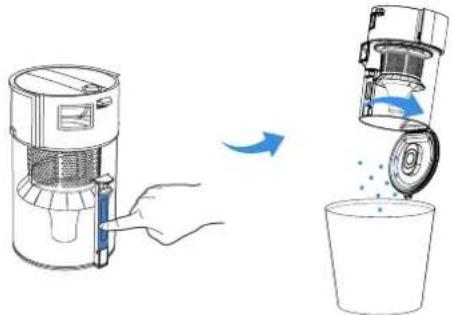
* It is recommended that you clean the Filter every 6 months. You can wash and air-dry it for reuse, or purchase a new one.
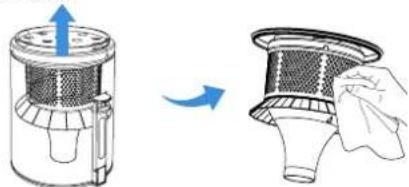
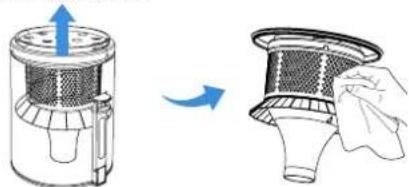
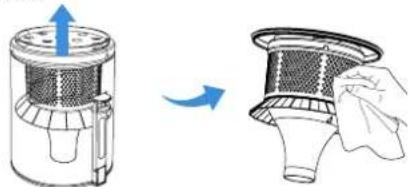
3 Twist off the top and remove the Filter.
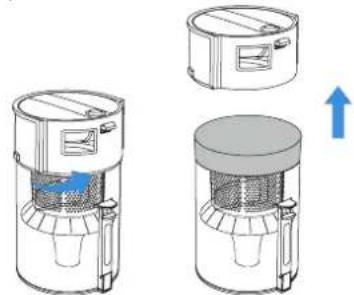
natural_image
Diagram showing three views of a cylindrical device with internal components and a blue arrow indicating upward motion (no text or symbols)4 Remove the multi-cone structure.
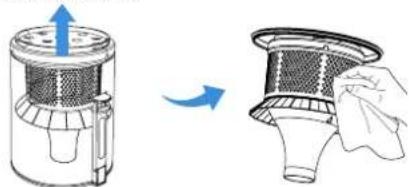
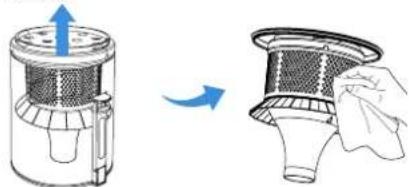
natural_image
Diagram showing a device being removed from a filter into a meshed component (no text or symbols present)* It is not recommended to wash the multi-cone structure. If needed, you can use a wet cloth to wipe it and let it air-dry.
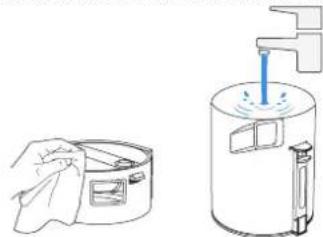
5 Rinse the Dust Container with water or wipe it with a wet cloth.
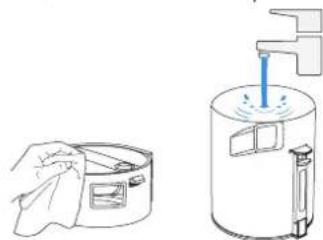
natural_image
Illustration showing a hand cleaning a water-filled container and pouring liquid into a water dispenser (no text or symbols)* Please make sure to air-dry the Dust Container before using it again.
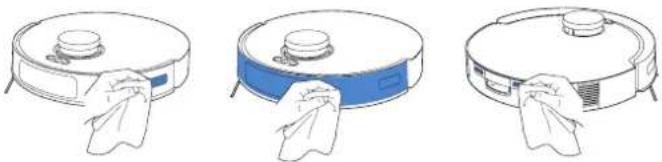
Maintain Other Components Storage
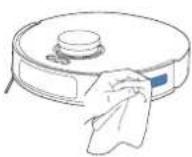
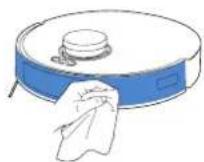
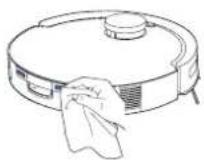
Navigation Module
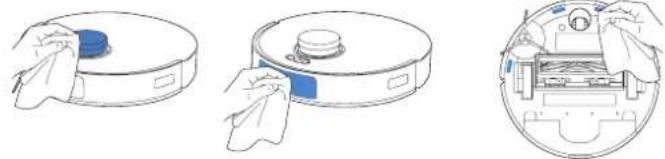
Bumper Charging ContactsEdge Sensor
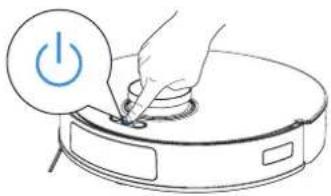
Press the Power Button for 5 s to power the robot off.
Make sure to fully charge and power OFF the robot before storing it. Recharge it every 1.5 months to prevent the battery from over-discharging.
natural_image
Illustration of a hand pressing a button on a robotic vacuum cleaner's surface (no text or symbols)Please note that the robot cannot charge when powered OFF.
* when the robot is not in use, it is recommended to keep it powered ON and charging, to prepare for the next cleaning cycle.
* If the battery becomes over-discharged or remains unused for an extended period, the robot may not charge properly. In this case, please contact us for assistance. Do not attempt to disassemble the battery on your own.
Universal Wheel Driving Wheels
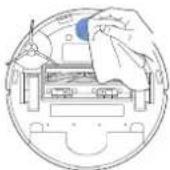
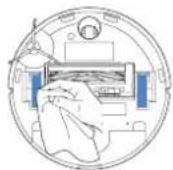
TROUBLESHOOTING
| No. | Malfunction Possible Cause Solution | ||
| 1 | The robot is not able to connect to ECOVACS HOME App. | Incorrect Wi-Fi username and password entered. Make sure to | enter correct Wi-Fi username and password entered. |
| The robot is not within range of your home Wi-Fi signal. | Make sure that the robot is within range of your home Wi-Fi signal. | ||
| The robot is not in the configuration state. | When the robot is powered on, press the RESET Button and release it after hearing the voice prompt for starting network setup. The Wi-Fi indicator will flash, indicating that the robot is in the configuration state. | ||
| You are not using a 2.4GHz or 2.4/5 GHz mixed network. | The robot currently does not support 5 GHz networks. Please use the 2.4 GHz or 2.4/5 GHz options instead. | ||
| Incorrect app installed. Please download and install the ECOVACS HOME App. | |||
| 2 | The map is lost. The map might be lost if you move the robot when cleaning. | Move the robot to the front of the Station to retrieve the map.Find the restored map inMap Managementand tap “Use This Map” to retrieve it. If this issue persists, please restart mapping. | |
| 3 | Unable to create the furniture map in the App. | The robot does not start cleaning from the Station. The robot must start cleaning from the Station. | |
| Moving the robot during cleaning might cause the map to be lost. | During cleaning, do not move the robot. | ||
| Auto cleaning is not finished. Make sure the robot automatically return to the Station after cleaning. | |||
| 4 | No signal found.Unable to return to the Station. | The Station is incorrectly placed. | Please place the Station correctly according to the instructions in the [CHARGE DEEBOT] section. |
| The Station is out of power or manually moved. | Check whether the Station is connected to the power supply. Do not manually move the Station. | ||
| The robot does not start cleaning from the Station. It is recommended that the robot start cleaning from the Station. | |||
| The charging route is blocked. For example, the door of the room with the Station is closed. | Keep the charging route clear. | ||
| 5 | The robot returns to the Station before it has finished cleaning. | The room is so large that the robot needs to return to recharge. | Please enable Auto Resume. For more details, please follow the App instructions. |
| The robot is unable to reach certain areas blocked by furniture or barriers. | Tidy up the area to be cleaned by putting furniture and small objects in their proper place. | ||
| 6 | The robot is unable to charge. | The Station is not connected to the power supply. | Make sure the Station is connected to the power supply and its indicator light is on. |
| The robot's Charging Contacts are not fully in contact with the Station's. | Make sure that the robot's Charging Contacts have full contact with the Station's, and the button flashes. Check whether the robot's and Station's Charging Contacts are dirty. Please clean these parts according to the instructions in the [RUGULAR MAINTENANCE] section. | ||
| The battery temperature is too high or too low. | Please charge and use the robot within the temperature range of 0-40°C. | ||
| The battery over-discharges due to prolonged periods of non-use. | It is recommended that you use this product regularly. If charging issues occur due to prolonged non-use, please contact customer service for assistance. | ||
| 7 | The robot is very loud during cleaning. | The Brush/Side Brush is entangled, or the Dust Bin/Filter is blocked. | It is recommended to clean the Brush, Side Brush, Dust Bin, Filter, etc. regularly. |
| The robot is in Strong Mode. Switch to Standard Mode. | |||
| 8 | The robot gets stuck while working and stops. | The robot is tangled with objects on the floor (electrical wires, curtains, carpet fringing, etc.) | The robot will try various ways to free itself. If it is unsuccessful, manually remove the obstacles and restart. |
| The robot might be stuck under furniture with an entrance of similar height. | Please raise the furniture, set a physical barrier, or set a Virtual Boundary via the ECOVACS HOME App. | ||
| 9 | During cleaning, the robot may encounter issues like a disorderly route, biased movement, repeated passes over the same spots, and missing small areas. (If a large area is temporarily missed, rest assured that the robot will autonomously return to ensure thorough cleaning.) | Objects such as wires and slippers placed on the ground may obstruct the robot. | Before cleaning, please tidy up scattered wires, slippers, and other objects on the ground as much as possible. If there is any area missed during cleaning, the robot will correct it automatically. Please refrain from interfering (such as moving the robot or blocking its route). |
| The Driving Wheels may slip on the ground when the robot climbs steps, thresholds, and door bars, which can affect its ability to navigate the entire home environment. | It is recommended to close the door of the affected area and cleaning it separately. After cleaning, the robot will return to its starting location. Please feel confident in using this method. | ||
| On freshly waxed or polished floors, as well as smooth tiles, there may be less friction between the Driving Wheels and the floor. | Please wait for the wax to dry before cleaning. | ||
| Due to different home environments, some areas cannot be cleaned. | Tidy up the home environment to ensure that the robot can enter for cleaning. | ||
| The Navigation Module may be dirty or blocked by foreign objects. | Wipe it with a clean, soft cloth or clear any foreign objects. | ||
| 10 | After returning to the Station, the robot does not empty its Dust Bin. | Manually moving the robot back to the Station might not trigger the Auto-Empty function. | It is recommended to let the robot return to the Station on its own. Please do not manually move it. |
| In Do Not Disturb mode, the robot will not empty the dust after returning back to the Station. | Turn off Do Not Disturb in the ECOVACS HOME App or manually start dust-emptying. | ||
| If the above possible causes have been ruled out, components of the Station may be abnormal. | Please contact customer service for assistance. | ||
| 11 | Auto-Empty unsuccessful. | The outlet of the Dust Bin is blocked by foreign objects. | Remove the Dust Bin and clear the foreign objects on the outlet. |
| 12 | Dust leakage occurs during working. | The outlet of the Dust Bin is blocked by foreign objects. | Remove the Dust Bin and clear the foreign objects on the outlet. |
| 13 | The Reservoir/Dust Bin drops off. | It is not properly installed. Make sure it clicks into place. | |
| 14 | Driving Wheels are stuck. | Driving Wheels are tangled or obstructed by foreign objects. | Rotate and press the Driving Wheels to check for any wrapping or obstruction by foreign objects. If any foreign objects are found, please clean them promptly. If this issue persists, please contact customer service for assistance. |
| 15 | The robot fails to perform Auto Resume. | The robot is in Do Not Disturb mode. The robot cannot perform Auto Resume in Do Not Disturb mode. | |
| The robot does not automatically return to the Station. | Auto Resume will not take effect if you manually move the robot back to the Station. | ||
| 16 | The cleaning task is not conducted at the scheduled time. | The schedule has been canceled. Reschedule the cleaning task. | |
| The robot's battery is low. Charge it. | |||
| The robot is in Do Not Disturb mode. The robot cannot perform scheduled cleaning in Do Not Disturb mode. | |||
TECHNICAL SPECIFICATIONS
| Model DKX55/DKX56 | |||
| Rated Input 20 V 1 A Charging Time 6.5 h | --- | ||
| Auto-Empty Station CH2403 | |||
| Rated Input 100 V ~ 50-60 Hz | |||
| Rated Input Current (Charging) 0.5 A Rated Output 20 V 1 A | --- | ||
| Power (Emptying) 1000 W | |||
| DEEBOT Dimensions (L*W*H mm) 353*351*99 | |||
| Auto-Empty Station Dimensions (L*W*H mm) | 356*180*380 | ||
Output power of the Wi-Fi module is less than 100 mW.
Note: Technical and design specifications may be changed for continuous product improvement.
Explore more accessories at https://www.ecovacs.com.
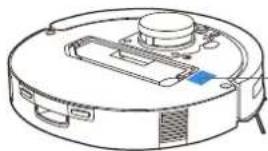
natural_image
Line drawing of a robotic vacuum cleaner with control panel and sensor array (no text or symbols)Please use the mobile camera to scan the QR code and obtain the user guide.
https://www.ecovacs.com/global/compliance.
LIEFERUMFANG
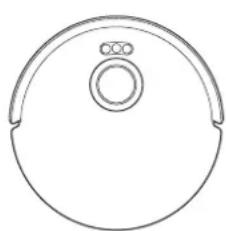
natural_image
Simple line drawing of a circular object with a central hole and two small protrusions (no text or symbols)Roboter
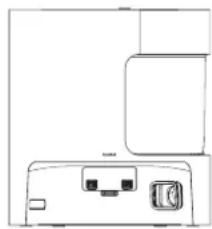
natural_image
Line drawing of a device rear panel with buttons and a monitor (no text or symbols)natural_image
Technical line drawing of a device casing with ventilation slots and a labeled component (no text or symbols on the diagram itself)SENSOREN VOR DEM REINIGEN
natural_image
Simple line drawing of a dining table with a fan, seatboard, and table (no text or symbols)natural_image
Isometric line drawing of a balcony structure with railing and circular base (no text or symbols)HERUNTERLADEN DER
ECOVACS HOME APP
natural_image
Diagram of a robotic vacuum cleaner with a circular component and blue arrow indicating motion (no text or symbols)natural_image
Simple line drawing of a faucet with a blue water droplet inside and a tool inserted into a container (no text or symbols)5
natural_image
Diagram showing airflow from a solar panel into a container, with no text or symbols present.3
Seitenbürste
1

natural_image
Diagram of a circular device with internal components and an upward arrow, no visible text or symbolsnatural_image
Technical illustration of a vacuum cleaner with internal mesh structure, showing external and internal components (no text or symbols)natural_image
Diagram showing three stages of a device with a blue arrow indicating upward motion (no text or symbols present)natural_image
Diagram showing a device before and after cleaning a filter component (no text or symbols present)natural_image
Illustration of a hand cleaning a small container and pouring liquid into a water dispenser (no text or symbols)natural_image
Illustration of a hand using a power button to press a small electronic device (no text or symbols present)natural_image
Line drawing of a robotic vacuum cleaner with control panel and sensor array (no text or symbols)natural_image
Simple line drawing of a circular object with a small ring and two small protrusions on top (no text or symbols)Robot
natural_image
Line drawing of a device rear panel with buttons and a button (no text or symbols)SCHÉMA DU PRODUIT
Robot
natural_image
Simple line drawing of a dining table with a fan, seat, and tableboard (no text or symbols)natural_image
Architectural line drawing of a balcony with railing and circular base (no text or symbols)TÉLÉCHARGEZ L'APPLICATION ECOVACS HOME
natural_image
Simple line drawing of a faucet with a blue water level indicator and a tool inserted into a container (no text or symbols)5
natural_image
Diagram showing a solar panel with its components and airflow direction (no text or symbols)3
Brosse latérale
1
natural_image
Diagram of a circular device with internal components and an upward arrow, no text or symbols presentnatural_image
Technical illustration of a vacuum cleaner with internal components and a side view showing internal structure (no text or symbols)natural_image
Diagram of three cylindrical containers with internal structures and a blue arrow indicating upward motion (no text or symbols)natural_image
Diagram showing a device with airflow direction and a hand holding a component (no text or symbols)natural_image
Illustration of a hand cleaning a jar with a water tap, next to a cylindrical device with a handle (no text or symbols)natural_image
Illustration of a hand pressing a button on a robotic vacuum cleaner's surface (no text or symbols)natural_image
Line drawing of a robotic vacuum cleaner with control panel and sensor array (no text or symbols)natural_image
Simple line drawing of a dining table with a lamp and a checkmark (no text or symbols)natural_image
Isometric line drawing of a balcony structure with railing and circular base (no text or symbols)natural_image
Diagram of a robotic vacuum cleaner with a circular component and internal components, showing no text or symbols.natural_image
Diagram of a faucet with water spray and a valve, no text or symbols present5
natural_image
Diagram showing a solar panel with heat source and internal components (no text or symbols)natural_image
Diagram of a robotic vacuum cleaner with airflow direction indicated by an upward arrow (no text or symbols)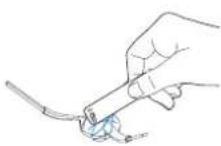
natural_image
Technical illustration of a vacuum cleaner with internal components and a side view showing internal structure (no text or symbols)natural_image
Diagram showing a hand inserting a device into a container while pouring liquid from a digital device (no text or symbols present)natural_image
Diagram showing three stages of a mechanical device with arrows indicating motion, no text or symbols present.natural_image
Diagram showing a device being removed from a filter into a meshed component (no text or symbols present)natural_image
Illustration showing a hand cleaning a cylindrical container and pouring liquid into a water dispenser (no text or symbols)natural_image
Illustration of a hand pressing a button on a robotic vacuum cleaner's surface (no text or symbols)natural_image
Line drawing of a robotic vacuum cleaner with control panel and sensor array (no text or symbols)natural_image
Simple line drawing of a circular object with a small protrusion and two small circles on top (no text or symbols)Robot
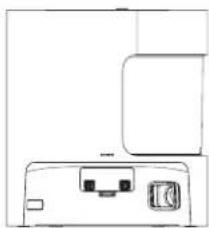
natural_image
Simple line drawing of a device rear panel with ports and a button (no text or symbols)Auto-tömningsstation
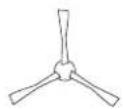
Sidborste
Användarhandbok
Bas
PRODUKTDIAGRAM
Robot
natural_image
Technical line drawing of a device casing with ventilation slots and a label pointing to 'Nätsladd' (no other text or symbols)SENSORER ANMÄRKNINGAR FÖRE RENGÖRING
natural_image
Simple line drawing of a dining table with a fan, seat, and tableboard (no text or symbols)natural_image
Isometric line drawing of a balcony structure with railing and circular base (no text or symbols)natural_image
Technical line drawing of a mechanical device with two blue arrows pointing to a textured base (no text or symbols)2 Placera Auto-tömningsstationen
HÄMTA ECOVACS HOME-APPEN
LADDA DEEBOTANSLUT DEEBOT MED AP
natural_image
Diagram of a showerhead spraying water onto a device (no text or symbols)5
natural_image
Diagram showing a solar panel connected to a battery, with no text or symbols present.3
Sidborste
1
natural_image
Diagram of a circular device with internal components and an upward arrow, no visible text or symbolsnatural_image
Technical line drawing of a vacuum cleaner with internal components and a blue arrow indicating rotation (no text or symbols)4 Ta bort flerkonsstrukturen.
natural_image
Diagram showing a device being processed from a fan or filter into a mesh chamber, with no visible text or symbols.natural_image
Illustration of a hand cleaning a small container and pouring liquid into a water-filled cylindrical container (no text or symbols)natural_image
Illustration of a hand pressing a button on a robotic vacuum cleaner's surface (no text or symbols)natural_image
Line drawing of a robotic vacuum cleaner with control panel and sensor array (no text or symbols)natural_image
Simple line drawing of a circular object with a central hole and two small protrusions (no text or symbols)Robot
natural_image
Simple line drawing of a device rear panel with ports and connectors (no text or symbols)natural_image
Simple line drawing of a dining table with a stand and a checkmark (no text or symbols)natural_image
Isometric line drawing of a balcony with railing and circular base (no text or symbols)natural_image
Diagram of a mechanical device with a lever and base, showing fluid flow around it (no text or symbols)5
natural_image
Diagram showing airflow from a solar panel to a battery, with no text or symbols present.3
Sidebørste
1
natural_image
Diagram of a circular device with internal components and an upward arrow, no text or symbols presentnatural_image
Technical line drawing of a vacuum cleaner with internal mesh structure, showing external assembly (no text or symbols)4 Ta ut den kjegleformede innmaten.
natural_image
Diagram showing a device being processed from a fan or filter into a mesh chamber, with no visible text or symbols.* Det er ikke anbefalt å vaske den kjegleformede innmaten. Ved behov kan du tørke den av med en fuktig klut og la den lufttørke.
5 Skyll støvbeholderen i vann, eller tørk av den med en fuktig klut.
natural_image
Illustration of a hand cleaning a small container and pouring liquid into a water-filled cylindrical container (no text or symbols)natural_image
Illustration of a hand pressing a button on a robotic vacuum cleaner's surface (no text or symbols)Merk at roboten ikke kan lades mens den er slått AV.
natural_image
Line drawing of a robotic vacuum cleaner with control panel and sensor array (no text or symbols)natural_image
Simple line drawing of a circular mechanical component with a central hole and two small protrusions (no text or symbols)Robot
natural_image
Line drawing of a device rear panel with ports and buttons (no text or symbols)natural_image
Simple line drawing of a dining table with a fan, seat, and tableboard (no text or symbols)natural_image
Isometric line drawing of a balcony with railing and circular base (no text or symbols)natural_image
Technical line drawing of a mechanical device with two blue arrows pointing to a textured base (no text or symbols)natural_image
Diagram of a mechanical device with a lever and base, showing fluid flow around it (no text or symbols)5
natural_image
Diagram showing a solar panel connected to a battery, with no text or symbols present.3
Sidebørste
1
natural_image
Diagram of a circular device with internal components and an upward arrow, no text or symbols presentnatural_image
Technical illustration of a vacuum cleaner with internal mesh structure, showing external and internal views (no text or symbols)4 Fjern multikeglestrukturen.
natural_image
Diagram showing a device being processed from a fan or filter into a mesh chamber, with no visible text or symbols.natural_image
Illustration of a hand cleaning a cylindrical container with a water drop, and a close-up of a water dispenser pouring liquid into a container (no text or symbols)natural_image
Illustration of a hand pressing a button on a robotic vacuum cleaner's surface (no text or symbols)Beskyttelsespanel
OpladerkontakterKantsensor
natural_image
Line drawing of a robotic vacuum cleaner with attached circuit board and ventilation slots (no text or symbols)natural_image
Simple line drawing of a circular object with a small protrusion and three dots on the top surface (no text or symbols)Robotti
natural_image
Line drawing of a device rear panel with ports and a button (no text or symbols)natural_image
Technical line drawing of a vacuum cleaner device (no text or symbols on the diagram itself)ANTURIT HUOMAUTUKSIA ENNEN
natural_image
Simple line drawing of a dining table with a fan and table, no text or symbols presentnatural_image
Isometric line drawing of a balcony structure with railing and circular base (no text or symbols)natural_image
Technical line drawing of a mechanical device with a flat base and internal components, showing no text or symbols.LATAA ECOVACS HOME APP -SOVELLUS
YHDISTÄ DEEBOT SOVELLUKSEEN
natural_image
Diagram of a showerhead spraying water onto a device (no text or symbols)5
natural_image
Diagram showing a solar panel connected to a battery, with no text or symbols present.natural_image
Diagram of a circular device with internal components and an upward arrow, no text or symbols present
natural_image
Technical line drawing of a vacuum cleaner with internal mesh structure, showing external assembly (no text or symbols)natural_image
Diagram showing a hand inserting a filter into a device and pouring liquid into a cup (no text or symbols present)natural_image
Diagram showing three views of a cylindrical device with internal components and a blue arrow indicating upward motion (no text or symbols)4 Poista monikartio-osa.
natural_image
Diagram showing a device being removed from its side, with no visible text or symbols.natural_image
Illustration showing a hand cleaning a water-filled container and pouring liquid into a water dispenser (no text or symbols)natural_image
Illustration of a hand pressing a button on a robotic vacuum cleaner's surface (no text or symbols)natural_image
Line drawing of a robotic vacuum cleaner with control panel and buttons (no text or symbols)natural_image
Simple line drawing of a circular mechanical component with a central hole and three small protrusions (no text or symbols)Robot
natural_image
Line drawing of a device rear panel with ports and a button (no text or symbols)natural_image
Simple line drawing of a dining table with a fan, seat, and tableboard (no text or symbols)natural_image
Isometric line drawing of a balcony structure with railing and circular base (no text or symbols)natural_image
Technical line drawing of a mechanical device with two blue arrows pointing to a textured base (no text or symbols)DEEBOT'U ÇALIŞTIRMA
Not:
natural_image
Simple line drawing of a faucet with a blue spray and water droplets inside, no text or symbols present.5
natural_image
Diagram showing airflow from a solar panel to an air gap, with no text or symbols present.natural_image
Diagram of a robotic vacuum cleaner with an upward arrow and blue motion indicator (no text or symbols)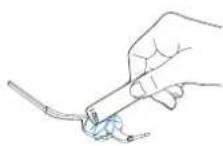
natural_image
Diagram of a vacuum cleaner with internal components and a close-up view showing internal structure (no text or symbols)natural_image
Diagram showing a hand inserting a component into a device while pouring liquid into a cup (no text or symbols present)natural_image
Diagram showing a device before and after transformation, with no visible text or symbolsnatural_image
Illustration of a hand cleaning a water dispenser with a tap, next to a water dispenser with a drain (no text or symbols)natural_image
Line drawing of a robotic vacuum cleaner with a power button icon (no text or symbols)natural_image
Line drawing of a robotic vacuum cleaner with control panel and sensor array (no text or symbols)No.518 Songwei Road, Wusongjiang Industry Park, Guoxiang Street, Wuzhong District, Suzhou, Jiangsu, China.

- Important Safety Instructions IMPORTANT SAFETY INSTRUCTIONS
- READ ALL INSTRUCTIONS BEFORE USING THIS APPLIANCE SAVE THESE INSTRUCTIONS
- Device Update
- For EU Countries
- Correct Disposal of this Product
- European Union Compliance Statement Information on Disposal for Users of Waste Electrical & Electronic Equipment
- Restriction of the use of certain hazardous substances (RoHS) Directive
- Radio Equipment Directive
- Europe Authorised Representative:
- PACKAGE CONTENTS
- OZMO Pro 2.0 Vibrating Mopping System and Vacuum Module (PKX55)
- Water Tank and Mopping Pad Module (DKX56)
- RESET Button
- SENSORS NOTES BEFORE CLEANING
- QUICK START
- Installation
- Place the Auto-Empty Station
- DOWNLOAD THE ECOVACS HOME APP
- POWER ON DEEBOT
- Wi-Fi Network Requirements:
- CHARGE DEEBOTCONNECT DEEBOT WITH
- OPERATE DEEBOT
- Note:
- REGULAR MAINTENANCE
- Maintenance Frequency
- Maintain Dust Container and Its Filter
- Maintain Other Components Storage
- SENSOREN VOR DEM REINIGEN
- HERUNTERLADEN DER
- ECOVACS HOME APP
- TÉLÉCHARGEZ L'APPLICATION ECOVACS HOME
- SENSORER ANMÄRKNINGAR FÖRE RENGÖRING
- Placera Auto-tömningsstationen
- HÄMTA ECOVACS HOME-APPEN
- LADDA DEEBOTANSLUT DEEBOT MED AP
- ANTURIT HUOMAUTUKSIA ENNEN
- LATAA ECOVACS HOME APP -SOVELLUS
- YHDISTÄ DEEBOT SOVELLUKSEEN
- DEEBOT'U ÇALIŞTIRMA
- Not:
Brand : ECOVACS
Model : Deebot N20e Plus
Category : Robot vacuum