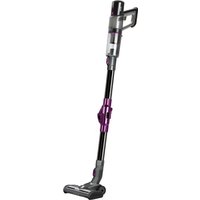
MOD-70 - Vacuum Cleaner MPM - Free user manual and instructions
Find the device manual for free MOD-70 MPM in PDF.


| Product type | Cordless cyclonic vacuum cleaner |
| Brand | MPM |
| Model | MOD-70 |
| Power supply | 22.2V lithium-ion battery (mains charger included) |
| Runtime (ECO mode) | Up to 56 minutes |
| Runtime (AUTO mode) | Approximately 40 minutes |
| Runtime (MAX mode) | Approximately 12 minutes |
| Charging time | Approximately 4.5 to 5 hours |
| Suction modes | AUTO (intelligent), MAX (intensive), ECO (economical) |
| Filtration technology | Bagless cyclonic, washable steel mesh filter + EPA filter |
| Main brush | Multifunctional electric brush with LED lighting |
| Tube | Foldable aluminum tube for access to hard-to-reach areas |
| Included accessories | Crevice tool, upholstery tool, furniture/blind attachment |
| Wall mount | Wall mounting bracket included for storage and charging |
| Charge indicator | LED screen with battery percentage and flashing icon |
| Dust sensor | Built-in sensor for automatic adjustment in AUTO mode |
| Usage | Indoor, dry surfaces only |
| Safety | Automatic stop in case of brush blockage, battery protection |
| Maintenance | Regular cleaning of filters and dustbin recommended after each use |
| Repairability | Battery not user-replaceable; contact an authorized service center |
| Dustbin capacity | Not specified |
Frequently Asked Questions - MOD-70 MPM
User questions about MOD-70 MPM
0 question about this device. Answer the ones you know or ask your own.
Ask a new question about this device
Download the instructions for your Vacuum Cleaner in PDF format for free! Find your manual MOD-70 - MPM and take your electronic device back in hand. On this page are published all the documents necessary for the use of your device. MOD-70 by MPM.
USER MANUAL MOD-70 MPM
EN We wish you satisfaction from using the product and invite you to check a wide range of other MPM/ appliances
natural_image
Exterior view of a handheld vacuum cleaner with black body, gray handle, and purple handle (no text or symbols visible)MOD-70
VERTIKAL | VYSAWAC VERTIKALTR STAURSAUGTE VERTIKALNE TO LMUIEMIA UPRIGIT VACUUMO TANTR ASPIRADOR VERTICAL
FÜGÖLEGES FORSZVÓ ASPIRAPOLVERE VERTICALE
VERTIKALUS DULKIU SIURELYS VERTIKALIS PUTE QLSUCES
VERTICALE'S OFZUIGER ODKURZACZIONOWY ASPIRATOR VERTICAL

BEZPEČNOSTNÍ POKYNY PŘI POUŽÍVÁNÍ

natural_image
Line drawing of a mechanical device with two cylindrical components and a central rectangular component (no text or symbols)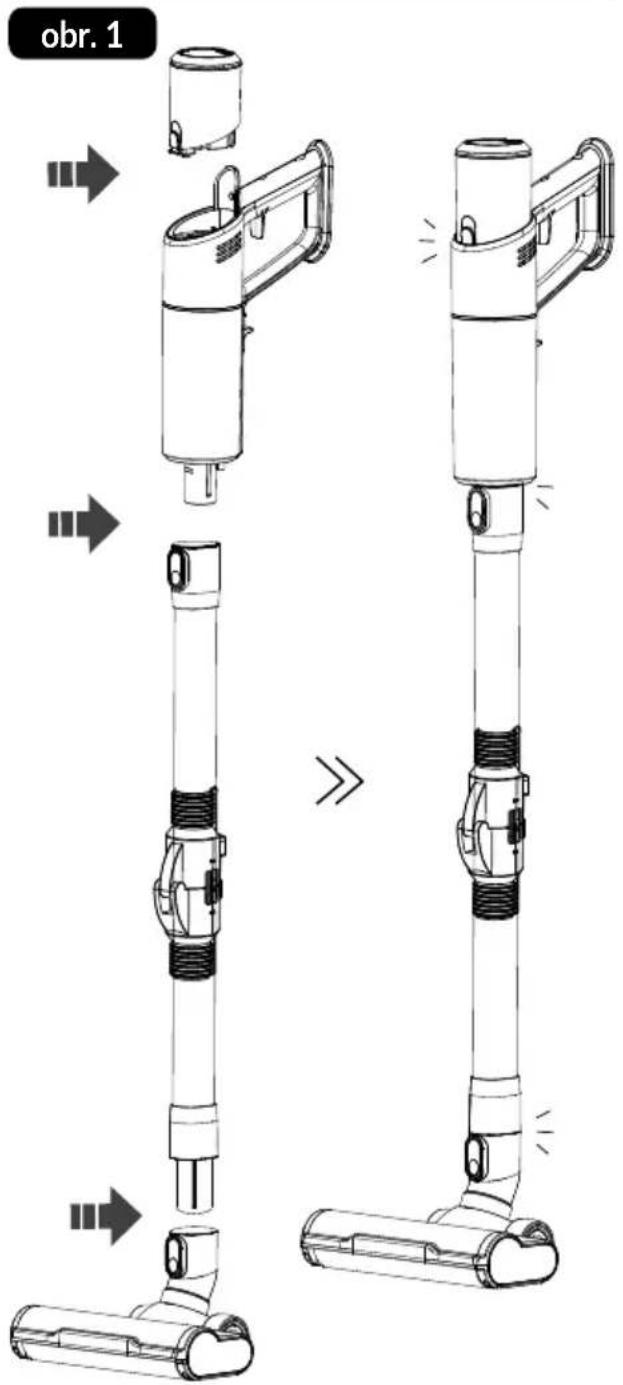
NABÍJENÍ BATERIE
natural_image
Diagram showing a device being connected via cable to a power outlet (no text or symbols present)POUŽITÍ VYSAVAČE
natural_image
Technical line drawing of a mechanical housing or enclosure component with two cylindrical ports and a U-shaped opening (no text or symbols)flowchart
graph TD
    A["Device with cable"] --> B["Switch"]
    B --> C["Power outlet"]
natural_image
Technical line drawing of a mechanical device with two cylindrical components and a central rectangular housing (no text or symbols)Joonis 1
AKU LAADIMINE
TÄHELEPANU! MPM agd S.A. jätab endale öiguse teha tehnilisi muudatusi.
Read the instructions carefully before use.
The unit may only be used with the power supply supplied with the whole set.
- The appliance is intended for domestic use only.
-Use the vacuum cleaner only indoors and only for vacuuming dry surfaces. Dry wet cleaned carpets before vacuuming. - Do not use the appliance for purposes other than those for which it was intended.
- Do not use the unit to suck up liquids, ash, cigarette butts, oils and sharp objects, etc. This can damage the appliance or even cause fire! Do not vacuum near flammable liquids or substances either!
- Do not point the suction elements of the vacuum cleaner towards people or animals. Pay particular attention not to bring the suction elements close to your eyes, ears and hair.
- Do not use the unit without correctly mounted filters.
- Take special care when children are near the appliance.
- Do not immerse the unit, electric brush, cable or plug in water or other liquids!
- Do not leave the appliance unattended during operation.
- Always unplug the unit when not in use.
- Always remove the plug from the mains socket before cleaning/maintenance.
- Check the housing regularly for damage.
- Never use a damaged appliance, including one with a damaged cord or plug, in which case have it repaired at an authorised service centre.
- Use of accessories not recommended by the manufacturer may cause damage to the appliance, fire or personal injury.
- Do not use the appliance outdoors.
- Do not cover the appliance during operation, do not cover the inlet/outlet holes.
-Keep the vacuum cleaner away from all heat sources (radiators, cookers, etc.) due to its plastic housing. - Do not bend or hang the cord on sharp edges.
- Only several surfaces are intended to be touched during the appliance operation, i.e. handles, adjustment knobs, etc.
-This equipment may be used by children of at least 8 years of age and by persons of diminished physical, mental capacity and lack
of experience and knowledge of the equipment if supervision or instruction is provided regarding the safe use of the equipment so that the hazards involved are understood. Unsupervised children should not perform cleaning and maintenance of the equipment.
- Keep the appliance and its cord out of reach of children under 8 years of age.
- The appliance is not a toy and should not be used as such by children.
- Check that the power parameters on the appliance's rating plate correspond to the parameters of your power supply network.
- Do not connect the plug to the power socket with wet hands.
- Do not pull the plug out of the power socket by pulling the cord.
- Do not pull the appliance by its cord.
- The appliance is equipped with a battery consisting of several cells connected in one unit, its replacement may only be carried out by suitably trained persons.
- Do not try to open the battery housing on your own.
- Do not expose the battery to fire, extreme temperatures (below -10, above + 50C°), water, humidity or prolonged sunlight.
- Do not store the battery together with metal objects, e.g. paper clips, nails, coins, etc., or intentionally short-circuit the negative and positive terminals - risk of ignition, explosion.
- Do not allow a situation that may result in deformation of the battery, e.g. significant shocks, vibrations, mechanical pressure, etc. - do not use the battery if it has been damaged (mechanical damage, substance leakage, etc.).
- Do not allow the deep battery discharge.
-Check the battery charge regularly - do not leave the battery without control for a longer period of time.
-If there is any leakage from the battery, do not touch the substance that has leaked out of the battery.
- Packaging is not a toy! Please keep packaging components (plastic bags, cartons, styrofoam, etc.) out of the reach of children.
- WARNING! Do not allow children to play with the film. Danger of suffocation!
DESCRIPTION OF THE APPLIANCE
- 22.2 V lithium-ion battery with a control panel and display.
- Motor module
- Bent aluminium pipe
-
Multi-purpose illuminated electric brush
-
Wall mounting bracket
- Crevice attachment
- Upholstery attachment
- Furniture/Venetian blind attachment
- Battery charger
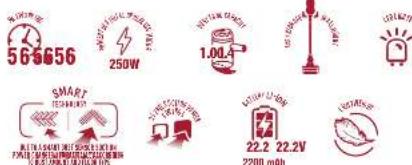
The MOD-70 vacuum cleaner combines the convenience of a cyclonic and cordless vacuum cleaner. Cyclone technology allows you to filter dust without using a dust bag by means of centrifugal force, which means you only need to empty the dust container over the dustbin. The lithium-ion rechargeable battery with one of the highest ratios of stored energy to its weight makes the appliance lightweight and ensures a long operating time after charging. The vacuum cleaner is equipped with a three-stage suction power adjustment: AUTO, MAX and ECO.
AUTO - the SMART technology used automatically switches the suction mode depending on the amount and type of dirt and type of floor, in addition, the dust sensor used determines the suction power itself. The operating time is approx. 40 min. depending on the amount of soiling.
MAX – intense cleaning of the dirty surface using maximum suction power. The operating time is approx. 12 min. depending on the amount of soiling.
ECO – allows for the long-lasting vacuuming of the surface with minimised soiling. The maximum operating time is approx. 56 min. depending on the amount of soiling; it will allow the whole apartment to be cleaned.
BEFORE FIRST USE
- Charge the vacuum cleaner battery (see chapter: "BATTERY CHARGING").
- Check the vacuum for any damages that might have occurred during transport. If you have any doubts contact the seller.
- Make sure the electrical mains parameters match the data on the charger's name plate.
- Remove the vacuum from the box; remove all stickers, transport protectors, bags and fillers.
- Assemble the vacuum cleaner correctly (see chapter: "ASSEMBLY OF THE VACUUM CLEANER").
ASSEMBLY (DISASSEMBLY) OF THE VACUUM CLEANER
CAUTION! Do not operate the vacuum cleaner when it is not assembled!
CAUTION! Make sure that you do not damage the delicate connectors powering the electric brush while assembling the pipe and accessories.
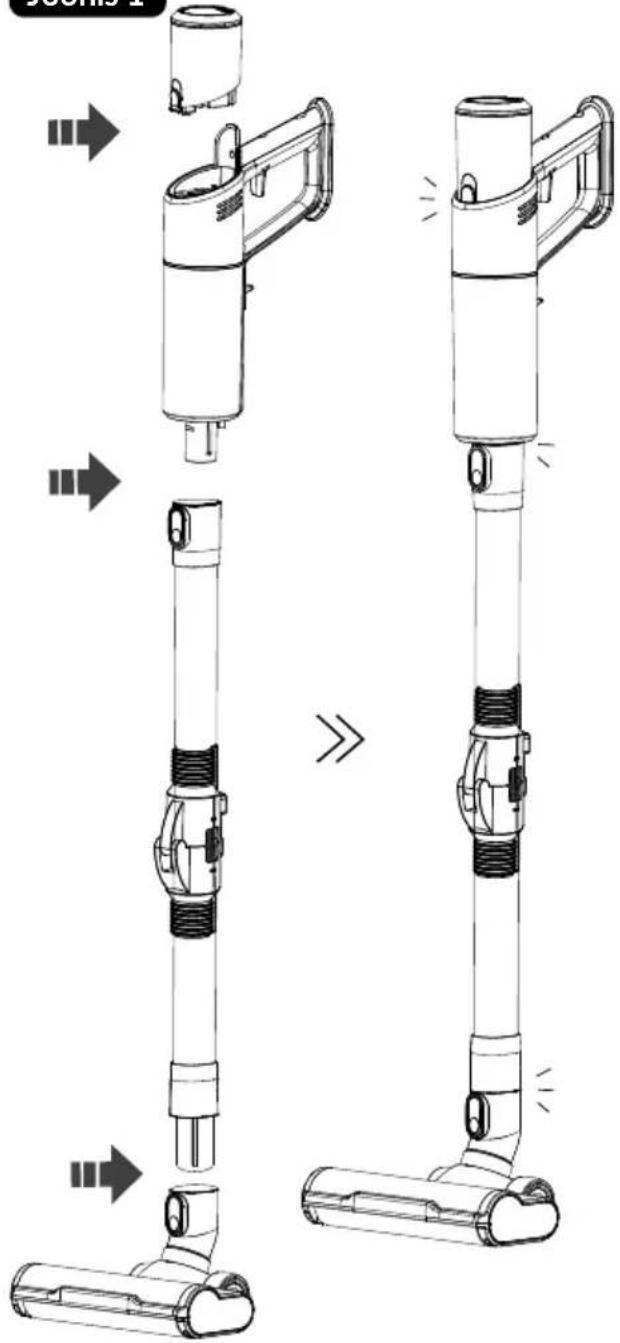
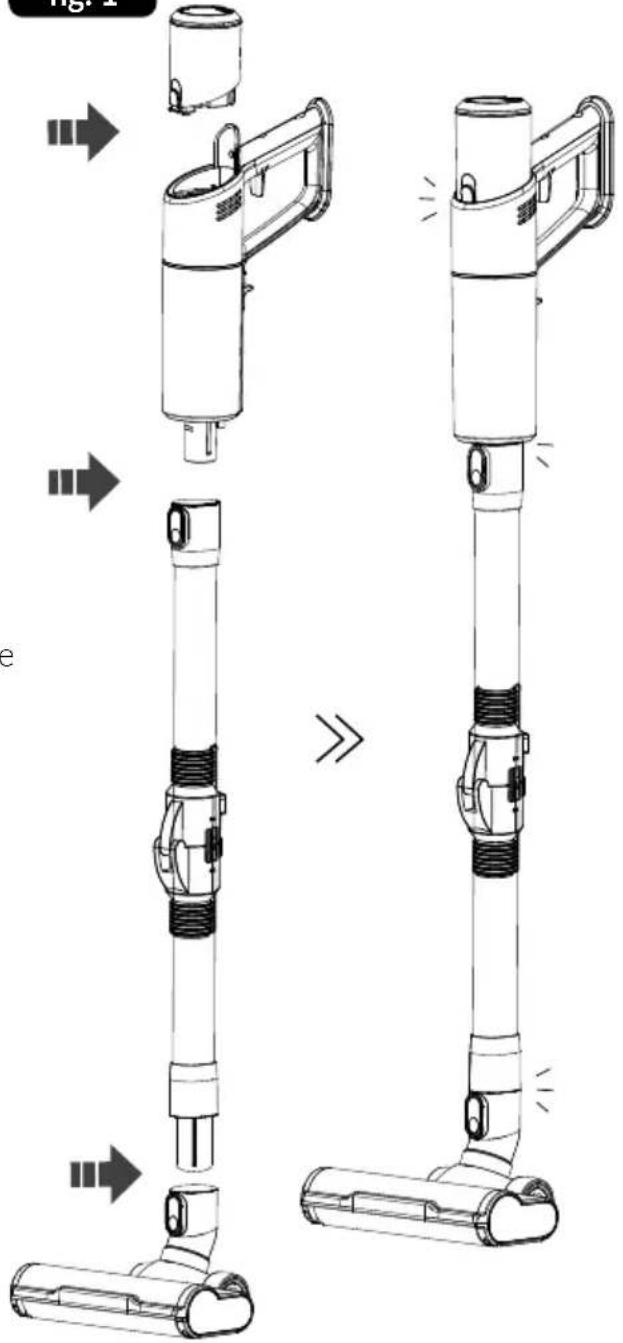
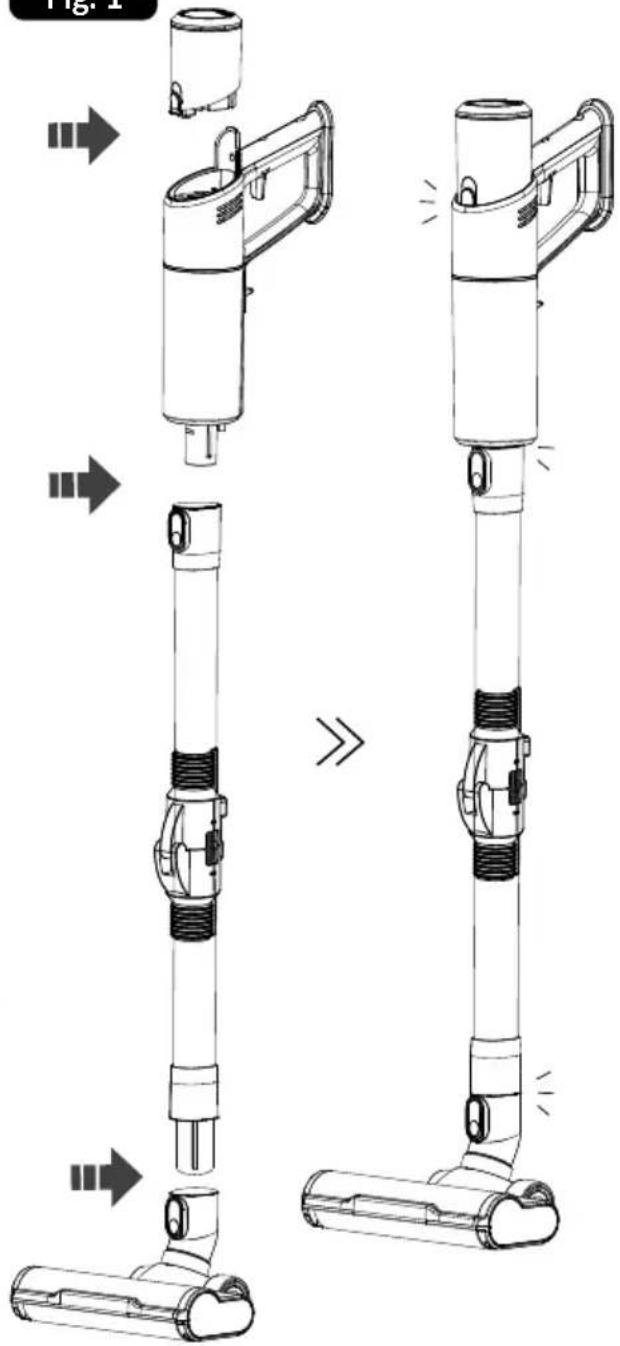
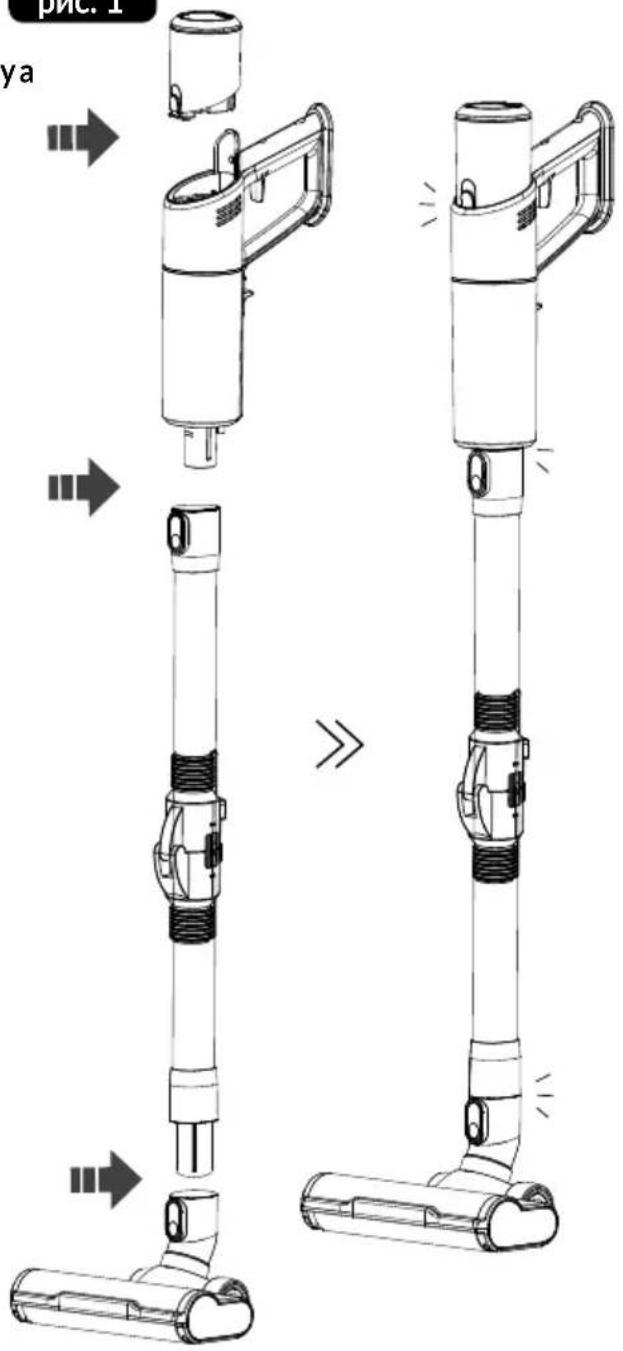
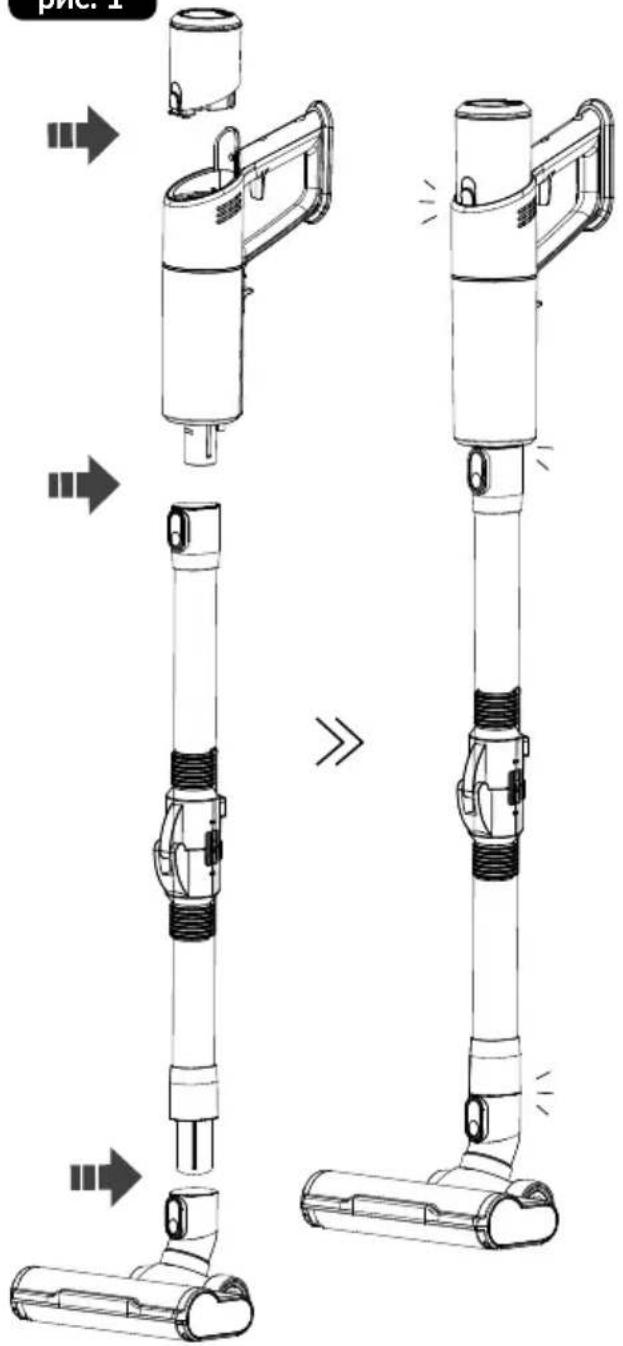
- Assemble the electric brush (4) to the aluminium pipe (3). Then assemble the aluminium pipe (3) with the motor module (2). Finally, assemble the battery (1) with the motor module (2) (fig. 1).
- In order to disassemble the vacuum cleaner act similarly to the first point.
PARKING THE VACUUM CLEANER SWITCH ON THE HANDLE
The MOD-70 vacuum cleaner is provided with a handle that allows the vacuum cleaner to be fixed to the wall. In order to use the handle, fix it to the wall.
-
Choose a suitable place at the right height to accommodate the vacuum cleaner together with the pipe (3) and the electric brush (4). Makes sure that no electrical cables have been laid in the wall at the chosen location.
-
Place the bracket (5) on the wall and mark the hole positions on the wall with a pencil (fig.2)
- Drill holes at the marked locations, insert the wall plugs, apply the handle and screw in the
screws. Park the vacuum cleaner and accessories on the screwed handle (5).
fig. 1
BATTERY CHARGING
CAUTION! Charge the battery before using the vacuum cleaner for the first time. The time required to charge the battery is approximately 4.5 - 5.5 hours.
CAUTION! Only charge the battery with the supplied charger. While the battery is charging, the vacuum cleaner cannot be started.
There are two ways in which the vacuum cleaner can be connected to the charger in order to charge the battery. Charging the battery alone or charging the vacuum cleaner in the wall-mounted handle:
-
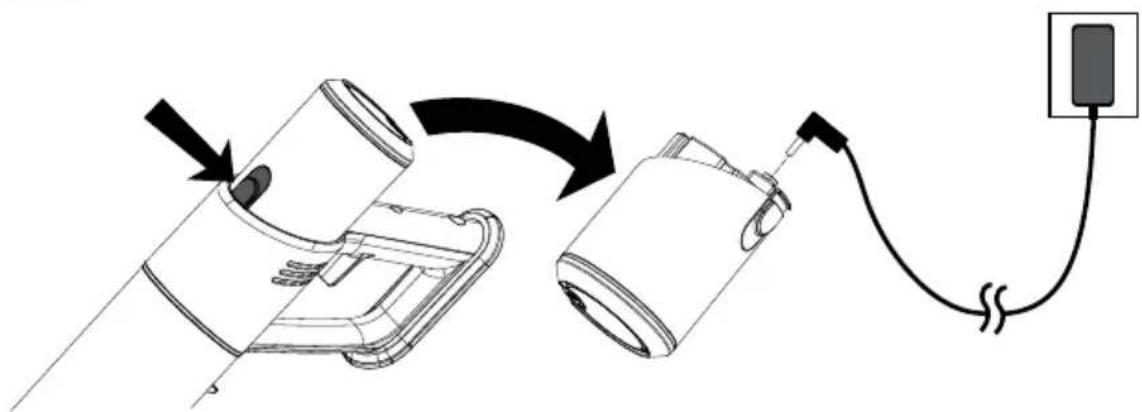
Press the key and slide the battery (1) out of the motor module (2) (fig.3).
-
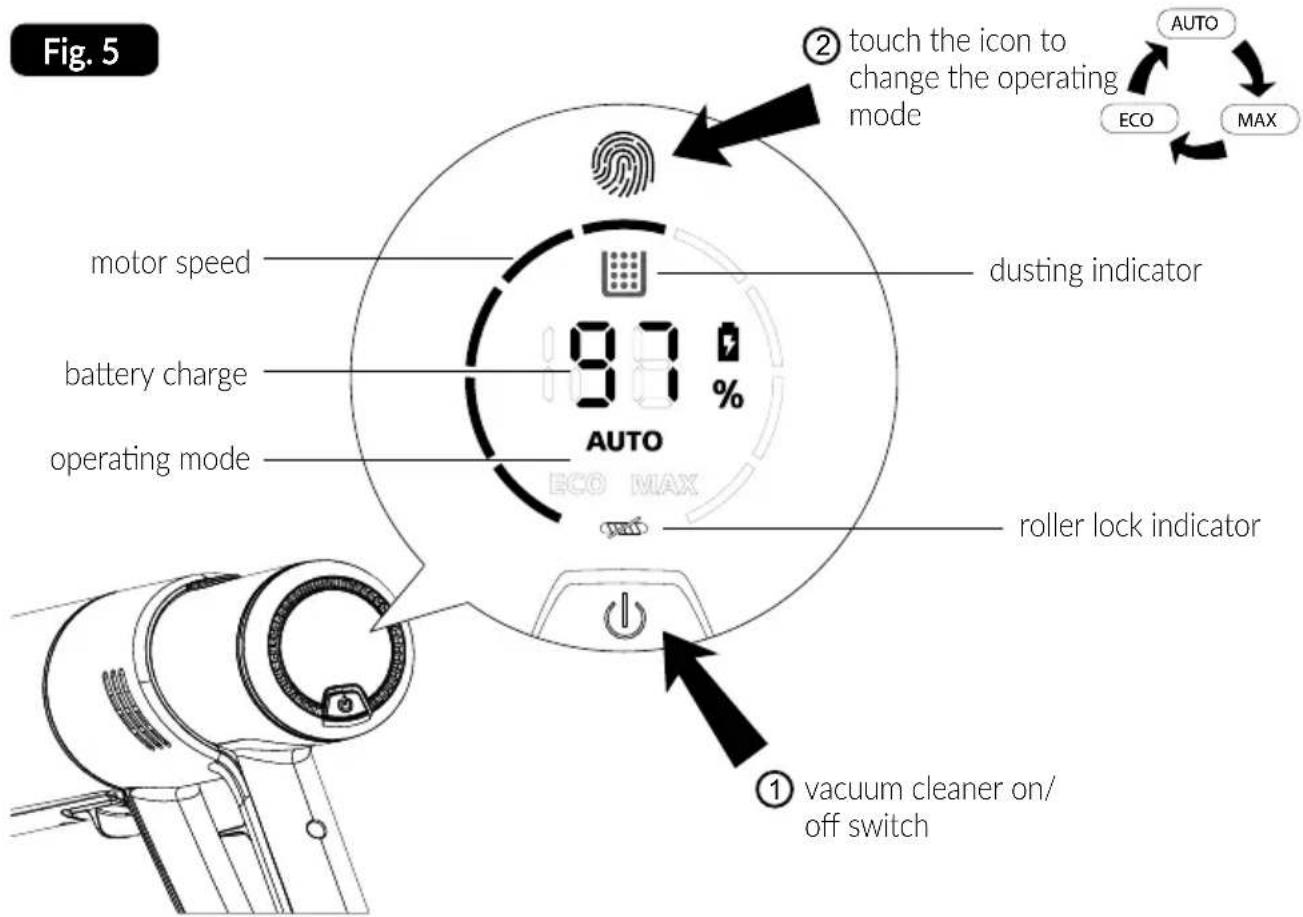
Connect the charger (9) to the mains socket and the charger cord to the socket in the battery (1) (fig. 2) The display will show a flashing battery indicating the charging process and a battery charge percentage indicator (fig.5).
- The charging process will be signalled with a permanent light of the battery icon and 100% indication on the display.
- Disconnect the charger (9) from the mains supply and the charger cable from the battery (1).
Fig. 3
natural_image
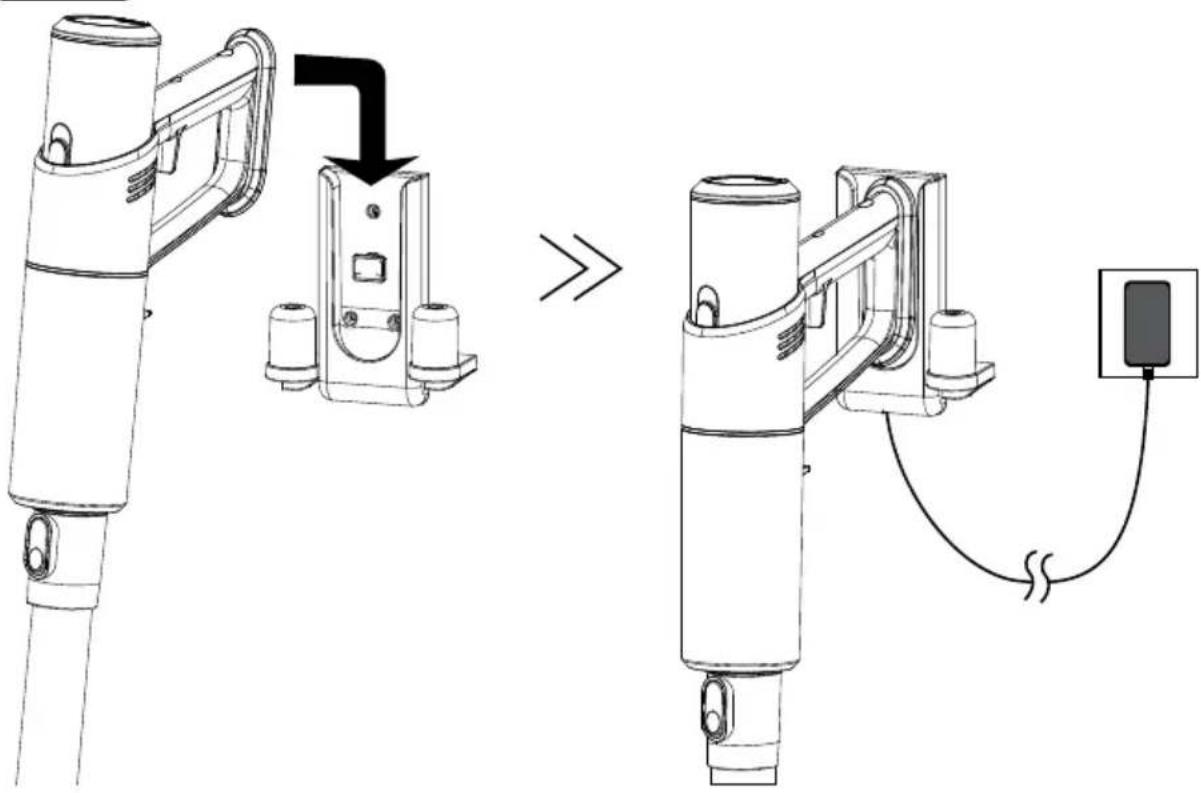
Diagram showing a device being connected to a cable via cable cord (no text or symbols present)- Connect the charger (9) to the mans supply and then to the handle (5) fixed on the wall (fig.4).
- Slide the vacuum cleaner to the wall mount, the battery charging process will begin..
- Once fully charged, the appliance will automatically stop the charging process, so the charger can be plugged in for a long time without damaging the battery.
Fig. 4
USING THE VACUUM CLEANER
- Make sure the vacuum cleaner is properly assembled and the battery is charged.
-
Connect the relevant appliance:
-
multi-purpose electric brush with illumination (4) - for all types of hard surfaces and carpets, LEDs illuminate the surface to be cleaned for perfect vacuuming
- furniture/Venetian blind attachment (8) – dedicated to vacuuming roller blinds, lampshades, mirrors and anywhere else where gentle vacuuming is a priority, the brush length can be adjusted to suit the vacuuming conditions
- crevice attachment (6) – vacuuming of corners, spaces under the furniture and anywhere where access to free use of other accessories is limited.
Depending on the needs, connect the equipment to the suction pipe (3) or motor unit (2).
- Start the vacuum cleaner with a switch (fig. 2). The vacuum cleaner will operate in the AUTO mode.
- In order to switch to one of the operating modes (AUTO, MAX or ECO), touch the "papillary line" icon.
- After the vacuuming is finished, switch off the vacuum cleaner with a switch (fig. 5).
The vacuum cleaner is provided with a flexible aluminium pipe in order to get to hard-to-reach areas.
- Place the vacuum cleaner on the floor, holding the motor module handle (fig. 6) with one hand.
- Press the key located in the rear part of the aluminium pipe with your other hand. The pipe will bend automatically which will facilitate the vacuuming of hard-to-reach places, e.g. floor under the couch.
- In order to fold back the pipe, raise the vacuum cleaner. The aluminium pipe will lock itself automatically in the straight position.
CLEANING AND MAINTENANCE
CAUTION! Keep the dust container (12) level under regular control. An overfilled container reduces vacuuming efficiency, increases energy consumption and causes the filters to become dirty more quickly.
CAUTION! Do not submerge the vacuum cleaner, battery charger and battery in water!
CAUTION! To achieve the best possible performance of the vacuum cleaner, clean the filters and the dust container after each use.
CAUTION! Maintenance work must be carried out with the vacuum cleaner switched off and the charging cable disconnected!
- Clean the outer surfaces of the vacuum cleaner with a damp cloth and then wipe it dry. Use a mild cleaning agent for stub - born dirt.
- In order to empty the dust container, move the key to the left and then turn the container up (fig. 7).
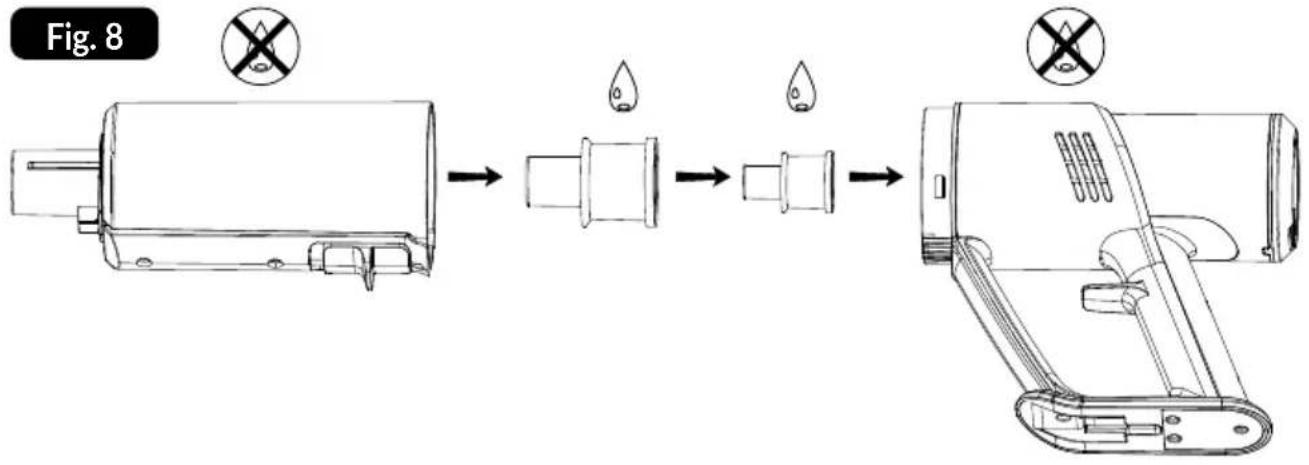
- Remove filters from the dust container (steel-mesh filter, EPA filter) and then empty the container over the dust bin. Clean

all the filters gently under running water and dry them thoroughly before assembling them in the vacuum cleaner. You must not submerge the dust container in water as this may result in damaging the vacuum cleaner. Dry the container with a dry cloth (fig. 8).
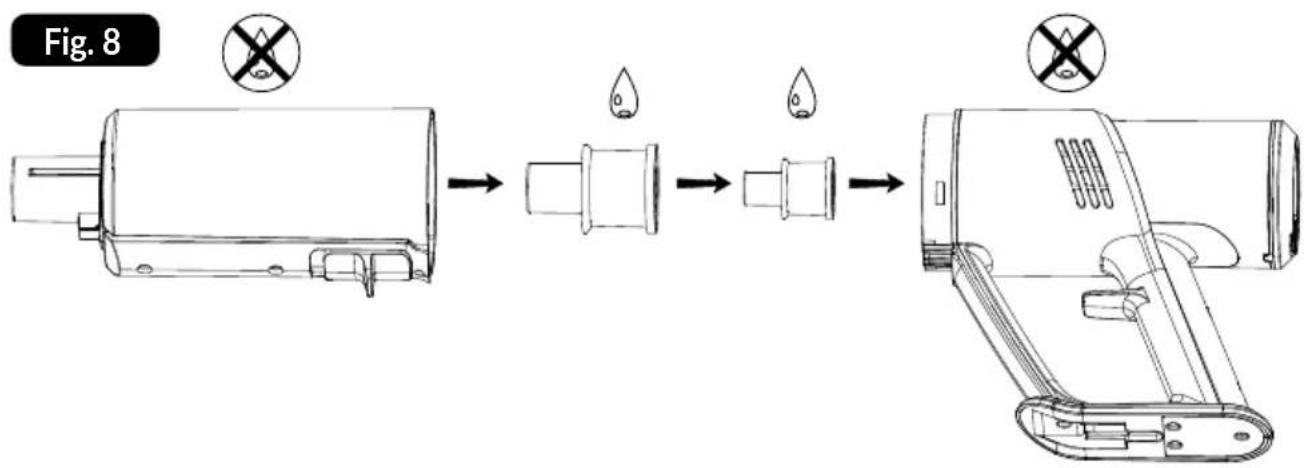
CAUTION! Do not assembly wet filters – risk of damage to the vacuum cleaner!
- Periodically clean the rotating electric brush roller. You can remove the roller after releasing the top transparent cover, then use a flathead screwdriver to bend the left side of the roller away from the housing and remove the roller for cleaning. After cleaning the roller, place it back in the electric brush and put on the transparent housing (fig. 9).

CAUTION! Proper and regular cleaning ensures safety of use and extends the life of the appliance.
TROUBLESHOOTING
| PROBLEMCAUSESOLUTION | ||
| The vacuum cleaner is not working | Battery discharged Charge the battery | |
| Charging process in progress Wait until the charging process is completed | ||
| Low suction power | Clogged pipe or brush Remove the cause of clogging | |
| Dust container full Empty the dust container | ||
| Dirty dust filters Clean the filters | ||
| The rotating electric brush roller is no longer operable. | Blocked electric brush roller Clean/unblock the electric brush roller | |
| The charging indicator is not illuminated | The charging cable is damaged Return the product to the retailer or service centre in order to have it repaired. | |
| Power is not supplied to the charging station. | Check whether the power supply is connected to the mains socket. | |
| Foul smell from the vacuum cleaner air outlet. | Filters are dirty Clean the filters under running water and dry them up | |
TECHNICAL DATA
Technical specifications are given on the product nameplate.

CAUTION! MPM agd S.A. reserves the right to technical changes.
Proper disposal of the product (waste electrical and electronic equipment)
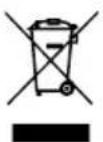
Marking on the product indicates that after the service-life of the product expires, it should not be disposed with other type of municipal waste. Used equipment may have a negative impact on the environment and health of people due to potentially containing hazardous substances, mixtures and components.
Mixing electric waste with other types of waste or disassembling those in an unprofessional manner may cause a release of substances that are hazardous to the environment and health. Used equipment should
be handed-over to a point for collection of electric waste. In order to obtain detailed information regarding the electric waste collection points, the user should contact the municipal point of electric waste collection or used equipment processing department.
Proper removal of product (batteries and/or accumulators)
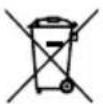
Pursuant to Directive 2006/66/WE, batteries and/or accumulators must not be thrown away together with other waste coming from households after their service life comes to an end.
The product purchased by you contains the battery which must be disconnected from the rest of the appliance after its operation is over. A used battery should be placed in a special container at separate
collection points for this type of waste.
CARGA DE BATERÍA
natural_image
Diagram showing a device being connected to a cable via cable cord (no text or symbols present)USO DE ASPIRADORA
flowchart
graph TD
    A["Device with cable"] --> B["Switch"]
    B --> C["Power outlet"]
UTILISATION DE L'ASPIRATEUR
AZ AKKUMULÁTOR TÖLTÉSE
flowchart
graph TD
    A["Device with cable"] --> B["Switch"]
    B --> C["Power outlet"]
A PORSZÍVÓ HASZNÁLATA
natural_image
Diagram showing a device being connected to a cable via cable cord (no text or symbols present)USO DELLA SCOPA ELETTRICA
natural_image
Technical line drawing of a mechanical device with two cylindrical components and a U-shaped housing (no text or symbols)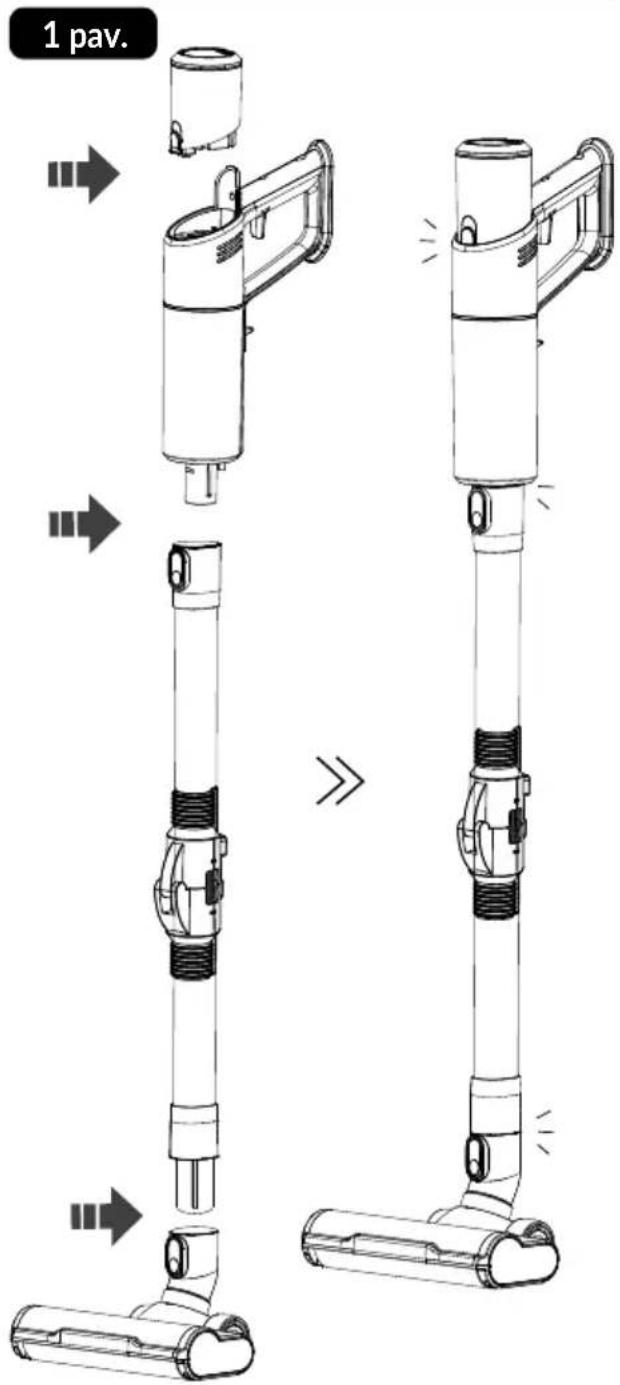
AKUMULIATORIAUS |KROVIMAS
flowchart
graph TD
    A["Device with cable routing"] --> B{Switch}
    B -->|Arrow 1| C["Device with cable routing"]
    B -->|Arrow 2| D["Device with cable routing"]
    D --> E["Power outlet"]
NAUDOJANTIS DULKIŲ SIURBLĮ
AKUMULATORA UZLÄDE
flowchart
graph TD
    A["Device with cable"] --> B["Switch"]
    B --> C["Power outlet"]
IZMANTOJOT PUTEKLSÜCËJU
BESCHRIJVING VAN HET APPARAAT
OPLADEN VAN DE BATTERIJ
natural_image
Diagram showing a device being connected via cable to a terminal block (no text or symbols present)GEBRUIK VAN DE STOFZUIGER
natural_image
Diagram showing a device being connected to a cable via cable cord (no text or symbols present)UŻYCIE ODKURZACZA
PROBLEMY I SPOSÓB ICH USUWANIA
natural_image
Technical line drawing of a mechanical device with two cylindrical components and a U-shaped housing (no text or symbols)Fig. 1
ÎNCĂRCARE BATERIE
flowchart
graph TD
    A["Device with cable"] --> B["Switch"]
    B --> C["Electricity meter"]
    C --> D["Battery with cable"]
UTILIZAREA UNUI ASPIRATOR
ATENTIE! Nu instalati filtre umede - risc de deteriorare a aspiratorului!
natural_image
Technical line drawing of a mechanical component with two cylindrical parts and a U-shaped housing (no text or symbols)рис. 1
flowchart
graph TD
    A["Device with cable"] --> B["Switch"]
    B --> C["Power outlet"]
NABÍJANIE AKUMULÁTORA
natural_image
Diagram showing a device being connected to a cable via cable cord (no text or symbols present)POUŽÍVANIE VYSÁVAČA
natural_image
Technical line drawing of a mechanical device with two cylindrical components and a central square component (no text or symbols)рис. 1
flowchart
graph TD
    A["Device with cable"] --> B{Switch}
    B -->|Arrow 1| C["Device with cable outlet"]
    B -->|Arrow 2| D["Device with cable outlet"]
    D --> E["Line with cable outlet"]
    E --> F["Output cable outlet"]
- MOD-70
- BEZPEČNOSTNÍ POKYNY PŘI POUŽÍVÁNÍ
- NABÍJENÍ BATERIE
- POUŽITÍ VYSAVAČE
- AKU LAADIMINE
- DESCRIPTION OF THE APPLIANCE
- BEFORE FIRST USE
- ASSEMBLY (DISASSEMBLY) OF THE VACUUM CLEANER
- PARKING THE VACUUM CLEANER SWITCH ON THE HANDLE
- BATTERY CHARGING
- USING THE VACUUM CLEANER
- CLEANING AND MAINTENANCE
- TECHNICAL DATA
- Proper disposal of the product (waste electrical and electronic equipment)
- Proper removal of product (batteries and/or accumulators)
- CARGA DE BATERÍA
- USO DE ASPIRADORA
- UTILISATION DE L'ASPIRATEUR
- AZ AKKUMULÁTOR TÖLTÉSE
- A PORSZÍVÓ HASZNÁLATA
- USO DELLA SCOPA ELETTRICA
- AKUMULIATORIAUS |KROVIMAS
- NAUDOJANTIS DULKIŲ SIURBLĮ
- AKUMULATORA UZLÄDE
- IZMANTOJOT PUTEKLSÜCËJU
- BESCHRIJVING VAN HET APPARAAT
- OPLADEN VAN DE BATTERIJ
- GEBRUIK VAN DE STOFZUIGER
- UŻYCIE ODKURZACZA
- ÎNCĂRCARE BATERIE
- UTILIZAREA UNUI ASPIRATOR
- ATENTIE! Nu instalati filtre umede - risc de deteriorare a aspiratorului!
- NABÍJANIE AKUMULÁTORA
- POUŽÍVANIE VYSÁVAČA
Brand : MPM
Model : MOD-70
Category : Vacuum Cleaner