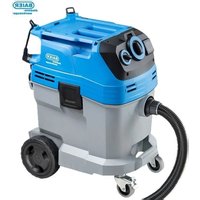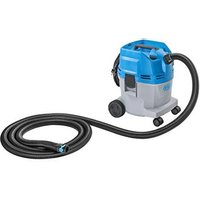
BSS 607M - Vacuum Cleaner Baier - Free user manual and instructions
Find the device manual for free BSS 607M Baier in PDF.


User questions about BSS 607M Baier
0 question about this device. Answer the ones you know or ask your own.
Ask a new question about this device
Download the instructions for your Vacuum Cleaner in PDF format for free! Find your manual BSS 607M - Baier and take your electronic device back in hand. On this page are published all the documents necessary for the use of your device. BSS 607M by Baier.
USER MANUAL BSS 607M Baier
natural_image
Line drawing of a vacuum cleaner with coiled hose and control panel (no text or symbols)Deutsch 6
English 16
Français 25
Italiano 35
Nederlands 45
Español 55
Português 65
Dansk 75
Norsk 84
Svenska 93
Suomi 102
Ελληνικά 111
Türkçe 122
Русский 131
Magyar 143
Čeština 153
Slovenščina 162
Polski 171
Românește 181
Slovenčina 191
Hrvatski 201
Srpski 210
Български 220
Eesti 231
Latviešu 240
Lietuviškai 249
Українська 258
text_image
Technical diagram of a vacuum cleaner with numbered component labels and exploded views
natural_image
Exploded view diagram of a mechanical device showing exploded components like wheels, pipes, and housing (no text or labels)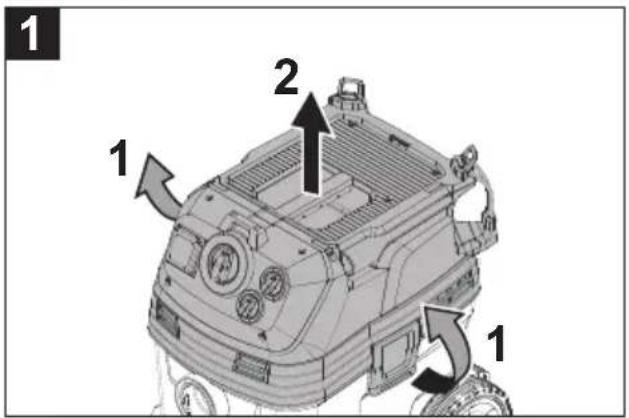
text_image
1 2 1 1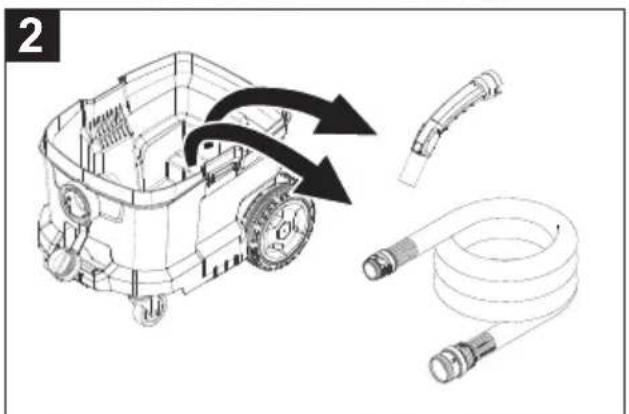
natural_image
Diagram of a mobile water heater system with hoses and components, no text or symbols present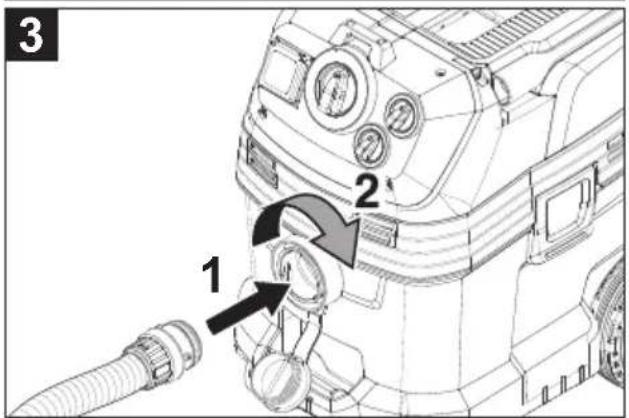
text_image
Diagram of a vehicle air vent with labeled parts and directional arrows indicating assembly or installation steps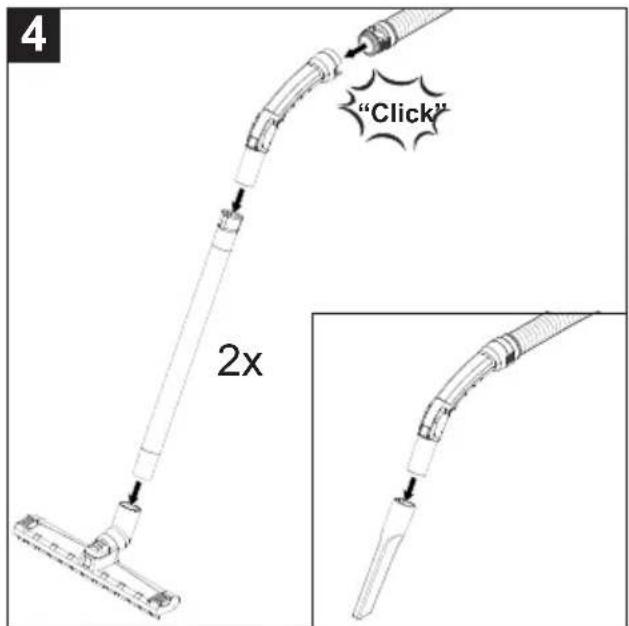
text_image
4 "Click" 2x
natural_image
Line drawing of a vacuum cleaner with attached hose and wheels, shown with an inset close-up of the handle (no text or symbols)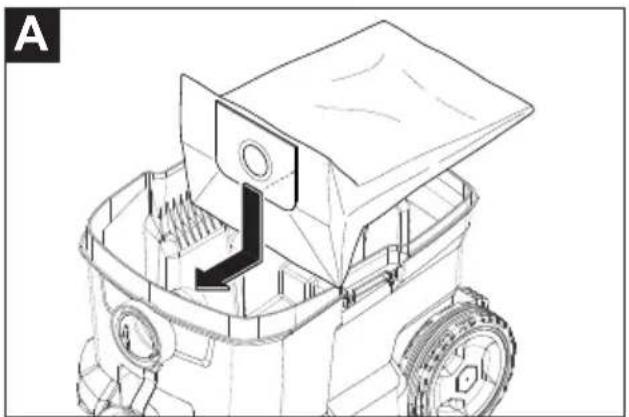
natural_image
Technical line drawing of a mechanical device with internal components and a directional arrow (no text or symbols)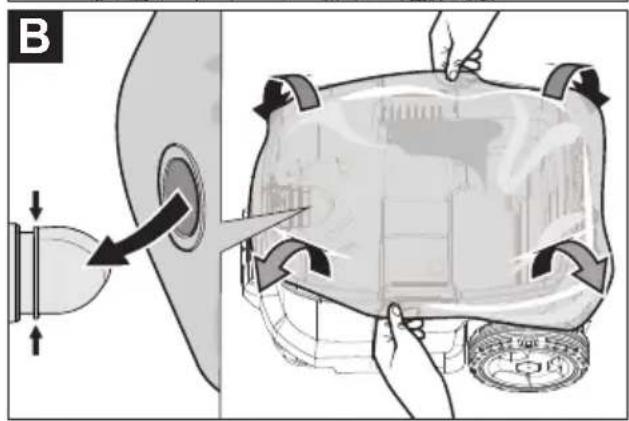
text_image
B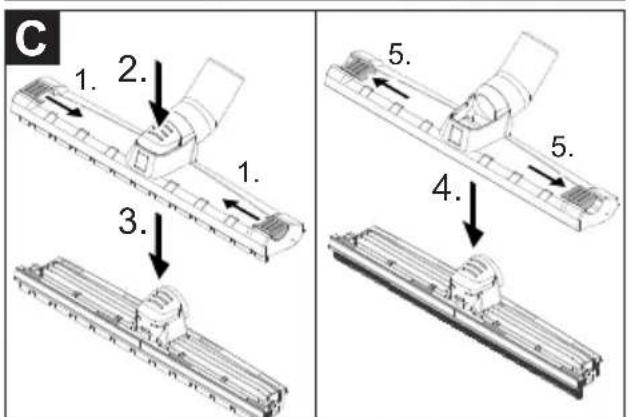
text_image
C 1. 2. 3. 4. 5. 5.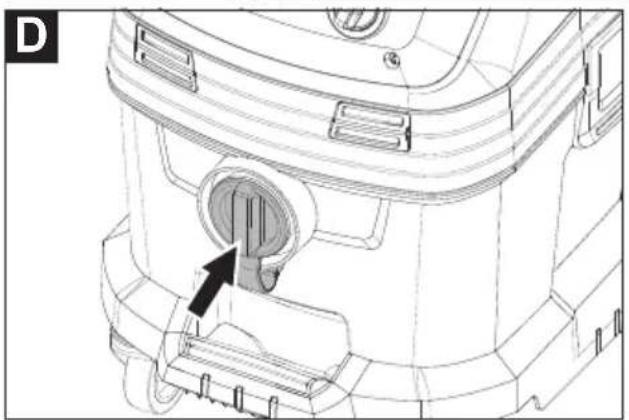
natural_image
Technical line drawing of a mechanical component with a highlighted circular feature and arrow indicator (no text or symbols)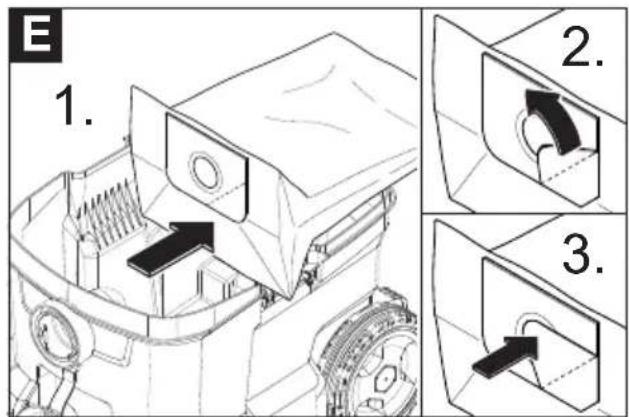
text_image
E 1. 2. 3.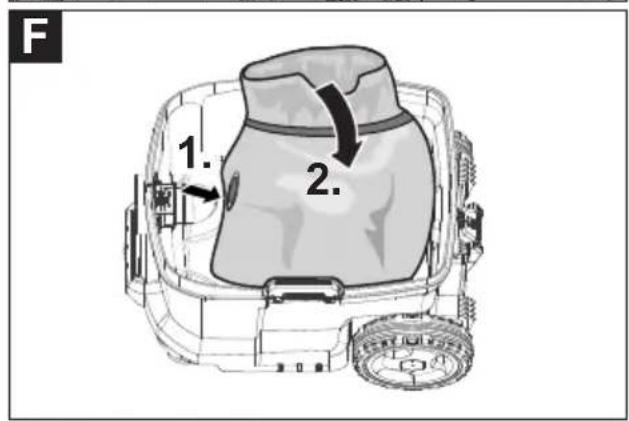
text_image
F 1. 2.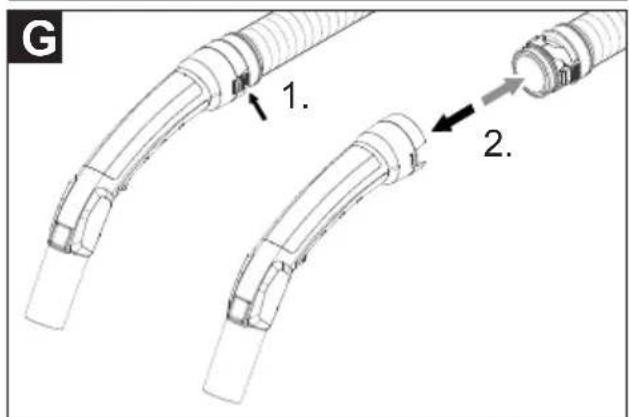
text_image
G 1. 2.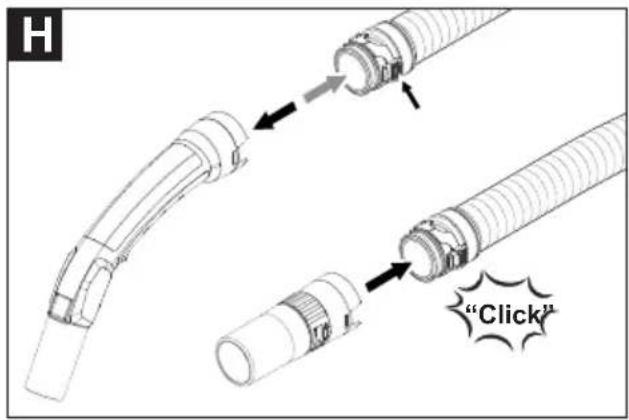
text_image
H "Click"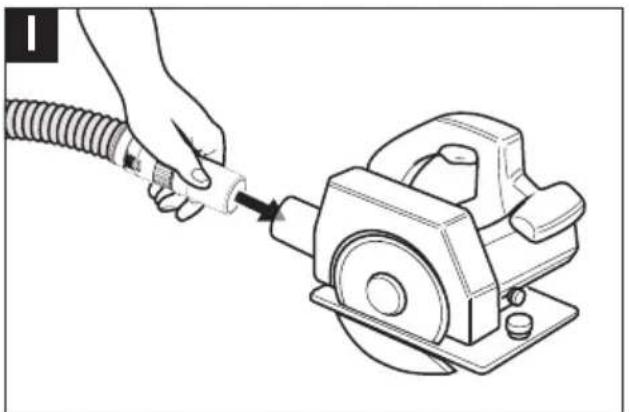
natural_image
Illustration of a hand connecting a cable to a mechanical clamp device (no text or symbols present)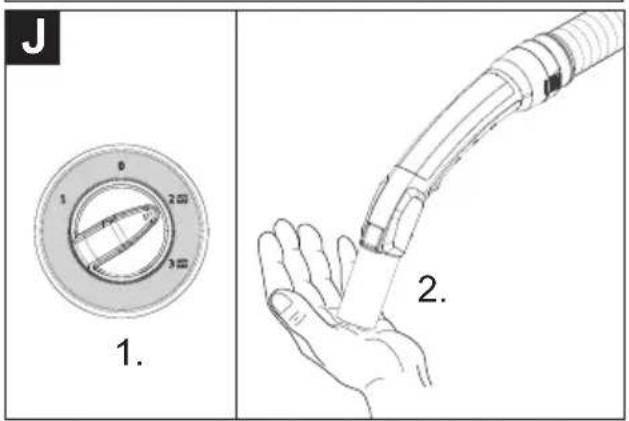
text_image
J 1. 2. 3. 1. 2.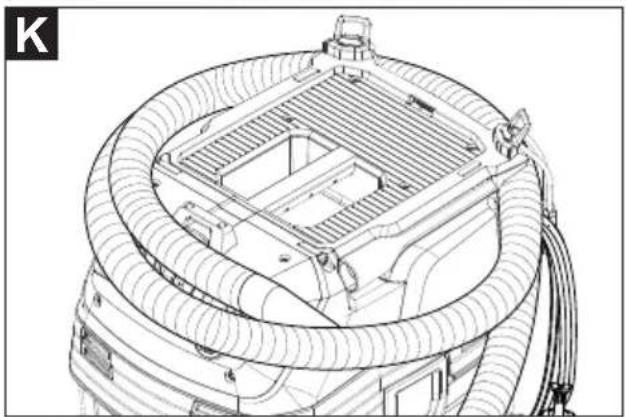
natural_image
Technical line drawing of a mechanical device with coiled tubing and internal components (no text or symbols)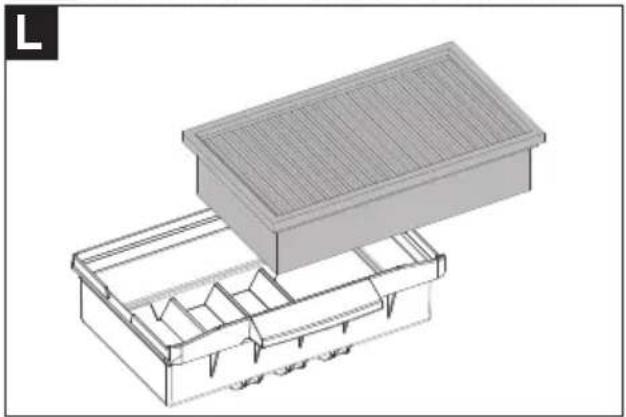
natural_image
3D technical illustration of a modular device with a top panel and internal compartments (no text or symbols)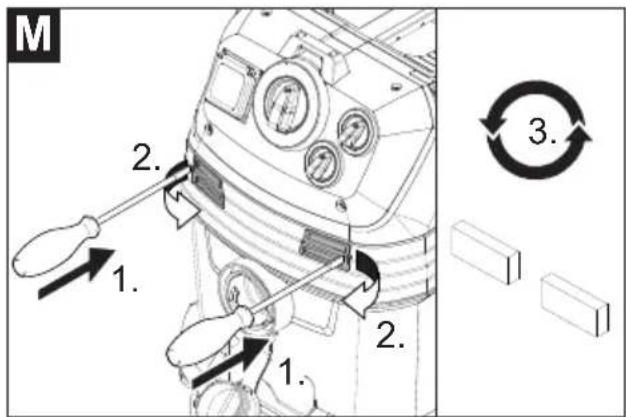
text_image
M 1. 2. 1. 2. 3.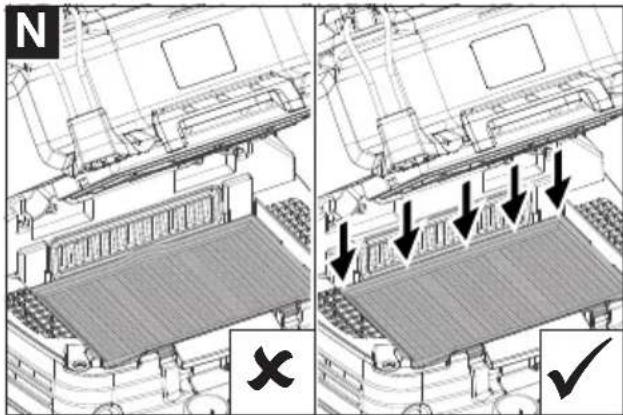
text_image
N × ✓Please read and comply with these original instructions prior
to the initial operation of your appliance and store them for later use or subsequent owners.
- Please read the safety instructions ID no. 59579220 before start-up!
- The non-compliance of the operating and safety instructions may lead to damages of the appliance and to dangers for the operator and other persons.
– In case of transport damage inform vendor immediately.
Contents
| Environmental protection .... | EN 1 |
| Danger or hazard levels .... | EN 1 |
| Proper use .... | EN 1 |
| Device elements .... | EN 2 |
| Symbols on the machine.... | EN 2 |
| Safety instructions.... | EN 2 |
| Start up .... | EN 3 |
| Operation .... | EN 4 |
| Transport.... | EN 5 |
| Storage .... | EN 6 |
| Care and maintenance .... | EN 6 |
| Troubleshooting .... | EN 7 |
| Disposal .... | EN 8 |
| Warranty .... | EN 8 |
| Accessories and Spare Parts . | EN 8 |
| EU Declaration of Conformity . | EN 8 |
| Technical specifications .... | EN 9 |
Environmental protection
 | The packaging material can be recycled. Please do not throw the packaging material into household waste; please send it for recycling. |
 | Old appliances contain valuable materials that can be recycled; these should be sent for recycling. Batteries, oil, and similar substances must not enter the environment. Please dispose of your old appliances using appropriate collection systems. |
Danger or hazard levels
⚠️DANGER
Pointer to immediate danger, which leads to severe injuries or death.
⚠ WARNING
Pointer to a possibly dangerous situation, which can lead to severe injuries or death.
△CAUTION
Pointer to a possibly dangerous situation, which can lead to minor injuries.
ATTENTION
Pointer to a possibly dangerous situation, which can lead to property damage.
Proper use
- The dust remover was developed specifically for the use with wall chasers, diamond-bit dry drills and other electric tools.
- The machine is meant for dry and wet cleaning of floors and walls.
- The appliance is suited for the extraction of dry, non-combustible, harmful dusts on machines and appliances; dust class M according to EN 60 335–2–69. Restriction: No carcinogenic substances except wood chips may be vacuumed up.
- This appliance is suited for the commercial use, e.g. in hotels, schools, hospitals, factories, shops, offices, and rental companies.
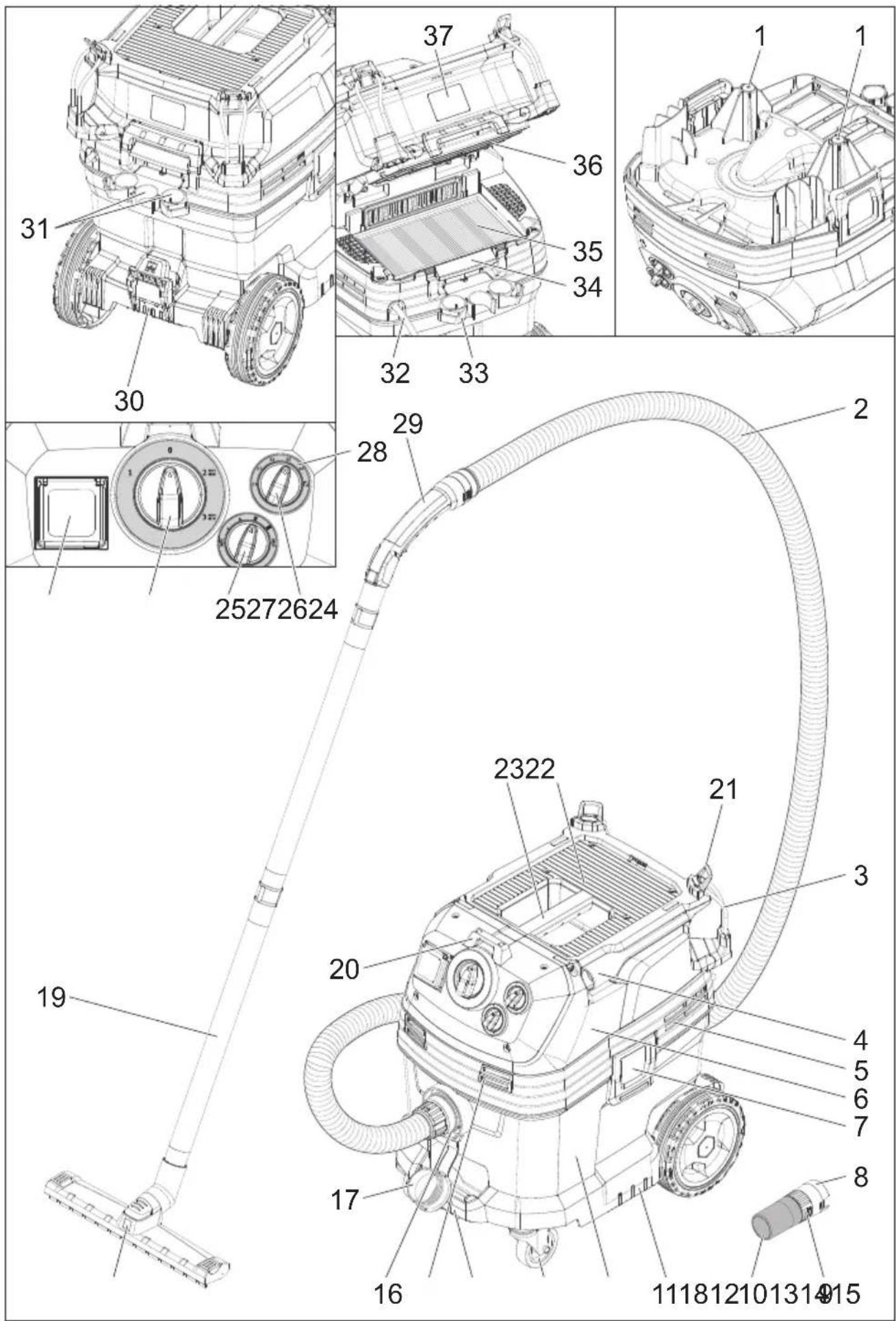
Device elements Symbol
1 Electrodes
2 Suction hose
3 Hose hook
4 Crevice nozzle
5 Air outlet, working air
6 Suction head
7 Suction head lock
8 Tool adapter
9 Suction force regulator (continuous)
10 Rubber sleeve, screwable
11 Recessed grip
12 Dirt receptacle
13 Steering roller
14 Handle
15 Air inlet, motor cooling air
16 Suction support
17 Stopper
18 Floor nozzle
19 Suction tube
20 Stop for tool box
21 Fixing eyelet
22 Filter cover
23 Carrying handle
24 Rotary switch for suction hose cross section
25 Rotary switch for suction output (min-max)
26 Rotating knob
27 Socket
28 Scale of the suction hose cross section
29 Bender
30 Floor nozzle holder
31 Holder for suction pipe
32 Power cord
33 Holder for bender
34 Filter frame
35 Flat fold filter (PES)
36 Filter dedusting
37 Nameplate
on the machine

text_image
M ! i MWARNING: This unit contains hazardous dust. Emptying and maintenance, including the removal of the dust bag, may only be carried out by someone who is familiar with the unit and wearing suitable protective gear. Do not switch on the unit until the complete filter system has been installed and the function of the volume-flow control has been tested.
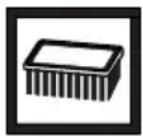
Flat fold filter (PES)
Item no. 73684
Flat fold filter (PTFE)
Item no. 8462
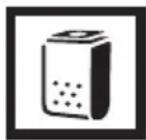
Fleece filter bag
Item no. 9341
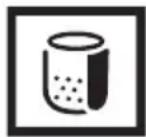
Dust disposal bag
Item no. 9276
Safety instructions
⚠️DANGER
- When the outgoing air is carried back into the room, a sufficient ventilation rate L in the room must be ensured. To comply with the required limit values the carried back volume flow must be 50% of the fresh air volume flow (room volume V_R × ventilation rate L_W ) at maximum. Without a specific ventilation system the following applies: L_W = 1h^-1 .
- Only persons trained in the use of the machine and the handling of substances for which the machine is to be used including training in the safe disposal of the sucked-in material may use the machine.
- This appliance contains harmful dust. Evacuation and maintenance work, including the disposal of the dust collection containers, may only be performed by specialists who wear the appropriate protective equipment.
- Do not use the appliance without the complete filtering system.
- Please follow the safety regulations applicable to the materials that are to be treated.
- Press the parking brake to the steering roller for a secure footing. The device may move uncontrollably if the parking brake is open.
Safety Devices
Monitoring of the flat fold filter
If the device is operated without a flat fold filter, it automatically switches off.
Start up
The appliance allows 2 operating modes:
1 Industry vacuum cleaner mode (socket not used)
2 Dedusting mode (socket used)
→ Connect the suction hose and insert the suction nozzle or connect to the dust-generating device depending on the operating mode.
⚠ WARNING
The flat pleated filter must always be in place while vacuuming.
⚠ WARNING
Do not vacuum without the filter elements; otherwise, the suction motor can get damaged and this can be hazardous to health on account of increased release of fine dust particles.
Horn
Interval tone
The horn blows (interval tone) when the air speed falls below 20 m/s.
Note: The horn reacts to negative pressure.
→ Set the rotary switch to the correct suction hose cross-section.
Permanent tone
The horn blows (permanent tone) when the cooling air filter is clogged.
→ Allow appliance to cool down. Clean/replace the cooling air filter.
Anti-static system
Static charge is deflected by providing earthing to the connection nozzles. This prevents the formation of sparks and current shocks with attachments with electrical conductivity (included in the delivery).
Dry vacuum cleaning
- The appliance is fitted with a fleece filter bag with lock latch. One piece is included in the scope of delivery. Order number for replacement: 9341 (5 pieces)
- The appliance is fitted with a dust bag with cable ties. One piece is included in the scope of delivery. Order number for replacement: 9276 (5 pieces)
Note: All types of dust up to dust class M can be vacuumed with this device. The use of a dust collection bag (for item see filter system) is required by law.
Note: The appliance is suited as industrial vacuum cleaner and as dedusting device for the mobile operation to take up dry, non-combustible dusts with AGW values greater than or equal to 0.1 mg/m ^3 .
- When vacuuming up fine dust, an additional fleece filter bag or a dust bag must additionally be used.
Install fleece filter bag
Illustration A
→ Release and remove the suction head.
→ Insert the fleece filter bag.
→ Insert and lock the suction head.
Installing the dust disposal bag
Illustration B
Note: The opening of the disposal bag must be pulled all the way over the ledge of the suction support.
→ Release and remove the suction head.
→ Attach disposal bag.
→ Pull disposal bag over the container.
→ Insert and lock the suction head.
Wet vacuum cleaning
⚠️DANGER
No dusts hazardous to health should be sucked in during wet vacuuming.
Inserting the rubber lips
Illustration C
→ Remove the brush strips.
→ Install the rubber lips.
Close the suction connection
Illustration D
→ Precisely fit the plug into the suction connection.
→ Insert the plug up to the stop.
Remove the fleece filter bag
Illustration E
→ Release and remove the suction head.
→ Pull out the fleece filter bag on the flange towards the top.
→ Tightly close the fleece filter bag with lock cap.
→ Dispose of the fleece filter bag according to the local provisions.
→ Insert and lock the suction head.
- To suck wet dirt, first remove the fleece filter bag.
Removing the dust disposal bag
Illustration F
→ Release and remove the suction head.
→ Put the disposal bag over.
→ Pull the opening of the disposal bag out toward the back over the suction support.
→ Tightly close the disposal bag with cable tie underneath the opening.
→ Remove disposal bag.
→ Dispose of the disposal bag according to the local provisions.
→ Insert and lock the suction head.
- To suck wet dirt, always remove the disposal bag.
General
- If wet dirt is vacuumed with the upholstery or crevice nozzle, or if water is sucked up from a container, it is recommended to deactivate the "automatic filter cleaning" function.
- If the maximum liquid level is reached the appliance will turn off automatically.
- In case of non-conductive liquids (such as emulsion drilling fluids, oils, and greases) the appliance is not turned off when the container is full. The filling level must be continuously monitored and the container must be emptied in time.
- After the wet vacuuming: Clean the flat folded filter with the filter cleaning. Clean the electrodes with a brush. Clean the container with a damp rag and dry it.
Clip connection
Illustration G
The suction hose is equipped with a clip system. All accessories with a nominal width of 35 mm can be connected.
Operation
Rotating knob
| 0 | Appliance OFF |
| 1 | Appliance ONAutomatic filter cleaning: OFF |
| 2 AUTO MAX | Appliance ONAutomatic filter cleaning: maximum interval |
| 3 AUTO MIN | Appliance ONAutomatic filter cleaning: minimum interval |
Turning on the Appliance
→ Plug in the mains plug.
→ Set the rotary switch to the desired program.
→ Set the suction output (min - max) at the rotary switch.
Adjust the suction output
Working with electrical power tools Automatic filter cleaning
⚠️DANGER
Risk of injury and damage! The socket outlet is only for the connection of power tools to the vacuum cleaner. Any other use of the socket outlet is not permitted.
→ Connect the mains plug of the electric power tool to the vacuum cleaner. The vacuum cleaner is in standby mode.
→ Switch on the appliance at the rotating knob.
Note: The vacuum cleaner is turned on and off automatically with the electric power tool.
Note: The vacuum cleaner starts automatically within 0.5 seconds and continues to run for 15 seconds after the power tool has being switched off.
Note: Please refer to "Technical specifications" for the power connection specifications of the power tools.
Illustration H
→ Remove the elbow from the suction hose.
→ Attach the tool adapter to the suction hose.
→ Connect the tool adapter to the electric power tool.
Illustration 1
Note: The different suction hose sections are required to allow an adjustment to the connection sections of the processing tools.
→ Set the minimum volume flow for the suction hose cross section at the rotary switch.
The scale displays the suction hose cross section.
Note: To use the appliance as dedusting device for the mobile operation (processing tool connected to the vacuum cleaner) the built-in monitoring must be adjusted to the connected processing tool (dust-generating device). This means that the user must be warned if the minimum volume flow of 20 m/s that is required for the suction is fallen short of.
The device is equipped with a special filter dedusting function, which is particularly effective against fine dust. The flat fold filter is automatically cleaned every 15 seconds (AUTO MAX) or every 60 seconds (AUTO MIN) by a blast of air (pulsing noise).
→ Set the turn switch to the desired program (AUTO MIN-AUTO MAX).
Illustration J
→ Power dedusting (especially with severe soiling of the flat pleated filter): Set the rotary switch to program 2, cover the suction tube or the bender with your hand and wait for the automatic filter dedusting (every 15 seconds).
Turn off the appliance
→ Switch off the appliance at the rotating knob.
→ Pull out the mains plug.
After each operation
→ Empty the container.
→ Vacuum and wipe the appliance inside and outside with a damp cloth.
Storing the Appliance
Illustration K
→ Store the suction hose and the mains cable as shown in the illustration.
→ Place the appliance in a dry room and secure it from unauthorized use.
Transport
CAUTION
Risk of injury and damage! Observe the weight of the appliance when you transport it.
→ Close the suction connection, see wet vacuuming.
→ Remove the suction pipe with the floor nozzle from the holder. Hold the appliance at the handle and at the suction pipe to transport it.
→ When transporting in vehicles, secure the appliance according to the guidelines from slipping and tipping over.
Storage
△CAUTION
Risk of injury and damage! Note the weight of the appliance in case of storage.
This appliance must only be stored in interior rooms.
Care and maintenance
⚠️DANGER
First pull out the plug from the mains before carrying out any tasks on the machine.
Dust extracting machines are safeguards for the prevention or elimination of hazards defined in the regulations of BGV A1.
- In order to carry out maintenance work, the user must disassemble, clean and service the unit, in so far as this is possible without endangering maintenance personnel and other persons. Suitable precautions include decontamination before the unit is disassembled. Precautions must be taken for local filtered forced air ventilation at the place where the unit is disassembled, the cleaning of the maintenance surface and suitable protection of the personnel.
- The outside of the unit should be cleaned thoroughly and any harmful substances removed. Alternatively, a sealed coating may be applied before the unit is removed from the danger area. All unit parts are to be considered contaminated when they are removed from the danger area. To avoid distribution of the dust, you must take the appropriate measures.
- In the framework of maintenance and repair work all contaminated objects that cannot be cleaned satisfactorily must be disposed of. Such objects must be disposed of in impermeable bags in accordance with the valid provisions for the disposal of such waste.
- When transporting or maintaining the device, the suction opening must be closed with the plug.
⚠ WARNING
Safety equipment for preventing hazards must be serviced and maintained regularly. This means that the manufacturer's staff or persons trained by the manufacturer must check the equipment for proper functioning at least once a year, i.e. check for leaks, filter damage, functioning of the controlling elements, etc.
ATTENTION
Risk of damage! Do not use detergents containing silicone to clean.
- No outside help is required for carrying out basic maintenance and cleaning.
- The appliance surface and the inside of the container should be cleaned regularly using a damp cloth.
⚠️DANGER
Risk due to dust hazardous to health. Always use disposal clothing and P2 or higher breath-safe masks while carrying out maintenance tasks (such as changing filters).
Exchanging the flat pleated filter
Illustration L
→ Open filter door.
→ Remove filter frame.
→ Take out the flat folded filter.
→ Dispose of the used flat-folded filter according to the statutory provisions.
→ Remove the dirt that has accumulated on the pure air side.
→ Insert new flat-folded filter.
During placement, make sure that the flat fold filter rests against all sides.
→ Insert filter frame.
→ Close the filter door, it must lock into place.
Replacing the fleece filter bag/dust bag
Close the suction connection
Illustration D
→ Close the suction connection, see wet vacuuming.
Exchange the fleece filter bag
Illustration E
→ Release and remove the suction head.
→ Pull out the fleece filter bag on the flange towards the top.
→ Tightly close the fleece filter bag with lock cap.
→ Dispose of the fleece filter bag according to the local provisions.
→ Insert the new fleece filter bag.
→ Insert and lock the suction head.
Replace the disposal bag
Illustration F
→ Release and remove the suction head.
→ Put the disposal bag over.
→ Pull the opening of the disposal bag out toward the back over the suction support.
→ Tightly close the disposal bag with cable tie underneath the opening.
→ Remove disposal bag.
→ Dispose of the disposal bag according to the local provisions.
→ Attach the new disposal bag.
→ Pull disposal bag over the container.
→ Insert and lock the suction head.
Clean/replace the cooling air filter
Illustration M
→ Allow device to cool down.
→ Release the cooling air flaps with screwdriver and swivel them out.
→ Clean (vacuum, wash) or replace the cooling air filter.
→ Fold in the cooling air flaps and snap them in place.
Cleaning the electrodes
→ Release and remove the suction head.
→ Clean the electrodes with a brush.
→ Insert and lock the suction head.
Troubleshooting
⚠️DANGER
First pull out the plug from the mains before carrying out any tasks on the machine.
Note: In case of a failure (e.g. filter breakage) the appliance must be turned off immediately. The failure must be remedied before the appliance is put into operation again.
Suction turbine does not run
→ Check the receptacle and the fuse of the power supply.
→ Check the power cable, the power plug, the electrodes and the receptacle of the device.
→ Turn on the appliance.
Suction turbine turns off
→ Empty the container.
→ Insert flat folded filter.
Suction turbine does not start again after the container has been emptied
→ Turn off the appliance and wait for 5 seconds, turn it on again after 5 seconds.
→ Clean the electrodes as well as the space between the electrodes with a brush.
Suction capacity decreases
→ Remove blockages in the suction nozzle, suction tube, suction hose, or flat pleated filter.
→ Replacing the full fleece filter bag.
→ Replace the filled disposal bag
→ Ensure the filter cover properly locks into place.
→ Replace the flat pleated filter.
Dust comes out while vacuuming
Illustration N
→ Check/correct the correct positioning of the flat pleated filter.
→ Replace the flat pleated filter.
Automatic shut-off (wet vacuum cleaning) does not react
→ Clean the electrodes as well as the space between the electrodes with a brush.
→ Continuously check the filling level in case of non-conductive liquid.
Horn sounds - interval tone
→ Set the rotary switch to the correct suction hose cross-section.
→ If the fleece filter bag is full and the minimum volume flow is fallen short of it has to be replaced.
→ If the disposal bag is full and the minimum volume flow is fallen short of it has to be replaced.
→ Replace the flat pleated filter.
Horn sounds - permanent tone
→ Allow appliance to cool down. Clean/replace the cooling air filter.
Automatic filter cleaning is not working
→ Suction hose is not connected.
Automatic filter cleaning cannot be switched off
→ Inform Customer Service.
Automatic filter cleaning cannot be switched on
→ Inform Customer Service.
Customer Service
If malfunction can not be fixed, the device must be checked by customer service.
Disposal
At the end of its lifetime the appliance is to be disposed of according to the statutory provisions.
Warranty
The warranty terms published by the relevant sales company are applicable in each country. We will repair potential failures of your appliance within the warranty period free of charge, provided that such failure is caused by faulty material or defects in manufacturing. In the event of a warranty claim please contact your dealer or the nearest authorized Customer Service centre. Please submit the proof of purchase.
Accessories and Spare Parts
Only use original accessories and spare parts, they ensure the safe and trouble-free operation of the device.
EU Declaration of Conformity
We hereby declare that the machine described below complies with the relevant basic safety and health requirements of the EU Directives, both in its basic design and construction as well as in the version put into circulation by us. This declaration shall cease to be valid if the machine is modified without our prior approval.
Product: Wet and dry vacuum cleaner
Type: BSS 607M
Relevant EU Directives
2006/42/EC (+2009/127/EC)
2014/30/EU
2011/65/EU
Applied harmonized standards
EN 55014-1: 2006+A1: 2009+A2: 2011
EN 55014-2: 2015
EN 60335-1
EN 60335-2-69
EN 61000-3-2: 2014
EN 61000-3-3: 2013
EN 62233: 2008
EN 50581
Applied national standards
The undersigned act on behalf and under the power of attorney of the company management.
Technical specifications
| BSS 607M | ||
| Mains voltage V 220-240 | ||
| Frequency Hz 1~50-60 | ||
| Max. performance W 1380 | ||
| Rated power W 1200 | ||
| Container capacity I 30 | ||
| Filling quantity (liquid) I 17 | ||
| Air volume (max.) m | ^3/h 143 | |
| Negative pressure (max.) kPa (mbar) 23.0 (230) | ||
| Power connection data of the power tools W 100-2200 | ||
| Surface of the flat fold filter | m^2 | 0.6 |
| Type of protection | -- IPX4 | |
| Protective class | -- I | |
| Diameter of the suction hose | mm | 35 |
| Length of the suction hose | m | 4.0 |
| Length x width x height | mm | 560 x 370 x 580 |
| Typical operating weight | kg | 14.1 |
| Values determined to EN 60335-2-69 | ||
| Sound pressure level L_pA | dB(A) | 69 |
| Uncertainty K_pA | dB(A) | 2 |
| Hand-arm vibration value | m/s^2 | <2.5 |
| Uncertainty K | m/s^2 | 0.2 |
| Power cord | H07RN-F 3x1,5 mm ^2 | |
| Item no. | Cable length | |
| EU | 74864 | 7,5 m |

Entreposage .... FR 6
Entretien et maintenance .... FR 6
Assistance en cas de panne .. FR 8
Mise au rebut .... FR 9
Garantie FR 9
2006/42/CE (+2009/127/CE)
2014/30/UE
2011/65/UE
2006/42/CE (+2009/127/CE)
2014/30/UE
2011/65/UE
2006/42/CE (+2009/127/CE)
2014/30/UE
2011/65/UE
2006/42/CE (+2009/127/CE)
2014/30/UE
2011/65/UE
2006/42/EF (+2009/127/EF)
2014/30/EU
2011/65/EU
Montere fleece-filterpose
Figur A
→ Avlås og ta av sugehodet.
→ Sett på fleece-filterposen.
→ Sett på sugehodet og lås det.
Montere avfallspose
Figur B
Stille inn sugeytelse
2006/42/EF (+2009/127/EF)
2014/30/EU
2011/65/EU
Ta loss fliesfilterpåse
Bild E
2006/42/ES (+2009/127/ES)
2014/30/EU
2011/65/EU
2006/42/ES (+2009/127/ES)
2014/30/EU
2011/65/EU
2006/42/WE (+2009/127/WE)
2014/30/UE
2011/65/UE
Directive UE respectate:
2006/42/CE (+2009/127/CE)
2014/30/UE
2011/65/UE
Norme armonizate utilize:
EN 55014-1: 2006+A1: 2009+A2: 2011
EN 55014-2: 2015
EN 60335-1
EN 60335-2-69
EN 61000-3-2: 2014
EN 61000-3-3: 2013
EN 62233: 2008
EN 50581
2006/42/ES (+2009/127/ES)
2014/30/EÚ
2011/65/EÚ
Uplatňované harmonizované normy:
EN 55014-1: 2006+A1: 2009+A2: 2011
EN 55014-2: 2015
EN 60335-1
EN 60335-2-69
EN 61000-3-2: 2014
EN 61000-3-3: 2013
EN 62233: 2008
EN 50581
2006/42/EZ (+2009/127/EZ)
2014/30/EU
2011/65/EU
2006/42/EZ (+2009/127/EZ)
2014/30/EU
2011/65/EU
Primenjene uskladene norme:
EN 55014-1: 2006+A1: 2009+A2: 2011
EN 55014-2: 2015
EN 60335-1
EN 60335-2-69
EN 61000-3-2: 2014
EN 61000-3-3: 2013
EN 62233: 2008
EN 50581