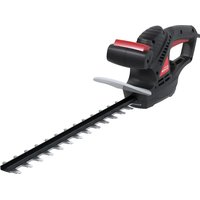
550/25 LI-ION - Hedge trimmers Güde - Free user manual and instructions
Find the device manual for free 550/25 LI-ION Güde in PDF.


User questions about 550/25 LI-ION Güde
0 question about this device. Answer the ones you know or ask your own.
Ask a new question about this device
Download the instructions for your Hedge trimmers in PDF format for free! Find your manual 550/25 LI-ION - Güde and take your electronic device back in hand. On this page are published all the documents necessary for the use of your device. 550/25 LI-ION by Güde.
USER MANUAL 550/25 LI-ION Güde
GB Translation of the original instructions
natural_image
Two types of hair tools: a green hanger and a black diagonal saw, shown against a plain background (no text or symbols visible)550/25 Li-Ion
95630

ENGLISH Please read the instructions carefully before starting the machine.
text_image
Scanned document page with numbered list items and a small diagram of a mechanical component.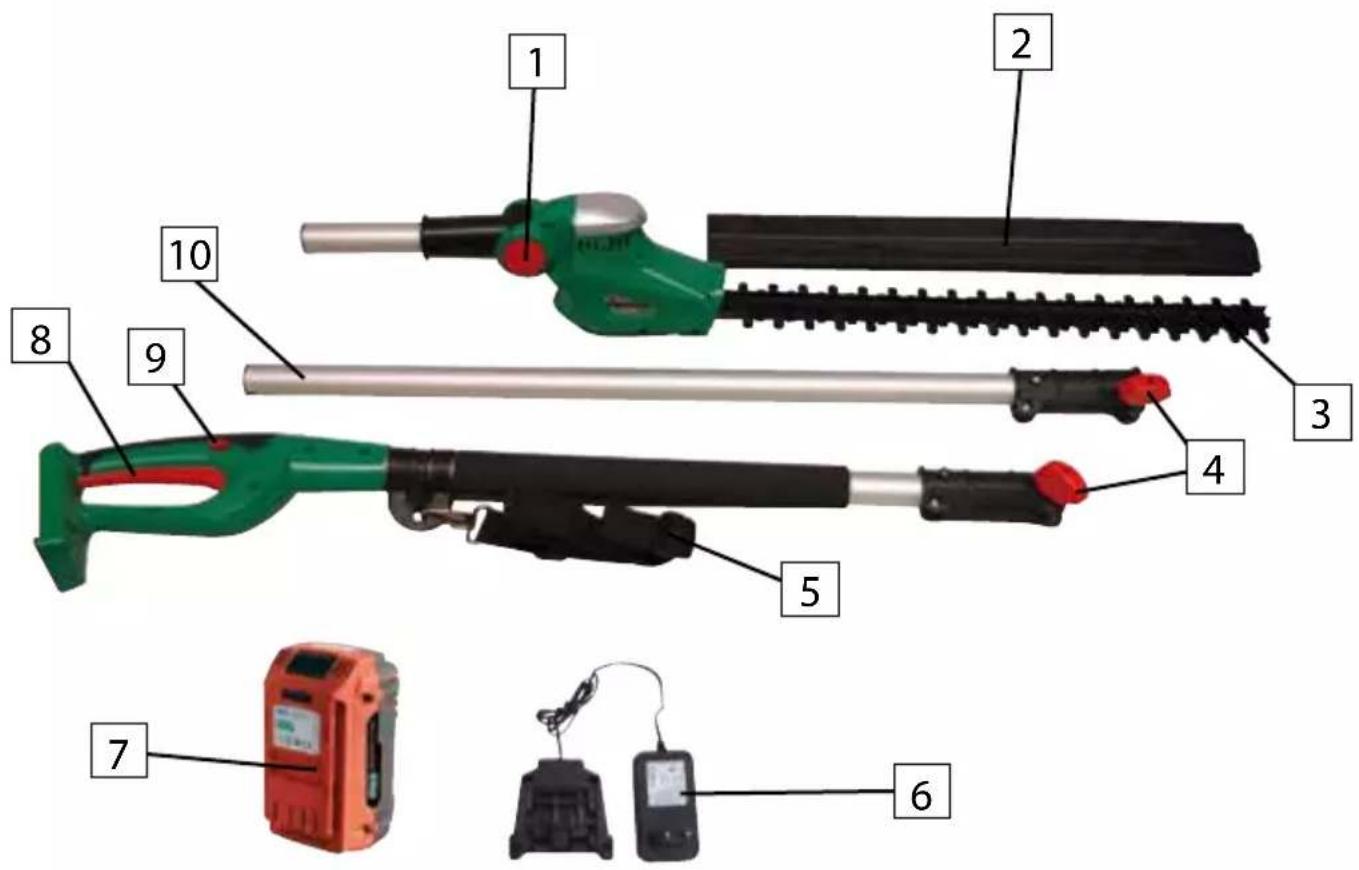
text_image
Labeled diagram of a power tool with numbered parts including a shaver, saw, and electrical metersDE Inbetriebnahme
GB Starting-up the machine
FR mise en service
GB Transport / storage
FR Transport / Stockage
NL Transport / Bewaring
text_image
2 Push Click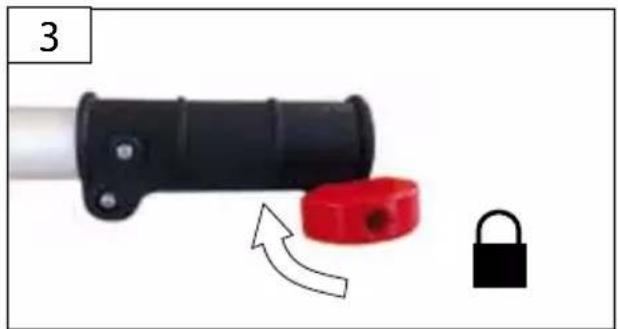
natural_image
Close-up of a black cylindrical device with a red handle and an open padlock, showing a curved arrow indicating rotation (no text or symbols)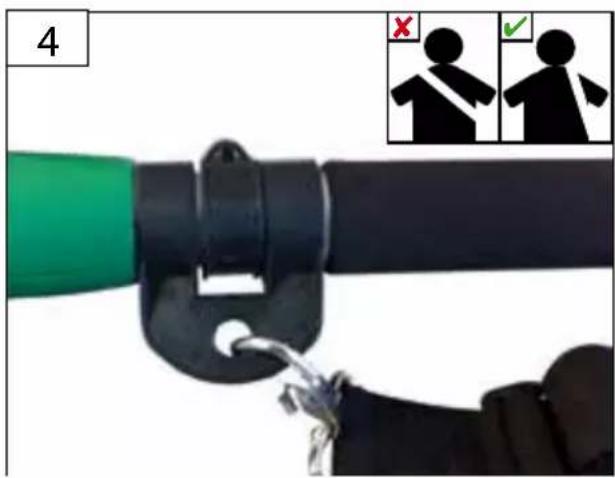
text_image
4 X ✓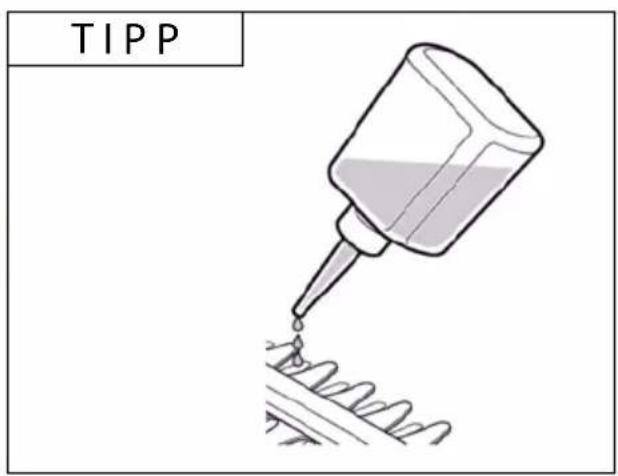
text_image
TIPPDE Inbetriebnahme
GB Starting-up the machine
FR mise en service
natural_image
Two 3D-printed mechanical parts: a red housing and a green handle, with a downward arrow indicating a transformation or assembly (no text or symbols present)6
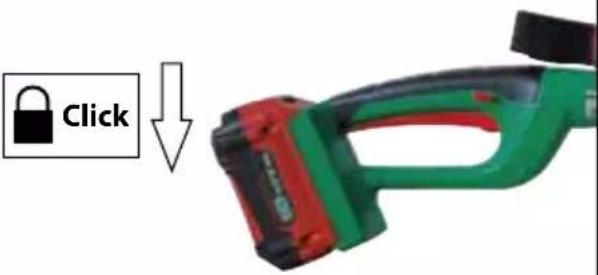
text_image
Click7

natural_image
Green and black fuel pump nozzle with attached black barrel (no text or symbols visible)8
START
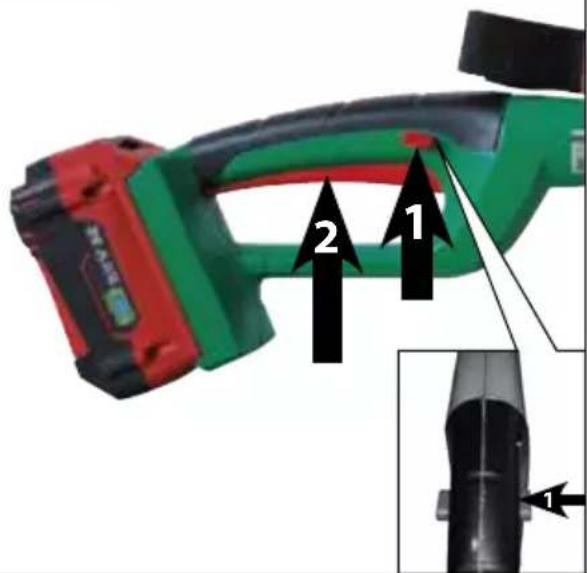
text_image
Diagram of a green handheld device with labeled parts and arrows indicating assembly or installation steps9
STOPP
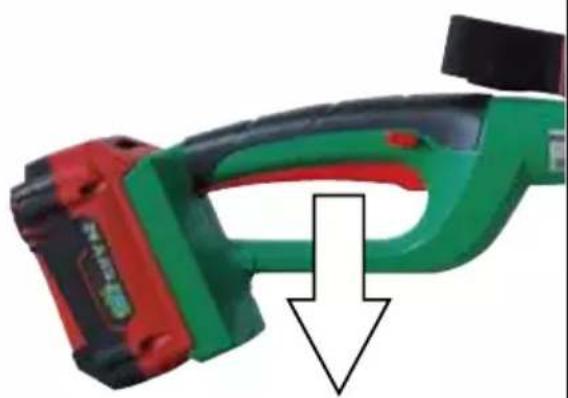
natural_image
Close-up of a green and red handheld device with a white arrow pointing to a component (no visible text or symbols) | DE BETRIEB SI DELOVANjE | ||
| GB OPERATION HR RAD | |||
| FR FONCTIONNEMENT BG pa60Ta | |||
| IT ESERCIzIO | RO | FUNCtIONARE | |
| NL GEbRUIK BA | RAD | ||
| CZ PROVOz | |||
| SK PREVáDzKA | |||
| HU üzEMELTETéS | |||



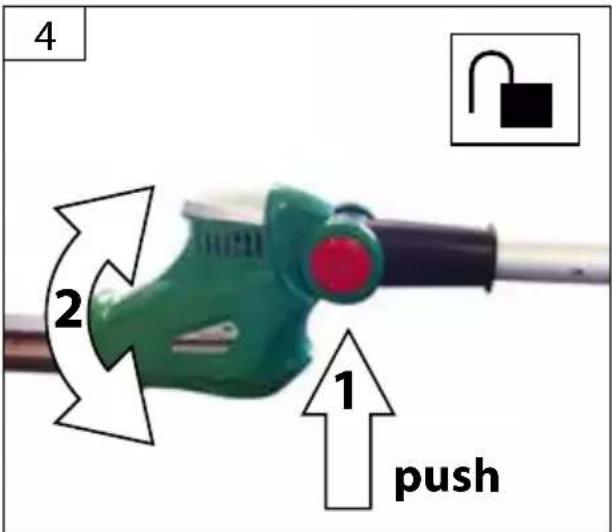
text_image
4 2 1 push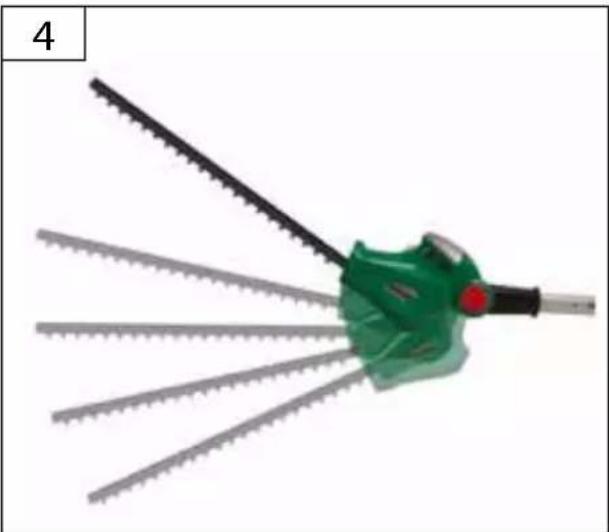
natural_image
Green hairpin with serrated blade and multiple blades, no text or symbols visible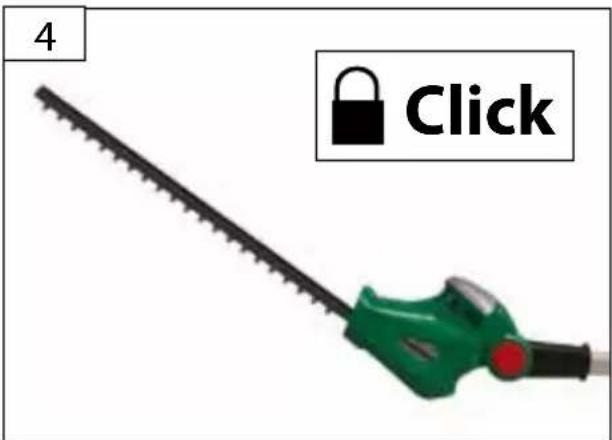
text_image
4 ClickDE AKKU - LADESTANDSANZEIGE
GB ACCUMULATOR BATTERY CHARGING INDICATOR
FR INDICATEUR DE CHARGE DE LA bATTERIE D'ACCUMULATEURS
natural_image
Close-up of a mechanical component with a tool inserted, showing no visible text or symbols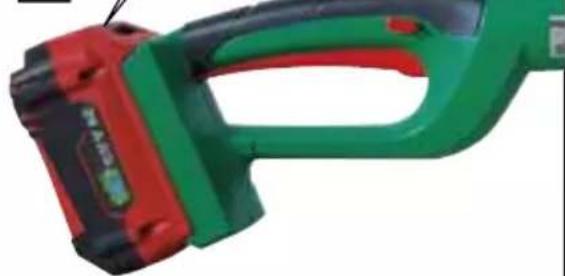
natural_image
Close-up of a green and red handheld tool with black handle (no visible text or symbols)12 13
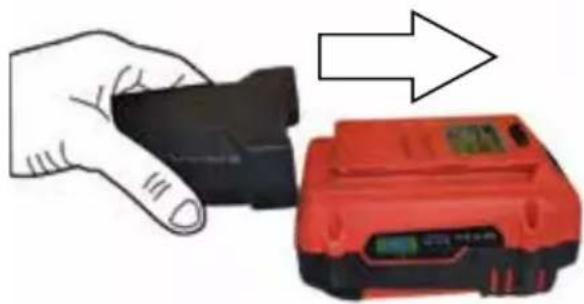
natural_image
Illustration of a hand holding a black object next to a red electronic device with a digital display (no text or symbols visible)
230 V

natural_image
Green checkmark symbol on white background (no text or symbols)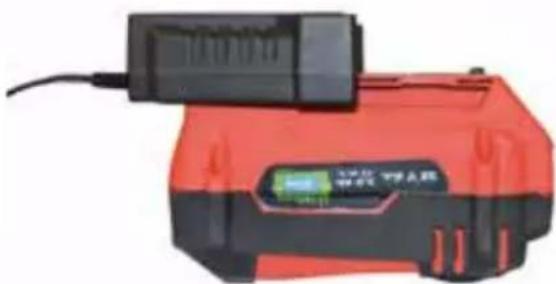
natural_image
Red and black electronic device with a charging plug and green indicator light (no visible text or symbols)| 3 | DE LADEGERÄT | SI POLNILEC |
| GB CHARGER | HR PUNJAČ | |
| FR CHARGEUR | BG ЗАРЯДНО УСТРОЙСТВО | |
| IT CARICABATTERIA | RO ÎNCĂRCĂTOR | |
| NL LAADAPPARAAT | BA PUNJAČ | |
| CZ NABÍJEČKA | ||
| SK NABÍJEČKA | ||
| HU TÖLTŐ |
14

natural_image
Close-up of a black electronic device with a small illuminated terminal and cable, no visible text or symbols.GB Green LED permanently on: Ready for operation Red LED permanently on: Battery being charged Red LED flashing: Failures (Battery is too hot)
GB Transport / storage
FR Transport / Stockage
NL Transport / Bewaring
text_image
Safety warning sign showing no fire, snowflake, and smiling face symbols in a room with windows and a window.Technische Daten
Akku-Heckenschere 550/25 Li-Ion
Artikel-Nr. 95630
Akku Li-Ionen 25,2 V/3,0 Ah
Ladegerät 3-5 h
Cutting length 550 mm
Beam length 600 mm
Max. cut thickness 20 mm
Max.Cutting length 2750 mm
Length without extension....1950 mm
Net/gross weight....5,2 kg/6,7 kg
Noise and Vibration Information
Sound pressure level L_pA^1) 79 dB(A)
Warning: The vibration emission level will vary because of the ways in which a power tool can be used and may increase above the level given in this information sheet.
The vibration emission level may be used to compare one tool with another.
It may be used for a preliminary assessment of exposure.
An accurate estimate of the vibratory load should also take into account the times when the tool is shut down or when it is running but not actually in use. This may significantly reduce the vibratory load over the total working period.
Identify additional safety measures to protect the operator from the effects of vibration such as maintain the tool and the accessories, keep the hands warm, organisation of work patterns.


Read and understand the operating instructions before using the appliance. Abide by all
the safety measures stated in the service manual. Act responsibly toward third parties.
In case of any doubts about connection and operation refer please to our customer center
Specified Conditions Of Use
The hedge trimmer is designed for trimming shrubs and hedges in private hobby gardens
The device must not be used for crushing compost, as persons or damage to property können. The hedge trimmer is designed for trimming shrubs and hedges in private hobby gardens.
Do not use this product in any other way as stated for normal use. Not observing general regulations in force and instructions from this manual does not make the manufacturer liable for damages.
Power tool description
- Cutting head lock
- Knife/cutter bar protection
- Knife/cutter bar
- Fixing lever
- Strap
- Charger
- Battery
- ON/OFF switch
- Safety switch
- Extension
Requirements for operating staff
The operating staff must carefully read the Operating Instructions before using the appliance.
Qualification : Apart from the detailed instructions by a professional, no special qualification is necessary for appliance using.
Training : Using the appliance only requires corresponding training by a professional or the Operating Instructions. No special training is necessary.
The operator is responsible for accidents or risks to third parties.
Observe to keep out of dangerous zone
Emergency procedure
Conduct a first-aid procedure adequate to the injury and summon qualified medical attendance as quickly as possible. Protect the injured person from further harm and calm them down. For the sake of eventual accident, in accordance with DIN 13164, a workplace has to be fitted with a first-aid kit. It is essential to replace any used material in the first-aid kit immediately after it has been used.
If you seek help, state the following pieces of information:
-
Accident site
-
Accident type
-
Number of injured persons
-
Injury type(s)
Symbols

Caution!

Read the Operating Instructions!

Wear eye protection!
Wear ear protectors!

Wear protective helmet!

Wear protective gloves!

Take out the battery before cleaning or adjusting the appliance or leaving the applinace unsupervised for a while.

Do not use the charger when the electric cable is damaged.

Warning against thrown-off items

Keep distance of persons Observe to keep out of dangerous zone

Warning against cutting injuries
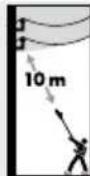
Electrical hazard, keep at least 10 m distance away from electrical power lines.

Protect against humidity Never expose tool to rain.

Storage temperature Protect against moisture Battery to be stored fully charged only.
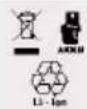
Any damaged or disposed electric or electronic devices must be delivered to appropriate collection centres.

Protect against moisture

This side up
General Power Tool Safety Warnings

WARNING
Read all safety warnings and all instructions. Failure to follow the warnings and instructions may result in electric shock, fire and/or serious injury.
Save all warnings and instructions for future reference.
The term „power tool“ in the warnings refers to your mains-operated (cordepower tool or battery-operated (cordless) power tool.
1) Work area safety
a) Keep work area clean and well lit. Cluttered or dark areas invite accidents.
b) Do not operate power tools in explosive atmospheres, such as in the presence of flammable liquids, gases or dust. Power tools create sparks which may ignite the dust or fumes.
c) Keep children and bystanders away while operating a power tool. Distractions can cause you to lose control.
2) Electrical safety
a) Power tool plugs must match the outlet. Never modify the plug in any way. Do not use any adapter plugs with earthed (groundepower tools. Unmodified plugs and matching outlets will reduce risk of electric shock.
b) Avoid body contact with earthed or grounded surfaces, such as pipes, radiators, ranges and refrigerators. There is an increased risk of electric shock if your body is earthed or grounded.
c) Do not expose power tools to rain or wet conditions. Water entering a power tool will increase the risk of electric shock.
d) Do not abuse the cord. Never use the cord for carrying, pulling or unplugging the power tool. Keep cord away from heat, oil, sharp edges or moving parts. Damaged or entangled cords increase the risk of electric shock.
e) When operating a power tool outdoors, use an extension cord suitable for outdoor use. Use of a cord suitable for outdoor use reduces the risk of electric shock.
f) If operating a power tool in a damp location is unavoidable, use a residual current device (RCprotected supply. Use of an RCD reduces the risk of electric shock.
3) Personal safety
a) Stay alert, watch what you are doing and use common sense when operating a power tool. Do not use a power tool while you are tired or under the influence of drugs, alcohol or medication. A moment of inattention while operating power tools may result in serious personal injury.
b) Use personal protective equipment. Always wear eye protection. Protective equipment such as dust mask, non-skid safety shoes, hard hat, or hearing protection used for appropriate conditions will reduce personal injuries.
c) Prevent unintentional starting. Ensure the switch is in the off-position before connecting to power source and/or battery pack, picking up or carrying the tool. Carrying power tools with your finger on the switch or energising power tools that have the switch on invites accidents.
d) Remove any adjusting key or wrench before turning the power tool on. A wrench or a key left attached to a rotating part of the power tool may
result in personal injury.
e) Do not overreach. Keep proper footing and balance at all times. This enables better control of the power tool in unexpected situations.
f) Dress properly. Do not wear loose clothing or jewellery. Keep your hair, clothing and gloves away from moving parts. Loose clothes, jewellery or long hair can be caught in moving parts.
g) If devices are provided for the connection of dust extraction and collection facilities, ensure these are connected and properly used. Use of dust collection can reduce dust-related hazards.
4) Power tool use and care
a) Do not force the power tool. Use the correct power tool for your application. The correct power tool will do the job better and safer at the rate for which it was designed.
b) Do not use the power tool if the switch does not turn it on and off. Any power tool that cannot be controlled with the switch is dangerous and must be repaired.
c) Disconnect the plug from the power source and/or the battery pack from the power tool before making any adjustments, changing accessories, or storing power tools. Such preventive safety measures reduce the risk of starting the power tool accidentally.
d) Store idle power tools out of the reach of children and do not allow persons unfamiliar with the power tool or these instructions to operate the power tool. Power tools are dangerous in the hands of untrained users.
e) Maintain power tools. Check for misalignment or binding of moving parts, breakage of parts and any other condition that may affect the power tool's operation. If damaged, have the power tool repaired before use. Many accidents are caused by poorly maintained power tools.
f) Keep cutting tools sharp and clean. Properly maintained cutting tools with sharp cutting edges are less likely to bind and are easier to control.
g) Use the power tool, accessories and tool bits etc. in accordance with these instructions, taking into account the working conditions and the work to be performed. Use of the power tool for operations different from those intended could result in a hazardous situation.
a) Have your power tool serviced by a qualified repair person using only identical replacement parts. This will ensure that the safety of the power tool is maintained.
5) Service
Additional safety instructions Cordless hedge trimmer
- Keep parts of your body off the cutting blade. Do not remove jammed material while the blades are moving.
- When removing jammed material, make sure the appliance is off.
- Attach the knife protection for transport or storage. Before you start with the work, search the thicket for hidden objects such as wire fences, etc.
- Do not let children, other persons or pets near the cutting scissors.
- Do not use the cutting scissors if the cutting tool is not fitted properly or when it is damaged.
- Before adjusting the cutting scissors, make sure the knives or blades do not touch stones or debris.
- Do not cut any hard objects. This could lead to accidents and damage the cutting scissors.
- Avoid abnormal posture and do not work above shoulder height.
- The battery voltage must match the voltage given on the name plate.
- Do not attempt to remove shavings when the knives are moving. When removing any jammed material, make sure the cutting scissors are off and stopped. When lifting or holding the cutting scissors, do not hold the cutting knives.
⚠️ CAUTION: Knives are still running for a short time after being switched off.
Putting into operation for your safety
Take the battery out of the appliance before any work on the appliance (e.g. maintenance, assembly, etc.) and for any transport or storing of the appliance.
Risk of injury if the On/Off button is pressed unintentionally.
Battery charging/charging process
Do not use any other charger. The charger included has been designed for a Li-ion battery in your appliance.
Respect the system voltage! The current source voltage must match the details on the type label of the charger.
Caution: The battery is supplied partially charged. To guarantee the full performance of the battery, charge the battery by a charger to the full extent before using the appliance for the first time.
The Li-Ion battery may be charged at any time without the service life being shortened as a result. Charging interruption does not damage the battery.
Due to the intelligent charging, the battery charging state is automatically recognised and the battery is always charged by the optimum charging current, depending on the temperature and voltage. By this, the battery is treated smoother and stays fully charged when kept in the charger.
Caution: Charging is only possible when the battery temperature is within the admissible temperature range. See the instructions on the battery.
Charging instructions
The charger may get warm in continuous or consecutive charging cycles with no interruption. However, this is not a defective state and it is no technical defect of the charger.
A significantly shortened operation time after charging indicates that the battery is worn out and it must be replaced.
The battery has been fitted with an NTC temperature sensor, allowing charging within 0^ C - 40^ C only. Long service life of the battery is achieved by this.
The Li-ion battery is fitted with „Electronic Cell Protection (ECP)“ against deep discharge. The appliance switches off by the protection circuit when the battery is discharged the appliance is no longer working.
⚠ Do not press the On/Off button after the appliance is automatically switched off. The battery could get damaged.
Charging indicator Battery
| ●●● | 3 green LED are on-> Battery is fully charged |
| ●●○ | 2 green LED are on-> Battery is half full |
| ●○○ | 1 green LED is on-> Battery is almost empty |
Instructions to the charger
Green LED permanently on:
Ready for operation
Red LED permanently on:
Battery being charged.
Red LED flashing:
Failures (Battery is overheated)
The charger may get warm in continuous or consecutive charging cycles with no interruption. However, this is not a defective state and it is no technical defect of the charger.
A significantly shortened operation time after charging indicates that the battery is worn out and it must be replaced.
The battery has been fitted with an NTC temperature sensor, allowing charging within 0^ C - 40^ C only. Long service life of the battery is achieved by this.
The Li-ion battery is fitted with „Electronic Cell Protection (ECP)“ against deep discharge. The appliance switches off by the protection circuit when the battery is discharged the appliance is no longer working.

Do not press the On/Off button after the appli- e is automatically switched off. The battery could damaged.
Notes to the lithium-ion battery
Its utility life is several years, which however much depends on the use and storage conditions.
The lithium-ion battery capacity gets reduced over time, even without being used, which is caused by a parasitic reaction of lithium with the electrolyte.
The manufacturer recommends storage at 15^ C and 60% charging level, a compromise between accelerated aging and self-discharge. The battery should always be charged to 40-60% approximately once in six months.
Lithium-ion batteries may only be charged by special electronics.
Fumes can leak in case of damage and unauthorised use of the battery pack. Supply fresh air and seek medical advice if facing any problem. Fumes can irritate the respiratory system.

Fire danger!
Never charge the batteries in an environment with acids and easily flammable materials.

Risk of explosion!
Protect the appliance against heat and fire.
Do not put the machine on heaters and do not expose it to intensive sunlight for a long time.
Appliance to be used in an environment with temperatures from 5°C to 40°C if possible.

Risk of short circuit!
The battery must be packed (plastic bags, boxes) or the contacts must be sealed with an adhesive tape for disposal, transport or storage.

Never open the battery.
Storage and safety instructions for the lithium-ion battery.:
Lithium is a highly reactive substance. Despite not being present as lithium batteries as li-metal, the lithium-ion battery components are highly flammable.
Mechanical damage can lead to internal short circuits. Depending on circumstances, a defect cannot be immediately recognised. Outbreak of fire can occur even 30 minutes later.
Storage:
Li-ion To be stored at 40-60% charge level and in cold conditions.
Safety instructions Damaged lithium-ion battery can ignite with a time delay of 30 minutes or more. Never use water to extinguish a burning battery, use sand instead. Leaked electrolytic liquid can be washed off clothing with plenty of water. Electrolytic liquid is flammable.
operation
Please observe the legal provisions of regulations on protection against noise. These provisions can be different in various places.
Attaching the shoulder safety strap
⚠ Caution! Always use the shoulder strap when working. Switch off the appliance before releasing the shoulder strap.
- Place the shoulder strap over your shoulders.
- Adjust the strap length so that the strap holder is at the height of your hips.
⚠️ Never wear the strap diagonally over your shoulders and chest but only on one shoulder. By this, the appliance can quickly be taken off your body in case of emergency.
Height adjustment
Depending on the working height, an extension can be fitted or you can work without extension in lower areas..
Maintenance
⚠️ Take the battery always out before any work on the appliance.
Before using the appliance, perform a visual inspection at all times to make sure the power cord and the plug, in particular, are not damaged on the charger.
The machine must not be used under any circumstances if the machine or the safety devices are damaged.
If the device is defective, the repair has to be made exclusively by the customer service. Use only original accessories and original spare parts.
The operating staff must carefully read the Operating Instructions before using the appliance.
Cleaning and storage
Caution! Always remove the battery from the appliance and possibly wear protective gloves before cleaning and storing.
At regular intervals, clean the clamping mechanism by blowing it by compressed air or clean it with a brush.
Keep the handles dry (no oil) for safe holding. Clean the appliance with a damp cloth or a mild detergent. Keep your appliance and its accessories in a dark, dry and frost-free place inaccessible to children.
Guarantee
Warranty period of 12 months applies to commercial use and 24 months applies to private use and commences on the day of purchase of the device.
The guarantee does not cover any unauthorised use such as appliance overloading, use of violence, damage as a result of any unauthorised interference or caused by foreign items.
Failing to follow the operating and assembly instructions and common wear are.
Service
Do you have any technical questions? Any claim? Do you need any spare parts or operating instructions? We will quickly help you and without needles bureaucracy at our web pages at www.guede.com in the Servicing part. Please help us be able to help you. In order to identify your device in case of claim we need the serial No., product No. and year of production. All this data can be found on the type label. Please enter it here for future reference
Serial No.:
Art. No:
Year of production:
Tel.: +49 (0) 79 04 / 700-360
Fax: +49 (0) 79 04 / 700-51999
E-Mail: support@ts.guede.com
Disposal
Note to the disposal arising from icons placed on the appliance or on the package. Description of the meanings can be found in section "Marking".

Environmentally safe disposal of batteries
The batteries are according to the current state of technology best suited for the power supply of electrical devices, independent of the mains. If lithium-ion cells are disposed with other household waste, they are harmful to the environment. The batteries are lithium-ion accumulators and are therefore subject to special waste disposal processes. Have any defective batteries disposed by a specialised shop. The batteries must be taken out before scrapping the appliance.

Do not dispose of electrical appliances in the household waste.
According to European Directive 2002/96/EC on waste electrical and electronic equipment and transposition to the national law, worn electrical equipment must be collected separately and put to recycling.
Recycling alternative to the return requirement: As an alternative to recycling, the owner of the electrical equipment is obliged to provide assistance in professional recycling. For this purpose, an old appliance can be put to a collection centre that will dispose of it in accordance with the national circulation management and the Waste Act.
This does not apply to accessories connected to old appliances and auxiliary equipment without electrical components.
Transport packaging disposal
The packaging protects the appliance against damage during transport. Packaging materials are usually chosen according to environmental-friendliness and waste treatment aspects and can therefore be recycled. Returning the packaging to material circulation saves raw materials and reduces waste. Parts of packaging (e.g. foils, styrofoam ^® ) can be dangerous to children.
Risk of suffocation! Keep the packaging out of reach of children and dispose them as quickly as possible.
Inspection and maintenance plan
| Generally Whole appliance | Regularly clean the outer partLet regularly checked by authorized workshop | |
| Plastic bodyKnife/cutter bar | Check for cracks and fissuresLet regularly sharpen | |
| Before any start-up ON/OFF switch | Functional testFunctional test | |
| storage Whole appliance To be cleaned and the knife bar slightly lubricated. | ||
| To be safely stored in a cold room. Have it checked in a specialised workshop. | ||
Failures - Causes - Removal
| Failures Causes Removal | ||
| Cutting scissors not working. | Battery is dischargedBattery is too cold / hotAppliance is defectiveInternal cables are defective | Charge the battery, see the Note to chargingHave the battery warmed up / cooled downConsult with the customer service centreConsult with the customer service centre |
| Unsteady running, strong vibrations | Appliance is defective Consult with the customer service centre | |
| Too short duration of work per battery charge. | The battery has not been used for a long time or been used just shortlyBattery is empty or defective | Charge the battery to full extent, see the Note to chargingReplace (charge) the battery |
Guaranteed sound power level L WA 92 dB(A)
Âge minimal : Persons over 18 years of age can only work on the appliance. An exception includes youngsters trained in order to reach knowledge under supervision of the trainer during occupational education.
EC-DECLARATION OF CONFORMITY
We, hereby declare the conception and construction of the below mentioned appliances correspond - at the type of construction being launched - to appropriate basic safety and hygienic requirements of EC Directives. In case of any change to the appliance not discussed with us the Declaration expires.
DECLARATION CE DE CONFORMITE
PROHLASENI O SHODE EU
2006/95/EC 2004/108/EC
2009/105/EC 1907/2006/EC
2011/65/EC ROHS 2009/142/EC
89/686/EEC (PPE) 1935/2004/EC
□ □
2006/42/EC
Annex IV
Notified Body:
Type Ex. Cert.-No.:
2000/14/EC_2005/88/EC
Noise: guaranteed L_WA 92 dB (A)
97/6 8/EC_
Emission No.: