
MFH53004BP - Multitools SCHEPPACH - Free user manual and instructions
Find the device manual for free MFH53004BP SCHEPPACH in PDF.

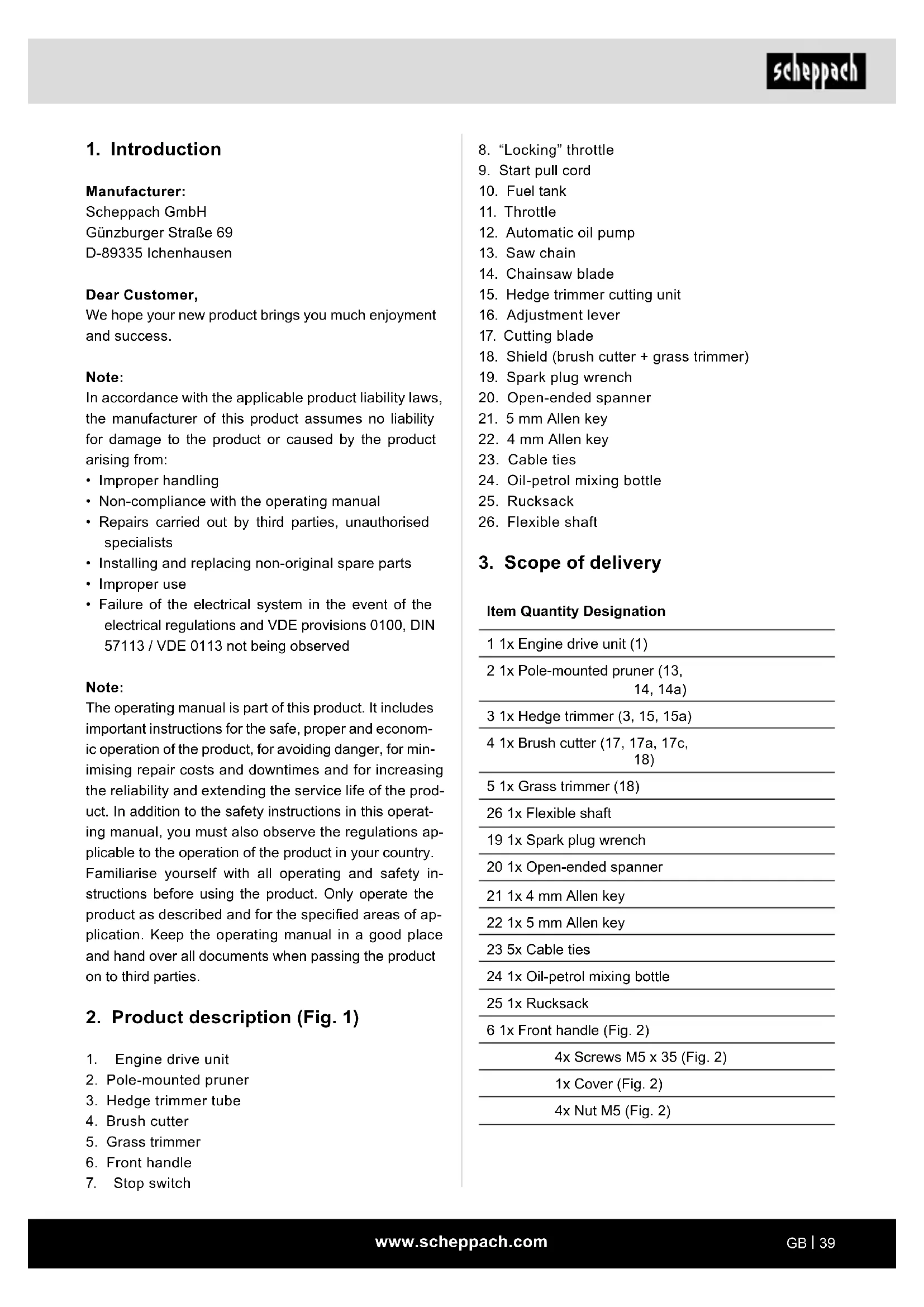


| Product type | Thermal multi-function tool |
| Brand | Scheppach |
| Model | MFH53004BP |
| Engine displacement | 51.7 cm³ |
| Rated engine power | 1.45 kW |
| Engine type | 2-stroke engine, air-cooled |
| Idle speed | 3000 ±300 min⁻¹ |
| Fuel tank capacity | 920 cm³ |
| Chain oil tank capacity | 125 cm³ |
| Fuel/oil mixture ratio | 40:1 |
| Cutting diameter (trimmer) | 450 mm |
| Cutting diameter (brushcutter) | 255 mm |
| Cutting length (hedge trimmer) | 400 mm |
| Cutting length (pole pruner) | 254 mm |
| Max. speed (trimmer) | 6900 min⁻¹ |
| Max. speed (brushcutter) | 7500 min⁻¹ |
| Min. speed (pole pruner) | 4200 min⁻¹ |
| Sound power level LWA | 115.2 dB |
| Sound pressure level LpA | 97.3 dB |
| Weight (with trimmer) | 11.98 kg |
| Weight (with brushcutter) | 11.88 kg |
| Weight (with pole pruner) | 12.53 kg |
| Weight (with hedge trimmer) | 13.20 kg |
| CO₂ emission | 1059.5 g/kWh |
| Power supply | Petrol (2-stroke mixture) |
| Blade material | Steel |
| Chainsaw chain pitch | 3/8" |
| Guide bar length | 300 mm |
| Vibration (trimmer front) | 6.67 m/s² |
| Vibration (brushcutter rear) | 7.14 m/s² |
Frequently Asked Questions - MFH53004BP SCHEPPACH
User questions about MFH53004BP SCHEPPACH
0 question about this device. Answer the ones you know or ask your own.
Ask a new question about this device
Download the instructions for your Multitools in PDF format for free! Find your manual MFH53004BP - SCHEPPACH and take your electronic device back in hand. On this page are published all the documents necessary for the use of your device. MFH53004BP by SCHEPPACH.
USER MANUAL MFH53004BP SCHEPPACH
natural_image
Product photo of a manual sewer anti-huction tool with multiple tools and a power shaver (no visible text or labels)
MFH5300-4BP
| DE | Backpack Benzin-MultifunktionsgerätOriginalbetriebsanleitung | 11 |
| GB | Backpack multifunctional petrol deviceTranslation of original instruction manual | 36 |
| FR | Outil multifonction avec moteur thermique à dosTraduction des instructions d'origine | 58 |
| IT | Zaino per apparecchio multifunzione a benzinaLa traduzione dal manuale di istruzioni originale | 82 |
| NL | Backpack multifunctioneel benzine apparaatVertaling van de originele gebruikshandleiding | 106 |
| ES | Dispositivo multifunción de gasolina tipo backpackTraducción del manual de instrucciones original | 129 |
| PT | Aparelho multifunções a gasolina de backpackTradução do manual de operação original | 153 |

natural_image
Mechanical device with a handle and lever mechanism, no visible text or symbols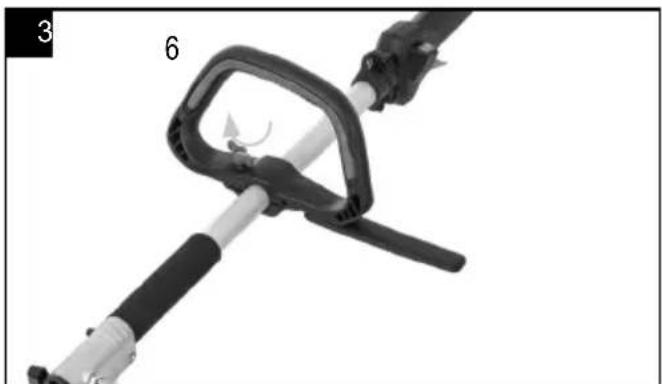
natural_image
Close-up of a mechanical clamp tool with a handle and lever mechanism (no text or symbols visible)

natural_image
Close-up of a metallic pipe fitting with bolts and a central valve (no text or symbols visible)
natural_image
Close-up of a mechanical pipe fitting with bolts and a black fabric cover (no visible text or symbols)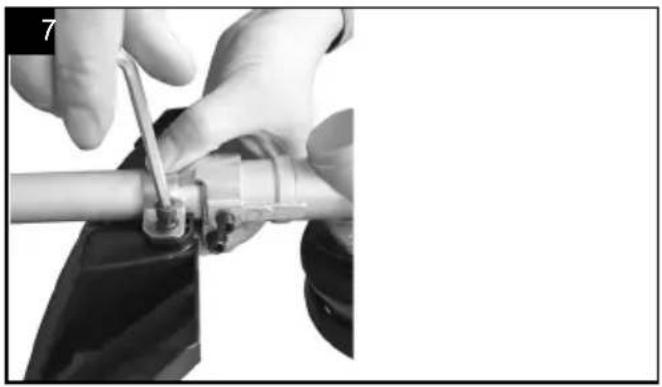
natural_image
Close-up of hands using a tool to adjust or install a mechanical component (no visible text or symbols)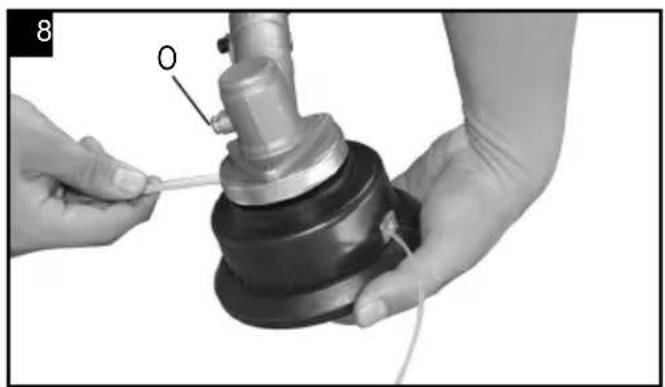
natural_image
Close-up of hands performing a mechanical assembly with a tool, no visible text or symbols
natural_image
Line drawing of a mechanical device with a hand operating it, no text or symbols present

natural_image
Close-up of hands operating a mechanical component with a rotating arrow (no text or symbols visible)

natural_image
Close-up of a mechanical assembly with visible components and directional arrows (no text or symbols)
natural_image
Close-up of a hand adjusting a mechanical component with wires (no visible text or symbols)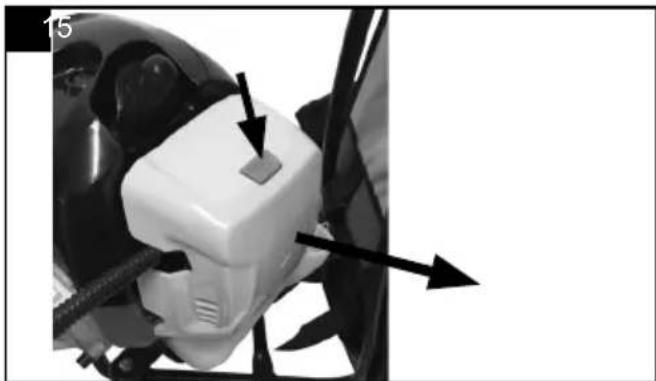
natural_image
Close-up of a white electric vehicle charging plug with black arrows indicating direction (no text or symbols)
natural_image
Close-up of a mechanical component with a tool inserted, showing internal components and a highlighted part (no visible text or symbols)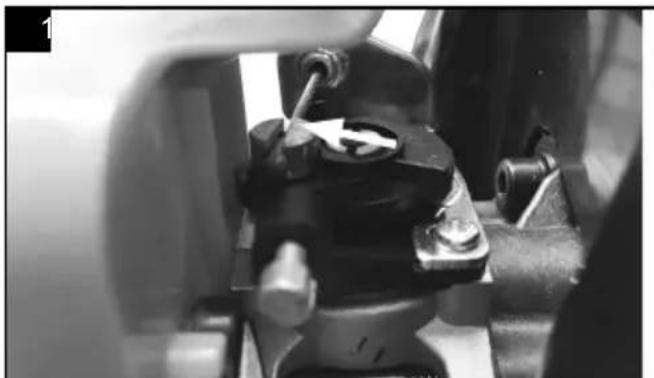
natural_image
Close-up of mechanical components with a white arrow pointing to a component (no visible text or symbols)
natural_image
Close-up of mechanical components with no visible text or symbols
natural_image
Close-up of mechanical components with no visible text or symbols
natural_image
Close-up of a car fuel nozzle and attached vehicle component with arrows indicating parts (no visible text or symbols)
natural_image
Close-up of a white automotive brake hood with a black connector and white arrow pointing to a component (no text or symbols visible)
natural_image
Close-up of a kitchen sink with a hose and screw, showing mechanical components and directional arrows (no text or symbols)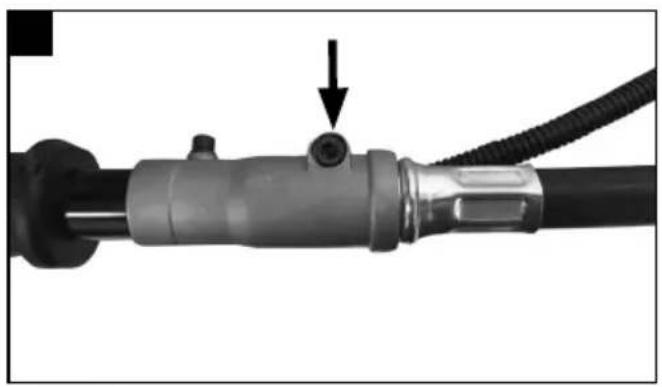
natural_image
Close-up of a mechanical component with a black arrow pointing to a bolt and cable (no text or symbols visible)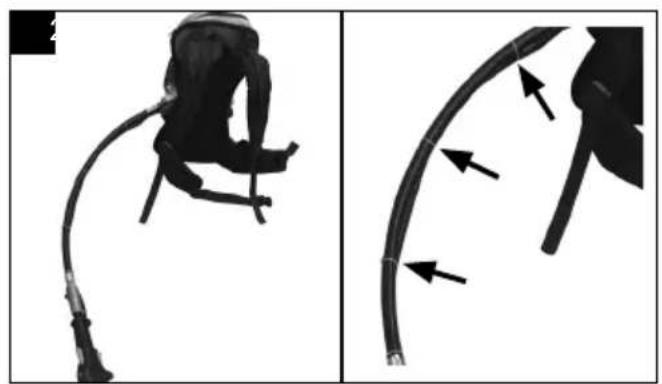
natural_image
Two black-and-white diagrams showing a diverging cable and a curved pipe with directional arrows (no text or symbols)


natural_image
Close-up of a mechanical component with a tool and a highlighted part, no visible text or symbols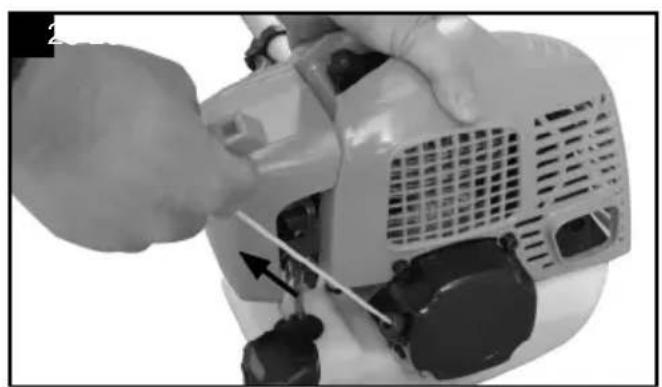
natural_image
Close-up of hands using a sewing machine to adjust or install a component, with no visible text or symbols.
natural_image
Close-up of a mechanical device with a white component and black filter, showing a small inset detail (no visible text or symbols)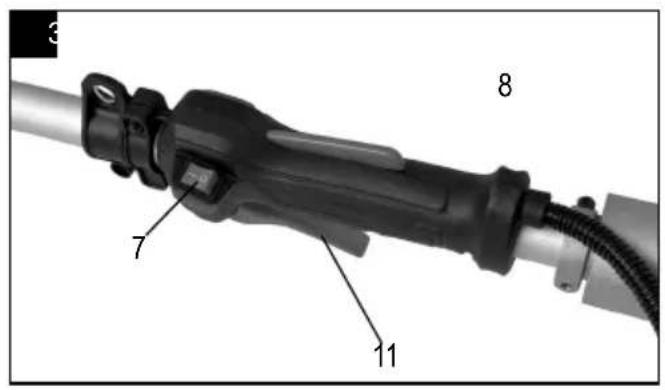
natural_image
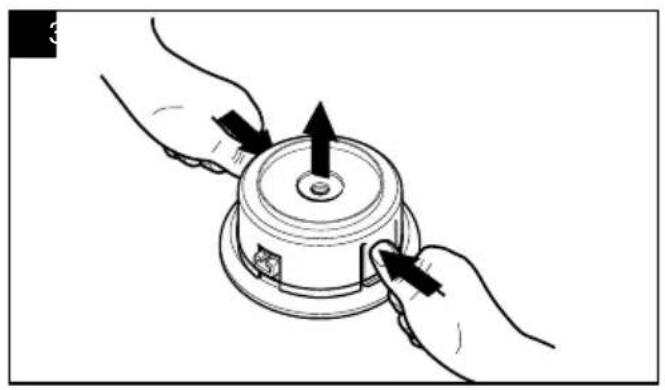
Illustration of two hands operating a mechanical device with arrows indicating direction (no text or symbols)
natural_image
Exploded view diagram of a mechanical assembly showing three stages: housing, fan blade, and spring (no text or labels)

natural_image
Technical line drawing of a mechanical assembly with two views showing internal components and connection details (no text or symbols)

natural_image
Close-up of a mechanical component with internal cavity and directional arrows indicating motion (no text or symbols)
natural_image
Close-up of a hand adjusting a key on a white mechanical component with a black arrow pointing to the button (no text or symbols visible)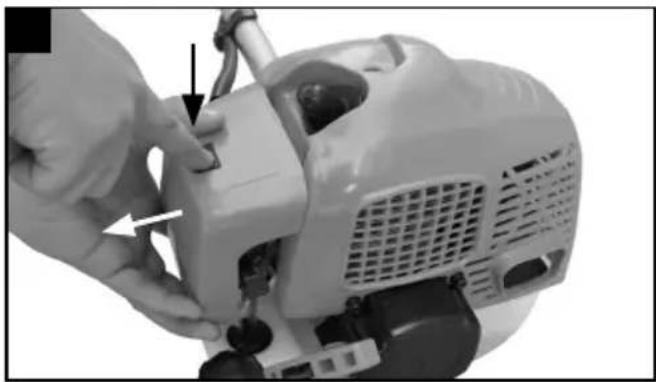
natural_image
Close-up of a hand operating a small white industrial machine with a handle, showing mechanical components and wiring (no visible text or symbols)
natural_image
Close-up of a mechanical device with a tool and component, no visible text or symbols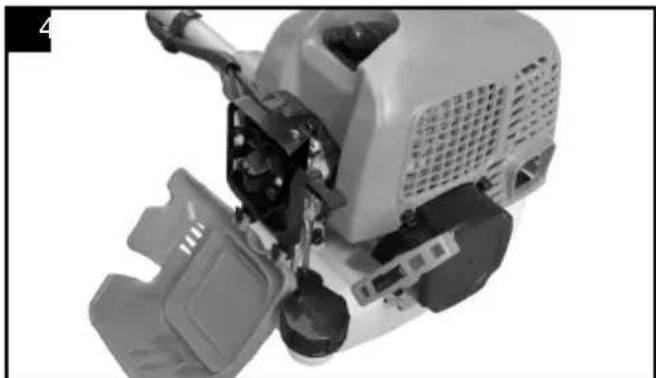
natural_image
Close-up of a mechanical device with attached components and a small panel (no visible text or symbols)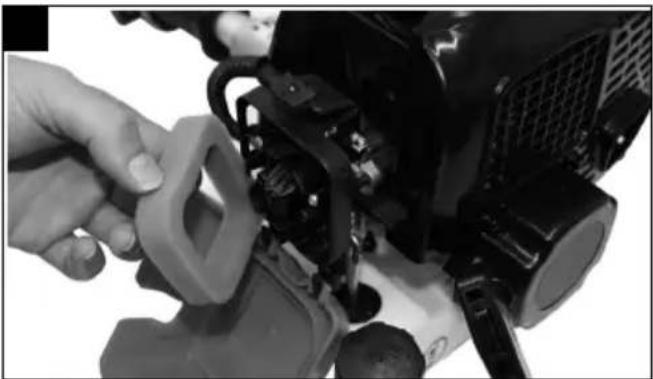
natural_image
Close-up of a hand adjusting a mechanical component with visible wiring and tools (no text or symbols)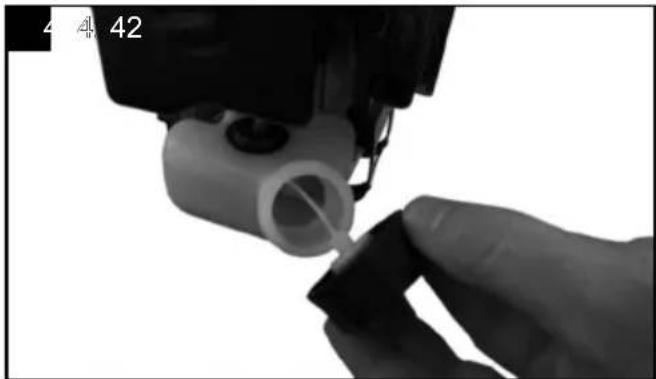
natural_image
Close-up of a hand holding a small cylindrical object with a pointed tip, no visible text or symbols
natural_image
Diagram of a mechanical tool interacting with a textured surface, showing a downward arrow indicating motion (no text or symbols present)
natural_image
Diagram of a mechanical tool interacting with a textured surface (no text or symbols)
natural_image
Two-panel illustration showing a person spraying water on a grassy field and another person using a pulley system to lift a ball (no text or symbols)


natural_image
Close-up of hands using a mechanical tool to cut a saw blade, labeled with 'J' (no text or symbols on the tool itself)
natural_image
Close-up of a person's arm with a black bandage and arrow indicating a specific point (no text or symbols present)
natural_image
Person wearing a full-body medical harness and T-shirt, viewed from behind (no text or symbols visible)
natural_image
Person wearing a black safety harness and belt, with arrows pointing to the belt (no text or symbols visible)
natural_image
Close-up of a black athletic belt buckle with directional arrows indicating movement or force (no text or symbols)
natural_image
Black athletic equipment with straps and straps, no visible text or symbols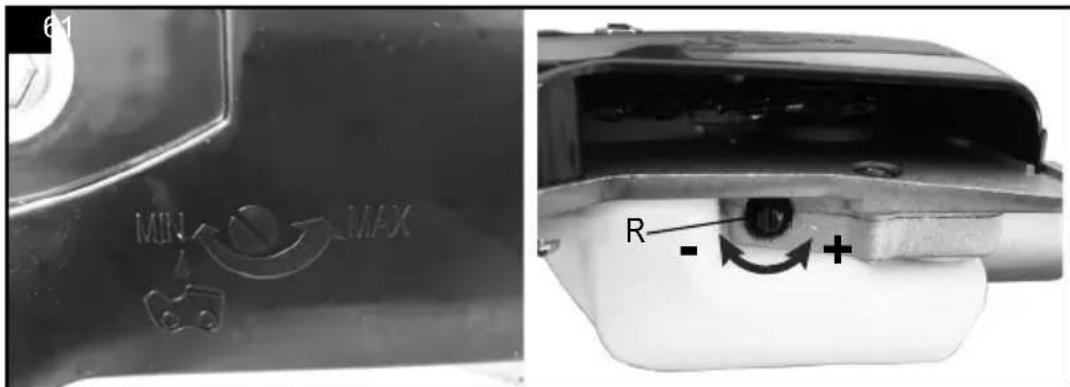

Günzburger Straße 69
D-89335 Ichenhausen
Verehrter Kunde,
Homepage: https://www.scheppach.com/de/service
Explanation of the symbols on the product
Symbols are used in this manual to draw your attention to potential hazards. The safety symbols and the accompanying explanations must be fully understood. The warnings themselves will not rectify a hazard and cannot replace proper accident prevention measures.
 | Warning - Read the operating manual to reduce the risk of injury. |
 | Attention! Petrol is very easily flammable. Avoid smoking, naked flames or flying sparks near fuel. |
 | Warning! Non-adherence poses a risk of death, danger of injury or the risk of damage to the tool. |
 | Attention: Risk of injury!Do not allow hands and feet to come into contact with the blade when the engine is running. |
 | Keep children, onlookers and helpers 15m away from the brush cutter. |
 | Attention, do not use saw blades or multi-part metallic cutting tools! |
 | Use safety helmet, hearing protection and safety goggles! |
 | Wear sturdy footwear and work gloves! |
 | Attention! The exhaust pipe and other parts of the engine become very hot during operation, do not touch! |
 | Symbol for the “Petrol/oil mixing ratio” to be filled in on the tank cover. |
 | Attention! Risk of injury due to workpieces being thrown away. |
 | The product complies with the applicable European directives. |
 | The product complies with the applicable Serbian directives. |
 | Pay attention to kick-back! |
 | Pay attention to electrical cables! Keep a distance of at least 10m. |
 | Grass trimmer: Cutting diameter 450 mm, max. speed 6900 rpm |
 | Hedge trimmer: Cutting length max. 400 mm, engine speed min. 4200 rpm |
 | Brush cutter: Cutting diameter 255 mm, max. speed 7500 rpm |
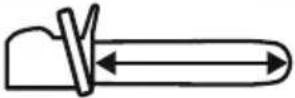 | Pole-mounted pruner: Cutting length max. 254 mm, engine speed min. 4200 rpm |
 | Guaranteed sound power level |
 | Tank contents |
Table of contents: Page:
- Introduction....39
- Product description (Fig. 1) 39
- Scope of delivery 39
- Proper use 40
- General safety instructions....40
- Residual risks 42
- Technical data....43
- Unpacking 44
- Before commissioning 44
- Assembly and operation....45
- Working instructions....47
- Cleaning 50
- Storage 50
- Transport....51
- Maintenance .... 51
- Repair & ordering spare parts 54
- Disposal and recycling....55
- Troubleshooting 56
- Declaration of conformity 181
1. Introduction
Manufacturer:
Scheppach GmbH
Günzburger Straße 69
D-89335 Ichenhausen
Dear Customer,
We hope your new product brings you much enjoyment and success.
Note:
In accordance with the applicable product liability laws, the manufacturer of this product assumes no liability for damage to the product or caused by the product arising from:
- Improper handling
• Non-compliance with the operating manual
• Repairs carried out by third parties, unauthorised specialists
• Installing and replacing non-original spare parts - Improper use
- Failure of the electrical system in the event of the electrical regulations and VDE provisions 0100, DIN 57113 / VDE 0113 not being observed
Note:
The operating manual is part of this product. It includes important instructions for the safe, proper and economic operation of the product, for avoiding danger, for minimising repair costs and downtimes and for increasing the reliability and extending the service life of the product. In addition to the safety instructions in this operating manual, you must also observe the regulations applicable to the operation of the product in your country. Familiarise yourself with all operating and safety instructions before using the product. Only operate the product as described and for the specified areas of application. Keep the operating manual in a good place and hand over all documents when passing the product on to third parties.
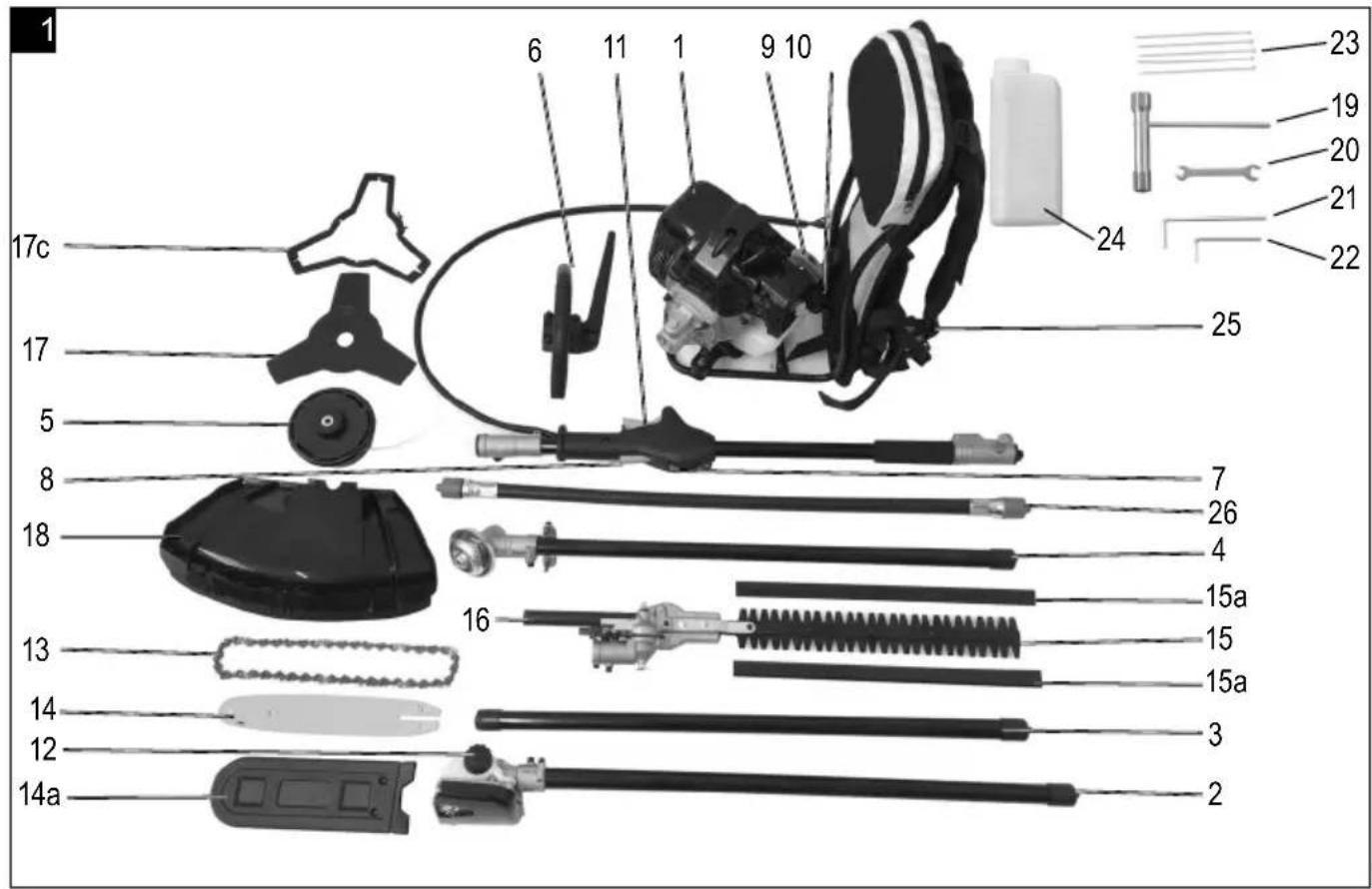
2. Product description (Fig. 1)
- Engine drive unit
- Pole-mounted pruner
- Hedge trimmer tube
- Brush cutter
- Grass trimmer
- Front handle
-
Stop switch
-
"Locking" throttle
- Start pull cord
- Fuel tank
- Throttle
- Automatic oil pump
- Saw chain
- Chainsaw blade
- Hedge trimmer cutting unit
- Adjustment lever
- Cutting blade
- Shield (brush cutter + grass trimmer)
- Spark plug wrench
- Open-ended spanner
- 5 mm Allen key
- 4 mm Allen key
- Cable ties
- Oil-petrol mixing bottle
- Rucksack
- Flexible shaft
3. Scope of delivery
Item Quantity Designation
| 1 1x Engine drive unit (1) |
| 2 1x Pole-mounted pruner (13, 14, 14a) |
| 3 1x Hedge trimmer (3, 15, 15a) |
| 4 1x Brush cutter (17, 17a, 17c, 18) |
| 5 1x Grass trimmer (18) |
| 26 1x Flexible shaft |
| 19 1x Spark plug wrench |
| 20 1x Open-ended spanner |
| 21 1x 4 mm Allen key |
| 22 1x 5 mm Allen key |
| 23 5x Cable ties |
| 24 1x Oil-petrol mixing bottle |
| 25 1x Rucksack |
| 6 1x Front handle (Fig. 2) |
| 4x Screws M5 x 35 (Fig. 2) |
| 1x Cover (Fig. 2) |
| 4x Nut M5 (Fig. 2) |
4. Proper use
The brush cutter (using the cutting knife) is suitable for cutting shrubs, strong weed and undergrowth.
The grass trimmer (using thread coil with trimming line) is suitable for cutting lawns, grass areas and light weed.
The hedge trimmer is suitable for cutting hedges, bushes and shrubs.
The pole-mounted pruner is intended for branch removal work. It is not suitable for extensive sawing work and felling trees as well as sawing materials other than wood.
The observance of the manufacturer's usage instructions included is a prerequisite for the proper use of the device. Any other use not expressly permitted in these instructions may result in damage to the device and pose a serious danger to the user. Be sure to observe the restrictions in the safety instructions.
Please note that our equipment was not designed with the intention of use for commercial or industrial purposes. We assume no guarantee if the device is used in commercial or industrial applications, or for equivalent work.
Attention! Due to physical hazards to the user, the petrol multifunction device must not be used for the following work: cleaning pavements and as a shredder for shredding tree and hedge cuttings. Furthermore, the petrol multifunction device must not be used for levelling ground elevations, such as molehills. For safety reasons, the petrol multifunction device must not be used as a drive unit for other working tools and tool sets of any type.
The petrol multifunction device may only be used in the intended manner. Any use beyond this is improper. The user/operator, not the manufacturer, is responsible for damages or injuries of any type resulting from this.
Who is not permitted to use the device:
People who are not familiar with the operating manual, children under the age of 16, people under the influence of alcohol, drugs or medication, and people who are tired or unwell.
5. General safety instructions
⚠ WARNING - Read all safety information, instructions, illustrations and technical data for this product.
Failure to follow all instructions listed below may result in electric shock, fire and/or serious injury.
Save all warnings and instructions for future reference.
Safety instructions
When transporting devices
• Always stop the engine when transporting.
- Never carry or transport the cutting tool whilst the cutting tool is running.
- Only carry the power tool in the working position: Power tool on back, left hand on front handle and right hand on operating handle (even left-handers) Cutting tool lowered to ground level.
- The device should be secured to prevent it toppling during transport in vehicles in order to ensure that fuel does not escape and to prevent damage and injuries. Check the tank for leaks. It is recommended to empty the tank before transportation.
- When shipping, the tank must always be emptied beforehand.
• Always fit blade guards on all tools when not in use or during transport.
- Ensure that no other people or animals are present in the work area (minimum distance of 15 m). Foreign objects such as stones can be found in the cut and swirled up grass. You are responsible for safety in your work area and are liable for injuries to people or damage to property.
- The petrol multifunction device must not be started or used in the vicinity of persons or animals.
- Do not use the device while tired or unfocused, or under the influence of alcohol or drugs. Inattentiveness can result in serious injuries.
- Use approved safety goggles. Use approved hearing protection.
- Use good protective gloves.
- Use non-slip work shoes with steel toecaps. Never work with the device wearing sandals or barefoot.
• Always wear an approved safety helmet during forestation work.
- Do not wear loose clothing or jewellery. Wear log trousers to protect your legs. Use a head covering if you have long hair. Loose clothes, jewellery and long hair can be caught in moving parts. Wear suitable sturdy, close-fitting work clothing.
- Keep body parts and clothing away from the cutting tool when starting the engine or when the engine is running.
- Ensure you have firm and safe footing when working. Avoid walking backwards with the device due to of the risk of tripping.
- Avoid abnormal postures.
- Use of the petrol multifunction device over a long period can lead to vibration-related circulatory disorders (Raynaud syndrome). Information about the duration of use cannot be provided in this case, since this can vary from person to person. The following factors can influence the condition:
Circulatory disturbances of the operator's hands, low external temperatures, long periods of use. We therefore recommend you wear warm work gloves and take regular breaks.
- The exhaust gases from the combustion engine are toxic and can cause asphyxiation, among other things.
- The device may only be put into operation outdoors.
- Only fill the fuel tank outdoors or in sufficiently ventilated areas.
- Petrol and fuel vapours are highly flammable. Keep the device away from flammable materials and ignition sources such as furnaces or ovens. Do not smoke when refuelling or operating the device. Dry any spilled petrol immediately.
- Only start the petrol multifunction device at a location away from the refuelling location.
• Always ensure that the tank container cover is well sealed. Pay attention to potential leaks. - While the engine runs or if the machine is hot, the fuel cap must not be opened and fuel must not be filled.
- Open the fuel cap slowly so that fuel vapours can escape.
- Ensure that the handle is dry, clean and free of petrol mixture.
- Do not use the device without an exhaust pipe and correctly installed exhaust pipe protection.
- Do not touch the exhaust pipe. Danger of burns.
- Only use the fuel recommended in the instructions.
- Only store the petrol in the intended containers in a safe location.
• Always stand below the cutting tool when cutting on a slope.
• Always ensure that no objects or the like build up in the thread head, the protective cover or in the engine. -
Do not use wires or the like in the thread coil.
-
Only work in daylight or with good, artificial lighting.
• Always carry out a visual inspection of the unit before use. - Check whether all screws and connecting parts are tightened.
• Always hold the device firmly with both hands. - Check the device and its components and protective devices for damage or wear before each use and if necessary have the required repairs carried out. Never disable the protective and safety devices. Do not use the device if it is damaged or signs of wear and tear become apparent.
- Keep tools clean and functional in order to be able to work better and more safely.
• Always hold the device a sufficient distance from the body. - Always switch the device off, wait for the cutting tool to come to a standstill and switch off the engine during work interruptions and changing location.
- Never leave the device at the work place unattended. Store the device in a safe location during work interruptions.
- Do not turn away while working with this device. You can lose control of the tool as a result. Never use the device when it is raining, in humidity or wet environments and never store it outdoors.
- If the device gets wet, wait until it is completely dry before using it again.
- Before working with this device, check the work area for foreign objects and remove them. If you strike a foreign object while cutting, switch the device off and remove it.
- If the grass trimmer, brush cutter or pole-mounted pruner are blocked by foreign objects (stones, grass accumulation, branches, etc.), remove the foreign objects with a blunt object. Never remove foreign objects with your fingers. This can result in serious injuries. Use suitable protective gloves.
- Keep your body away from the device while it is running.
- Do not overload the machine and do not carry out any work for which the device is not intended.
- Ensure that the ventilation openings are always free from contamination.
- Store the device out of the reach of children.
- Store the device in a safe and dry location.
• After impacts or other damage, check the machine for damage. - Keep body parts and clothing away from the thread head when starting the engine or when the engine is running.
- Be particularly careful when trimming lawn edges, gravel borders and the like as stones and earth can be flung away from the cutting thread.
- Never cross roads or paths with the device switched on.
- Never cut hard objects such as stones etc. to avoid injuries and damage to the device.
- Never use the device without the protective device.
- Never stop the cutter with your hands. Always wait until it stops by itself.
- Bring the thread head as close as possible to the ground.
- Only cut grass that grows on soil. Grass growing in masonry cracks or on stones must not be cut.
• Always ensure that no objects or the like build up in the thread head, the protective cover or in the engine.
- Only use the device with the protective device.
• Always switch the device off before putting it down.
- Pay attention to the danger of injury in the area of the cutting device which is used to cut the thread.
- ATTENTION: The cutting tool rotates for a few seconds after stopping the machine.
- Do not put the device down until the cutting tool has come to a complete stop and the engine has been switched off.
• Always replace a damaged cutting tool immediately with a new one.
• Always only use the original thread. Never use a metal thread instead of the nylon thread.
- The device and cutting tools must be checked and maintained regularly and properly. Damage must be repaired by a specialist workshop.
- Only use accessories from the manufacturer.
- Only have your device repaired by qualified specialists and only with original spare parts. This ensures that safety of the device is maintained.
We have marked points in these operating instructions that impact your safety with this symbol: △
6. Residual risks
The product has been built according to state-of-the-art and the recognised technical safety rules. However, individual residual risks can arise during operation.
• Furthermore, despite all precautions having been met, some non-obvious residual risks may still remain.
- Residual risks can be minimised if the "Safety Instructions" and the "Intended Use" together with the operating manual as a whole are observed.
- Avoid accidental starting of the product: the operating button may not be pressed when inserting the plug in a socket. Use the tool attachment that is recommended in this operating manual. This is how to ensure that your product provides optimum performance.
- Keep your hands away from the working area when the product is in operation.
- Even when this device is operated properly, residual risks still remain. The following hazards may arise in connection with the design and construction of this device.
- Damage to health resulting from hand/arm vibration if the device is used over an extended period of time or if it is not properly operated and maintained.
- Injury and property damage caused by tool attachments being flung around and unexpectedly out of/from the device due to sudden damage, wear or improper attachment.
- Warning! This device generates an electromagnetic field during operation. This field can impair active or passive medical implants under certain circumstances. In order to prevent the danger of serious or deadly injuries, we recommend that persons with medical implants consult with their physician and the manufacturer of the medical implant prior to operating the device.
- Use the claw as a starting point for each cut, always start the cut with the saw chain running. Guide the cut so that the saw does not get stuck in the wood.
- Pay particular attention to branches that are under tension.
- Only ever pull the device from the wood with the saw chain running.
- Never work with the device above shoulder height or with one hand.
• Always stand outside the felling direction. Stay on slopes above the tree to be felled.
• Always carry out sawing work on a tree that is on a slope from the side, never from above or below.
• Always pay attention to the felling direction of the parts to be cut off.
- Never set out to cut with the rail tip and never saw with the rail tip.
- Risk of kick-back! There is always a risk of kick-back if the rail tip touches wood or other objects. This makes the chainsaw uncontrollable and it can be pushed towards the operator with great force.
- Do not use the device as a lever to move objects.
• Always use the chain guard during transport and storage.
- Secure the device during transport to avoid fuel loss, damage or injury.
- Warning! Keep passers-by away from the running device, but never work alone.
- Stay within earshot of others if you need help.
- Stop the engine immediately if anyone approaches you.
- Ensure that the saw chain does not come into contact with foreign objects such as stones, fences, nails. These objects could be thrown away and injure the user or passers-by or damage the saw chain.
• National regulations may restrict the use of the pole-mounted pruner. - Do not use the machine in any position from which it can come within 10 m of high-voltage power lines.
Remove the spark plug connector before working on the device itself (e.g. transport, set up, modification, cleaning and maintenance work)!
- Technical data
| Grass trimmer cutting data | |
| Cutting diameter | 450 mm |
| Thread count 2 x 2.8 mm | |
| Thread length 4 m | |
| Grass trimmer max. speed | 6900 rpm |
| Brush cutter cutting data | |
| Cutting diameter | 255 mm |
| Cutting blade thickness | 1.4 mm |
| Number of teeth | 3 |
| Brush cutter max. speed | 7500 rpm |
| Hedge trimmer cutting data | |
| Cutting diameter | 24 mm |
| Guide bar angle adjustment | +90°/0°/-75° (165°) |
| Cutting length | 400 mm |
| Max. cutting speed | 1550 rpm |
| Pole-mounted pruner cutting data | |
| Guide rail length | 300 mm |
| Cutting length | 254 mm |
| Guide rail type AL10-39-507P | |
| Saw chain pitch 3/8" | |
| Saw chain type | 3/8.50-39 |
| Drive link thickness 1.2 | 7 mm |
| Oil tank volume 125 cm | 3 |
| Pole-mounted pruner min. speed | 4200 rpm |
| Drive | |
| Displacement | 51.7 cm^3 |
| Rated engine power 1.45 kW | |
| Idle speed 3000 | ±300 rpm |
| Fuel tank volume 920 cm | 3 |
| CO_2 output 1.059,5 g/kWh | |
| Type of engine 2-stroke | engine, air-cooled |
| Weight with grass trimmer | 11.98 kg |
| Weight with brush cutter | 11.88 kg |
| Weight with pole-mounted pruner | 12.53 kg |
| Weight with hedge trimmer | 13.20 kg |
Subject to technical changes!
Noise and vibration
⚠ Warning: Noise can have serious effects on your health. If the machine noise exceeds 85 dB, please wear suitable hearing protection.
Keep the noise level and vibration to a minimum!
- Only use faultless devices.
- Maintain and clean the device at regular intervals.
- Adapt your working methods to the device.
- Do not overload the device.
- Have the device checked if necessary.
- Switch the device off if it is not in use.
- Wear gloves.
Information on noise level per ISO 22868; EN ISO 3744:1995:
Noise data
| Sound power level L_WA | 115.2 dB |
| Sound pressure level L_pA | 97.3 dB |
| Uncertainty K_pA | 3 dB |
Vibration parameters
Vibration value per ISO 22867:
| Grass trimmer vibration ah | Front 6.67 m/s2 |
| Rear 5.67 m/s2 | |
| Brush cutter ah | Front 6.96 m/s2 |
| Rear 7.14 m/s2 | |
| Hedge trimmer ah | Front 6.62 m/s2 |
| Rear 6.62 m/s2 | |
| Pole-*mounted pruner ah | Front 6.62 m/s2 |
| Rear 3.99 m/s2 | |
| Uncertainty Kh | 1.5 m/s2 |
8. Unpacking
- Open the packaging and carefully remove the product.
- Remove the packaging material, as well as the packaging and transport safety devices (if present).
- Check whether the scope of delivery is complete.
- Check the product and accessory parts for transport damage. In the event of complaints the carrier must be informed immediately. Later claims will not be recognised.
- If possible, keep the packaging until the expiry of the warranty period.
- Familiarise yourself with the product by means of the operating manual before using for the first time.
- With accessories as well as wearing parts and replacement parts use only original parts. Spare parts can be obtained from your specialist dealer.
- When ordering please provide our article number as well as type and year of manufacture for the product.
⚠ WARNING!
The product and the packaging material are not children's toys! Do not let children play with plastic bags, films or small parts! There is a danger of choking or suffocating!
9. Before commissioning
Before each commissioning, check the device for the following:
- Check the fuel system for leakage.
- Faultless condition and completeness of the guards and the cutting device.
• All screw connections are tight. - Smooth running of all moving parts.
1 Fuel and oil
Recommended fuels
Use only a mixture of unleaded petrol and special 2-stroke engine oil. Mix the fuel mixture as per the fuel mixing table.
Attention: Do not use a fuel mixture that has been stored for more than 90 days.
Attention: Do not use 2-stroke oil that recommends a mixing ratio of 100:1. The engine guarantee of the manufacturer becomes invalid in the event of damage to the engine due to insufficient lubrication.
Attention: Use only designated and approved vessels for the transport and storage of fuel.
Put the correct amount of petrol and 2-stroke oil into the enclosed mixing bottle. Then shake the vessel well.
Never use oil for 4-stroke engines or water-cooled 2-stroke engines. This can cause the spark plug to become fouled, the exhaust part to become blocked or the piston ring to become stuck.
Fuel mixtures that have not been used for one month or longer can clog the carburettor or impair engine operation. Put unused fuel in an airtight vessel and store it in a dark, cool room.
2 Fuel mixing table
Mixing process: 40 parts petrol to 1 part oil
Example:
1 | petrol : 0,025 | 2-stroke oil
5 I petrol : 0.125 I 2-stroke oil
Warning! Pay attention to the exhaust gases.
Always switch off the engine before refuelling. Never add petrol to the device while the engine is running or it is hot. There is a risk of fire!
Only fuel the unit outdoors or in well-ventilated rooms. Make sure that no fuel or chain oil is released into the soil (environmental protection). Use a suitable surface.
10. Assembly and operation
Attention!
Always make sure the product is fully assembled before commissioning!
ASSEMBLY
When assembling this machine, please follow the specified assembly instructions.
1. Fitting the handle on the machine Fig. 2-3
• Install the front handle as shown in Fig. 2.
- Make sure that you align the pin with the hole. Only loosely fasten the screws before adjusting to the most comfortable working position with the carrying straps. The front handle should be aligned as shown in pictures 2+3, then tighten the screws.
2. Fitting the shaft Fig. 4
- Pull out the locking bolt (a) and press the lower part of the shaft (b) downwards until the locking bolt engages. The pin (a) is in the correct position when it is fully seated in the hole.
- Attach the protection using the spanner supplied as a standard accessory; tighten the screws.
⚠ Warning! Never use the machine without the protection assembled!
4. Assembling and disassembling the cutting devices Grass trimmer/thread coil Fig. 8-9
- Release the nut.
Align the two holes of the flange and cover. Hold the flange with a screwdriver and rotate the socket spanner clockwise; the nut will loosen. Remove the cover by loosening the nut. - Attach the nylon cutting head.
Continue to hold the flange, attach the nylon cutting head to the shaft and rotate it anti-clockwise; the nylon cutting head is attached. Fig. 9 - Loosen the nylon cutting head.
Hold the flange with a screwdriver and then screw the nylon cutting head clockwise; now it can be replaced.
Brush cutter / cutting blade
• Fix the cutting edge in place. Fig. 10-12
Remove the outer flange after loosening the nut. Then align the cutting edge (17), the outer flange (17a), the cover (17b) and the nut. Note that the direction of rotation of the cutting edge must match the direction of the arrow on the cutting edge. Hold the flange with a screwdriver and tighten the nut anti-clockwise; make sure the nut is securely fastened.
- Loosen the cutting edge. Hold the flange with a screwdriver and loosen the nut; then you can remove the cutting edge.
⚠ Warning!
Please ensure that the cutting head is mounted correctly before use!
OPERATION
When working with the device as a grass trimmer and brush cutter, the plastic protective cover for blade or thread operation must be fitted to prevent objects from being flung away.
The integrated blade (A) in the cutting thread protective cover automatically cuts the thread to the optimum length. Fig. 25
5. Fitting the flexible shaft Fig. 13 - 24
- Pull the locking bolt out and affix the flexible shaft to the engine until the locking bolt locks in. Fig. 13, 14
- Open the air filter cover, screw the accelerator cable in as shown and attach to the throttle valve. Fig. 15 - 17
- Secure with a counter nut. The accelerator cable must be able to move from idle to full acceleration freely. Fig. 18
- Connect the ignition interruption cables as shown in figure 19 + 20.
- Secure the air filter cover with a screw again. Fig. 21
- Remove the screw from the handle, insert the other side of the flexible shaft into the handle and use the screw to affix it to the handle. Fig. 22 + 23
- Use cable ties to affix the accelerator cable to the flexible shaft. Fig. 24
6. Attach the strap. Fig. 56 - 60
- Put on the carrying strap. Fig. 56 - 58
- First, balance the machine when it is switched off.
- The cutting tool may just touch the ground in the normal working position.
- The straps can be adjusted to fit the backpack to the wearer's height. Fig. 59
- Safety button on the carrying strap. Fig. 60 ATTENTION! In an emergency, the safety button (m) on the carrying strap can be pressed. The machine then immediately detaches from the carrying strap and falls to the floor.
7. Fitting the hedge trimmer Fig. 47 - 49
- Remove the screw (d), align the holes (c) so that they are flush and screw the screw (d) back in.
- Place the hedge trimmer (15) precisely on the connecting rod (3) as shown in Fig. 47.
- Clamp with screw (a).
- Adjustment of the inclination by unlocking the lock. (Fig. 48)
- The hedge trimmer can be angled from 0^ to 90^ (Fig. 49).
8. Installing the guide bar and the saw chain Fig. 50 - 52
- Remove the chain wheel cover (Fig. 52/Pos. J) by loosening the fastening nut (Pos. I). The saw chain (Pos. F) is inserted into the circumferential groove of the guide bar (Pos. E) as shown.
- Pay attention to the alignment of the chain teeth (Fig. 51). Guide the saw chain around the chain wheel (Pos. H). Make sure that the teeth of the saw chain grip securely into the chain wheel.
- Place the guide bar, as shown in Fig. 51, into the transmission retainer. The guide bar must be hooked into the chain tensioning bolt (Pos. G).
- Attach the chain wheel cover.
Attention! Only finally tighten the fixing screw after setting the chain tension.
Tensioning the saw chain Fig. 52 - 55
Attention! Always disconnect the spark plug connector before checking and adjusting.
- Loosen the fixing screw (Pos. I) for the chain wheel cover a few turns (Fig. 52).
- Set the chain tension using the chain tensioning screw (Fig. 54/ Pos. K). Turning anti-clockwise increases the chain tension, turning anti-clockwise reduces the chain tension.
The saw chain is tensioned correctly when it can be lifted approx. 2 mm in the centre of the guide bar (Fig. 53). - Tighten the fixing screw for the chain wheel cover (Fig. 55).
- Attention! All chain links must sit properly in the guide groove of the guide bar.
Notes on tensioning the chain:
The saw chain must be tensioned correctly in order to guarantee safe operation. You can identify the optimal tension when the saw chain can be lifted approx. 2 mm in the centre of the guide bar. During cutting, the temperature of the saw chain rises and its length changes. It is therefore important to check the chain tension at least every 10 minutes and to adjust it again as required. This is especially true for new saw chains. Slacken the saw chain after work is complete because it shortens after cooling down. This prevents the chain from getting damaged.
9. Filling up petrol
⚠️ Risk of injury! Petrol is explosive!
Switch off the engine and allow it to cool!
Wear protective gloves!
Avoid skin and eye contact!
It is essential to observe the "Safety Instructions" section.
- Only refuel the tank outdoors or in sufficiently ventilated rooms.
- Clean the area surrounding the filling area. Impurities in the tank lead to operational faults.
- Shake the container with the fuel mixture again before filling it into the tank.
- Carefully open the fuel cap (B) so that any possible overpressure can be relieved. Fig. 26
- Carefully fill the petrol mixture up to the lower edge of the filler neck.
- Close the fuel cap (B) again. Ensure that the fuel cap is tightly sealed.
- Clean the fuel cap and the surroundings.
- Check the tank and fuel lines for leaks.
- Move at least three meters away from the refuelling area before starting the engine.
Draining the petrol Fig. 43
Only empty the tank outdoors or in well-ventilated rooms. Make sure that no fuel or chain oil is released into the soil (environmental protection). Use a suitable surface.
- Hold a collection bucket under the petrol drain plug.
- Unscrew and remove the fuel cap.
- Drain the petrol/oil mixture completely.
- Screw the tank cap back on by hand.
10. Starting the device
Do not start the device until you have fully assembled it.
Risk of injury!
Only start the petrol combi device when an attachment is connected! Remove the corresponding transport protection and inspect the device to ensure that its operating status is good. Never use a device that is damaged, poorly adjusted or maintained, or not fully mounted and secured.
Check before use!
- Check that the device is in a safe condition:
- Check the device for leaks.
- Check the device for visible damage.
- Check that all parts of the device are securely attached.
- Check that all safety devices are in good condition.
Starting Fig. 60, 26 - 30
Once the device is properly assembled, start the engine as follows:
- Press the engine switch to the on position. Fig. 27
- Set the choke lever to the position. Fig. 27
- Press the fuel pump more than 5 times. Fig. 26
-
Pull the handle of the starter cable (9) 3 to 5 times to start the engine. Fig. 28 ATTENTION! Never place your foot on the shaft or kneel on it.
-
Once the engine is running, wait a short time and then set the choke lever to the “ ” position. Fig. 29
-
To start the cutting device, press the release lever (8) with the palm and the throttle with the fingers (11). The further you press the throttle lever, the higher the engine speed becomes. Loosening the throttle grip brings the engine back into idling and the cutting tool stops. Fig. 30. The cutting tool must not rotate or move while idle!
-
If problems occur, switch the engine switch (7) to "0" immediately so that the engine stops. Attention, the cutting device can keep turning for a few seconds. Fig. 30
-
In an emergency, the safety button (m) on the carrying strap can be pressed. The machine then immediately detaches from the carrying strap and falls to the floor. Fig. 60
-
To start the engine when warm, move the choke lever to the "Warm start and working" position.
Note: If the engine does not start up after several attempts, see the "Troubleshooting" section.
Note: Always pull the start pull cord out straight. If it is pulled out at an angle, friction will occur on the lug. This friction causes the cord to wear through and wear out faster. Always hold the starter handle when the cord retracts. Never let the cord snap back from its extended state.
Note: Do not start the engine in tall grass.
⚠ Attention: If the engine has been switched off, the cutting device continues running for a few seconds; therefore keep away from the cutting device until it comes to a complete standstill!
11. Working instructions
Working with petrol brush cutters/trimmers
- With the device switched off, first familiarise yourself with the operation and guidance if you are working with a petrol brush cutter for the first time.
- The petrol brush cutter is designed so that it is operated solely from the right-hand side of the operator.
• Always hold the petrol brush cutter firmly with both hands on the handles. - Hold the operating handle with your right hand and the handle on the shaft with your left hand.
• Always make sure that the cutting tool continues to rotate for a short time after the throttle lever has been released.
• Always ensure that the engine is idling properly so that the cutting tool no longer rotates when the throttle is not pressed.
• Always work at high speed to achieve the best cutting results. - Move the device with a uniform curved movement from left to right and back again. Then cut the next section. Fig. 46 Attention: Always move the device back into the starting position before cutting the next path.
- If you hit a stone or tree while working, switch off the engine and remove the spark plug connector, then inspect the petrol brush cutter for damage.
-
Attention: Always be particularly careful when working in difficult terrain and on slopes. Cut long grass in stages to ensure that the device is not overloaded. Trim the tips first, then work your way forward in stages.
• Always wear safety goggles and hearing protection and a safety helmet when carrying out thinning work. -
The petrol brush cutter is suitable for thinning out undergrowth, wild growth, young trees (maximum trunk diameter 2 cm) and long grass.
- When using metal cutting tools, there is always a risk of kick-back if the tool hits a solid obstacle (stones, trees, branches, etc.). The device is thrown back against the direction of rotation.
- With wild growth and undergrowth, "plunge" the hedge trimmer from above. This chops the material to be cut.
- Attention! The blade is still moving! Do not stop the blade with your hand.
- Keep the blade/cutting unit of the brush cutter away from feet.
ATTENTION: Proceed with particular caution when using this working technique, because the greater the distance between the cutting tool and the ground, the greater the danger that the material to be cut and foreign objects will be thrown to the side.
Mowing with a grass trimmer
- Use the thread cassette to get a clean cut even on uneven edges, fence posts, and trees.
- Carefully guide the trimming thread up to an obstacle and cut around the obstacle with the tip of the thread. If the trimming thread comes into contact with stones, trees or walls, the thread will fray prematurely or break.
- Never replace the plastic thread with a metal wire - danger of injury!
Automatic trimming thread (Fig. 44)
The grass trimmer is supplied with a filled thread cassette.
This line will wear out during work.
So that new thread is fed in, press the trigger the thread cassette firmly on the floor with the engine running.
The thread is automatically released by centrifugal force. The trimming thread is shortened to the correct length using the blade on the cutting guard.
Working with the hedge trimmer
- The hedge trimmer is suitable for cutting hedges, bushes and shrubs.
- Hold the hedge trimmer at a safe distance away from your body with two hands.
-
Thanks to the its double-sided blade, the hedge trimmer can be moved forward and backward or from one side to the other swinging it back and forth.
-
Cut the sides of the hedges first and then the top edge.
- Cut the hedges from bottom to the top.
- Cut the hedge in a trapezoidal shape.
- Make sure to remove any foreign objects from the hedges (e.g. wire), since it may damage the blade of the hedge cutters.
- Attention! The blades are still running! Do not stop the blades with your hand.
Angle adjustment:
The hedge trimmer can be adjusted to the working conditions by swivelling the blade head from +90° to -75°. Fig. 49.
- Attention! Only adjust with the engine switched off!
- Press both levers and adjust the blade head into the required position. Fig. 48
- Release both levers until they engage into the toothing.
- Before commissioning, check that the adjustment levers are properly engaged. Fig. 49
Before starting work, oil the blades and the angle adjustment with environmentally friendly lubricating oil. Also oil the blades regularly while working.
Attention! Only oil with the engine switched off!
ATTENTION: Incorrect use and misuse can damage the hedge trimmer and cause severe injuries due to thrown out parts.
To minimise the risk of accidents by using the cutting blade, take note of the following points:
- Never cut shrubs or timbers with a diameter of more than 2 cm.
- Avoid contact with metal bodies, stones, etc.
- Check the hedge trimmer regularly for damage. Never continue to use a damaged hedge trimmer.
- If the hedge trimmer becomes noticeably dull, it must be sharpened by a qualified specialist in accordance with the instructions.
The hedge trimmer must be replaced if there is noticeable imbalance.
Working with the pole-mounted pruner
Oiling the saw chain and guide rail
It is recommended to use standard saw chain oil.
- Close the oil tank cover. (Fig. 54 / L)
- Fill the chainsaw oil tank (fig. 54/M) to 80% with saw chain oil.
- Close the cover.
Checking the oil supply
Always ensure that automatic oil system is working properly. Ensure that the oil tank is always filled.
During sawing work, the rail and the chain must always be oiled sufficiently in order to reduce friction on the chainsaw guide bar.
The chainsaw guide bar and the chain must never be without oil. If you use the saw dry or with too little oil, the cutting performance reduces, the service life of the chainsaw guide bar is reduced, the chain becomes blunt quicker and the rail wears a great deal due to overheating. You can see that there is too little oil if smoke is produced or the rail discolours.
To check the saw chain lubrication, hold the chainsaw with the saw chain over a sheet of paper and give it full throttle for a few seconds.
The oil quantity can be checked on the paper. The saw chain must always fling a small amount of oil. After a few seconds, slight traces of oil must be visible.
Always ensure that there is enough oil in the oil tank for saw chain lubrication.
Automatic saw chain lubrication - fine adjustment Fig. 61.
The amount of oil can be reduced or increased with the screw (R).
Clockwise - the amount of oil is reduced (-)
Anti-clockwise - the amount of oil is increased (+)
Precautionary measures for the sawing procedure
Never stand directly under the branch that you want to saw off. Possible risk of injury caused by falling branches and catapulting pieces of wood. In general, it is recommended to set the pruning saw at an angle of 60^ to the branch.
Hold the device firmly with both hands during the cutting process and always ensure that you are in a balanced position and have secure footing.
- Never attempt to operate your tool with one hand. Losing control of your tool can lead to serious or fatal injuries. Never work on a ladder, a tree branch or any other unsafe surface.
- Do not saw strong branches in one cut, always in several steps.
- Place the saw chain on the branch to be cut.
- Apply light pressure to move the device, but do not overload the engine.
Before cutting, clear the work area of obstructive branches and undergrowth. Then create a retreat area away from the place where cut branches can fall and remove all obstacles.
Always keep the work area clear, remove the cut branches immediately. Pay attention to your location, the wind direction and the possible felling direction of the branches. Be prepared for fallen branches to kick back. Place all other tools and devices at a safe distance from the branches to be cut, but not in the withdrawal area.
Always monitor the condition of the tree.
Look for rot and decay in the roots and branches. If they are rotten inside, they can break off and fall unexpectedly while cutting.
Also watch out for broken and dead branches that could come loose due to the vibrations and fall on you. For very thick or tough branches, first make a small cut beneath the branch before working from top to bottom to prevent it breaking off.
Basic cutting technique
Heavy branches break off easily when sawing and long strips of bark break off from the trunk which causes lasting damage to the tree. You can significantly reduce this risk with the following cutting technique:
- First saw the branch about 10 cm away from the trunk on the underside of the branch.
- Make another cut about 15 cm to the trunk from above.
- Keep sawing until the branch breaks off. There is now no longer a risk of damaging the bark on the trunk.
- Finally, remove the remaining branch stump with a clean cut from above along the trunk.
- To keep the damage to the tree to a minimum, we also recommend sealing the cutting area with grafting wax.
Dangers from reactive forces
Reactive forces occur during the operation of the saw chain. The forces that are to be applied to the wood act against the operator. They occur when the moving chain comes into contact with a solid object such as a branch or is jammed. These forces can lead to a loss of control and injuries.
Understanding how these forces occur can help you avoid the moment of shock and loss of control.
This saw is designed so that the kick-back effects are not as noticeable as with conventional chainsaws.
Nevertheless, always make Container you have a firm grip and secure footing so that you can keep control of the tool in case of doubt.
The most common effects are:
- Kick-back
- Recoil
- Kick-back
Kick-back
Kick-back can occur if the running saw chain strikes a solid object on the upper quarter of the guide rail or becomes jammed.
The cutting force of the chain exerts a rotational force on the saw in the opposite direction to the chain movement. This leads to an upward movement of the guide rail.
Avoid kickback
The best protection is to avoid situations that lead to kickbacks.
- Always keep an eye on the position of the upper guide rail.
- Never let this point come into contact with an object. Do not cut anything with it. Be particularly careful in the vicinity of wire fences and when cutting small, hard branches that can jam the chain easily.
- Only cut one branch at a time.
Kick-back
Kick-back occurs when the chain suddenly becomes stuck on the underside of the rail because it is jammed or hits a foreign object in the wood. The chain then pulls the saw forwards. Retraction often occurs when the chain is not running at full speed when it comes into contact with the wood.
Avoiding retraction
Be aware of the forces and situations that can lead to the chain becoming jammed on the underside of the rail.
Always start cutting with the chain running at full speed.
Recoil
Recoil occurs when the chain suddenly becomes stuck on the top of the rail because it is jammed or hits a foreign object in the wood. The chain can then suddenly push the saw towards the operator. Recoil often occurs when the top of the rail is being used for cutting.
Avoiding recoil
Be aware of the forces and situations that can lead to the chain becoming jammed on the top of the rail. Do not cut more than one branch at a time. Do not tilt the rail to the side when pulling it out of a cutting slit, as this could jam the chain.
12. Cleaning
- Keep the handles free of oil so that you always have a secure grip.
- If necessary, clean the device with a damp cloth and, if necessary, with a mild flushing liquid. Do not use any cleaning products or solvents; they could attack the plastic parts of the product.
- Keep protective devices, air vents and the engine housing as free of dust and dirt as possible. Rub the product clean with a clean cloth or blow it off with compressed air at low pressure.
• We recommend that you clean the product directly after every use.
⚠ Attention!
- Disconnect the spark plug connector before cleaning.
- Never immerse the device in water or other liquids for cleaning.
- Store the device in a secure and dry place and out of reach of children.
13. Storage
Store the product and its accessories in a dark, dry and frost-free place that is inaccessible to children.
The optimum storage temperature lies between 5 and 30 °C.
Store the product in its original packaging. Cover the product to protect it from dust or moisture. Store the operating manual with the product.
Caution: Never stow the device for longer than 30 days without carrying out the following steps:
Storing the device
If you stow the device for longer than 30 days, it must be prepared ahead of time. Otherwise, the remaining fuel in the carburettor will evaporate and leave a rubbery sediment behind. This could make it difficult to start and result in expensive repair work.
1 Slowly remove the fuel tank cap to release any pressure in the tank. Carefully empty the tank. Only empty the tank outdoors or in well-ventilated rooms. Make sure that no fuel or chain oil is released into the soil (environmental protection). Use a suitable surface.
2 Start the engine and let it run until it stops in order to remove the fuel from the carburettor.
3 Allow the engine to cool down (approx. 5 minutes).
4 Remove the spark plug.
5 Add 1 teaspoon of clean 2-stroke oil to the combustion chamber. Pull the starter cord slowly several times to coat the internal components. Re-insert the spark plug.
Note: Store the device in a dry location, far away from potential sources of ignition, such as furnaces, hot water boilers with gas, gas dryers, etc.
Recommissioning
1 Remove the spark plug.
2 Pull the starter cord quickly to remove excess oil from the combustion chamber.
3 Clean the spark plug and check that the electrode gap on the spark plug is correct is correctly set, or insert a new spark plug with the correct electrode gap.
4 Prepare the device for operation.
14. Transport
If you want to transport the device, empty the fuel tank as explained in chapter 8. Clean coarse dirt from the device using a brush or a hand brush.
Always fit transport protection to all cutting tools. Fig. 1 (14a, 15a, 17a)
The device must be secured against tipping and slipping during transport in vehicles in order to prevent damage and injuries.
15. Maintenance
ATTENTION: Always wear protective gloves during all work on and around the cutting tools.
If not in use, or if in transport or in storage, always mount transport protection to all cutting tools. Fig. 1 (14a, 15a, 17a)
Always shut the engine down and remove the spark plug connector before carrying out any maintenance and cleaning work.
-
Do not spray the device with water. This damages the engine.
-
Clean the device with a cloth, hand brush, etc.
-
Use a damp cloth to clean the plastic parts. Do not use cleaning agents, solvents or sharp objects.
-
For technical reasons, wet grass and weeds wrap around the drive axle beneath the cutting protection while working. Remove this, otherwise the engine will overheat due to excessive friction. Fig. 45
Regular checks
Note that the following information relates to normal use.
Under certain circumstances (longer daily work, heavy levels of dust, etc.), shorten the intervals specified accordingly.
- Before starting work, after filling the tank, after an impact or if dropped: Check the cutting tools for firm seating, general visual inspection for cracks and damage. Replace damaged or blunt cutting tools immediately, even with hairline cracks. Sharpen the cutting tools (also if necessary).
• Weekly check: Gear lubrication (also if necessary).
- If necessary: Tighten the accessible fastening screws and nuts. Excessive wear and damage to the device can be prevented if the specifications in this user manual are adhered to.
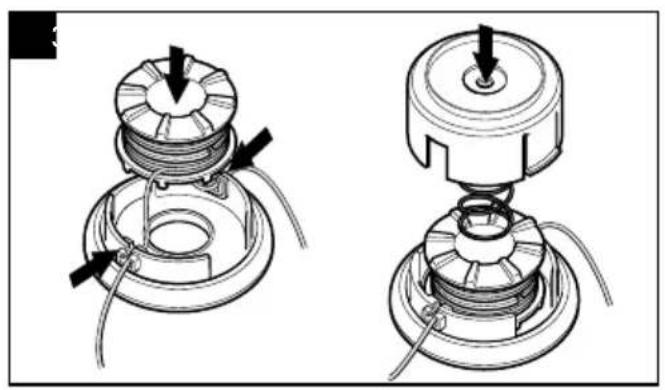
Replacement of the thread coil/cutting thread
Fig. 31 - 36
-
Pull the coil cover off the thread coil (5) by firmly pressing the retaining lugs.
-
Remove the coil with the thread remnants and the compression spring.
-
Remove the used coil.
-
Take the new thread coil and pull out 10 cm of both trimming lines.
-
Now place the thread coil (5) on the conical pointed spring and guide both threads through the eyelets on the thread coil housing.
-
Now place the coil cover on the new thread coil. Turn it so that the recesses in the coil cover align with the eyelets in the thread coil housing.
-
Now press the thread cover together with the thread coil until it engages in the coil housing.
-
The blade (A) in the cutting protection (18) shortens the trimming thread to the correct length when the machine starts up again.
Grinding the limit blade Fig. 25 A
The cutting blade can become blunt over time.
- If you notice this, loosen the screws securing the cutting blade to the protective cover.
- Fasten the blade in a bench vice.
- Grind the cutting edge of the blade using a flat file and make sure to maintain the angle of the cutting edge.
- Important! Refit the cutting blade.
Replace or sharpen the cutting edge at the end of each mowing season or as needed.
Grinding the cutting blade (17)
If the blades become slightly dull, you can sharpen them yourself.
- Fasten the blade in a bench vice.
- Grind all 3 cutting unit blades using a flat file and make sure to maintain the angle of the cutting edge. (\~25°) Only file in one direction.
- Replace the cutting edges after sharpening them five times at the latest.
Replace the blade if the cutting edge is heavily worn or broken.
The brush cutter can vibrate excessively if the blades are not balanced; therefore there is a danger of injury!
Lubricating the angular gear, brush cutter
Fig. 8 (O)
Treat with lithium-based grease. Remove the screw and put in the grease, turn the shaft manually until the grease comes out and then replace the screw.
Attention! Top up with only a little grease. Under no circumstances overfill!
Replace and clean the spark plug.
Fig. 37 - 38
Check the electrode gap of the spark plug at least once a year or regularly if starting is poor.
The correct distance between the ignition flag and ignition contact is 0.63 mm/0.25".
- Wait until the engine has cooled down completely.
- Pull the spark plug cap off the spark plug and unscrew the spark plug with the supplied spark plug wrench.
- If the electrode is worn excessively or if it is very encrusted, the spark plug must be replaced with one of the same type.
- Heavy incrustation on the spark plug can be caused by: Too high a proportion of oil in the petrol mixture, poor oil quality, outdated petrol mixture, or blocked air filter.
- Screw the spark plug into the thread completely by hand. Avoid tilting the spark plug.
- Tighten the spark plug with the supplied spark plug wrench.
- When using a torque wrench, the tightening torque is 12-15 Nm.
- Push the spark plug connector onto the spark plug properly.
Clean the air filter. Fig. 39 - 42
Fouled air filters diminish the engine output due to reduced air supply to the carburettor. Dust and pollen clog the pores of the foam filter. Regular inspection is therefore essential.
- Loosen the air filter cover and remove the sponge filter element.
- Replace the air filter cover so that nothing falls into the air duct.
- Wash the filter element in warm soapy water, rinse and allow to air dry.
Attention: Never clean the air filter with petrol or combustible solvents.
In order to prolong the service life of the engine, a damaged air filter must be replaced immediately.
⚠ Warning!
Never leave the engine running if the air filter element is not inserted.
Guide rail care
Turn the rail over every time the chain is sharpened or replaced. This will prevent wearing the rail on one side, especially at the tip and the underside.
Regularly clean:
1 = the opening for the oil feed
2 = the oil channel
3 = the running groove of the rail

Maintenance and sharpening of the saw chain
The properly sharpened chain:
A properly sharpened chain goes effortlessly through the wood and requires very little pressure. Do not work with a dull or damaged saw chain. It increases physical exertion, magnifies the vibrations and leads to unsatisfactory results as well as greater wear and tear.
- Clean the chain.
-
Check the chain for breaks in the links and damaged rivets.
-
Replace damaged and worn chain parts with suitable spare parts, which you can file down to the shape and size of the original parts if necessary.
- Sharpening a chain should only be carried out by experienced users!
Note the angles and dimensions specified below. If the saw chain is not properly sharpened or the depth gauge is too small, there is a higher risk of kickback effects and the resulting injuries! The saw chain cannot be fixed on the guide rail. It is therefore best to remove the chain from the rail and then sharpen it.
- Select a sharpening tool that is suitable for the chain pitch.
The chain pitch (e.g. 3/8") is marked in the depth gauge of each knife.
Only use files specifically for saw chains!
Other files have the wrong shape and the wrong edge.
Select the diameter of the file according to your chain pitch. Be sure to also note the following angles when sharpening the chain blades.
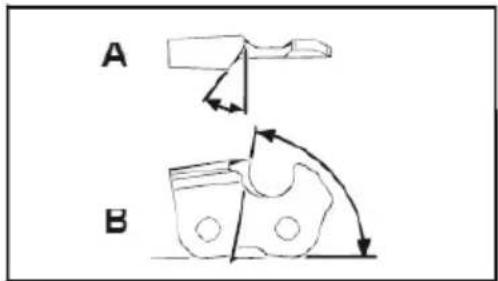
A = file angle
B = angle of the side plate
Furthermore, the angle must be maintained for all blades.
If the angles are uneven, the chain will run erratically, wear out quickly and break prematurely.
Since these requirements can only be met with sufficient and regular practice:
- Use a file holder A file holder must be used when sharpening the saw chain by hand. The correct filing angles are marked on it.
- Hold the file horizontally (at the correct angle to the guide rail) and file according to the angle marking on the file holder. Support the file holder on the top plate and the depth gauge.
• Always file the blade from the inside out.
- The file only sharpens as it moves forward. Lift the file off as you move backwards.
- Do not touch the fastening straps or dynamic links with the file.
- Turn the file regularly to avoid wear on one side.
- Use a piece of hard wood to remove the burr from cut edges.
All blades must have the same length, otherwise they will also be of different heights.
This causes the chain to run erratically and increases the risk of breaking.
Lubricate the drive, pole-mounted pruner Lubricate the drive every 10 to 20 operating hours.
- Apply the grease gun to the grease nipple Fig .54 (Q).
- Squeeze some grease into it.
Attention! Top up with only a little grease. Under no circumstances overfill.
Check the hedge trimmer for obvious defects such as:
- loose fastenings.
- worn or damaged components.
- bent, broken or damaged cutting device.
• covers or protective devices correctly mounted and intact. - Wear, especially sliding clearance of the cutting device.
Replace damaged or blunt cutting tools immediately, even if only slightly damaged.
Lubricate transmission, hedge trimmer Lubricate the drive every 10 to 20 operating hours.
- Apply the grease gun to the grease nipple Fig .48 (P).
- Squeeze some grease into it.
Attention! Top up with only a little grease. Under no circumstances overfill.
Oil the cutting device and the angle adjustment with environmentally friendly lubricating oil.
Adjusting the idle speed Fig. 62
If the cutting device continues to run when idle, the idle speed must be corrected.
-
Allow the engine to run for 3-5 minutes (Not at high speed!)
-
Turn the set screw (S):
Clockwise
-- Idle speed increases (+)
Counter clockwise
-- Idle speed decreases (-)
The idle speed is 3000 rpm.
Contact the manufacturer if the cutting device still continues to run with the engine at idle. Do not continue to work with the device under any circumstances!
The user is responsible for all damage caused by failure to observe the instructions given in this user manual.
This also applies to unauthorised modifications to
the device, use of unauthorised spare parts, attachments, work tools, use other than intended and use for other than the intended purpose, consequential damage caused by the use of defective components.
16. Repair & ordering spare parts
After repairs or maintenance, make sure that all safety-related parts are installed and are in perfect condition. All parts which may cause injury must be kept where they are inaccessible to children or others.
Attention: According to the German Product Liability Act, no liability is accepted for damage caused by improper repairs or by not using original spare parts.
Such work should be performed by a customer service centre or an authorised specialist. The same applies to accessory parts.
Spare parts and accessories can be obtained from our Service Centre. To do this, scan the QR code on the front page.
Important note in the case of repairs:
For return delivery of the product for repair, please ensure for safety reasons that it is free of oil and fuel when it is sent to the service centre.
16.1 Ordering spare parts
Please provide the following information when ordering spare parts:
• Model designation
- Item number
- Type plate data
Spare parts / accessories
You can always use the protective device supplied with the machine for the sets of blade and saw chain listed here.
Grass trimmer / brush cutter: Article no.:
Thread coil ∅ 450 7910700707
3 tooth blade ∅ 255 x 1.4 7910700702
Transport protection for 3 tooth blade 3904801065
4 tooth blade ∅ 255 x 1.5 7910700705
Transport protection for 4 tooth blade 3904801066
8 tooth blade ∅ 255 x 1.5 7910700711
Transport protection for 8 tooth blade 3904801066
Grass trimmer shield 3904803034
Pole-mounted pruner:
Oregon 91PJ040X saw chain 7910700704
Oregon guide rail 100SDEA318 3904801037
Saw chain 3/8.50-39 7910100732
Guide rail AL10-39-507P 7910100731
Transport protection for chain 3904801039
Extension for pole-mounted pruner 7910700710
Hedge trimmer:
Hedge trimmer blade 400 mm 7910700703
Transport protection for 400 mm blade 3904801043
16.2 Service information
With this product, it is necessary to note that the following parts are subject to natural or usage-related wear, or that the following parts are required as consumables.
Wearing parts*: Thread coil, V-belt, engine oil, spark plug, air filter, blade, saw chain
* may not be included in the scope of delivery!
Wearing parts
Even when used as intended, some components are subject to normal wear and tear.
These must be replaced regularly depending on the type and duration of use. These parts include the cutting tool and the retaining plate.
⚠ Warning! Only use original spare parts and accessories from the manufacturer. Failure to do so can reduce performance, result in injuries and void your warranty.
17. Disposal and recycling
Notes for packaging


The packaging materials are recyclable. Please dispose of packaging in an environmentally friendly manner.
Notes on the electrical and electronic equipment act (ElektroG)

Waste electrical and electronic equipment does not belong in household waste, but must be collected and disposed of separately!
• Used batteries or rechargeable batteries that are not installed permanently in the old device must be removed non-destructively before disposal! Their disposal is regulated by the battery act.
- Owners or users of electrical and electronic devices are legally obliged to return them after use.
- The end user is responsible for deleting their personal data from the old device being disposed of!
- The symbol of the crossed-out dustbin means that waste electrical and electronic equipment must not be disposed of with household waste.
- Waste electrical and electronic equipment can be handed in free of charge at the following places:
- Public disposal or collection points (e.g. municipal works yards).
- Points of sale of electrical devices (stationary and online), provided that dealers are obliged to take them back or offer to do so voluntarily.
- Up to three waste electrical devices per type of device, with an edge length of no more than 25 centimetres, can be returned free of charge to the manufacturer without prior purchase of a new device from the manufacturer or taken to another authorised collection point in your vicinity.
- Further supplementary take-back conditions of the manufacturers and distributors can be obtained from the respective customer service.
- If the manufacturer delivers a new electrical device to a private household, the manufacturer can arrange for the free collection of the old electrical device upon request from the end user. Please contact the manufacturer's customer service for this.
• These statements only apply to devices installed and sold in the countries of the European Union and which are subject to the European Directive 2012/19/EU. In countries outside the European Union, different regulations may apply to the disposal of waste electrical and electronic equipment.
You can find out how to dispose of the disused device from your local authority or city administration.
Fuels and oils
- Before disposing of the device, the fuel tank and the engine oil tank must be emptied!
- Fuel and engine oil do not belong in household waste or drains, but must be collected or disposed of separately!
- Empty oil and fuel tanks must be disposed of in an environmentally friendly manner.
18. Troubleshooting
The following table shows fault symptoms and describes remedial measures in the event of your product failing to work properly. If you cannot localise and rectify the problem with this, please contact your service workshop.
| Fault Possible cause Remedy | ||
| The device does not start up | Air filter dirtyFuel filter cloggedMissing fuel supplyFault in the fuel lineStarter unit is defectiveEngine floodedSpark plug connector not plugged inNo ignition sparkEngine defectiveCarburettor defective | Clean/replace the air filterClean or replace the fuel filterRefuellingCheck the fuel line for kinks or damageContact the service pointRemove spark plug, clean and dry; then pull the starter cable several times; re-install the spark plugCheck the spark plug connector is seated properlyClean or replace the spark plugCheck ignition cable for damageContact the service pointContact the service point |
| The device runs and dies | Incorrect carburettor setting (idle speed) | Contact the service point |
| Engine runs, but cutting tool remains stationary | Cutting tool blockedInternal fault (drive shaft, transmission)Clutch defective | Switch off the engine and remove the objectContact the service pointContact the service point |
| Device works with interruptions (stutters) | Carburettor is incorrectly adjustedSpark plug is sootyOn/off switch defective | Contact the service pointClean or replace the spark plugContact the service point |
| Smoke is produced | Incorrect fuel mixtureCarburettor is incorrectly adjusted | Use two-stroke mixture with the mixing ratio of 40:1Contact the service point |
| Device does not work at full power | Machine is overloadedAir filter is contaminatedCarburettor is incorrectly adjustedSilencer blocked | Do not push hard while mowing/trimmingClean or replace the air filterContact the service pointCheck exhaust pipe |
| The brush cutter does not work at full power | Cutting blade blunt or damagedMaterial to be cut too high (unit overloading) | Sharpen or replace cutting bladeCut grass in stages |
| The grass trimmer does not work at full power | Trimming thread too short or damagedDevice is overloaded as grass is too long | Feed in or replace trimming threadCut grass in stages |
| Trimming thread is not routed through | Thread coil emptyReplace thread coil | |
| The pole-mounted pruner does not saw, plucks or vibrates | Chain tension too highChain bluntChain mounted incorrectlyChain worn | Check and adjust chain tensionHave chain sharpened or replacedRe-mount chainReplace chain |
| Saw chain is hot or saw chain lubrication not functioning | No oil in the tankOil line blockedChain tension too highChain blunt | Top up oilClean oil lineAdjust chain tensionHave chain sharpened or replaced |
Günzburger Straße 69
D-89335 Ichenhausen
Cher client,
Günzburger Straße 69
D-89335 Ichenhausen, Germania
Egregio cliente,
Günzburger Straße 69
D-89335 Ichenhausen
Geachte klant,
5. Monteer de flexibele as afb. 13 - 24
Günzburger Straße 69
Günzburger Straße 69


Scheppach GmbH, Günzburger Str. 69, 89335 Ichenhausen
| DE | EU-KonformitätserklärungÜbersetzung der OriginalkonformitätserklärungWir erklären in alleiniger Verantwortung, dass das hier beschriebene Produkt mit den geltenden Richtlinien und Normen übereinstimmt. | Der hier beschriebene Gegenstand der Erklärung erfüllt die Vorschriften der Richlinie 2011/65/EU des Europäischen Parlaments und des Rates vom 8. Juni 2011 zur Beschränkung der Verwendung bestimmter gefährlicher Stoffe in Elektro- und Elektronikgeräten.*Technische Unterlagen verfügbar bei: ** | ||
| Artikelnummer*** | Artikelbezeichnung: Backpack Benzin-Multifunktionsgerät MFH5300-4BP | Marke**** | ||
| GB | EU Declaration of ConformityTranslation of the original Declaration of ConformityWe declare under our sole responsibility that the product described here complies with the applicable directives and standards. | The object of the declaration described here fulfils the regulations of the directive 2011/65/EU of the European Parliament and Council from 8th June 2011, on the restriction of the use of certain hazardous substances in electrical and electronic equipment.*Technical documentation available at: ** | ||
| Item number*** | Item designation: Backpack multifunctional petrol device MFH5300-4BP | Brand**** | ||
| FR | Déclaration UE de conformitéTraduction de la déclaration de conformité originaleNous déclarons, sous notre propre responsabilité, que le produit décrit ici est conforme aux directives et normes en vigueur. | L'appareil décrit ci-dessus dans la déclaration est conforme aux réglementations de la directive 2011/65/EU du Parlement Européen et du Conseil du 8 juin 2011 visant à limiter l'utilisation de substances dangereuses dans la fabrication des appareils électriques et électroniques.*Dossier technique auprès de: ** | ||
| Référence *** | Désignation de l'article: Outil multifonction avec moteur thermique à dos MFH5300-4BP | Marque **** | ||
| IT | Dichiarazione di conformità UETraduzione della dichiarazione di conformità originaleDichiariamo sotto la nostra esclusiva responsabilità che il prodotto qui descritto è conforme alle direttive e alle norme vigenti. | L'oggetto della dichiarazione, qui descritto, soddisfa le disposizioni della Direttiva 2011/65/UE del Parlamento Europeo e del Consiglio dell'8 giugno 2011, sulla restrizione nell'utilizzo di determinate sostanze pericolose negli apparecchi eletrici ed elettronici.*Documentazione tecnica disponibile presso: ** | ||
| Gaminio numeris *** | Nome articolo: Zalno per apparecchio multifunzione a benzina MFH5300-4BP | Marchio **** | ||
| NL | EU-conformiteitsverklaringVertaling van de originele conformiteitsverklaringWij verklaren onder eigen verantwoordelijkheid dat het hier beschreven product voldoet aan de geldende richtlijnen en normen. | Het hier beschreven onderwerp van deze verklaring voldoet aan de voorschriften van richtlijn 2011/65/EU van het Europese Parlement en de Raad van 8 juni 2011 omtrent de beperking van het gebruik van bepaalde gevaarlijke stoffen in elektrische en elektronische apparaten.*Technische documentatie verkrijgbaar bij: ** | ||
| Artikelnummer *** | Artikelnaam: Backpack multifunctioneel benzine apparaat MFH5300-4BP | Merk **** | ||
| ES | Declaración de conformidad UETraducción de la Declaración de conformidad originalDeclaramos, bajo nuestra exclusiva responsabilidad, que el producto aquí descrito cumple las directivas y normas aplicables. | El objeto de la declaración aquí descrito cumple las disposiciones de la Directiva 2011/65/UE del Parlamento Europeo y el Consejo del 8 de junio de 2011 sobre restricciones a la utilización de determinadas sustancias peligrosas en aparatos eléctricos y electrónicos.*Documentación técnica disponible en: ** | ||
| Núm. de artículo*** | Denominación del artículo: Dispositivo multifunción de gasolina tipo backpack MFH5300-4BP | Marca**** | ||
| PT | Declaração de conformidade UETradução da declaração de conformidade originalDeclaramos, à nossa exclusiva responsabilidade, que o produto aqui descrito está em conformidade com as diretivas e normas aplicáveis. | O objeto da declaração aqui descrito cumpre com as normas da Diretiva 2011/65/UE do Parlamento Europeo e do Conselho de 8 de junio de 2011 relativamente à restrição da utilização de determinadas substâncias perigosas em equipamentos elétricos e eletrónicos.*Documentos técnicos disponíveis junto de: ** | ||
| Número de artigo*** | Designação do artigo: Aparelho multifunções a gasolina de backpack MFH5300-4BP | Marca**** | ||
| CZ | EU prohlásení o shoděPřeklad originálního prohlásení o shoděProhlasujeme na svou výlučnou odpovědnost, že zde popsaný výrobek od-povidá platným smènicím a normám. | Zde popsaný předmět prohlásení splňuje předpisy směrnice 2011/65/EU Evropského parlamentu a Rady ze dne 8. června 2011 pro omezení používání určitých nebezpečných látek v elektrických a elektronických zařízeních.*Technické podklady k dispozici u: ** | ||
| Číslo výrobku*** | Název výrobku: Backpack benzínový multifunkční přístroj MFH5300-4BP | Značka**** | ||
| SK | EÚ vyhlásenie o zhodePreklad originálneho vyhlásenia o zhodeNa vlastnú zodpovednosť vyhlasujeme, že tu popísaný výrobok je v súlade s platnými smernicami a normami. | Tu opísaný predmet vyhlásenia je v súlade s predpismi smernice Európskeho parlamentu a Rady 2011/65/EÚ z 8. júna 2011 o obmedzení používania určitých nebezpečných látek v elektrických a elektronických zarladeniach.*Technické podklady sú k dispozícii na: ** | ||
| Číslo výrobku *** | Označenie výrobku: Benzínové multifunkčné zariadenie Backpack MFH5300-4BP | Značka **** | ||
| HU | EU megfelelőségi nyilatkozatAz eredeti megfelelőségi nyilatkozat fordításaSaját kizárólagos felelősségünkre kijelentjük, hogy az itt ismertetett termék megfelel az érvényes irányelveknek és szabványoknak. | A nyilatkozat itt megnevezett tárgya teljesíti az Európai Parlament és Tanács 2011. június 8-i, egyes veszélyes anyagok elektromos és elektronikus berendezésekben való alkalmazásának korlátozásáról szóló 2011/65/EU irányelvének előírásait.*A műszaki dokumentáció elérhető: ** | ||
| Cikkszám *** | Termék megnevezése: Backpack benzines multifunkciós készülék MFH5300-4BP | Márka **** | ||
| PL | Deklaracja zgodności UETłumaczenie oryginalnej deklaracji zgodnościOświadczamy na własną odpowiedzialność, że opisany tutaj produkt jestzgodny z obowiązującymi dyrektywami i normami. | Wymieniony powyżej przedmiot niniejszej deklaracji jest zgodny z wymogamidyrektywy 2011/65/UE Parlamentu Europejskiego i Rady z 8 czerwca 2011 r.w sprawie ograniczenia stosowania niektórych niebezpiecznych substancji wsprzęcie elektrycznym i elektronicznym.*Dokumentacja techniczna dostępna na stronie:** | ||
| Numer artykułu *** | Nazwa artykułu: Wielofunkcyjne urządzenie spalinowe Backpack MFH5300-4BP | Marka **** | ||
| HR | EU izjava o sukladnostiPrijevod originalne izjave o sukladnostiNa svoju odgovornost izjavljujemo da je ovdje opisan proizvod usklađen važećim direktivama i normama. | Ovdje opisani predmet izjave ispunjava propise Direktive 2011/65/EU Europskogparlamenta i Vijeća od 8. lipnja 2011. o ograničenju uporabe određenih opasnihtvari u električnoj i elektroničkoj opremi.*Tehnička dokumentacija dostupna je na:** | ||
| Broj artikla*** | Naziv artikla: Backpack benzinski višenamjenski uređaj MFH5300-4BP | Marka**** | ||
| SI | EU izjava o skladnostiPrevod originalne izjave o skladnostiS polno odgovornostjo izjavljamo, da je tukaj opisani izdelek v skladu z ve-ljavnimi smernicami in standardi. | Tukaj opisani predmet izjave izpolnjuje predpise Direktive 2011/65/EU Evrop-skega parlamenta in Sveta z dne 8. junii 2011 za omejevanje uporabe določenihnevarnih snovi v električnih in elektronskih napravah.*Tehnični dokumenti so na voljo pri:** | ||
| Številka izdelka *** | Opis izdelka: Backpack bencinska večnamenska naprava MFH5300-4BP | Znamka **** | ||
| EE | EL vastavusdeklaratsioonVastavusdeklaratsiooni originaali tõlgeMe deklareerimine ainuisikuliselt vastutades, et siin kirjeldatud toode ühtibesitatud direktiivide ja normidega. | Deklaratsiooni objektiks olev siin kirjeldatud ese vastab Europa Parlamendi janõukogu direktiivile 2011/65/EÜ kuupäevaga 8. juuni 2011 teatud ohtlike ainetekasutamispiirangu kohta elektri- ja elektroonikaseadmetes.*Tehnilised dokumentid on saadaval:** | ||
| Artiklinumber *** | Art nimetus: Backpack bensilini-multifunktsioonseade MFH5300-4BP | Kaubamärk **** | ||
| LT | EB atitikties deklaracijaAtitikties deklaracijos originalo vertimasPrisiimdami išskirtinę atsakomybę deklaruojame, kad čia apraśytas gaminys atitinka galiojančias direktyvas ir standartus. | Čia apraśytas deklaracijos objektas atitinka 2011 m. birželio 8 d. Europos Parlamento ir Tarybos direktyvos 2011/65/ES dél tam tikrą pavojingų medžiągų nau-dojimo elektros ir elektroninėje jrangoje apribojimo reikalavimus.*Techninius dokumentus galima gauti iš:** | ||
| Gaminio numeris *** | Gaminio pavadinimas: Dauglafunkcio benzilinio |renglnio „Backpack" MFH5300-4BP | Prekės ženklas **** | ||
| LV | ES atbilstības deklarācijaOriginālās atbilstības deklarācijas tulkojumsMēs, uzņemoties pilnu atbildību, paziņojam, ka šeit aprakstītais ražojumsatbilst spēkā esošajām direktiivām un standartiem. | Šeit aprakstītais deklarācijas priekšmets atbilst Eiropas Parlamenta un EiropasPadomes 2011. gada 8. jūnija Direktīvas 2011/65/ES noteikumiem par noteiktubistamo vielu izmantošanas ierobežošanu elektriskajās un elektroniskajās ie-ricēs.*Tehniskā lieta ir pieejama pie:** | ||
| Preces numurs *** | Preces apzīmējums: Benzīna daudzfunkciju ierīces Backpack MFH5300-4BP | Prečzime **** | ||
| SE | EU-försäkran om överensstämmelseÖversättning från försäkran om överensstämmelse ioriginalVi förklarar under eget ansvar att produkten som beskrivs här överensstämmer med gällande riktlinjer och standarder. | Föremålet för försäkran som beskrivs här överensstämmer med bestämmelserna i Europaparlamentets och rădets direktiv 2011/65/EU av den 8 juni 2011 ombegränsning av användningen av vissa farliga ämnen i elektriska och elektroniska produkter.*Teknisk dokumentation tillgänglig hos:** | ||
| Artikelnummer *** | Artikelbeteckning: Backpack bensindrivet multifunktionsredskap MFH5300-4BP | Märke **** | ||
| FI | EU-vaatimustenmukaisuusvakuutusAlkuperäisen vaatimustenmukaisuusvakuutuksenkäännösVakuutamme omalla vastuullamme, että tãssä kuvattu tuote täyttää voimas-sa olevien direktiivien ja standardien määräykset. | Tässä kuvattu vakuutuksen kohde täyttää tiettyjen vaarallisten aineiden käytönrajolttamisesta sähkö- ja elektronikkalaltteissa 8. kesäkuuta 2011 annetun Eu-roopan parlamentin ja neuvoston direktiivin 2011/65/EU määräykset.*Tekniset asiakirjat saatavana:** | ||
| Tuotenro *** | Tuotenimike: Bensilinkäyttöinen Backpack-monitoimilaite MFH5300-4BP | Merkki **** | ||
| DK | EU-overensstemmelseserklæringOversættelse af den originaleoverensstemmelseserklæringVi erklærer under eget ansvar, at det her beskrevne produkt overholder de gældende direktiver og standarder. | Genstanden for den her beskrevne erklæring overholder bestemmelserne iEuropa-Parlamentets og Rădets direktiv 2011/65/EU af 8. juni 2011 vedr. be-grænsning af brugen af visse farlige stoffer i elektrisk og elektronisk udstyr.*Tekniske dokumenter findes på:** | ||
| Artikelnummer *** | Art.-betegnelse: BenzIndrevet backpack-multifunktionsenhed MFH5300-4BP | Mærke **** | ||
| NO | EU-samsvarserklæringOversettelse av den opprinneligesamsvarserklæringenVi erklærer med eneansvar at produktet som er beskrevet her er i samsvarmed gjeldende direktiver og standarder. | Gjenstand for erklæringen beskrevet her oppfyller forskriftene til direktiv2011/65/EU fra Europa-Parlamentet og Rădet av 8. juni 2011 om begrensning avbruken av bestemte farlige stoffer i elektronikk og elektronisk utstyr.*Tekniske dokumenter tilgjengelig hos:** | ||
| Artikelnummer *** | Art.betegnelse: Backpack bensindrevet multifunksjonsenhet MFH5300-4BP | Merke **** | ||
| BG | ЕС Декларация за съответствиеПревод на оригиналната декларация насъответствиеНие декларираме на своя отговорност, че описаният тук продукт отговаря на приложимите директиви и стандарти. | Описаният предмет в декларацията отговаря на разпоредбите на Дирек-тива 2011/65/ЕС на Европейския парламент и на Съвета от 8 юни 2011 г.относно ограничението на употребата на определени опасни вещества велектрическото и електронното оборудване.*Техническата документация се предоставя от:* | ||
| Каталожен номер *** | Обозначение на артикула: Бензинов мультифункционален уред Backpack MFH5300-4BP | Марка **** | ||
| GR | Дήλωση συμμόρφωσης EEMετάφραση από το πρωτότυπο της δήλωσης συμμόρφωσηςΔηλώνουμε με αποκλειστική μας ευθύνη ότι το προϊόν που περιγραφεταιστο παρόν βρίσκεται σε συμμόρφωση με τις ισχύουσες Οδηγίες και Πρό-тупа. | Το αντικείμενο της παρούσας δήλωσης, το οποίο περιγραφεται εδώ, εκπλη-ρώνει τις διατάξεις της Οδηγίας 2011/65/ΕΕ του Ευρωπαϊκού Κοινοβουλίου και του Συμβουλίου της 8ης Ιουνίου 2011 σχετικά με τον περιορισμό της χρήσηςορισμένων επικίνδυνων ουσιών σε ηλεκτρικό και ηλεκτρονικό εξοπλισμό.*Ο τεχνικός φάκελος είναι διαθέσιμος στη θέση:* | ||
| Αριθμός είδους *** | Ονομασία είδ.: Βενζινοκίνητη συσκευή πολλαπλών λειτουργιών τύπου Backpack MFH5300-4BP | Мáрка **** | ||
| RO | Declaratie de conformitate UETraducere a declarației de conformitate originaleDeclarăm pe proprie răspundere că produsul descris aici coincide cu direc-tivele și normele în vigoare. | Obiectul declarației descris aici îndeplinește prescripțiile directivei 2011/65/UE aParlamentului European și a Consiliului din 8 lunie 2011 asupra limitării utilizăriianumitor substanțe periculoase în aparatele electrice și electronice.*Documentație tehnică disponibilă la:** | ||
| Număr articol *** | Notație art.: Aparat multifuncțional pe benzină backpack MFH5300-4BP | Marcă **** | ||
| RS | EU izjava o usaglašenostiPrevod originalne izjave o usklađenostiiIzjavljujemo na našu isključivu odgovomost da je ovde opisani proizvod usk-lađen sa primenljivim smernicama i standardima. | Ovde opisani predmet ove izjave ispunjava odredbe Direktive 2011/65/EUEvropskog parlamenta i Saveta od 8. juna 2011. godine o ograničenju upotreb- određenih opasnih materija u električnoj i elektronskoj opremi.*Tehnička dokumentacija dostupna kod:** | ||
| Broj artikla *** | Oznaka proizvoda: Ledni benzinski multifunkcionalni uređaj MFH5300-4BP | Brend **** | ||
| TR | AB uygunluk beyaniOrijinal uygunluk beyanının çevirisiBurada açıklanan ürünün geçerli yönetmeliklere ve standartlara uygun oldu-ğunu tamamen kendi sorumluluğumuz altında beyan ediyoruz. | İşbu uygunluk beyanının düzenlendiği burada adı geçen ürün, Avrupa Parlamen-tosu’nun ve 8 Haziran 2011 tarihli Konsey’in elektrik ve elektronik cihazlarda belirli tehlikeli maddelerin sınırlandırılmasına ilişkin 2011/65/AT sayılı direktifini yerine getirmektedir.*Teknik belgeler şurada mevcuttur:** | ||
| Ürün numarası *** | Ürün Tanım: Backpack benzinli çok fonksiyonlu cihaz MFH5300-4BP | Marka **** | ||
| ***5904805904Serien Nr. / Numéro de série: 0169-14014 - 0169-21012 | ****SCHEPPACH | |||
| **:Stefan HartingerGünzburger Str. 69D-89335 Ichenhauseni.V.Andreas Pecher /Head of Project Management | 2011/65/EU*2014/30/EU2016/1628/EU2014/29/EU2014/35/EU2004/22/EG2014/68/EU89/686/EWG_96/58/EG90/396/EWG | 2006/42/EGAnnex IVNotified Body: SGS-CSTC Standards Technical Services (Shanghai) Co., Ltd.Notified Body No.:Reg. No.: SHES160700615002TLC | 2000/14/EG; 2005/88/EGNoise:measured L_WA = 115,2 dB(A)guaranteed L_WA = 117dB(A)Annex VAnnex VINotified Body: SGS-CSTC Standards Technical Services (Shanghai) Co., Ltd.Notified Body No.: |
| 2016/1628/EUEmission No.: e24*2016/1628*2021/1398SHB1/P*0533*00 | |||
| EN ISO 10517:2009+A1:2013; EN ISO 11806-1:2011; EN ISO 11806-2:2011;EN ISO 11680-1:2011; EN ISO 11680-2:2011;EN ISO 14982 :2009; ISO 22868:2011 | |||
Garantie DE
Apparent defects must be notified within 8 days from the receipt of the goods. Otherwise, the buyer loses its rights of claim due to such defects are invalidated. We guarantee for our machines in case of proper treatment for the time of the statutory warranty period from delivery in such a way that we replace any machine part free of charge which provably becomes unusable due to faulty material or defects of fabrication within such period of time. With respect to parts not manufactured by us we only warrant insofar as we are entitled to warranty claims against the upstream suppliers. The costs for the installation of the new parts shall be borne by the buyer. The cancellation of sale or the reduction of purchase price as well as any other claims for damages shall be excluded.
Garantie FR


- MFH5300-4BP
- Verehrter Kunde,
- Explanation of the symbols on the product
- Table of contents: Page:
- Introduction
- Manufacturer:
- Dear Customer,
- Note:
- Product description (Fig. 1)
- Scope of delivery
- Proper use
- Who is not permitted to use the device:
- General safety instructions
- ⚠ WARNING - Read all safety information, instructions, illustrations and technical data for this product.
- Safety instructions
- We have marked points in these operating instructions that impact your safety with this symbol: △
- Residual risks
- Noise and vibration
- Vibration parameters
- Vibration value per ISO 22867:
- Unpacking
- ⚠ WARNING!
- Before commissioning
- Fuel and oil
- Fuel mixing table
- Assembly and operation
- Attention!
- Always make sure the product is fully assembled before commissioning!
- ASSEMBLY
- Fitting the handle on the machine Fig. 2-3
- Fitting the shaft Fig. 4
- ⚠ Warning! Never use the machine without the protection assembled!
- Assembling and disassembling the cutting devices Grass trimmer/thread coil Fig. 8-9
- Brush cutter / cutting blade
- OPERATION
- Fitting the flexible shaft Fig. 13 - 24
- Attach the strap. Fig. 56 - 60
- Fitting the hedge trimmer Fig. 47 - 49
- Installing the guide bar and the saw chain Fig. 50 - 52
- Tensioning the saw chain Fig. 52 - 55
- Notes on tensioning the chain:
- Filling up petrol
- ⚠️ Risk of injury! Petrol is explosive!
- Draining the petrol Fig. 43
- Starting the device
- Risk of injury!
- Check before use!
- Starting Fig. 60, 26 - 30
- Working instructions
- Working with petrol brush cutters/trimmers
- Mowing with a grass trimmer
- Automatic trimming thread (Fig. 44)
- Working with the hedge trimmer
- Angle adjustment:
- Working with the pole-mounted pruner
- Oiling the saw chain and guide rail
- Checking the oil supply
- Automatic saw chain lubrication - fine adjustment Fig. 61.
- Precautionary measures for the sawing procedure
- Always monitor the condition of the tree.
- Basic cutting technique
- Dangers from reactive forces
- Kick-back
- Avoid kickback
- Avoiding retraction
- Recoil
- Avoiding recoil
- Cleaning
- ⚠ Attention!
- Storage
- Storing the device
- Recommissioning
- Transport
- Maintenance
- Regular checks
- Replacement of the thread coil/cutting thread
- Fig. 31 - 36
- Grinding the limit blade Fig. 25 A
- Grinding the cutting blade (17)
- Lubricating the angular gear, brush cutter
- Fig. 8 (O)
- Replace and clean the spark plug.
- Fig. 37 - 38
- Clean the air filter. Fig. 39 - 42
- Guide rail care
- Maintenance and sharpening of the saw chain
- Lubricate the drive, pole-mounted pruner Lubricate the drive every 10 to 20 operating hours.
- Check the hedge trimmer for obvious defects such as:
- Lubricate transmission, hedge trimmer Lubricate the drive every 10 to 20 operating hours.
- Adjusting the idle speed Fig. 62
- This also applies to unauthorised modifications to
- Repair & ordering spare parts
- Ordering spare parts
- Service information
- Wearing parts
- Disposal and recycling
- Notes for packaging
- Notes on the electrical and electronic equipment act (ElektroG)
- You can find out how to dispose of the disused device from your local authority or city administration.
- Fuels and oils
- Troubleshooting
- Cher client,
- Egregio cliente,
- Geachte klant,
- Monteer de flexibele as afb. 13 - 24
- Garantie DE
- Garantie FR
Brand : SCHEPPACH
Model : MFH53004BP
Category : Multitools