EasyManual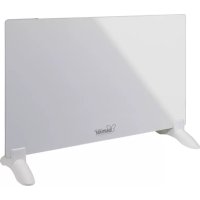
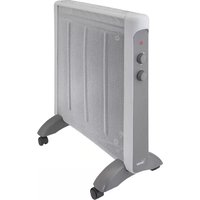
HC508 - Heating Bimar - Free user manual and instructions
Find the device manual for free HC508 Bimar in PDF.



User questions about HC508 Bimar
0 question about this device. Answer the ones you know or ask your own.
Ask a new question about this device
Download the instructions for your Heating in PDF format for free! Find your manual HC508 - Bimar and take your electronic device back in hand. On this page are published all the documents necessary for the use of your device. HC508 by Bimar.
USER MANUAL HC508 Bimar
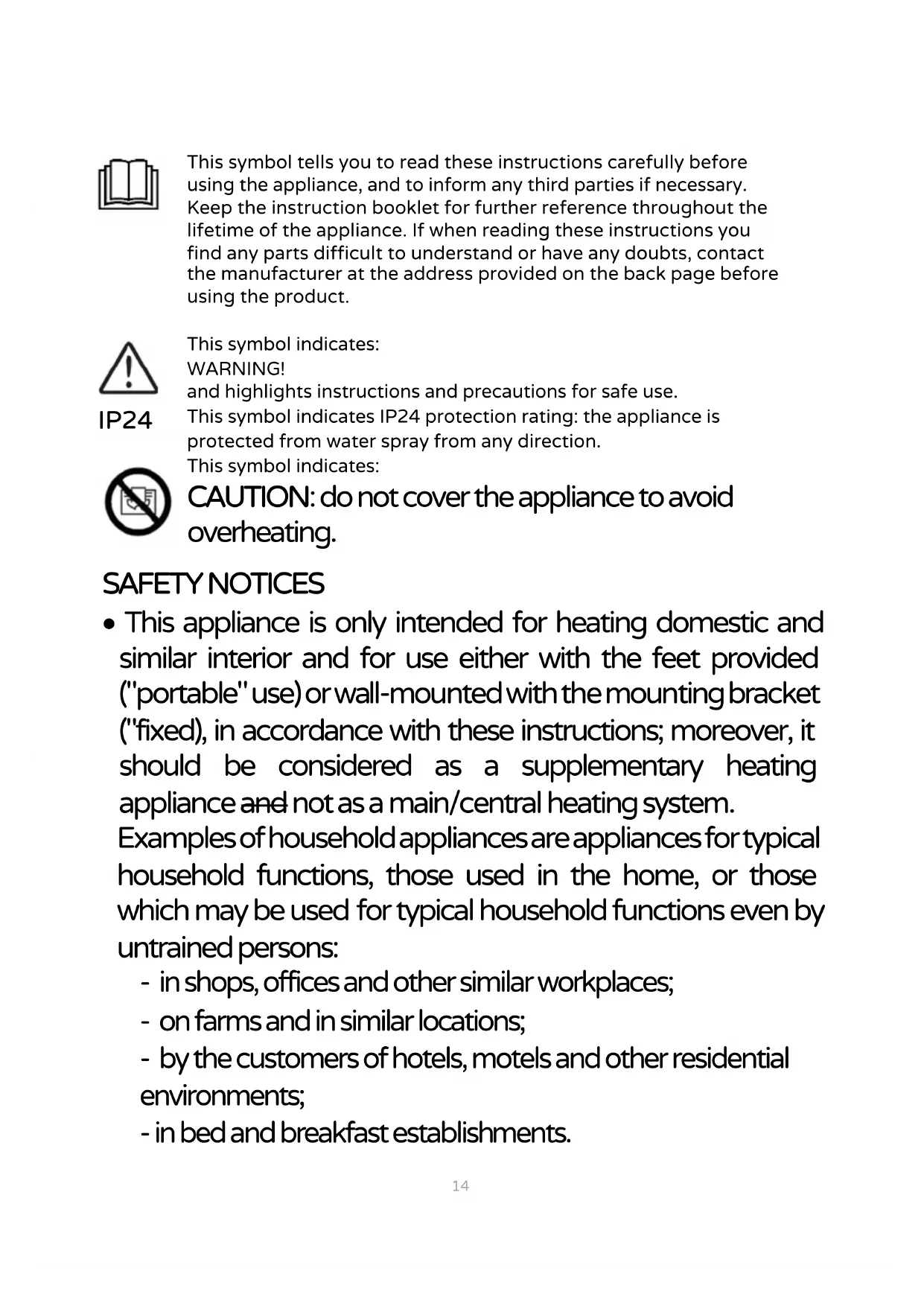
This symbol tells you to read these instructions carefully before using the appliance, and to inform any third parties if necessary. Keep the instruction booklet for further reference throughout the lifetime of the appliance. If when reading these instructions you find any parts difficult to understand or have any doubts, contact the manufacturer at the address provided on the back page before using the product.
This symbol indicates: WARNING! and highlights instructions and precautions for safe use. IP24 This symbol indicates IP24 protection rating: the appliance is protected from water spray from any direction.
This symbol indicates: CAUTION : do not cover the appliance to avoid overheating. SAFETY NOTICES
- This appliance is only intended for heating domestic and similar interior and for use either with the feet provided ("portable" use) or wall-mounted with the mounting bracket ("fixed), in accordance with these instructions; moreover, it should be considered as a supplementary heating appliance and not as a main/central heating system. Examples of household appliances are appliances for typical household functions, those used in the home, or those which may be used for typical household functions even by untrained persons: - in shops, offices and other similar workplaces; - on farms and in similar locations; - by the customers of hotels, motels and other residential environments; - in bed and breakfast establishments.15
- The appliance must not be used in dusty environments or those containing particularly volatile materials (they may obstruct the grilles), in very damp locations, in the presence of flammable products, or outdoors. Any other use constitutes misuse and is hazardous. The manufacturer cannot be held liable for any damage arising from misuse or incorrect or irresponsible use, and/or from repairs carried out by unqualified persons.
- The appliance becomes hot when in operation, so only the control panel buttons must be touched: do not touch the surfaces or the heat outlet grilles, as they are very hot. The heat output is variable and the temperature may become so high that exposed skin is scorched. This appliance should not be used by persons with reduced sensitivity to heat, or who are unable to act quickly to prevent scorching.
- The grille and the body of the appliance do not provide complete protection for children or those with impaired physical, sensory or mental capacities.
Parts of this product may become very hot and cause burns. Special care must be taken in the presence of children or vulnerable individuals.
- The convection is built to be safe if a marginal part of its surfaces were to be inadvertently splashed with water or other neutral liquids (i.e. liquids which are not flammable or corrosive, and not containing additives or substances which may attack or damage the surfaces or produce toxic gases; the convector heater is not intended for use in16 conditions with repeated, continual splashes, and certainly not in continual contact with or submerged (even marginally) in water or other liquids. If most or all the convection heater is wet by jets of water or other neutral liquids, or is immersed in a liquid, first disconnect the power supply by turning off the control panel switch, and only then remove the plug from the power socket. Dry it thoroughly, including the plug and the power socket, before reactivating the power socket. Reconnect the plug to the power socket and then use the appliance. If in doubt, call in qualified staff. - When using electrical appliances, always comply with the basic safety precautions to avoid the risks of fire, electric shock and physical injury. - Do not use the appliance in small rooms containing persons who are unable to leave the room unaided, unless they are constantly supervised. - Never use this appliance in a room with floor area of less than 4m².
- This appliance can be used by children aged from 8 years and above and persons with reduced physical, sensory or mental capabilities or lack of experience or the necessary knowledge providing they are supervised or have been instructed on the safe use of the appliance and understand the hazards involved. Children must not play with the appliance. Cleaning and maintenance intended to be carried out by the user should not be done by children unless they are supervised.17
- Children of less than 3 years of age must be kept at a safe distance unless continually supervised. Children between 3 and 8 years of age must only switch the appliance on/off if it has been placed or installed in its normal operating position and they are supervised or instructed regarding the safe use of the appliance and understand its dangers. Children between 3 and 8 years of age must not connect the plug, adjust or clean the appliance, or maintain or service it.
- The appliance must not be placed just below a power socket. - The power socket must be easily accessible so that the plug can be removed easily in an emergency. - Do not use this appliance in the immediate vicinity of a bathtub, a shower, a swimming-pool, washbasins, etc. - If the power cord is damaged, it must be replaced by the manufacturer or its aftersales service, or by a person with similar qualifications, to prevent all risks. - Do not use this heating appliance with programmers, timers or any other device which switches the appliance on automatically, since there is a fire hazard if the appliance is covered or incorrectly positioned.
- To avoid all risk of electric shock, never immerse the plug, the power cord or the appliance in water or any other liquid.
- Unplug the appliance from the socket when not in use.
- Do not touch the appliance with wet hands or feet.
- Never move the appliance when in operation.18
- Never leave the device exposed to the weather (sun, rain, etc.).
- If the appliance is dropped or malfunctions, disconnect the power cord at once. Check all parts for damage and do not switch it on unless certain it is intact: if in doubt, call in qualified staff.
- Do not pull on the power cable or the appliance itself to remove the plug from the power socket.
- Do not move the appliance by pulling the cable.
- Do not use the appliance if it is not functioning correctly or appears damaged: if in doubt, call in qualified staff.
- Do not allow the appliance to overheat: check that the air inlets and outlets are unobstructed and do not hang anything above or below the appliance. In case of overheating, the integral safety device will cut out operation of the convection heater. To restart the appliance, remove the plug from the power socket and wait for it to cool (about 20/30 minutes) and reconnect the plug.
- After removing the packaging, check that the appliance is intact; if in doubt, do not use it and call in qualified staff. Packaging components (plastic bags, expanded polystyrene, nails, etc.) must not be left within reach of children since they are potentially hazardous. Any stickers or advertising leaflets affixed to the appliance must be removed prior to use.
- Before connecting the appliance, check that the voltage values marked on the nameplate are the same as those of the electrical mains, and that the power socket is properly earthed. If the appliance's plug is not compatible with the socket, have the socket replaced with another of suitable type by qualified staff, who must ensure that the socket's wire gauge is suitable for the appliance's power draw. In general, the use of adapters and/or extension leads is not recommended; if their use is unavoidable, they must comply with current safety regulations and their current rating (amps) must be no lower than the maximum current draw of the appliance.
- Take care to ensure that the air inlet and outlet grilles cannot become obstructed, to avoid the risk of fire or overheating of the appliance (inspect regularly); do not cover the appliance, or use it for drying laundry.
- The appliance can be used on the floor by means of the feet provided, or wall-mounted with the aid of the mounting bracket and fixtures provided: the wall must have a flat, even surface and must be solid and heat-resistant.19
Wall-mounting. For this type of installation, use the wall mounting bracket and expansion plugs provided (not the feet) and proceed as follows:
- Place the convection heater on a rigid, stable, smooth horizontal surface (with no unevenness). If the surface is a carpet, it must not have long, soft pile. The appliance must also be well away from other heat sources, flammable materials (curtains, upholstery, etc.), flammable gases or explosive materials (spray cans) and materials which may warp in heat. Ensure that gaps of at least 100 cm in front of the convection heater, 25 cm between the heater and the floor, 150 cm between the heater and the ceiling, and 50 cm at the sides, are left.
- The power socket must be easily accessible so that the plug can be removed easily in an emergency; the appliance must not be placed under or near windows.
- Make sure that there are no internal pipes or wiring (electricity, water or gas, etc.) in the appliance's mounting points.
- Slightly unscrew 2 fixing screws “D”.
- Mark the 4 mounting holes 260x150mm (WxH) apart: before making these holes, it is best to check these measurements on the wall mounting bracket.
- Drill the holes in the wall with a bit Ø8mm; fit the plastic expansion plugs fully into the holes, then fix the mounting bracket with the 4 screws provided.
- To fix the bracket to the rear panel of the convection heater, connect the 4 ends of the bracket to the slots provided in the panel. Proceed as follows: - Tilt the convection heater by a few degrees and move rear panel towards the bracket so that the 2 bottom pins on the bracket fit into the 2 bottom slots. - Check that the two parts have been mated correctly and move the appliance towards the wall so that the top slots in the panel engage with the corresponding pins on the bracket. - Press the appliance firmly towards the wall to engage the 2 ends (you will hear a "click") then lock by tightening the screws "D" (tighten to the necessary torque).
- When done, check that the wall mounting bracket and convector heater are securely fixed together.2021 Portable installation. The appliance should be placed on a horizontal, flat, smooth surface for this procedure. The ends of the bottom of the convection heater have holes for fixing the feet; fit them and secure them with the screws provided. When done, check that the feet and convection heater are securely fixed together, that the feet are level and that the heater is resting firmly on them.
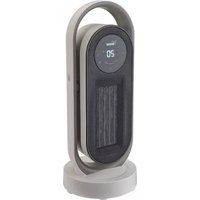
Make sure that the power cable is correctly positioned and not in contact with hot parts or sharp edges, or wound around the appliance or twisted. In case of a fault or malfunction, switch the appliance off and have it checked by qualified staff; repairs by unqualified staff may be dangerous and lead to the loss of warranty cover. USE The appliance has the following control devices: - 0/I Switch which turns the appliance on and off: on the side of the control panel - Electronic control panel with display and buttons for regulating the various functions: on top, rear, side. - button activates the heating element (the SSS symbol appears on the display) and all functions and also sets the appliance in standby mode. - ˄ and ˅ buttons regulate both the temperature, between 5°C and 35°C (preset at 20°C) and the time (hours): ˄ increases, ˅ decreases.
PROG button activates daily and weekly programming of heating.
button activates the default temperature (15°C) for the times when the temperature is not set during the weekly programming.
Display shows the values of the temperature in °C, the time in hours, the days of the week (
stands for Monday, ....
for Sunday), and the use intervals. - “Window Open” warning: if the opening of a window causes a rapid drop in temperature (5°C in 10 minutes, approx.), a beeper will sound 3 times in succession, repeated.
“Power Blackout” warning: if the power fails temporarily, a beeper will sound 10 times in 30’. Press any button to stop it, press PROG to update the local time, then press to reactivate the previous programming. - Button lock: press the ˄ and ˅ buttons simultaneously for 3 seconds to deactivate the keypad; repeat to reactivate. - Default reset. Press the button for 5 seconds to return to the default programming.22 Use without programming. Press 0/I to I: the display shows the room temperature and the symbol of the day (fig.1) Press and the appliance switches to standby; press again and it starts heating, with the SSS symbol on the display. Press ˄ or ˅ to set the room temperature required. N.B.: at first use or after a long period out of use, the convection heater may emit smells or smoke for about 15 minutes. Use with programming. Press 0/I to I: the display shows the room temperature and the symbol of the day (fig.1) Press and the appliance switches to standby; press again and it starts heating, with the SSS symbol on the display. Press PROG to set the day and time. Press PROG . The
symbol (Monday) flashes. Press the ˄ or ˅ buttons to set the day of the week; press PROG again and the hours and minutes flash; use the ˄ or ˅ buttons to set them both. When done, press PROG again.
N.B.: If no button is pressed for 10" during this process, programming is interrupted (the display symbols go out) and the appliance will function with incorrect programming
Press PROG for 3’’ during operation to show the weekly programming on the display (Fig.3): press the ˄ or ˅ buttons to select the day for programming (the corresponding symbol 1, 2, ….7 will flash). Press PROG and the hours will flash. Use ˄ or ˅
to select the hours for programming: 7:16 means from 7:00 to 16:00 hours, and the display will show the segments corresponding to this time interval (Fig.4) Press PROG and the temperature flashes. Use ˄ or ˅
to select the programming °C required; 25:17 means 25°C during the “heating” interval and 17°C during the "off" interval. Press PROG and the day symbol flashes; program the other days of the week in the same way. Press the default button
to regulate the default temperature (15°C) for the times not set. N.B.: The local time (day, hours, minutes) must be set before programming, to enable the appliance to operate with the correct programming.
- To stop the appliance, press the “ ” button then set the 0/I switch on. 0 and remove the plug from the socket. During long periods of inactivity, remove the plug from the electric socket.23
CLEANING AND MAINTENANCE
: before cleaning the appliance, remove the plug from the power socket and wait for it to cool.
- Check regularly that the air inlet and outlet grilles are not obstructed by fluff or threads; clean with a vacuum cleaner if necessary, taking care not to damage the heating element.
- Clean the body of the device with a soft, damp cloth: do not use metal scouring pads or abrasive products.
- If the convection heater is to be out of use for a long period of time, cover it and store it in a dry place. It is best to return it to its original packaging to protect it from dust and damp.
- If you decide not to use the appliance any more, it must be rendered unusable by cutting off the power supply cord (first making sure that the plug has been removed from the power socket), and any parts which are hazardous if used as children's playthings must be rendered harmless.
Information for correct disposal of the product under the European Directive directive 2011/65/EU
At the end of its lifetime, the product must not be disposed of with ordinary urban waste. It can be consigned to the special waste recycling centres provided by local government, or by the retailers who provide this service. Proper disposal of a household appliance prevents possible detrimental effects on the environment or health arising from its incorrect disposal and allows the recovery of its constituent materials, generating major savings of energy and resources. The product bears the crossed-out symbol of a wheeled rubbish bin to indicate that it must be disposed of separately. Illegal dumping of the product by the user will be subject to prosecution under the relevant law.24
Electronic room temperature control plus week timer