
TRIXIG 305.469.09 - Hand tool IKEA - Free user manual and instructions
Find the device manual for free TRIXIG 305.469.09 IKEA in PDF.
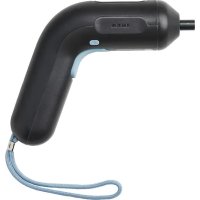



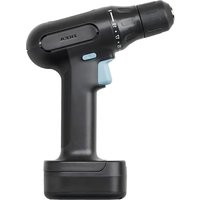
| Product type | Cordless screwdriver |
| Brand | IKEA |
| Model | TRIXIG 305.469.09 |
| Use | Domestic |
| No-load speed | 200 rpm |
| Bit holder diameter | 6.35 mm (1/4") |
| Vibration (screwdriving without impact) | ah = 0.34 m/s², K = 1.5 m/s² |
| Sound pressure level | LpA = 59 dB(A), KpA = 3 dB(A) |
| Sound power level | LwA = 70 dB(A), KwA = 3 dB(A) |
| Power supply | Rechargeable lithium-ion battery via USB-C (5.0 V DC, 1.0-3.0 A) |
| Charging temperature | 0 °C to 50 °C |
| Battery capacity | Not specified (estimated: approx. 1.5 Ah) |
| Charging time | Approx. 3-5 hours (estimated) |
| Runtime | Varies depending on use (estimated: 50-100 screws) |
| Weight | Approx. 0.3 kg (estimated) |
| Dimensions (L x W x H) | Approx. 20 x 5 x 5 cm (estimated) |
| Main features | Screwing and unscrewing, reversible rotation direction, LED lighting, magnetic bit holder, automatic spindle lock |
| Included components | Screwdriver, USB-C charger, instruction manual |
| Care and cleaning | Clean with a soft, damp cloth; do not use detergents or solvents; keep ventilation slots clean |
| Safety | Read all safety instructions; use eye protection; do not expose to rain or moisture; disconnect before maintenance |
| Repairability | Have repaired by a qualified technician using identical replacement parts; do not repair the battery yourself |
| Recycling | Do not dispose of with household waste; return to a collection point for batteries and electronic devices |
Frequently Asked Questions - TRIXIG 305.469.09 IKEA
User questions about TRIXIG 305.469.09 IKEA
0 question about this device. Answer the ones you know or ask your own.
Ask a new question about this device
Download the instructions for your Hand tool in PDF format for free! Find your manual TRIXIG 305.469.09 - IKEA and take your electronic device back in hand. On this page are published all the documents necessary for the use of your device. TRIXIG 305.469.09 by IKEA.
USER MANUAL TRIXIG 305.469.09 IKEA
English Original instructions 4
Français Instructions originales 12
TRIXIG Cordless screwdriver 3.6V
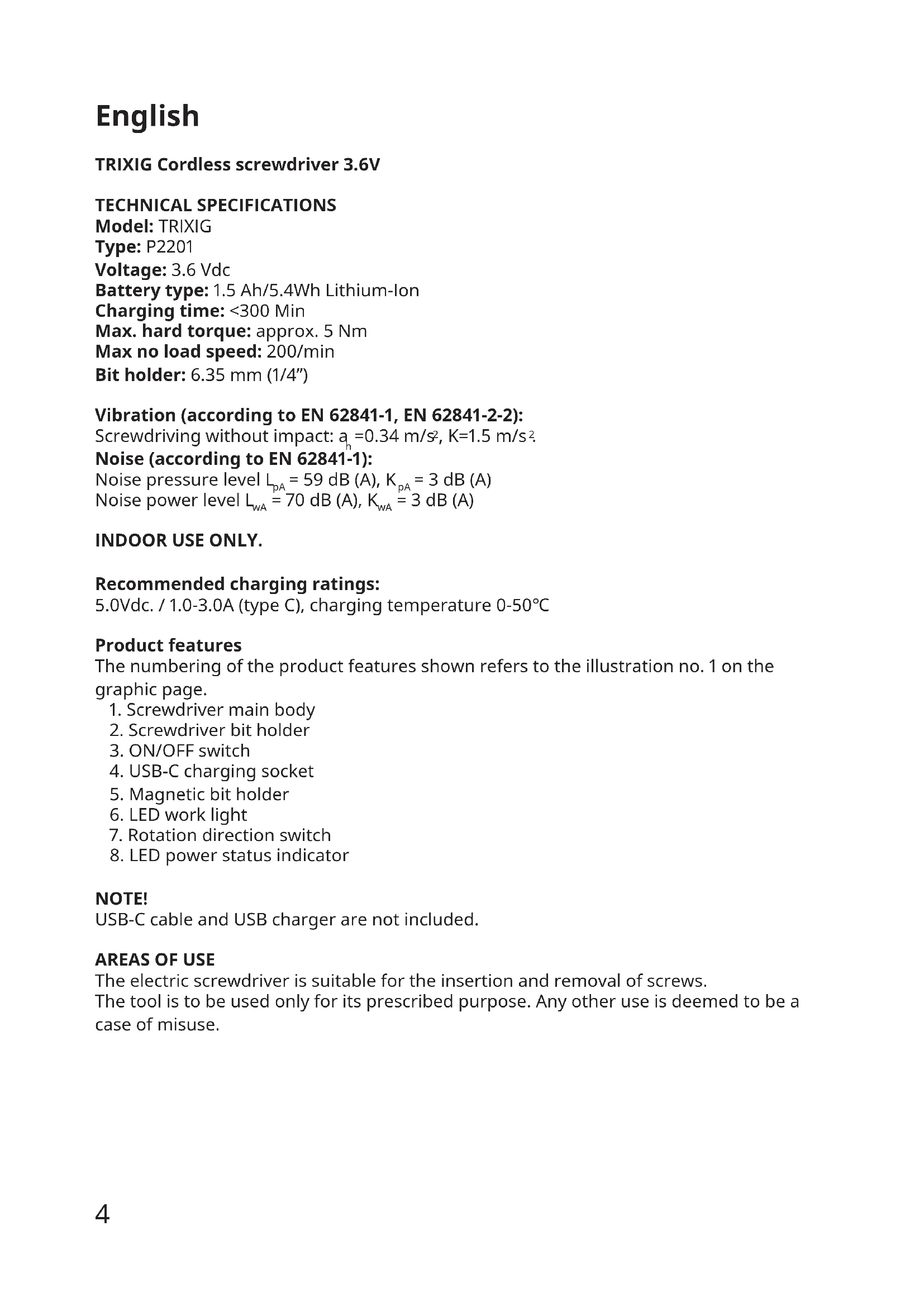
TECHNICAL SPECIFICATIONS
Model: TRIXIG
Type: P2201
Voltage: 3.6 Vdc
Battery type: 1.5 Ah/5.4Wh Lithium-Ion
Charging time: <300 Min
Max. hard torque: approx. 5 Nm
Max no load speed: 200/min
Bit holder: 6.35 mm (1/4")
Vibration (according to EN 62841-1, EN 62841-2-2):
Screwdriving without impact: ab = 0.34 m/s2 , K = 1.5 m/s2 .
Noise (according to EN 62841-1):
Noise pressure level LpA = 59 dB (A), KpA = 3 dB (A)
Noise power level L wA = 70 dB (A), K wA = 3 dB (A)
INDOOR USE ONLY.
Recommended charging ratings:
5.0Vdc. /1.0-3.0A (type C), charging temperature 0-50°C
Product features
The numbering of the product features shown refers to the illustration no. 1 on the graphic page.
- Screwdriver main body
- Screwdriver bit holder
- ON/OFF switch
- USB-C charging socket
- Magnetic bit holder
- LED work light
- Rotation direction switch
- LED power status indicator
NOTE!
USB-C cable and USB charger are not included.
AREAS OF USE
The electric screwdriver is suitable for the insertion and removal of screws.
The tool is to be used only for its prescribed purpose. Any other use is deemed to be a case of misuse.
GENERAL SAFETY INSTRUCTIONS
General safety instructions for power tools

WARNING! Read all safety warnings, instructions, illustrations and specifications provided with this power tool. Failure to follow all instructions listed below may result in electric shock, fire and/or serious injury.
Save all warnings and instructions for future reference
The term "power tool" in the warnings refers to your mains-operated (corded) power tool or battery-operated (cordless) power tool.
Work area safety
a. Keep work area clean and well lit. Cluttered and dark areas invite accidents. b. Do not operate power tools in explosive atmospheres, such as in the presence of flammable liquids, gasses or dust. Power tools create sparks which may ignite the dust of fumes. c. Keep children and bystanders away while operating a power tool. Distractions can cause you to lose control.
Electrical safety
a. Power tool plugs must match the outlet. Never modify the plug in any way. Do not use any adapter plugs with earthed (grounded) power tools. Unmodified plugs and matching outlets will reduce risk of electric shock. b. Avoid body contact with earthed or grounded surfaces such as pipes, radiators, ranges and refrigerators. There is an increased risk of electric shock if your body is earthed or grounded. c. Do not expose power tools to rain or wet conditions. Water entering a power tool will increase the risk of electric shock. d. Do not abuse the cord. Never use the cord for carrying, pulling or unplugging the power tool. Keep the cord away from heat, oil, sharp edges or moving parts. Damaged or entangled cords increase the risk of electric shock. e. When operating a power tool outdoors, use an extension cord suitable for outdoor use. Use of a cord suitable for outdoor use reduces the risk of electric shock. f. If operating a power tool in a damp location is unavoidable, use a residual current device (RCD) protected supply. Use of an RCD reduces the risk of electric shock.
Personal safety
a. Stay alert, watch what you are doing and use common sense when operating a power tool. Do not use a power tool while you are tired or under the influence of drugs, alcohol or medication. A moment of inattention while operating power tools may result in serious personal injury. b. Use personal protective equipment. Always wear eye protection. Protective equipment such as dust mask, non-skid safety shoes, hard hat, or hearing protection used for appropriate conditions will reduce personal injuries.
c. Prevent unintentional starting: Ensure that the switch is in the off-position before connecting to power source and/or battery pack, picking up or carrying the tool. Carrying power tools with your finger on the switch or plugging in power tools that have the switch on invites accidents. d. Remove any adjusting key or wrench before turning the power tool on. A wrench or a key left attached to a rotating part of the power tool may result in personal injury. e. Do not overreach. Keep proper footing and balance at all times. This enables better control of the power tool in unexpected situations. f. Dress properly. Do not wear loose clothing or jewellery. Keep your hair, clothing and gloves away from moving parts. Loose clothes, jewellery or long hair can be caught in moving parts. g. If devices are provided for the connection of dust extraction and collection facilities, ensure these are connected and properly used. Use of these devices can reduce dust related hazards. h. Do not let familiarity gained from frequent use of tools allow you to become complacent and ignore tool safety principles. A careless action can cause severe injury within a fraction of a second.
Power tool use and care
a. Do not force the power tool. Use the correct power tool for your application. The correct power tool will do the job better and safer at the rate for which it was designed. b. Do not use the power tool if the switch does not turn it on and off. Any power tool that cannot be controlled with the switch is dangerous and must be repaired. c. Disconnect the plug from the power source and/or the battery pack before making any adjustments, changing accessories, or storing power tools. Such preventive safety measures reduce the risk of starting the power tool accidentally. d. Store idle power tools out of the reach of children and do not allow persons unfamiliar with the power tool or these instructions to operate the power tool. Power tools are dangerous in the hands of untrained users. e. Maintain power tools. Check for misalignment or binding of moving parts, breakage of parts and any other condition that may affect the power tool's operation. If damaged, have the power tool repaired before use. Many accidents are caused by poorly maintained power tools. f. Keep cutting tools sharp and clean. Properly maintained cutting tools with sharp cutting edges are less likely to bind and are easier to control. g. Use the power tool, accessories and tool bits etc., in accordance with these instructions and in the manner intended for the particular type of power tool, taking into account the working conditions and the work to be performed. Use of the power tool for operations different from those intended could result in a hazardous situation. h. Keep handles and grasping surfaces dry, clean and free from oil and grease. Slippery handles and grasping surfaces do not allow for safe handling and control of the tool in unexpected situations.
Battery tool use and care
a. Recharge only with the charger specified by the manufacturer. A charger that is suitable for one type of battery pack may create a risk of fire when used with another battery pack.
b. Use power tools only with specifically designated battery packs. Use of any other battery packs may create a risk of injury and fire. c. When battery pack is not in use, keep it away from other metal objects, like paperclips, coins, keys, nails, screws or other small metal objects that can make a connection from one terminal to another. Shorting the battery terminals together may cause burns or a fire. d. Under abusive conditions, liquid may be ejected from the battery; avoid contact. If contact accidentally occurs, flush with water. If liquid contacts eyes, additionally seek medical help. Liquid ejected from the battery may cause irritation or burns. e. Do not use a battery pack or tool that is damaged or modified. Damaged or modified batteries may exhibit unpredictable behaviour, resulting in fire, explosion or risk of injury. f. Do not expose a battery pack or tool to fire or excessive temperatures. Exposure to fire or a temperature above 130°C may cause an explosion. g. Follow all charging instructions and do not charge the battery pack or tool outside the temperature range specified in the instructions. Charging improperly or at temperatures outside the specified range may damage the battery and increase the risk of fire.
Service
a. Have your power tool serviced by a qualified repair person using only identical replacement parts. This will ensure that the safety of the power tool is maintained. b. Never service damaged battery packs. Service of battery packs should only be performed by the manufacturer or authorised service providers.
MACHINE-SPECIFIC SAFETY INSTRUCTION
Safety warnings for drills and screwdrivers
Hold the power tool by the insulated gripping surfaces when performing an operation where the fastener may contact hidden wiring. Fasteners contacting a "live" wire may make exposed metal parts of the power tool conductive and could give the operator an electric shock.
Use appropriate detectors to determine if utility lines are hidden in the work area or call your local utility company for assistance. Contact with electric lines can lead to fire and electric shock. Damaging a gas line can lead to explosion. Penetrating a water line causes property damage or may cause an electric shock.
Switch off the power tool immediately when the tool becomes blocked or stuck. Be prepared for high reaction torque that can cause kickback. The tool becomes blocked when:
- the power tool is subjected to overload
- or it becomes wedged in the workpiece.
Hold the machine with a firm grip. High reaction torque can briefly occur while driving in and loosening screws.
Secure the workpiece. A workpiece clamped with clamping devices or in a vice is held more secure than by hand.
Keep your workplace clean. Blends of materials are particularly dangerous. Dust from light alloys can burn or explode.
Always wait until the machine has come to a complete stop before placing it down. The tool insert can jam and lead to loss of control over the power tool.
Avoid unintentional switching on. Ensure the trigger is in the off position before inserting battery pack. Carrying the power tool with your finger on the trigger or inserting the battery pack into power tools that have the switch on invites accidents.
Safety Warnings for battery chargers

For indoor use only.
Keep the battery charger away from rain or moisture. Penetration of water in the battery charger increases the risk of an electric shock.
Do not charge other batteries. The battery charger is suitable only for charging the batteries that were supplied with your power tool. Otherwise there is danger of fire and explosion.
Keep the battery charger clean. Contamination can lead to danger of an electric shock.
Before each use, check the battery charger, cable and plug. If damage is detected, do not use the battery charger. Never open the battery charger yourself. Have repairs performed only by a qualified technician. Damaged battery chargers, cables and plugs increase the risk of an electric shock.
Do not operate the battery charger on easily inflammable surfaces (e.g., paper, textiles, etc.) or surroundings. The heating of the battery charger during the charging process can pose a fire hazard.
Children should be supervised to ensure that they do not play with the battery charger.
VIBRATION AND NOISE INFORMATION
Vibration and noise level
The vibration and noise emission level stated in this instruction manual has been measured in accordance with a standardised test in EN 62841. It may be used to compare
one tool with another and as a preliminary assessment of exposure to vibration and noise when using the tool for the applications mentioned in this manual. However, using the tool for different applications, or with different or poorly maintained accessories, may significantly increase the exposure level.
An estimation of the level of exposure to vibration and noise should also take into account the times when the tool is switched off or when it is running but not being used, as this may significantly reduce the exposure level over the total working period. Protect yourself against the effects of vibration and noise by maintaining the tool and its accessories, keeping your hands warm and organising your work.
Other risks
Even when the power tool is used as prescribed, it is not possible to eliminate all other risk factors. The following hazards may arise in connection with the power tool's construction and design:

Damage to lungs if an effective dust mask is not worn.

Damage to hearing if effective hearing protection is not worn.
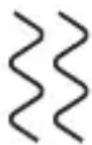
Damages to health resulting from vibrations if the power tool is being used over longer period of time or not properly handled and maintained.

WARNING! This power tool produces an electromagnetic field during operation. Under some circumstances, this field may interfere with active or passive medical implants. To reduce the risk of serious or fatal injury, we recommend persons with medical implants to consult their physician and the medical implant manufacturer before operating this machine.
ASSEMBLY
Before any work on the machine (e.g. maintenance, tool change, etc.) as well as during transport and storage, set rotational direction switch to the centre position. Unintentional actuation of the trigger can lead to injuries.
Charging the screwdriver
First read the safety instructions and then follow the charging instructions.
Connect the USB-C cable end to the USB-C port (Pic. 2) (A) in the screwdriver. Then connect the other USB cable end to a USB-charger or USB-outlet that can provide sufficient power to charge the screwdriver. Make sure that there are no knots or sharp bends in the cable.
When the screwdriver is connected to the electricity supply with a USB-C cable, three diodes on the screwdriver (Pic. 2) (B) light up to indicate the charging status:
- Pulsating light - charging in progress
- Steady light - charging completed
After the screwdriver's battery is fully charged and the screwdriver remains connected to power supply, the diodes will stay lit. Under normal conditions of use the screwdriver can be recharged several hundred times.
ATTENTION! The recharging process generates heat in the battery. It is not advisable to recharge the battery in temperatures below freezing. The battery will gradually lose its charge over a period of time, even if the tool is not used.
NOTE!
The battery that is supplied with the screwdriver has been charged for test purposes only and must be fully recharged before first time use.
The lithium-ion battery is protected against deep discharging by the "Electronic Cell Protection (ECP)". When the battery is empty, the machine is switched off by means of a protective circuit: The inserted tool no longer rotates.

WARNING Do not continue to press the On/Off switch after the machine has been automatically switched off. The battery can be damaged.

WARNING! Recharge the battery on a non-flammable surface. Do not recharge the battery for more than eight hours.
INSTRUCTIONS FOR USE
Operation
This basic cordless screwdriver will accept various types and length of screwdriver bits that have a hexagonal shank that is 6.35 mm (1/4") across the flats.
Inserting the screwdriver bits (Pic.3)
Select the correct screwdriver bit for the screws being used. Insert the screwdriver bit into the screwdriver drive, ensuring that it is pushed firmly home.
Note: It is advisable to always drill a pilot hole when driving screws with this product.
Switching ON and OFF
For screwdriving, squeeze the ON/OFF switch (3). Releasing the ON/OFF switch will stop the screwdriver. For screw removal and changing the rotation direction, push the rotation direction switch (7).
Spindle Auto-Lock
The tool's spindle is automatically locked when the tool is switched off. This enables to use the screwdriver as a manual tool.
Magnetic bit holder
You can place the bits you are currently using on the magnetic bit holder (5) on top of the screwdriver to keep them close at hand while you are working.
LED work light
The screwdriver has a built-in LED work light to illuminate the work area. The LED work light lights up every time the trigger switch is squeezed and then turns off when the trigger switch is released.
Maintenance and cleaning
Keep the screwdriver clean and dry at all times to ensure proper and safe operation. Wipe off any debris using a soft cloth moistened with water. Do not use any cleaning agents or solvents.
For safe and proper working, always keep the machine and ventilation slots clean.
This product is intended for domestic use in the home, not for commercial or qualified measurements carried out by professionals.
Keep this manual for future use.
Manufacturer: IKEA of Sweden AB
Address: Box 702, SE-343 81 Almhult, SWEDEN
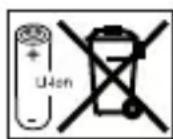
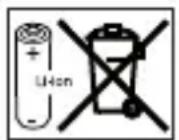
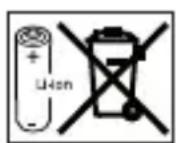
Batteries and rechargeable batteries are not household waste! As a consumer, you are required by law to dispose of all batteries and accumulators, whether they contain harmful substances* or not, at a collection point in your municipality/neighborhood or via a commercial bag battery disposal so that they can be disposed of in an environmentally safer manner.
- marked with: Cd = cadmium, Hg = mercury, Pb = lead
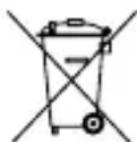
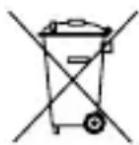
The crossed-out wheeled bin symbol indicates that the item should be disposed of separately from household waste. The item should be handed in for recycling in accordance with local environmental regulations for waste disposal. By separating a marked item from household waste, you will help
reduce the volume of waste sent to incinerators or land-fill and minimize any potential negative impact on human health and the environment. For more information, please contact your IKEA store.
François
TRIXIG cordless screwdriver 3.6V
TECHNICAL SPECIFICATIONS
Model: TRIXIG
Type: P2201
Voltage: 3.6V DC
Battery type: 1.5 Ah/ 5.4 Wh Lithium-Ion
Charging time: <300 minutes
Max. torque: approx. 5 Nm
VIBRATION AND NOISE INFORMATION
Manufacturer: IKEA of Sweden AB
Address: Box 702, SE-343 81 Almhult, SWEDEN
Max. hard tightening torque: approx. 5 Nm
Bit holder: 6.35 mm (1/4")
Battery type: 1.5 Ah/ 5.4Wh lithium-ion
Charging time: < 300 min
Max. torque: approx. 5 Nm
Max. speed under load: 200/min.
Chuck: 6.35 mm (1/4")
Vibration (according to EN 62841-1, EN 62841-2-2):
Safety warnings for drills/screwdrivers
Manufacturer: IKEA of Sweden AB
Address: Box 702, SE-343 81, Almhult, SWEDEN
Manufacturer: IKEA of Sweden AB
Address: Box 702, SE-343 81 Almhult, SWEDEN
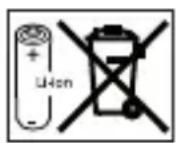
Batteries and rechargeable batteries are not household waste! As a consumer, you are required by law to dispose of all batteries and accumulators, whether they contain hazardous substances* or not, at a collection point in your municipality/neighborhood or through a retailer that offers battery disposal, so that they can be disposed of in an environmentally friendly manner.
- Marked with: Cd = cadmium, Hg = mercury, Pb = lead
Battery type: 1.5 Ah/5.4 Wh Lithium-ion
Charging time: < 300 min
Max. hard torque: approx. 5 Nm
Max. loading speed: 200/min
Bit holder: 6.35 mm (1/4")
Insert screw bits (ill. 3)
Manufacturer: IKEA of Sweden AB
Address: Box 702, SE-343 81 Almhult, SWEDEN

Batteries and rechargeable batteries must not be disposed of with household waste! As a consumer, you are legally obliged to dispose of all batteries, whether they contain harmful substances* or not, at a collection point in your municipality/neighborhood or via a store that collects used batteries, so that they can be disposed of in an environmentally sound manner.
Battery: 1.5 Ah/ 5.4Wh Lithium-Ion


- TECHNICAL SPECIFICATIONS
- VIBRATION (ACCORDING TO EN 62841-1, EN 62841-2-2)
- NOISE (ACCORDING TO EN 62841-1)
- INDOOR USE ONLY
- RECOMMENDED CHARGING RATINGS
- PRODUCT FEATURES
- NOTE
- AREAS OF USE
- GENERAL SAFETY INSTRUCTIONS
- WORK AREA SAFETY
- ELECTRICAL SAFETY
- PERSONAL SAFETY
- POWER TOOL USE AND CARE
- BATTERY TOOL USE AND CARE
- SERVICE
- MACHINE-SPECIFIC SAFETY INSTRUCTION
- SAFETY WARNINGS FOR DRILLS AND SCREWDRIVERS
- VIBRATION AND NOISE INFORMATION
- VIBRATION AND NOISE LEVEL
- OTHER RISKS
- ASSEMBLY
- CHARGING THE SCREWDRIVER
- INSTRUCTIONS FOR USE
- OPERATION
- INSERTING THE SCREWDRIVER BITS (PIC.3)
- SWITCHING ON AND OFF
- SPINDLE AUTO-LOCK
- MAGNETIC BIT HOLDER
- LED WORK LIGHT
- MAINTENANCE AND CLEANING
- FRANÇOIS
- SAFETY WARNINGS FOR DRILLS/SCREWDRIVERS
- INSERT SCREW BITS (ILL. 3)
Brand : IKEA
Model : TRIXIG 305.469.09
Category : Hand tool