
KUD12.91 - Screwdriver KRESS - Free user manual and instructions
Find the device manual for free KUD12.91 KRESS in PDF.




| Product Type | Multi-function oscillating tool |
| Brand | Kress |
| Model | KUD12.91 |
| Rated voltage | 20 V max (18 V nominal) |
| Oscillation frequency | 8000 - 180000 rpm |
| Oscillation angle | 3.2° |
| Speed selection | 6 positions |
| Weight | 1.2 kg |
| Power supply | Li-Ion battery 20 V (model KAB21) |
| Charger included | KAC21 (0°C to 40°C) |
| Included accessories | Saw blades, sanding pad, abrasive paper (40#/80#/120#), scraper blade |
| Sound pressure level | LpA = 81.1 dB(A) |
| Sound power level | LwA = 92.1 dB(A) |
| Vibration (total value) | a_n = 3.635 m/s², K = 1.5 m/s² |
| Main functions | Sawing, sanding, scraping, rasping, removing sealants |
| Maintenance and cleaning | Clean with a dry cloth, do not use water or chemicals |
| Safety | Hearing and eye protection recommended, remove battery before adjustment |
| Spare parts and repairability | No user-serviceable parts, contact a qualified repair technician |
| Operating temperature | 0°C to 45°C |
| Charging temperature | 0°C to 40°C |
| Warranty | See manufacturer's terms |
Frequently Asked Questions - KUD12.91 KRESS
User questions about KUD12.91 KRESS
0 question about this device. Answer the ones you know or ask your own.
Ask a new question about this device
Download the instructions for your Screwdriver in PDF format for free! Find your manual KUD12.91 - KRESS and take your electronic device back in hand. On this page are published all the documents necessary for the use of your device. KUD12.91 by KRESS.
USER MANUAL KUD12.91 KRESS
WARNING: Read all safety warnings, instructions, illustrations and specifications provided with this power tool.
Failure to follow all instructions listed below may result in electric shock, fire and/or serious injury.
Save all warnings and instructions for future reference.
The term "power tool" in the warnings refers to your mains-operated (corded) power tool or battery-operated (cordless) power tool.
1) Work area safety
a) Keep work area clean and well lit. Cluttered or dark areas invite accidents.
b) Do not operate power tools in explosive atmospheres, such as in the presence of flammable liquids, gases or dust. Power tools create sparks which may ignite the dust or fumes.
c) Keep children and bystanders away while operating a power tool. Distractions can cause you to lose control.
2) Electrical safety
a) Power tool plugs must match the outlet. Never modify the plug in any way. Do not use any adapter plugs with earthed (grounded) power tools. Unmodified plugs and matching outlets will reduce risk of electric shock.
b) Avoid body contact with earthed or grounded surfaces, such as pipes, radiators, ranges and refrigerators. There is an increased risk of electric shock if your body is earthed or grounded.
c) Do not expose power tools to rain or wet conditions. Water entering a power tool will increase the risk of electric shock.
d) Do not abuse the cord. Never use the cord for carrying, pulling or unplugging the power tool. Keep cord away from heat, oil, sharp edges or moving parts. Damaged or entangled cords increase the risk of electric shock.
e) When operating a power tool outdoors, use an extension cord suitable for outdoor use. Use of a cord suitable for outdoor use reduces the risk of electric shock.
f) If operating a power tool in a damp location is unavoidable, use a residual current device (RCD) protected supply. Use of an RCD reduces the risk of electric shock.
3) Personal safety
a) Stay alert, watch what you are doing and use common sense when operating a power tool. Do not use a power tool while you are tired or under the influence of drugs, alcohol or medication. A moment of inattention while operating power tools may result in serious personal injury.
b) Use personal protective equipment. Always wear eye protection. Protective equipment such as dust mask, non-skid safety shoes, hard hat, or hearing protection used for appropriate conditions will reduce personal injuries.
c) Prevent unintentional starting. Ensure the switch is in the off-position before connecting to power source and/or battery pack, picking up or carrying the tool. Carrying power tools with your finger on the switch or energising power tools that have the switch on invites accidents.
d) Remove any adjusting key or wrench before turning the power tool on. A wrench or a key left attached to a rotating part of the power tool may result in personal injury.
e) Do not overreach. Keep proper footing and balance at all times. This enables better control of the power tool in unexpected situations.
f) Dress properly. Do not wear loose clothing or jewellery. Keep your hair and clothing away from moving parts. Loose clothes, jewellery or long hair can be caught in moving parts.
g) If devices are provided for the connection of dust extraction and collection facilities, ensure these are connected and properly used. Use of dust collection can reduce dust-related hazards.
h) Do not let familiarity gained from frequent use of tools allow you to become complacent and ignore tool safety principles. A careless action can cause severe injury within a fraction of a second.
4) Power tool use and care
a) Do not force the power tool. Use the correct power tool for your application. The correct power tool will do the job better and safer at the rate for which it was designed.
b) Do not use the power tool if the switch does not turn it on and off. Any power tool that cannot be controlled with the switch is dangerous and must be repaired.
c) Disconnect the plug from the power source and/or remove the battery pack, if detachable, from the power tool before making any adjustments, changing accessories, or storing power tools. Such preventive safety measures reduce the risk of starting the power tool accidentally.
d) Store idle power tools out of the reach of children and do not allow persons unfamiliar with the power tool or these instructions to operate the power tool. Power tools are dangerous in the hands of untrained users.
e) Maintain power tools and accessories. Check for misalignment or binding of moving parts, breakage of parts and any other condition that may affect the power tool's operation. If damaged, have the power tool repaired before use. Many accidents are caused by poorly maintained power tools.
f) Keep cutting tools sharp and clean. Properly maintained cutting tools with sharp cutting edges are less likely to bind and are easier to control.
g) Use the power tool, accessories and tool bits etc. in accordance with these instructions, taking into account the working conditions and the work to be performed. Use of the power tool for operations different from those intended could result in a hazardous situation.
h) Keep handles and grasping surfaces dry, clean and free from oil and grease. Slippery handles and grasping surfaces do not allow for safe handling and control of the tool in unexpected situations.
5) Battery tool use and care
a) Recharge only with the charger specified by the manufacturer. A charger that is suitable for one type of battery pack may create a risk of fire when used with another battery pack.
b) Use power tools only with specifically designated battery packs. Use of any other battery packs may create a risk of injury and fire.
c) When battery pack is not in use, keep it away from other metal objects, like paper clips, coins, keys, nails, screws or other small metal objects, that can make a connection from one terminal to another. Shorting the battery terminals together may cause burns or a fire.
d) Under abusive conditions, liquid may be ejected from the battery; avoid contact. If contact accidentally occurs, flush with water. If liquid contacts eyes, additionally seek medical help. Liquid ejected from the battery may cause irritation or burns.
e) Do not use a battery pack or tool that is damaged or modified. Damaged or modified batteries may exhibit unpredictable behaviour resulting in fire, explosion or risk of injury.
f) Do not expose a battery pack or tool to fire or excessive temperature. Exposure to fire or temperature above 130°C may cause explosion.
g) Follow all charging instructions and do not charge the battery pack or tool outside the temperature range specified in the instructions. Charging improperly or at temperatures outside the specified range may damage the battery and increase the risk of fire.
6) Service
a) Have your power tool serviced by a qualified repair person using only identical replacement parts. This will ensure that the safety of the power tool is maintained.
b) Never service damaged battery packs. Service of battery packs should only be performed by the manufacturer or authorized service providers.
SAFETY INSTRUCTION FOR CUTTING
Hold power tool by insulated gripping surfaces, when performing an operation where the cutting accessory may contact hidden wiring. Cutting accessory contacting a "live" wire may make exposed metal parts of the power tool "live" and could give the operator an electric shock.
SAFETY WARNINGS FOR BATTERY PACK
a) Do not dismantle, open or shred cells or battery pack.
b) Do not short-circuit a battery pack. Do not store battery packs haphazardly in a box or drawer where they may short-circuit each other or be short-circuited by conductive materials. When battery pack is not in use, keep it away from other metal objects, like paper clips, coins, keys, nails, screws or other small metal objects, that can make a connection from one terminal to another. Shorting the battery terminals together may cause burns or a fire.
c) Do not expose battery pack to heat or fire. Avoid storage in direct sunlight.
d) Do not subject battery pack to mechanical shock.
e) In the event of battery leaking, do not allow the liquid to come into contact with the skin or eyes. If contact has been made, wash the affected area with copious amounts of water and seek medical advice.
f) Seek medical advice immediately if a cell or battery pack has been swallowed.
g) Keep battery pack clean and dry.
h) Wipe the battery pack terminals with a clean dry cloth if they become dirty.
i) Battery pack needs to be charged before use. Always refer to this instruction and use the correct charging procedure.
j) Do not maintain battery pack on charge when not in use.
k) After extended periods of storage, it may be necessary to charge and discharge the battery pack several times to obtain maximum performance.
I) Battery pack gives its best performance when it is operated at normal room temperature (20°C ± 5°C) .
m) When disposing of battery packs, keep battery packs of different electrochemical systems separate from each other.
n) Recharge only with the charger specified by WORX. Do not use any charger other than that specifically provided for use with the equipment. A charger that is suitable for one type of battery pack may create a risk of fire when used with another battery pack.
o) Do not use any battery pack which is not designed for use with the equipment.
p) Keep battery pack out of the reach of children.
q) Retain the original product literature for future reference.
r) Remove the battery from the equipment when not in use.
s) Disposetheproperly.
SYMBOL
| To reduce the risk of injury, user must read instruction manual | |
| Warning | |
| Wear ear protection | |
| Wear eye protection | |
| Wear dust mask | |
| Do not expose to rain or water | |
| Do not burn | |
| Wear protective gloves | |
| Avoid danger of injury from the sharp edges of the accessories. | |
| Accessories can become very hot while working, presenting danger of burns! | |
| Make sure the battery is removed prior to changing accessories. | |
| High speed | |
| Low speed |
| G | Unlock |
| Li-Ion | Li-Ion battery This product has been marked with a symbol relating to 'separate collection' for all battery packs and battery pack. It will then be recycled or dismantled in order to reduce the impact on the environment. Battery packs can be hazardous for the environment and for human health since they contain hazardous substances. |
| Waste electrical products must not be disposed of with household waste. Please recycle where facilities exist. Check with your local authorities or retailer for recycling advice. | |
| =灯 | LED light is a battery capacity indicator and will flash when power gets low. |
COMPONENT LIST
| 1. HYPERLOCK™ ACCESSORY CLAMPING LEVER |
| 2. ON/OFF SWITCH |
| 3. VARIABLE SPEED DIAL |
| 4. VENTING SLOTS |
| 5. UNIVERSAL-FIT ACCESSORY INTERFACE* |
| 6. SMALLER FLANGE (FOR OTHER BRANDS' SANDING PADS) |
| 7. FLANGE |
| *Works with other oscillating tool brands' accessories. The following compatible brands are trademarks owned by third parties which may be registered by their respective owners: Black & Decker®, Bosch®, Chicago Electric®, Craftsman®, Dremel®, Fein®, Genesis®, Makita®, Mastercraft®, Milwaukee®, Performax®, Porter Cable®, Ridgid®, Ryobi®, Skil®, and Tool Shop®. |
| Not all the accessories illustrated or described are included in standard delivery. |
TECHNICAL DATA
Type KUD12 KUD12.91(D12-representative of high frequency oscillation tool)
| KUD12 KUD12.91 | ||
| Rated Voltage 20V Max** | --- | |
| Oscillations per minute 800Hz 0-180000rpm | ||
| Oscillations angle 3.2° | ||
| Speed selection 6 | ||
| Machine weight 1.86kg 1.2kg | ||
**Voltage measured without workload. Initial battery voltage reaches maximum of 20 volts. Nominal voltage is 18 volts.
NOISE INFORMATION
| A weighted sound pressure L | pA = 81.1dB(A) |
| A weighted sound power L | wA = 92.1dB(A) |
| KpA & KwA | 3dB(A) |
| Wear ear protection. |
VIBRATION INFORMATION
| Vibration total values (triax vector sum) determined according to EN 62841: |
| Vibration emission value an= 3.635m/s2 |
| Uncertainty K = 1.5 m/s2 |
The declared vibration total value and the declared noise emission value have been measured in accordance with a standard test method and may be used for comparing one tool with another.
The declared vibration total value and the declared noise emission value may also be used in a preliminary assessment of exposure.
WARNING: The vibration and noise emissions during actual use of the power tool can differ from the declared value depending on the ways in which the tool is used especially what kind of workpiece is processed dependant on the following examples and other variations on how the tool is used: How the tool is used and the materials being cut or drilled.
The tool being in good condition and well maintained.
The use of the correct accessory for the tool and ensuring it is sharp and in good condition.
The tightness of the grip on the handles and if any anti vibration and noise accessories are used.
And the tool is being used as intended by its design and these instructions.
This tool may cause hand-arm vibration syndrome if its use is not adequately managed.

WARNING: To be accurate, an estimation of exposure level in the actual conditions of use and also take account of all parts of the operating such as the times when the tool is switched on when it is running idle but not actually doing the This may significantly reduce the exposure level the total working period.
Helping to minimise your vibration and noise exposure risk.
Always use sharp chisels, drills and blades.
Maintain this tool in accordance with these instructions and keep well lubricated (where appropriate).
If the tool is to be used regularly then invest in anti vibration and noise accessories.
Plan your work schedule to spread any high vibration tool use across a number of days.
ACCESSIONS
| KUD12 KUD12.91 | ||
| Charger (KAC21) | 1 | / |
| Battery pack(KAB21) | 2 | / |
| Smaller flange (for other brands' sanding pad, such as Bosch/Dremel/Chicago Electric etc.) | 1 | 1 |
| Sanding paper (40#, 80#, 120#) | 36 | 18 |
| 45mm precision wood plunge cut blade | 1 | 1 |
| 28mm end cut blade | 1 | 1 |
| Sanding pad | 1 | 1 |
| HSS semicircle saw blade | 1 | 1 |
| 10mm end cut blade | 1 | / |
| Rigid scraping blade | 1 | 1 |
We recommend that you purchase your accessories listed in the above list from the same store that sold you the tool. Refer to the accessory packaging for further details. Store personnel can assist you and offer advice.
OPERATION INSTRUCTIONS

NOTE: Before using the tool, read the instruction book carefully.
INTENDED USE
The power tool is intended for sawing and remodeling wooden materials, plastic, plaster, non-ferrous metals and fasteners (e.g. nails and clamps) as well as for working on soft wall tiles and for dry grinding of small surfaces. It is especially suitable for working close to edges and for flush cutting.
ASSEMBLY AND OPERATION
| ACTION FIGURE | |
| Mounting Accessories See Fig. A-C | |
| Mounting The Sanding Sheet See Fig. D | |
| Operating The On/Off Switch See Fig. E | |
| Using The Variable Speed Dial See Fig. F | |
| Removing or installing battery pack See | Fig. G |
| LED light See Fig. H |
The variable speed dial can be used to set the optimum oscillating frequency according to the accessories used and the respective application.
| Oscillation frequency | Application |
| High oscillation frequency: | Sanding, sawing, rasping and polishing stone and metal. |
| Low oscillation frequency: | Scraping, polishing varnishes. |
WORKING HINTS FOR YOUR TOOL
If your power tool becomes too hot, especially when used at low speed, set the speed to maximum and run it with no load for 2-3 minutes to cool the motor. Avoid prolonged usage at very low speeds. Always keep the blade sharp.
Always ensure the workpiece is firmly held or clamped to prevent movement.
Any movement of the material may affect the quality of the cutting or sanding finish.
Start your tool before working and turn it off only after you stop working.
Do not start sanding without having the sandpaper fitted.
Do not allow the sandpaper to wear away, it will damage the sanding pad. The guarantee does not
cover sanding pad wear and tear.
Use coarse grit paper to sand rough surfaces, medium grit for smooth surfaces and fine grit for finishing surfaces. If necessary, first make a test run on scrap material.
Excessive force will reduce the working efficiency and cause motor overload. Replacing the accessory regularly will maintain optimum working efficiency.
MAINTENANCE
Remove the battery pack from the tool before carrying out any adjustment, servicing or maintenance.
There are no user serviceable parts in your power tool. Never use water or chemical cleaners to clean your power tool. Wipe clean with a dry cloth. Always store your power tool in a dry place. Keep the motor ventilation slots clean. Keep all working controls free of dust.
FOR BATTERY TOOLS
The ambient temperature range for tool and battery use and storage is 0°C - 45°C
The recommended ambient temperature range for the charging system during charging is 0°C - 40°C
ENVIRONMENTAL PROTECTION

Waste electrical products must not be disposed of with household waste. Please recycle where facilities exist. Check with your local authorities
or retailer for recycling advice.
APPLICATION

WARNING: The sawing teeth are very sharp. Do not touch during mounting and application.
The workpiece must be clamped tightly before it is cut.
| Pic Description | Application | ||
| Sawing | Universal Metal/Wood End Cut Blade | Wood, plastic, fiberglass, nails, non-ferrous metals, thin sheet metal, hardened fillers | |
| Standard Wood End Cut Blade Wood | plastic, drywall | ||
| Precision Wood Cut Blade Wood, soft | plastics | ||
| HSS Semicircle Saw Blade | Thin wood, plastic, fiberglass, non-ferrous metals, thin sheet metal, hardened fillers, window glazing | ||
| Sanding | Sanding Pad (Perforated) Wood, plastic, hardened fillers | ||
| Sanding Finger Pad Wood, plastic, hardened fillers | |||
| Rasping | Triangular Carbide Grit Rasp | Wood, hardened adhesives, thin set, masonry | |
| Carbide Rasp (Finger Shaped) | Wood, hardened adhesives, thin set, masonry | ||
| Removing grout | Carbide Grit Semicircle Saw Blade | Grout, porous concrete, masonry | |
| Diamond-Coated Semicircle Saw Blade | Ceramic and stone tile, backer board | ||
| Scraping | Rigid Scaper Blade | Old paint, hardened adhesives, caulk, carpet | |
| Flexible Scaper Blade | Elastic sealants, paint, adhesive residues, carpet. |
NOTE: When plunging and sawing use a slight pendulum motion, to allow sufficient chip removal.
The saw blade lasts longer if the wear is distributed evenly. To ensure an even distribution, loosen the saw blade, rotate it and retighten firmly.
Cut/Sand with a constant movement and light pressure.
Heavy pressure does not increase the cut/removal rate - the accessory merely wears faster.
DECLARATION OF CONFORMITY
We,
Positec Germany GmbH
Postfach 32 02 16, 50796 Cologne, Germany
Declare that the product
Description multi-function tool
Type KUD12 KUD12.91(D12-representative of high frequency oscillation tool)
Function Sanding, sawing, rasping, scraping, polishing
Complies with the following Directives:
2006/42/EC
2014/30/EU
2011/65/EU&(EU)2015/863
Standards conform to
EN 62841-1
EN 62841-2-4
EN 55014-1
EN 55014-2
The person authorized to compile the technical file,
Name Marcel Filz
Address Positec Germany GmbH
Postfach 32 02 16, 50796 Cologne, Germany
12
EN

2022/09/19
Allen Ding
Deputy Chief Engineer, Testing & Certification
Positec Technology (China) Co., Ltd
18, Dongwang Road, Suzhou Industrial
Park, Jiangsu 215123, P. R. China
18, Dongwang Road, Suzhou Industrial
Park, Jiangsu 215123, P. R. China
NOTICE ORIGINALE SÉCURITE DU PRODUIT AVERTISSEMENTS DE SÉCURITE GENÉRAUX POUR L'OUTIL

INFORMATIONS RELATIVES AU BRUIT
INFORMATIONS RELATIVES AUX VIBRATIONS
Fonction Poncer, scier, raper, gratter, polir
18, Dongwang Road, Suzhou Industrial
Park, Jiangsu 215123, P. R. China
ISTRUZIONI ORIGINALI SICUREZZA DEL PRODOTTO AVVISI GENERALI PER LA SICUREZZA DEGLI UTENSILI A MOTORE
18, Dongwang Road, Suzhou Industrial
Park, Jiangsu 215123, P. R. China
18, Dongwang Road, Suzhou Industrial
Park, Jiangsu 215123, P. R. China
MANUAL ORIGINAL SEGURANÇA DO PRODUTO AVISOS GERAIS DE SEGURANÇA DE FERRAMENTAS ELECTRICAS
18, Dongwang Road, Suzhou Industrial
Park, Jiangsu 215123, P. R. China
OORSPRONKELIJKE GEBRUKSAANWIJZING PRODUCTVEILIGHEID ALGEMENE VEILIGHEIDSWAARSCHUWINGEN VOOR VERMOGENSMACHINE
WAARSCHUWING: Voor de
18, Dongwang Road, Suzhou Industrial
Park, Jiangsu 215123, P. R. China
ORIGINAL INSTRUCTIONS PRODUCT SAFETY OBŞÜNE IPPABUNA TEXHJKLM E30NACHOCTN IPN PABOTE C 3JEKTPOHHCTPYMEHTOM
I PPEOCTEPEXEHNE! BnMaTeJbHo 03HaKOMbTecb C HcTpkyCnmaM n npEOCTepeXeHnM no Texnke 6e3onacHOctn. HeBbINOJIHeHne BCex HIXKePnBVeDeHHbIX INcTpyKcN I peKoMeHdaCm MOxET pINBeCTN K nopaxeHIO 3JeKTpuecknM TOKOM, IOxapy N cepBe3hIM TpaBMam.
CoxpaHnte Bce npedoctepexehn m HnctpyKun dIaJIbHeuero noJb3ObaHH.
6. CEPBNUCHOE OBCJNYKBAHNE
a) Pemont 3neKtpOnHcTpymeHTa DoJxKeH BbINONHrTbcra KBaJIHnOuNpOBaHHbIM NepcoHaJOM C HcNoJIb3OBAHHeM ToJIbKO opRnHaJIbHbIX 3anachbIX YacteN. 3To rapaHTnpuyet 6e3onacHOctb ero nCnoJIb3OBAHnA.
b) HnKOrda He 06cnyxuBaIte NOBpeXdeHbIe aKKyMylTOpbl. O6cnyxuBaHne aKcyMylTOpHbIX 6aTapei DOJNXHO BbIOJHrTBc TOnbKO IPOIN3BOIDTeJIeM IIN ABTOPI3OBAHHbIMN NOCTaBUkAMN cepBnCHbIX yCnyr.
MHCTPYKUHNI IO TEXHNKE BE3OПАСHOCTN ДЛЯ PE3KN
Держнтунгспунгentаинрованьные ПОВЕРХНOCТ ПИ ВБINONHEHIMОЕРАЙ, КORDA pEXKUH NHCPTPUMENT MOKET KOKHYTBССССССССССССССССССССССССССССССССССССССССССССССССССССССССССССССССССССССССССССССССCS C PPOBODKOJ, HAXODAJIECI NOHANPRAJEHUEM, MEMAJIUNUECKUE demaJIu UNCHMPUMEHMA moze HAXODAJIcN IOHANPRAJEHUEM U MOaYm 6b3aMb NOPAKJEHUE ONEPAMOPA 3NEKMPUeCKUM MOKOM.
ПРавILA TEXHNUK БЕЗОПACHOCТДЯ АKKUMЛЯTOPHО БATAPEN
a) He donyckaetca pa36npaTb, BCKpbIBaTb, N3MeJb4aTb 3JeMeHTbl NtAHHn aKKymjITopHyO 6atapeo.
b) He donyckaetc HAKOPOTko 3ambikaTb 3IeMeHTbl nHTaHn nn AKKymyJrTop. He donyckaetc6ecnpaOHO xpaHTb 3IeMeHTbl nHTaHn nn AKKymyJrTop B KOp6ke nn JaUKe, rDe OHN MOryt 3AMKHyTb dpyr dpyra nn MOryt 6bItb 3AMKHyTb dpyrMM MeTaNJIueCKMn npEdMeTaMn. Ecnn AKKymyJrTopHa8 6aTapei He nCNoJIb3yeTc, dedxnte ee noJaIbwe OT MetaJINuCeCKNX npEdMeTOB, TaKx KaK 3aXIMbl, MOHeTb, TB03n, BNHTbl nPoUne MetaJINuCeCKNe
IpeMmTbI He6oBJwO ra3Mepa, KOToPbIE MOryT CoeINHnTB KJIeMMbl Dpyr C dpyrom. KopOTkoe 3AmbKaHne KJIeMM 6aTapeu MoKet CTaTb IpnuHoi OXorOB nn Noxapa.
c) He donyckaetcnoBepratakymnyTopHyo 6aTapeo BO3deNCTBnOBbICOKHX TemnepaTyp NIN PnAmEH.N36eraTe xpaHEnna kKymyIaTOpHO6aTapeu B MecTax, NOBepXeHHbIXBO3DeNCTBnIO npMOrO cJNoHeYHOrOCbeta.
d) He donyckaetc noDbepratb akKymyIaTOPHyO 6atapeo MexaHnueckm ydapam
e) B cnyuae npoteukn aKKymyIaTOPHO 6atapen, He donyckaIte KOHTaKa 3JIeKTPoIHTa C KoxKe IIN rna3AmN. B cnyuae TaKOrO KOHTaKTA Heo6xOIMMo npomblb nopaxKeHHbI yacTOK 06HbHbIM KOJNuYeCTBOM BObl N 06paTntbcra 3a MeduunHckoN NOMOsbIO.
f) Akkymnytohpyo 6aTaapeo Heo6xOIMO coepKaTb B uHcToTe H cyXocTH.
g) B cnyae 3aarp3HeHnKoHTaKToB aKKymyTOpHo6aTapen Hx Heo6XoDnMo npotepeb uNcTou cyxOu TKAHbIO.
h) AkkymnyTopHyo 6atapeo Heo6xOaHMo 3apjXkATb nepei nCnoJb30BaHnem. Bcerda cneDyIte daHHo HnCTpyKunn nncnoJb3yIte npabnIbHbI nopAdoK 3apjKn.
i) He donyckaetc octabnTb akkymnyTop Ha 3apAnHom yctpoNCTBe,ecn OH He nCnoJb3yeTc.
j) Nocne npoJOnJXHTenbHoro xpaHeHH MoKET Notpe6oBaTbc HecKOJIbKO pa3 3apnIbN pa3pAHTb aKKyMyIaTOphyIO 6aTaPeIO dJa DoCTNXKeHH MaKcMmaIbHOH 3ΦΦeKTNBHOCTNe ee pa6Obl.
k) NcnoJb3yIte TOnbKO 3apAHHbIe yCTpoNCTBa, yka3aHHbIe Kress. He donycKaetc NcNoJIb3OBAt b KaKHe-NH6o 3apAHHbIe yCTpoNCTBa, 3a NCKIIuOyeHnem CneuaJIbHO npedHa3HaueHHbIX dJaHHoro 6OpUdoBAnr.
I) He donyckaetcna cnoNb3oBaTb kaKeJn6o aKKymyTOpHbIe 6aTapeu, He npedHa3NaueHHbIe dJa nCNoJIb3OBAHnC daHHbIM o6OpydoBaHnem.
m) XpaHnTe aKKymyIaTOpHyIO 6aTapeo B MeCTax, HeIOCTynhIx dIra deTei.
n) CneyuET coxpaHHTb opnHHaJIbHyIO DOKyMeHtAciuHO Ha 3dJeJIne dIg 6dyUeero nCnoJb3ObaHHa.
o) NIO BO3MOXHOCTH n3BnKeKaIte aKKymyIaTOPHyO 6aTapeIO n3 n3DeJnna, ecIn OHa He nCNoJIb3YeTc.
p) Yttnn3npyte aKKymyIaTOpHyIO 6aTapeo doJXHbIM o6pa3OM.
q) He nCnoJIb3yIte akKymJrTOpblCTopoHnHex npOn3BODnteJe
r) Bepernte akkymyIaTOp ot Bo3deIcTBnCBU-3nyeHn N BbICOKO r daBJIeHn.
UCIOBHBIE O6O3HAUHnIa
6bIb 3apeHCTpnpoBaHb CBOHMn BnaJeBlaamn: Black & Decker, Bosch, Chicago Electric, Craftsman, Dremel, Fein, Genesis, Makita, Mastercraft, Milwaukee, Performax, Porter Cable, Ridgid, Ryobi, Skil, and Tool Shop.
He BCE nokaahhbie HnONHCHBie akceccyapbl BKNIOHbI B CTAHApTHyIO NOCTaBky.
TEXHnueCKne DAHHbIe
Tin KUD12 KUD12.91 (D12-06pa3euc В bicokoyactoTHoro ocunnilnpyuioero nHcTpymenta - pehoBaTopa)
YPOBHe Bn6paaHn a=3.635m/s²
IorpeHoctb K = 1.5 m/s²
3aBHeHoe 6uee 3aueHne Bn6paunn H3aBHeHoe 3aueHne 7yMa 6bJIIN N3MepeHb I COOTBeTCTBN CO CTAHapTHbIM MToDOM NcblTaHNI MOrYT NCNoJIb3OBaTbCnIg CpaBHeHn OJHOrO INHCTpyMeHTa C dpytM.
3aBHeHoe 6ee 3aueHne Bn6paunn 3aBHeHoe 3aueHne ypoBH yMa TaKKe MOrY nCNoIb3OBaTbcA DnI npEeBapntbHOOn OcEHKn BO3DeiCTBnJ.
PPEDOCTEPEXEHNE!3haeHne Bn6paun npu qakTnueckom nCnoJb3OBaHn 3JIeKTPoHnHCTpyMeHTa MOxET OTnuaTbcrOT 3aBHeHHoro 3HaueHnB 3aBNCmOCTn OT CnOCobOB nCNoJb3OBaHn IHCTpyMeHTa:
BapnaHTOB erOpnmeHnN o6pe3aembIX nIN nnFyEmbIX MaTePnaNoB.
IcnpaBHOCTn HNCTpyMeHTa n ero npabNBHOrTo texHHueCKOrO 6cbnyKBAHNr.
NcnoB3OBAHn COOTBetCTByIOx n AkceccyapOB n COCToHn BCex pExKyuX NOBepxHOCTe N OCTpoTb IN KpOMOK.
ПлOTHOCr 3axBaTаHa pyKoRtKaxИ NCNoJb3OBaHnKaKnx-Ли60 aHTBn6paCIOHbIX akceccyapOB.
NcnoB3OBAHnIHCTpyMeHTa B COOTBETCTBnC eI npedHa3HaueHHeM N 3TmN IHCTpyKUyAMN.
3TOT HNCTpyMeHT MoKET Bbl3BaTb TpeMop pyK, ecn ero nCNoIb3ObaHne He 6ydet perynipoBaTbcra DoJXHbIM 06pa3OM.
PPEIOCTEPEXEHNE!ДЯ obecneueHnMaKcIMaJIbHOI TOHOCTHn pRn OUeHKe yPOBnBO3dIeCTBnB BpeaIbHbIX YCNOBnX NCNoJIb3OBAHnDOJHXbI TAKKe yuHTbIBaTbCRA BCE acNeKTbIpa6oHeruNkna, TaKHe KaK nepNoDbI BpemeH,KOra NHCTpyMeH TBkIIOUeH,aTaKHe pa6oTaETHa XOIOCTOM XOy H He BblIOJIHReT PaKTNUeCKyHp6oTy. 3To MOxET 3HaunTeJIbHO CHn3NTb yPOBeHbBO3dIeCTBnHa Ho IepaTopa 3a BeCb pa6oHn nepNoID,IO3BOJRA MNHMn3IPoBaTb ONaCHOCTb BO3dIeCTBnB N6paunn n Wyma.
Bcerda nCnoNb3yIte 3aToueHHbIe Ie3BnA, CBePna N pe3ubl.
O6cnjyKnBaITe 3OT INHCTpyMeHT B COOTBeTCTBNI C daHHbIMN INHCTpyKUIN XOPoWOCma3bIBaITe (PpN Heo6xOndmoCTn).
Ecnn HcTpymeH nCnoB3yETcpeRyIepHO, npno6peTne aHTNBn6paunOHhle akceccyapbl. PnaHpyTe cBo rpaFnk pa60tbl, YTO6bl pa3bntb NcNoB3OBAHne INcHcTpymeHTOB C BbICOKo BN6paunEn Ha HeckoNko DHei.
3anyCTne HnCTpyMeNT Do Haayalpa6oTbI N OTKIOHHTeero,ToNbKO 3aOKHnB pa6Oty.
HaHnHaTe OsKypnbAHHe TOnbKO npedBapntelbHO 3akpeINB HauKaDaunHyo Bymary.
He donyckaIte noJHoro nCTnpaHn HaKdaHno 6ymar:3TO NOBpeiNT noDyuSKy. IapaHTnA He NOKpbIbAeT amOpTN3aCNU IN3HOC NoDyUKn DJIa HaxDaHNo 6ymar.
18, Dongwang Road, Suzhou Industrial
Park, Jiangsu 215123, P. R. China
INSTRUKCJA ORYGINALNA BEZPIECZENSTWO PRODUKTU OGOLNE OSTRZEŽENIA DOTYCZACE BEZPIECZENSTWA PODCZAS PRACY Z ELEKTRONARZEDZIAMI

18, Dongwang Road, Suzhou Industrial
Park, Jiangsu 215123, P. R. China
Kress
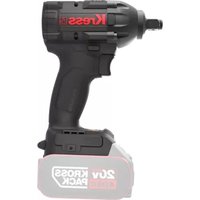


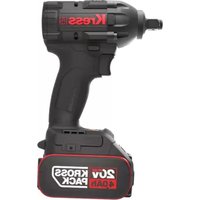

- SAFETY INSTRUCTION FOR CUTTING
- SAFETY WARNINGS FOR BATTERY PACK
- TECHNICAL DATA
- NOISE INFORMATION
- VIBRATION INFORMATION
- ACCESSIONS
- OPERATION INSTRUCTIONS
- INTENDED USE
- WORKING HINTS FOR YOUR TOOL
- MAINTENANCE
- FOR BATTERY TOOLS
- ENVIRONMENTAL PROTECTION
- APPLICATION
- WARNING: THE SAWING TEETH ARE VERY SHARP. DO NOT TOUCH DURING MOUNTING AND APPLICATION
- DECLARATION OF CONFORMITY
- NOTICE ORIGINALE SÉCURITE DU PRODUIT AVERTISSEMENTS DE SÉCURITE GENÉRAUX POUR L'OUTIL
- INFORMATIONS RELATIVES AU BRUIT
- INFORMATIONS RELATIVES AUX VIBRATIONS
- ISTRUZIONI ORIGINALI SICUREZZA DEL PRODOTTO AVVISI GENERALI PER LA SICUREZZA DEGLI UTENSILI A MOTORE
- MANUAL ORIGINAL SEGURANÇA DO PRODUTO AVISOS GERAIS DE SEGURANÇA DE FERRAMENTAS ELECTRICAS
- OORSPRONKELIJKE GEBRUKSAANWIJZING PRODUCTVEILIGHEID ALGEMENE VEILIGHEIDSWAARSCHUWINGEN VOOR VERMOGENSMACHINE
- WAARSCHUWING: VOOR DE
- ORIGINAL INSTRUCTIONS PRODUCT SAFETY OBŞÜNE IPPABUNA TEXHJKLM E30NACHOCTN IPN PABOTE C 3JEKTPOHHCTPYMEHTOM
- COXPAHNTE BCE NPEDOCTEPEXEHN M HNCTPYKUN DIAJIBHEUERO NOJB3OBAHH
- CEPBNUCHOE OBCJNYKBAHNE
- MHCTPYKUHNI IO TEXHNKE BE3OПАСHOCTN ДЛЯ PE3KN
- ПРАВILA TEXHNUK БЕЗОПACHOCТДЯ АKKUMЛЯTOPHО БATAPEN
- TEXHNUECKNE DAHHBIE
- 3TOT HNCTPYMEHT MOKET BBL3BATB TPEMOP PYK, ECN ERO NCNOIB3OBAHNE HE 6YDET PERYNIPOBATBCRA DOJXHBIM 06PA3OM
- INSTRUKCJA ORYGINALNA BEZPIECZENSTWO PRODUKTU OGOLNE OSTRZEŽENIA DOTYCZACE BEZPIECZENSTWA PODCZAS PRACY Z ELEKTRONARZEDZIAMI
- KRESS
Brand : KRESS
Model : KUD12.91
Category : Screwdriver