CFT636W - Basket CANDY - Free user manual and instructions
Find the device manual for free CFT636W CANDY in PDF.


| Product type | Extractor or recirculation hood |
| Brand | Candy |
| Model | CFT636W |
| Width | 60 cm |
| Power supply | 220-240 V ~ 50/60 Hz |
| Total power | Approx 200-300 W |
| Lighting | 2 halogen bulbs E14 28 W |
| Grease filter | Dishwasher-safe metal filter |
| Charcoal filter | Optional, replace every 4 months |
| Suction speeds | Multiple speeds (depending on model) |
| Extraction | Top or rear outlet (optional) |
| Installation | Wall-mounted or under-cabinet |
| Minimum height above cooking surface | 60 cm (electric), 75 cm (gas or mixed) |
| Maintenance | Monthly exterior cleaning, monthly grease filter cleaning |
| Safety | Disconnect before maintenance, do not flambé under the hood |
| Weight | Approx 15-20 kg (estimate) |
Frequently Asked Questions - CFT636W CANDY
User questions about CFT636W CANDY
0 question about this device. Answer the ones you know or ask your own.
Ask a new question about this device
Download the instructions for your Basket in PDF format for free! Find your manual CFT636W - CANDY and take your electronic device back in hand. On this page are published all the documents necessary for the use of your device. CFT636W by CANDY.
USER MANUAL CFT636W CANDY
Halogeneanlamp verranging
Substitución lamparas halogenas
3aMeHa ranoreHHoH JAMnbl
3aMiHa raIoreHHOI naMNoQKn
Halogenines lempos pakeitimas
Halogcnaspuldzesmaia
Halogeenlampide vahetamine

EN - Instruction on mounting and use
Closely follow the instructions set out in this manual. All responsibility, for any eventual inconveniences, damages or fires caused by not complying with the instructions in this manual, is declined. This appliance is intended to be used in household and similar application such as: - staff kitchen areas in shop, offices and other working environments; - farm houses; - by clients in hotels, motels and other residential type environments; - bed and breakfast type environments.
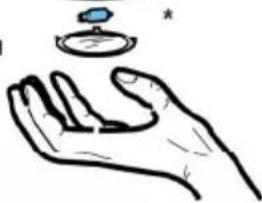
Note: the elements marked with the symbol (^*) are optional accessories supplied only with some models or elements to purchase, not supplied.

Caution
Before any cleaning or maintenance operation, disconnect hood from the mains by removing the plug or disconnecting the mains electrical supply. Always wear work gloves for all installation and maintenance operations. This appliance can be used by children aged from 8 years and above and persons with reduced physical, sensory or mental capabilities or lack of experience and knowledge if they have been given supervision or instruction concerning use of the appliance in a safe way and understand the hazards involved.
Children shall not be allowed to tamper with the controls or play with the appliance.
Cleaning and user maintenance shall not be made by children without supervision. The premises where the appliance is installed must be sufficiently ventilated, when the kitchen hood is used together with other gas combustion devices or other fuels.
The hood must be regularly cleaned on both the inside and outside (AT LEAST ONCE A MONTH).
This must be completed in accordance with the maintenance instructions provided. Failure to follow the instructions provided regarding the cleaning of the hood and filters will lead to the risk of fires.
Do not flambé under the range hood.
The use of exposed flames is detrimental to the filters and may cause a fire risk, and must therefore be avoided in all circumstances.
Any frying must be done with care in order to make sure that the oil does not overheat and ignite.
CAUTION: Accessible parts of the hood may become hot when used with cooking appliances.
For lamp replacement use only lamp type indicated in the Maintenance/Replacing lamps section of this manual.
WARNING! Do not connect the appliance to the mains until the installation is fully complete.
With regards to the technical and safety measures to be adopted for fume discharging it is important to closely follow the regulations provided by the local authorities.
The air must not be discharged into a flue that is used for exhausting fumes from appliance burning gas or other fuels.
Do not use or leave the hood without the lamp correctly mounted due to the possible risk of electric shocks.
Never use the hood without effectively mounted grids.
The hood must NEVER be used as a support surface unless specifically indicated.
Use only the fixing screws supplied with the product for installation or, if not supplied, purchase the correct screws type.
Use the correct length for the screws which are identified in the Installation Guide.
In case of doubt, consult an authorised service assistance centre or similar qualified person.
WARNING! Failure to install the screws or fixing device in accordance with these instructions may result in electrical hazards.
Do not use with a programmer, timer, separate remote control system or any other device that switches on automatically.
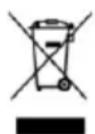
This appliance is marked according to the directive 2012/19/EU on Waste Electrical and Equipment (WEEE).
WEEE contains both polluting substances (which can cause negative consequences for the environment) and basic components (which can be re-used). It is important to have WEEE subjected to specific treatments, in order to remove and dispose properly all pollutants, and recover and recycle all materials.
Individuals can play an important role in ensuring that WEEE does not become an environmental issue; it is essential to follow some basic rules:
WEEE should not be treated as household waste;
- WEEE should be handed over to the relevant collection points managed by the municipality or by registered companies. In many countries, for large WEEE, home collection could be present.
In many countries, when you buy a new appliance, the old one may be returned to the retailer who has to collect it free of charge on a one-to-one basis, as long as the equipment is of equivalent type and has the same functions as the supplied equipment.
Appliance designed, tested and manufactured according to:
- Safety: EN/IEC 60335-1; EN/IEC 60335-2-31, EN/IEC 62233.
- Performance: EN/IEC 61591; ISO 5167-1; ISO 5167-3; ISO 5168; EN/IEC 60704-1; EN/IEC 60704-2-13; ISO 3741; EN 50564; IEC 62301.
- EMC: EN 55014-1; CISPR 14-1; EN 55014-2; CISPR 14-2; EN/IEC 61000-3-2; EN/IEC 61000-3-3. Suggestions for a correct use in order to reduce the environmental impact: Switch ON the hood at minimum speed when you start cooking and kept it running for few minutes after cooking is finished. Increase the speed only in case of large amount of smoke and vapour and use boost speed(s) only in extreme situations. Replace the charcoal filter(s) when necessary to maintain a good odour reduction efficiency. Clean the grease filter(s) when necessary to maintain a good grease filter efficiency. Use the maximum diameter of the ducting system indicated in this manual to optimize efficiency and minimize noise.
By placing the CE marking on this product, we declare, on our own responsibility, compliance to all of European safety, health and environmental requirements stated in the legislation for this product.
Use
The hood is designed to be used either for exhausting or filter version.
Ducting version
The cooker hood has an upper air duct B1 and an optional rear air duct B2^* , for external fumes exit.
Select the suitable air duct and apply the flange C supplied, ensure to close the unused hole duct with cap D^* supplied if provided.
Note: in some models upper hole B1 is supplied closed: Press firmly to detach the detachable part that closes the outlet hole and remove it.
Attention! The detachable part cannot be mounted in position again. Carry out this operation only if you are sure of the type of installation to make.
Caution! In some models the rear hole duct is not easily
accessible, even when the tap (if mounted) is removed, in this case remove the plastic piece E1 or E2 that is blocking the hole duct, by unwinding using pliers and cutter. Check that the filter/suction selector (inside the cooker hood) G is in the suction (A) position.
Filter version
In the case where it is not possible to discharge the cooking fumes externally, the cooker hood may be used in the filter version by fixing a carbon filter, the fumes and vapours are recycled via the anterior grill placed above the control panel. Check that the filter/suction selector (inside the cooker hood) G is in the filter (F) position.
The models with no suction motor only operate in ducting mode, and must be connected to an external suction device (not supplied).
The connecting instructions are supplied with the peripheral suction unit.
Installation
The minimum distance between the supporting surface for the cooking equipment on the hob and the lowest part of the range hood must be not less than 60cm from electric cookers and 75cm from gas or mixed cookers.
If the instructions for installation for the gas hob specify a greater distance, this must be adhered to.

Electrical connection
The mains power supply must correspond to the rating indicated on the plate situated inside the hood. If provided with a plug connect the hood to a socket in compliance with current regulations and positioned in an accessible area, after installation. If it not fitted with a plug (direct mains connection) or if the plug is not located in an accessible area, after installation, apply a double pole switch in accordance with standards which assures the complete disconnection of the mains under conditions relating to over-current category III, in accordance with installation instructions.
Warning! Before re-connecting the hood circuit to the mains supply and checking the efficient function, always check that the mains cable is correctly assembled.
Warning! If the supply cord is damaged, it must be replaced by the manufacturer, its service agent or similarly qualified persons in order to avoid hazard.
Mounting
The cooker hood may be installed on the wall or on the base of a cabinet; if supplied, use the hole gauge H to drill the correct distance, otherwise lean the cooker hood on the wall or on the base of the cabinet and mark the holes with a pencil.
Wall mounting - Insert the wall screw anchors J in the drilled holes and the two K screws in the upper drill holes, remove the grill and hook the cooker hood to the 2 screws, finally from the inside, insert the third screw L and lock them all in.
Cabinet fixing - Affix the cooker hood with the 4 M screws from inside the cabinet.
Operation
The hood is fitted with a control panel with aspiration speed selection control and a light switch to control cooking area lights.
Always open the vapour catcher N^*
If your product is provided with an electrically or mechanically activated valve, the keys and/or the buttons and/or the handles available are for controlling the lights and for opening and closing the valve.
Maintenance
Cleaning
Clean using ONLY the cloth dampened with neutral liquid detergent. DO NOT CLEAN WITH TOOLS OR INSTRUMENTS. Do not use abrasive products. DO NOT USE ALCOHOL!
Grease filter
Traps cooking grease particles.
If situated inside the support grill, it may be one of the following types:
Paper filter must be replaced once a month or if colouring appears on upper side, in such cases the colouring is evident through the grill openings.
Metallic filter must be cleaned once a month, with non abrasive detergents, by hand or in dishwasher on low temperature and short cycle.
When washed in a dishwasher, the grease filter may discolour slightly, but this does not affect its filtering capacity.
In order to remove the grease filter open the grill via the P hooks and free the R1 or R2 stoppers.
The self-supporting metal filter does not include a support grill, in order to remove the filter - pull the release springs P4 backwards and slide the filter downwards.
Charcoal filter (filter version only)
It absorbs unpleasant odours caused by cooking.
The saturation of the charcoal filter occurs after more or less prolonged use, depending on the type of cooking and the regularity of cleaning of the grease filter.
In any case it is necessary to replace the cartridge at least every four months.
The charcoal filter may NOT be washed or regenerated.
It may be one of the following types:
Rectangular S1 or S2 or S3:
Mounting (S1 or S2): insert the rear side T and hook further to the front (U).
Mounting (S3): Remove the cover W by rotating the O knobs to 90^ , fit the filter inside and lock in place with the central knob O, then close the cover.
Proceed in the inverse for dismounting.
Circular (V1-V2-V3-variouss models):
Bayonet mount position the filter in the middle of the motor protection grill covering ensuring that the reference to X1 or X2 or X3 on the carbon filter match the Y1 or Y2 references
on the conveyor, then turn clockwise; in case of dismounting turn anticlockwise, if provided with a Z tape remember to gently lift first.
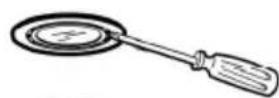
Replacing lamps
Disconnect the appliance from the electricity.
Warning! Prior to touching the light bulbs ensure they are cooled down.
Replace the old light bulb with the one of the same type as specified in the feature label or near the light lamp on the hood.
Replace the damaged lamp.
Use 035mm E14 28W halogen candle lamps only.
If the lights do not work, make sure that the lamps are fitted properly into their housings before you call for technical assistance.
Rechthoekig S1 of S2 of S3:
Circular (V1-V2-V3- various modelos):
Montagem (S3): Remove a tampa W girando as manoplas O de 90^ .
Xpnoiopoioiote aTOKkEoiTikαλaunnpεc aoyovou 035mm E14 28W
BHIMAHHE: Korda Bapouhna nobepxHocb pa6oTaET, DOCTyNhbIe Yactn BblTJkMOrTy HArpeBaTbcra.
IЯ 3aMeHbI IaMNoUKN OCBeUeHnI NCNoJIb3OBaTb TOJIbKO TIN IaMNoUKN yKa3aHHbI B pa3dJe ObcnyXnBaHnI/3aMeHbI IaMNoUKN 3TOrO pyKOBODCTBa.
BhImaHHe! He noKnHouaTb npN6p Do 3NeKtpuecko cTeNo Do Tex nop, noka yCTaHObKa noJIHOCTbHo He 3aKOHyeHa.
To yto kacaetcayTexnuecknx Mep n Mep 6e30nachoctn B npimehenno c6poca napob cTporo dopeknaBtcbra TORO TTO npedycmatpnaBaetcno HOPMaI JOKaJIbHbIX KOMNETHTbIX OprAHOB.
BcacbBaemBn BO3dyx He DoJnxH 6bITb BbIyckaTbcra Tpy6y,NCIOJIb3yEmyO DnB bIbPocOB DbIMOB PpIbOpamN,TO pa60taOT Ha ra3e nn Dpynx TOnnnBax.
He nCNoIb3OBA Tb HnN OCTaBnTb BbITgKy 6e3 JAmnoye K npabuIbHo yCTaHOBJIeHHbIX C PnCKOM NOnyUHTb Ydap 3JNeKTpNueckm TOKOM.
HnkOrda He nCnObl3OBaTb BbITJkKy 6e3 npaBnIbHo yctahOBnEHNOpeWETkn!
BbTJXKa HIKOgA He DoJxHa NcNoJb3OBaTbCra, KaK OONOPHAR NOBepXHOCTb, ECIN TOnbKO He yKa3aHO.
NcnoB3OBaTb TOIbKO BnHTbl DnIyΦHKuPobAHnB KOMnJIeKTe C npOdyKTOM DnIy yCTaHOBKn Nn,ecn Het B KOMnJIeKTe, npNo6peCTn BnHTbl npaBnIbHOro Tnna. NcnoB3OBaTb PpaBnIbHyIO DnIHy BnuHToB YTO yKa3aHa B pykoBOcTBe No yCTaHOBKe. B cIyuAn comHeHn, KOHCyJbTInpoBaTbcR B aBTOpN3uPobAHHom ueHTpe NO 06cIyKNaBHNO NnC KBaJIINuPobAHhBIM nepcoHaJOM.
BHUMAHNE! He yctaHObKa COOTBETCTByUOxN BXHTOB IN pncnocobHn IINI ΦNKcnpoBaHn B COOTBETCTBnC 3TmMn HnCTpyKzHmM MoKeT pNBecTu K pNCkAm 3JNeKtpueckoro npOCXOXDeHn.
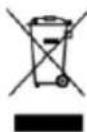
ДанньЭлкгрпборпомаркюванВ COOTBETCTBUN cEBponeckoДиpeKTHBOI 2012/19/EU OTHOCHTeJIbHO OTxOIOB OT 3ЛКТПUECKOTO N 3ЛКТPOHHORO 6OBpyODaHnA (O33O).
O330 codepkatak 3aqr3HIOue BeceCTBa (KOTOpbEMORY OKa3bIBaTB HeaTINBHOE BO3deIcTBne Ha OKpykaIOUcpeNy) TAK IN KOMNOHeHTbl, KOToBle MOrYt NcNOb3OBaTbcNobTOPO. O390 68a3aTeNbHO DOnIKHbI NOBBePraTbcCNEuAnbHOI 6pb6oTKe dIg TORO, YTObI pRaBnBHOydaIITb I yTuINImNoPBAtb BCE 3aqr3HIOUe npipOdyBESeCTBa N BOCCTaHOBtB N IOBOTpHO NcNOb3OBaTB BCE MaTePuaJIb IpNiROdHBe dIg NOBTOHRo NcNOb3OBaHry. IIOH MOrYT nPaTb BaxHyIO poJIb B 3aUnITE OkpykaIOue Cpebl OT BpeHoro BO3deIcTBnHa HHe O330;IJn 3TOH HyKHO Co6NJODaTB HeCKOJIbKO OCHOBhIX PpaBNI:
O30 He doJxHbI yTnJIn3npoBaTbcra KaK 6bITOBbie OTXoDbI;
O330 DoJXHbI OTnpabTbcr Ha COOTBeCTBvUOHe NyKtbl c6opa, ynpabnemble MyHnunpaNbHbIMN Bnactmnn 3apeinctpnpoBaHHbIMN KOMnHaHmM. B HeKOTOpbIX ctpaHx dnn KpyHOra6apntHBix O330 MoKeT 6bItb opraHn3OBAH nxC6op Ha Domy.
B HeKOTOpbIX CTPaHax, ecn Bbl NOKyNaTe HOBbI 3NeKTPoPnp6Op, TO Bbl MoXeTe BepHyTb B Mara3NH CTapbI, KOtOpbI DoJxHeh 6bITb PnHrT MaRa3INHom 6ecnHaTHO (ODIN Ha OOnH) PnYcNoBn, YTO npNo6peTaETcA hAnOrnHoe HOBOE o6opyDobAHne.
YcTpoIcTBo pa3pa6OtaHO, nCnblTaHO u N3rTOBJeHO B COOTBETCTBUN C:
- Be30nachocTB: EN/IEC 60335-1; EN/IEC 60335-2-31, EN/IEC 62233.
- 3KcIpyataHnBhe xapaKTepeNCTnKn: EN/IEC 61591; ISO 5167-1; ISO 5167-3; ISO 5168; EN/IEC 60704-1; EN/IEC 60704-2-13; ISO 3741; EN 50564; IEC 62301.
- 3MC: EN 55014-1; CISPR 14-1; EN 55014-2; CISPR 14-2; EN/IEC 61000-3-2; EN/IEC 61000-3-3. Празлбоги В сдгхунь В оздддддддддддддддддддддддддддддддддддддддддддддддддддддддддддддддддддддддддддддддддддддддддддддддддддд Колak Ha МИнмальногсКОрocTN, KOrDA NaHnHaTe ROTOBt, И OCTabte erO pa6oTaT b TceHne HeCKOЛькx MHyT NOcIe TOR, KAK 3aKOHcHTe ROTOBt. YBeJIuHbAitE CKOpOCTb TOnbKO B CInyae 60NbWORO KOINcHcTBA DbIMa napa, И пибerte K NcNoLb3OBaHmO NOBblSeHHbIX CKOpOTe TOnbKO B 3KCTpeMaJbHbIX CInTyaUnx. 3aMeHnTe YrOblHbI ΦInbTp(bI), KOrDA 3TO Heo6XODmO, Дп NODepKahnry XopoWeI 3ΦΦeKTNBHOCTN UMeHbIeHnR 3anaxOB. OUnsaiTe JxnpBOB/ble ΦInbTp(bI), KOrDA 3TO Heo6XODmO, Дп NOdepKahnry XopoWeI 3ΦΦeKTNBHOCTN JxnpOBoro ΦInbTpra. IcNoIb3yIte MaKcImaJIbHbI dNaMeTp CNTeMbI BO3DyXOBODB, YkaaHHbI B DaHHOM PYKOBODCTBE,
IINONTUMN3aUN 3oΦΦeKTHBHOCTN MHHIMN3aUN yPOBHJ Wyma.
HaKJEnBaR MapKIpOBky Ha 3To n3DeJIne, 3aBnIeT, NOd Hauy OTBeTCTBEHHOCTb, COOTBeTCTBNE C EbPoneNCKMn Tpe6oBAHNMAI N0 6e3OnacHOCTn, 3dOpOBbIO u OKpyKaHOSe Cpebl yCTaHOBJEHHbIE 3aKOHOM dIg 3TOI n3DeJIIN.
PoiJb3OBaHne
BbTgKa cKoHcTpynpObaHa dIpa60tI BpeKmE OToDa BO3dyxa HApyKy IIN peUnpkyIaN BO3dyxa.
UcnonHeHnepeuPKyIauee
BbTgKcOCHaueHa BepXHM BbIXoHbIM OTBepCTBnEM B1 N DOnIOJIbHInTeIbHbIM OTBepCTBnEM B2* Ha TblbHOI CTOpOHe IINBbIpoca DlMOB.
BbIpaTe camoe noxOJaee OTBepCTBne n npKpeNte PhaHeu, BXoJusn B KOMJIeKT, 3aTe m 3arNywnTe HeHyXHoe OTBepCTBne KpbIshKoD D*.
PnmeaHne:B HEKOTOpbIX MoJeIx BepXHee OTBepCTne B1 3aKpbITo: HaxKaTb C CInNo Ha HApTe3aHHyU qAcTb, KOTOPa 3aKpBbAeT BbIBoHoe OTBepCTne I CHrTb ee.
BhImaHHe! HApE3aHHa YAcTb He BOCCTaHaBnBaETcHa CBOeM MeCTe, NO3Tomy BblONHTb 3Ty OpeauuB TOM Cnyae, ecN Bbl YBepeHHbI B Tnne MOHTaxa, KOTOpbI 6vET BblONHtBCr.
BHHMaHHe! B HeKOTOpbIX MoDEJX BbIXoHoe OTBepCTBne Ha TbIbHOi CTopoHE NocNE CHrTnK KpbIshK (KOrda OHa CMOHTnpoBaHa) HeIOCTyINHOe, B TaKOM cLyuae Heo6xOIMBOBIIHMaTb INaCTMaccOBYIO KpbIshky E1 NN N2UamN Npe3aKom. Y6eIntecb, YTO6bl nepeKnHouateNB G (BHyTpN BbITAKKN) HAXOINbCB B BbITAXHOM pexmE (A).
IcnonHeHne COTBODOM Bo3dyxa
B cnyae ecn HeBO3MOXHO ydaIITb DbIMbl,
obpa3OBaBwneB C pe3yIbTaTe nprirotOBNeHn IINu,
MOxHO NcNoJIb3OBaTb BbITJkKBy B fNtBtpUoHem pEXHMe,
yctaHOBNB yrOJIbHbI fNtBtp, C NOMOzBu KOtOpOro DbIMbl
NONODAOT NOBTOpHO B nepeDHIIO peUeTKy, ycTaHOBNEHHyO
HaI NaHeIbIO ynpabNehn. PpoBePte, YTo6bl
peeknOHTeH hXoDNbcra B fNtBtpUoHem pexHMe
(F).
Moden BbTJKeK 6e3 MOTOPHO 6noka MoryT pa6oTaB B ODHOM pexnme OTBOJa BO3Dyxa HApKy, NO3TomO OH NdoJXHbI 6bITb NOCDoeINHeHbIK BHeuH Neu BbITJxHOYcTAHOBKe (HE BXODNT B NoCTaKy).
HCTpyKUN NO COeINHEHNR MIOCTABJIOTCO NepiepnHbIM BbITXHbIM y3IOM.
YctaHOBka
PacctoHne HxKHe rpaHn BbTJxKn HaonopHn PIOCKOCTbIO NOcCcyDbI HA KxOHHO pNTe DOJIHXo 6bITb He Mehee 60cm -dIy 3NeKTpUeCKnx PINT, n He Mehee 75cm dIra3OBbIX INN KOM6HHPOBaHHbIX PINT.
EcnB HnCTpykunxNo yctahOBKe ra3oBOI nIHTBI OROBopeHO 60JIbuee pacCTOARHne,TO yUTNTe 3TO.

3NeKtpnueckoe coeHHeHne
HanpJxHHe cTeN DoJxHo COOTBeTCTBOBaTb HAnpJxHHeIO, yKa3aHHOMy Ha Ta6nUKe Texnuecknx DaHHbIX, KOtopa pa3MeJeHa BHTpn np6op.a. EcIn BbITKka Ch6xHeBaNko, NOkIIOuHTe BbITXKky K wTeNCelbHompy pa3bemy. OH DOJxHe OTBeYAtb DeiCTByUoMn PpaBnAm N 6blb pacNoIoxHe B IeKoOCTynHom MeCe. BkIOuHTb B po3ETky MOxHO IocNe yCTaHOBKn. EcIn Jx He CbIgKka He Ch6xHeBaNko (npAme NoKIOUeHnK CetN), INN WTeNCJIbHbI pa3bEm He pacNoIoxHe B DOCTynHom MeCe, TAKKe I NOcNe YCTaHOBKn, TO NCNOB3yIte NaIeKaun DByXNoIIOchbI bIKIOUaTeJIb, ObecneuBaOUsn IOnHoe pa3MbikAHne cTe N pRn BO3NHKOHeHN YCIOBn NepeHApJxHHeN 3-eKaterOpnn, B COOTBeTCTBn C IHCTpyKUmaMn PO yCTaHOBKe.
BhImaHne! npexJe yem NOkNIOUHTb K CETn NtAnHn 3JIeKtpuYeCKyHO CNTEmy BbITJxKn I NpOBepTu NCpApBHOe HKNIOHnpOBaHne ee yBeIntecb TOM, YTO KaBeJIb NtAHHn PpaBnIbHO CMOHTnpOBaH.
BHHMaHHe! Bo n36exaHHe BCaKHX pNCKOB, onepaunr ITO 3ameHe Ka6eI NITAHnI DOJXHa 6bITb npOn3BeDeHa nepcoHAnOM KOMnTeENTHOcnyKbI TexO6CnyKBaHnra.
YcTaHOBka
BbITJKMy MoXHO NOBecTb Ha CTeH YuN NoCTaBnTb Ha DHO uKaΦa; NcNoJIb3yIte KApTOHHb Iu6NoH H (ecn OH BXoDTB KOMnEKT) DnA ONpeDeHEnr MeCTa NpOCBepnIBaHn, B npOTNBOM Cnyae NoBecTe BbITJkKy Ha CTeH YuN NoCTaBbTe Ha DHO uKaΦa N NOMeTne KapaHdaWOM OTBepCTBn.
KpenneHne K cTeHe: BCTaBbTe paCnIpTeNbHbIe npo6Kn J B 3apaHee npocBepnHbIe OTBepcTBnI n DBa BNHTa K B BepxHne OTBepCTBnI, CHMNTe peWetKy, 3aФнксypyTe BBITRAKKy Ha BnHTax L n 3aTEM 3aTnHnte.
KpenenHe K uKapy: npBHTb BbITkky C NOMOuH 4 BuHTOB M BHyTpN uKaopa.
ФункцониpoBaHne
BbTgKa OchaueHa Uytom ynpabHeHn Jn KOHTpOJcKOpOCTN BbTgXHO BoHTNJrTopa N3axnHaHn CBeta nOCBeUeHHra pa6oey NOBepxHoCTn PNTbl.
OTkpBaIe BcERda DeTaNb dIy c6opa DbIMa N*.Ecnn BaWe n3dJIne IMeET MexaHueckn IJN 3JIeKTPuYeCKn KJIanaH, KONKn, I/INn KJIaBmU, I/INn pyKn HAcTpoKn CnyKAT dIy UnpaBHeHn PoDCBtKoN dIy OTkpBITnN 3aKpBITnKJIanaHa.
yxoA
OuInCTka
ДячNTКИСПОЛБ3УITETOЛБКОспuaиьнуТрЯк, СMOЧЕНУЮ HeITРаJIbHbIM KINДКIM MOJOUIM CpeДCTBOM. HE ИСПОЛБ3УITE HNKAKNE NHCTPYMEHTbl ДЯ OчNTКI. He ПпмЕнгte cpeДТВa, coDEржашиe a6pa3NВьIE MaTePINAJIb.I. HE ППМЕНЯITE CnMPT!
ΦnIbTpbl3aIepKKn Knpa
YdepKnBaet qactuIbI Jnpa, nCXoJnne ot nnntbl.
Pn yctahOBKe BHyTpnepeeTKn PnIbTpne IMeOTB CNeDyUoXn BapnaHTax:
BymaxhblnIbTp nOJIeXHT 3aMeHe pa3 B MeCra uIN npu CBETHOB BepxHeuACTN, 3aMeHa peKOMeHdyETcB TOM Clyue, KOrda cBet CTaHOBITcBnHbIM Upe3 OTBepCTBnpeWetKn.
Metannueckn PnIbTp npomblaeTcBpyHyO pa3 B MecaC NOMOIO MOIOx Hea6pa3NBbIX CpeiCTB ININ B NOcyDOMOEHyix MaunHax npn Hn3Knx Tempeatypax IN KOPOTKOM pa6ooyem uKJIe.
PmMbIbB NocydomoeyHOMaWnHe MoXeT IMeT MeCTO HeKOTOpoe oBeCuBcUBaHne FInbTpTa 3aepKKn Knpa, Ho erO FInbTpuyuza XapaKTepnCTnka OCTaETcA abCoNtHO HEn3MeHHo.
ДяТоR,уTO6bIДOCTaTbФИNbTpOTJINPOB,HEO6XODMO OTKpbITpeWETKy C NOMOuHIO KpUcKO B P IN CHrTb WtNΦTbI R1 nR2.
Camonecuu Memannuecku funbmp He chabkehecyupeewetko;Ira Chrtnaero, TaHbTe pKcatopbl P4 K3aIN BbIHbTe pNbTp KH3y.
YrOJIbHbI ΦnIbTp (TOnbKO BpeXnMe peunpkyJauu)
YdaanrHnepnraThbIe 3anaXn KxHn.
HacbIeHHe yroJIbHorO fIbItpa npOnCxOJIT no nCTeHn 6oJIee IIN MeHee dIITeJIbHorO nepNoDa 3KcIIpyatauN, npedoppeJeIeMOro TINOM KxHN I nepNoDnHocTbO OuchTKI pIBTpOB 3aepkKn Knpa. B JIObom cnyae, 3aMeHnTe KapTpIXn NO KpaIHei Mepe uepe 4 Mecya.
YroIbHbIΦnIbTp HE noIeXHT MoIke IIN pereHepaun. IMeETcB CneDyOuX BapnaHTax:
PpmoyrolbHbS1nnS2nnS3:
YctaHObKa (S1 nn S2): BCTaBnTb TblbHyO CTOpOH T n npKpeHn Ha nepeHne Yactn (U).
YcTaHOBka (S3): BbIHbTe KOJINaK W, NOBepHyB Ha 90° pyKOaTKU O.
BCTaBbTe CMeHHbI yroJIbHbI 3JIeMeHT BHyTpB COOTBeTcTByUoSeI NOIOCTN, 3aФNKcpyIte erO, NOBepHyB Ha 90e pyKoRTke O, 3aKpOITe BHOb KOnnak.
IIN CHYTHN, BbINOHNHe ONEpaunIO B o6paTHO INocJeDOBaTeJbHOCTH.
Kpyrbln (V1-V2-V3-pa3HbIe MoJeNl):
YcTaHOBnTe 1IbTp nOceDn 3aunTHoH peWetKn BHyTpeHHeRo MExAHn3Ma I npOBepTe, YTo6bl X1 nnX2 nnX3 Ha yrobnHom 1nnbTpce COBnA C Y1 nnY2 Ha 3OHTe, 3aTEM NOBOPaHBAITE No YacOBoC TpeNke; DnA DEMoHTaxKa pnp HAnuNe DeTAn (J3bUka) Z noDNMaIte ee n 3aTEM NOBOPaHBAITE npOTNB YACOBO CTpeKN.
3aMeHa JAmn
OTKnHouHTe npnbop OT 3neKtpocetn.
BHHMaHHe!IpeXe Yem npKacatbca K Iamnam yBeiNTecb B TOM, YTO OHN OCTblIN.
3aMeHnTb NOBpeXeHHyo NaMNoUcy Ha HOByO TaKOrO Ke TIna, KaK yKa3aHO Ha 3TNKeTKe, INI pAOM C NaMNoUKOHa BBITRAKKE.
3aMeHnTe neperopeBwyo naMny.
IcnoB3yTe TOnbKO ranoReHHbIe IaMnbl CBeKu 035 MM E14 28BT.
Ecni CnCTema NODCBETKHe pa6oTaET, npOBepbTe KoppeKTHyO yCTaHOBky IaMn B rHe3dax, npexJe Yem 06paNTbcraB CEHTp TEXHueckoi NOMU.