ES 2968 - Coffee machine CLATRONIC - Free user manual and instructions
Find the device manual for free ES 2968 CLATRONIC in PDF.


User questions about ES 2968 CLATRONIC
0 question about this device. Answer the ones you know or ask your own.
Ask a new question about this device
Download the instructions for your Coffee machine in PDF format for free! Find your manual ES 2968 - CLATRONIC and take your electronic device back in hand. On this page are published all the documents necessary for the use of your device. ES 2968 by CLATRONIC.
USER MANUAL ES 2968 CLATRONIC
Overview of the Components.. 3
Instruction Manual. 38
Technical Data Page 41
Guarantee
FRANÇAIS
JEZYK POLSKI
Sommaire
Listedesifferentéselementsdecommande.. Page3
Mode d'emploi.. 14
D-47906 Kempen/Germany
Consommation: 1150 W
Classe de protection: I
Pression: 15 bar
m = 311
Indicatode luminoso,
b
Posizione
off
General Safety Instructions
Read the operating instructions carefully before putting the appliance into operation and keep the instructions including the warranty, the receipt and, if possible, the box with the internal packing.
- The appliance is designed exclusively for private use and for the envisaged purpose. This appliance is not fit for commercial use. Do not use it outdoors (except if it is designed to be used outdoors). Keep it away from sources of heat, direct sunlight, humidity (never dip it into any liquid) and sharp edges. Do not use the appliance with wet hands. If the appliance is humid or wet, unplug it immediately. Do not put it in water.
- When cleaning or putting it away, switch off the appliance and always pull out the plug from the socket (pull on the plug, not the cable) if the appliance is not being used and remove the attached accessories.
- Do not operate the machine without supervision. If you should leave the workplace, always switch the machine off or remove the plug from the socket (pull the plug itself, not the lead).
- Check the appliance and the cable for damage on a regular basis. Do not use the appliance if it is damaged.
- Do not try to repair the appliance on your own. Always contact an authorized technician. To avoid the exposure to danger, always have a faulty cable be replaced only by the manufacturer, by our customer service or by a qualified person and with a cable of the same type.
- Use only original spare parts.
- Pay careful attention to the following "Special Safety Instructions".
Children
- In order to ensure your children's safety, please keep all packaging (plastic bags, boxes, polystyrene etc.) out of their reach.
Caution! Do not allow small children to play with the foil as there is a danger of suffocation!
- To protect children from the dangers posed by electrical appliances, make sure that the cable is hanging low and that children do not have access to the appliance.
Special Safety Instructions
- The metallic parts become extremely hot. Touch only the handle. Danger of Burns!
- Place the machine on a heat-resistant, smooth, flat and non-slip surface.
- In order to avoid overheating, do not place the machine inside or under a cabinet. Make sure that enough space is left around the machine.
- Never use the machine without water in it.
-
In order to ensure that there is no residual steam pressure from the previous time coffee was made, leave the machine to cool down for a few minutes and then turn the filter holder (11) slowly in the direction of B.
-
Ensure that during operation the fiiter holder (11) is correctly closed and secured, as the machine works under pressure.
- The machine must not be used outside.
- During operation the mains lead must not be wound round the machine. The mains lead must not come into contact with hot surfaces.
- Do not move the machine when it is in operation.
- Do not place the device immediately next to a gas or electric cooker or any other source of heat.
- The machine, mains lead and mains plug must never be touched with wet/damp hands, as there is a danger of an electric shock.
- Caution! Do not allow any moisture to penetrate the housing. Otherwise there is a danger of an electric shock.
- Danger of Burns: Never point the steam jet at yourself or others. Please place a vessel under the steam nozzle (10).
- The water tank (2) should only be filled with cold drinking water. By no means must water containing carbon dioxide be used (sparkling water).
Symbols in these Instructions for Use
Important information for your safety is specially marked. It is essential to comply with these instructions in order to avoid accidents and prevent damage to the machine:
CAUTION:
This refers to possible hazards to the machine or other objects.
i NOTE: This highlights tips and information.
Overview of the Components
1 Water tank lid
| 2 | Water | tank |
| 3 | Steam | regulator |
| 4 | Control | panel |
| a | Control light | |
| b | Off setting | |
| c | Control light | |
| d | Control light | OK |
| 5 | Function | selector |
| 6 | Drip | grid |
| 7 | Drip | tray |
| 8 | Float | |
| 9 | Hotplate/Cup | shelf |
10 Steam nozzle
11 Filter h
12 Filter retaining device
13 Large filter (2 cups)
14 Small filter (1 cup)
15 Adapter / small filter
16 Pressure compensation lever
17 Sealing ring
18 Tamper
Initial Use / Air Removal
CAUTION:
Particularly before initial use and if you have not used the machine for a long time, air has to be removed from it. During this procedure you should not use any espresso powder!
- Unpack the espresso machine carefully. Take out all the accessories and the packing material. Wash the accessories in a sink.
- Place the machine on a solid fl at surface that is resistant to heat.
- In order to fill the water tank (2), open the lid (1) and pull the water tank out by the handle.
- Fill the water tank up to the MAX. mark. Reinsert the water tank if necessary.
- Ensure that the function selection switch (5) is turned to the 0 position.
- Connect the machine to a correctly installed 230 V, 50 Hertz safety socket.
- Release the fiiter holder (11) by pressing the pressure compensation lever (16) and turning it to the left () at the same time.
- Now turn the steam quantity control (3) in an anticlockwise direction as far as it will go.
- Place a suitable vessel (heat-resistant/approx. 500~ml ) under the steam nozzle (10).
- Turn the function selector switch (5) to the symbol . The machine now begins to pump.
- Close the steam quantity control (3) when an even jet comes out of the steam nozzle (10). Then turn the function selector switch (5) back to the 0^st position.
- Empty the vessel and place it under the brewing head.
- Turn the function selector switch (5) back to the OK symbol.
- When the water tank (2) is completely empty, turn the function selector switch back to the "O" position.
Cleaning
The air has now been removed from the machine. Now please repeat steps 8 to 14 twice in order to clean the machine. The machine is then ready for operation.
Making a Espresso
- Connect the machine to a correctly installed 230V 50 Hz safety socket.
- Ensure that the function selection switch (5) is turned to the 0 position.
- Place the drip grid (6) on the recess of the drip tray (7).
- Open the lid (1) and pull the water tank (2) out by the handle if necessary.
-
Fill the required amount of fresh clear water into the tank. The water level must be between the MIN.- and MAX. mark. Reinsert the water tank if necessary.
-
Release the fiiter holder (11) by pressing the pressure compensation lever (16) and turning it to the left at the same time.
- Insert the second sealing ring (17) into the fi liter holder with the bulge facing upwards. When you would like to prepare a cup of coffee, always place the adapter (15) in the fi liter holder, taking note of the indentations in the fi liter holder, and then the small fi liter (14). Please proceed in the order shown in ABB. A. If you would like to prepare two cups, proceed as shown in ABB. B. Now add one to two level measuring spoons of coffee. Distribute the coffee evenly and press the coffee powder lightly with a measuring spoon or other spoon. The aim of pressing the coffee powder with the spoon is to distribute it evenly in the coffee bowl rather than compressing it. We recommend that you use the tamper supplied (18). Carefully remove any excess espresso coffee from the edge of the fi liter.
- Place the fi liter holder on the brewing head and turn it tight in the direction of ^ . Ensure that the fi liter holder is firmly secured in the brewing head.
- Turn the device to the " position with the function selector switch.
- Pre-heating: The machine is ready for operation when after approx. 2 minutes the CO_2 control lamp lights up. For the best coffee taste we recommend that the machine be pre-heated for 10 minutes.
- In order to preheat your espresso cups, place them on the warming plate (9) above the percolating head. The hotplate is only in operation when the function selector switch is in the positions (4a) or ^(4c)
- Remove the espresso cup(s) from the warming plate (9) and place them under the percolating head.
- Turn the function selector switch (5) to the symbol OK
- The espresso is now ready and is poured into the cup(s).
I NOTE:
If the control lamp goes off again before percolation has finished, the water temperature is no longer high enough. Turn the function selector switch (5) to "W" (4c) and wait until the lamp goes on again. You can now continue preparing the espresso.
- When percolation is fi nished, turn the function switch (5) back to the O position. The device is now switched off.
- Press the pressure compensation lever (16) on the fiiter holder (11) before you remove the fiiter holder. The steam escapes below the fiiter holder. Turn the handle of the fiiter holder in the direction . In order to empty the fiiter holder hold the fiiter in its position using the fiiter retaining device (12) on the handle. Turn the fiiter holder (11) and knock out the used coffee. Remove the fiiter holder after making an espresso. By doing so, you will extend the service life of the rubber seal in the brewing head. To make other espressos, fiill the coffee bowl (13 or 14) with coffee powder again and carry out the brewing procedure as described above.
Making a Cappuccino
To make a cappuccino, you must first make an espresso. Proceed as described under "Making an Espresso" from steps 1 to 15. To froth the milk, proceed as follows:
- Make sure that the function selector (5) is in O position.
- Swing the steam nozzle (10) out so that you can position the container (please use a heat-resistant container) comfortably under the nozzle.
- Fill the container up to a 1/3 with fresh cold milk (warm, hot or stale milk does not froth). You will produce more stable foam if you use low-fat milk.
- Turn the function selector switch to, "The" and control lamps light up. Wait until the "OK" control lamp lights up. The device is now ready for foaming.
- Immerse the steam nozzle into the vessel just under the surface of the milk.
- Now set the desired steam quantity by carefully turning the steam regulator (3) and moving the collection vessel gently up and down. Once the milk reaches the desired volume, you can warm the milk more by lowering the steam nozzle (10) to the bottom of the container. Do not make the milk boil or the froth will be ruined.
- Turn the function selector switch (5) back to the O position; the device is now switched off.
- Scoop out the froth into the espresso. Add liquid milk. A cappuccino is usually composed of 1/3 coffee, 1/3 hot milk and 1/3 frothed milk.
Your cappuccino is now ready. Improve the flavor by adding some cinnamon or chocolate powder.
Cleaning
- Before cleaning the device please turn the function selector switch to "O" and remove the mains plug from the socket.
Before cleaning the machine please wait until it has cooled down. - The water tank, the drip tray, the drip tray cover of the fi lters and the fi liter holder can be cleaned by hand in warm soapy water. Do not use abrasive detergents. Rinse the parts regularly.
- If the fi ler's holes are clogged, clean it with a fine brush.
- Never immerse the device in water or other liquids.
-
Never wash the parts or accessories in a dishwasher. The drip tray has an overflow protection. A red-marked "float" (8) is found in the tray. The more water the drip tray contains, the higher the fl oat rises. To empty the tray you can remove the drip tray completely and lift the grid.
After frothing milk, the steam nozzle is to be immediately cleaned from all milk residues. -
If the milk dries, it becomes difficult to remove. To do so, dismantle the steam nozzle. Turn the joint above the steam nozzle through a quarter turn to the left and remove the upper section and the internal pipe (see device overview). Soak the steam tube in a container with water over night so that the milk residue softens. Place a heat-resistant container full of water under the nozzle so that the nozzle is dipped in the water. Then turn the function selector switch to the position and produce some steam, as described under "Preparing Cappuccino". Then turn the function selector switch back to 0. Wipe the steam nozzle with a moist cloth to remove the milk residue before it hardens.
Dscaling
- This appliance should be de-scaled on a regular basis, depending on the frequency of use and the quality of your water (i.e. hardness, mineral contents).
Please note: Use solemnly products recommended for household percolators. Please use the product according to its description.
- Use the appliance as described under "making espresso" until the tank is empty. Allow half of the solution to run through the brew head (without coffee and fi lit er) and the remaining half trough the steam valve.
- Rinse the tank refi II it and let 2 - 3 tanks of fresh cold water run through the system until you all odours of the de-scaling product have vanished.
Troubleshooting
| Malfunction | Possible Causes | Remedy |
| When the function selector switch is operated the device does not switch on. | The device has no power supply. | Check the socket with another device and insert the mains plug correctly. |
| Coffee stops fl owing. | The water tank is empty. | Switch off the device and fi ll up the water tank. |
| The tank is not correctly inserted, the valve is not open. | Press the tank down slightly so that the valve opens. | |
| The holes in the fil ter holder and the outlet on the brewing head are blocked. | Clean the fil ter holder, the fi lter and the outlet on the brewing head. | |
| Air has entered the "heating element". | Produce some steam (see the section „Preparing Cappucino“) and turn the steam regulator to the highest level. | |
| Coffee is too fi ne or pressed too firm. | Loosen the coffee powder. | |
| Scale has accumulated in the espresso machine. | The appliance needs de-scaling. | |
| The pump makes loud noises. | Water tank is empty | Switch off the device and fill up the container. |
| There is air in the water system. | Fill the water tank and remove air from the machine (see the section „Initial Use/Air Removal“). | |
| The tank is not inserted correctly, the valve is not open. | Press the tank down lightly so that the valve opens. | |
| The espresso comes out of the edge of the fi lter holder. | The Filter is in the wrong position or is not closed fi rm enough. | Remove the fi lter than refi t or switch off the machine and tighten the filter. |
| Coffee is on the rubber gasket. | Please wipe off. | |
| Too much coffee in the filter. | Remove any excess coffee powder. |
| Malfunction | Possible Causes | Remedy |
| The espresso coffee is too cold. | The cups were not warmed beforehand. | Rinse out the cups with hot water. |
| The heating up phase had not been completed. | Please wait for the heating up phase to fi nish. | |
| During preparation of the coffee the / Clamp has not yet gone on. | Please wait until the control lamp lights up. | |
| The coffee has a slightly acidic taste. | The espresso was not fresh. | |
| The coffee foam is slight-ly discoloured (the coffee fl ows out quickly). | Coffee too coarse or not pressed firrm enough. | Use the tamper. |
| There is not enough coffee in the filter. | Fill in more coffee powder. | |
| The coffee foam is a dark colour (the coffee only fl ows out slowly). | Coffee too fine or pressed to firm. | Loosen the coffee powder. |
| Too much coffee in the filter. | Remove any excess coffee powder. | |
| The coffee is not creamy enough. | The adapter is not correctly inserted. | Insert the adapter correctly. |
| The second sealing ring in the filiter holder is not correctly inserted. | Insert the ring correctly. | |
| Wrong coffee was used | Change the brand if necessary. | |
| The milk is not foamed up. | The milk used is not suitable. | Check the fat content. Use low-fat milk. |
| The milk is not cold enough. | Use cooled milk. | |
| The steam nozzle is dirty. | Clean the steam nozzle. |
Technical Data
Model: ES 2968
Power supply: 230 V, 50 Hz
Power consumption: 1150 W
Protection class: I
Pressure: 15 bar
This device has been tested according to all relevant current CE guidelines, such as electromagnetic compatibility and low voltage directives, and has been constructed in accordance with the latest safety regulations.
Subject to technical changes without prior notice!
Guarantee
The device supplied by our Company is covered by a 24 month guarantee starting on the date of purchase (receipt).
During the life of the guarantee any fault of the device or its accessories ascribable to material or manufacturing defects will be eliminated free of charge by repairing or, at our discretion, by replacing it. The guarantee services do not entail an extension of the life of the guarantee nor do they give rise to any right to a new guarantee!
Proof of the guarantee is provided by the proof of purchase. Without proof of purchase no free replacement or repair will be carried out.
If you wish to make a claim under the guarantee please return the entire machine in the original packaging to your dealer together with the receipt.
Defects to consumables or parts subject to wearing as well as cleaning, maintenance or the replacement of said parts are not covered by the guarantee and hence are to be paid!
The guarantee lapses in case of unauthorized tampering.
After the expiry of the guarantee
After the expiry of the guarantee repairs can be carried by the competent dealer or repair service against the payment of the ensuing costs.
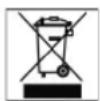
Meaning of the "Dustbin" Symbol
Protect our environment: do not dispose of electrical equipment in the domestic waste.
Please return any electrical equipment that you will no longer use to the collection points provided for their disposal.
This helps avoid the potential effects of incorrect disposal on the environment and human health.
This will contribute to the recycling and other forms of reutilisation of electrical and electronic equipment.
Information concerning where the equipment can be disposed of can be obtained from your local authority.
3 Regulator prunephywu pary
4 Panel obstugowy
a
Kontrolka
10 Papoboe conno
11 DepeKaTeIb HnIbTpA
12 Appetup 附Tpa
13 BoIbwoI ΦIIbTp (Ha 2 YawKn)
14 ManbI ΦnblT (Ha 1 uawKy)
15 Aaantep/MalbIyΦnltbTp
16 Pbyar cnyska daBneHn
17 YnnoTHnTeIbHoe KOJIbUO
18 TOny
IepBoe BKNIOUeHne/ YdaJIeHne BO3dUshbIX npo6OK
BHIMAHHE:
PepenpeBbIM BkHoueHem, a oObeHNO nocne DnIrTO npocToH3dEInna Heo6xOJnMo ydaNtB Bo3DyHhie npo6Kn H3 CnCTEmbl. 3Ta npoeDpya npoBOAnTcB 6e3 MONOTOro KOpf 3cnpecco!
- Octopoxho pacnakyte 3cnpceco-abTomat. BbHbTe H3 Kopo6Kn BCE npHaJnEJeKHOCTn yNAKOBOHyb MATEpHaI. PpOMOte BCE npHaJnEJeKHOCTn B MOUcem pactBope.
- YcTaHOBIne H3dEIne Ha nnOckyIO, poBHyIO n KApocToKkyIO NOBepxHOCb.
- HANOLHEHNAPEBpyapa BDOJ (2),OTKPOITe KpbIHKY 1)N BtTnHTe ero 3a pyky HApKy.
- HanoHnHTe pe3epByap BOoI Do MoTKn MAX. BcTaBbTe pe3epByap DnR BObl ObaTHO.
5.Y6eINTecbBTOM,TTOyHKUHOHaJIbHbI nepeKIOuATEIb(5)CTOITBNOJOKeHHe O. - BCTaBbTe BnIKy B po3eKy C HApPaeHem cTn 230 B.50 n.
- Pao6IokpytepeKpatebHpa11)HaKaBaHa pbya cnyska daBHeHn(16)noHOBpeMeHHo noBepHyB e"O BneBO (
- Okpynte do ynpa peryIHTOP noaH npa (3), Bpaan ero npTb YacOB O CTpeKn.
- NpOCTaBbTe noI napOBoe coIIO (10) noIxOJHnCocyD (KapocToKn/NpHM. 500 M).
- YctaHOBITE cyHKUHOHaJIbHbI nepeKIOuATeIb (5) Ha CnMBOJ, K3Ene HeauHHeT KaVaTb.
-
KaK ToIbKO n3 napOBoro cOnna (10) NaHcHT NoCTynatb paBHOMepHa CTpy napa, 3aKpyTHe peryTATOp NOaHn npap (3).B 3aKnIOeHH NOBepHHe ΦyHKUHOHaNbHbI nepeKIIIOuAtelb (5) O6paTHo B NIoXKeHne "O".
-
CnTe BDOy n3 COcya n NOCTaBtEero nOJ KINrTILbHyo TNOBky.
13.YcTaHOBnTeyHKUHOHaJIbHbI nepeKIOuATEJIb(5)O6paTHO HA CmBOJ OK - Nocne toro, kak pe3epByap dIIN BOIy (2) nonHOCTbIO ONOPOKHNTCR, NOBEPHTe FyHKUHOHAJIbHbI nepeKIIIOVAteIb (3) 6OpaTHOBnIOJKeHMe O"
UncTHa
Tenebp Bo3dyHbIe np6k ydaJIeHbI n3 cHTeMbI. NOBtOpTe 2 pa3a IaIc n 8 no 14, TIO6bI OCHNTb n3dJIe. P0 OKOHauHN n3dJIe rTOBO K 3KcIIyatauIN.
PnroTOBneHHe Kooe-3cnpecco
1.BCTaBbTe BnIKy Bpo3ETK C HAnpRKeHmE Cetn 230 B,50 n.
2.Y6eINTecbBTOM,YTOyHKUHOHaIbHbI nepeKIOuATEJIb(5)CTOITB NIOJOKeHHe O.
3. Bctabtepeuety6ByrnybneHne noDOna7
4. OtkpoTe KpbIuKy (1) N BbITaHIne pe3epByap IINBODbl (2) 3a pyky HApyKy.
5. HanonHnTe BOJrHO BaoK HeoXOINMbIM KOJIueCTBOM CBeHXO, YHCTOIN BOJbI. YPOBeHb BOJbI DOJIKeH JENKaTb MEJy MeTKAMN MIN. IN MAX. BCTaBBte pe3epByap dIN BOJbI O6paTHO.
6. Pao3noknyte depkaTeIb hnIbTpA (11), HauKaB Ha pBuCa cnyska daBneHra (16) nOHOBpeMeHHo NOBepHyB e"o BJIeBO ()
7.BCTaBte B DEpKAtenb FInIbtpa yNIOHTHeHBoe KOJIbco (17),yTOIuEHNEM BBepx.EcIN npiroTOBnIeTc TOnbKO OJHa YAwka KOFe,TO BCTaBte B DEpKaTeB FInIbTp aAdIeP (15),O6paTIte BHMaHne Ha HaceuKn B DEpKaTeNe,3aTeM MaJeHbKn FInIbTp (14). PnIepKNaBaITecb NocLeIDoBATEbHOCTn DeIcTBn COIlnacHO ABB.A,B Cnyuae pnproTOBHeHna DByx QauEe KOFe NocTynaite KaK NOKa3aHO Ha ABB.B.Hacblte B HERO OJHy IIN DBe H3MEpHTeBbIE NoKKn MOnOTOro KoFe, 6e3 rOpKn.PacnPpeDlnte KOFe paBHOMepHO nO FInIbtpy IN CIERKa PnIaBHTe ERO pN NOMOu H3MEpHTeBHOH NOKKn HII neCTnKa.CMbcl 3ToI npOeDpybl JekHT He B TOM,yTObI yNIOTHHTb IopoWok,a CKopee B TOM, YTObI paBHOMepHe pAcPpeDlntb erO no FInIbtpy. PeKOMeHdyem BOCNoIb3OBaTbcIO pnpiaRaEmoTOnHee (18).OcToPOXHo yDaIhTe c KpOMKn FInIbTp aNIIuKn KOFeHHO CMECN 3Cnpecco.
8. Hadehbe DeepKaTeIb PhIbTpHa KINrTInbHyIO rOIOBky I KpeNko 3aBePHTe ee B HApBaJIeHm .Y6eINTecb B TOM, YTO DePkaTeIb PhIbTpRa KPeNKO CnIIT Ha KINrTInbHOH rOIOBKe.
9. BkHIOUHTe 3JKeTPOINb6Op, nepeKJIIOuINB cyHKUHOHaIbHbI nepeKJIIOUaTeIb B NOJOKeHne "
10. PAsorpeB: H3dEInne rTOBO K paOte, eCNI pINMepHO uee3 2 MnHyTb 3aRopaetc KOHTpOlbHAR NAMNOUka /C4d). C cIeJIbIO nOLyueHnI ONITMaIbHOrO KaYeCTBa KoPe peKoMeHdyETc PAsoRpeBaTb H3dEInne 10 MNHyT.
11.ДЯ NOORpeBa KOFeHbIX qaUeK IX MOKHO NOCTABNTbHa NITKy-tpEnky (9),pacnoIOnKeHHyO HAD KINPTNtBHOI rONOBKo.IIITKa-tpEnka BKNIOuAetc TOnbKO TOrda, KOrDaФYHKUHOHaNbHbI NepeKlIOvATEb HAXOINTcB NIOJKeHHN 4(a)nn,(4c).
- CHMMTe KOFeHnyHO(bE) qauKy(n) C pnnTkn-tpenKn (9) n NOCTabBte ee(IX) NOKINrTnblbHyO rONOBky.
- YctaHOBInTe cyHKUHOHaJIbHbI npeKlIOuTaTeIb (5) Ha CnMBOJ
- TOTOBiKoFe-3cnpceco HauHnaet Noctynatb B NOCTaBHeHHy(bie) yaIky(Ⅲ).
I PIMMEAHHE:
EcnKoHTpObnHnIaMnOuKa, HOTyXHeT
DOOKOHuaHHN IPOuecca 3abapBaHHN KOFe, TO
3TO O3HaayeT, YTO B0a He DCNTnla DOCTaTOHO
BbCOKo TEMpepatpy. NOBepHnte FyHKUHOHbH
nepeKnOvateH (5) B NOIOKeHne " (4c) n
NOdoHNTE, NOKa 3arOpntc JAMnoKA. Nocne 3TO
MOxHO npOdoJHnTb pnproToBJeHne KOFe-3cnpceco.
- IIO OKOHaHIM npOeDpybI NOBepHIne nepeKlnouateIb peKIMOB paObToI o6paTHo B noLoKeHne, O". Tenepb 3JIeKTPponpN6Op BKIOUcH.
- NpeeTtem Kac ChrB depKatEnb FInbTpHa KaKMite Ha pbyar cnycka npa (16), HaxoJrHcra PAnOM C HIM. Nap BixOHT NoD depKAtenem FInbTpA. NobepHnte pykydepKAtenr FInbTpBa HnpaBHeHH. 7To6bl OyctOuHTb DepKAtenb FInbTpA, DepKHe TpB HcxOHDm IonoKeHne, npImeHra erOp appTeap (12) Ha pyuke. OTbeHnTe depKAtenb FInbTpA (11) n BkiKoIOTnE h3 Hero KoFeHyTuSy. Iocne npiroTOBHeHr KoFe- 3cnpecco BCerda CHMaTe depKAtenb FInbTpA. 3TNM camBIM IpOndBeAETCspOK cNHy6bl pe3HOBoi npoknAdKn KInrTINbHO rOLOBKn. Dna npiroTOBHeHra CNe dyHOuei nopun KoFe-3cnpecco HanoHnTE KoFeHbI FInbTp (13nn 14) MoIOTbIM KoFe n 3abapnte erO, KaK eTO 6blIO ONCAHO BIIe.
PnroTOBneHne Koe-KannnyuHNO
Дя nprirotoblenia KoFe-KannynHno Heo6xOIMO ChaHaI nprirotobntb KoFe-3cnpecco. NToTMy cneDyIte Chauana nyKHTam 1-15 rnaBbl,prnrotoBlenie KoFe-3cnpecco".Дя BCNEHBANr Heo6xOIMoro DЯ KoFe-KannynHno MONOKa noctynaiTe cneDyUOIM O6pa3OM.
1.Y6eHNTecbBTOM,YTOnepeKHOaTeNbpeKHMOBpaOtB(5)HAXOHTCBNOJIOKeHN,0
2. OTeBepHnTe npoBoe conno (10) B cToPOHy. B 3ToM nOJKeHm NoI Hero yDIObHO NoCTabTb YAuKy (NoXaNyIcTa, NoJIb3yIteCb JApOcTOKoi NocyDoi).
3. HanonHnTe HaaKHy Ha 1/3 CBeXHM, XoNoDhBM MOLOKOM (TENIOE, TROPuee HIN HeCBExee MOKO He BCNEHbAeTc). Obe3KHepeHHoe MONOKO daet 60nee cTa6NbHyIO neHy.
4.YCTAHOBHTe FyHKUHOHaBbHnpeKHeOaTeIb B NOLOXKeHne 3aropaOTc KOHTpObHbIe IaMIOuKn "N. WIOJOKNTe, NOKa 3arOpTc KOHTpObHbIa MIOUka Cepb 3JIeKTpOpnpObP rOTOB K BCNEHBAHMOJOKa.
5. Onyctte napoBoe conno B cocyd c MONOKOM, noD camyo NOBepxHOCTb.
- Octopokho BpaaeperynTop noaH npap (3) HactpoTe ero Ha HeoXOIMyHO noauy H MeDHeHO onyckaIte nnoBImaTe COcyd C MONOkm. Korda DOCTatoHoe KOINcTBO MONOK BCNEHITcH, HargPeTe ero do HeoXoDMo TEMNepaTypb, ONyCTNB napOBoe cnon (10) Do camoro dHa yaikn. He DOBOInTE MONOKo DO KInneHn, 3To yHHTOXKNT Opa3OBaBsuYIOcR neHy.
7.YCTAHOBITEyHKUHOHaJIbHbInepeKIOHOTaTeIb(5)B NOJOKHeHcO,3JEKTPponp6Op BIKIOHuaETcA.
8.CnOMOJIbIO NOKKn CO6epIte neHy C MONOKa INepeLOXbTe ee B YAuKy C KOFe-3cnpcecco.Добавытуда ще HEMHOrO ropAYeRO MOnOKa.Kak npabInIo, KoFeKaNNyUHHo COCTOHT Ha OJHy TpeTb N3 KOFe, TpeTb rOpAYeON TpeTb BCNEHeHHOrO MOnOKa.
KoFe-kannyuHNO roTOBO. No BkyC, erO MOxHo nocbinaTb KOpHue Hn TepTbIM WOKOnaDM.
UHCTHa
Ipeq qnCTKoJ 3eKtponp6opa yctaHOBHTe yHKUHOHaJIbHbI nepeKIOuATEJB B NOJOKeHHe "O" H BbITAHHTe WTeNCeJIb H3 po3eTKI.
- Pēpei zhctkoi dai Te ǎnektpnpnbopy octbIb.
PeepByap IIN BODI, NODOH, KOHX NDOHOA, FNIBTp H depKaTeIb FInbTpra npOMOte BpyHyIOB TENIOM MOIOeM pactBope. He npImehaTE CNbHOMOIOue CpeCDtBA. PeryIpaHPO npOMBaIte BCE DetaniN.
Bcnyae,ecn nepphiopua qnhbtpa 3a6bctca, npouhCTTE eRO UeTKO C MAFKIM, TOHKM BOPCOM.
He norpykaite 3neKtpnpbOp B Body nn npnye KNDKoCTN.
HnB Koem Cnyuae He MoTe DeTaan KoFeBapKn nn npHaJdNExKHOCTn KHe B NocyDOMOKe. KoFeBapKa He roDTc nIa NOCyDOMOKn. NoDoH KoFeBapKn OChaue H 3aunTHbIM pncnocoblenm EOT nepeonlneHn. B nepeHne yactn noDoHa haxoDITcKpachb, nonlaBOk (8).Yem60JIbWe BObl B NODOHe, TEM Bblwe BCnblBaET nonlaBOK. Ira TOrO, YTObI CInTB BoHy, BbHbTe NoDOH n3 KoFeBapKn UdaNTe HrE HO CETKY-KanJeYIOBnteB.. - Pocne BCnHbAHM MoNOKa Heo6xOIMHO3aMeIITeBHO OcHCTNb NapoBOe COnIO OTPnIKINBEUero MOJOKa.
EcnMOJIO npKINH K cNJIy,TO eO TpydNO OcHNTb.Pa36epHTe napOBoe cOnnlo Ha cactn. NOBEPHTe coUHeHHe HAD napOBbIM cOnlOM Ha qETBepb OBopota BNEBO,CHIMITE BEPxHIOU cAcbN BByHBTE BHyTPEHHO TpyOoKY (CMOTPN rpaFneCKOE nO6paKeHHe 3NeKTPOpnp60pa).B 3OM cnuyae 3AMOHTE Tpy6Ky napOBoro cOla HA HOb B NOcyde C BODo, DnRA pa3MaHcHEnI. POCTabTe ND napOBoe CONLO qAShky I3 JapocToHKO rMATEpHana HAnONHeHHyBO DoN IN ONCTte B Hee napOBoe conNo. NOBepHtE FHKUHOHLbHn NepeKIOuAtelB NIOJOKeHHe "N BKNIOHTe NOaCy npa, KaK 3To bblOnCaHO B rnaBe .PiuroTOBHeHne KoFe-KanyuHNO." No OKOHuaHN YCTaHOBtE FHKUHOHLbHn NepeKIOuAtelB o6paTHO B NOJOKeHHe O. NocLe 3TOrO npOTpHte napOBoe cNO BIAJHHo TprNKoI, UTO6bI ydaJIb pRKnIneBwne OCTaTK MoJOKa.
ydaenne haknn
YdaJIeHHe NaKInn Heo6xOJIMo npoBOOnIbpeyIpaHNo. HHTepBaB BpeMeHN MExdy npoeJeypamn 3aBNCtOT ChTcTobl Nolb3OBaHN 3JIeKTPpnpbOpom n JecCTKocTN NCIOJIb3yeMoI BObl.
PpmeaHne: ydaehnHaKnPi pa3peaaetcnpMeHrToTbKOobHyBle CpeCTBa npednaeMbteTOPROBne peKOMeHDoBaHHbe Ia KoepEapok.03npOBka corlacho peKoEmHaauu 3aBoa-n3ROTOBHTeIa.
- PnpnepKnBaTeCb npoeDpybl, peKOMeHDoBaHHoI pnnroTOBHeHn KoFe-3cPipecco Do Tex nop, noka pe3epByap dIa BOnbI He onyctOuHTbcra. DaIte KnIKoCTn npoteYb cheE3 KNITINbHyIO rONOBky (6e3 depKaTeHn FNJIbTpa I MOJOTOro KoFe).
Iocne 3toro peepByap IINB OBOHeo6xOIMNOpONIOCKaTb, npOnyCTNB Upee3 KInnTINbHyTO rOBKyOdy-DbE nOpCm CBExKe BObl, DoTex nop NOKa HeHcye3HET 3anax CpeCDtBa DnI ydaJIeHHaKINH.
YcTaPaeHHe HEnoJaDoK
3JIeKTPoNTaHHe: 230B,50T
Tnpe6nemar moohocb: 1150BaTT
Klacc 3aunrbl:
Давлие: 156ap
3To H3deneHne npoJIO BCE Heo6xOaMlbIe n AkTyalbHbIe npOBepKn, npEtnHCaHbIe DnpeKTHBOI CE, K npIM. Ha 3NeKTPomarHHTHyO COBMecTHMOCtB NOOTBETCTBNE Tpe6oBaHmK Hn3KOBoNbTHOH TEXHKe, OHO bIo TAKeK cKOHCTpynpoBaHO N IOCTpoEO C yHeTOM IocJeHNX Tpe6oBaHn No TEXHKe Be3OnaNacOcTH.
MblocTabnem3aCobnnpaBoHaTexHueeckneN3MeHeHHI
TapaHTnHoe 063aTeJbCTBO
TapaHTHbIcPOk HaTeppntOpHnPoCCNcKoFeepaunu yCTaHABINBaETCnONIHOMOHyIMn PpeCTaBtENAMM.
KaccobbyuekRBnreTcRAPaHTmHbIM TaIOHOM.Be3 Hero HEBO3MOXKeH 6ecnIaTHbpeMOHTNIN 3ameHaN3dEInr.
B cnyae Bo3HKnHOBxHn npTeH3n no rapaHTn, npeDbHBNTe H3dJIne B noHOBKOMNKeTauHH, C opHnHaJIbHOyNAKOBOH N KACCOBbIM YekOM TOPROBTOUKe, pOdaBSeI 3TO H3dJIne.
DepeKtBu 3HaWNBaEmbIX PnHaDJIeXHOCTeE INI TpyuNXcR DeTalei, a TaKke YNCTKa, Texo6ClyJXNBaHne INI 3aMeHa TpyuNXcR DeTalei He NOnaJaOT NOI rapaHTHO, INO3Tomy npBOoRDTCa OTDelHyIO ONlAly!
TapaHTN TepETc npB BCKpbITn H3dJIIN NOCTOPOHHIMN IINaMn.
PocJIe rapaHTmI
Pocne OKOHnHcPOKa rapaHTn,peMOHTn3dJIIM npOn3BODITCR 3a ONIATy,COTBETCTBYIOUHM MaCTepCKMm HINpyHKtAMn CepBHCCHO O6CnyKBAHH.

CLATRONIC
INTERNATIONAL GMBH
D-47906 Kempen/Germany · Industriering Ost 40
Internet: http://www.clatronic.de·email: info@clatronic.de

- FRANÇAIS
- JEZYK POLSKI
- Sommaire
- General Safety Instructions
- Children
- Special Safety Instructions
- Symbols in these Instructions for Use
- CAUTION:
- Overview of the Components
- Initial Use / Air Removal
- Cleaning
- Making a Espresso
- I NOTE:
- Making a Cappuccino
- Dscaling
- Technical Data
- Guarantee
- After the expiry of the guarantee
- Meaning of the "Dustbin" Symbol
- IepBoe BKNIOUeHne/ YdaJIeHne BO3dUshbIX npo6OK
- BHIMAHHE:
- UncTHa
- PnroTOBneHHe Kooe-3cnpecco
- I PIMMEAHHE:
- PnroTOBneHne Koe-KannnyuHNO
- UHCTHa
- ydaenne haknn
- TapaHTnHoe 063aTeJbCTBO
- PocJIe rapaHTmI
Brand : CLATRONIC
Model : ES 2968
Category : Coffee machine