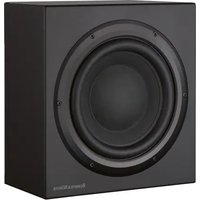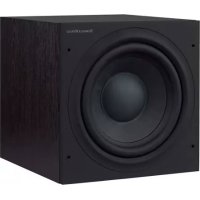
ASW608 - Subwoofer BOWERS & WILKINS - Free user manual and instructions
Find the device manual for free ASW608 BOWERS & WILKINS in PDF.


User questions about ASW608 BOWERS & WILKINS
0 question about this device. Answer the ones you know or ask your own.
Ask a new question about this device
Download the instructions for your Subwoofer in PDF format for free! Find your manual ASW608 - BOWERS & WILKINS and take your electronic device back in hand. On this page are published all the documents necessary for the use of your device. ASW608 by BOWERS & WILKINS.
USER MANUAL ASW608 BOWERS & WILKINS
ASW608 ASW610 ASW61OXP
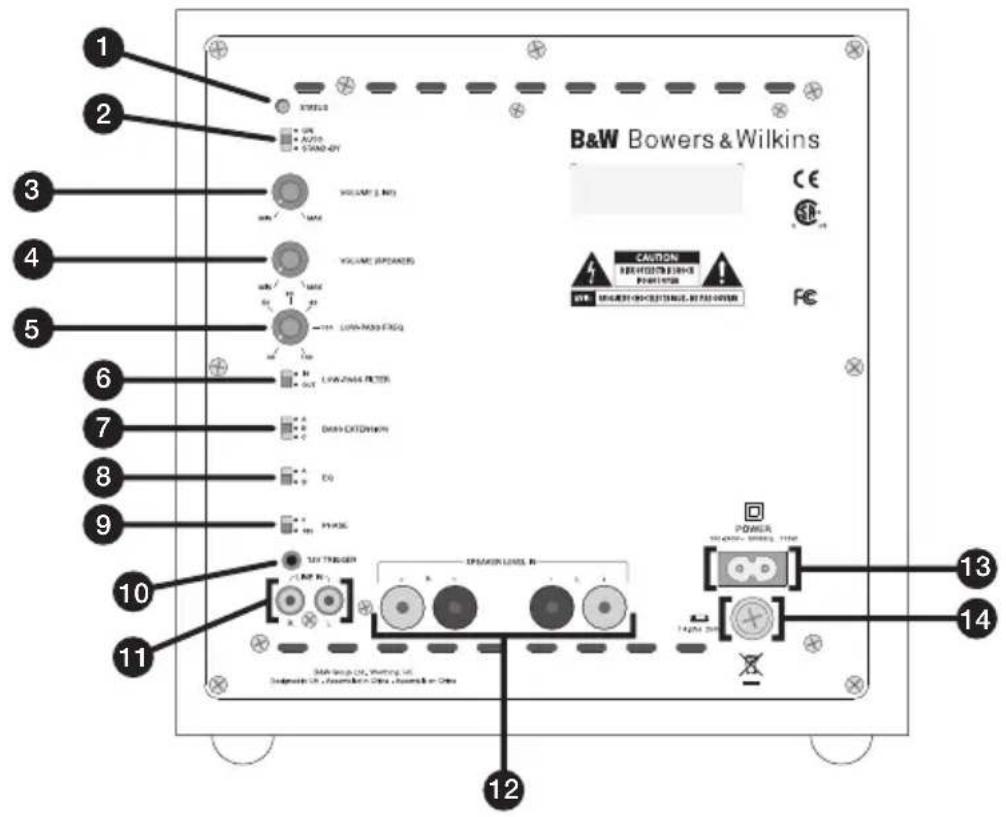
Figure 1 (ASW608/ASW610)
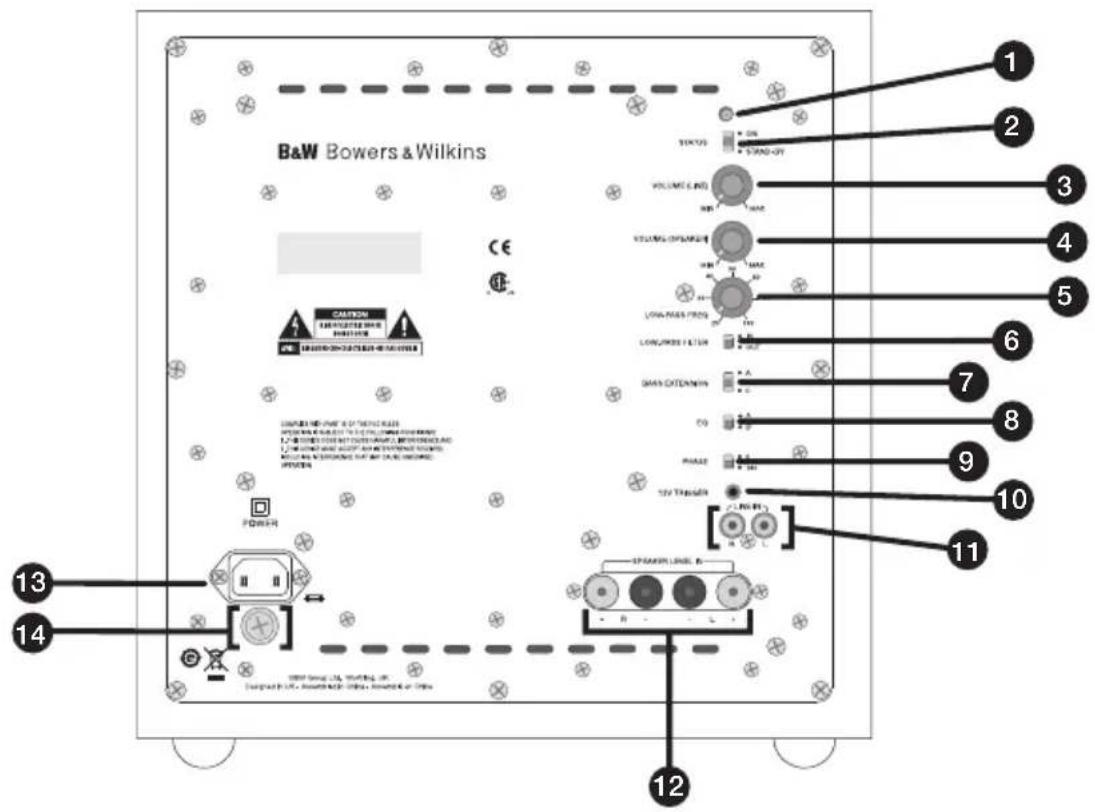
Figure 1 (ASW610XP)
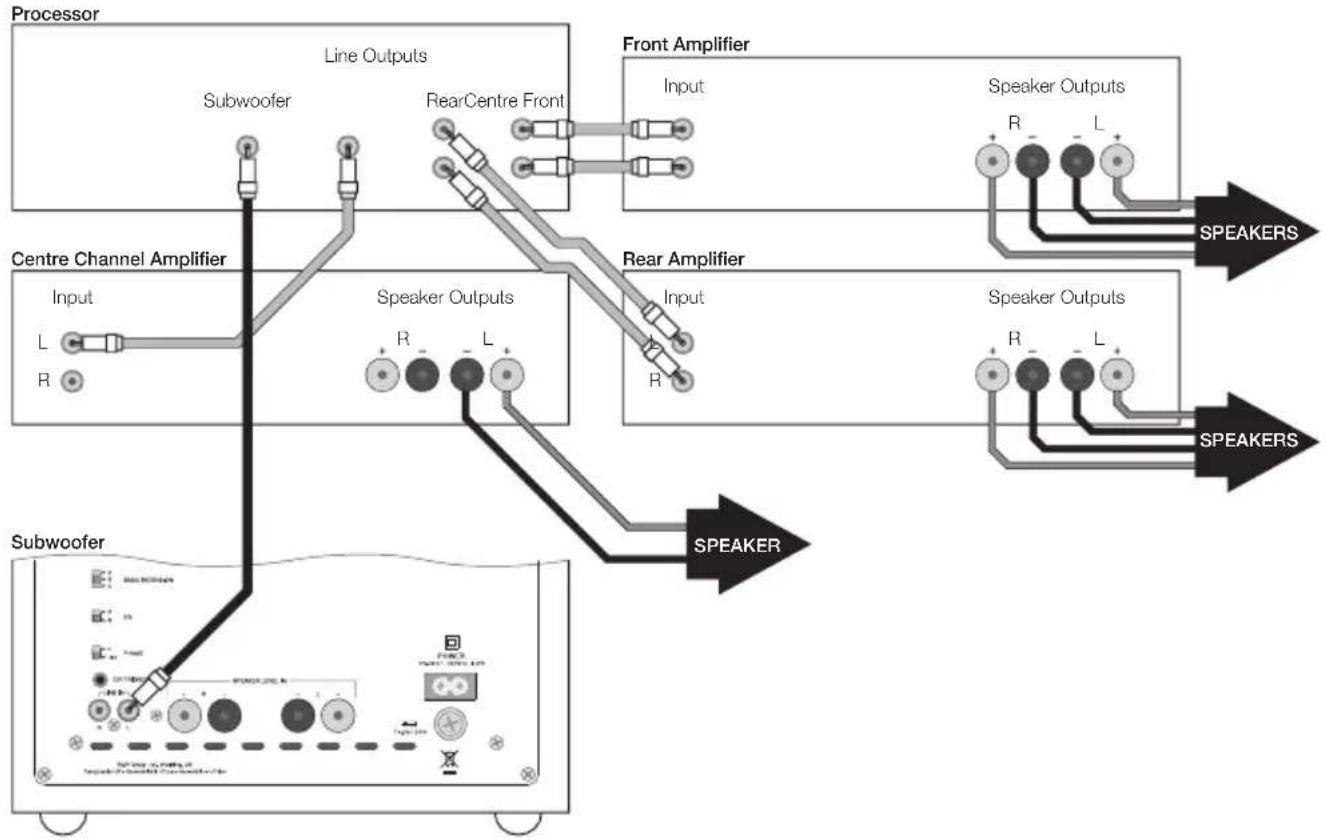
Figure 2 (ASW608/ASW610)
Figure 2 (ASW610XP)
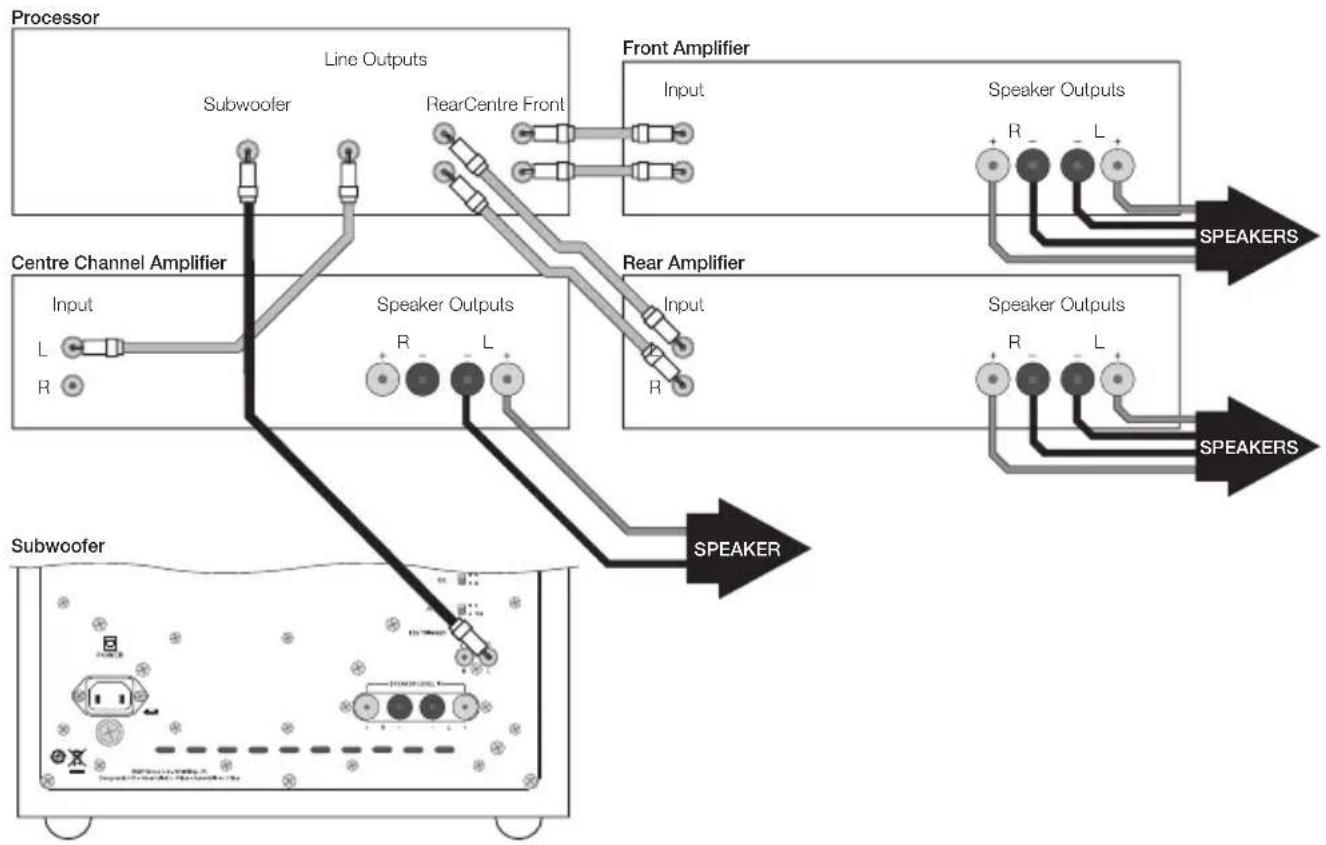
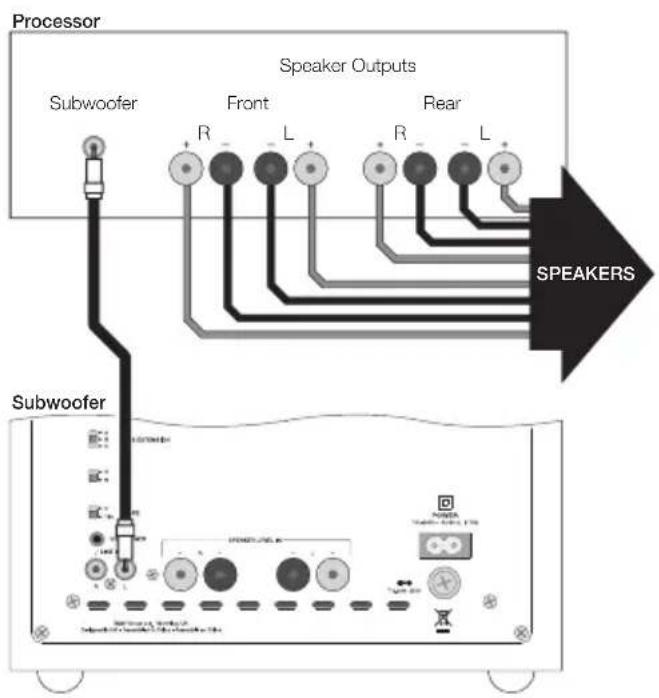
Figure 3 (ASW608/ASW610)
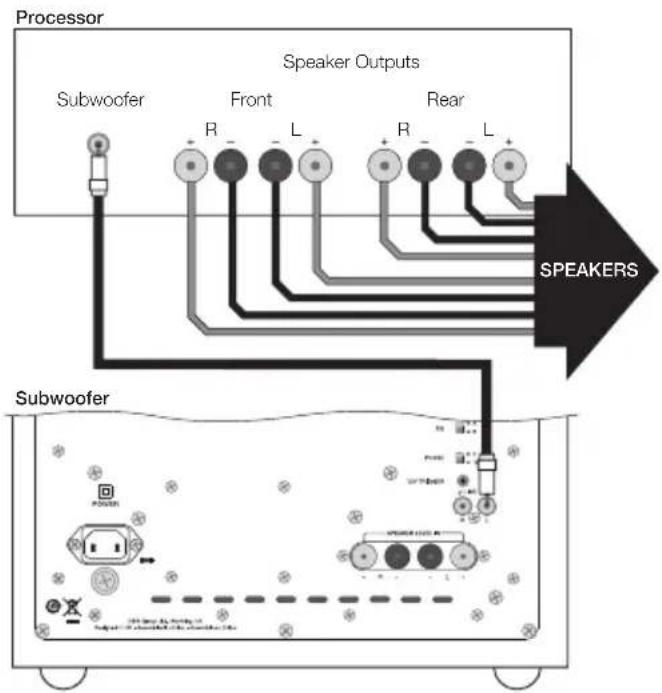
Figure 3 (ASW610XP)
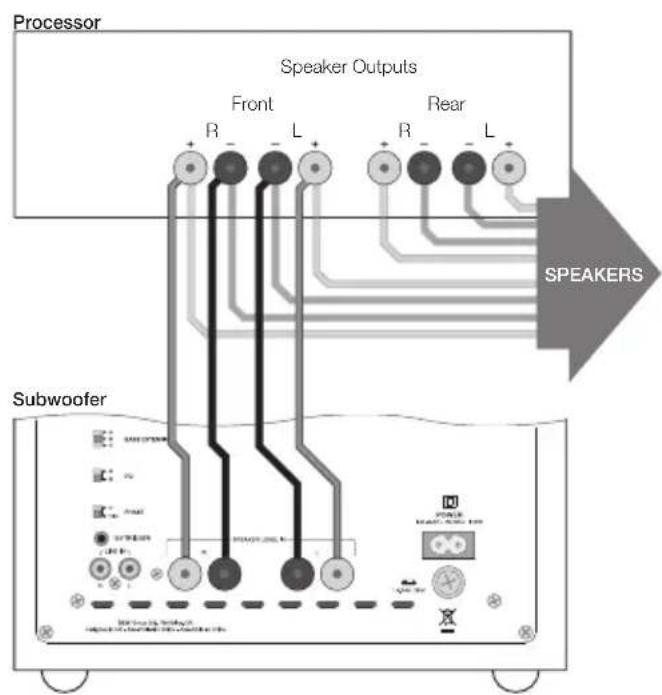
Figure 4 (ASW608/ASW610)
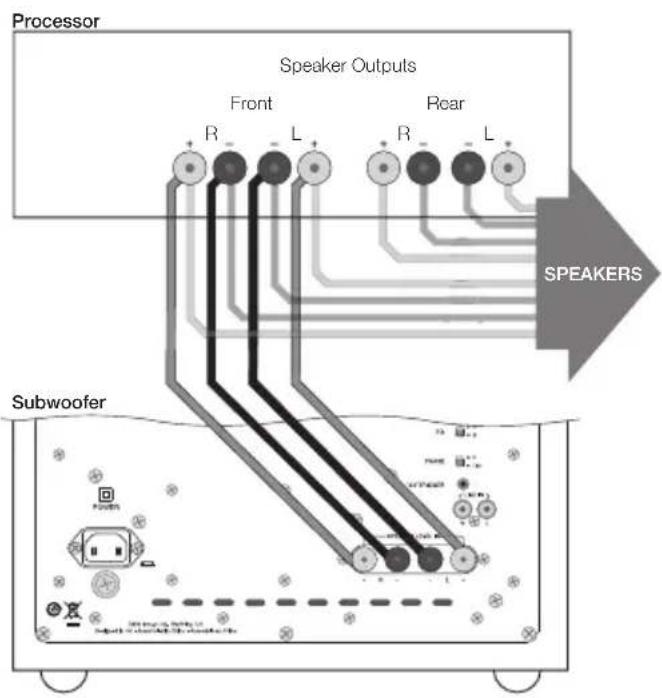
Figure 4 (ASW610XP)
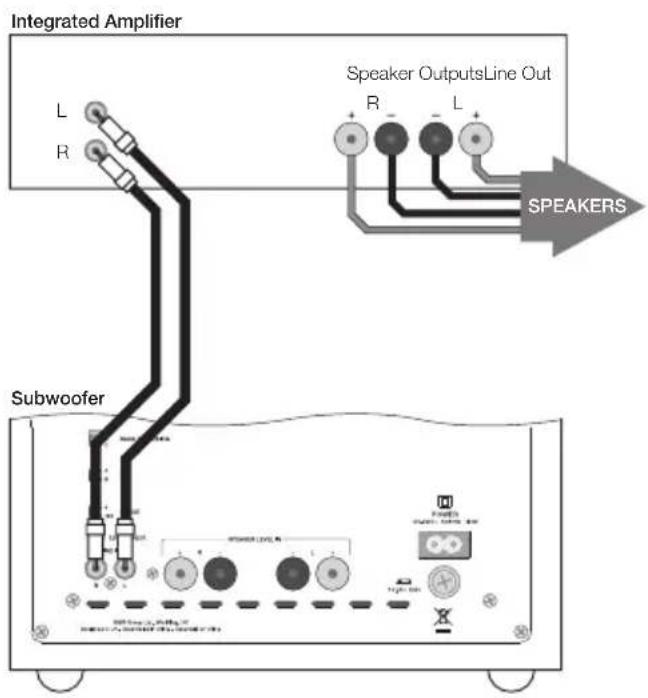
Figure 5 (ASW608/ASW610)
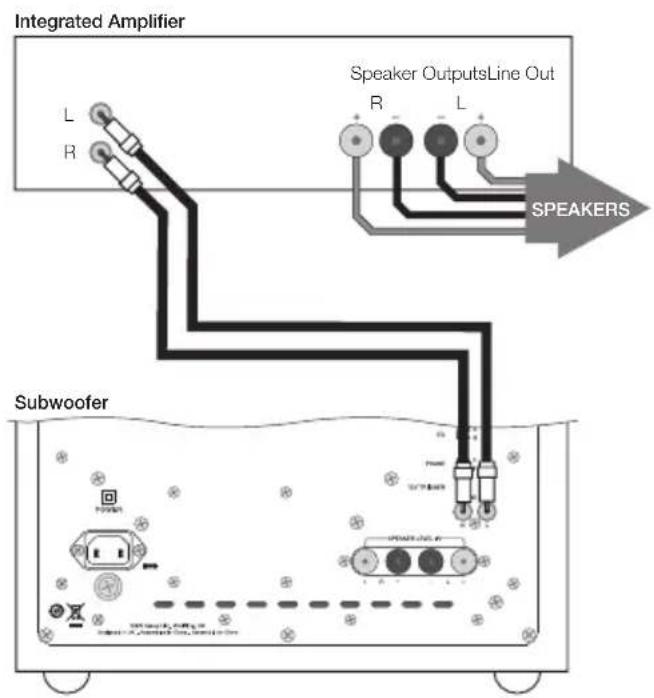
Figure 5 (ASW610XP)
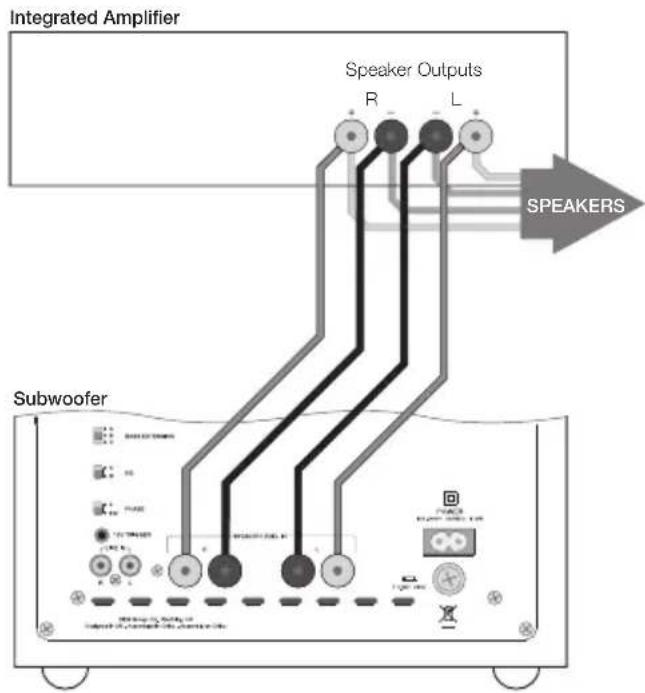
Figure 6 (ASW608/ASW610)
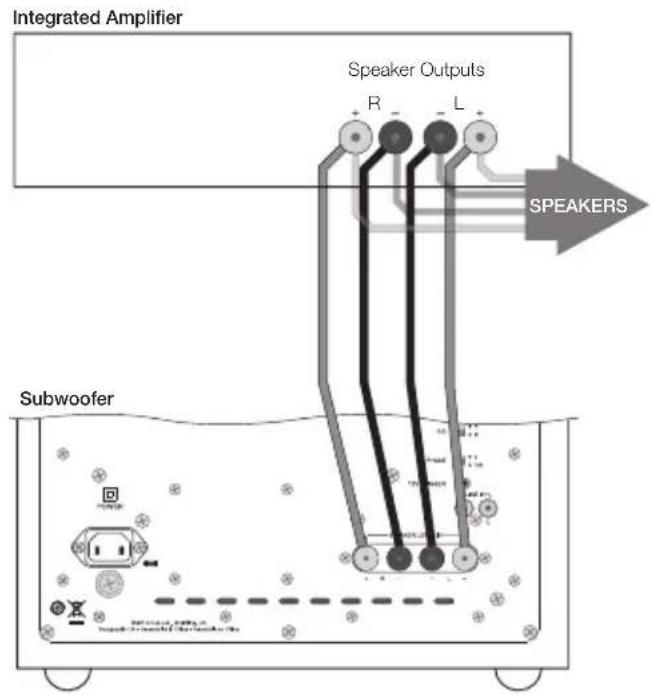
Figure 6 (ASW610XP)
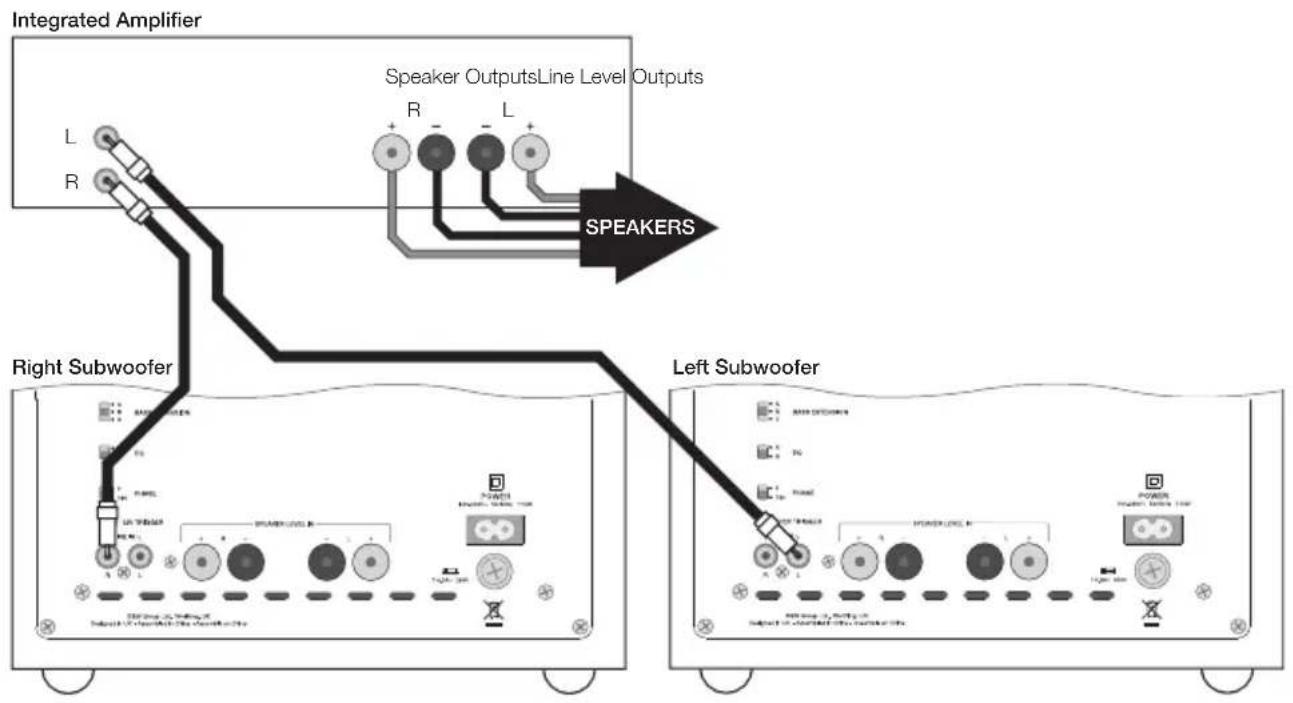
Figure 7 (ASW608/ASW610)
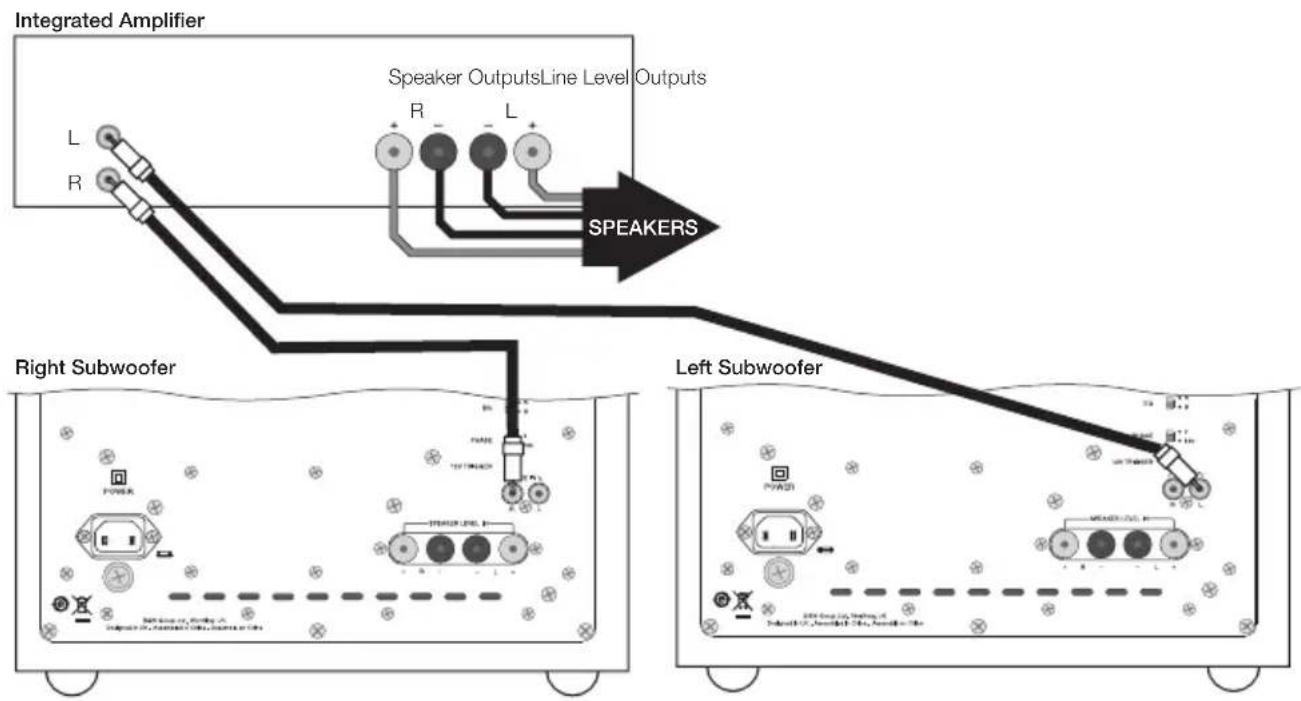
Figure 7 (ASW610XP)
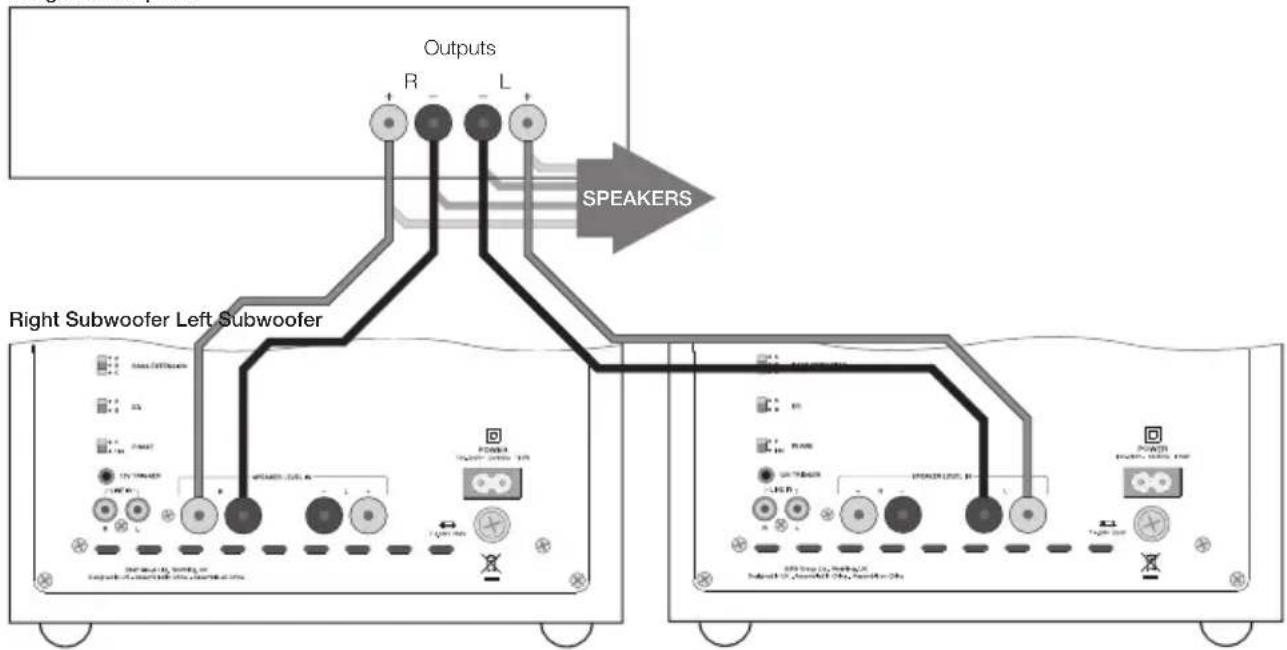
Figure 8 (ASW608/ASW610)
Integrated Amplifier
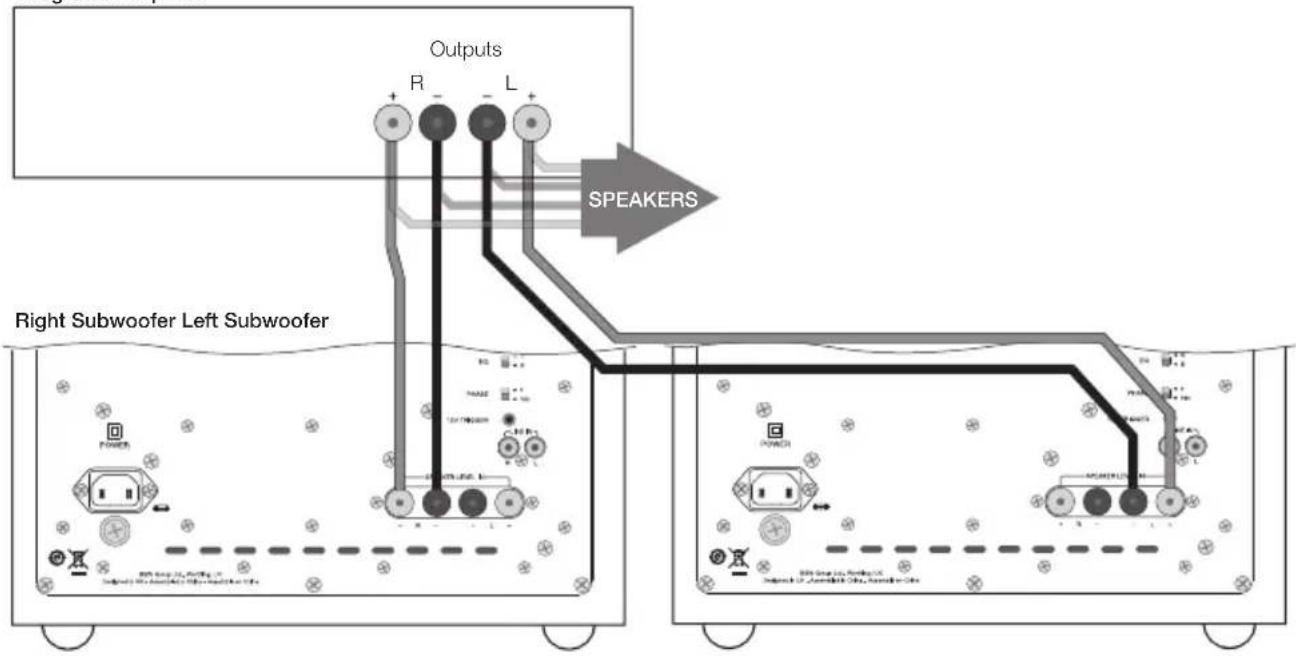
Figure 8 (ASW610XP)
Integrated Amplifier
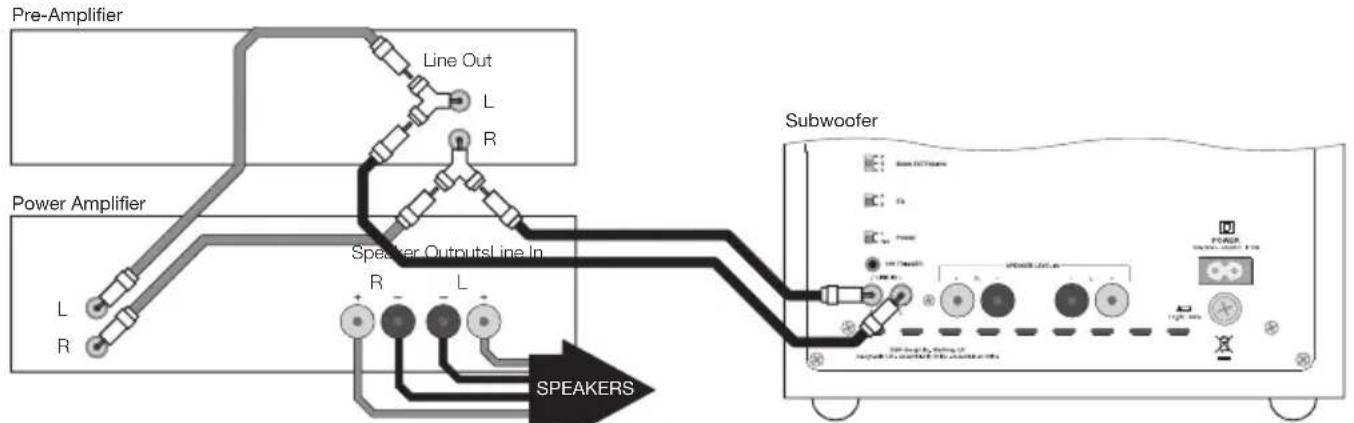
Figure 9 (ASW608/ASW610)
Figure 10 (ASW608/ASW610)
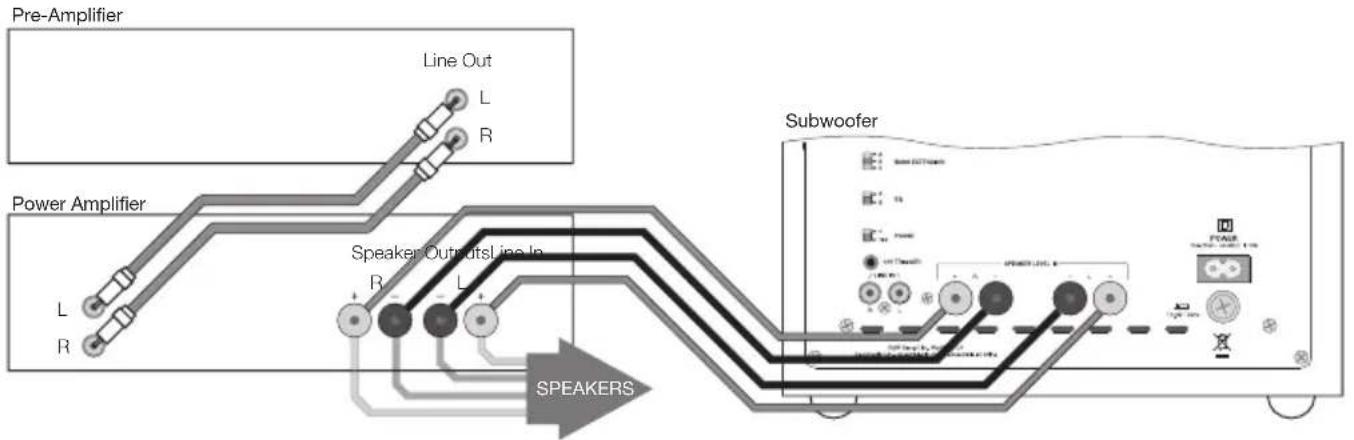
Figure 9 (ASW610XP)
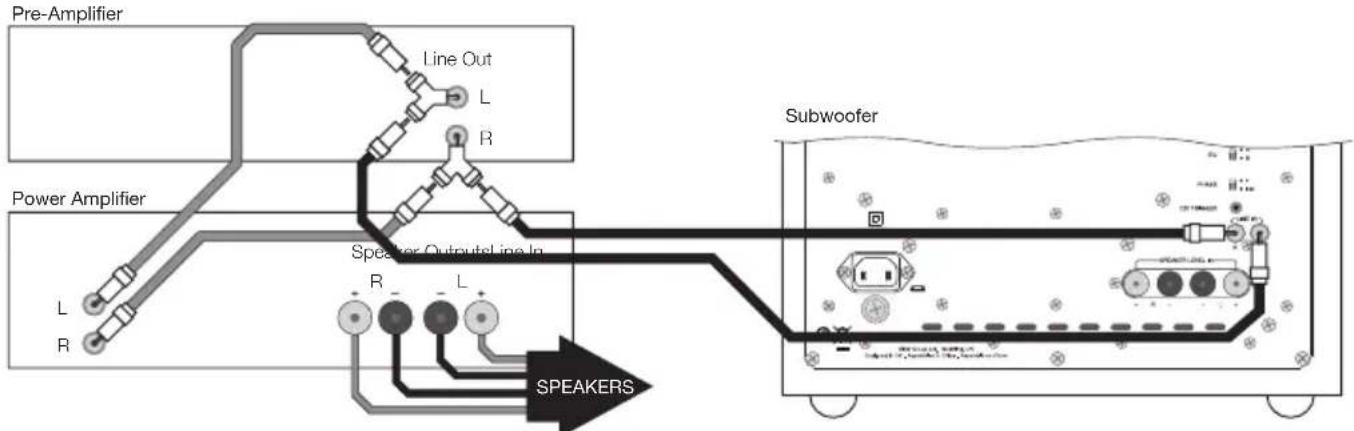
Figure 10 (ASW610XP)
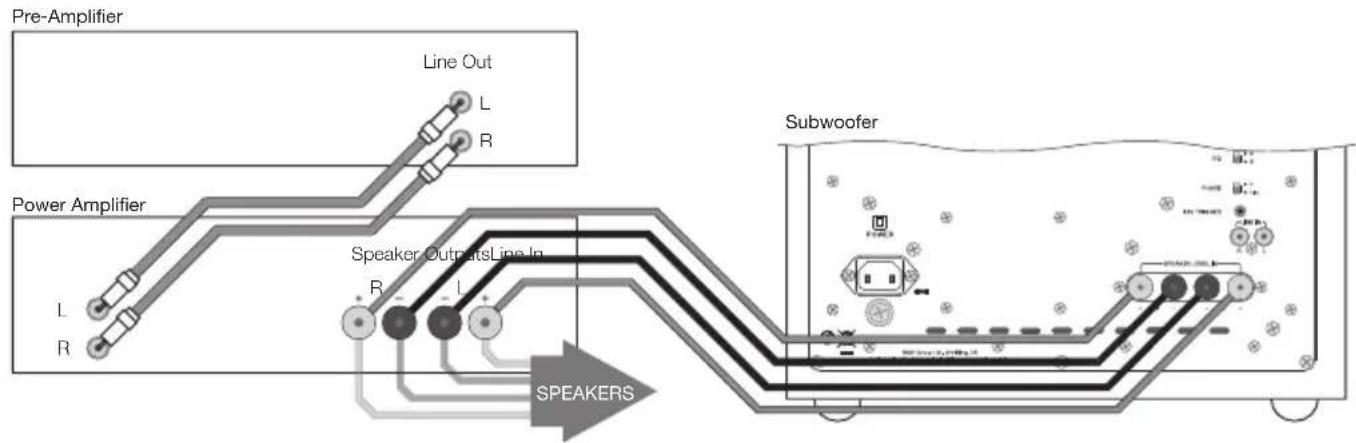
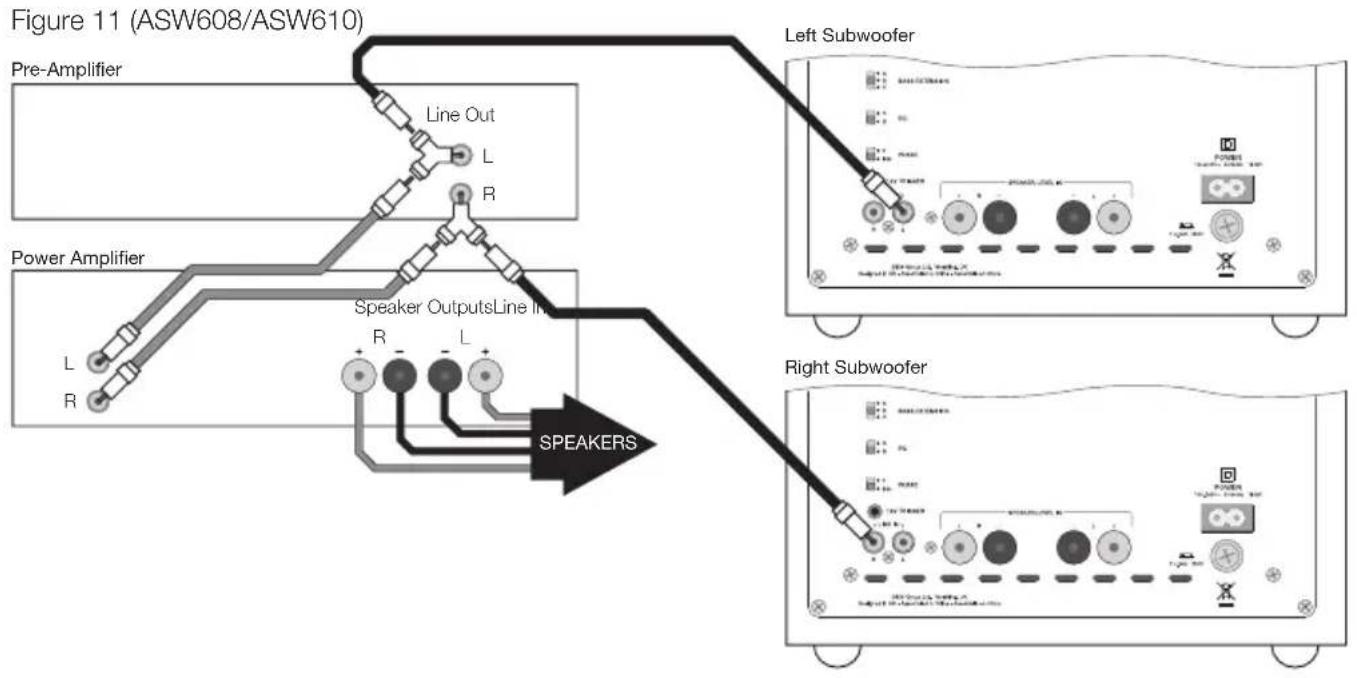
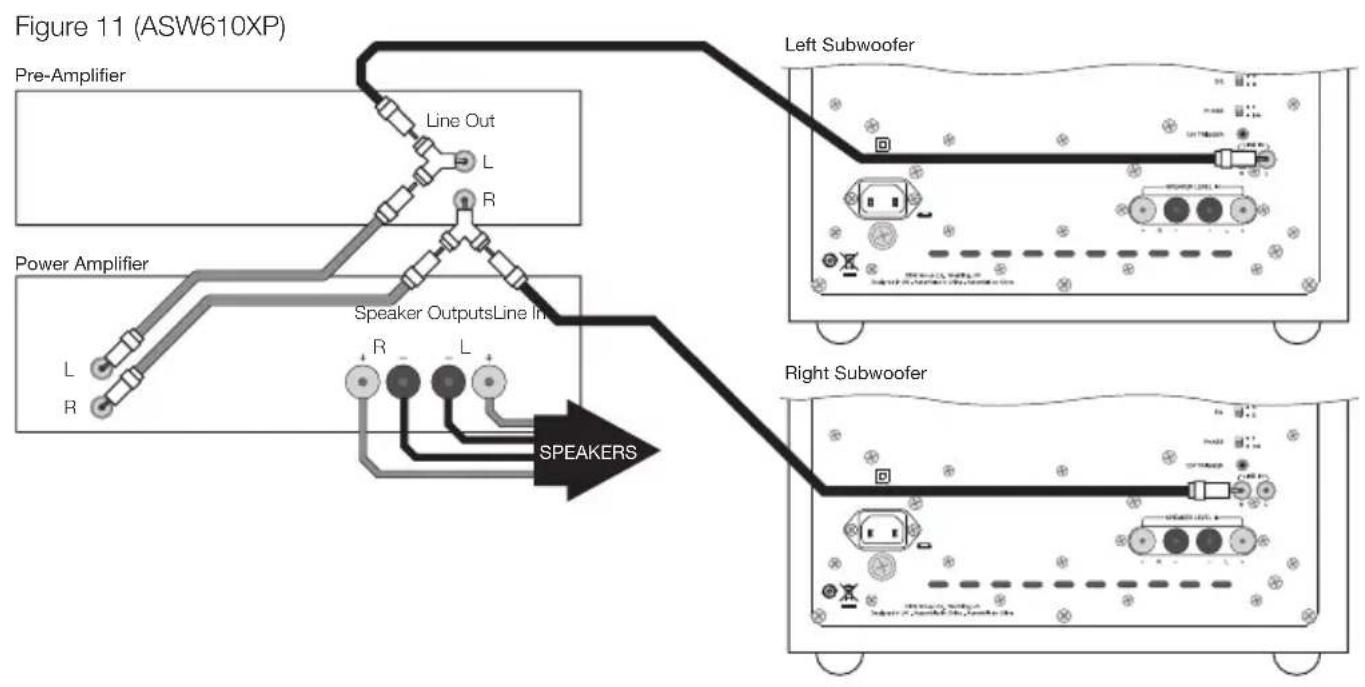
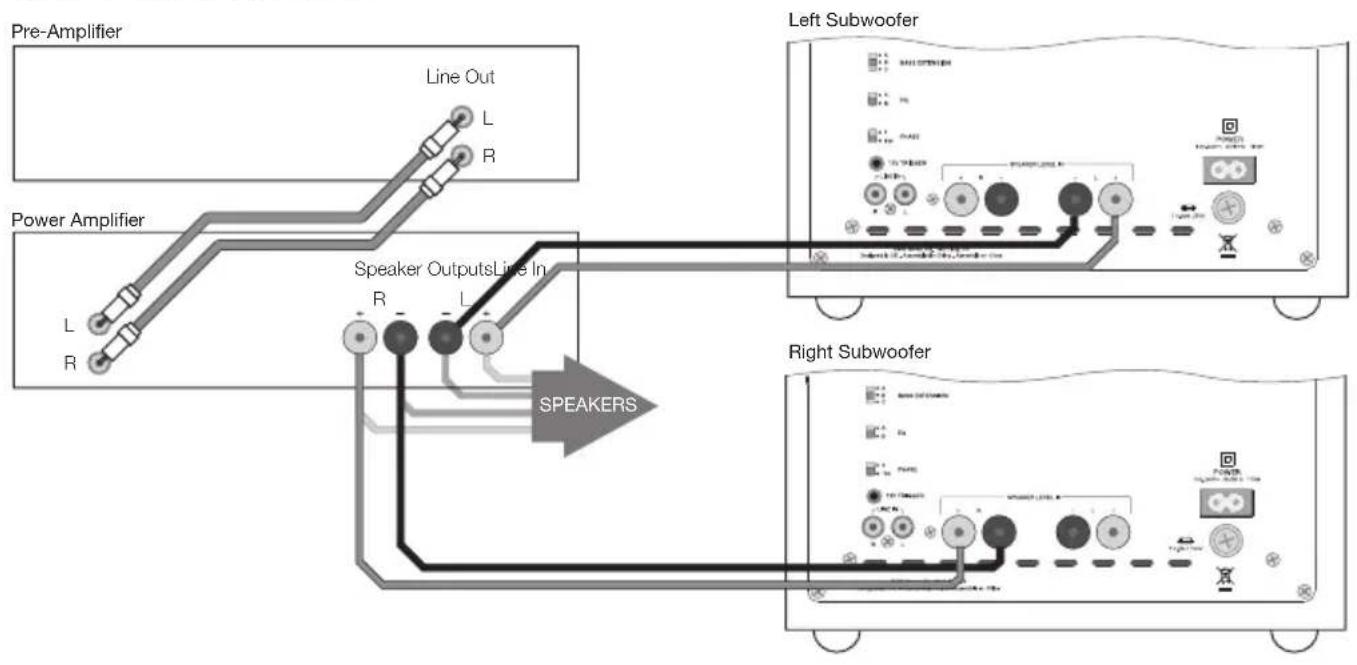
Figure 12 (ASW608/ASW610)
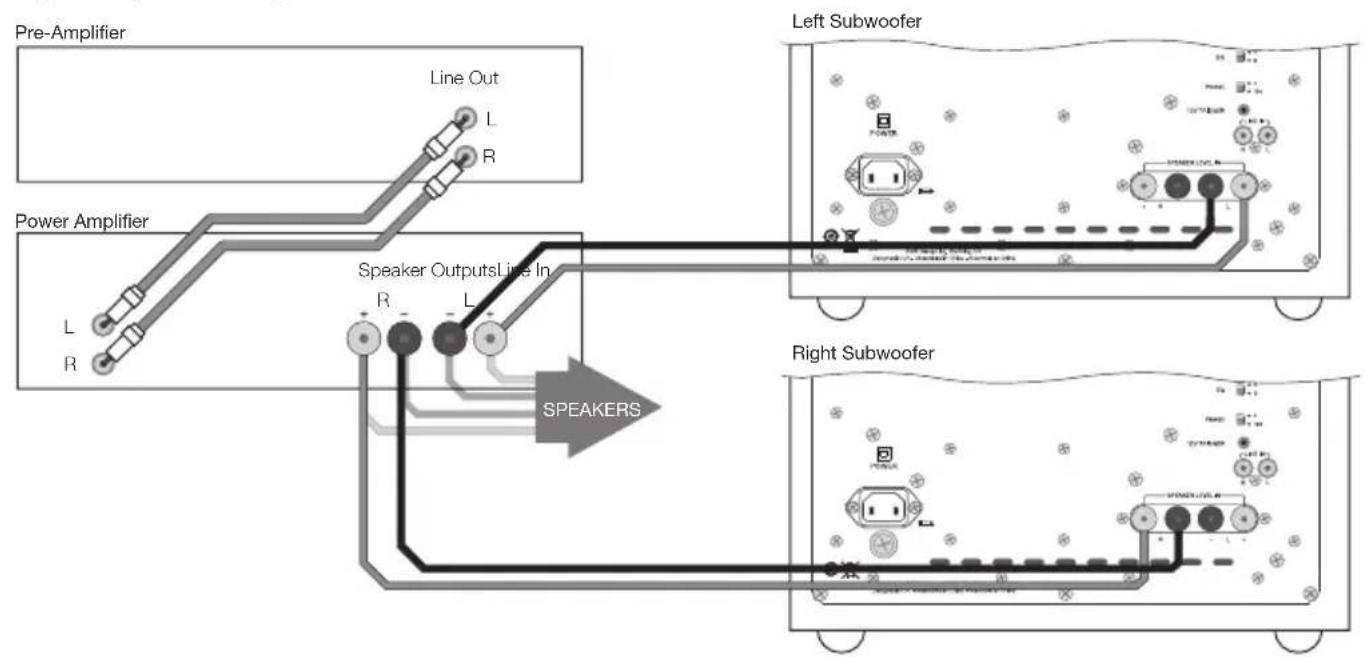
Figure 12 (ASW610XP)
Contents
English
Owner's Manual. 11
Français
Specifications.....74-76
English
Owner's manual
Introduction
Dear customer,
Thank you for choosing Bowers & Wilkins. Please read this manual fully before unpacking and installing the product. It will help you to optimise its performance. B&W maintains a network of dedicated distributors in over 60 countries who will be able to help you should you have any problems your dealer cannot resolve.
Environmental Information


All B&W products are designed to comply with international directives on the Restriction of Hazardous Substances
(RoHS) in electrical and electronic equipment and the disposal of Waste Electrical and Electronic Equipment (WEEE). These symbols indicate compliance and that the products must be appropriately recycled or processed in accordance with these directives. Consult your local waste disposal authority for guidance.
Carton Contents
Check in the carton for:
1 Mains cable
1 Accessory pack containing:
4 M6 spike feet
4 M6 rubber feet
4 Lock nuts (10mm across flats)
Installation
The subwoofer has been designed both for Home Theatre installations and to augment the bass performance of 'full range' speakers in 2-channel audio systems. All audio installations require some thought in installation if they are to reach their full performance potential and this manual will guide you through the process.
The subwoofer requires connection to the mains power supply, so it is important that you familiarise yourself with the safety instructions and heed all the warnings. Keep this manual in a safe place for future reference.
The Subwoofer Connection and Control Panel (Figure 1)
- Status indicator.
- On, Auto, Stand-by switch.
- Line-level input volume.
- Speaker level input volume.
- Low-pass filter frequency.
- Low-pass filter selection switch.
- Bass extension switch.
- Equalisation switch.
- Phase reverse switch.
-
12V trigger input.
-
Line level input sockets (left and right).
- Speaker level input binding posts (left and right).
- Mains input.
- External fuse holder.
Subwoofer Applications
The primary function of a subwoofer is to reproduce signals from an audio-visual processor Low Frequency Effects (LFE) channel. In addition, the processor may be configured to divert the low bass portion from some or all of the other channels and add it to the LFE information. This is usually done by selecting "small" loudspeakers in the processor set-up procedure.
In 2-channel audio applications a subwoofer is used to extend the bass response lower than that provided by the satellite speakers. The subwoofer low-pass filter should be set so that the subwoofer takes over as the output of the satellite speakers falls.
Subwoofer Positioning and Installation
The ear poorly perceives the source location of low frequency sound so the position of subwoofoers in the listening room is generally less critical compared to full-range speakers. However, best results are usually obtained if the subwoofer is placed between the left and right speakers or in the vicinity of one of them. If two subwoofoers are used, it is best to put one near the left and one near the right speaker. Placing a subwoofer behind the listening position, even in multi-channel surround sound installations, generally results in inferior imaging, but may be an acceptable compromise if domestic considerations dictate.
As with all speakers, the proximity of room boundaries affects the sound of a subwoofer. Bass volume increases as more surfaces come into close proximity with the speaker. Unlike full-range speakers, however, the overall system balance can be corrected by adjusting the volume level of the subwoofer. The more boost gained from the room, the lower the volume can be set and the less hard the subwoofer has to work; but there is a down side. Subwoofer positioned near corners often generate more low-frequency room resonances, making the bass more uneven with frequency. There is no substitute for experiment as all rooms behave differently, so the subwoofer should be tried in a variety of positions before a final decision is made. A piece of music with a bass line ascending or descending the musical scale is useful for assessing the smoothness of the bass response. Listen for exaggerated or quiet notes.
If the subwoofer is to be used in a confined space (e.g. built into furniture), the space must be ventilated to allow sufficient air to circulate and cool the unit. Ask your dealer for advice.
The subwoofer is intended to be floor mounted only. It is important to ensure the subwoofer stands firmly on the floor using the spike feet supplied whenever possible. The spike feet are designed to pierce carpet and rest on the floor surface. Initially, screw the lock nuts onto the spikes enough to leave the nuts floating just above the carpet when the spikes are resting on
the floor beneath. Screw the spikes fully into the threaded inserts in the base of the cabinet. If the cabinet rocks when placed on the floor, unscrew the two spikes that do not touch the floor until the cabinet rests firmly without rocking. Finally, lock the nuts against the cabinet. It may be more convenient to fit and adjust the spike feet after speaker positioning has been optimised.
If there is no carpet and you wish to avoid scratching the floor surface, use either a protective metal disc (a coin perhaps) between the spike and the floor or use the supplied rubber feet. Fit the rubber feet by screwing one into each of the holes in the underside of the cabinet.
The grille fitted to the front of the subwoofer may be removed if desired. Take care however not to touch the moving parts of the drive unit as damage may result.
Using Multiple Subwoofoers
Using multiple subwoofoers in a single installation can improve performance in the following ways:
- Maintain stereo separation to the lowest frequencies.
- Smooth out the effects of low frequency room resonances.
- Enable a higher maximum sound output.
In the case of two subwoofoers used in a 2-channel audio system, stereo separation will only be improved if each channel has its own subwoofer located close to the appropriate satellite speaker.
Electrical Connections
Disconnect all audio system equipment from the mains until the signal connections have been made and checked. This avoids the risk of damage whilst connections are made or broken. The subwoofer can accept both line level signals via the RCA Phono sockets (Item 11 in Figure 1) and speaker level signals via the binding posts (Item 12 in Figure 1). Use the following guide to select the appropriate connection method for your installation:
Application: Home Theatre
Subwoofer connected to AV Processor with separate power amplifiers: Figure 2
Subwoofer connected to AV Processor with integrated power amplifiers:
- using line-level inputs: Figure 3
- using speaker level inputs: Figure 4
Note: The subwoofer is always better connected via its line level inputs in home theatre applications.
Application: 2-channel audio
Subwoofer connected to Integrated Amplifier:
- using line-level inputs: Figure 5
- using speaker level inputs: Figure 6
Two Subwoofoers connected to Integrated Amplifier:
using line-level inputs: Figure 7
- using speaker level inputs: Figure 8
Subwoofer connected to Pre/Power Amplifier:
- using line-level input: Figure 9
using speaker level inputs: Figure 10
Two Subwoofoers connected to Pre/Power Amplifier:
- using line-level inputs: Figure 11
using speaker level inputs: Figure 12
Before Auditioning
Before auditioning your new subwoofer installation and fine-tuning it, double check the connections. Make sure in particular that:
- The phasing is correct. If the speaker level inputs are used, ensure that the positive terminals on the subwoofer (marked + and coloured red) are connected to the positive output terminals on the amplifier and that the negative terminals on the subwoofer (marked - and coloured black) are connected to the negative output terminals on the amplifier. Incorrect connection can result in a confused sound with poor bass.
- Left and right channels are not interchanged. Left/right confusion can result for example in orchestral elements appearing in the wrong place in the stereo image, or Home Theatre sound effects not matching the action on screen.
Switching On and Off
Subwoofoers are best switched on after any other item and switched off first. The On/Auto/Standby switch (Item 2 in Figure 1) and Status Indicator (Item 1 in Figure 1) operate as follows:
On: With the switch to On, the subwoofer will remain fully active and the indicator will glow green.
Auto: With the switch set to Auto, the subwoofer will initially become fully active and the indicator will glow green. After about 5 minutes without an input signal, the subwoofer will automatically enter "sleep" mode. The indicator will glow red. When an input signal is detected, the subwoofer will automatically become active and the indicator will glow green. The subwoofer will return to sleep after about 5 minutes with no input signal.
Audio-visual processors incorporating an "automatic" set up procedure may be "confused" by subwoofer with an auto switch-on/sleep function. A potentially damaging fault condition can arise. Subwoofer are best left switched on and fully active during set up if such a processor is used.
Standby: With the switch set to Standby the subwoofer will become active when 12V is applied to the Trigger Input (Item 10 in Figure 1). Zero volts at the input will return the subwoofer to sleep. The indicator will glow green when the subwoofer is active and red when the subwoofer is in sleep.
Setting The Subwoofer Controls
There are 7 controls to consider:
The VOLUME (LINE) control (Item 3 in Figure 1)
The VOLUME (SPEAKER) control (Item 4 in Figure 1)
The LOW-PASS FREQ (frequency) control (Item 5 in Figure 1)
- The LOW-PASS FILTER switch (Item 6 in Figure 1)
Note: This applies only to the LINE input. The filter is always in circuit with the SPEAKER LEVEL input.
The BASS Extension switch (Item 7 in Figure 1)
- The EQ (equalisation) switch (Item 8 in Figure 1)
The PHASE switch (Item 9 in Figure 1)
The appropriate settings depend on the equipment used with the subwoofer and the modes of connection. If using more than one subwoofer, ensure the controls on each one are set the same.
Note: The VOLUME (LINE) and VOLUME (SPEAKER) controls only operate on their respective line and volume inputs. An unused volume control is best set to Min.
Home Theatre Settings
Set the VOLUME (LINE or SPEAKER) control initially to the 9 o'clock position.
Set the LOW-PASS FILTER switch to OUT.
Set the EQ switch initially to position A.
Set the PHASE switch initially to 0^
Set the LOW-PASS FREQ (frequency) control to 140 if the speaker level inputs are used. The setting is irrelevant if the line level inputs are used.
See the "Fine Tuning" section for more.
The subwoofer is not a THX® licensed component, but may be used with a THX® controller if desired. If a THX® controller is used, ensure that the subwoofer function is enabled. This incorporates all the filtering and level setting required for the subwoofer in all modes. For level calibration, the internal test noise and channel level controls in the THX® controller should be used. In all cases the levels should be set to obtain 75dB SPL (C-weighted) at the listening position from the controller's internal noise test signal.
With other processors, configure the front and surround speakers to "large" or "small" as appropriate before setting the levels. Use the internal noise test signal and volume controls of the processor to set the levels of all the speakers. Only change the VOLUME control on the subwoofer if there is not enough range in the processor to achieve the correct levels. Inexpensive sound level meters are readily available from electronics stores and can be used to calibrate the levels. Refer to your processor manual for further details on how to set the levels.
2-channel Audio Settings
Set the VOLUME (LINE or SPEAKER) control initially to the 9 o'clock position.
Set the LOW-PASS FILTER switch to IN.
Set the EQ switch initially to position A.
Set the PHASE switch initially to 0^
Set the LOW-PASS FREQ control to match the -6dB low frequency cut-off frequency of the satellite
speakers. Note: Both -3dB and -6dB figures can be found in the specification of each B&W speaker model. If the satellite speaker manufacturer quotes only a -3dB frequency, the optimum setting for the LOW-PASS FREQ control should be between 0.6 and 0.9 times that figure. The more gradual the low frequency roll-off of the satellite speakers, the lower the frequency should be set.
See the Fine Tuning section for more.
Fine-tuning
Home Theatre
In home theatre systems, the subwoofer (LFE) signal is a separate channel rather than an extension of the signal to the satellite speakers. The LOW-PASS FILTER is switched out (or set to maximum), because the processor provides all the filtering for any speakers set to "small". However, the position of the PHASE switch must still be assessed. Normally the phase will be set to 0^ , but if the subwoofer is positioned at a distance significantly different from the other speakers, or the power amplifier driving the other speakers happens to invert the signal, the 180^ position may be preferable. Listen with the switch in both positions and choose the one that gives the fullest sound. If there is little difference, leave the switch at 0^ .
Surround sound processors normally have a calibrated noise signal that can be used to set the relative levels of all the speakers, making the task somewhat more straightforward than for 2 channel audio. However, do not be afraid to alter the settings to your personal preference. It is all too easy to get carried away with the capabilities of the subwoofer, especially with some special low-frequency effects. Often a more realistic portrayal, and one more satisfying in the long term, is to be had by setting the subwoofer level lower than the standard calibration level.
2-channel Audio
Set the system up in the preferred position and play some programme with a steady bass content.
The optimum settings of the PHASE switch and the LOW-PASS FREQ control are inter-related and also dependent on the low-frequency cut-off characteristic of the satellite speakers. However, the settings recommended above for the LOW PASS FREQ control and PHASE switch have been chosen to integrate well with most satellite speaker bass alignments.
Using the initial settings, first check the setting of the PHASE switch. Choose the option that gives the fullest sound. Normally the recommended option will be optimum, but may not be in certain circumstances. These may be that the power amplifiers feeding the satellite speakers invert the signal or that the subwoofer is not placed close to the satellite speakers.
Next, adjust the VOLUME (LINE or SPEAKER) of the subwoofer relative to the satellite systems to your liking. Use a wide variety of programme material to get an average setting. A setting that sounds impressive on one piece may sound overpowering on another. Listen at a realistic volume level as the perception of musical balance varies with sound level.
Finally, adjust the LOW-PASS FREQ control to give the smoothest transition between the subwoofer and satellite speakers.
All Applications
The BASS EXTENSION switch offers three options of subwoofer bass extension. Position A gives the greatest extension and position C gives the least extension. Position B provides a compromise setting. If the system is to be used at very high volume levels or in a large listening room, restricting the bass extension by selecting either B or C may help ensure that the subwoofer is not asked to exceed its performance limits. In most situations the BASS EXTENSION switch should be left in position A.
The EQ switch alters the subwoofer bass roll-off alignment. The bass you hear is a combination of the subwoofer plus the effects of the room and you should choose the position that best complements your room and the location of the subwoofer. Position A gives a "drier" alignment, more suited to placing the subwoofer in a corner or compensating for a resonant room. Position B is suited to a less resonant room acoustic and use away from a corner.
If you get problems with uneven bass - certain bass notes are exaggerated more than others - then you probably have a room interface problem and it is worth experimenting with the location of the subwoofer. What may seem like small changes in position - 15cm (6in) or so - can have a profound effect on the sound. The use of multiple subwoofer can smooth the effects of room resonances, as each subwoofer will tend to excite resonances at different frequencies. If you appreciably alter the relative distances from the subwoofer(s) and satellite speakers to the listening position, re-assess the PHASE switch setting. You should also check the volume of the subwoofer (using either the processor output levels or the VOLUME control on the subwoofer amplifier as appropriate), but only after setting the phase correctly.
Aftercare
The cabinet surfaces usually only require dusting. If you wish to use an aerosol or other cleaner, remove the grille first by gently pulling it away from the cabinet. Spray aerosols onto the cleaning cloth, not directly onto the product. Test a small area first, as some cleaning products may damage some of the surfaces. Avoid products that are abrasive, or contain acid, alkali or anti-bacterial agents. Do not use cleaning agents on the drive unit. The grille fabric may be cleaned with a normal clothes brush whilst the grille is detached from the cabinet. Avoid touching the drive unit, as damage may result. Switch off the subwoofer before cleaning.
Do not use the subwoofer as a table. When in use, objects left on top of the subwoofer are liable to rattle. In particular, avoid the risk of liquids being spilled (e.g. from drinks or vases of flowers).
If the system is taken out of use for a long period, disconnect the subwoofer from the mains supply.
YBaKaembIn nokyNaTeJIb,
BlaOapm 3a npno6peTHe n aKTHBHO ca6Bypepa npo3BOCTBa KOMnAHn Bowers & Wilkins!
IoxkaanyiCTa, BHIMaTeJIbHO npOHTte daHHO pykoBOJCTBO. OHO nOMoXeT ONTMn3npOBaTB xapaKTEpncTnB Baweay aynocntembl. B&W NOdepxNBAET CeT bCneuaJIN3npOBaHHbIX DnCTpn6bHOTOpOB 60Jee Yem B 60-Tn CTpaHax. Ecnn y Bac Bo3HNKn KaKe-Im6o np6bnembl, C KOTOpblm He MoKet cnpabNTbcr dInpe, Hauin DnCTpn6bHOTOpBl OxOTHO npuDyT K Bam Ha nomoCb.
HnΦopMaunno 3aunTe Okpykaoue Cpebl


Bce npOdykTbIB&Wco3daHbIBnoJHOM COOTBETCTBmCMeKdyHapOdHbIMn DnpeKTnBaMn no OpRaHueHnAM
NcnoIb3OBAHnO npachbix MaTePnaJIOB (Restriction of Hazardous Substances - RoHS) B 3neKtpnueckom n 3neKtpoHHOM o6OpydoBaHn, a TaKxpe no er0 yTnIn3aun (Waste Electrical and Electronic Equipment - WEEE). 3NaK nepepepkHytoro MycopHoro 6aka 03Haayet COOTBeTCTBne DnpeKTHBAM m TO, yTO npOdyKT DOJKeH 6bITb npabNbHO yTnIn3OBAH nIN nepepa6oTaH. PpOKOHcyNbTnpyITecb C BaWei MeCTHO OPraHn3aUeNe, KOTOPaR 3aHnMaETCaYTNIn3aUeNe OTXoOB, NO BONPOcAM npaBnBHO cDaUH BaWero O6OpydoBaHn B yTnIB.
CopexHMOe ynaKOBKn
Y6eIITecb, YTO B Kopo6Ke IMeetc:
1 cTeBoi Ka6eIb
1DOnOJIHnTeIbHaYyNaKOBKa,CoedePkaaJaa:
4 uipa c pe3b6oM6
4pe3nHOBbIX onOpbl c pe3b60M6
4 KOHTprauKn (NLOCKne 10 MM)
HcTannna
C6Byep cnpoeKtnpoBaH KaK dIpa60TbIB COCTaBe KOMnEeKTOB DomaHrero TeaTpa, TaK I dIy DOONHeHn 6acOBo CoCTaBnIOUeJ “NONHOHaNA3OHHbIX” KOLOHOK B 2-KaHaJIbHbIX ayDnO CnCTeMa. JIO6aayDnO CnCTema Tpe6yET npOdyMaHOro NOxOJa K INCTaJIaUNI dIra peaIN3aUn ee NOnHOro NOTeHcunAna, n B 3ToI INCTpyKUn npINBOuNTcRA pYKOBoDcTBO nO DOCTNXeHN ONTmAmJIbHOrO 3ByaHN.
Ca6Byep Tpe6yeT noDCoeDHeHnK 3NeKtpnuecko CetN, NO3ToMy BaxHo, YTO6bI Bbl O3HaKOMnJIncB CO BCEMN INHCTpyKUARMn PO 6e3OnaChOCTn N COJIIOJaIN BCE MEPbl npedoctopoXHOCTn. CoxpaHnte 3Tu INHCTpyKUIO B HaJeKHOM MeTe dnyuero pyKOBOdCTBa.
PanaheIb c opraHaMn ynpaBneHnna pa3beMaMn dIra IoDKNIOUeHnra Ca6ByΦepa (Pnc.1)
1.ИндкатOP COCTOHHI.
2. BbIKIIOuataTeIb On, Auto, Stand-by.
3. PerynpoBka ypOBHa Ha IINHeHOM BxoJe.
4. PerynipoBka ypoBHa KaJIOHOHOM BxoJe.
5. YacToTa Cpe3a QnIbTpA BbICOKnx YacToT LPF.
6. CenekTop cnjltpa Bbicoknx YactoL PPF.
7. IpeeknioaTeIb paacnpeHna 6acob.
8.ПepeKJIIOUaTeJIb 3KBaIaN3epa.
9. IpeeknouateIb 4a3bl.
10. 12-B TprnrrepHbI BxOd.
11. Pa3bembl INHeHOrO BxOda (JIeBbI n npaBbI).
12. KneMbki KOHOOHOrO BXoJa (neBaH npaBaH).
13. BxoI cTeBOrO nITaHnI.
14. Kopnyc BheuHero npedoxpaHnteJr.
PpimHeHne ca6Byepea
OchOBHnФyHKnna Ca6Bypepa-BocnpOn3BeDeHne KaHana Hn3KoYAcT0ThbIX 3ΦΦeKToB Low Frequency Effects (LFE), nonyaemoro ot ayDno Bndeo npouecoppa. Kpome TOrO, npouecopp moKeT 6bITb NaCTpoeHa nepeHaNPaBHeHne Hn3KoYAcT0ThbIX COCTaBnIOuix OT HeKOtOpbIX NIN BCex KaHAnob B KaHANLF.E. O6bUHO 3TO DeJaETcN PyTeM 3aDaHnKoLOHOK "MaIbIMN"-"small" B XOJe npOceDypbl yCTaHOBKn npouecoppa.
B2-kaHaJIbHbIX ayDIO CnCTeMax ca6Bypep
HCNoIb3yETcI IIN BOCnPOIN3BeDEHn 6acOB,6OJeE
HN3Knx, YEM MOrY BblaTb CaTeJInTHbIe KOJOhKn.
KpoccoBep ca6Bypepa DoJxH e6blh HAcTpoEH TaKIM
O6pa3OM, YTO6bl Ca6Bype HaUNHaI pa60TaTb TaM,
rde OTdauca catenlHTbIX KOJHOHK HaunHaet naTaB.
Pa3meHHe n HnctaJIaIcua ca6Byepea
Haun yun c Tpydom onpeJeHOT HanpaBHeHne Ha nCTOCHNK Hn3KOuACTOTHO 3Byka, PO3TOMy paCnoLOXeHne ca6Bycpob B KOMHaTe dJa npocnyuWbAHn, BOo6ue roBOpA, MeHee KpntuHo, Yem IINHOaNA30HNbIX KOLOHOK. Ondako HauNyUwne pe3yIbTaTbI obUYHO NOJyuaOTcR, ecNl ca6Bycpep yCTaHOBtB MExdy JbeoN i npaBOi AC, NObN3OCTK OOnHO NHX. EcnN UcNoJIb3yeTcRA Dba ca6Bycpepa, TO Lyuwe BCero yCTaHOBtB OOnH OKOJIO JeBOi, a Dpyro - OKOJIO npaBOi KOJONHK. Pa3MeueHne ca6Bycpepa 3a CnHoi CnyuataLei, DaKe B MHOrOKaHaJIbHbIX CnCTEmax OkpyKaIOUeO 3ByKa, ObUYHO npBOIDNT K UxyDIIeHNO 3BYKOBORO 6pa3a, HO MOKeT OKa3aTbCn PnEMLEMbIM KOMnpOMnCCOM, ECNI 3TO DnKTyET O6CTaHOBKa B Dome.
KaK iDnA Dpyrnx akcTnuecknx CnCTeM, 6JIn3OCTb K rpaHnIaM KOMHaTbI BnIeT Ha 3ByuHaHe ca6Bypepa. TpOMKOCTb NO Hn3KIM YacToTaM Bo3pacTaE TNO Mepe TORo, KaK BCE 60JIbWe CTeH np6JnxJaTeC K nCTOuHNky 3Byka. OdHaKO, B OTnUne OT NOnHOdUna3OHbIX KOLOHOK, 6UIN 6aNaHC B
CNCTeME MOxHO NOKOppeKTIpOBaTb, OTpeYJInpOABvPOBeHb rPOMKOCTn CaBBycpepa. Yem 60nbwe yCNHeHne, NOyuaEMOE 3a Cye TcEH NOMEuEHN, TEM MeHbSyIO rPOMKOCTb CNEdyET UCTaHOBNTb, IN TEM MeHbIe Harpy3Ka Ha caBBycpep; HO B 3TOM eCTb IN HERATINBHAn CTopoHa. CaBBycpepbI, pa3MeUeHHbIe B yrJax, AcTo NopoxJaOT MHOXeCTBO KOMHaTHbIX pe3OHAnCOB, DeJANBAC BoConee HepaBHomepHBIM No cactOTE. 3Decb HUYTO He MoKeT 3aMeHHTb 3KcNepImeHT, T.K. BCE KOMHaTb I BeDyT Ce6ra NOPa3HOMy, TaK UTO caBBycpep CNe dyET NOnpo6oBaTb YCTaHOBNTb BO MHOXeCTBe pa3HbIX MecT, npexJe QEM CDeLaTb OKOHaTeNbHbI BblOp. My3bIKaJIbHbIe npON3BeDEHnC BacoBBIMn NapTnAMn, IOBbIaHOUMN INI NOHXaIOUIMN CBOU YoACTOTy, MOYr OKa3aTbCB NONE3bIMN DIA OceHKn rJaDKOCTn BacoBOrO oTKnka. BHmAteNbHO BCnywaIteCb B cnIshKom rPOMKne INI JVE CNIuKOM Tnxne HOTbl.
Ecni ca6Byep 6yDet NcNoJIb3OBAtbcB 3aMKHyTOM
IpoCTpaHCTBe (HaNPIMep, BCTpANBaTbcB Me6eIb),
TO DoJXHa 6bITb OecneueHa BeHTnIaUria,
DOCTaTOUHAn DnI erO OxnaJdeHn. IocOBetyteCb
CO CBOUM dInepom No 3Tomy BOnpocy.
C6Byep npedHa3HaeH TOnbKO JnHaNoBHO yCTaHOBN. BaxHO BCIOy, rDe 3TO BO3MOxHO, o6ecneHT npOuHoe noLoXeHHe ca6Byepa Ha nOly C NOMOUsbO uINOB, BXODAUX B KOMNKeT. UINbI paccHTaHb Ha To, qTO6bl npOTKHyTB KOBePn OINpaTbCn Ha NOBExHOCTb IOna. Chauana HABEPHNTe KOHTprAikn Ha uINbI TaK, qTO6bl OCTaCN He6oJbWOn 3a3Op HAd KOBPom npn WInax, npOuHO CTOruNX Ha nOly. 3aBepHNTe uINbI Do yNopa B OTBepCTnC pe3b60B OCHOBAHm KOpNyCa ca6Byepa. Ecnn Kopnyc uataetc, OTBepHNTe Ha3ad uINbI, KOtOpBle He KacaIOTc nOla, qTO6bl OH npOuHO BCTan Ha BCE onOpbl. HakoHeu, 3aTaNHE KOHTprAikn B CTOpOHy Kopnyca. Boone ydo6Ho OTPerynipOBaTB BVICOTy uINOB nocTe TOR, KaK Bbl BBi6epTe ONTImaJIbHO MeCTO dJa KOLOHOK.
Ecnn y Bac Het KObpa, n Bbl XOTnTe n36eKaTb
capanHH Ha NOJy, NcNoJIb3yInTe 3aUHTHbIe
MeTaNueckne DnCKn (HaNPmep, MOHeTb),
BCTaBnHEMbIe MExDy UINAmN INOJOM, INJX Je
ycTaHOBnTE pe3INHOBbIE HOKKN IN3 KOMnJIeKTa.
PnPbINTe pe3INHOBbIE ONOpbl IN BblPOBnHTe
Kopnyc ToCHo TAK Ke, KaN IN CNYuae C uINamN.
3aunTHaPeWetKa(rPnIb),pnpKpeJIeHHaHa HaΦpoHTaJIbHOH NOBepXHocTn Ca6ByΦepa,MOxET 6bITb CHATA NO JEAHnO.ODnako 6yDbTe OCTOPOXHbI Hc KacaTecb NOdBnKbIX DeTaJIe I dpaBepa(DnHaMnKa),YTO6bl He NOBpeINt bN.X.
IcnoJb3ObaHne HeckoJIbKnx ca6BypepoB
IcnoJb3y HeckoJbKO ca6BypepoB B OdHOn HnCTaJIaUu, BblMOKeTe yNyUHTb KaueCTBO 3ByaHnCneDyUOUM 06pa3OM:
- CoxpaHntb pa3dJeHne cTepeo KaHaNoB BnNoTb DO cambIX HxKHX YactOT.
-
CrlaNTb BInHHe Hn3KoYAcTOTHbIX pe3OHaHCOB NOMEeHn.
-
YBENHtB MaKcIMaJIbHOe 3ByKOBOE DaBHeHne.
EcnI DbCa6Byepea NcNoB3yOTcB 2-KaHaJIbHO aydno CnCTeme, pa3deJeHne Ctepeo KaHaIOB MOKHO yLyuHTb NlUb TOM Cnyae, KOrDa B KaJDom KaHane IMeETcR Co6CTBeHHbI Ca6Byepep, YCTaHOBLeHHbIKOLO COOTBETCTBYUoSei CATeLNIHTHOKOJOHKN.
3NeKtpnueckne coeHHeHHa
Bo n36eXaHne noBpeXdEHH OTCOeDHNHe NTaHne BCero ayDnO oBOpyDoBaHH Ha BpEm npOBepKn BCEx noDCoeDInHeHH.
Ca6ByΦep npHnHaMaET cnHnbl JnHeiHorO yPoBnA uee3 rHe3da RCA Phono (no3nui 11 Ha pnc. 1), a TaKxe CnHaIb BbICOKOro yPoBnA uee3 KJIeMMbl (no3nui 12 Ha pnc. 1), pacnoLoXeHHbIe Ha 3aDne NaHeIi.
BbIbpa cnooc coeINHeHnca6Bypepa B BaWe ayDIOscnteme,BOcNoJIb3yIITecb CneNyUOUMN peKOMeHNdaunMn:
PpimHeHne: Domaun Hn TeaTp
Ca6Byepe noDCoeHNHeN K AV npoueccopy 6e3 BCTpoeHHbIX ycUNTeJe MoUHocTn: pnc.2.
C6Byep noDCoeHNHeK AV npoueccopy co BCTpoeHHbIMN yCNINTEJAMM MOUHOCTn::
CNCIOJIb3OBaHHeM BXOIOB JINHeiHOrO yPOBHa: pnc.3
CnCIOJIb3OBAHHeM BXoIOB BbICOKO YoOBHa: pnc.4
PnmeaHne:BDOMaHnxKINHOTeaTpax Bcerda lyuwe noCoeDnHTb caBByΦep CnHaJOM nnHeHoro yPOBHa.
PpimHeHne: 2-kaHaIbHaayaynocnTeMa
Ca6Bypep noDCoeDInHeK nHTerPnpOBaHOMy ycuiNTeIIO:
CnCIOJIb3OBaHHeM BXOIOB IINHeiHO rPOBHa: pnc.5
CnCNoJIb3OBaHHeM BXOIOB BbICOKOrO yPOBHa: pnc.6
IbCa6Byepa,noDcoeINHHeHbIeK INHTerpnpoBaHHOMy yCUNITeIO:
CnCNoJIb3OBaHHeM BXOIOB JInHeiHO rpoBHr: pnc.7
CnCIOJIb3OBaHHeM BXOIOB BblCOKOrO yPOBHa: pnc.8
Ca6Byep noDCOeHNHe K npEynntTeIO nn yCnNTeIO MOHOCn:
CnCNoJIb3OBaHHeM BXoIOB JInHeiHO rpoBHr: pnc.9
CnCNoJIb3OBaHHeM BXOIOB BblCOKOrO yPOBHa: pnc.10
Ibca6Byepa,noDCoeDnHeHHbIe npeDycuNTeIO nn yCNIHTENMOUHOCTN:
CnCnoJIb3OBAHHeM BXoIOB JInHeINHO rpoBHa: pnc.11
CnCIOJIb3OBAHHeM BXOIOB BbICOKOrO yPOBHr: pnc.12
Peped npOBepKo KaueCTBa 3ByaHnA
IpeepnpOBepKoKauecTb3ByaHnHOBOy aynocntemblne eToHOnHaCTpoiKO,Dbaxkbip npOBepTe npabunbHOCTb BCEX COeINHeHn.
Y6eDNTecbBTOM,HTO:
- Праьиьно Вьбрана Фа3a - ecn ИСПОЛБ3YIOTСВ BXOДБ ВИСКОТО уровь, убeДИТECБ, YTO NOLOЖИТЕNBHbie KЛeMMbl Ha ca6Bypepe (MapKированье + И КрасHorO цBEta) NOДКЛIOЧЕНБК NOLOЖИТЕNBHbIM КЛeMMam KOLOHOK, a OTPицаTENBHbie (MapKированье - И чернoroцBEta) ПОДКЛIOЧЕНБК OTPицаTENBHbIM KЛeMMam КOLOHOK. HenpaBиьнБИ ВИБOP Фa3bl прИВODИТ K pa3MbITOCTN 3BYKa C HeyCTOnuHBbIM 3BYKOBbIM OБразOM ИИ N K HexBaTKe 6acOB, ИИ К TOMУ И K ДPyROMy BmecTe.
- Праьи И Леви Каны He nepenytaHBI. 3To MOKeT npBecTu K TOMy, YTO, CKaXeM, 3ByaHne HHTpyMeHTOB B opKecTpE nOKaXeTc8epKaJbHo OtpaxeHHbIM Nn Jx, YTO eue 6OJIee HENpNTHO, 3ByKn B DomaUHem TeaTpE He 6yDt COBnaDaTb C pONCXoJaUM Ha 3KpaHe TelenBu3Opa.
BkJIOyehne N BbIKJIOyehne NITaHnA
PekomeHnyeTcBKJIIOuATb ca6Byep nocne BCex octaIbHbIX KOMNOHEHTOB, a BbIKIOUaTb erO, HAO6OpOT, nepBbIM.
IpeekniouataeNbOn/Auto/Standby (no3nua 2Ha pnc.1) nHndkaTOp coctoHna Status Indicator (no3nua 1Ha pnc.1) pa60aIoT cneDyUOIm o6pa3oM:
On: Pn nepeKluoateJe B 3TOM NOLOXeHm, caBByep nOCToRHHO OCTaETCBKIOUeHHbIM CBETOBN HNDNKaTOP CBETNTCA 3EJIeHbIM UCBETOM.
Auto:Пи NepeKJIIOUaTeIe B NOLOXeHn Auto,прппьом BKЛIOUeHn Ca6Bypep NOHOCbTOB KJIIOUaETcH IN CBToBOH INДИKaTOp CBETNTcR 3eJIeHbIM cBeTOM. Ппмерно Урет 5 MInHT,ecNHa BxOД He NoCTuYN CnIRHaJ, Ca6Bypep aBTOMaTNeCKn NepeXoDIT B peXm «CHA» (ROTOBHOCTn) IN CBET INДИKaTOp MeHReTcH Na KpacHy.Пи OSHApYKeHn BXODHOrO CnIRHaJa yCINlnteB abTOMaTNeCKn NepeXoDIT B pa6Oчн peXm INДИKaTOp CTaHOBUTcR 3eJIeHbIM. 3aTeM ca6Bypep ONrTB BepHTcR B peXm «CHA» (ROTOBHOCTn),ecNHe 6yDeT NOlyuTaB CnIRHaJ 6OJIee 5 MInHT.
Aydno Bndeo npouecccopbI C nCCTeMaMn
aBTOMaTHueckO KOPpeKUN aKyCTNK NOMEueHNA
MOry 6bITb CbNTb C TOnKy CaBByΦepAMN C
Функ ue aBTOMaTHueckOro BKIOUeHNA/
«3acblNaHry».Пр n3TOM MoKET BO3HNKHyTb
NotehuaJIbHO onaChar cnTuayu. Lyuwe BCero
BKIOUHTb CaBByΦep NOHOCTBIO Ha Bpemr
npoceDypbl ABTOHaCTPoiKn, ecn npouceccop ee
ncNoIb3yEt.
Standby:Пи NepeKIOUaTeNe B NOLOXeHn Standby caBpypep nepexoDNT B aKTNBHOe COCTOHNHe, KOrJa Ha erO BXoI NOdaetC TprIRrepHbI (nyckOBoi) CnHa12 B Trigger Input (no3uN 10 Ha pnc.1). HynEBoe HanpaXeHne Ha 3TOM BXoDe BepHet caBpypep B COCTOHNHe «CHA».ИнДИКATOp CBETITc3eJeHbIM, KOrJa caBpypep aKTNBeH, IN KpacHBiM - KorDa OH nepexoDNT B COCTOHNHe «CHA».
HactpoynKa ca6Byepea c nOmoIbIO opraHOB ynpabIeHH
Ca6Bypepech7-OpraHn ynpaBHeHHa:
- PerylaTopom rpoMkoCTn no JInHeHOMy BXOy VOLUME (LINE) (no3nur 3 Ha pnc. 1)
- Perylntopom rpmkoctn no KOJIOHOHOMy BXOy BbICOKOro ypoBnVOLUME (SPEAKER) (no3n4 4 Ha pnc.1)
- PerylaTopom yactotbI cpe3a LOW-PASS FREQ (no3nua 5 ha pnc.1)
- Bыклочаелем HU-Фильтура LOW-PASS FILTER (пози用药 6 на рис. 1) Пимеанно: 3TOТ поразлочаель заразивает TOлько Линець BXOD - LINE. Фильту BCERда НхоДNTСЯ на РУТСИнHLА, NOCTУпадуюцero Ha BXOD KОLOHOUHORO ypoBн - SPEAKER LEVEL.
- Bыклочаелем ржима пасиpenгьбacOB BASS Extension (no3иць 6 на рис.1)
- Bыклioуателem peхиma эКвализuaци EQ (no3u8 Ha pnc.1)
- Perekloutelem fa3bI PHASE (no3n1 10 hapc. 1)
OnTImaJIbHoe NOJoxeHne peryIaTOPOB 3aBnCIT OT TORO, KaKOE o6OpUdOBaHne nCNoJIb3yETcR COBMeCTHO C c6BypepOM u cnOCo6a erO COeINHeHn. Pn iCNoJIb3OBAHN 60Je e OJHOro ca6Bypepa, y6eInTeCb, YTO peryJIaTOpBI 60NX ca6BypepoB HaxOJaTcB OINHaKOBOM NOJoxeHn.
PnmeaHne: PeryIaTOpbl rpoMkoCTn VOLUME (LINE) n VOLUME (SPEAKER) DeNCTbYIOr ToIbKO Ha cBOnx BxoJax. He nCnoJIb3yEmbI peryIaTOp rpoMkoCTn lyUwe BCero BbIBeCTn Ha MNHMym.
HactpoynДЯДOMausheroTeaTpa
YcTaHOBnTe peryIaTOpbI rPOMKocTN VOLUME (LINE nnn SPEAKER) dna hauJaB b noLoXeHne 9 yacob
YctaHOBnte BbIKIOuOaTeIb LOW-PASS FILTER b noLoXHeHne OUT.
YcTaHOBnte BbIKIOuHaTeIb EQ IJIa HauJaB NOJOKeHHe A.
YcTaHOBIne nepeKlnOuHaTeIb fpa3bl PHASE nHaHauJa B noLoXKeHne 0^
YcTaHOBnTe peryIaTOp cactoTbI cpe3a LOW-PASS FREQ B noLoXeHne 140,ecnn nCNoIb3yIOCTcBxoDbI KOHOuHOrO yPoBHa.
3Ta yCTaHOBka Hn Ha YTO He BInraeT,ecnNcNoJIb3yOTcBxOdbI INHeHOrO ypOBHr.
CM. TaKke pa3eJ "ToUHa HaCTpoJa".
Ca6Byep He ABnEeTcJIueH3npoBAHHbIM KOMnoHeHToM THX°, HO, npu JKeJahnn, MoKTe 6bItb NcNoB3OBAH C KOHTpOJIePOM THX°. EcIn Bbl NOlb3yeTeCb KOHTpOJIePOM THX°, y6eIITecb, YTO aKTHBnPOBaHa erO cyHKUa Ca6Byepepa. B 3tOM clyuae KOHTpOJIePcAM BblIOJIHReT BCIO fNtbpauuio CnHa n UcTaHOBky yPOBnI dJa ca6Byepepa BO Bcex pexImax. IIN KaINbPoBKn yPOBnI rpoMKoCTn CneJeT NCNOB3OBAb TcETOBbI reHepaTop Wyma n peryIaTOpbl yPOBnI KaHAnOB KOHTpOJIePa THX°. Bo Bcx cnUyAnx Ha MeCTe npocnyuWbAHn DOJxKEn 6bItb DOCTIHHT yPOBEh b3ByKOBOrO daBNeHn 75 dB (B3BeWeHHbI NO kPbBoi C) Ha WymOBom TeCTOBom CnHaJe.
Pn nCnoJb3OBAHnn Dpynx npoceccopOB, oxapakTepn3yIte fpoNTaJIbHbIe AC nTbIOBbIe AC KaK "60JIbWne"IIIN "MaJIbe"pepeK KaIb6pOBKO yPOBHNrPOMKocTN. IIN KAN6pOBKN yPOBHN rPOMKcTN nCNOJb3yIte BCTPOeHHbI reHepaTO pUma n perynlTopbi yPOBHN KaHAnOB npoceccopa. NImehnTe noLoXeHne perynlTopa VOLUME ca6Byfepa TOnbKO B TOM CInuye, ecn npoceccop He o6NaJaET IOCTaTOUHbIM dNanAzoHOM IIN DOCTNXeHnnpABUNbHO YPOBHN rPOMKcTN. IIN KaIb6pOBKN yPOBHN XOpOio NCNoJIb3OBA Tb HeDOPOrNE n3MepntEn 3ByKOBOr O daBHeHn, KOToPiE npOdaOTcB MaRa3INhax 3JeKTPOHHO annapaTypbI. POnp6Ho O KaIb6pOBKe yPOBHN rPOMKocTN CM. INCTpyKcuHIO NO 3KcNPlyaTaunn npoceccopa.
B 2-kaHajbHoy aydnoocnteme
YcTaHOBnTepeRyIaTOp rPOMKocTn VOLUME (LINE nn SPEAKER) nA hauana B noLoXeHne «9 Yacob».
YcTaHOBInTe BbIKJIouaTeIb LOW-PASS FILTER B nOJKeHne IN.
YCTAHOBITe BbIKIOUaTeIb EQ dIHaHauAna B NOJoxHeA.
YctahOBtne nepeKnOuataIb pa3bPHASE nHaHanaB NOLOKeHne 0^
YCTAHOBITE peryIaTOp cactOTbI cpe3a LOW-PASS FREQ Ha Tu cactOTy, rDe xapaKTepnCTnKa caTeJIITOB CHNXaETcH Ha-6 d5. IprimeaHHe: 3HaueHn YaCTObI KaK dN-3 d5, TaK n dN-6 d5 MOxHO HauTI B TexHnuecknx XapaKTepnCTnKaX IIIOBO KOLOHKn B&W. EcnJKe npOn3BOIDNTeB caTeJIITOB pInBOIDNT B NaCnOPTe TOnbKO YACTOTy dNry yPOBnR-3dB, ONTNMaJIbHaN HAcTpOJKa DnL LOWPASS FREQ DoJXHa 6bITb rDe-TO MExdY 0.6 n 0.9 OToro 3HaueHn. Yem BoJee PnaBHO CnAdaet XapaKTepnCTnKa caTeJIITOB Ha Hn3KNX YactOTax, TEM BoJee Hn3Kan YactOTa DoJXHa 6bITb ycTaHOBNeHa.
CM. TaKKe pa3dJe "ToUHa HaCtPoNka".
ToHnHa HacTpoKa
DomawHnTeaTp
B cnCTemax DomawHero TeaTpa NoctynaOuun Ha ca6Bypep CnHaJI Hn3KoUacToTHbIX 3000eKTOB (LFE) npedCTabIaER cO60J OTdJIbHbIK KaHAn, a He npoDOnJKeHne CNrHana, noDaBaEMOrO Ha DpyrNe
KoJohKn. HU cHJIbTp (LOW-PASS FILTER) BbIKIOuaeTcR (IIN CTaBNTcRA Ha MaKcMym), TaK KaK npOeCCOP o6ecneuBaet BCIO fNtpaCIO IIN IIO6bIX KOJHOK, OxapAKTePn3OBaHHbIX KaK "MaIbIe". OdHako noJoxeHNIO nepeKIOUaTeIg PhASE dONXHO 6bITb pInr 3ToM BbIbpaHO. O6bUHO fpa3a ycTaHaBnBaETcra Ha 0^ , HO ecnn ca6Bypep pacNoJoxeHN Ha ropa3do 60nbWeM paCtOAHNN OT CnyuataJIa, Yem DpyrHe KOnOHKn, IIN JE ECNIYcNlNTeMb MOHOCTN, NITaIOUm INpyrNe KOJOhKn, INHBepTnpyET CnHaN, TO nOJoxeHne 180 MoKeT OKa3aTbcr PpeDnOHTeNbHee. Ipn3BeNITE npocnyuBaHne C nepeKIOUaTeIeM B O6Ox NIOJoxeHNx N Bbl6epnt To, KOTOpoe o6ecneuBaET Han6OJeHacbIueHHe 6acamN 3ByaHne. EcIn pa3Hua He6ObnShaA, OCTaBbTe nepeKIOUaTeIb B NOJoxeHN 0°.
O6bIuHO npoecccopbl OkpykaIOUero 3Byka IMeHT reHepaTOp TcTeTOBOO WUMOBORO CNrHaJNA, NcNoJIb3yEmbl IyI YCTaHOBKN OTHOCTeJIbHbIX yPOBHeI rPOMKOCn BCEx KOLOHOK, YTO O6JIeRCAET HaCTPOKY CNTeMb IOMaWHeRO KINHOTeaTpa NO cPaBHeHIO C DByXKaHaJIbHOY aDINOCSCTEMOI. OdHaKO He BoITecb MeHATb HAcTPOKY B COOTBeTCTBmC BaIMM BKyCOM. OueH JERKO yBLeCbra BO3MOxHOCTaMn Ca6Bypepa,OC6eHNO CneunΦnueckmN Hn3KoAChToTHbIMN 3ΦΦeKTaMn. BCE Je, Han6OJepeaJIncTNUHOE N, B KOHeHOM nTORe, HAnMeHee YTOMtJIbHOE 3ByuHHe DOCTnRaETcN yCTaHOBKO yPOBnRAc6Bypepa HnKe, Yem CTaHApTbHbI yPOBEh KaIIb6pOBKn.
2-kaHaJIbHaaydnoocntema
PacCTaBbTe aydnoocTeMy B npedNoOTteNbHOH KOHpIgypauuN 3aNyCTnTe My3bikalbHyIO nporpaMMy C NOCToHHbIM 6acOBbIM KOMNOHEHTOM.
OnTmAbHbIe yCTaHOBKn nepeKJIouaTeJn PHASE n peryIHTopa LOW-PASS FREQ B3aIMOCBra3aHbI N, NOMMO 3TOrO, 3aBNCrOT OT npaMeTpOB HcnaDa xapaKTepnCTnK caTeJIITOB. Tem He MeHee, peKOMeHNoBaHHbIe BblIe yCTaHOBKn PHASE n LOWPASS FREQ xopoIo pa6TaIOT dJa 60JIbWInCtBa cIyauEi b6acOBbIX xapaKTepnCTNk caTeJIITOB. IcNoJIb3yHaayAbHbIe yCTaHOBKn, ChauJana npoBepbTe noIOXKeHne nepeKJIIOuAteJn fao3bl PHASE.
Bb6epnte TaKoe noJoxKeHne, npi KOtOpom
noIyaeTc HAn6OJe eONHOBeCbI 3ByK. O6bIHo
peKOMeHDoBaHHoe NOJoxKeHne OKa3bIBaETcR
OTnMaJIbHbIM, HO INHOgA 3TO MOKeT 6bITb He TAK.
HanpImep, ecN Bbl NCNoJb3yeTe CoeINHeHn
InHeHOro yPoBHn, a YcNlNTeN MoUHocTn,
nITaIOuNe caTeJIITbI, INBepTnpYIOr CTnHaI; nIe cNl ca6ByΦepbl paCNOJoxKeHbl daJIeKO OT
CaTeJIITOB.
Iocne 3TOro yctaHOBtpeomKocb ca6Byepa VOLUME (LINE nnn SPEAKER) no OTnoWeHHIO K cATEeHnITam B 3aBncmOCTn OT nUHOrO BKyCa.ДЯ BBi6opa ycpeDHeHHoro BapnaHTa, npocnywaTe pa3Ho06pa3HbIe My3bikAhbIe npOn3BeDeHn. To, qTO BneYaTJIeT Ha OJHOM MaTePnAne, MoXeT NOKa3aTbCnIuKOM MOUhBIM dNn DpyrOro.
BocnpnTne 6anaHca 3aBnCt OT ypOBHr pOMKoCTn, no3ToMy npOn3BOJTe npocnyuBaHHe Ha pa3ymHO rPOMKOCTn.
HaKoHeu, BbIepeHte YacToTy peryIaTOpom LOWPASS FREQ TaK, UTo6bl CtbIKOBka XapaKTePncTnK ca6ByΦepa n caTeJIITOB 6blna MaKcImaJIbHO nnabHoN.
BoBcexCnyaax
BbIKNoUaTeIb BASS EXTENSION nmeet TpN
NoLoXeHnA IJIpa pacuipenHn OTo Daun C6Byepa No
6bacm. NoloxeHne A daet camyio pacuipenHyIO
OTdauy, a C-HaimeHbWyo. NoloxeHne B-3TO
KOMnpMnCCbI BapnaHT. Ecnn CnCTema 6ydet
NCoNb3OBAtbcra Ha ouHe b 6oJbux ypoBHx
rPOMKOCTn INN B 6oJbux NOMEseHnx,
OrpaHnueHne pacuipenHn OTdaun ca6Bypepa no
6bacam Bb6opom B INN C MoKeT NOMOy
ydoCTOBepntcra, YTO OT c6Bypepa He
NOTpe6byETcR pReBbIaTb CBOIN PpeJeNbHbIe
BO3MOXHOCTN. B 6oJbUnHCTBe cnTyauin
NepeKlIOuAteIb BASS EXTENSION DoJxhen 6blTb
OCTaBLeH B NOLOXeHnA.
IpeeklouateJIb yactoTHO KoPPeKuIN EQ
n3MeHReT BnD Hc npaAkapTePncTKn
ca6Byepa.HaWe BocnpnTne 6aca 3abncT KaK
OT ca6Byepa,Tak n OT peakun NpomeeHn.
BbIbpaIte noLoXeHne nepeKluOaTeJI,
0becneuBaIOUee HaNpyuHn pe3yNbTaT B daHHOM
PomeeHn IN pRn DaHHOM MeCTOnoJIoXeHn
ca6Byepa.InoXeHne A daet bOone cdepxaHHOe,
"cyxoE" 3ByaHHe n Lyuwe pa6otaET npi yrNoBom
pa3MeueHn Ca6Byepa IIn B rynkoi KomHaTe.
IonoXeHne B 6Oblse noxOdnt dna "rnyxoi"
KomHaTbI n pa3MeueHn ca6Byepa BdAn ot yrna.
EcnBbOuUaete HepaBHOmePnoctb 6aca-T.e. HeKOTOpbIe 6acOBbIe ToHa 3Byut 6oJee NOUepKHyTo, Yem OCTaIbHbIe -TO npuHOn 3TOrO MoXeT 6bITb pe30HaHC NOMEueHn, n B 3TOM clyuae CNeDyET N0KcNepUmEHtnpoBaTb C pacNOIOKeHneM ca6Bypepa. Jaxe He6oNbloe,-Okono15cm,- nepemeueHne MoXeT cyueCTBeHHo NOBnAHTb Ha KaueCTBO 3Byka. IOnpo6ynte He TOnbko nepeBnRaTb ca6Bypep, Ho n npuNoDbIMaTb erO Hd noJom. IcnoIb3ObaHne HeckoJIbKnx ca6BypepoB MoXeT crnaIITb pe30HaHC, T.K. KaKdbI ca6Bypep Byet Bbl3bIBaTb pe30HaHC Ha CBOUX qactOTax. PnC cyueCTBeHHOM N3MeHeHn PACCTOHHN OT ca6Bypepa (nn Ca6BypepoB) n CateJIINTOB do cnUwateJe Heo6xOJMo 3aHOBO IpOBepTu bNOJXeHne nepeKlIOuataTeI pa3bl PHASE. TaKxe, npOBepbTe yPoBeHr pOMKOCTn ca6Bypepa (pn NOMOUs BbIXoJHO rCnHaI npouecoppa nn perynTopa rpmkoctn ca6Bypepa VOLUME, no cnTyauu), Ho cpeBa Heo6xOJMo npabInbHo NaCTponTb pa3y.
YxOa3ac6ByΦepom
O6bIuHO Tpe6yeTcR IuMb nepnoDnueeCKn CTnpaTb
PbIb C Kopnyca ca6Byepa KycKOM MfKoN CyXoN
TKaHn. Pn nCNoB3OBaHN a3p030JbHbIX YnCTAunx
CpeDCTB, INCneDyET paCnblrTb He npMaHO Ha
Kopnyc, aHaTkAhb. He npImeHnTe abpa3NBhle,
KNCLOTbIe,JeIOHbIe Nn aHTnbAkapTeepaJIbHbIe CpeIcTBa.ChaJana CHIMITE JeKopaTINBHyIO peWETKy,HTo6bl He 3anauKaTb ee,ODnako 6yNbTe OCTopoXhbl Hne NOBpeInte DnHaMnK.ДЯ NaHauAna npOBepbTe DeNCTBnE a3po30Ja Ha He6OJbUOM yAcTKe NOBepxHOCTN.PeWETKy MoXHo YnCTNTb MmRkO JtTKoN.OTKnIOuHTe ca6ByΦep,IpexKe YEM NCHNTb ERO.
He nCnoB3yIte ca6ByΦep B KaueCTBe CTOnnKa.
Pn BKNIOUeHn Ca6ByΦepa PpeMTebl, JexaUneHa HEM, 6yDyT Dpe6e3XaTb. B OcObeHHocTn,
N36eAaTe CTaBnTb Ha ca6ByΦep Ba3bl C ZBeTaMn,
CTaKaHbIC HAHTKAMN T.I., TaK KaK pONITaH
XuIKoCTb MOKeT Bbl3BaTb NOBpeJdeHn aannapaTa.
EcnBaawaayno CnCTemaDolro He nCNoIb3yETc,OTcoeHNHTe ca6Byep ot 3neKtpocetn.
Česky
Návod k použiti
Uvod
Vázenzý zákazníku,
Standards conformity
NORTH AMERICA

Conforms to ANSI/UL Standard 60065 7th Edition certified to CAN/CSA Standard C22.2 No. 60065
Complies with Part 15 of the FCC Rules
Operation is subject to the following conditions:
- This device does not cause harmful interference and
- This device must accept any interference received, including interference that may cause undesired operation.
EU DECLARATION OF CONFORMITY
We,
B&W Group Ltd.
whose registered office is situated at
Dale Road, Worthing, West Sussex, BN11 2BH, United Kingdom
declare under our sole responsibility that the products:
ASW608, ASW610, ASW610XP
comply with the EU Electro-Magnetic Compatibility (EMC) Directive 89/336/EEC, in pursuance of which the following standards have been applied:
EN 55020:2007 Sound and television broadcast receivers and associated equipment - Immunity characteristics
EN 55013 : 2001 Sound and television broadcast receivers and associated equipment - Radio disturbance characteristics
EN 61000-3-2:2000 Electro-magnetic compatibility (EMC) — Part 3-2: Limits - Limits for harmonic current emissions (equipment input current up to and including 16A per phase)
EN 61000-3-3 : 1995 Electro-magnetic compatibility (EMC) — Part 3-3: Limits - Limitation of voltage changes, voltage fluctuations and flicker in public low-voltage supply systems, for equipment with rated current ≤ 16 per phase and not subject to conditional connection
and comply with the EU Low Voltage Directive 73/23/EEC and amendment 93/68/EEC, in pursuance of which the following standard has been applied:
EN 60065:2011 Audio, video and similar electronic apparatus - Safety requirements
This declaration attests that the manufacturing process quality control and product documentation accord with the need to assure continued compliance.
The attention of the user is drawn to any special measures regarding the use of this equipment that may be detailed in the owner's manual.
Signed:
G Edwards
Executive Vice President, Operations
B&W Group Ltd.
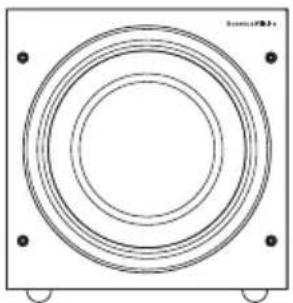
ASW608
Description Active closed-box subwoofer system
Drive unit 1x 200mm (8 in) paper/Kevlar cone long-throw
Frequency range -6dB at 23Hz and 25/140Hz adjustable (EQ at A)
Frequency response ±3dB 32Hz - 40/140Hz adjustable (EQ at A)
Bass extension -6dB at 23Hz (position A)
-6dB at 28Hz (position B)
-6dB at 36Hz (position C)
Amplifier Power output: 200W
Rated power
consumption: 40W / 0.5W standby
Input impedance: 33k Ω
Signal / noise: >90dB
Functions: Volume level - line in
Volume level - speaker in
Low-pass filter frequency
Low-pass filter bypass
Bass extension
Bass roll-off alignment
Auto sense on/standby
Phase switch
Inputs: Line in (RCA Phono)
Speaker in (Binding post)
12v trigger (3.5mm jack)
Low-pass filter Active 4th-order, variable cut-off frequency
Dimensions Height: 260mm (10.2 in) not including feet
Width: 260mm (10.2 in)
Depth: 330mm (13 in) including grille and controls
Net weight 8.85kg (19.5 lb)
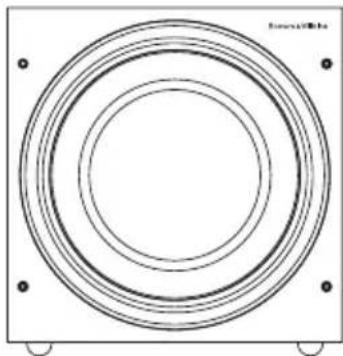
ASW610
Description Active closed-box subwoofer system
Drive unit 1x 250mm (10 in) paper/Kevlar cone long-throw
Frequency range -6dB at 20Hz and 25/140Hz adjustable (EQ at A)
Frequency response ±3dB 27Hz - 40/140Hz adjustable (EQ at A)
Bass extension -6dB at 20Hz (position A)
-6dB at 25Hz (position B)
-6dB at 30Hz (position C)
Amplifier Power output: 200W
Rated power
consumption: 40W / 0.5W standby
Input impedance: 33k Ω
Signal / noise: >90dB
Functions: Volume level - line in
Volume level - speaker in
Low-pass filter frequency
Low-pass filter bypass
Bass extension
Bass roll-off alignment
Auto sense on/standby
Phase switch
Inputs: Line in (RCA Phono)
Speaker in (Binding post)
12v trigger (3.5mm jack)
Low-pass filter Active 4th-order, variable cut-off frequency
Dimensions Height: 310mm (12.2 in) not including feet
Width: 310mm (12.2 in)
Depth: 375mm (14.8 in) including grille and controls
Net weight 12.5kg (27.6 lb)
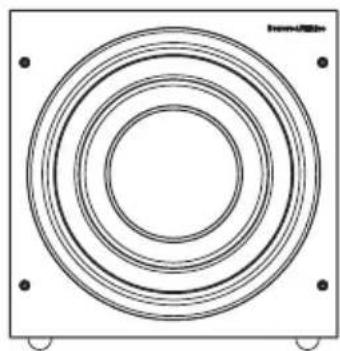
ASW610XP
Description Active closed-box subwoofer system
Drive unit 0250mm (10 in) paper/Kevlar cone long-throw
Frequency range -6dB at 18Hz and 25/140Hz adjustable (EQ at A)
Frequency response ± 3dB25Hz-40 / 140Hz adjustable (EQ at A)
Bass Extension -6dB at 18Hz (position A)
-6dB at 23Hz (position B)
-6dB at 28Hz (position C)
Amplifier Power output: 500W
Rated power
consumption: 94W
Standby: 0.8W
Idle (ON no signal) 11.8W
Input impedance: 33k
Signal / noise: >80dB
Functions: Input level (line in)
Input level (speaker in)
Low-pass filter frequency
Low-pass filter bypass
Bass extension
Bass roll-off alignment
Auto sense on/standby
Phase switch
Inputs: Line In (RCA Phono)
Speaker in (Binding post)
12v trigger (3.5mm jack)
Low-pass filter Active 4th-order, variable cut-off frequency
Dimensions Height: 325mm (12.2 in) not including feet
Width: 325 mm (12.2 in)
Depth: 374mm (14.7 in) including grille and controls
Net weight 15.5kg (34.4 lb)
Bowers & Wilkins
B&W Group Ltd.
Dale Road
Worthing West Sussex
BN11 2BH England
T+44(0)1903221800
F+44(0)1903221801
info@bwgroup.com
www.bowers-wilkins.com
B&W Group (UK Sales)
T+44(0)1903221500
Euksales@bwgroup.com
B&W Group North America
T+19786642870
E marketing@bwgroupusa.com
B&W Group Asia Ltd
T-85234729300
Einfo@bwgroup.hk
Copyright © B&W Group Ltd. E&OE
Printed in China