
C440 - CD Player NAD - Free user manual and instructions
Find the device manual for free C440 NAD in PDF.



| Brand | NAD |
| Model | C440 |
| Product Type | AM/FM Stereo Tuner |
| Dimensions (W x H x D) | 435 x 110 x 285 mm (estimated) |
| Weight | 4.5 kg (estimated) |
| Power Supply | 120 V / 230 V AC, 50/60 Hz |
| Power Consumption | 15 W (estimated) |
| Frequency Ranges | FM: 87.5-108 MHz; AM: 520-1710 kHz (depending on version) |
| Inputs/Outputs | RCA L/R audio outputs, NAD-Link input/output, AM/FM antenna inputs |
| Main Functions | 30 presets (3 banks of 10), auto search, manual tuning, Blend function, RDS display (depending on version), FM mute mode |
| Preset Memory | 30 stations divided into 3 banks (A, B, C) |
| Customizable Station Name | Yes, up to 8 characters (without RDS) |
| RDS (Radio Data System) | Yes (depending on version, not for North America) |
| Maintenance and Cleaning | Soft dry or slightly damp cloth, no solvent |
| Safety | Do not remove cover; disconnect if not used for extended period; have serviced by qualified technician if liquid penetrates |
| Spare Parts and Repairability | Internal fuse; refer all repairs to authorized service center |
| Included Accessories | Power cord, AM loop antenna, FM wire antenna, balun adapter (120V) |
Frequently Asked Questions - C440 NAD
User questions about C440 NAD
0 question about this device. Answer the ones you know or ask your own.
Ask a new question about this device
Download the instructions for your CD Player in PDF format for free! Find your manual C440 - NAD and take your electronic device back in hand. On this page are published all the documents necessary for the use of your device. C440 by NAD.
USER MANUAL C440 NAD
IMPORTANT SAFETY INSTRUCTIONS
CAUTION
RISK OF ELECTRIC SHOCK DO NOT OPEIN
ATTENTION:
RISQUE DE CHOC ELECTRIQUE NE PAS OUVIR

CAUTION: TO REDUCE THE RISK OF ELECTRIC SHOCK, DO NOT REMOVE COVER (OR BACK). NO USER SERVICEABLE PARTS INSIDE. REFER SERVICING TO QUALIFIED SERVICE PERSONNEL.
Warning: To reduce the risk of fire or electric shock, do not expose this unit to rain or moisture.
The lightning flash with an arrowhead symbol within an equilateral triangle, is intended to alert the user to the presence of uninsulated "dangerous voltage" within the product's enclosure that may be of sufficient magnitude to constitute a risk of electric shock to persons.
The exclamation point within an equilateral triangle is intended to alert the user to the presence of important operating and maintenance (servicing) instructions in the literature accompanying the product.
Do not place this unit on an unstable cart, stand or tripod, bracket or table. The unit may fall, causing serious injury to a child or adult and serious damage to the unit. Use only with a cart, stand, tripod, bracket or table recommended by the manufacturer or sold with the unit. Any mounting of the device on a wall or ceiling should follow the manufacturer's instructions and should use a mounting accessory recommended by the manufacturer.
An appliance and cart combination should be moved with care. Quick stops, excessive force and uneven surfaces may cause the appliance and cart combination to overturn.
Read and follow all the safety and operating instructions before connecting or using this unit. Retain this notice and the owner's manual for future reference.
All warnings on the unit and in its operating instructions should be adhered to.
Do not use this unit near water; for example, near a bath tub, washbowl, kitchen sink, laundry tub, in a wet basement or near a swimming pool.
The unit should be installed so that its location or position does not interfere with its proper ventilation. For example, it should not be situated on a bed, sofa, rug or similar surface that may block the ventilation openings; or placed in a built-in installation, such as a bookcase or cabinet, that may impede the flow of air through its ventilation openings.
The unit should be situated from heat sources such as radiators, heat registers, stoves or other devices (including amplifiers) that produce heat.
The unit should be connected to a power supply outlet only of the voltage and frequency marked on its rear panel.
The power supply cord should be routed so that it is not likely to be walked on or pinched, especially near the plug, convenience receptacles, or where the cord exits from the unit.
Unplug the unit from the wall outlet before cleaning. Never use benzine, thinner or other solvents for cleaning. Use only a soft damp cloth.
The power supply cord of the unit should be unplugged from the wall outlet when it is to be unused for a long period of time.
Care should be taken so that objects do not fall, and liquids are not spilled into the enclosure through any openings.
This unit should be serviced by qualified service personnel when:
A. The power cord or the plug has been damaged; or
B. Objects have fallen, or liquid has been spilled into the unit; or
C. The unit has been exposed to rain or liquids of any kind; or
D. The unit does not appear to operate normally or exhibits a marked change in performance; or
E. The device has been dropped or the enclosure damaged.
DO NOT ATTEMPT SERVICING OF THIS UNIT YOURSELF. REFER SERVICING TO QUALIFIED SERVICE PERSONNEL
Upon completion of any servicing or repairs, request the service shop's assurance that only Factory Authorized Replacement Parts with the same characteristics as the original parts have been used, and that the routine safety checks have been performed to guarantee that the equipment is in safe operating condition. REPLACEMENT WITH UNAUTHORIZED PARTS MAY RESULT IN FIRE, ELECTRIC SHOCK OR OTHER HAZARDS.
ATTENTION
POUR ÉVITER LES CHOC ELECTRIQUES, INTRODUIRE LA LAME LA PLUS LARGE DE LA FICHE DANS LA BORNE CORRESPONDANTE DE LA PRISE ET POUSSER JUSQU'AU FOND.
CAUTION
TO PREVENT ELECTRIC SHOCK, MATCH WIDE BLADE OF PLUG TO WIDE SLOT FULLY INSERT.
If an indoor antenna is used (either built into the set or installed separately), never allow any part of the antenna to touch the metal parts of other electrical appliances such as a lamp, TV set etc.
CAUTION
POWER LINES
Any outdoor antenna must be located away from all power lines.
OUTDOOR ANTENNA GROUNDING
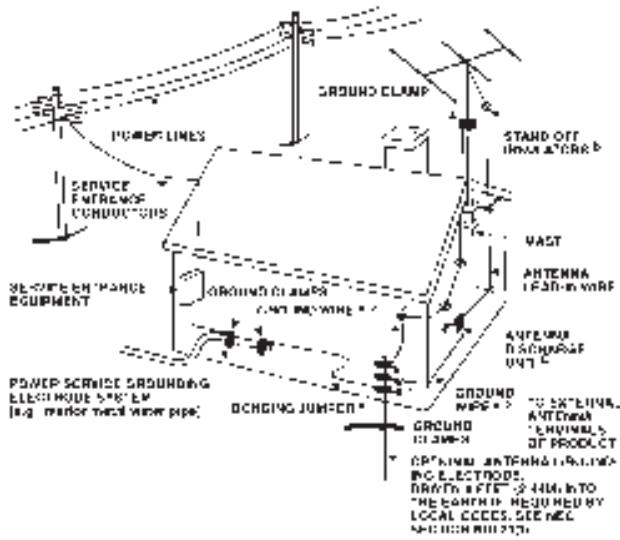
If an outside antenna is connected to your tuner or tuner-preamplifier, be sure the antenna system is grounded so as to provide some protection against voltage surges and built-up static charges. Article 810 of the National Electrical Code, ANSI/NFPA No. 70-1984, provides information with respect to proper grounding of the mast and supporting structure, grounding of the lead-in wire to an antenna discharge unit, size of grounding conductors, location of antenna discharge unit, connection to grounding electrodes and requirements for the grounding electrode.
a. Use No. 10 AWG (5.3mm2) copper, No. 8 AWG (8.4mm2) aluminium, No. 17 AWG (1.0mm2) copper-clad steel or bronze wire, or larger, as a ground wire.
b. Secure antenna lead-in and ground wires to house with stand-off insulators spaced from 4-6 feet (1.22 - 1.83 m) apart.
c. Mount antenna discharge unit as close as possible to where lead-in enters house.
d. Use jumper wire not smaller than No.6 AWG (13.3mm2) copper, or the equivalent, when a separate antenna-grounding electrode is used. see NEC Section 810-21 (j).
EXAMPLE OF ANTENNA GROUNDING AS PER NATIONAL ELECTRICAL CODE INSTRUCTIONS CONTAINED IN ARTICLE 810 - RADIO AND TELEVISION EQUIPMENT.
NOTE TO CATV SYSTEM INSTALLER: This reminder is provided to call the CATV system installer's attention to Article 820-40 of the National Electrical Code that provides guidelines for proper grounding and, in particular, specifies that the ground cable ground shall be connected to the grounding system of the building, as close to the point of cable entry as practical.

FRONT PANEL CONTROLS
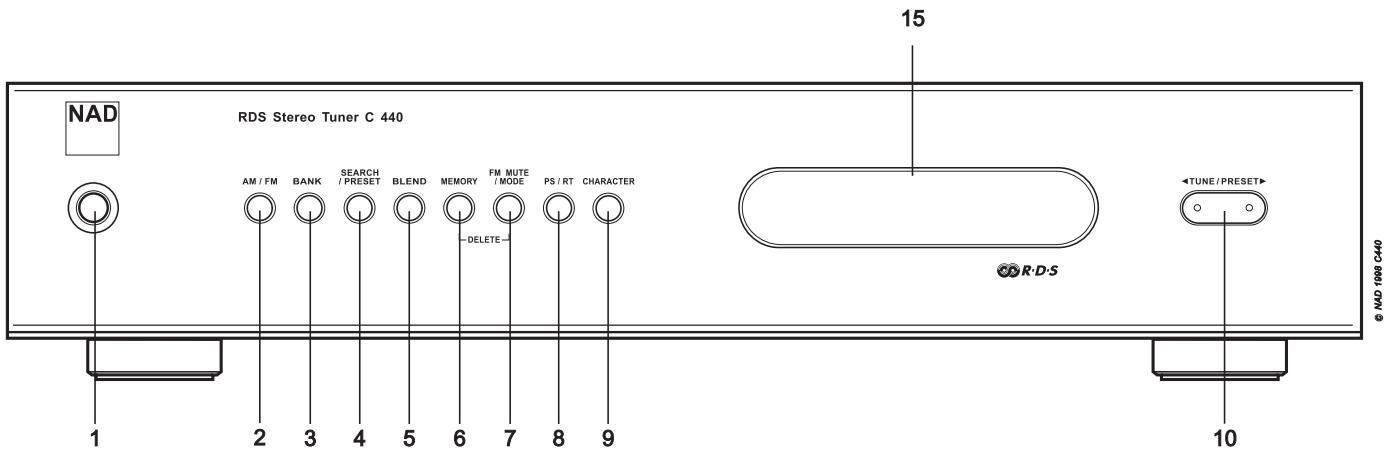
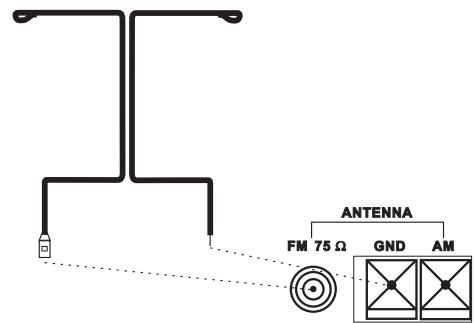
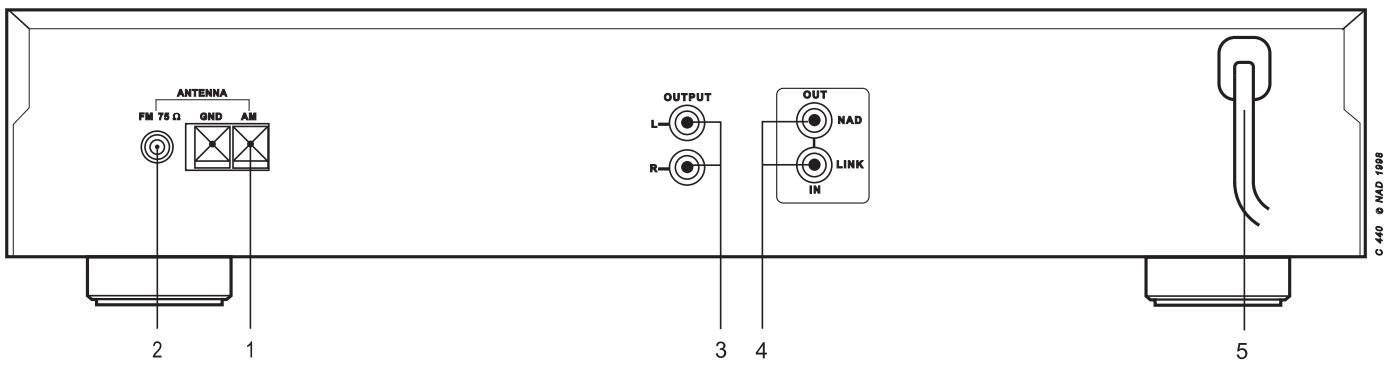
FIGURE 1. European and Australian models
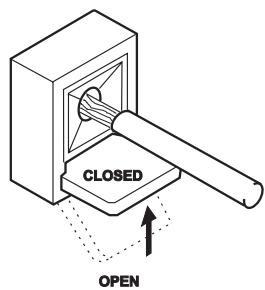
FIGURE 2.
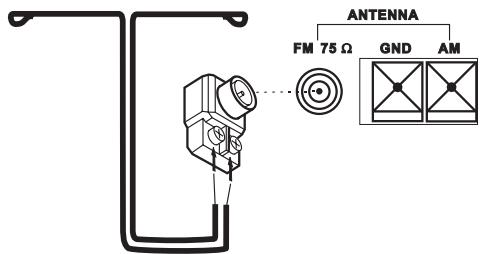
U.S.A. And Canadian models
NAD C440 Stereo AM/FM Tuner
NOTES ON INSTALLATION
Your NAD C440 should be placed on a firm, level surface. Avoid placing the unit in direct sunlight, near sources of heat and damp or in poorly ventilated positions.
It comes with RCA leads for connection to your amplifier. Ensure that leads and connectors are not damaged in any way and all connectors are firmly pushed home.
If the unit is not going to be used for some time, disconnect the plug from the AC socket.
Should water get into your NAD C440, shut off the power to the unit and remove the plug from the AC socket. Have the unit inspected by a qualified service technician before attempting to use it again. Do not remove the cover, there are no user-serviceable parts inside.
Use a dry soft cloth to clean the unit. If necessary, lightly dampen the cloth with soapy water. Do not use solutions containing benzol or other volatile agents.
QUICK START
Use the RCA-to-RCA lead to connect the NAD C440 left & right outputs to the Tuner Input of your amplifier.
- Plug in the AC power cord.
- Connect AM and FM antenna.
- Connect C440 outputs to amplifier.
- Press the POWER button (No. 1) to turn on the NAD C440.
- Press the AM/FM button (No. 2) to select AM or FM reception.
- Press Search/Preset until "SEARCH" is indicated in the display to select Search mode.
- Use TUNE/PRESET to select a station.
REAR PANEL CONNECTIONS
1. AM ANTENNA
An AM loop antenna is supplied with the NAD C440 and is required for AM reception. To connect the AM antenna, first press the keys on the Antenna terminals downwards. Insert the bare antenna wires into the two terminal holes and push the connector keys upwards again to secure the connection (see fig 2).
Test various positions for the antenna but always ensure the loop is placed vertically for best reception. Placing the antenna close to large metal items such as metal shelves or radiators may interfere with reception.
2. FM ANTENNA
A ribbon wire FM antenna is included and should be connected to the FM connector at the rear of the unit (120V versions (North America) should use the 'balun' adapter supplied - see fig 1). The ribbon aerial should be mounted on a vertical surface and placed so that it forms a 'T'.
Experiment with placement of the antenna to find the position that gives the best signal strength and lowest background noise. An inadequate FM signal normally results in high levels of hiss, especially in stereo, and interference from external electrical sources. In areas of poor FM reception, the tuner section's performance can be improved by using an externally mounted FM antenna. A qualified aerial installer will be able to advise and fit a recommended aerial for your reception conditions.
3. OUTPUT
Using twin RCA-to-RCA leads, connect to the left (white) and right (red) audio outputs to the 'Tuner' input or other line-level input such as 'Aux' input of your amplifier.
4. NAD-LINK IN OUT
The NAD-Link connector is used to pass commands from other units fitted with NAD-Link connectors. This allows centralised control of a complete system, and also allows some of the basic functions of the NAD C440 to be controlled using a NAD-linked amplifier's remote control or gives system control from more than one room. To function with such other units, connect the Tuner's NAD-Link IN to the NAD-Link Out on the other unit. NAD-Link connectors can be daisy-chained, IN to OUT, so that a whole system can be controlled from the remote control facilities of one unit.
5. AC LINE CORD
Plug the AC power cord into a live AC wall socket or to an AC convenience outlet at the rear of your amplifier.
FRONT PANEL CONTROLS
1. POWER ON/OFF
POWER switches the tuner on or off. Pressing the power switch turns the Tuner on, indicated by the Display Panel becoming active. Pressing the POWER button again will switch the unit off.
The C440 uses a memory back-up system to store Preset information. This information is retained for several weeks, even if the unit is switched off completely or unplugged.
NOTE: When switching power On, the C440 will go back to the station last tuned to before the unit was turned off. This will allow you to make timer recordings using an external timer and recorder.
2. AM/FM
The AM/FM button switches the tuner from the AM band to the FM band and vice-versa. The Display Panel shows the frequency of the tuned station and which band is selected. The FM tuning is in 0.025MHz increments, AM tuning is in 9kHz or 10kHz increments, depending on the version.
3. BANK
Pressing Bank switches between the C440's three Preset Memory Banks (A, B or C). Each of these banks can hold up to 10 Preset stations. These Banks can contain a mix of AM or FM stations each. The Bank selected is shown in the Display Panel. You can use the banks to sort your Presets, for instance by station type (Bank A for rock/pop; Bank B for Classical music; Bank C for Jazz). Refer to the separate chapter "Storing, recalling and naming Presets" for more information.
4. SEARCH/PRESET
The Search/Preset button scrolls between three different tuning modes, each successive push of the button engages the next one of the three modes.
a) Preset mode: In this mode you can use the Tune/Preset button (No. 10) to select a Preset. When Preset Mode is selected "PRESET" lights up in the display.
b) Search mode: By pressing the Tune/Preset button (10) or you can engage automatic tuning respectively up or down the frequency band. The tuner will search automatically for the first reasonably strong radio station, where it will stop. Press the Tune/Preset button again to start searching again. "SEARCH" lights up in the display. If a stereo station is received "STEREO" will light up in red in the display, unless FM Mute/Mode (No. 7) was engaged.
c) Tune mode: By pressing the Tune/Preset button (No. 10) or you can engage manual tuning respectively up or down the frequency band for precise tuning to a specific frequency. Keep either one of the Tune/Preset buttons pressed until you are in the proximity of the desired frequency (use the to tune upwards in frequency; for downwards tuning). With each successive tap of the keys, the tuner will take 0.025MHz steps on FM so you can accurately tune into the desired frequency. For AM the tuning steps can be 9kHz or 10kHz , depending on the version of your C440. This tuning mode can also be useful when trying to receive a radio station which is too weak for the Search mode. When tuned accurately to a station, “ >TUNED< ” will light up in the display.
NOTE: The Search/Preset buttons are also used in conjunction with the Memory (No. 6) and Tune/Search (No. 10) buttons to add and memorise user defined names to Presets. Refer to the separate chapter "Storing, recalling and naming Presets" for more information.
5. BLEND
Weak or remote stereo radio stations are sometimes received with noise and hiss as the antenna signal is too weak. By switching the tuner to mono will reduce the amount of noise and hiss but at the expense of any stereo information. The NAD Blend feature will allow you to reduce the amount noise and hiss but still retain some level of stereo separation, instead of mono.
The Blend button toggles between engaging or disengaging the Blend feature; when engaged, "BLEND" lights up in the display.
6. MEMORY
The Memory is used to store stations into the three Preset Memory banks or to store user defined names for non-RDS Preset stations. Used in conjunction with the Search/Preset (No.4) and Tune/Preset (No. 10) buttons. When Memory is active, the Preset number flashes and the red 'MEMORY' indicator is shown in the Display Panel. Refer to the separate chapter "Storing, recalling and naming Presets" for more information.
Note: The 120V versions (North America) do not have RDS (Radio Data System).
7. FM MUTE/MODE
This button combines two functions; it switches the tuner from Stereo to Mono and disengages the muting circuitry at the same time. The muting circuit will mute the tuner in between radio stations when searching or tuning. This way the tuning noise is avoided.
Very weak radio station signals however may be suppressed by the mating circuit. if such a very weak station is in stereo it will have a high level of background hiss. Switching to Mono Mode and disengaging the mating circuit by depressing the FM MUTE/MODE button will allow the station to be heard and will cancel most or all of this background noise.
In normal operation the mute circuit is engaged, the display indicates "FM MUTE". Press the FM Mute/Mode button to disengage the muted circuit and switch from stereo to mono reception. "FM MUTE" in the display will extinguish. Press the FM Mute/Mode switch again to return to Auto Stereo FM operation.
8. PS/RT (ON RDS VERSIONS ONLY)
With stations carrying RDS information, The PS/RT button scrolls between three different display modes, each successive push of the button engages the next one of the three modes:
a) In the default mode, the station's RDS name is displayed, Program Service (PS; normally the station's calling letters, BBC R3, for instance).
b) From the default mode, press the button once to view Radio Text (RT). This can be additional information such as the presenter's or program's name; what song is playing, etc. This text scrolls continuously over the 8 alphanumeric display segments. It takes a few seconds for the tuner to gather the RT information, so immediately after tuning to a station and selecting to view RT the display will indicate "WAIT" and default to the station name.
c) Press the button from the display RT mode to display the station frequency. Press again to return to the default mode (a).
When tuned to a non-RDS station
The Display button toggles the display to show either the station frequency or user entered station name. If no user name was entered the display will just flash once.
NOTE: The 120V versions (North America) do not have RDS (Radio Data System)
8. DISPLAY (ON NON-RDS VERSIONS ONLY)
The Display button toggles the display to show either the station frequency or user entered station name. If no user name was entered the display will just flash once.
9. CHARACTER
The Character Button is used to enter the names of Preset radio stations for display when the station is selected. Used together with the Tune/Preset (No. 10) and MEMORY (No. 6) Buttons. Refer to the separate chapter "Storing, recalling and naming Presets" for more information.
10. TUNE/PRESENT AND
The function of these buttons depends on the tuning mode indicated in the display and selected with the Search/Preset button (No. 4). In normal operation there are 3 modes:
a) Preset mode: Press the button to scroll to a lower number Preset; press the button to scroll to a higher Preset number. This is a "wrap-around" function, so that going from the highest number Preset the tuner will go to the lowest Preset number when is pressed.
b) Search mode: By pressing the Tune/Preset button (No. 10) or you can engage automatic tuning respectively up or down the frequency band. The tuner will search automatically for the first reasonably strong radio station, where it will stop. Press the Tune/Preset button again to start searching again.
c) By pressing the Tune/Preset button (No. 10) or you can engage manual tuning respectively up or down the frequency band for precise tuning to a specific frequency.
Refer also to section 4 for additional information.
NOTE: The Tune/Preset buttons are also used in conjunction with the Memory (No. 6) and Search/Preset (No. 4) buttons to add and memorise user defined names to Presets. Refer to the separate chapter "Storing, recalling and naming Presets" for more information.
15. DISPLAY PANEL
The Display Panel shows information about the NAD C440 operating modes and information about the station currently selected.
STATION DATA Displays the station name, frequency and other information supplied on the RDS service or entered manually by the user.
STORING, RECALLING AND NAMING PRESETS
To store a Preset:
- Tune to the radio station you wish to enter into a Preset (refer to chapter "Front Panel Controls; section 4). If the station is transmitting RDS information, the RDS indicator will light up and station initials or name will be shown in the Display Panel. If a non-RDS station is found, then just the frequency will be shown.
- To store that station as a Preset, press Memory (No. 6). The Memory indicator will be displayed and the Preset section will flash in the Display Panel.
- Press Bank (No. 3) to select which of the three Banks of Presets (A, B or C) you want to store the station into. Press either the Tune/Preset or button to select which Preset number you wish to assign to the station (from 1 to 10), shown as a flashing number in the Display Panel, and then press Memory (No. 6) again. The Memory light in the Display Panel will go out and the station is now stored in your NAD C440 memory.
To exit the Memory mode without storing a station, leave all the controls untouched; the Memory mode will automatically cancel itself after 8 seconds. The Memory Presets have a memory backup, so they will remain stored for several weeks even if the Tuner is switched off or unplugged from the mains supply.
NOTE: You can enter a new station into an unused Preset or overwrite an existing programmed Memory Preset. By doing this you will replace all the data previously held on that Preset number.
RECALLING A PRESET STATION
- To select a Preset station, select the Preset mode by pressing the Search/Preset button (No. 4) until "PRESET" lights up in the display.
- By pressing the Bank button (No. 3) select which Bank of Presets you want to use (A, B or C, indicated in the display).
- Press either the Tune/Preset or buttons (No. 10) until the right Preset is found and shown in the Display Panel.
Any unused Presets will be skipped and it is not possible to select a Bank unless it has at least one Preset stored into it.
DELETEING A STORED PRESET
You can empty a Preset by deleting the stored information:
- Select the Preset to be emptied.
- Press the Memory button (No. 6), hold it down and press the FM Mute/Mode button (No. 7). The Preset will then be deleted and - - ^ appears as the Preset number.
You can also store a new station into a used Preset, by simply going through the Preset storing process and placing a new station over the existing one.
STORING A STATION NAME
When a station is transmitting RDS information, your NAD C440 will automatically show the station initials when its Preset is used. Although the Tuner automatically shows the frequency of any other AM or non-RDS Preset station, it also allows you to type in the station name to make it easier to identify which station is stored in the Memory Preset. To enter a name:
- Select the Preset you want to attach a name to.
- Then press Character (No. 9) and the first space in the Station Data area of the Display Panel will flash.
- Press either the Tune/Preset or (No. 10) button to scroll and select the first character (see Character list for reference).
- Pressing Memory (No. 6) will store the first character and move forward to the next space on the line.
- Use the Tune/Preset buttons again to select the next character in the name and press Memory to store it. Continue until the station name is complete (up to 8 characters).
- Press Character again to store the completed name.
There are 54 characters available including a blank space.
| A | B | C | D | E | F | G | H | |
| I | J | K | L | M | N | O | P | Q |
| R | S | T | U | V | W | X | Y | Z |
| " | & | ' | ( ) | * | + | , | - | |
| \ | / | -- | ! | [ | ` | ] | ! | |
| . | / | = | ? | [ | . | ] | 1 | 0 |
| / | / | 3 | 4 | 5 | 6 | 7 | 8 | 9 |
NOTE: This function is only available for non-RDS stations. RDS stations will always display their transmitted name and this cannot be over-written using CHARACTER.
NOTE: The 120V versions (North America) do not have RDS (Radio Data System)
| TROUBLESHOOTING | ||
| Problem | Cause | Solution |
| NO SOUND | • Power AC lead unplugged or power not switched on • Signal leads incorrectly connected • Station not selected or weak signal with FM Mute on. • Internal fuse blown | • Check AC lead • Check connections to amplifier • Re-tune or switch off FM Mute • Consult dealer |
| NO SOUND IN ONE CHANNEL | • Signal leads to amplifier disconnected or damaged | • Check leads and connections |
| NOISE, HISS | • Weak signal | • Check station tuning. Adjust or replace antenna. |
| DISTORTION | • Multi-path signals or interference from another station | • Check station tuning. Adjust or replace antenna |
| WHISTLES OR BUZZES ON FM & AM | • Interference from other electrical sources - computers, games consoles | • Check station tuning. Switch off or move the source of the electrical noise |
| WHISTLES OR BUZZES ON AM | • Interference from fluorescent lighting or electrical motors | • Check station tuning. Adjust or replace AM antenna |
| NO RDS INFORMATION | • Station signal too weak. • Station not transmitting RDS data | • Check station tuning. Adjust or replace antenna • No remedy |
GB
Tuner Stereo AM/FM NAD C440
NOTES CONCERNANT L'INSTALLATION
1. MARCHE/ARRET [POWER ON/OFF]
4. "NAD LINK IN/OUT"
1. "POWER ON/OFF" (ACCESO/SPENTO)
(APENAS PARA VERSOES SEM SISTEMA RDS)
©1998 NAD ELECTRONICS LTD
LONDON ENGLAND
- IMPORTANT SAFETY INSTRUCTIONS
- CAUTION
- ATTENTION:
- DO NOT ATTEMPT SERVICING OF THIS UNIT YOURSELF. REFER SERVICING TO QUALIFIED SERVICE PERSONNEL
- ATTENTION
- POWER LINES
- OUTDOOR ANTENNA GROUNDING
- FRONT PANEL CONTROLS
- NAD C440 Stereo AM/FM Tuner
- NOTES ON INSTALLATION
- QUICK START
- REAR PANEL CONNECTIONS
- AM ANTENNA
- FM ANTENNA
- OUTPUT
- NAD-LINK IN OUT
- AC LINE CORD
- POWER ON/OFF
- AM/FM
- BANK
- SEARCH/PRESET
- BLEND
- MEMORY
- FM MUTE/MODE
- PS/RT (ON RDS VERSIONS ONLY)
- When tuned to a non-RDS station
- DISPLAY (ON NON-RDS VERSIONS ONLY)
- CHARACTER
- TUNE/PRESENT AND
- DISPLAY PANEL
- STORING, RECALLING AND NAMING PRESETS
- To store a Preset:
- RECALLING A PRESET STATION
- DELETEING A STORED PRESET
- STORING A STATION NAME
- Tuner Stereo AM/FM NAD C440
- NOTES CONCERNANT L'INSTALLATION
- MARCHE/ARRET [POWER ON/OFF]
- "NAD LINK IN/OUT"
- "POWER ON/OFF" (ACCESO/SPENTO)
- (APENAS PARA VERSOES SEM SISTEMA RDS)
Brand : NAD
Model : C440
Category : CD Player