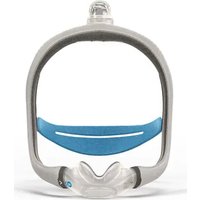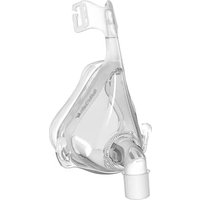
Quattro Air - Respiratory medical device ResMed - Free user manual and instructions
Find the device manual for free Quattro Air ResMed in PDF.


| Product type | Nasal (oronasal) mask for positive pressure ventilation |
| Brand | ResMed |
| Model | Quattro Air |
| Available sizes | Very small, Small, Medium, Large |
| Dimensions (mask assembled without headgear) | Very small: 150 x 103 x 106 mm; Small: 152 x 103 x 107 mm; Medium: 166 x 103 x 107 mm; Large: 172 x 103 x 107 mm |
| Physical dead space | 222 ml (with large cushion) |
| Working pressure | 3 to 40 cm H₂O |
| Resistance with anti-asphyxia valve closed | 0.2 cm H₂O at 50 l/min; 0.9 cm H₂O at 100 l/min |
| Resistance with anti-asphyxia valve open (inspiration/expiration at 50 l/min) | Inspiration: 0.6 cm H₂O; Expiration: 1.0 cm H₂O |
| Sound level | Acoustic power: 28 dBA; Pressure at 1 m: 20 dBA (uncertainty 3 dBA) |
| Operating conditions | Temperature: +5 °C to +40 °C; Humidity: 15% to 95% RH (non-condensing) |
| Storage and transport conditions | Temperature: -20 °C to +60 °C; Humidity: max 95% RH (non-condensing) |
| Care and cleaning | Daily: disassemble, hand wash with mild soap (warm water ~30 °C), rinse, dry away from sunlight. Weekly: wash headgear. Use a soft bristle brush for the ventilation holes. |
| Safety | Integrated anti-asphyxia valve; ventilation holes must not be blocked; use only with device turned on; caution with oxygen (fire risk). |
| Spare parts and repairability | Elbow, headgear, cushion, rigid frame. Replace any damaged component. No user repair possible. |
| Device compatibility | CPAP or inspiratory support devices with PEP ResMed (select 'FACIAL' or 'MIR FF'). Full list at www.resmed.com. |
| Intended use | Patients (>30 kg) under positive pressure prescription; multiple use by a single patient at home or multiple patients in a medical setting. |
| Materials | Free of PVC, DEHP, phthalates, and natural rubber latex. |
| Warranty | Compliant with European directive 1999/44/EC and national laws. |
| Disposal | Can be disposed of with household waste (does not contain hazardous substances). |
Frequently Asked Questions - Quattro Air ResMed
User questions about Quattro Air ResMed
0 question about this device. Answer the ones you know or ask your own.
Ask a new question about this device
Download the instructions for your Respiratory medical device in PDF format for free! Find your manual Quattro Air - ResMed and take your electronic device back in hand. On this page are published all the documents necessary for the use of your device. Quattro Air by ResMed.
USER MANUAL Quattro Air ResMed
natural_image
Abstract curved dotted line with blue, purple, and red dots (no text or symbols)ResMed
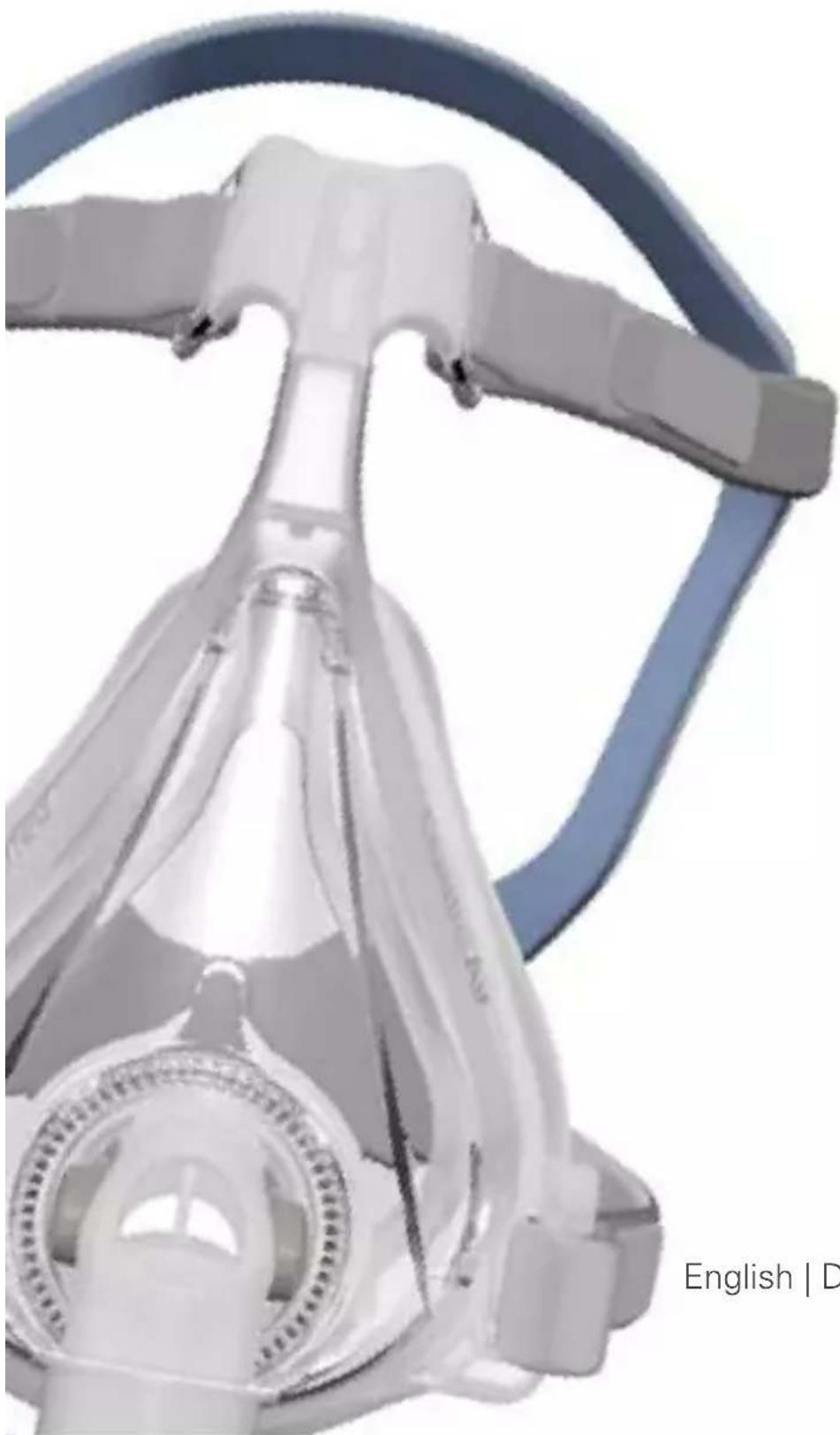
Quattro™ Air
Full face mask
natural_image
3D rendered medical device with metallic components and a blue circular arc, no visible text or symbolsUser Guide
English | Deutsch | Français | Italiano |
natural_image
Illustration of a person applying nasal pressure using a medical device (no text or symbols present)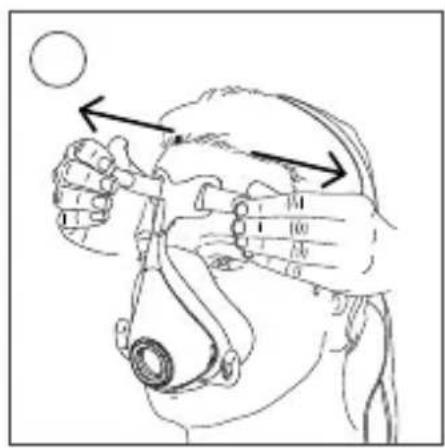
natural_image
Line drawing of a person applying facial hair to the ear with a tool, no text or symbols present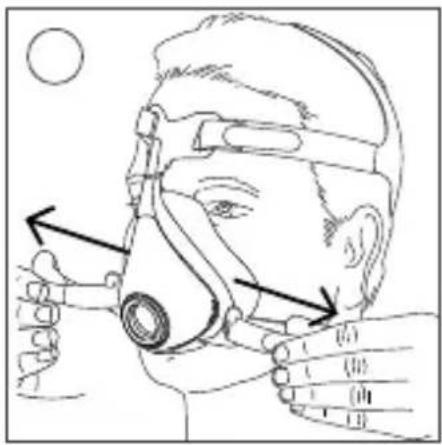
natural_image
Line drawing of a person using a medical or surgical device to interact with a tool (no text or symbols present)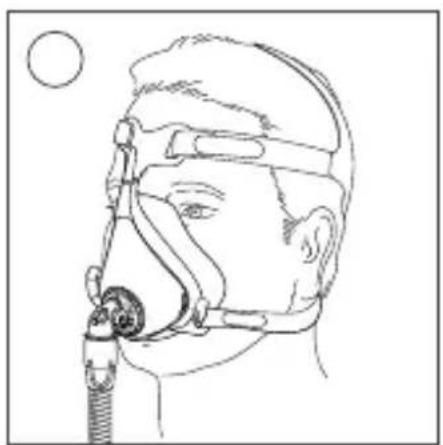
natural_image
Line drawing of a person wearing a face mask and medical device (no text or symbols)Disassembly / Auseinanderbau / Démontage / Smontaggio / جدا کردن قطعات / التفکیک

natural_image
Mechanical assembly diagram showing a clamping mechanism with arrows indicating motion direction (no text or labels)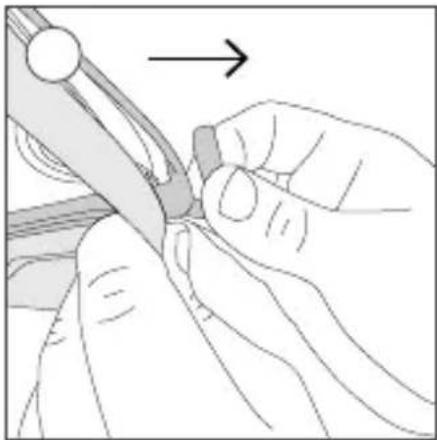
natural_image
Illustration of a hand holding a tool with an arrow indicating direction (no text or symbols present)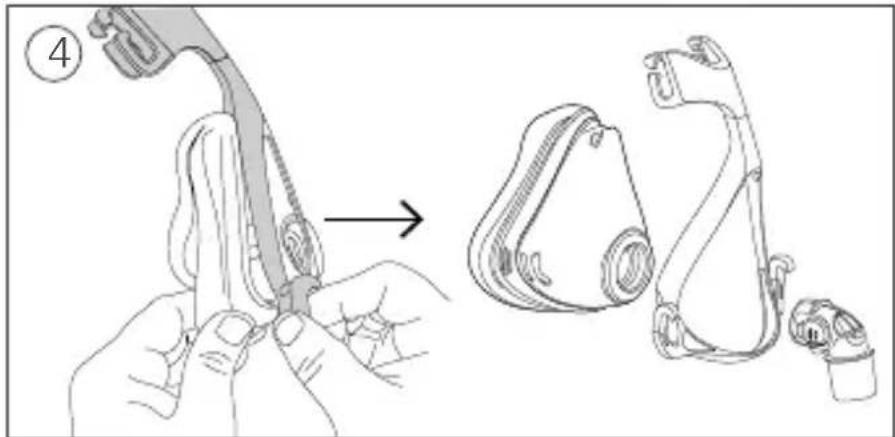
natural_image
Illustration showing a hand holding a medical device before and after assembly, with no visible text or symbols.Reassembly / Zusammenbau / Remontage / Riassemblaggio / العربية / إجادة التج Michigan
natural_image
Illustration of a hand holding a tool with an arrow indicating rotation (no text or symbols present)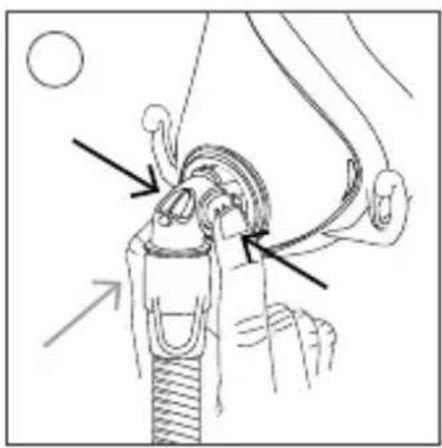
Quattro Air
Full face mask
Thank you for choosing the Quattro Air. This document provides the user instructions for the Quattro Air and Quattro Air for Her masks referred to collectively as Quattro Air throughout this manual. Quattro Air has blue headgear while Quattro Air for Her has pink headgear.
Using this guide
Please read the entire guide before use. When following instructions, refer to the images at the front and back of the guide.
Intended Use
The Quattro Air is a noninvasive accessory used for channeling airflow (with or without supplemental oxygen) to a patient from a positive airway pressure (PAP) device such as a continuous positive airway pressure (CPAP) or bilevel system.
The Quattro Air is:
- to be used by patients (weighing >30 kg) for whom positive airway pressure therapy has been prescribed
- intended for single-patient reuse in the home environment and multipatient reuse in the hospital/institutional environment.
GENERAL WARNINGS
- The mask must be used under qualified supervision for users who are unable to remove the mask by themselves. The mask may not be suitable for those predisposed to aspiration.
- The elbow and valve assembly have specific safety functions. The mask should not be worn if the valve is damaged as it will not be able to perform its safety function. The elbow should be replaced if the valve is damaged, distorted or torn.
- The vent holes must be kept clear.
- The mask should only be used with CPAP or bilevel devices recommended by a physician or respiratory therapist.
- The mask should not be used unless the device is turned on. Once the mask is fitted, ensure the device is blowing air. Explanation: CPAP and bilevel devices are intended to be used with special masks (or connectors) which have vent holes to allow continuous flow of air out of the mask. When the device is turned on and functioning properly, new air from the device flushes the exhaled air out through the mask holes. When the device is turned off, the mask valve opens to atmosphere allowing fresh air to be breathed. However, a higher level of exhaled air may be rebreathed when the device is off. This applies to most full face masks for use with CPAP and bilevel devices.
- Follow all precautions when using supplemental oxygen.
- Oxygen flow must be turned off when the CPAP or bilevel device is not operating, so that unused oxygen does not accumulate within the device enclosure and create a risk of fire.
- Oxygen supports combustion. Oxygen must not be used while smoking or in the presence of an open flame. Only use oxygen in well ventilated rooms.
- At a fixed rate of supplemental oxygen flow, the inhaled oxygen concentration varies, depending on the pressure settings, patient breathing pattern, mask, point of application and leak rate. This warning applies to most types of CPAP or bilevel devices.
- The technical specifications of the mask are provided for your clinician to check that they are compatible with the CPAP or bilevel device. If used outside specification or if used with incompatible devices, the seal and comfort of the mask may not be effective, optimum therapy may not be achieved, and leak, or variation in the rate of leak, may affect the CPAP or bilevel device function.
- Discontinue using this mask if you have ANY adverse reaction to the use of the mask, and consult your physician or sleep therapist.
- Using a mask may cause tooth, gum or jaw soreness or aggravate an existing dental condition. If symptoms occur, consult your physician or dentist.
- As with all masks, some rebreathing may occur at low CPAP pressures.
- Refer to your CPAP or bilevel device manual for details on settings and operational information.
- Remove all packaging before using the mask.
Using your mask
When using your mask with ResMed CPAP or bilevel devices that have mask setting options, refer to the Technical specifications section in this user guide for mask selection options.
For a full list of compatible devices for this mask, see the Mask/Device Compatibility List on www.resmed.com on the Products page under Service & Support. If you do not have internet access, please contact your ResMed representative.
Use a standard conical connector if pressure readings and/or supplemental oxygen are required.
Fitting
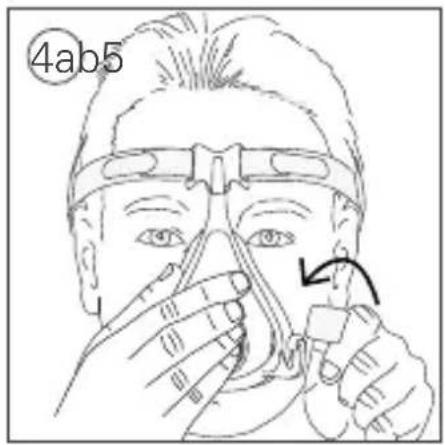
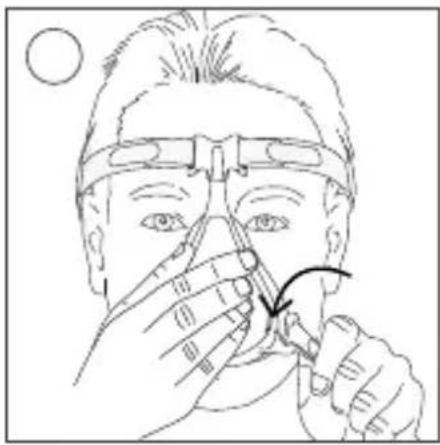
- Remove the elbow from the mask by pressing the side buttons and pulling the elbow away.
- With both lower headgear straps released, hold the mask against your face and pull the headgear over your head. Ensure that the label on the back of the headgear faces outwards when the headgear is put on.
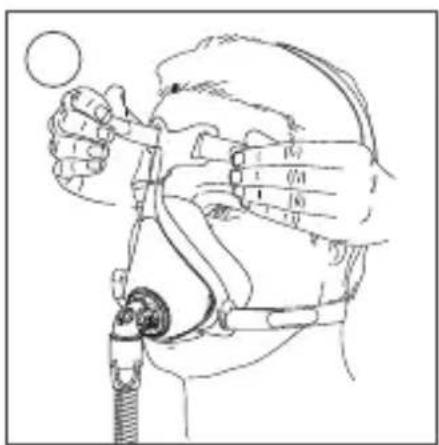
- Undo the fastening tabs on the upper headgear straps. Pull the straps evenly until the mask is stable and positioned as shown in the illustrations. Reattach the fastening tabs.
- Bring the lower straps below your ears and loop the headgear into the lower hooks on the frame.
- Undo the fastening tabs on the lower headgear straps. Pull the straps evenly until the mask sits firmly on the chin and reattach the fastening tabs.
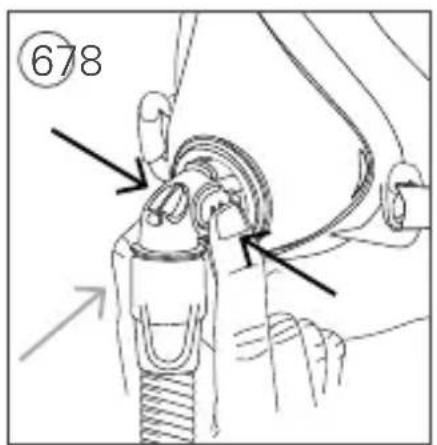
- Connect the air tubing from your device to the elbow. Attach the elbow to the mask by pressing the side buttons and pushing the elbow into the mask. Turn on your device so that it is blowing air.
- Undo the fastening tabs on the upper headgear straps. Readjust the straps evenly only enough that a seal is achieved and reattach the fastening tabs. Overtightening may cause leaks.
- Your mask and headgear should be positioned as shown.
Removing your mask
- Disconnect one or both of the lower headgear straps from the hook.
- Pull the mask away from your face and back over your head.
Disassembly
- Unhook the upper headgear straps from the frame. There is no need to undo the fastening tabs.
- Remove the elbow from the mask by pressing the side buttons and pulling the elbow away. Remove the elbow from the air tubing.
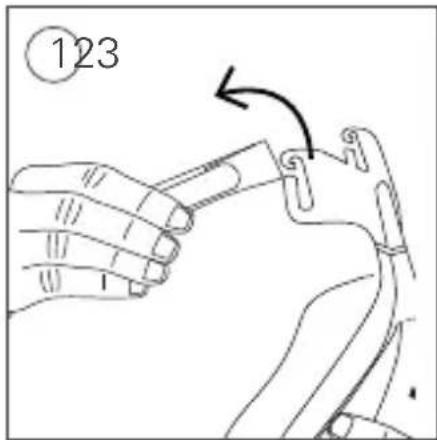
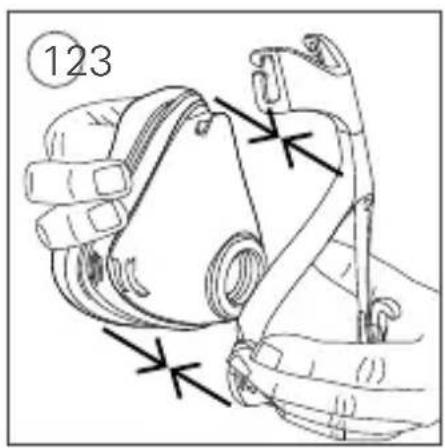
- While holding the bottom of the hook, pull the corner of the frame slightly away from the side of the mask.
- Remove the frame from the rest of the mask.
Reassembly
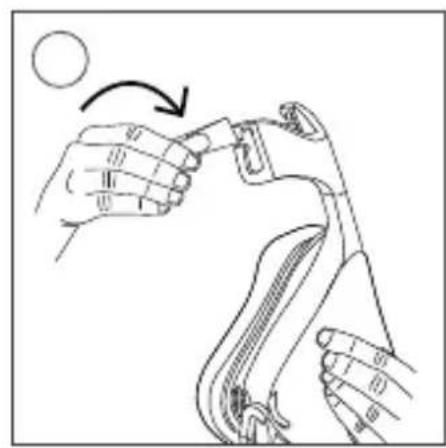
- Press the frame onto the rest of the mask, ensuring it clicks into place at the top and at both bottom corners.
- Attach the top headgear straps to the frame by looping through each of the upper headgear hooks. Ensure that the ResMed logo on the headgear is facing outward and right side up.
- Attach the elbow to the air tubing. Attach the elbow and air tubing to the mask by pressing the side buttons and pushing the elbow into the mask. Pull on the elbow to check that it sits securely in the mask.
Cleaning your mask in your home
Your mask and headgear should only be handwashed by gently rubbing in warm (approximately 30^ C) water using mild soap. All components should be rinsed well with drinking quality water and allowed to air dry out of direct sunlight.
WARNING
Always follow cleaning instructions and use mild soap. Some cleaning products may damage the mask, its parts and their function, or leave harmful residual vapours that could be inhaled if not rinsed thoroughly.
CAUTION
If any visible deterioration of a system component is apparent (cracking, discoloration, tears etc.), the component should be discarded and replaced.
Daily/After each use:
- Disassemble the mask components according to the disassembly instructions.
- Thoroughly clean the separated mask components (excluding headgear), by gently rubbing in warm (approximately 30°C) water using mild soap.
- To optimise the mask seal, facial oils should be removed from the cushion after use.
- Use a soft bristle brush to clean the vent.
- Inspect each component and, if required, repeat washing until visually clean.
- Rinse all components well with drinking quality water and allow to air dry out of direct sunlight.
- When all components are dry, reassemble according to the reassembly instructions.
Weekly:
- Handwash the headgear.
Reprocessing the mask between patients
This mask should be reprocessed when used between patients. Cleaning, disinfection and sterilisation instructions are available from the ResMed website, www.resmed.com/masks/sterilization. If you do not have internet access, please contact your ResMed representative.
Troubleshooting
Problem/possible cause Solution
Mask is uncomfortable
Headgear straps are too tight. The cushion membrane is designed to inflate against your face to provide a comfortable seal with low headgear tension. Adjust straps evenly. Ensure that the headgear straps are not too tight and that the cushion is not crushed or creased.
Mask could be the wrong size. Talk to your clinician to have your face size checked against fitting template. Note that sizing across different masks is not always the same.
| Mask is too noisy | |
| Elbow incorrectly installed. Remove the elbow from your mask, then reassemble according to the instructions. | |
| Vent is blocked or partially blocked. | Clean with a soft bristle brush until the vent is clear. |
| Mask leaks around the face | |
| Cushion membrane is creased or folded. | Refit your mask according to the instructions. Ensure that you position the cushion correctly on your face before pulling headgear over your head. Do not slide the mask down your face during fitting as this may lead to folding or curling of the cushion. |
| Mask could be the wrong size. Talk to your clinician to have your face size checked against fitting template. Note that sizing across different masks is not always the same. | |
| Frame incorrectly fitted. Remove the rest of the mask from the frame, then reassemble according to the instructions. | |
Technical Specifications
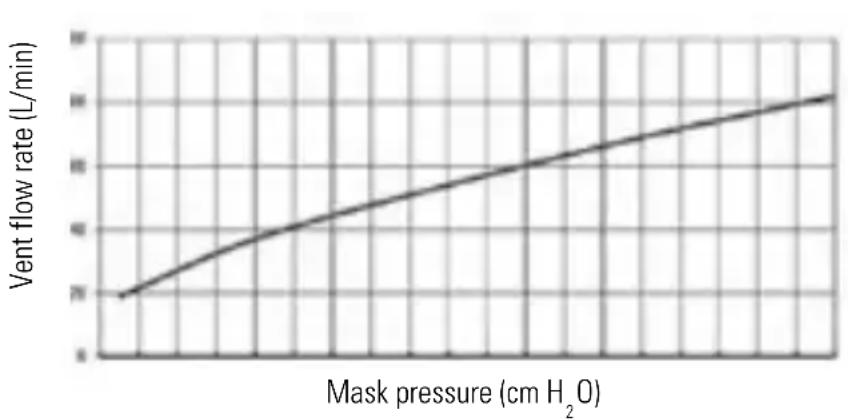
Pressure-flow curve The mask contains passive venting to protect against rebreathing. As a result of manufacturing variations, the vent flow rate may vary.
line
| Mask pressure (cm H₂O) | Vent flow rate (L/min) | | ---------------------- | --------------------- | | 0 | 2.5 | | 1 | 3.0 | | 2 | 3.5 | | 3 | 4.0 | | 4 | 4.5 | | 5 | 5.0 | | 6 | 5.5 | | 7 | 6.0 | | 8 | 6.5 | | 9 | 7.0 | | 10 | 7.5 | | 11 | 8.0 | | 12 | 8.5 | | 13 | 9.0 | | 14 | 9.5 | | 15 | 10.0 || Pressure (cm H_2O ) | Flow (L/min) |
| 3 | 19 |
| 4 | 22 |
| 8 | 32 |
| 10 37 | |
| 12 41 | |
| 16 48 | |
| 20 54 | |
| 24 60 | |
| 28 66 | |
| 30 69 | |
| 32 72 | |
| 36 77 | |
| 40 82 |
| Dead space information | Physical dead space is the empty volume of the mask to the end of the swivel. Using the large cushions it is 222 mL. |
| Therapy pressure | 3 to 40 cm H_2O |
| Resistance with Anti Asphyxia Valve (AAV) closed to atmosphere | Drop in pressure measured (nominal)at 50 L/min: 0.2 cm H_2O at 100 L/min: 0.9 cm H_2O |
| Inspiratory and expiratory resistance with Anti Asphyxia Valve (AAV) open to atmosphere | Inspiration at 50 L/min 0.6 cm H_2O |
| Expiration at 50 L/min 1.0 cm H_2O | |
| Environmental conditions | Operating temperature: +5°C to +40°COperating humidity: 15% to 95% non-condensingStorage and transport temperature: -20°C to +60°CStorage and transport humidity: up to 95% non-condensing |
| Sound | DECLARED DUAL-NUMBER NOISE EMISSION VALUES in accordance with ISO 4871. The A-weighted sound power level of the mask is 28 dBA, with uncertainty of 3 dBA. The A-weighted sound pressure level of the mask at a distance of 1 m is 20 dBA, with uncertainty of 3 dBA. |
| Anti Asphyxia Valve (AAV) open-to-atmosphere pressure | ≤1.6 cm H_2O |
| Anti Asphyxia Valve (AAV) closed-to-atmosphere pressure | ≤1.8 cm H_2O |
| Gross dimensionsMask fully assembled with elbow assembly (no headgear) | Extra Small:150 mm (H) x 103 mm (W) x 106 mm (D)Small:152 mm (H) x 103 mm (W) x 107 mm (D)Medium:166 mm (H) x 103 mm (W) x 107 mm (D)Large:172 mm (H) x 103 mm (W) x 107 mm (D) |
| Mask setting options | For S9: Select 'Full Face'For other devices: Select 'MIR FULL' (if available), otherwise select 'FULL FACE' as the mask option. |
Notes:
- The mask system does not contain PVC, DEHP or phthalates.
- This product is not made with natural rubber latex.
- The manufacturer reserves the right to change these specifications without notice.
Storage
Ensure that the mask is thoroughly clean and dry before storing it for any length of time. Store the mask in a dry place out of direct sunlight.
Disposal
This mask does not contain any hazardous substances and may be disposed of with your normal household refuse.
Symbols
| REFCATALOGNUMBER | Catalog number Batch code | LOTBATCHCODE |
 | Humidity limitation Temperature |  on on |
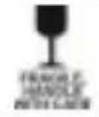 | Fragile, handle with care Not ma |  natural rubber latex natural rubber latex |
 | Manufacturer European Authoriz |  esentative esentative |
 | Keep away from rain This way up | 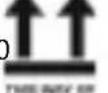 |
 | Indicates a Warning or Caution aspecial measures for the safe an |  is you to a possible injury or explainsive use of the device is you to a possible injury or explainsive use of the device |
 | Caution, consult accompanying d |  its. its. |
Consumer Warranty
ResMed acknowledges all consumer rights granted under the EU Directive 1999/44/EC and the respective national laws within the EU for products sold within the European Union.
Quattro Air
Full face mask
1 Elizabeth Macarthur Drive, Bella Vista NSW 2153 Australia
See www.resmed.com for other ResMed locations worldwide. For patent information, see www.resmed.com/ip. Quattro is a trademark of ResMed Ltd and is registered in U.S. Patent and Trademark Office. © 2022 ResMed. 628262/1 2022-08