S71WF3E - Air-conditioner PANASONIC - Free user manual and instructions
Find the device manual for free S71WF3E PANASONIC in PDF.



User questions about S71WF3E PANASONIC
0 question about this device. Answer the ones you know or ask your own.
Ask a new question about this device
Download the instructions for your Air-conditioner in PDF format for free! Find your manual S71WF3E - PANASONIC and take your electronic device back in hand. On this page are published all the documents necessary for the use of your device. S71WF3E by PANASONIC.
USER MANUAL S71WF3E PANASONIC
Operating Instructions Multi Split Indoor Unit

https://eu.datanavi.ac.smartcloud.panasonic.com/documents/
Model No.
Indoor Unit Outdoor Unit
S-71WF3ECU-2WZ71YBE5
Before operating the unit, read these operating instructions thoroughly and keep them for future reference.
2-17
English (EN)
This booklet mainly mentions the safety-related regulatory matters. Regarding the contents of the operation, please scan the matrix two-dimensional (2D) barcode and refer to the detailed manuals.
Thank you for purchasing Panasonic Air Conditioner.
Table of Contents
Safety Precautions 3-14
Maintenance 15-16
Information 17
Before installation, the installer should: Read the Installation Instructions, then request the customer keep them for future reference.
The illustrations in this manual are for explanation purposes only and may differ from the actual unit. They are subject to change without notice.
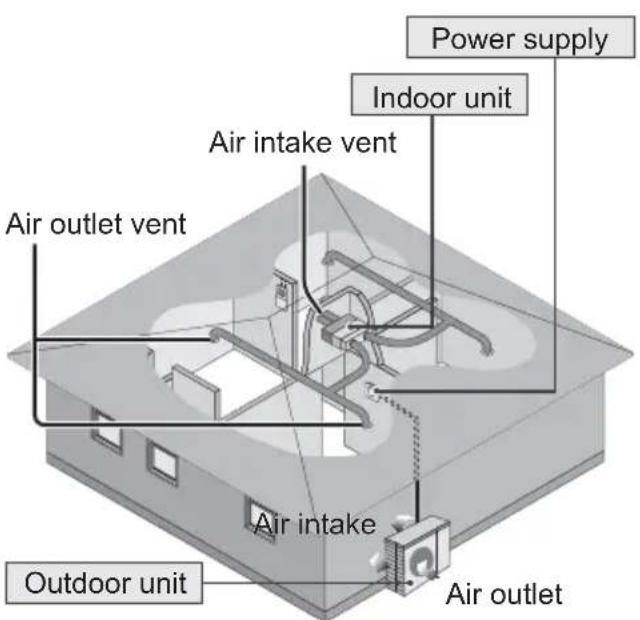
Multi air conditioner system
Multi air conditioner systems save space by letting you connect multiple indoor units to a single outdoor unit.
For complete product features, please refer catalogue.
NOTICE:
- The appliance shall be stored so as to prevent mechanical damage from occurring.
- The compressor may occasionally stop during thunderstorms. This is not a mechanical failure. The unit automatically recovers after a few minutes.
- The English text is the original instructions. Other languages are translation of the original instructions.
Safety Precautions
To prevent personal injury, injury to others or property damage, please comply with the following:
Incorrect operation due to failure to follow instructions below may cause harm or damage, the seriousness of which is classified as below:
This appliances is not intended for accessibility by the general public.
| WARNING | This sign warns of death or serious injury. |
| CAUTION | This sign warns of injury or damage to property. |
The instructions to be followed are classifi ed by the following symbols:
| This symbol denotes an action that is PROHIBITED. |
| These symbols denote actions COMPULSORY. |
WARNING
Indoor unit and outdoor unit

This appliance can be used by children aged from 8 years and above and persons with reduced physical, sensory or mental capabilities or lack of experience and knowledge if they have been given supervision or instruction concerning use of the appliance in a safe way and understand the hazards involved. Children shall not play with the appliance. Cleaning and user maintenance shall not be made by children without supervision.
Please consult authorised dealer or specialist to clean the internal parts, repair, install, remove, disassemble and reinstall the unit. Improper installation and handling will cause leakage, electric shock or fire.
Confirm with authorised dealer or specialist on usage of any specified refrigerant type. Using refrigerant type other than the specified may cause product damage, burst and injury etc.

Do not use means to accelerate the defrosting process or to clean, other than those recommended by manufacturer.
Any unfit method or using incompatible material may cause product damage, burst and serious injury.
Do not install the unit in a potentially explosive or flammable atmosphere. Failure to do so could result in fire.

Do not insert your fingers or other objects into the air conditioner indoor or outdoor unit, rotating parts may cause injury.

Do not touch the outdoor unit during lightning, it may cause electric shock.
Do not expose yourself directly to cold air for a long period to avoid excess cooling.
Do not sit or step on the unit, you may fall down accidentally.

Power supply

Do not use a modified cord, joint cord, extension cord or unspecified cord to prevent overheating and fire.


To prevent overheating, fire or electric shock:
- Do not share the same power outlet with other equipment.
- Do not operate with wet hands.
- Do not over bend the power supply cord.
- Do not operate or stop the unit by inserting or pulling out the power plug.

If the supply cord is damaged, it must be replaced by the manufacturer, service agent or similarly qualified persons in order to avoid a hazard.
It is strongly recommended to be installed with Earth Leakage Circuit Breaker (ELCB) or Residual Current Device (RCD) to prevent electric shock or fire.

To prevent overheating, fire or electric shock:
- Insert the power plug properly.
- Dust on the power plug should be periodically wiped with a dry cloth.
Stop using the product if any abnormality/failure occurs and disconnect the power plug or turn off the power switch and breaker. (Risk of smoke/fire/electric shock) Examples of abnormality/failure
The ELCB trips frequently.
- Burning smell is observed.
- Abnormal noise or vibration of the unit is observed.
Water leaks from the indoor unit.
- Power cord or plug becomes abnormally hot.
Fan speed cannot be controlled.
- The unit stops running immediately even if it is switched on for operation.
- The fan does not stop even if the operation is stopped.
Contact your local dealer immediately for maintenance/repair.

This equipment must be earthed to prevent electrical shock or fire.

Prevent electric shock by switching off the power supply and unplug:
-Before cleaning or servicing,
-When extended non-use, or
-During abnormally strong lightning activity.
CAUTION
Indoor unit and outdoor unit

Do not wash the indoor unit with water, benzine, thinner or scouring powder to avoid damage or corrosion at the unit.
Do not use for preservation of precise equipment, food, animals, plants, artwork or other objects. This may cause quality deterioration, etc.
Do not use any combustible equipment in front of the airflow outlet to avoid fire propagation.
Do not expose plants or pet directly to airflow to avoid injury, etc.
Do not touch the sharp aluminium fin, sharp parts may cause injury.

Do not switch ON the indoor unit when waxing the floor. After waxing, aerate the room properly before operating the unit.
Do not install the unit in oily and smoky areas to prevent damage to the unit.
Do not dismantle the unit for cleaning purpose to avoid injury.
Do not step onto an unstable bench when cleaning the unit to avoid injury.
Do not place a vase or water container on the unit. Water may enter the unit and degrade the insulation. This may cause an electric shock.
Do not open window or door for long time during operation, it may lead to ineffient power usage and uncomfortable temperature changes.

Prevent water leakage by ensuring drainage pipe is:
- Connected properly,
- Kept clear of gutters and containers, or
- Not immersed in water
After a long period of use or use with any combustible equipment, aerate the room regularly.
After a long period of use, make sure the installation rack does not deteriorate to prevent the unit from falling down.
Power supply

Do not disconnect the plug by pulling the cord to prevent electric shock.

WARNING
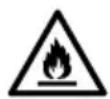
This appliance is fi lled with R32
(mild fl ammable refrigerant).
If the refrigerant is leaked and exposed to an external ignition source, there is a risk of fire.
Indoor unit and outdoor unit

The appliance shall be installed, and/or operated in a room with floor area larger than A_ (m^2) and keep away from ignition sources, such as heat/ sparks/open fl ame or hazardous areas such as gas appliances, gas cooking, reticulated gas supply systems or electric cooking appliances, etc. (Refer to Installation instructions table for A_ (m^2) )
Be aware that refrigerant may not contain an odour, highly recommended to ensure suitable flammable refrigerant gas detectors are present, operating and able to warn of a leak.
Keep any required ventilation openings clear of obstruction.

Do not pierce or burn as the appliance is pressurized. Do not expose the appliance to heat, flame, sparks, or other sources of ignition.
Else it may explode and cause injury or death.
Precaution for using R32 refrigerant
The basic installation work procedures are the same as conventional refrigerant (R410A, R22) models.

Since the working pressure is higher than that of refrigerant R22 models, some of the piping and installation and service tools are special. Especially, when replacing a refrigerant R22 model with a new refrigerant R32 model, always replace the conventional piping and fl are nuts with the R32 and R410A piping and fl are nuts on the outdoor unit side.
For R32 and R410A, the same fl are nut on the outdoor unit side and pipe can be used.
The mixing of different refrigerants within a system is prohibited. Models that use refrigerant R32 and R410A have a different charging port thread diameter to prevent erroneous charging with refrigerant R22 and for safety.
Therefore, check beforehand. [The charging port thread diameter for R32 and R410A is 1/2 inch.]
Must always ensure that foreign matter (oil, water, etc.) does not enter the piping. Also, when storing the piping, securely seal the opening by pinching, taping, etc. (Handling of R32 is similar to R410A.)
Operation, maintenance, repairing and refrigerant recovery should be carried out by trained and certified personnel in the use of flammable refrigerants and as recommended by the manufacturer. Any personnel conducting an operation, servicing or maintenance on a system or associated parts of the equipment should be trained and certifi ed.

- Any part of refrigerating circuit (evaporators, air coolers, AHU, condensers or liquid receivers) or piping should not be located in the proximity of heat sources, open fl ames, operating gas appliance or an operating electric heater.
The user/owner or their authorised representative shall regularly check the alarms, mechanical ventilation and detectors, at least once a year, where as required by national regulations, to ensure their correct functioning.
A logbook shall be maintained. The results of these checks shall be recorded in the logbook.
In case of ventilations in occupied spaces shall be checked to confirm no obstruction. - Before a new refrigerating system is put into service, the person responsible for placing the system in operation should ensure that trained and certified operating personnel are instructed on the basis of the instruction manual about the construction, supervision, operation and maintenance of the refrigerating system, as well as the safety measures to be observed, and the properties and handling of the refrigerant used.
The general requirement of trained and certifi ed personnel are indicated as below:
a) Knowledge of legislation, regulations and standards relating to flammable refrigerants; and,
b) Detailed knowledge of and skills in handling flammable refrigerants, personal protective equipment, refrigerant leakage prevention, handling of cylinders, charging, leak detection, recovery and disposal; and,

c) Able to understand and to apply in practice the requirements in the national legislation, regulations and Standards; and,
d) Continuously undergo regular and further training to maintain this expertise.
e) Air-conditioner piping in the occupied space shall be installed in such a way to protect against accidental damage in operation and service.
f) Precautions shall be taken to avoid excessive vibration or pulsation to refrigerating piping.
g) Ensure protection devices, refrigerating piping and fittings are well protected against adverse environmental effects (such as the danger of water collecting and freezing in relief pipes or the accumulation of dirt and debris).
h) Expansion and contraction of long runs piping in refrigerating systems shall be designed and installed securely (mounted and guarded) to minimize the likelihood hydraulic shock damaging the system.
i) Protect the refrigerating system from accidental rupture due to moving furniture or reconstruction activities.
j) To ensure no leaking, field-made refrigerant joints indoors shall be tightness tested. The test method shall have a sensitivity of 5 grams per year of refrigerant or better under a pressure of at least 0.25 times the maximum allowable pressure (>1.04MPa, max 4.15 MPa). No leak shall be detected.

1. Installation (Space)
- Product with flammable refrigerants, shall be installed according to the minimum room area, Amin (m^2) mentioned in Installation Instructions.
- In case of fi eld charge, the effect on refrigerant charge caused by the different pipe length has to be quantified, measured and labelled.
- Must ensure the installation of pipework shall be kept to a minimum. Avoid use dented pipe and do not allow acute bending.
- Must ensure that pipe-work shall be protected from physical damage.
- Must comply with national gas regulations, state municipal rules and legislation. Notify relevant authorities in accordance with all applicable regulations.
- Must ensure mechanical connections be accessible for maintenance purposes.
- In cases that require mechanical ventilation, ventilation openings shall be kept clear of obstruction.
- When disposal of the product, do follow to the precautions in #12 and comply with national regulations. Always contact to local municipal offi ces for proper handling.

2. Servicing
2-1. Service personnel
- The system is inspected, regularly supervised and maintained by a trained and certified service personnel who is employed by the person user or party responsible.
- Ensure the actual refrigerant charge is in accordance with the room size within which the refrigerant containing parts are installed.
- Ensure refrigerant charge not to leak.
- Any qualified person who is involved with working on or breaking into a refrigerant circuit should hold a current valid certifi cate from an industry-accredited assessment authority, which authorizes their competence to handle refrigerants safely in accordance with an industry recognised assessment specifi cation.
Servicing shall only be performed as recommended by the equipment manufacturer. Maintenance and repair requiring the assistance of other skilled personnel shall be carried out under the supervision of the person competent in the use of flammable refrigerants.
Servicing shall be performed only as recommended by the manufacturer.

2-2. Work
- Prior to beginning work on systems containing flammable refrigerants, safety checks are necessary to ensure that the risk of ignition is minimised. For repair to the refrigerating system, the precautions in #2-2 to #2-8 must be followed before conducting work on the system.
- Work shall be undertaken under a controlled procedure so as to minimize the risk of a flammable gas or vapour being present while the work is being performed.
- All maintenance staff and others working in the local area shall be instructed and supervised on the nature of work being carried out.
- Avoid working in confined spaces. Always ensure away from source, at least 2 meter of safety distance, or zoning of free space area of at least 2 meter in radius.
- Wear appropriate protective equipment, including respiratory protection, as conditions warrant.
- Keep all sources of ignition and hot metal surfaces away.

2-3. Checking for presence of refrigerant
The area shall be checked with an appropriate refrigerant detector prior to and during work, to ensure the technician is aware of potentially flammable atmospheres.
- Ensure that the leak detection equipment being used is suitable for use with flammable refrigerants, i.e. non sparking, adequately sealed or intrinsically safe.
In case of leakage/spillage happened, immediately ventilate area and stay upwind and away from spill/release.
In case of leakage/spillage happened, do notify persons down wind of the leaking/spill, isolate immediate hazard area and keep unauthorised personnel out.

2-4. Presence of fire extinguisher
- If any hot work is to be conducted on the refrigerating equipment or any associated parts, appropriate fire extinguishing equipment shall be available at hand.
- Have a dry powder or CO_2 fire extinguisher adjacent to the charging area.

2-5. No ignition sources
- No person carrying out work in relation to a refrigerating system which involves exposing any pipe work that contains or has contained flammable refrigerant shall use any sources of ignition in such a manner that it may lead to the risk of fire or explosion. They must not be smoking when carrying out such work.
- All possible ignition sources, including cigarette smoking, should be kept suffi cientsly far away from the site of installation, repairing, removing and disposal, during which flammable refrigerant can possibly be released to the surrounding space.
- Prior to work taking place, the area around the equipment is to be surveyed to make sure that there are no flammable hazards or ignition risks.
"No Smoking" signs shall be displayed.

2-6. Ventilated area
- Ensure that the area is in the open or that it is adequately ventilated before breaking into the system or conducting any hot work.
A degree of ventilation shall continue during the period that the work is carried out.
The ventilation should safely disperse any released refrigerant and preferably expel it externally into the atmosphere.

2-7. Checks to the refrigerating equipment
- Where electrical components are being changed, they shall be fit for the purpose and to the correct specification.
- At all times the manufacturer's maintenance and service guidelines shall be followed.
-
If in doubt consult the manufacturer's technical department for assistance.
The following checks shall be applied to installations using flammable refrigerants. -
The actual refrigerant charge is in accordance with the room size within which the refrigerant containing parts are installed.
- The ventilation machinery and outlets are operating adequately and are not obstructed.
-If an indirect refrigerating circuit is being used, the secondary circuit shall be checked for the presence of refrigerant.
-Marking to the equipment continues to be visible and legible. Markings and signs that are illegible shall be corrected. - Refrigerating pipe or components are installed in a position where they are unlikely to be exposed to any substance which may corrode refrigerant containing components, unless the components are constructed of materials which are inherently resistant to being corroded or are properly protected against being so corroded.

2-8. Checks to electrical devices
Repair and maintenance to electrical components shall include initial safety checks and component inspection procedures.
- Initial safety checks shall include but not limit to:-
-That capacitors are discharged: this shall be done in a safe manner to avoid possibility of sparking.
-That there no live electrical components and wiring are exposed while charging, recovering or purging the system.
-That there is continuity of earth bonding.
- At all times the manufacturer's maintenance and service guidelines shall be followed.
- If in doubt consult the manufacturer's technical department for assistance.
- If a fault exists that could compromise safety, then no electrical supply shall be connected to the circuit until it is satisfactorily dealt with.
- If the fault cannot be corrected immediately but it is necessary to continue operation, an adequate temporary solution shall be used.
The owner of the equipment must be informed or reported so all parties are advised thereinafter.

3. Repairs to sealed components
- During repairs to sealed components, all electrical supplies shall be disconnected from the equipment being worked upon prior to any removal of sealed covers, etc.
- If it is absolutely necessary to have an electrical supply to equipment during servicing, then a permanently operating form of leak detection shall be located at the most critical point to warn of a potentially hazardous situation.
- Particular attention shall be paid to the following to ensure that by working on electrical components, the casing is not altered in such a way that the level of protection is affected. This shall include damage to cables, excessive number of connections, terminals not made to original specifi cation, damage to seals, incorrect fitting of glands, etc.
- Ensure that apparatus is mounted securely.
- Ensure that seals or sealing materials have not degraded such that they no longer serve the purpose of preventing the ingress of flammable atmospheres.
- Replacement parts shall be in accordance with the manufacturer's specifications.
NOTE: The use of silicon sealant may inhibit the effectiveness of some types of leak detection equipment. Intrinsically safe components do not have to be isolated prior to working on them.

4. Repair to intrinsically safe components
- Do not apply any permanent inductive or capacitance loads to the circuit without ensuring that this will not exceed the permissible voltage and current permitted for the equipment in use.
- Intrinsically safe components are the only types that can be worked on while live in the presence of a flammable atmosphere.
The test apparatus shall be at the correct rating. - Replace components only with parts specified by the manufacturer. Unspecified parts by manufacturer may result ignition of refrigerant in the atmosphere from a leak.

5. Cabling
- Check that cabling will not be subject to wear, corrosion, excessive pressure, vibration, sharp edges or any other adverse environmental effects.
- The check shall also take into account the effects of aging or continual vibration from sources such as compressors or fans.

6. Detection of flammable refrigerants
- Under no circumstances shall potential sources of ignition be used in the searching or detection of refrigerant leaks.
A halide torch (or any other detector using a naked flame) shall not be used.

7. The following leak detection methods are deemed acceptable for all refrigerant systems
- No leaks shall be detected using detection equipment with sensitivity to detect leakage of 5g/year of refrigerant or better under a pressure of at least 0.25 times the maximum allowable pressure (>1.04MPa, max 4.15MPa) for example, a universal sniffer.
Electronic leak detectors may be used to detect flammable refrigerants, but the sensitivity may not be adequate, or may need recalibration.
(Detection equipment shall be calibrated in a refrigerant-free area.)
- Ensure that the detector is not a potential source of ignition and is suitable for the refrigerant used.
- Leak detection equipment shall be set at a percentage of the LFL of the refrigerant and shall be calibrated to the refrigerant employed and the appropriate percentage of gas (25% maximum) is confirmed.
- Leak detection fluids are also suitable for use with most refrigerants, for example, bubble method and fluorescent method agents. The use of detergents containing chlorine shall be avoided as the chlorine may react with the refrigerant and corrode the copper pipe-work.
If a leak is suspected, all naked fl ames shall be removed/ extinguished. - If a leakage of refrigerant is found which requires brazing, all of the refrigerant shall be recovered from the system, or isolated (by means of shut off valves) in a part of the system remote from the leak. The precautions in #8 must be followed to remove the refrigerant.

8. Removal and evacuation
- When breaking into the refrigerant circuit to make repairs – or for any other purpose – conventional procedures shall be used. However, it is important that best practice is followed since flammability is a consideration. The following procedure shall be adhered to: remove refrigerant -> purge the circuit with inert gas -> evacuate -> purge with inert gas -> open the circuit by cutting or brazing.
- The refrigerant charge shall be recovered into the correct recovery cylinders.
- The system shall be purged with OFN to render the appliance safe.
- This process may need to be repeated several times.
- Compressed air or oxygen shall not be used for this task.
- Purging shall be achieved by breaking the vacuum in the system with OFN and continuing to fill until the working pressure is achieved, then venting to atmosphere, and finally pulling down to a vacuum.
- This process shall be repeated until no refrigerant is within the system.
- When the final OFN charge is used, the system shall be vented down to atmospheric pressure to enable work to take place.
- This operation is absolutely vital if brazing operations on the pipe work are to take place.
- Ensure that the outlet for the vacuum pump is not close to any potential ignition sources and there is ventilation available.
OFN = oxygen free nitrogen, type of inert gas.

9. Charging procedures
In addition to conventional charging procedures, the following requirements shall be followed.
-Ensure that contamination of different refrigerants does not occur when using charging equipment.
-Hoses or lines shall be as short as possible to minimize the amount of refrigerant contained in them.
-Cylinders shall be kept in an appropriate position according to the instructions.
-Ensure that the refrigerating system is earthed prior to charging the system with refrigerant.
-Label the system when charging is complete (if not already).
- Extreme care shall be taken not to over fi II the refrigerating system.
- Prior to recharging the system it shall be pressure tested with OFN (refer to #7).
The system shall be leak tested on completion of charging but prior to commissioning.
A follow up leak test shall be carried out prior to leaving the site.
- Electrostatic charge may accumulate and create a hazardous condition when charging and discharging the refrigerant. To avoid fire or explosion, dissipate static electricity during transfer by grounding and bonding containers and equipment before charging/ discharging.

10. Decommissioning
- Before carrying out this procedure, it is essential that the technician is completely familiar with the equipment and all its details.
- It is recommended good practice that all refrigerants are recovered safely.
- Prior to the task being carried out, an oil and refrigerant sample shall be taken in case analysis is required prior to re-use of recovered refrigerant.
- It is essential that electrical power is available before the task is commenced.
a) Become familiar with the equipment and its operation.
b) Isolate system electrically.
c) Before attempting the procedure ensure that:
- mechanical handling equipment is available, if required, for handling refrigerant cylinders;
- all personal protective equipment is available and being used correctly;
the recovery process is supervised at all times by a competent person; - recovery equipment and cylinders conform to the appropriate standards.
d) Pump down refrigerant system, if possible.
e) If a vacuum is not possible, make a manifold so that refrigerant can be removed from various parts of the system.
f) Make sure that cylinder is situated on the scales before recovery takes place.
g) Start the recovery machine and operate in accordance with instructions.
h) Do not over fill cylinders. (No more than 80% volume liquid charge).

i) Do not exceed the maximum working pressure of the cylinder, even temporarily.
j) When the cylinders have been filled correctly and the process completed, make sure that the cylinders and the equipment are removed from site promptly and all isolation valves on the equipment are closed off.
k) Recovered refrigerant shall not be charged into another refrigerating system unless it has been cleaned and checked.
- Electrostatic charge may accumulate and create a hazardous condition when charging or discharging the refrigerant. To avoid fire or explosion, dissipate static electricity during transfer by grounding and bonding containers and equipment before charging/discharging.

11. Labelling
Equipment shall be labelled stating that it has been de-commissioned and emptied of refrigerant.
The label shall be dated and signed.
- Ensure that there are labels on the equipment stating the equipment contains flammable refrigerant.

12. Recovery
- When removing refrigerant from a system, either for servicing or decommissioning, it is recommended good practice that all refrigerants are removed safely.
- When transferring refrigerant into cylinders, ensure that only appropriate refrigerant recovery cylinders are employed.
- Ensure that the correct number of cylinders for holding the total system charge are available.
- All cylinders to be used are designated for the recovered refrigerant and labelled for that refrigerant (i.e. special cylinders for the recovery of refrigerant).

- Cylinders shall be complete with pressure relief valve and associated shut-off valves in good working order.
- Recovery cylinders are evacuated and, if possible, cooled before recovery occurs.
- The recovery equipment shall be in good working order with a set of instructions concerning the equipment that is at hand and shall be suitable for the recovery of flammable refrigerants.
In addition, a set of calibrated weighing scales shall be available and in good working order.
Hoses shall be complete with leak-free disconnect couplings and in good condition. - Before using the recovery machine, check that it is in satisfactory working order, has been properly maintained and that any associated electrical components are sealed to prevent ignition in the event of a refrigerant release. Consult manufacturer if in doubt.
- The recovered refrigerant shall be returned to the refrigerant supplier in the correct recovery cylinder, and the relevant Waste Transfer Note arranged.
- Do not mix refrigerants in recovery units and especially not in cylinders.
- If compressors or compressor oils are to be removed, ensure that they have been evacuated to an acceptable level to make certain that flammable refrigerant does not remain within the lubricant.
- The evacuation process shall be carried out prior to returning the compressor to the suppliers.
Only electric heating to the compressor body shall be employed to accelerate this process. - When oil is drained from a system, it shall be carried out safely.
WARNING CAUTION
- For safety, be sure to turn the air conditioner off and disconnect the power before cleaning. (Otherwise, electric shock or injury may result because the fan is rotating at high speed.)
- Do not pour water on the indoor unit. (This may damage the internal components and cause an electric shock hazard.)
- Never use solvents or harsh chemicals. Also, do not wipe plastic parts using very hot water. (This may cause deformation or change in colour.)
Some metal edges and fins are sharp. Be careful when you clean those parts. (Injury may result.) - Use a firm stool or ladder when cleaning an indoor unit installed in high locations.
The internal coil and other components of the outdoor unit must be cleaned periodically.
- Consult your dealer or service center.
Air Filter Maintenance
Consult your dealer or service center when the Filter) appears on the display of the wired remote controller.
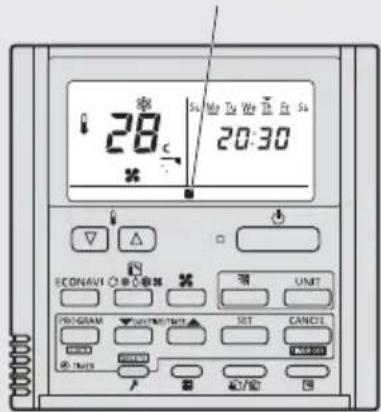
Filter indicator
Timer Remote Controller
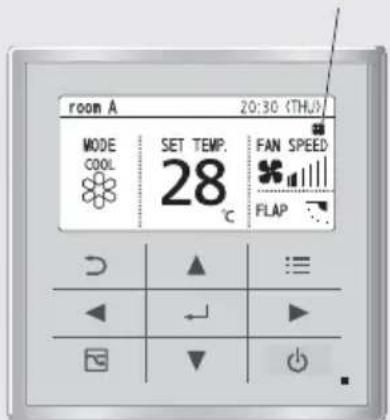
Filter indicator Filter indicator
High-spec Wired Remote Controller
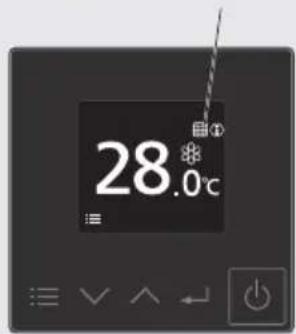
Wired Remote Controller
Operation Mechanism
Heating performance
- This air conditioner utilizes outside air for heating; its heating performance reduces as outside temperature decreases.
- In the event that heating is not sufficient, please use an additional heating appliance.
Defrosting
- This appliance may start defrosting operation to melt frost formed in the outdoor unit.
- Defrosting starts: The indoor unit fan stops (or the speed becomes extremely slow).
- " (STANDBY) appears.
- Heating operation resumes after several minutes: The indoor unit fan remains stopped (or it will run at a very slow speed) until the indoor heat exchanger coil warms up sufficiently.
- "STANDBY) appears.
- Defrosting is complete: The indoor unit fan starts operation.
- " (STANDBY) disappears.
"DRY" operation
- Once the room temperature reaches the level that was set, the outdoor unit repeats the cycle of turning on and off automatically.
- When the room temperature is more likely to reach the level that was set, the fan speed is set to "breeze" (light wind) automatically.
Should power failure occur while the unit is running
- The unit will resume operation automatically. Operation settings prior to power failure will be used.
Information for Users on Collection and Disposal of Old Equipment and Used Batteries (For European Union and countries with recycling systems)
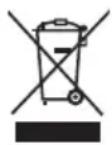
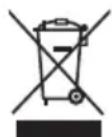
Your product is marked with this symbol. This symbol means that electrical and electronic products shall not be mixed with unsorted household waste.
Do not try to dismantle the system yourself: the dismantling of the product and of other parts must be done by a qualified installer in accordance with relevant local and national legislation.
Product and waste must be treated at a specialized treatment facility for re-use, recycling and recovery.
These symbols on the products, packaging, and/or accompanying documents mean that used electrical and electronic products and batteries should not be mixed with general household waste.
For proper treatment, recovery and recycling of old products and used batteries, please take them to applicable collection points in accordance with your national legislation.
By disposing of these products and batteries correctly, you will help to save valuable resources and prevent any potential negative effects on human health and the environment which could otherwise arise from inappropriate waste handling.
For more information about collection and recycling of old products and batteries, please contact your local authority, your waste disposal service or the point of sale where you purchased the items.
Penalties may be applicable for incorrect disposal of this waste, in accordance with national legislation.
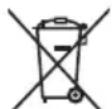
European Union and some other European countries
If you wish to discard electrical and electronic equipment, please contact your dealer or supplier for further information.
[Information on Disposal in other Countries outside the European Union]
These symbols are only for European Union and countries with recycling systems. If you wish to discard these items, please contact your local authorities or dealer and ask for the correct method of disposal.
Note for the battery symbol (bottom two symbol examples):
This symbol might be used in combination with a chemical symbol. In this case it complies with the requirement set by the Directive for the chemical involved.
| WARNING | This symbol shows that this equipment uses a flammable refrigerant. If the refrigerant is leaked, together with an external ignition source, there is a possibility of ignition. | This symbol shows that the Operation Instructions should be read carefully. | |
| This symbol shows that a service personnel should be handling this equipment with reference to the Installation Instructions. | This symbol shows that there is information included in the Operation Instructions and/or Installation Instructions. |
NOTE:
Important Information Regarding The Refrigerant Used
Refer to the Installation Instructions attached to the outdoor unit.
WAARSCHUWING VOORZICTHIG
3. PeMoHT Ha 3aneuTaHn KOMNoHEHTN
-При ремонт Ha 3aneuataHи KOMnoHeHTN BCnKNe eJekTpueckn 3axpaHbAHn Tp6Ba Da ce pa3kaayat OT obopydBaHeTo, NO KOeTo ce paBOTn, npdi OTCTpaHbAHeTo Ha 3aneuataHи Kaanu nT.H.
Ako e a6coHTo Heo6xOIMO NO BpeMe Ha cepBn3Hnte pa60Tu KbM o6OpyDbaHeTo Da e Cbbp3aHO eNEKtpuYeCKO 3axpaHBAHe, TO TORaba H Na-KpnTnuHaTa TOnKa Tpr6Ba Da ce NoCTaBN NocToHNO DeiCTBaUaΦopMa Ha OTKpNBaeH Ha yTeHKn, KOTo da npEduynpeXdaba 3a NotEHuaHNo ONaCHN CNTyaUH.
Oco6eHO BnMaHne Tp6Ba Da ce obpHe Ha CneHOTo, 3a Da Ce rapaHTnpa, ye pa6oTata NO eNEKTPnueCKN KOMNoHEHTn He BOi Do npomHa Ha Kopnyca No HauHH, KOIto HaKbPnRa HNBOTO Ha 3aUNTa. TOBa BKIOuBa NOBpeHa Ha Ka6eNi, PpeKaJIeHO rOJAM 6poi Bpb3Kn, KInEMN, KOIto HE OTROBAPrT Ha NpBBOHaanHaTa CneuФnKaUNy, YBpeXdAnHe Ha yNJbTHeHNA, HEPpaBUNHO MOnTnpaNe Ha cAINuN I.T.H.
- YBepete ce, ye anapaatypata e MOHTnpaHa 3dpaBO.
- YBepTe Ce, Ye CbCToHHeTo Ha yNtBTHInTeIe NnYn BnBTHInTeHNITE MaTePnAJI He Ce e BLOuINo, TaKa Ye Te NOBeYe Da He CnyKAT Ha LcENITE 3a IpeDfTbPaTBAHe Ha npOHKnBaHoTo Ha Bb3PiameHmM aTMocOpeRn.
- Pe3epBHNte yactn Tp86Ba da OTROBaprHa cneuФNkaCInTe Ha npOn3BOJNTeJI. 3A5EJEKKA: N3noN3BaHeto Ha cnIHKOHOB yNtHTeHem MaTePnaJ MoKe Da Bb3npenTCTBa eFekTNBHOCTTa Ha HAKO BNDObe o6OpyDbaHe 3a OTKPNBaHe Ha yTeKN. KOHcTpKTHBHO 6e3oNaChnte KOMNoHEHTn He e Heo6xOdmo Da ce n30nIpaT npedn N3BbpWBAHTo Ha pa60Tu NO TIAx.

4. PemOH T Ha KOHCTpyKTHBHO 6e3OnaCHN KOMNoHEHTN
He npilaraTe HnKaBn NoCToHHn HNDyKTNBH INI KanaCITNBH TOBAPN KbM Bepurata,6e3 Da NODcNpyrTe,Ye TЯ HMa Da IpeBNI DOnyCTMOTO 3a N3PON3BaHOTO obopydBaHe HanpeXeHne n Tok.
KoHCTpykTINBHO 6e3OJaCHnTe KOMnOHeHTNa ca eDnHCTBeHnTe, NO KOINTO MoKe Da ce pa60Tu, DOKaTO Ca NOD HAnpeXeHne, B npncbCTBnETo Ha 3anaJIMa aTMocepa.
-ИЗптателнata anapatypa Tрябва дe ec npabunhata HOMHahHa MOUHOCT.
3aMeHnTe KOMNoHEHTn CaMo C qactn ONpeIeHn OT npOn3BODITeN. 1actn,pa3nHnOT onpeIeHnTe OT pOn3BODITeN,MOKe Da DOBEdat Do 3anaBHe Ha XJaDNHe AReH B aTMocepapa OT Teu.

5. Ka6eJn
- YBepete ce, Ye KaBeJIte He ca n3NoKeHn Ha n3HocBaHe, Kopo3n, IpeKoMepeH HATNCK, Bn6paCn, OcTp n Pb6OBe nIi npyHn He6NaorponrTHn Bb3JeICTBna Ha OKoJHaTa CpeDa.
-Пи npOBePkata Tp6Ba Da ce B3ematпpeBnI NocJIeNtTe OT CTapeeHe IIN NOCTOHHN Bn6paUN OT N3TOHNU KATO KOMnPecOpN INN BEHTNJaTOPN.

6. OTKpNbAHe Ha 3aapanmXnaJnHn areHTN
-ПриинкakBNOбсToTcTBa He Tp6Ba da ce N3PON3BAT NOTEHuaHn N3TOUHnHa 3aJaIbAHe Pn TbpceHTo NNOTKpNBaHTo Ha yTeKN Ha XnaJIneH areHT.
He Tp86Ba Da ce n3non3Ba Xanorehen DeTeKTop (nIN dpyr DeTeKTop, n3non3BaOtkpnt nnambk).

7. CneHnTe MeToOn 3a OTKpNBaHe Ha yTeuKN ce cHTaT 3a npHeMJIbN 3a BCNUOxJaKaun CnCTeMn
- He cIeIeBa da ce OTKpIaT yTeUKN, KOraTo ce n3nOJI3Ba 6OBOpYDaBe C UyBCTBNTeJIHOCT 3a OTKpIbAbe Ha yTeUKN OT 5 rpaMa rOdiuHo XJaIiJeH aReHT IIN 3a IpeIIOvHTaHe npHaJIraHe Ha-MaIKo 0,25 PtN MaKcImaIIHO To DOpyCTMIO HaJIraHe (>1,04 MPa, MaKcImaIIHO 4,15 MPa), HApPIMep yHInBepCaIIHO yCTpOJcTBO 3a OTKpIbAbe Ha yTeUKN.
-3aOTKpNBaHe Ha 3anaIIMM XnaIINH aReHTn MoT Da Ce N3NoI3BaT eJeKTPOHN dTeKTOpN 3a yTeuKN, HO YyBCTBNTeHOCCTTa MOKe Da He e NOxOJaUa IIn Da mHa HyXda OT NOBTOHO KaIb6pupahe. (ObopydBaHeTo 3a OTKpNBaHe Ha yTeuKn Tp86Ba Da Ce KaJIb6pupa B 3oHa, HecbNbPkaaXnaIINH aReHTn.) - YBepTe ce, ye DeTeKTopbT He e IOTeHnauHe H3TOUHnK Ha 3aNaIbAHe N e IOnXoJus 3a H3NoJ3BaHnY XJaIIneH areHT.
-ObopydBaHTo 3a OTKpmbaHe Ha yTeKn Tp86Ba Da ce HacTpon Ha npoceHT OdoHaTa rpaHua Ha Bb3PnAmehraBe (LFL) Ha xHaUNHnA areHT n da ce KaINbnpa CnpRAMO N3NOJ3BaHnXnAnIneH aEHT n CbOTBETHnT npOeHT Ha ra3 (25% MaKcIMyM) Da ce NotBbpDn.
TeuHocHTe 3a OTKpNBaHe Ha yTeckn ca IoXOJaIz 3a N3PON3BaHe C NOBeYeTO XnaIINn AreHTN, HApIMep areHTN 3a MeToDa Ha MExypcEtata N MeToDa Ha pnyopeCueHn. N3PON3BaHeto Ha npenapatN, CbDpbKaIu XnOp, Tpr6Ba Da ce N36RaTBA, TbJ KaTO XnOpBt MoKe Da pearnapa C XnaIJIHnA areHT N Da PnpUHN Kopo3nHa MeDHnTe Tpb6n. - Ako nma noo3peHn 3a yTeUka, BCuKn OTKpNTn PnAmbTu TpaBa da ce OTcPaHrT/ 3aracrT.
-Ako6bJeOTKpntoN3TuHaHeHaXlaIJIeH aReHT,KoEtO N3NCKBa 3aONBaHe,BCuKNrT XlaIJIeH aReHT Tp8Ba Da ce N3BLeue OT CnCTemata NN N3OInpa (C NOMOHTa Ha CNIPAteJINB EHTNI) B YactOT CnCTemata, daJeY OTeKaTa. PnOTcTpaHraBe Ha XlaIJIHHa areHT cIeDba Da ce Cna3BaT npEJa3HITe MepKn B#8.

8.ИЗВлиЧане Ha XладиНЯ areHTи eBaKaуаця
- Пиnpксване Ha XnaДИнгЯ KOHTyp c
цел ИЗБьршвахе Ha peMOHTH Pa6OTN -
Илс Дурацел - спеба да ce ИЗПОЛ3ВAT
обюприети пpoцEDури. Вьп配电и Това
e вжно да ce спебот haN-Дбрnte
празКИ, Тьн KaTO Bb3ПЛamEHMOCCTTа
ИЗССВа спczmaIНо BHNMaHne.
СпeДВацata npoцEDура ТябBA da ce
спaЗBA: ИЗВПИЧАне Ha XnaДИнгЯ areHT ->\
пpoчNTBaHe Ha KOHTypa CInhepten ra3 ->\
ЕвakУралe -> пpoчNTBaHe C ИHepten ra3 \
-> OTВаряне Ha KOHTypa Ype3 СрЯЗВанe Ил
ЗАПОВАнe.
XlaHnHnT areHT Tp6Ba da ce n3Bneye B npaBnH pe3epBoapn 3a n3Bnuhae. - CnCTemata Tp6Ba Da ce npouncTc OFN, 3a Da ce obezonacn ypeDbT.
To3n npouec moKe da ce HanoKn da ce NOBTOPIHAKOJIKO NbTN.
He Tp86Ba Da ce H3non3Ba KOMnpecnpuH Bb3dyx INI KNCNOpOd 3a Ta3N 3aDaqa.
-Пюочьанeto CneДBa Да ce ИЗБьршуpe3пркьсван ha BakyyMaВСИСТЕматaC OFNи npoДьлжаве Да ce ПьЛнДоDOCTURAHe Ha pa6OTHOTO HailraHe, cIeДKOeTO CneДBA ИЗпУСКАн B atMOCФерatura Инakран HatИСКАн Do NOCTURAн Ha BAKyyM.
To3n npoec cneDba da ce noBtOpn,doKaTO B CnCTemata He octaHe XnaDInNeH aReHT.
-ПиИЗПОЛЗВАНЕТоHa nOСЛeДнЯ 3apяд OT 6e3KICLOPODEN a3OH CnCTeMATA TpЯБВaДа ce BeHTINIPA Do aTmOCфepHOTo HAnraHe, 3a Дa 6bDE Bb3MOxHOb I3BbPшВАНЕТо Ha pa6OTnte. - Ta3n npoceDypa e a6coJIHTHO Heo6xOdIma, ako 3a ige ce n3BbPwBaT 3aONTeHN pa60tn no Tpb6ata.
- YBepTe Ce, Ye I3XoDbT Ha BaKyymHaTaI NOMNa He E B 6n3OCT Do eBEHTyAJeH N3TOuHnK Ha 3aJaLBaHe N Ye IMa BEHTnlaCnY.
OFN = 6e3KncIopOoJeH a30T, BnD nHePTeH ra3.

9.Процдури 3a зapекданe
BdoJIHeHneKbMCTaHdApTHnTe npOeDpyn 3a 3apeXdahe cIeDbA da ce Cna3BaT cIeDHnTE N3NCKBaHnJ.
- YBepTe ce,Ye HMa ONaCHOCT OT Bb3HnKBaHe Ha 3aMbpcraBaHe C DpyrXJaINHAreHTN Pn N3NoI3BaHe HaO6OpyDbaHe 3a 3apeKdaHe.
-MapkyuHTe HnTp6bTe Tp6Ba Da ca Bb3MOxH0 Ha-KbcN, 3a Da ce CBeDe Do MNHMym KOJNUeCTBOTO Ha XJaUNHe aReHT B TxA.
-Pe3epBoaapTe cneBa Da ce CbXpaHraBt Ha IIOxOJaMROCTOBcOTBECTBNE C HNCHpyKUnTe.
-YbepTe ce,Ye XnaHnHaTa CnCTema 3a3eMeHa, npEi Da npemHeTe KbM 3apeXdaHe Ha CnCTeMaTc XnaHne HareHT.
-IOCTaBete eTKeT Ha CnCTeMaTa CJIeI npKJIIOUBaHe Ha 3apeXdAHeTo (ako Beue He e HappaBeHo). - Tp86Ba Da ce B3eMaT BCn4Kn Bb3MOxHn npedna3Hm MepKn Da He Ce DoyncHe npenbIbAhe Ha XnaDnHata CnCTema.
-Ппсдппзахждане на систмату Трябда се ТсгТа НлгагенTo CбЗКСлОрODEнa3OT(BИЖTe #7).
CnCTemata Tp6Ba Da ce TeCTBa 3a yTeuKn CneI npKlOyBaHe Ha 3apeXdaHTo n PpeIN BbBExJaHTo B EKcnnoataun.
CneBa da ce n3BpHn nocneBaT TecT 3a yTeuKn npEn HanyckaHe Ha o6eKaTa.
Mоже да ce Hatpyna eNeKtpocTaTnueH 3apd, KoITo Da c63dae OnaCHN yCNOBn npri 3apeXdahe n 3npa3BaHe Ha xlaDInHnAreHT. 3a da n36erHete noxap nn EKCIIIO3n, OTBeTe CTaTHOHO eNEKtpuYeCTBO npri npexBbPnHeto Upe3 3a3EmraBe Ha KOHTeHepnte N O6OpyDbAHTo npedn npemHaBaHe KbM 3apeXdaHe/3npa3BaHe.

10.ИЗБexДанеоТ ekcnnoataua
-Ппети n3BbPWBaHTo Ha Ta3n npoceDypa e BaxHo TEXHKnT Da e HAnbIHO 3aNo3HaT C obopydBaHTo N BCNUK HerOBN DeTaJIIN.
-ПpenopbHTeHNo e da ce cna3Ba do6pa npaKTnka 3a 6e3oNaChOTo n3BnUaHe Ha BCNUK XnAaINn H aReHTN.
-Ппети ИЗБьршваху Ha 3адачаТа Следва Да ce B3eme Пpo6a Ha MacIoTO u XlaДИЛнИа reHT, ako e Heo6xOДМ aHaIIM 3пети NOВTOPHATA yNToTpe6a Ha I3BNeueHЯ XlaДИЛЕн areHT.
BaxHo e da nMa ocNrgpeHo eNeKtpnueCTBO npeDn 3anOuBaHe Ha npoUeDypaTa.
Accordance with the WEEE Regulation.
Disposal of Old Equipment Only for European Union and countries with recycling systems
This symbol on the products, packaging, and/or accompanying documents means that used electrical and electronic products must not be mixed with general household waste. For proper treatment, recovery and recycling of old products, please take them to applicable collection points in accordance with your national legislation.
By disposing of them correctly, you will help to save valuable resources and prevent any potential negative effects on human health and the environment. For more information about collection and recycling, please contact your local municipality.
Penalties may be applicable for incorrect disposal of this waste, in accordance with national legislation.
If you have problems or questions concerning your Air Conditioner, you will need the following information. Model and serial numbers are on the nameplate.
English Model No. / Serial No. / Date of purchase / Dealer's address / Phone number
Panasonic UK, a branch of Panasonic
Maxis 2, Western Road, Bracknell,
Berkshire, RG12 1RT
Panasonic Corporation, 1006, Oaza Kadoma, Kadoma City, Osaka 571-8501, Japan
Website: http://www.panasonic.com
Authorized Representative in EU;
Panasonic Marketing Europe GmbH
Panasonic Testing Centre
Winsberging 15, 22525 Hamburg, Germany
AEECompliance with Turkey Regulations