MPKDVF5M - Other camera accessories SONY - Free user manual and instructions
Find the device manual for free MPKDVF5M SONY in PDF.



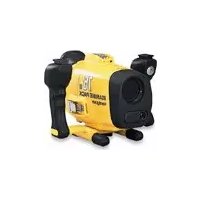
| Product type | Waterproof housing for Sony Handycam camcorder |
| Brand / Model | Sony MPK-DVF5M |
| Dimensions (W x H x D) | Approx. 312 x 212 x 318 mm |
| Weight (housing only) | Approx. 4.4 kg |
| Maximum operating depth | 75 meters |
| Materials | Aluminum alloy, glass, plastic (ABS, PC) |
| Waterproofing | O-ring seal with 3 latches |
| Microphone | Built-in monaural condenser microphone |
| Handle power supply | 1 CR2 lithium battery (supplied) |
| LCD monitor power supply | InfoLITHIUM NP-FM30 battery (supplied) |
| Underwater functions | Power on/off, recording, zoom, photo, auto focus |
| Compatible camcorders | Sony Handycam Vision models DCR-TRV6E to TRV900E (full list in manual) |
| Supplied accessories | Mounting brackets (B, D, E), spacer C, cushions, screw plates, screwdriver, wide-angle lens VCL-MK2, color filter VF-MK2, lens hood, anti-reflection rings, straps, protective cushion, case, shoulder strap, spare O-ring, grease |
| Maintenance | Rinse with fresh water after use, regular cleaning and greasing of O-ring |
| Safety | LEAK indicator (yellow), follow diving instructions |
| Spare parts and repairability | O-ring, Sony grease, CR2 and NP-FM30 batteries, Sony after-sales service |
Frequently Asked Questions - MPKDVF5M SONY
User questions about MPKDVF5M SONY
0 question about this device. Answer the ones you know or ask your own.
Ask a new question about this device
Download the instructions for your Other camera accessories in PDF format for free! Find your manual MPKDVF5M - SONY and take your electronic device back in hand. On this page are published all the documents necessary for the use of your device. MPKDVF5M by SONY.
USER MANUAL MPKDVF5M SONY
For the customers in Germany
Directive: EMC Directive 89/386/EEC, 92/31/EEC
This equipment complies with the EMC regulations when used under the following circumstances:
Residential area
Business district
Light-industry district
(This equipment complies with the EMC standard regulations EN55022 Class B.)
Table of contents
Features and Precautions 3
Supplied Accessories. 4
Preparations 5
Preparing your camcorder. 5
Preparing the marine pack (installing the battery) 11
Installing the camcorder to the marine pack 13
Underwater recording 15
Recording 17
Attaching the supplied accessories..18
Using the underwater video light (optional) 19
Removing the camcorder 20
Note on the O-ring 22
What Is an O-ring? 22
How the O-ring waterproofs. 22
Handling the O-ring 23
Maintenance. 25
Caution on handling 26
Identifying parts and controls 27
Specifications 28
Features and Precautions
- The MPK-DVF5M can be used with the Sony Handycam Vision™ camcorder DCR-TRV6E/TRV8E/TRV9E/TRV10E/TRV11E/TRV15E/TRV16E/TRV17E/TRV18E/TRV20E/TRV24E/TRV25E/TRV27E/TRV30E/TRV40E/TRV50E/TRV116E/TRV118E/TRV890E/TRV900E/.
- Recording at depths of up to 75 meters (246 feet) is possible.
-
The following operations can be performed underwater.
-
Power on/off
- Auto focusing on/off
- Recording start/stop
-Tape photo recording - Electric zoom function
LCD screen monitoring
Sony does not accept liability for damage to the video camera recorder, battery, etc. in the marine pack, or for the loss of prerecorded material if a water leakage caused by incorrect operation occurs.
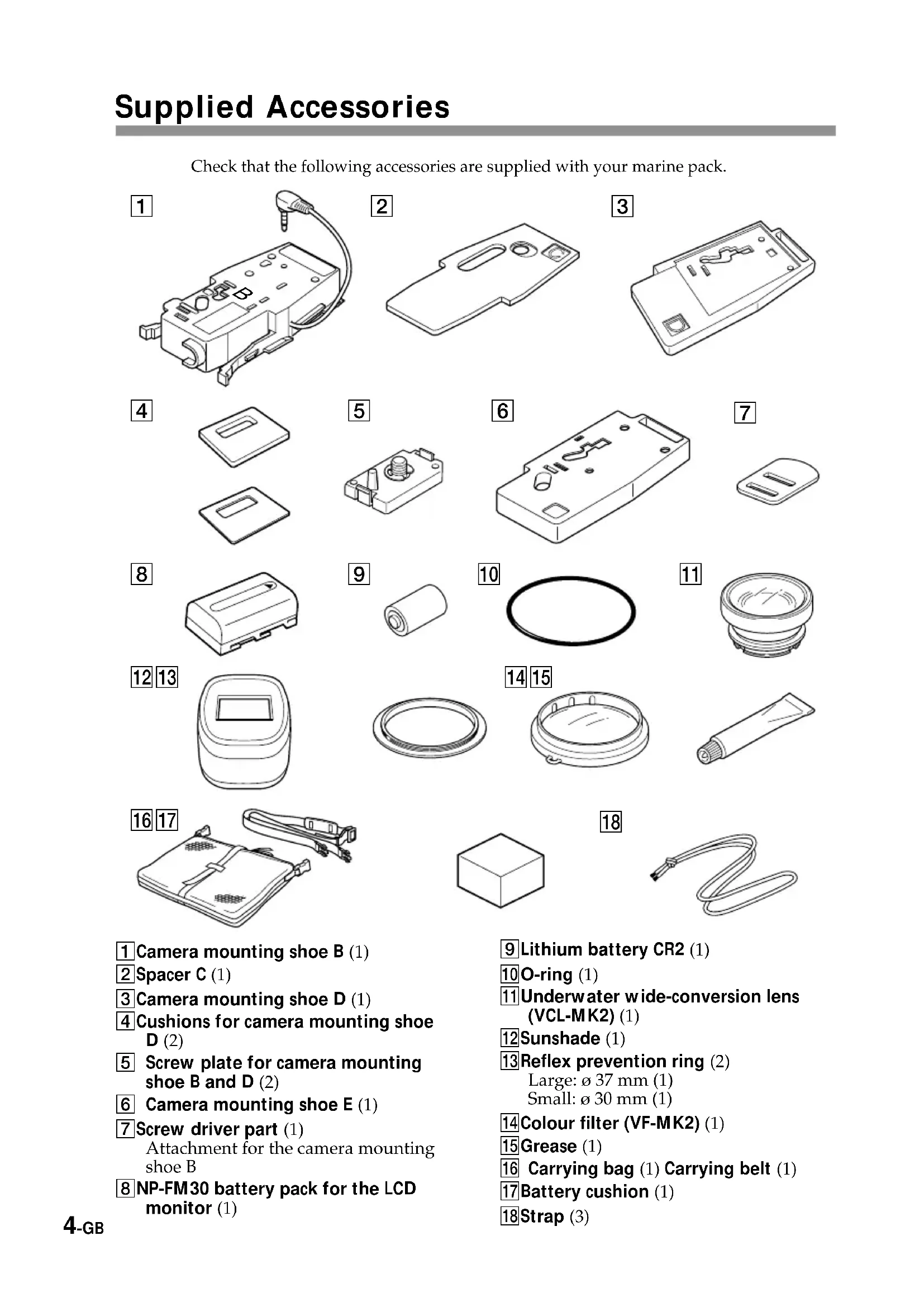
Check that the following accessories are supplied with your marine pack.
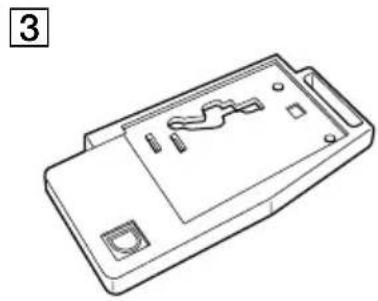
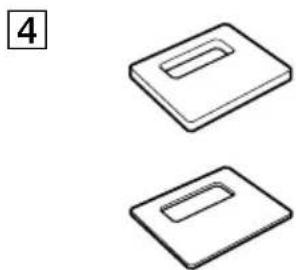
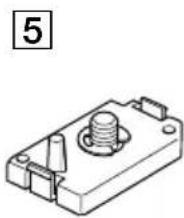
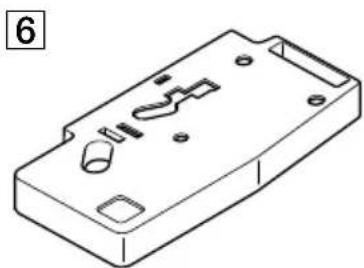

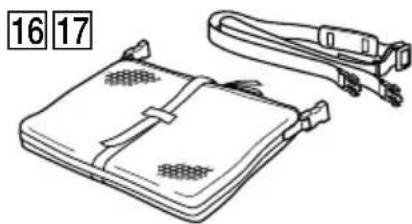

18
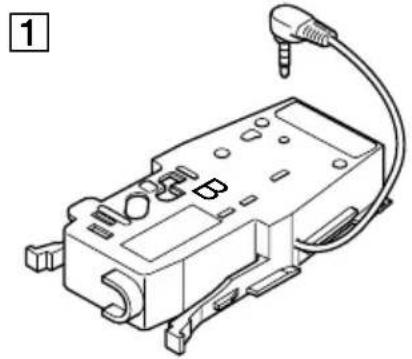
1Camera mounting shoe B (1)
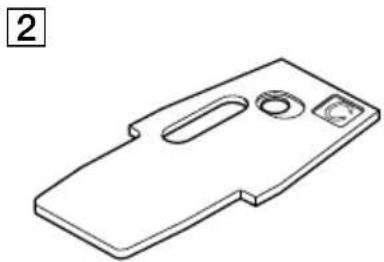
2Spacer C (1)
3Camera mounting shoe D (1)
4 Cushions for camera mounting shoe D (2)
Screw plate for camera mounting shoe B and D (2)
6 Camera mounting shoe E (1)
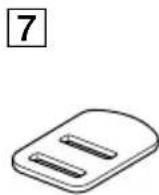
7Screw driver part (1) Attachment for the camera mounting shoe B
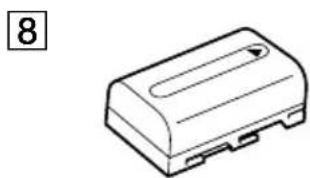
8NP-FM30 battery pack for the LCD monitor (1)
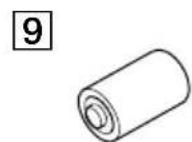
9 Lithium battery CR2 (1)
10O-ring (1)
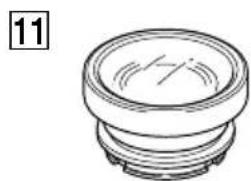
Underwater wide-conversion lens (VCL-MK2) (1)
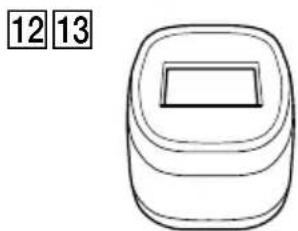
12Sunshade (1)
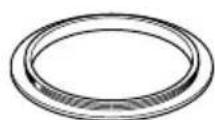
13 Reflex prevention ring (2) Large: 37mm (1) Small: 30mm (1)
14Colour filter (VF-MK2) (1)
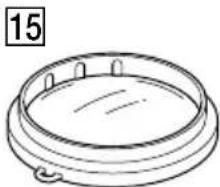
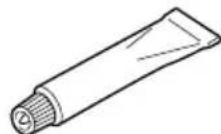
15Grease (1)
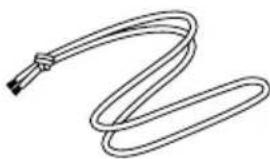
16 Carrying bag (1) Carrying belt (1)
17 Battery cushion (1)
18Strap (3)
Preparing your camcorder
Before installing your camcorder in the marine pack, prepare the camcorder according to this chapter. The DCR-TRV50E is the model used for illustration purposes. Otherwise, the model name is indicated in the illustrations. Any differences in procedure are clearly indicated in the text, for example, "for DCR-TRV50E." The procedure may be different depending on your camcorder type. For details, please refer to the operating instructions supplied with your camcorder.
1 Remove the lens cap, shoulder strap, conversion lens, filter or lenshood from the camcorder.
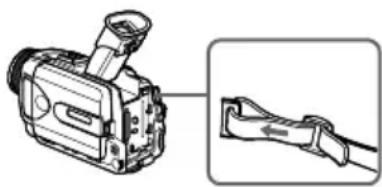
2 Attach a charged battery pack.
3 Insert a cassette tape or "Memory Stick". Select the media you want to record onto.
4 Attach the reflex prevention ring to the lens. for DCR-TRV9E/TRV20E/TRV30E/TRV40E/TRV50E: 37mm (large) for DCR-TRV6E/TRV8E/TRV10E/TRV11E/TRV15E/ TRV16E/TRV17E/TRV18E/TRV24E/TRV25E/TRV27E/TRV116E/TRV118E : 30mm small
for DCR-TRV890E/TRV900E: not necessary Be sure not too tighten prevention ring.
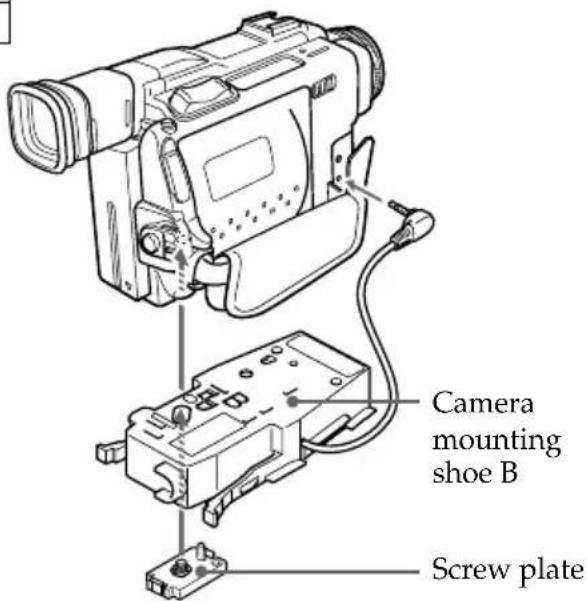
5 Attach the camera mounting shoe.
For DCR-TRV9E/TRV890E/TRV900E
Use camera mounting shoe B and the screw plate.
Check the installing position of the screw plate for your camcorder against the table below.
| DCR- Camera mounting Shoe B |
| TRV9E 1 |
| TRV890E 2 |
| TRV900E 2 |
1 Attach the screw plate to position 1 on shoe B so that the catch on the reverse side of the shoe clicks into place.
2Fasten the screw of the screw plate to the tripod screw hole of the camcorder and tighten firmly.
3Connect the A/V cable of the shoe to the camcorder's AUDIO/VIDEO jack.
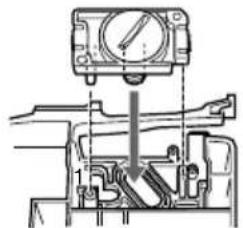
Installation position of the screw plate on the camera mounting shoe B
For DCR-TRV8E/TRV10E
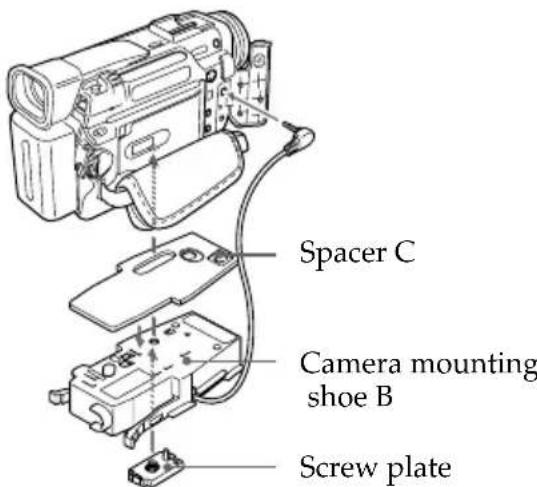
Use camera mounting shoe B, spacer C, and the screw plate.
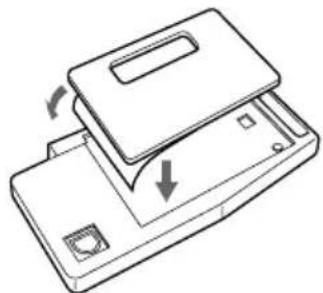
Attach the spacer C to shoe B.
2 Attach the screw plate to position 3 on shoe B so that the catch on the reverse side of the shoe clicks into place.
3Fasten the screw of the screw plate to the tripod screw hole of the camcorder and tighten firmly.
4 Connect the A/V cable of the shoe to the camcorder's AUDIO/VIDEO jack.
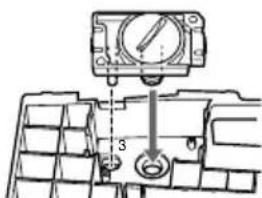
Installation position of the screw plate on the camera mounting shoe B
For DCR-TRV6E/TRV11E/TRV15E/TRV17E/TRV20E/TRV30E
Use camera mounting shoe B and D, cushions for camera mounting shoe D and the screw plate.
Before attaching the camcorder
Check the cushions for camera mounting shoe D and the installing position of the screw plate for your camcorder against the table below.
| DCR- mounting | Camera Camera mounting mounting shoe B shoe D | |
| TRV6E/TRV11E 2 2 Thin | ||
| TRV15E/TRV17E 2 3 Thin | ||
| TRV20E 2 1 Thin | ||
| TRV30E 2 1 Thick | ||
Remove the stick tape from the cushion for camera mounting shoe D. Then stick the cushion for camera mounting shoe D onto camera mounting shoe D as shown in the illustration.
1 Attach the screw plate to the position on shoe D so that the catch on the reverse side of the shoe D clicks into place. The installing position of the screw plate differs on your camcorder. For details, refer to the table above.
2Fasten the screw of the screw plate on shoe D to the tripod screw hole of the camcorder and tighten firmly.
3 Attach the screw plate to the position 2 on shoe B.
4Fasten the screw of the screw plate on the shoe B to the screw hole on the shoe D of the camcorder tightly.
5Connect the A/V cable of the shoe to the camcorder's AUDIO/VIDEO jack.
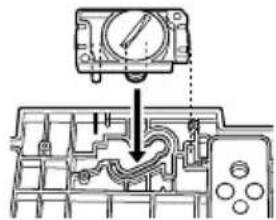
Installation position of the screw plate of the camera mounting shoe D
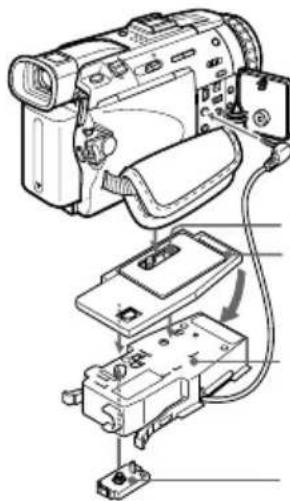
Screw plate Camera mounting shoe D
Camera mounting shoe B
Screw plate
For DCR-TRV40E/TRV50E
Attach the screw plate to position 1 on shoe E so that the catch on the reverse side of the shoe clicks into place.
2Fasten the screw of the screw plate on shoe E to the tripod screw hole of the camcorder and tighten firmly.
3 Attach the screw plate to position 2 on shoe B.
4Fasten the screw of the screw plate on the shoe B to the screw hole on the shoe E of the camcorder tightly.
5Connect the A/V cable of the shoe to the camcorder's AUDIO/VIDEO jack.
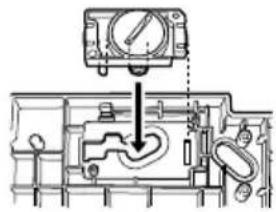
Installation position of the screw plate on the camera mounting shoe E
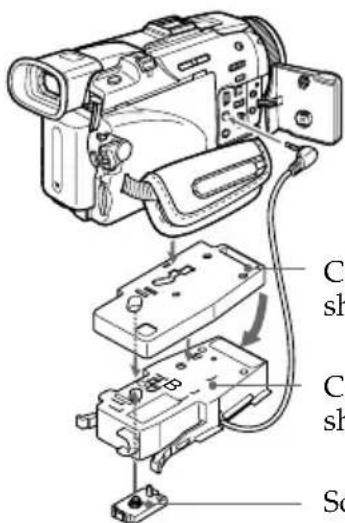
Camera mounting shoe E
Camera mounting shoe B
Screw plate
For DCR-TRV16E/TRV18E/TRV24E/TRV25E/TRV27E/TRV116E/ TRV118E
Use camera mounting shoe B and E, spacer C, and the screw plate.
Attach the spacer C to shoe E. Attach the screw plate to position 2 on shoe E so that the catch on the reverse side of the shoe clicks into place.
2Fasten the screw of the screw plate on shoe E to the tripod screw hole of the camcorder and tighten firmly.
3 Attach the screw plate to position 2 on shoe B.
4Fasten the screw of the screw plate on the shoe B to the screw hole on the shoe E of the camcorder tightly.
5 Attach the screw plate to position 2 on shoe B so that the catch on the reverse side of the shoe clicks into place.
6 Connect the A/V cable of the shoe to the camcorder's AUDIO/VIDEO jack.
Installation position of the screw plate on the camera mounting shoe B
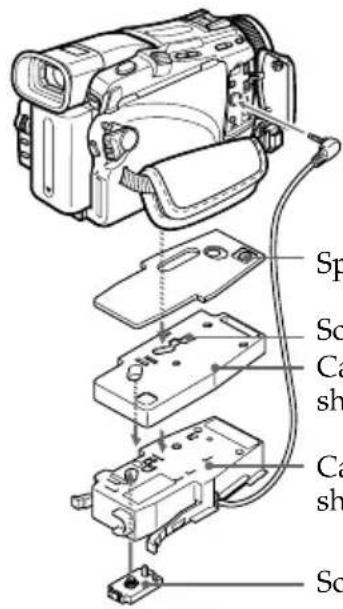
Spacer C
Screw plate
Camera mounting shoe E
Camera mounting shoe B
Screw plate
Now you are ready to install the camcorder to the marine pack.
Be sure to check that the camera mounting shoe is attached to the camcorder tightly before you install the camcorder to the marine pack.
6 Prepare to record.
Set the POWER switch to CAMERA.
2Set COMMANDER to ON in the menu settings.
Cancel the following functions: BACK LIGHT, NIGHTSHOT, PROGRAM AE, flash and Picture effect.
4 Set the FOCUS switch to AUTO.
Set DISPLAY to V-OUT/LCD in the menu settings and press the DISPLAY button on your camcorder before installing the marine pack.
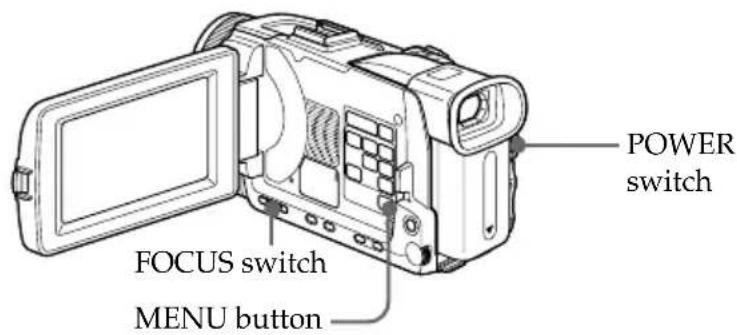
- If your camcorder has REC LAMP in the menu settings, set it to OFF. By using this function, the light of the lamp is not reflected in the lens. For details, please refer to the operating instructions supplied with your camcorder.
Preparing the marine pack (installing the battery)
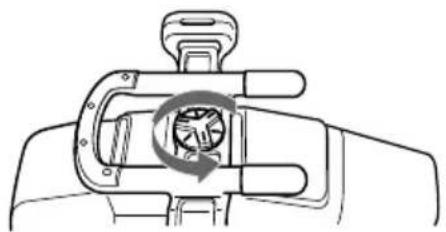
1 Remove the grip.
Undo the screw on the bottom side of the marine pack.
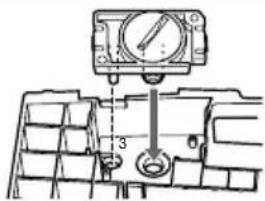
2 Insert the lithium battery into the grip.
Remove the screw with the supplied screw driver.
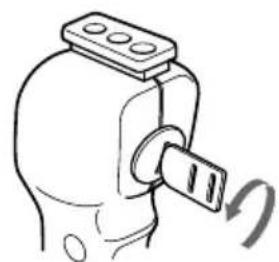
GB
Insert the supplied lithium battery (CR2,· 1) with the polarity positioned correctly as indicated on the grip.
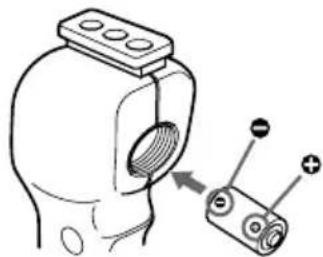
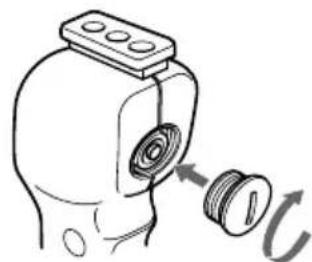
3Fasten the screw tightly.
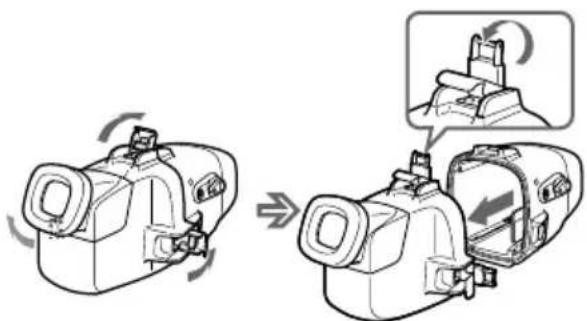
3 Unfasten the 3 latches and open the marine pack.
If you lift the metal part in the direction of the finder when the latches are open, the latches will stop.
4 Attach the supplied battery pack NP-FM30 for the LCD monitor to the rear shell. Be sure to charge the battery pack fully before attaching.
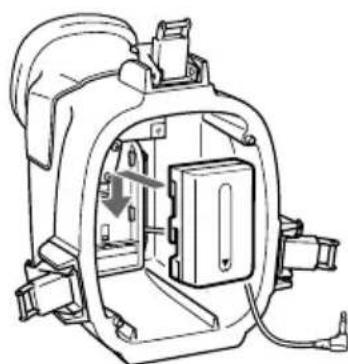
Note
Firmly insert the supplied battery cushion as shown to prevent the battery pack from coming loose if it is dropped or otherwise subjected to impact.
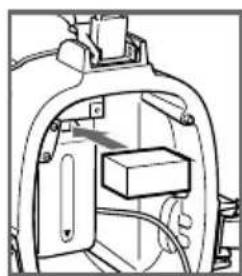
About the supplied battery pack NP-FM30
What is an "InfoLITHIUM" battery pack?
The "InfoLITHIUM" is a lithium ion battery pack which can exchange data with compatible electronic equipment about its battery consumption. Sony recommends that you use the "InfoLITHIUM" battery pack with electronic equipment having the
InfoLITHIUM mark.
- The indication may not be accurate depending on the conditions and environment in which the equipment is used.
"InfoLITHIUM" is a trademark of Sony Corporation.
-
To charge the supplied NP-FM30 battery pack, prepare AC adapter/charger that can charge "InfoLITHIUM" M series (optional).
-
You can use also the "InfoLITHIUM" M series NP-FM50 (optional).
-
The recording time of a fully charged NP-FM30 battery pack is approximately 5 hours (continuous recording). The actual recording time may be less, depending on conditions of use.
InfoLITHIUM
The "InfoLITHIUM" battery pack is recyclable. When the battery is exhausted and can no longer be recharged, cover the metal parts of the battery with an isolator such as scotch tape and take it to a battery recycling shop.
About the LCD monitor
- Install the camcorder to the marine pack and set the POWER switch to ON to make images appear on the LCD screen.
- The remaining battery time indicator displayed on the LCD monitor refers to remaining time of the camcorder battery time, not the remaining time of the LCD monitor battery.
- The LCD monitor of the marine pack does not correspond with the "InfoLITHIUM" battery pack.
Installing the camcorder to the marine pack
1 Install the camcorder to the marine pack.
Connect the remote plug and the microphone plug.
Connect the microphone plug to the MIC jack (plug in power).
Connect the remote plug to the LANC Jack.
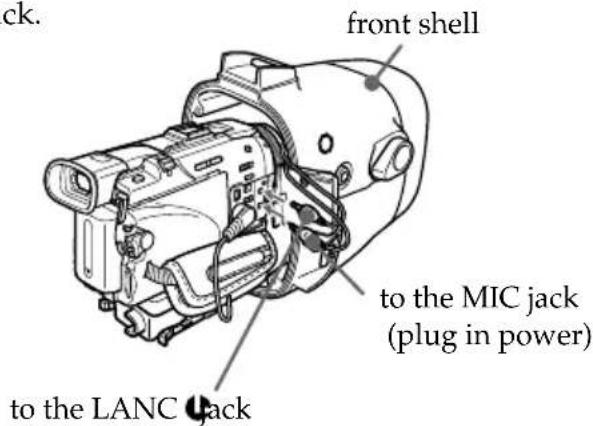
2 Insert the camcorder until the mounting shoe clicks into place.
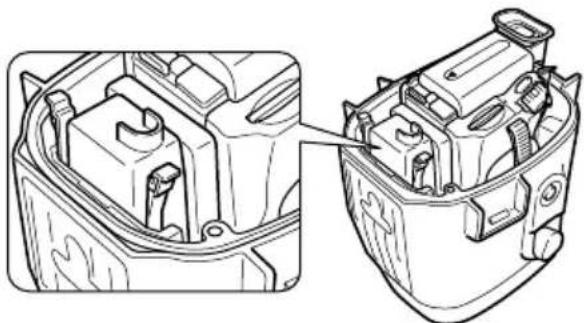
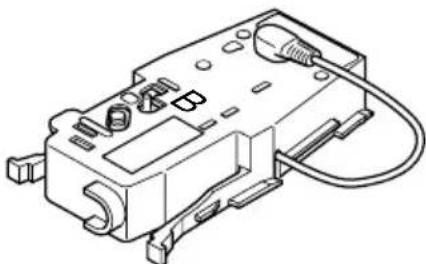
3 Connect the monitor cord to the jack of camera mounting shoe B.
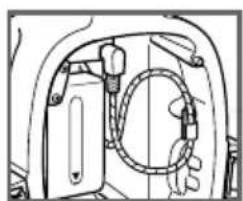
The cords are placed in the plug holders of the marine pack at the factory. Pull the plugs out of the holders when in use.
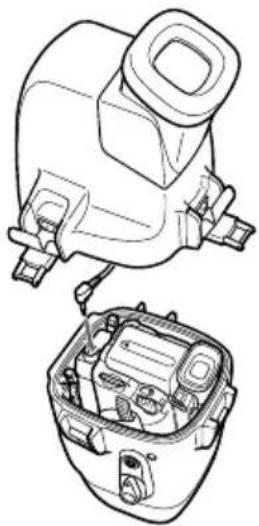
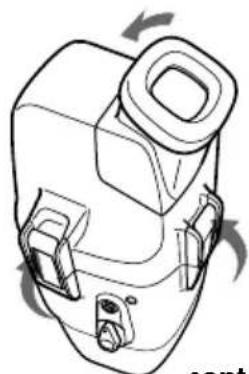
4 Attach the front shell to the rear shell. Hold both shells firmly and fasten the 3 latches securely.
Take care not to pinch the remote, microphone, and monitor cords. If this happens water may leak in.
For details on handling the O-ring, see page 22.
continued
Preparation (continued)
5 Attach the grip.
Fasten the screw tightly.
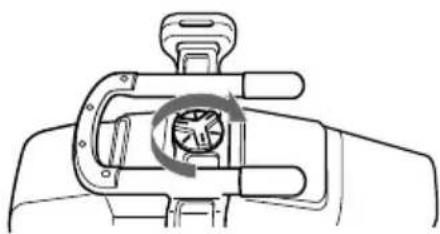
Now you have finished the preparations. Be sure to check that the equipment operates correctly and that there is no water leakage before you dive (see page 15).
Before diving
Check for water leakage
Check that the equipment operates correctly and that there is no water leakage at a depth of about one meter (3 feet) before you dive deeper.
Take care not to expose the equipment to salty air. Do not drop water on the equipment.
Do not open the marine pack underwater or on the beach. Preparations such as installing and checking the equipment should be done in a place with low humidity and no salty air.
Check the following points again before you dive.
- Be sure to fully charge both the battery pack of the marine pack and the camcorder.
- We recommend you use battery packs with a large capacity and prepare a spare battery.
Be sure that a video tape has enough left.
Check that there are no scratches or cracks on the O-ring.
Make sure there is no dust, sand, or hair between the front shell and the rear shell.
Be sure that the lithium battery has enough power.
- If the remaining battery capacity is enough, when you press the ZOOM, PHOTO, or START/ STOP button, the Flash lamp lights up. Check this indicator as a criterion. If the flash lamp does not light, exchange for a new one. We suggest that you prepare spare ones.
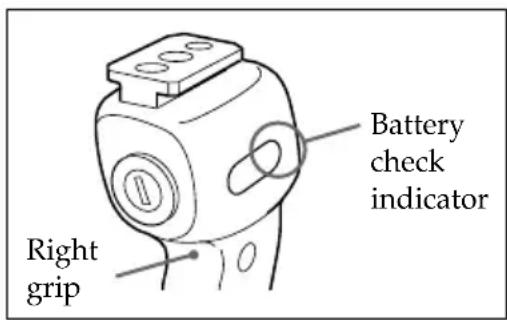
Conditions of underwater recording
Recording underwater is different from recording on land because it is affected by the clarity, depth of the water, and the light conditions. The following are hints for good recording underwater.
Best time for recording
The best recording time is from 10:00 a.m. to 2:00 p.m. When the sun is at its highest, optimum results can be obtained.
To record is in dark places as the sun does not reach or at night, use a powerful underwater video light.
Subject size underwater
Since the refractive index underwater is higher than that in air, objects appear 1/4 closer, and therefore larger. This phenomenon affects the lens on the camcorder as well as human the eye. Using the supplied wide-conversion lens is recommended.
Operate the camera with slow and stable motions
When recording, keep your body stable.
An unstable shot will be magnified on the TV screen.
Move the camcorder as slowly as possible. Since most of the objects underwater move, you can record a good shot without moving the camcorder too much.
Note on recording underwater
Be sure to follow the safety rules for diving, such as diving period and depth.
Now you are ready for underwater recording. When you dive with the camcorder, dive slowly, paying attention to the surrounding environment. Be careful not to strike the marine pack against Rocks or Reef, etc.
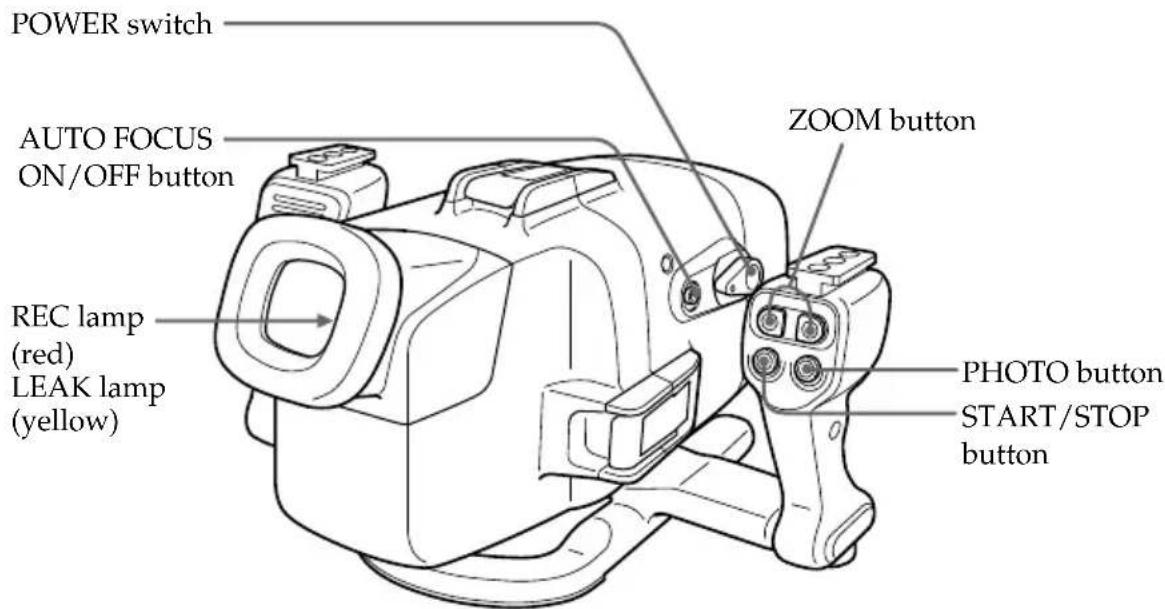
1 Set the POWER switch to ON.
The camcorder turns on and a picture appears on the LCD monitor.
2 Press START/STOP button to start recording.
The REC lamp (red) lights up during recording.
To stop recording, press START/STOP button again.
To zoom
Press ZOOM button.
Press T for telephoto (subject appears closer) and W for wide-angle (subject appears further away). You cannot change the zooming speed of the camcorder.
Recording a still image
You can record a still image on a tape or "Memory Stick" by pressing PHOTO button. (Some models, however, can only record onto a tape, even if a "Memory Stick" can be inserted.) Note that pressing PHOTO button lightly does not allow you to check the recorded image. For more details, refer to the operating instructions supplied with your camcorder.
To keep a subject in focus
Press AUTO FOCUS ON/OFF button to set it to OFF. You can still keep the subject in focus even if fish swim between the camcorder and the subject. Press AUTO FOCUS ON/OFF button again to set the camcorder to auto focus mode.
Note
Do not cover the control emitter or detector with your finger as the remote control signal for operations is transmitted from the grip to the marine pack.
Attaching the supplied accessories
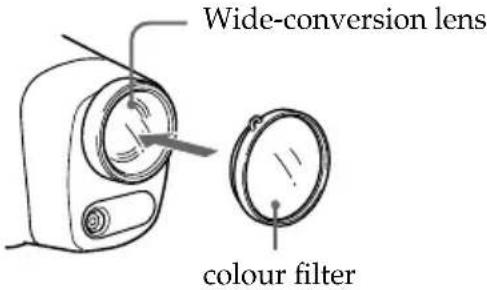
Attaching the supplied wide-conversion lens
As objects appear 1/4 closer and therefore larger, the wide-conversion lens is recommended when you want to take pictures of wide areas. Note however, that objects will appear smaller.
Note
This supplied wide-conversion lens is to be used only underwater.
Using the supplied sunshade
The supplied sunshade reduces glare from the LCD monitor.
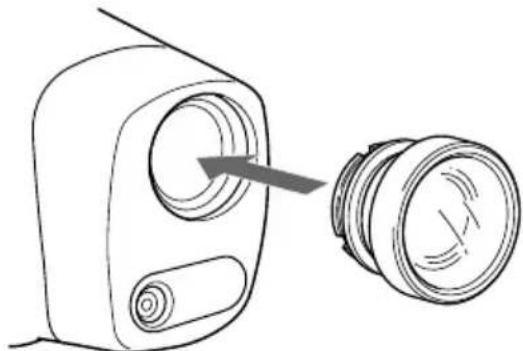
Attach the wide-conversion lens until it fits firmly.
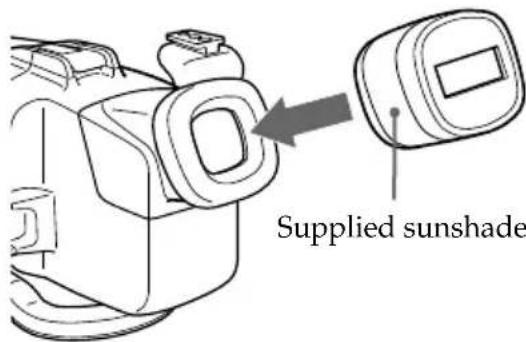
Attaching the supplied colour filter
When using the supplied colour filter, attach it on top of the wide-conversion lens.
Water absorbs light, especially red light, so that objects in deep water are seen bluish. The colour of objects is affected by the clarity of the water. To record in natural colour, use the supplied colour filter.
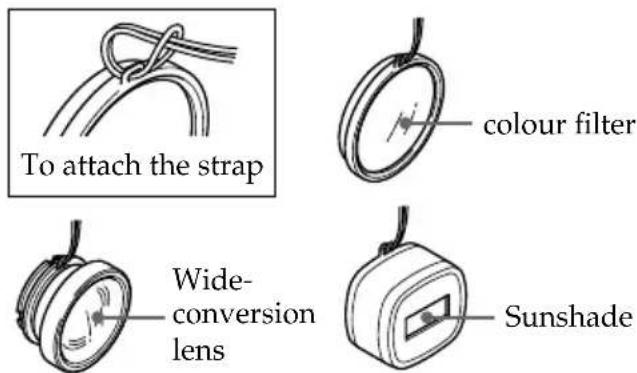
You can attach and remove the wide-conversion lens, sunshade, and colour filter underwater.
If the image on the LCD screen is not clear because of air between these accessories and the marine pack, reattach them underwater.
Attaching the supplied strap
Attach the strap as the shown. Attach the supplied straps to prevent loss of these accessories when removing them both on land and underwater. Attach the straps to the grip of the marine pack.
Using the underwater video light (optional)
In deep water or under rocks where direct sunlight does not reach, recording with underwater video lights is recommended.
You can attach these video lights to the video light shoes on the upper part of both grips.
Underwater video lights such as the Sony HVL-ML20M (optional)
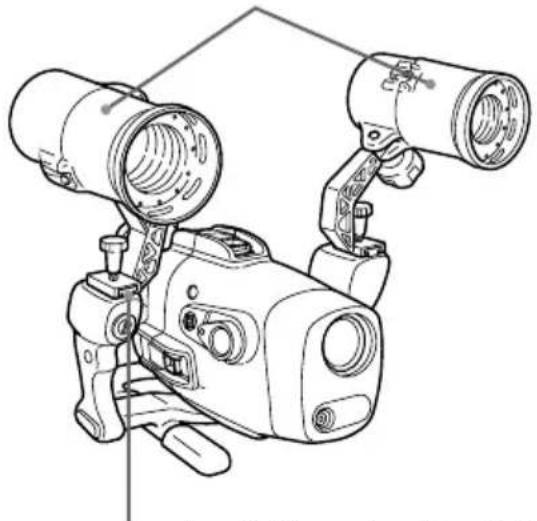
Attachable to the video light shoes on both sides
GB
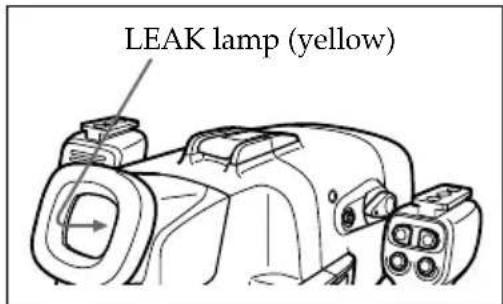
Water leakage
The marine pack is designed to be waterproof, however if water happens to leak in, the LEAK lamp (yellow) flashes.
In such a case, remove the marine pack from the water as soon as possible, keeping it horizontal. Be sure to surface following the safety rules for diving. Dry the marine pack with a soft cloth and then open it.
To switch off the lamp, disconnect the remote control cable. Check the cause of the leak.
If the camcorder is wet, take it to the nearest Sony dealer immediately.
We recommend you purchase property damage insurance for underwater materials in case of emergency.
After using
- After recording in the sea, submerge the marine pack in tap water or fresh water for about 30-60 minutes before undoing the latches to completely remove any salt from the marine pack unit, filter, and wide-conversion lens.
- When your camcorder is to be used near the sea for a long time, we recommend that it be checked periodically by a Sony dealer.
Before opening the marine pack, rinse it with fresh water and dry with a soft cloth. When you open the marine pack, make sure you are dry. And take care that no water drips from your wet suit.
1 Remove the grip.
2 Unfasten 3 latches and open the marine pack.
Disconnect the monitor cord from the camera mounting shoe B.
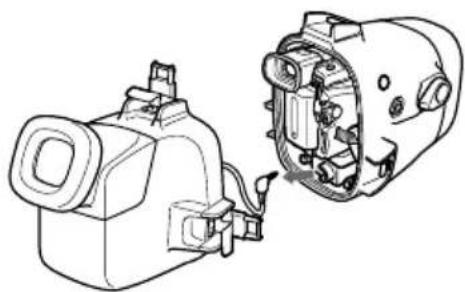
3 Take the camcorder out of the front shell.
Hold the camera mounting shoe by the knobs and extract the camcorder.
When you open the marine pack, do not pull the monitor plug cord by force.
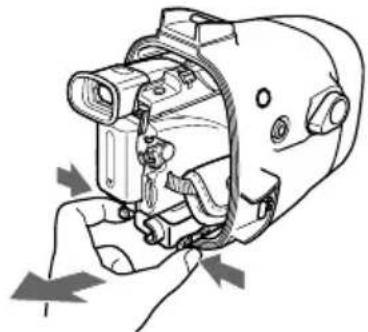
4 Disconnect the remote plug and the microphone plug.
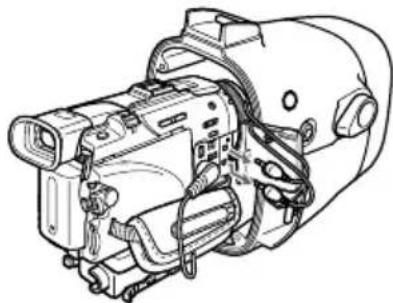
5 Disconnect the A/V connecting cable of camera mounting shoe B from the AUDIO/VIDEO jack.
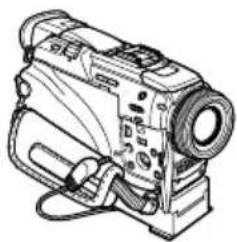
6 Remove the camera mounting shoe with the screw driver.
Undo the screw of the screw plate and remove the camera mounting shoe from the camcorder.
7 Remove the battery pack for the LCD monitor.
After using the marine pack
-
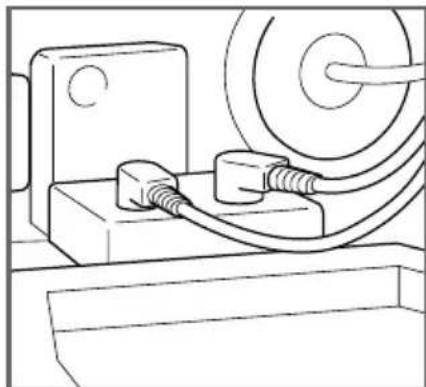
Insert the A/V connecting cable plug to the plug holder of the camera mounting shoe B.
-
Insert the remote and microphone plugs to the plug holder inside of the front shell.
What Is an O-ring?
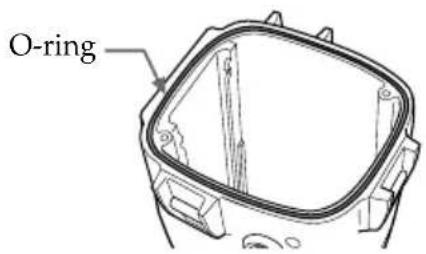
- An O-ring is part of the water-proof packing that is used on underwater cameras, watches, and other diving equipments.
- The O-ring acts to preserve the waterproof qualities of the marine pack and other equipments.
How the O-ring waterproofs
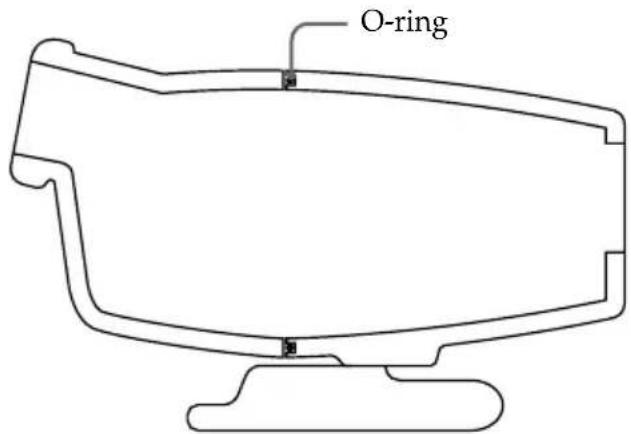
The surface of the O-ring contacts the rubber to prevent water from entering the gap.
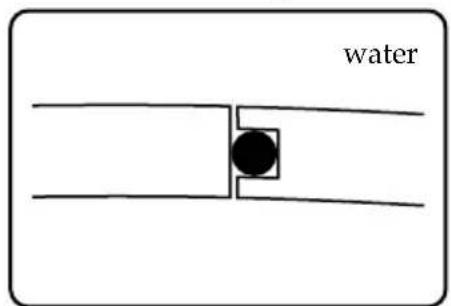
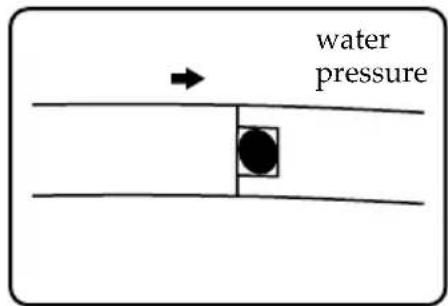
When water pressure acts on the O-ring, the contact surface area of the O-ring expands to increase the force acting on the groove on the marine pack.
O-ring maintenance is very important. If O-ring maintenance is not followed according to instructions, this might cause a water leak, and cause the marine pack to sink. The surface of the O-ring contacts the entire rubber evenly to prevent water from entering the gap.
Handling the O-ring
Set the O-ring in place
Avoid setting the O-ring in dusty or sandy locations.
1 Remove the O-ring.
Do not use pointed or metal objects to remove the O-ring. These objects might scratch or damage the marine pack groove or O-ring.
2 Inspect the O-ring.
- Fully check the following, and wipe off with a soft cloth or tissue paper.
- Check for any dirt, grains of sand, hair, dust, salt, thread scraps, etc.
- Check for any old grease.
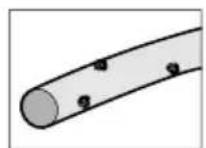
Dirt
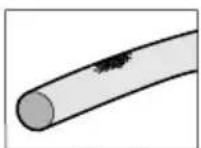
Sand
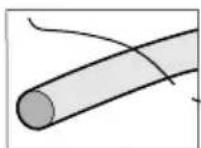
Hair
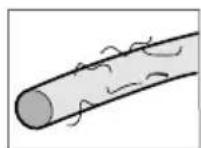
Dust
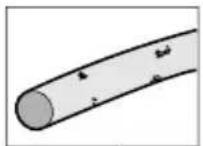
Salt
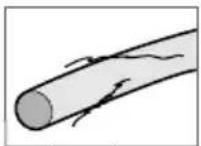
Thread scraps
Lightly run your fingertip around the O-ring to check for any unapparent dirt.
After wiping the O-ring, take care to prevent any cloth or tissue paper fibres from remaining on the O-ring.
- Check the O-ring for cracking, skew, distortion, fine splitting, scratches, sand-biting, etc. Replace cracked or scratched O-rings.
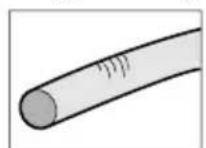
Cracking
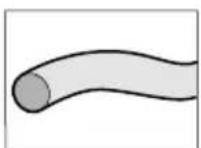
Skew
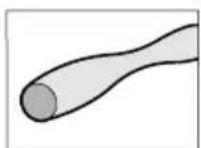
Distortion
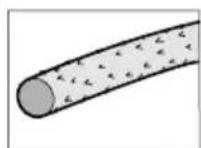
Fine Splitting
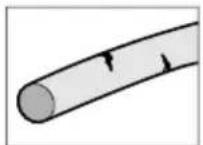
Scratches
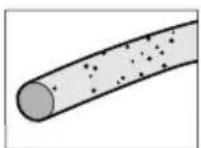
Sand-biting
3 Inspect the O-ring groove.
Grains of sand or hardened salt sometimes get into the groove. Carefully remove them by blowing with an air spray or by wiping them with a cotton wool bud. Prevent fibre scraps from the cotton wool bud from entering inside.
4 Also, inspect the contacting surface on the other side of the O-ring in the same way.
5 Apply a coating of grease to the O-ring.
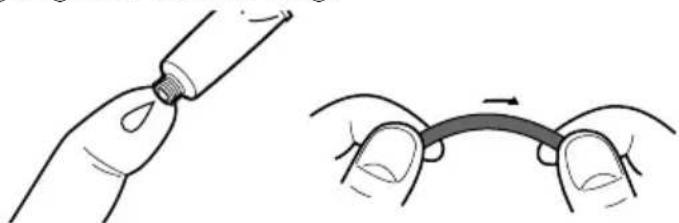
- Apply a small drop of grease onto the O-ring and evenly coat the entire surface of the O-ring with the end of your finger.
- Do not use paper or cloth as fibre may stick to the O-ring.
- Make sure that a thin coating of grease is applied to the surface of the O-ring at all times. Grease protects the O-ring, and prevents wear.
- After you have applied a small drop of grease onto the O-ring, set the O-ring immediately. Do not leave the greased O-ring on a desk or other surfaces.
6 Place the O-ring in the groove on the marine pack.
Place the O-ring evenly in its groove paying attention to the following points:
- Is there any dirt on the O-ring?
- Is the O-ring twisted?
- Do not pull the O-ring.
- Is the O-ring protruding?
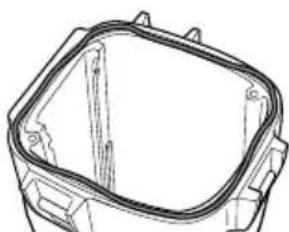
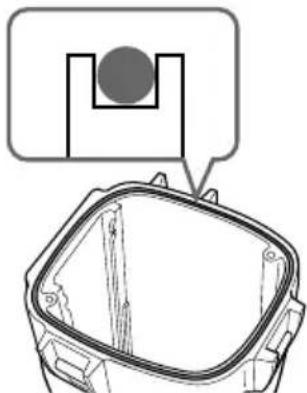
Bad example Good example
Final check
After you have fitted in the O-ring, check it again for the following:
- Is the O-ring twisted?
- Is there any dirt on the O-ring?
- Is the O-ring protruding?
- Are there any cracking or distortion on the O-ring?
How to check for water leaks
After you have replaced the O-ring, close the marine pack before you insert the equipment you are using. Immerse the marine pack for about three minutes in water to a depth of about 15cm , and check for water leaks.
CAUTION
When you have taken photos on a sandy sea bottom or have placed the camera on the sand, remove the O-ring and check for water leaks.
Be sure to take a spare O-ring with you.
This facilitates replacement even if O-ring trouble occurs where you are taking photos.
Maintenance
After you have finished using an O-ring
After you have used the marine pack, be sure to perform the following:
- Wash the marine pack with fresh water with the buckle closed to remove salt or sand.
- Insert the marine pack in fresh water for about 30 minutes with the buckle closed. If salt is left on the marine pack, metal parts and the O-ring might be damaged, and cause water leaks.
- When sun oil is stuck to the marine pack, wash off with lukewarm water. If sun oil is left on the marine pack, the surface of the marine pack might become discoloured or become damaged.
-
Wipe the inside of the marine pack with a soft, dry cloth. Do not wash with water.
-
Remove the O-ring each time that you have finished using it, and check it. If the marine pack is dried with sea water still in the O-ring groove, salt crystals form, and might impair the O-ring's functions.
- Do not use thinner, benzene, alcohol or other solvents as they will damage the surface finish.
Storing O-rings
- Prevent dust from sticking to O-rings.
- Apply a thin coating of grease to the O-ring, set it in the groove, and store in a well-ventilated location. Do not close the buckle.
- Avoid storing O-rings in hot, cold or humid locations, and placing in naphthalene or camphor. These locations and solutions will damage the materials.
How to store O-rings
- To maintain the O-ring's functions, avoid storing them in hot locations or in the direct sunlight.
- Do not place the spare O-ring under heavy objects. Doing so might deform the O-ring.
O-ring life
Replace the O-ring with a new one after one year of use.
Even if the O-ring is not cracked or scratched, deformation or wear reduces the waterproof qualities of the O-ring. Replace the O-ring with a new one if cracking, skew, distortion, fine splitting, scratches, sand-biting, etc. is found.
Grease
Use the supplied grease. Using other manufacturer's grease will damage the O-ring, and cause water leaks.
O-ring and grease
Contact your nearest Sony Service Center.
After using
The metal parts will rust and the movement of the operation switches will be impaired if you leave salt water on the marine pack. If sea water enters through scratches in the coating, the salt can corrode the metal parts of the marine pack unit and cause the coating to peel off. After recording in the sea, submerge the marine pack in tap water or fresh water for about 30 minutes before undoing the buckles to completely remove any salt from the marine pack unit, filter, and wide-conversion lens.
After washing, wipe any water from the inside of the marine pack and the loaded video camcorder with a soft dry cloth.
- Always follow the above precautions when you use the marine pack.
When you open the marine pack or exchange the battery pack of the grip, take care that no water drips from your wet suit or hair.
Do not leave the marine pack under direct sunlight for a long period of time, otherwise the temperature in the marine pack may rise and the equipment inside may be damaged. If you cannot avoid leaving the marine pack under direct sunlight, be sure to cover the marine pack with a towel or other protection.
When you store the marine pack
Coat the O-ring slightly with the supplied grease, and put it in the groove correctly. Join the front and rear shells then put it in a cool and dry place without fastening the buckles.
Avoid storing the marine pack in a very hot, cold, or humid place, or together with naphthalene or camphor, as these conditions might damage the unit.
On transportation
When transporting the marine pack, be sure to remove your camcorder from it. Otherwise this might damage the unit.
Note
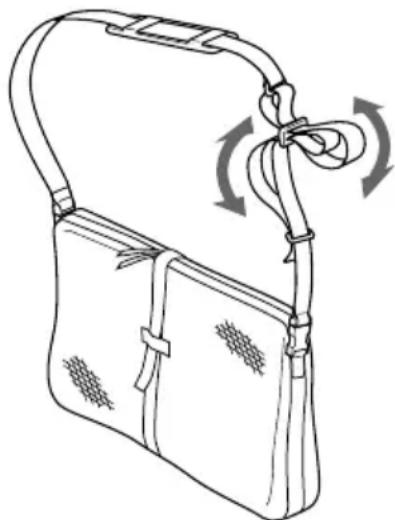
When you use the supplied carrying bag, attach the supplied carrying belt and adjust the length of the belt.
Avoid rough handling or a shock. We recommend covering the marine pack with a towel or other protection.
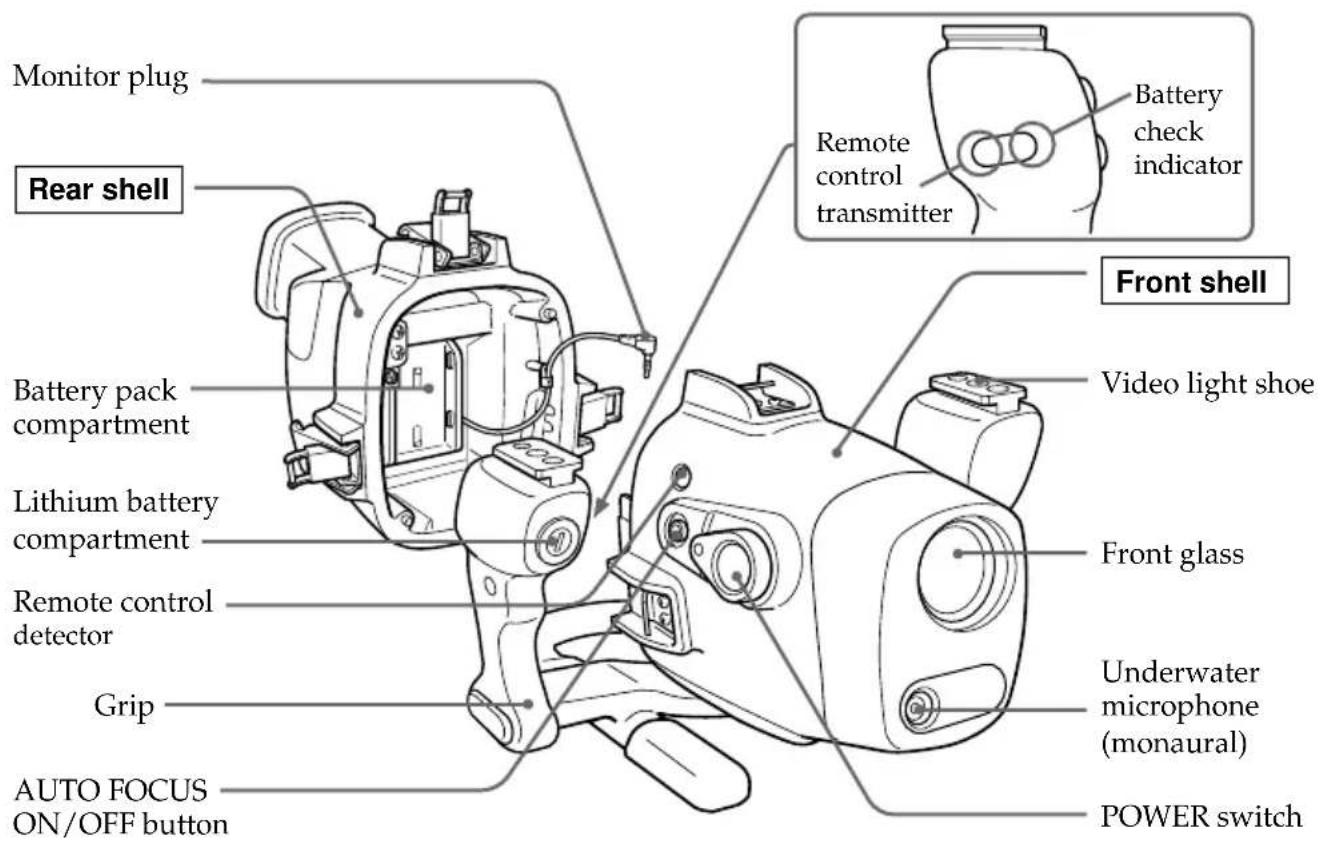
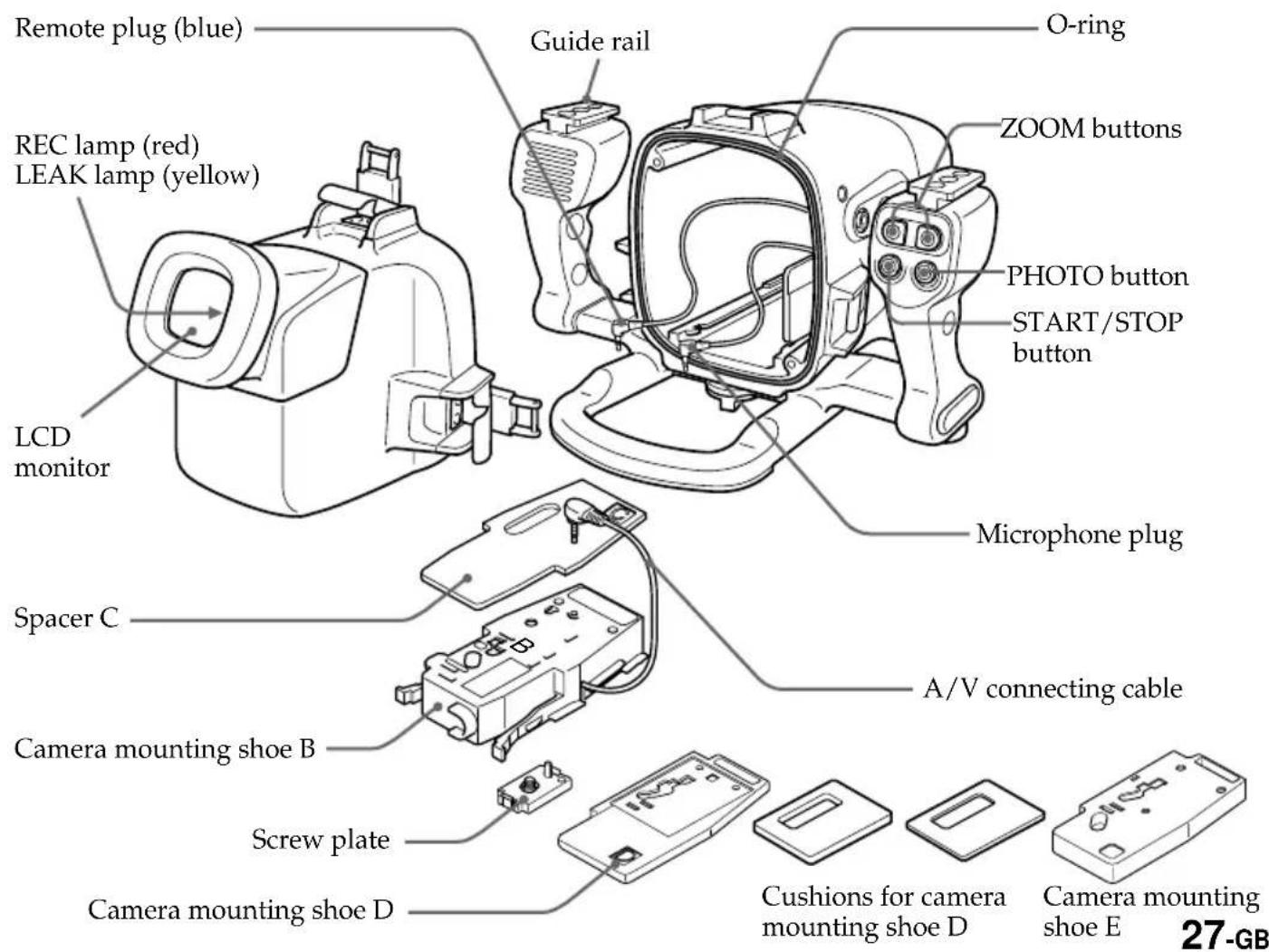
Identifying parts and controls
Material
Aluminum alloy, glass, plastic (ABS, PC)
Waterproofing
O-ring, 3 latches
Usable depth
Up to 75m (246 feet)
Underwater microphone
Condenser microphone (monaural)
Controllable function
Power on/off, recording start/stop, auto focus on/off, power zooming, tape photo recording
Dimensions
Approx. 312· 212· 318mm (w / h / d) (123 / 8· 83 / 8· 125 / 8 in.)
Mass
Approx. 4.4kg (9 lb 11 oz) (the unit only)
Supplied accessories
Camera mounting shoe B, D, E (1 each)
Spacer C (1)
Cushions for camera mounting shoe D (2)
Screw plate (2)
Screw driver part (1)
Wide-conversion lens (1)
Colour filter (1)
NP-FM30 battery pack for the monitor (1)
Lithium battery CR2 (1)
Grease (1)
O-ring (1)
Sunshade (1)
Reflex prevention ring (2)
Strap (3)
Battery cushion (1)
Carrying bag (1)
Carrying belt (1)
Operating instructions (1)
Warranty (1)
Recommended accessory
Underwater video light HVL-ML20M
Design and specifications are subject to change without notice.
Table des matieres
Acessoire recommends
Lampe video sous-marine HVL-ML20M
Printed on recycled paper
Sony Corporation Printed in Japan

- For the customers in Germany
- Table of contents
- Features and Precautions
- Preparing your camcorder
- For DCR-TRV9E/TRV890E/TRV900E
- For DCR-TRV8E/TRV10E
- For DCR-TRV6E/TRV11E/TRV15E/TRV17E/TRV20E/TRV30E
- Before attaching the camcorder
- For DCR-TRV40E/TRV50E
- For DCR-TRV16E/TRV18E/TRV24E/TRV25E/TRV27E/TRV116E/ TRV118E
- Prepare to record.
- Preparing the marine pack (installing the battery)
- Note
- About the supplied battery pack NP-FM30
- What is an "InfoLITHIUM" battery pack?
- About the LCD monitor
- Installing the camcorder to the marine pack
- Preparation (continued)
- Before diving
- Check for water leakage
- Check the following points again before you dive.
- Conditions of underwater recording
- Best time for recording
- Subject size underwater
- Operate the camera with slow and stable motions
- Note on recording underwater
- To zoom
- Recording a still image
- To keep a subject in focus
- Attaching the supplied accessories
- Attaching the supplied wide-conversion lens
- Using the supplied sunshade
- Attaching the supplied colour filter
- You can attach and remove the wide-conversion lens, sunshade, and colour filter underwater.
- Attaching the supplied strap
- Using the underwater video light (optional)
- Water leakage
- After using
- After using the marine pack
- What Is an O-ring?
- How the O-ring waterproofs
- Handling the O-ring
- Set the O-ring in place
- Final check
- How to check for water leaks
- CAUTION
- Maintenance
- After you have finished using an O-ring
- Storing O-rings
- How to store O-rings
- O-ring life
- Grease
- O-ring and grease
- When you store the marine pack
- On transportation
- Identifying parts and controls
- Material
- Waterproofing
- Usable depth
- Underwater microphone
- Controllable function
- Dimensions
- Mass
- Supplied accessories
- Recommended accessory
- Table des matieres
- Acessoire recommends
Brand : SONY
Model : MPKDVF5M
Category : Other camera accessories