14911 - Doorbells REV - Free user manual and instructions
Find the device manual for free 14911 REV in PDF.



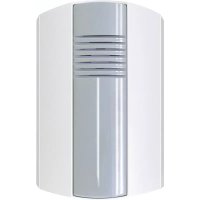
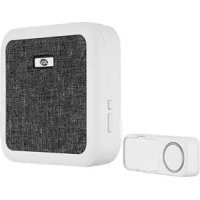
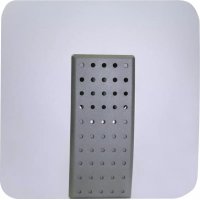
| Product type | Wireless doorbell |
| Brand | REV |
| Model | 14911 |
| Receiver dimensions | 73 x 100 x 35 mm |
| Transmitter dimensions | 79 x 22 x 25 mm |
| Receiver power supply | 2 LR14 batteries (1.5 V) not supplied |
| Transmitter power supply | 1 23A battery (12 V) supplied |
| Range | 25 m max (in open space) |
| Frequency | 433.92 MHz |
| Frequency band | 433.05 - 434.79 MHz |
| Sound power | 85 dB/A max |
| Number of channels | 16 adjustable channels |
| Protection rating | IP20 (indoor use only) |
| Main functions | Radio transmission, channel adjustment, battery operation |
| Maintenance and cleaning | Slightly damp cloth, possibly mild cleaner; do not use abrasive or solvent-based products |
| Safety | Observe battery polarity; do not immerse; do not open batteries; do not short-circuit; keep out of reach of children |
| General information | Kit includes a transmitter and a receiver; indoor use; complies with directive 2014/53/EU |
Frequently Asked Questions - 14911 REV
User questions about 14911 REV
0 question about this device. Answer the ones you know or ask your own.
Ask a new question about this device
Download the instructions for your Doorbells in PDF format for free! Find your manual 14911 - REV and take your electronic device back in hand. On this page are published all the documents necessary for the use of your device. 14911 by REV.
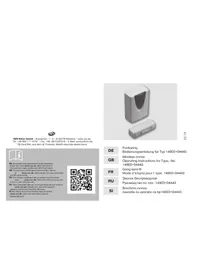
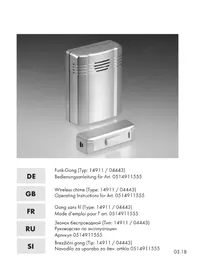
USER MANUAL 14911 REV
natural_image
Two metallic electronic devices with ventilation slots, one larger and one smaller, shown against a neutral background (no text or symbols visible)DE
Funk-Gong (Typ: 14911 / 04443)
Operating Instructions for Art. 0514911555
FR
Gong sans fil (Type: 14911 / 04443)
natural_image
Pure geometric diagram with horizontal lines and a rectangle, no text or symbols present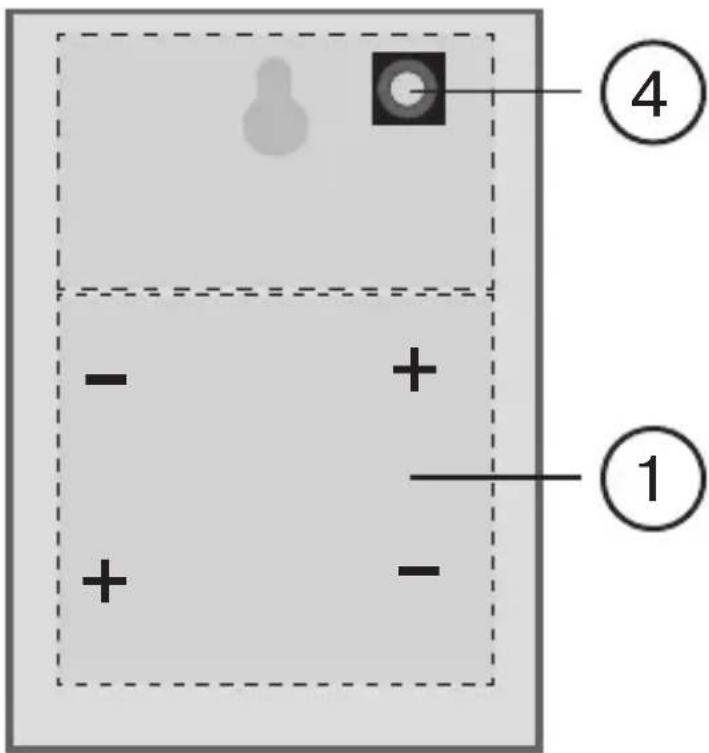
text_image
④ - + - + -B
text_image
⑤ ②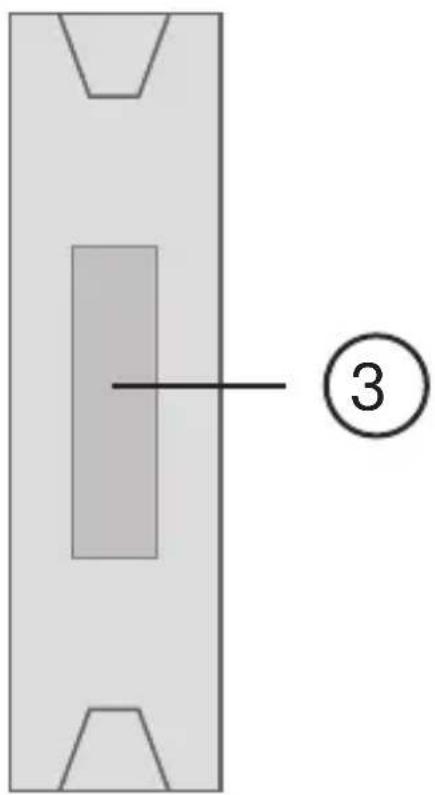
natural_image
Pure diagram of a rectangular object with internal rectangular cutouts and a numbered label (3) on the right side, no text or symbols present.I
natural_image
Pure diagram of a rectangular container with horizontal lines and a labeled circular symbol (A) at the bottom left, no text or symbols present.
natural_image
Pure concentric arc lines without any text, numbers, or symbols
natural_image
Front view of a desktop computer tower with monitor, keyboard, and indicator lights (no visible text or symbols)B
DE
Abbildungen
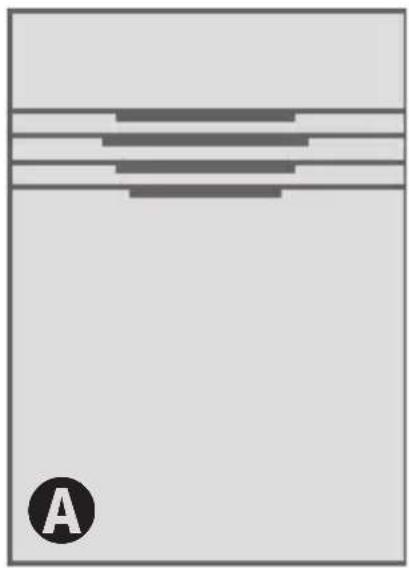
A Receiver
B Transmitter
Operation as radio-controlled door chimes
① Battery compartment for 2 x 1.5V batteries LR 14 Baby C (not included)
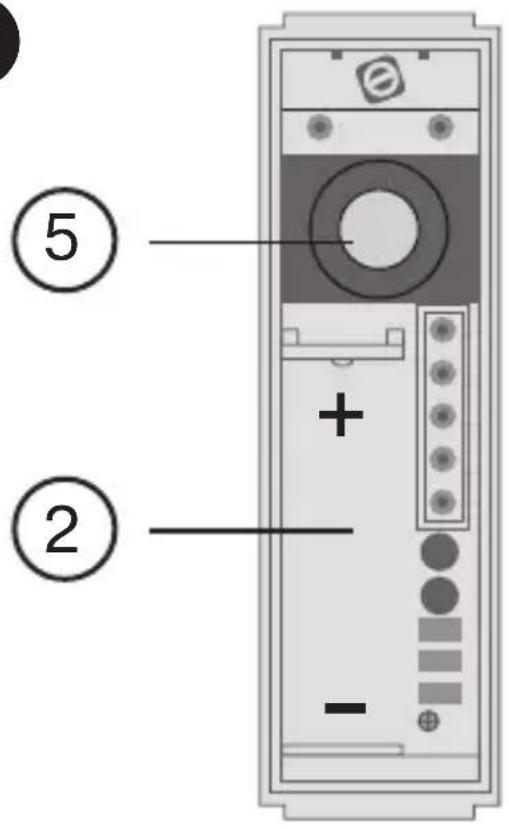
② Battery compartment for 1 x 12V batteries A 23 (included)
③ Sensor head
④ Channel selection switch receiver
⑤ Channel selection switch transmitter
Dear customer,
We would like to thank you for purchasing our radio-controlled door chimes. They offer you enormous product advantages and are easy to operate and install. Please read the following operating instructions carefully before installing and using the door chimes.
Contents
- General instructions
- Technical details
- Battery operation
- Setting the radio channels
- Important instructions
- Troubleshooting
- Cleaning
- Disposing of batteries
- WEEE-reference of disposal
- CE conformidad
1. General instructions
- The radio chimes are only designed for use with the corresponding batteries.
- This set of radio chimes consists of a transmitter and a receiver. Other transmitters
2. Technical data
Range: max. 25m (in open area)
Volume: max. 85dB/A
Transmission
frequency: 433,92MHz
frequency band: 433,05 - 434,79MHz
max transmission power: <10mW
Dimensions: receiver 73 x 100 x 35mm
transmitter 79 x 22 x 25mm
Batteries: receiver 2 x 1.5V batteries LR 14 Baby C (not included)
transmitter 1 x 12V batteries A 23 (included)
Protection type: only suitable for use indoors (IP20)
The wireless doorbell set has 16 channels.
3. Battery operation
Remove the cover from the battery compartments ① + ② and insert the specified batteries - pay attention to correct polarity (+/-).
Safety instructions for batteries
- Inserting the batteries the wrong way round (incorrect +/- polarity) can damage/destroy the appliance
- Do not store batteries within the reach of children. This applies in particular to batteries that could be swallowed
- Seek immediate medical help for affected person in the event of a battery being swallowed
- Do not attempt to revive batteries by heating up or similar measures. Primary batteries may not be recharged as this can result in electrolyte leakage, fire and explosions
- Do not immerse batteries in water and do not store in a damp place. Always store in a dry and cool place
- Do not throw batteries into fire. Do not attempt to open, solder or weld
- Do not short-circuit batteries
Please dispose of batteries in compliance with legal requirements. (see section no. 9)
4. Setting the radio channels
The wireless doorbell set has 16 channels. The remote control and wireless doorbell must be set to the same channel.
If several wireless doorbells are used at the same place (also in neighbouring apartments) or if interferences occur, the transmitter and receiver channels can be changed.
Setting the transmitter channel:
To set the transmitter channel, loosen the cover on the back with a screwdriver and adjust the desired channel.
Setting the receiver channel:
To set the receiver channel, loosen the cover on the back with a screwdriver and adjust the desired channel. (Same channel as transmitter)
5. Important instructions
- The range between the transmitter and receive is max. 25m in an open area. The radio signal's strength depends on constructional conditions when being transmitted through walls, panelling, furniture and other obstacles – walls, in particular reinforced concrete walls and ceilings – lead to a reduction in range.
- Reception can be severely impeded by screening from metal parts so that a transmission of the signal is no longer possible. For this reason, never attach the transmitter Ⓑ to a metal surface.
- To install, drill appropriate holes at chosen installation point and fasten the individual devices into place using the provided fastening materials. Test the function of the device at the chosen installation point first before completing final installation.
6. Troubleshooting
Radio transmission is on a non-exclusive channel which is why it is not possible to exclude errors completely.
No function
- Check the batteries; they may be flat or inserted incorrectly.
Only functioning at short range
- Check the batteries; they may be flat or getting low.
7. Cleaning
Only use a slightly damp cloth, possibly with a mild detergent, to clean the surface. Do not use any detergents containing scouring agents or solvents.
8. Disposing of batteries
Batteries and accumulators are not to be disposed of in the normal house waste bin. Every user is legally obliged, to hand over all batteries and accumulators, irrespective of whether or not they contain harmful substances to a communal collection point in the local town area or to a trade dealer so that they can be disposed of in an orderly environmentally friendly manner. Batteries and accumulators should only be handed over when they are completely discharged!
9. WEEE-reference of disposal
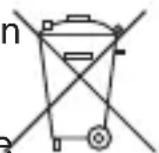
In accordance with European defaults used electrical and electronics devices may no more be given to the unsorted waste. The symbol of the waste bin on wheels refers to the necessity of separate collection. Please help with environmental protection and see to it that this device is given to the for this purpose designated systems of waste sorting if you do not use it any longer. DIRECTIVE 2012/19/EU of the EUROPEAN PARLIAMENT AND OF the COUNCIL of 4 July 2012 on waste electrical and electronic equipment (WEEE).
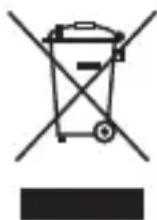
Hereby, REV Ritter GmbH declares that the radio equipment type 14911 + 04443 is in compliance with Directive 2014/53/EU. The full text of the EU declaration of conformity is available at the following internet address: www.rev.de