Niki Start - High chair Osann - Free user manual and instructions
Find the device manual for free Niki Start Osann in PDF.



| Technical Features | Osann Niki Start high chair, suitable for children from 6 months to 3 years, materials in plastic and metal, lightweight, compact design. |
|---|---|
| Dimensions | Folded dimensions: 60 x 20 x 100 cm, unfolded dimensions: 60 x 80 x 100 cm. |
| Usage | Easy to fold and unfold, height adjustable, with removable tray for easy cleaning. |
| Maintenance and Repair | Clean with a damp cloth, avoid abrasive products, regularly check fastenings and stability. |
| Safety | 5-point harness system, non-slip feet, compliant with European safety standards. |
| General Information | Maximum supported weight: 15 kg, 2-year warranty, available in several colors. |
Frequently Asked Questions - Niki Start Osann
User questions about Niki Start Osann
0 question about this device. Answer the ones you know or ask your own.
Ask a new question about this device
Download the instructions for your High chair in PDF format for free! Find your manual Niki Start - Osann and take your electronic device back in hand. On this page are published all the documents necessary for the use of your device. Niki Start by Osann.
USER MANUAL Niki Start Osann
natural_image
Close-up of hands stitching a garment with white fabric, overlaid with white downward arrows (no text or symbols)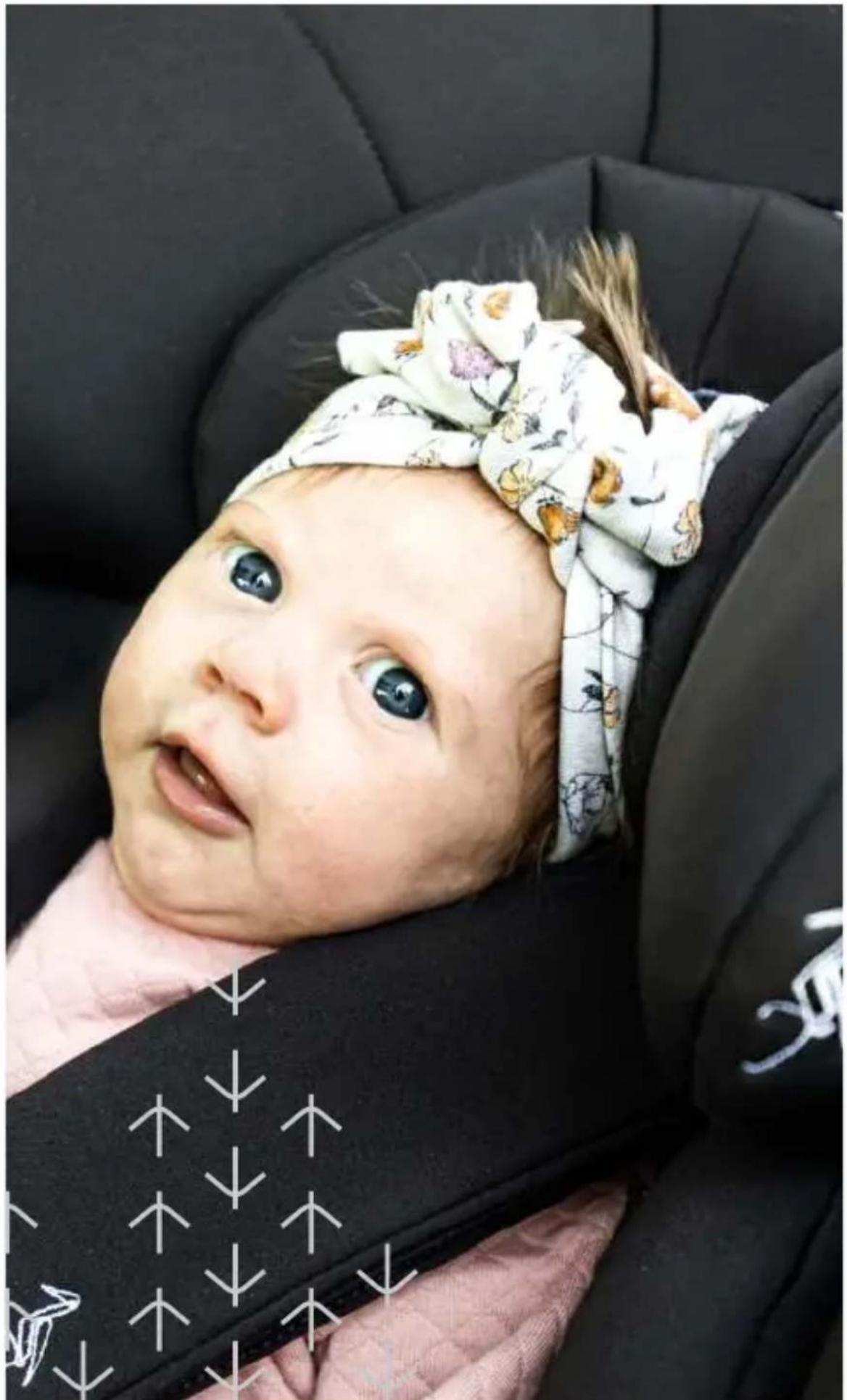
natural_image
Close-up of a baby wearing a floral headscarf and black outfit, lying in a dark coat (no visible text or symbols)DE
-4-
text_image
Diagram of a car with labeled zones and checkmarks indicating inspection or status pointsnatural_image
Illustration of a baby car seat with a red arrow indicating the seat area (no text or symbols present)natural_image
Illustration of a car seat with motion arrows indicating movement, showing a red-handled tool inside the seat (no text or symbols)text_image
Illustration showing two child car seatbelting instructions with red arrows indicating downward movement or force direction.natural_image
Diagram of two mechanical clamping mechanisms with red arrows indicating motion direction (no text or symbols)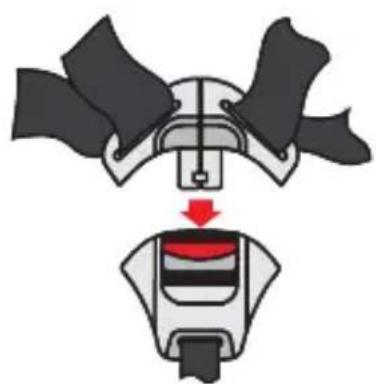
natural_image
Diagram showing a mechanical assembly with a belt and clamped parts, no text or symbols presentDE
-10-
natural_image
Illustration of a baby car seat with a red upward arrow indicating compression or lifting (no text or symbols present)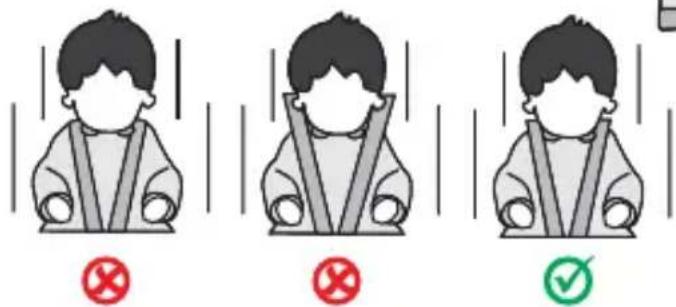
text_image
Three illustrated scenarios showing a person wearing a seatbelt with red and green checkmarks indicating incorrect or correct actions.RotationControl
natural_image
Illustration of a car seat with a magnified inset showing the seat area (no text or symbols present)15 M, 76–105 cm
natural_image
Illustration of a car seat with seatbelt and seat, no text or symbols present< 15 M, 40–105 cm
Standfuß
text_image
Diagram showing two types of seatbelt lock symbols: one with a lock icon and bidirectional arrow, the other with a lock icon and checkmark.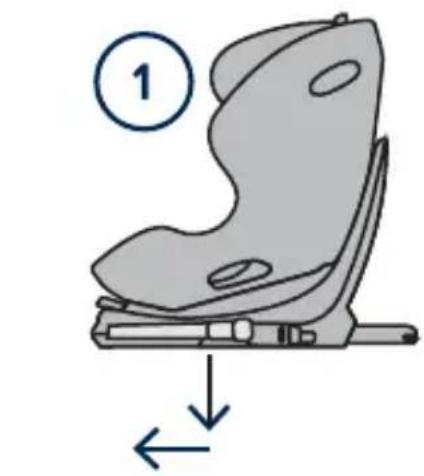
text_image
①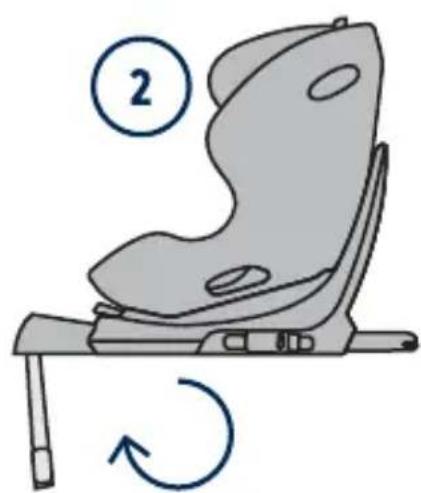
text_image
2Isofix-Konnektoren
natural_image
Diagram showing a mechanical component with two circular insets highlighting specific parts (no text or symbols present)
text_image
Diagram illustrating seatbelt buckle adjustment with checkmark and cross symbols indicating statusDE
natural_image
Illustration of a baby car seat with red markings indicating the seat area (no text or symbols present)natural_image
Two simple line drawings of a stylized animal head and torso, no text or symbols present.text_image
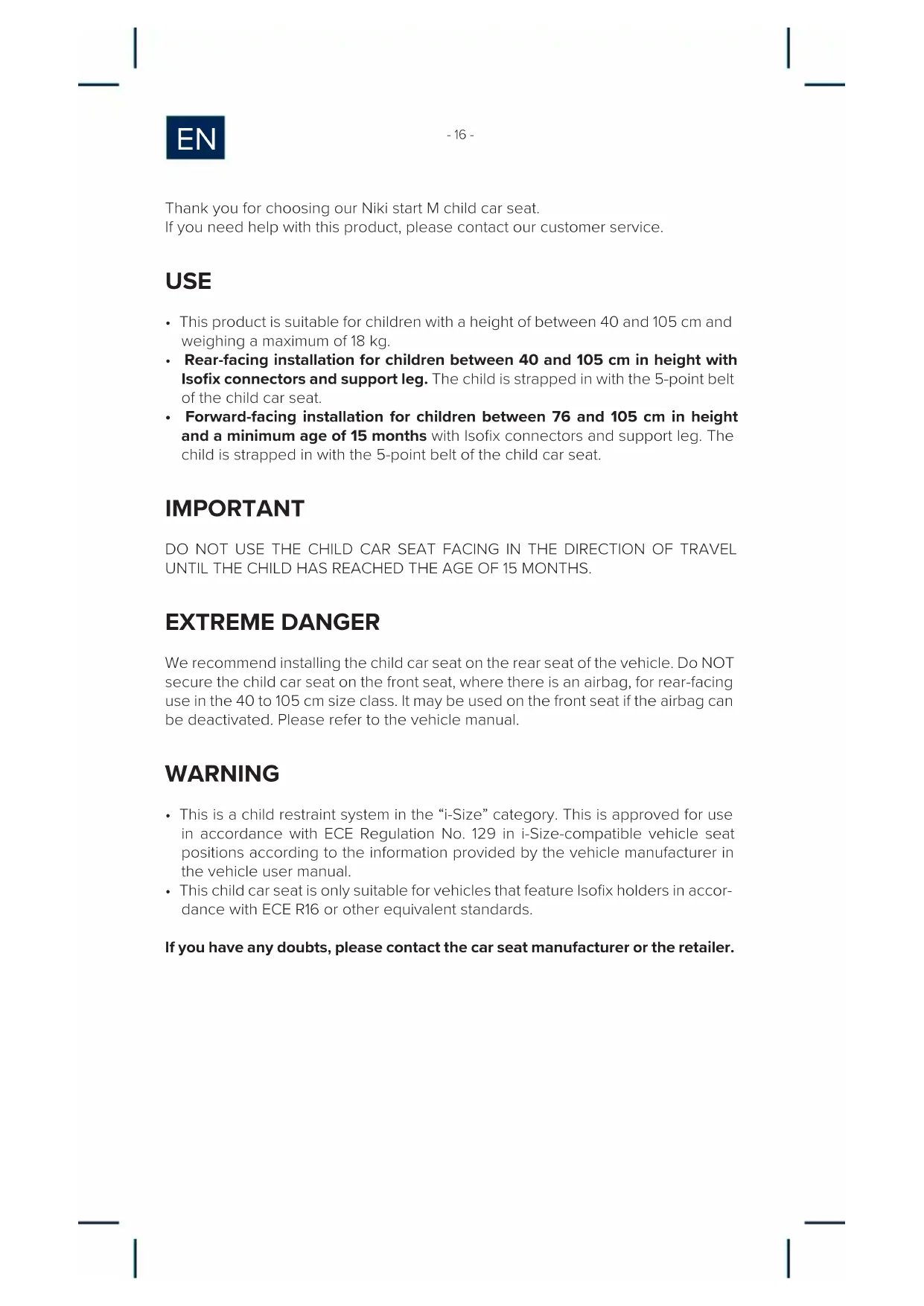
Diagram illustrating seatbelt usage and safety symbols, showing correct and incorrect states with directional arrows and checkmark indicators.Thank you for choosing our Niki start M child car seat.
If you need help with this product, please contact our customer service.
USE
- This product is suitable for children with a height of between 40 and 105cm and weighing a maximum of 18kg .
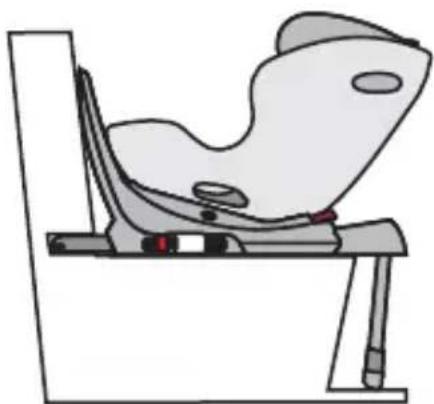
- Rear-facing installation for children between 40 and 105cm in height with Isofix connectors and support leg. The child is strapped in with the 5-point belt of the child car seat.
- Forward-facing installation for children between 76 and 105 cm in height and a minimum age of 15 months with Isofix connectors and support leg. The child is strapped in with the 5-point belt of the child car seat.
IMPORTANT
DO NOT USE THE CHILD CAR SEAT FACING IN THE DIRECTION OF TRAVEL UNTIL THE CHILD HAS REACHED THE AGE OF 15 MONTHS.
EXTREME DANGER
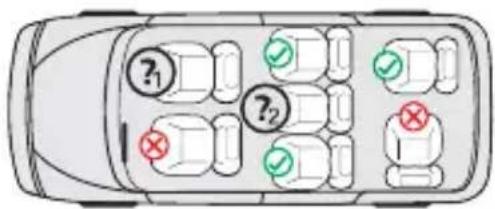
We recommend installing the child car seat on the rear seat of the vehicle. Do NOT secure the child car seat on the front seat, where there is an airbag, for rear-facing use in the 40 to 105 cm size class. It may be used on the front seat if the airbag can be deactivated. Please refer to the vehicle manual.
WARNING
- This is a child restraint system in the "i-Size" category. This is approved for use in accordance with ECE Regulation No. 129 in i-Size-compatible vehicle seat positions according to the information provided by the vehicle manufacturer in the vehicle user manual.
- This child car seat is only suitable for vehicles that feature Isofix holders in accordance with ECE R16 or other equivalent standards.
If you have any doubts, please contact the car seat manufacturer or the retailer.
text_image
Diagram of a car with numbered positions and checkmarks indicating status or failure points- Only if the airbag can be deactivated, Isofix connectors are available and the seat is recognised as i-Size-compatible in the vehicle manual.
- Only if Isofix connectors are available and the seat is recognised as i-Size-compatible in the vehicle manual.
The following table provides information about the fastening devices and methods:
| Size class | Installation direction | Installation Type | Child safety device | |
| 40–105 cm | Rearward facing | Isofix connectors & support leg | i-Size Universal Isofix | 5-point car seatbelt |
| 76–105 cm | Forward facing | Isofix connectors & support leg | i-Size Universal Isofix | 5-point car seatbelt |
EN
WARNING
- Please read through these instructions carefully before use in order to guarantee the safety of your child. Retain the manual. Non-compliance with the instructions in this manual may result in serious injuries to your child.
- The child seat can only be used with its own 5-point belt system for children who weigh under 18 kg and are less than 105 cm in height.
- The child seat CANNOT be used with its own 5-point belt system for children who weigh over 18 kg and are taller than 105 cm.
- The child car seat can be installed in rear-facing and forward-facing positions with the Isofix connectors and the support leg. Important: Do not install forward-facing until the child is at least 15 months old.
- For Isofix installation: Be sure to read the car manufacturer's manual.
- Do not use load-bearing contact points other than those described in the instructions and marked in the child restraint system.
- Do not use this child car seat at home. It has been designed exclusively for use in a car.
- Do not leave your child unsupervised in the seat at any time.
- Do not place the rear-facing child car seat on the front seat with an activated airbag. This could lead to serious injuries or death.
- The child seat must be replaced if it is exposed to heavy impact in an accident.
- For safety reasons, the child car seat must be secured in the vehicle even when there is no child sitting in the child car seat.
- Always make sure that all belts that hold the child car seat to the vehicle are secure and that all belts that restrain the child are adjusted to the child's body. Ensure that the belts are not twisted.
- Items of luggage or other objects that could cause injury in the event of a collision must be properly secured.
- The rigid items and plastic parts of a child restraint system must be positioned and installed so that they cannot get caught by a movable seat or a vehicle door.
- It is important that belts that sit low hold the child's pelvis firmly in place. To avoid the risk of falling, your child should always be strapped in.
- It is dangerous to make changes or additions to the product without approval from the responsible authority. Non-compliance with the installation instructions provided by the manufacturer of the child restraint system is also associated with risks to the safety of your child.
- This child seat has been designed for children weighing up to 18 kg. Never overload the child seat by transporting more than one child or additional loads in it.
- The child restraint system must not be used without the seat cover.
- The seat cover must not be replaced by a cover other than that recommended by the manufacturer, as this seat cover is an important component of the restraint performance.
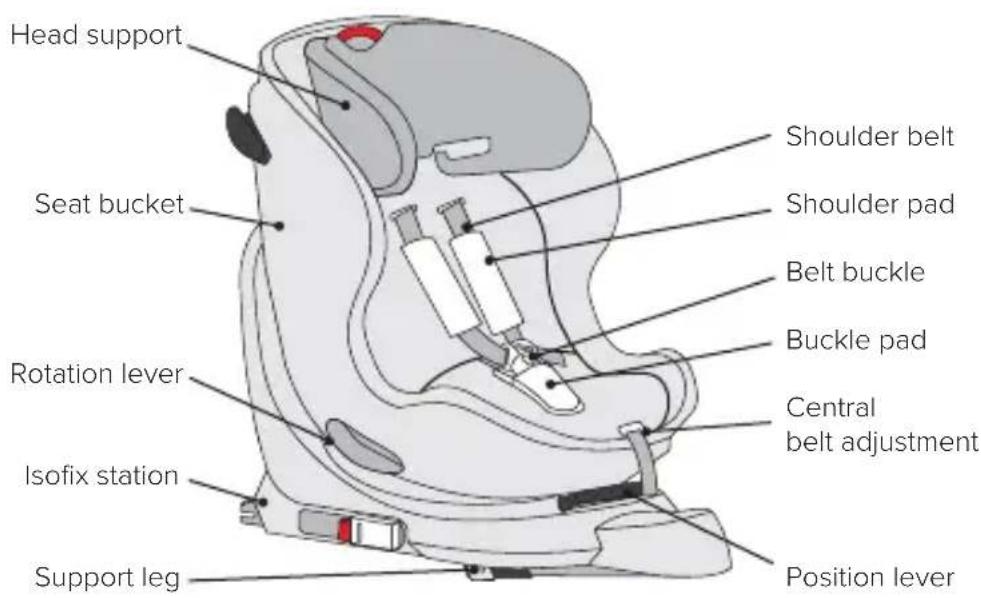
SEAT PARTS
Front view
text_image
Head support Seat bucket Rotation lever Isofix station Support leg Shoulder belt Shoulder pad Belt buckle Buckle pad Central belt adjustment Position lever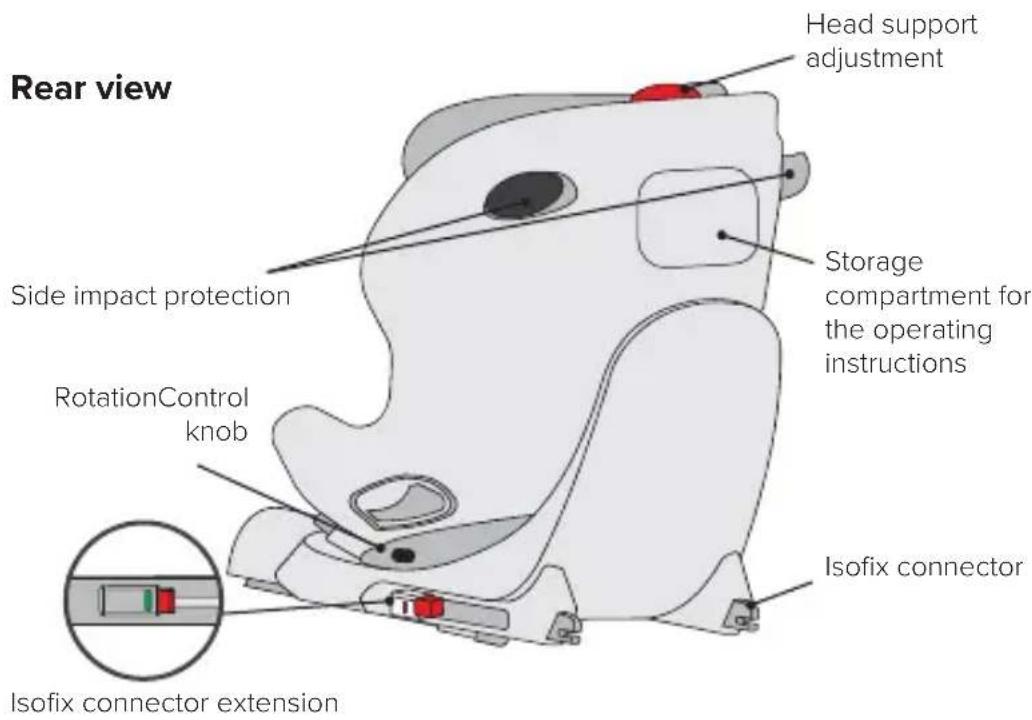
text_image
Rear view Head support adjustment Side impact protection RotationControl knob Storage compartment for the operating instructions Isofix connector Isofix connector extensionUSE OF THE CHILD CAR SEAT
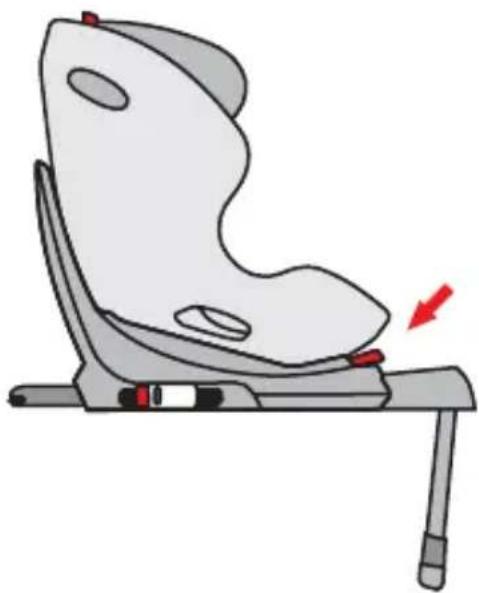
Setting the child car seat tilt angle
- Activate the angle adjustment lever on the lower front side of the seat bucket with one hand.
- Hold the seat bucket with your other hand and adjust the angle.
The following seat positions are possible:
(Please see the label on the child car seat)
Rear-facing,
Height 40-105 cm:
1 position (R)
Forward-facing,
Height 76-105 cm,
min. 15 months:
4 positions (1 - 4)
natural_image
Illustration of a baby car seat with a red arrow indicating the seat area (no text or symbols present)Turning the child car seat
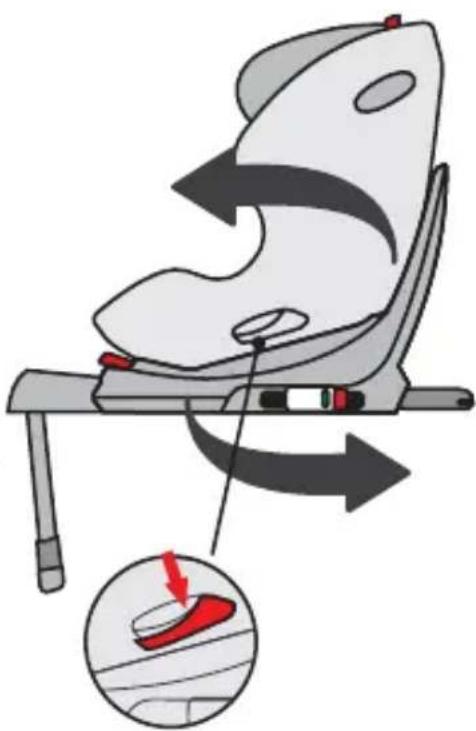
- The child car seat has a rotation lever on both sides of the seat bucket. To rotate the child car seat when it is installed, press the rotation lever facing you and rotate the child car seat to the rear- or forward-facing position.
- The forward-facing position is only suitable for children at least 15 months old and 76 cm in height. The rear-facing position is for children from 40 - 105 cm in height and a maximum weight of 18 kg.
natural_image
Illustration of a car seat with motion arrows indicating movement, showing a red button and a magnified inset (no text or symbols)Adjusting the belt
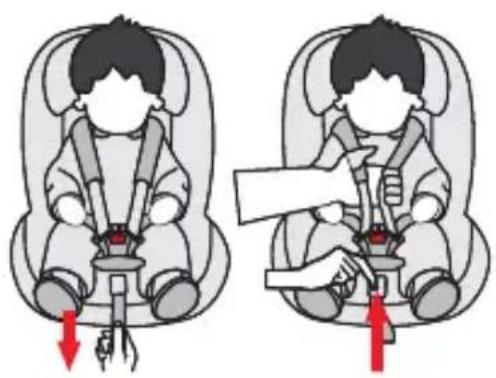
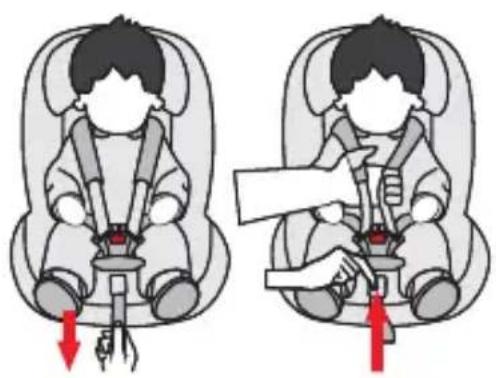
- To loosen the belt, press the belt adjustment button in the seat area with one hand. Hold the belt buckle with the other hand and carefully loosen the attached straps.
- Pull the front adjustment strap to tighten the belts. Ensure that the straps are not twisted.
text_image
Illustration showing two child car seatbelting instructions with red arrows indicating downward movement or force direction.Opening/closing the belt
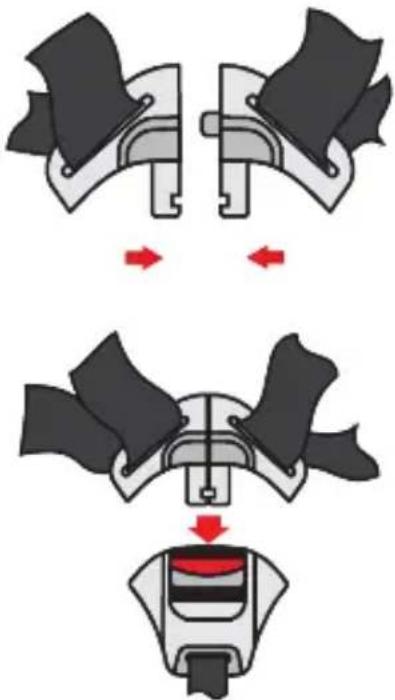
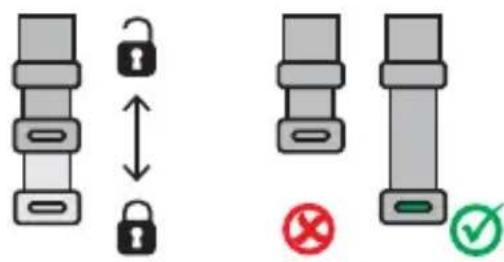
- To unlock the belt, press the button on the belt buckle, pull out the buckle tongues and separate them.
- To lock the belt, first, connect both tongues of the buckle and then insert them together into the belt buckle.
natural_image
Diagram showing two mechanical components with arrows indicating motion or force direction (no text or symbols)EN
-22-
Adjusting the head support
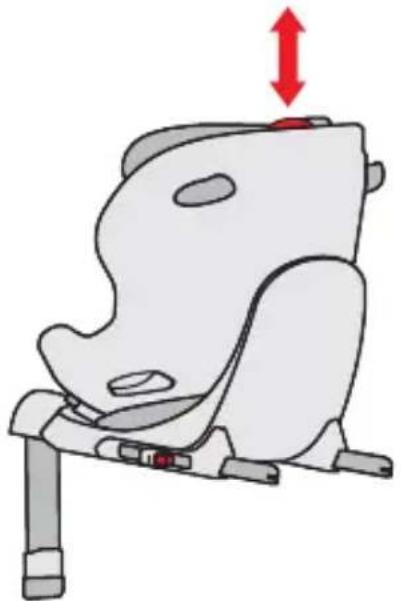
- Release the belt and pull the lever to set the head support on the back of the child car seat. Move the headrest until it engages at the correct height.
- Make sure the shoulder straps are positioned just above your child's shoulders when they come out of the child car seat.
- Release the lever and ensure that the head support is engaged.
natural_image
Illustration of a baby car seat with red directional arrows indicating movement (no text or symbols)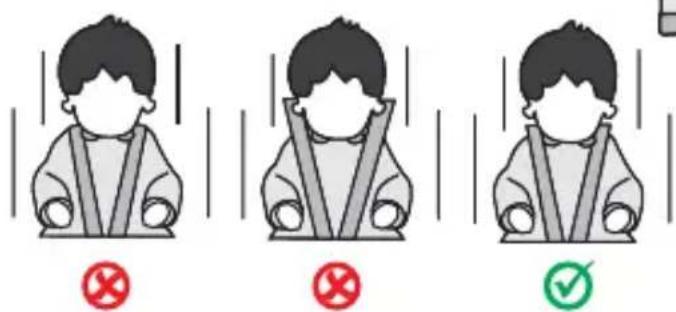
text_image
Three illustrated scenarios showing a person wearing a seatbelt with checkmarks and red X marks indicating absence or rejection.RotationControl
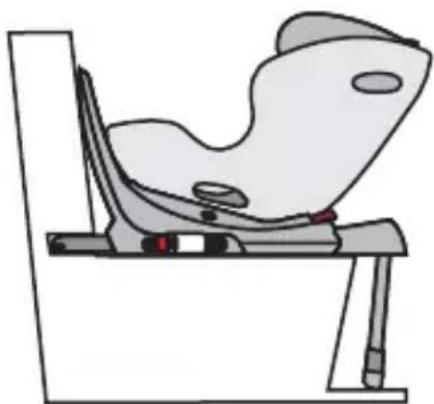
- The RotationControl knob is a control aid and is intended to prevent premature forward-facing use of the child car seat.
- Indicate on the RotationControl knob (on the side of the child car seat) whether your child is more than or less than 15 months old.
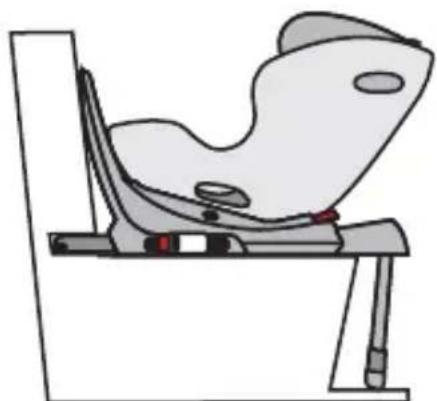
- If your child is under 15 months old, you can only rotate the car seat to the rear-facing and side-facing positions. The forward-facing position is locked and cannot be used for children under 15 months.
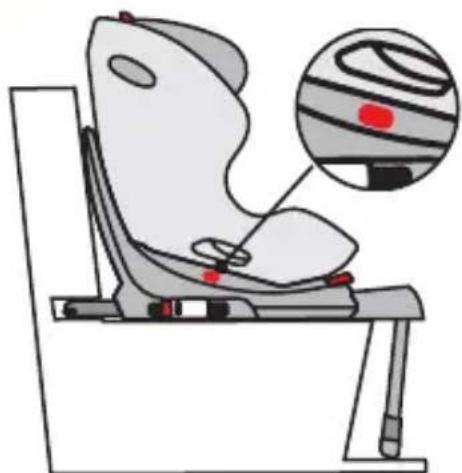
- If your child is over 15 months old and over 76 cm tall, the car seat can also be used in the forward-facing position. The Rotation-Control knob must be turned for this to be possible.
• We recommend using the child car seat rear-facing for as long as possible, but at least until the child is 15 months old and 76 cm tall.
natural_image
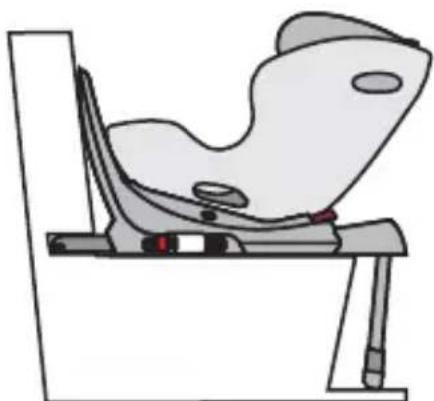
Illustration of a car seat with a magnified inset showing the interior details (no text or symbols present)15 M, 76–105 cm
natural_image
Illustration of a car seat assembly with no text or symbols< 15 M, 40–105 cm
Support leg
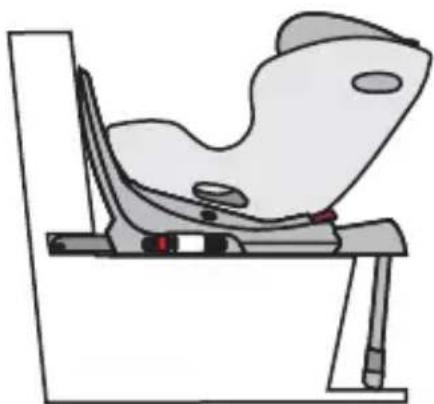
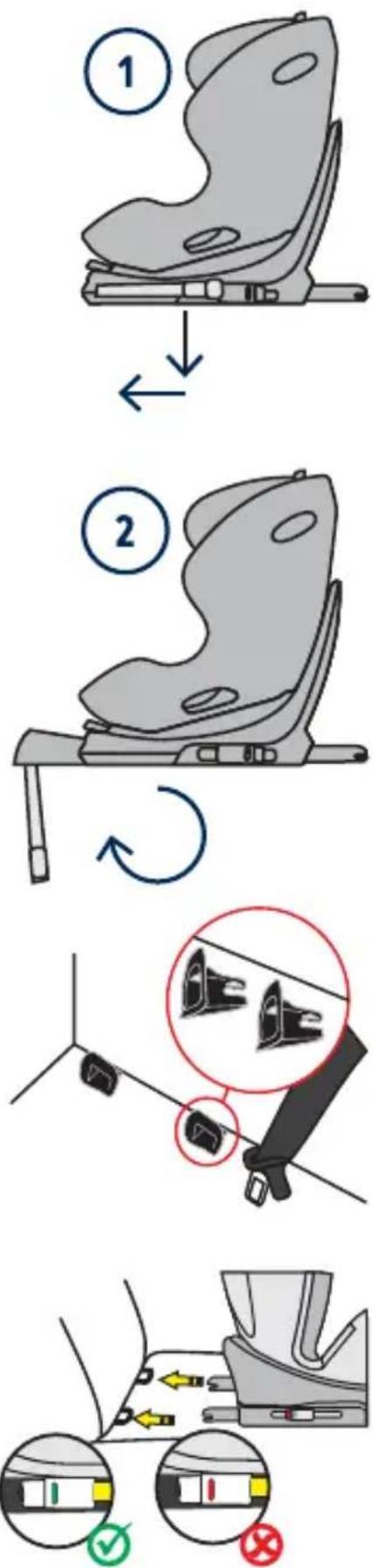
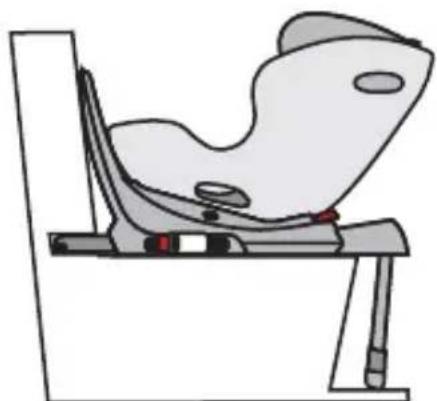
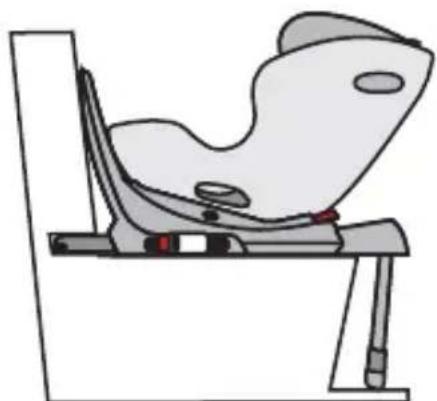
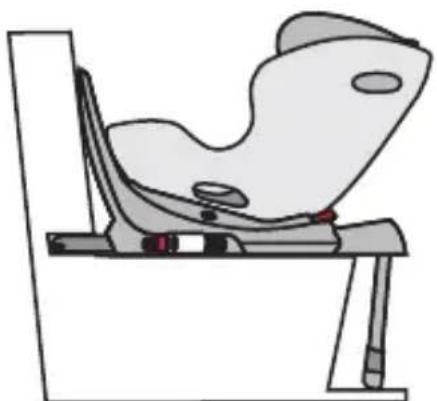
- Fold out the support leg underneath the child car seat and slide it into the front slot. Ensure that the support leg is properly engaged in the front slot. For children under 105 cm in height, the child car seat may only be used with the Isofix support leg folded out together with the Isofix connectors. Using the child car seat only with Isofix connectors is not permitted.
- Pull up the support leg height adjustment knob and extend the telescopic support leg. Make sure that this is fully in contact with the footwell of your vehicle.
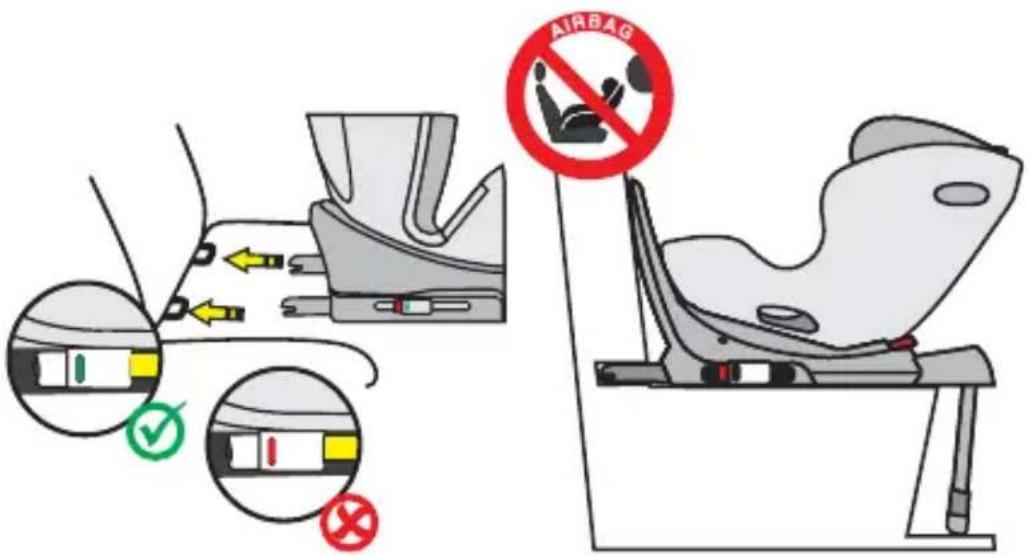
- Ensure that the indicator on the support leg is showing green.
text_image
Diagram showing two types of seatbelt buckle designs with lock symbols and check/cancel iconsIsofix connectors
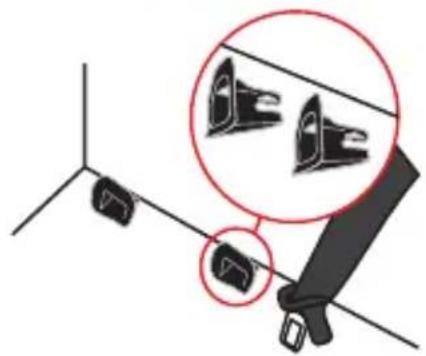
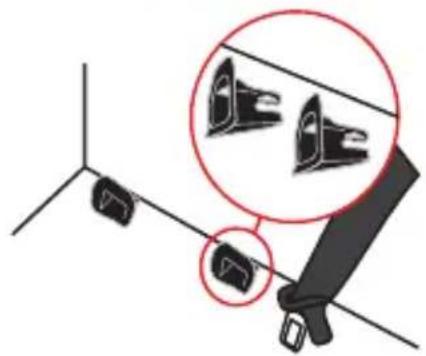
- Push the insertion aids through the slit in the cushion between the backrest and seat into the Isofix holders.
- When doing this, the flat side of the insertion aids must be facing downwards. This step is not necessary if the vehicle already has fixed insertion aids.
- Press the two lateral Isofix connector buttons in order to extend the length of the Isofix connectors.
- Push the Isofix connectors into the insertion aids until you hear them click into place.
- Push the child car seat in until it rests securely against the backrest of the car seat. Ensure that both Isofix indicators are switched to green.
flowchart
graph TD
    A["Step 1: Luggage Seat"] --> B["Step 2: Lock Button"]
    B --> C["Step 3: Close-up of Seatbelt"]
    C --> D["Step 4: Close-up of Seatbelt with a tighter cable"]
    D --> E["Final Step: Rear Position with circular detail and checkmark indicators"]
    style A fill:#ccc,stroke:#333
    style B fill:#ccc,stroke:#333
    style C fill:#ccc,stroke:#333
    style D fill:#ccc,stroke:#333
    style E fill:#ccc,stroke:#333
natural_image
Diagram showing a mechanical component with two circular insets highlighting specific parts (no text or symbols present)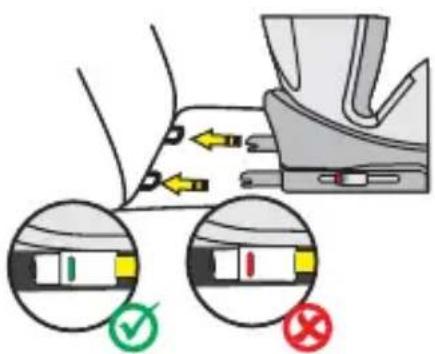
text_image
Diagram illustrating seatbelt usage with checkmark and cross symbols indicating correct and incorrect statesSide impact protection
• There are fold-out side impact protectors on both sides of the child car seat.
- Fold out the protector on the car door side every time. The protector on the inside does not have to be folded out.
- To fold the protector in, pull it backwards and push it in gently.
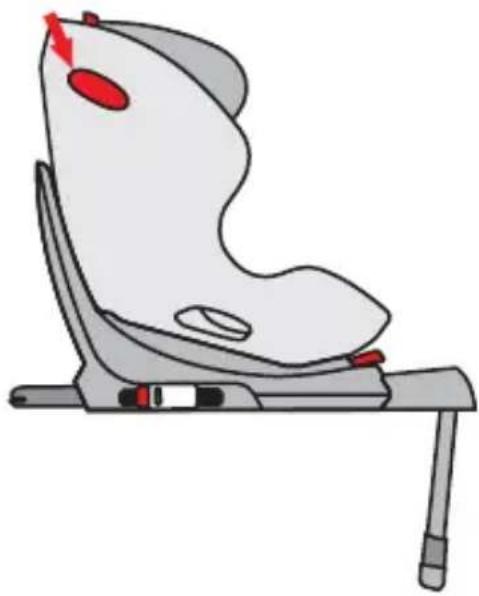
natural_image
Illustration of a baby car seat with red arrows indicating pressure points (no text or symbols)Head cushion & comfort insert
- The head cushion and comfort insert are designed for babies of a height of 40-60 cm.
- Please remove both inserts as soon as your child has exceeded the specified body size.
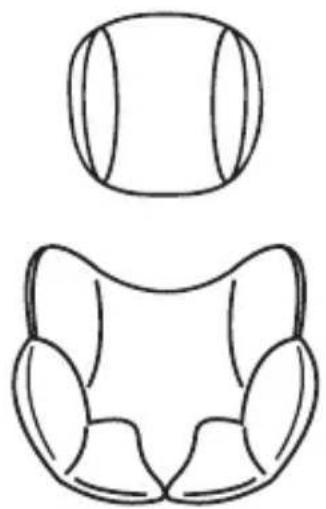
natural_image
Line drawing of two abstract anatomical or mechanical shapes with no text or symbolsINSTALLATION OF THE CHILD CAR SEAT
1) Size class 40–105 cm, max. 18 kg, rear-facing
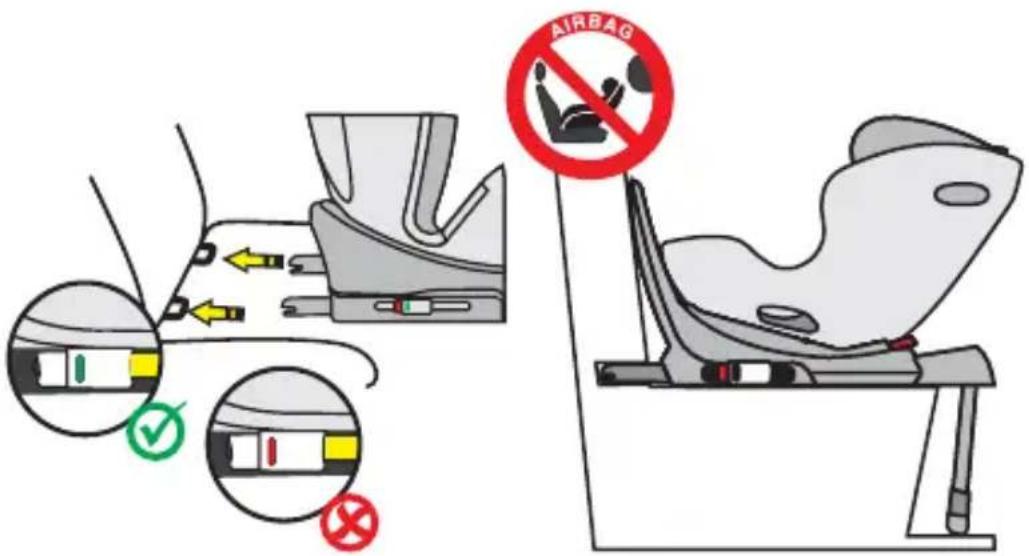
text_image
AIRBAG- Set the age of your child on the RotationControl knob.
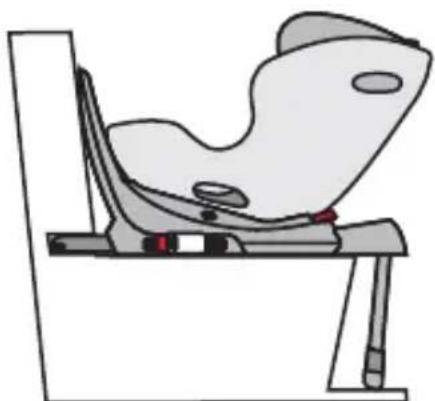
- Set the child car seat to the maximum reclining position and turn it until it is in rear-facing seat position R.
- Press the two lateral Isofix connector buttons to extend the Isofix connectors.
- Fold out the support leg as described above.
- Guide the Isofix connectors onto the Isofix holders on the seat of the vehicle and ensure that they lock in position.
- Push the child car seat in until it rests securely against the backrest of the car seat. Ensure that both Isofix indicators are showing green.
- Adjust the height of the support leg and ensure that this is fully in contact with the footwell of your vehicle.
- Ensure that the indicator on the support leg is switched to green.
- When placing your child in the child car seat, turn the car seat towards the car door for convenience.
- Unfasten the belt buckle on the child car seat and place the belts on the outside of the seat.
- Put your child in the child car seat.
- Adjust the height of the head support as described above.
- Fasten the belt buckle again until you hear a click.
- Pull the front adjustment strap to tighten the belts. Ensure that the straps are not twisted.
- Turn the seat into the rear-facing position. Check that the child car seat is locked in this position.
INSTALLATION OF THE CHILD CAR SEAT
2) Size class 76–105 cm, min. 15 months, max. 18 kg,
forward-facing
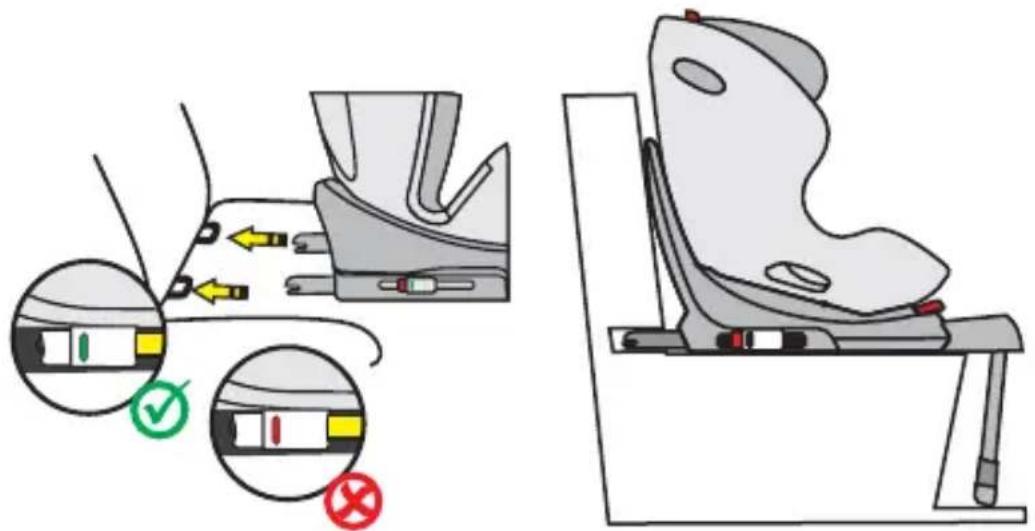
text_image
Diagram illustrating seatbelt usage and safety symbols for car seats, showing correct and incorrect states with check and cross icons.IMPORTANT: DO NOT USE THE CHILD CAR SEAT FACING IN THE DIRECTION OF TRAVEL UNTIL THE CHILD HAS REACHED THE AGE OF 15 MONTHS.
- Set the age of your child on the RotationControl knob.
- Press the two lateral Isofix connector buttons to extend the Isofix connectors.
- Fold out the support leg as described above.
- Guide the Isofix connectors onto the Isofix holders on the seat of the vehicle and ensure that they lock in position.
- Push the child car seat in until it rests securely against the backrest of the car seat. Ensure that both Isofix indicators are switched to green.
- Adjust the height of the support leg and ensure that this is fully in contact with the footwell of your vehicle.
- Ensure that the indicator on the support leg is showing green.
- When facing in the direction of travel, the child car seat offers four adjustable seat positions.
- When placing your child in the child car seat, turn the car seat towards the car door for convenience.
- Unfasten the belt buckle on the child car seat and place the belts on the outside of the seat.
- Put your child in the child car seat.
- Adjust the height of the head support as described above.
- Fasten the belt buckle again until you hear a click.
- Pull the front adjustment strap to tighten the belts. Ensure that the straps are not twisted.
- Turn the seat into the forward-facing position. Check that the child car seat is locked in this position.
CLEANING
To guarantee long-term usage of your child car seat, do not use any solvents, abrasives or aggressive cleaning agents to clean the car seat. Check the stability of the fabric and of the seams after each wash. When washing the fabric, carefully follow the instructions on the label (see below).
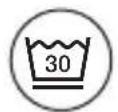
Wash at 30 °C, delicate cycle
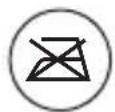
Do NOT iron

Do NOT bleach

Do NOT dry clean
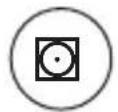
Tumble dry at low temperature
MAINTENANCE
Regularly check the condition of the product for any damage. In the event of damage, do not use the product and keep it out of the reach of children.
In case of any issues, please contact
Osann Customer Service on +49(0)7731/970077.
FR
text_image
Diagram of a car with numbered compartments and checkmarks indicating status or failure pointsnatural_image
Illustration of a baby car seat with a red arrow indicating the seat area (no text or symbols present)natural_image
Illustration of a car seat with motion arrows indicating movement, showing a red-handled tool inside the seat (no text or symbols)text_image
Illustration showing two child car seatbelting instructions with red arrows indicating downward movement or force direction.natural_image
Diagram of two mechanical clamping mechanisms with red arrows indicating motion direction (no text or symbols)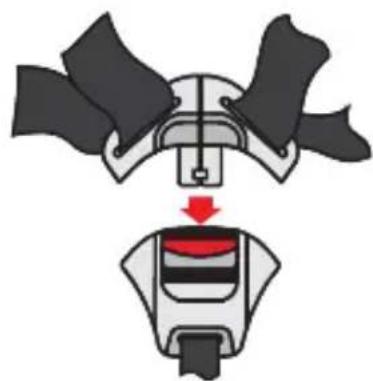
natural_image
Diagram showing a mechanical assembly with a red arrow indicating a process or operation (no text or symbols present)FR
natural_image
Illustration of a baby car seat with red directional arrows indicating movement (no text or symbols)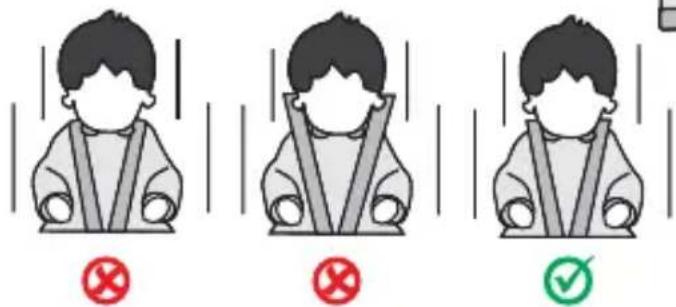
text_image
Three illustrated scenarios showing a person wearing a seatbelt with red and green checkmarks indicating incorrect or correct actions.RotationControl
natural_image
Illustration of a car seat with a magnified inset showing the seat area (no text or symbols present)15 M, 76–105 cm
natural_image
Illustration of a baby car seat with seatbelt and seat, no text or symbols present< 15 M, 40–105 cm
FR
Béquille
text_image
Diagram showing two types of seatbelt buckle designs with lock symbols and check/cancel icons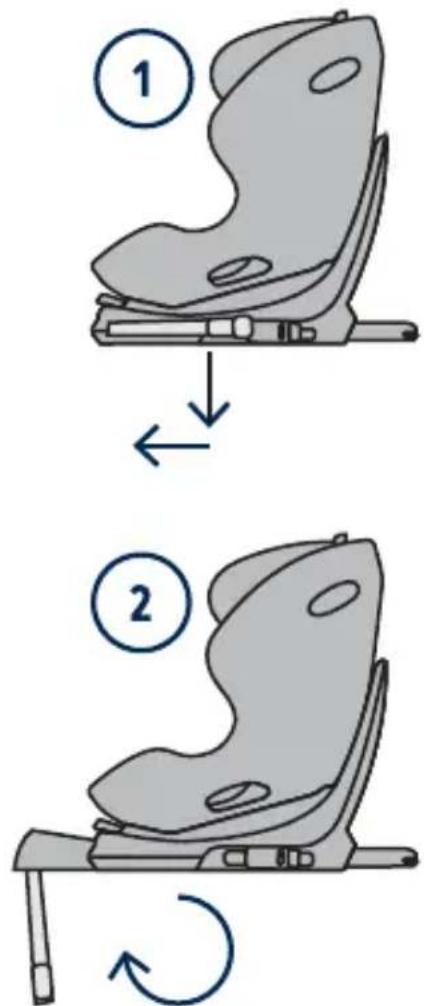
text_image
Diagram illustrating two-step car seat replacement process with numbered steps and directional arrowsConnecteurs Isofix
natural_image
Diagram showing two black objects on a 3D axis with magnified insets highlighting their positions (no text or symbols present)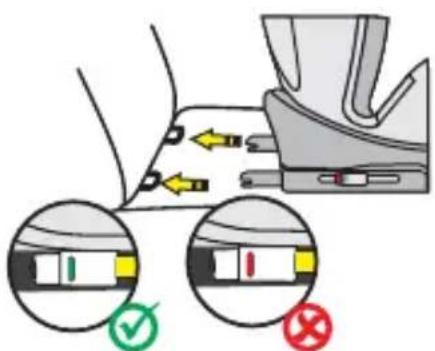
text_image
Diagram illustrating seatbelt buckle adjustment with checkmark and cross symbols indicating statusFR
natural_image
Illustration of a baby car seat with red markings indicating the seat area (no text or symbols present)natural_image
Line drawing of a top and bottom views of a stylized animal head (no text or symbols)INSTALLATION DU SIÈGE AUTO POUR ENFANT
text_image
Diagram illustrating seatbelt usage and safety symbols for car seats, showing correct and incorrect states with check and cross icons.IMPORTANT : N'UTILISEZ PAS LE SIÈGE AUTO POUR ENFANT DANS LE SENS DE LA MARCHE, AVANT QUE L'ÂGE DE L'ENFANT N'AIT DÉPASSÉ 15 MOIS.
text_image
Diagram of a car with numbered positions and checkmarks indicating status or options, possibly for inspection or testing purposes.natural_image
Illustration of a baby car seat with a red arrow indicating the seat area (no text or symbols present)natural_image
Illustration of a baby car seat with a red button, showing the seat being adjusted for a finger movement (no text or symbols present)text_image
Illustration showing two child car seatbelting instructions with red arrows indicating downward movement and a hand holding a belt.natural_image
Diagram of two mechanical clamping mechanisms with red arrows indicating motion direction (no text or symbols)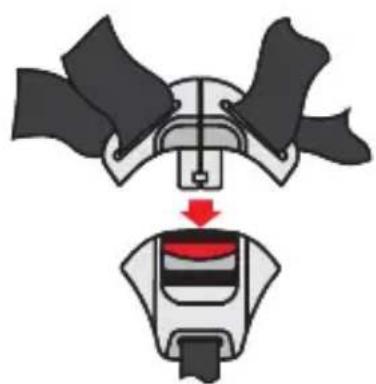
natural_image
Diagram showing a mechanical assembly with a belt and clamped parts, no text or symbols presentIT
-46-
natural_image
Illustration of a baby car seat with red directional arrow indicating upward motion (no text or symbols)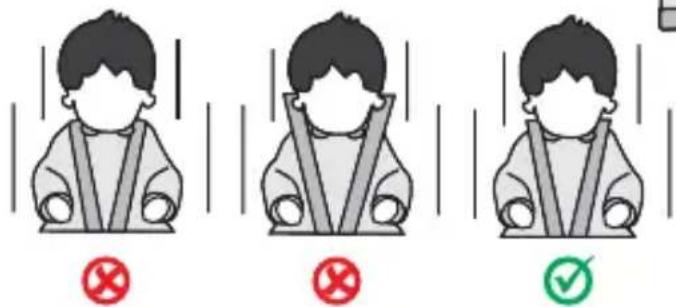
text_image
Three illustrated scenarios showing a person wearing a seatbelt with red and green checkmarks indicating incorrect or correct actions.RotationControl
natural_image
Illustration of a car seat with a magnified inset showing the interior details (no text or symbols present)15 mesi, 76-105 cm
natural_image
Illustration of a car seat assembly with no text or symbols<15 mesi, 40-105 cm
Base di sostegno
text_image
Diagram showing two types of seatbelt buckle lock symbols: one with a lock icon and bidirectional arrow, the other with a checkmark and red X symbol.Connettori Isofix
natural_image
Diagram showing a mechanical component with two circular insets highlighting specific parts (no text or symbols present)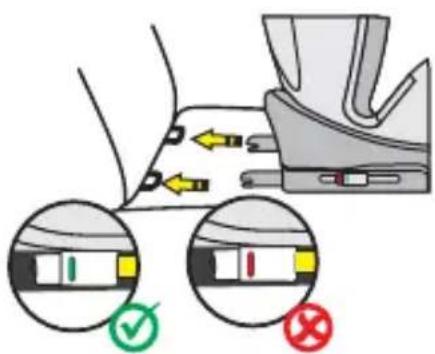
text_image
Diagram showing foot massage technique with checkmark and nozzles indicating correct and incorrect statesnatural_image
Illustration of a baby car seat with red markings, no text or symbols presentnatural_image
Simple line drawings of a seated object with a rounded top and a lower front view (no text or symbols)INSTALLAZIONE DEL SEGGIOLINO AUTO PER BAMBINI
text_image
Diagram illustrating seatbelt usage and safety check icons for car seats, showing left and right views with arrows and labels.IMPORTANTE: NON UTILIZZARE IL SEGGIOLINO AUTO PER BAMBINI NELLA DIREZIONE DI MARCIA FINO A QUANDO IL BAMBINO NON ABBIA RAGGIUNTO I 15 MESI DI ETÀ.
natural_image
Illustration of a baby car seat with a red arrow indicating the seat area (no text or symbols present)natural_image
Illustration of a car seat with motion arrows indicating movement, showing a red-handled tool inside the seat (no text or symbols)Gordel instellen
text_image
Illustration showing two child car seatbelting instructions with red arrows indicating downward movement or force direction.natural_image
Diagram of two mechanical clamping mechanisms with red arrows indicating motion direction (no text or symbols)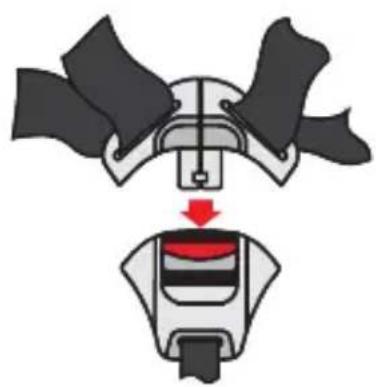
natural_image
Diagram of a seatbelt buckle being lifted by a red belt, showing the seatbelt's mechanism (no text or symbols present)NL
natural_image
Illustration of a baby car seat with red directional arrows indicating movement or force (no text or symbols)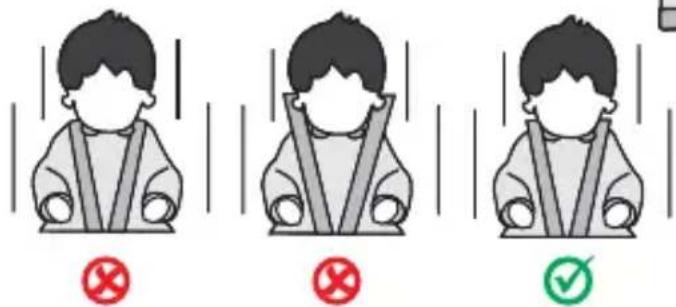
text_image
Three illustrated scenarios showing a person wearing a seatbelt with checkmarks and red X marks indicating absence or rejection.RotationControl
natural_image
Illustration of a car seat with a magnified inset showing the interior details (no text or symbols present)15 m, 76–105 cm
natural_image
Illustration of a car seat assembly with no text or symbols< 15 m, 40–105 cm
Steunpoot
text_image
Diagram showing two types of seatbelt buckle designs with lock symbols and check/cancel icons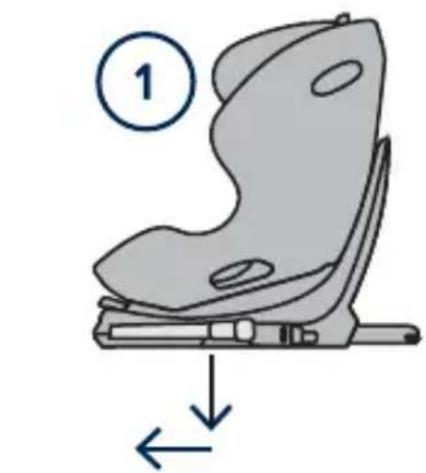
text_image
①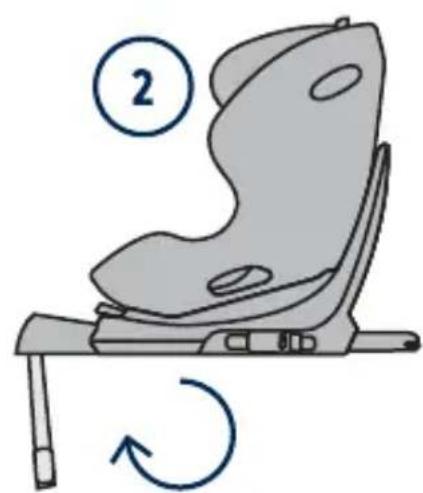
text_image
2Isofix-connectoren
natural_image
Diagram showing a mechanical assembly with two labeled components and a magnified inset of a bracket (no text or symbols present)
text_image
Diagram illustrating seatbelt buckle adjustment with checkmark and nozzles indicating statusNL
natural_image
Illustration of a baby car seat with red markings indicating stress or pressure (no text or symbols present)natural_image
Simple line drawings of a seated object with a rounded top and a lower front view (no text or symbols)MONTAGE VAN HET AUTOSTOELTJE
text_image
Diagram illustrating seatbelt usage and safety check icons for car seats, with Chinese labels indicating correct (green check) and incorrect (red cross) states.BELANGRIJK: GEBRUIK HET AUTOSTOELTJE NIET IN DE RIJRICHTING ALS HET KIND JONGER IS DAN 15 MAANDEN.
natural_image
Illustration of a baby car seat with a red arrow indicating the seat area (no text or symbols present)natural_image
Illustration of a car seat with motion arrows indicating movement, showing a red button on the seat (no text or symbols present)Ajustar el cinturón
text_image
Illustration showing two child car seatbelting instructions with red arrows indicating downward movement or force direction.natural_image
Diagram of two mechanical clamping mechanisms with red arrows indicating motion direction (no text or symbols)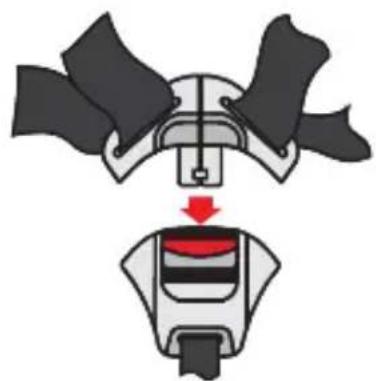
natural_image
Diagram showing a mechanical assembly with a belt and belt switch, no text or symbols presentES
-70-
natural_image
Illustration of a baby car seat with red directional arrows indicating movement or force (no text or symbols)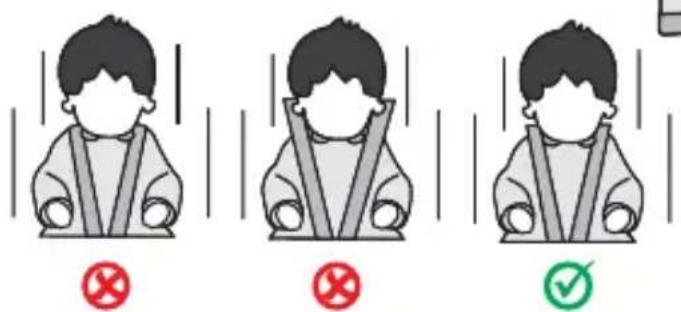
text_image
Three illustrated scenarios showing a person wearing a seatbelt with checkmarks indicating absence or compliance, each marked with a red X and green checkmark.RotationControl
natural_image
Illustration of a car seat with highlighted seats and a magnified inset showing the seat details (no text or symbols present)15 M, 76–105 cm
natural_image
Line drawing of a baby car seat with seatbelt and seat, no text or symbols present<15 M, 40–105 cm
Pie de apoyo
text_image
Diagram showing two types of seatbelt buckle designs with lock symbols and check/cancel iconsConectores Isofix
flowchart
graph TD
    A["Step 1: Luggage Seat"] --> B["Step 2: Lock Button"]
    B --> C["Step 3: Close-up of Seatbelt"]
    C --> D["Step 4: Close-up of Seatbelt with a tighter cable"]
    D --> E[Step 5: Close-up of Seatbelt with a tighter cable with a tighter cable, plus a close-up of the cable with a tighter cable, plus a close-up of the cable with a tighter cable, plus a close-up of the cable with a tighter cable, plus a close-up of the cable with a tighter cable, plus a close-up of the cable with a tighter cable, plus a close-up of the cable with a tighter cable, plus a close-up of the cable with a tighter cable, plus a close-up of the cable with a tighter cable, plus a close-up of the cable with a narrower cable, plus a close-up of the cable with a tighter cable, plus a close-up of the cable with a tighter cable, plus a close-up of the cable with a tighter cable, plus a close-up of the cable with a tighter cable, plus a close-up of the cable with a tighter cable, plus a close-up of the cable with a tighter cable, plus a close-up of the cable with a tighter cable, plus a close-up of the cable with a tighter cable, plus an open panel (no text labels)
natural_image
Diagram showing a mechanical component with two circular insets highlighting specific parts (no text or symbols present)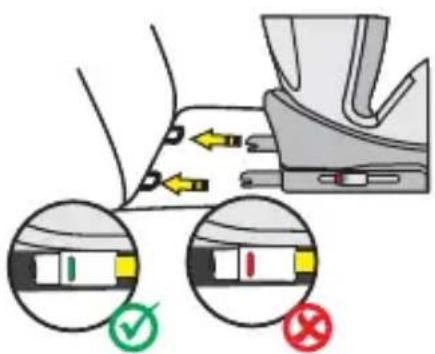
text_image
Diagram illustrating seatbelt usage with checkmark and cross symbols indicating correct and incorrect statesES
Protectores contra impactos laterales
natural_image
Illustration of a baby car seat with red markings, no text or symbols presentnatural_image
Simple line drawing of a top and bottom views of a stylized animal head (no text or symbols)text_image
Diagram illustrating seatbelting and safety check icons for car seats, showing correct and incorrect states with arrows and symbols.IMPORTANTE: NO UTILICE EL ASIENTO INFANTIL EN EL SENTIDO DE LA MARCHA SI EL NIÑO AÚN NO HA CUMPLIDO 15 MESES.
natural_image
Illustration of a baby car seat with a red arrow indicating the seat area (no text or symbols present)natural_image
Illustration of a car seat with motion arrows indicating movement, showing a red button on the seat (no text or symbols present)Nastavení pásu
text_image
Illustration showing two child car seatbelting instructions with red arrows indicating downward movement and a hand holding a belt.natural_image
Diagram showing two mechanical components with arrows indicating motion or force direction (no text or symbols)CZ
-82-
text_image
Three illustrated scenarios showing a person wearing a seatbelt with checkmarks and red X marks indicating absence or rejection.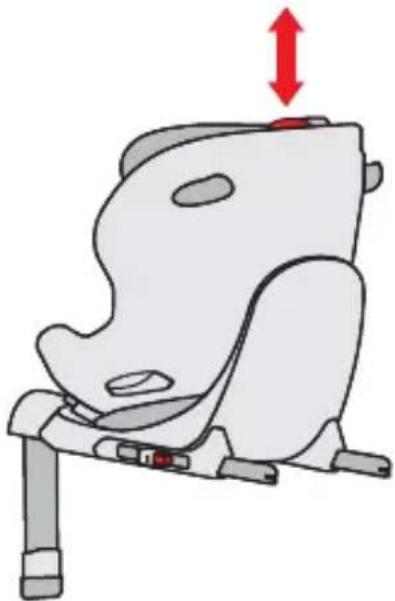
natural_image
Illustration of a baby car seat with a red upward arrow indicating compression or lifting (no text or symbols present)natural_image
Illustration of a car seat with a magnified inset showing the seat area (no text or symbols present)15 M, 76–105 cm
natural_image
Line drawing of a seatbelt device with no text or symbols< 15 M, 40–105 cm
Opěrná patka
text_image
Diagram showing two types of seatbelt lock symbols with corresponding check and disconnection icons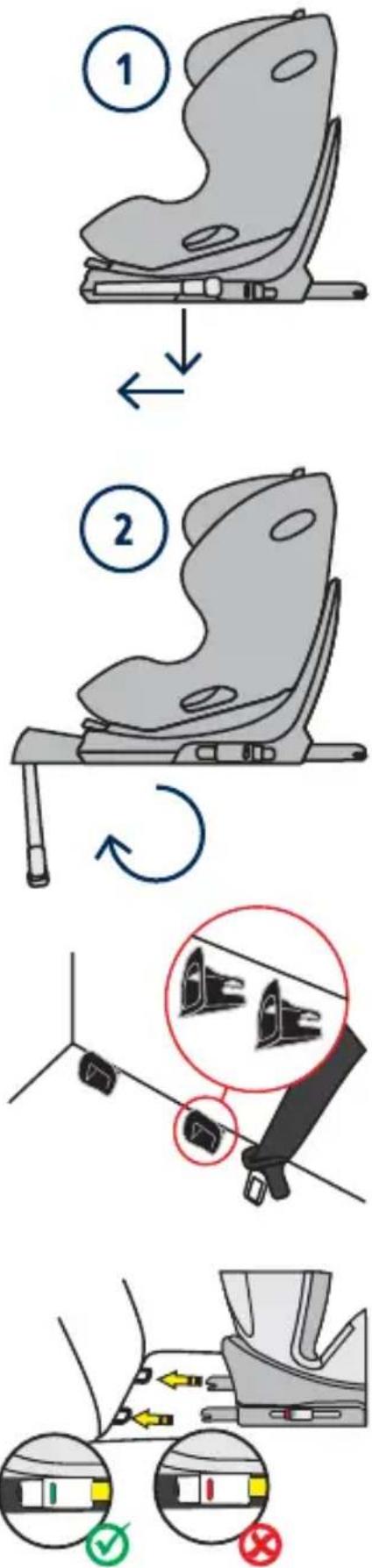
flowchart
graph TD
    A["Step 1: Luggage Seat"] --> B["Step 2: Lock Button"]
    B --> C["Step 3: Close-up of Seatbelt"]
    C --> D["Step 4: Close-up of Seatbelt with a tighter buckle"]
    D --> E["Image of Seatbelt with two buttons indicating correct/incorrect states"]
    E --> F["Final Step: Close-up of Seatbelt with checkmark and red X marks"]
Konektory Isofix
natural_image
Illustration of a baby car seat with red markings and a small red object on the seat (no text or symbols)natural_image
Simple line drawings of a seated object with a rounded top and a lower front view (no text or symbols)MONTÁŽ DĚTSKÉ AUTOSEDAČKY
text_image
Diagram illustrating seatbelt usage and safety symbols, showing correct and incorrect states with check and cross icons.DÜLEŽITÉ: NEPOUŽÍVEJTE DĚTSKOU AUTOSEDAČKU VE SMĚRU JÍZDY, DOKUD VĚK DÍTĚTE NEPŘESÁHNE 15 MĚSÍCŮ.
natural_image
Illustration of a baby car seat with a red arrow indicating the seat area (no text or symbols present)natural_image
Illustration of a car seat with motion arrows indicating movement, showing a red button on the seat (no text or symbols present)Regulacja pasa
text_image
Illustration showing two child car seatbelting instructions with red arrows indicating downward movement or force direction.natural_image
Diagram showing two mechanical components with arrows indicating motion or force direction (no text or symbols)PL
-94-
Regulacja zagłówka
natural_image
Illustration of a baby car seat with red directional arrows indicating movement or force (no text or symbols)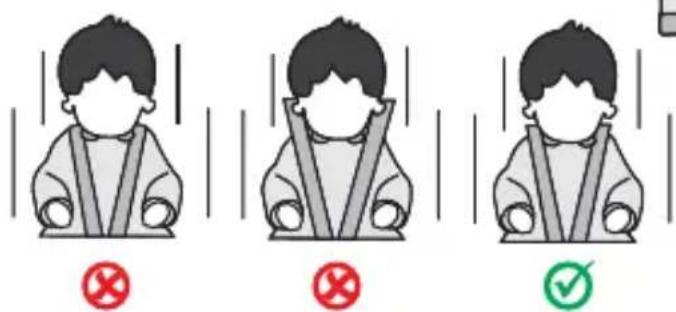
text_image
Three illustrated scenarios showing a person wearing a seatbelt with checkmarks and red X marks indicating absence or rejection.RotationControl (Kontrola obrotów)
natural_image
Illustration of a baby car seat with a magnified inset showing the seat area (no text or symbols present)15 mies., 76-105 cm
natural_image
Illustration of a car seat with seatbelt and seat support (no text or symbols)< 15 mies., 40-105 cm
Stopka
natural_image
Diagram showing a vertical stack of blocks connected to an open lock and a double-headed arrow, indicating bidirectional relationship (no text or symbols)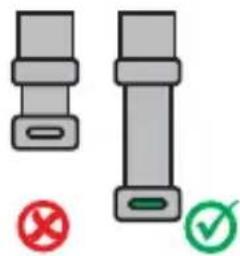
natural_image
Two gray car seatbelt components with red and green checkmark indicators below (no text or symbols on parts)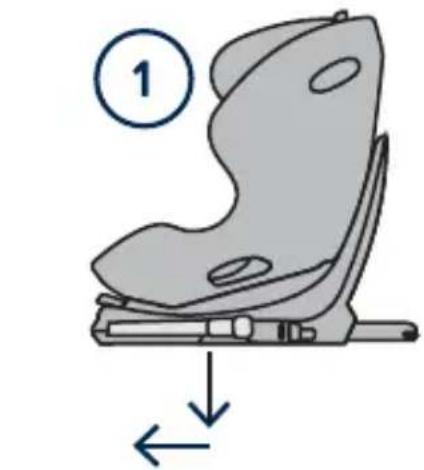
text_image
①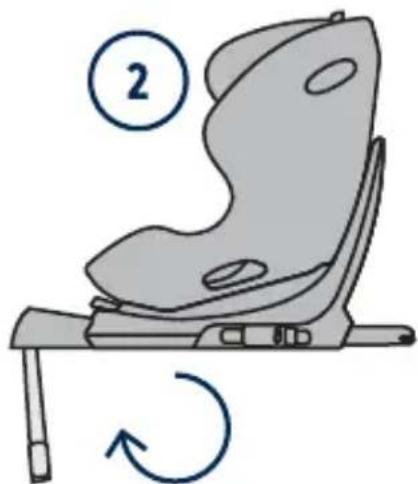
natural_image
Illustration of a car seat with a numbered label (2) and a rotation arrow indicating clockwise motion (no text or symbols beyond labels)Łączniki ISOFIX
natural_image
Diagram showing a mechanical assembly with two labeled components and a magnified inset of a bracket (no text or symbols present)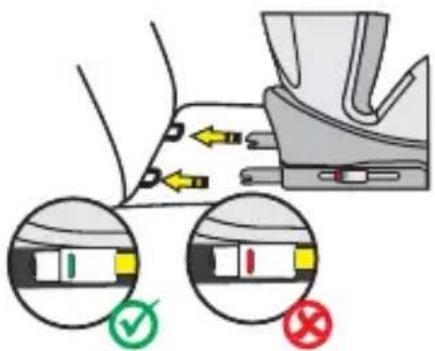
text_image
Diagram illustrating seatbelt buckle adjustment with checkmark and cross icons indicating statusPL
natural_image
Illustration of a baby car seat with red markings indicating the seat area (no text or symbols present)natural_image
Simple line drawings of a seated object with a rounded top and a lower front view (no text or symbols)MONTAŻ FOTELIKA SAMOCHODOWEGO
text_image
Diagram illustrating seatbelt usage and safety check icons for car seats, showing left and right views with directional arrows and labels.WAŻNE: FOTELIKA DZIECIĘCEGO NIE NALEŻY UŻYWAĆ W POZYCJI PRZODEM DO KIERUNKU JAZDY, DOPÓKI DZIECKO NIE UKOŃCZY WIEKU 15 MIESIĘCY.
natural_image
Illustration of a baby car seat with a red arrow indicating the seat area (no text or symbols present)natural_image
Illustration of a car seat with motion arrows indicating movement, showing a red-handled tool inside the seat (no text or symbols)Nastavenie pásu
- Ak chcete pás uvol'niť, stlačte jednou rukou tlačidlo prestavenia pásu v oblasti sedačky. Druhou rukou držte zámok pásu a opatrne uvol'nite pripevnené pásy.
- Zatiahnite za prednú nastavovaciu sponu, aby ste pásy napli. Dbajte na to, aby sa remene nepretočili.
text_image
Illustration showing two child car seatbelting instructions with red arrows indicating downward movement or force direction.Otvorenie/zatvorenie pásu
natural_image
Diagram of two mechanical clamping mechanisms with red arrows indicating motion direction (no text or symbols)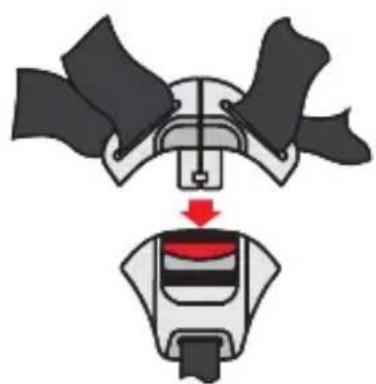
natural_image
Diagram showing a mechanical assembly with a belt and clamped parts, no text or symbols presentSK
-106-
text_image
Three illustrated scenarios showing a person wearing a seatbelt with checkmarks indicating absence or compliance, each marked with a red X and green checkmark.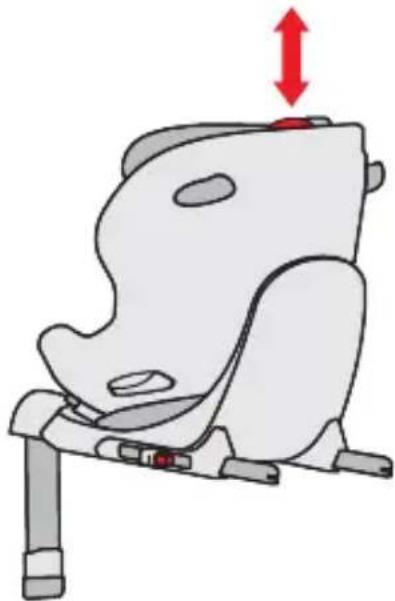
natural_image
Illustration of a baby car seat with red directional arrows indicating movement or force (no text or symbols)RotationControl
natural_image
Illustration of a baby car seat with a magnified inset showing the seat area (no text or symbols present)15 M, 76 - 105 cm
natural_image
Illustration of a car seat with seatbelt and seat, no text or symbols present< 15 M, 40 - 105 cm
Oporná noha
text_image
Diagram showing two types of seatbelt buckle designs with lock symbols and check/cancel icons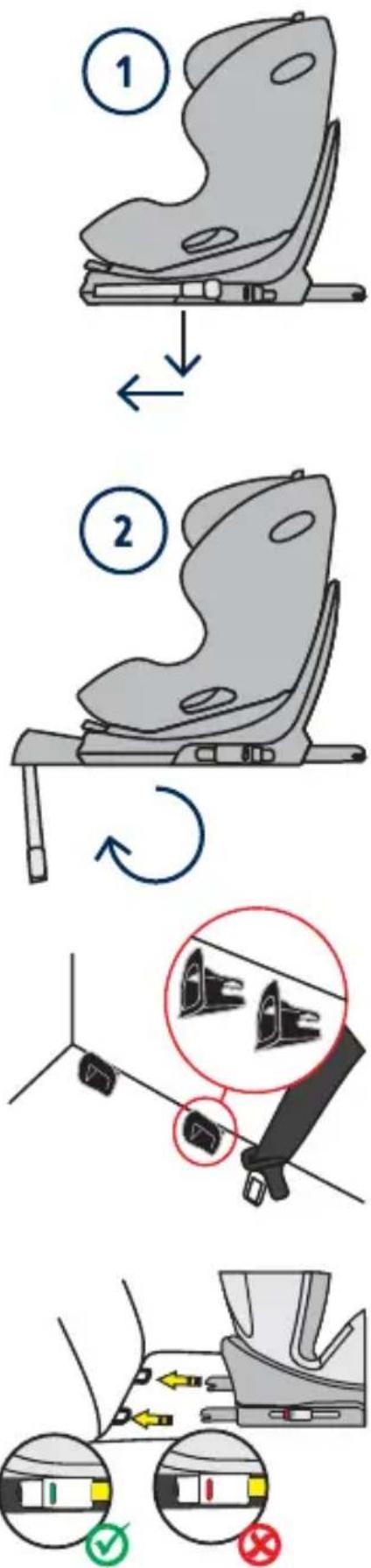
flowchart
graph TD
    A["1: Seat Position"] --> B["2: Adjustment"]
    B --> C["3: Disassembly with Close-up"]
    C --> D["4: Lock Setting"]
    D --> E["5: Check Off"]
    style A fill:#ccc,stroke:#333
    style B fill:#ccc,stroke:#333
    style C fill:#ccc,stroke:#333
    style D fill:#ccc,stroke:#333
    style E fill:#ccc,stroke:#333
Konektory Isofix
natural_image
Illustration of a car seat with red markings, no text or symbols presentnatural_image
Simple line drawing of two abstract geometric shapes: a rounded rectangle and a symmetrical curved form (no text or symbols)MONTÁŽ DETSKEJ AUTOSEDAČKY
1) Výšková kategória 40 – 105 cm, max. 18 kg, s orientáciou dozadu