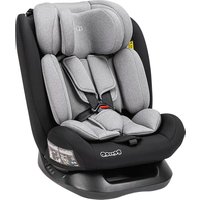
Safety London - High chair Osann - Free user manual and instructions
Find the device manual for free Safety London Osann in PDF.


User questions about Safety London Osann
0 question about this device. Answer the ones you know or ask your own.
Ask a new question about this device
Download the instructions for your High chair in PDF format for free! Find your manual Safety London - Osann and take your electronic device back in hand. On this page are published all the documents necessary for the use of your device. Safety London by Osann.
USER MANUAL Safety London Osann
natural_image
Simple icon of an open book with an information symbol inside a circle (no text or labels)DE
EN FR IT
NL
ES
natural_image
Illustration of a child in a car seat being lifted, showing two scenarios with red arrows indicating force or pressure points (no text or symbols present)natural_image
Diagram showing two mechanical fasteners with red directional arrows indicating motion (no text or symbols)natural_image
Simple line drawing of a seated car seat with no text or symbolsnatural_image
Line drawing of a hand pressing down on a car wheel (no text or symbols)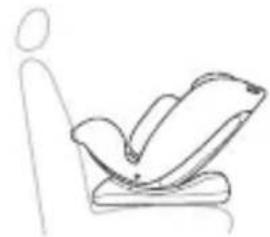
natural_image
Simple line drawing of a person sitting in a chair (no text or symbols)natural_image
Line drawing of a person sitting in a seat (no text or symbols)natural_image
Illustration of a hand pressing down on a mechanical component with a yellow patch (no text or symbols)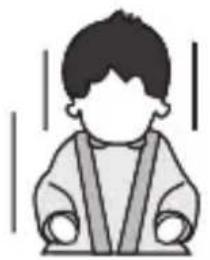
natural_image
Simple line drawing of a child wearing a vest (no text or symbols)×

natural_image
Simple line drawing of a person wearing a seatbelt (no text or symbols)×
natural_image
Simple line drawing of a person wearing a seatbelt (no text or symbols)√
natural_image
Diagram of a car seatbelt with a yellow arrow indicating clockwise motion (no text or symbols)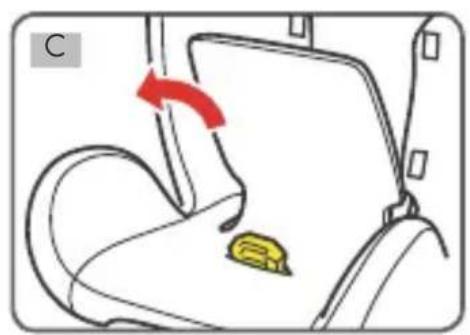
natural_image
Diagram of a car seatbelt with a red arrow indicating rotation, showing no text or symbols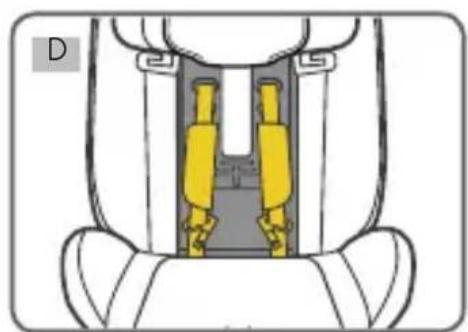
natural_image
Diagram of a car seatbelt with yellow belt (no text or symbols)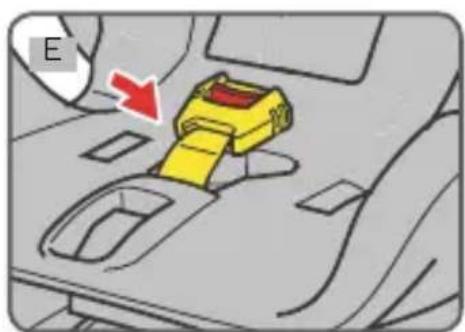
natural_image
Interior view of a car seatbelt with a yellow belt switch and red arrow indicating direction (no text or symbols)
Thank you for choosing our child car seat. If you need help with this product, please contact our customer service.
USE
- This product is suitable for children 40 to 150~cm in height.
- When installing rear-facing from 40 to 105cm height (max. 18kg ) the child car seat is installed with the car's 3-point belt. The child is strapped in with the 5-point belt on the child car seat.
- When installing forward-facing from 100 to 150~cm height the child is strapped in with the child car seat using the car's 3-point belt.
EXTREME DANGER
We recommend installing the child car seat on the rear seat of the vehicle. DO NOT attach the child car seat for rear-facing use for children 40 to 105 cm in height on a front seat where there is an airbag. It may be used on the front seat if the airbag can be deactivated. Please refer to the vehicle manual for more information about this.
PLEASE NOTE
NOTE (40–105 cm):
This is an improved belt child restraint system of the “universal” category. It has been approved in accordance with UN Regulation No 129 for use primarily with vehicle seats which are suitable for improved restraint systems in the "universal" categories as specified by the vehicle manufacturer in the vehicle manual. If in doubt, the manufacturer of the enhanced child restraint system or the retailer should be consulted.
NOTE (100 - 150 cm):
This is an optimised i-Size children's booster seat. It is approved under Regulation No. 129 for use primarily on "i-Size vehicle seats" as specified by vehicle manufacturers in the vehicle manual. If in doubt, contact either the manufacturer of the extended child restraint system or the dealer.
IMPORTANT
DO NOT USE THE CHILD CAR SEAT IN THE DIRECTION OF TRAVEL UNTIL THE CHILD HAS REACHED THE AGE OF 3.
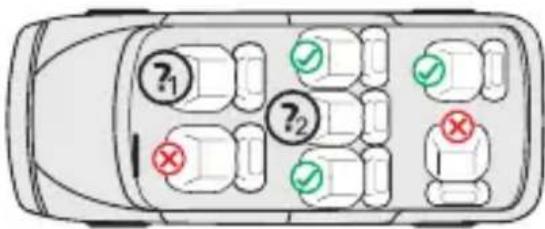
1.: Only if there is at least a 3-point car seat belt. For rear-facing use and only if the airbag can be deactivated.
2.: Only if there is at least a 3-point car seat belt.
The following table provides information about the fastening devices and methods:
| Height range | Installation direction | Installation Type | Child safety device | |
| 40–105 cm | Rear-facing | 3-point car seat belt | Universal belted | 5-point seat-belt on the child seat |
| 100–150 cm | Forward-facing | 3-point car seat belt | i-Size booster seat | 3-point car seat belt |
WARNING
- Please read through these instructions carefully before use in order to guarantee the safety of your child. Retain the instructions. Non-compliance with the instructions in this manual may result in serious injuries to your child.
- The child seat can only be used with its own 5-point belt system for children who weigh under 18 kg and are less than 105 cm in height.
- The child seat CANNOT be used with its own 5-point belt system for children who weigh over 18 kg or are taller than 105 cm.
- Do not use load-bearing contact points other than those described in the instructions and indicated on the child restraint system.
- Do not use this child car seat at home. It has been designed exclusively for use in a car.
- Do not leave your child unsupervised in the seat at any time.
- Do not place the rear-facing child car seat on the front seat with an activated airbag. This could lead to serious injuries or death.
- The child seat must be replaced if it is exposed to heavy impact in an accident.
- For safety reasons, the child car seat must be secured in the vehicle even when there is no child sitting in the child car seat.
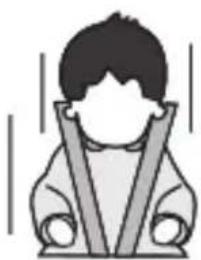
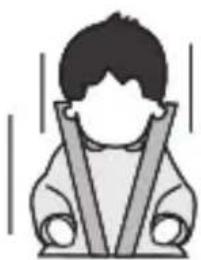
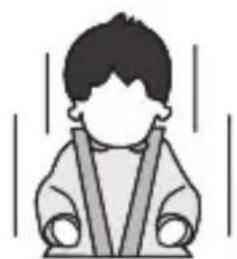
- Always make sure that all belts that attach the child car seat to the vehicle are secure and that all belts that restrain the child are adjusted to fit the child's body. Ensure that the belts are not twisted.
- Items of luggage and other objects that could cause injury in the event of a collision must be properly secured.
- The rigid elements and plastic parts of a child restraint system must be positioned and installed so that they cannot become jammed by a movable seat or a vehicle door.
- It is important that belts that sit low hold the child's pelvis firmly in place. Your child should always be fastened in to stop them falling out.
- It is dangerous to make changes or additions to the product without approval from the responsible authority. Non-compliance with the installation instructions provided by the manufacturer of the child restraint system may also present risks to the safety of your child.
- This child seat is designed for children with a maximum height of 150 cm. Never overload the child seat by transporting more than one child or additional loads in it.
- The child restraint system must not be used without the seat cover.
- The seat cover must not be replaced by a cover other than that recommended by the manufacturer, as this seat cover is an important component of the restraint system.
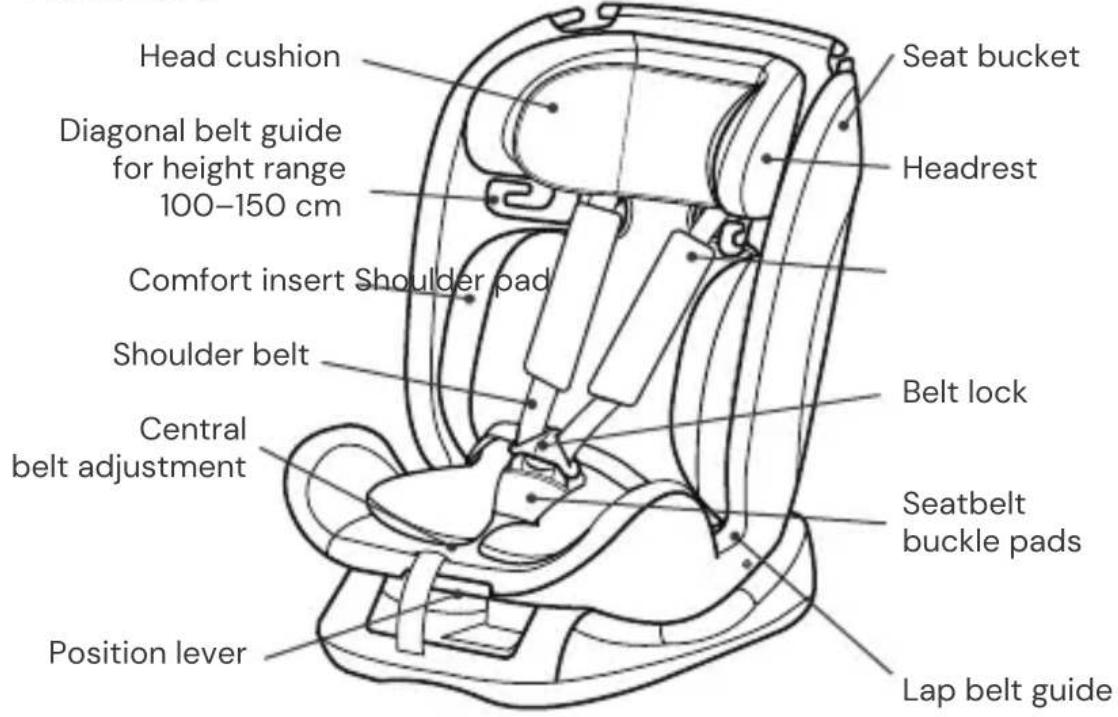
SEAT PARTS
Front view
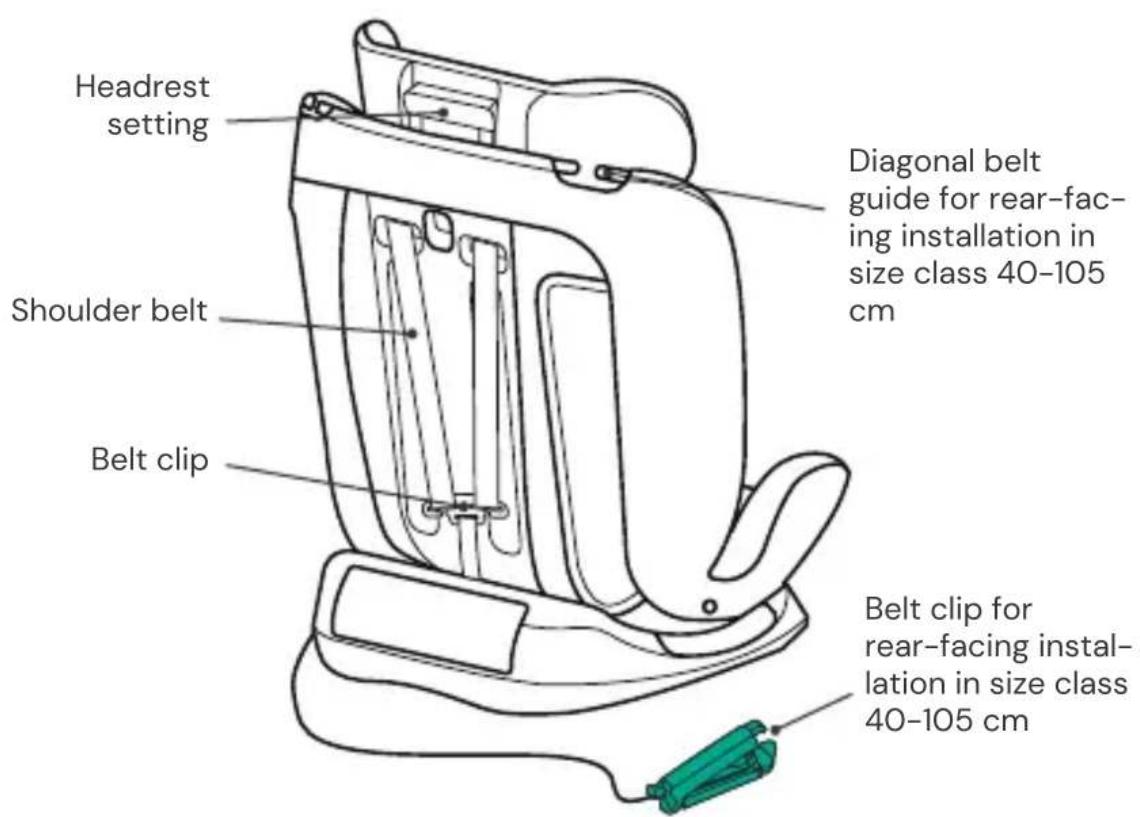
Rear view
CLEANING
To guarantee long-term use of your child car seat, do not use any solvents, abrasive cleaners or aggressive cleaning agents to clean the car seat. Check the stability of the fabric and the seams after each wash. When washing the fabric, carefully follow the instructions on the label (see below).

Wash at 30°C, gentle wash cycle
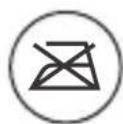
DO NOT iron
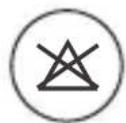
DO NOT bleach
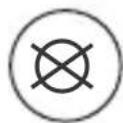
DO NOT dry clean
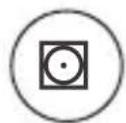
Tumble dry at low temperature
MAINTENANCE
Check the condition of the product for possible damage at regular intervals. In the event of damage, the child car seat must no longer be used and must be stored out of the reach of children.
In case of any issues, please contact
Osann customer service on +49 (0)7731 970077.
USING THE CHILD CAR SEAT
Adjusting the belt
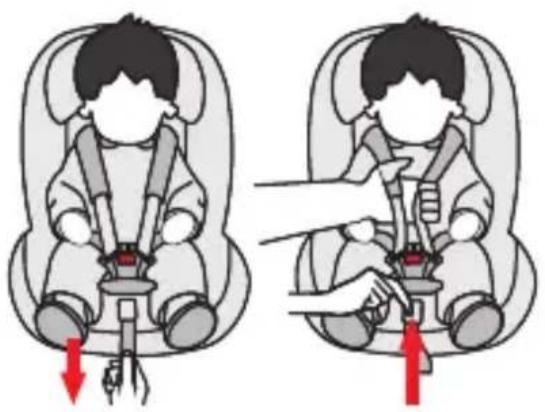
- To loosen the belt, press the belt adjustment button in the seat area with one hand. Hold the belt buckle with the other hand and carefully loosen the attached straps.
- Pull the front adjustment strap to tighten the belts. Ensure that the straps are not twisted.
natural_image
Illustration of a child in a baby car seat being lifted, showing the seatbelt mechanism (no text or symbols present)Opening/closing the belt
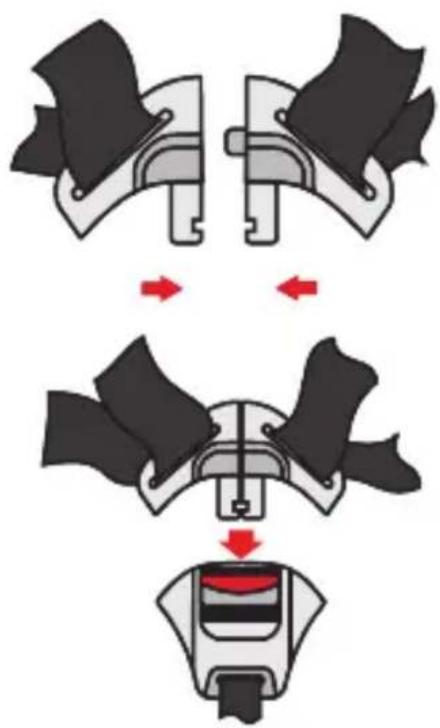
- To unlock the belt, press the button on the belt buckle, pull out the buckle tongues and separate them.
- To lock the belt, fi rst, connect both tongues of the buckle and then insert them together into the belt buckle.
natural_image
Diagram showing two mechanical fasteners with red directional arrows indicating motion (no text or symbols)Head cushion & comfort insert
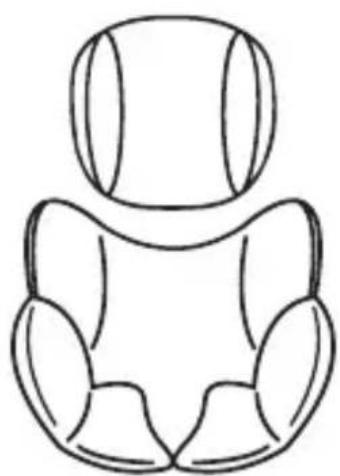
- The head cushion and comfort insert are designed for babies with a body height of 40 - 75 cm.
- Please remove both inserts as soon as your child has exceeded the spec-ifi ed body size.
natural_image
Simple line drawing of a seated car seat with no text or symbolsUSING THE CHILD CAR SEAT
Setting the child car seat tilt angle
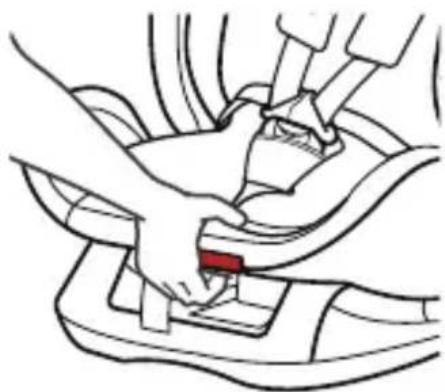
• Operate the position lever on the lower front of the seat bucket with one hand.
- Hold the seat bucket with the other hand and adjust the angle.
The following seat positions are possible:
(Please see the label on the child car seat)
Rear-facing, Height 40–105 cm, 1 position (R)
Forward-facing, Height 100–150 cm, at least 3 years old, 3 positions (1–3)
natural_image
Line drawing of a hand pressing down on a car seatbelt (no text or symbols)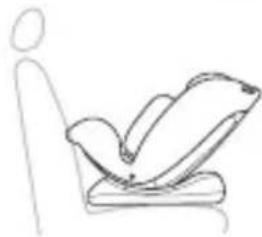
natural_image
Simple line drawing of a person sitting on a chair with a curved arm seat (no text or symbols)Only rear-facing (Sample illustration)
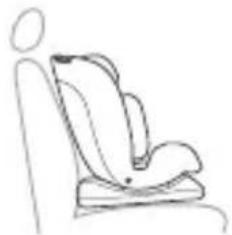
natural_image
Line drawing of a person sitting in a car seat (no text or symbols)Only forward-facing (Sample illustration)
Adjusting the headrest
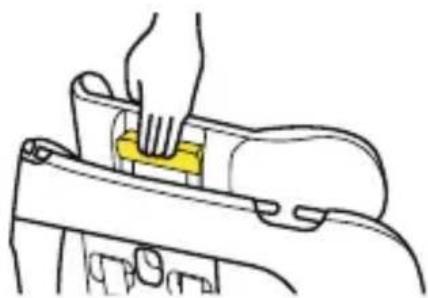
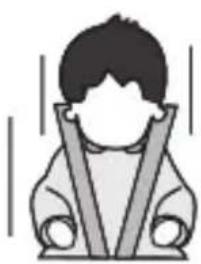
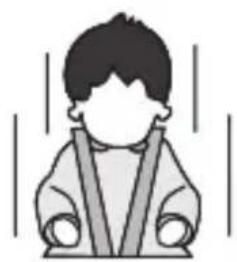
- Release the belt and pull the lever to adjust the headrest on the back of the child car seat. Move the headrest until it engages at the correct height.
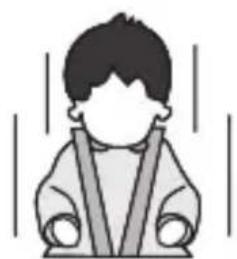
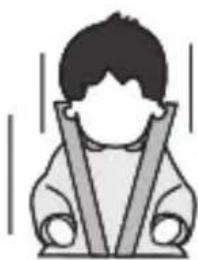
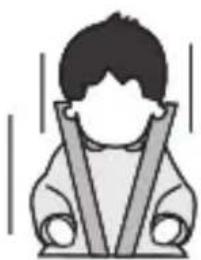
- Make sure the shoulder belts are positioned just above your child's shoulders when they come out of the child car seat.
- Release the lever and ensure that the headrest is engaged.
natural_image
Illustration of a hand pressing a yellow component into a mechanical device (no text or symbols)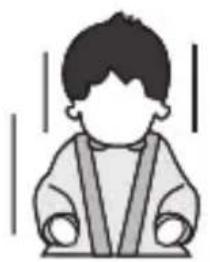
natural_image
Simple line drawing of a child wearing a vest (no text or symbols)×
natural_image
Simple line drawing of a person wearing a safety vest (no text or symbols)×

natural_image
Simple line drawing of a person wearing a seatbelt (no text or symbols)√
Removing the 5-point belt for children 100–150 cm in height
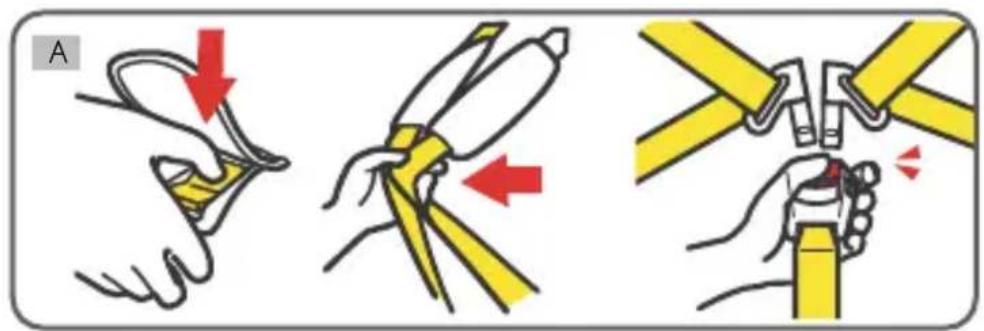
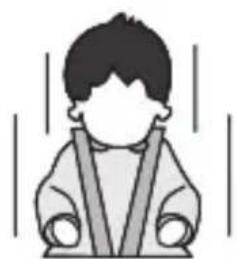
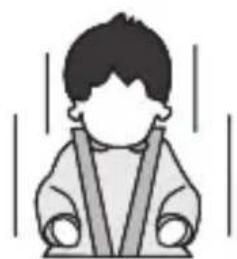
- Loosen the belt and open the belt buckle (Fig. A).
- Remove the seatbelt buckle pad and store it for later use.
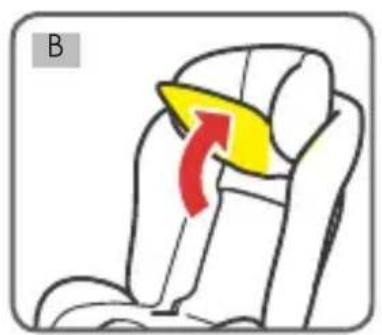
- Fold the lower section of the headrest cover upwards (Fig. B) and the lower section of the backrest cover forwards (Fig. C).
- Stow the shoulder belts including shoulder pads and belt tongues behind the seat cover in the back area (Fig. D).
- Thread the belt buckle through the slot in the seat cover and stow it in the opening provided in the seat area (Fig. E).
natural_image
Diagram of a car seatbelt with a yellow arrow indicating clockwise motion (no text or symbols)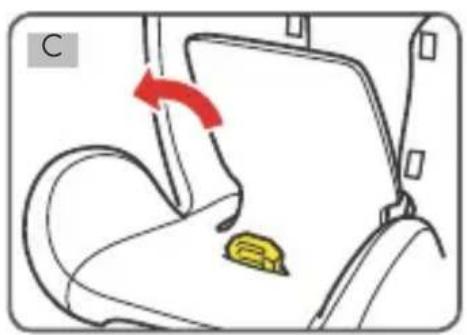
natural_image
Diagram of a car seatbelt with a red arrow indicating rotation and a yellow tag on the seat (no text or symbols)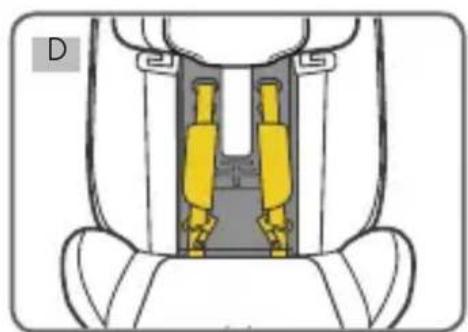
natural_image
Diagram of a car seatbelt with yellow belt and gray frame (no text or symbols)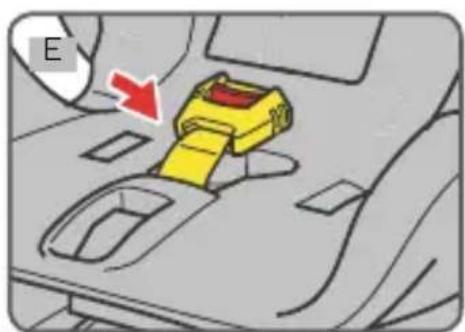
natural_image
Interior view of a car seatbelt with a yellow belt switch and red arrow indicating direction (no text or symbols)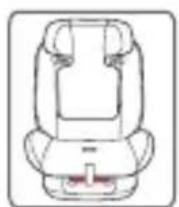
INSTALLING THE CHILD CAR SEAT
1) Size class 40–105 cm, max. 18 kg, rear-facing
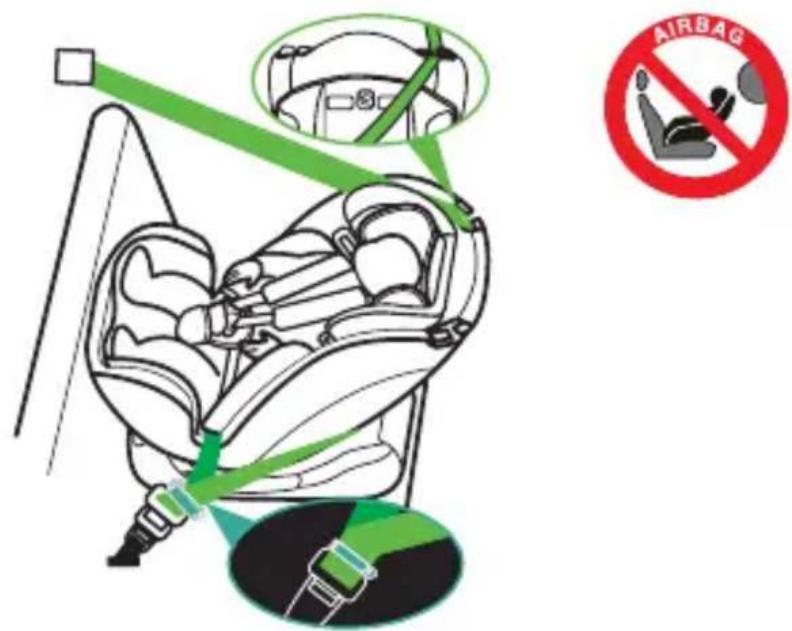
- Adjust the seating position of the child car seat to the R position.
- Place the child car seat on your car seat so that the child's line of sight is opposite to the direction of travel.
- Push the child car seat in until it rests securely against the backrest of the vehicle seat.
- Open the 5-point belt system of the child car seat and remove the comfort insert including the head cushion.
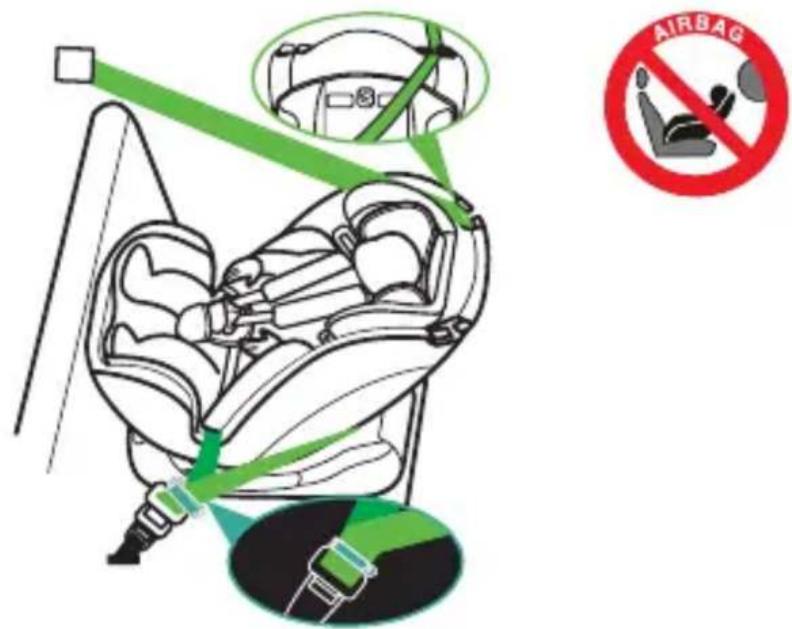
- Pull the 3-point car seatbelt out to its maximum length and feed the lap belt through the side guides on the child car seat from one side to the other, then fasten the buckle of the 3-point belt so that it clicks in place audibly. The lap belt runs on the seat surface between the shoulder belts and the belt buckle.
- Now reinsert the comfort insert together with the head cushion into the child car seat.
- Guide the diagonal belt along the outer shell of the child car seat. Thread the diagonal belt through the belt guide at the top of the seat shell. Always use the belt guide on the side of the child seat facing the car door.
- Pull as tightly as possible on the diagonal belt until the whole of the 3-point belt is taut and the child car seat is firmly in position. Make sure that the straps are not twisted.
- Now take the green belt clamp and open it. Fasten the belt clamp around the diagonal belt as well as the lap belt, as close as possible to the belt buckle of the 3-point belt.
- Put your child in the child car seat.
- Adjust the height of the headrest so that the shoulder belt is level with your child's shoulders.
12.Fasten the belt buckle again until you hear a click. - Pull the front adjustment strap to tighten the belts. Make sure that the straps are not twisted.
2) Size class 100-150 cm, forward-facing
-
The 5-point harness of the child car seat must be stowed as previously described. This is not needed in this size class.
-
The child car seat is used forward-facing in this size class and has 3 seating positions.
-
Push the child car seat in until it rests securely against the backrest of the vehicle seat.
-
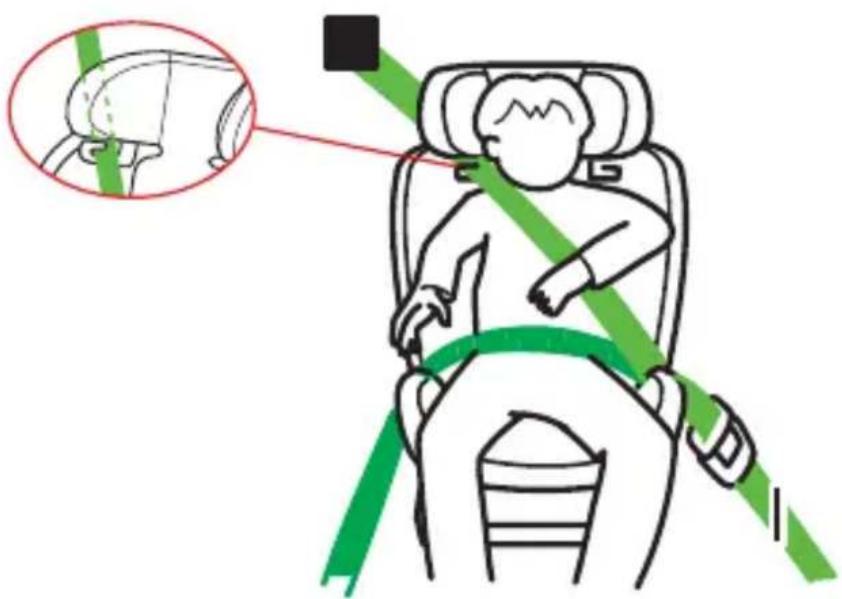
Thread the diagonal belt of the 3-point seat belt in the car through the diagonal belt guide on the headrest of the child car seat.
-
Put your child in the child car seat.
-
Adjust the height of the headrest so that the child's head is fully in the headrest and the diagonal belt comes out through the belt guide at the level of the child's shoulders.
-
Close the belt buckle of the 3-point seat belt until you hear a click.
-
Pull on the diagonal belt to tighten it. Make sure that the straps are not twisted.
-
Make sure that the straps run along the green markings in the lap area.
natural_image
Illustration of a child in a baby car seat being lifted, showing two scenarios with red arrows indicating force or pressure (no text or symbols present)natural_image
Diagram showing two mechanical fasteners with red directional arrows indicating motion (no text or symbols)natural_image
Simple line drawing of a seated car seat with no text or symbolsUTILISATION DU SIÈGE AUTO POUR ENFANT
natural_image
Line drawing of a hand pressing down on a car wheel (no text or symbols)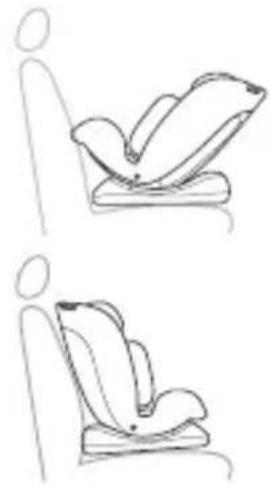
natural_image
Line drawings of a person's seat and backrest (no text or symbols)natural_image
Illustration of a hand using a tool to press or install a yellow component on a mechanical part (no text or symbols visible)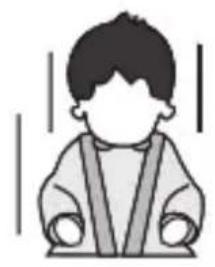
natural_image
Simple line drawing of a child wearing a vest (no text or symbols)×
natural_image
Simple line drawing of a person wearing a safety harness (no text or symbols)×
natural_image
Simple line drawing of a person wearing a seatbelt (no text or symbols)√
natural_image
Diagram of a car seatbelt with a yellow arrow indicating clockwise motion (no text or symbols)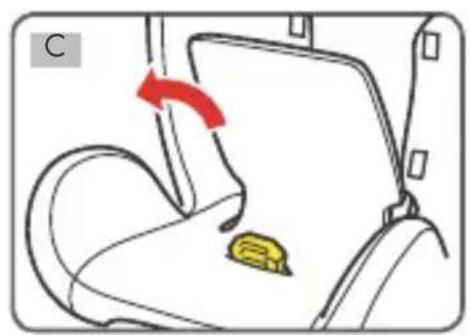
natural_image
Diagram of a car seatbelt with a red arrow indicating rotation, showing no text or symbols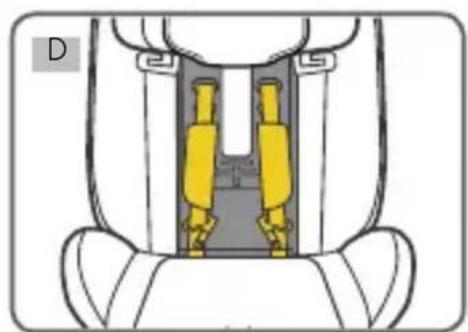
natural_image
Diagram of a car seatbelt with yellow belt bands (no text or symbols)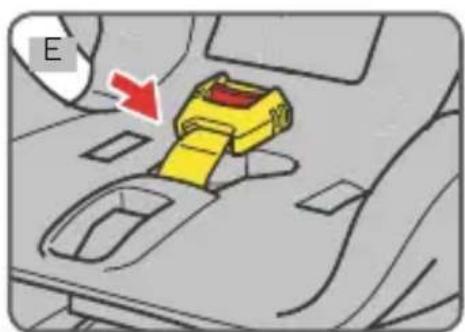
natural_image
Interior view of a car seatbelt with a yellow belt switch and red arrow indicating direction (no text or symbols)
INSTALLATION DU SIÈGE AUTO POUR ENFANT
natural_image
Illustration of a car seatbelt with green safety belt and magnified inset showing the seatbelt (no text or symbols)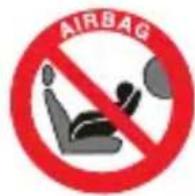
natural_image
Illustration of a child in a car seat being lifted, showing two scenarios with red arrows indicating force or pressure points (no text or symbols present)natural_image
Diagram showing two mechanical fasteners with red directional arrows indicating motion (no text or symbols)natural_image
Simple line drawing of a seated car seat with no text or symbolsUTILIZZO DEL SEGGIOLINO AUTO
natural_image
Line drawing of a hand pressing down on a car wheel (no text or symbols)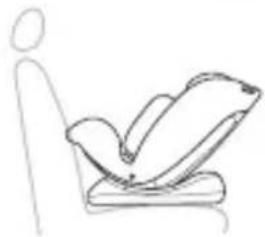
natural_image
Simple line drawing of a person sitting in a chair (no text or symbols)natural_image
Line drawing of a person sitting in a car seat (no text or symbols)natural_image
Illustration of a hand pressing down on a mechanical component with a yellow highlighted area (no text or symbols)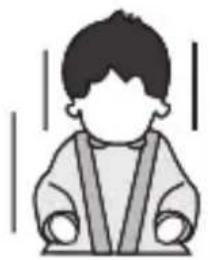
natural_image
Simple line drawing of a child wearing a vest and holding hands (no text or symbols)×
natural_image
Simple line drawing of a person wearing a safety harness (no text or symbols)×
natural_image
Simple line drawing of a person wearing a seatbelt (no text or symbols)√
natural_image
Diagram of a car seatbelt with a yellow arrow indicating clockwise motion (no text or symbols)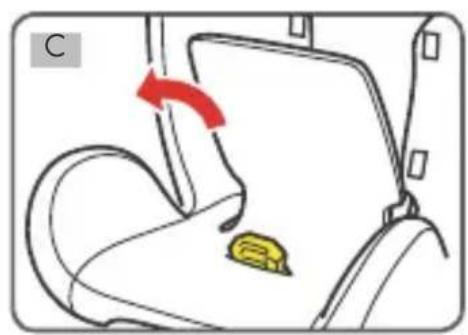
natural_image
Diagram of a car seatbelt with a red arrow indicating rotation, showing no text or symbols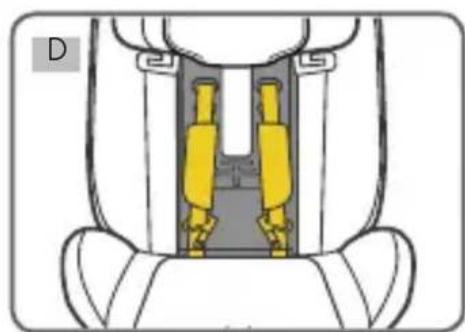
natural_image
Diagram of a car seatbelt with yellow belt and gray frame (no text or symbols)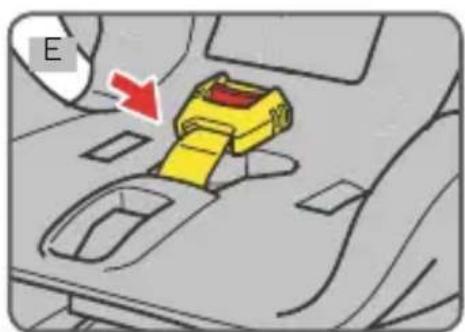
natural_image
Interior view of a car seatbelt with a yellow belt switch and red arrow indicating direction (no text or symbols)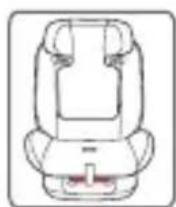
MONTAGGIO DEL SEGGIOLINO AUTO PER BAMBINI
natural_image
Illustration of a child in a baby car seat being lifted, showing two scenarios with red arrows indicating force or pressure points (no text or symbols present)natural_image
Diagram showing two mechanical components with arrows indicating motion or assembly, no text or symbols presentnatural_image
Simple line drawing of a seated car seat with no text or symbolsnatural_image
Line drawing of a hand pressing down on a car wheel (no text or symbols)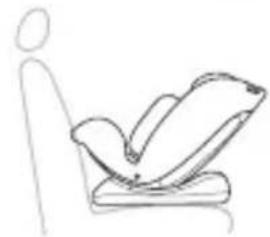
natural_image
Simple line drawing of a person sitting in a chair (no text or symbols)natural_image
Line drawing of a person sitting in a seat (no text or symbols)natural_image
Illustration of a hand pressing down on a mechanical component with a yellow highlighted area (no text or symbols)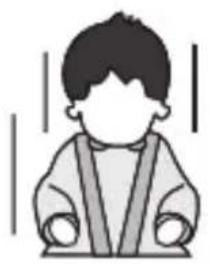
natural_image
Simple line drawing of a child wearing a vest (no text or symbols)×
natural_image
Simple line drawing of a person wearing a safety harness (no text or symbols)×
natural_image
Simple line drawing of a person wearing a seatbelt (no text or symbols)√
natural_image
Diagram of a car seatbelt with a yellow arrow indicating clockwise motion (no text or symbols)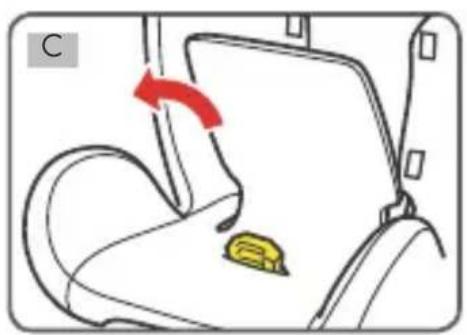
natural_image
Diagram of a car seatbelt with a red arrow indicating rotation, showing no text or symbols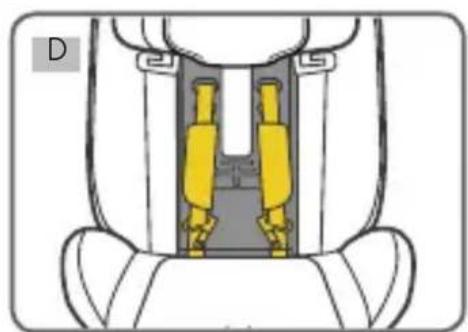
natural_image
Diagram of a car seatbelt with yellow belt bands (no text or symbols)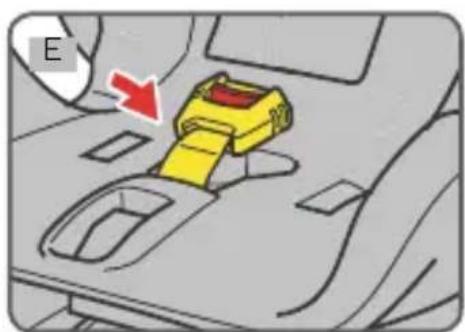
natural_image
Interior view of a car seatbelt with a yellow belt switch and red arrow indicating direction (no text or symbols)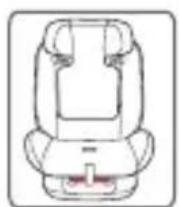
MONTAGE VAN HET AUTOSTOELTJE
1) Lengteklasse 40-105 cm, max. 18 kg, achterwaarts gericht
natural_image
Illustration of a child in a baby car seat being lifted, showing two scenarios with red arrows indicating force or pressure (no text or symbols present)natural_image
Diagram showing two mechanical fasteners with red directional arrows indicating motion (no text or symbols)natural_image
Simple line drawing of a seated car seat with no text or symbolsUSO DEL ASIENTO INFANTIL PARA AUTOMÓVIL
natural_image
Line drawing of a hand pressing down on a car wheel (no text or symbols)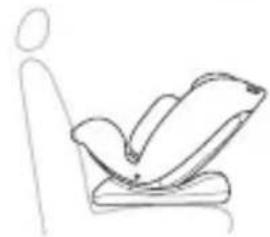
natural_image
Simple line drawing of a person sitting in a chair (no text or symbols)natural_image
Line drawing of a person sitting in a seatbelt (no text or symbols)natural_image
Illustration of a hand pressing down on a mechanical component with a yellow highlighted area (no text or symbols)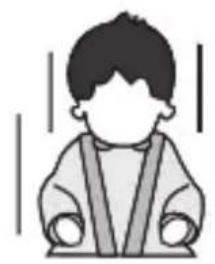
natural_image
Simple line drawing of a person wearing a vest and holding hands (no text or symbols)×
natural_image
Simple line drawing of a person wearing a safety harness (no text or symbols)×
natural_image
Simple line drawing of a person wearing a seatbelt (no text or symbols)√
natural_image
Diagram of a car seatbelt with a yellow arrow indicating clockwise motion (no text or symbols)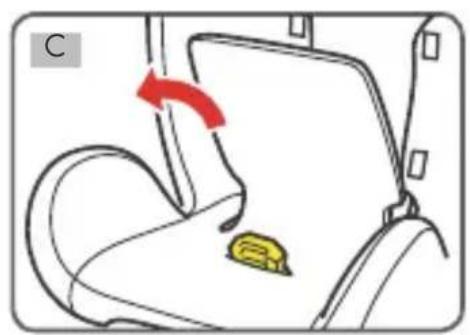
natural_image
Diagram of a car seatbelt with a red arrow indicating rotation, showing no text or symbols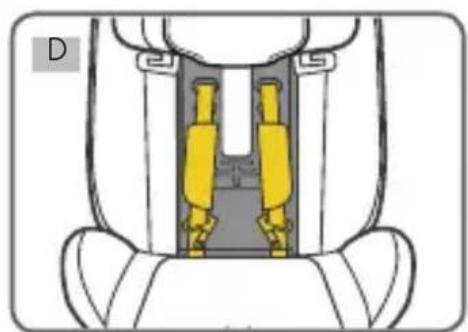
natural_image
Diagram of a car seatbelt with yellow belt bands (no text or symbols)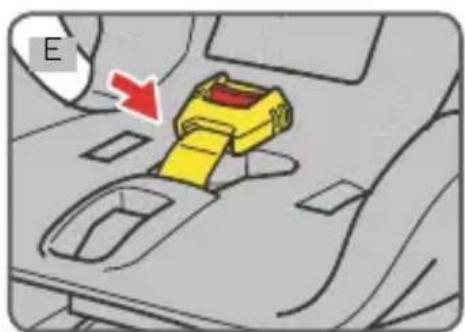
natural_image
Interior view of a car seatbelt with a yellow belt switch and red arrow indicating direction (no text or symbols)
natural_image
Simple black-and-white cartoon illustration of two large circles (no text or symbols)