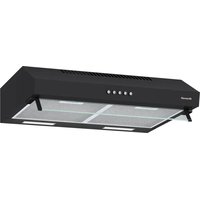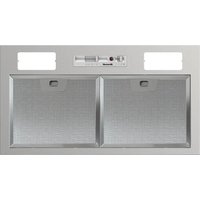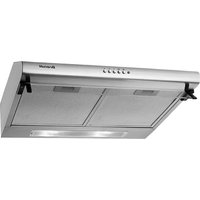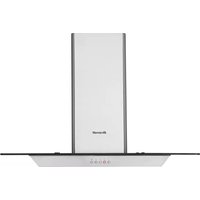
AT1349X - Basket BRANDT - Free user manual and instructions
Find the device manual for free AT1349X BRANDT in PDF.



| Product type | Cooker hood |
| Brand | Brandt |
| Model | AT1349X |
| Power supply | 230 V / 50 Hz (standard voltage and frequency) |
| Lighting power | 2 halogen bulbs E14 28W max |
| Suction speeds | 3 speeds |
| Exhaust type | External ducting or internal recirculation version |
| Exhaust duct diameter | 120 mm |
| Minimum safety distance (electric) | 50 cm |
| Minimum safety distance (gas/mixed) | 65 cm |
| Grease filter | Cleanable metal filter (dishwasher or manual) |
| Activated carbon filter | Optional, for recirculation version, replace every 4 months maximum |
| Cleaning the hood | Interior and exterior at least once a month |
| Installation type | Under cabinet (bottom or side) |
| Special functions | Extractable drawer, cooktop lighting |
| After-sales service | 0892 02 88 01 (€0.34/min), FagorBrandt Consumer Service |
Frequently Asked Questions - AT1349X BRANDT
User questions about AT1349X BRANDT
0 question about this device. Answer the ones you know or ask your own.
Ask a new question about this device
Download the instructions for your Basket in PDF format for free! Find your manual AT1349X - BRANDT and take your electronic device back in hand. On this page are published all the documents necessary for the use of your device. AT1349X by BRANDT.
USER MANUAL AT1349X BRANDT
EN INSTRUCTION ON MOUNTING AND USE
text_image
Technical diagram showing a mechanical assembly with labeled components and connection lines, including a housing icon and a cable.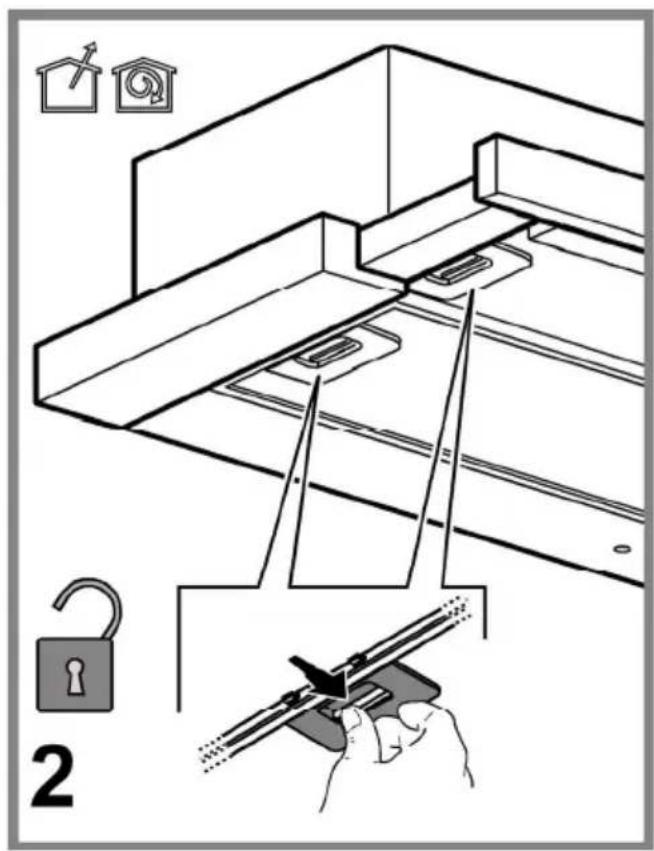
text_image
Technical diagram illustrating door lock installation steps with labeled components and a close-up of the lock mechanism.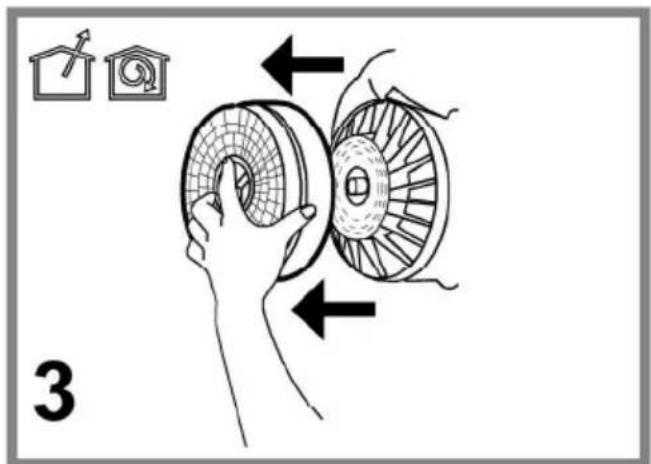
text_image
3
natural_image
Technical line drawing of a mechanical assembly with a tool and component, no text or symbols present

text_image
4x Ø 4,2x35
natural_image
Technical line drawing of a mechanical assembly with mounting base, clamping fixtures, and central hub (no text or symbols)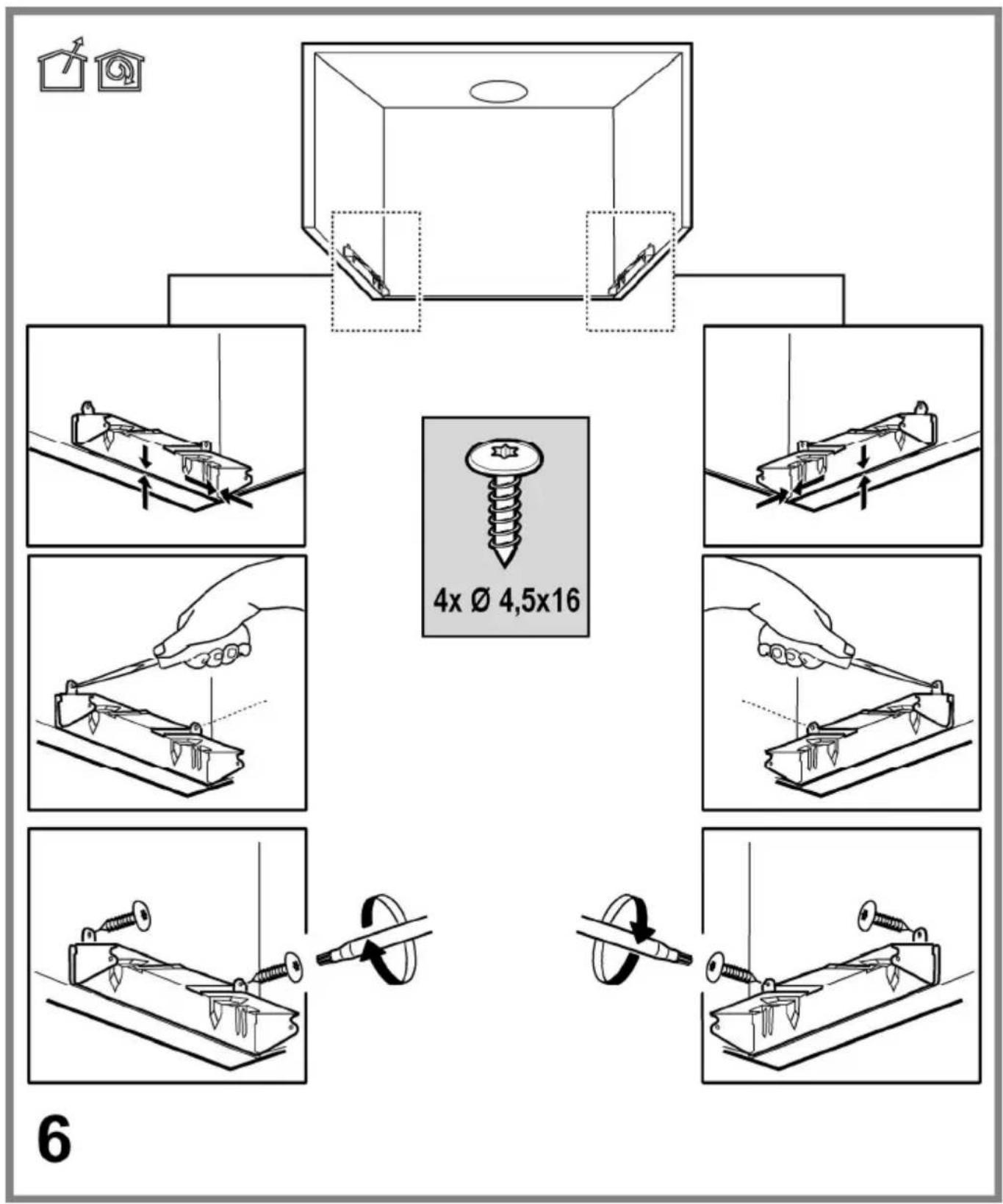
text_image
4x Ø 4,5x16 6

text_image
4 x Ø 4x8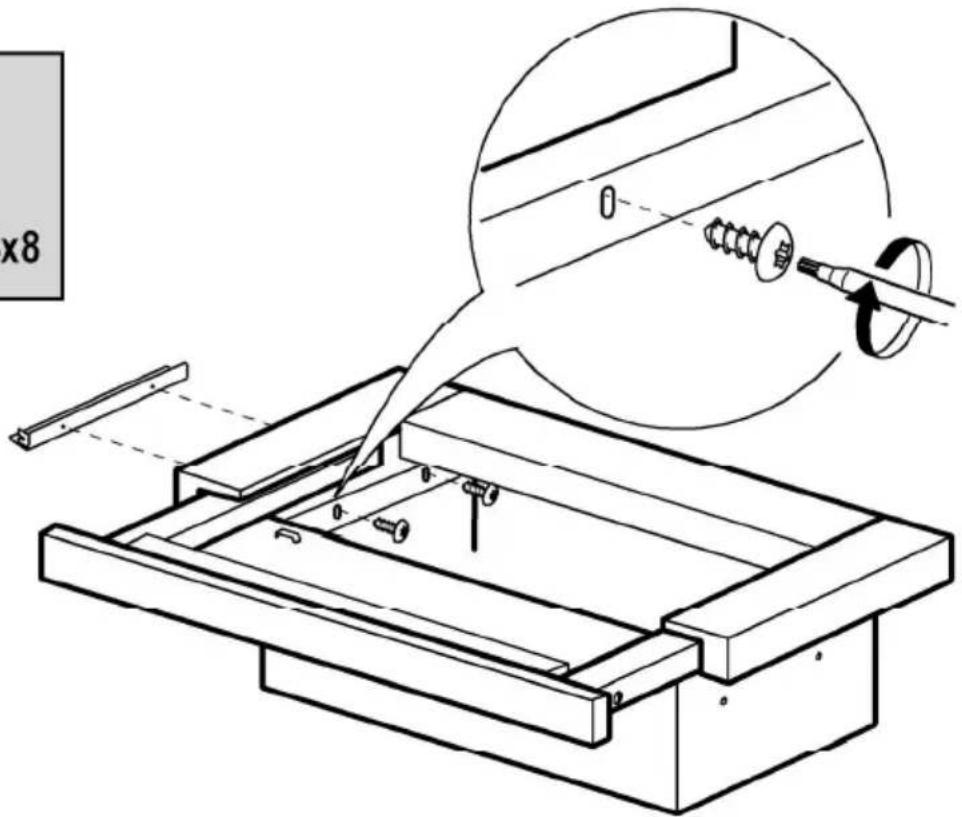
text_image
x8
natural_image
Technical line drawing of a mechanical assembly with a magnified inset showing a screw and pin (no text or symbols)
natural_image
Technical line drawing of a mechanical assembly with internal components and mounting holes (no text or symbols)
natural_image
Three technical diagrams showing mechanical assembly steps with arrows indicating motion (no text or symbols)8

natural_image
Pure technical line drawing of a mechanical assembly without any text, numbers, or symbols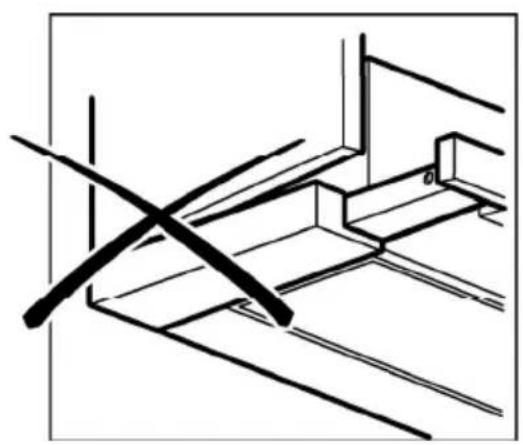
natural_image
Pure technical line drawing of a mechanical assembly without any text, numbers, or symbols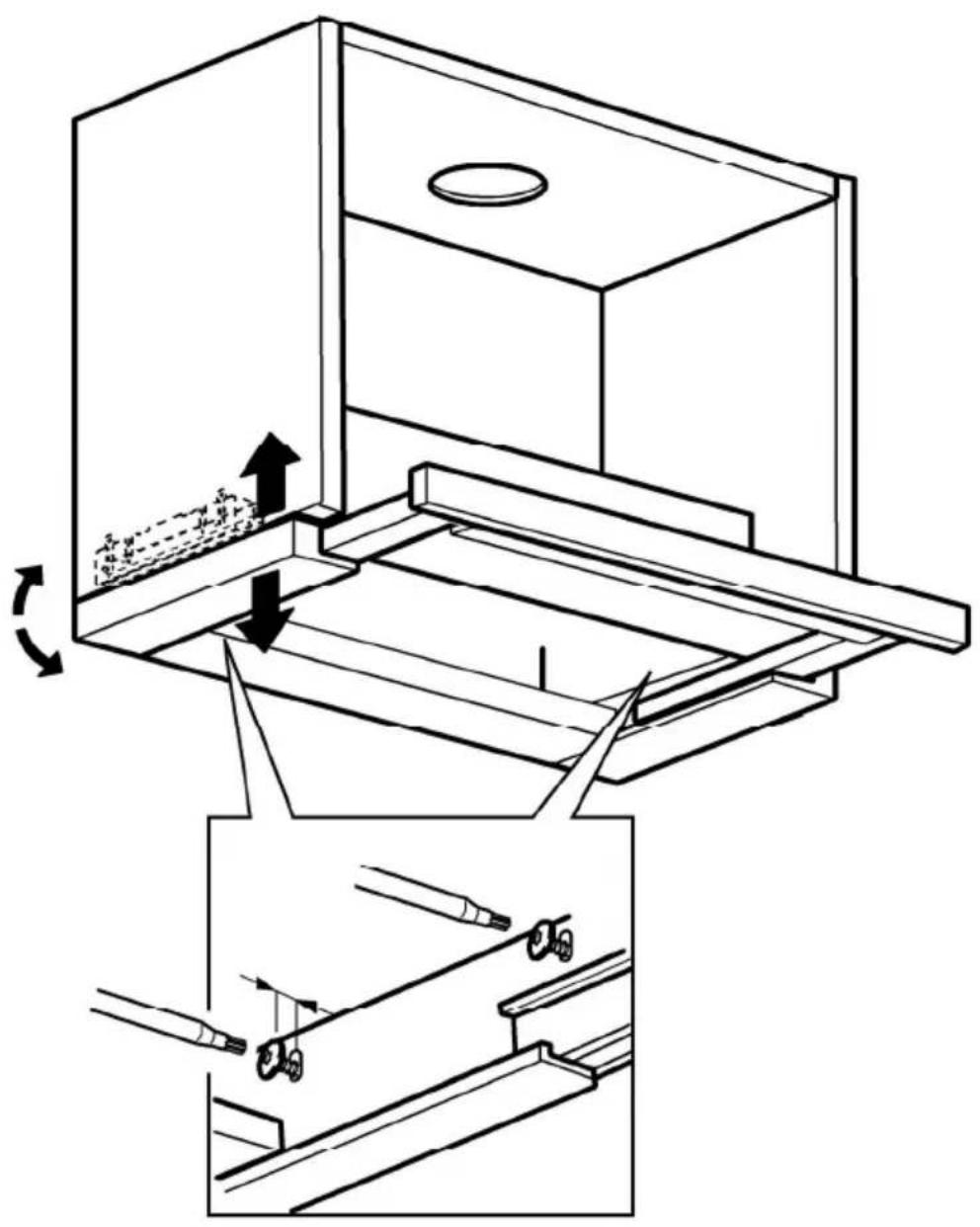
natural_image
Technical line drawing of a mechanical assembly with directional arrows indicating motion (no text or symbols)9
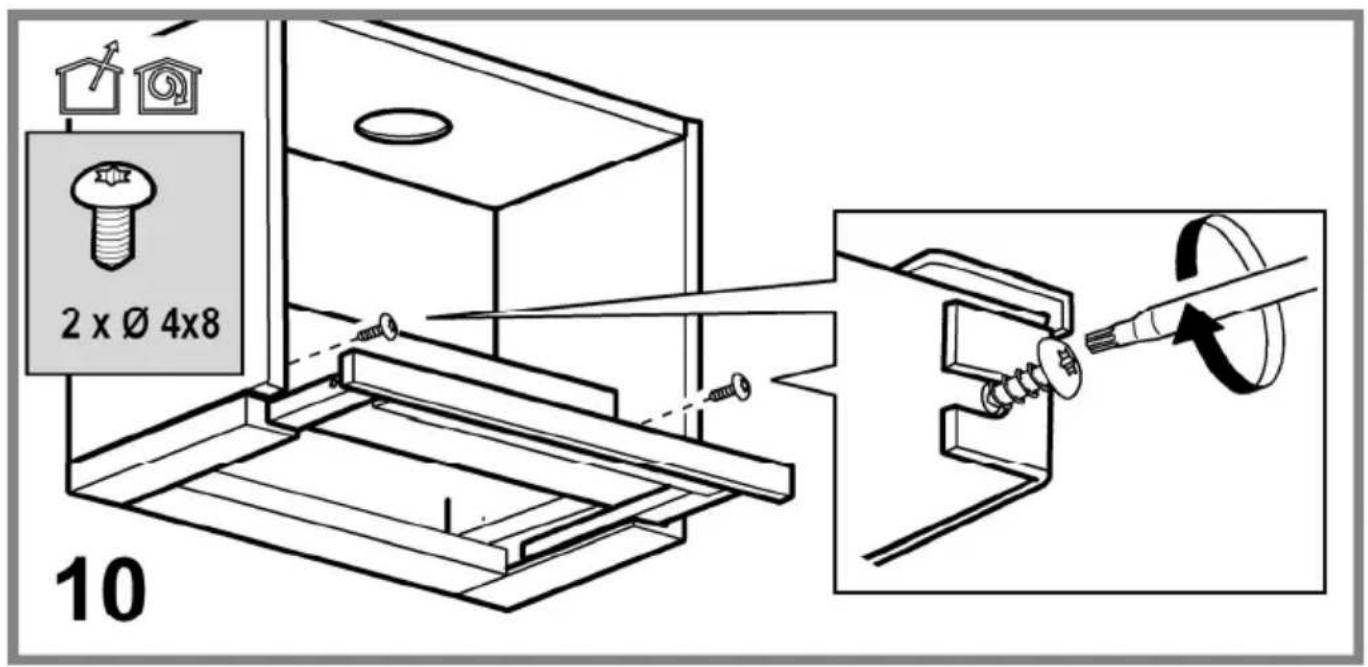
text_image
2 x Ø 4x8 10
text_image
2 x Ø 3,5x9,5 11 OK!

text_image
13 CLACK!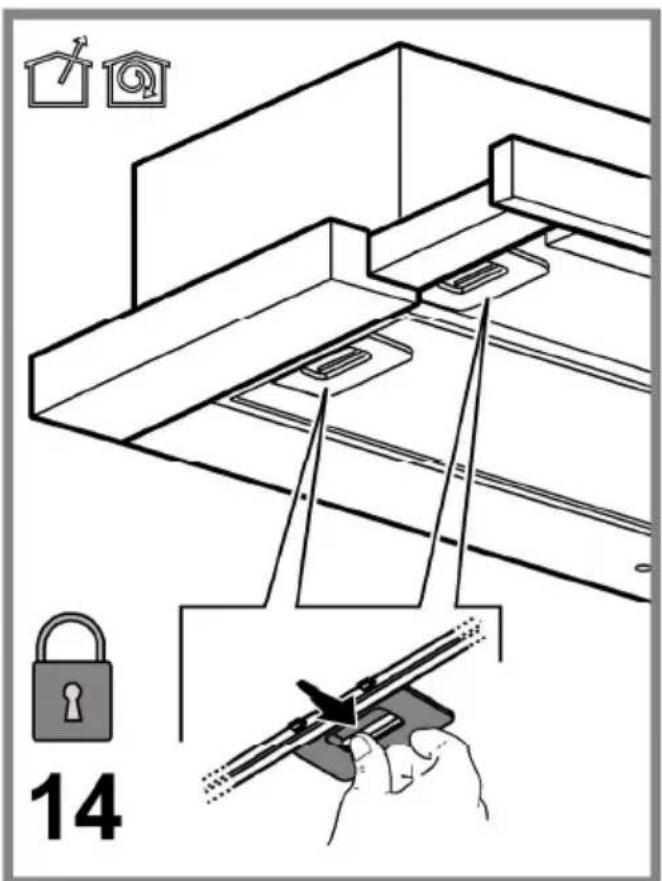
text_image
14Brandt
Chère Cliente, Cher Client,
•RELATIONS CONSOMMATEURS
You have just acquired a BRANDT hood, and we would like to thank you.
Our research teams have created this new generation of appliances for you. Their quality, design, features and technological advances make them exceptional products, and reveal our unique know-how.
Your new BRANDT hood will blend harmoniously into your kitchen and will perfectly combine extraction performance and ease of use. We wanted to offer you a product of excellence.
In the BRANDT product range, you will also find a wide choice of hobs, ovens, microwaves, dishwashers, cookers, fridges, freezers, that you can coordinate with your new BRANDT hood.
Visit our website www.brandt.com, where you will find our latest innovations as well as useful and complementary information.
BRANDT
As part of our commitment to constantly improving our products, we reserve the right to make changes to them based on technical advances to their technical and functional features and appearance.

Warning : Before installing and using your appliance, please carefully read this Guide to Installation and Use, which will allow you to quickly familiarise yourself with its operation.
www.brandt.com

Contents
EN - Instruction on mounting and use....40
Use 40
Caution 40
Installation 41
Electrical connection 41
Mounting....41
Operation 42
Maintenance 43
Cleaning 43
Grease filter 43
Charcoal filter (filter version only)....43
Replacing lamps....43
Troubleshooting....44
After-sales service 44
EN - Instruction on mounting and use
Closely follow the instructions set out in this manual. All responsibility, for any eventual inconveniences, damages or fires caused by not complying with the instructions in this manual, is declined. The hood is conceived for the suction of cooking fumes and steam and is destined only for domestic use.
Note: the elements marked with the symbol “(*)” are optional accessories supplied only with some models or elements to purchase, not supplied.
Use
The hood is conceived for the suction of cooking fumes and steam and is destined only for domestic use.
The hood is designed to be used either for exhausting or filter version.

Ducting version
In this case the fumes are conveyed outside of the building by means of a special pipe connected with the connection ring located on top of the hood.
Diameter of the exhausting pipe must be equal to that of the connection ring (∅ 120 mm).
!Attention! The exhausting pipe is not supplied and must be purchased apart.
In the horizontal runs the exhausting pipe must be slightly slanted (about 10^ ) and directed upwards to vent the air easily from the room to the outside.
Attention! If the hood is supplied with active charcoal filter, then it must be removed.
Connect the hood and discharge holes on the walls with a diameter equivalent to the air outlet (connection flange).
! Use a duct of the minimum indispensable length.
! Use a duct with as few elbows as possible (maximum elbow angle: 90°).
! Avoid drastic changes in the duct cross-section.
! Use a duct as smooth as possible inside.
! The duct must be made of certified material.
Attention! If the hood is supplied with carbon filter, then it must be removed.

Filter version
One active charcoal filter is needed for this and can be obtained from your usual retailer.
The filter removes the grease and smells from the extracted air before sending it back into the room through the upper outlet grid.

Caution
Keep this use manual with your apparatus. If the apparatus has to be sold or ceded to someone else, make sure that this manual is also sent.
Read this manual carefully before installing or using your apparatus because it contains important information for your safety and for whoever installs or uses it.
This apparatus has been created to be installed in a kitchen and for normal domestic use.
Do not use it for commercial or industrial purposes or other purposes for which it was not created.
Do not modify or try to modify the characteristics of this apparatus. It would be dangerous for you.
Using over a fuel (wood, carbon) cooking top is not authorised.
If the filtering hood is installed in a kitchen heated by an apparatus connected to a fireplace (e.g. a stove), the filtering version of the hood must be installed. Do not use the hood without fat filters.
Do not use steam or pressure cleaning equipment on your apparatus (for reasons of electrical safety).
WARNING! Do not connect the appliance to the mains until the installation is fully complete.
Before any cleaning or maintenance operation, disconnect hood from the mains by removing the plug or disconnecting the mains electrical supply.
Always wear work gloves for all installation and maintenance operations.
The appliance is not intended for use by children or persons with impaired physical, sensorial or mental faculties, or if lacking in experience or knowledge, unless they are under supervision or have been trained in the use of the appliance by a person responsible for their safety.
This appliance is designed to be operated by adults, children should be monitored to ensure that they do not play with the appliance.
This appliance is designed to be operated by adults. Children should not be allowed to tamper with the controls or play with the appliance.
Never use the hood without effectively mounted grating!
The hood must NEVER be used as a support surface unless specifically indicated.
The premises where the appliance is installed must be sufficiently ventilated, when the kitchen hood is used together with other gas combustion devices or other fuels.
The ducting system for this appliance must not be connected to any existing ventilation system which is being used for any other purpose such as discharging exhaust fumes from appliances burning gas or other fuels.
The flaming of foods beneath the hood itself is severely prohibited.
The use of exposed flames is detrimental to the filters and may cause a fire risk, and must therefore be avoided in all circumstances.
Any frying must be done with care in order to make sure that the oil does not overheat and ignite.
Accessible parts of the hood may become hot when used with cooking appliance.
With regards to the technical and safety measures to be adopted for fume discharging it is important to closely follow the regulations provided by the local authorities.
The hood must be regularly cleaned on both the inside and outside (AT LEAST ONCE A MONTH).
This must be completed in accordance with the maintenance instructions provided in this manual). Failure to follow the instructions provided in this user guide regarding the cleaning of the hood and filters will lead to the risk of fires.
Do not use or leave the hood without the lamp correctly mounted due to the possible risk of electric shocks.
We will not accept any responsibility for any faults, damage or fires caused to the appliance as a result of the non-observance of the instructions included in this manual.
Installation
The minimum distance between the supporting surface for the cooking equipment on the hob and the lowest part of the range hood must be not less than 50cm from electric cookers and 65cm from gas or mixed cookers.
If the instructions for installation for the gas hob specify a greater distance, this must be adhered to.

Electrical connection
The mains power supply must correspond to the rating indicated on the plate situated inside the hood. If provided with a plug connect the hood to a socket in compliance with current regulations and positioned in an accessible area, after installation. If it not fitted with a plug (direct mains connection) or if the plug is not located in an accessible area, after installation, apply a double pole switch in accordance with standards which assures the complete disconnection of the mains under conditions relating to over-current category III, in accordance with installation instructions.
Warning! Before re-connecting the hood circuit to the mains supply and checking the efficient function, always check that the mains cable is correctly assembled.
The hood is provided with a special power cable; if the cable is damaged, request a new one from Technical Service.
Mounting
Before beginning installation:
- Check that the product purchased is of a suitable size for the chosen installation area.
- Remove the charcoal (*) filter/s if supplied (see also relative paragraph). This/these is/are to be mounted only if you want lo use the hood in the filtering version.
- Check (for transport reasons) that there is no other supplied material inside the hood (e.g. packets with screws (*), guarantees (*), etc.), eventually removing them and keeping them.
- If possible, disconnect and move freestanding or slide-in range from cabinet opening to provide easier access to rear wall/ceiling. Otherwise put a thick, protective covering over countertop, cooktop or range to protect from damage and debris. Select a flat surface for assembling the unit. Cover that surface with a protective covering and place all canopy hood parts and hardware in it.
- In addition check whether near the installation area of the hood (in the area accessible also with the hood mounted) an electric socket is available and it is possible to connect a fumes discharge device to the outside (only suction version).
- Carry out all the masonry work necessary (e.g. installation of an electric socket and/or a hole for the passage of the discharge tube).
Expansion wall plugs are provided to secure the hood to most types of walls/ceilings. However, a qualified technician must verify suitability of the materials in accordance with the type of wall/ceiling. The wall/ceiling must be strong enough to take the weight of the hood. Do not tile, grout or silicone this appliance to the wall. Surface mounting only.
The hood can be installed on the bottom or on the sides of the kitchen wall unit
Preparations for installation
- Connect the power cable to the hood.
- Remove the grease filter/s.
- Remove, if installed, the charcoal filters (2, installed on the sides of the suction motor)
Proceed with the preferred type of installation (see "Installation on the bottom of the kitchen wall unit" or "Installation on the side of the kitchen wall unit")
Installation on the bottom of the wall unit
- Apply the drilling template on the bottom of the wall unit and drill the holes for the passage of screws, for the drain hole and for the electric cable.
Note: Repeat the drilling for the exhaust pipe and electric cable also on the ceiling or on the back of the wall unit as needed.
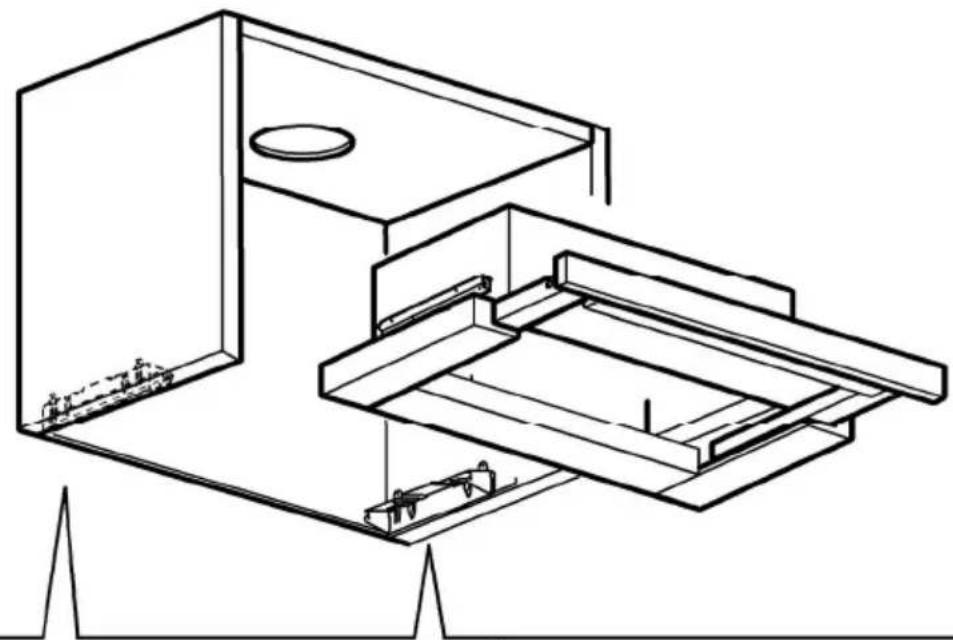
- Install the hood with the screws. Proceed with the adjustment of the drawer depth (see instructions under "Adjusting the depth of the drawer").
Installation on the sides of the wall unit
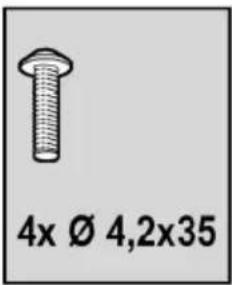
- Install the hooking rails on the sides of the wall unit with screws.
Note: Attach the rails so that they are in line with the lower and the rear edge of the wall unit.
-
Install the side brackets to the hood with the screws.
-
Slide the hood using the newly installed brackets on the rails attached to the sides of the wall unit.
-
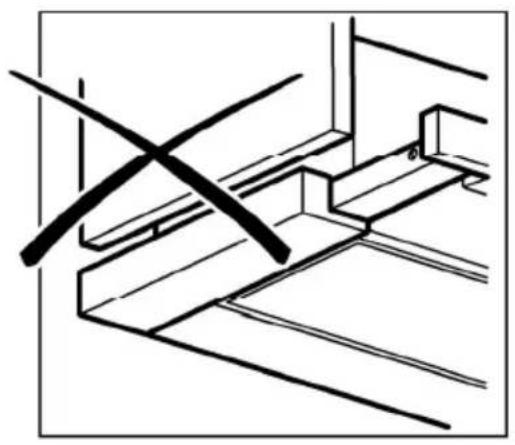
Adjust the position of the hood so that it is perfectly adherent to the wall unit.
Note: To do this, loosen the screws that secure the side brackets (see installation sequence 7) and screw them back when finished.
- Secure the hood with the screws. Proceed with the adjustment of the drawer depth (see instructions under "Adjusting the depth of the drawer").
Adjusting the depth of the drawer
- Install the adjustment brackets and secure them with the screws (not fully tighten).
Push the drawer into the desired position and tighten the screws securing the adjustment brackets that will work as "closing stop" for the drawer.
Proceed with finalizing the installation (see instructions under "Finalizing Installation").
Finalizing Installation
- Install an exhaust tube sufficiently long to reach the top of the wall unit (recirculation version) or outside (ducted version).
Perform also the cable connection to the power supply of the house.
-
Install the charcoal filters if you decide to use the hood in recirculation mode, otherwise cannot be used.
-
Reinstall the grease filter/s.
Operation
The hood is fitted with a control panel with aspiration speed selection control and a light switch to control cooking area lights.
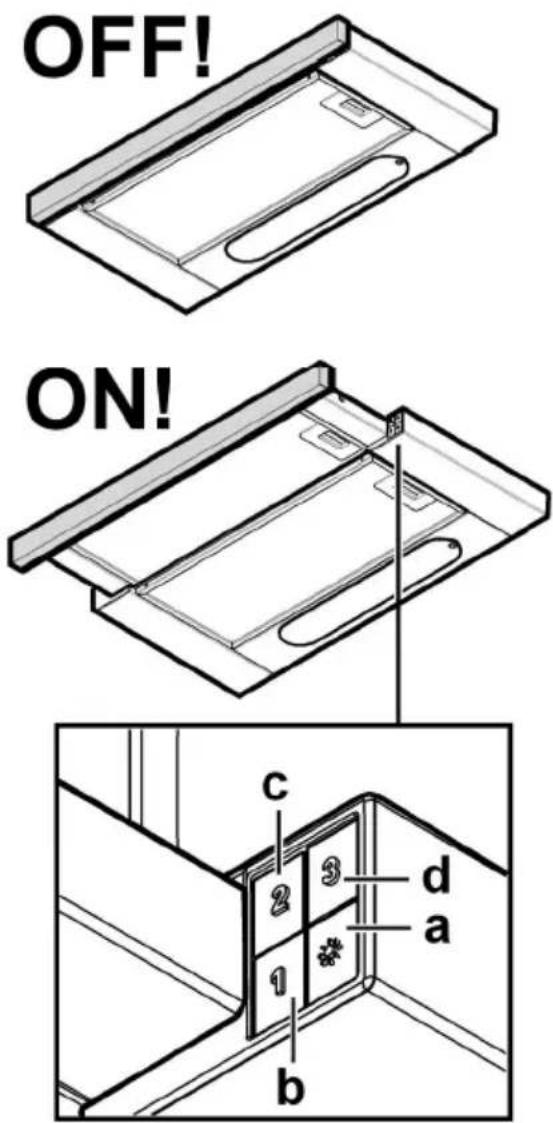
text_image
OFF! ON!a. ON/OFF light switch
b. Speed 1/OFF switch
c. 2-speed selection
d. 3-speed selection
Use the high suction speed in cases of concentrated kitchen vapours. It is recommended that the cooker hood suction is switched on for 5 minutes prior to cooking and to leave in operation during cooking and for another 15 minutes approximately after terminating cooking.
Maintenance
ATTENTION! Before performing any maintenance operation, isolate the hood from the electrical supply by switching off at the connector and removing the connector fuse.
Or if the appliance has been connected through a plug and socket, then the plug must be removed from the socket.
Cleaning
The cooker hood should be cleaned regularly (at least with the same frequency with which you carry out maintenance of the fat filters) internally and externally. Clean using the cloth dampened with neutral liquid detergent. Do not use abrasive products. DO NOT USE ALCOHOL!
WARNING: Failure to carry out the basic cleaning recommendations of the cooker hood and replacement of the filters may cause fire risks.
Therefore, we recommend observing these instructions.
The manufacturer declines all responsibility for any damage to the motor or any fire damage linked to inappropriate maintenance or failure to observe the above safety recommendations.
Grease filter
Fig. 2-14
Traps cooking grease particles.
The grease filter must be cleaned once a month using non aggressive detergents, either by hand or in the dishwasher, which must be set to a low temperature and a short cycle. When washed in a dishwasher, the grease filter may discolour slightly, but this does not affect its filtering capacity.
To remove the grease filter, pull the spring release handle.
Charcoal filter (filter version only)
Fig. 3-13
It absorbs unpleasant odours caused by cooking.
The saturation of the charcoal filter occurs after more or less prolonged use, depending on the type of cooking and the regularity of cleaning of the grease filter.
In any case it is necessary to replace the cartridge at least every four months.
The charcoal filter may NOT be washed or regenerated.
Remove the grease filters.
Apply one charcoal filter each side and hook in onto the hood.
Refit the grease filter.
CLEANING AND UPKEEP OF YOUR APPLIANCE
To keep your appliance in good working order, we recommend that you use Clearit household products.

Professional expertise for the general public
Clearit offers you professional products and adapted solutions for the daily upkeep of your household and kitchen appliances.
You may find them in conventional retail outlets, along with a complete line of by-products and consumables.
Replacing lamps
Disconnect the appliance from the electricity.
Warning! Prior to touching the light bulbs ensure they are cooled down.
Replace the old light bulb with the one of the same type as specified in the feature label or near the light lamp on the hood.
Extract the drawer completely.
Remove the grill.
Replace the damaged lamp.
Use ∅35mm E14 28W halogen candle lamps only.
Put the grill back.
If the lights do not work, make sure that the lamps are fitted properly into their housings before you call for technical assistance.
This appliance is marked according to the European directive 2002/96/EC on Waste Electrical and Electronic Equipment (WEEE). By ensuring this product is disposed of correctly, you will help prevent potential negative consequences for the environment and human health, which could otherwise be caused by inappropriate waste handling of this product.
The symbol ■ on the product, or on the documents accompanying the product, indicates that this appliance may not be treated as household waste. Instead it should be taken to the appropriate collection point for the recycling of electrical and electronic equipment. Disposal must be carried out in accordance with local environmental regulations for waste disposal.
For further detailed information regarding the process, collection and recycling of this product, please contact the appropriate department of your local authorities or the local department for household waste or the shop where you purchased this product.
Appliance designed, tested and manufactured according to:
- Safety: EN/IEC 60335-1; EN/IEC 60335-2-31, EN/IEC 62233.
• Performance: EN/IEC 61591; ISO 5167-1; ISO 5167-3; ISO 5168; EN/IEC 60704-1; EN/IEC 60704-2-13; ISO 3741; EN 50564; IEC 62301.
- EMC: EN 55014-1; CISPR 14-1; EN 55014-2; CISPR 14-2; EN/IEC 61000-3-2; EN/IEC 61000-3-3. Suggestions for a correct use in order to reduce the environmental impact: Switch ON the hood at minimum speed when you start cooking and kept it running for few minutes after cooking is finished. Increase the speed only in case of large amount of smoke and vapour and use boost speed(s) only in extreme situations. Replace the charcoal filter(s) when necessary to maintain a good odour reduction efficiency. Clean the grease filter(s) when necessary to maintain a good grease filter efficiency. Use the maximum diameter of the ducting system indicated in this manual to optimize efficiency and minimize noise.
Troubleshooting
| SYMPTOMS SOLUTIONS | |
| The hood is not working... | Ensure that:• The power is not cut off.• A speed has been selected. |
| The hood is not operating effectively... | Ensure that:• The selected motor speed is sufficient for the quantity of smoke and vapours to be cleared.• The kitchen is sufficiently ventilated to allow for fresh air intake.• The air pipe circuit involves a lack of efficiency of the cooker hoods. Contact a qualified technician.• The carbon filter is not worn (hood operating in recycling mode). |
| The hood stopped working | Ensure that:• The power is not cut off.• The single-pole cut-off device was not activated. |
After-sales service
Any maintenance on your equipment should be undertaken by:
- either your dealer,
- or another qualified mechanic who is an authorized agent for the brand appliances.
When making an appointment, state the full reference of your equipment (model, type and serialnumber).
This information appears on the manufacturer's nameplate attached to your equipment.
Brandt
Cara Cliente, Caro Cliente,