USER MANUAL COOL & HEAT EQUATION
General safety instructions. 84
Instruction for servicing appliances containing r
290 85
Technical characteristics. 90
Warranty. 91
Notes 93
Notes 94
Notes 95
AVERTISSEMENT
Li i nctpykui TaKoX DoCTynHb
aIbTePhaTnBHomy fOpMaTi Ha Be6-caTi
http://www.ERP-equation.com/ac/.
-
Γa3oπoɪðn xɔlɔoərænt R290 Biɪnɒbiæ BVMʊrəm εΒpɒneɪcʌbκx ᶅnpεktɪb y cʃepi oxopoɪnɪ doBkɪŋ.
-
Léien pincpti miCtntb pnp6bn3Ho 0,215 kT ra3oonoi6Horo xolnoaereHTy R290. 3a npabntu moKHa 0toha6IbIbe 0,250 kT xoloaoareHTy.
BVKOpncToByuTeIpa03MopoxyBaHHaTQOniUeHHaTIbKn 3acobn,peKOMeHIOBaHbI Bnpo6HnKoM.
-
He BnKOpncTObuYte npCtpiy y npMiiUeHHI 3 NoCTiHm DKepeLOM 3aMaHHa, HApNKlaad TaM, De E BiDkPrtN BOHOb a60 npaIooTb rA3OBe 06laHaHHa YI eEKeTpnuH Hiarpiaay.
-
He npokoiH Te XoDi KOMnOHeHTN KOHTpy XoNoOaReHTy.
12. BnAByHEnHpiDkNx rOpOuNx XoIooaReHTiB
He BnKOpNCToBvIe TnI NIOUky a6o BnRbEnHn BInTOkIB XOIOAoReHTy 3aO6n, IIO MOKtBy 6yTn IOTeHcIiHm DJKepeIOM 3aImaHn. He BnKOpNCToBvIe TaKoK rAIOReHOI DeTeKTOpHi Tpy6Kn (a6o 6yDb-IAKn IHsIeTeKTOp i3 BiIDKPNTM BORHeM).
13. MeToDN BnABHeHn BNTOKiB
O6naHnHaMa MicTnMapKyaBnHa,JaE BkA3ye Ha Te, IIO noo 6yIoo DeMOHTBaHO Ta OUnIeHO BID XoNoOaReHTy. Ha etKeTu Ma 6byu DaTa Ta NiDnnc. PepeKaohTeec, IIO Ha 6NaJHaHHi eEtKcTKN, Kki BkA3yIOb Ha Te, IIO 6NaJHaHHaMICrTBJIeK03aMmCTnXoNoOaReHT.
18. Pekunepaia
Iiuc BVdaneHn XoNoaReHTy i3 CnTeMn 3 MeTOO o6CnyrOByBaHH a60 BvBeDeHN 3 EKcPnyatauii peKOMeHIOBOHO BVUyATN BcPiDki XoNooAReHTN 3 NOBHM DToPMaHNN PpaBUN 6e3NeKn. BVkOpNCTOBy Te IJIpeKauYBaHH XoNooAReHTy TINbKn HAnEKnI 6aONHn IJpeKynepauiXoNooareHTy. IpeKOnaTecs, 10 HABNHx 6aONHIB DoCTaTHbO, 106 NobHicTIO 3aPpABNTn CnCTemy. Yci 6aONH, 10 BuKOpNCTOByBATmMyTbCS, Ma8 6bTu npIn3NaueHO Ta MapKOBAHO IJIpeKynepoBaHO rOxoNooareHTy (TO6TO CE MAOTb 6bTu CneiaJIbHi 6aONH IJIpeKynepauiXoNooareHTy). BaONH MaE 6bTu O6LnHaHO BIDNOBIDHMn BVnycKNHm I ZaIPHN KIIaHaAMn B xOPOShOMy pOooMY CTahi. IpeE peKynepaiciIO NotPi6HO CTBOPNTB INporOxHIX 6aONHax BAKyy M I OXoIoNTI IX. O6LnHaHH NJIpeKynepauiMaE 6bTu B xOpoShOMy pOooMY CTahi, a IHCTpyKUciI Udo NO To BO BVkOpNCtAHN - 3aBXKn IJI pyKoH. Lc O6LnHaHH MaE 6bTu pInDaTHM IJIpeKynepaui JERko3aMnCTNX XoNooareHTIb. KpIM TO, nOTPi6HO MaTI Na6ip Kani6PoBaHH Bar y xOpoShOMy pOooMY CTahi. Tpy6Kn MaOTb 6bTu YKOMnPKToBAHI MyfAmI, 10 He IpotikaOt b MaOTb HalexKnH CTah. Iepsh HIX BVkOpNCTOByBATn anapat dIra peKynepaui, IpeKOnaTecs, 10 BIh Nepe6BuAc B 3aDobNbHOMy pOooMY CTahi, HalexKnH mYHOM o6ClyrOByETbcS, a BCIO'B3aHI 3 Hm ENEKTpuHl KOMnoHeHTN repMeTuHNO 3akPtTi IJIra 3aOp6irAHN HaMaHNN B pa3I BVtOKy XoNooareHTy. RaLIO e CymHBn, 3BepHITBCd DO BvPo6Hnka.
Peknyepobahn xoloaoareht Heo6xioHO NOBepHyTN NocTauaIbHNY xoloaoareHTy y BiNIOBIHOMy 6aIohi dny pekyepaui, npKpiINWBUN BIDNOBIDHy HOtATKy Ipo TpaHCnpTyBaHNR BiXOIB.
He 3miIyIte XoIIOaIeHTN B peKynepauiHx ycTahOBkax, Oco6JIbO B 6aJIOhax.
Якшоnotрибн Вивесгп 3 ekсллуataць кOMпсесори abo KMпсесори MaCTиla,пepekoHaIteся,ло BOHn BakyyMOBaHI Do priинягтHorO pIBHЯ,лоб lekeKo3aMnCTN XOLOdoareHt He 3aIIuINBcR B MaCTNiI.Пeрш hIX NOBepTaTI KOMпсесор постачынКAM,notri6Hb VIKOHaTn proocec BiDBeDEHNJ.Для prnckopenerNo Ibero Ipouecy BVKOPICSTOBYITEДЯ KOPNcCy KOMпсесopa TIlkNe eJeKtpnHn HarpBauch.ЗИBAIOUm MaCTInO i3 CnCTeMH, DotpIMyTEc8 BCix HOpM 6e3neKn.
19. TpahcnpTyBaHHa 6bHaHnH, 0o mictntb JereKo3aMncTi xolnoareHTN (doataK CC.1)
Iotpmyteca npabun tpaHcnpoptybaHH.
20. BnBeHeni 3 ekcnnyatau i npncTpo, sO bNdiJIyToB 3aMmcti xoJIoDoareHTN
TapaHTia Bnpo6Hka Adeo Services He nouHpiOeTbCra Ha HabeJeHi NHeJyE BnpaKn:
- HopmaIbHn 3HOC npOdyKtTa/a60 Ioro KOMIOHeHTiB.
Bnpanokoe noIskoJKeHHnnoB'3aHe 3 npHnM npOyKtU, ynapom a6o He npabInbHm ycTaHOJIeHHM.
-Пошкджehньслддьнб63doTpmaHньka3ibokу noci6nky kopntybaa Ta/a60Ha ynaKobu (HapniknaI, HehanexhHa nppyra KINBleHn).
Пошкдженив Всалдов Неторимня рекомпадци i3 texhiHOrO o6cIyROvBaHnЯ npodukTy.
IoiKoJxHHeN, cPiuHHeHc 0BHiHIMn oakTopaMn, Hapuknaq Upe3 TpaHcnopTyBaHH, HerOy, BiKluOeHneEneKtpoeHepri a6o nepenadn Hanpyr.
KocmetnyHnI noUkOJKeHH, 3OKpeMa, OKpim iHsOro, NOIpRnHH, NOTePToCTi a6o NIOOMKn PnactIKOBHX DeTaeJe.
Hecnpabhocti, cnpuunHei fopc-MaxkopHMn o6cbTuHaMn (noJeIO, kAe He 3aIenKtB BiD Adeo Services, 6yna Hnepe6b4yBaHO Ha MOMeHT npOdaKy npOkyT Yu HacJIikB JKOJ HEmOxKnBO yHKnHyTN, BxNBUn BiIDNoBIDHNX 3axoIB (HaNPKNlaD, CTnxiHmN nXAmn).
- HecnpabHocti, cnpuHHHeI TaKIMN 06CTaBnHaM:
HeopepejHe, He npabnIbHe uH Heo6aue HnKOpncTahnn IpoDyKTu a60 HeHaJIeXHe IOBOJxEHn 3 Hm;
BVKOPNCaHnH63 DoTPMaHnH PPOeDyp, BKNlaJeHnx y noci6Hnky KopncTyBaHa npOdyKty;
BVKOpncTaHHN pOpykTu DnIzIeN, BiDmHnX BiD 3BnuaHOro NObyTOBOro BVKnOPncTaHHB KpaHi npDi6aHHa;
BVKOpNCaHnJeTeTaeN,KeI He 3i6paHO a6o He BcTaHOBNeHO BiINObiINO Do iHCTpyKciA Adeo Services MoHTaKy;
BIVOKOpIcTaHnHa IpnCtpoTo Ta DeTanei, BiDminHnx BiD opinHaJIbHnx KOMNoHeNTiB, 10o HaJaAe Adeo Services;
HecppaBHe BkOHaHH BCTaHOJIeHH a60 36paHH;
pemont a60 moiΦikaui, 3diIcHHeI CTopoHaMn, He BnOBHOBaKeHmMn Adeo Services abo II BnOBHOBaKeHmMn aReHTaMn.
- TapaantjraTakox He diiacha, kIIO BnlaeHO abo 3incoBaHO cepiHn HOMep qN paccopTHy TabniuKy npodukTy (kIIO ii nepeid6aueHO).
Boa TaKoJ He iE, JaIoo Adeo Services OTPMBy BID KOMPeTeHTHnx DepeXabHnx OprAHIB IHOpMaIIO npTo, IIO npOdyKT yKpaDeHo.
- Порадok peanizaцii rapaHTII
Tapahtia Adeo Services peaJI3y€tbc B 3a3NaHcHOMy HnKHe NopJdKy.
- Fapantia Hapiapae YHHocTi 3 daTn KyniBni (a6o 3 daTn DoCTaKn, kIuO BOHa Ni3HlHa).
- Pene6 6byb-8KIM BtpuahnHm y BaI npicptiH na rapaTti nOtpi6HO nopepeHbO HadaTu NiITBepdHexHHaocTabKn/kyniBNI.3BepHtB yBary, 10o 6e3 zuo DOka3y dJa BVKOHaHH 6ydb-aykx Po6IT MaE 6yTu HaaHO KaIbKyIaIIO BVTPaT, kY NOBHHe IpiHnTn 3AmOBnK nepe6ydb-8KIM BtpuahnHm. 36epiraTe TObapHn Yek a60 KBNTaHciIO pO DocTabKy.
Yci BTPuyannha 3diiinchIObATmUyTbc KOMnaiHcIeO Adeo Services a60 ii 3aTbePdxKeHIMn nocTaayabNkamM.
-Будь-яказамина DeталыпекхODITb BylaacHCTb Adeo Services.
- PemOH T a60 3aMiHa pIncTpoIO 3a rapaHtieIO He IpIa3BODnTb Do IpoIOBKeHHra rapaHTiHOrO TepMHy.
- rapaHTiHe nCTabNTbPiD CymHIB MOxJIbICtB peaIi3auiBaIHX npAB BiIOBjHO do IOpIuHnx rapaHTi, nepeIb6aehnX LlBilbHM KOeKcOm 3akOHom pno 3axNCT npAB cNoKBaay.
LIO6 OTOPIMaTn IIO rapaHTIO, Heo6XiIOHO 3BepHyTcN Do fipMOBOrO MaRa3INHy, yAkoMy Bn pIpiD6aJI npOdyKT.
Data Ha6yTTa YHHHocTi rapaHTi
Tapahtia Adeo Services HabyBaecuHHocTi 3 daTu npD6aHnA 60 3 daTu IocTaBKn IpOdyKTy, 3aIexHo BiD TorO, YaKa 3 HxNPi3HiHa.
TeorpaΦiHa Tepntopia 3acTocybaHnra rapaTii Adeo Services
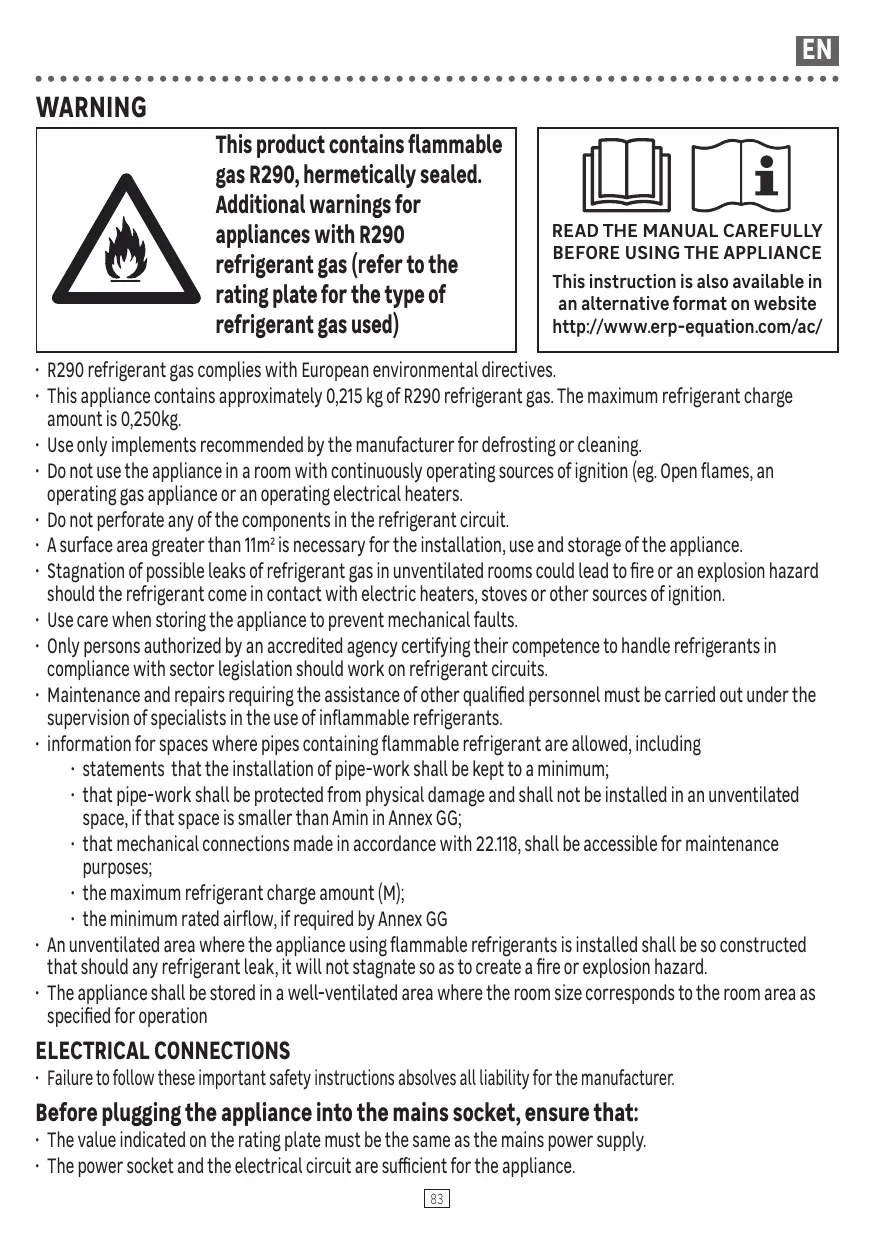
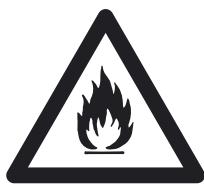
This product contains flammable gas R290, hermetically sealed. Additional warnings for appliances with R290 refrigerant gas (refer to the rating plate for the type of refrigerant gas used)


READ THE MANUAL CAREFULLY BEFORE USING THE APPLIANCE This instruction is also available in an alternative format on website http://www.ERP-equation.com/ac/
R290 refrigerant gas complies with European environmental directives.
- This appliance contains approximately 0,215 kg of R290 refrigerant gas. The maximum refrigerant charge amount is 0,250kg.
- Use only implements recommended by the manufacturer for defrosting or cleaning.
- Do not use the appliance in a room with continuously operating sources of ignition (eg. Open flames, an operating gas appliance or an operating electrical heaters.
- Do not perforate any of the components in the refrigerant circuit.
- A surface area greater than 11m^2 is necessary for the installation, use and storage of the appliance.
- Stagnation of possible leaks of refrigerant gas in unventilated rooms could lead to fire or an explosion hazard should the refrigerant come in contact with electric heaters, stoves or other sources of ignition.
- Use care when storing the appliance to prevent mechanical faults.
- Only persons authorized by an accredited agency certifying their competence to handle refrigerants in compliance with sector legislation should work on refrigerant circuits.
- Maintenance and repairs requiring the assistance of other qualified personnel must be carried out under the supervision of specialists in the use of inflammable refrigerants.
- information for spaces where pipes containing flammable refrigerant are allowed, including
- statements that the installation of pipe-work shall be kept to a minimum;
- that pipe-work shall be protected from physical damage and shall not be installed in an unventilated space, if that space is smaller than Amin in Annex GG;
- that mechanical connections made in accordance with 22.118, shall be accessible for maintenance purposes;
- the maximum refrigerant charge amount (M);
-
the minimum rated airflow, if required by Annex GG
-
An unventilated area where the appliance using flammable refrigerants is installed shall be so constructed that should any refrigerant leak, it will not stagnate so as to create a fire or explosion hazard.
- The appliance shall be stored in a well-ventilated area where the room size corresponds to the room area as specified for operation
ELECTRICAL CONNECTIONS
- Failure to follow these important safety instructions absolves all liability for the manufacturer.
Before plugging the appliance into the mains socket, ensure that:
-
The value indicated on the rating plate must be the same as the mains power supply.
The power socket and the electrical circuit are sufficient for the appliance.
-
The main socket matches the plug. Replace the plug if necessary by a qualified person.
- Ensure the main socket is earthed.
GENERAL SAFETY INSTRUCTIONS
Read this instruction manual thoroughly before using the appliance and save it for future reference and if necessary pass the instruction manual on to a third party.
In any doubt consult the manufacturer's technical department for assistance
WARNING: When using electrical appliance, basic safety precautions should always be followed to reduce the risk of fire, electrical shock and personal injury.
General
- Check if the electrical specifications of this appliance are compatible with your installation.
To protect against electrical hazard, do not immerse in water or other liquids. Do not use near water.
- This appliance is for indoor use only.
- Do not place objects on top of the unit.
- Do not use the unit without the filter.
- Do not unplug the unit if your hands are wet, electrical shock could occur.
- Do not carry the appliance while it is operating.
- Place it on a secure and level area. Keep out of reach of children to prevent any accident.
- Unauthorized use and technical modifications to the appliance can lead to danger to life and health.
- Do not push any object into the appliance. Do not disassemble the appliance.
- This appliance can be used by children aged from 8 years and above and persons with reduced physical, sensory or mental capabilities or lack of experience and knowledge if they have been given supervision instruction concerning use of the appliance in a safe way and understand the hazards involved.
- The appliance is not to be used by persons (including children) with reduced physical, sensory or mental capabilities, or lack of experience and knowledge, unless they have been given supervision or instruction.
Children shall not play with the appliance.
- Cleaning and user maintenance shall not be made by children without supervision.
Important!
- Do not let children play with batteries;
- Do not ingest batteries;
Non-rechargeable batteries are not to be recharged;
- Batteries are to be inserted with the correct polarity;
- Exhausted or leaking batteries are to be removed from the appliance and safely disposed of;
- If the appliance is to be stored unused for a long period, the batteries should be removed;
- The supply terminals are not to be short-circuited;
- The batteries must be removed from the appliance before it is scrapped;
Electrical safety
- If the supply cord is damaged, it must be replaced by the manufacturer, its service agent or similarly qualified persons in order to avoid a hazard.
- Check that cabling will not be subject to wear, corrosion, excessive pressure, vibration, sharp edges or any other adverse environmental effects.
Specific Safety Rules
- The appliance shall be installed in accordance with national wiring regulations.
- Keep ventilation openings clear of obstruction.
- The appliance shall be stored so as to prevent mechanical damage from occurring.
- Do not operate the unit with a damaged plug or loose outlet.
- Use only the correct power supply-AC220-240V -50 Hz.
Details of type and rating of fuses T, 250V AC, 3.15A.
- Remove the plug from the socket if the unit is not going be used for a long period of time.
- Always turn the unit off and remove the power plug from the socket when cleaning.
WARNING:
- Do not use means to accelerate the defrosting process or to clean, other than those recommended by the manufacturer.
- Do not pierce or burn.
- Be aware that refrigerants gases may not contain an odour.
Processing waste of electronic and electric devices at life-cycle end.
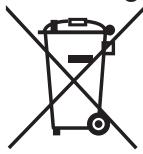
This image indicates that this product must not be disposed of with unsorted home trash. A system for disposal and special processing of used electric and electronic devices, mandatory to follow, has been implemented including the right to have vendors retrieve free-of-charge used appliances upon purchase of new appliances, as well as special collection of such waste by approved organisations.

For more information on this, you can contact your store or your town hall. Proper disposal of used electric and electronic appliances ensures their adequate processing and recycling in order
to avoid damage to the environment and public health as well as to preserve natural resources.
Environment friendly disposal
You can help protect the environment!
Please remember to respect the local regulations: hand in the non-working electrical equipments to an appropriate waste disposal centre. The packaging material is recyclable. Dispos of the packaging in an environmentally friendly manner and make it available for the recyclable material collection service.
INSTRUCTION FOR SERVICING APPLIANCES CONTAINING R 290
Checks to the area
Prior to beginning work on systems containing flammable refrigerants, safety checks are necessary to ensure that the risk of ignition is minimised. For repair to the refrigerating system, the following precautions shall be complied with prior to conducting work on the system.
1. Work procedure
Work shall be undertaken under a controlled procedure so as to minimise the risk of a flammable gas or vapour being present while the work is being performed.
2.General work area
All maintenance staff and others working in the local area shall be instructed on the nature of work being carried out. Work in confined spaces shall be avoided. The area
around the workspace shall be sectioned off. Ensure that the conditions within the area have been made safe by control offflammable material.
3. Checking for presence of refrigerant
The area shall be checked with an appropriate refrigerant detector prior to and during work, to ensure the technician is aware of potentially flammable atmospheres. Ensure that the leak detection equipment being used is suitable for use with flammable refrigerants, i.e. nonparking, adequately sealed or intrinsically safe.
4. Presence of fire extinguisher
If any hot work is to be conducted on the refrigeration equipment or any associated parts, appropriate fire extinguishing equipment shall be available to hand. Have a dry powder or CO_2 fire extinguisher adjacent to the charging area.
5.No ignition sources
No person carrying out work in relation to a refrigeration system which involves exposing any pipe work that contains or has contained flammable refrigerant shall use any sources of ignition in such a manner that it may lead to the risk of fire or explosion. All possible ignition sources, including cigarette smoking, should be kept sufficiently far away from the site of installation, repairing, removing and disposal, during which flammable refrigerant can possibly be released to the surrounding space. Prior to work taking place, the area around the equipment is to be surveyed to make sure that there are no flammable hazards or ignition risks. "No Smoking" signs shall be displayed.
6.Ventilated area
Ensure that the area is in the open or that it is adequately ventilated before breaking into the system or conducting any hot work. A degree of ventilation shall continue during the period that the work is carried out. The ventilation should safely disperse any released refrigerant and preferably expel it externally into the atmosphere.
7. Checks to the refrigeration equipment
Where electrical components are being changed, they shall be fit for the purpose and to the correct specification. At all times the manufacturer's maintenance and service guidelines shall be followed. If in doubt consult the manufacturer's technical department for assistance.
The following checks shall be applied to installations using flammable refrigerants:.
- the charge size is in accordance with the room size within which the refrigerant containing parts are installed;
- the ventilation machinery and outlets are operating adequately and are not obstructed;
8. Checks to electrical devices
Repair and maintenance to electrical components shall include initial safety checks and component inspection procedures. If a fault exists that could compromise safety, then no electrical supply shall be connected to the circuit until it is satisfactorily dealt with. If the fault cannot be corrected immediately but it is necessary to continue operation, an adequate temporary solution shall be used. This shall be reported to the owner of the equipment so all parties are advised.
Initial safety checks shall include:
- that capacitors are discharged: this shall be done in a safe manner to avoid possibility of sparking;
- that there no live electrical components and wiring are exposed while charging, recovering or purging the system;
- that there is continuity of earth bonding
9.Repairs to sealed components
During repairs to sealed components, all electrical supplies shall be disconnected from the equipment being worked upon prior to any removal of sealed covers, etc. If it is absolutely necessary to have an electrical supply to equipment during servicing, then a permanently operating form of leak detection shall be located at the most critical point to warn of a potentially hazardous situation.
Particular attention shall be paid to the following to ensure that by working on electrical components, the casing is not altered in such a way that the level of protection is affected. This shall include damage to cables, excessive number of connections, terminals not made to original specification, damage to seals, incorrect fitting of glands, etc.
Ensure that apparatus is mounted securely.
Ensure that seals or sealing materials have not degraded such that they no longer serve the purpose of preventing the ingress of flammable atmospheres. Replacement parts shall be in accordance with the manufacturer's specifications,
NOTE The use of silicon sealant may inhibit the effectiveness of some types of leak detection equipment. Intrinsically safe components do not have to be isolated prior to working on them.
10.Repair to intrinsically safe components
Do not apply any permanent inductive or capacitance loads to the circuit without ensuring that this will not exceed the permissible voltage and current permitted for the equipment in use. Intrinsically safe components are the only types that can be worked on while live in the presence of a flammable atmosphere. The test apparatus shall be at the correct rating. Replace components only with parts specified by the manufacturer. Other parts may result in the ignition of refrigerant in the atmosphere from a leak.
11.Cabling
Check that cabling will not be subject to wear, corrosion, excessive pressure, vibration, sharp edges or any other adverse environmental effects. The check shall also take into account the effects of aging or continual vibration from sources such as compressors or fans.
12.Detection of flammable refrigerants
Under no circumstances shall potential sources of ignition be used in the searching for or detection of refrigerant leaks. A halide torch (or any other detector using a naked flame) shall not be used.
13.Leak detection methods
The following leak detection methods are deemed acceptable for systems containing flammable refrigerants. Electronic leak detectors shall be used to detect flammable refrigerants, but the sensitivity may not be adequate, or may need re-calibration. (Detection equipment shall be calibrated in a refrigerant-free area.) Ensure that the detector is not a potential source of ignition and is suitable for the refrigerant used. Leak detection equipment shall be set at a percentage of the LFL of the refrigerant and shall be calibrated to the refrigerant employed and the appropriate percentage of gas (25% maximum) is confirmed. Leak detection fluids are suitable for use with most refrigerants but the use of detergents containing chlorine shall be avoided as the chlorine may react with the refrigerant and corrode the copper pipe-work. If a leak is suspected, all naked flames shall be removed/extinguished. If a leakage of refrigerant is found which requires brazing, all of the refrigerant shall be recovered from the system, or isolated (by means of shut off valves) in a part of the system remote from the leak. Oxygen free nitrogen (OFN) shall then be purged through the system both before and during the brazing process.
14. Removal and evacuation
When breaking into the refrigerant circuit to make repairs - or for any other purpose - conventional procedures shall be used. However, it is important that best practice is followed since flammability is a consideration. The following procedure shall be adhered to:
- remove refrigerant;
purge the circuit with inert gas;
- evacuate;
- purge again with inert gas;
open the circuit by cutting or brazing.
The refrigerant charge shall be recovered into the correct recovery cylinders. The system shall be "flushed" with OFN to render the unit safe. This process may need to be repeated several times. Compressed air or oxygen shall not be used for this task.
Flushing shall be achieved by breaking the vacuum in the system with OFN and continuing to fill until the working pressure is achieved, then venting to atmosphere, and finally pulling down to a vacuum. This process shall be repeated until no refrigerant is within the system. When the final OFNcharge is used, the system shall be vented down to atmospheric pressure to enable work to takeplace. This operation is absolutely vital if brazing operations on the pipe-work are to take place. Ensure that the outlet for the vacuum pump is not close to any ignition sources and there isventilation available.
15. Charging procedures
In addition to conventional charging procedures, the following requirements shall be followed.
- Ensure that contamination of different refrigerants does not occur when using charging equipment. Hoses or lines shall be as short as possible to minimise the amount of refrigerant contained in them.
- Cylinders shall be kept upright.
- Ensure that the refrigeration system is earthed prior to charging the system with refrigerant.
- Label the system when charging is complete (if not already).
- Extreme care shall be taken not to overfill the refrigeration system. Prior to recharging the system it shall be pressure tested with OFN. The system shall be leak tested on completion of charging but prior to commissioning. A follow up leak test shall be carried out prior to leaving the site.
16. Decommissioning
Before carrying out this procedure, it is essential that the technician is completely familiar with the equipment and all its detail. It is recommended good practice that all refrigerants are recovered safely. Prior to the task being carried out, an oil and refrigerant sample shall
be taken in case analysis is required prior to re-use of reclaimed refrigerant. It is essential that electrical power is available before the task is commenced.
a) Become familiar with the equipment and its operation.
b) Isolate system electrically.
c) Before attempting the procedure ensure that:
- mechanical handling equipment is available, if required, for handling refrigerant cylinders;
- all personal protective equipment is available and being used correctly; the recovery
- process is supervised at all times by a competent person; recovery equipment and cylinders conform to the appropriate standards.
d) Pump down refrigerant system, if possible.
e) If a vacuum is not possible, make a manifold so that refrigerant can be removed from various parts of the system.
f) Make sure that cylinder is situated on the scales before recovery takes place.
g) Start the recovery machine and operate in accordance with manufacturer's instructions.
h) Do not overfill cylinders. (No more than 80% volume liquid charge).
i) Do not exceed the maximum working pressure of the cylinder, even temporarily.
j) When the cylinders have been filled correctly and the process completed, make sure that the cylinders and the equipment are removed from site promptly and all isolation valves on the equipment are closed off.
k) Recovered refrigerant shall not be charged into another refrigeration system unless it has been cleaned and checked.
17.Labelling
Equipment shall be labelled stating that it has been de-commissioned and emptied of refrigerant. The label shall be dated and signed. Ensure that there are labels on the equipment stating the equipment contains flammable refrigerant.
18.Recovery
When removing refrigerant from a system, either for servicing or decommissioning, it is recommended good practice that all refrigerants are removed safely. When transferring refrigerant into cylinders, ensure that only appropriate refrigerant recovery cylinders are employed. Ensure that the correct number of cylinders for holding the total system charge are available. All cylinders to be used are designated for the recovered refrigerant and labelled for that refrigerant (i.e. special cylinders for the recovery of refrigerant). Cylinders shall be complete with pressure relief valve and associated shut-off valves in good working order. Empty recovery cylinders are evacuated and, if possible, cooled before recovery occurs. The recovery equipment shall be in good working order with a set of instructions concerning the equipment that is at hand and shall be suitable for the recovery of flammable refrigerants. In addition, a set of calibrated weighing scales shall be available and in good working order. Hoses shall be complete with leak-free disconnect couplings and in good condition. Before using the recovery machine, check that it is in satisfactory working order, has been properly maintained and that any associated electrical components are sealed to prevent ignition in the event of a refrigerant release. Consult manufacturer if in doubt.
The recovered refrigerant shall be returned to the refrigerant supplier in the correct recovery cylinder, and the relevant Waste Transfer Note arranged. Do not mix refrigerants in recovery units and especially not in cylinders. If compressors or compressor oils are to be removed, ensure that they have been evacuated to an acceptable level to make certain that flammable refrigerant does not remain within the lubricant. The evacuation process shall be carried out prior to returning the compressor to the suppliers. Only electric heating to the compressor body shall be employed to accelerate this process. When oil is drained from a system, it shall be carried out safely.
19. Transport of equipment containing flammable refrigerants (Annex CC.1)
Compliance with the transport regulations
20.Discarded appliances supplies flammable refrigerants
See National Regulations.
21.Storage of equipment/appliances
The storage of equipment should be in accordance with the manufacturer's instructions.
22.Storage of packed (unsold) equipment
Storage package protection should be constructed such that mechanical damage to the equipment inside the package will not cause a leak of the refrigerant charge. The maximum number of pieces of equipment permitted to be stored together will be determined by local regulations.
23. Marking of equipment using signs
See local regulations
TECHNICAL CHARACTERISTICS
| Model | TAC-09CHPB/MW |
| Power supply | 220-240V ~ |
| Fréquence | 50Hz |
| Cooling capacity | 2640W |
| Rated Energy Efficiency (EER) | 2.6 |
| Cooling power input | 1015W |
| Max. Input current | 6.5A |
| Refrigerant | R290 |
| Refrigerant Quantity | 0.215kg |
| Max. Discharge Pressure | 2.3MPa |
| Max. Suction Pressure | 1.2MPa |
| Noise | 64dB(A) |
| Net weight | 26.5kg |
| Product Dimension | 358mm x 419mm x 688mm |
WARRANTY
Terms and conditions of the ADEO SERVICES manufacturer warranty
Adeo Services offers a manufacturer warranty on its products.
The scope of the Adeo Services manufacturer warranty:
Adeo Services products are designed and built to provide quality performance for normal use. If a product proves to be defective during the warranty period under normal use, it is Adeo Services' responsibility to repair or replace it. The Adeo Services warranty covers the repair or replacement (at the discretion of Adeo Services) of your device marketed by Adeo Services if it proves to be defective due to a material or manufacturing defect during the warranty period. In case of unavailability of a part required for proper functioning of the product, Adeo Services commits to replacing it with a part of equivalent characteristics and performance levels The implementation of this warranty does not affect the exercise of your rights under the legal warranties provided by the civil code and the consumer code.
Cases excluded from the coverage of the Adeo Services manufacturer warranty:
The Adeo Services manufacturer warranty is not intended to apply in the cases listed below:
- Normal wear and tear of the product and/or its components.
- Accidental damage (due to dropping the product, impact or improper installation of the product)
- Damage resulting from use that does not comply with the information in the user manual and/or packaging (e.g. incorrect power supply voltage)
- Damage caused by failure to comply with the product maintenance recommendations.
- Damage caused by external sources such as transportation, weather, power failure or power surges.
- Cosmetic damage, including, but not limited to, scratches, scuffs, or broken plastic components,
- Failures caused by Acts of God (events beyond the control of Adeo Services, unforeseeable at the time of sale of the product and the effects of which could not be avoided by appropriate measures (e.g. natural disasters).
-
Failures caused by:
-
Negligent use, misuse, mishandling or careless use of the product.
Use not in accordance with the product user manual.
Use of the product for purposes other than normal domestic use in the country where it was purchased.
Use of parts that are not assembled or installed in accordance with Adeo Services installation instructions.
Use of parts and accessories that are not genuine Adeo Services components.
-
Faulty installation or assembly.
□ Repairs or modifications performed by parties other than those authorized by Adeo Services or its authorized agents.
-
The warranty will also not be valid if the serial number or the nameplate of the product (if the product has a nameplate) is removed or defaced.
If Adeo Services receives information from competent public authorities that the product has been stolen.
What are the terms and conditions for implementing the warranty?
The terms and conditions for implementing the Adeo Services warranty are as follows
- The warranty takes effect on the date of purchase (or on the date of delivery if later).
- A proof of delivery/purchase is required prior to performing any operation on your device under warranty. Please note that without this proof, any work to be done will be subject to an estimate, which must be accepted by the customer before any work can be done. Please keep your purchase receipt or delivery note.
- All work will be performed by Adeo Services or its authorized service providers.
Any replaced part becomes the property of Adeo Services
- The repair or replacement of your device under warranty does not extend the warranty period.
- The warranty does not affect the exercise of your rights under the legal warranties provided by the civil code and the consumer code.
To make use of this warranty, you must contact the brand company from which you purchased your product.
Date of entry into force of the warranty:
The Adeo Services warranty takes effect on the date of purchase or the date of delivery of your product, whichever is later.
Geographic scope of Adeo Services warranty:
The warranty is valid in the country of purchase of the product.
If you use your device in a country other than the one in which you purchased it, the warranty may be invalidated. In this case, please contact the brand company in the country of origin where you purchased the product who will study the warranty claim on a case by case basis.
Fate of Adeo Services warranty in case of resale of the product:
In case of resale of the product during its warranty period, the warranty remains valid for the benefit of the buyer and can be implemented by the latter provided however:
That the proof of original purchase of the product is brought along,
That the proof of proof of proper functioning of the product at the time of the resale is brought along,
That the terms and conditions of implementation of the warranty as detailed within the present document are met. It is specified that the resale of the product has no effect on the warranty period remaining at the date of resale. Thus, the buyer of the resold product can claim the benefit of the Adeo Services warranty within the limit of the remaining validity time of the warranty at the date of the resale.
NOTES
NOTES
NOTES
FR Traduction de la version originale du mode d'emploi
Traducción de las Instrucciones originales
TT Traducao das Instruções originais
Traduzione delle istruzioni originali