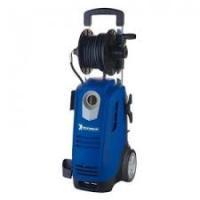
MPX 150 HL24332 - Pressure washer MICHELIN - Free user manual and instructions
Find the device manual for free MPX 150 HL24332 MICHELIN in PDF.



| Product Type | Hot water pressure washer |
| Brand | MICHELIN |
| Model | MPX 150 HL24332 |
| Maximum pressure | 150 bar (approx. 2175 PSI) |
| Service pressure range | 25 - 250 bar (360 - 3600 PSI) |
| Power supply | Single-phase, voltage per rating plate (e.g., 230 V / 50 Hz) |
| Electrical protection class | Class I (mandatory grounding) |
| Rated power | Less than 3 kW (standard plug) or higher depending on model |
| Fuel type (burner) | Diesel fuel |
| Maximum inlet water temperature | 50°C (122°F) |
| Required water supply pressure | 2 - 8 bar (29 - 116 PSI) |
| Automatic shut-off system | Total stop (motor stops when trigger is released) |
| Adjustable nozzle | Multireg: concentrated jet (high pressure) or fan jet (low pressure) |
| Detergent tank capacity | Not specified (wax-soap kit optional) |
| Safety device | 30 mA residual current device recommended, thermal protection |
| Maintenance: pump oil change | Every 500 hours (by service center) |
| Maintenance: water filter cleaning | Every 50 hours |
| Maintenance: diesel filter cleaning | Every 100 hours |
| Maintenance: coil descaling | Every 300 hours (by service center) |
| Repairability | Genuine spare parts mandatory, service center intervention recommended |
| Frost protection | Use of antifreeze mandatory in case of frost |
| Weight | Not specified (approx. 80 kg for a hot water model) |
Frequently Asked Questions - MPX 150 HL24332 MICHELIN
User questions about MPX 150 HL24332 MICHELIN
0 question about this device. Answer the ones you know or ask your own.
Ask a new question about this device
Download the instructions for your Pressure washer in PDF format for free! Find your manual MPX 150 HL24332 - MICHELIN and take your electronic device back in hand. On this page are published all the documents necessary for the use of your device. MPX 150 HL24332 by MICHELIN.
USER MANUAL MPX 150 HL24332 MICHELIN
High pressure cleaner user guide
Please read this guide carefully before use
ACCENSIONE MOTORE POMPA.
ACCENSIONE BRUCIATORE.
Congratulations! We wish to thank you
for buying this cleaner. You have shown that you do not accept compromises: you want the best.
We have prepared this manual to enable to fully appreciate the qualities and high performance that this cleaner can offer you.
Please read it completely before using the machine.
The CE mark on your cleaner shows that it has been constructed in compliance with the European Standards on safety.
We can also offer you a wide range of cleaning machines such as:
VACUUM CLEANERS, and a complete range of ACCESSORIES, CHEMICALS and DETERGENTS suitable for cleaning all kinds of surfaces.
Ask your Dealer for the complete catalogue of our products.
TRANSLATION OF ORIGINAL INSTRUCTIONS
The text has been carefully checked, however any misprints should be notified to the manufacturer. The manufacturer also reserves the right to alter and update this publication without prior notice for the sake of product improvement.
All reproductions of this manual, in whole or in part, are forbidden without the manufacturer's authorization.
PREPARING THE CLEANER
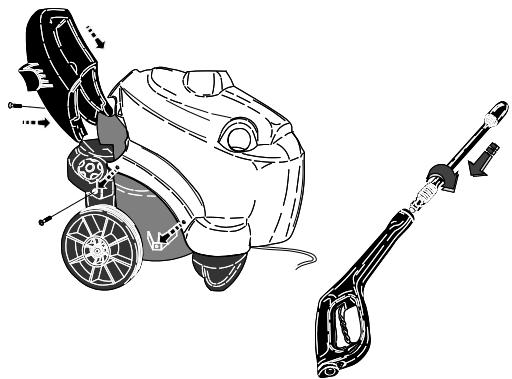
Fitting the handlebar
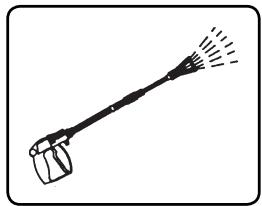
Fitting the lance.
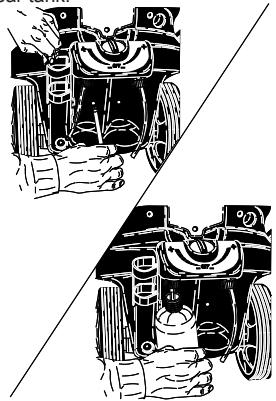
Fitting the rear tank.
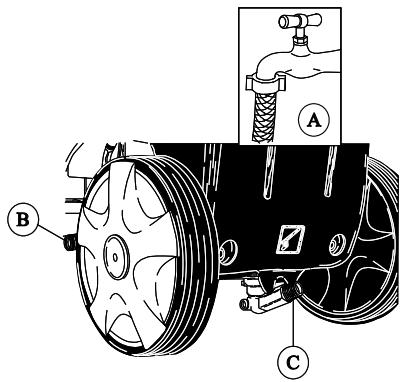
Water circuit connection.
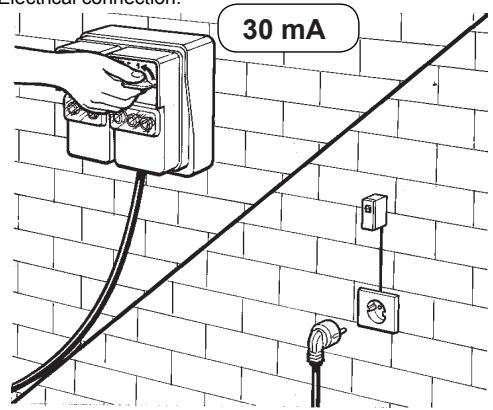
Electrical connection.
DESCRIPTION OF SYMBOLS ON THE CLEANER
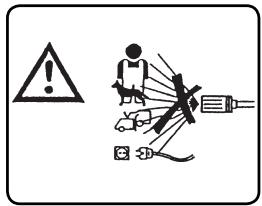
DO NOT DIRECT THE JET AGAINST PEOPLE, ANIMALS, POWER Sockets OR THE MACHINE IT SELF.
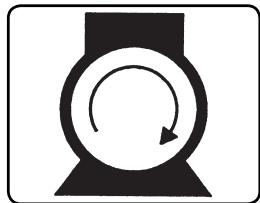
SWITCHING OF THE PUMP MOTOR.
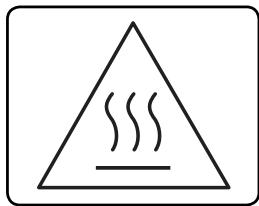
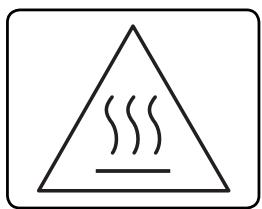
ATTENTION: RISK OF BURNS.
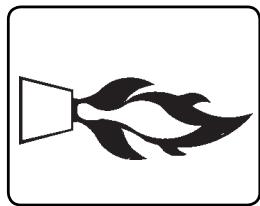
LIGHTING THE BURNER.
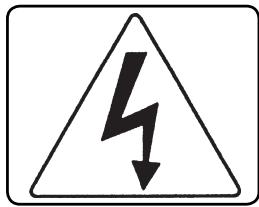
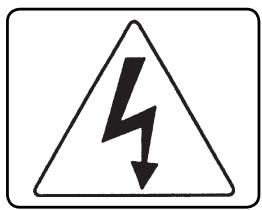
ATTENTION: RISK OF ELECTRIC SHOCK.
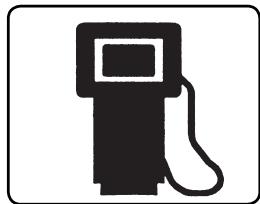
FUEL (DIESEL).
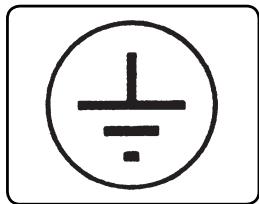
EARTH.

CHEMICHALS (DETERGENT).
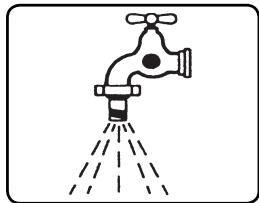
WATER INPUT.
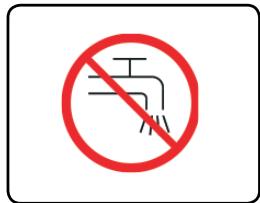
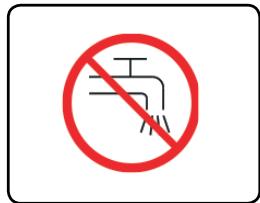
DO NOT FEED WITH DRINKING WATER. USE AN EN 12729 TYPE BA SYSTEM SEPARATOR.
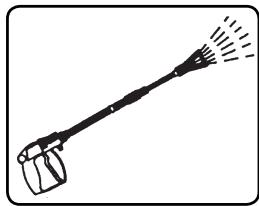
WATER OUTPUT.
The most important instructions are marked with the symbol:

INTRODUCTION
This manual must be read before installing, setting up and using the cleaner. The manual is an integral part of the product. It is composed of two parts, one of which is yellow.
Read the warnings and instructions in this manual carefully as they provide important indications as to SAFETY IN USE and MAINTENANCE, paying special attention to the general rules for safety listed in the yellow booklet.
KEEP THIS MANUAL CAREFULLY FOR FUTURE CONSULTATION.
The contents of this booklet must be brought to the attention of persons using this water cleaner.
CLASSIFICATION
The user must observe the conditions of use of the appliance prescribed by the Rules, and particularly he must respect the following classification:
As for the protection against electric shock, the H.P.cleaner belongs to CLASS I.
The H.P. cleaner is factory set and all its safety devices are sealed. It is forbidden to alter their adjustment values.
In the Hot water cleaner the water is heated by a burner feed with Diesel fuel.
The H.P. cleaner must be always used on a firm and flat ground, furthermore it must not be moved while it is working or connected to the electric supply.
Failure to observe this prescription may cause danger for the user.
The H.P. cleaner must not be used in the presence of corrosive or potentially explosive atmospheres. (vapours or gas)
The appliance must be connected to a mains electricity supply conforming to current legislation (in compliance with the provisions of the IEC 60364-1 standard) and in accordance with the manufacturer's instructions.
A wrong electric connection may cause damage to persons, animals or things, and the manufacturer cannot be considered responsible for these.
The H.P. cleaners with power lower than 3kW are equipped with a plug for connection to the electric supply.
In this case please check if the electric power system and the electric sockets are compatible with the max. power of the appliance indicated on the plate. (kW).
In case of doubt, please apply to qualified personnel.
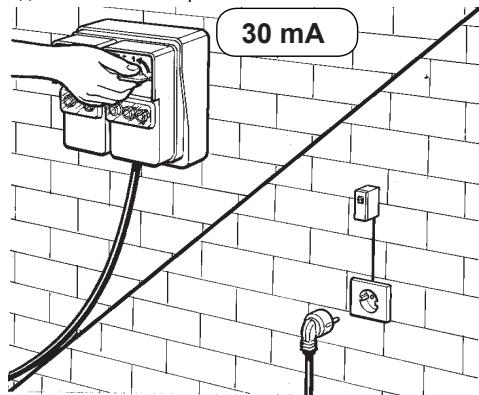
You are recommended to fit a differential solenoid switch with a sensitivity of 30mA upstream of the socket or in the mains.
If the socket and the plug of the machine are not compatible, have the plug replaced with a suitable type by qualified personnel.
Before connecting the machine make sure that the data indicated on the plate correspond to those of the electric supply.
Do not use extensions to feed the H.P. cleaner.
The electric safety of this machine may be assured only when it is properly connected to an efficient grounding system in accordance with the governing laws for electric safety. (In compliance with the provisions of IEC 60364-1).
It is necessary to check this essential safety requisite. In case of doubt, ask for accurate control of the power system by qualified personnel.
The manufacturer may not be considered responsible for damages occurred because of the lack of the grounding system.
The appliance is disconnected from the electric supply only by pulling out the plug or switching off the Solenoid switch.
Failure to respect the above absolves the manufacturer of all liability and represents negligent use of the product.
The water cleaner is considered as a fixed device.
Water cleaners with the "Total Stop" device should be considered as off when the Solenoid switch is in the "O" position or the plug is unplugged from the socket.
"CE" CONFORMITY DECLARATION
We declare on our own responsibility that the product to which this declaration refers is in accordance with the following European Community Directives:
2006/42/CE - 2004/108/CE - 2000/14/CE - 97/23/CE
Applied harmonised standards:
EN 12100-1, EN 12100-2, EN 60335-1, EN 60335-2-79, EN 55014-1, EN 55014-2, EN 61000 (part 3-4-6), EN 60704-1.
INTENDED USE
This appliance is intended exclusively for cleaning machines, vehicles, buildings and general surfaces suitable for treatment with a high pressure jet of detergent solution between 25 and 250 bar (360 - 3600 PSI).
This appliance has been designed for use with the detergents supplied or recommended by the manufacturer. The use of other detergents or chemicals may influence the safety of the appliance.
This appliance must be used only for the purpose for which it was specifically designed.
All other uses are to be considered incorrect and therefore unreasonable.
Examples of unreasonable use:
- Washing surfaces not suitable for cleaning with a high pressure jet.
- Washing people, animals, electric equipment or the machine itself.
Using unsuitable detergents or chemicals. - Blocking the trigger (lever) of the lance in delivery position.
The manufacturer cannot be held responsible for any damage due to improper, incorrect or unreasonable use. As far as safety rules are concerned, the cleaners are manufactured according to the European Standard.
PRELIMINARY OPERATIONS
UNPACKING
After unpacking, ensure that the cleaner is undamaged. If in doubt, do not use the machine. Contact your dealer.
Packaging (bags, boxes, nails, etc) is potentially dangerous and should be kept out of reach of children. It should be disposed of or retained in respect of national environmental legislation.
FITTING THE SEPARATE PARTS OF THE MACHINE
All the fundamental parts and safety devices of the machine are assembled by the manufacturer.
For reasons of packing and transport, some secondary cleaner parts are supplied separately.
The user must fit these parts as explained in the instructions supplied in each assembly kit.
DATA PLATE:
The data plate bearing the main technical characteristics of your cleaner is located on the trolley and is always visible.
When buying your cleaner, ensure that it has an identification plate. If there is no plate, inform the manufacturer and/or the dealer immediately. Machines without a plate must not be used and the manufacturer declines all responsibility for them. Products without a plate must be considered anonymous and potentially dangerous.
FILLING THE FUEL TANK
Fill the tank with fuel for Diesel motors (fig. 1).
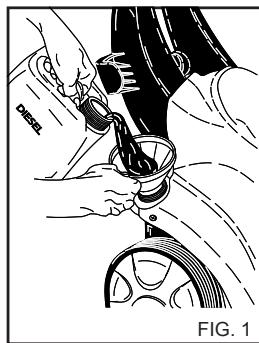
Do not use different fuel from that indicated on the identification plate.
Check the fuel level from time to time while the cleaner is operating.
Attempting to use the cleaner without fuel may cause damage to the fuel pump.
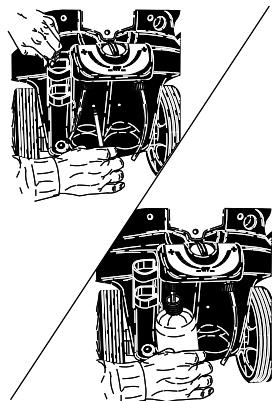
FILLING THE DETERGENT TANK
Warning
From the range of recommended products, choose the one most suited to the washing job to be done (fig. 2) and dilute it with water according to the instructions on the pack.
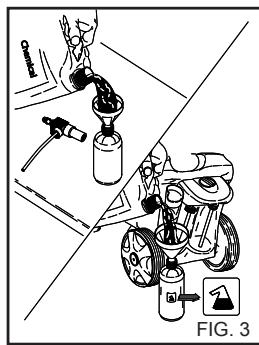
Fill the detergent tank with the diluted product (fig. 3).
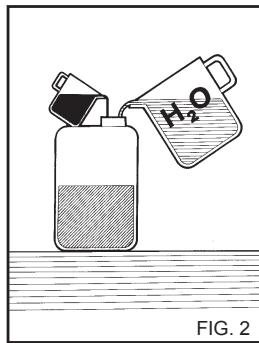
Ask your dealer for the catalogue of the detergents that can be used depending on the type of washing job to be done and the type of surface to be treated.
After using a detergent, the detergent intake circuit must be flushed out with clean water.
WAX-SOAP KIT (If available)
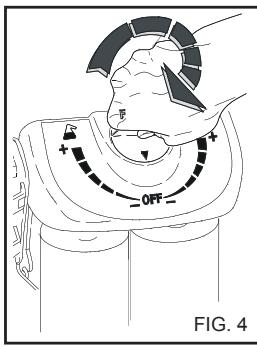
Select the desired tank by turning the selector appropriately. Detergent can only be delivered in the low-pressure position. (Fig. 4).
COMMAND AND CONTROL DEVICES
Before connecting the machine to the water supply and to the power mains, it is essential to know the function of the cleaner's command and control devices.
WATER CIRCUIT CONNECTION
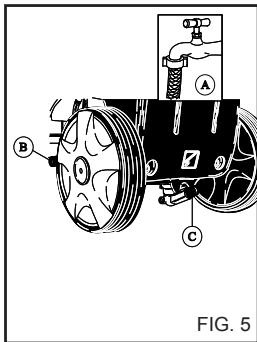
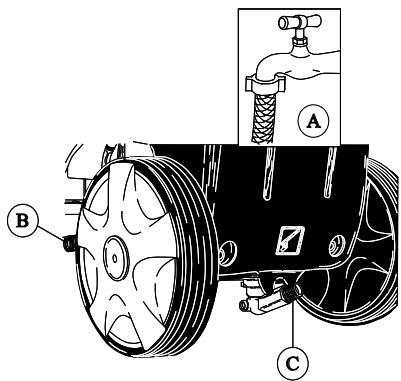
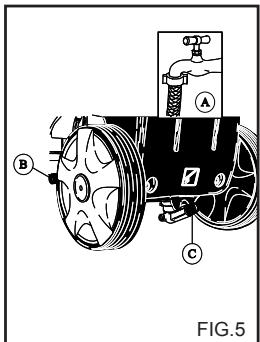
Connect the feed hose to the mains (fig. 5A) and to the hosetail on the cleaner (fig. 5B).
Check that the pressure and quantity of the water supplied by the mains are sufficient for the cleaner to work properly: 2 to 8 BAR (29 to 116 PSI).
Maximum temperature of feeding water 50°C (122°F)
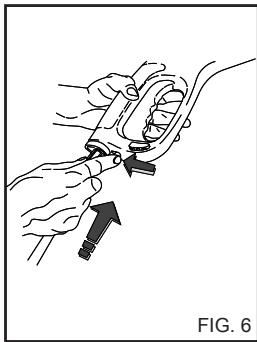
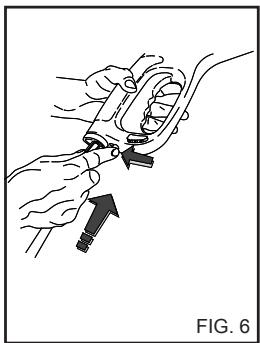
Connect the high pressure hose to the cleaner (fig. 5C) and to the lance (fig. 6).
IMPORTANT.
The cleaner must operate with clean water. Dirty or sandy water, corrosive chemicals and solvents can cause severe damage to the cleaner.
Failure to respect the above absolves the manufacturer of all liability and represents negligent use of the product.

Information
Respect the instructions provided by the water utility company.
Current regulations specify that the appliance may not be connected to the drinking water supply unless a suitable system separator is fitted.
Use a suitable EN 12729 type BA system separator.
Water passing through a system separator is no longer classified as drinking water.
Warning
Do not connect the machine to a drinking water container.
ELECTRICAL CONNECTION
The water cleaner must be connected to a mains electricity supply conforming to current legislation and standards.
Ensure that the mains voltage available is the same as the voltage at which the cleaner is supposed to work; this is indicated on the identification plate.
The electric cable must be protected from accidental crushing.
Do not use the machine if the supply cable is damaged.
The use of any electric appliance requires the respect of some basic rules:
- Do not touch the appliance with wet or damp hands or feet.
- Do not use the appliance bare-footed or with unsuitable clothing.
- Do not pull the supply cable or the appliance itself in order to disconnect the plug from the electric supply.
(For water cleaners rated at less than 3kW fitted with plug).
As for the protection against electric shock, the H.P.cleaner belongs to CLASS I.
Failure to observe the above warning frees the manufacturer from all responsibility and constitutes negligent use of the product.
GENERAL WARNINGS ABOUT INSTALLATION AND USE
The high pressure washer is not intended for use by children, adolescents or persons with reduced physical, sensory or mental capabilities, under the influence of alcohol or lacking experience and knowledge.
Operators must be made aware of the instructions for using the appliance by a person responsible for their safety.
Children must be supervised to ensure they do not play with the high pressure washer.
Use only original accessories that can allow safe working of the appliance.
The flexible hose connecting the lance to the H.P. cleaner must not be damaged.
In case of damage, replace it immediately.
Hoses, connections and fittings for high pressure systems are very important to guarantee the safety of the H.P. cleaner. Use only original spare parts which have the manufacturer's approval.
Do not use the H.P. cleaner when persons or animals are in its of action field.
High pressure jets may be dangerous if not properly used.
The jet must never be directed at persons or animals, electric appliances or at the appliance itself.
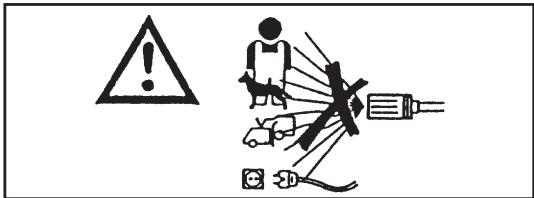
The high pressure water jet causes a reaction power on the lance. Hold the lance grip vigorously.
The use of the H.P. cleaner must be considered according to the kind of washing which must be performed.
Protect yourself against the ejection of solid materials or corrosive substances by means of adequate protective clothing.
The use of the H.P. cleaner must be considered according to the place where the washing is performed (for example: food plants, pharmaceutical plants, etc.)
Pertinent rules and safety conditions must be followed.
As for the protection against electric shock, the H.P.cleaner belongs to CLASS I.
Do not direct water jets at your own or other people's body in order to clean clothes or shoes.
While working it is forbidden, to stop the trigger (lever) of the lance in delivery position.
In the hot water H.P. cleaners a Diesel fuel burner is used for water heating. The use of other fuels is dangerous.
Before starting any cleaning or maintenance operation, disconnect the machine from the electric and water supply networks.
Periodically, at least once a year, have the safety devices checked by one of our service centres.
If the appliance is to be used in an enclosed space, install a flue gas extraction system and guarantee adequate ventilation.
The hot water cleaner must be supervised while it is working.
Do not clog the openings or the ventilation grilles and the heat and smoke extraction systems in the hot water cleaners.
Do not use the machine if the supply cable is damaged. For the replacement of the damaged cable apply exclusively to one of our technical service centres.
The supply cable of this appliance must not be replaced by the user.
The electric power cable must never be under mechanical tension and must be protected against accidental crushing.
The use of any electric appliance requires the respect of some basic rules:
- Do not touch the appliance with wet or damp hands or feet.
- Do not use the appliance bare-footed or with unsuitable clothing.
- Do not pull the supply cable or the appliance itself in order to disconnect the plug from the electric supply.
(For water cleaners rated at less than 3kW fitted with plug).
In case of damage or malfunction, switch off the appliance (disconnecting it from the water main and from the electricity main via the Solenoid switch or by unplugging the plug) without tampering with it.
Apply to one of our technical service centres.
Failure to observe the above warning frees the manufacturer from all responsibility and constitutes negligent use of the product.

CONTROL PANEL
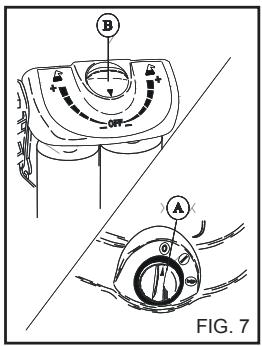
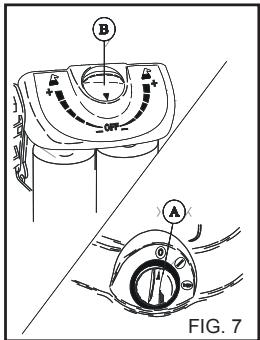
A - On/off switch
B - Detergent control tap (if available).
STARTING THE CLEANER
1) Turn on the water supply tap (fig. 5A).
2) Connect the water cleaner to the mains electricity supply by plugging the plug into the socket.
3) Start the cleaner by turning the selector switch to pos. I (fig. 7A).
The high pressure water jet generates a reaction force in the lance. Keep a firm grip on the lance handle.
4) Press the trigger on the gun and begin washing.
5) To operate the water cleaner with hot water, turn the ON/OFF switch to the Hot Water position. (fig. 7A).
In water cleaners with the "Total Stop" system, the motor starts and stops when the lever on the lance handle is actioned or released.
Do not block the handle lever in the delivery position.
IMPORTANT!
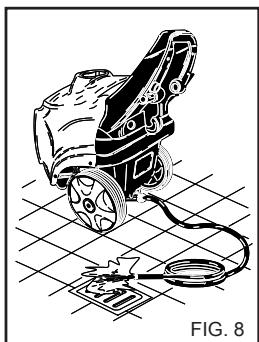
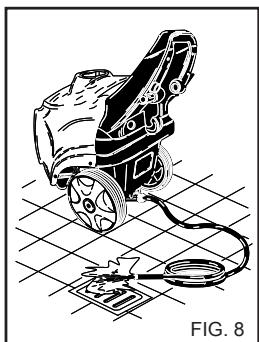
To eliminate any impurities or air bubbles from the water circuit we advise starting the cleaner for the first time without the lance and letting the water run out for a few seconds.
Impurities could block the nozzle and cause malfunction (Fig. 8).
STOPPING THE CLEANER
1) Turn the burner off by rotating the ON/OFF switch to the "l" position (fig. 7A).
2) Let the cleaner run with cold water only for at least 30 seconds to cool down the boiler.
3) Stop the cleaner by turning the selector switch to pos. "0" (fig. 7A).
4) Discharge the pressure from the H.P. hose by pressing the trigger on the gun.
5) Disconnect the water cleaner from the mains electricity supply via the Solenoid switch or by unplugging the plug from the socket.
6) Turn off the water supply tap (fig. 5A).
If the water cleaner is left, even temporarily, turn it off by using the Solenoid switch or by unplugging the plug from the socket.
Water cleaners with the "Total Stop" device should be considered as off when the Solenoid switch is in the "O" position or the plug is unplugged from the socket.
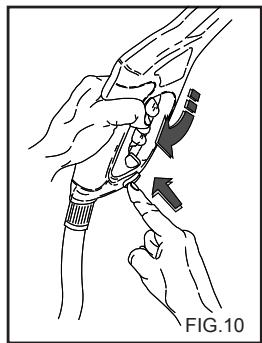
When the water cleaner is not used, close the safety device on the handle.(fig.10).
Dry use of the water cleaner causes serious damage to pump gaskets.
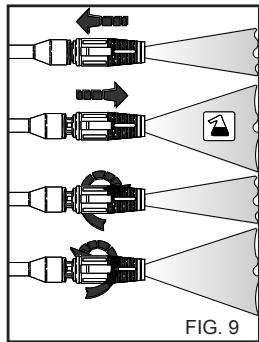
USING THE MULTIREG ADJUSTABLE NOZZLE (fig.9)
Pressure must be selected with the gun switched off.
Low pressure washing and detergent suction.
Version with detergent suction).
Shift the nozzle forward.
Washing at high pressure with a concentrated jet of water
Turn the nozzle in an anticlockwise direction.
Washing at high pressure with a fan-shaped jet of water
Turn the nozzle in a clockwise direction.
ADVICE ON USING DETERGENTS
Warning
This cleaner has been designed for use with the detergents supplied or recommended by the manufacturer.
The use of other detergents or chemicals may influence the safety of the cleaner.
1) For environmental compatibility, we recommend a reasonable use of detergents, according to the instructions on the pack.
2) From the range of recommended products, choose the one most suited to the washing job to be done and dilute it with water according to the instructions on the pack or in the catalogue of the detergents most suited for the type of hot or cold water cleaner.
3) Ask your dealer for the detergents catalogue.
OPERATING PHASES FOR CORRECT CLEANING WITH DETERGENTS.
1) Prepare the solution of detergent at the concentration most suitable for the type of dirt and the surface that is to be washed.
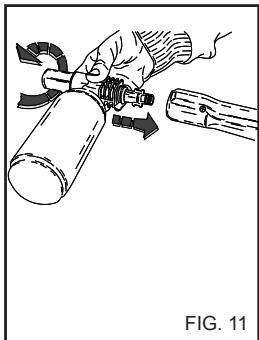
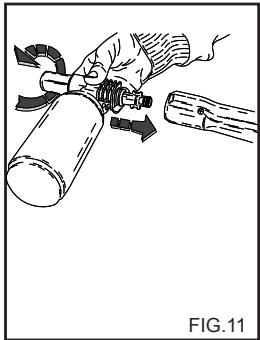
2) Remove the extension tube from the handgrip and attach the detergent spray kit (fig. 11), operate the water cleaner and spray the surface to be washed, starting from the bottom and working upwards. In the version with detergent suction, open the detergent
tap (fig. 7B) and move the nozzle forwards. Leave to work for a few minutes.
3) Rinse the whole surface well from top to bottom with hot or cold water at high pressure.
4) After use with detergent, rinse the high pressure water circuit by operating the pump for one minute with the detergent tap completely closed.
MAINTENANCE
ONLY THE OPERATIONS AUTHORIZATION IN THIS INSTRUCTIONS MANUAL MAY BE CARRIED OUT BY THE USER.
ALL OTHER OPERATIONS ARE FORBIDDEN.
For maintenance of the boiler, high pressure pump, the electrical parts and all parts with a safety function, you must apply to our Technical service centre.
Δ Disconnect the water cleaner from the mains electricity supply via the Solenoid switch or by unplugging the plug from the socket and close the water supply tap (see chapters on connecting to the electricity and water mains) before carrying out any maintenance jobs. Once maintenance has been completed, ensure that the closing panels have been correctly reassembled and anchored with the screws provided before reconnecting the cleaner to the mains.
Failure to do so may cause a risk of electric shock.
PRECAUTIONS AGAINST FROST
The cleaner must not be exposed to frost.
If the cleaner is left in premises where it is exposed to frost, when work is over or for storage, antifreeze must be used to prevent serious damage to the hydraulic circuit.
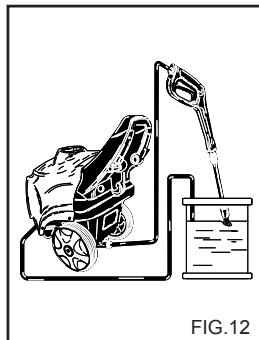
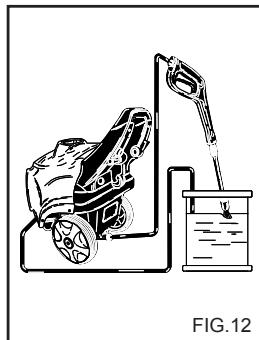
OPERATIONS FOR USING ANTIFREEZE (fig. 12).
1) Turn off the water supply (tap), disconnect the hose and run the cleaner until it is completely empty.
2) Stop the water cleaner with the ON/OFF switch in the "O" position.
3) Prepare a container with the solution of antifreeze.
4) Immense the tube in the container with the anti-freeze solution.
5) Start the water cleaner with the ON/OFF switch in the "I" position.
6) Start the cleaner and let it run until antifreeze comes out through the lance.
7) Suck up antifreeze with the detergent intake system too.
8) Disconnect the water cleaner from the mains electricity supply via the Solenoid switch or by unplugging the plug from the socket.
Anti-freeze may cause environmental pollution. Always follow the instructions given on the pack. (Destroy of carefully.)
PUMP OIL CHANGE.
Contact our technical service centre for replacement.
CHANGING THE NOZZLE
The high pressure nozzle fitted on the lance must be changed from time to time, as this component is subject to normal wear during use. Wear may generally be detected by a drop in the working pressure of the cleaner. To replace it, consult your supplier and/or dealer for instructions.
DESCALING
Descaling must be carried out from time to time because the scale present in the water partially deposits inside the hydraulic circuit and the coil which with time becomes clogged.
Apply to our technical service centre to have the machine descaled from time to time; this will save you money and increase the efficiency of the cleaner.
CLEANING THE FUEL FILTER.
Remove and replace the inline fuel filter (fig. 13).
Change it from time to time.
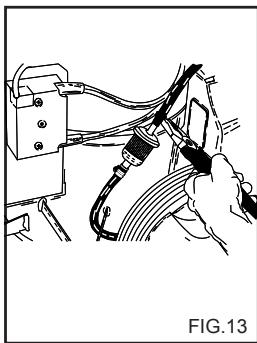
TABLE OF ROUTINE MAINTENANCE TO BE PERFORMED BY THE USER.
Description of operations:
Check power cable - pipes - high pressure
connectors.
Each use
Change and clean fuel filters.
Every 100 hours
Clean fuel tank.
Every 100 hours
Clean water filter.
Every 50 hours
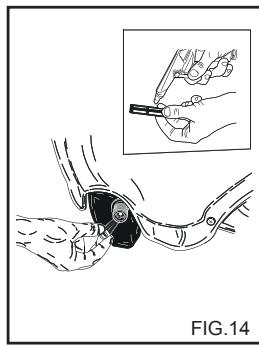
CLEANING THE WATER FILTER
Clean the water intake filter regularly and free it from any impurities (fig. 14).
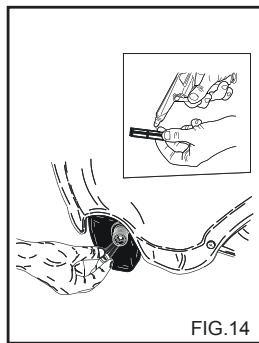
FIG.14
TABLE OF EXTRAORDINARY MAINTENANCE TO BE PERFORMED BY THE TECHNICAL SERVICE CENTRE.
Description of operations:
Boiler:
Clean Coil.
Every 200 hours
Descale coil.
Every 300 hours
Oil change in H.P. pump.
Every 500 hours
Clean fuel pump.
Every 200 hours
Change fuel nozzle.
Every 200 hours
Regulade electrodes.
Every 200 hours
Change electrodes.
Every 500 hours
Change seals on H.P. pump.
Every 500 hours
Change Ianze nozzle.
Every 200 hours
Calibrate and check the safety
Once a year
IMPORTANT:
These intervals refer to normal working conditions. For heavy duty use decrease the interval for each job.
For maintenance and/or repairs, use only original spare parts which offer the greatest characteristics of quality and reliability. Failure to use original spare parts absolves the manufacturer from all liability and transfers it to the person carrying out the operation.
PERIODS OF INACTIVITY
If the machine is to remain inactive for a long period, disconnect the supply sources, drain the tank(s) of all the operating fluids and protect any parts that could be damaged by the accumulation of dust.
Grease the parts that could be damaged by drying out, such as the supply hoses. When bringing back into use, ensure that there are no cracks or cuts in the water supply hoses.
Oil and chemical products must be disposed of according to current legislation.
SCRAPPING
If you no longer wish to use the water cleaner, you should render it unusable by removing the power cable.
You should also make sure that all potentially hazardous parts of the appliance are made safe, particularly for children who could play with the unused water cleaner.
This product is classified as WEEE type special waste and is covered by the requisites of the new environmental protection regulations. It must be disposed of separately from ordinary waste in compliance with current legislation and standards.
Do not use parts dismantled for scrap as spare parts.
English
TROUBLE-SHOOTING

Before carrying out any operations, disconnect the water cleaner from the mains electricity supply via the omnipolar switch or by unplugging the plug from the socket.
| FAULTS | CAUSES | REMEDIES |
| When the switch is turned the cleaner does not start. | Faulty electric connection. Thermal protection has tripped. | Check the mains voltage. Reset (if it trips again, apply to the technical service centre). |
| No jet or leakage from high pressure water circuit. | Water supply filter clogged. Faulty connection to the mains water supply. Mains water supply tap closed. Leakage from high pressure circuit. | Clean. Check. Open. Contact Service Centre. |
| The pump functions but does not reach rated pressure. | Water supply filter clogged. Faulty connection to the mains water supply. | Clean. Check. |
| Lance nozzle worn. Valves dirty or worn. Detergent tap open. Pressure adjustment devices on lance open (if present). | Contact Service Centre. Contact Service Centre. Close. Close. | |
| When the lance is open, the pressure drops and rises. | Nozzle clogged or deformed. Inadequate water supply. | Clean or contact Service Centre. Check. |
| When the ON/OFF switch to the Hot Water position, the boiler does not come on. | No diesel. | Check the level of diesel in the tank and make sure the fuel supply circuit is free of water. |
| Water not enough. | Filters clogged. Boiler element coated with scale. | Clean or replace. Contact Service Centre. |
| Excessive smoke from exhaust. | Incorrect combustion. | Clean or replace diesel filters. Contact Service Centre. |
| Fuel contaminated with impurities or water. | Empty the tank and clean thoroughly. Clean diesel filters. | |
| Inadequate detergent suction. | Tap closed. No detergent. | Open. Fill the detergent tank. |
| Element or tube clogged. | Contact Service Centre. | |
| Water leakage from head. | Gaskets worn. | Contact Service Centre. |
| Water in the oil. | Excessive humidity in atmosphere. | Contact Service Centre. |
IMPORTANT:
For maintenance and/or repairs, use only original spare parts which offer the greatest characteristics of quality and reliability. Failure to use original spare parts frees the manufacturer from all responsibility.
Français
PRODUIT CHIMIQUE (DETERGENT)
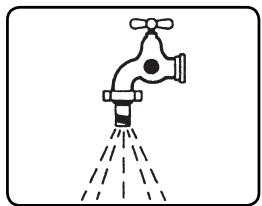
ARRIVEE DE L'EAU
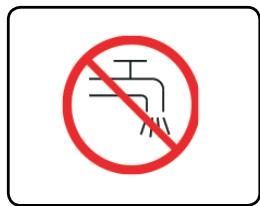
NE PAS ALIMENTER AVEC DE L'EAU POTABLE. UTILISER UN DISCONNECTEUR CONFORMÉMENT À LA NORME EN 12729 TYPE BA.
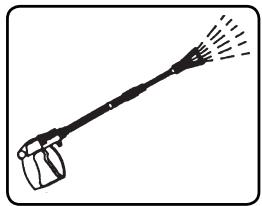
EVACUATION DE L'EAU
PROBLEMAS - SOLUÇÖSES

BbI npoDEMOnHCTpnpOBaII, UTO He IOnyCKaeTe KOMnpomnCCOB - Bbl6upaeme camoe lyuwee.
LcIb 3ToI INHCTpyKUHN - DaT BAm BO3MOXHOCTb POJIHOCTbO OueHITb KAeCTBO N BBICOKYIO 3ΦΦeKTUBHOCTb, KOTOpBIMN xapakTePn3yETcAannapat DnI MOKN POn DAblneHnEM.
Ipexde, Yem Hauatb ero 3KcnnyaTnpoBaTb pekomehnyem IONHOCTbIO npouHTaB IHCTpykun.
MapKIpOBKa CE ha annapaTe dIy MoIKn IOD daBJIeHm NOKa3bIbaET, YTO OHa COOTBeTCTByET EBpOJIckIM HOpMaTINBaM 6e3oNaChOCTn.
Kpome annapata dna MOKn nod daBneHnem, Mbl npednaraem shpokyo ramy Maunn dny y60pkn:
BbITaXHbIe PbIIEOCbI, a TaKxpe nonHyIO rAmMy akceccyapOB, XIMIKaTOB, MOOuINxCpeiCTB, PpeHa3HaueHHbIX dIpy ONUCTKN IOBepxHOcteI IIOBOrO BnDa.
CnpaunBaayy Baawero npoabua nonhki KaTalor haweien npodukm.
HCHTPKZIPEBODOPINHAJIbHOI
TeKCT INHCTpykCnTtSeIbHO npOBepeH, TeM He MeHee, COo6uTe npOn3BODITeJIIO O BO3MOxHBIX OOn6kax NeayaTH.
Kpome toro, dnyuuehenna kaueeCTBa npodykun npon3BODHTb octabnert 3a c06o npabo BVHcntb n3MeHenn B HcTpykun 6e3 o6raTeJIbCTBa yBeOMneHn.
Ee3 pa3peweHn npOn3BODnten 3anpeaaetc BOCnpOn3BeDeHne, daJe qactuHoe, hactoIux HNCTpyKcu.
IODROTOBKA ANNAPATA JIA MOKNI IOI DABLEHNEM
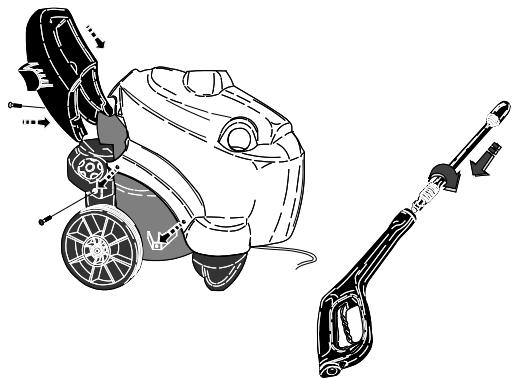
PpncoeDnHeHne pyuKn.
PnncoeHHeHne HacaKn nctOJeTa.
PpncoeDHeHne 3aHnEro 6aUka.
Поdkлочене Воб!.
IopdkJIOUeHneK 3JIeKTPocetN.
ONICAHNE CUMBOJIOB HA APINAPATE
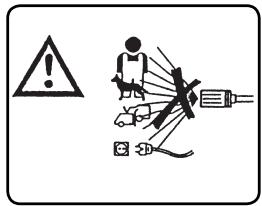
HE HANPABLJIIECTPYUH AJIIOJEK,XIIBOTbIX, 3J E K T P N U E C K N E PO3ETKNN CAMO YCTPOINCTBO.
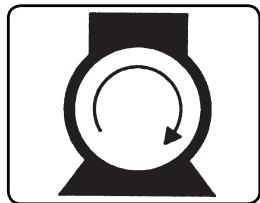
BKNIOUOHEHNE DBNIGATEJI HACOCA.
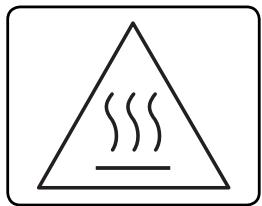
BHIMAHHE: PICK OKOΓΟB.
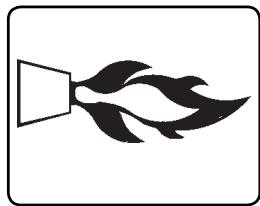
3AJKINAGHNE TOPEJIKN.
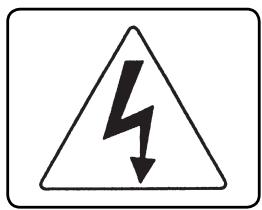
BHIMAHHE: ONACHOCTb YIAPA 3JIKTPINUeCKIM TOKOM.
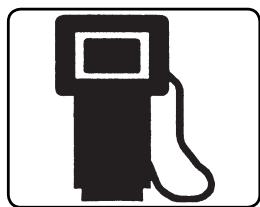
TOJIINBO (DIN3EJIb).
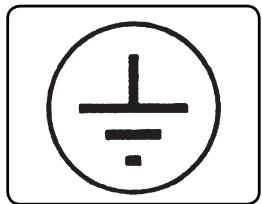
3A3EMJIeHNE.

XIMINUECKHEBEUECTBA (MOIOIIE CPEICTBA).
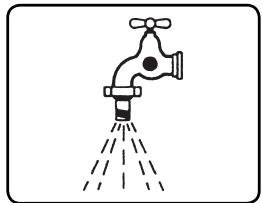
BXOДДЛЯ BOДbl.
HENCIOJb3yIETIITbEBYIOBDOY.
BbIXOДЛЯ BOДbl.
Ha6oJee BaxHbIe NIOXKeHnO TMeueHbI 3HaYKOM

BVEDEHNE
A Dahnoe pykoBocTo BO Heo6xOJIMO npOHTaTb nepeyctAHOBKO, 3anyCKOM u NCnOJIb3OBAHHeM annpapTa. PykoBOcTBo YBnIeTc HcTeBtMeMoY cAChTbIO npOdyKuIm. OHO COCTOIT M3 DBYx cAteTey, ODA h3 KOTOpbIX KeNTaR. IPOUHTaTe BHNATEbO bO6a pykoBocTBA, TAK KAK OHn Coepkat BAXHbIE CBEDEHnI NO BE3ONACHOCTNU NCNOL3OBAHnI NOCJyXNBAHnI. Oco6oe BHNMaHne yJeINeTIpaBNlAM texHKn6be3OnaCHOCTN, n3IOKeHHbIM B JKeTTOM 6yKIneT.
BEPEXHO XPAHNTE PYKOBODCTBO NO 3KCNJYATAUIN.
Copejxahne 6yKeTa dOnJHo 6bITb DoHeceHO IIOJIM, KOtOpbe 6yDyT paOToTb C daHbIM MoeHbIM annapatOM.
KJIACCUΦNKAU
Iionb3ObaTeIbdoJXeHcobnIoTaIb npabNlaKcnIpyatauIM,B YactHOCTn cobIOaTb CneDyIOUy KnaCcnPkaUHO:
IIO CTeHEn 3aunTbI OT 3neKtpUeCKOrO yapa, annapaTbI BbICOKOro DaBnEHH OTHOCyTc K 1Knaccy.
AnnapaTbI BbICOKOro daBHeHnHaCtpoHbI n BCE 3aunTHbIe yCTpoNCTBa YcTaHOBnEhBoHaΦa6pInke.3anpeHoMeHrTB HAcTPOKnYCTpoNCTBa.
BODaIyMoEuyhIxanapatOBcharpeBOMBoDblIOIogPeBaETC CnMOUbIuN3eJIbHOrIropeKn(6oJIep).
MoKn BbICOKOTO daBJIeHnIaDJIxHbI yCTaHaBnIBaTcBaHa npOHyIOPOBHyIO NOBepXHOCTb. BO pEmeI pa6ObTI INI npri pPiocoeiHNHeN K cETNI eKeTpPoPiTuHAn MOky HEnb3r nepMeMaTaB Go I36ExAHne pNiuHNHeN BpEda3DOpOBbIoo.
Helen34 HcnoJIb30BaTb annapaT BbICOKO DaBHeNBA CpeDe eKIMx N B3pbIbOONaChbIX ra3OB (napOB).
3NeKtpnueckne CoeHHeHnA DoJXHbbl BInOJIHrTcC C6oJIHOJeHMeMmecThbIXHOpMBe3OnaChOCTn (npIeepxHBatcBpePdncsHn HOpMbIE IEC 60364-1) nHcTpkyKn pOIm3BDoNTen.
Ipon3BodntBeI He Hecet OTBeTCTBeHHOCTn 3a BpeD 3dOpOBbIIOJe I XNtOHTbIX, A TAKGE BpeD IMyUeCTBy NpIb3OBATEII, HaeCehHnbl n3-3a HenpaBnblbIX 3NeKtpnuecknx CoedInHeHn.
AnnapaTbBbICOKO TdABJIeHnMoUHOCTbU MeHee 3 KBT yKOMNKeTObAHbI WTeNCeMbHO BUNKO DnIPOCDoeHHeHn
K cETn 3JIeKTPoNTaHn. B 3TOM cIyae npOBepeTe, YTObI MOUHOCt bCCTeMbI 3JIeKTPoNTaHn I3JIeKTPuYeCKNXpO3eTOK COOTBcTcBOBAnMAkCMAmbHO MOUHOCt yCTPOINCTBA, Yka3AHHO H a Tablueke (KBr). B cLYae Bo3HKnHOBeHHn COMHeHN o6paauTeCb K bAIniΦnucipOBaHHom NepCOHaNy. PnI HeCOOTBcTcBN pO3eTKn BUNKn, BNJa DoJNKa 6blb 3aMeHeHa KBaINiΦnucipOBaHHm NepCOHaNOM.
Ipeep noocenHeHem yctpOCTBa y6eintecb, qTO daHbIbe, yka3aHHbIe Ha 3abOcKoT TabnUKe COOTBcTCTByOT napameTpam cTei 3neKtpOniTahn. He nCnoJIb3yTe ydInHHTENI IpaONu 3neKtpOniTahn K MoKam BbICOKO DAbNEHn.
Be30nacHocTb yCTpOINCTBa C TOKN 3peHN H3eKTPoNITAHINMOKOT BbIb TapaHTNPOBAH TOnBko PnN NOCDoeHNHmK COOTBcETCTByUOSe CNCTeMe 3a3eMJIeHN B COOTBcETCTBnC DECTBYUOIMN HOpMm3aKOHoJaTeNbCTBa (npJedepKINBaTbCS npdeMNcaHn HopMbIEC60364-1).
Pn Heo6xOdmocTn npOBepbTe OCHOBHbe Tpe6oBaHnna 6e3oNaCHoTn. B CJIyuee Bo3HNKHOBeHHa COMHeHH a3npocTeY kBaNfNpOBAHnHO nepCOnaHa bIbONHTb TtuaTeBHyo npOBepkCnCTEmbl 3NeKtponNTAHn.
PpOIN3BOJNTeJIb He HecET OTBcTCTBeHHOCHT 3a BpeI, PnUHHeHbI B pe3yNbTaTe OTCYTCTBna 3aEMnEHn.
YCTPOCTBO TOKJIHOUaETC T O CEN 3JNEKTPONHTAHN TOnbKO npn BbINHMAnu BNIKU N3 po3eTKn INI npn BbIKHouHenu MHORONJIOCHORO BbIKHQUATEJIen.
HecobnIOeHne BbIeUyKa3aHHbIX npabIN ocBOOJdaET npOnBODInTeN O TBeTCTBEHNOCT 3a Hero, TAK KAp npedctBaJIeT cOB0 HeBxpeHoe OTHoWHeNE K TObAPy. Annapat DnA MoKN YBnIeTCaTcNoHapBmY CtPOnCTBOM.
AnnapaTbCyctpoBcTBOM《TotalStop》nonHocTbO OTKJIOUeHb,KOrdaMHRONONHOChBByIKNQUATEnb HAXODNTCBnNOXKeHN《O》mIuShyPbHyTn3pO3ETKn
DEKJIAPALUЯ O COOTBETCTBи HOPMAM CE
Пдн haуч NCKHIOHTeBHyO TBETCTBEHHOCTb 3a8BnREM, cTO pOkyuK, K TOKOPO OTHOCITc DeKlapaCOn COOTBETCTByET CneDyUcIM dIpeKTiBAM EBoPONJIeKOrO Coo6IeCTBa;
2006/42/CE - 2004/108/CE - 2000/14/CE - 97/23/CE
CorgnacobAHbIe cTaNdapTbI, npmEmHeMbIe: EN 12100-1, EN 12100-2, EN 60335-1, EN 60335-2-79, EN 55014-1, EN 55014-2, EN 61000 (part 3-4-6), EN 60704-1
IPEDHA3HauEHNIE
YcTpoICTBO pIeHa3HaueHToIbKo IIN MaINH, TpaHCNOpTHbIX cpeDCTB, 3aHNu INpyTN NOBepxHOCTei, KOTOpBLE MOKHO OHUaHTb C NOMOUsbIo anapatOB BbICOKO ToBaJIeN25-2506ap (360-3600fynr/IOHM2).
YctaHOBka MOKeT IcIOnIb3OBAbTcB C BoCteAHnn C MoOuIMM BeJeCTBaMM, NOCTaJIbReMbIM NnIpeKoMeHDoABHbIMn IpnON3BOdTeEN. IcNObIbO3BaHne DpyrN MooXIN Nn XmMHecNx cpeCTb He6e3OanCHO dIy yCTPOJCTBA.
DaHHoe yCTpoIcTBO DOJIHXO IICNOJIb3OBaTbCRA TOnbKO DnB Bblweyka3aHHbIX ceJIe.
IcnoIb3ObaHne Bdpyrnx ceyx cunTaetc HecooTBeTCTByUoUIMn HeoobocHOBAHHbIM.
PpIMepbI HecOoTBeTCTByUoJero NcIOJIb3OBaHnA:
-MoJaNoBepxHocte,He npEHa3HaueHHbIX DnA MoKn annapataMn BbICOKO rDaBHeHn.
-Мояka пodeи,ЖИВOTьIX,ЗпЕТрчecкOrO obopydOBaHnI nIcamoro yCTpoiCTBa.
-ИспόЛьзоваиме НECOOTВETCTBYЮДNX MOЮДNX И XIMMUNeCKNX CpeДСТВ.
-ФИКСАЦЯ KУРКA ПИСТОЛЕТВ NOLOXKEHIN NOДАЧ.
Pon3BOJNTIEL He MOXET HECTN OTBETCTBEHHOCtB 3a BO3OHNyUe6b, Bb3BAHNNHECOOTBETCTBYUoEi, OuINBOHn IN HENPAIBINHOr 3KcNpnyataMeIe.
AnnapatbI JIA MOKIN NOI DABNEHEM I3ROTABNBAHOCTB C BOOTBETCTBNI C DEICTBYIOUIMM HOPMaTINBaMn N0 6eOanchoctNo.
IPOIROBNTJIbHbIE PABOTbl
PACNAKOBKA
Iocne pacnakOBkn ybeintecb, yTo MOeHbI annapaT He nobpeXdEh.
B cnyaue Bo3nHKHOBEHn COMHeHn He nCNoJIb3yIte yCTpoIcTBo. O6paTIteCb K dInepy.
YnakOBka (MeuKn, KopoBkn, rBo3n) NOTeHuaNbHO onaChbl, xpaHNTe INx BdAnN OT deten. YnakOBka DoJnxHa yTININ3nPOBaTBcB C COOTBETCTBm C MeCTbIMn HOpMaMn 3aunbl OkpyXaOHeI cpebl.
IPNCOEINHEHNE OTDEJbHbIX YCTAHOBKE
Bce ochoBhIe yactn 3aunTHbIe yCTpoIcTba annapata yke npncOeDInHebl K HeMy Ipon3BODntTelem.
OndakoДЯбоэнгуняУнakOBиИТаHCNOPTnOBKIn HeKOTOpBte DeTaNn annapata nocTaBIArTOcTc OTCOeINHHeHbIM.
IodcoeHnHte IaHaR BbICOKoI DaBHeHnK annapaty (pnc.5c) n K nctonety (pnc.6).
BaxkHo.
ДЯМоКИНEOБXODIMO NCSNoB3OBaTb TOnbKo YCHSTYO BOD.YPn3HaN BOA,BOA C NcEeKOM, EDKIMNBEeCTBaMmMOKET NOBpeNTb anapat.
HecobnOHeHne daHHoro npabnla cHMaET CnpOn3BoDnteTn OTBcTeBENHOCTb 3a HncnPabHOBtcbObopyoBaHn.

06paTte BHHMaHHe
Co6IIOdaIte paCnpaJKeHn KOMNaHm-NocTaBuznKa BObl.
IeCTbYIOUHMe IpaBvIna IpeyCMATPNBAOT,HTO annapat He MoKet 6bITb IOkJIouHc K BOJOpBOyO C NITbEOB BOOJ, He IMeHOJero CETBOrO pa3BeJIMnTHeJI.
Icnoj3yTeceTeBOpa3bEduHNTeB TnPaBA B COOTBeTCTBnC HOpMaTINBOM EN 12729.
Boa, npotekaoua qeep3 cnctemhbi pa3dneHtbe He cHTaetc nTbeB0.

BHMaHne
He podkIIOUaIte annapat K eMKoCTaM, coepeXaIIM nITbeByO Bovy.
3NEKTPNUECKNE COEINHEHNA.
IcNoJIb3OBAHnE APITAPATA
NAHEnb yNpABJIeHnA
A- BbIKNQUaTeNb 3nEKTponNTAHNA
B-PerynTOp 6aKa cMoHouM CpeIcTBOM (ecJIN BXOHT B KOMJIeKTAuHIO).
3ANYCK ANIAPATA
1)Повернente кран подач Вобь (pnc.5A).
2)Подсоевине annapat Дпя мойк к сети зелкову симонь mhorononiochoro bblknoчateлл ИИN, BCTaMbB BnIKY B pO3ETKY.
3) 3anyctnte annapat, nepeBeda BbIKHouaTeIb B nIOJKeHne 1 (pnc.7A).
4) HaxmTe Kpyok nCTOneta HaChnTe MoKy.
5)Дпя nсponьзовая поpeуй BОДы, nepebeДиTe nepeknIOYaTeIb b noLoXeHne noJaHn ropeuй BOДы (pnc. 7A).
HekotopbIe moJIEN Tpe6yIOT NOCTAHOBKN BblKnIOUaTeTnE 3aKurHnna (pnc.7A) B noJIOKeHne NOaChu npRoueH BoDJI nepED bblONIHHeM BeIWeONICAHNbXdEJIcTBNI.
A y annapatob c cnctemoi "Total Stop" dBiratentb hauinhaet n ppekpaaaet pa60Tu npn HaxkMaHn nn OTnyckaHn Kypka nictoeta.
He 6nokpyte KypoB nnoJxehnn noaH.
BAXHO!
Длудалени Инордьх TeNиpy3ыркOB Bo3dyaха peKOMeHnyeTcB N nepBbI pa3 3anyctntb annapat 6e3 nctoneta N datb BoDE CBO6OdoN ToeY B TeeyHne HEckONbKx CekyHd.
HOpoNtBHe Teta Moryr 3acopnTb cnonnnpnbceTc K hEnonlaqam (pnc.8).
OCTAHOBKA AIIIAPATA IIM MOIKN
1) OTKIIOUHTe IROPENky, NOBEPHyB BbIKIOUATeINb B nOLOXKeHne «I» (pnc. 7A).
2) PnimepeHo Ha 30 cekyHd OCTABBeTeBxOIOuHyoBOy DnI TORO, yTO6bI Oxlaadinb KOTen (Boiinp).
3)BbIKIOHHTe annapat, noBepHyB BbIKIOHATeIb B noJoxKeHMe 0 (pnc.7A).
4)Hakab Kypok PINTOeta, c6pocBe TaBHeMe B UHaJIRe BbICOKOFO DaBHeNIA.
5) OtcoeHnnte annapat nIЯ MoIKNOT CETn 3NeKtPOnNTaHnC NOMOJIbMHRONOJIHOCHORO BbIKNoUcTeNJaNN, BbHyB BUNKy N33NeKtPruececko pO3ETKn.
6)3aKpoIe KpaH BODonpoB0da (Pnc.5A).
Anpno octablenn 6e3 npncmotpa annapata daKe Ha KOpOTKe BpeM, OTKHOnHTe 3NeKTPoNTaHne C NOMOUBHO MHORONJIOCHORO BbIKNoCTeINI INI, BbIHyB BNkky n3 NeKTPnuYeckOPOeTkn.
AnnapaTbycyToBcTbOM
《Total Stop》cunTaHOTcB
BbKlNoUeHHbIMN,TOJbKOecnMHorOOnIOuChbI
BbKlNoUeTeNb nepeBeDeH
BnoLoXeHne《0》nnI
WtncCeNbHa BnIka BbHyta
n3po3ETKn.
A B K I J O U Y N T E npedoxpaHnteIb Ha pyuke nictoTe, ecn He 6yndeTe nCnIb3ObAtb annapat (Pnc. 10).
He donyckaIte pa60tbl annapata6e3B0dbl,3TOMOKeT npBecTNI KOBpeXdHnM HacocA.
N C N O J b 3 O B A H N E P E Y N I P Y E M O N HACADK N MULTIREG (pnc.9)
BbIbepeTe DaJIeHHe npu BByIKNoHcEHHom NtCTOnTe.
Hn3Koe DaBneHne MoKnu nNoJaaya MoUoIero BoeueCTBa.
OToDvHbTe HacaKy Bnepe.
Mоиka npn BblcOKOMДaBJIeHnKOHcHTpnpOBaHHa CtpyR BOdI
Moika npn BbICOKOM daBHeHH Beepoo6pa3NoI CTpye BoDbl
DaHHbAnnapat 6blp3pa6o7aHc B03MOJHOCTbHO INOJIb3OBAHnIO CBMOCTHO CMOUOIMN CpeDCTBaMn, NOCTABNEMbIMN INI KEPOMEHDOBAHbIMN IPOINBOdHTeEM.
Icnojbl30BaHHe dpyrnxMOUoXn XmMueeCKNX cpeCTB MoKet OTpntaTeNbHO Cka3aTbCra Ha COxpaHNoCTN O6OpyDobAHna.
1)Длб coхаразен� Okрхаошени рседы мь реком endуem nCOnIb3OBAt b MOUиce cpeDCTBa b pa3ymhIx npedenax, corlacho INCHTpykLIMH yNAKOBKE.
2)ИЗ accOPTIMENTa peKOMeHIOBAnHOHIpOdyuKmN BbIbePHTe Hn60one NpOxOJaUe DЯД DanHoi pa6ObTb CpeCTBO n pa36abTe erO BOJIoB C COOTBETcBN C INHCTpyKunMn Ha ynaKOBKe IIN B KATAJORE CpeCTB, Hn60one NpOxOJaXn DЯ TINa annapata, KAK C HarpEOM BOJbl, TAK N 6e3 Hero.
3) 3anpoCHTe y dInepa KaTaNr MOUxN CpeDCTB.
PABOTA C MOIOUIMN CPEICTBAMN
1)IooTOrObte pactBop MOUoIeRo cpeDCTBa KOHcEHTpaun, Han6oJee NOxOJaSe Tnny rpa3n O6pa6aTabBaemO NOBepXHOCTN.
2)CHIMITE HacaKy c NCTOTETA n PnPCOEDHNTe HacaKy dpa PaCbIJIeHHa MoUoIeRO cpeCDtBA (PNC. 11), BkLNouHTe annapat n paCbIJIeNTe pactBop Ha 3arpy3HeHHyIO NOBePxHOCTb CHN3Y BwEe. IJ moDeMeI C fHyKxIeBcAcSbBAHNs
MOUeO CpeTBA, OTKPOTe KpaH 6aKa C MOUIM CpeTbOM (pnc.7B) NpeBeDInTe HacaKBy BnepeJ. OctabTe paCTbOP Ha HECKONBJKO MHNyT.
3)Пюмоite BCIO NOBepxHOCb CBepxBy BnH3 ropayeи ИлxOLOHOBODI pRy BbICOKOM DaBHeHN.
4) Iocne nCNOBbOBAHn MOUoE OpeCTBa, npOMOITE KOHTy BOByI BcBCOTo DaBJIeHnIOpcEpdTBM HAcoca pN3 3aKpytOM KpaHe G6a C MOUoHm PaCTBOPM.
OBCJYKINBAHNE
IIOJIb3OBATEJIb MOXET BblONHrTb TOJbKO OIEPAUIN,ONCAHHbIEBDAHHOMPYKOBODCTBE. DpyTne OIEPAUIN 3APPEUeHbI.
A Dn8 06cnykBaHnK KOtIa, HAcOca BbICOKOr DaBHeNHa, 3NeKTPuYeCKnx YacteN I BCEx 3aunTHbIX UcTPOINCTB opaauainTeCb B cepBnChbIe cHTpbl.
A Ipeed BbIOnJIHeHem JIObIx paOt NO o6cnyKbAHnIO OTOeHNHTe MOky OT CETN 3NeKTPoNTaHnC NOMOuBIO MHOrOONIOCHOR BO bIKNoUaTeNl IN, BbHyB BuJKy N3 3NeKTPuYeCKoR POzEeTKi, ZAKPOte NODauy BOdY (CM. rIabbl NOcBraUeHHeI NOcDOeHNHeHIO K CETM 3NeKTPo- I BODOSHa6KeHnI. IO zABepseHNO 6cNpyKbAHnI nepeD nOdkIQUHeHem annapata K cETM y6EdntEc, YTO BCE NaHeN
c06paHbI npabInbHO 3akpenHeB BVHTaM.
HecobJIOeHHe DaHHoro npaBnla MoKet npuBeCTN K ydapy 3NeKTpUeCKM TOKOM.
MEPbI IPEDOCTOPOXHOCTN IPOTINB 3AMEP3AHNA
Annapat He DoJKeH noDBepraTbCz3aMep3aHIO.
EcnnnapaTnmeaaetcBcpeDycmHycoboTeMnepaTpyo HxaapanHeNnno 3aBepeHneHNO paOToI, Heo6xOdimo nCOnNoB3oBaTb aHTnOpnn3 BO n36eKaHne NOBpeJdeHn mRpaBnueckORO KOHtpa.
N C N O J b 3 O B A H N E AHTNΦPn3A (pnc.12)
1) OTKNIOHTe noauy BOdbI,OTCOEOHNITe 7nAHR, BKNIOHTeannapatnoCTabTe ero pabotb, noka annapat he cTahet nyctbIM.
2) BbIknIOuHTe annapat, nepeBeda BbIKNOUaTeB b noJoxHeMe 己 _ 0 ^
3)Под�товыт eмКOCТь c pactВором aHTINФпИЗА.
4)ПOMECTHTeUHaHFBemKoCTb c pactBOPom aHTnФри3a.
5) BkIIOUHTe annapat, nepeBeda BbIKIOUaTeInb B nOIOKeHne «I».
6) Octabte annapat paobotouzim do tex nop, noka n3 nntoneta annapata he noteet pactbop aHTnppn3a.
7) BneTe aHTnФриЗ b KOHTyp MOIoUeRo cpeIcTba.
8) OToeDiHnTe AnnpaT oCTeN 3NeKtPOniTahnC nOMoUbHO MHOrONoHIOCHOrO BbIKNoHTeN IJI, BbIHyB BNJIky N3 3NeKtPrUeCKo pO3eTkn.
AHTnUppn3 MoKET npBODnTb K 3aqr3HeHIO OkpykaIoJe CpeIb. BcERda BHMaTeNbHO co6IIOaIte IHCTpyKUn, daHHbIe Ha ynaKOBKn.
3AMEHA MACJIA
Obpatntecb B ceHtp cepBnCHOrO 0cbnykBaHnA.
3AMEHA COJUJA
Conno BbICOKO DabNeHnHa HacaKe NcTOnTeTa Heo6xOIMIO nepMOINeCKN MeHnB, TAK KAK 30o OBeCNeHnBaET HopMaIbHyO npAOy yCtpoCTBa. Heo6xOIMOCb 3aMeHbO bIuHO onpeJeTcR no ChnKeHIO paOyo Ro daBneHn annaparA.Дяп erо 3aMeHbO obpaTInTeCk KBaWeMy nocTabuKny u/nni dInepy.
CHRTNE HAKIN
PepnoDnueckn Heo6xOJIMO npOBoNTb CHTne HAKHNN, TAK KAK OCAkN, HAXOJaXUEcB BOe, YaCTMNUO CTaOTcB R IaDPABNIYeCKOM KOHTpe NocTeNEHO BNOKpyOT er.
YnCTka TOnJIINBHOro 6aka
kaKdbie 100 yacOB
UHCTKa BOHDHO FOINbTa
kaKdIe 50 yacob
OuNCTKA BOHORO ΦЛьТРА
PeYyIaRHoOoHnuaeTeBODnblbФnIbTpOTNHOPOdHbIXTeI (pnc 14).
TABINUCA DIOJONHHTENbHOrO OBCJyKUBAHNBAIINHREMOTOCEPBNCbIMU CEHTPAMN
Onncanpe pa60t:
Koten (6oJIep):
UNTka 3MeeBnKa
kaekdbie 200 yacob
Chrtne HAKINn n3 3MeEBnka
kaekdbie 300 yacob
3aMeHbI MaCna HaCocA BbICOKO
Давлиия
kaxdie 500 yacob
YnCTka TOnJIbHOrO HacOca
Kakdble 200 yacob
3aMeHa TOnnBHOJ FOpcyKn
Kazdble 200 yacob
PerynipoBka 3neKtpoDob
kaekdbie 200 yacob
3aMeHa 3JIeKToPOIOB
kaekdble 500 yacob
3aMeHa cAlbHnKOB HaCoCA
BbICOKOTo DaBJeHn
kaekdble 500 yacob
3aMeHa cOpII HaCAdKn NInCTOnJeTa KaJdbie 200 yacOB
BbIBJEHNE HENCPABHOCTE
Product and distributed under licence by
41122 Modena (Italy)
MICHELIN and/or the Michelin Man Device and/or BIBENDUM are trademark(s) owned by, and used with the permission of, the Michelin Group. © 2013 Michelin
www.michelin.com



- CONGRATULATIONS! WE WISH TO THANK YOU
- TRANSLATION OF ORIGINAL INSTRUCTIONS
- PREPARING THE CLEANER
- DESCRIPTION OF SYMBOLS ON THE CLEANER
- THE MOST IMPORTANT INSTRUCTIONS ARE MARKED WITH THE SYMBOL
- INTRODUCTION
- KEEP THIS MANUAL CAREFULLY FOR FUTURE CONSULTATION
- CLASSIFICATION
- CE" CONFORMITY DECLARATION
- 2006/42/CE - 2004/108/CE - 2000/14/CE - 97/23/CE
- INTENDED USE
- EXAMPLES OF UNREASONABLE USE
- PRELIMINARY OPERATIONS
- UNPACKING
- FITTING THE SEPARATE PARTS OF THE MACHINE
- DATA PLATE
- FILLING THE FUEL TANK
- FILLING THE DETERGENT TANK
- WARNING
- WAX-SOAP KIT (IF AVAILABLE)
- COMMAND AND CONTROL DEVICES
- WATER CIRCUIT CONNECTION
- IMPORTANT
- INFORMATION
- ELECTRICAL CONNECTION
- GENERAL WARNINGS ABOUT INSTALLATION AND USE
- CONTROL PANEL
- STARTING THE CLEANER
- STOPPING THE CLEANER
- ADVICE ON USING DETERGENTS
- OPERATING PHASES FOR CORRECT CLEANING WITH DETERGENTS
- MAINTENANCE
- ONLY THE OPERATIONS AUTHORIZATION IN THIS INSTRUCTIONS MANUAL MAY BE CARRIED OUT BY THE USER
- PRECAUTIONS AGAINST FROST
- THE CLEANER MUST NOT BE EXPOSED TO FROST
- OPERATIONS FOR USING ANTIFREEZE (FIG. 12)
- PUMP OIL CHANGE
- CHANGING THE NOZZLE
- DESCALING
- CLEANING THE FUEL FILTER
- TABLE OF ROUTINE MAINTENANCE TO BE PERFORMED BY THE USER
- DESCRIPTION OF OPERATIONS
- CLEANING THE WATER FILTER
- TABLE OF EXTRAORDINARY MAINTENANCE TO BE PERFORMED BY THE TECHNICAL SERVICE CENTRE
- BOILER
- PERIODS OF INACTIVITY
- SCRAPPING
- ENGLISH
- TROUBLE-SHOOTING
- FRANÇAIS
- PROBLEMAS - SOLUÇÖSES
- HCHTPKZIPEBODOPINHAJIBHOI
- IODROTOBKA ANNAPATA JIA MOKNI IOI DABLEHNEM
- ONICAHNE CUMBOJIOB HA APINAPATE
- HA6OJEE BAXHBIE NIOXKEHNO TMEUEHBI 3HAYKOM
- BVEDEHNE
- BEPEXHO XPAHNTE PYKOBODCTBO NO 3KCNJYATAUIN
- KJIACCUΦNKAU
- DEKJIAPALUЯ O COOTBETCTBИ HOPMAM CE
- IPEDHA3HAUEHNIE
- PPIMEPBI HECOOTBETCTBYUOJERO NCIOJIB3OBAHNA
- IPOIROBNTJIBHBIE PABOTBL
- PACNAKOBKA
- IPNCOEINHEHNE OTDEJBHBIX YCTAHOBKE
- BAXKHO
- 06PATTE BHHMAHHE
- BHMAHNE
- 3NEKTPNUECKNE COEINHEHNA
- ICNOJIB3OBAHNE APITAPATA
- NAHENB YNPABJIEHNA
- 3ANYCK ANIAPATA
- BAXHO!
- OCTAHOBKA AIIIAPATA IIM MOIKN
- PABOTA C MOIOUIMN CPEICTBAMN
- OBCJYKINBAHNE
- IIOJIB3OBATEJIB MOXET BBLONHRTB TOJBKO OIEPAUIN,ONCAHHBIEBDAHHOMPYKOBODCTBE. DPYTNE OIEPAUIN 3APPEUEHBI
- MEPBI IPEDOCTOPOXHOCTN IPOTINB 3AMEP3AHNA
- N C N O J B 3 O B A H N E AHTNΦPN3A (PNC.12)
- 3AMEHA MACJIA
- 3AMEHA COJUJA
- CHRTNE HAKIN
- OUNCTKA BOHORO ΦЛЬТРА
- TABINUCA DIOJONHHTENBHORO OBCJYKUBAHNBAIINHREMOTOCEPBNCBIMU CEHTPAMN
- ONNCANPE PA60T
- KOTEN (6OJIEP)
Brand : MICHELIN
Model : MPX 150 HL24332
Category : Pressure washer