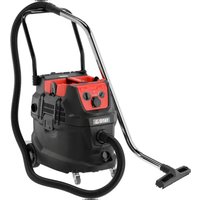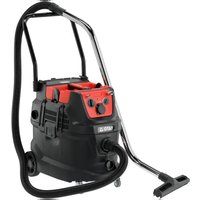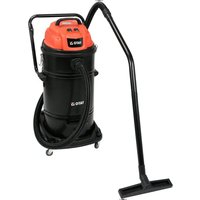
YT-85687 - Vacuum Cleaner Yato - Free user manual and instructions
Find the device manual for free YT-85687 Yato in PDF.


User questions about YT-85687 Yato
0 question about this device. Answer the ones you know or ask your own.
Ask a new question about this device
Download the instructions for your Vacuum Cleaner in PDF format for free! Find your manual YT-85687 - Yato and take your electronic device back in hand. On this page are published all the documents necessary for the use of your device. YT-85687 by Yato.
USER MANUAL YT-85687 Yato
natural_image
Three-panel black-and-white photo showing a mechanical device being handled, with no visible text or symbols.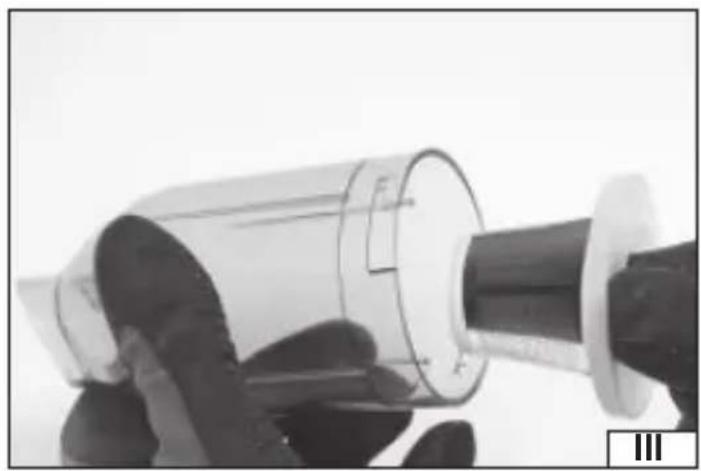
natural_image
Close-up of a mechanical component being held by gloved hands, no visible text or symbols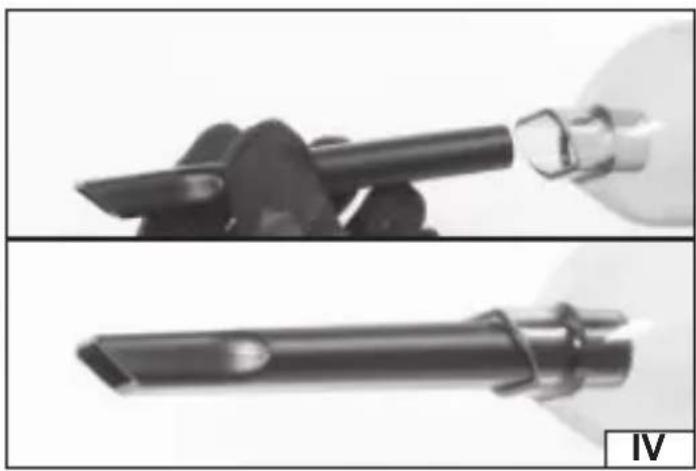
natural_image
Two views of a mechanical component with a bulb and flange, shown from different angles (no text or symbols visible)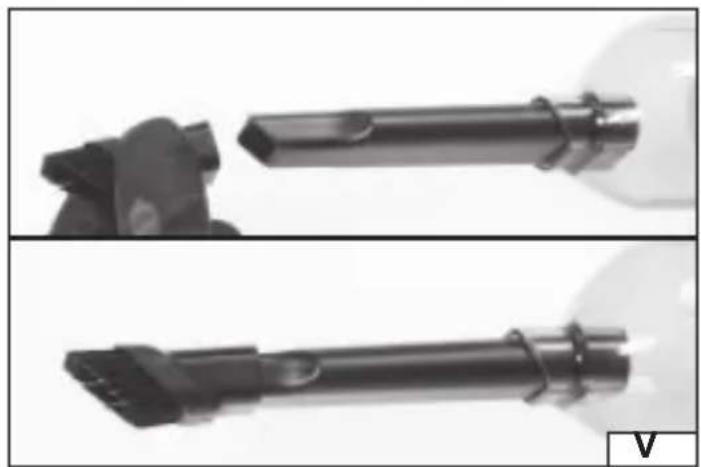
natural_image
Two black mechanical components with attached spring-like brackets, shown from different angles (no text or symbols visible)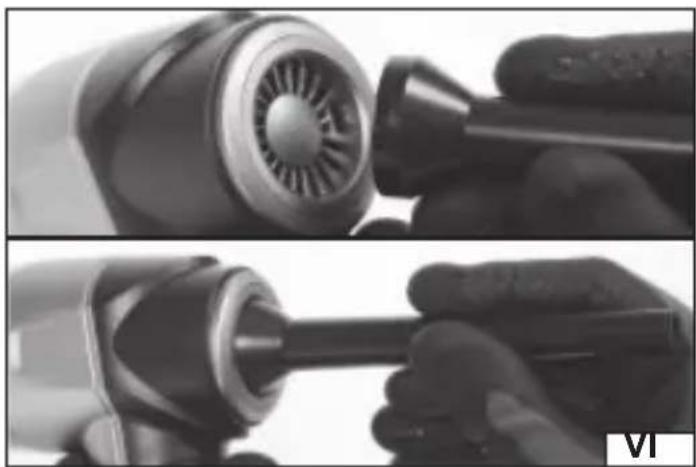
natural_image
Close-up of hands using a hairdryer to adjust a mechanical component (no visible text or symbols)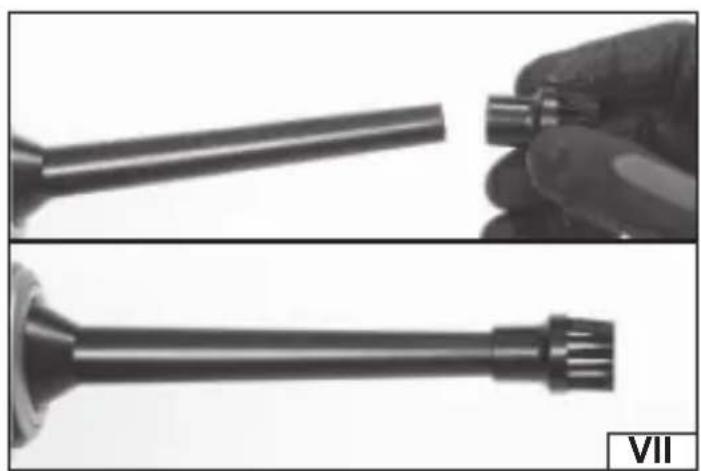
natural_image
Two views of a mechanical shaft being held, showing end and front angles (no text or symbols)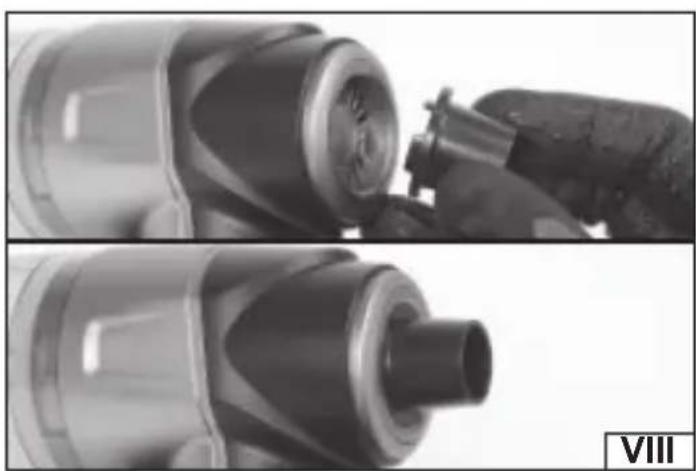
natural_image
Close-up of two mechanical components, one showing a tool interacting with a cylindrical part, the other showing a cylindrical component inserted into a housing (no visible text or symbols)PL
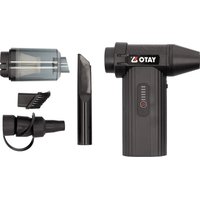
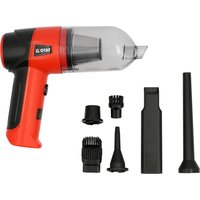
- vacuum cleaner
- dust container
- switch
- blower nozzle
- blower brush
- crevice nozzle
- vacuum cleaner brush
- pump nozzle
- charging socket
- charging cable
DE
Read the operating instruction
This symbol indicates that waste electrical and electronic equipment (including batteries and storage cells) cannot be disposed of with other types of waste. Waste equipment should be collected and handed over separately to a collection point for recycling and recovery, in order to reduce the amount of waste and the use of natural resources. Uncontrolled release of hazardous components contained in electrical and electronic equipment may pose a risk to human health and have adverse effects for the environment. The household plays an important role in contributing to reuse and recovery, including recycling of waste equipment. For more information about the appropriate recycling methods, contact your local authority or retailer.
WYPOSAŻENIE PRODUKTU
PRODUCT CHARACTERISTICS
Car vacuum cleaner designed for cleaning the interior of vehicles, trailers, boats and other small spaces. Equipped with a blower function for blowing dirt from hard-to-reach places or for pumping up small items such as water toys. Battery power allows you to work without having to connect to the mains. Correct, reliable and safe operation of the tool depends on proper use, therefore:
Before using the tool, read the entire manual and keep it.
The supplier is not liable for any damage resulting from failure to comply with the safety regulations and recommendations of this manual.
PRODUCT EQUIPMENT
The product is delivered complete and does not require assembly. The vacuum cleaner is delivered with nozzles and nozzles and a charging cable. The product does not include a charger.
TECHNICAL DATA
| Parameter Unit of measurement Value | ||
| Catalogue number YT-85687 | ||
| Nominal input voltage [V d.c.] 5 | ||
| Charging current [A] 1 | ||
| Rated power [W] 70 | ||
| Mass [kg] 0.4 | ||
| Battery | ||
| - type Li-ion | ||
| - capacity [Ah] 2.0 | ||
| - rated voltage | [V d.c.] | 7.4 |
SAFETY INSTRUCTIONS
WARNING! Before use, read all of the following instructions carefully. Following the instructions in this manual will reduce the risk of electric shock, personal injury, fire, or damage to the device or other items.
The device is intended for use in a home or workshop environment only - indoors. Do not use it in a manner other than its intended use.
Do not use the product as an artificial respiration device, for spraying any substance or for any other use not described in the instructions.
The vacuum cleaner is designed for dry operation. It is forbidden to suck up water, wet ash or other wet waste. This may result in electric shock, which may consequently pose a threat to the health and life of the user and bystanders.
Never vacuum up hot, glowing or burning objects. This can cause fire or explosion and can result in serious injury or death to the user. The maximum temperature of the vacuumed waste must not exceed 40^ C.
Never direct the air flow towards yourself or other people or animals.
It is prohibited to insert fingers or other objects into the inlet and outlet openings while the device is operating.
Do not use the device near liquids, flammable gases or explosives.
Do not use the device in high humidity or in the immediate vicinity of water (e.g. in bathrooms, kitchens, near
EN
bathtubs, sinks or other water reservoirs). Do not expose the device to precipitation. Do not immerse the device in water or other liquids.
Using the device with wet hands is prohibited.
The filter should be cleaned or replaced regularly according to the manufacturer's recommendations. Using a vacuum cleaner with a dirty or damaged filter may result in reduced vacuuming efficiency, overheating of the device or the release of contaminants into the environment.
The device should always be checked before use. In particular, pay attention to the condition of the power cord and plug. If you notice any damage, do not use the device. Damaged components, such as cables and wires, must be replaced by new ones at an authorized service center of the manufacturer.
Before performing any maintenance or cleaning, disconnect the power cord plug from the wall outlet.
Do not cover the ventilation holes, even when the appliance is not in use. Keep them clear and clean them regularly to prevent overheating. Covered or blocked ventilation holes can cause overheating, which can result in fire or electric shock.
Do not leave the device switched on unattended.
If you notice any unusual symptoms, such as a burning smell, smoke, no response to switching on, or the housing overheating, discontinue use immediately.
The product is not a toy. It should be kept out of reach of children and animals.
Hair, loose clothing or other objects should not be placed near the air inlet to avoid accidental suction.
Do not use alcohol, solvents or sharp tools to clean the product. This may damage the product or discolor the casing.
Before first use, make sure that all accessories – including the switch and charging cable – are in good working condition.
Do not disassemble the device yourself. For repair, contact an authorized manufacturer service.
Before first use, please fully charge the battery as the device may only be partially charged.
The dust container should be emptied regularly.
Do not use the device in high temperature or high air pressure environment. The permissible operating temperature range is -20^ to +50^ .
Battery Charging Safety Instructions
Attention! Before starting to charge, make sure that the charger body, cable and plug are not cracked or damaged. It is forbidden to use a faulty or damaged charger! Only the charger of the accessories supplied in the set may be used to charge batteries. Using another charger may cause a fire or destroy the tool. The battery may only be charged in a closed, dry room protected from access by unauthorized persons, especially children.
The charger must not be used without constant adult supervision! If it is necessary to leave the room where charging is taking place, disconnect the charger from the mains by unplugging the charger from the mains socket. If smoke, a suspicious smell, etc. is emitted from the charger, the charger plug must be removed from the mains socket immediately! The product is supplied with an uncharged battery, therefore before starting work it must be charged according to the procedure described in the instructions. Li-ion batteries do not exhibit the so-called „memory effect”, which allows them to be recharged at any time. It is recommended to discharge the battery during normal operation and then charge it to full capacity. If, due to the nature of the work, it is not possible to treat the battery in this way every time, then it should be done at least every few or a dozen cycles of operation. In no case should batteries be discharged by short-circuiting the battery contacts, as this causes irreversible damage! It is also forbidden to check the battery charge by short-circuiting the contacts and checking for sparking.
Battery storage
If possible, it is recommended to disconnect the battery from the product for storage. Proper storage conditions will extend the battery life. The battery can withstand approximately 500 charge-discharge cycles. The battery should be stored in a temperature range of 0 to 30 degrees Celsius, with a relative humidity of 50%. To store the battery for a longer period of time, it should be charged to approximately 70% of its capacity. In the case of
EN
longer storage, the battery should be charged periodically, once a year. The battery should not be excessively discharged, as this will shorten its life and may cause irreversible damage. During storage, the battery will gradually discharge due to leakage. The process of self-discharge depends on the storage temperature; the higher the temperature, the faster the discharge process. If the batteries are not stored properly, electrolyte leakage may occur. In the event of a leak, secure the leakage with a neutralizing agent; in the event of contact of the electrolyte with the eyes, rinse the eyes thoroughly with water and then seek immediate medical attention. It is forbidden to use a tool with a damaged battery. If the battery is completely worn out, it should be taken to a specialist waste disposal facility.
Battery transportation
Lithium -ion batteries are considered hazardous materials according to legal regulations. The user of the tool can transport the product with the battery and the batteries themselves by land. No additional conditions need to be met. In the event of entrusting transport to third parties (e.g. shipping by courier), the regulations for the transport of hazardous materials must be followed. Before shipping, contact a person with appropriate qualifications. It is prohibited to transport damaged batteries. During transport, dismantled batteries must be removed from the product, and exposed contacts must be protected, e.g. covered with insulating tape. The batteries must be secured in the packaging in such a way that they do not move inside the packaging during transport. National regulations for the transport of hazardous materials must also be observed.
NOTE! During all activities related to the assembly and disassembly of equipment, turn off the device and disconnect the charging cable.
Assembly and disassembly of the device
Remove the vacuum cleaner, dust container and accessories from the packaging and remove all packaging elements. Start assembling the dust container.
Before first use, make sure that the tank contains all components and is properly assembled.
If the container is mounted on the vacuum cleaner, it must be removed. Hold the vacuum cleaner with one hand and with the other, grab the dust container and turn it clockwise (II). Then remove the dust container from the vacuum cleaner (II).
There is a filter inside the dust container that protects the vacuum cleaner from dirt from the dust container getting into the vacuum cleaner. To remove the filter, hold it by the inner edge and then slide it out of the container (III). After emptying the container and cleaning the filter, insert it into the container so that its collar rests on the guides inside the container. The filter collar should adhere to the container wall along its entire circumference and be parallel to the edge of the container. Otherwise, the vacuum cleaner will not be properly separated from the dust container and the filter will not fulfill its role.
Install the dust container onto the vacuum cleaner. When installing, make sure that the protrusions on the edge of the vacuum cleaner are inserted into the recesses on the edge of the dust container. Once both edges are flush with each other around the entire circumference, hold the vacuum cleaner and turn the dust container counterclockwise as far as it will go.
A correctly installed container adheres to the vacuum cleaner with its entire edge. A correctly installed container cannot be dismantled except by turning it relative to the vacuum cleaner.
Accessories assembly
Depending on the type of work being performed, the product must be prepared appropriately.
To prepare the product to work as a vacuum cleaner, insert the crevice nozzle (IV) into the opening at the front of the dust container. An additional brush (V) can be mounted on the crevice nozzle. Dismantling of the vacuum cleaner accessories involves sliding them out of the inlet opening of the dust container.
To prepare the product for use as a blower, mount the blower nozzle to the outlet on the back of the vacuum
EN
cleaner. When mounting the nozzle, make sure that the protrusions on the edge of the vacuum cleaner are inserted into the recesses on the nozzle (VI). Once both edges are flush around the entire circumference, hold the vacuum cleaner and turn the nozzle clockwise as far as it will go. An additional brush (VII) can be mounted on the long blower nozzle. To remove the blower nozzle, hold the vacuum cleaner and turn the nozzle counterclockwise as far as it will go.
To prepare the product for inflation, insert the inflation nozzle into the outlet located at the back of the vacuum cleaner. The nozzle should be inserted so that its edge fits snugly against the vacuum cleaner housing around its entire circumference (VIII). It does not require rotation – it just needs to be seated correctly. To remove the inflation nozzle, simply pull it out of the outlet.
Battery charging
Before first use, the device's battery must be charged. To do this, connect the charging cable plug to the charging socket. The other plug should be connected to the USB socket of the charger or another device that has a standard USB socket with a current capacity of at least 1 A. The charging process is signaled by the red indicator light. The end of charging is signaled by the green indicator light. The vacuum cleaner must be supervised during the entire battery charging process. The device cannot be used while charging. After charging is complete, the product is ready for use, immediately disconnect the cable from the USB socket and then from the device.
WARNING! Leaving the vacuum cleaner with a fully charged battery connected to the charger will cause irreversible damage to the battery and may also cause a fire or electric shock.
Preparing for work
Check the vacuum cleaner tank and empty it of waste if necessary.
Check the condition of the filter. If the filter is dirty, clean it dry using a compressed air jet with a pressure of no more than 0.3 MPa or wet under a stream of running lukewarm water. If the dirt cannot be removed from the filter, replace it with a new one. Check the condition of the filter seals, if they show damage, replace the filter with a new one.
NOTE! After washing the filter, it must be completely dry before using it again.
WARNING! It is forbidden to operate the vacuum cleaner without a properly installed air filter. This can damage the vacuum cleaner and cause electric shock.
Working with a vacuum cleaner
NOTE! It is forbidden to work with hot ash with a vacuum cleaner. The temperature of the waste sucked in by the vacuum cleaner cannot exceed 40 degrees Celsius.
Make sure all preparations have been completed.
To start the vacuum cleaner, press the power button. The device will start in the first operating mode with standard power.
Pressing the button again switches the vacuum cleaner to the second operating mode with increased power.
Pressing the button a third time turns the device off .
After finishing work, turn the vacuum cleaner off using the switch and then proceed with vacuum cleaner maintenance activities.
Note! When using the vacuum cleaner as a blower or pump, it is recommended to completely dismantle the dust container for maximum efficiency. This reduces airflow resistance and improves efficiency.
Note! If during operation you observe suspicious vibrations, a drop in traction or you hear a louder engine operation, it may mean that the tank is full or the suction tip is clogged. In such a case, immediately turn off the vacuum cleaner using the switch. Then empty the tank and check the air inlet and suction tip for obstruction. If necessary, unclog them. If it is not possible to unclog the suction tip, replace it with a new one before continuing work.
EN
Vacuum cleaner maintenance
Note! Before starting any maintenance work, make sure that the charging cable plug has been disconnected from the power outlet.
After each use of the vacuum cleaner, check the tank, cover seal and air filter as described in the section: "Preparing for work".
Clean the outside of the vacuum cleaner and the filter using a compressed air jet with a pressure of no more than 0.3 MPa. Pay particular attention to the patency of the ventilation holes, both inlet and outlet. Check the patency of the vacuum cleaner tips. If necessary, clean using a compressed air jet with a pressure of no more than 0.3 MPa. Do not use sharp, metal objects to clean the ventilation holes and accessories. Do not immerse the vacuum cleaner in water to clean it. Remove larger dirt from the housing with a soft cloth.